Chronic lower back pain rarely comes from one single problem. In some patients, discomfort may originate from a degenerating lumbar disc. In others, arthritic facet joints, irritated ligaments, or weakened soft tissues around the spine may contribute to persistent pain. This explains why the same treatment does not work equally well for everyone.
So, can PRP help relieve chronic lower back pain?
Platelet-rich plasma (PRP) has gained attention as a biologic treatment for selected forms of chronic lumbar pain, particularly discogenic pain and pain associated with degenerative spinal structures. Rather than simply blocking pain signals, PRP uses a concentrated preparation derived from the patient’s own blood and delivers platelet-associated biological factors to a targeted area.
Research into spinal PRP continues to develop. Clinical studies have reported improvements in pain and function in some carefully selected patients, particularly in research involving intradiscal PRP. However, outcomes vary between patients, treatment targets, and PRP preparation methods.
For this reason, the more useful question is not whether PRP works for every type of back pain. It is which structure is generating the pain, whether the patient is an appropriate candidate, and how consistently the PRP is prepared before treatment.
How Does PRP Work for Chronic Lower Back Pain?
PRP preparation begins with a blood draw. Controlled centrifugation separates whole blood into different components, allowing clinicians to obtain a plasma fraction containing a higher concentration of platelets than baseline blood.
Platelets are widely known for their role in clotting, but they also contain biologically active proteins and signaling factors involved in tissue responses. These include platelet-derived growth factor (PDGF), transforming growth factor beta (TGF-β), vascular endothelial growth factor (VEGF), fibroblast growth factor (FGF), and other mediators associated with cellular signaling and tissue remodeling.
This biological activity provides the rationale for investigating PRP in chronic musculoskeletal conditions.
The lumbar spine contains several structures that may contribute to persistent pain, including:
- intervertebral discs;
- lumbar facet joints;
- spinal ligaments and their attachment sites;
- paraspinal muscles and surrounding connective tissues;
- sacroiliac structures in some patients.
Repeated mechanical stress, previous injury, and age-related degeneration can affect these tissues differently. PRP treatment therefore focuses on a specific suspected pain-generating structure rather than treating “lower back pain” as one uniform condition.
Depending on the diagnosis, clinicians may investigate intradiscal, facet joint, ligamentous, or other targeted PRP approaches.
However, PRP should not be described as a universal regeneration injection. A patient with discogenic pain presents a very different clinical problem from someone with severe spinal stenosis, major nerve compression, or an acute structural injury. Accurate diagnosis remains the starting point.
The preparation process matters as well. Anticoagulant selection, blood volume, centrifugation, separation method, and final plasma characteristics can differ considerably between PRP protocols.
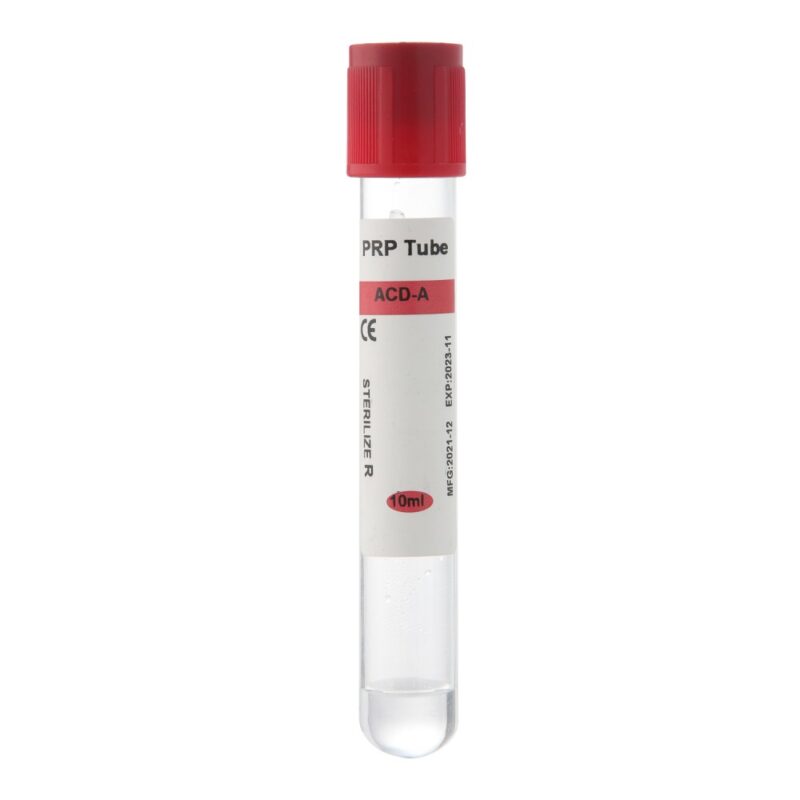
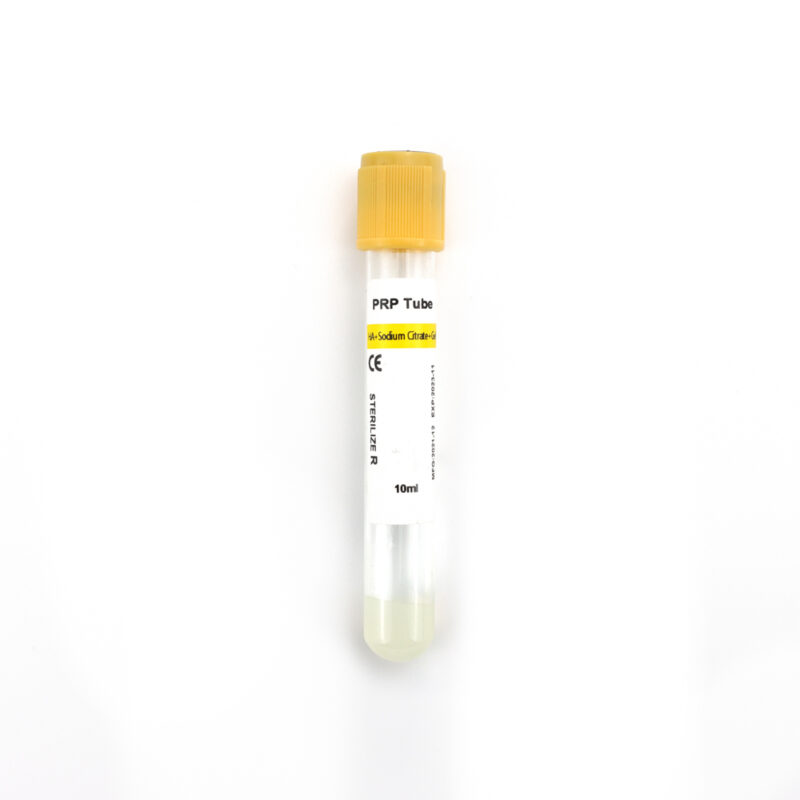
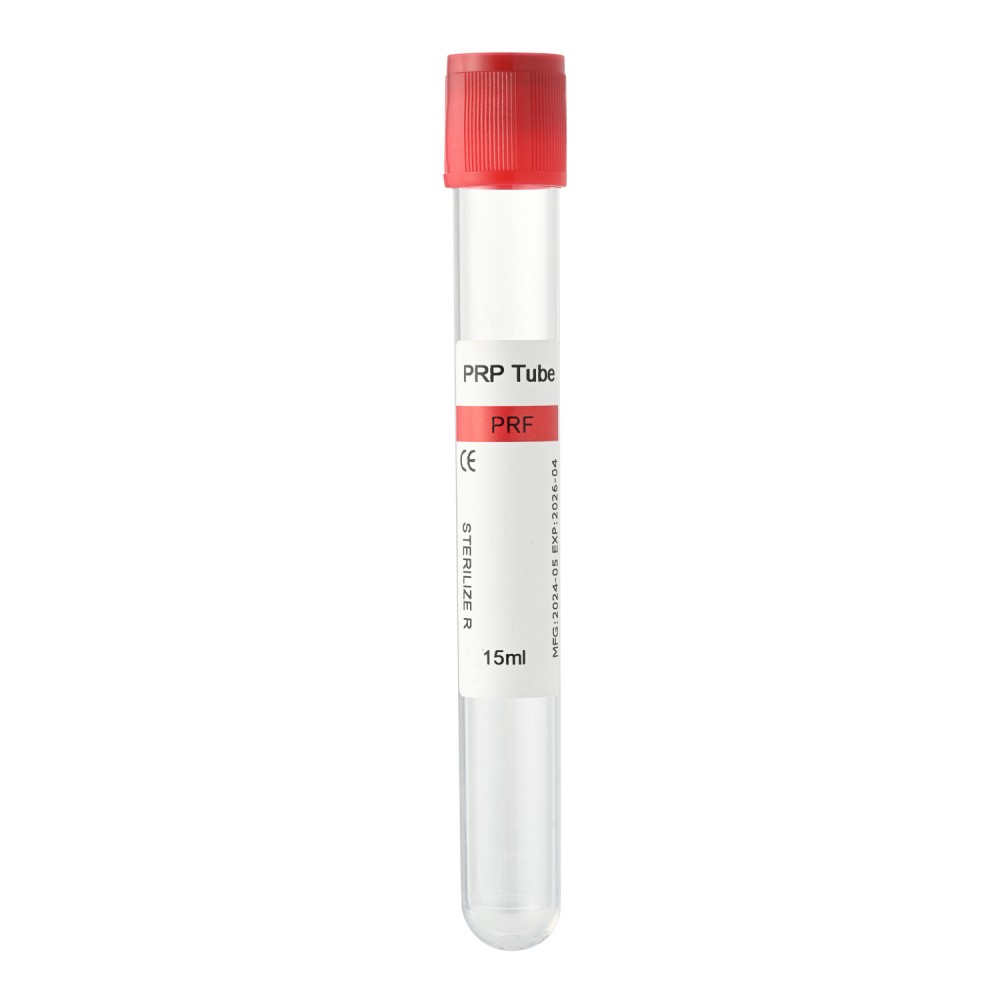
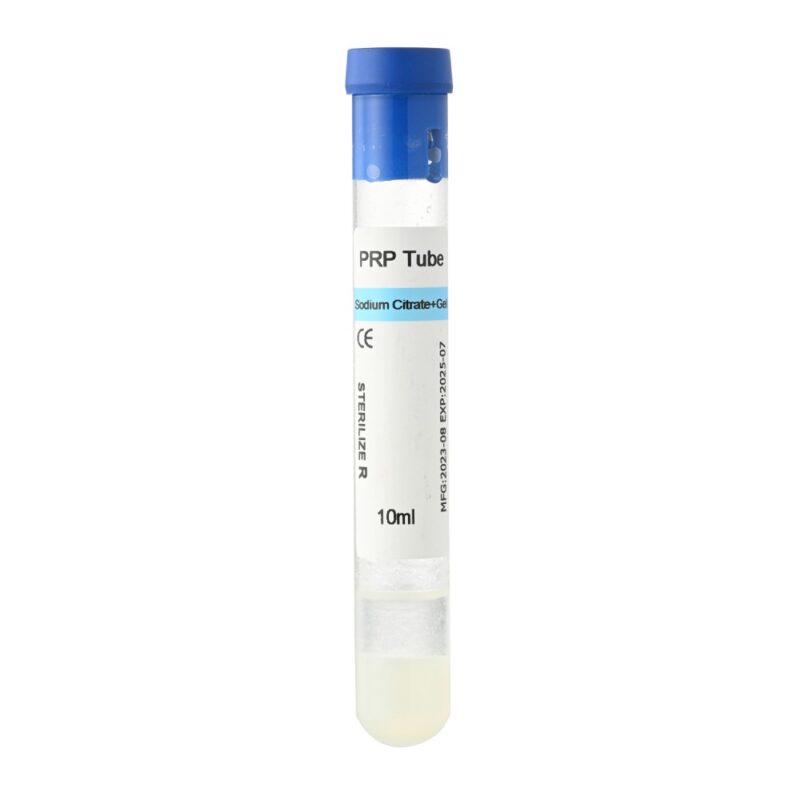
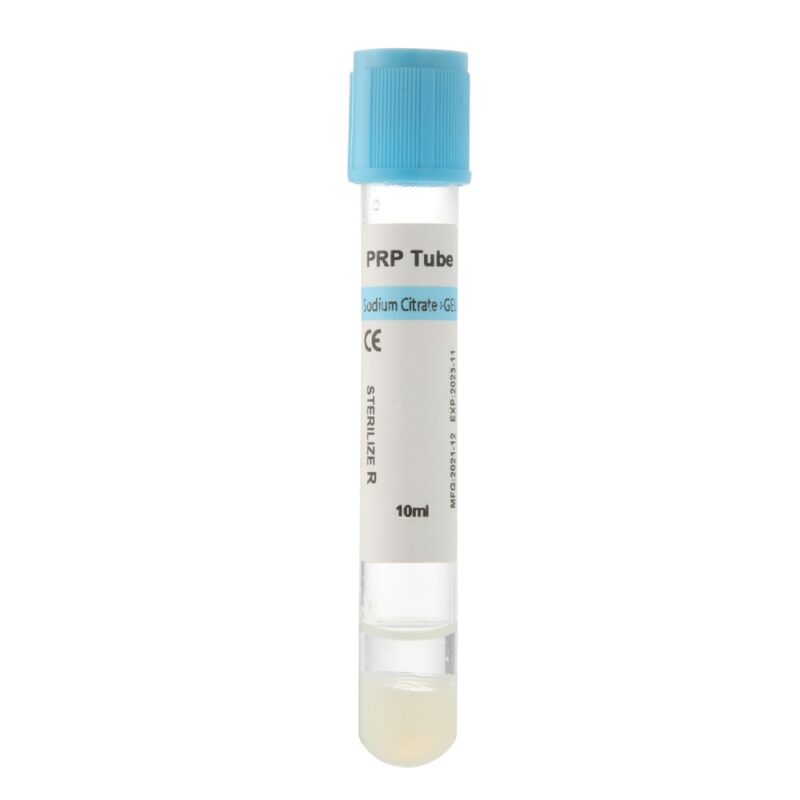
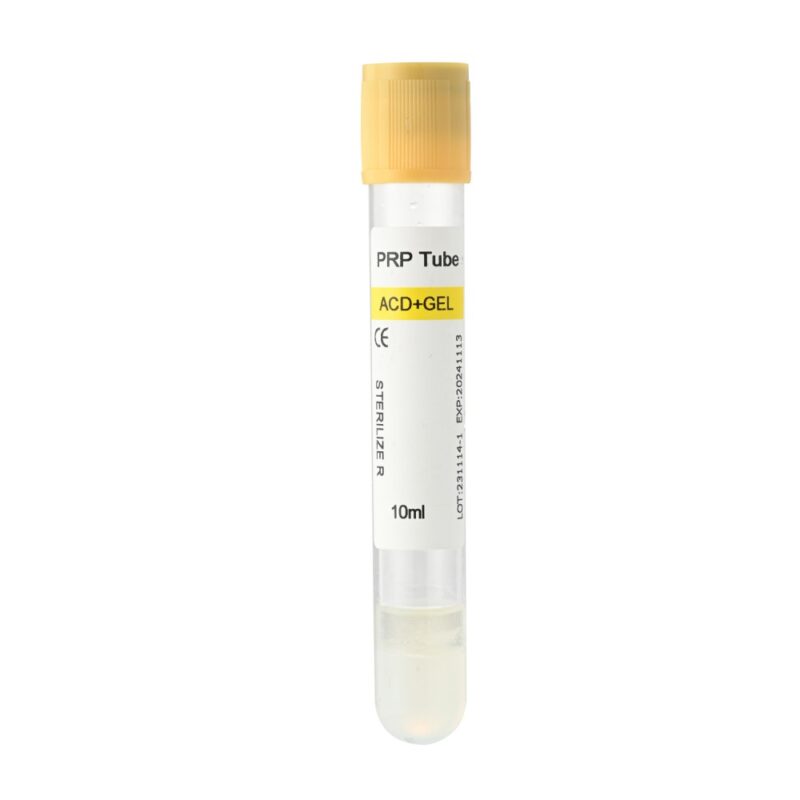
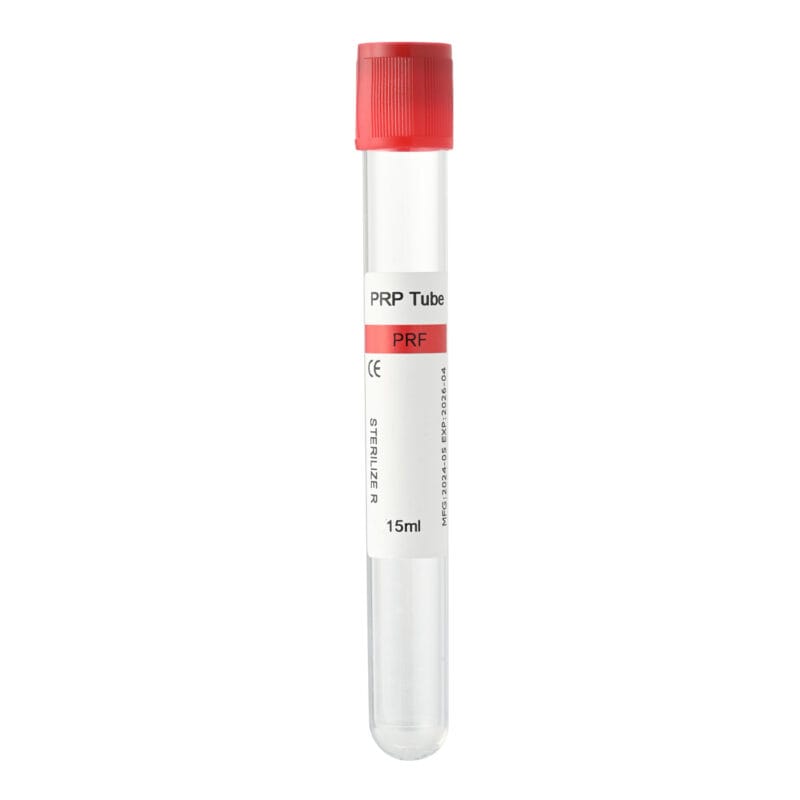
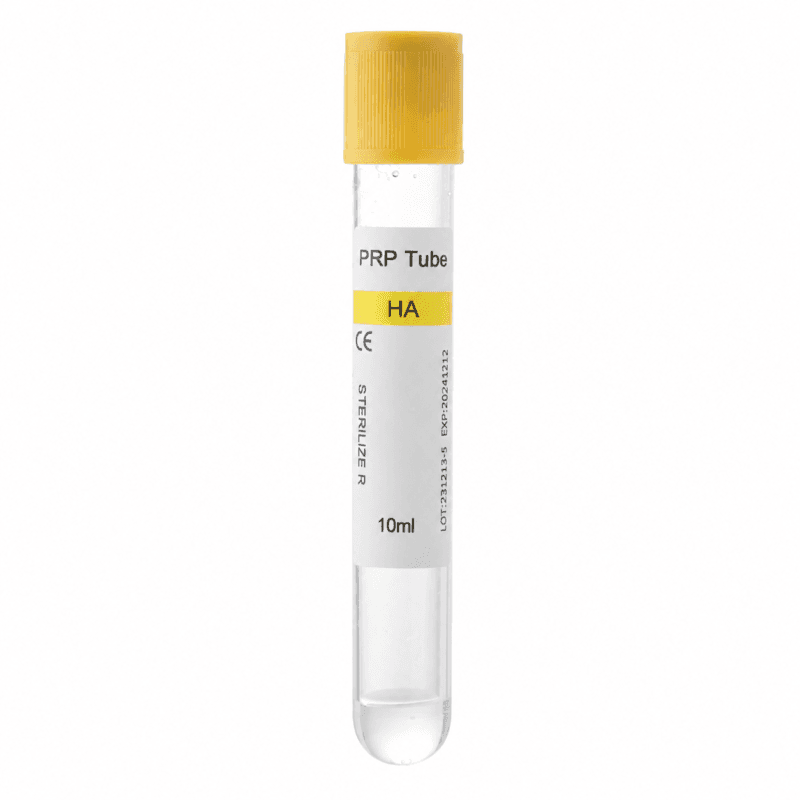
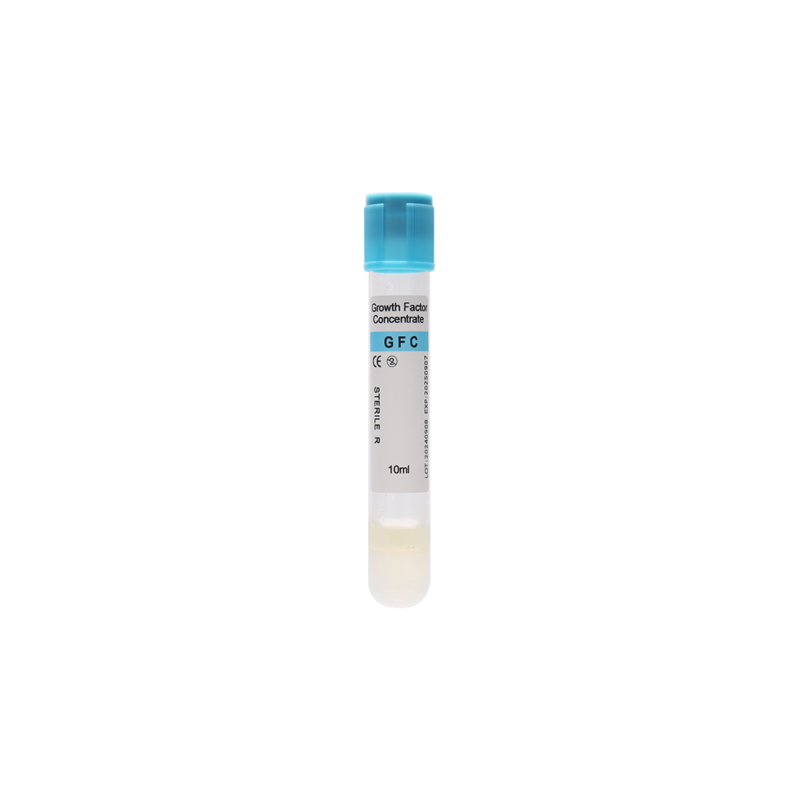
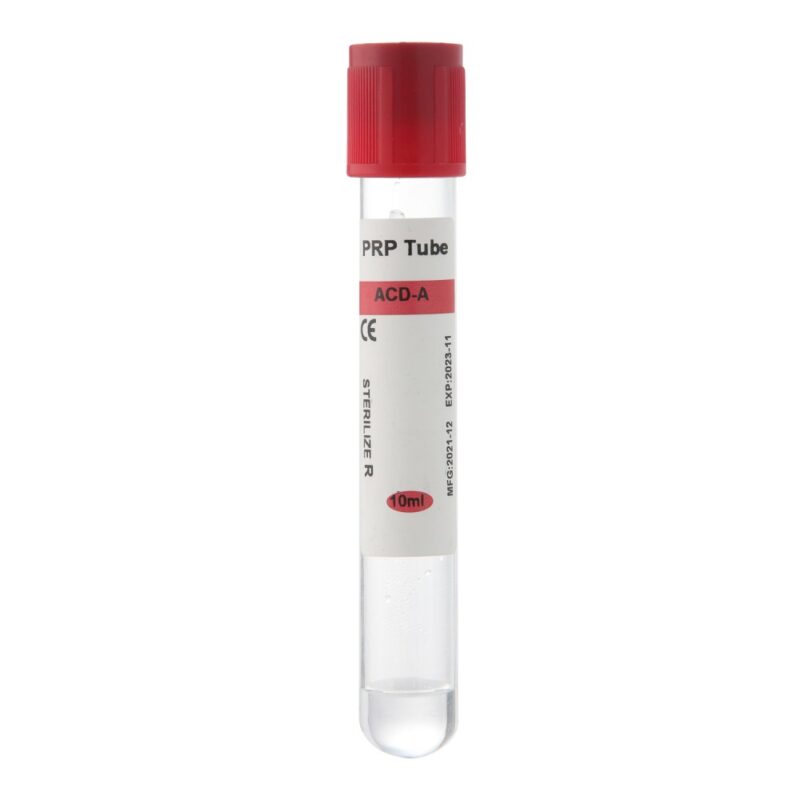
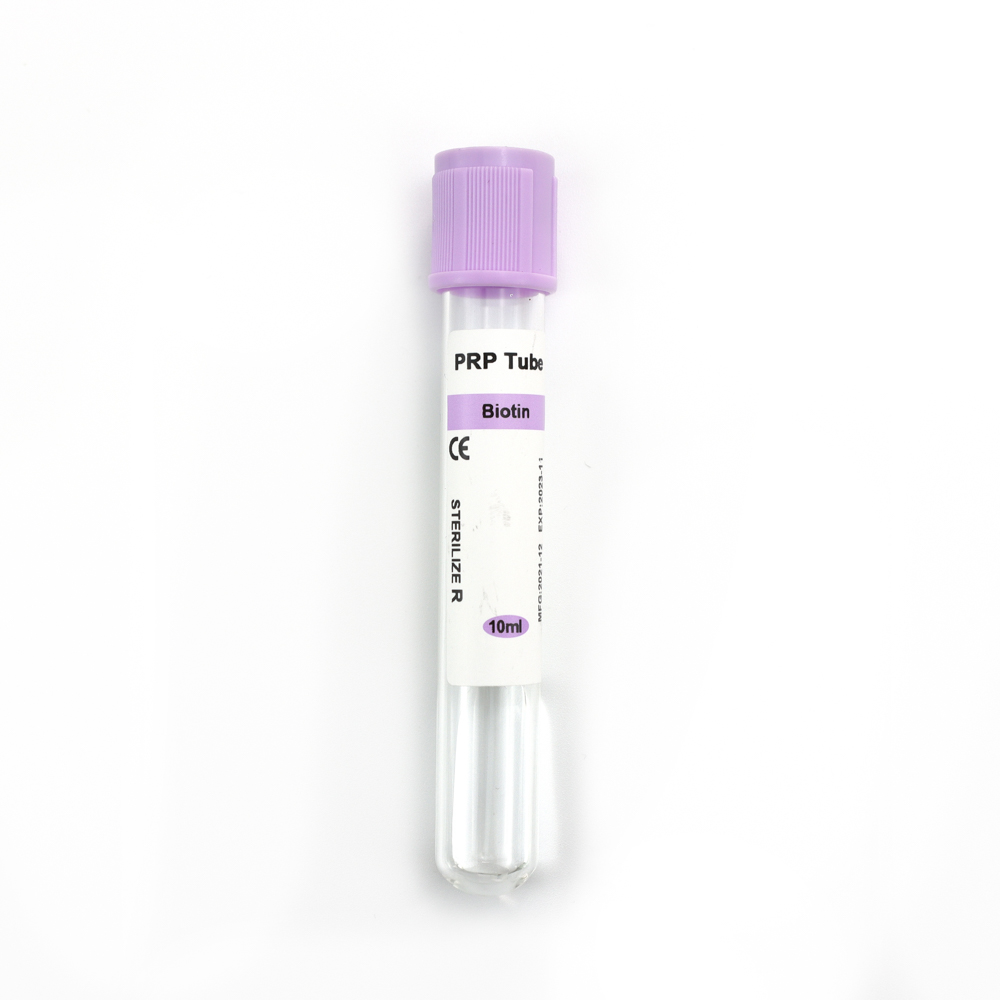
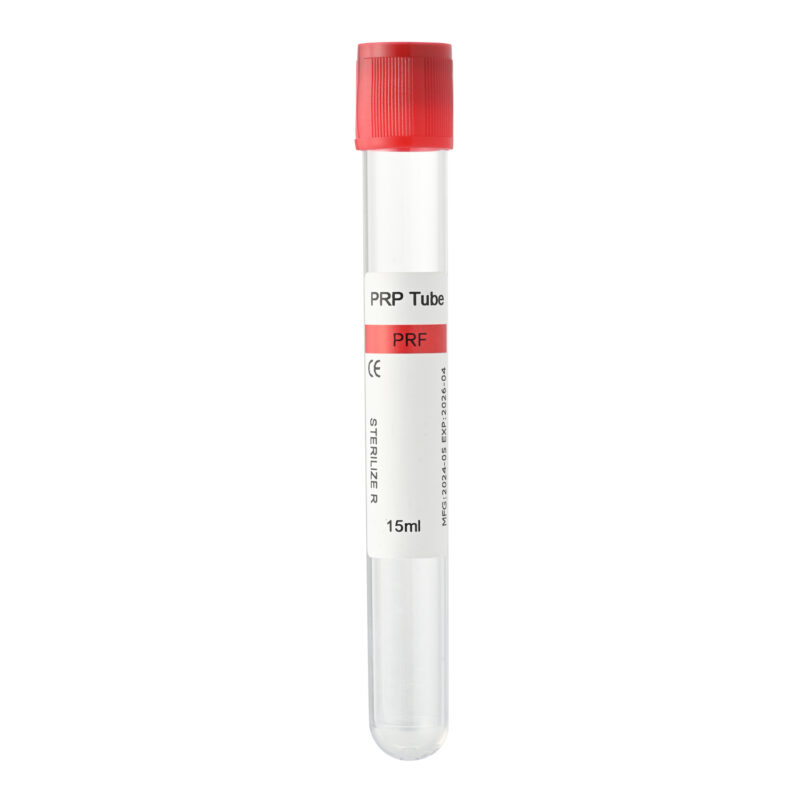
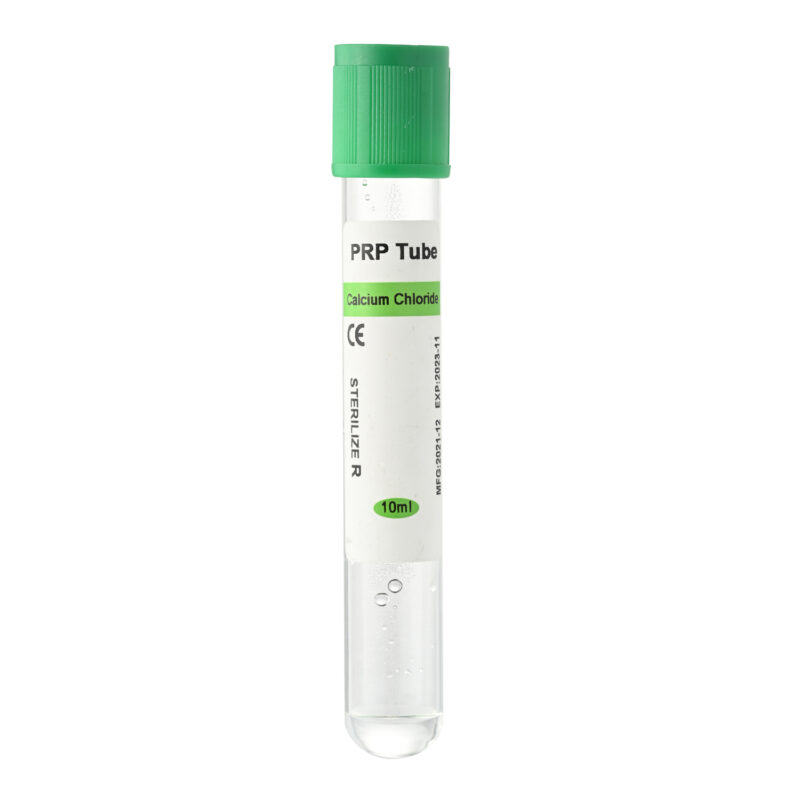
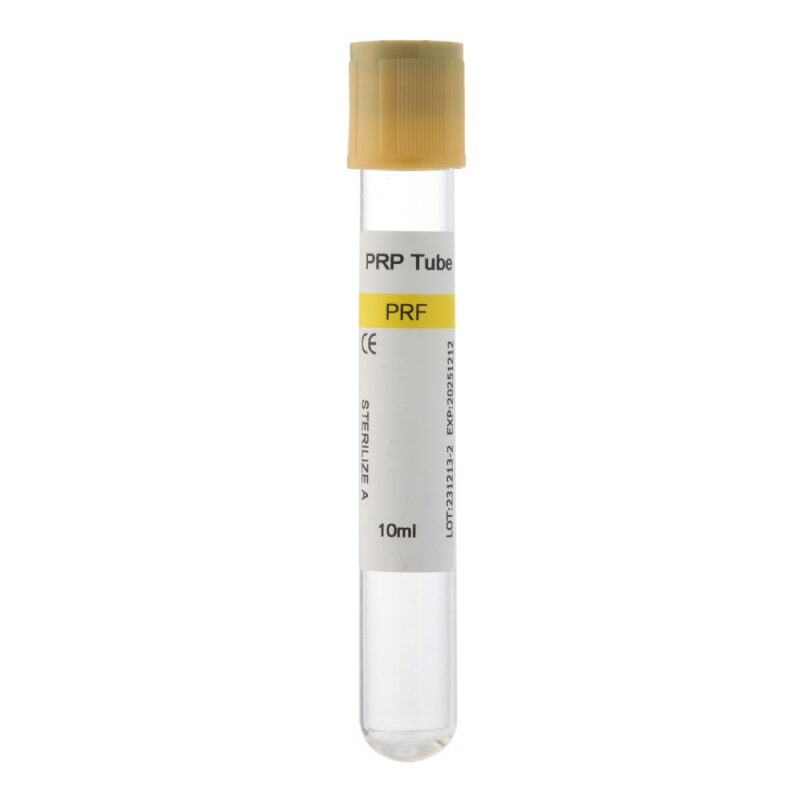
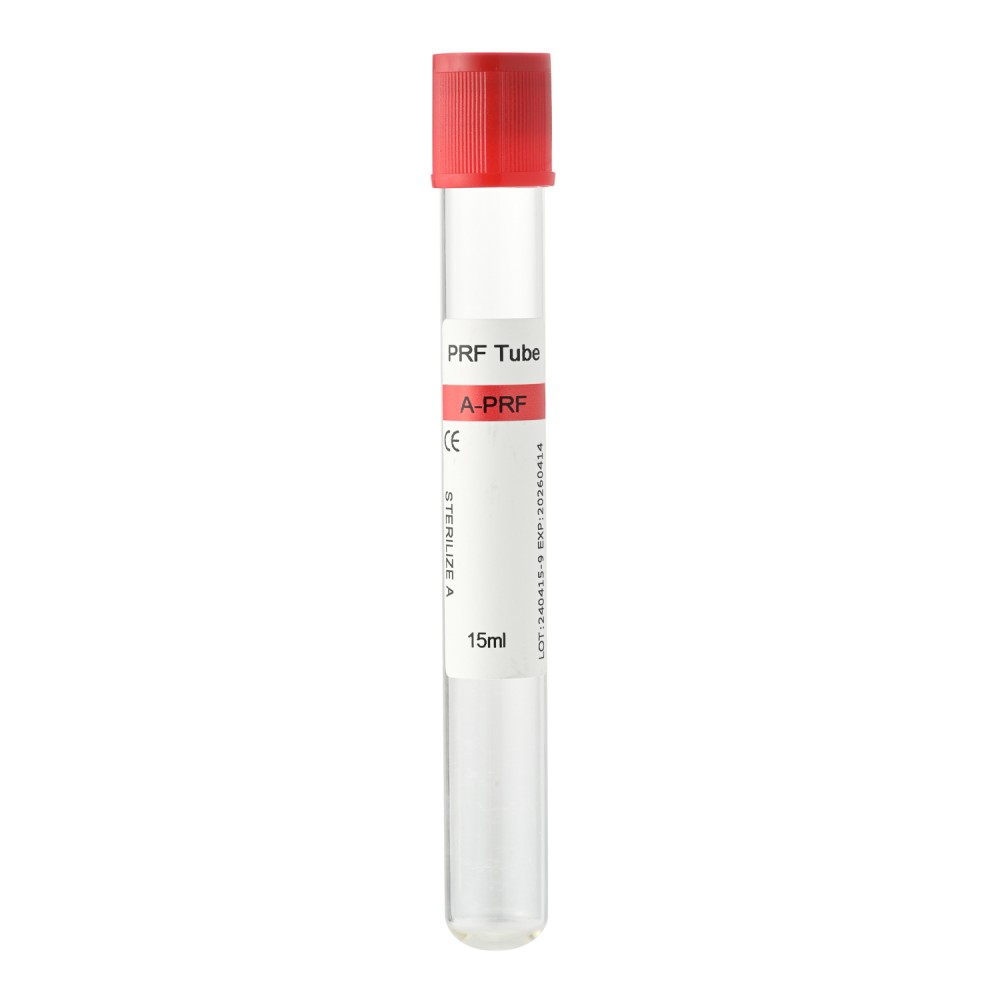
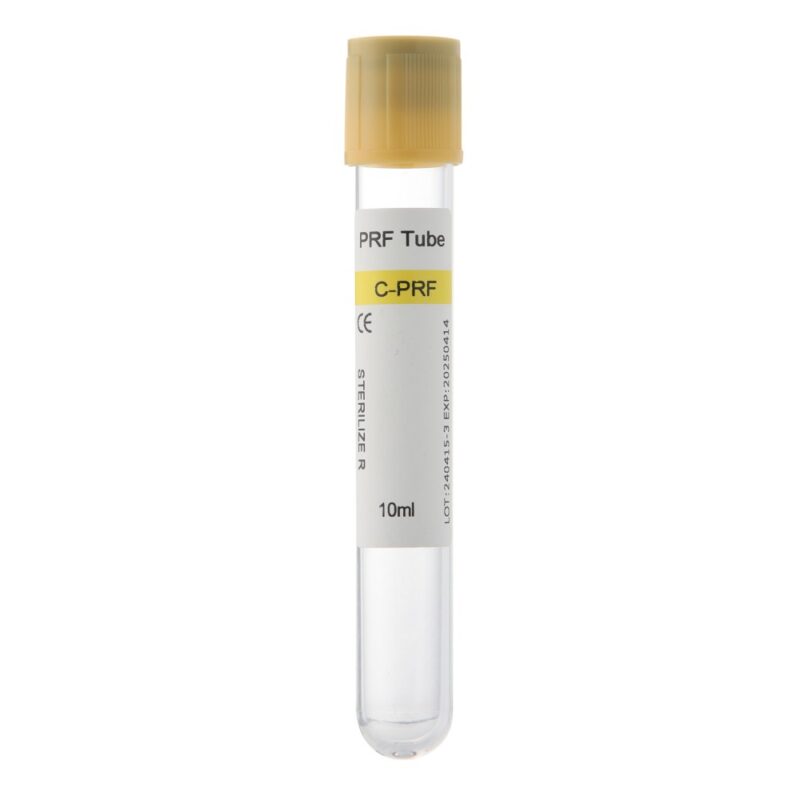
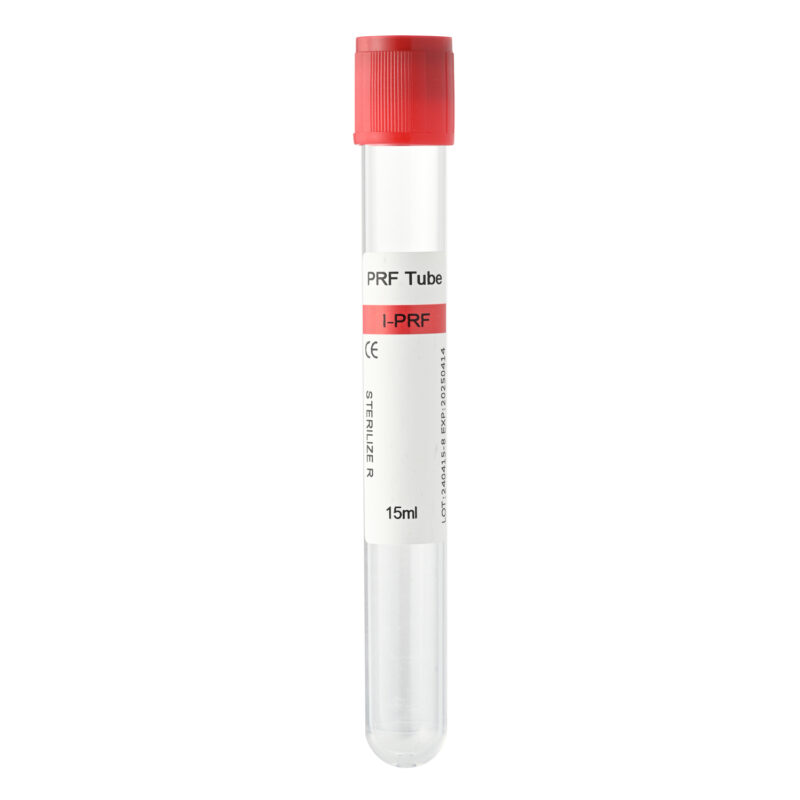
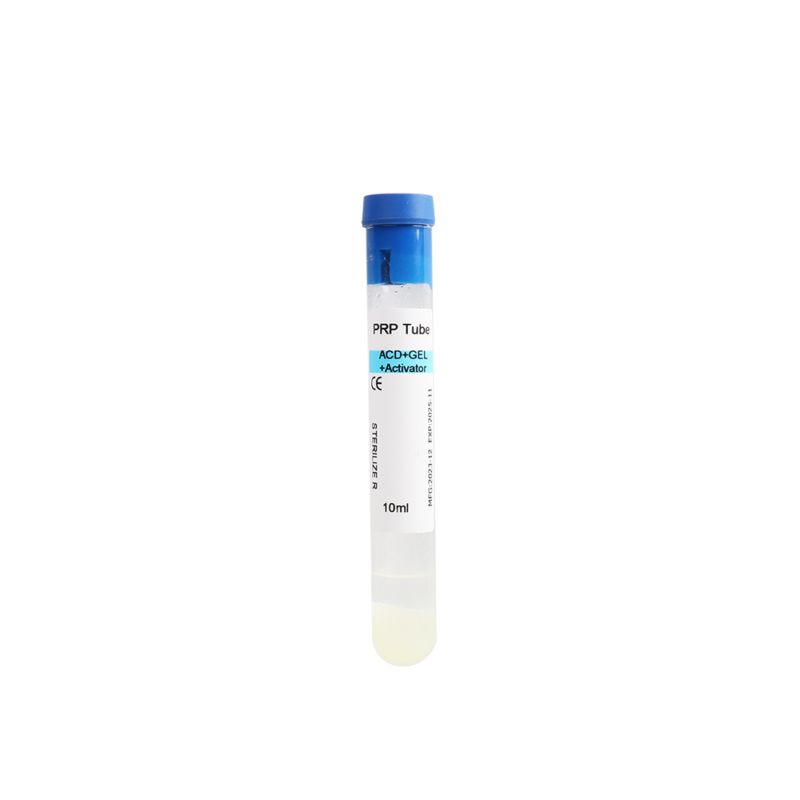
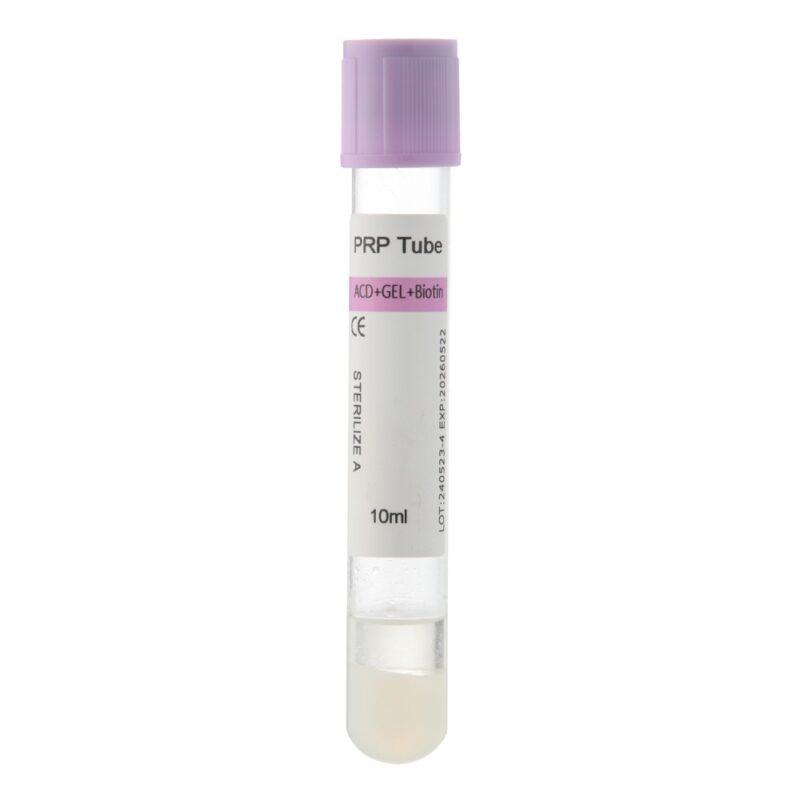
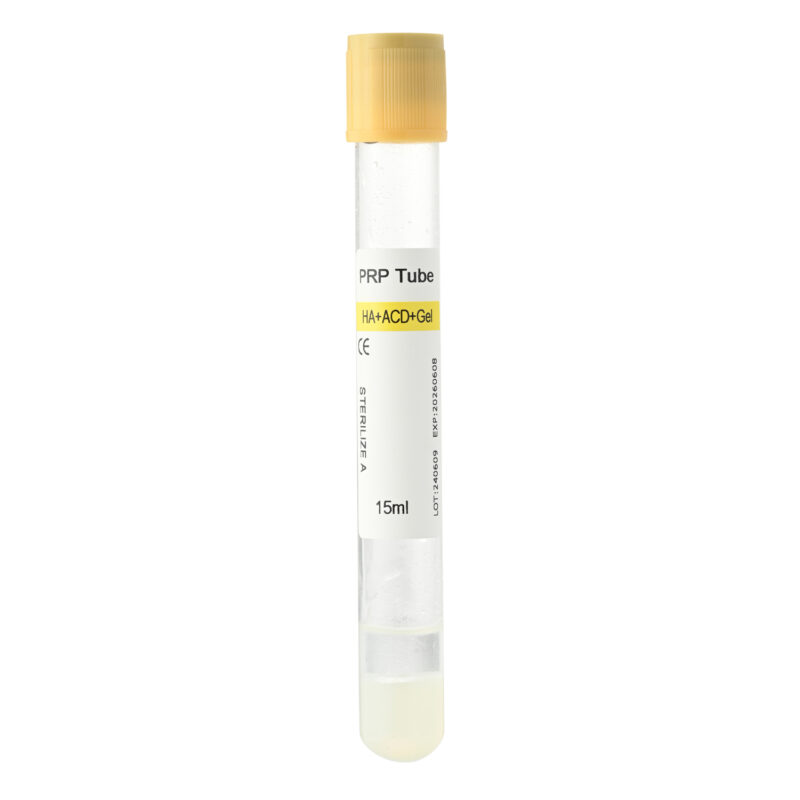
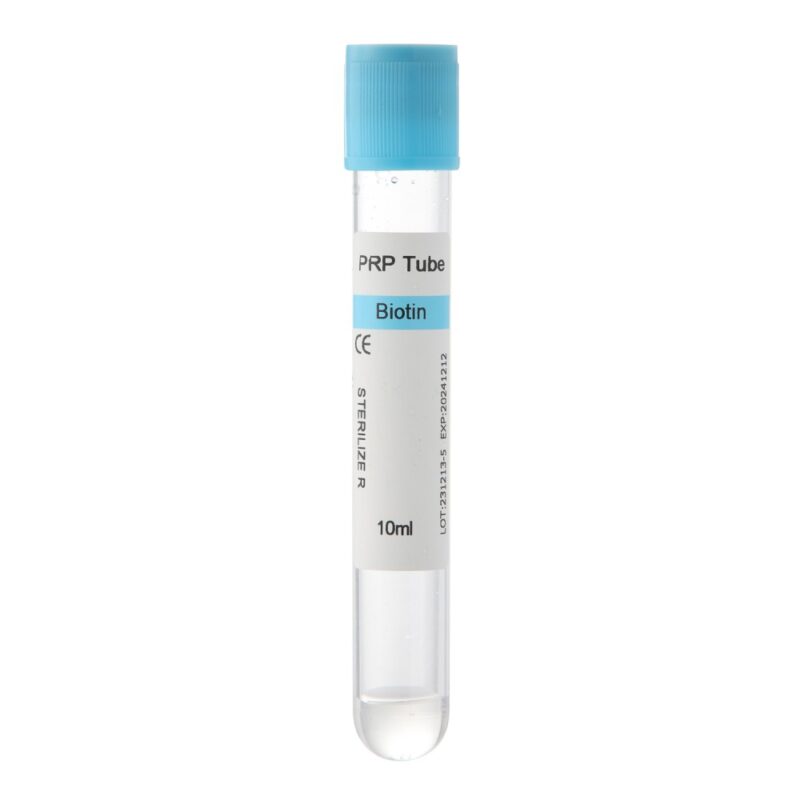
For clinics and distributors establishing professional PRP preparation workflows, Siny PRP supplies different PRP tube configurations that can be selected according to established centrifugation protocols and application requirements.
PRP for Discogenic Lower Back Pain
Discogenic lower back pain is one of the most widely investigated applications of PRP in the lumbar spine.
Intervertebral discs sit between the vertebral bodies and help distribute mechanical loads during standing, walking, bending, and other movements. Over time, discs may lose hydration and undergo changes in their extracellular matrix and internal structure.
These degenerative changes do not automatically cause pain. Disc degeneration is common even in people without significant symptoms. In selected patients, however, the disc itself may become an important source of persistent axial lower back pain.
Discogenic symptoms may become more noticeable during prolonged sitting, bending, lifting, or activities that increase mechanical loading across the lumbar discs. Determining whether the disc is actually responsible for a patient’s pain requires appropriate clinical assessment rather than relying on imaging findings alone.
Why Is Intradiscal PRP Being Studied?
Unlike highly vascular tissues such as muscle, the adult intervertebral disc has a limited blood supply. Its biological response to injury and degeneration is therefore different from that of many other musculoskeletal tissues.
Laboratory and preclinical research suggests that platelet-derived mediators may influence disc-cell activity, inflammatory signaling, and extracellular matrix metabolism. This biological rationale has encouraged researchers to investigate intradiscal PRP for selected patients with chronic discogenic pain.
Clinical research has produced encouraging results, but expectations need to remain realistic.
Some studies and systematic reviews have reported reductions in pain scores and improvements in function after intradiscal platelet-rich plasma injections. These changes may develop gradually over the weeks and months following treatment rather than immediately after the procedure.
At the same time, current research does not consistently demonstrate complete structural restoration of a degenerated disc on MRI.
That distinction is important.
PRP is better understood as a biologic approach being investigated for improving symptoms and supporting the local tissue environment—not as a method for rebuilding a severely degenerated or collapsed lumbar disc.
It also cannot mechanically remove a large disc herniation or decompress a compressed nerve.
For clinics preparing PRP for orthopedic and regenerative medicine applications, consistent blood collection and processing are important parts of the overall workflow. Tube selection should therefore match the clinic’s established preparation protocol rather than relying on volume alone.
PRP for Lumbar Facet Joint Arthritis and Supporting Soft Tissues
Not every case of chronic lower back pain originates from an intervertebral disc.
The lumbar facet joints are small paired synovial joints located at the back of each spinal segment. They help guide spinal movement and contribute to segmental stability. Like other joints in the body, they can undergo degenerative changes with aging, repetitive loading, or previous injury.
Facet-related pain may present as localized lower back discomfort and can sometimes extend into the buttocks or upper thighs. Symptoms may become more noticeable during spinal extension, rotation, or prolonged standing.
Because of these characteristics, researchers have also investigated PRP for lumbar facet joint pain.
PRP for Facet Joint Degeneration
The principle is similar to other joint-related PRP applications. A prepared platelet concentrate is delivered to the identified target using an appropriate clinical technique and image guidance when required.
The objective is not to “rebuild” an arthritic facet joint. Instead, PRP is being studied for its potential to influence the local biological environment and help selected patients manage persistent musculoskeletal symptoms.
Early studies have reported improvements in pain and function following facet joint PRP treatment. However, the evidence base remains smaller than that available for intradiscal applications.
PRP for facet joint arthritis should therefore be described as an evolving regenerative medicine application rather than an established replacement for conventional treatments.
What About Spinal Ligaments and Surrounding Soft Tissues?
Chronic lumbar discomfort may also involve the ligaments, fascia, muscle attachments, and other structures that support the spine.
Repeated loading or previous injury can place stress on these tissues. Some regenerative medicine practices therefore investigate PRP around selected ligamentous or soft-tissue targets when clinical assessment suggests they contribute to persistent symptoms.
Research in these applications is less developed than intradiscal PRP research, so treatment decisions should remain individualized.
This illustrates an important point: there is no single “PRP injection for back pain.” The anatomical target, PRP preparation, injection approach, and rehabilitation strategy can all vary depending on the underlying condition.
Who May Be Considered for PRP for Chronic Lower Back Pain?
Patient selection plays a major role in regenerative spine treatment.
A complaint of “chronic back pain” alone does not identify the underlying cause. Before considering PRP, clinicians generally need to determine the likely pain generator through medical history, physical examination, imaging when appropriate, and other diagnostic methods.
Research into PRP for chronic lower back pain has commonly focused on selected patients with conditions such as:
- chronic discogenic lower back pain;
- selected degenerative lumbar disc conditions;
- lumbar facet joint pain or facet osteoarthritis;
- selected ligamentous or soft-tissue pain around the lumbar spine;
- persistent symptoms despite appropriate conservative management.
PRP is not appropriate for every source of lower back pain.
Conditions involving progressive neurological deficits, significant nerve compression, infection, fracture, malignancy, or other serious spinal pathology require appropriate specialist evaluation and may require entirely different treatment strategies.
PRP Is Usually Part of a Broader Treatment Strategy
Another misconception is that receiving a PRP injection eliminates the need for rehabilitation.
Chronic lower back pain is often influenced by both tissue changes and mechanical factors. Muscle strength, spinal control, mobility, occupational loading, previous injuries, physical activity, and other factors can all influence symptoms.
PRP may therefore form one component of a broader treatment plan.
Following a procedure, clinicians may recommend an initial period of activity modification followed by a gradual return to mobility, stabilization, strengthening, and normal loading. The exact approach depends on the treated structure and the individual patient.
The important point is that PRP should not be viewed as a stand-alone solution for every form of chronic lumbar pain.
Why PRP Preparation and PRP Tube Selection Matter
One of the biggest challenges when discussing PRP research is that PRP is not one completely standardized biological product.
Two studies may both describe their treatment as “PRP injection,” while using different blood volumes, centrifugation protocols, platelet concentrations, leukocyte compositions, and separation techniques.
These differences can affect the characteristics of the final preparation.
Leukocyte Composition
Leukocyte content is one variable frequently discussed in PRP research.
Some intradiscal protocols investigate leukocyte-poor PRP preparations to limit inflammatory cell exposure within the disc, while protocols used for other musculoskeletal and soft-tissue targets may differ.
There is no reason to assume that one PRP formulation is ideal for every application. Clinics should follow their validated preparation protocols and relevant clinical guidance.
Anticoagulant Selection
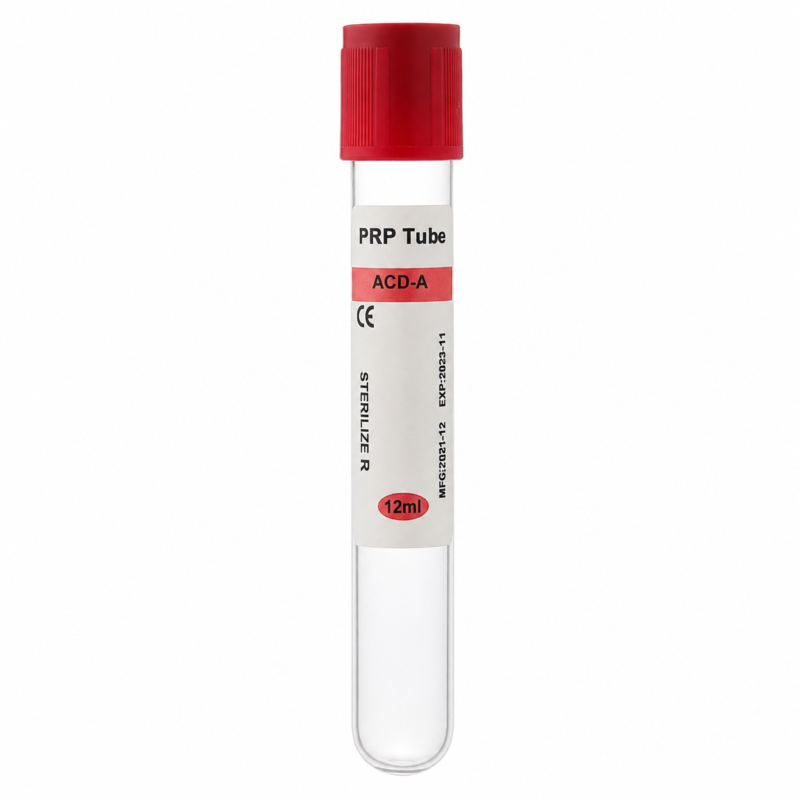
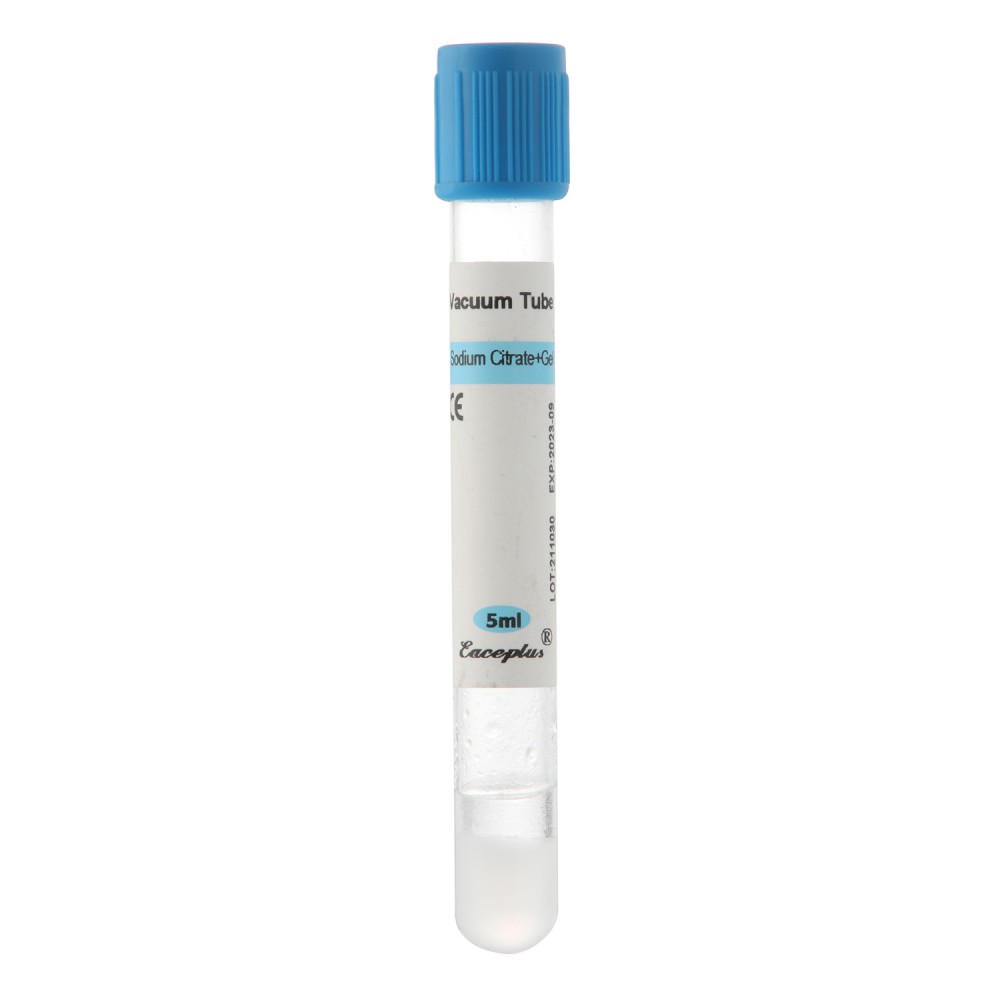
When anticoagulation is required, citrate-based anticoagulants such as ACD-A and sodium citrate are commonly used during PRP preparation.
Their role is to prevent premature coagulation during blood collection and processing while allowing the blood components to be separated through centrifugation.
The appropriate anticoagulant depends on the PRP system and established preparation protocol.
Gel and Non-Gel Separation
PRP tubes may use different separation approaches.
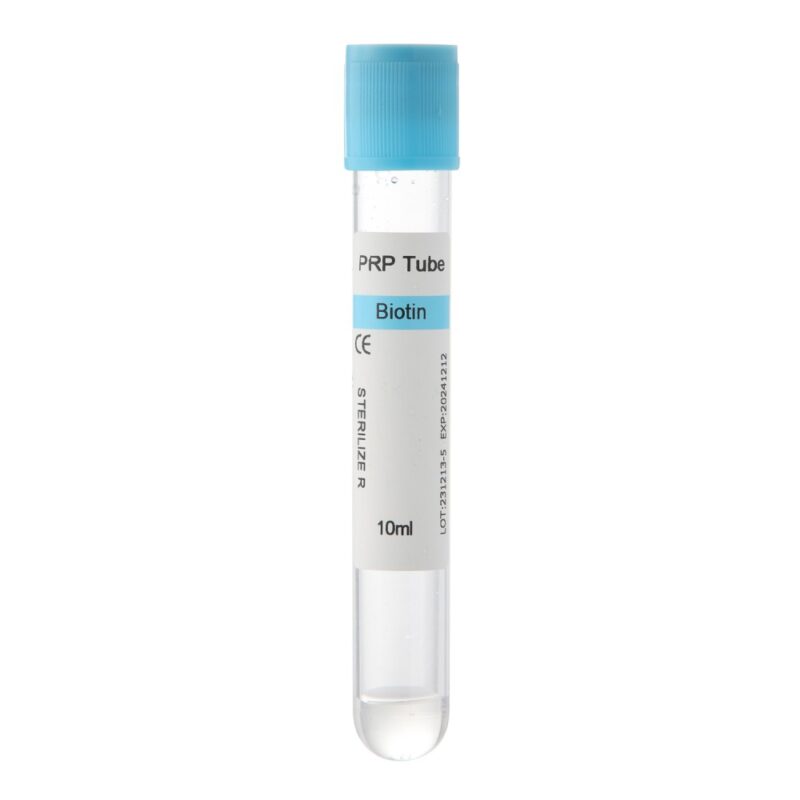
Some systems incorporate a separation gel designed to assist blood-component separation after centrifugation. Other protocols use non-gel tubes and rely on manual plasma-layer separation or other processing methods.
Neither approach should automatically be considered suitable for every PRP protocol. The tube needs to work as part of the complete preparation system.
Blood Collection Volume
PRP tubes are available in different capacities, including commonly used 10 mL, 12 mL, 15 mL, and other configurations.
Larger collection volumes do not automatically mean “better PRP.” Required blood volume depends on the desired final plasma volume, preparation protocol, number of treatment sites, and clinical workflow.
This makes tube capacity an important procurement variable rather than a simple performance indicator.
What Should Buyers Consider When Sourcing PRP Tubes?
For regenerative medicine clinics, medical distributors, and PRP product suppliers, tube selection should begin with the intended preparation workflow.
Key purchasing considerations include:
- anticoagulant type, such as ACD-A or sodium citrate;
- required blood collection volume;
- gel or non-gel separation method;
- compatibility with the intended centrifugation protocol;
- desired plasma separation workflow;
- sterile packaging requirements;
- bulk purchasing quantities;
- OEM or private-label requirements where applicable.
This approach is more reliable than selecting a PRP tube simply because it is marketed for a particular treatment.
Siny PRP supplies multiple PRP tube configurations for professional PRP preparation, including different capacities, anticoagulant systems, and separation options. Clinics and distributors can select products according to their established preparation methods and purchasing requirements.
FAQs About PRP for Chronic Lower Back Pain
Can PRP help relieve chronic lower back pain?
PRP may help reduce pain and improve function in selected patients with chronic lower back pain. Research has particularly investigated intradiscal PRP for discogenic pain, while facet joint and soft-tissue applications are also being studied. Results vary, and PRP is not appropriate for every cause of lumbar pain.
Can PRP regenerate a degenerated lumbar disc?
Current evidence does not establish that PRP can completely rebuild a degenerated lumbar disc or reliably restore lost disc height. Research suggests that platelet-derived biological factors may influence the local tissue environment, while clinical studies have reported symptom improvements in selected patients.
Is PRP used for lumbar facet joint arthritis?
PRP has been investigated for lumbar facet joint pain and degenerative facet conditions. Early research has reported potential improvements in pain and function, but the evidence base remains relatively limited compared with intradiscal PRP research.
How long does PRP take to work for lower back pain?
PRP is not generally considered an immediate pain-relief treatment. Some patients may notice changes over several weeks, while clinical studies commonly evaluate outcomes over several months. Response varies according to the diagnosis, treatment target, PRP preparation, rehabilitation plan, and individual patient factors.
Is image guidance used for spinal PRP injections?
Image guidance is commonly used when clinicians need to accurately access deep anatomical structures such as intervertebral discs or facet joints. The appropriate guidance technique depends on the target structure, procedure, clinician, and clinical setting.
How does PRP compare with steroid injections for back pain?
PRP and corticosteroid injections have different therapeutic goals. Corticosteroids primarily aim to control inflammation, while PRP is being investigated as a biologic approach for selected musculoskeletal conditions. Current evidence does not establish PRP as universally superior to steroid injections for all forms of chronic lower back pain.
What type of PRP tube is suitable for orthopedic or regenerative medicine applications?
There is no single PRP tube that is ideal for every orthopedic application. Selection depends on the clinic’s established protocol, including blood volume, anticoagulant, centrifugation process, leukocyte target, and separation method. Buyers should evaluate the tube as one component of the complete PRP preparation workflow.
Can PRP Help Relieve Chronic Lower Back Pain? What the Evidence Means
So, can PRP help relieve chronic lower back pain?
For carefully selected patients, PRP represents a promising biologic approach being investigated for discogenic pain, lumbar facet joint degeneration, and selected musculoskeletal structures around the spine. The strongest interest currently centers on intradiscal PRP, while evidence for other spinal applications continues to develop.
But PRP is not a universal solution for back pain.
The underlying pain source needs to be identified first. Treatment needs an appropriate anatomical target, and PRP preparation needs to follow a consistent protocol. Rehabilitation and other aspects of chronic pain management may remain important parts of the overall treatment strategy.
For medical distributors and regenerative medicine clinics, this also highlights why PRP preparation should not be treated as an afterthought. Anticoagulant selection, tube volume, separation method, centrifugation compatibility, and workflow consistency all matter when building a reproducible PRP preparation process.
If you are sourcing PRP tubes for orthopedics, regenerative medicine, or professional PRP preparation, contact Siny PRP to discuss available tube capacities, ACD-A and sodium citrate options, separation configurations, packaging, OEM requirements, and bulk purchasing solutions.
Medical Disclaimer: This article is intended for general educational and professional product information only. It does not provide medical advice, diagnosis, or treatment recommendations. PRP procedures should be evaluated and performed by appropriately qualified healthcare professionals according to applicable clinical protocols and local regulations.