Platelet-rich plasma therapy has become one of the most discussed regenerative treatments in sports medicine, orthopedics, aesthetics, hair restoration, and dental procedures. Yet many patients and even some healthcare providers still ask the same question: how does PRP injections work?
The answer lies in the body’s own healing system. PRP treatment uses a concentrated portion of a patient’s blood that contains a higher-than-normal level of platelets and growth factors. When injected into targeted tissues, these biological components help stimulate repair processes that naturally occur inside the body.
As interest in regenerative medicine continues to grow, understanding how PRP therapy works can help clinics choose better preparation systems and help patients make more informed treatment decisions.
How Does PRP Injections Work? Understanding the Science Behind PRP
To understand how PRP injections work, it is important to first understand what platelets actually do.
Most people associate platelets with blood clotting, but their role extends far beyond stopping bleeding. Platelets contain hundreds of bioactive proteins and growth factors that participate in tissue repair and regeneration. When an injury occurs, platelets migrate to the damaged area and release these signaling molecules to initiate healing.
Some of the most important growth factors found in platelet-rich plasma include:
- Platelet-Derived Growth Factor (PDGF)
- Transforming Growth Factor-Beta (TGF-β)
- Vascular Endothelial Growth Factor (VEGF)
- Epidermal Growth Factor (EGF)
- Insulin-Like Growth Factor (IGF)
These molecules communicate with surrounding cells and encourage them to multiply, migrate, and repair damaged tissues.
PRP therapy essentially concentrates these naturally occurring healing components and delivers them directly to the treatment site. Instead of waiting for the body to gradually send platelets to an injured area, clinicians can provide a much higher concentration exactly where it is needed.
This biological approach explains why PRP has gained popularity across multiple medical specialties. Whether treating tendon injuries, promoting hair growth, or supporting facial rejuvenation, the underlying mechanism remains remarkably similar.
The Step-by-Step Process: How Does PRP Injections Work During Treatment?
The effectiveness of PRP therapy begins long before the actual injection. Proper preparation is critical.
Step 1: Blood Collection
A small amount of the patient’s blood is collected, typically between 10 and 60 milliliters, depending on the treatment protocol.
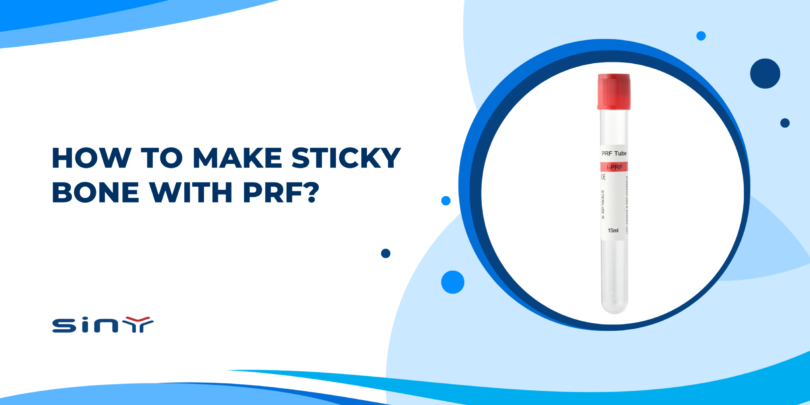
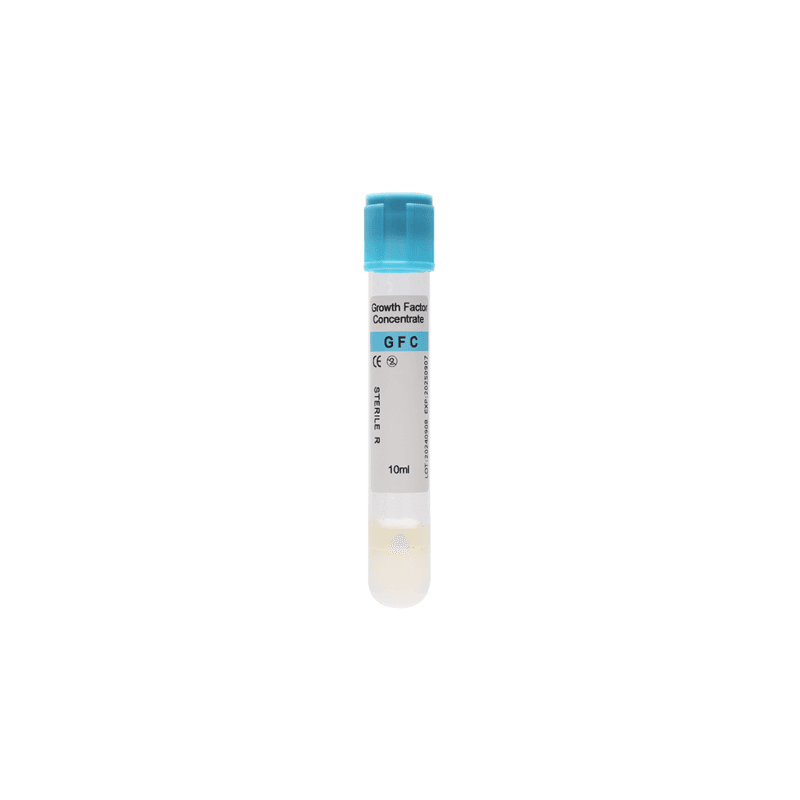
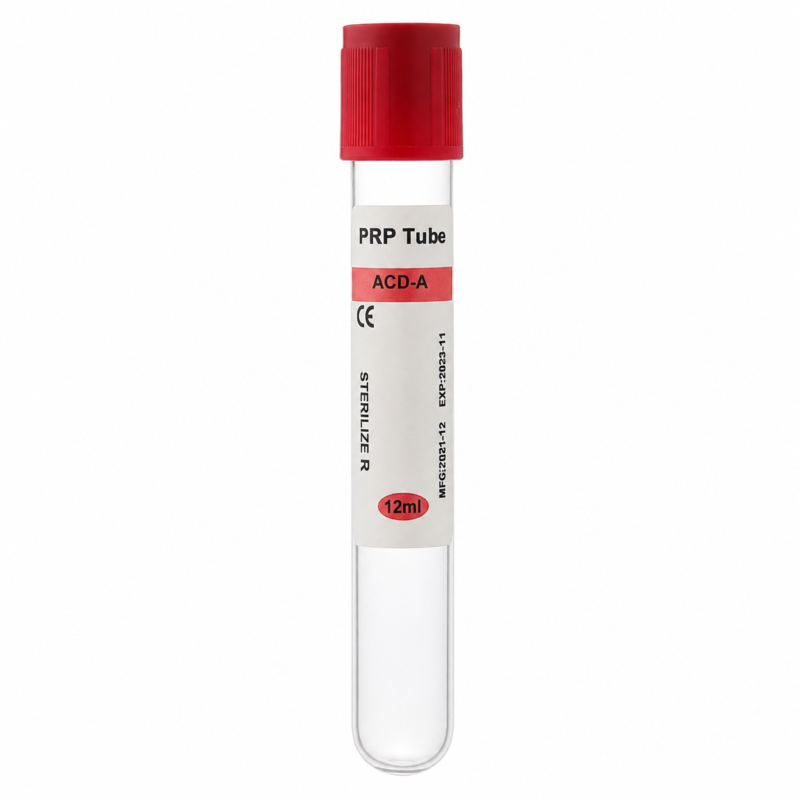
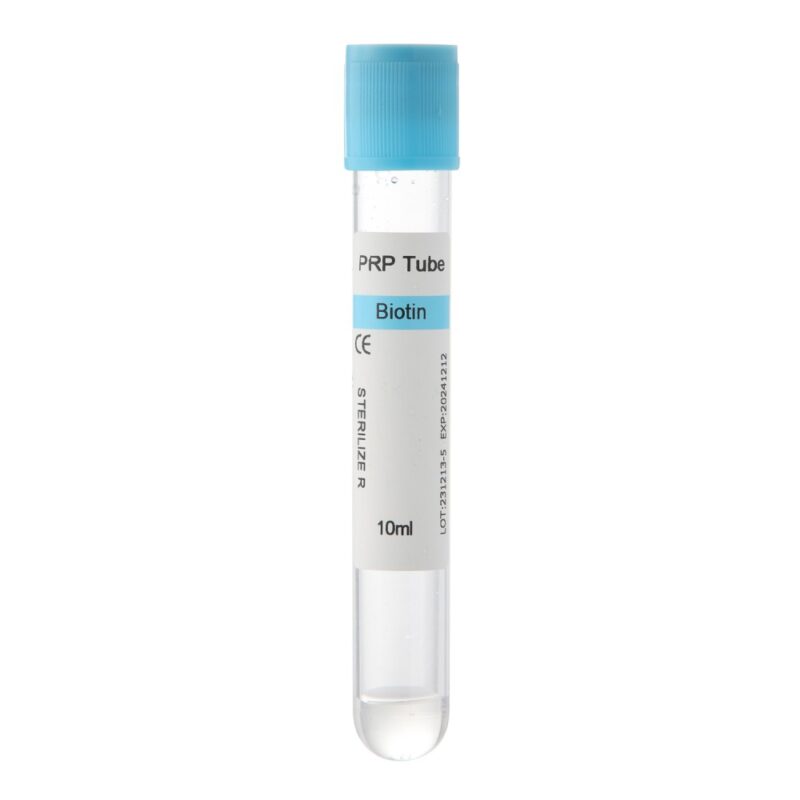
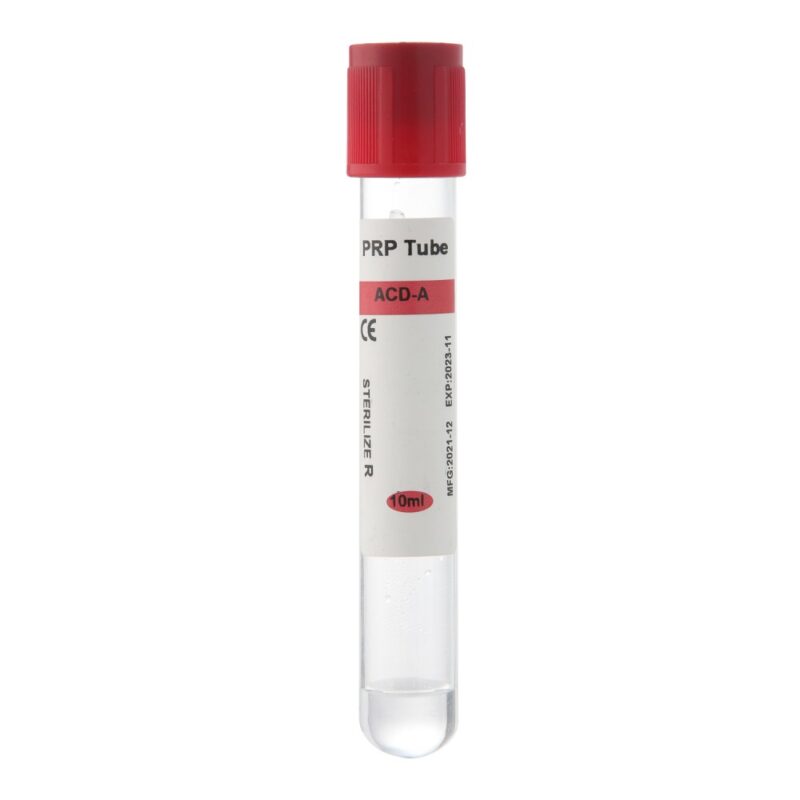
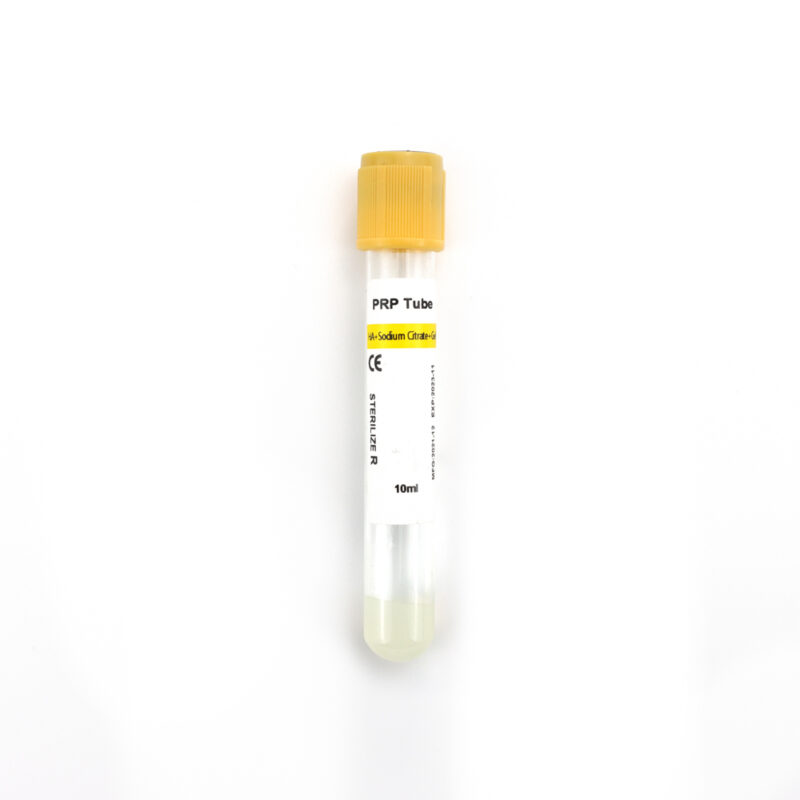
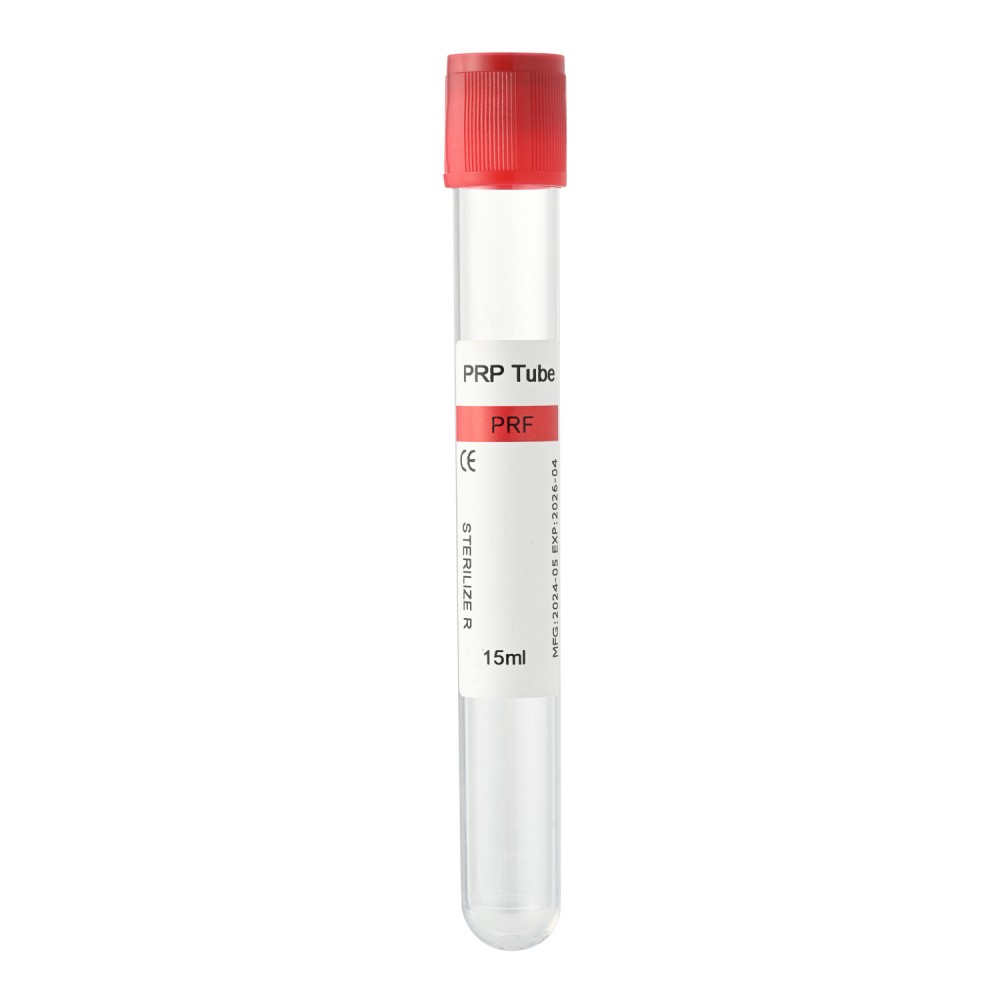
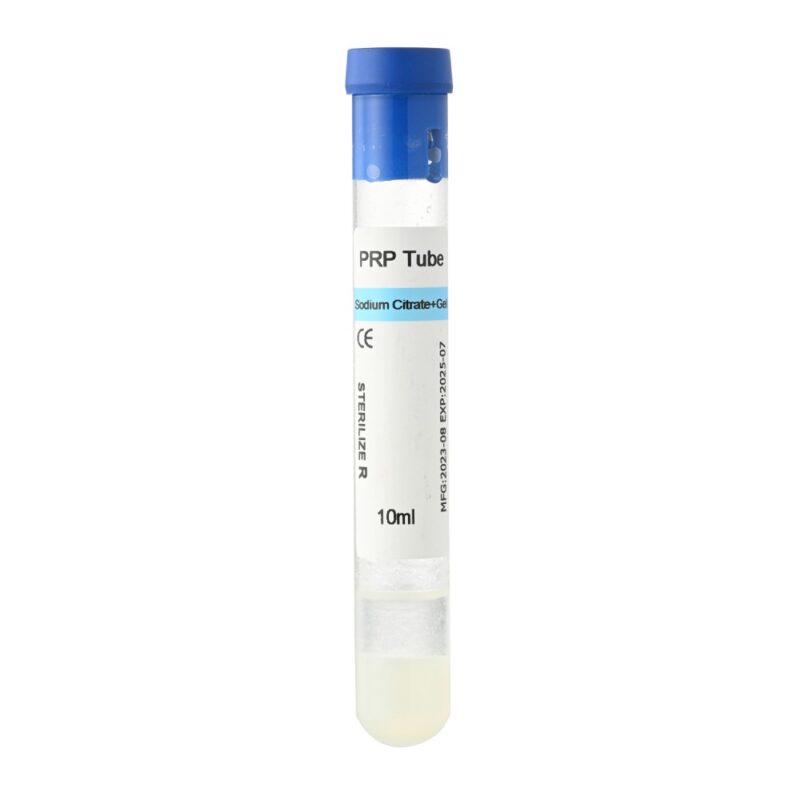
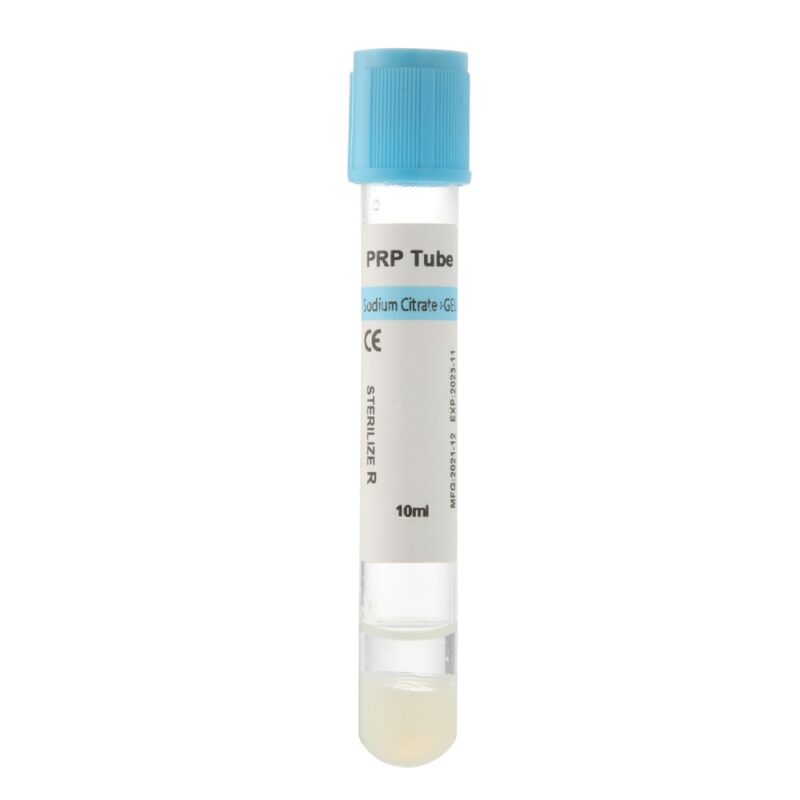
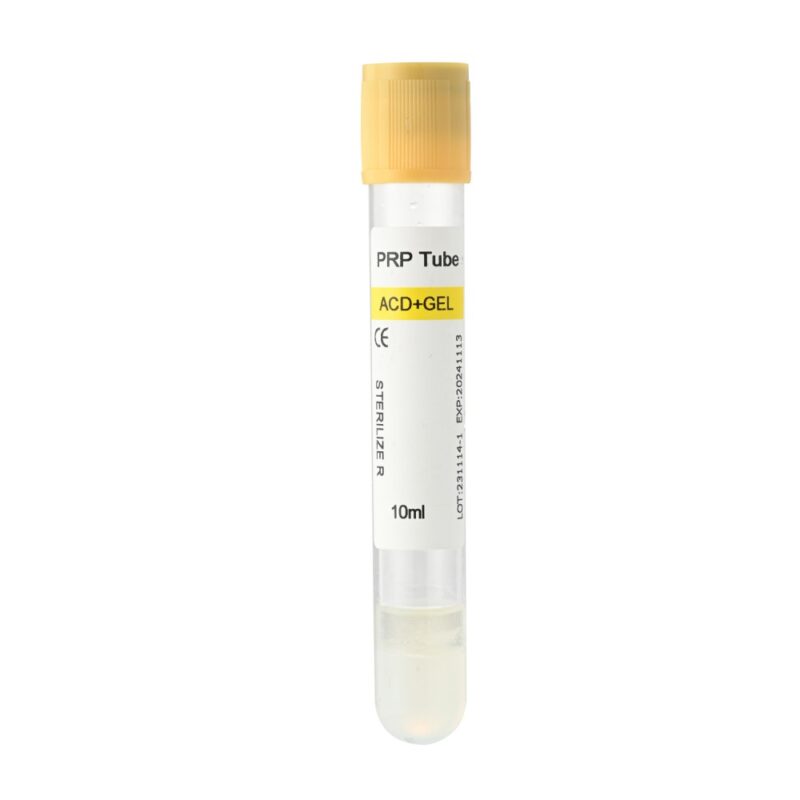
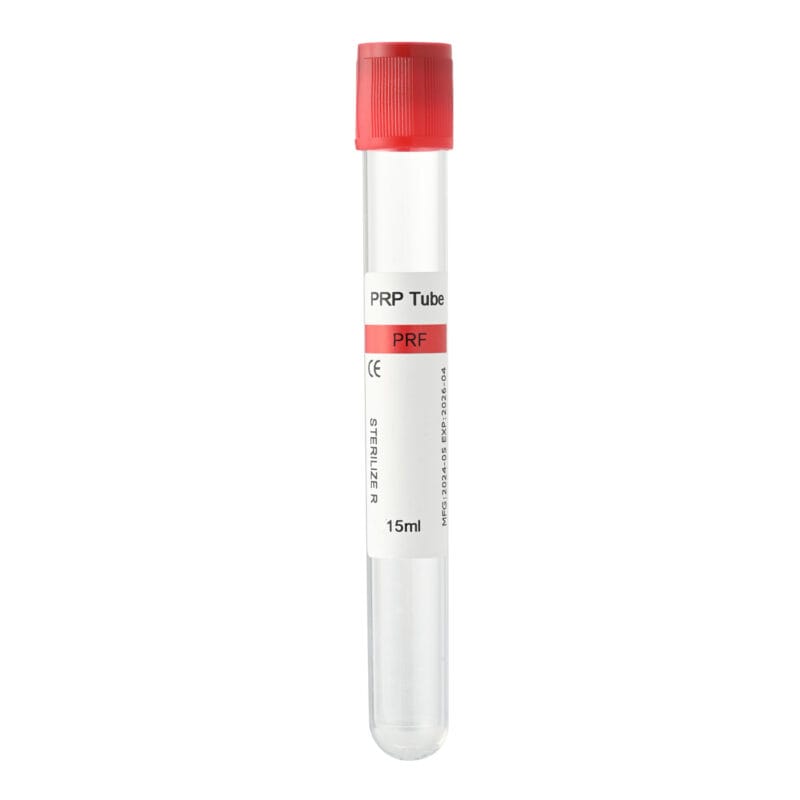
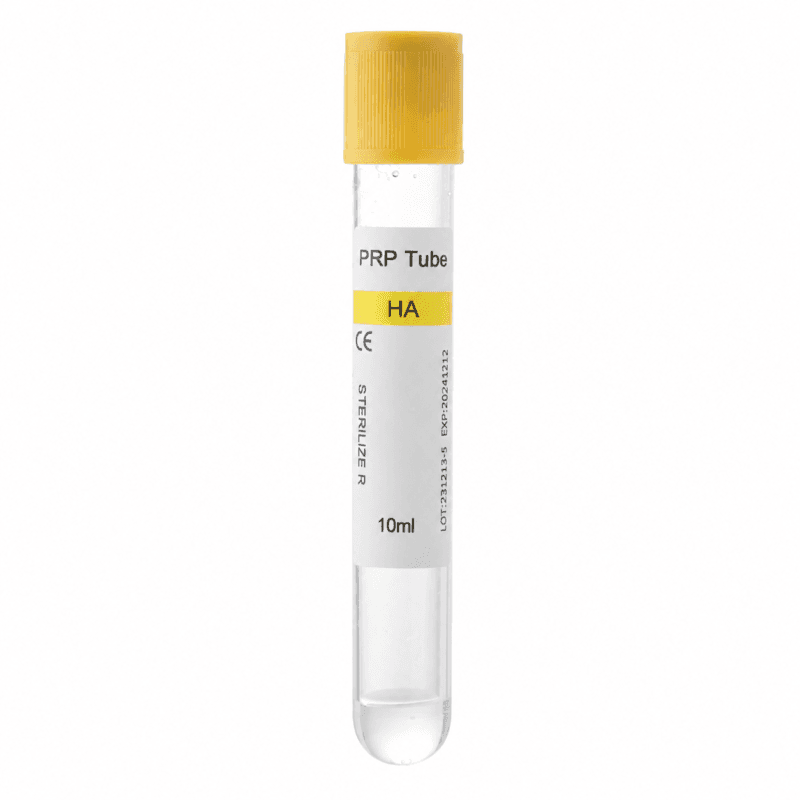
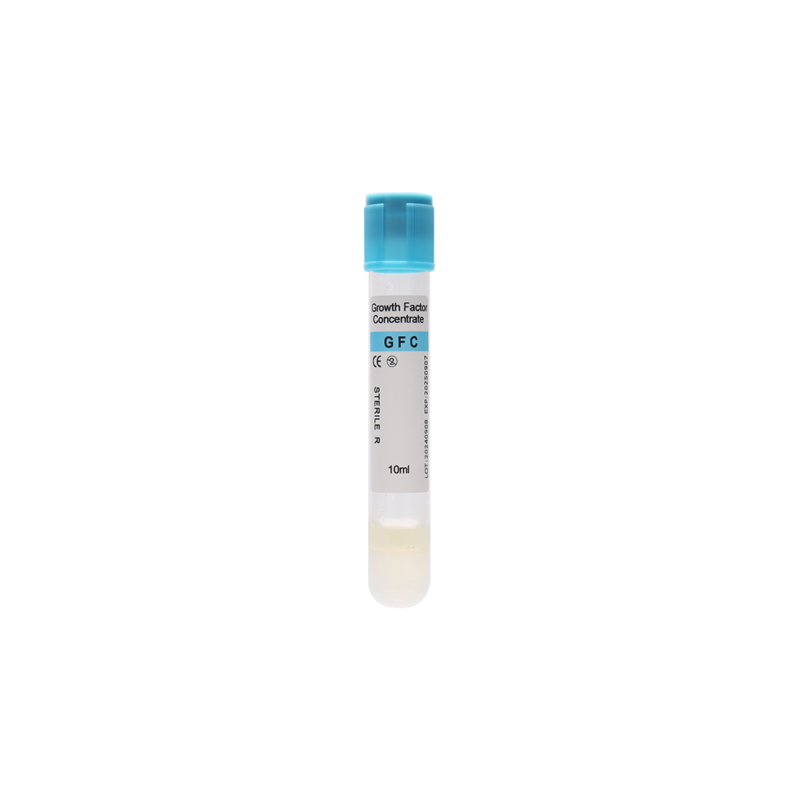
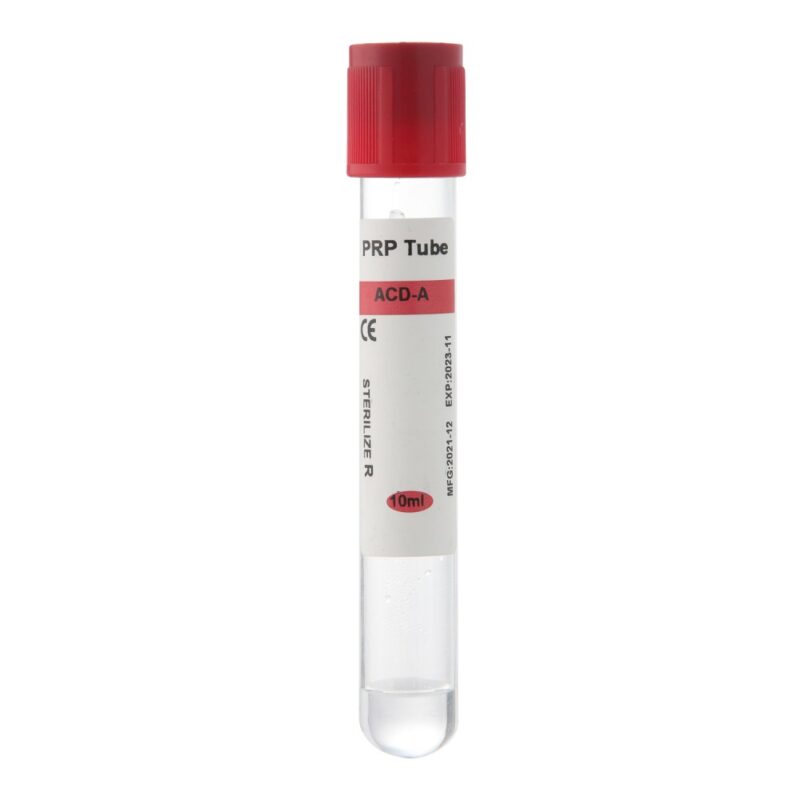
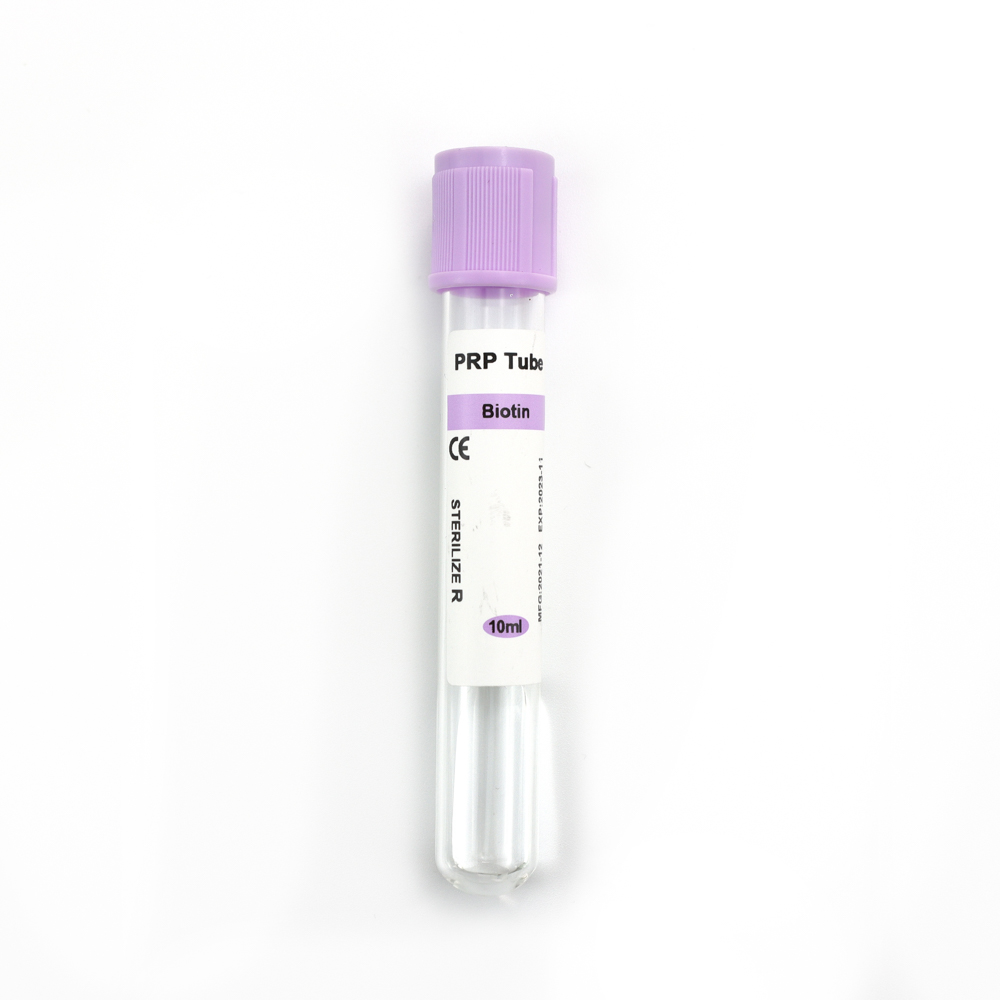
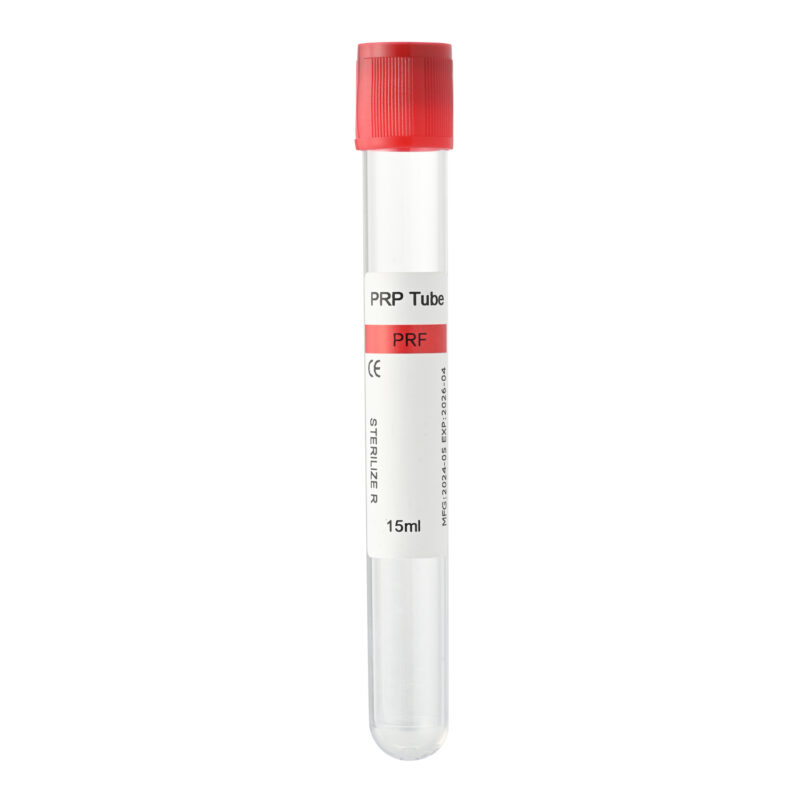
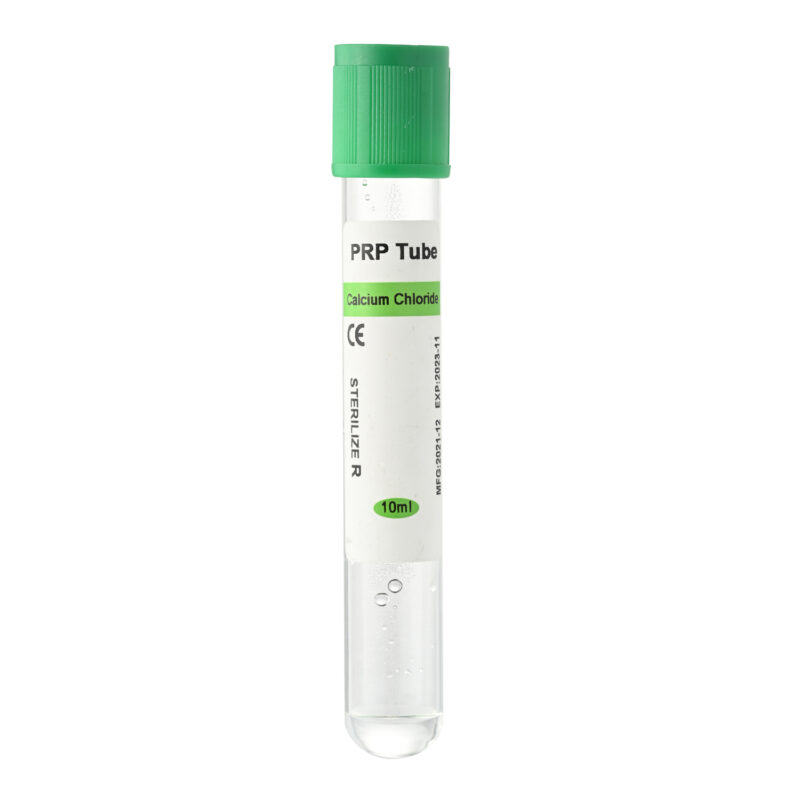
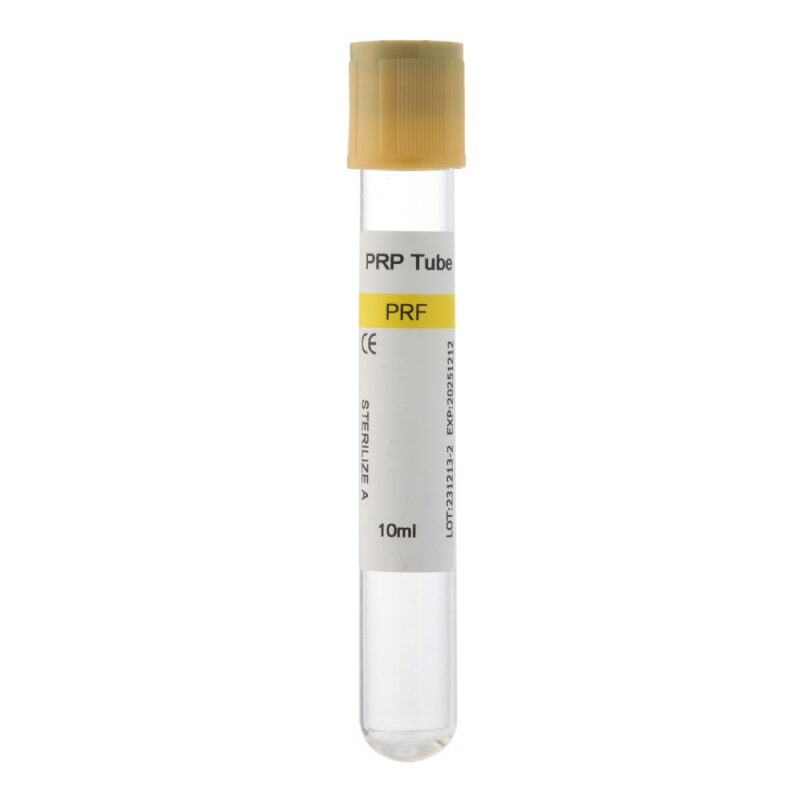
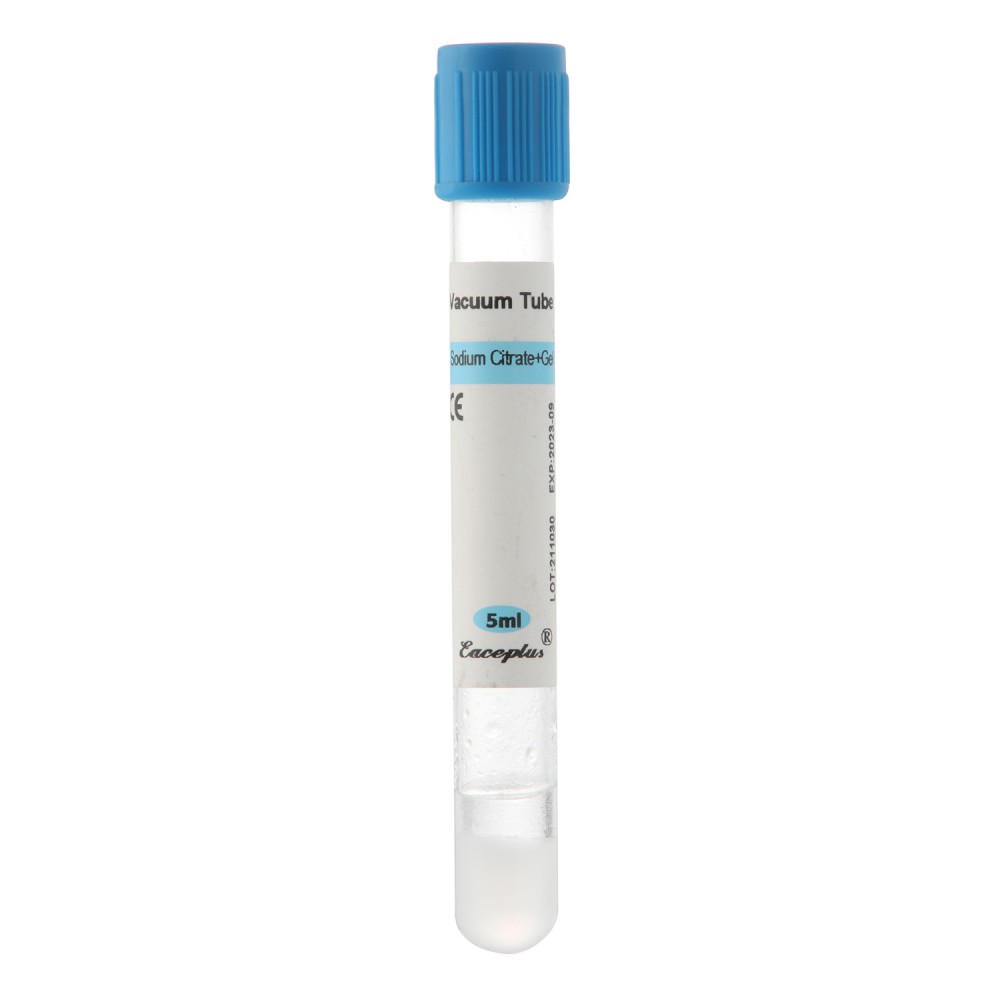
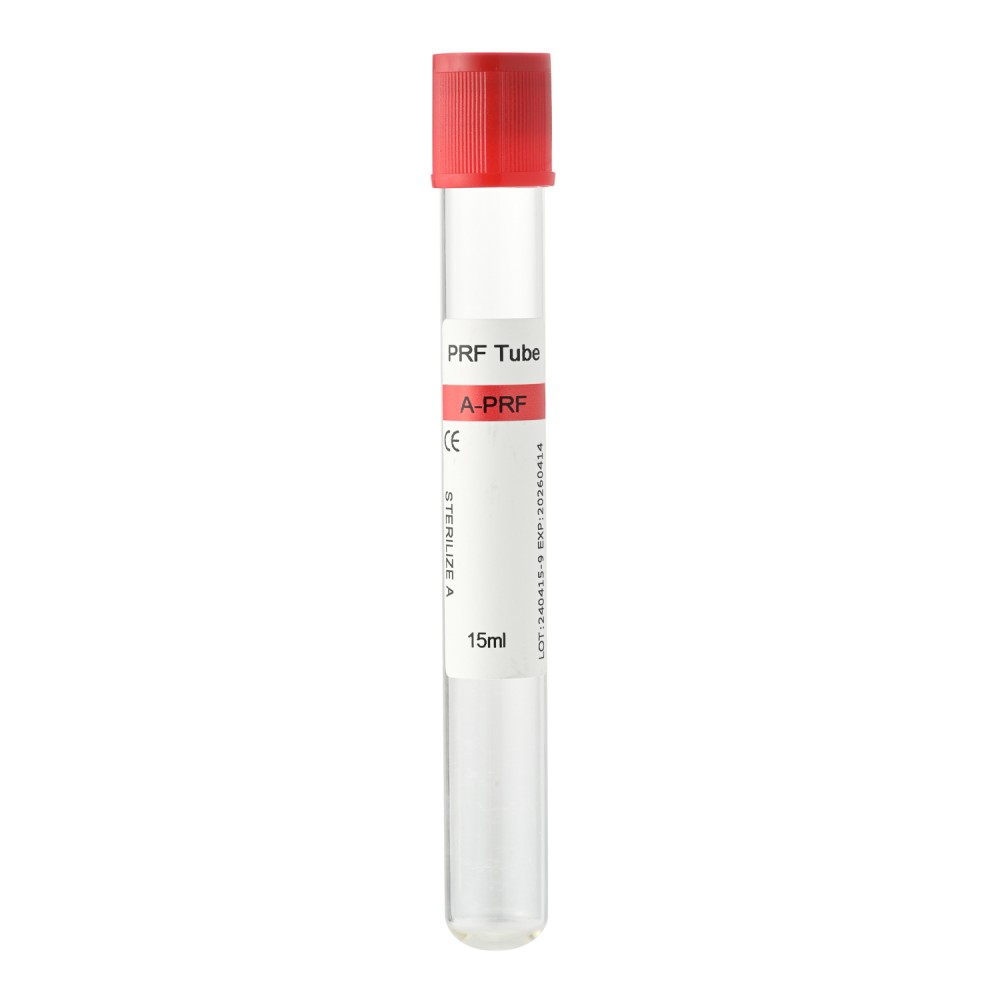
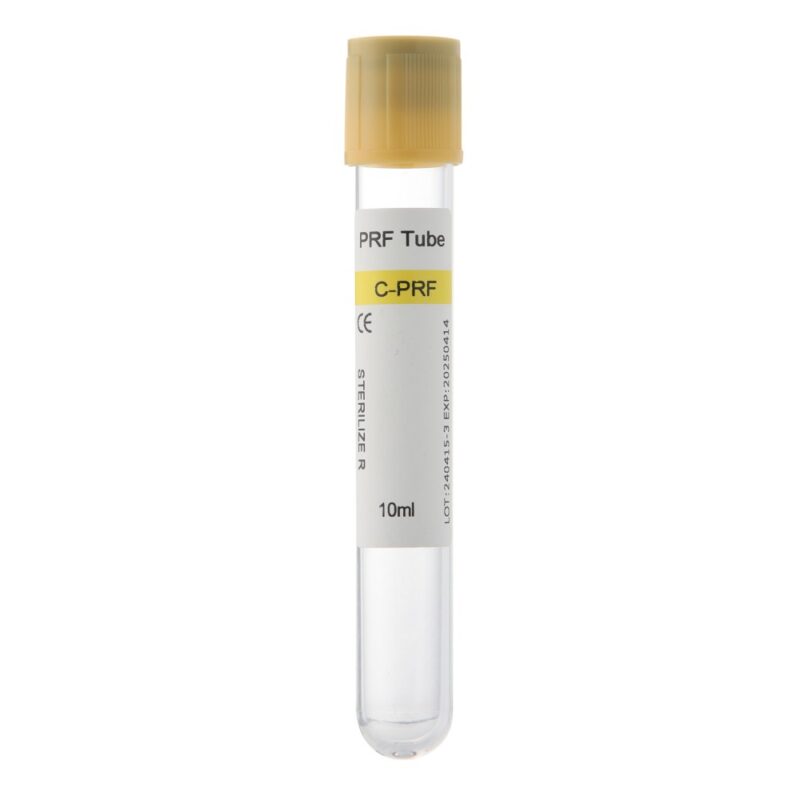
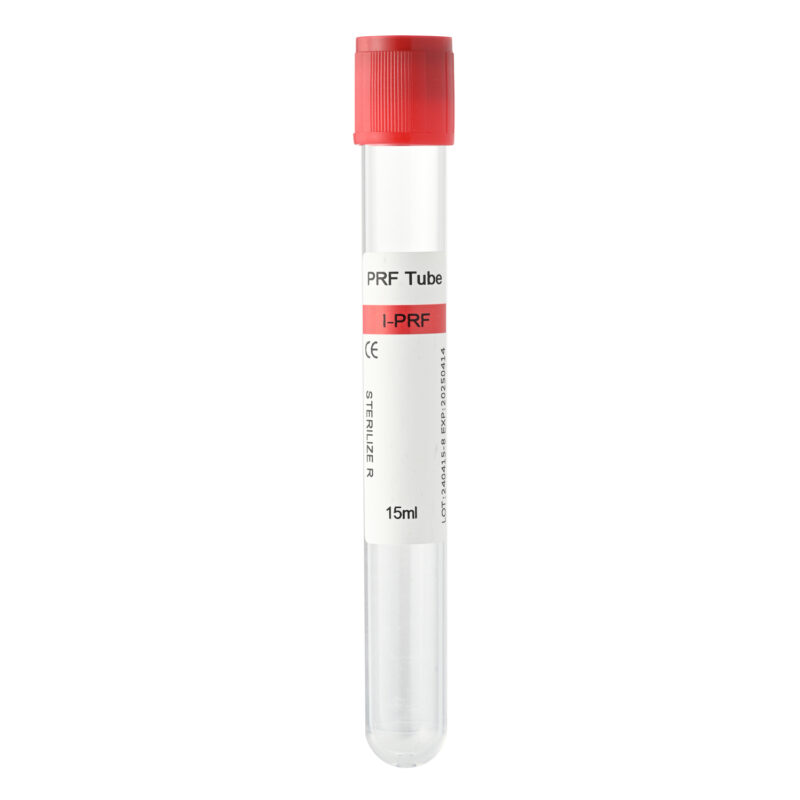
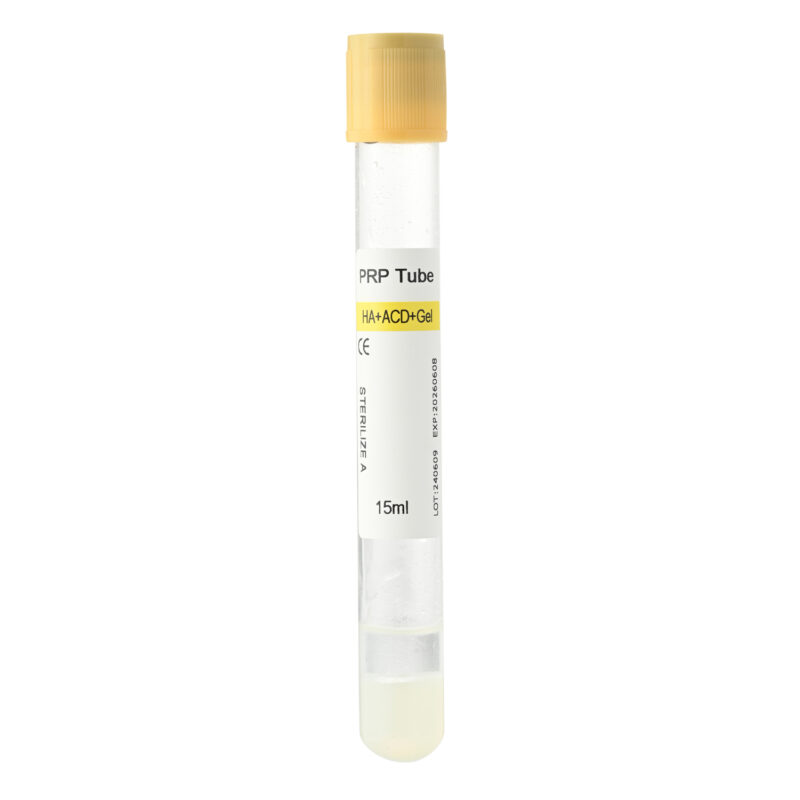
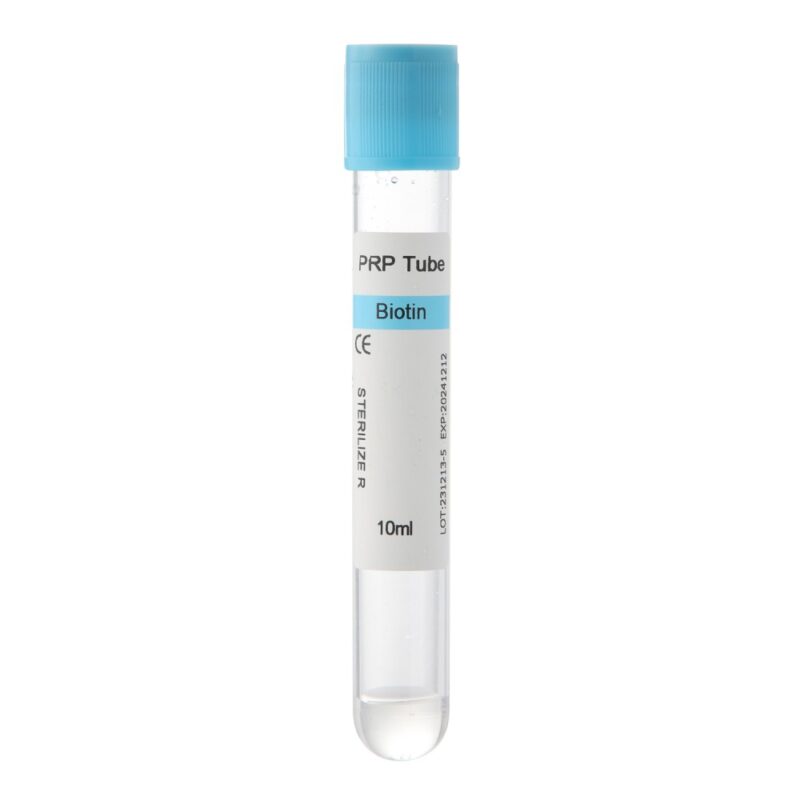
The quality of the blood collection tube plays a major role during this stage. Specialized PRP tubes are designed to help preserve platelet integrity while facilitating efficient separation during centrifugation.
Step 2: Centrifugation
The collected blood is placed into a centrifuge.
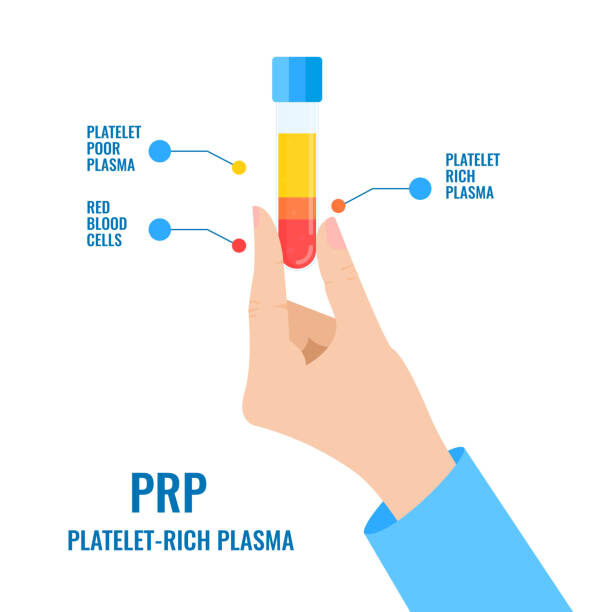
As the centrifuge spins, blood components separate according to density:
- Red blood cells move to the bottom.
- Platelet-poor plasma remains near the top.
- Platelet-rich plasma forms a concentrated layer between them.
Different centrifugation protocols can significantly influence platelet concentration, leukocyte content, and final plasma quality.
Step 3: PRP Extraction
The clinician carefully isolates the platelet-rich portion of the sample.
At this stage, preparation quality becomes particularly important. Poor separation may result in excessive red blood cells or inflammatory components entering the final product, potentially affecting treatment outcomes.
Step 4: Injection
The concentrated PRP is injected directly into the target area.
Depending on the indication, injections may be guided by ultrasound or anatomical landmarks to improve accuracy.
Many clinics invest heavily in high-quality PRP preparation systems because consistency during these steps can influence the concentration and purity of the final platelet-rich plasma.
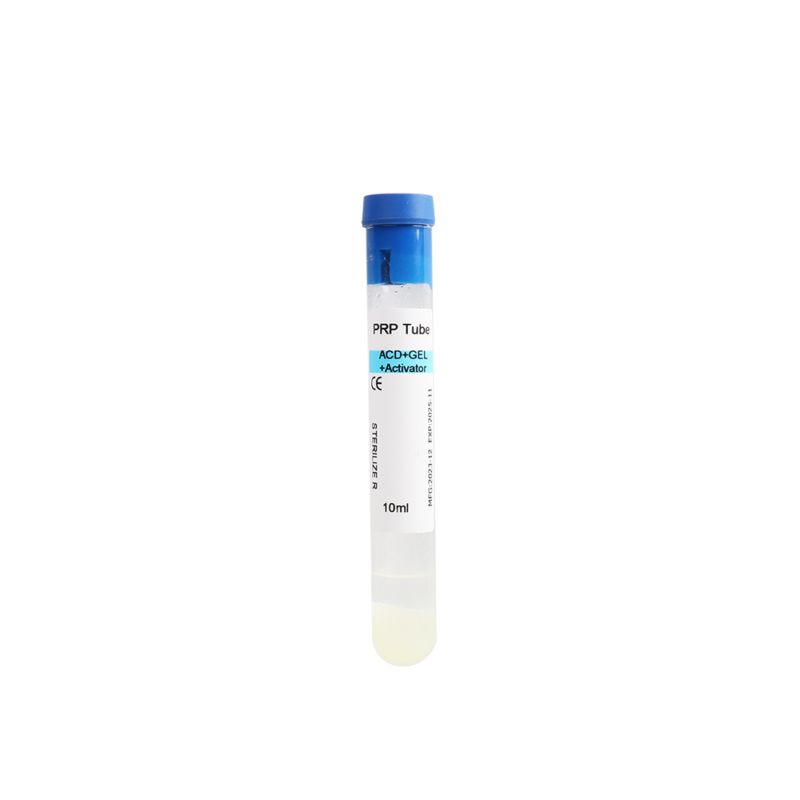
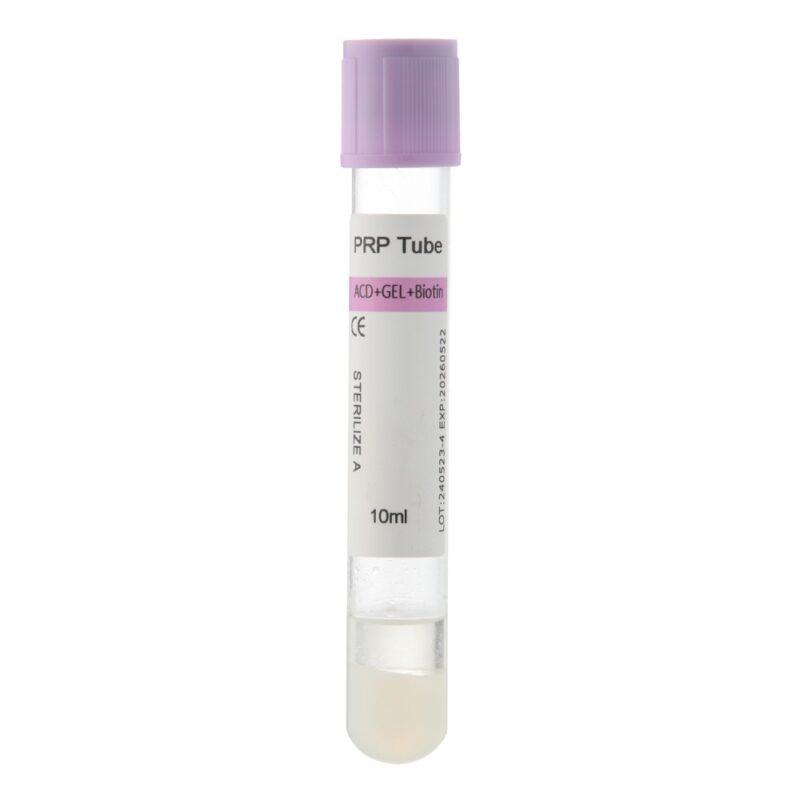
If your clinic is evaluating PRP preparation solutions, exploring professional-grade PRP tubes from Siny PRP can help improve consistency throughout the collection and separation process.

How Does PRP Injections Work for Different Medical Conditions?
One reason PRP therapy has attracted widespread attention is its versatility.
Orthopedic and Sports Medicine Applications
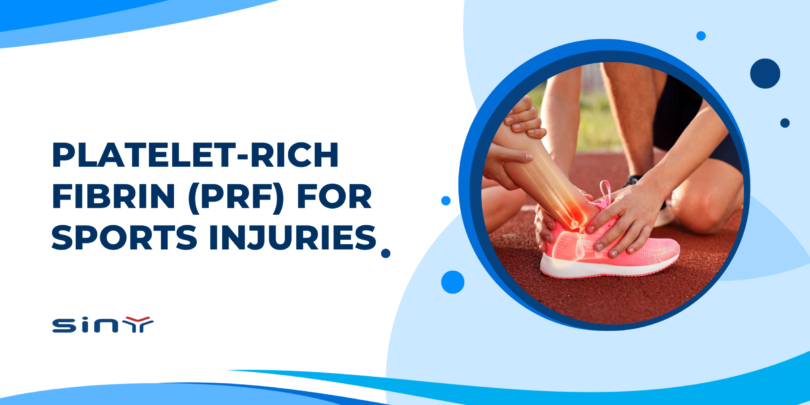
Athletes frequently receive PRP injections for:
- Tennis elbow
- Achilles tendinopathy
- Rotator cuff injuries
- Knee osteoarthritis
- Ligament injuries
In these situations, PRP helps create a more favorable environment for tissue repair. Growth factors stimulate local cells while supporting collagen production and vascular development.
Hair Restoration
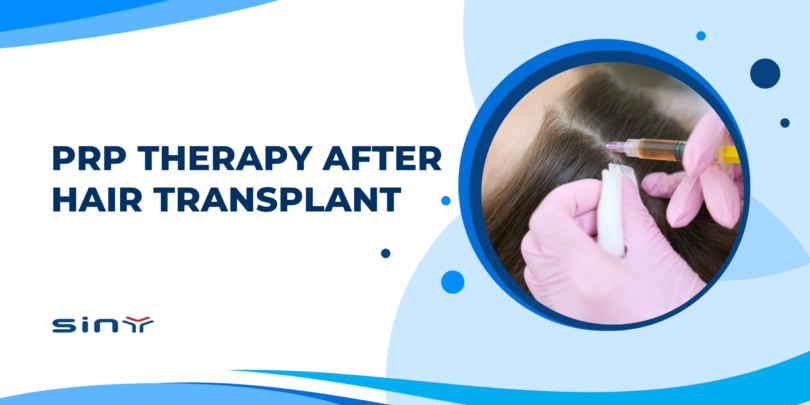
For androgenetic alopecia and other forms of hair thinning, PRP is injected into the scalp.
The growth factors released by platelets may stimulate dormant hair follicles, improve blood supply around follicles, and prolong the growth phase of the hair cycle.
Aesthetic Medicine
Facial rejuvenation treatments often combine PRP with microneedling or direct injections.
The objective is to encourage collagen synthesis, improve skin texture, and support overall skin quality using the body’s own regenerative mechanisms.
Dental and Oral Surgery
Dentists and oral surgeons increasingly use PRP and related platelet concentrates during:
- Dental implant procedures
- Bone grafting
- Periodontal treatments
- Soft tissue healing
These applications aim to support wound healing and potentially accelerate tissue regeneration.
Factors That Influence How Well PRP Injections Work
Not all PRP treatments are identical.
The question is not only “how does PRP injections work?” but also “what determines whether it works effectively?”
Several variables can affect treatment quality.
Platelet Concentration
Platelets are the primary source of growth factors in PRP.
However, higher concentrations do not automatically mean better outcomes. Extremely high platelet levels may not always provide additional clinical benefits. The goal is to achieve an optimal concentration range rather than simply maximizing platelet counts.
Quality of PRP Tubes
Tube design affects:
- Platelet recovery rate
- Separation efficiency
- Sample purity
- Reproducibility
Modern PRP tubes may contain anticoagulants, separator gels, or specialized additives designed to improve platelet harvesting.
Centrifugation Protocol
Speed, duration, and centrifuge design all influence the final composition of PRP.
Even when using the same blood sample, different protocols can produce noticeably different products.
Patient Factors
Age, overall health, medication use, hydration status, and baseline platelet count may influence treatment outcomes.
Patients with healthier blood profiles generally provide better starting material for PRP preparation.
Clinical Technique
Injection depth, placement accuracy, and treatment protocol all contribute to overall effectiveness.
The most successful outcomes typically result from a combination of high-quality preparation and proper clinical application.
Clinics seeking consistent PRP preparation often prioritize reliable blood collection systems because even small variations during processing can affect the final product delivered to patients.
How Long Does It Take for PRP Injections to Show Results?
Unlike corticosteroid injections that may provide rapid symptom relief, PRP therapy relies on biological healing processes.
Because tissue regeneration takes time, results generally appear gradually.
Typical timelines include:
- Initial response: 2–6 weeks
- Noticeable improvement: 1–3 months
- Continued improvement: 3–6 months
- Long-term remodeling: up to 12 months
Hair restoration patients often begin noticing reduced shedding after several weeks, while visible increases in hair density may require multiple treatment sessions over several months.
Orthopedic patients frequently report gradual improvements in pain and function as damaged tissues continue to remodel.
Patience is an important part of the PRP journey because the therapy works with the body’s natural repair mechanisms rather than masking symptoms temporarily.
Frequently Asked Questions About How Does PRP Injections Work
Is PRP safe?
PRP is generally considered safe because it uses the patient’s own blood. This significantly reduces the risk of allergic reactions or disease transmission.
Does PRP therapy hurt?
Most patients experience only mild discomfort during blood collection and injection. The level of discomfort varies depending on the treatment area.
How many PRP treatments are needed?
Treatment plans differ based on the condition being treated. Some patients benefit from a single session, while others may require a series of treatments.
Are PRP results permanent?
PRP does not stop the aging process or completely eliminate the underlying disease. However, it may provide long-lasting improvements when combined with appropriate maintenance and follow-up care.
Does the type of PRP tube matter?
Yes. The design and quality of PRP tubes can influence platelet recovery, plasma purity, and overall consistency. Reliable preparation systems help clinicians produce more predictable results.
Can PRP be combined with other treatments?
Yes. PRP is frequently combined with microneedling, hair restoration protocols, dental procedures, and orthopedic rehabilitation programs, depending on clinical objectives.
Summary
When people ask, “how does PRP injections work?”, the answer centers on one simple principle: PRP amplifies the body’s natural healing response. By concentrating platelets and growth factors from a patient’s own blood and delivering them directly to targeted tissues, clinicians can support regeneration, tissue repair, and recovery across a wide range of medical applications.
The effectiveness of PRP therapy depends not only on the patient’s biology but also on the quality of the preparation process. Factors such as platelet concentration, centrifugation protocols, and PRP tube design all play important roles in creating a high-quality final product.
For clinics, distributors, and medical professionals seeking dependable PRP preparation solutions, Siny PRP offers a comprehensive range of PRP tubes designed to support consistent platelet separation and reliable treatment workflows. Contact our team today to learn more about selecting the right PRP tube for your clinical applications.