Rotator cuff tears can turn ordinary movements—reaching overhead, lifting an object, putting on a jacket, or even sleeping on one side—into painful tasks. Because the rotator cuff depends on a group of tendons working together to stabilize and move the shoulder, damage to these tissues can affect both strength and range of motion.
One reason these injuries can be difficult to manage is that tendon tissue does not always heal quickly. Certain areas of the rotator cuff have relatively limited blood supply, while chronic degeneration can further reduce the tissue’s ability to repair itself. Age, tear size, repetitive loading, tendon quality, and the duration of the injury can all influence recovery.
Understanding how PRP therapy promotes healing in rotator cuff tears starts with the biological role of platelets. Platelet-rich plasma (PRP) uses a concentrated portion of the patient’s own blood to deliver platelets and associated biological signaling factors to the injured area. Rather than mechanically reconnecting a torn tendon, PRP aims to create a local environment that may support the body’s natural repair response.
For patients, the appeal is easy to understand: PRP provides a minimally invasive treatment option that may complement physical therapy and other conservative strategies in selected cases. For clinicians, however, the discussion is more nuanced. The type and severity of the tear, injection technique, rehabilitation program, and quality of the prepared platelet concentrate can all influence the treatment strategy.
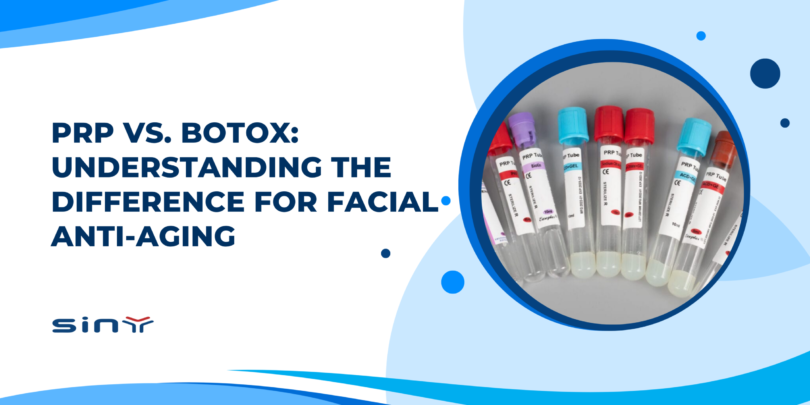
That last point matters more than it might seem. PRP therapy begins long before the injection reaches the shoulder. Blood collection, anticoagulation, centrifugation, plasma separation, and platelet concentration all influence the final preparation.
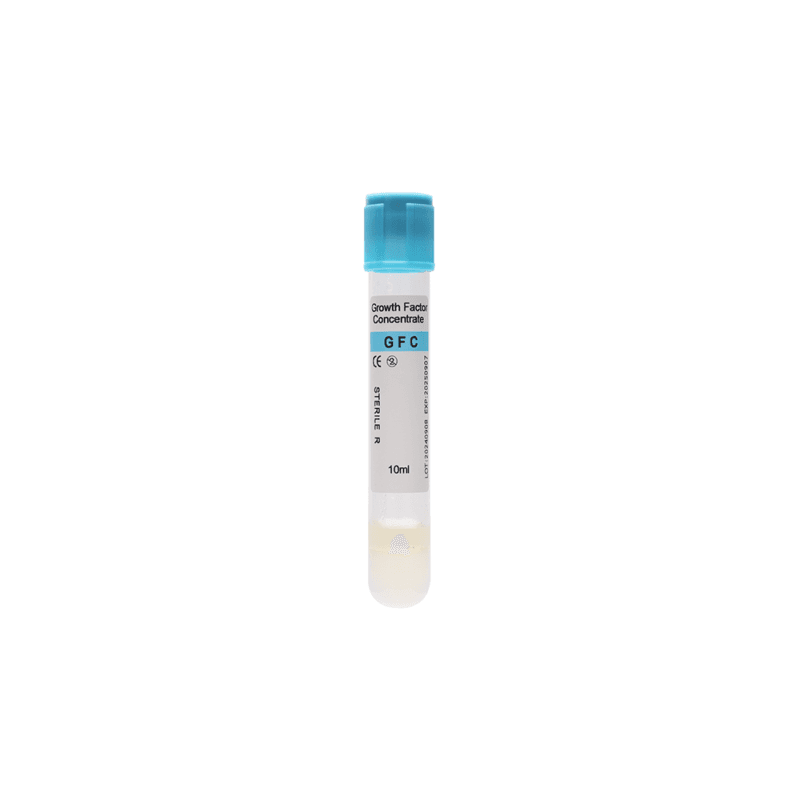
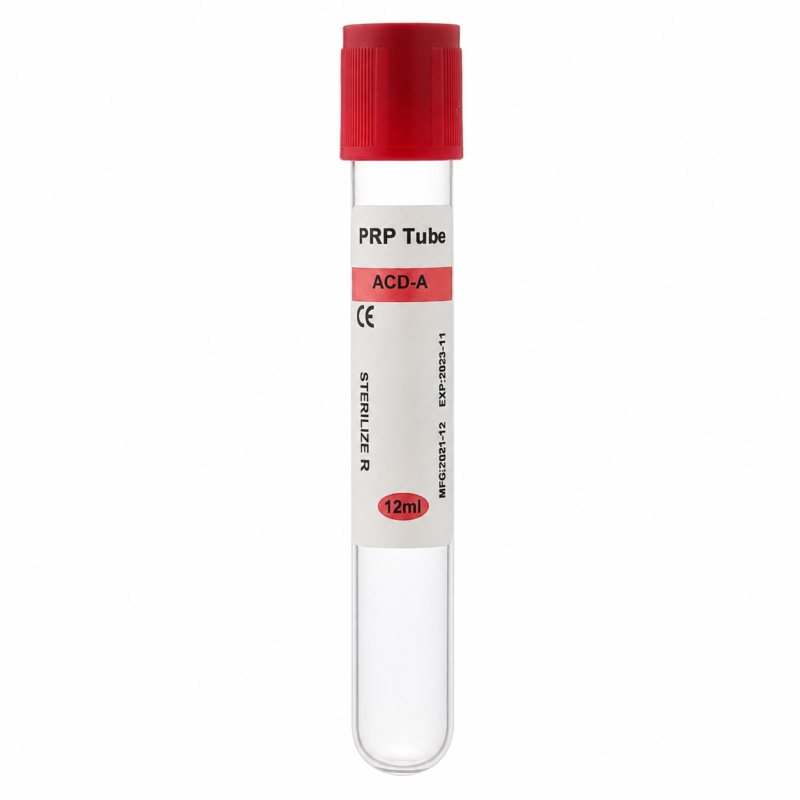
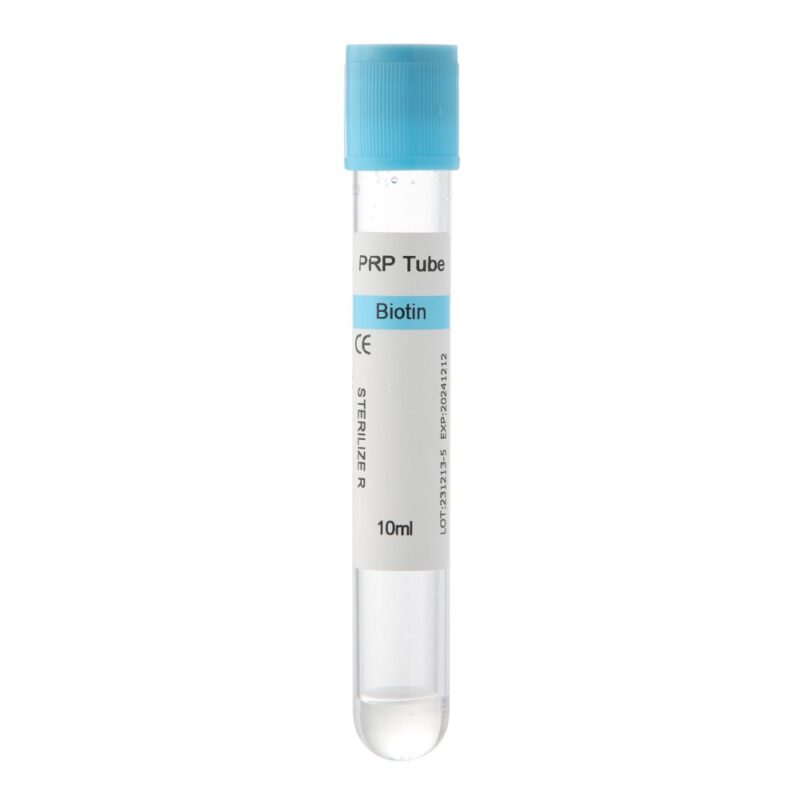
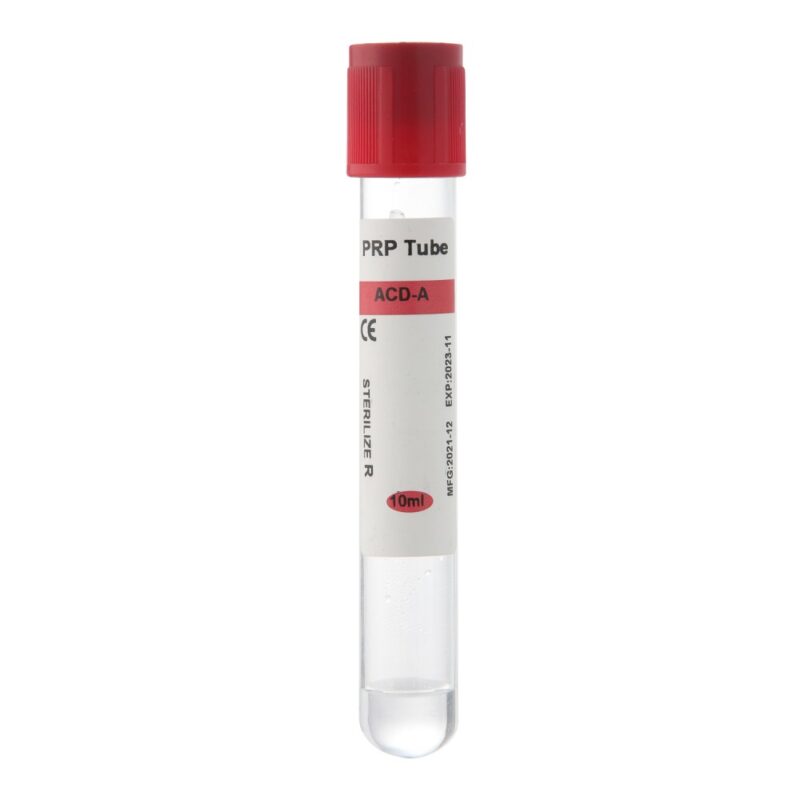
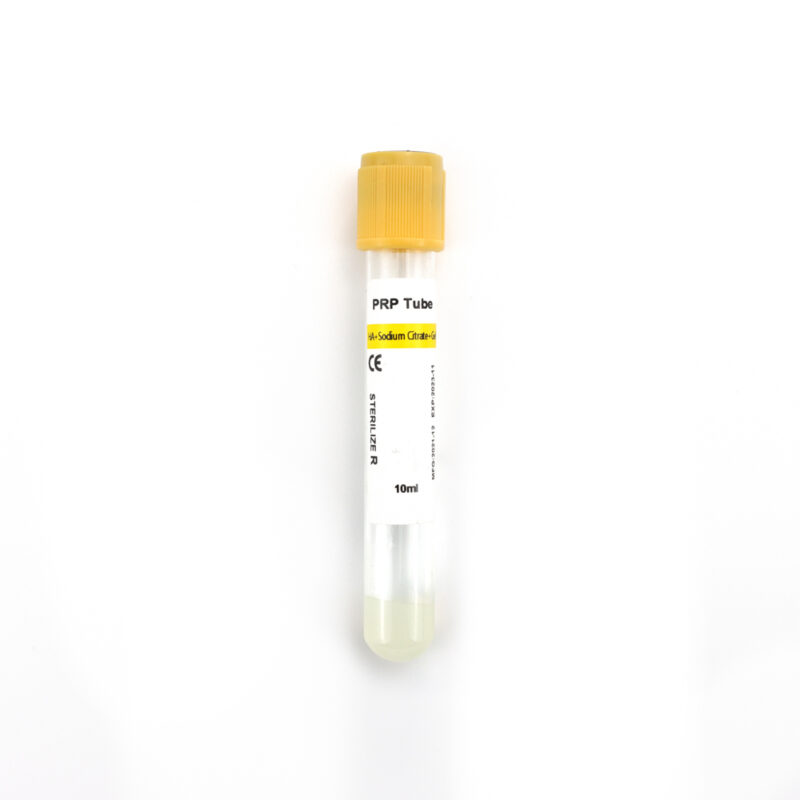
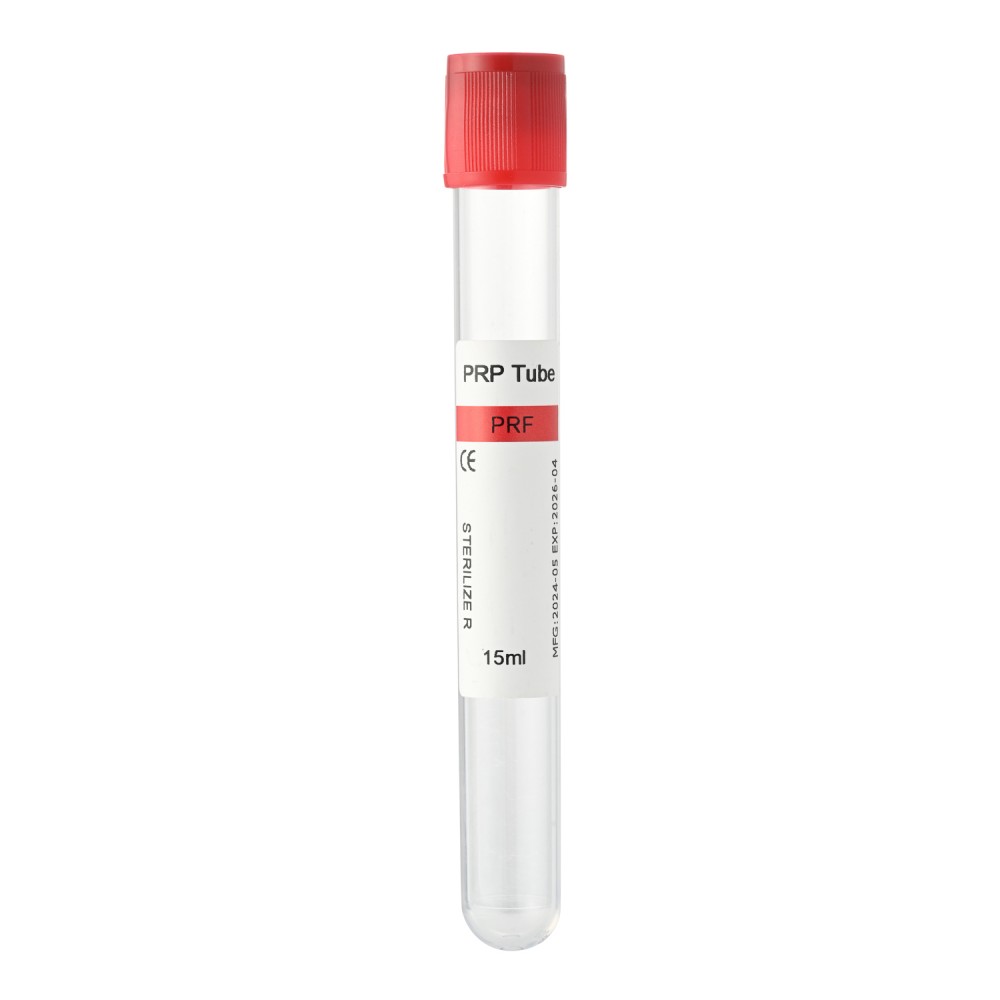
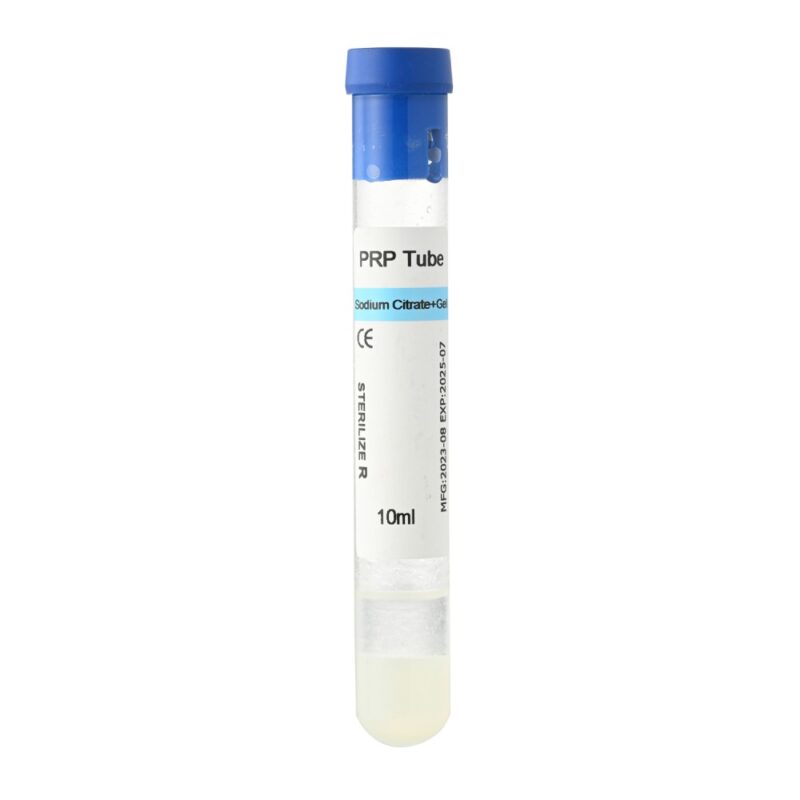
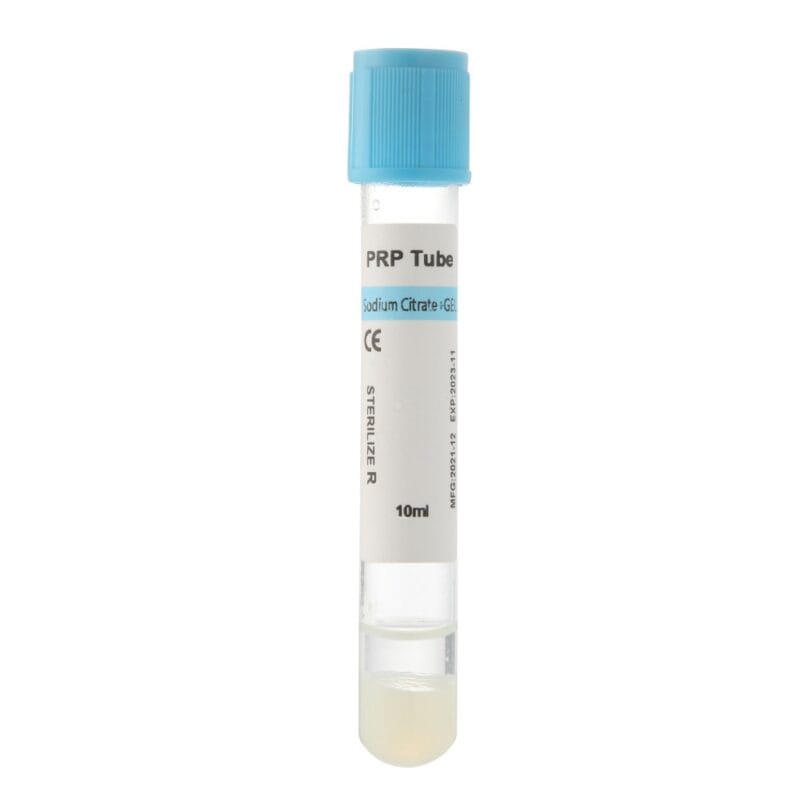
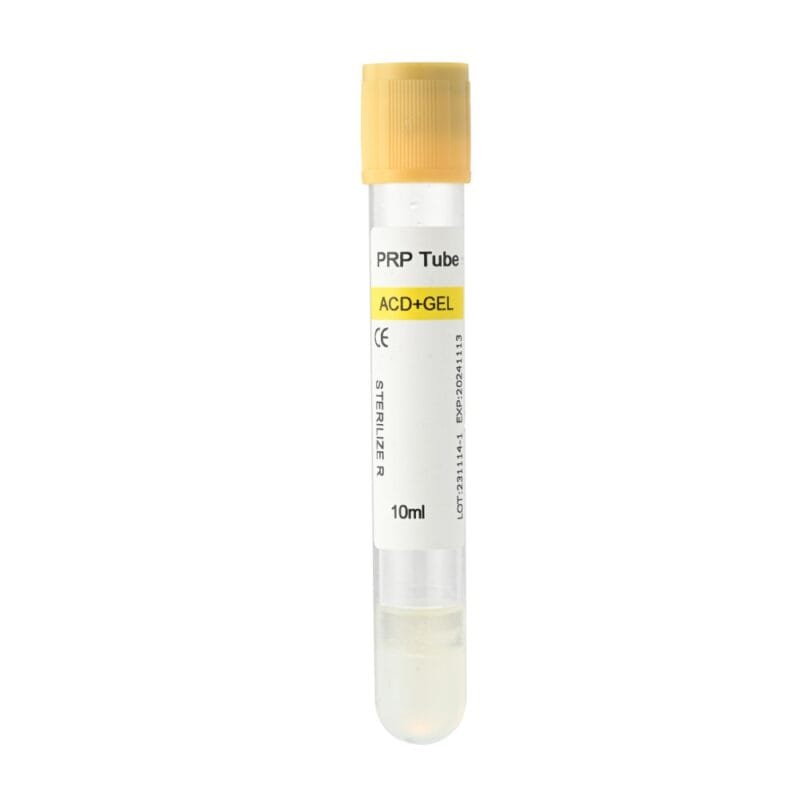
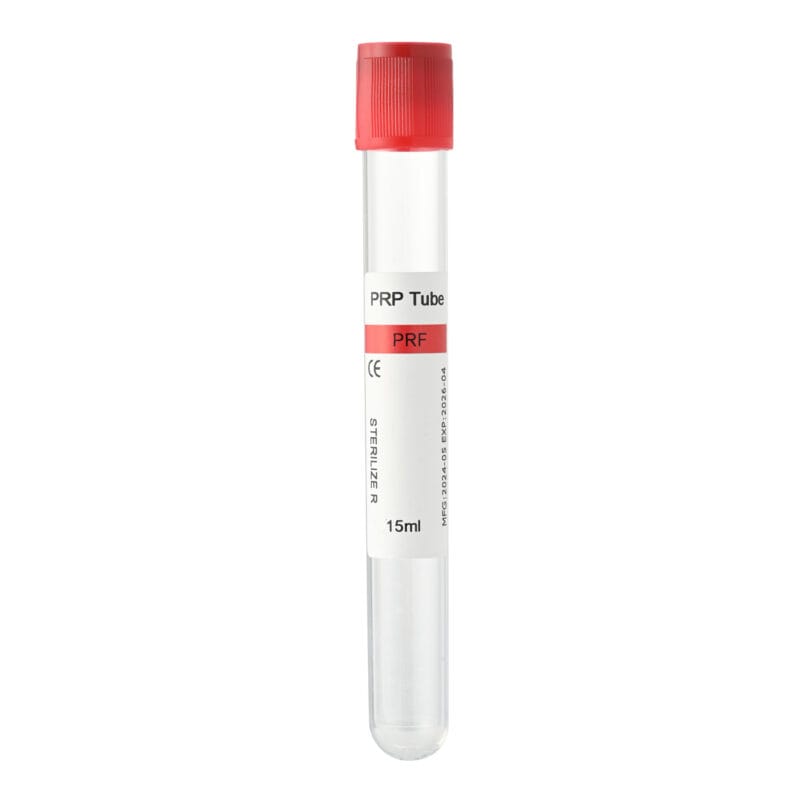
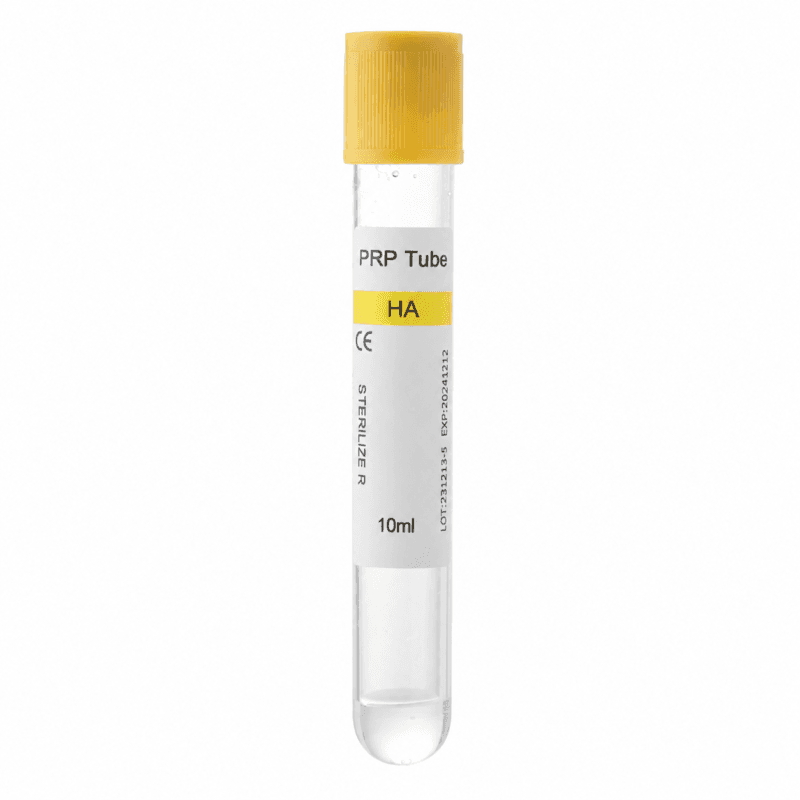
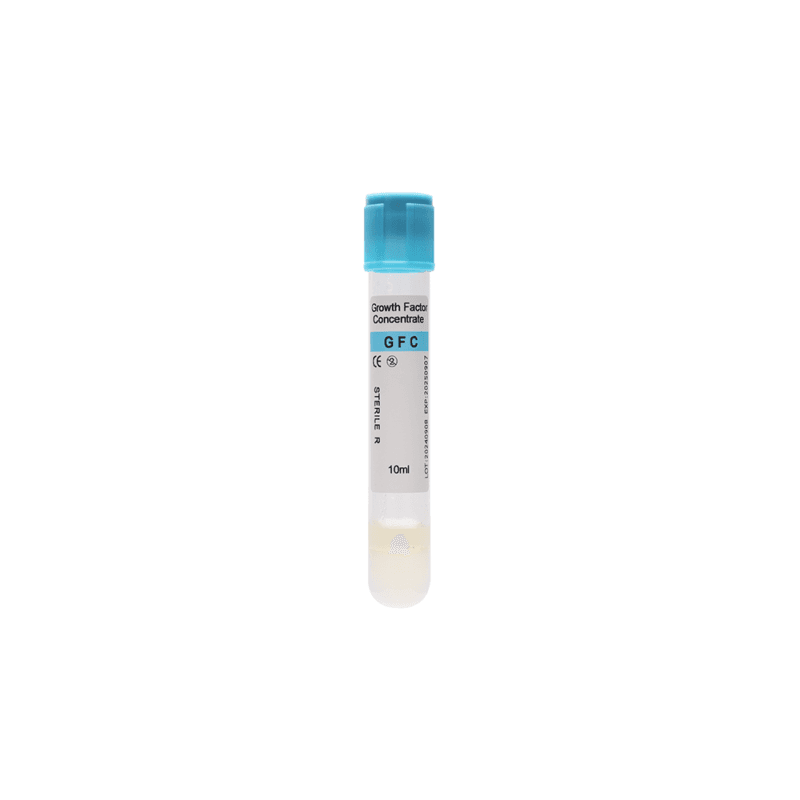
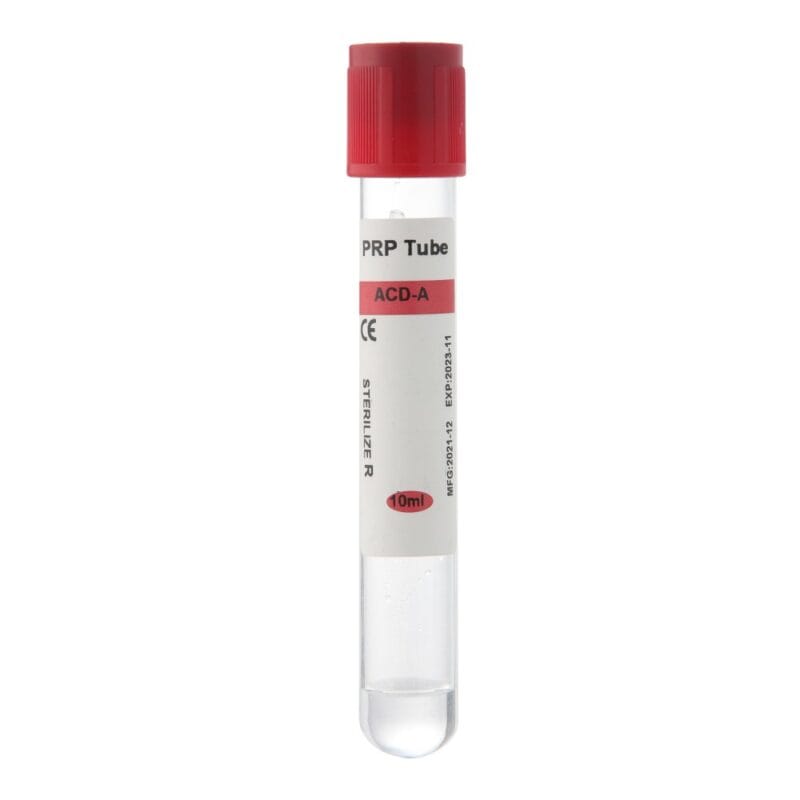
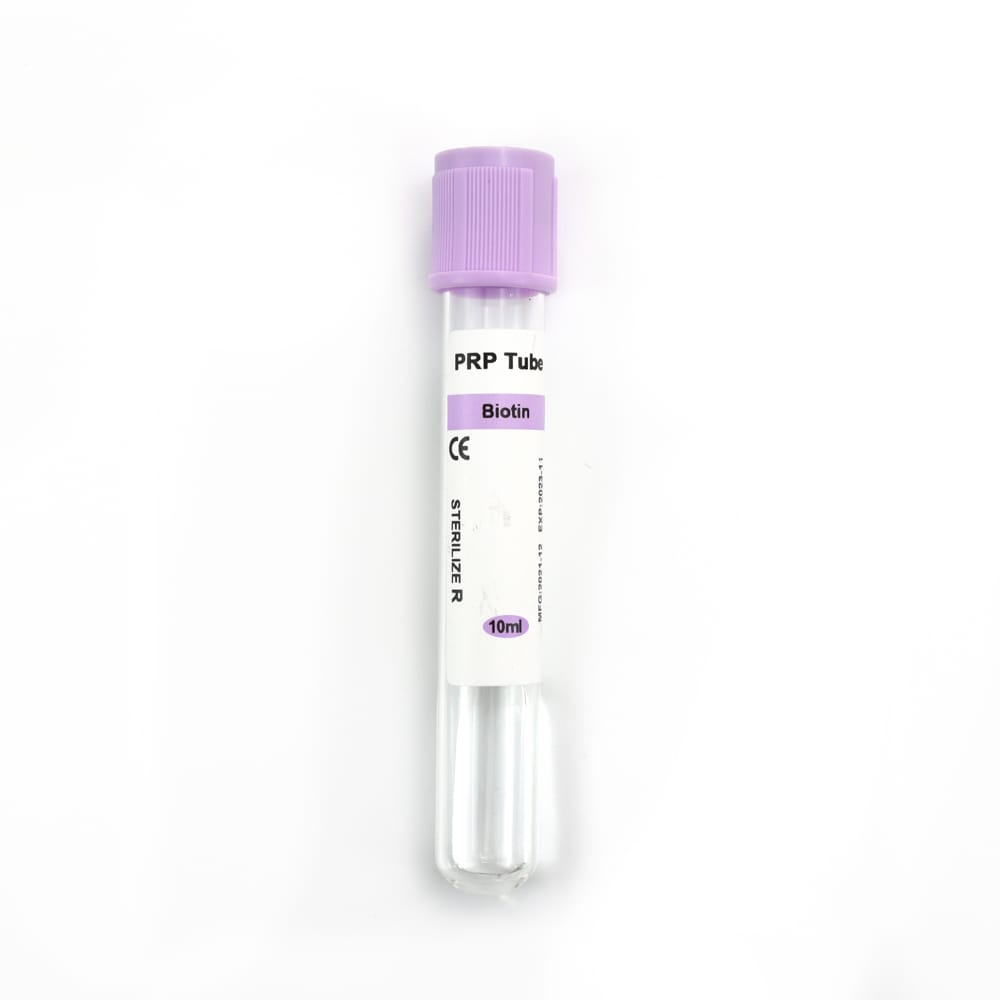
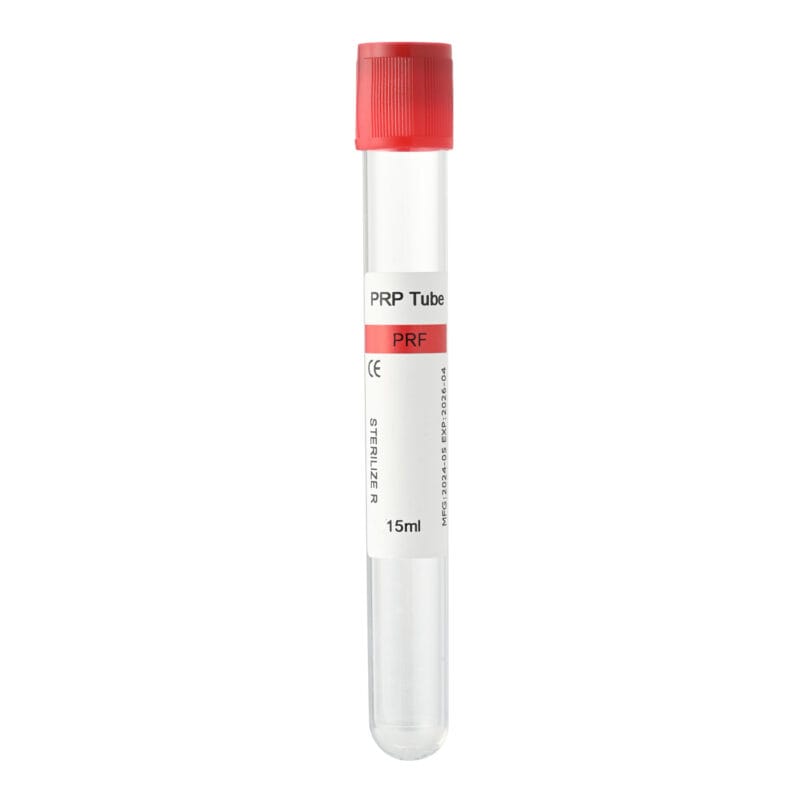
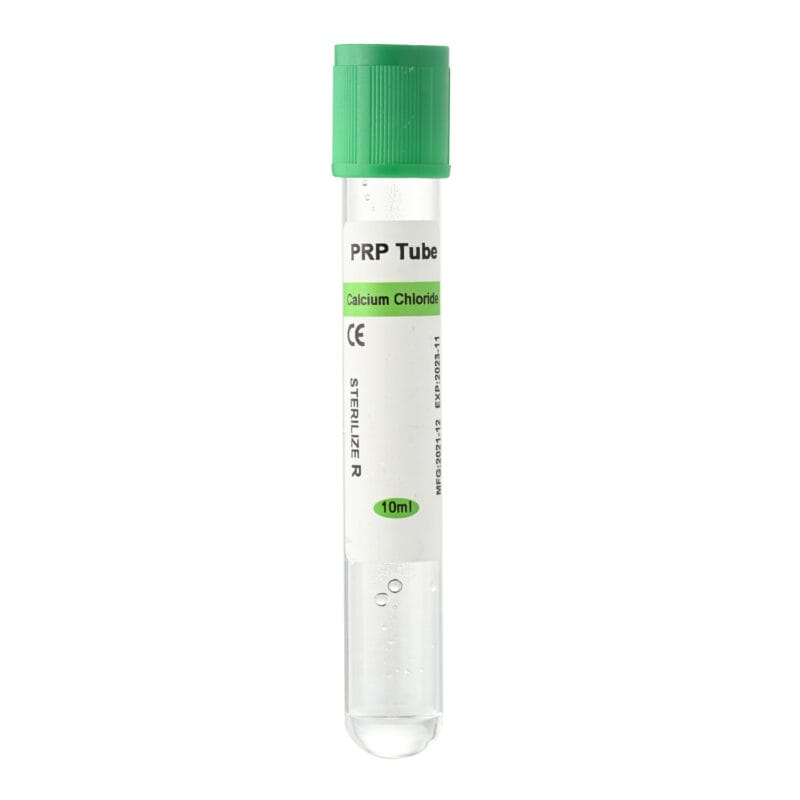
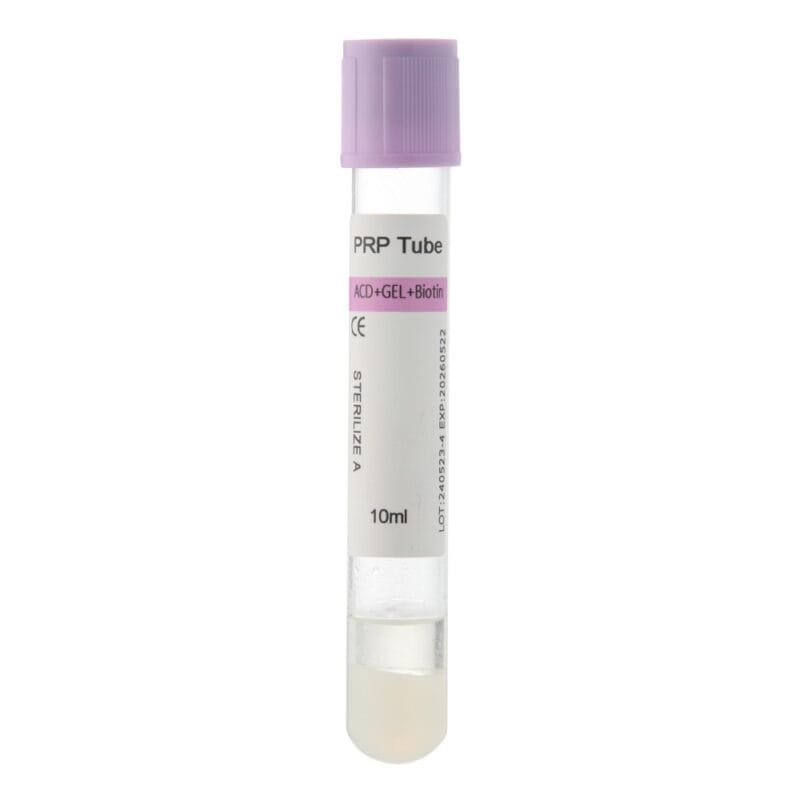
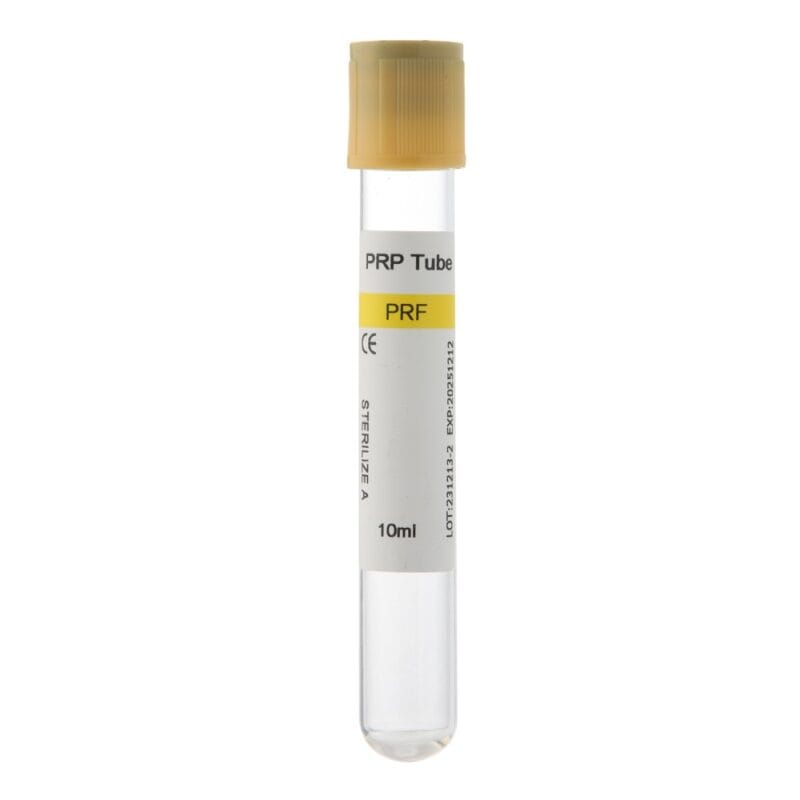
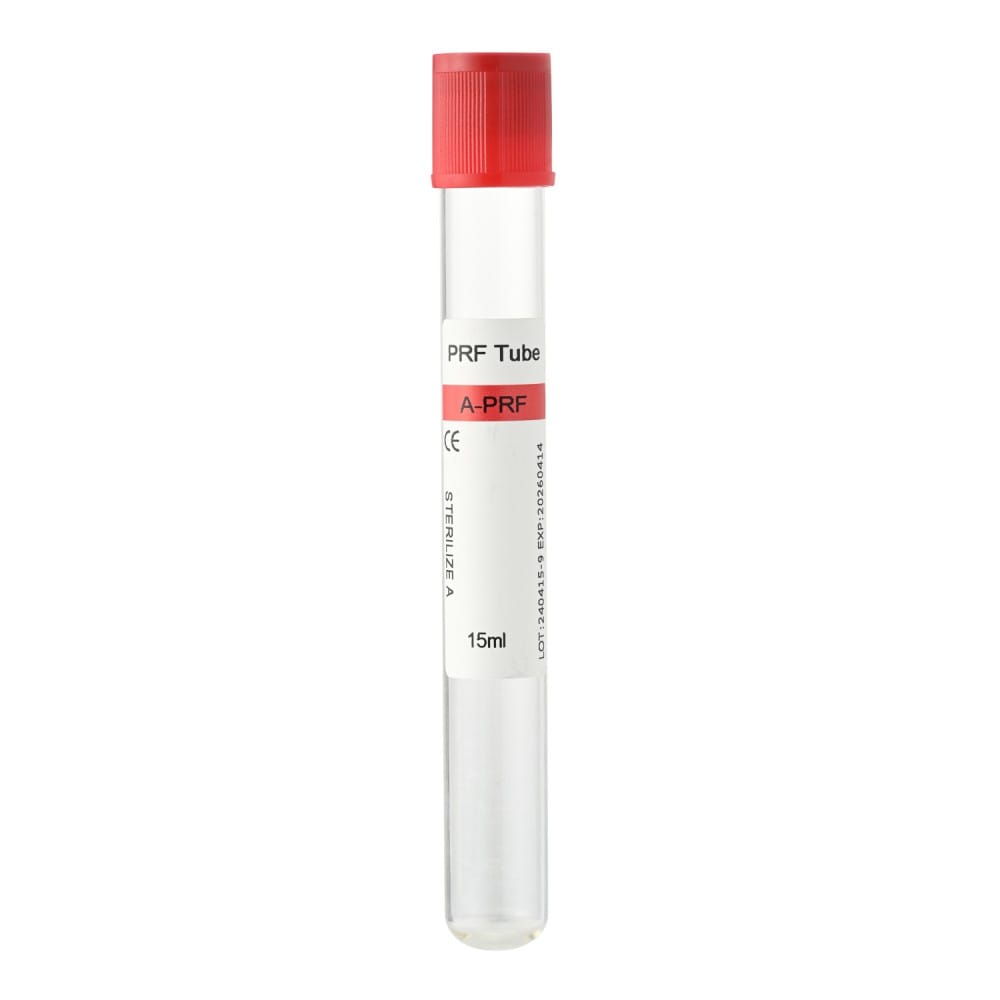
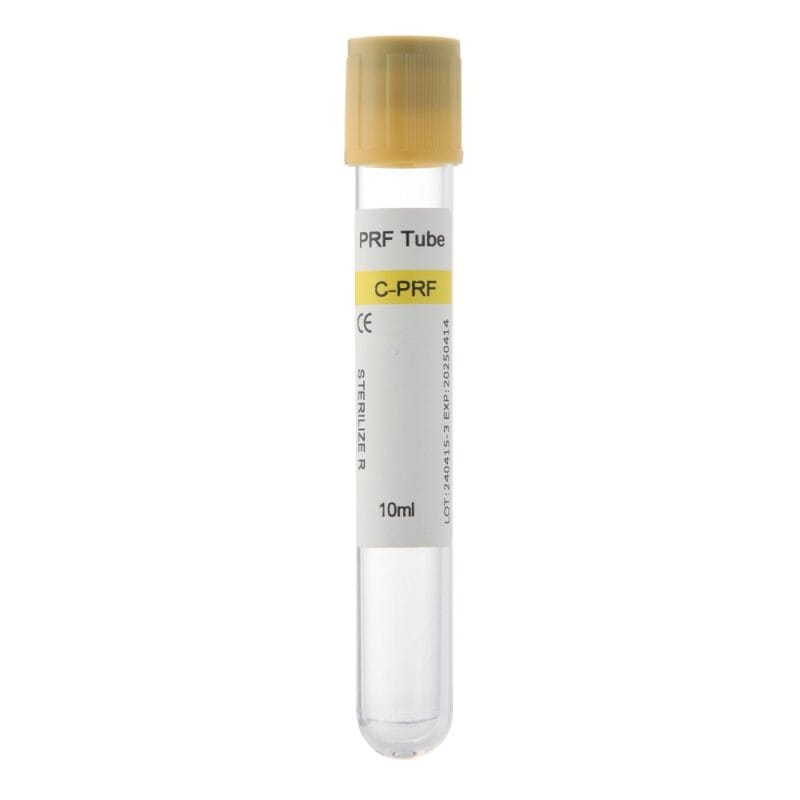
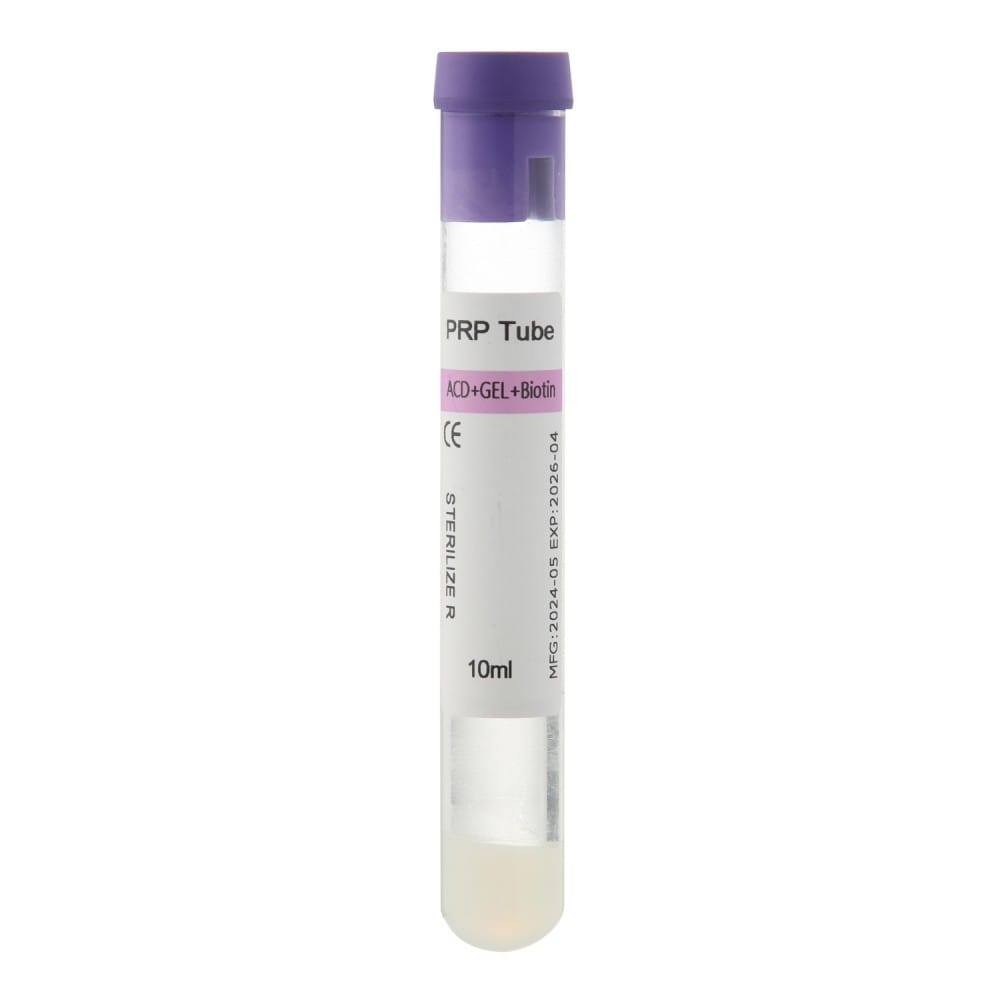
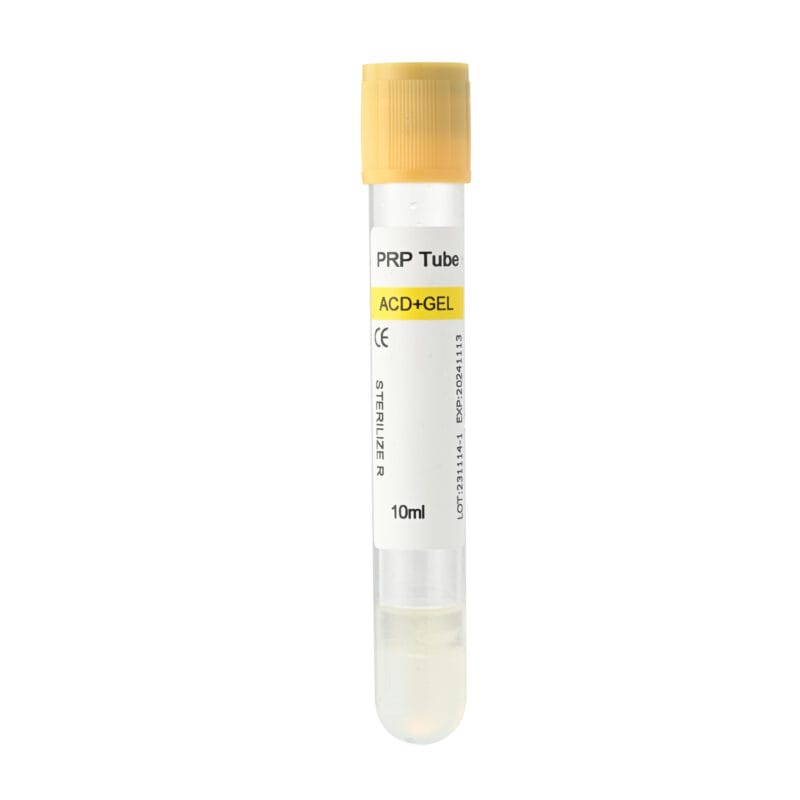
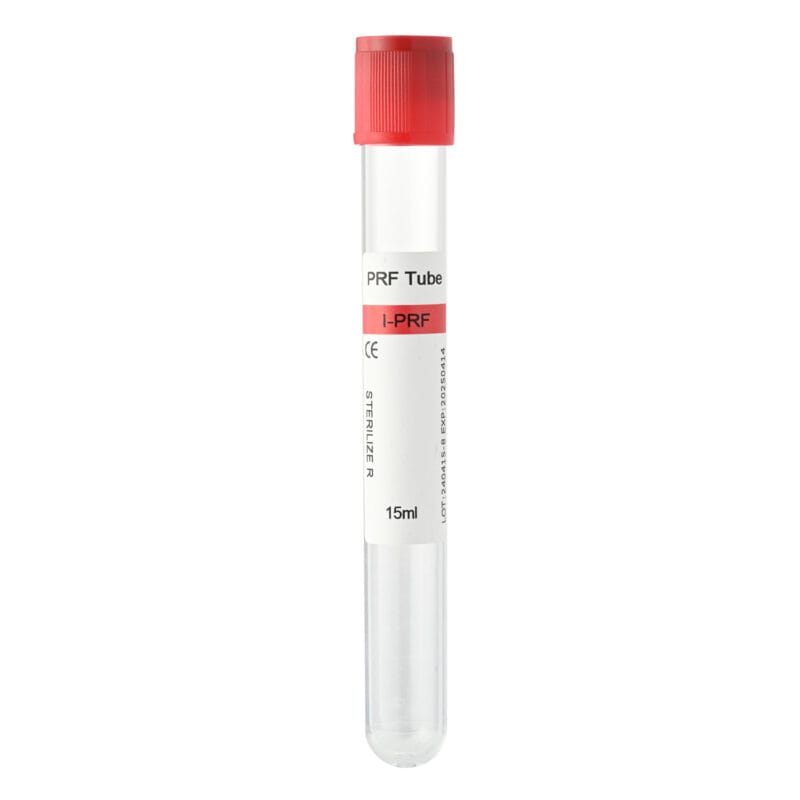
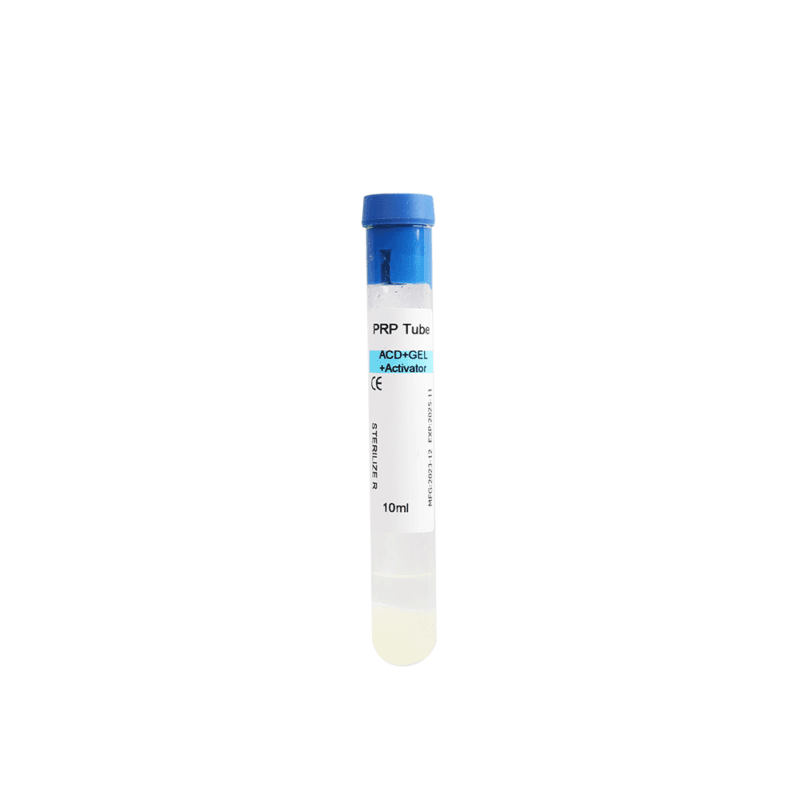
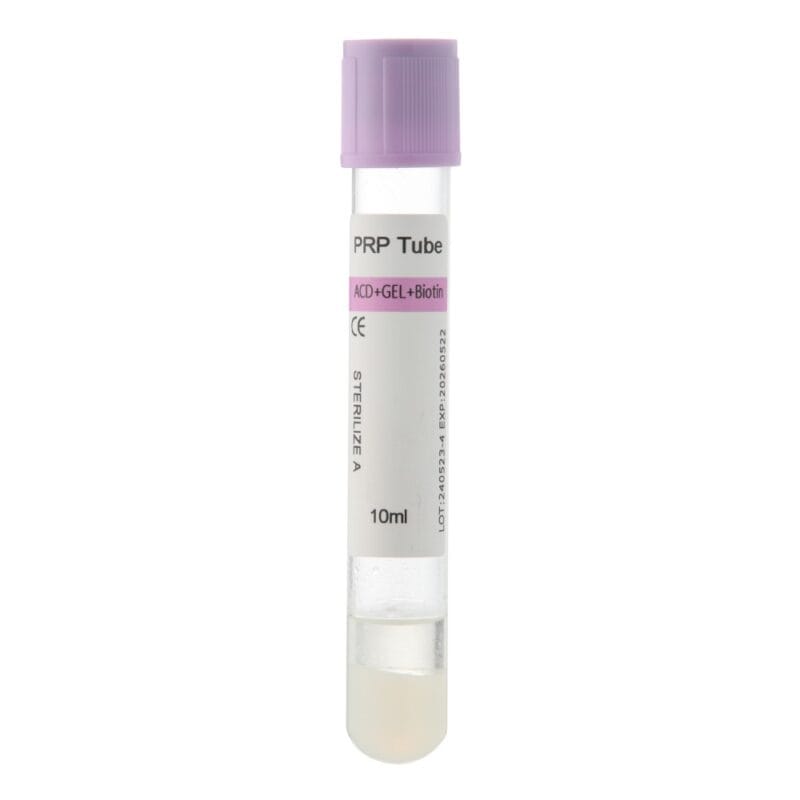
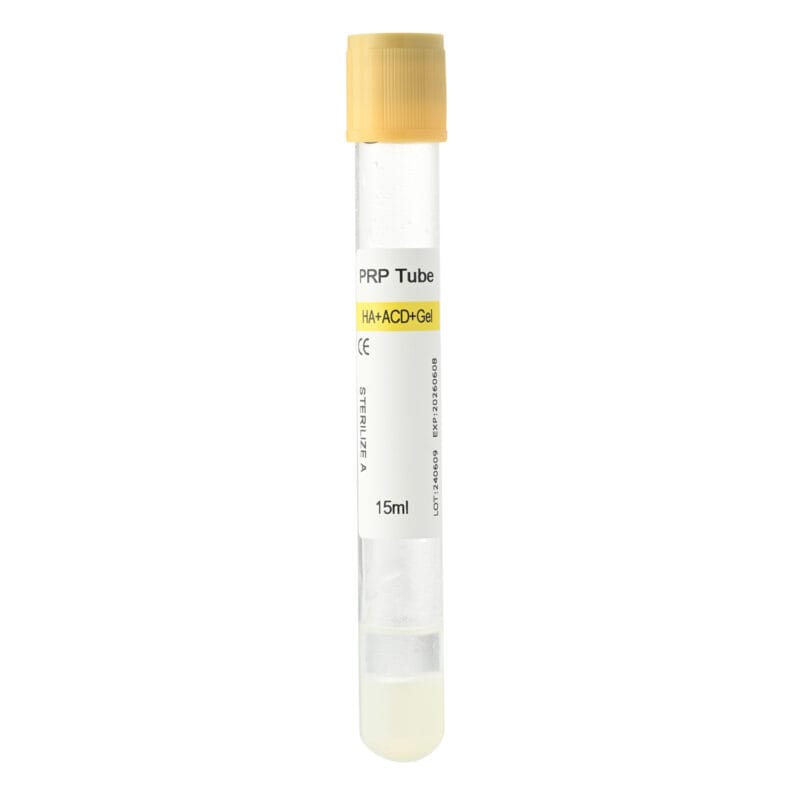
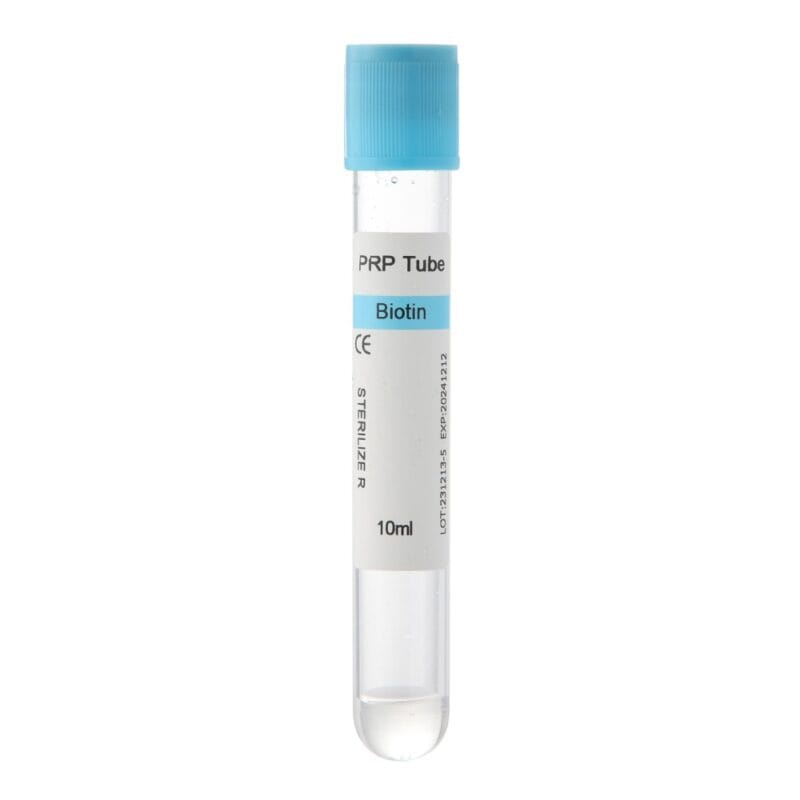
For clinics and distributors evaluating PRP preparation supplies, Siny PRP provides professional PRP tube solutions designed to support standardized blood collection and preparation workflows.
How PRP Works at the Tissue Level
To understand why PRP may help a damaged rotator cuff tendon, it helps to look at what happens after a tendon injury.
A healthy tendon consists largely of organized collagen fibers capable of transferring force between muscle and bone. When the tendon becomes overloaded, degenerative, or partially torn, this organized structure can become disrupted. The body initiates a repair response, but tendon healing tends to progress more slowly than healing in tissues with a richer vascular supply.
PRP attempts to support this biological repair process by increasing the local concentration of platelets and platelet-associated signaling molecules.
Platelets Do More Than Form Blood Clots
Most people associate platelets with coagulation. While clot formation is one of their essential functions, platelets also contain alpha granules that release biologically active proteins involved in tissue repair.
Depending on the PRP preparation, these may include signaling molecules such as:
- Platelet-Derived Growth Factor (PDGF)
- Transforming Growth Factor Beta (TGF-β)
- Vascular Endothelial Growth Factor (VEGF)
- Insulin-Like Growth Factor (IGF)
- Epidermal Growth Factor (EGF)
- Fibroblast Growth Factor (FGF)
These factors do not simply “grow a new tendon.” Their role is more complex. They participate in cellular signaling associated with tissue repair, cell migration, extracellular matrix production, vascular responses, and collagen remodeling.
Once clinicians inject PRP around the targeted tendon region, activated platelets can release these signaling molecules into the local environment.
Supporting Collagen Production and Tendon Remodeling
Collagen is one of the most important structural components of tendon tissue. Following a tendon injury, fibroblasts and tendon-related cells participate in producing and reorganizing the extracellular matrix. PRP-derived signaling factors may encourage cellular activity involved in this process.
The repair does not happen overnight. Early healing tissue can contain relatively disorganized collagen. Over time, remodeling helps fibers become better aligned with the mechanical forces placed on the tendon.
This is one reason rehabilitation remains important after PRP treatment. The injection provides a biological stimulus, while controlled loading and physical therapy help the recovering tendon gradually adapt to movement and mechanical stress.
Supporting Local Vascular Responses
Blood supply also matters during tissue repair because blood vessels deliver oxygen, nutrients, and cells involved in healing.
VEGF and other signaling molecules associated with platelet preparations can participate in angiogenic activity—the development of new microvascular networks. This may help create conditions that support tissue repair around an injured tendon.
However, more biological activity is not automatically better. The goal is a controlled healing response, which is why PRP formulation, platelet concentration, leukocyte content, injection location, and treatment protocol deserve careful consideration.
Modulating the Inflammatory Environment
Inflammation is often treated as something that should always be eliminated. In tendon healing, the reality is more complicated.
A controlled inflammatory response forms part of normal tissue repair. Persistent or excessive inflammation, however, may contribute to pain and chronic tendon degeneration.
PRP contains a mixture of platelets, plasma proteins, cytokines, and other biological components that may influence this local inflammatory environment. Researchers continue to study how different PRP formulations affect inflammation because not all platelet concentrates have the same cellular composition.
A common distinction in orthopedic PRP research involves leukocyte content:
- Leukocyte-Rich PRP (LR-PRP): Contains a relatively higher concentration of white blood cells. These cells can influence the local inflammatory response and may change the biological characteristics of the platelet preparation.
- Leukocyte-Poor PRP (LP-PRP): Contains a lower concentration of white blood cells and is often studied when clinicians want to limit excessive inflammatory activity in the treated area.
Neither formulation should automatically be considered “better” for every patient. The appropriate PRP composition depends on the tissue being treated, clinical objective, preparation method, and treatment protocol.
This variation helps explain why two treatments both described as “PRP injections” may not deliver identical biological preparations.

PRP for Partial vs. Full-Thickness Rotator Cuff Tears
Not every rotator cuff tear is the same, and this distinction is essential when discussing PRP.
A partial-thickness tear damages part of the tendon without completely disrupting its continuity. A full-thickness tear extends through the entire tendon thickness. In more severe cases, the tendon may retract away from its attachment.
PRP cannot mechanically reconnect a completely detached tendon.
That distinction helps set realistic expectations.
Partial-Thickness Rotator Cuff Tears
PRP is often discussed as part of conservative treatment for symptomatic partial-thickness tears and rotator cuff tendinopathy, particularly when symptoms persist despite measures such as activity modification and structured physical therapy.
In these situations, clinicians may use PRP to support the biological environment around damaged but still continuous tendon tissue.
Potential treatment goals may include:
- Reducing shoulder pain and localized discomfort
- Supporting natural tendon remodeling
- Improving shoulder function and range of motion
- Helping patients participate more effectively in physical therapy
- Supporting recovery without immediately moving toward surgical intervention
Clinical studies have reported improvements in pain or function in some patients with rotator cuff tendinopathy and partial tears. Results, however, vary among studies, and PRP should not be presented as a guaranteed method of closing a tendon defect.
Full-Thickness Rotator Cuff Tears
The situation changes when the tendon has completely torn.
Large or symptomatic full-thickness tears may require surgical evaluation, particularly when patients experience substantial weakness, functional loss, traumatic injury, or progressive symptoms.
In these cases, PRP should not be positioned as a replacement for mechanical repair.
Instead, researchers have studied platelet concentrates as an adjunct to rotator cuff surgery. The objective is to improve the biological environment around the tendon-to-bone repair site while the surgical procedure restores the mechanical connection.
Some studies suggest certain PRP protocols may help reduce re-tear rates after rotator cuff repair, but outcomes vary according to PRP formulation, application method, tear characteristics, surgical technique, and study design.
So the better question is not simply:
“Does PRP work for rotator cuff tears?”
It is:
“What type of tear does the patient have, and what role should PRP play within the overall treatment plan?”
How Effective Is PRP for Rotator Cuff Tears?
The biological mechanisms behind PRP are promising, but clinical effectiveness is ultimately what matters to patients and clinicians.
Current research suggests that PRP may improve pain and shoulder function in some patients with rotator cuff tendinopathy or partial-thickness tears. These potential benefits have made PRP an option that clinicians may consider when symptoms continue despite appropriate conservative treatment.
However, study results are not completely uniform.
One reason is that “PRP treatment” can describe very different protocols. Studies may use different platelet concentrations, leukocyte levels, injection locations, numbers of injections, centrifugation methods, rehabilitation programs, and patient selection criteria.
The underlying shoulder injury also matters.
A relatively small partial tear in a patient with good tendon quality represents a very different biological and mechanical problem from a chronic full-thickness tear with tendon retraction and muscle degeneration.
Researchers have also investigated PRP during surgical rotator cuff repair. Some studies report potential improvements in tendon healing or lower re-tear rates with certain PRP protocols, while others show more limited benefits.
For this reason, PRP is better viewed as a treatment option that may support recovery in appropriately selected patients rather than a universal solution for every rotator cuff injury.
Clinical decisions should consider tear depth, tendon quality, symptoms, shoulder function, patient expectations, previous conservative treatment, and the overall rehabilitation plan.
This evidence-based approach also highlights an important point: if clinicians choose PRP, the preparation itself should remain as consistent as possible. Variability in the platelet concentrate adds another variable to an already complex treatment decision.
PRP Treatment Workflow and Post-Injection Recovery
PRP therapy typically begins with collecting a relatively small amount of the patient’s venous blood into a compatible PRP preparation system.
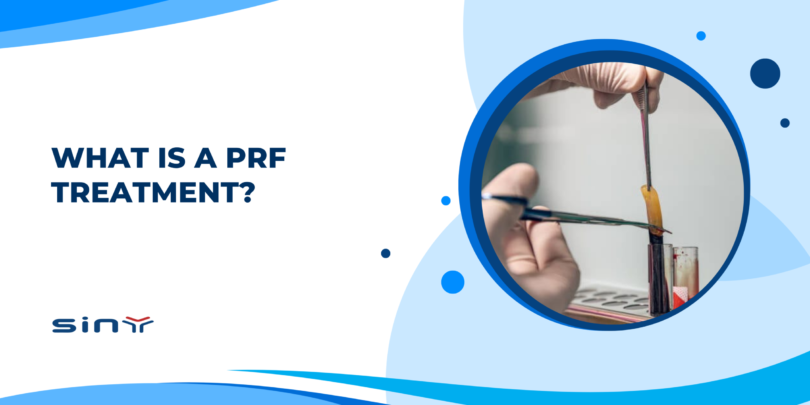
The blood then undergoes centrifugation. Centrifugal force separates blood components according to their physical properties, allowing clinicians to isolate a plasma fraction containing a higher platelet concentration than baseline whole blood.
The exact preparation process varies according to the system and protocol. Platelet concentration, white blood cell retention, red blood cell contamination, plasma volume, centrifugation parameters, and activation methods may all differ.
After preparation, the clinician collects the required PRP fraction for injection.
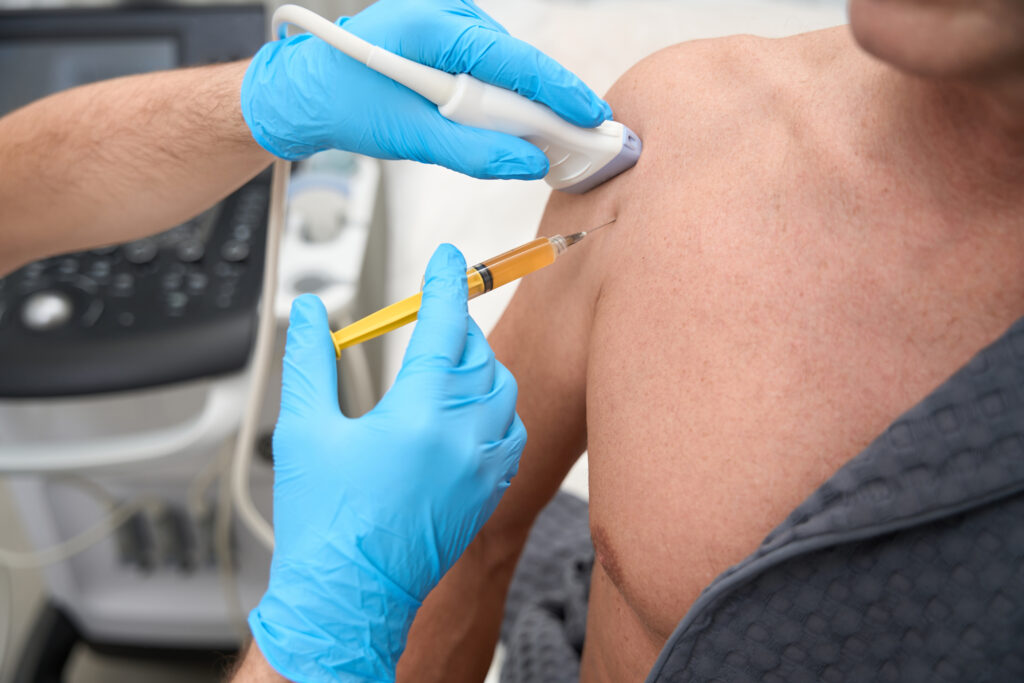
For shoulder applications, ultrasound guidance can help the clinician visualize the affected tendon and guide the needle toward the intended treatment location. This can be particularly useful in the shoulder, where tendons, bursae, muscles, and other structures lie close together.
What Happens After the Injection?
PRP recovery usually develops gradually rather than producing immediate structural change.
Some patients experience temporary soreness or increased discomfort during the first several days. An injection into already irritated tendon tissue can temporarily increase local symptoms, so early discomfort does not necessarily indicate that the treatment has failed.
As recovery progresses, patients usually follow a structured rehabilitation plan determined by their clinician.
A typical progression may include:
- Early phase: Protect the treated area and avoid unnecessary heavy loading.
- Intermediate phase: Gradually restore shoulder mobility and introduce controlled strengthening exercises.
- Remodeling phase: Increase tendon loading as tolerated and rebuild functional shoulder strength.
Patients should not expect the tendon to feel “repaired” a few days after the procedure. Biological remodeling can take weeks to months.
The timeline also varies considerably between patients. Tear severity, age, tendon degeneration, activity level, rehabilitation adherence, metabolic health, and previous shoulder injuries can all influence recovery.
PRP therefore works best as part of a broader treatment strategy rather than as an isolated injection.
Why PRP Preparation Quality Matters for Rotator Cuff Therapy
Discussions about PRP often focus heavily on injection technique, but the quality and consistency of the platelet preparation deserve equal attention.
The clinician cannot inject a reliable PRP preparation without first producing one.
Several steps can influence the final concentrate:
| Preparation Factor | Why It Matters |
|---|---|
| Blood collection | Provides the starting sample for PRP preparation. |
| Anticoagulant choice | Helps control coagulation during applicable preparation protocols. |
| Centrifugation | Influences the separation of blood components. |
| Platelet recovery | Affects platelet content in the final preparation. |
| Red blood cell separation | Helps control unwanted red blood cell contamination. |
| Leukocyte management | Influences the cellular and inflammatory characteristics of PRP. |
| Handling technique | Helps maintain consistency throughout the preparation workflow. |
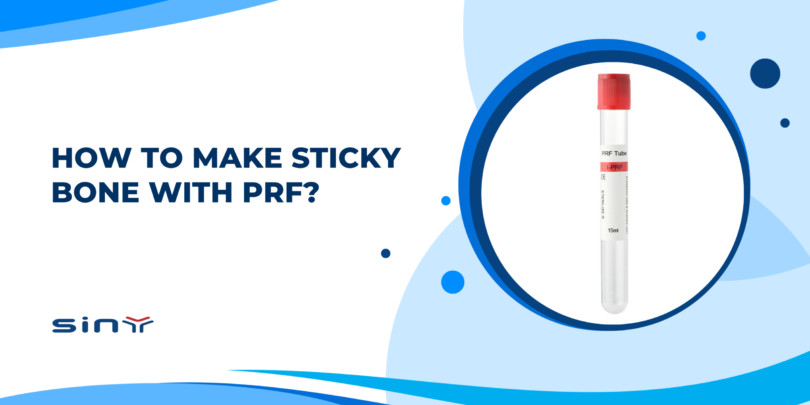
This is why selecting a PRP tube should involve more than comparing tube volume or price.
Clinics and medical distributors should consider the intended preparation protocol, additive configuration, separator design where applicable, centrifugation compatibility, sterility, packaging, and manufacturing consistency.
The tube should fit the intended preparation workflow rather than forcing clinicians to modify their protocol around the collection product.
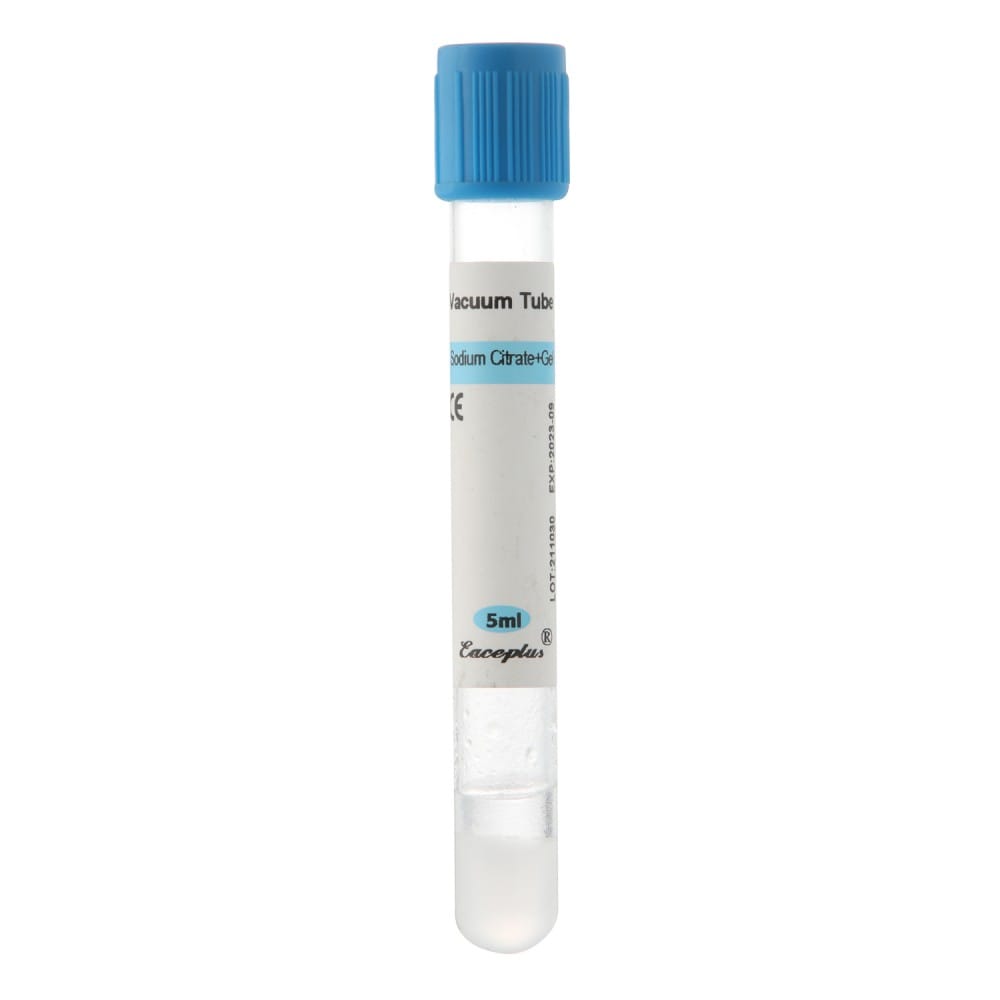
For clinics, distributors, and private-label customers comparing PRP tubes for orthopedic and regenerative applications, Siny PRP offers multiple tube configurations to support different professional preparation requirements. Explore our available PRP products or contact our team to discuss your intended protocol and purchasing needs.
PRP Is Not a Single Standardized Product
Another important point is that “PRP” describes a category of autologous platelet preparations rather than one universally identical formulation.
Two samples can both qualify as platelet-rich plasma while containing different concentrations of:
- Platelets
- Leukocytes
- Red blood cells
- Plasma proteins
- Fibrinogen
- Growth factors and cytokines
Preparation methods can also vary substantially.
For healthcare providers, standardized preparation procedures can help reduce unnecessary variability between treatments. For distributors and buyers, this makes product consistency particularly important when evaluating PRP collection tubes.
A dependable tube should integrate into a repeatable preparation workflow and support consistent blood collection and separation according to the clinic’s established protocol.
This is especially relevant for orthopedic and sports medicine applications, where clinicians may want greater control over platelet recovery, leukocyte content, red blood cell contamination, and final preparation volume.
FAQs About PRP Therapy for Rotator Cuff Tears
Can PRP actually heal a torn rotator cuff?
PRP may support biological processes involved in tendon repair, including cellular signaling, collagen production, vascular responses, and tissue remodeling. It should not, however, be described as mechanically reconnecting a completely torn tendon. Tear type and severity strongly influence treatment decisions.
Is PRP better for partial or full-thickness rotator cuff tears?
PRP is commonly investigated as a conservative option for rotator cuff tendinopathy and partial-thickness tears. Full-thickness tears, particularly large or symptomatic tears associated with weakness or functional loss, may require surgical evaluation. Researchers have also studied PRP as an adjunct during surgical rotator cuff repair.
How long does PRP take to work for a shoulder injury?
PRP does not normally produce instant tendon repair. Some patients may notice changes in symptoms over several weeks, while biological remodeling can continue for months. Recovery time depends on the injury, treatment protocol, rehabilitation program, and individual patient factors.
How many PRP injections are needed for a rotator cuff tear?
There is no universal number. Some protocols use a single injection, while others involve multiple treatments. The clinician should determine the treatment schedule according to the diagnosis, severity of the injury, response to previous treatment, and selected PRP protocol.
Why is ultrasound guidance used for shoulder PRP injections?
Ultrasound allows clinicians to visualize shoulder structures and guide the needle toward the intended treatment location. Accurate placement can be particularly useful because the rotator cuff contains several closely positioned tendons, bursae, muscles, and other anatomical structures.
Does the PRP tube affect the final platelet preparation?
The collection and preparation system can influence workflow consistency, separation characteristics, and the composition of the final platelet concentrate. Anticoagulant configuration, separator design, centrifugation protocol, blood volume, and handling procedure should therefore match the intended PRP preparation method.
How should clinics choose a PRP tube for orthopedic applications?
Clinics should start with their intended PRP preparation protocol rather than choosing solely by tube capacity or price. Important factors include additive configuration, separation method, centrifugation compatibility, sterility, manufacturing consistency, packaging, and supply reliability. Buyers should also consider whether the supplier can support stable bulk supply or customized requirements when purchasing for distribution or private-label projects.
Choosing the Right PRP Preparation System for Rotator Cuff Applications
Understanding how PRP therapy promotes healing in rotator cuff tears also means understanding what the treatment can—and cannot—do.
PRP does not simply patch damaged tendon tissue. Instead, it delivers a concentrated autologous platelet preparation to the selected treatment area, where platelet-associated biological signals may support the local repair environment.
Clinical outcomes depend on much more than the injection itself. Diagnosis, patient selection, tear severity, PRP composition, injection technique, rehabilitation, and preparation consistency all play a role.
For orthopedic practices and sports medicine clinics, that makes PRP preparation an important part of the overall workflow. For distributors and private-label buyers, it also means that selecting a PRP tube requires more than comparing basic specifications.
Siny PRP supplies PRP tubes for orthopedic, sports medicine, aesthetic, and other professional preparation workflows. If you are comparing PRP tube configurations for your clinic, distribution business, or private-label project, explore our PRP product range or contact our team to discuss additives, packaging, bulk supply, and OEM requirements.