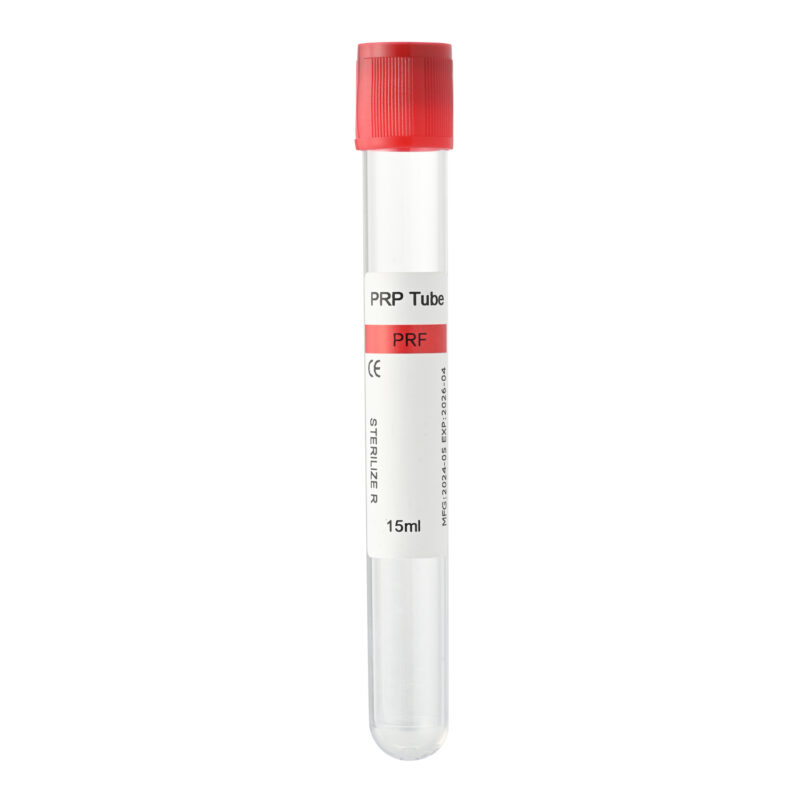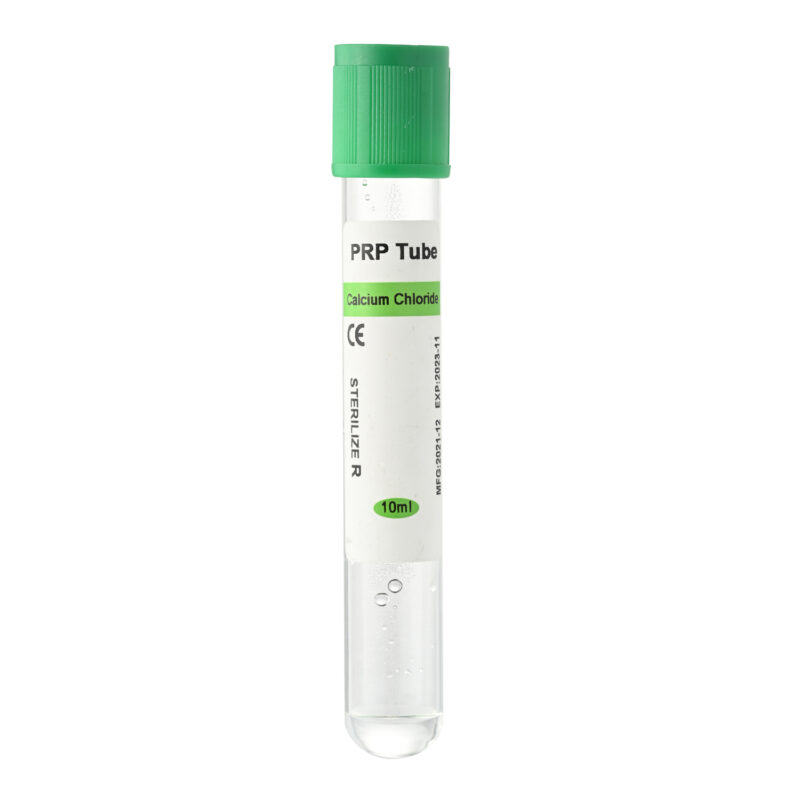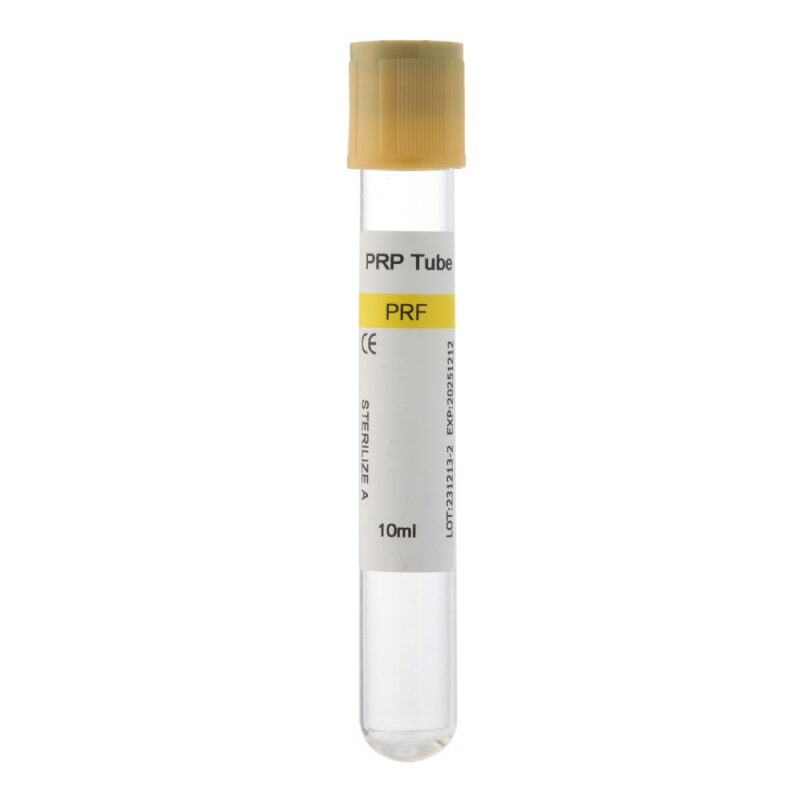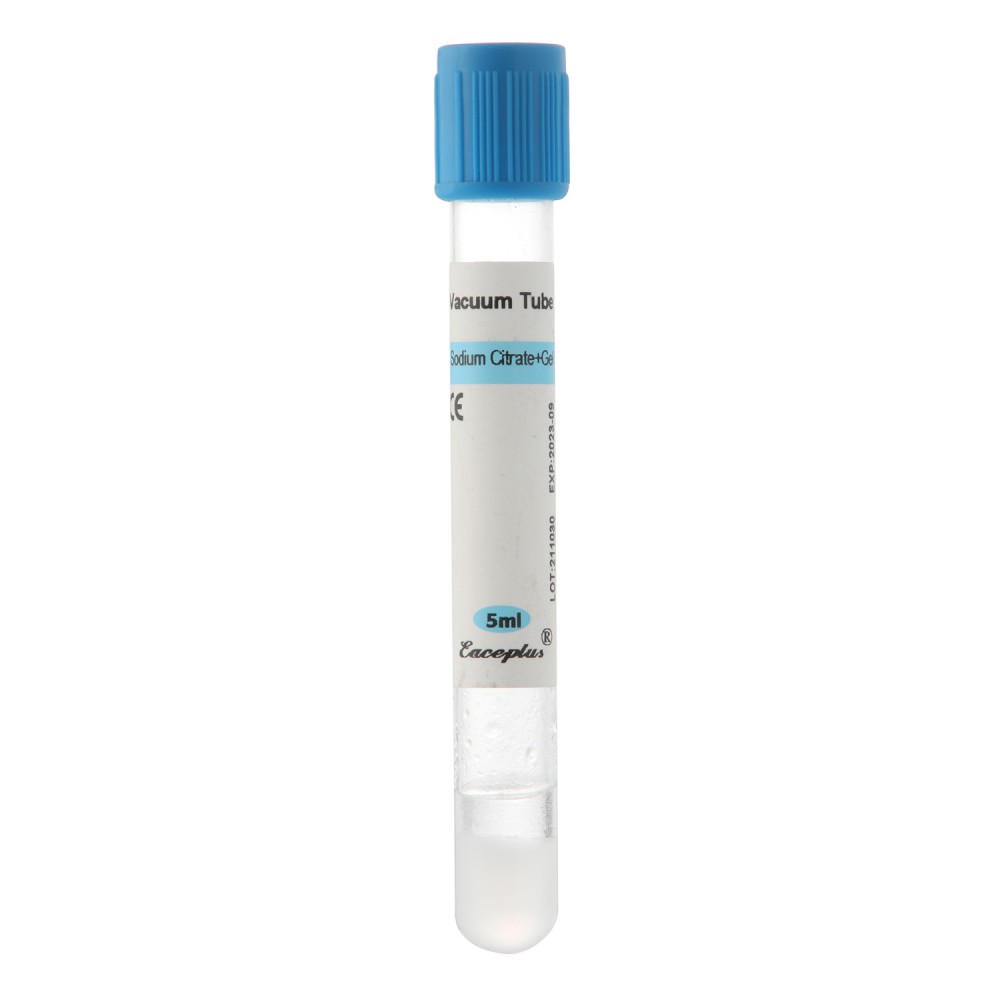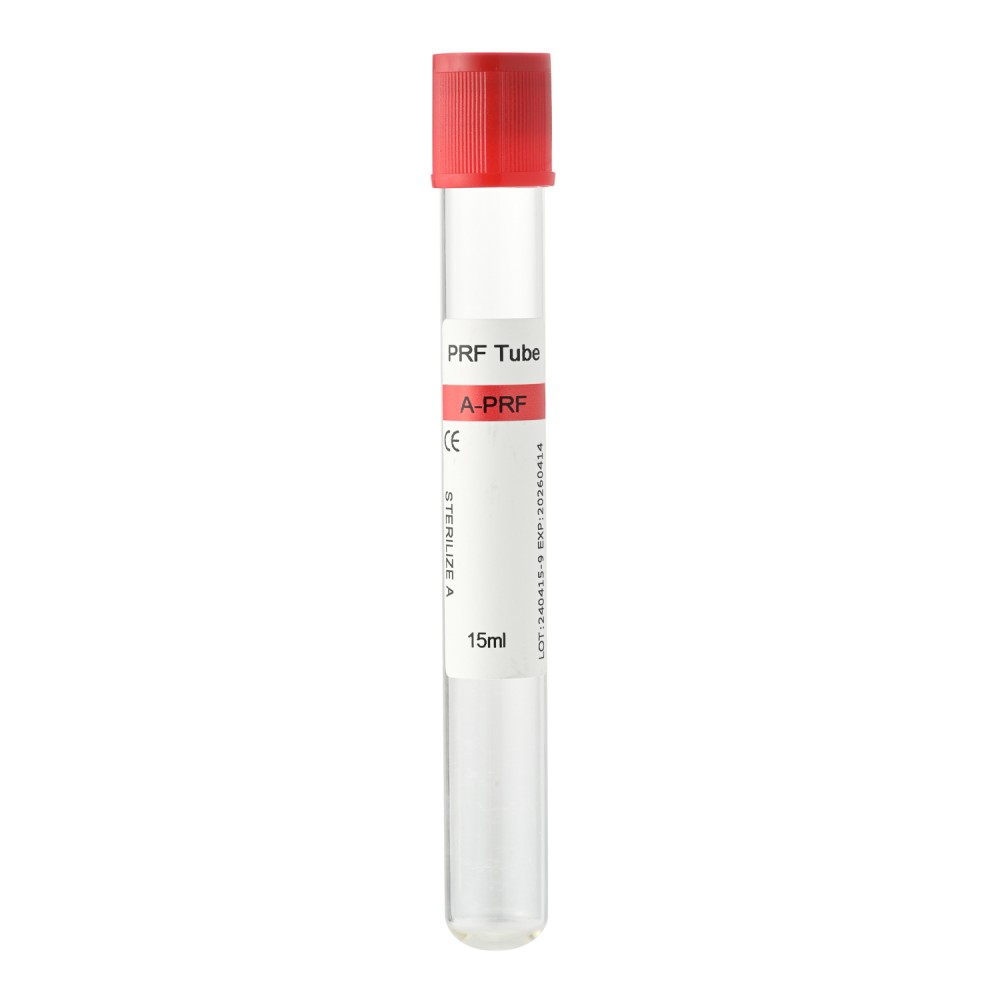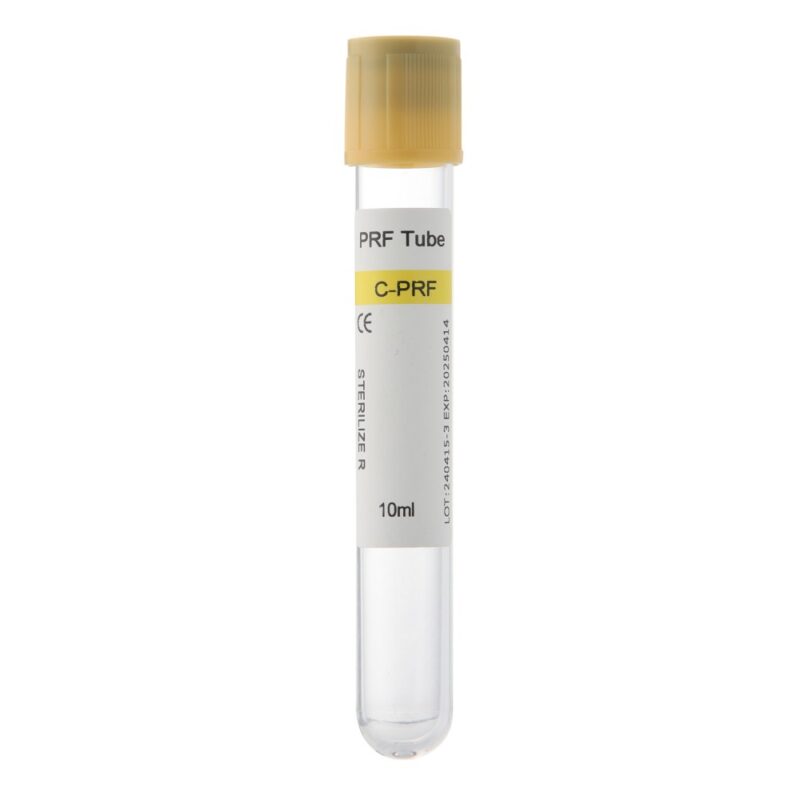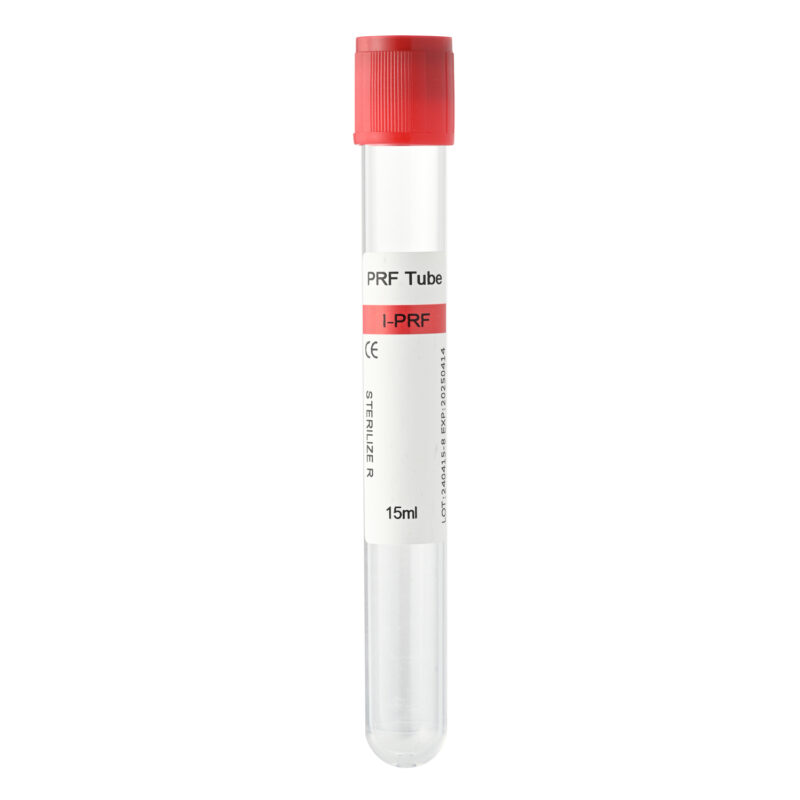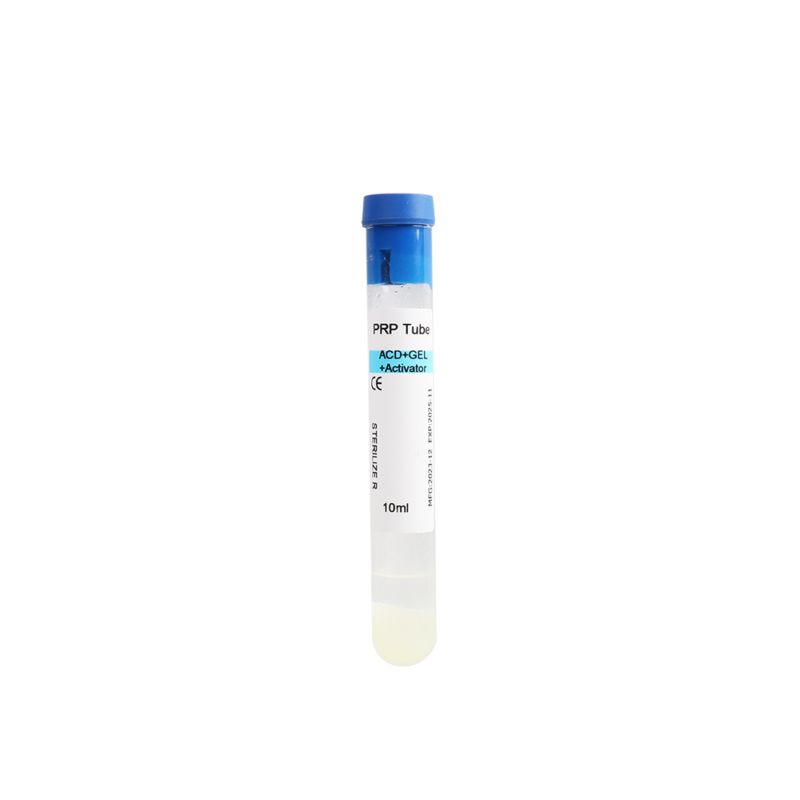
Knee osteoarthritis affects millions of people worldwide and is one of the leading causes of chronic knee pain, stiffness, and reduced mobility. As the cartilage inside the knee joint gradually wears down, everyday activities such as walking, climbing stairs, or exercising may become increasingly difficult. When conventional treatments do not provide sufficient relief, many patients begin exploring regenerative medicine options and ask an important question: Does PRP injection for knee osteoarthritis provide meaningful benefits?
Platelet-rich plasma (PRP) therapy has gained increasing attention in orthopedic and regenerative medicine because it uses concentrated components from the patient’s own blood to support the body’s natural healing response. During a PRP procedure, healthcare professionals collect a small amount of blood and process it through centrifugation using a specialized PRP tube. This process separates different blood components and concentrates platelets, which contain various growth factors and biological substances involved in tissue response and recovery.
For knee osteoarthritis, PRP injections are commonly used to support joint function, manage discomfort, and create a more favorable environment within the affected joint. Although PRP cannot completely reverse advanced cartilage damage, clinical studies and practical experience suggest that patients with mild to moderate osteoarthritis may experience improvements in pain levels and physical function after treatment. However, individual outcomes vary depending on several factors, including the severity of joint degeneration, overall health condition, injection technique, and the quality of PRP preparation.
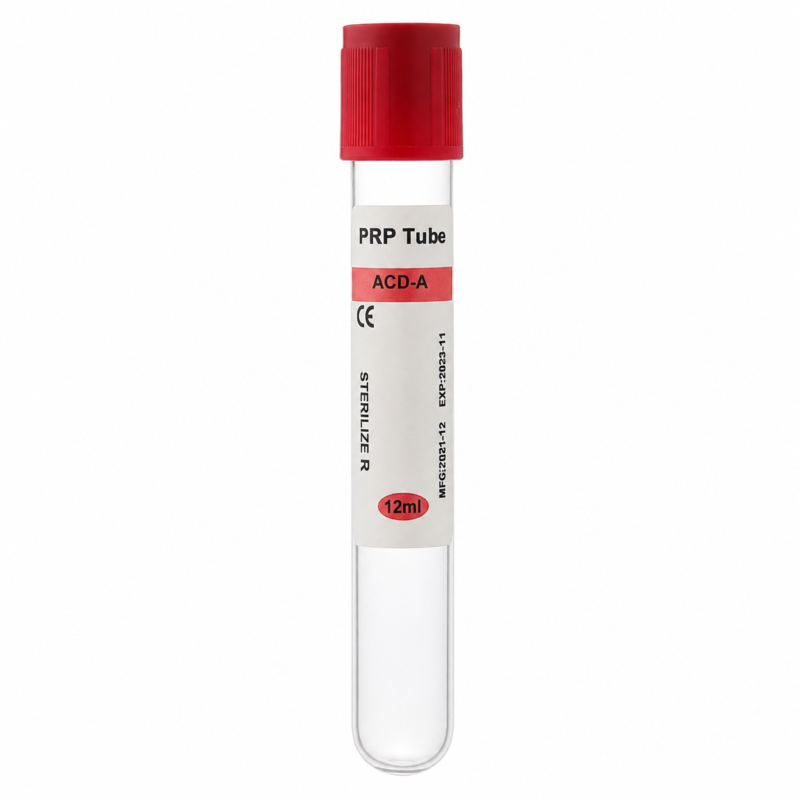
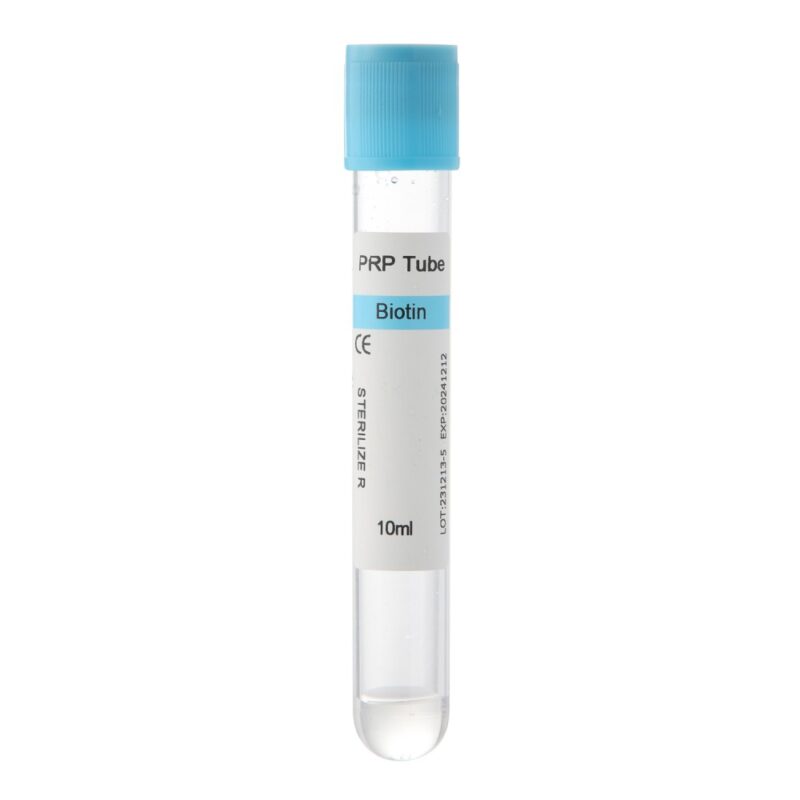
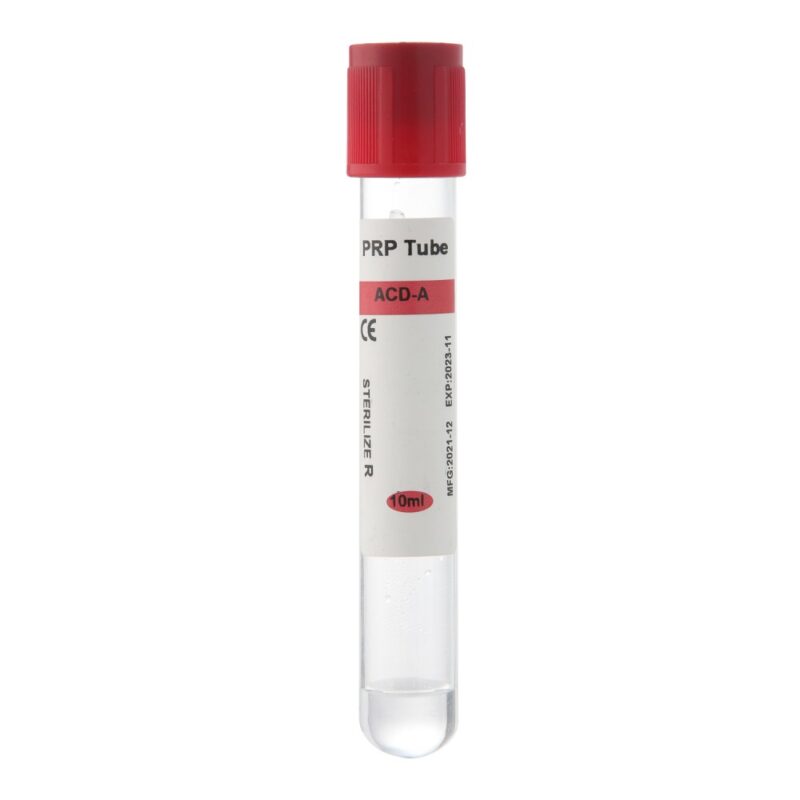
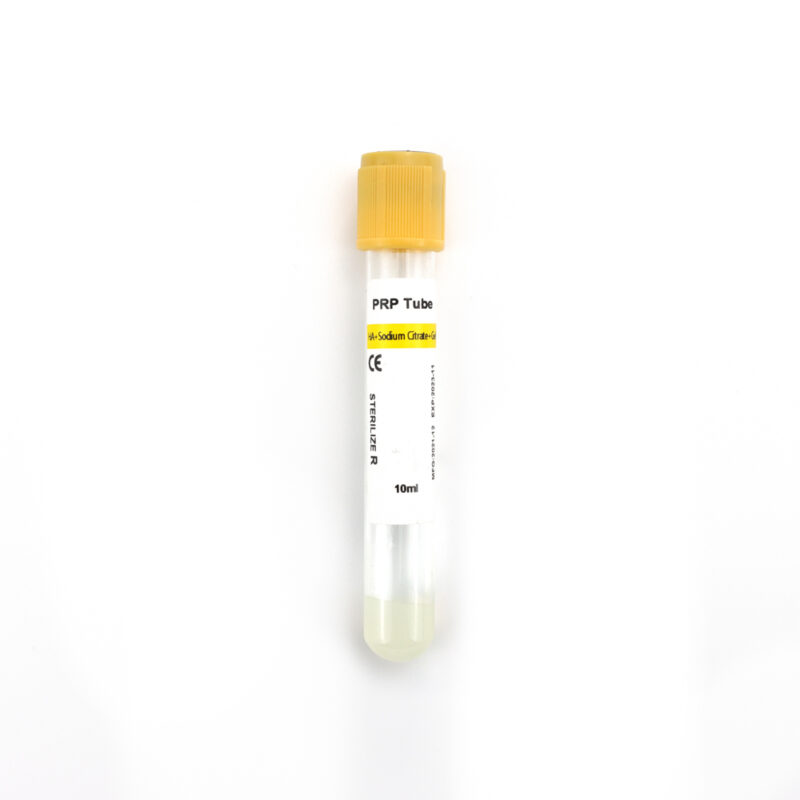
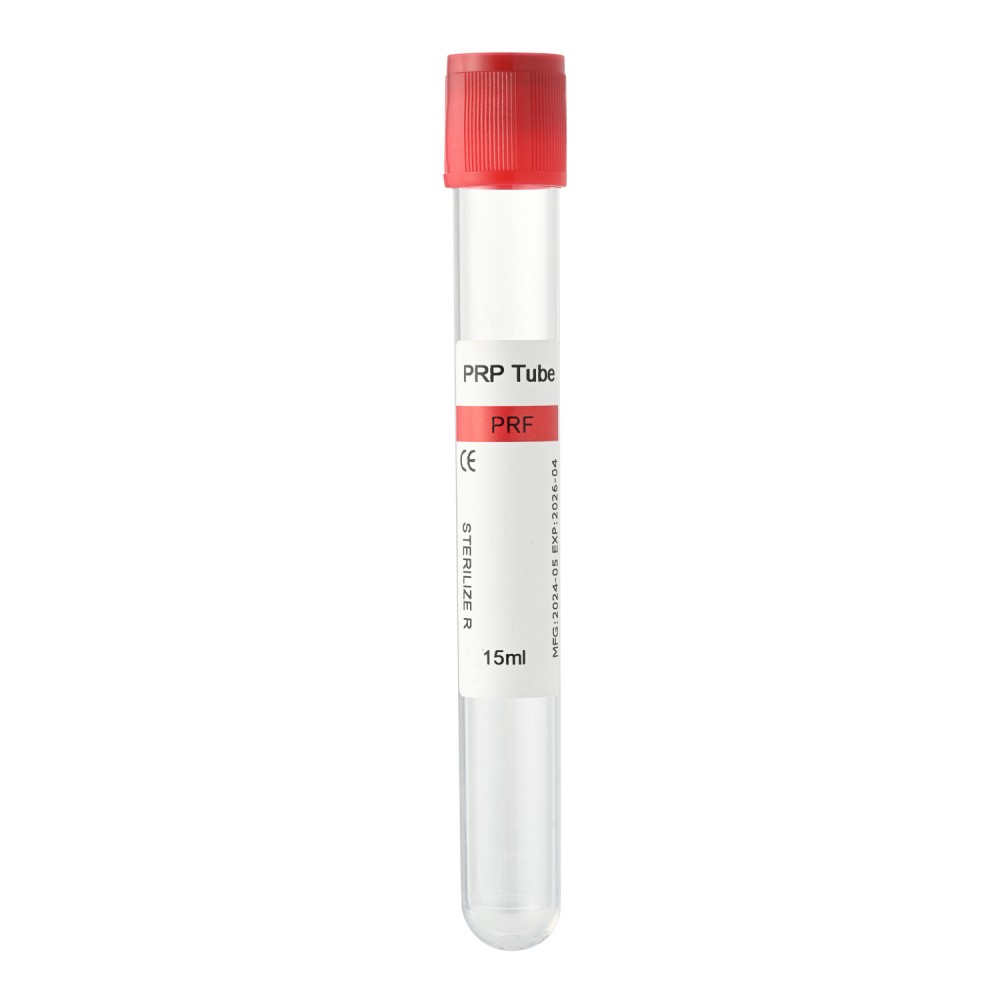
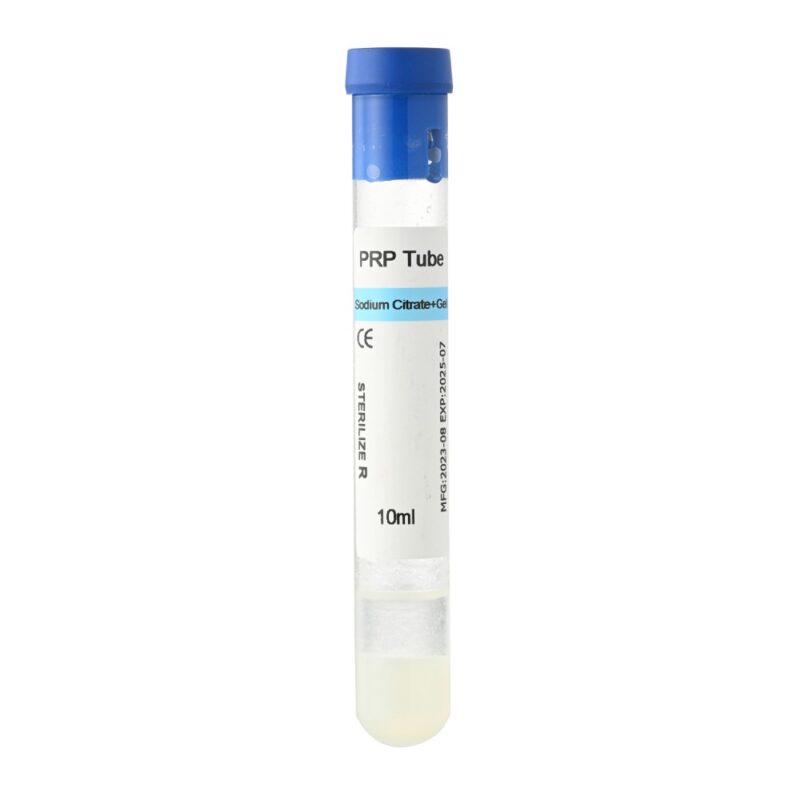
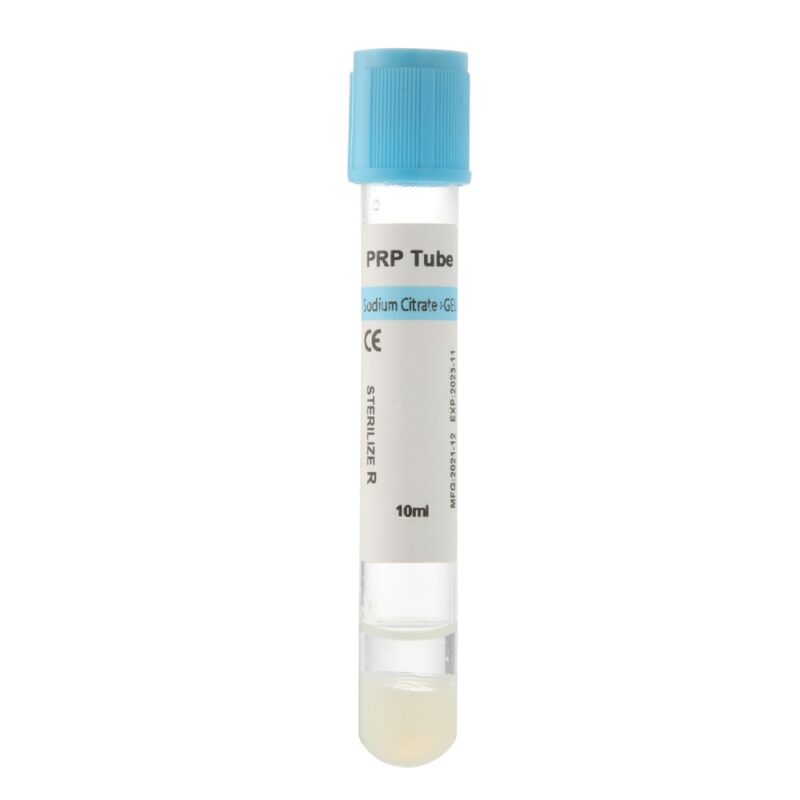
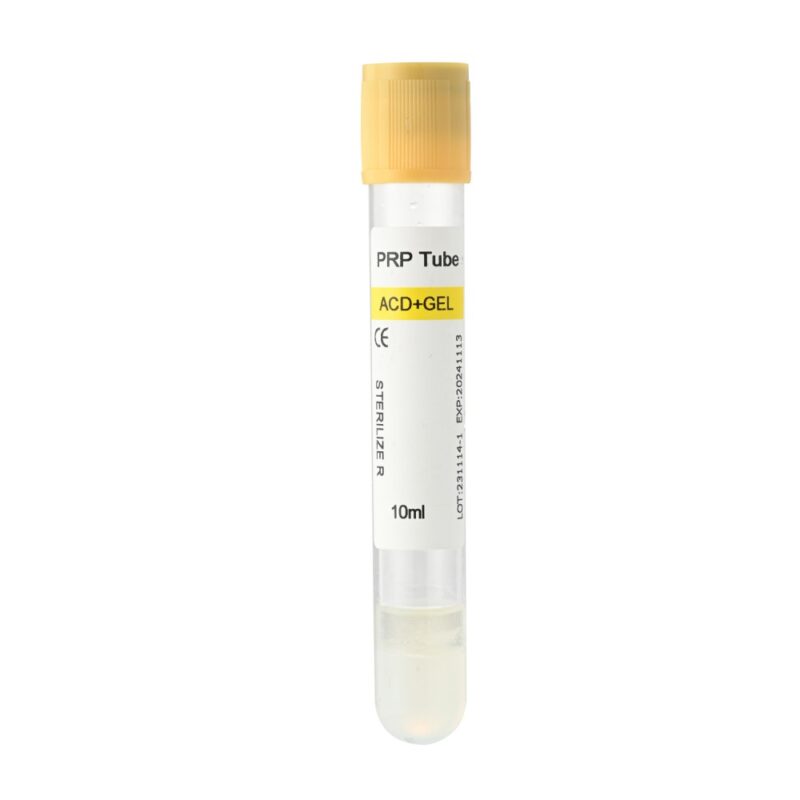
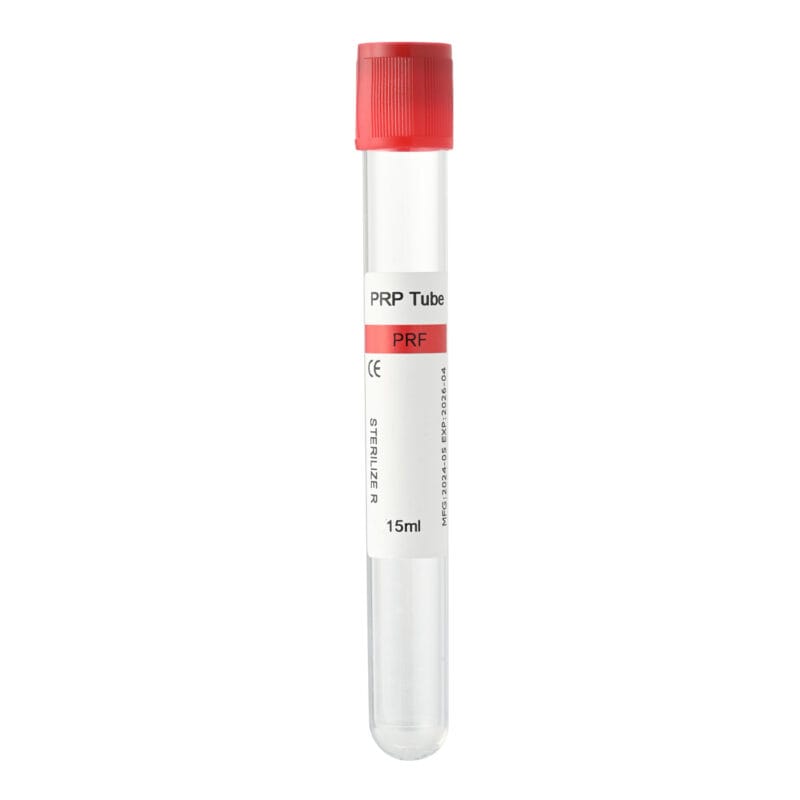
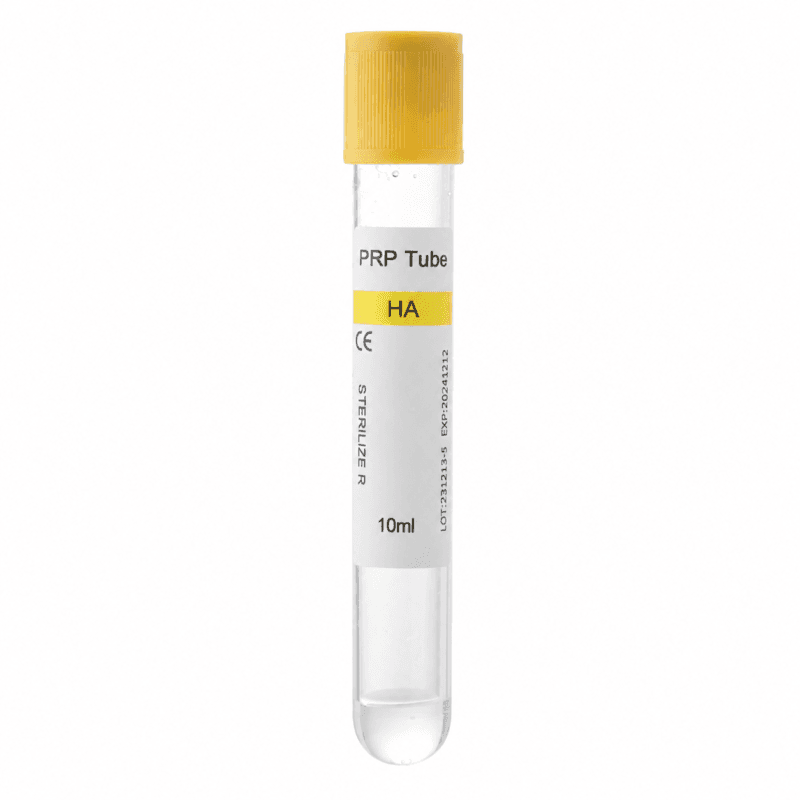
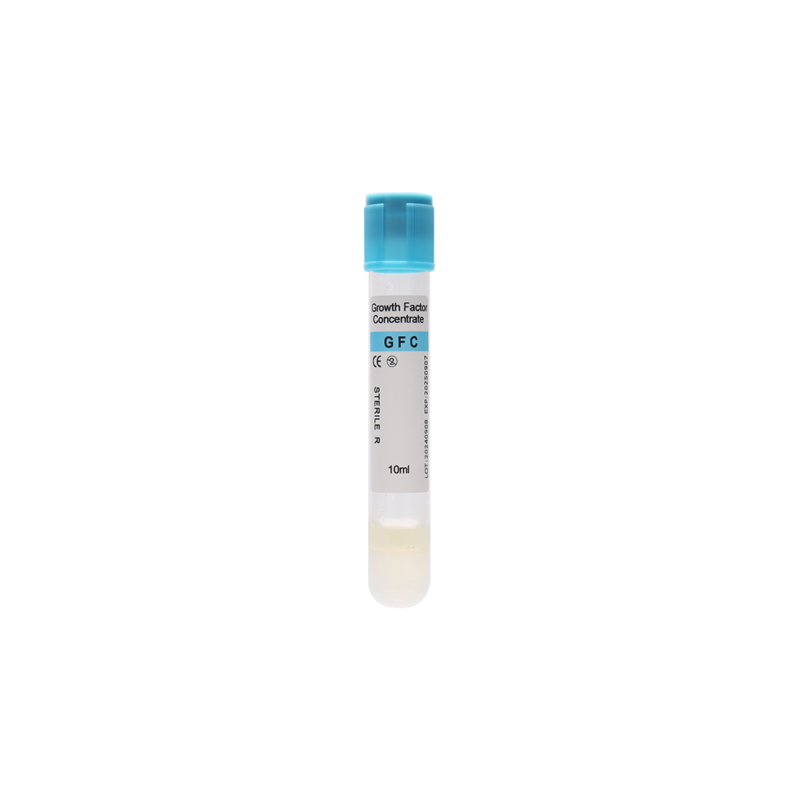
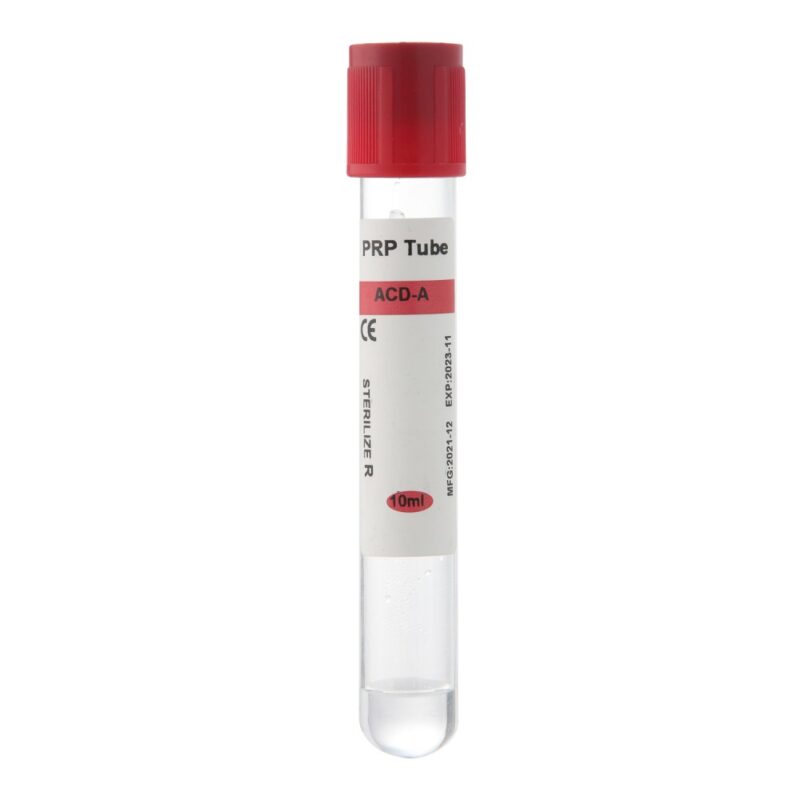
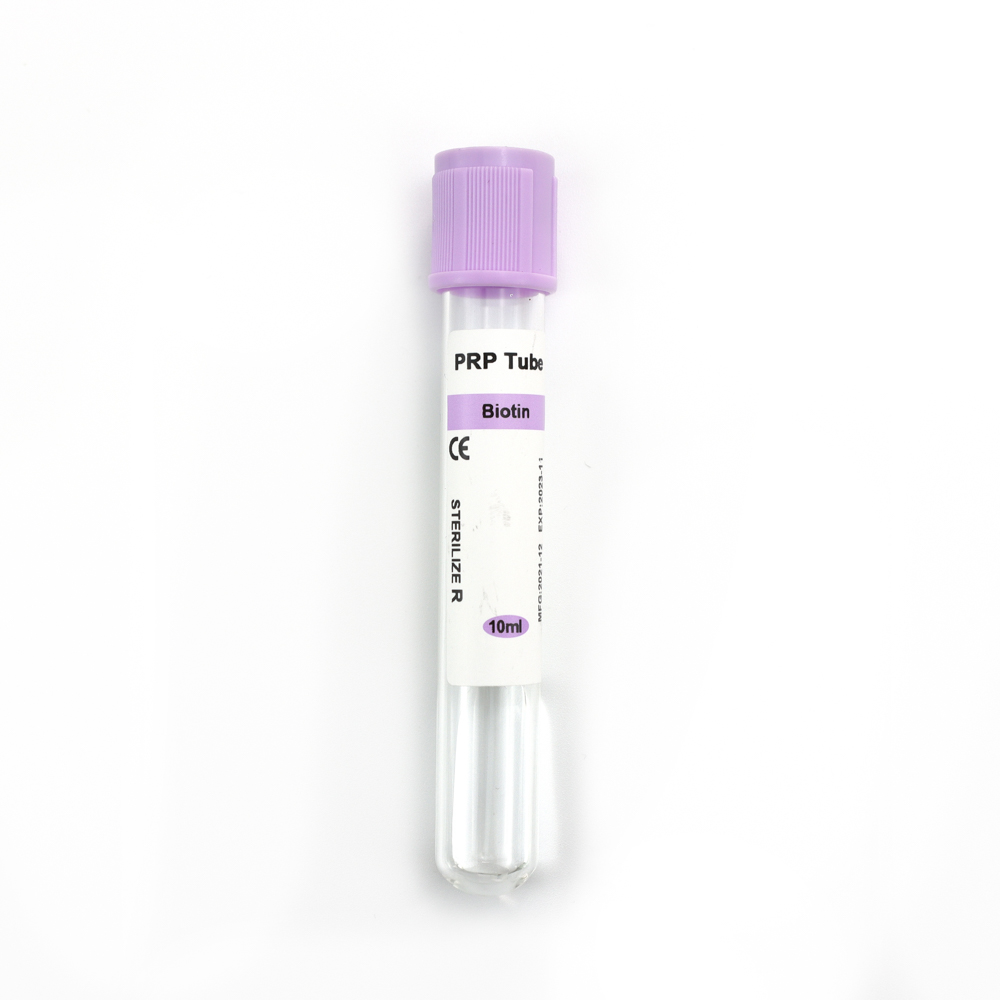
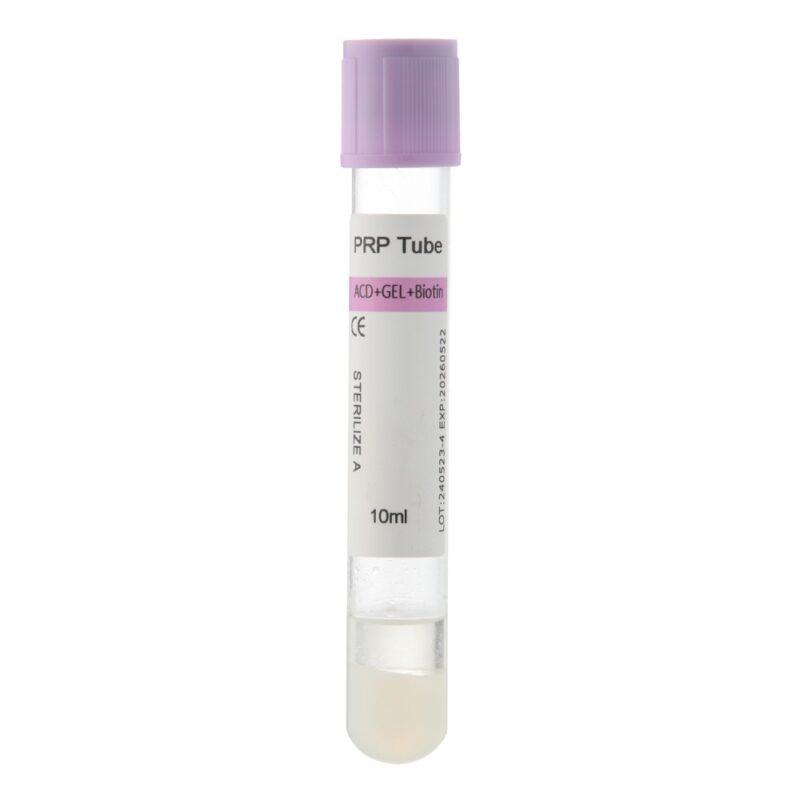
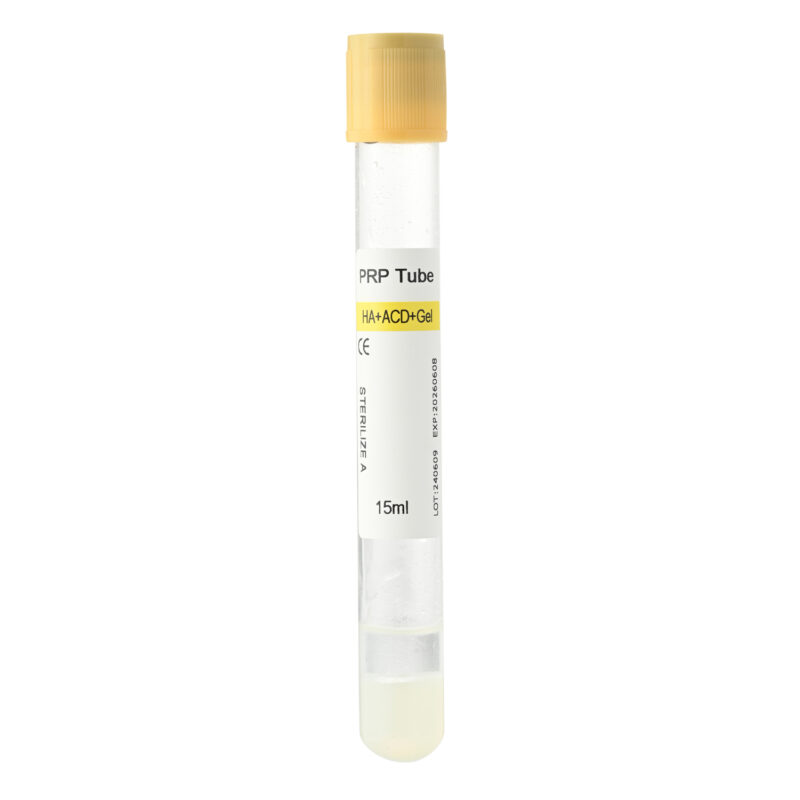
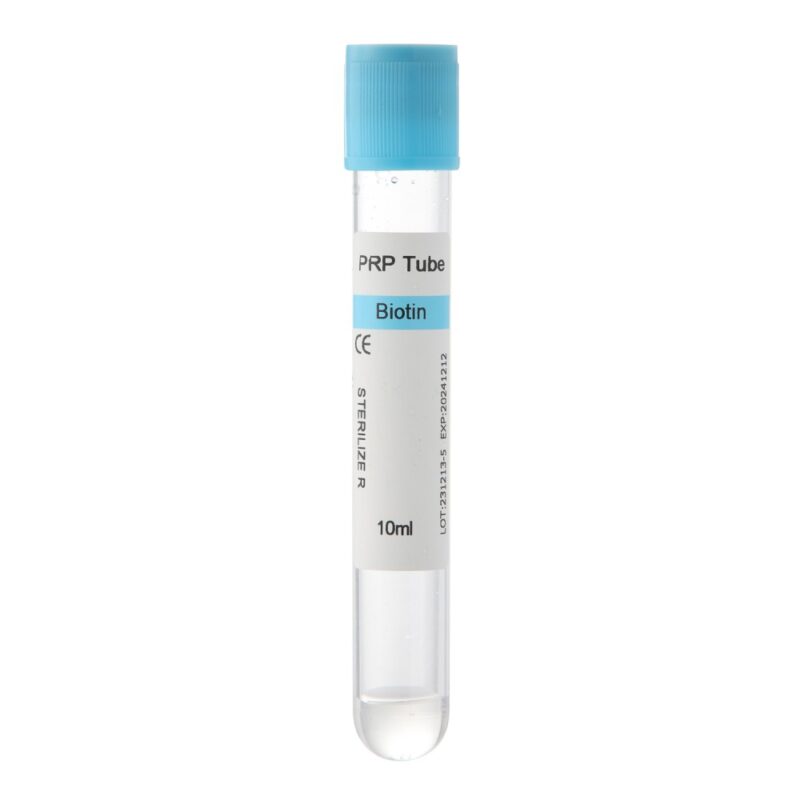
The quality of PRP preparation also plays an important role in treatment consistency. A suitable PRP tube helps healthcare providers achieve reliable blood component separation while maintaining appropriate sample conditions during processing. Different PRP formulations, including sodium citrate PRP tubes, gel PRP tubes, and HA PRP tubes, are designed to support different clinical workflows and application requirements.
For clinics, hospitals, and medical professionals involved in regenerative medicine, selecting reliable PRP preparation products is an important part of establishing a standardized workflow. Siny PRP provides professional PRP tube solutions for orthopedic, aesthetic, dental, and regenerative medicine applications, helping healthcare providers optimize their PRP preparation procedures.
Does PRP Injection for Knee Osteoarthritis Work?
PRP therapy for knee osteoarthritis focuses on using concentrated platelets and their biological properties to support the joint recovery process. Unlike treatments that mainly focus on temporary symptom relief, PRP introduces a higher concentration of platelets into the treatment area, where they release growth factors and signaling molecules involved in natural tissue response.
When knee osteoarthritis develops, the joint experiences gradual changes caused by cartilage deterioration, inflammation, and changes in surrounding tissues. These conditions may contribute to persistent pain, swelling, stiffness, and reduced flexibility. PRP injections may help create a more supportive joint environment by influencing local inflammatory responses and supporting the activity of cells involved in tissue maintenance.
Research on platelet-rich plasma therapy for knee osteoarthritis has reported improvements in pain levels and physical function for many patients, especially when compared with some conventional injection approaches. However, PRP outcomes are not identical for every individual. Patients with early-stage or moderate osteoarthritis may respond more favorably because the joint still maintains a certain level of natural biological activity.
The effectiveness of PRP treatment depends not only on the injection itself but also on the quality and consistency of PRP preparation. Factors such as platelet recovery, blood component separation, anticoagulant selection, and preparation methods can influence the characteristics of the final PRP product.
This is why medical professionals carefully evaluate PRP tubes when developing orthopedic treatment protocols. A well-designed PRP tube can support efficient preparation procedures and help clinics maintain a more consistent workflow.
For orthopedic clinics seeking dependable PRP preparation solutions, Siny PRP offers a range of PRP tubes designed for different treatment requirements. Contact our team to discuss suitable PRP tube options for knee osteoarthritis applications.

How PRP Injections Help Manage Knee Osteoarthritis Symptoms
Knee osteoarthritis involves more than cartilage wear alone. The condition can also affect the synovial environment, surrounding soft tissues, and inflammatory balance inside the joint. These changes may gradually reduce joint flexibility and make daily activities more challenging.
PRP injections work by concentrating platelets from the patient’s own blood and delivering them into the targeted treatment area. Platelets contain various biological factors involved in cellular communication, tissue response, and healing regulation. After activation, these components may support the body’s natural recovery mechanisms.
Supporting Joint Function and Reducing Knee Discomfort
Many patients consider PRP treatment because knee osteoarthritis affects their ability to maintain an active lifestyle. Simple activities such as walking longer distances, exercising, or performing daily movements may become difficult due to discomfort and stiffness.
PRP therapy may support knee function by:
- Helping create a more supportive joint environment through concentrated biological factors
- Supporting balanced inflammatory responses within the joint
- Improving comfort during movement and daily activities
- Supporting the recovery of surrounding soft tissues
However, PRP should be considered as part of a comprehensive knee osteoarthritis management plan. Factors such as physical therapy, appropriate exercise, weight management, and overall joint care can also influence long-term outcomes.
PRP Injection Procedure for Knee Osteoarthritis: From Blood Collection to Joint Treatment
Understanding the PRP preparation and injection process helps patients and healthcare providers better evaluate this treatment option. A typical PRP procedure for knee osteoarthritis involves several important stages, including blood collection, platelet concentration, and injection into the targeted knee area.
The quality of each step can influence the consistency of the final PRP preparation. From selecting an appropriate PRP tube to following a suitable centrifugation protocol, healthcare providers need to consider multiple factors when preparing platelet-rich plasma for orthopedic applications.
Step 1: Blood Collection and PRP Preparation
The first step of a knee PRP treatment involves collecting a small amount of the patient’s blood. Healthcare professionals collect the sample directly into a specialized PRP tube containing suitable additives that help maintain sample stability before processing.
After collection, the PRP tube undergoes centrifugation. During this process, blood components separate according to their density, allowing healthcare providers to collect the platelet-rich plasma layer based on their preferred preparation protocol.
The performance of the PRP tube can influence the efficiency and consistency of this process. Important considerations include:
- Anticoagulant type used to maintain blood sample stability
- Tube design and separation characteristics
- Platelet recovery capability
- Compatibility with the clinic’s centrifugation process
For orthopedic applications, many clinics select PRP tubes that provide stable separation performance and support repeatable preparation results. Siny PRP develops different PRP tube solutions designed for professional workflows in regenerative medicine and orthopedic procedures.
Step 2: PRP Injection into the Knee Joint
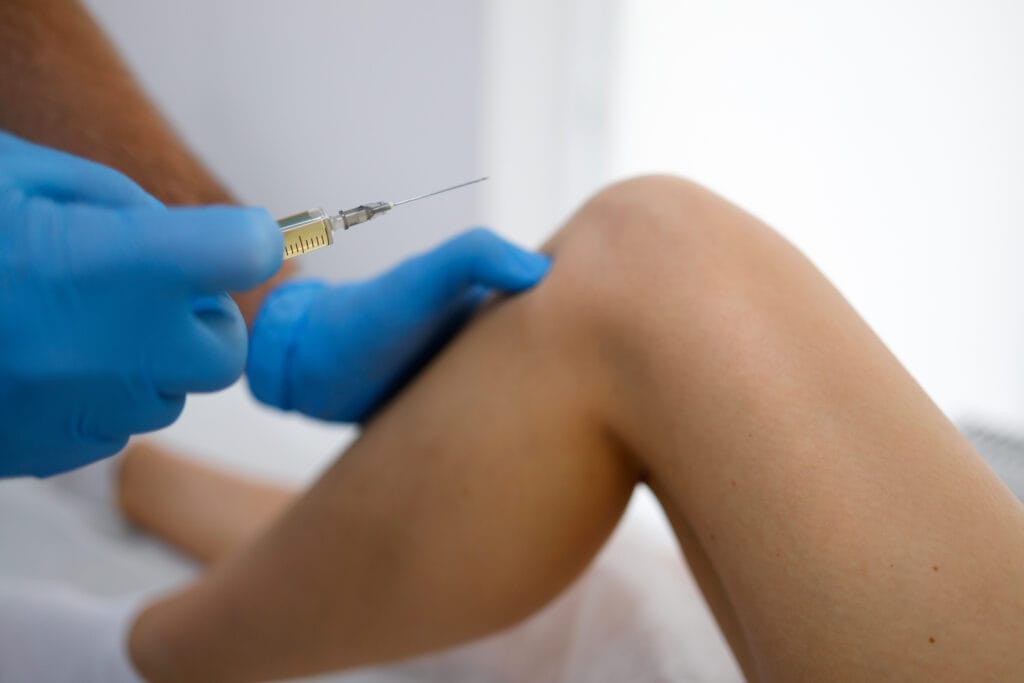
After PRP preparation, the healthcare provider injects the platelet-rich plasma into the targeted area of the knee. Depending on the clinical approach, ultrasound guidance may be used to improve injection accuracy and help deliver the preparation to the intended location.
The purpose of the injection is to introduce concentrated platelets into the joint environment, where they can release biological factors involved in tissue response and recovery processes.
After treatment, patients usually receive personalized recovery instructions from their healthcare provider. These recommendations may include temporary activity adjustments, rehabilitation exercises, and follow-up evaluations based on individual conditions.
The number of PRP injections required depends on several factors, including:
- The severity and stage of knee osteoarthritis
- The patient’s age, health condition, and activity level
- Previous treatment history
- The healthcare provider’s recommended protocol
Some patients may notice improvements within several weeks, while others may require additional treatment sessions depending on their individual response and treatment goals.
Factors That Affect PRP Treatment Results for Knee Osteoarthritis
Although PRP therapy has become an increasingly discussed option for knee osteoarthritis management, treatment outcomes vary between individuals. The effectiveness of PRP injection for knee osteoarthritis depends on several factors, including the condition of the joint, the quality of PRP preparation, and the overall treatment approach.
Severity of Knee Osteoarthritis
The condition of the knee joint before treatment is one of the most important factors affecting PRP outcomes.
Patients with early-stage or moderate osteoarthritis often have better potential responses because the joint still maintains more natural tissue structure and biological activity. In these cases, PRP may provide supportive benefits by helping create a more favorable environment within the joint.
For advanced osteoarthritis with severe cartilage loss and significant structural changes, PRP may help manage symptoms, but it cannot rebuild damaged cartilage or restore lost joint structure.
A professional evaluation allows healthcare providers to determine whether PRP therapy is suitable based on each patient’s specific condition.
Quality of PRP Preparation
The quality of the final PRP preparation can influence the consistency of the product used during treatment. Even when healthcare providers use the same patient’s blood sample, differences in collection systems, processing methods, and PRP tube design may affect the characteristics of the prepared platelet-rich plasma.
Important preparation factors include:
- Platelet recovery efficiency: Supporting an appropriate concentration of platelets during preparation.
- Blood component separation: Helping achieve a consistent plasma layer with suitable separation performance.
- Anticoagulant selection: Maintaining sample stability before platelet activation.
- Preparation conditions: Supporting stable and sterile handling throughout the workflow.
This is why selecting suitable PRP tubes is an important consideration for orthopedic clinics. A reliable PRP tube design helps healthcare providers establish a more standardized preparation process and maintain consistent workflow performance.
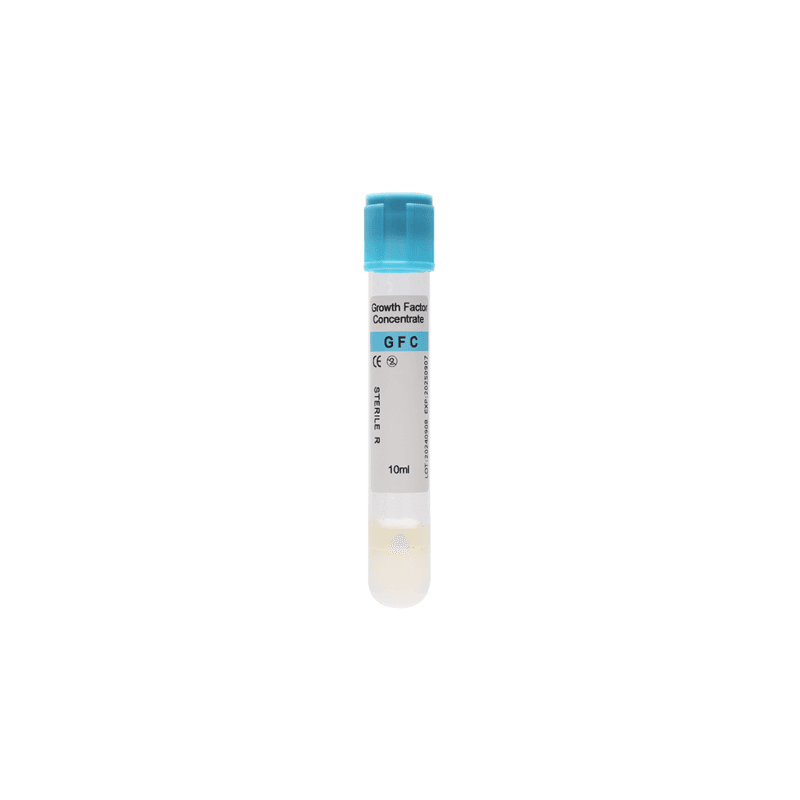
Different clinical applications may require different PRP tube designs. Sodium citrate PRP tubes, gel PRP tubes, and HA PRP tubes each provide different preparation characteristics based on the intended use.
Treatment Protocol and Clinical Experience
PRP results also depend on professional clinical decisions, including injection technique, preparation method, treatment volume, and post-procedure management.
PRP works best as part of a comprehensive orthopedic treatment approach rather than as a single solution. Appropriate patient selection, professional treatment protocols, rehabilitation planning, and reliable PRP preparation products all contribute to a more consistent clinical process.
Choosing the Right PRP Tubes for Knee Osteoarthritis Treatment
For medical professionals, selecting suitable PRP tubes is an important step when establishing a reliable knee osteoarthritis treatment workflow. Different PRP tube designs provide different preparation characteristics, allowing clinics to choose products based on their preferred preparation method, treatment protocol, and application requirements.
A suitable PRP tube should support stable blood collection, efficient component separation, and consistent platelet recovery. Since the characteristics of the final PRP preparation can influence workflow consistency, healthcare providers often consider factors such as anticoagulant type, separation technology, tube design, and compatibility with their centrifugation system.
The following comparison provides an overview of common PRP tube options used in orthopedic applications:
Comparison of PRP Tubes for Knee Osteoarthritis Applications
| PRP Tube Type | Key Characteristic | Best Suited For | Clinical Benefit in Orthopedics |
|---|---|---|---|
| Sodium Citrate PRP Tube | Uses sodium citrate as an anticoagulant to maintain blood sample stability and help preserve platelet characteristics during preparation | Orthopedic PRP procedures requiring flexible preparation protocols and reliable platelet preservation | Supports consistent platelet-rich plasma preparation while maintaining suitable conditions for orthopedic applications |
| Gel PRP Tube | Contains a separation gel that creates a physical barrier between blood components during centrifugation | Clinics looking for simplified PRP preparation and efficient blood component separation | Helps improve preparation convenience, reduces unwanted component mixing, and supports standardized clinical workflows |
| HA PRP Tube (Hyaluronic Acid + PRP) | Combines hyaluronic acid with platelet-rich plasma preparation to provide a combined preparation approach | Knee osteoarthritis applications and orthopedic procedures where PRP and HA are used together | Combines the biological characteristics of PRP with the supportive properties of hyaluronic acid for joint-focused treatment protocols |
The selection of PRP tubes depends on the clinic’s preferred preparation method, centrifugation protocol, and intended application. Healthcare professionals should evaluate factors such as platelet recovery, separation efficiency, anticoagulant selection, and workflow compatibility when choosing PRP products.
Siny PRP provides customized PRP tube solutions, including sodium citrate, gel, and HA PRP tubes, supporting orthopedic clinics, distributors, and medical companies with reliable preparation options for regenerative medicine applications.
FAQs About PRP Injection for Knee Osteoarthritis
How long does PRP last for knee osteoarthritis?
The duration of PRP benefits varies depending on individual factors, including the severity of osteoarthritis, patient activity level, lifestyle, and treatment protocol. Many patients report improvements lasting several months, while some may experience longer-lasting results. Follow-up treatment decisions should be based on professional evaluation and individual response.
Is PRP better than steroid injections for knee arthritis?
PRP and steroid injections work through different approaches. Steroid injections are mainly used to reduce inflammation and provide short-term symptom relief, while PRP focuses on using concentrated platelets to support the body’s natural healing response.
For some patients with mild to moderate knee osteoarthritis, PRP may provide longer-lasting improvements in pain and function compared with some traditional injection options. However, the most suitable treatment depends on the patient’s specific condition and healthcare provider’s recommendation.
How many PRP injections are needed for knee osteoarthritis?
The number of PRP injections depends on factors such as the stage of osteoarthritis, treatment goals, and clinical protocol. Some patients may receive a single injection, while others may follow a treatment plan involving multiple injections spaced several weeks apart.
Healthcare providers typically evaluate each patient individually before deciding on the appropriate treatment schedule.
What type of PRP tube is used for knee osteoarthritis treatment?
Healthcare providers may choose different PRP tubes depending on their preparation method and clinical requirements. Common options include sodium citrate PRP tubes, gel PRP tubes, and HA PRP tubes.
Sodium citrate tubes are often selected for maintaining platelet characteristics during preparation, while gel-based tubes can support easier blood component separation. HA PRP tubes may be considered for applications requiring a combination of platelet-rich plasma and hyaluronic acid.
The best PRP tube choice depends on the clinic’s workflow, centrifugation protocol, and intended application.
What is the best PRP tube for orthopedic applications?
The best PRP tube depends on the specific clinical protocol and desired preparation characteristics. Factors such as platelet recovery, separation performance, anticoagulant selection, and application requirements should all be considered.
For orthopedic PRP procedures, many healthcare providers evaluate sodium citrate, gel, and HA-based PRP tubes according to their preferred preparation approach.
Is PRP injection safe for knee osteoarthritis?
Because PRP uses the patient’s own blood components, it is generally considered a minimally invasive treatment option with a low risk of allergic reactions. Like any medical procedure, PRP treatment should be performed by qualified healthcare professionals who can evaluate whether the therapy is appropriate for each patient.
Improve Your PRP Preparation Workflow with Siny PRP
The quality of a PRP procedure depends on multiple factors, including patient selection, injection technique, preparation protocol, and the reliability of the PRP tube used during processing.
For clinics and medical professionals providing knee osteoarthritis treatments, choosing a suitable PRP tube can help create a more consistent and efficient preparation workflow. Siny PRP offers professional PRP tube solutions designed for orthopedic, aesthetic, dental, and regenerative medicine applications.
With manufacturing experience, flexible OEM/ODM services, and customized product options, Siny PRP supports clinics, distributors, and healthcare companies looking for reliable PRP preparation products.
If you are looking for high-quality PRP tubes for knee osteoarthritis treatment, contact Siny PRP to discuss your application requirements and find a suitable solution for your clinical or distribution needs.