If you have recently undergone platelet-rich plasma (PRP) therapy, you may be paying closer attention to what you eat, drink, and take during recovery. One common question is: Can I Take Collagen After PRP Injection?
For most people, standard collagen supplementation is generally compatible with PRP recovery when their healthcare provider has not advised otherwise. However, collagen should be viewed as nutritional support rather than a treatment that directly increases the clinical effectiveness of PRP.
Understanding the difference matters. PRP works through a concentrated preparation of platelets and associated bioactive factors, while dietary collagen provides peptides and amino acids that the body can use during normal protein metabolism. The two may both relate to tissue repair, but they work in very different ways.
Understanding PRP and Collagen
To understand how PRP and collagen relate to each other, it helps to look at their individual roles.
- PRP therapy uses a concentrated portion of a patient’s own blood containing platelets and associated bioactive factors. A healthcare professional prepares the PRP and injects it into the targeted area to support the body’s natural tissue-repair response. PRP has applications in orthopedics, sports medicine, hair restoration, aesthetic medicine, and other regenerative procedures.
- Collagen is one of the body’s primary structural proteins. It helps form the framework of connective tissues found in the skin, tendons, ligaments, cartilage, and bone.
Because PRP treatment and collagen production both come up in discussions about tissue repair, patients often wonder whether taking collagen after an injection can speed up recovery or improve the result.
The relationship is more nuanced than simply taking a supplement to “boost” a PRP injection.
Collagen supplements can contribute peptides and amino acids to a person’s overall nutritional intake. However, they do not replace the biological activity of platelets, proper PRP preparation, professional treatment, or appropriate post-injection care.
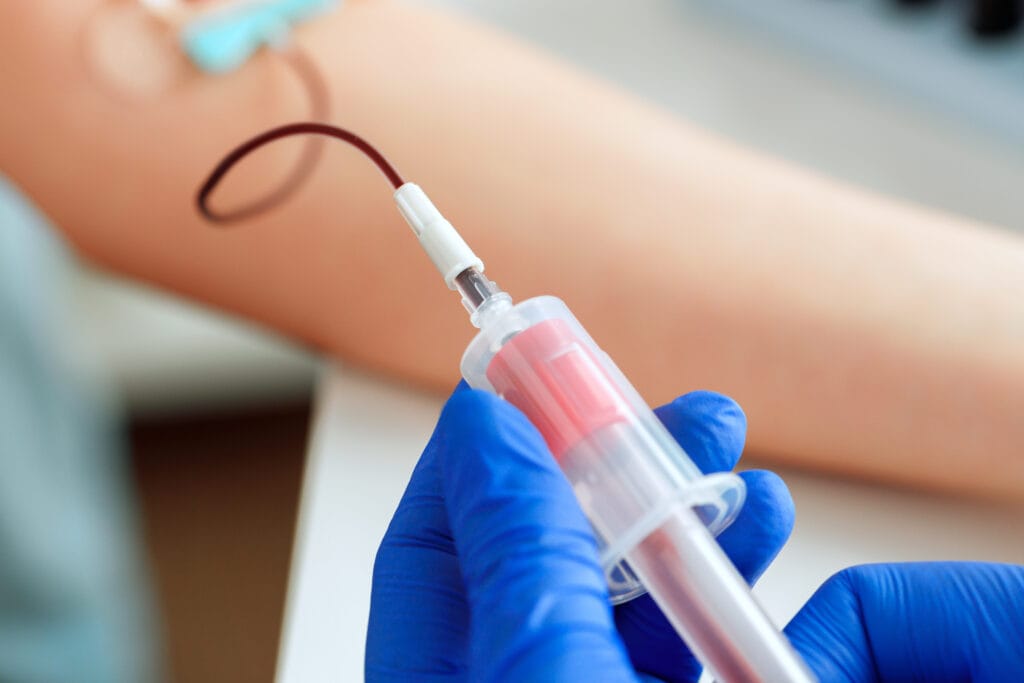
How PRP and Collagen Relate During Tissue Repair
Platelets are best known for their role in blood clotting, but they also contain alpha granules that release various signaling proteins and growth factors, including:
- Platelet-derived growth factor (PDGF)
- Transforming growth factor-beta (TGF-β)
- Vascular endothelial growth factor (VEGF)
These biological signals can influence cellular activity around the treated tissue. Depending on the tissue and local environment, this response may involve fibroblast activity, extracellular matrix remodeling, vascular responses, and processes associated with collagen synthesis.
Collagen plays a different role. Instead of functioning primarily as a biological signal, collagen provides structural support within connective tissues.
One simple way to understand the difference is to think of PRP as one component that helps coordinate the local biological response, while collagen is part of the structural material the body uses to maintain and remodel tissue.
However, taking a collagen supplement does not mean that intact collagen travels directly from the digestive system to the PRP injection site.
During digestion, the body breaks dietary collagen down into smaller peptides and amino acids. These components enter normal metabolic pathways and may then contribute to different physiological processes. How the body uses them depends on factors such as nutritional status, health, physical activity, and tissue requirements.
Collagen supplements can therefore provide nutritional building blocks, but they should not be treated as a substitute for professional PRP treatment or a carefully managed recovery plan.
Can I Take Collagen After PRP Injection to Improve Results?
For most patients, the bigger question is not simply whether collagen can be taken after treatment, but whether it can actually improve PRP results.
Current clinical evidence does not establish oral collagen supplements as a proven method for increasing the effectiveness of PRP injections. Research into collagen supplementation has explored potential benefits for areas such as skin and joint health, but results vary according to collagen type, dosage, study population, and treatment duration.
So, Can I Take Collagen After PRP Injection? Generally, collagen can remain part of a normal nutritional routine unless your healthcare provider gives you different instructions. Taking collagen and improving PRP outcomes, however, are two separate issues.
A collagen supplement may provide peptides and amino acids as part of a balanced diet, but it does not directly increase the platelet concentration of prepared PRP or guarantee faster tissue recovery.
This distinction becomes particularly important when supplements carry claims about “maximizing PRP results” or dramatically accelerating regeneration.
PRP outcomes can depend on many variables, including:
- The condition being treated
- The patient’s individual biological response
- PRP composition
- Injection technique
- Rehabilitation and aftercare
- Blood collection and PRP preparation protocols
Rather than relying on one supplement, patients should follow the recovery plan recommended by the healthcare professional performing the procedure.
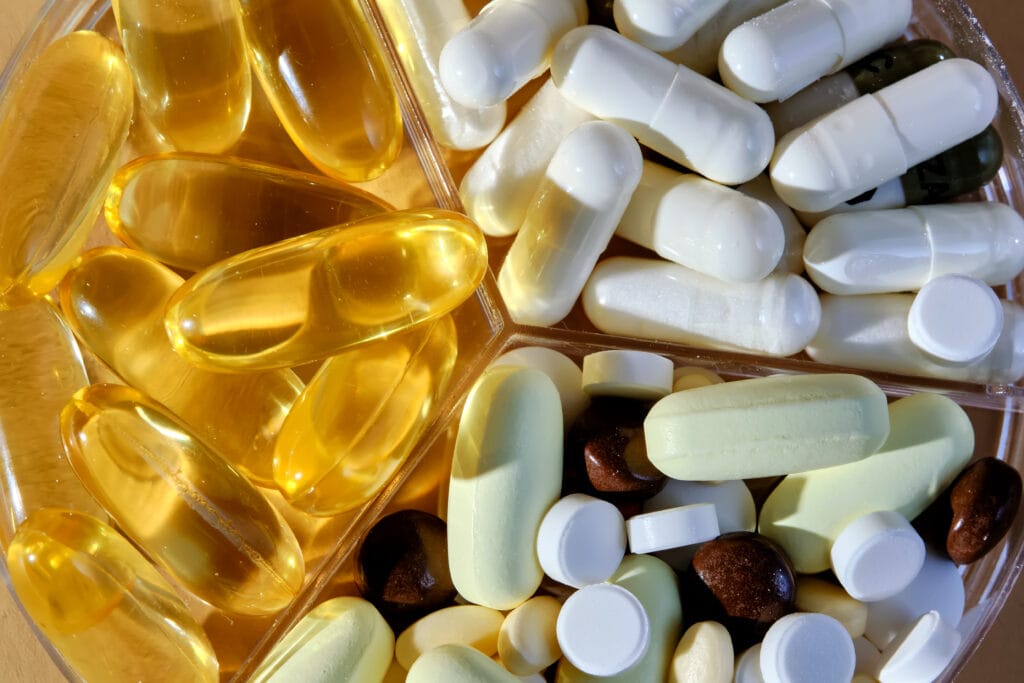
Nutrition and Supplements After a PRP Injection
Post-PRP recovery is not about finding one perfect food or supplement. The body requires a range of nutrients to support normal metabolic and tissue-maintenance processes.
Protein
Dietary protein supplies amino acids that the body uses throughout normal tissue maintenance and repair. Common sources include eggs, fish, poultry, dairy products, legumes, soy products, nuts, and seeds.
Vitamin C
Vitamin C contributes to normal collagen synthesis. Foods such as citrus fruits, berries, kiwi, peppers, broccoli, and leafy vegetables can provide vitamin C as part of a balanced diet.
Zinc and Copper
These micronutrients participate in various physiological processes associated with normal tissue maintenance. Unless a healthcare professional identifies a specific nutritional deficiency, a varied diet can usually provide these nutrients without relying heavily on individual supplements.
Hydration
Maintaining adequate hydration supports normal circulation and general recovery. However, drinking more water should not be interpreted as a direct way to increase PRP effectiveness.
Patients should also be careful when changing medications or adding supplements immediately before or after PRP treatment.
Some medications and supplements may influence platelet function, inflammation, or bleeding risk. Tell your healthcare provider about everything you take before and after the procedure, and never stop prescribed medication without professional guidance.
A balanced diet can support the environment in which normal recovery occurs, but nutrition cannot replace a properly prepared PRP product or an appropriate clinical protocol.
Why PRP Preparation Quality Matters for Consistent Treatment
While patients naturally focus on what happens after a PRP injection, clinicians also pay close attention to what happens before the injection. Consistent PRP preparation is an important part of a controlled clinical workflow.
The process usually begins by collecting a patient’s blood into an appropriate collection tube. Centrifugation then separates blood components according to the selected preparation protocol.
Several variables can influence this process:
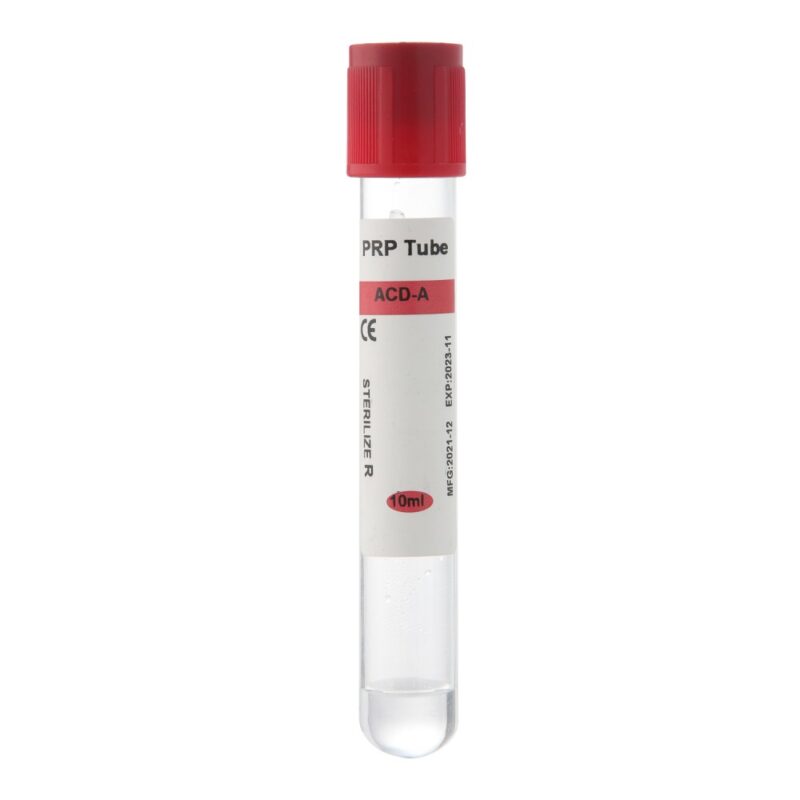
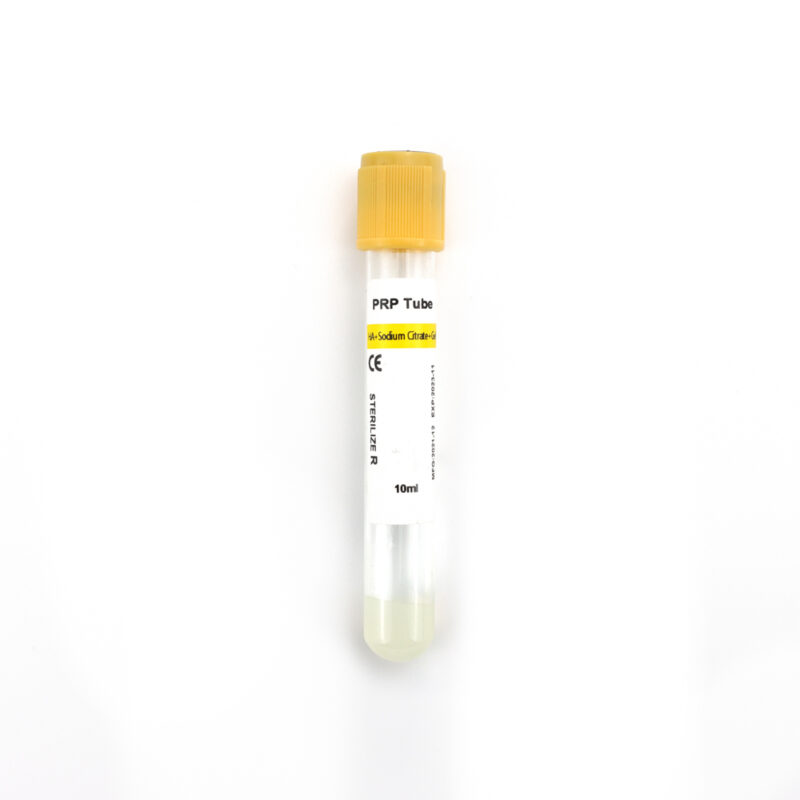
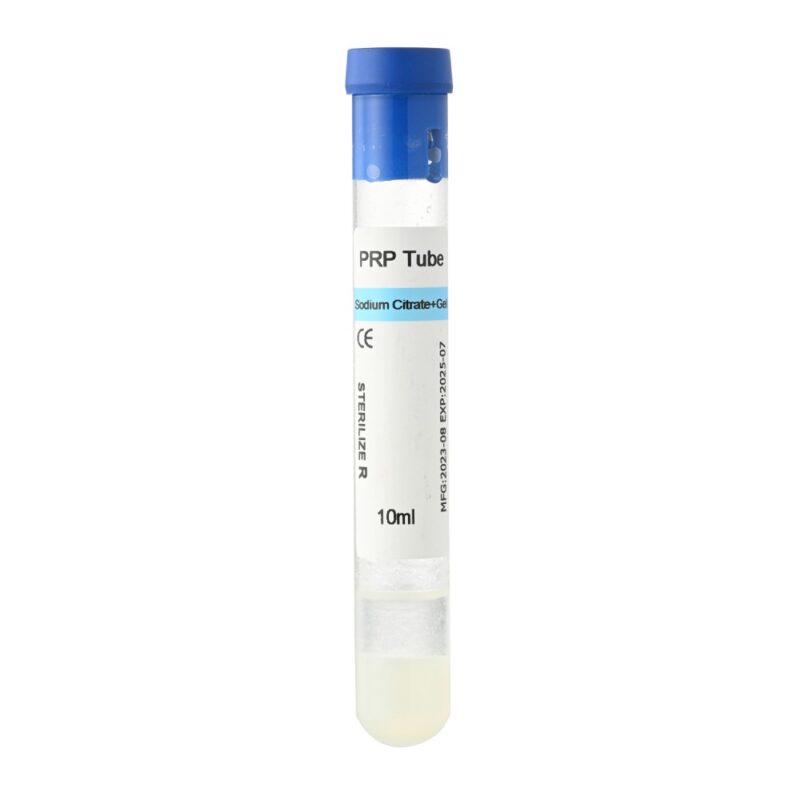
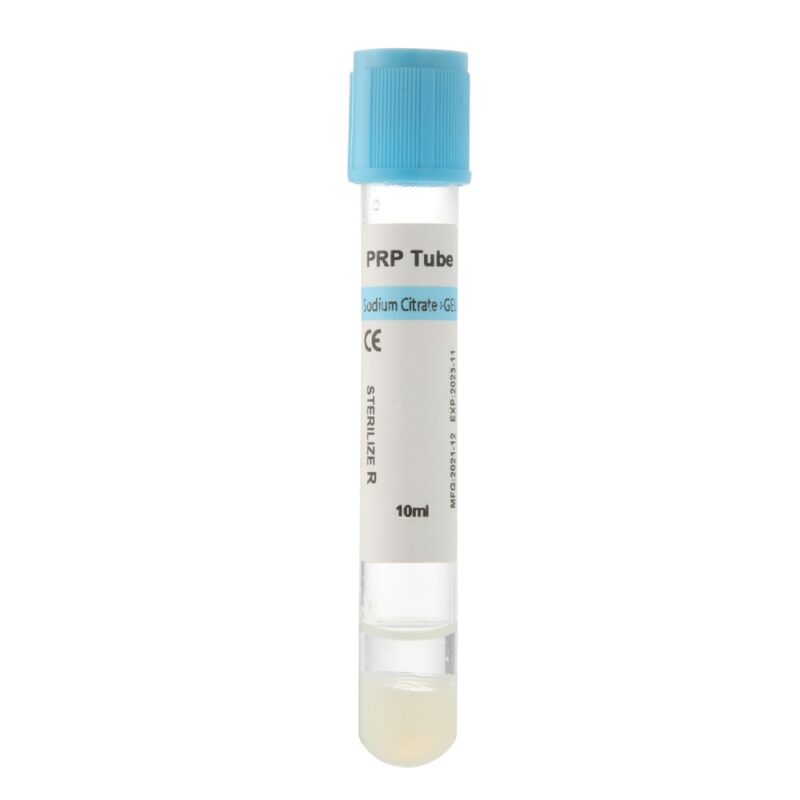
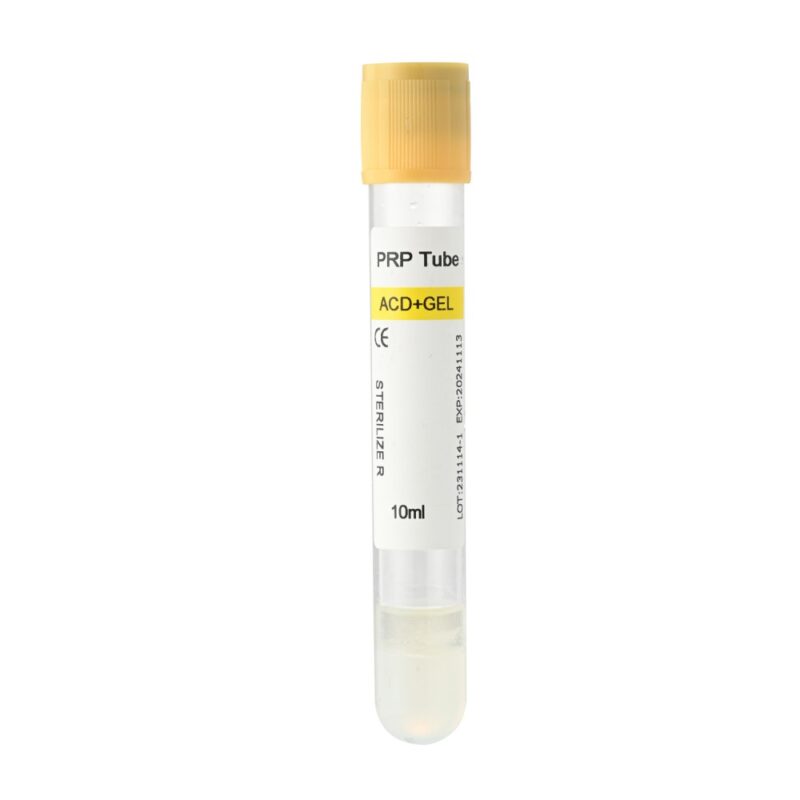
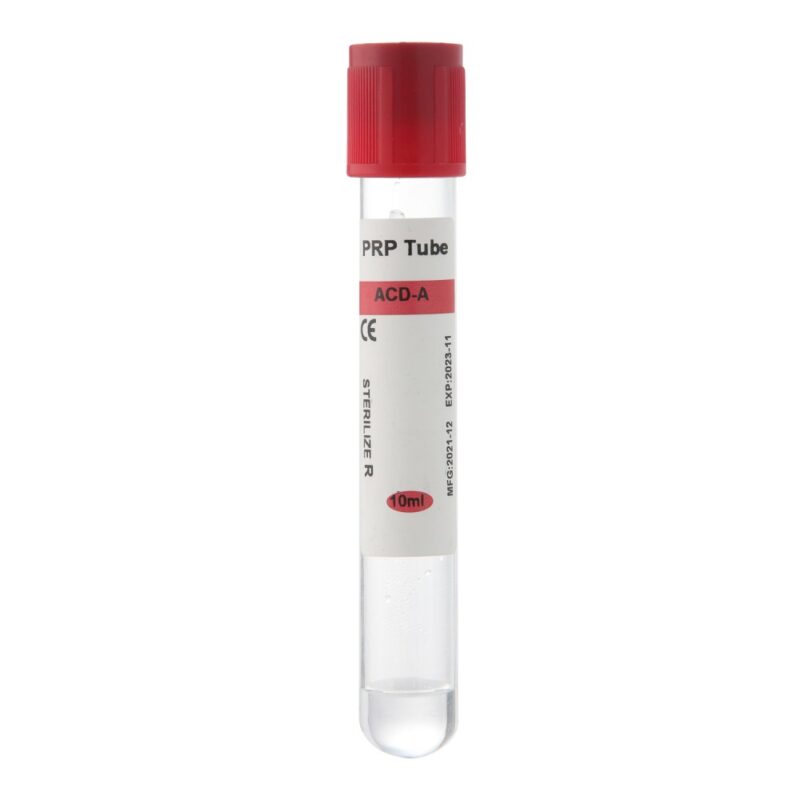
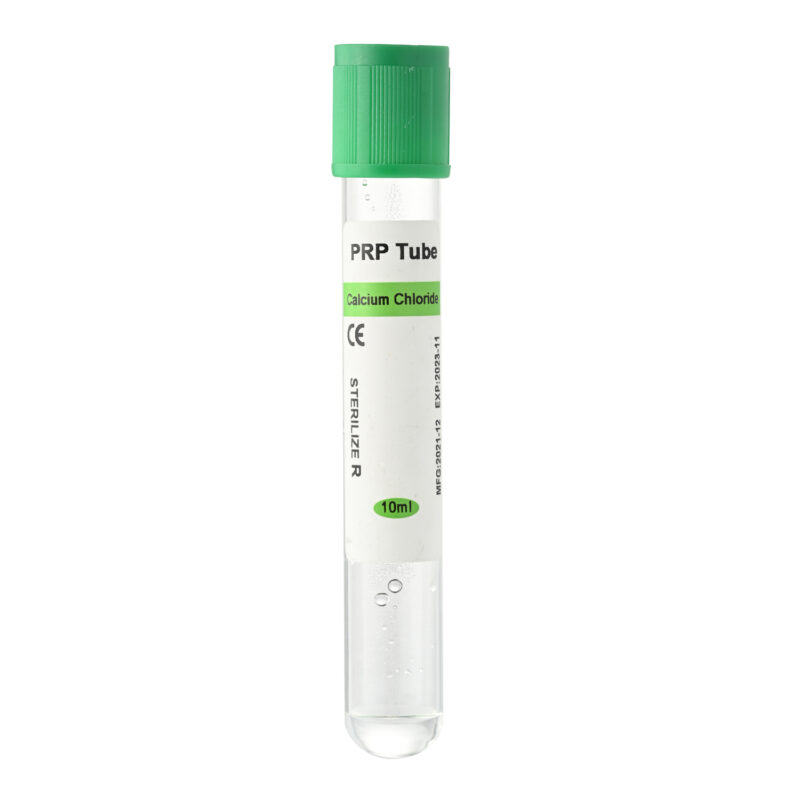
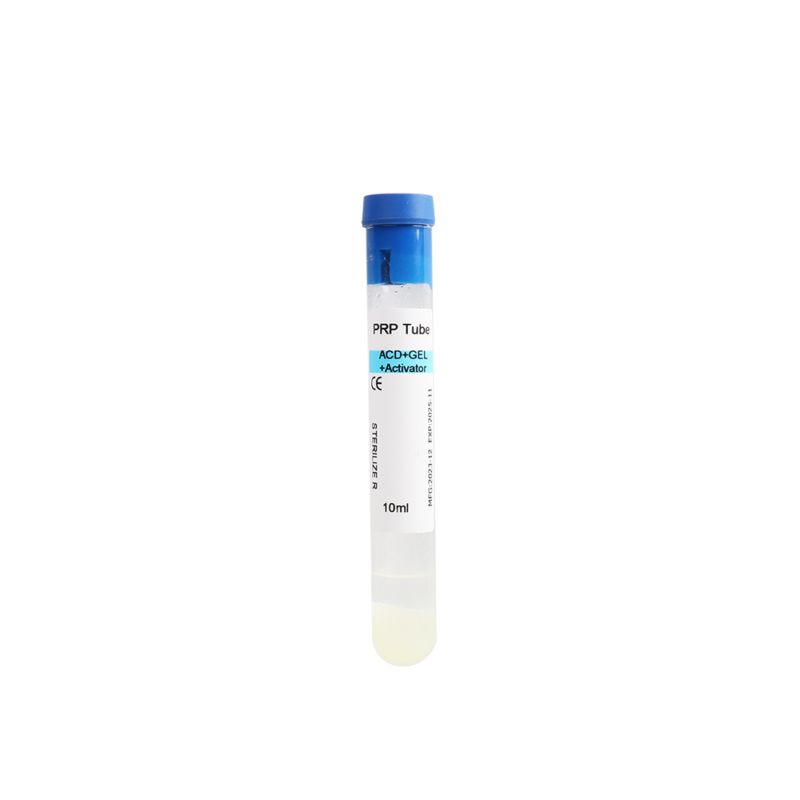
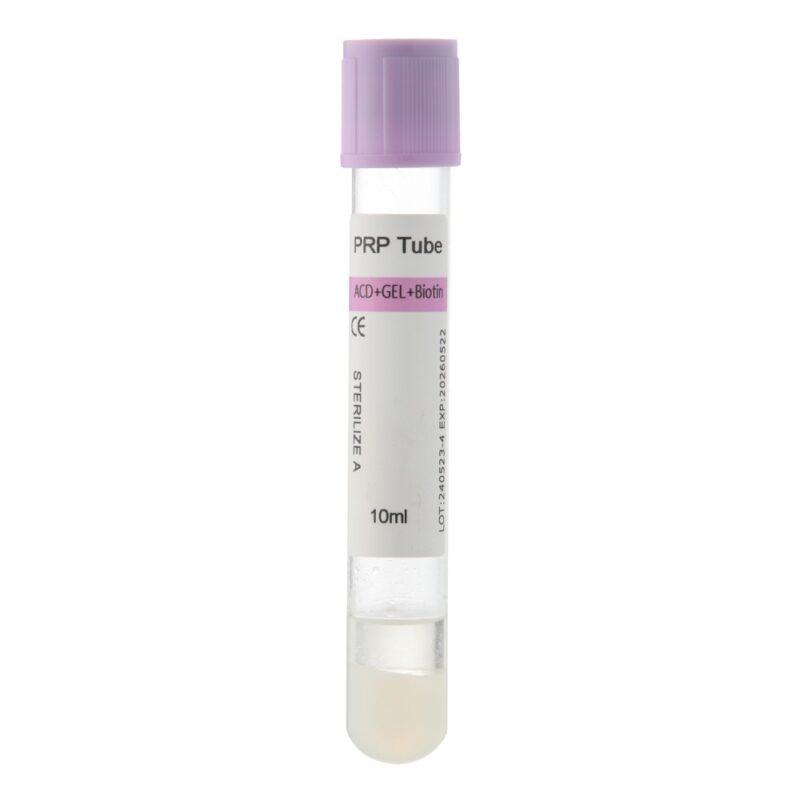
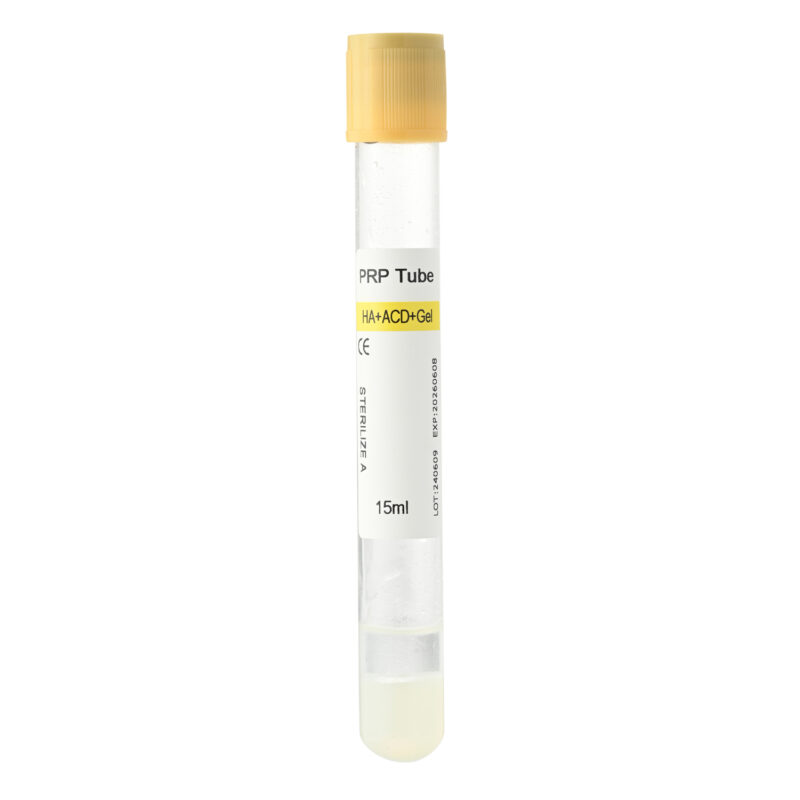
- Anticoagulant selection: Some PRP preparation protocols use sodium citrate or ACD-A to help prevent premature clotting during blood processing.
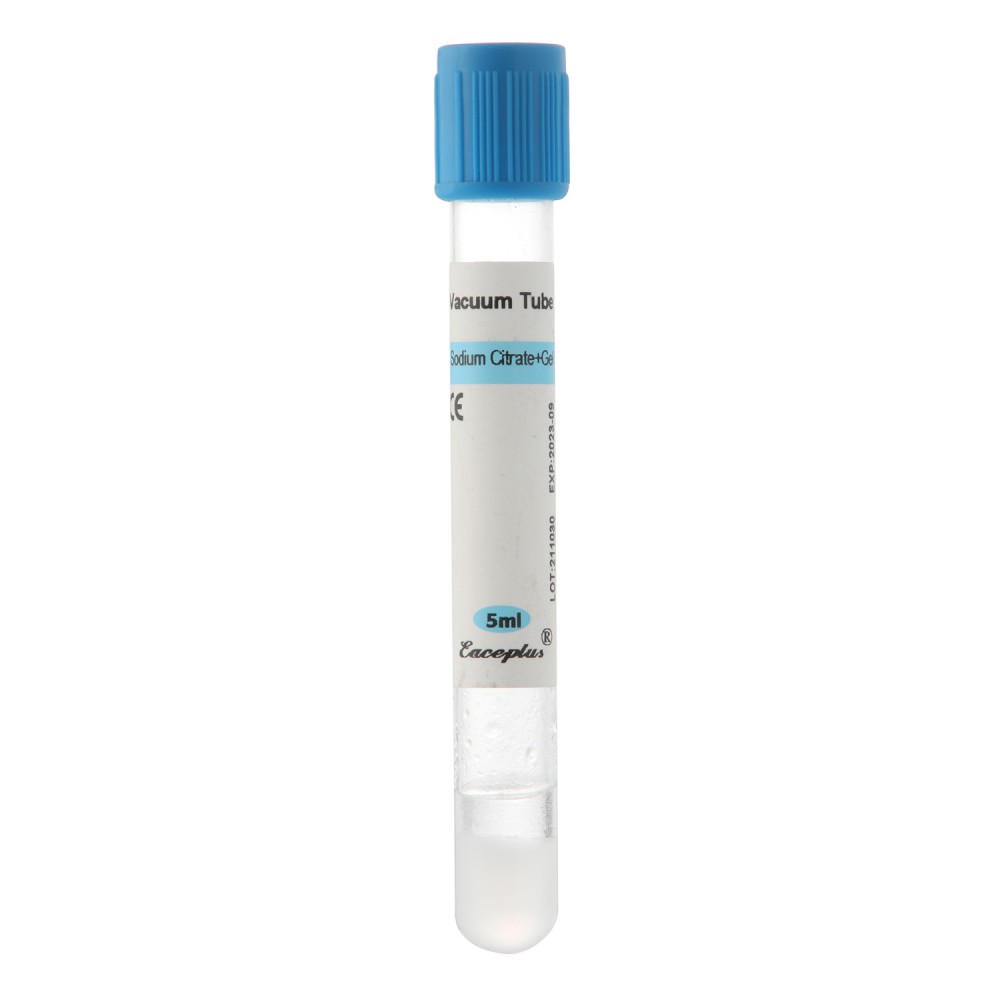
- Separation method: Gel-based tubes can create a physical separation barrier between selected blood components after centrifugation, while non-gel configurations support other preparation approaches.
- Blood collection volume: Different procedures and preparation protocols may require different starting blood volumes and final PRP volumes.
- Centrifugation parameters: Relative centrifugal force, centrifugation time, tube dimensions, and centrifuge compatibility should align with the intended preparation workflow.
This is why there is no universal PRP tube configuration for every clinical application.
An orthopedic clinic, for example, may follow a different PRP preparation protocol from an aesthetic or hair restoration practice. Rather than choosing a tube based only on capacity, healthcare professionals should consider how the entire tube configuration fits their blood collection and centrifugation process.
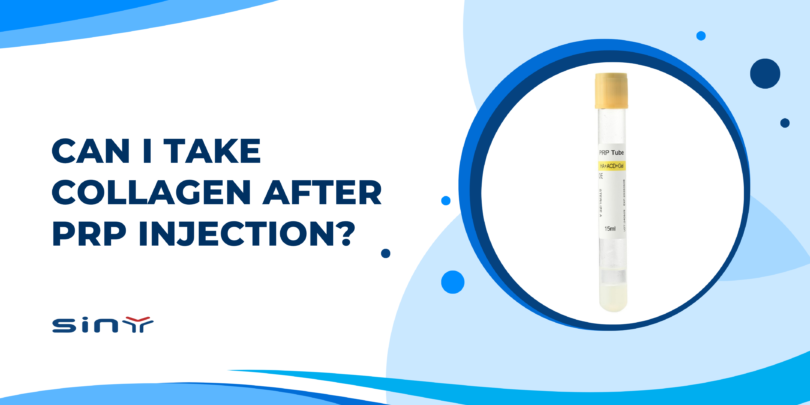
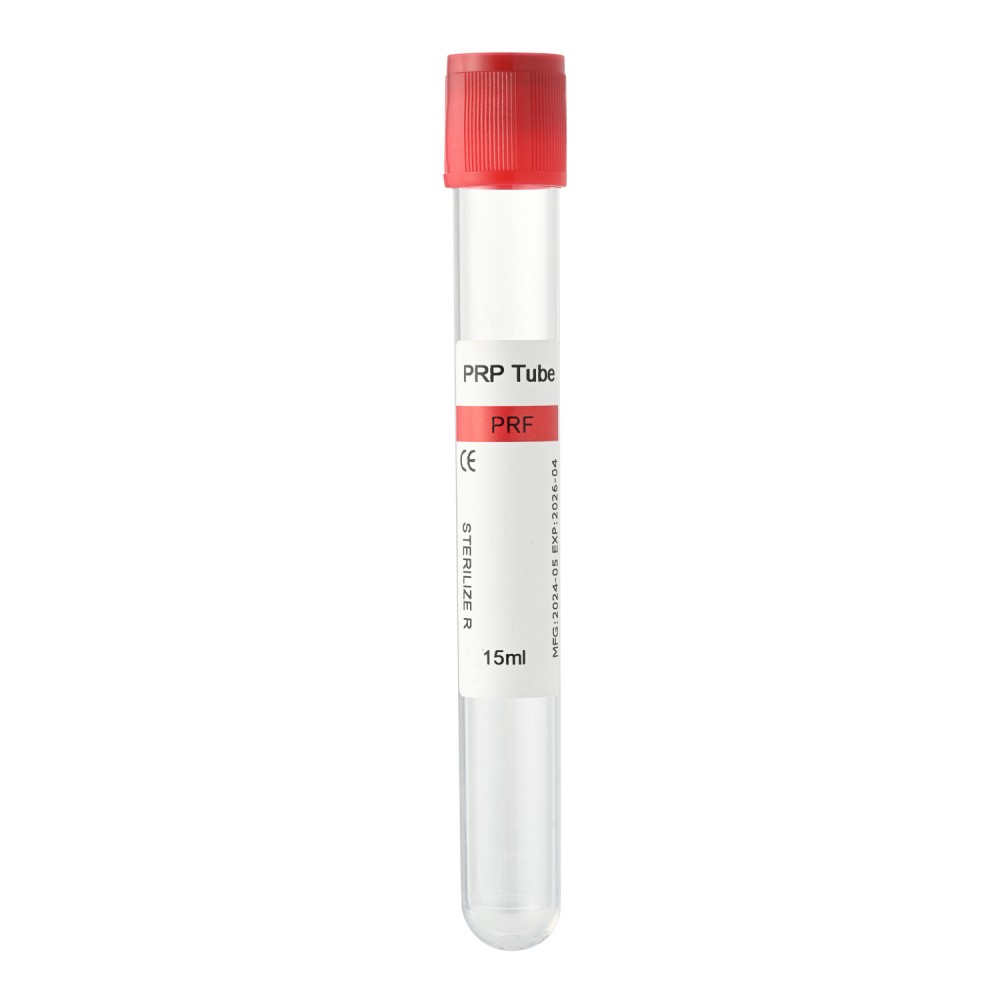
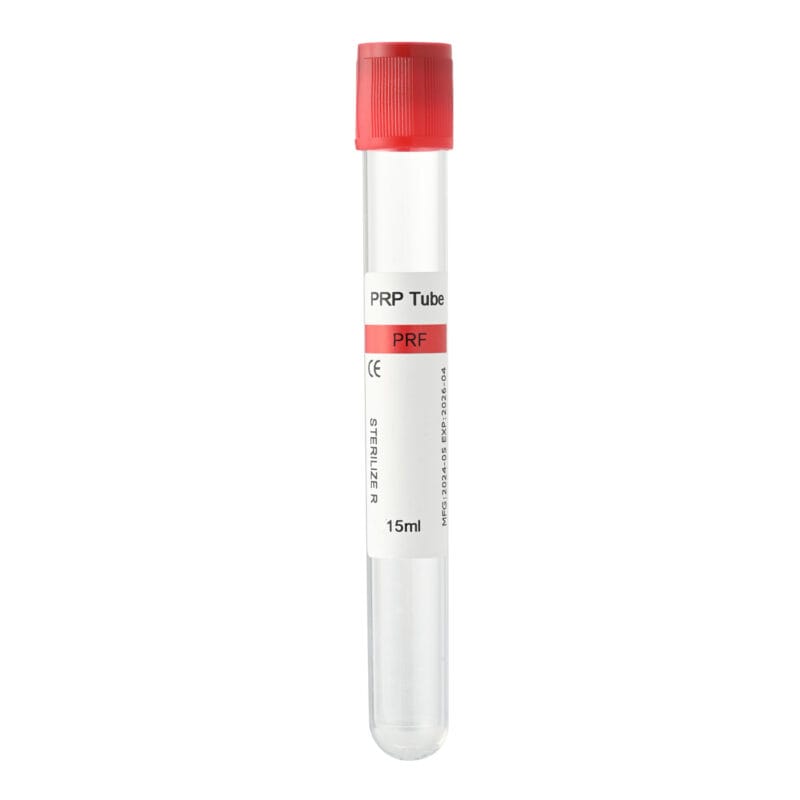
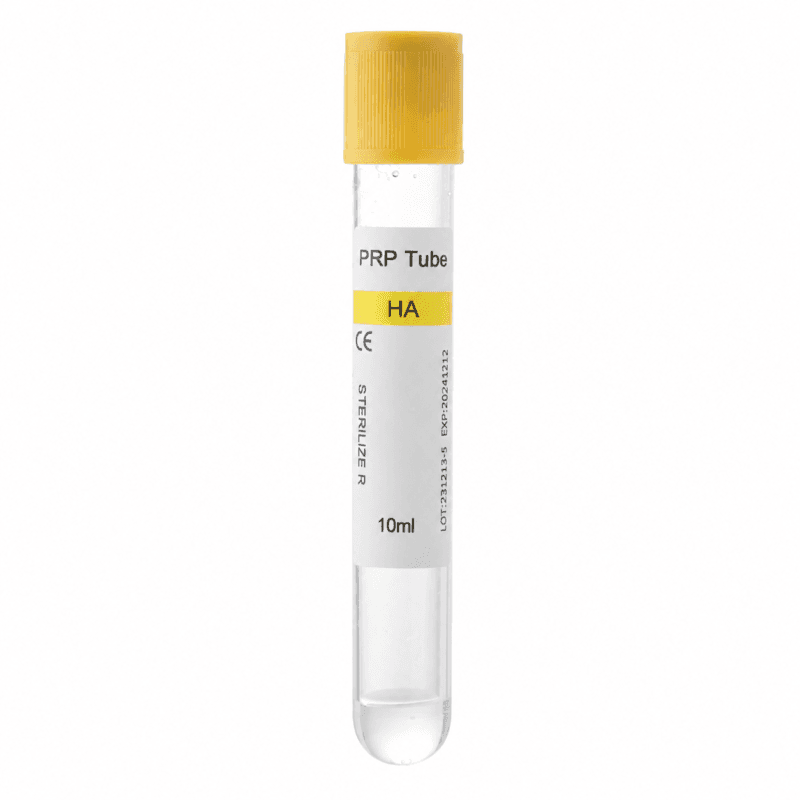
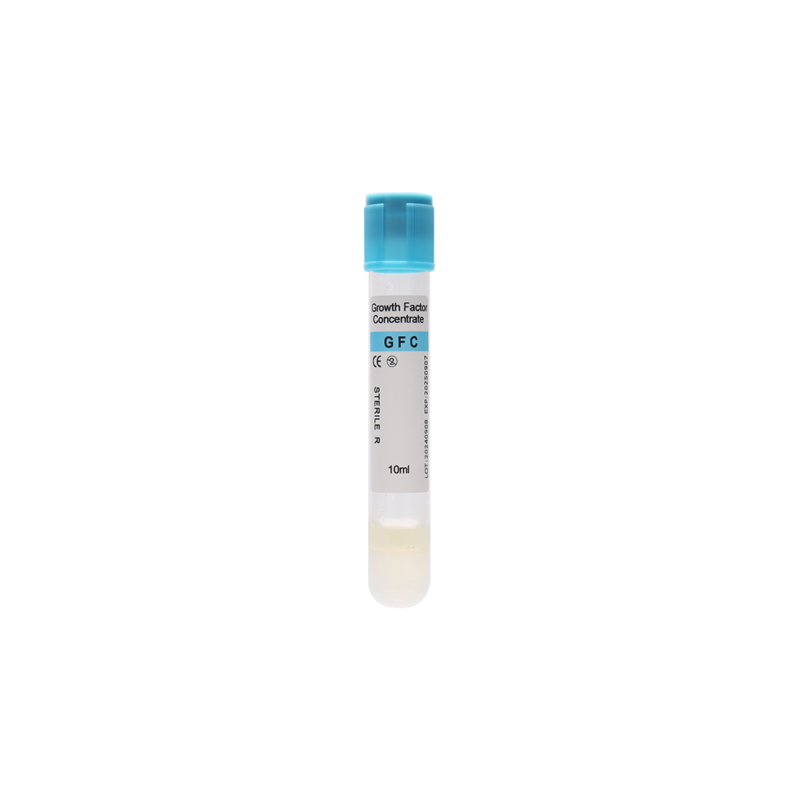
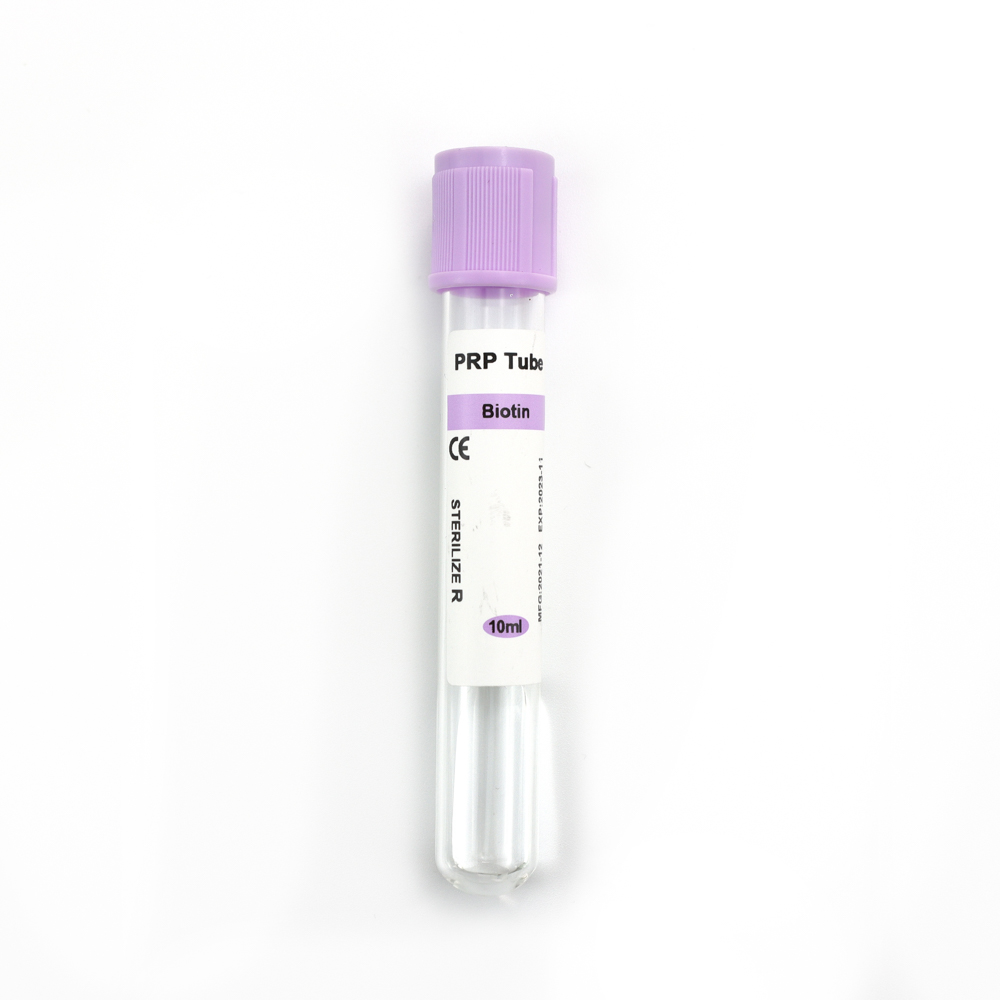
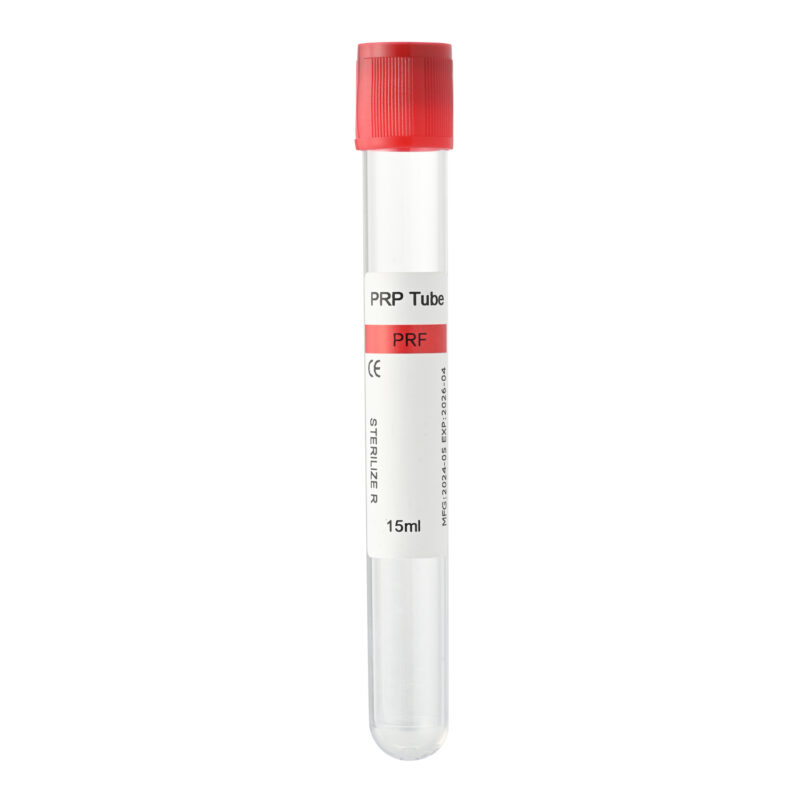
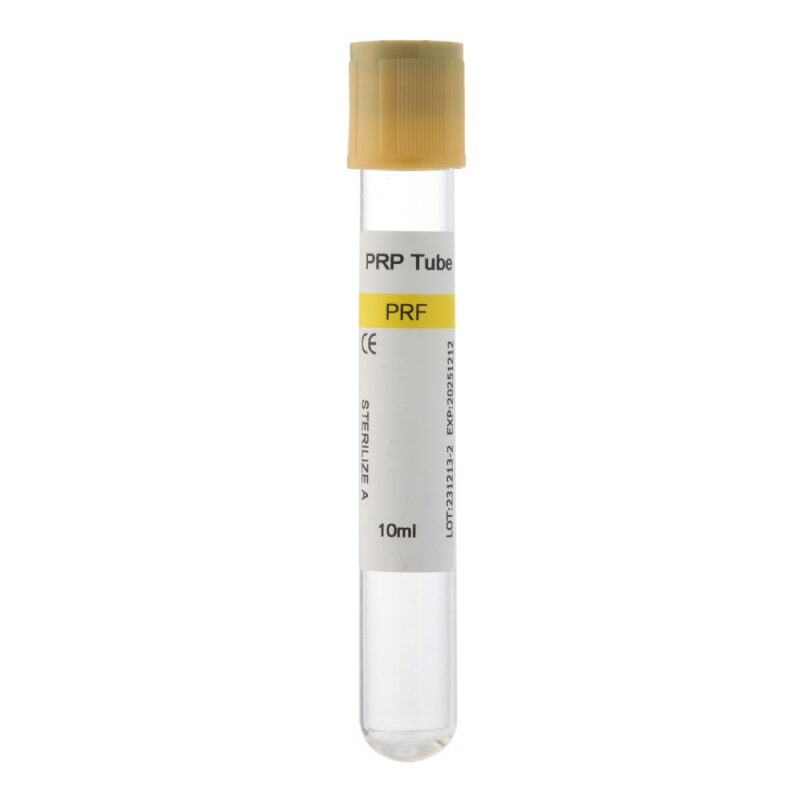
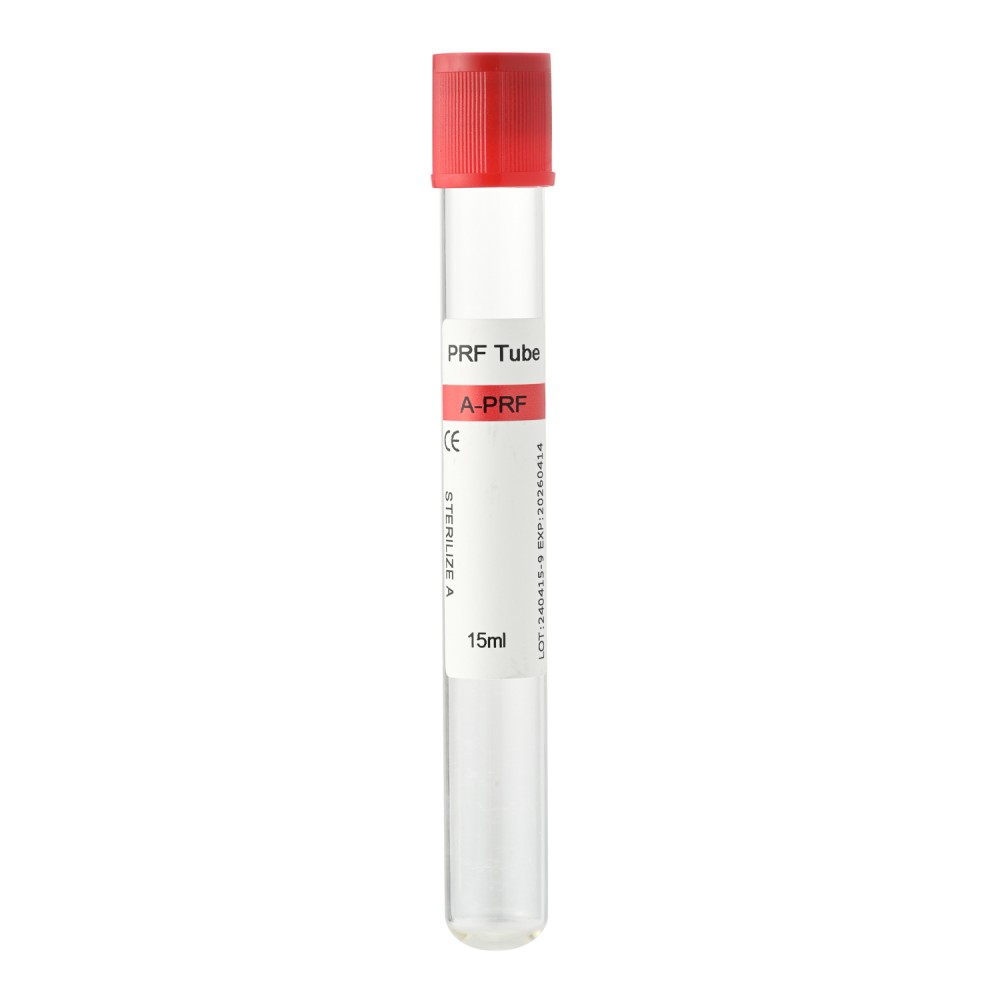
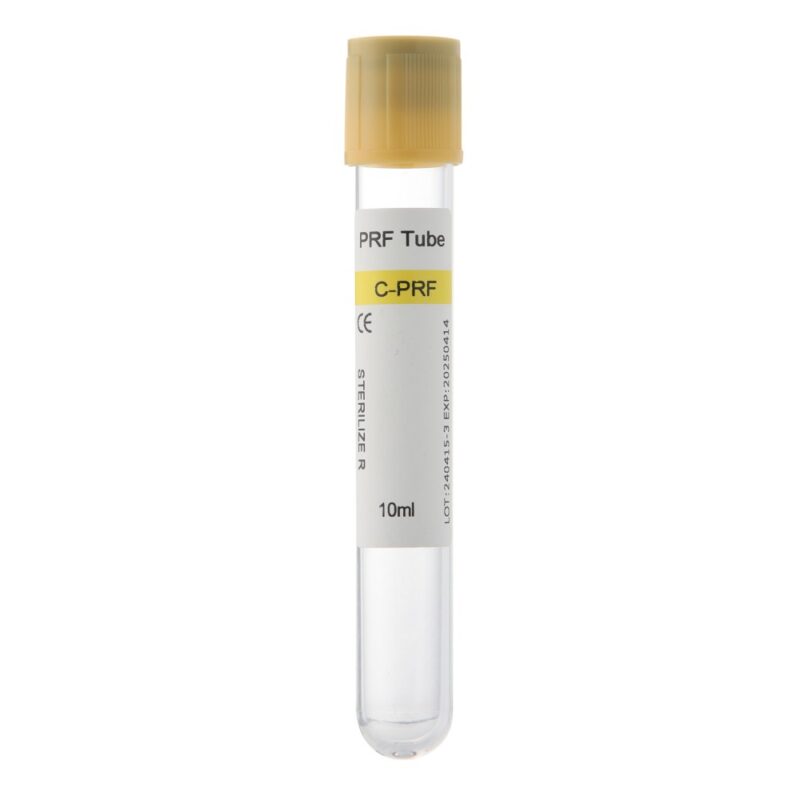
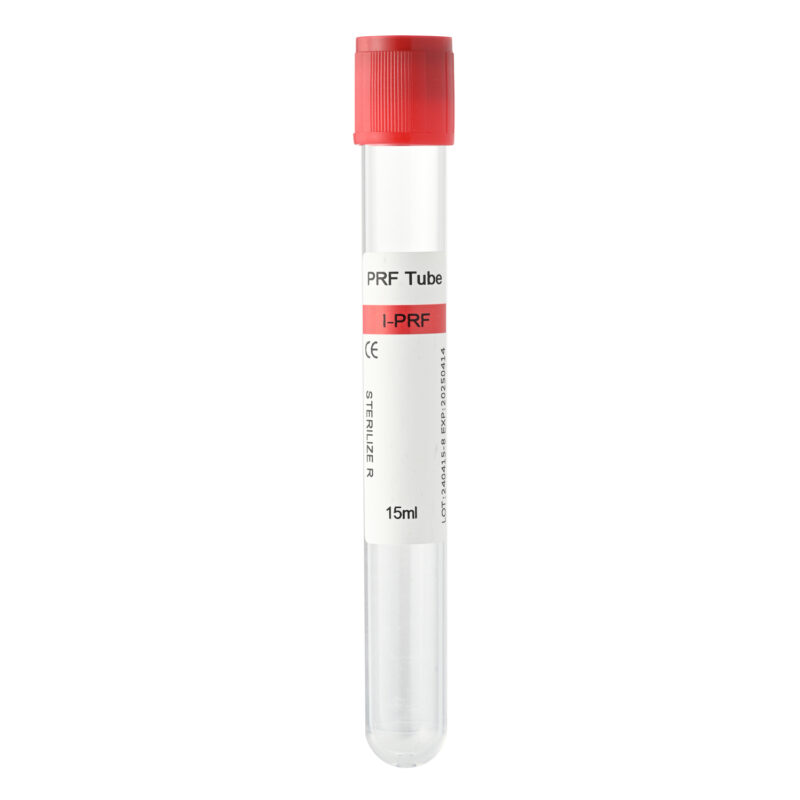
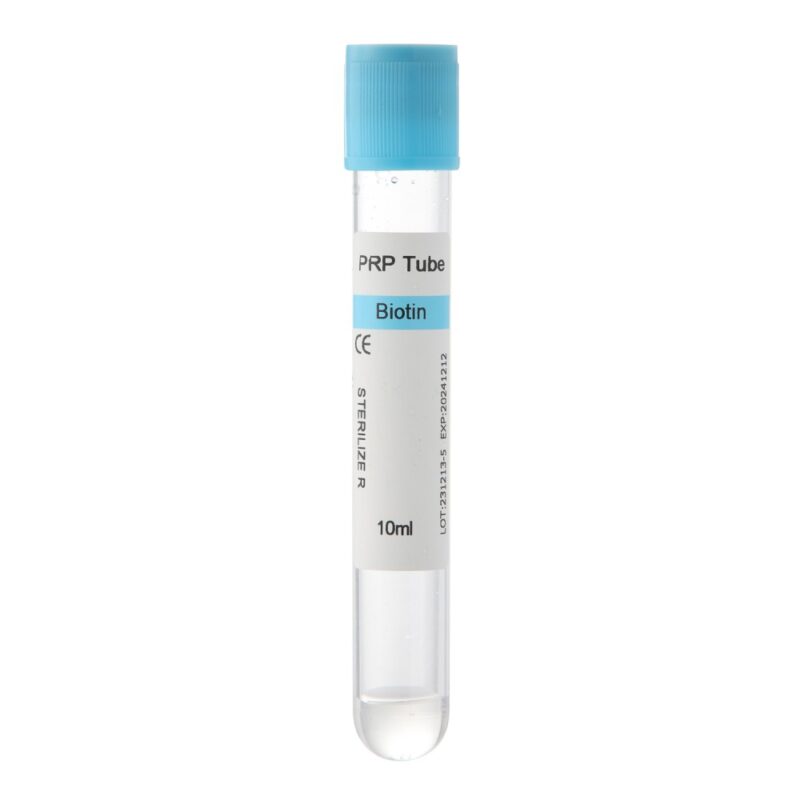
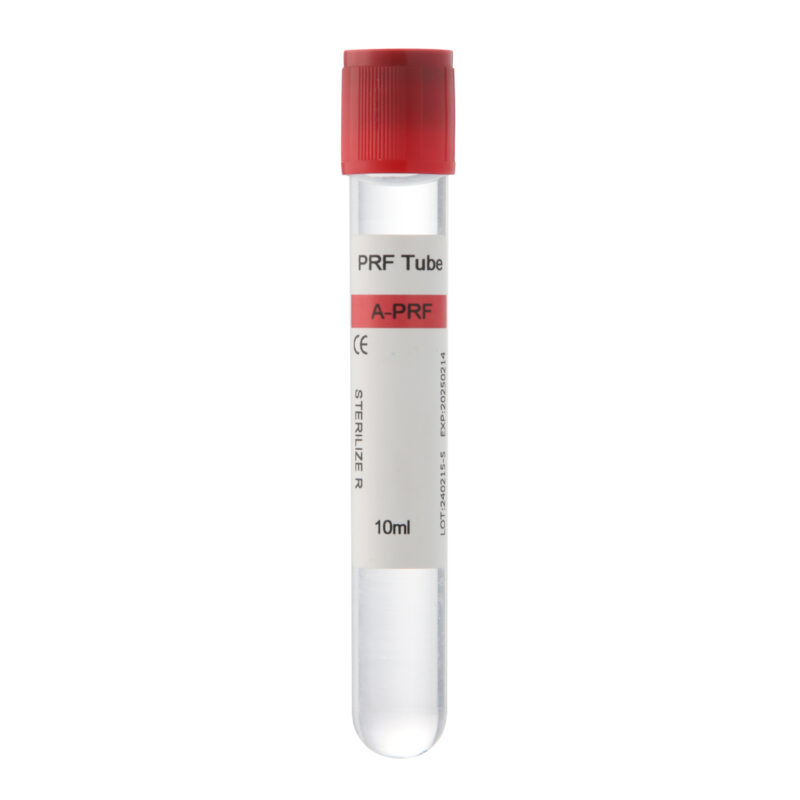
At Siny PRP, we provide PRP tube solutions for professional platelet-rich plasma preparation workflows, with different tube volumes, anticoagulant configurations, and gel or non-gel options available for different preparation requirements.
Choosing the Right PRP Tubes for Your Clinic or Distribution Business
For clinics, distributors, and professional medical buyers, selecting an appropriate PRP tube involves more than checking its volume.
1. Match the Tube to Your Preparation Protocol
Start by determining whether the intended workflow requires an anticoagulant and which additive matches that protocol. Sodium citrate and ACD-A are commonly used in PRP preparation, but the appropriate choice depends on the preparation method.
2. Consider Gel vs. Non-Gel Configuration
Some workflows use a separation gel to help establish a physical barrier between selected blood components after centrifugation. Other protocols may prefer a non-gel tube.
The choice should follow the intended PRP preparation process rather than a simple assumption that one configuration is always better.
3. Select an Appropriate Collection Volume
A 10 ml tube may suit one workflow, while another procedure may require a different blood collection volume. Buyers should consider both the starting whole-blood volume and the desired PRP preparation volume.
4. Check Centrifugation Compatibility
Tube dimensions, material, centrifuge compatibility, centrifugal force, and processing time should fit the clinic’s established preparation protocol.
5. Evaluate Manufacturing and Supply Requirements
Professional buyers should also consider manufacturing consistency, sterility requirements, packaging, supply stability, and customization options when sourcing PRP tubes in larger quantities.
Siny PRP supplies PRP blood collection tubes for professional medical and regenerative medicine applications. Clinics, distributors, and healthcare suppliers can explore our available configurations or contact our team to discuss tube volume, additives, packaging, and sourcing requirements.
FAQ: Taking Collagen After a PRP Injection
Can I take collagen immediately after a PRP injection?
For many people, standard collagen supplementation does not inherently conflict with normal PRP recovery. However, follow the specific aftercare instructions provided by your healthcare professional, particularly when your collagen product contains additional active ingredients.
Does collagen make PRP work better?
Current clinical evidence does not show that oral collagen supplements directly increase the effectiveness of PRP treatment. Collagen provides peptides and amino acids that contribute to normal nutrition, which is different from increasing platelet concentration or directly enhancing PRP activity.
Does PRP stimulate collagen production?
PRP may support biological processes associated with collagen production. Platelets release signaling factors involved in tissue repair, and research in certain applications has observed changes in fibroblast activity and collagen synthesis. However, the response can vary according to the tissue, PRP composition, preparation method, and individual patient.
Should I take vitamin C with collagen after PRP?
Vitamin C contributes to normal collagen synthesis and can come from foods such as citrus fruits, berries, peppers, and leafy vegetables. Whether a separate vitamin C supplement is necessary depends on individual dietary needs. Taking additional vitamin C does not automatically improve PRP treatment results.
Are there supplements I should avoid after PRP?
Some medications and supplements may influence platelet function, inflammation, or bleeding risk. Tell your healthcare provider about all medications and supplements you currently use and follow their instructions before and after PRP treatment. Do not stop prescribed medication without professional guidance.
What should I eat after a PRP injection?
Focus on a balanced diet that provides adequate protein, fruits, vegetables, whole foods, and fluids. Foods containing protein, vitamin C, zinc, copper, and other micronutrients can contribute to normal nutritional support during recovery.
Is collagen powder better than collagen capsules after PRP?
There is no established evidence showing that collagen powder produces better PRP-related outcomes than capsules. Collagen source, formulation, serving size, additional ingredients, and individual nutritional requirements are more useful factors to consider.
Key Takeaway
Can I Take Collagen After PRP Injection? For most people, standard collagen supplementation is generally compatible with PRP recovery when their healthcare provider has not advised otherwise.
The important distinction is that collagen supplements provide nutritional support; they are not a proven shortcut to stronger or faster PRP results. Appropriate nutrition, professional aftercare, individual biological response, rehabilitation when required, and a carefully managed PRP procedure all contribute to the overall treatment process.
For clinics and professional buyers, that process begins with blood collection and preparation. Establishing a consistent preparation workflow requires selecting an appropriate PRP blood collection tube and matching it to the intended centrifugation protocol.
Siny PRP offers PRP tube solutions with multiple volume, anticoagulant, and separation configurations for different professional preparation requirements.
Explore our PRP tube range or contact our team to discuss the most suitable configuration for your clinic, distribution business, or procurement requirements.