Platelet-rich plasma (PRP) therapy has become a widely discussed option for supporting the recovery of shoulder tendon injuries, soft tissue problems, and chronic discomfort. However, many patients considering this treatment still have questions about what to expect after PRP injection in shoulder, especially because PRP recovery is different from treatments that provide immediate pain relief.
Unlike a traditional injection that mainly focuses on reducing symptoms, PRP uses concentrated platelets from the patient’s own blood to support the body’s natural repair response. Because tissue recovery happens gradually, most patients do not experience instant results immediately after treatment. Instead, changes in pain, mobility, and shoulder function usually develop over several weeks or months.
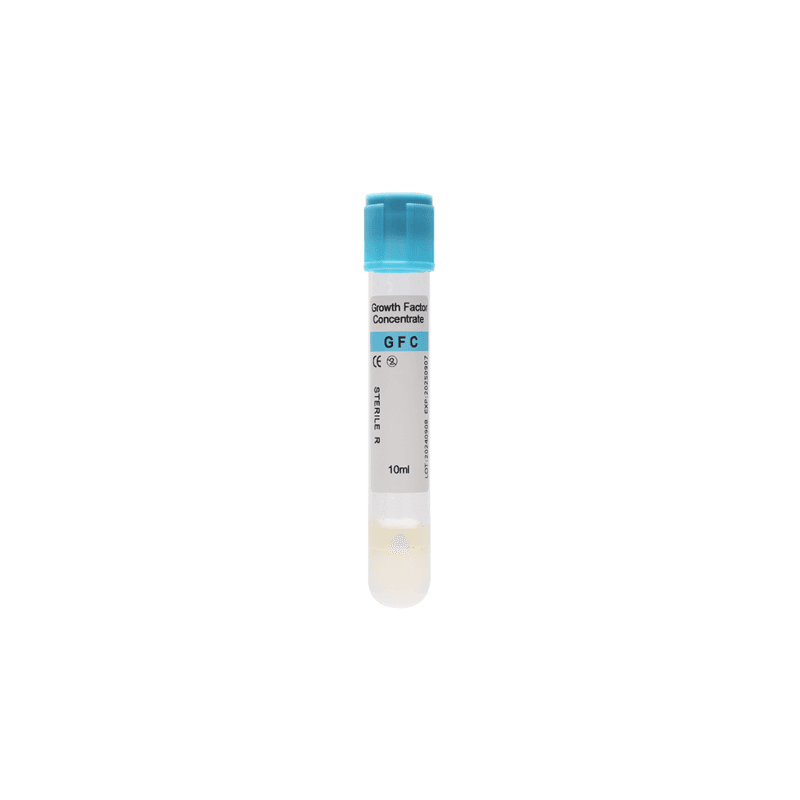
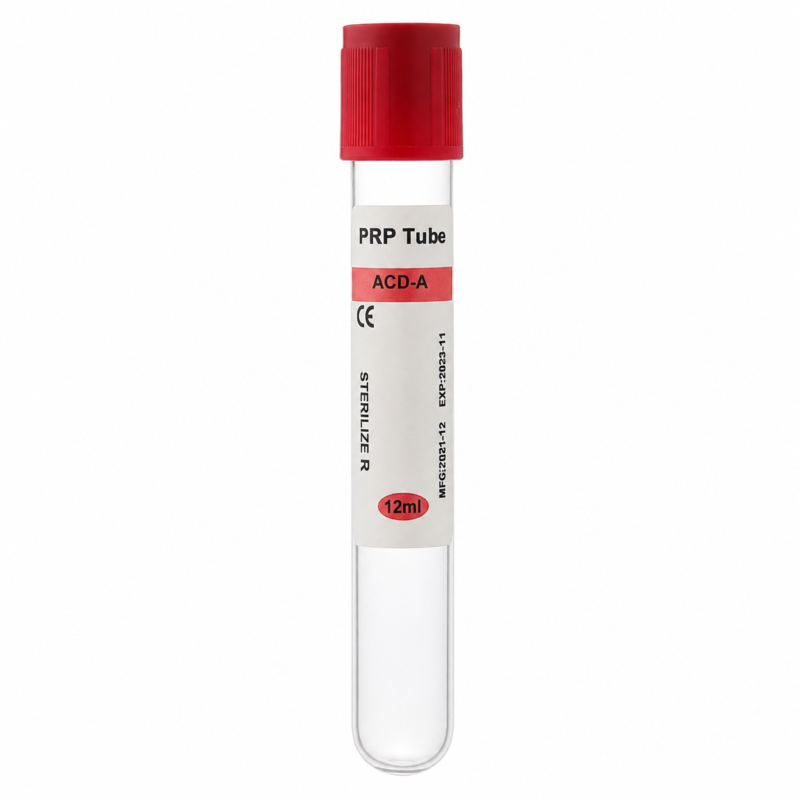
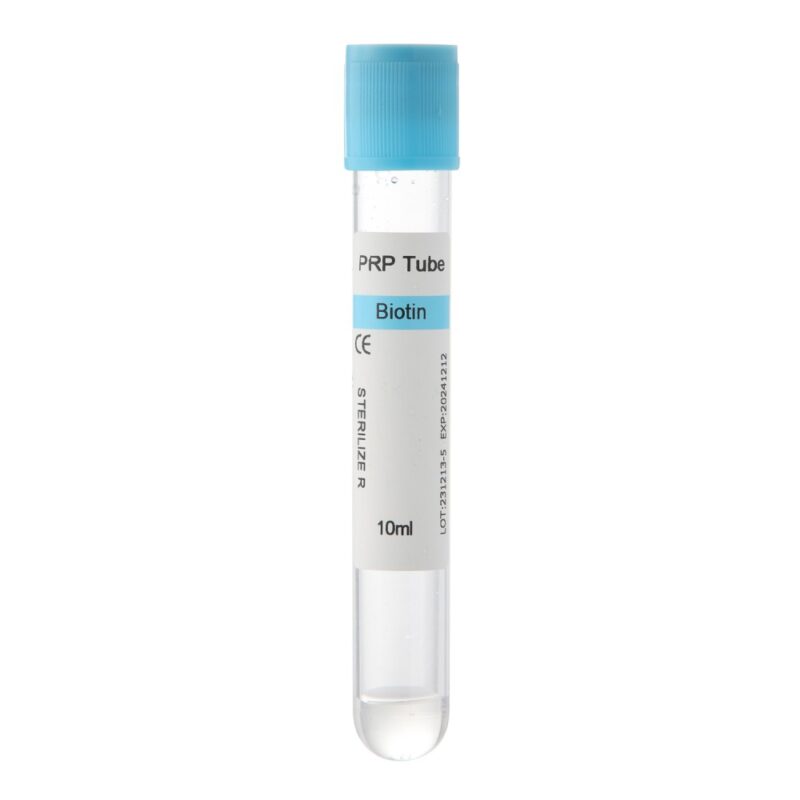
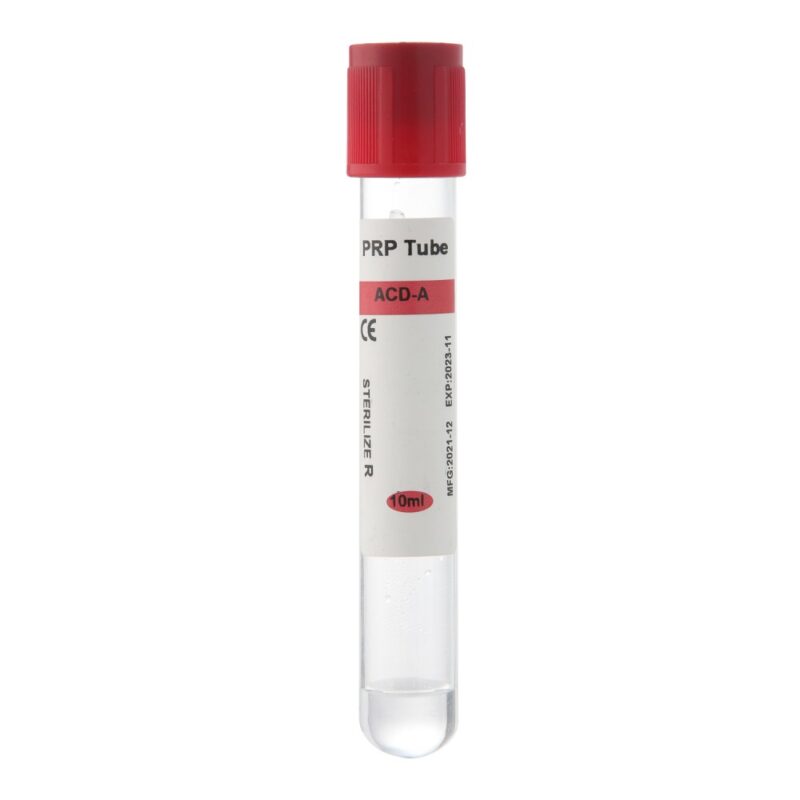
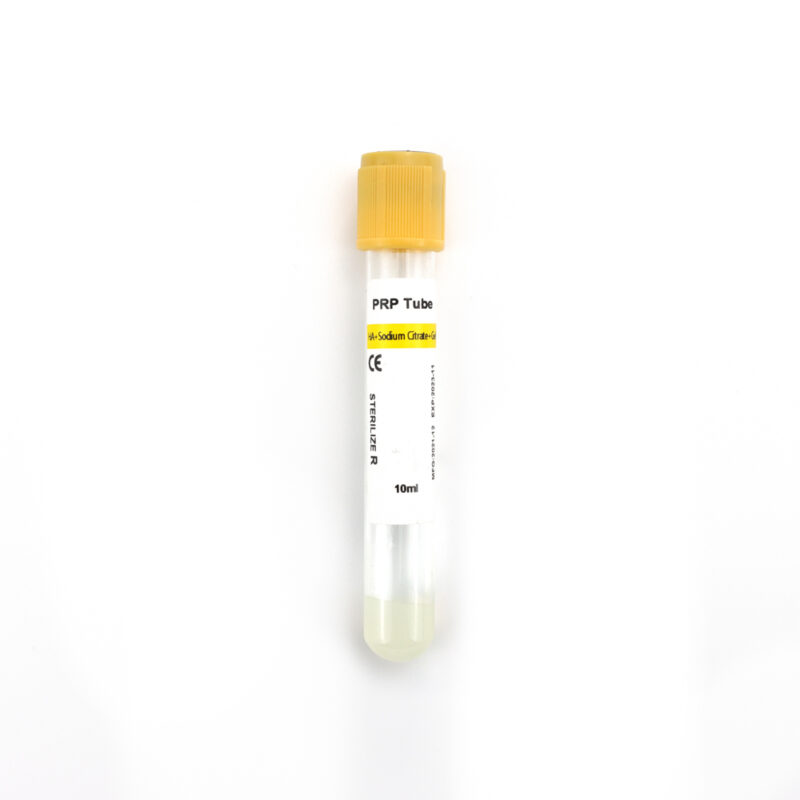
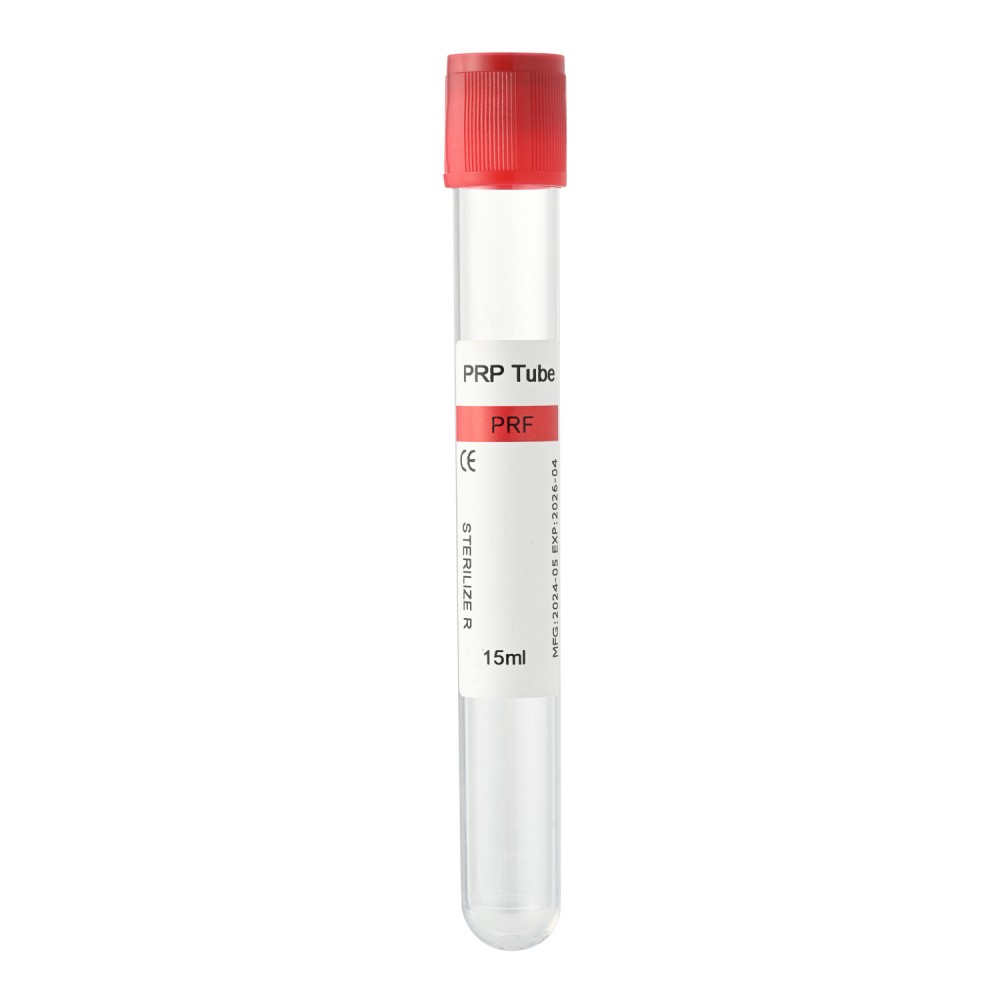
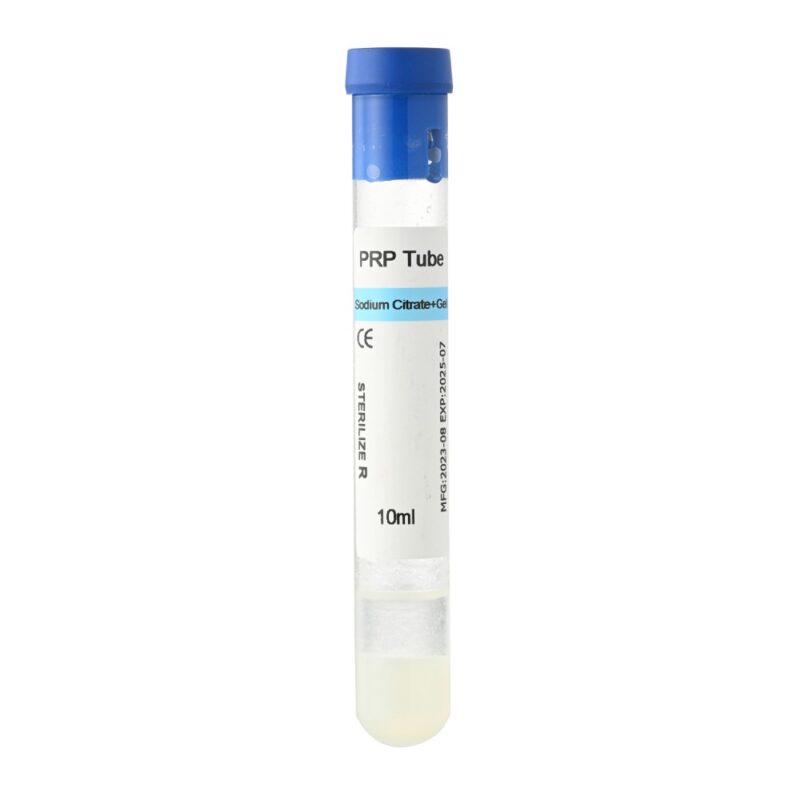
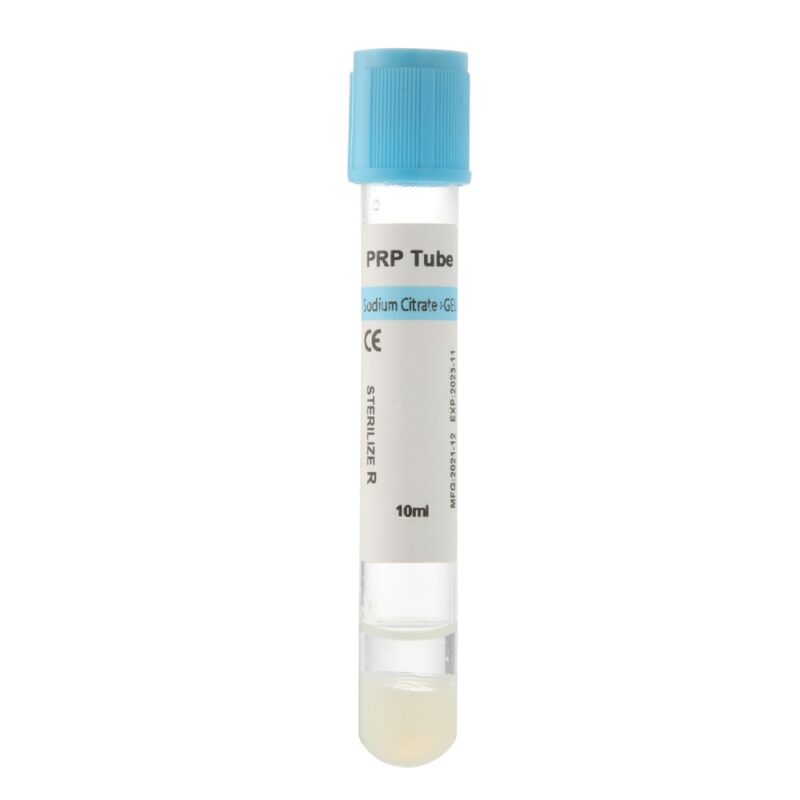
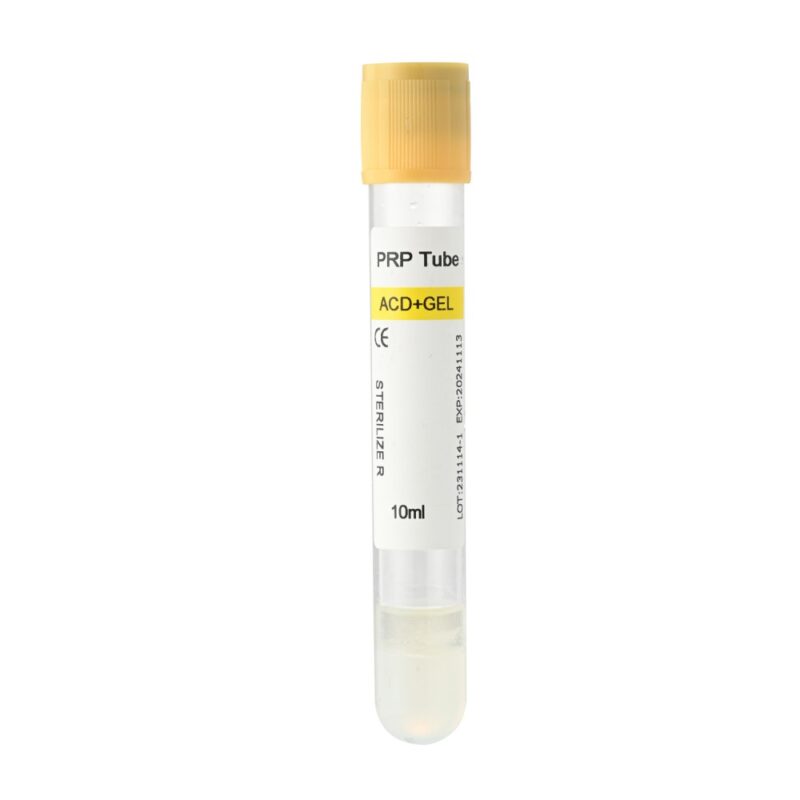
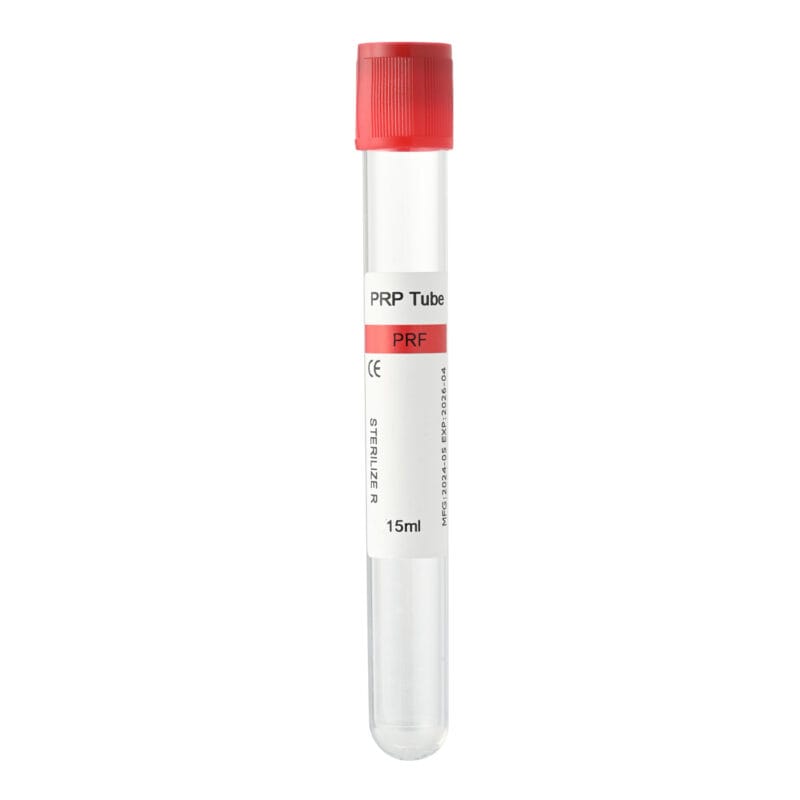
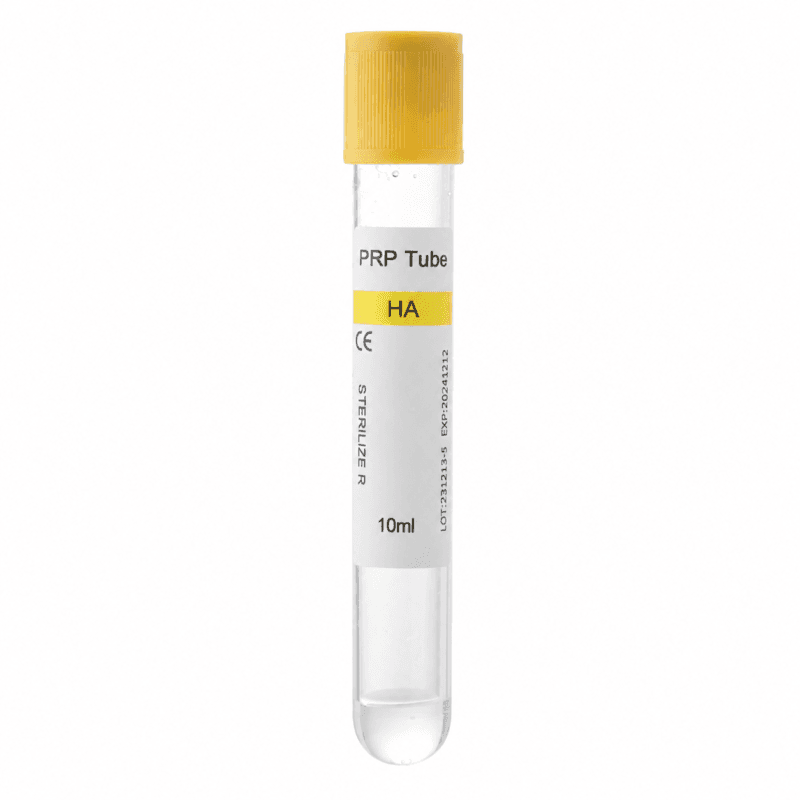
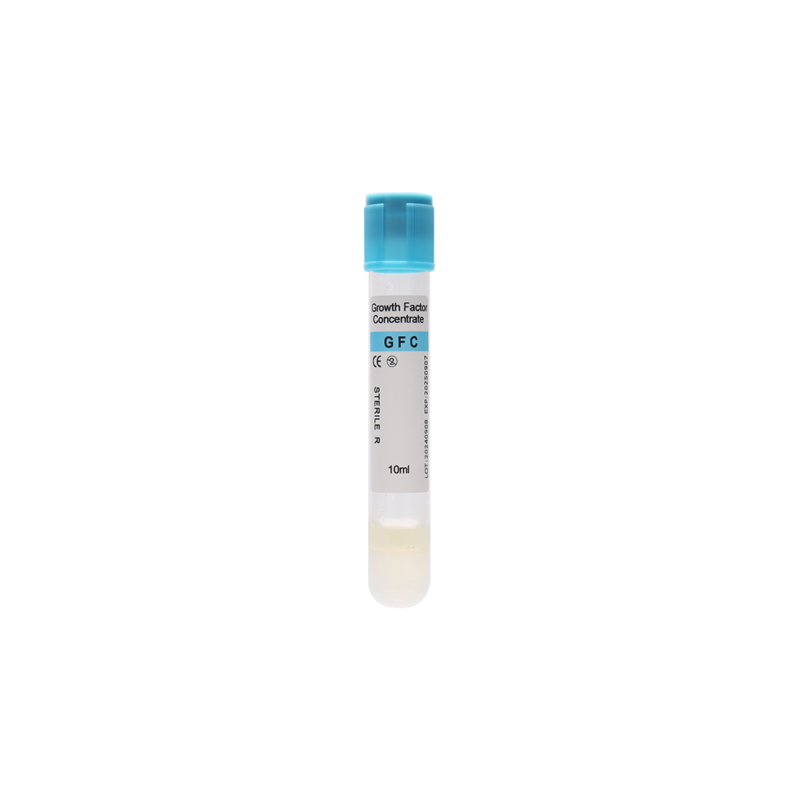
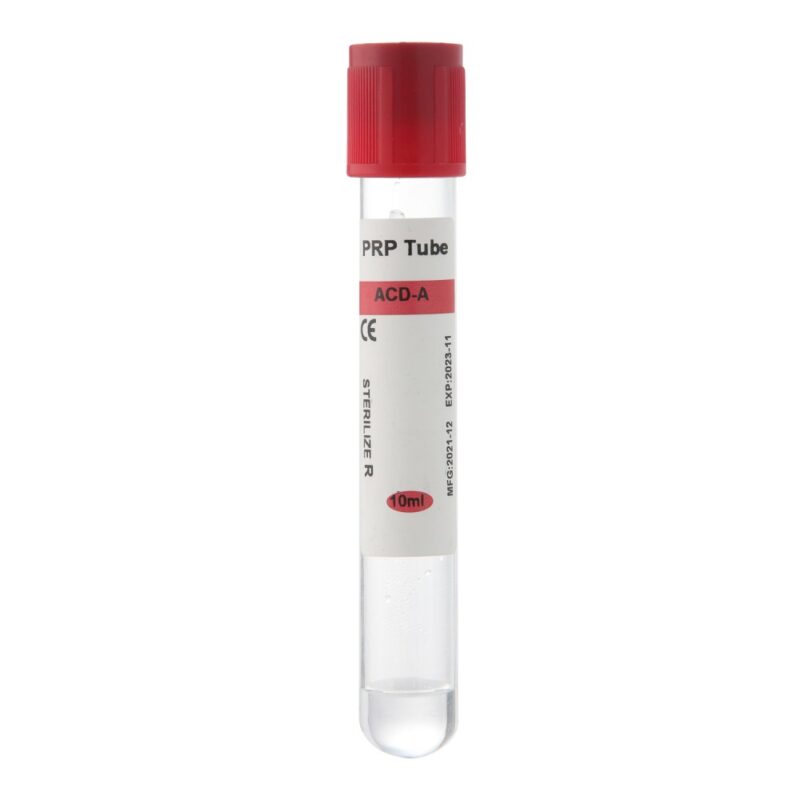
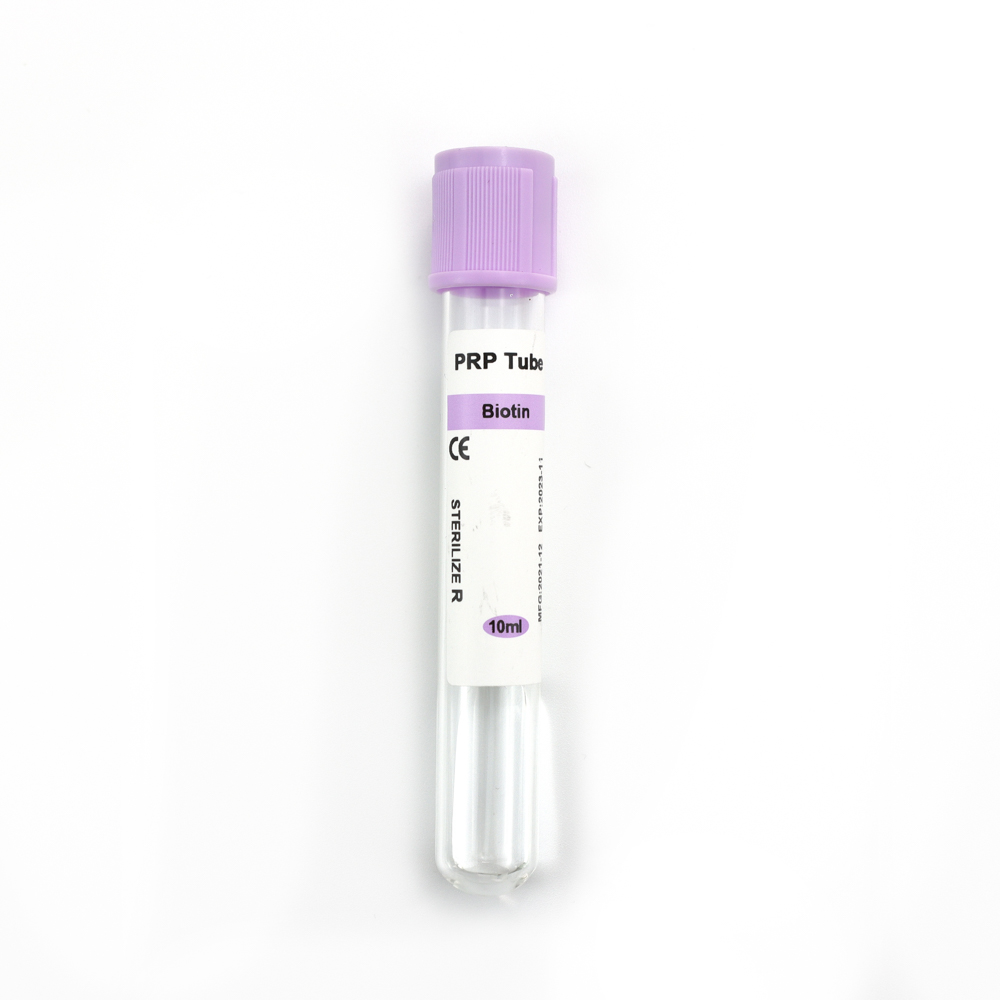
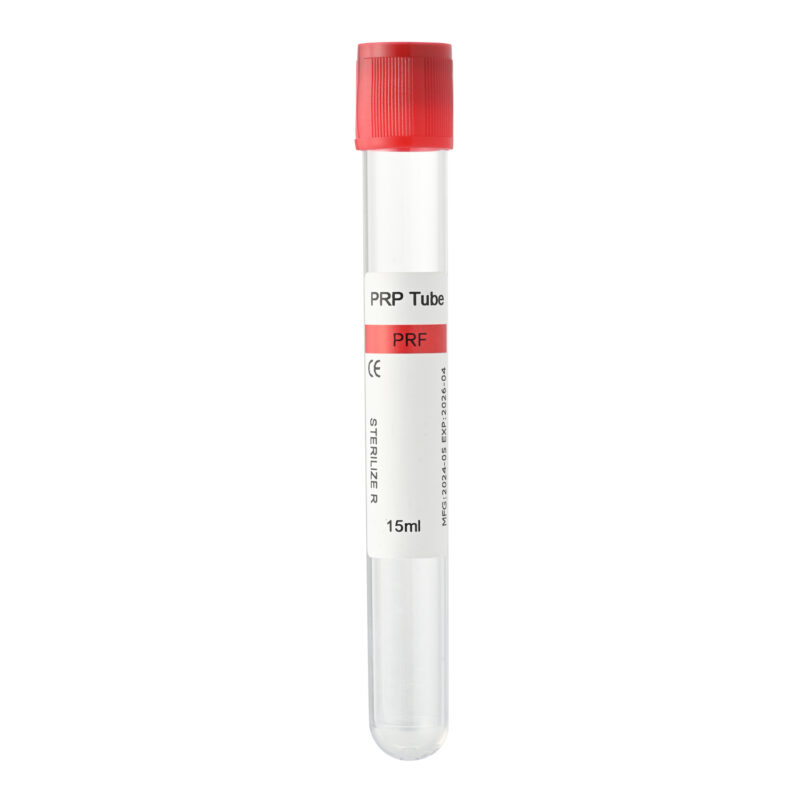
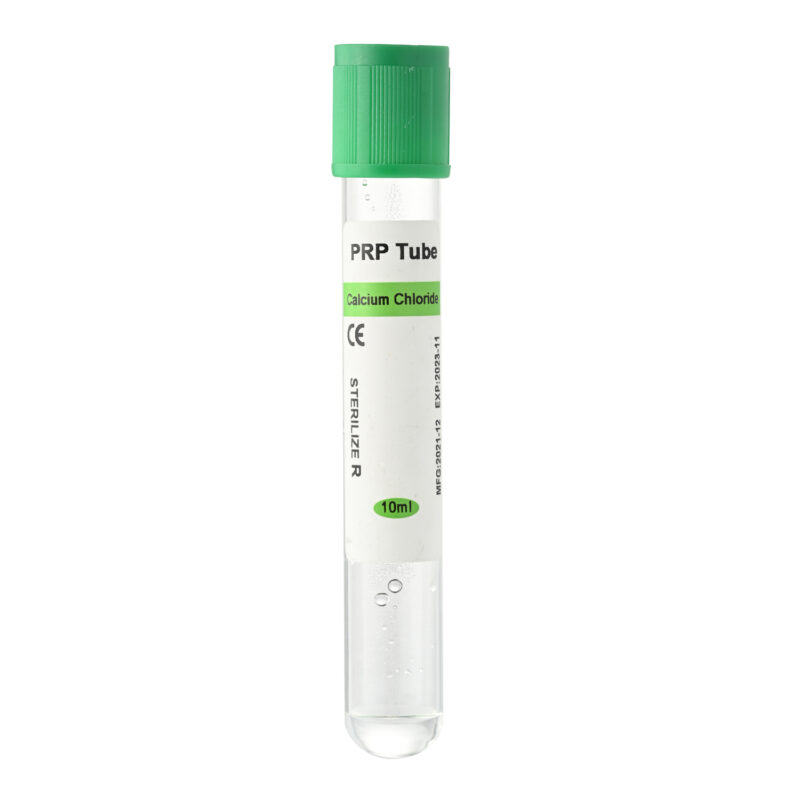
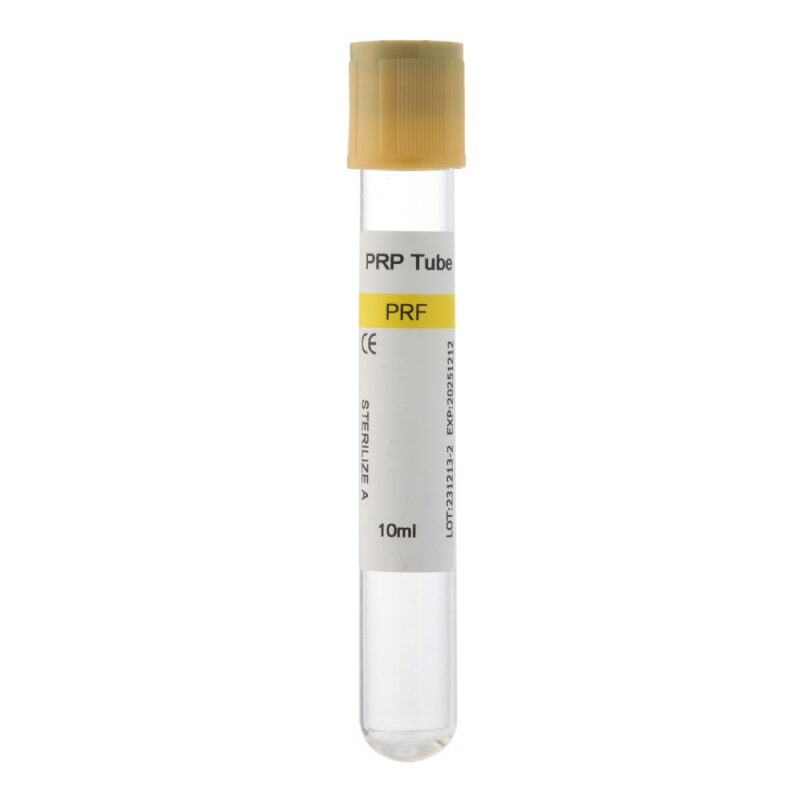
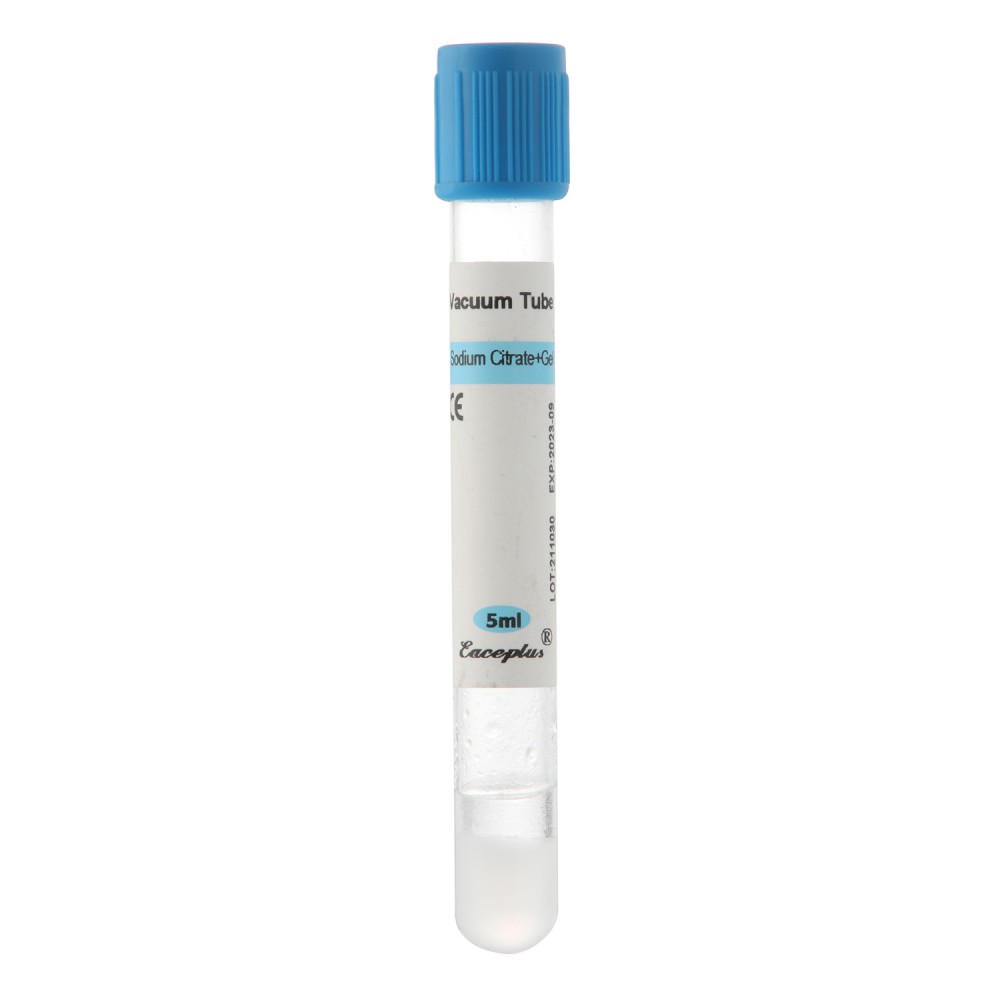
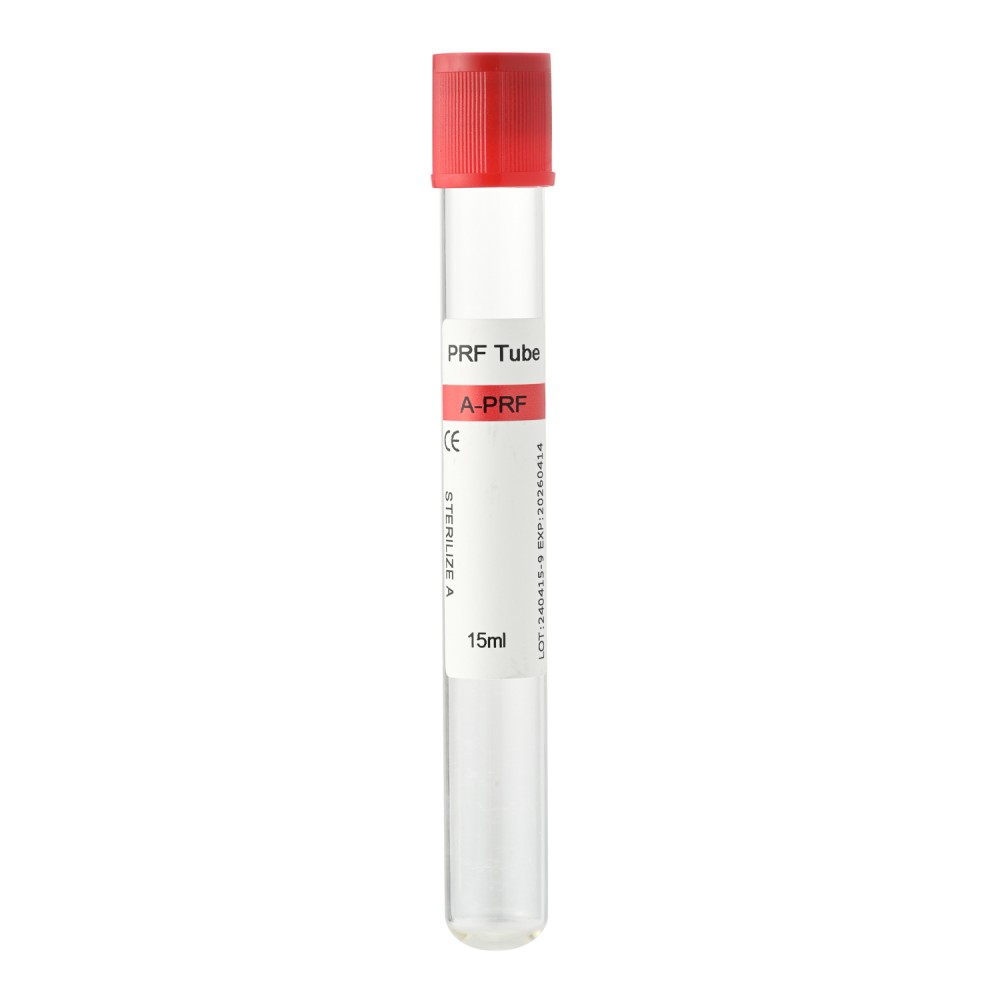
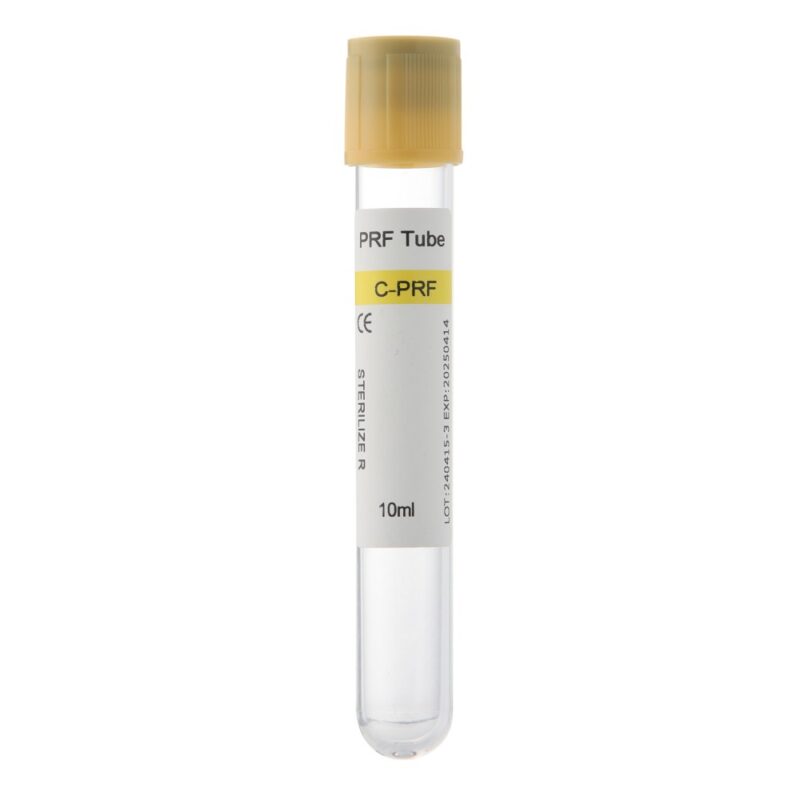
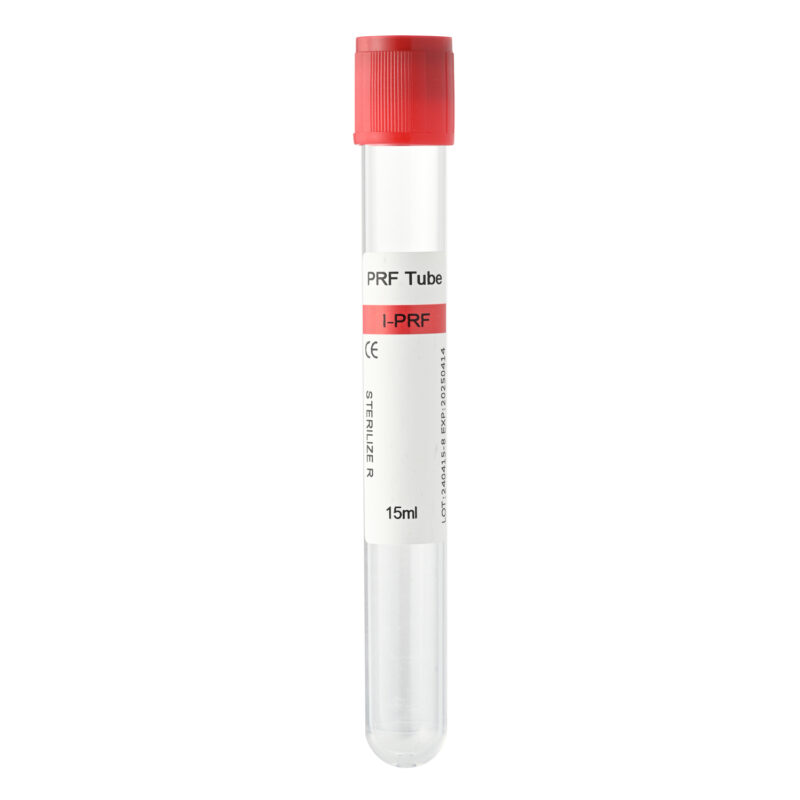
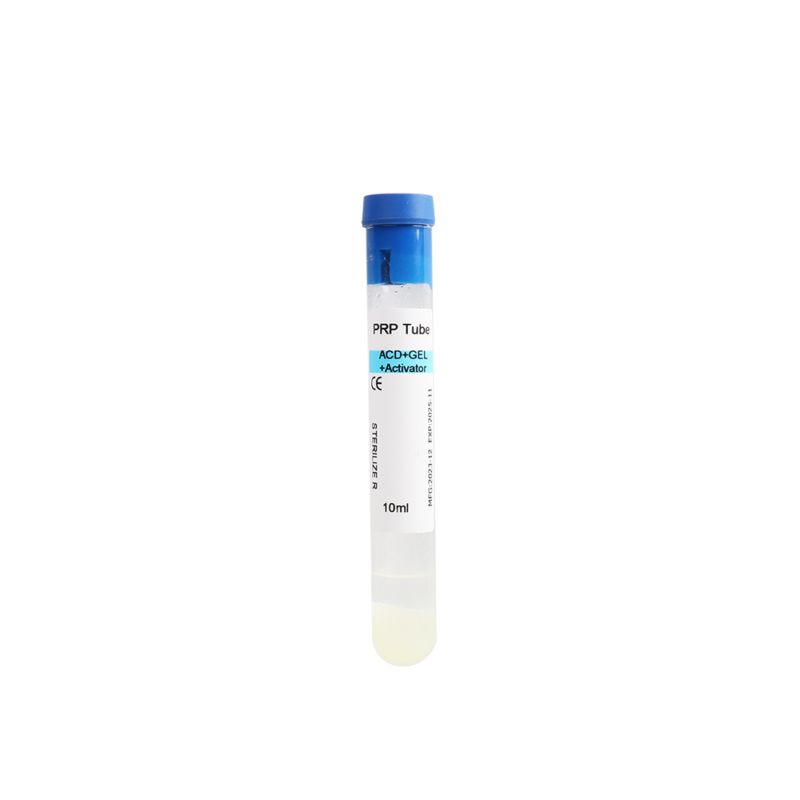
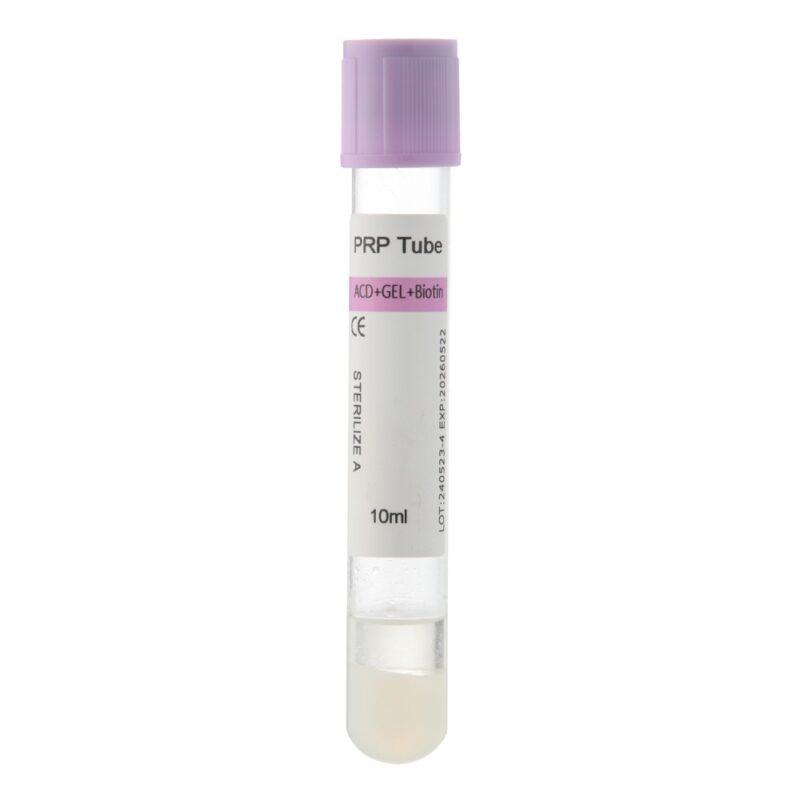
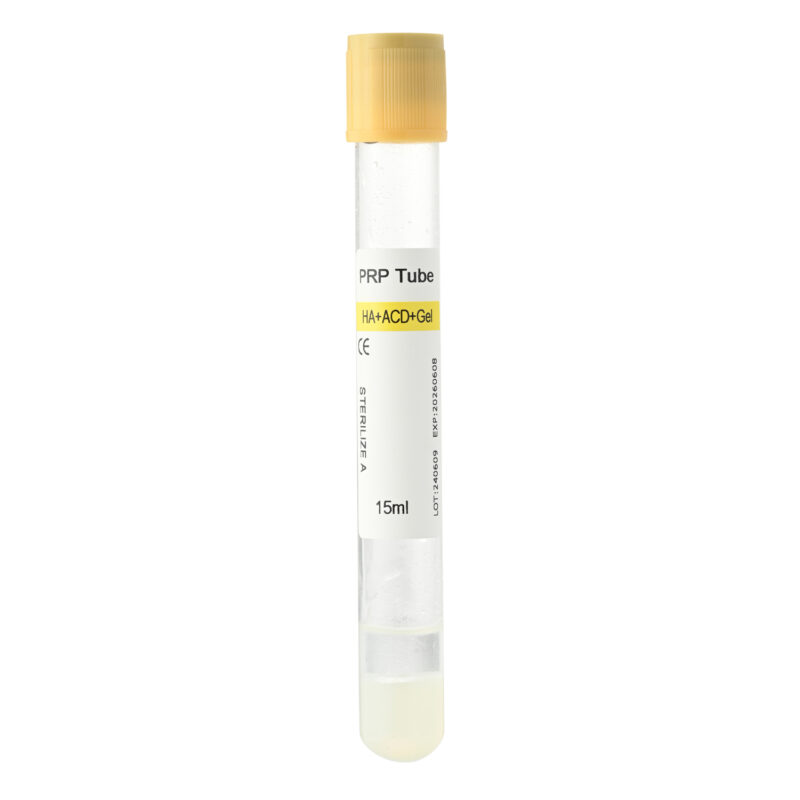
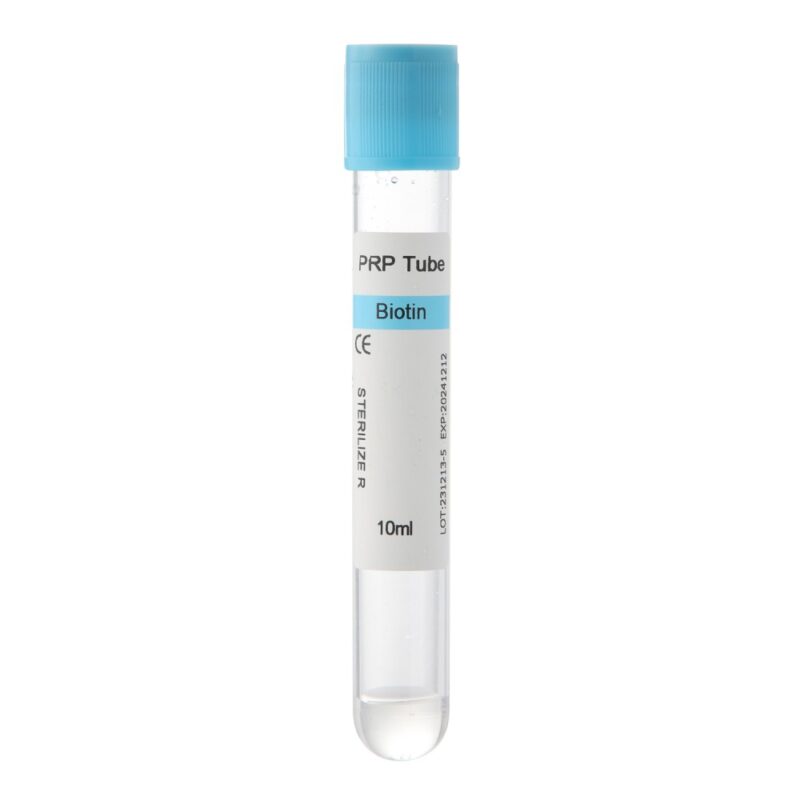
The recovery experience after a shoulder PRP injection can vary depending on several factors, including the type of injury, the severity of tissue damage, rehabilitation progress, and the quality of PRP preparation. For clinics performing PRP procedures, consistent preparation quality is also an important consideration. The PRP tube used during blood collection and processing can influence factors such as sample handling, separation efficiency, and workflow consistency. Siny PRP provides professional PRP tube solutions designed for different regenerative medicine applications, helping clinics establish reliable preparation processes.
Understanding Shoulder PRP Injection and How the Treatment Works
The shoulder is one of the most flexible joints in the human body, allowing a wide range of movements during daily activities, sports, and physical work. However, this mobility also makes the shoulder more vulnerable to overuse injuries, tendon irritation, and gradual tissue degeneration.
Healthcare professionals may consider PRP therapy for several shoulder-related conditions, including:
- Rotator cuff-related injuries
- Tendon irritation and tendinopathy
- Overuse-related shoulder pain
- Certain soft tissue injuries
- Some degenerative joint conditions
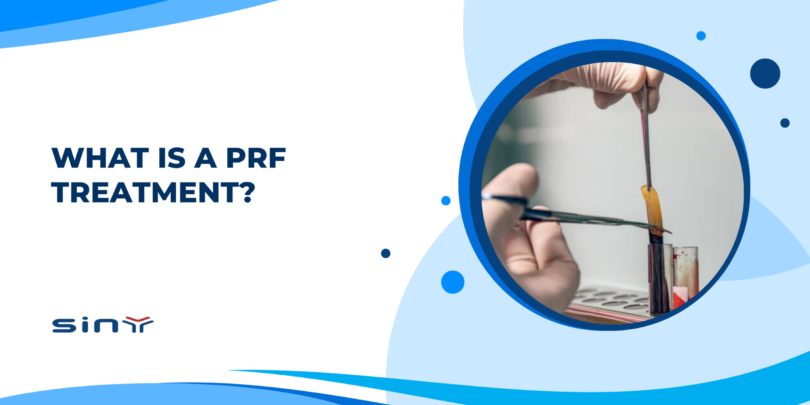
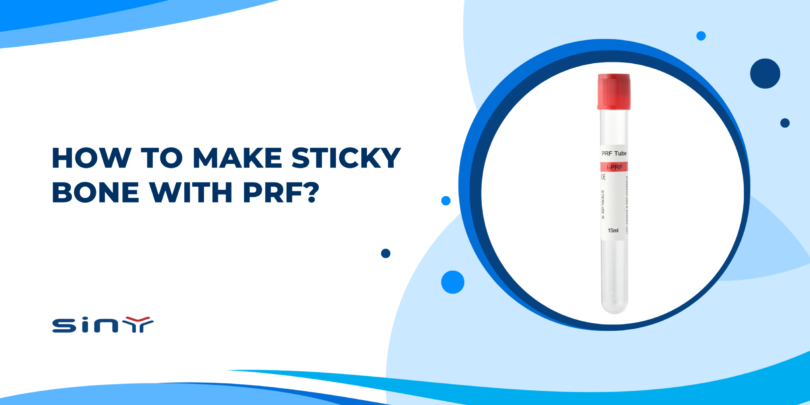
During a PRP procedure, a small amount of the patient’s blood is collected into a specialized tube and processed through centrifugation. This process separates different blood components and concentrates the platelet-rich plasma portion.
The prepared PRP contains a higher concentration of platelets compared with normal blood. Platelets contain various biological components involved in the body’s natural healing activities, which is why PRP has become an area of interest in sports medicine, orthopedics, and regenerative treatments.
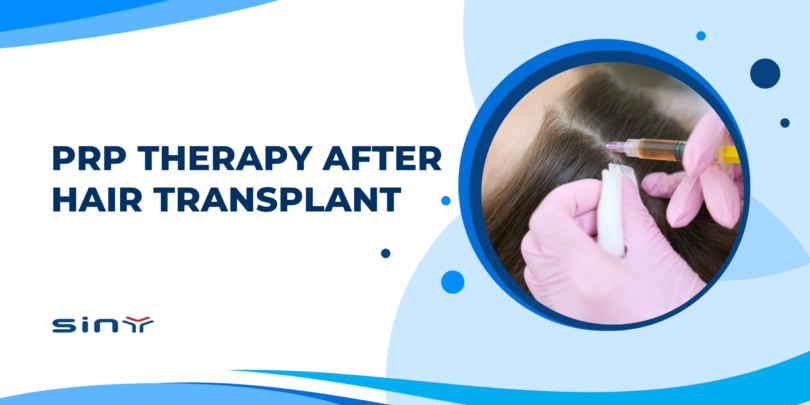
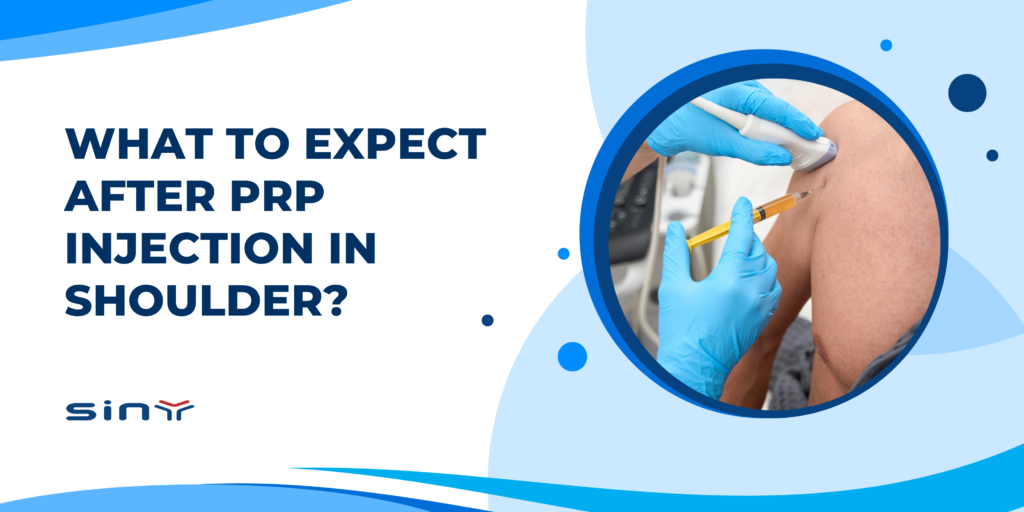
After preparation, the healthcare professional injects the PRP into the targeted shoulder area according to the treatment plan. The goal is not to immediately eliminate pain but to create a supportive environment for the body’s natural recovery process.
Many patients expect PRP to work like a conventional pain-relief injection, but the recovery pattern is different. Since PRP encourages a biological response, some temporary soreness or discomfort after injection can occur. This early reaction does not necessarily indicate a negative outcome; instead, it may represent the beginning of the healing process.

What to Expect Immediately After PRP Injection in Shoulder
The first few days after treatment are an important part of the shoulder PRP recovery timeline. During this stage, the body begins responding to the injected platelet concentration, and patients may notice temporary changes in comfort and movement.
Mild Pain and Discomfort After Shoulder PRP Injection
A common experience after PRP treatment is increased soreness around the injection area. Some patients describe this feeling as a dull ache, pressure, stiffness, or temporary increase in their existing shoulder discomfort.
This reaction is generally expected because the treated area is adapting to the injection and beginning the recovery process. The level of discomfort varies from person to person and depends on factors such as the treated tissue, injection location, and individual healing response.
During the early recovery period, patients are usually advised to avoid activities that place excessive stress on the shoulder. Heavy lifting, repetitive overhead movements, and intense exercise may increase irritation before the tissues have had time to recover.
Following professional aftercare recommendations is important because shoulder recovery depends not only on the PRP injection itself but also on how the shoulder is managed afterward.
Swelling and Limited Shoulder Movement After Treatment
Some patients may experience mild swelling, stiffness, or temporary limitations in shoulder movement after PRP injection. Activities such as reaching overhead, rotating the arm, or carrying heavier objects may feel more difficult during the first few days.
The purpose of this early stage is to allow the shoulder to begin the natural repair process while maintaining appropriate movement. Complete immobilization is not usually necessary unless specifically recommended by a healthcare professional, as controlled movement may help maintain joint flexibility.
Post-treatment instructions can vary depending on the condition being treated. For example, recovery recommendations for a patient receiving PRP for rotator cuff injury may differ from those for someone receiving treatment for general shoulder discomfort.
Patients should always follow the guidance provided by their healthcare provider regarding activity levels, rehabilitation exercises, and recovery expectations.
Medication Considerations During Shoulder PRP Recovery
Because PRP relies on platelet activity and the body’s natural healing response, many healthcare professionals recommend limiting certain anti-inflammatory medications around the treatment period.
Non-steroidal anti-inflammatory drugs (NSAIDs), including medications such as ibuprofen and naproxen, may affect platelet function. However, medication recommendations can vary depending on the patient’s health condition and the treatment protocol used by the provider.
Patients should discuss pain management options with their healthcare professional before and after PRP treatment. Sharing information about current medications, medical history, and previous treatments helps create a safer and more appropriate recovery plan.
For clinics providing shoulder PRP procedures, maintaining a consistent preparation process is also essential. Selecting suitable PRP tubes helps support reliable blood collection and plasma separation, especially when different clinical applications require specific preparation characteristics.
Recovery Timeline After Shoulder PRP Injection: What Happens During the First Few Months
Understanding the shoulder PRP recovery timeline helps patients develop realistic expectations after treatment. Unlike procedures that mainly focus on immediate symptom reduction, PRP works through a gradual biological process. The body needs time to respond to the concentrated platelets and begin supporting tissue repair, so improvements are usually measured over weeks rather than days.
The recovery process is different for every patient. Factors such as the type of shoulder condition, injury severity, age, activity level, rehabilitation plan, and overall health can influence how quickly improvements appear. Some patients may notice changes earlier, while others require a longer recovery period before significant functional improvements occur.
The First Week After Shoulder PRP Injection: Early Recovery Stage
During the first several days after a shoulder PRP injection, the treated area may feel more sensitive than usual. Common experiences include:
- Mild to moderate soreness
- Temporary stiffness
- Slight swelling around the injection area
- Discomfort when moving the shoulder
These reactions are often part of the early healing response. The injected platelets begin interacting with the surrounding tissues, and the body starts the repair process.
During this stage, protecting the shoulder from excessive stress is important. Patients are generally advised to avoid heavy lifting, intense workouts, and repetitive movements that place significant pressure on the treated area.
However, recovery does not mean keeping the shoulder completely inactive. Under professional guidance, gentle movements may help maintain flexibility and prevent unnecessary stiffness. The right balance between protection and controlled movement is an important part of shoulder rehabilitation.
Weeks 2 to 6 After PRP Injection: Gradual Improvement Phase
After the initial recovery period, many patients begin noticing gradual improvements in shoulder comfort and mobility. The temporary soreness experienced during the first week often starts to decrease, and daily activities may become easier.
During this phase, the focus usually shifts from protecting the shoulder to gradually rebuilding function. A healthcare professional may recommend:
- Range-of-motion exercises
- Controlled strengthening activities
- Physical therapy programs
- Gradual return to normal activities
Patients receiving PRP for rotator cuff injuries or chronic tendon problems may require more time and structured rehabilitation compared with those treating milder soft tissue issues.
It is also important to understand that PRP recovery is not always a straight path. Some patients may experience periods where symptoms improve and then temporarily return. Small changes in pain levels do not always indicate that treatment is unsuccessful because tissue recovery continues throughout the healing process.
Healthcare professionals typically evaluate progress based on overall function, including improved movement, strength, and ability to perform daily activities, rather than focusing only on pain levels.

One to Three Months After Shoulder PRP Treatment: Functional Recovery Stage
For many patients, noticeable improvements continue during the first few months after treatment. The shoulder may gradually regain strength, stability, and range of motion as the body continues its repair process.
The recovery period depends heavily on the condition being treated. For example:
- Mild tendon irritation may improve within a shorter timeframe.
- Long-term tendon problems may require extended rehabilitation.
- More complex shoulder injuries may need several months of recovery support.
The biological process behind PRP does not stop once symptoms begin improving. Tissue remodeling and collagen strengthening may continue for several months, depending on the individual situation.
Maintaining a structured rehabilitation plan during this period is important. Returning to high-intensity activities too quickly may place unnecessary stress on recovering tissues and affect the overall recovery experience.
Factors That Influence Shoulder PRP Injection Results
Although PRP therapy has gained attention in orthopedics and regenerative medicine, treatment results depend on multiple factors rather than the injection alone. Understanding these factors can help patients and clinics better evaluate treatment expectations.
Type and Severity of Shoulder Condition
The condition being treated is one of the most important factors affecting recovery. Shoulder problems can involve different tissues, including tendons, ligaments, and joint structures, and each condition has its own recovery pattern.
For example, a patient with an early-stage tendon problem may respond differently compared with someone who has experienced chronic shoulder pain for several years.
Before recommending PRP treatment, healthcare professionals usually evaluate:
- The source of shoulder pain
- The extent of tissue damage
- Previous treatment history
- Activity requirements
- Overall health condition
This evaluation helps determine whether PRP is an appropriate option and what type of recovery timeline may be expected.
PRP Preparation Quality and Treatment Consistency
The quality of PRP preparation is another factor that clinics consider when developing reliable treatment workflows. The final PRP sample depends on multiple steps, including blood collection, centrifugation, separation, and plasma recovery.
The PRP tube used during preparation can influence factors such as:
- Blood sample handling
- Separation efficiency
- Platelet recovery
- Preparation consistency
Different clinical applications may require different PRP tube designs. For example, orthopedic applications may have specific requirements compared with aesthetic or regenerative medicine procedures.
When selecting PRP tubes, clinics and distributors should consider:
| Selection Factor | Why It Matters |
|---|---|
| Tube material quality | Supports safe blood collection and helps maintain sample stability during preparation |
| Anticoagulant system | Helps preserve blood sample conditions before centrifugation |
| Gel separator performance | Supports efficient separation of plasma and blood components |
| Manufacturing consistency | Helps clinics maintain reliable preparation workflows |
| Application suitability | Allows selection based on specific PRP preparation requirements |
Choosing a suitable PRP preparation solution is an important step for clinics that want to provide consistent treatment services. Siny PRP develops professional PRP tube solutions for orthopedic, aesthetic, sports medicine, and regenerative applications, helping healthcare partners select products that match their workflow needs.
How PRP Tube Selection Supports Shoulder PRP Treatment Quality
When discussing what to expect after PRP injection in shoulder, most patients focus on the injection process, recovery time, and expected results. However, for clinics and medical professionals, the preparation stage before injection is equally important. The quality and consistency of the PRP sample can influence how effectively healthcare providers manage the treatment workflow.
PRP preparation involves several key steps, including blood collection, centrifugation, separation of blood components, and collection of the platelet-rich plasma layer. Each step requires suitable equipment and careful handling to maintain sample quality.
A properly designed PRP tube helps support a more controlled preparation process. Factors such as tube material, anticoagulant selection, and separation technology may influence how efficiently blood components are processed before the final PRP preparation is collected.
For shoulder applications, especially procedures related to tendon conditions or sports injuries, healthcare providers often consider whether the PRP preparation method matches the intended treatment requirements. Different PRP protocols may require different tube configurations depending on factors such as desired plasma characteristics, preparation workflow, and clinical preference.
Important Factors When Choosing PRP Tubes for Shoulder Applications
Clinics and distributors evaluating PRP tubes usually consider several important factors:
| Selection Factor | Importance in PRP Preparation |
|---|---|
| Tube material | Helps maintain sample safety and supports stable blood collection conditions |
| Anticoagulant type | Helps prevent premature clotting and supports suitable blood handling before centrifugation |
| Gel separator design | Supports clearer separation between plasma and other blood components |
| Manufacturing consistency | Helps maintain reliable preparation results across multiple procedures |
| Application compatibility | Allows clinics to select tubes according to different PRP treatment requirements |
A reliable PRP preparation system is not only about the tube itself but also about how the product fits into the complete clinical workflow. Factors such as centrifuge settings, preparation protocols, and professional handling all contribute to the final PRP sample.
For healthcare organizations, distributors, and clinics expanding PRP services, selecting a suitable supplier can help establish a more consistent preparation process. Siny PRP provides professional PRP tube solutions for orthopedic, aesthetic, sports medicine, and regenerative medicine applications, supporting customers with different preparation requirements.
Recovery Tips After Shoulder PRP Injection
Although PRP supports the body’s natural healing response, recovery habits after treatment can influence the overall experience. A well-planned recovery approach helps patients protect the treated area while gradually restoring shoulder function.
Follow a Gradual Return-to-Activity Plan
One common mistake after PRP treatment is increasing activity too quickly once the shoulder begins to feel better. Early improvement does not always mean the tissues have fully recovered.
Returning to exercise should usually happen gradually and according to professional recommendations. Depending on the condition being treated, the recovery plan may include:
- Gentle range-of-motion exercises
- Progressive strengthening activities
- Physical therapy guidance
- Gradual return to sports or physical work
A controlled increase in activity helps the shoulder adapt without placing unnecessary stress on recovering tissues.
Maintain Healthy Lifestyle Habits
The body’s recovery process depends on overall health. While lifestyle choices cannot guarantee treatment results, maintaining healthy habits can support general tissue recovery.
Important factors include:
- Adequate protein intake
- Balanced nutrition
- Sufficient hydration
- Quality sleep
- Avoiding smoking
These habits support normal body functions and may contribute to a smoother recovery experience.
Communicate With Your Healthcare Provider
Every patient responds differently after shoulder PRP injection. Regular communication with the treating professional allows recovery plans to be adjusted based on progress.
Patients should seek professional guidance if they experience:
- Unexpected increases in pain
- Significant swelling
- New movement limitations
- Concerns about recovery progress
A personalized approach is important because shoulder conditions, treatment goals, and recovery speed can vary significantly between individuals.
FAQs
How long does pain last after PRP injection in the shoulder?
Mild to moderate soreness is common after shoulder PRP injection, especially during the first few days. This temporary discomfort is often related to the body’s early healing response after treatment.
For many patients, soreness gradually improves within the first week, although the exact recovery period depends on the treated condition, individual healing ability, and post-treatment care plan.
When can I exercise after PRP injection in the shoulder?
The timing for returning to exercise depends on the type of shoulder problem and the recommendations of the treating healthcare professional.
Many patients begin with gentle movements during the early recovery period, while activities involving heavy lifting, repetitive overhead motion, or high impact may need to be delayed until the shoulder has recovered sufficiently.
A gradual return to activity helps reduce unnecessary stress on the treated tissues.
How soon can I expect results from shoulder PRP treatment?
PRP does not usually produce immediate results. Because it works through a gradual biological recovery process, many patients notice changes over several weeks, with continued improvement possible over several months.
The timeline depends on factors such as the severity of the condition, rehabilitation progress, and individual response to treatment.
Can PRP completely repair a shoulder injury?
PRP is designed to support the body’s natural healing process, but results vary between individuals. The effectiveness of treatment depends on factors such as injury type, tissue condition, patient health, and the overall treatment plan.
Healthcare professionals usually evaluate whether PRP is suitable based on each patient’s specific situation rather than considering it a universal solution.
What type of PRP tube is used for shoulder PRP procedures?
The type of PRP tube used depends on the preparation method and clinical requirements. Different tubes may use different anticoagulant systems or separation designs to support specific PRP workflows.
Clinics typically select PRP tubes based on factors such as preparation goals, centrifugation protocols, and application needs.
Why does PRP tube quality matter for shoulder treatment?
PRP tube quality can influence blood collection, sample handling, and preparation consistency. A suitable PRP tube helps healthcare professionals maintain a standardized workflow when preparing PRP samples for different applications.
Choosing the Right PRP Preparation Solution
Shoulder PRP treatment involves more than the injection itself. Patient evaluation, injection technique, rehabilitation planning, and PRP preparation quality all contribute to the overall treatment process.
For clinics and medical distributors, choosing the right PRP tube supplier is an important part of building reliable PRP services. Products should be evaluated based on material quality, preparation requirements, manufacturing consistency, and application suitability.
Siny PRP specializes in professional PRP tube solutions designed for regenerative medicine applications, supporting clinics, distributors, and healthcare partners with reliable products and flexible supply options.
Whether you are developing orthopedic PRP services or looking for suitable PRP preparation products for your market, contact Siny PRP to discuss your requirements and find an appropriate solution.
A better understanding of the shoulder PRP recovery process, combined with reliable preparation equipment, helps healthcare professionals provide a more consistent treatment experience for their patients.