Dark circles, hollow tear troughs, fine lines, and thinning skin beneath the eyes are often among the first visible signs of facial aging. While hyaluronic acid fillers remain a popular solution, an increasing number of patients and aesthetic practitioners are choosing platelet-rich fibrin (PRF) as a more natural regenerative treatment. This growing interest has made PRF Under-Eye Treatment: Benefits, Drawbacks, and What You Should Know Before Treatment one of the most frequently searched topics for people exploring non-surgical eye rejuvenation.
Unlike synthetic fillers that primarily restore lost volume, PRF is prepared from the patient’s own blood without anticoagulants or artificial additives. After centrifugation, it produces a fibrin-rich matrix containing concentrated platelets, leukocytes, and naturally occurring growth factors. Once injected into the under-eye area, these biological components gradually support collagen production, improve microcirculation, and encourage tissue regeneration, helping the skin appear healthier over time.
One reason PRF has attracted so much attention is that it focuses on improving skin quality rather than masking aging with temporary volume. Patients seeking a softer, more natural-looking improvement often consider PRF for dark circles, mild tear trough hollowing, and crepey under-eye skin because the treatment works with the body’s own healing mechanisms.
Like any cosmetic procedure, however, PRF has both advantages and limitations. Results develop gradually, treatment protocols differ between clinics, and the quality of PRF preparation can significantly influence consistency. Understanding these factors allows patients to make informed decisions while helping medical professionals establish standardized treatment protocols.
What Is PRF Under-Eye Treatment and How Does It Work?
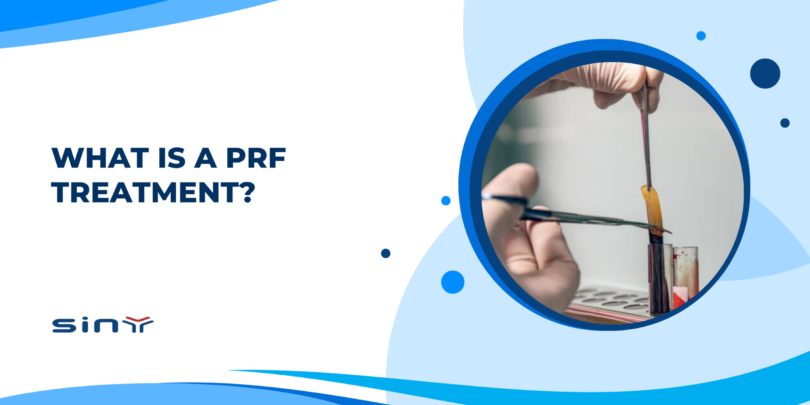
Platelet-Rich Fibrin (PRF) is widely recognized as the second generation of autologous platelet concentrates. Unlike traditional PRP, PRF is prepared without anticoagulants, allowing a natural fibrin network to form during centrifugation. This fibrin matrix functions as a biological scaffold that slowly releases growth factors over several days, providing a more sustained regenerative response.
When injected into the tear trough or under-eye region, PRF does not function as a conventional filler. Instead of immediately adding volume, it encourages the body’s own repair mechanisms by stimulating fibroblast activity, collagen synthesis, angiogenesis, and extracellular matrix remodeling. Over the following weeks and months, these processes may improve skin thickness, elasticity, and overall tissue quality.
The under-eye region is one of the most delicate areas of the face. The skin is extremely thin, the supporting fat layer is limited, and underlying blood vessels can easily become visible. Although dermal fillers can effectively restore volume, some patients experience issues such as puffiness or the Tyndall effect when fillers are placed too superficially. PRF offers an alternative approach by focusing on gradual tissue regeneration instead of relying solely on added volume.
A typical PRF under-eye procedure generally includes:
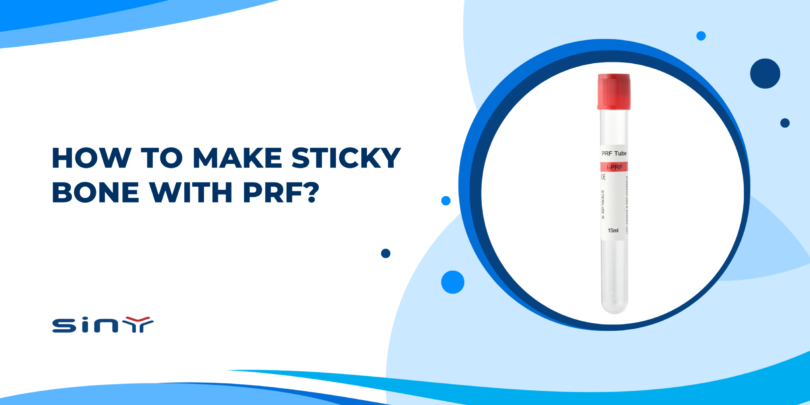
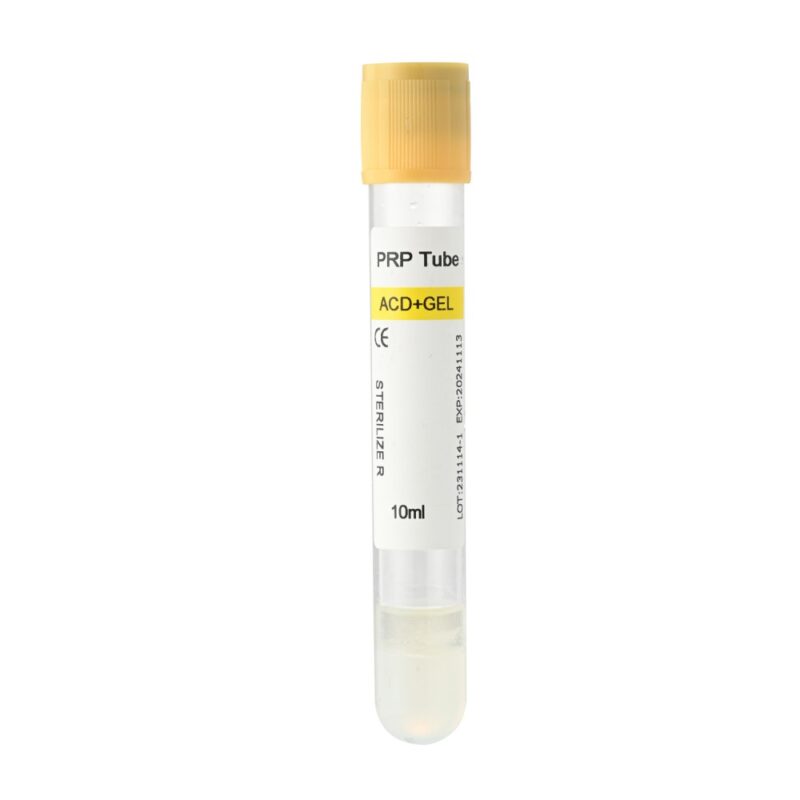
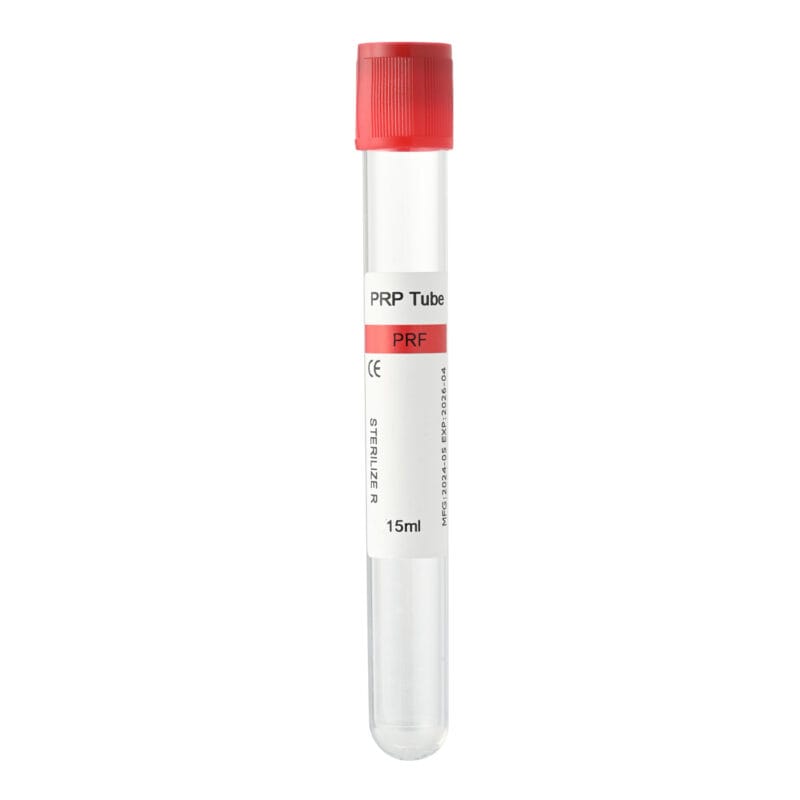
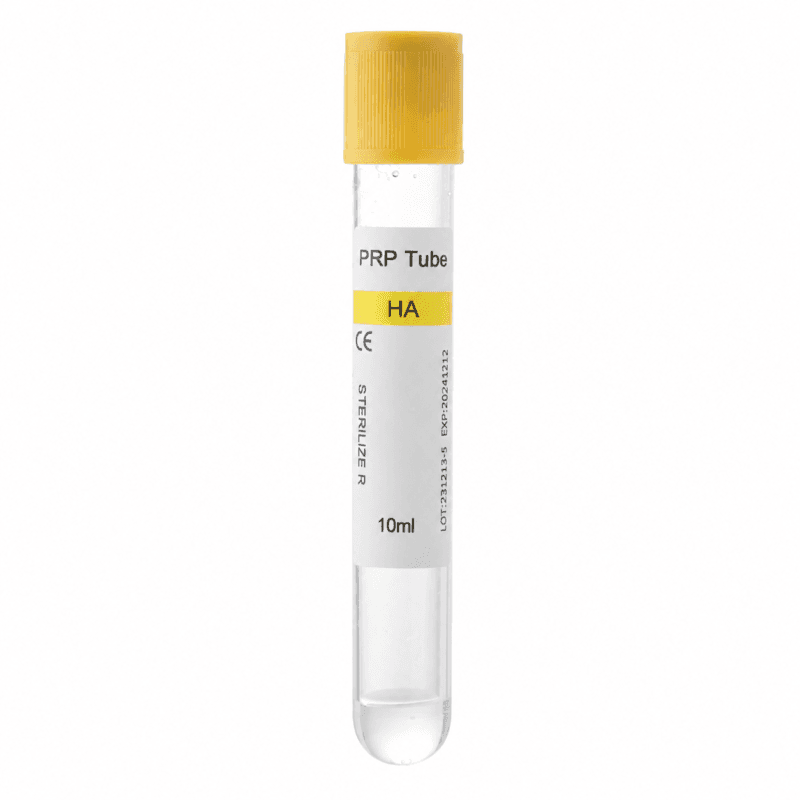
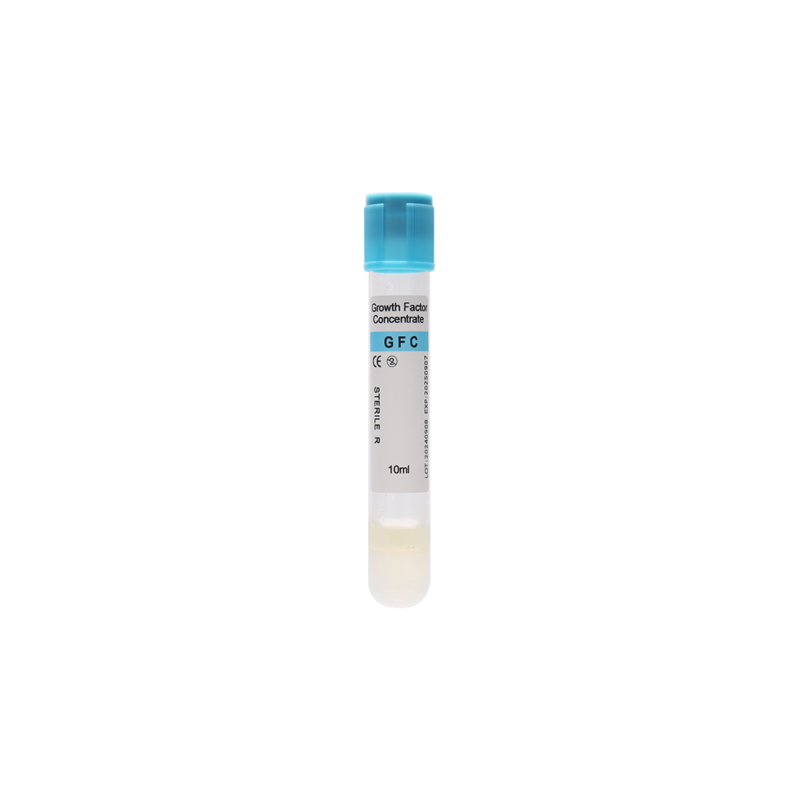
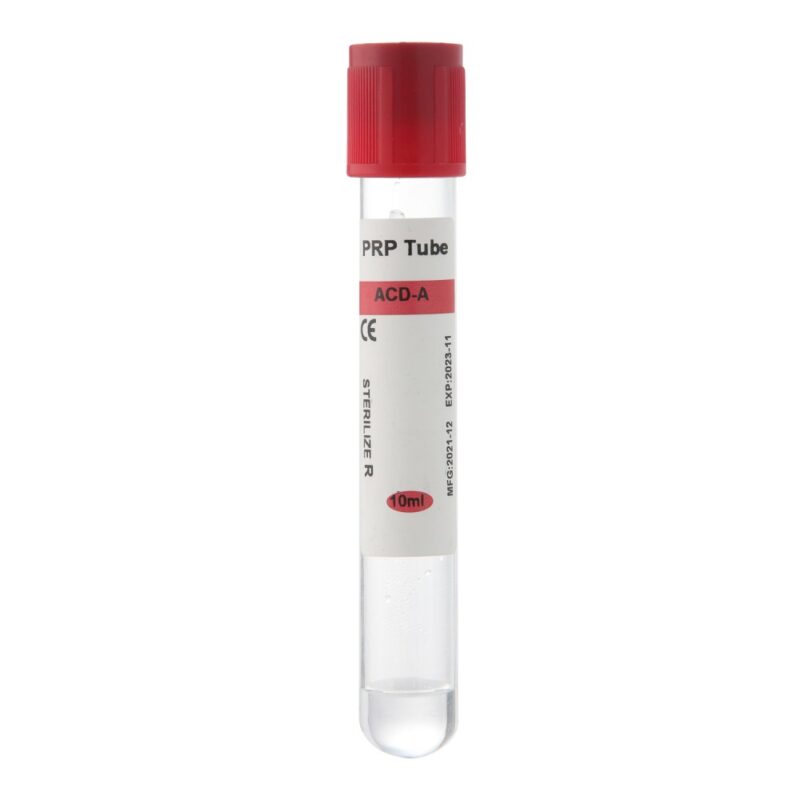
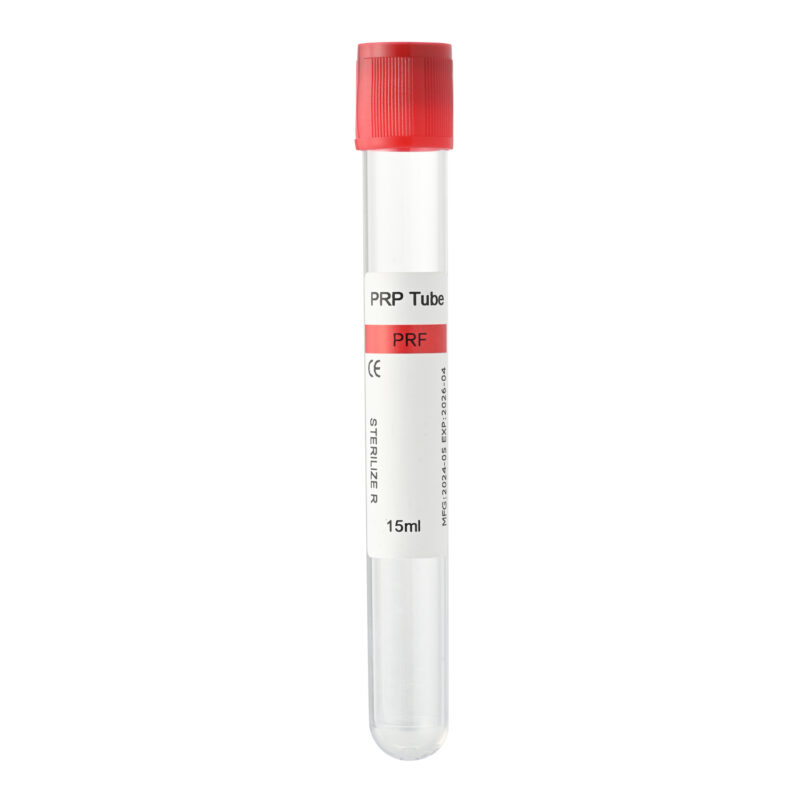
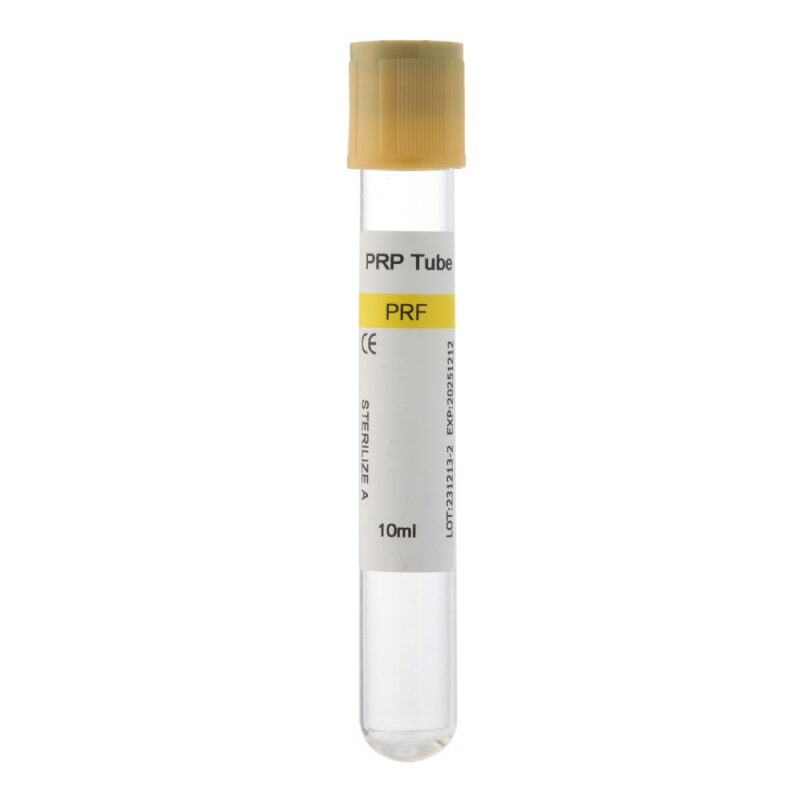
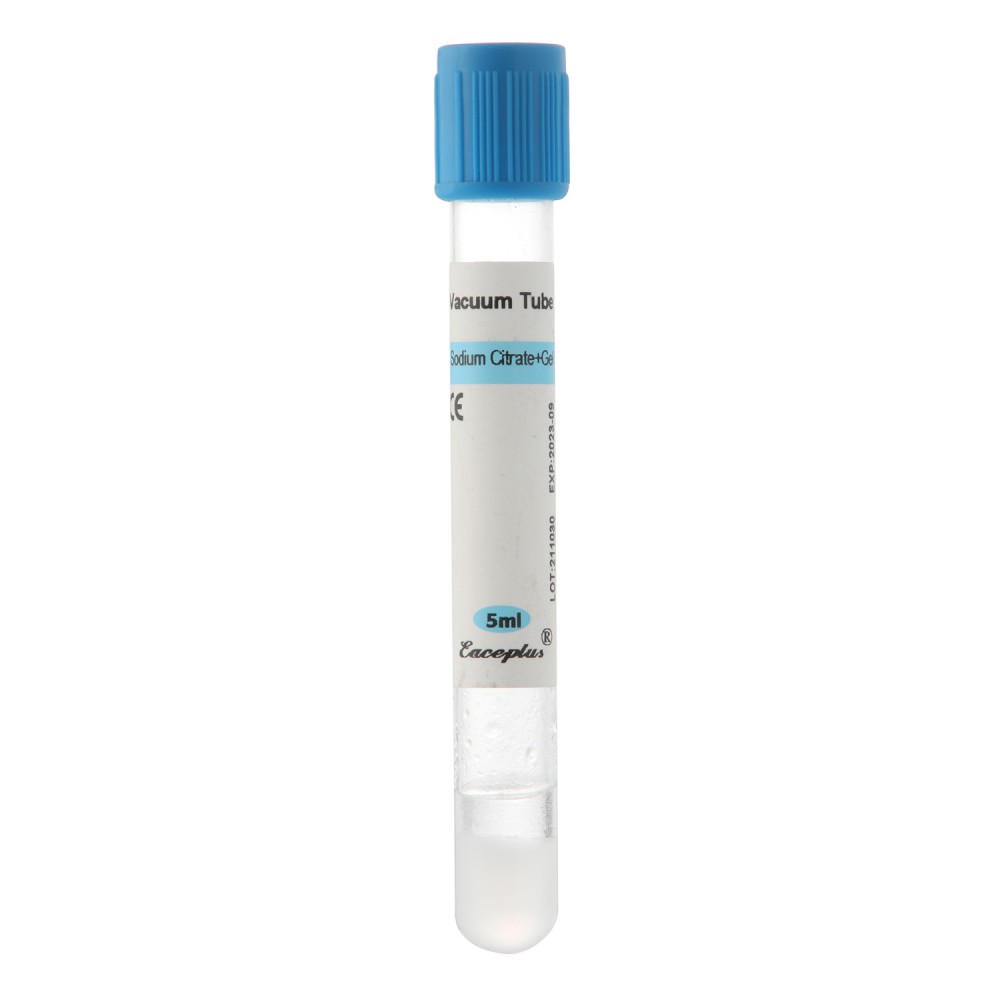
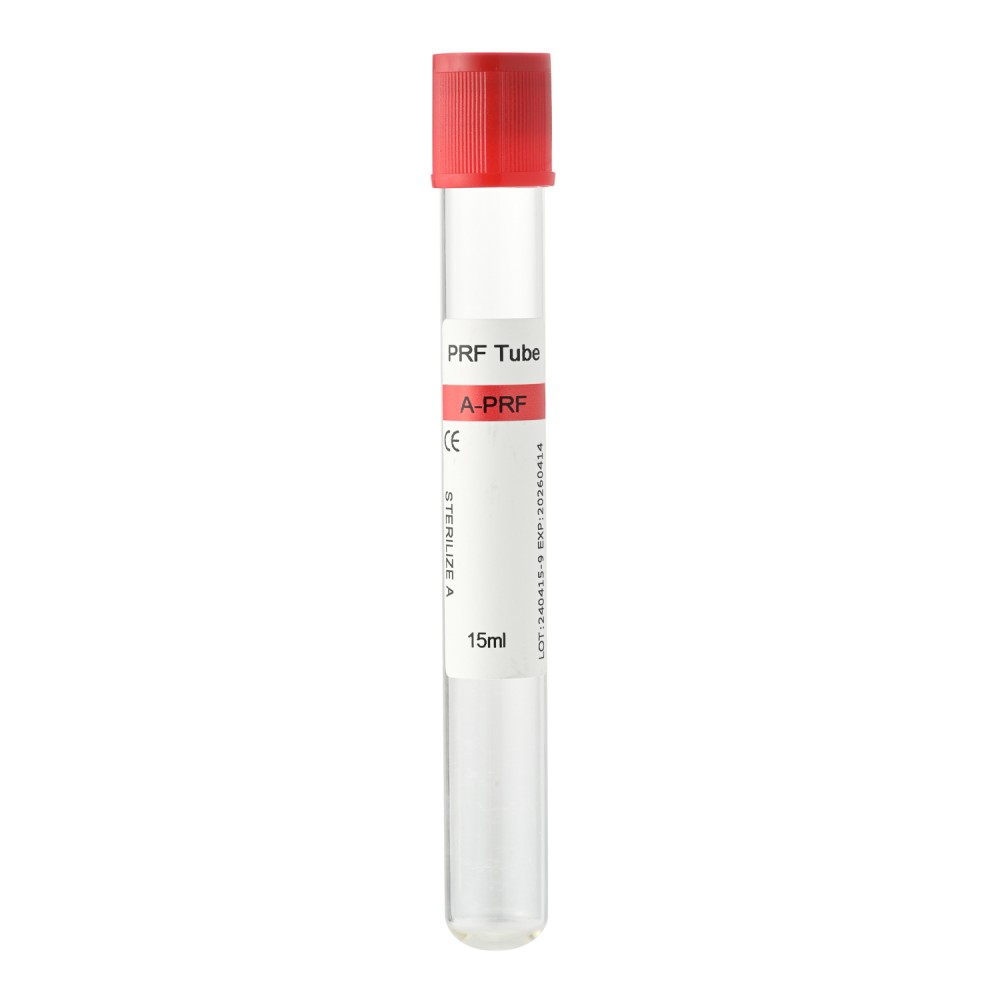
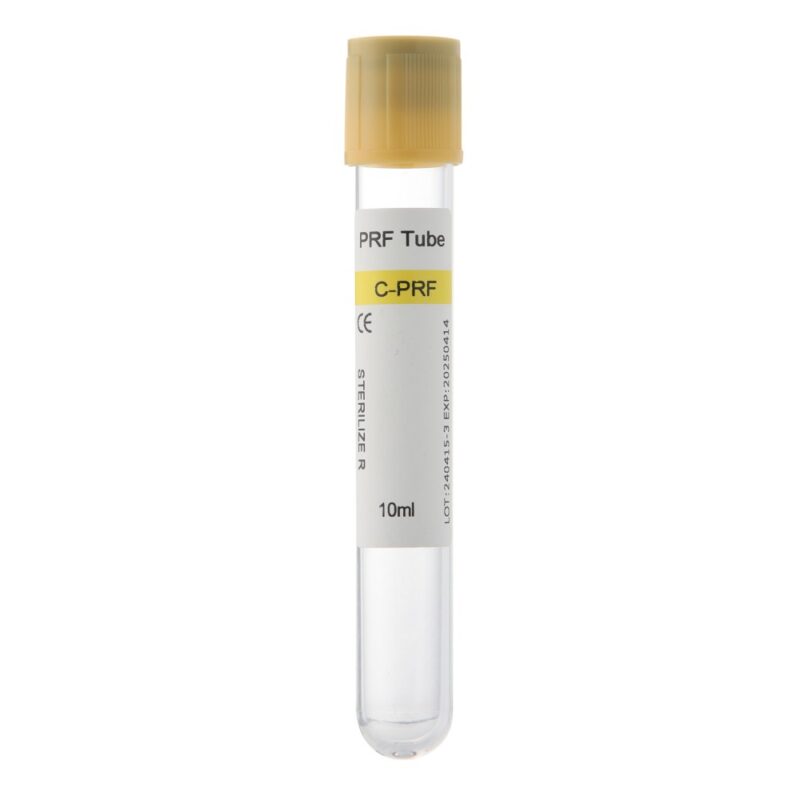
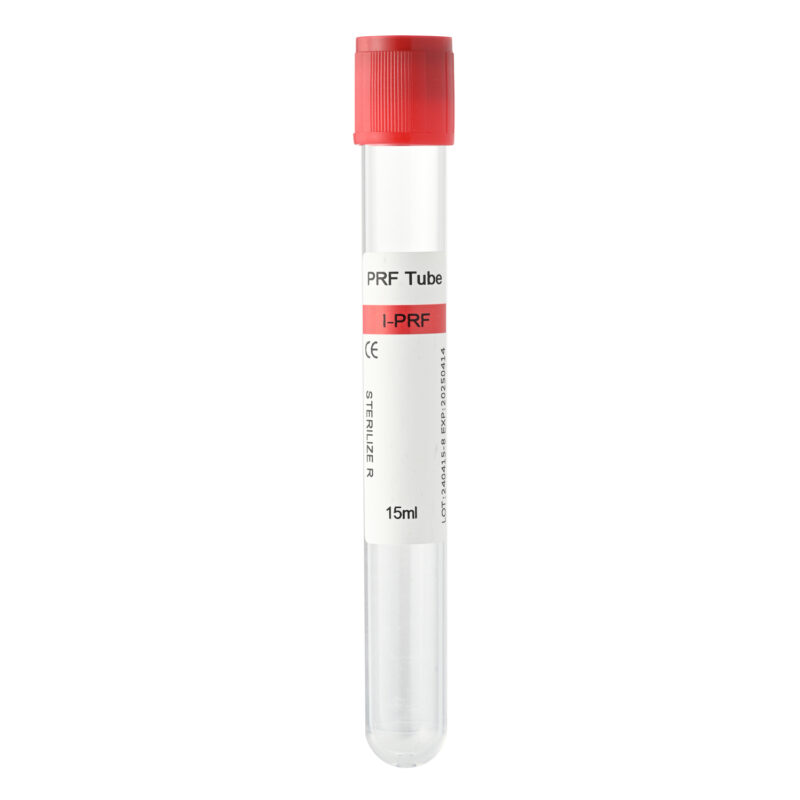
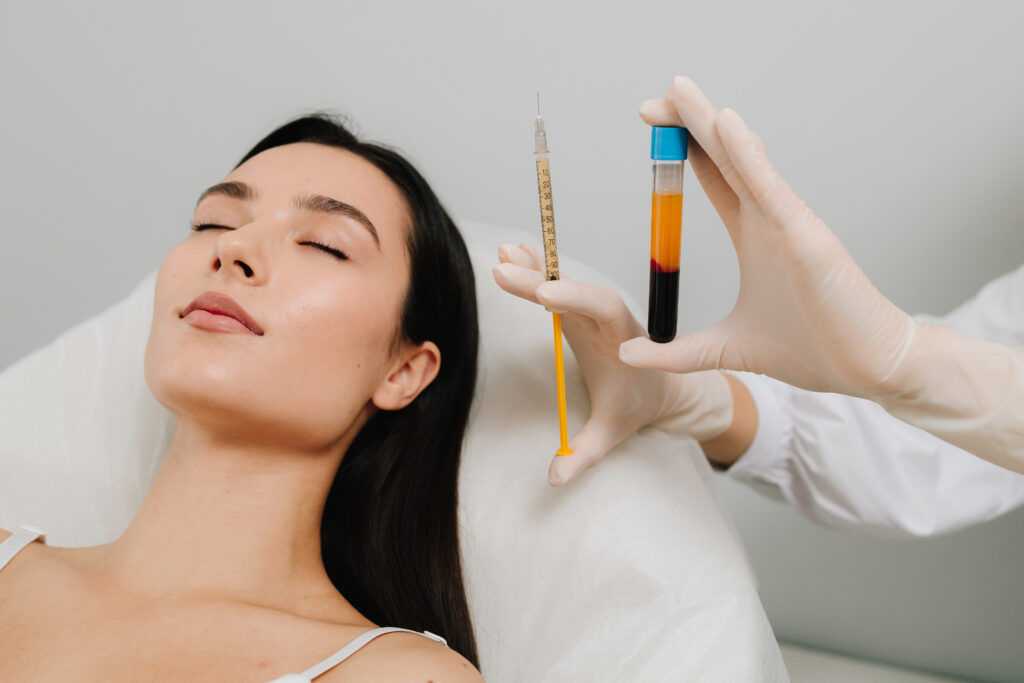
- Collecting the patient’s blood using sterile PRF tubes
- Performing immediate centrifugation according to an established protocol
- Separating the liquid PRF layer
- Injecting PRF into the tear trough and surrounding tissues
- Allowing natural collagen remodeling to occur over the following weeks
Although the injection itself receives most of the attention, treatment quality begins long before the needle reaches the patient. Blood collection tubes, centrifugation timing, and preparation protocols all influence the biological composition of the final PRF. Clinics that perform regenerative procedures regularly often standardize every preparation step to achieve more consistent clinical outcomes.
PRF Under-Eye Treatment vs. PRP: What’s the Difference?
Patients frequently compare PRF and PRP because both treatments are prepared from the patient’s own blood and are used in regenerative medicine. Although they share similar principles, there are several important differences.
PRP contains a high concentration of platelets suspended in plasma and is typically prepared using anticoagulants to prevent clotting during processing. PRF, on the other hand, is produced without anticoagulants, allowing a fibrin matrix to develop naturally. This structure gradually releases growth factors over time rather than delivering them all at once.
For under-eye rejuvenation, many practitioners prefer PRF because the sustained release of biological signals may better support collagen remodeling and improve delicate skin quality. However, neither treatment is universally superior. The most appropriate choice depends on the patient’s anatomy, treatment goals, and the clinician’s experience.
Regardless of whether a clinic performs PRP or PRF procedures, standardized blood collection and reliable preparation protocols remain essential for achieving reproducible results.
Benefits of PRF Under-Eye Treatment
The popularity of PRF eye rejuvenation continues to grow because it addresses concerns that many patients have about traditional injectable treatments. Rather than simply filling hollow areas, PRF aims to improve the condition of the skin itself, making it an attractive option for individuals seeking gradual, natural-looking facial rejuvenation.
A More Natural Regenerative Approach
Since PRF is produced entirely from the patient’s own blood, no synthetic materials remain beneath the skin after treatment. Many patients appreciate this biological approach because it works with the body’s own healing response instead of introducing a long-lasting foreign substance.
For people who prefer minimally invasive aesthetic procedures with a regenerative focus, PRF provides an appealing alternative to conventional fillers.
Gradual Improvement in Skin Quality
Unlike fillers that produce immediate volume, PRF encourages progressive tissue regeneration. Over the weeks following treatment, growth factors stimulate collagen production while supporting improved blood supply to the treated area.
Patients may gradually notice improvements in:
- Fine lines and wrinkles
- Thin or crepey skin
- Mild under-eye hollowness
- Skin texture and elasticity
- The overall appearance of PRF-treated dark circles
Because these changes develop naturally, friends and family often notice that the patient looks more refreshed rather than obviously “treated.”
Lower Risk of an Overfilled Appearance
One of the most common concerns associated with tear trough fillers is excessive correction or persistent puffiness after repeated treatments.
PRF behaves very differently. Rather than remaining beneath the skin as a volumizing gel, it is gradually absorbed while supporting the body’s natural regenerative processes. This approach reduces the likelihood of an overfilled appearance and often produces more subtle, harmonious facial rejuvenation.
Compatible With Combination Treatments
Many aesthetic practitioners combine PRF with procedures such as microneedling, fractional laser resurfacing, fat grafting, or PRP to create a more comprehensive facial rejuvenation plan.
Because PRF is autologous, it integrates well into multimodal treatment strategies designed to improve skin quality, stimulate collagen production, and support long-term tissue health instead of addressing only a single cosmetic concern.
Does Condition Worsen After Undereye PRF Expires?
One of the most common concerns patients have before treatment is “does condition worsen after undereye PRF expires?” The reassuring answer is no. Under normal circumstances, PRF does not accelerate aging or make the under-eye area look worse once its effects gradually diminish.
This misconception often comes from comparing PRF with dermal fillers. Some patients feel their under-eye area looks “older” after fillers dissolve because they have become accustomed to the temporarily restored volume while the natural aging process continued in the background. When the filler is gone, they notice the difference more clearly. PRF follows a completely different biological pathway.
Unlike fillers, PRF acts as a temporary biological scaffold rather than a permanent volumizing material. The fibrin matrix is naturally absorbed within a few weeks, but the regenerative response it triggers continues long afterward. During this period, platelets gradually release growth factors that encourage collagen production, angiogenesis, and tissue remodeling. The new collagen and extracellular matrix remain even after the PRF itself has disappeared.
As a result, most patients return to their normal aging process rather than experiencing a decline caused by PRF. In fact, many practitioners believe the treated skin is often healthier than before treatment because of the collagen remodeling that has already taken place.
Several factors influence how long improvements remain visible, including:
- Age and baseline skin quality
- Individual healing response
- Lifestyle factors such as smoking and UV exposure
- Treatment technique
- Number of PRF sessions completed
- Overall health and nutrition
Most practitioners recommend an initial series of two to four treatments followed by maintenance sessions every six to twelve months. This approach helps support collagen production while maintaining gradual improvements as the natural aging process continues.
Recovery After PRF Under-Eye Treatment: What Should You Expect?
Compared with many aesthetic procedures, PRF under-eye treatment requires relatively little downtime. Since the material is prepared entirely from the patient’s own blood, recovery is generally mild when the procedure is performed by an experienced practitioner.
Immediately after treatment, patients may notice:
- Mild swelling
- Temporary redness
- Minor bruising
- Tenderness around the injection sites
These reactions usually improve within several days, although bruising may occasionally persist for one week in individuals with delicate skin or a tendency to bruise easily.
To support a smooth recovery, clinicians commonly recommend:
- Avoid strenuous exercise for the first 24 hours.
- Avoid alcohol for 24 to 48 hours to help reduce bruising.
- Sleep with the head slightly elevated on the first night.
- Avoid saunas, steam rooms, and excessive heat for one to two days.
- Apply sunscreen daily to protect the treated skin from UV exposure.
Most patients resume work and normal daily activities within one or two days.
Typical Recovery Timeline
| Time After Treatment | What Patients Commonly Experience |
|---|---|
| Day 1 | Mild swelling, redness, or tenderness around the injection sites |
| Days 2–5 | Swelling begins to resolve; bruising gradually fades |
| Weeks 2–4 | Early collagen stimulation may improve skin texture and hydration |
| Months 2–3 | Progressive improvement in fine lines, tear trough appearance, and skin quality becomes more noticeable |
| Months 6–12 | Results gradually diminish as natural aging continues, making maintenance treatment beneficial for many patients |
Because PRF works by stimulating the body’s own healing response rather than creating instant volume, improvements appear progressively. Patients seeking immediate correction should understand that PRF is designed to promote long-term skin regeneration instead of producing overnight cosmetic changes.
Who Is a Good Candidate for PRF Under-Eye Treatment?
PRF is an excellent option for many patients, but the best results are achieved when treatment expectations match the underlying cause of the under-eye concern.
Good candidates generally include individuals with:
- Mild to moderate tear trough hollowing
- Thin or crepey under-eye skin
- Early signs of facial aging
- Mild dark circles associated with skin quality or vascular visibility
- A preference for natural regenerative treatments
- Realistic expectations regarding gradual improvement
However, PRF may not be sufficient for patients with severe volume loss, significant skin laxity, or advanced structural changes. In these cases, experienced practitioners may recommend combining PRF with other aesthetic treatments to achieve a more balanced result.
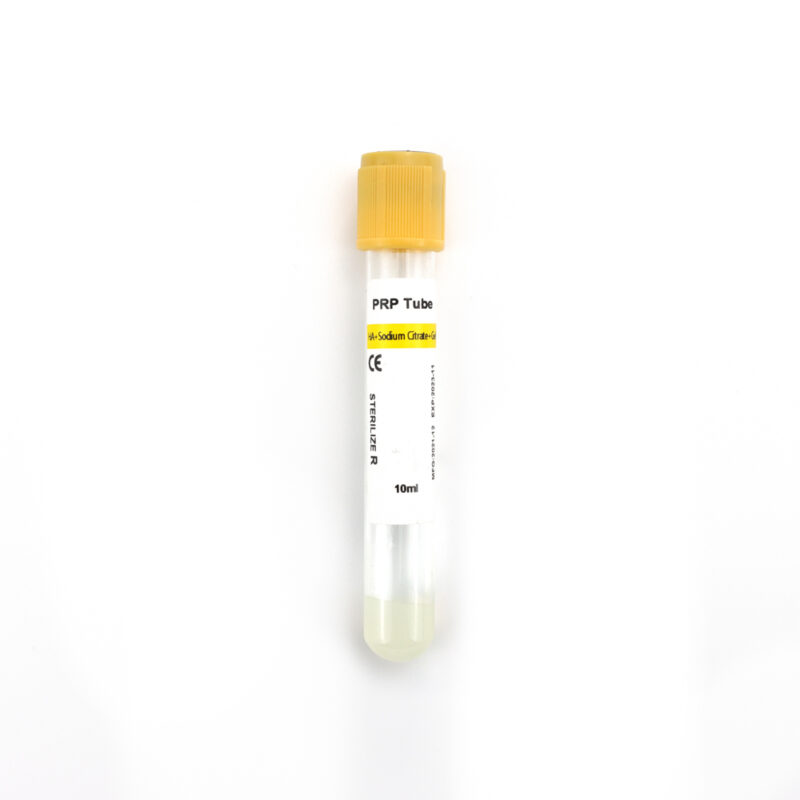
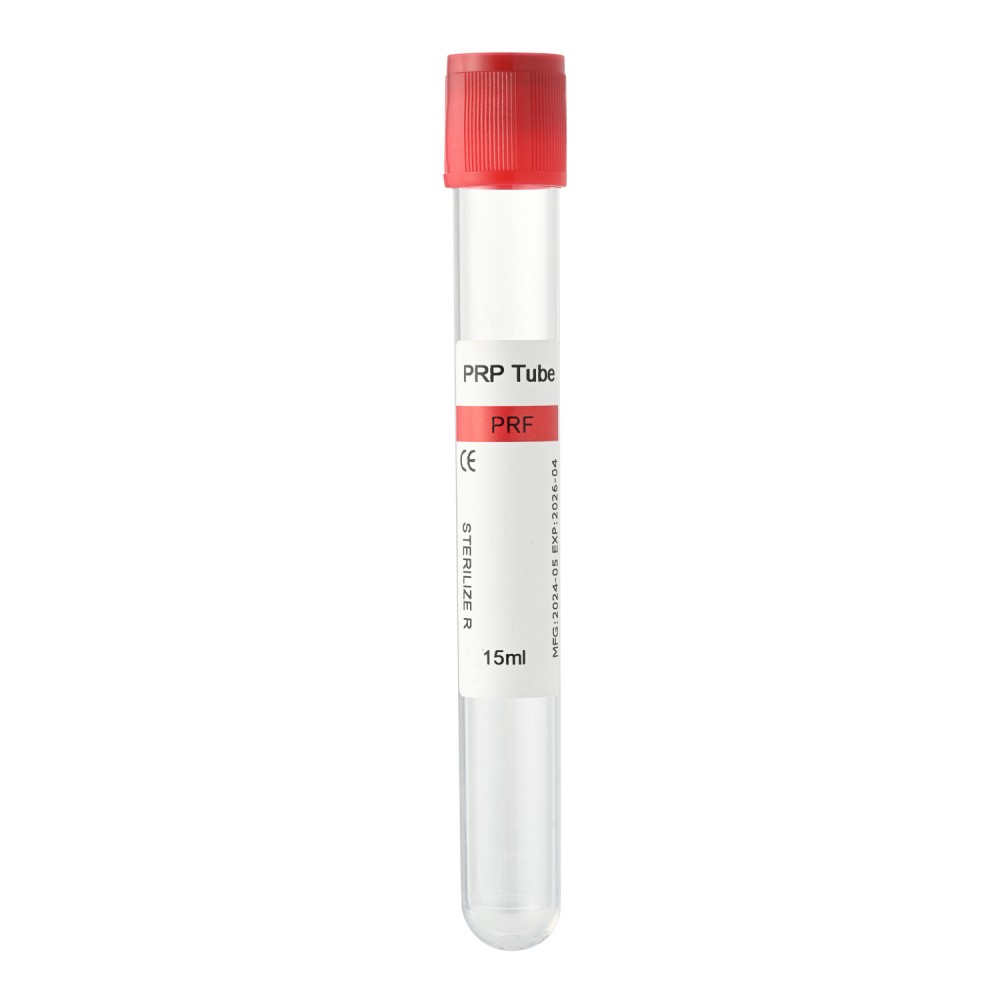
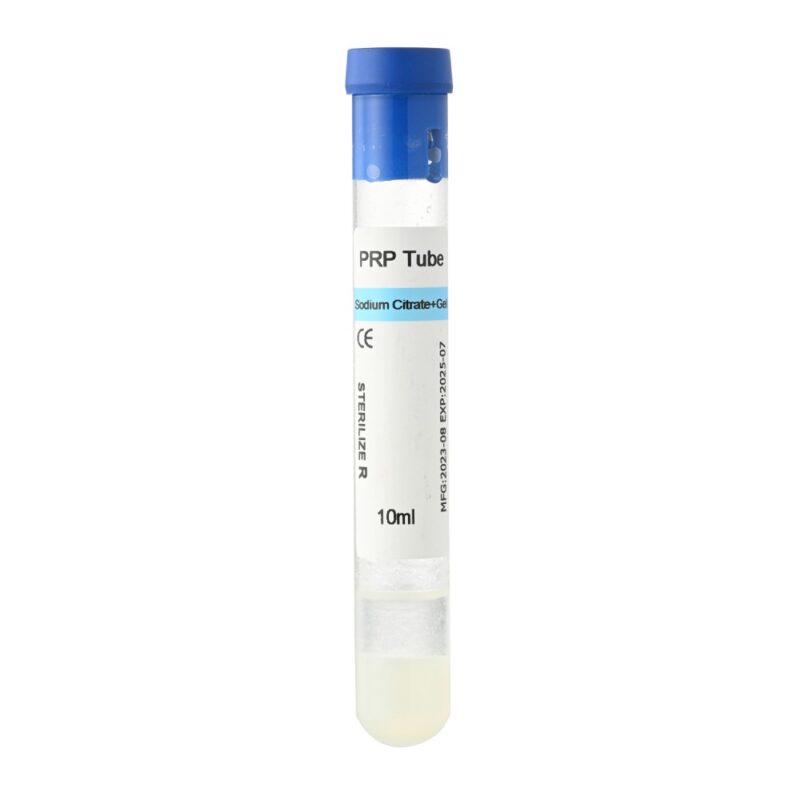
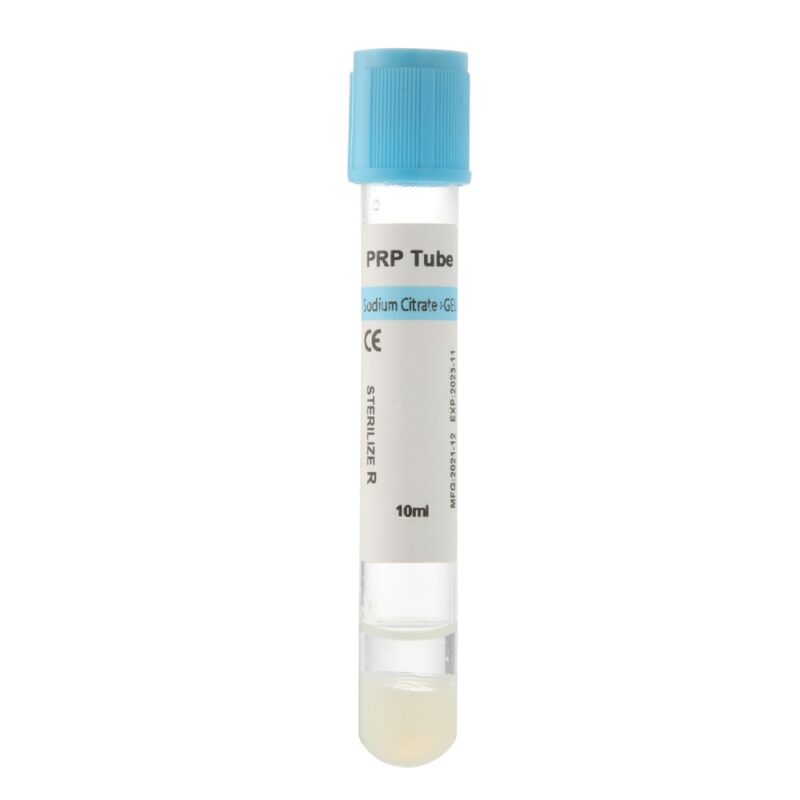
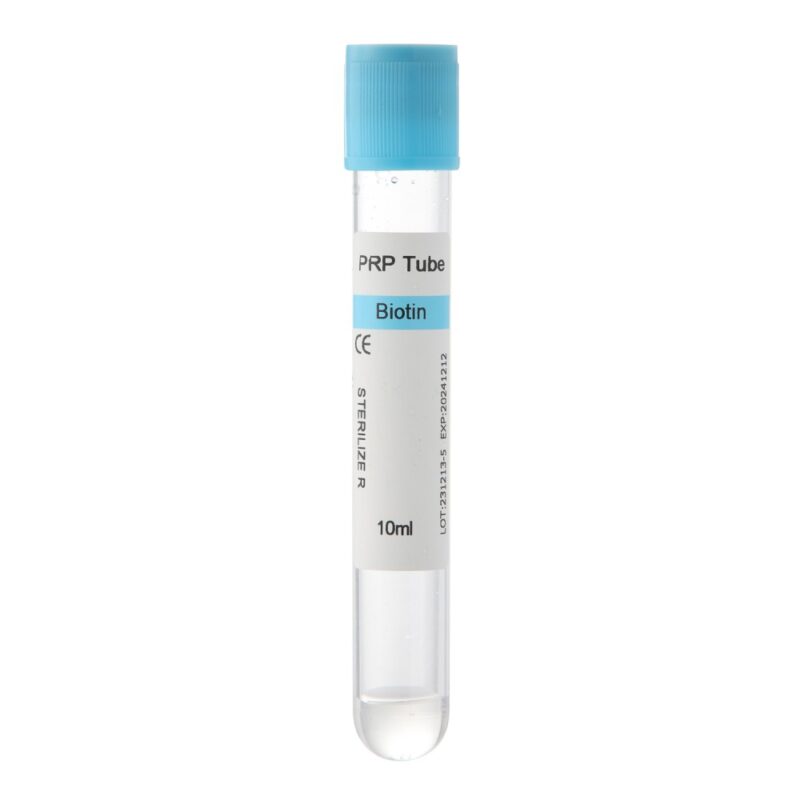
Another factor that should not be overlooked is preparation quality. Standardized blood collection, proper centrifugation protocols, and high-quality PRF tubes all contribute to producing platelet-rich fibrin with consistent biological characteristics.
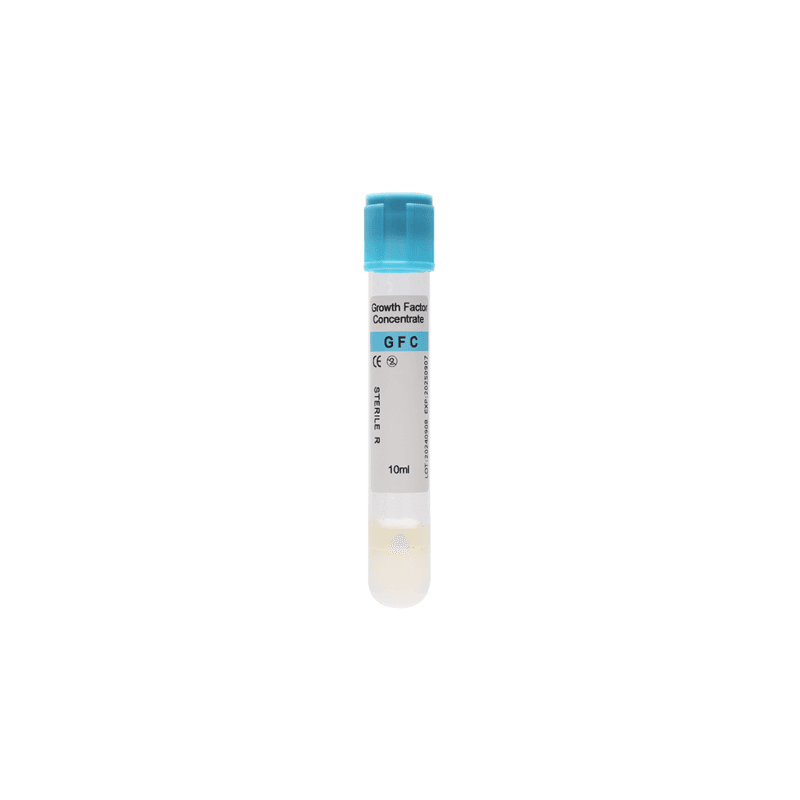
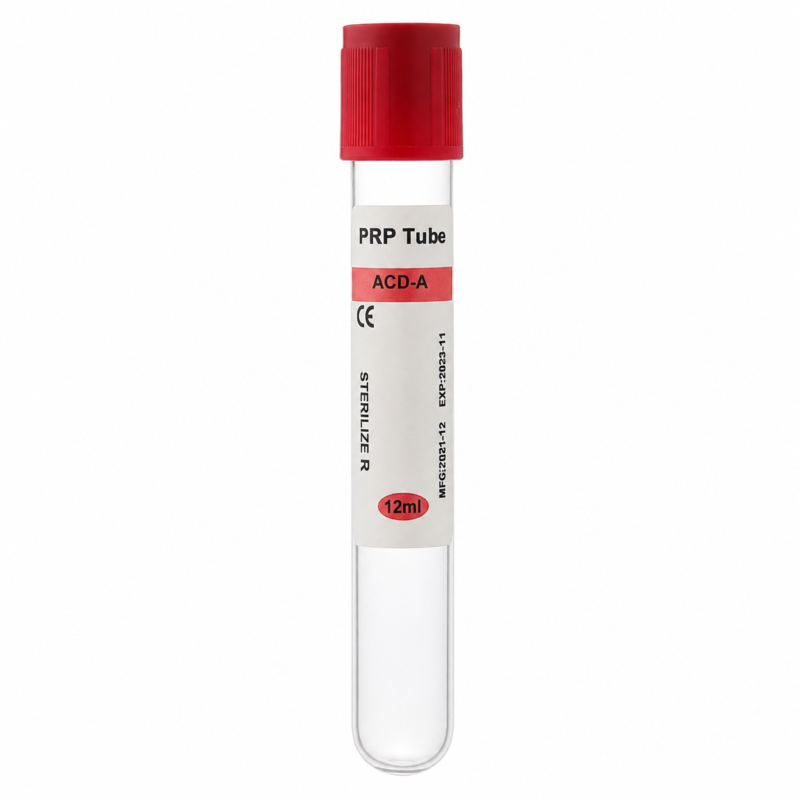
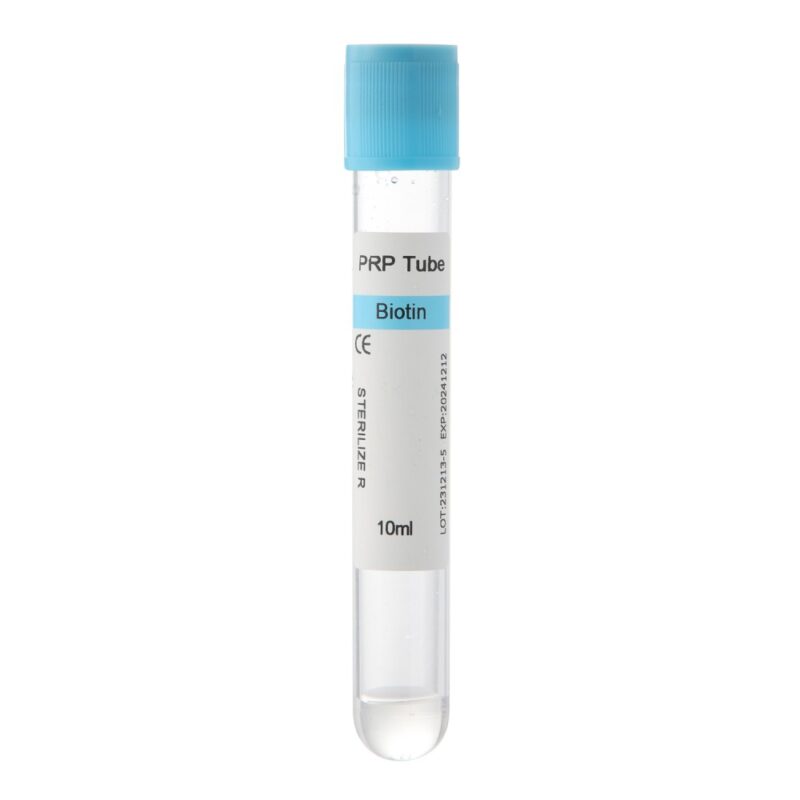
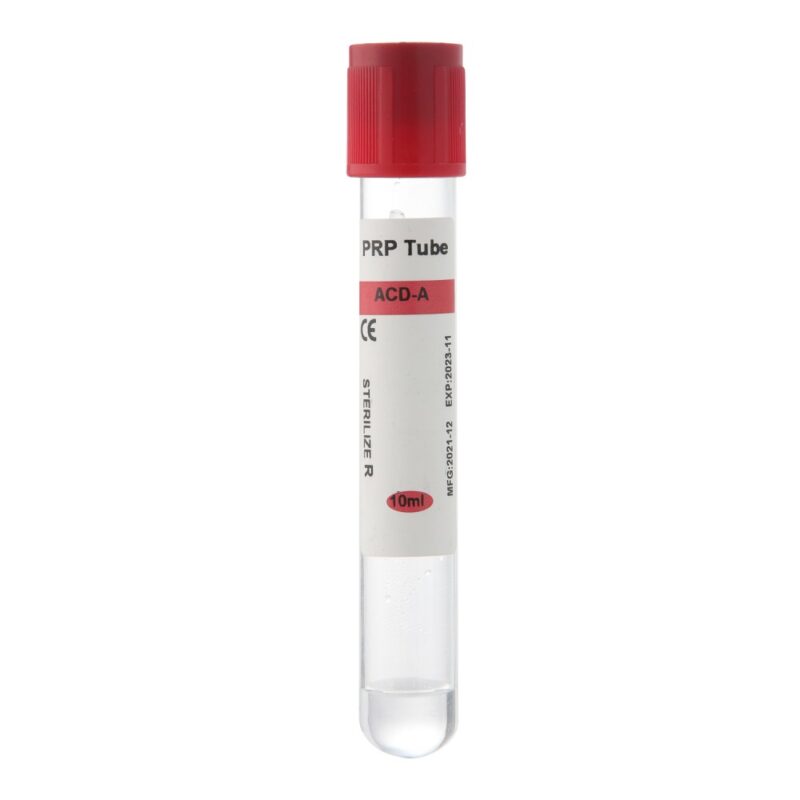
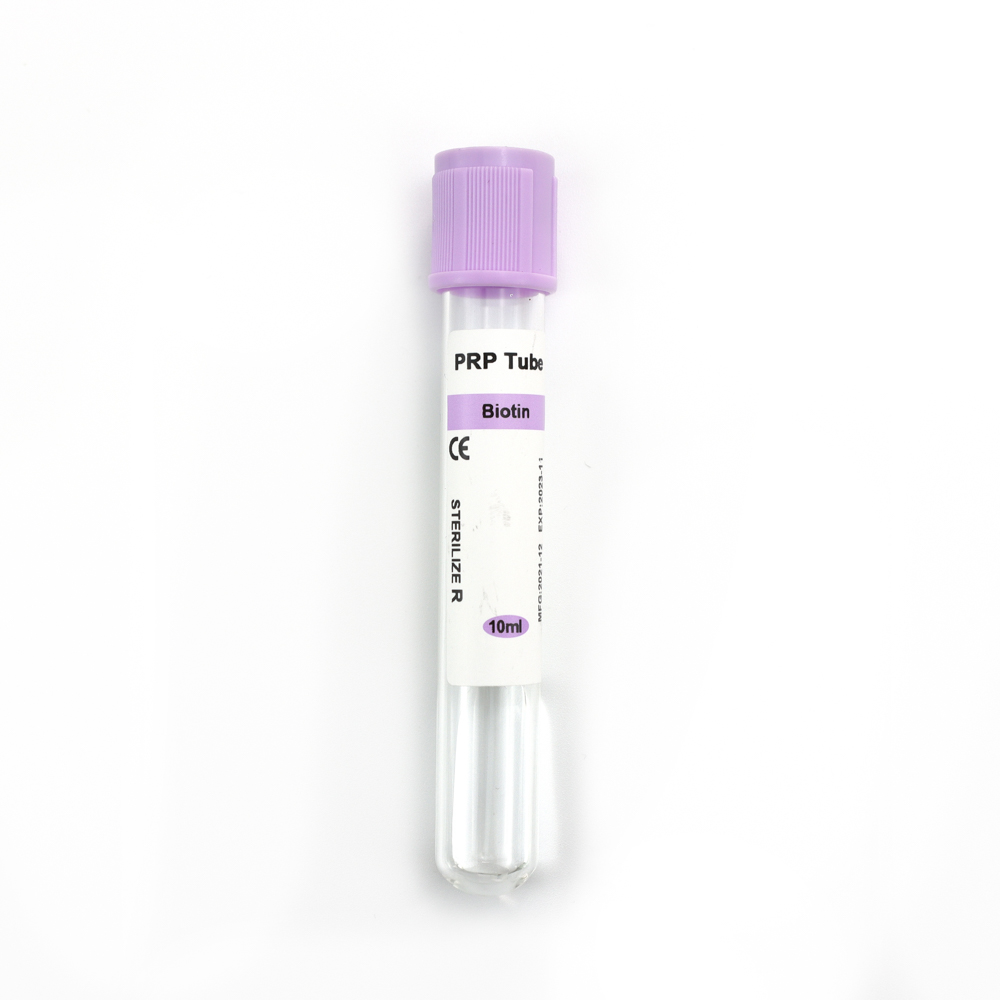
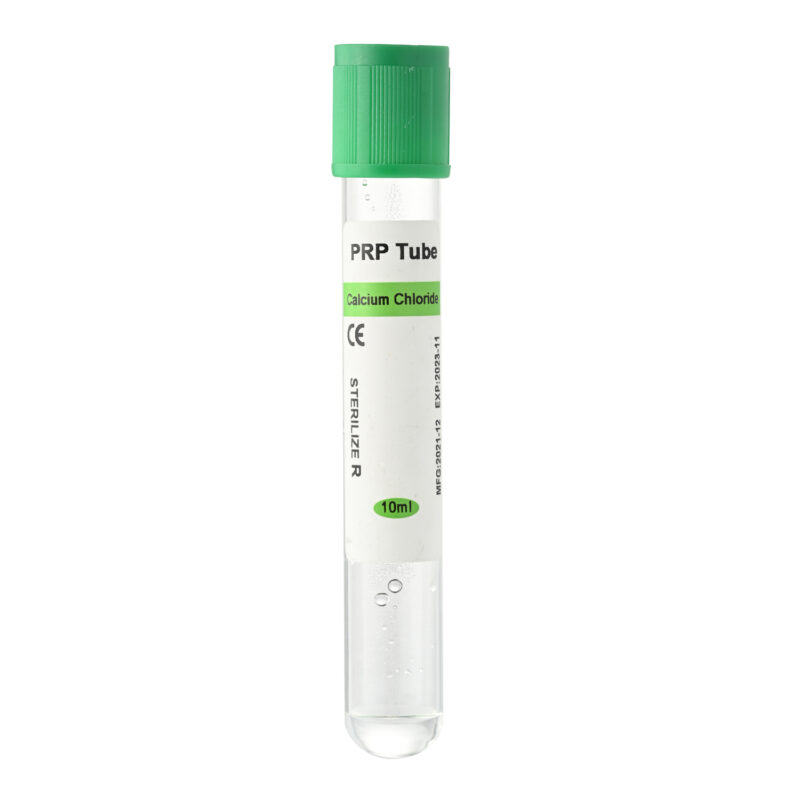
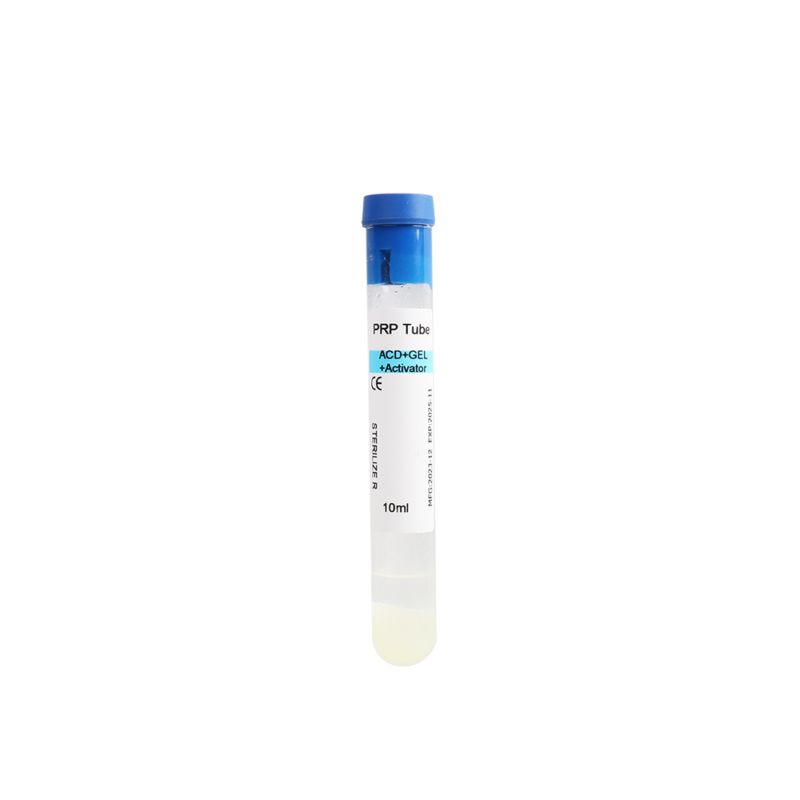
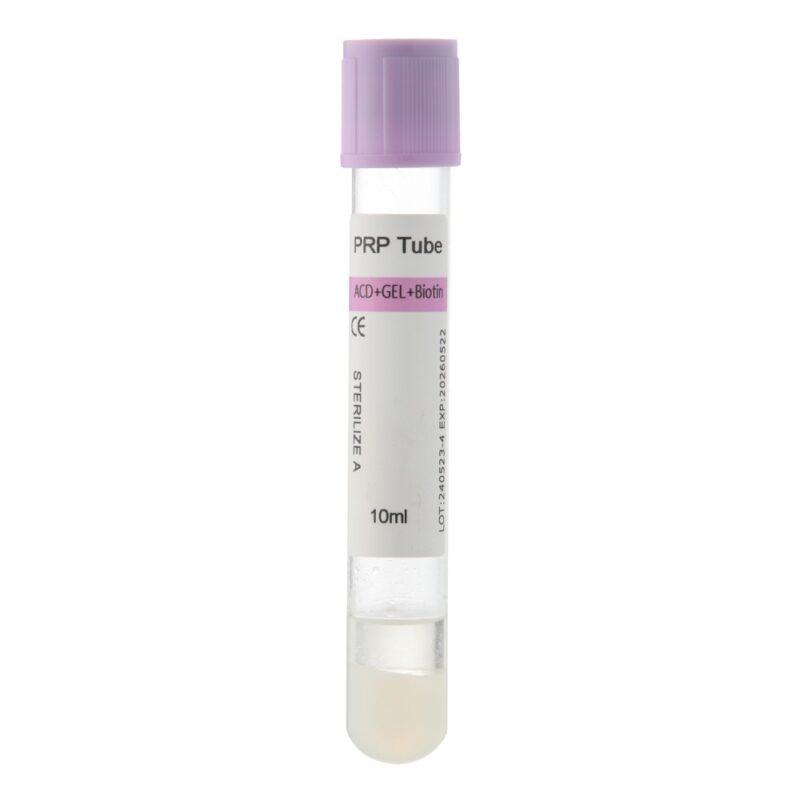
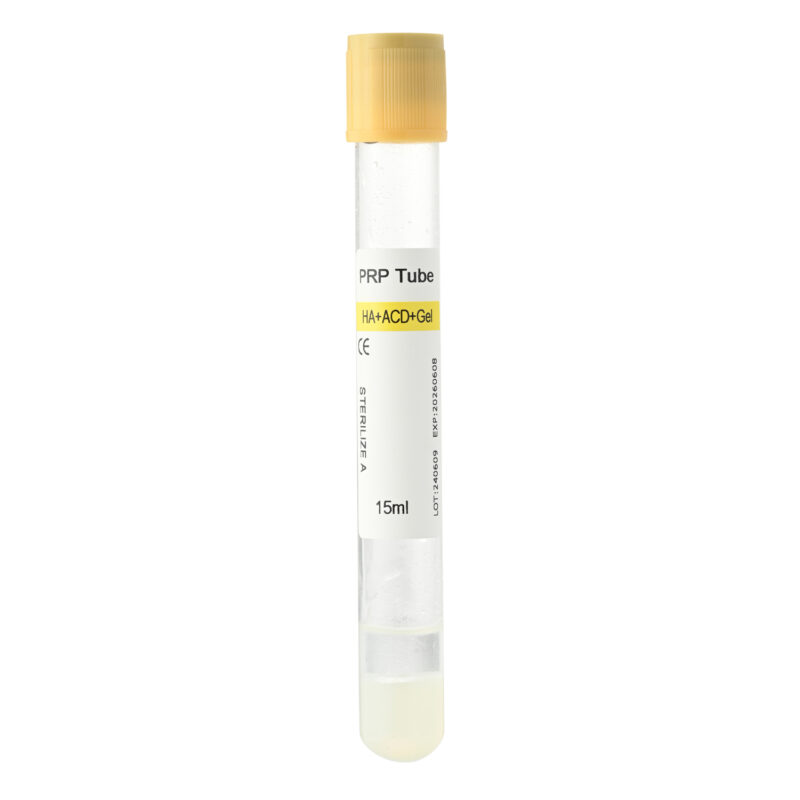
At Siny PRP, we manufacture sterile PRF tubes specifically designed for regenerative medicine applications. Whether you are a clinic, distributor, or medical brand, our OEM and private-label solutions help support standardized PRF preparation and consistent clinical performance.
How to Choose the Right PRF Tube for Consistent Clinical Results
Successful PRF treatment begins before the injection. Every stage of preparation—from blood collection to centrifugation—can influence the biological quality of the final platelet-rich fibrin.
When selecting PRF tubes, healthcare providers should consider several important factors.
Sterility and Manufacturing Standards
Reliable PRF tubes should be manufactured under strict quality management systems to ensure consistent production quality and reduce contamination risks.
Additive-Free Design
PRF preparation depends on natural clot formation. Tubes designed without anticoagulants allow fibrin to develop as intended, supporting proper platelet and growth factor release.
Reliable Centrifugation Performance
The tube should maintain structural stability throughout centrifugation while allowing predictable clot formation and convenient PRF collection.
Regulatory Documentation and Quality Assurance
For distributors and importers, regulatory documentation is equally important. Manufacturers capable of providing documentation such as ISO 13485 certification, CE compliance where applicable, and complete export documentation can simplify international procurement and regulatory review.
OEM and Long-Term Supply Capability
Choosing a supplier is about more than purchasing tubes. Stable production capacity, customized branding, private-label services, and responsive technical support all contribute to a dependable long-term partnership for clinics and distributors.
Frequently Asked Questions
1. Is PRF better than PRP for under-eye treatment?
Both treatments use the patient’s own blood, but PRF develops a natural fibrin matrix that releases growth factors gradually, while PRP delivers them more rapidly. Many practitioners prefer PRF for delicate under-eye rejuvenation because of its sustained regenerative effect, although the best choice depends on each patient’s anatomy and treatment goals.
2. How long do PRF under-eye results usually last?
Most patients enjoy visible improvements for approximately six to twelve months. Longevity varies depending on age, skin condition, lifestyle, and whether multiple treatment sessions have been completed.
3. Does condition worsen after undereye PRF expires?
No. PRF does not cause the under-eye area to deteriorate after it has been absorbed. The skin simply continues its normal aging process, while the collagen produced during treatment may continue to provide lasting benefits.
4. How many PRF treatments are usually recommended?
Many practitioners recommend two to four initial sessions performed several weeks apart, followed by maintenance treatments every six to twelve months based on individual needs.
5. Is PRF under-eye treatment painful?
Most patients describe only mild discomfort. Topical anesthetic cream or local anesthesia can be used to improve comfort during the procedure.
6. Why does the quality of the PRF tube matter?
The blood collection tube is the starting point of every PRF procedure. Tube quality directly affects preparation consistency, making high-quality PRF tubes an important part of standardized regenerative medicine protocols.
Looking for Reliable PRF Tubes for Your Practice?
Consistent clinical outcomes begin with a standardized PRF preparation process. While practitioner experience and injection technique are essential, reliable blood collection materials help establish a solid foundation for reproducible PRF preparation.
At Siny PRP, we manufacture high-quality sterile PRF tubes for aesthetic medicine, regenerative medicine, dentistry, orthopedics, hair restoration, and other platelet-rich fibrin applications. Our products are produced under strict quality management systems and are available with OEM, private-label, and customized manufacturing services for distributors, clinics, and medical brands worldwide.
Whether you are sourcing PRF tubes for daily clinical use or expanding your product portfolio, our experienced team can help you identify the right solution for your market.
Explore Siny PRP’s complete range of professional PRF tubes or contact our team today to discuss your requirements, request product information, or receive a customized quotation. With reliable manufacturing, stable global supply, and responsive technical support, we are committed to helping your business grow with confidence.