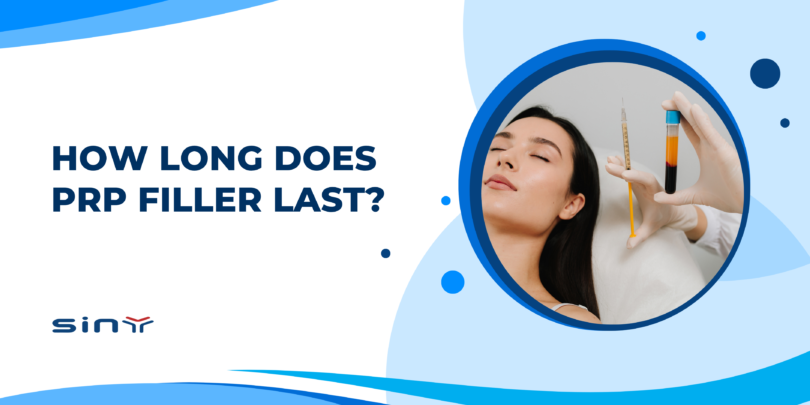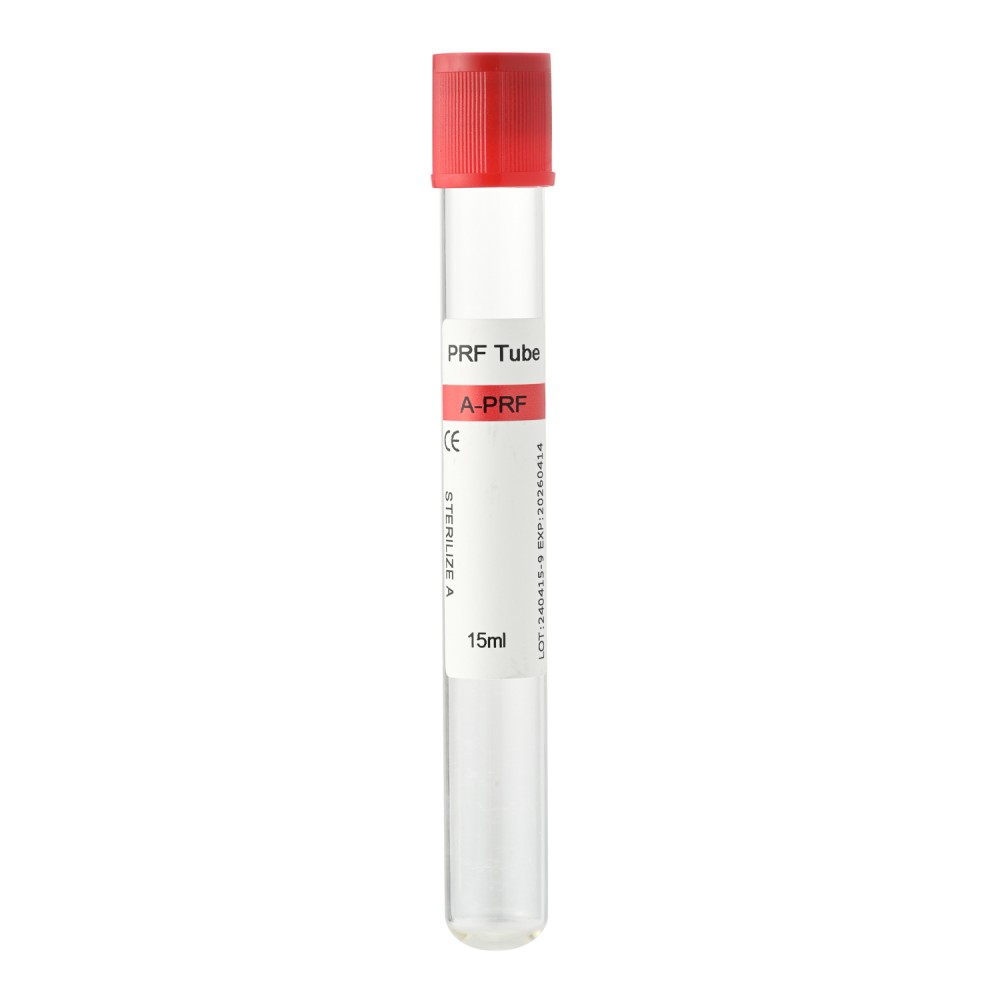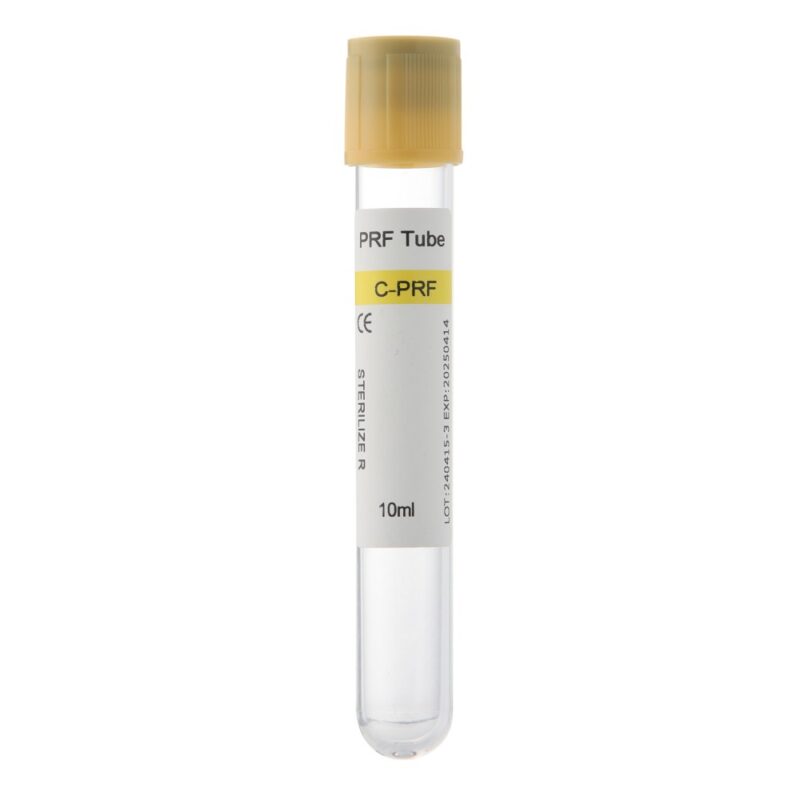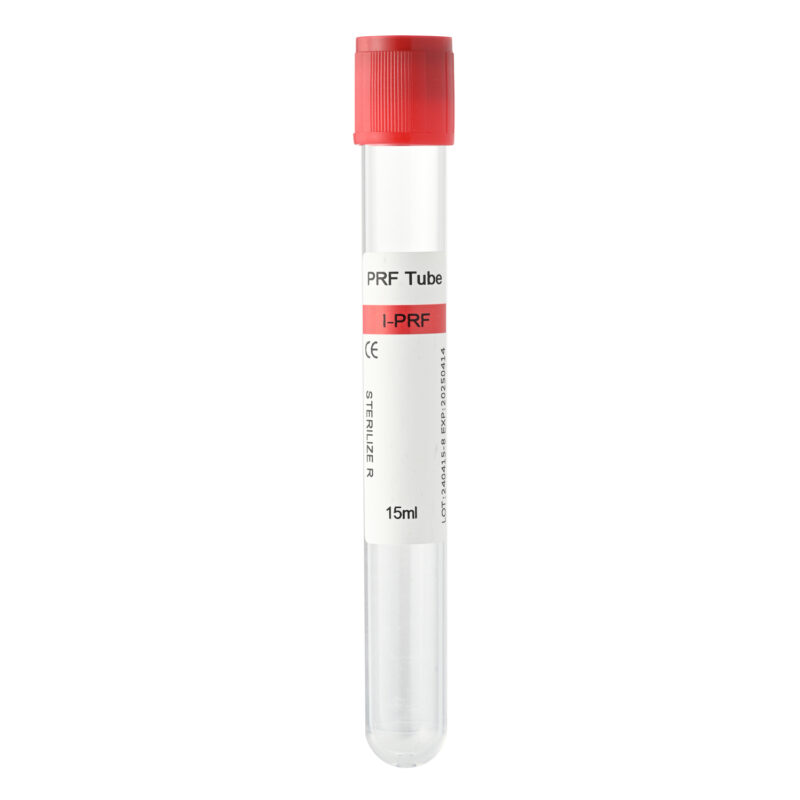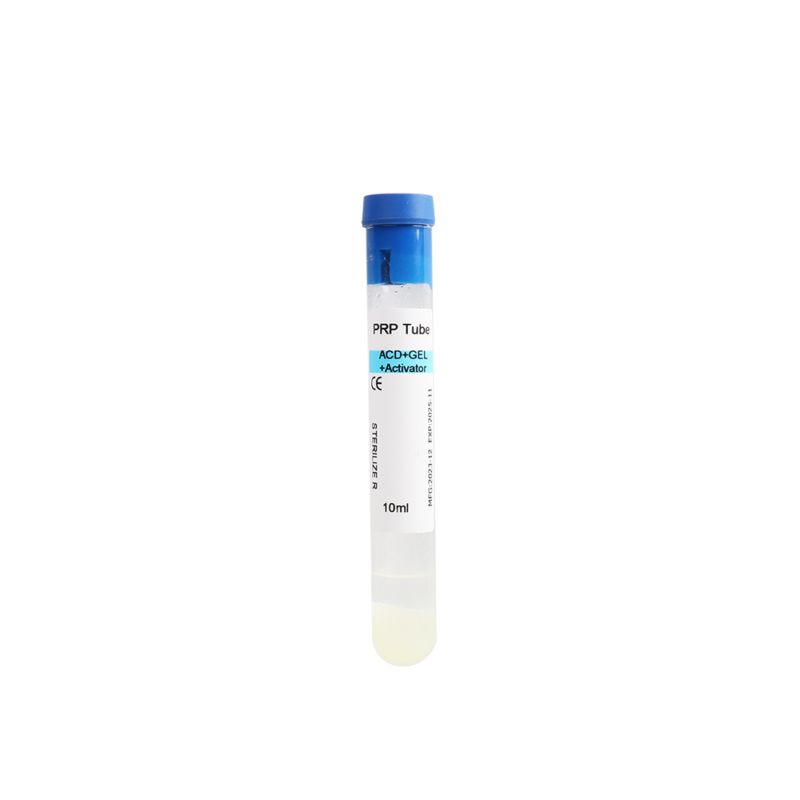
Platelet-rich plasma (PRP) has become a widely discussed option in aesthetic medicine because it uses the patient’s own blood components to support skin rejuvenation, collagen production, and natural tissue improvement. One common question from both patients and aesthetic professionals is how long does PRP filler last, especially when comparing PRP-based treatments with traditional dermal fillers.
The answer depends on several factors, including the type of PRP application, treatment area, patient condition, and preparation method. Unlike conventional fillers that add volume through externally manufactured materials, PRP uses concentrated platelets and growth factors derived from the patient’s own blood. These biological components support natural repair processes and may gradually improve skin quality over time.
PRP filler is often used as a general term that can describe different aesthetic approaches. Some clinics use liquid PRP injections to support collagen remodeling and skin revitalization, while others prepare PRP Bio-Filler (also known as Plasma Gel) to create a temporary autologous gel with a more noticeable volumizing effect.
For this reason, the expected duration of PRP filler results can vary significantly. Standard liquid PRP may provide visible skin improvement for several months, while PRP Bio-Filler may offer temporary volume enhancement before being naturally absorbed by the body. Understanding these differences helps patients set realistic expectations and helps aesthetic clinics select suitable PRP preparation solutions.
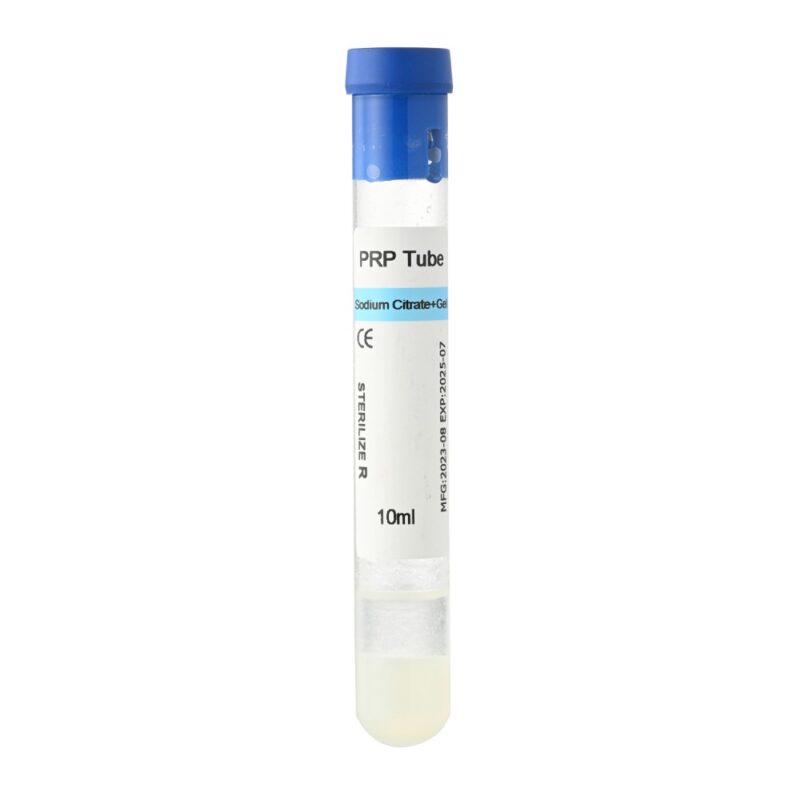
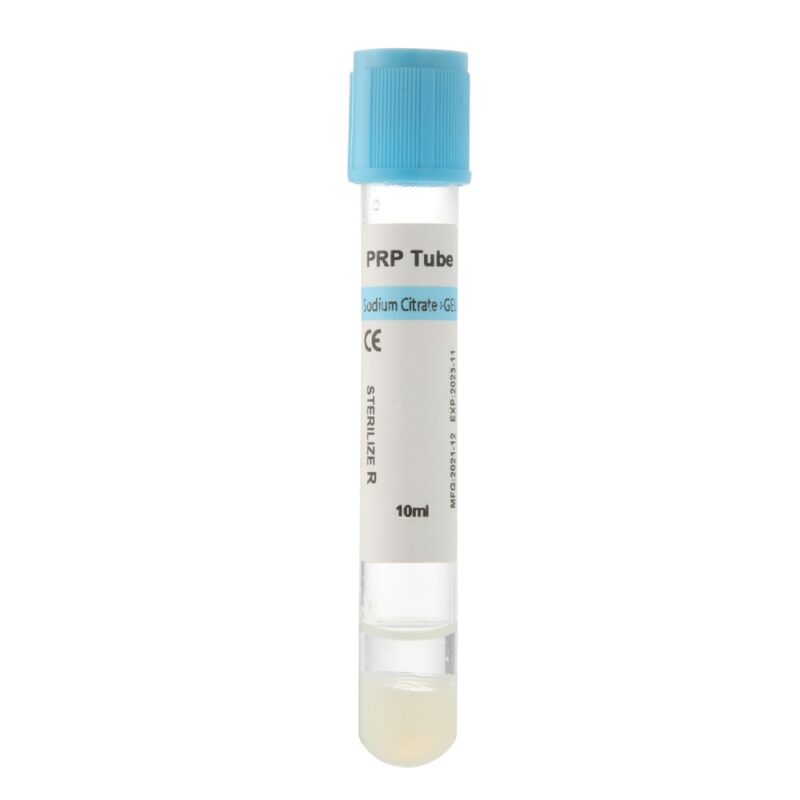
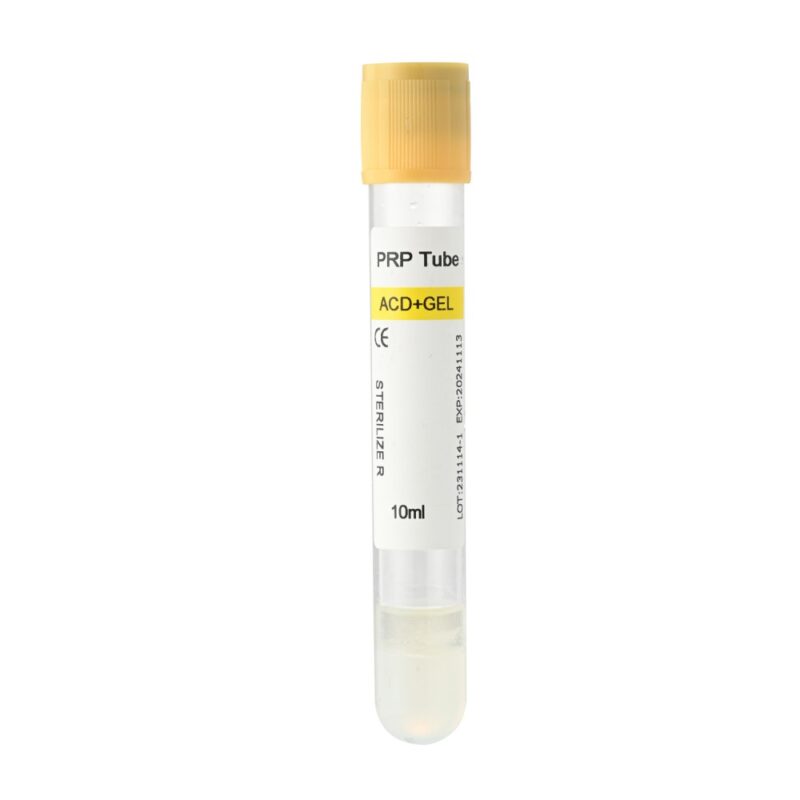
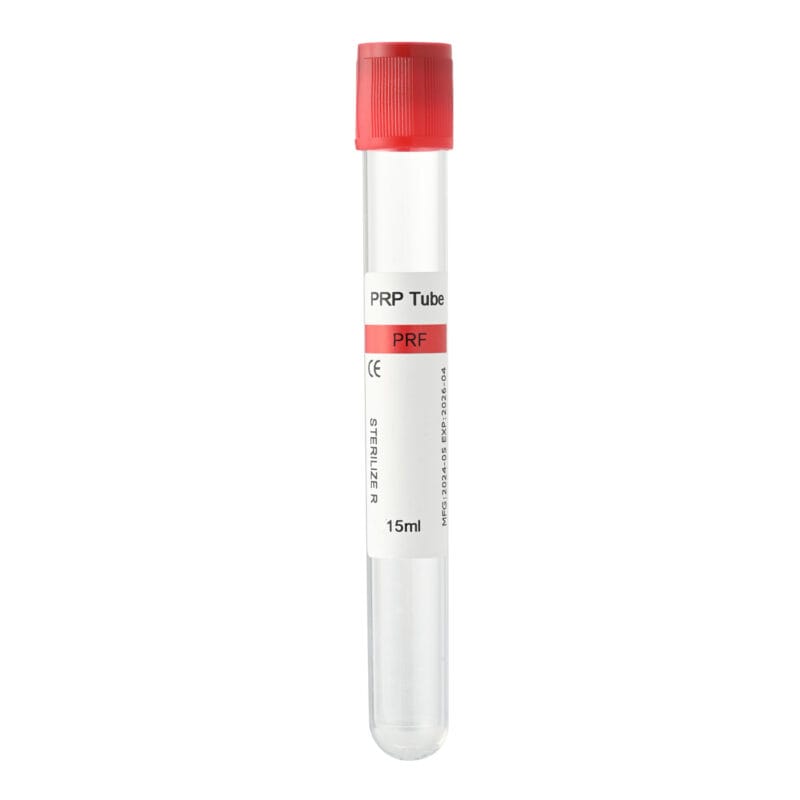
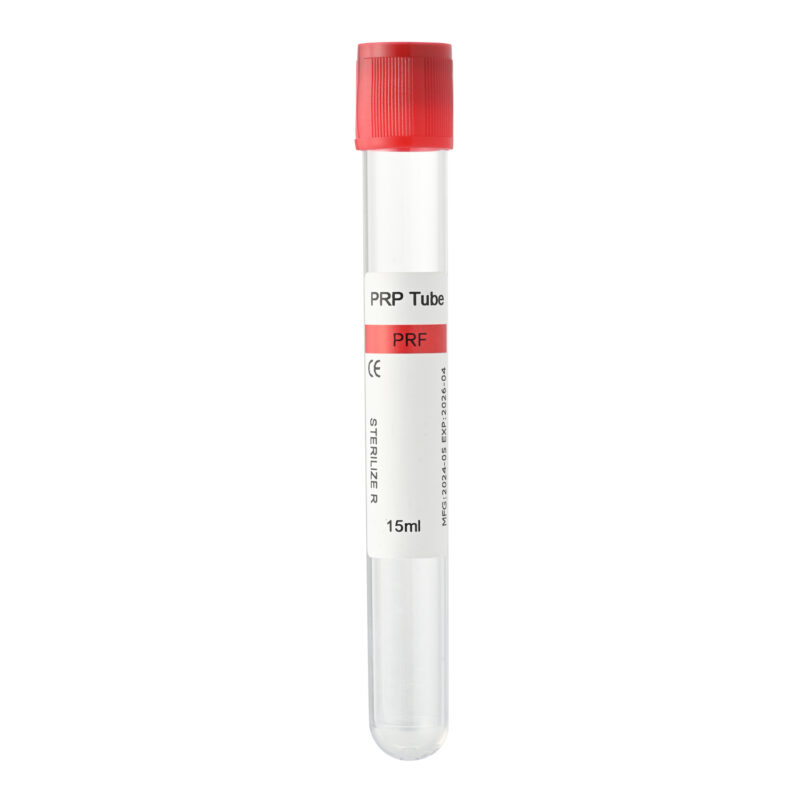
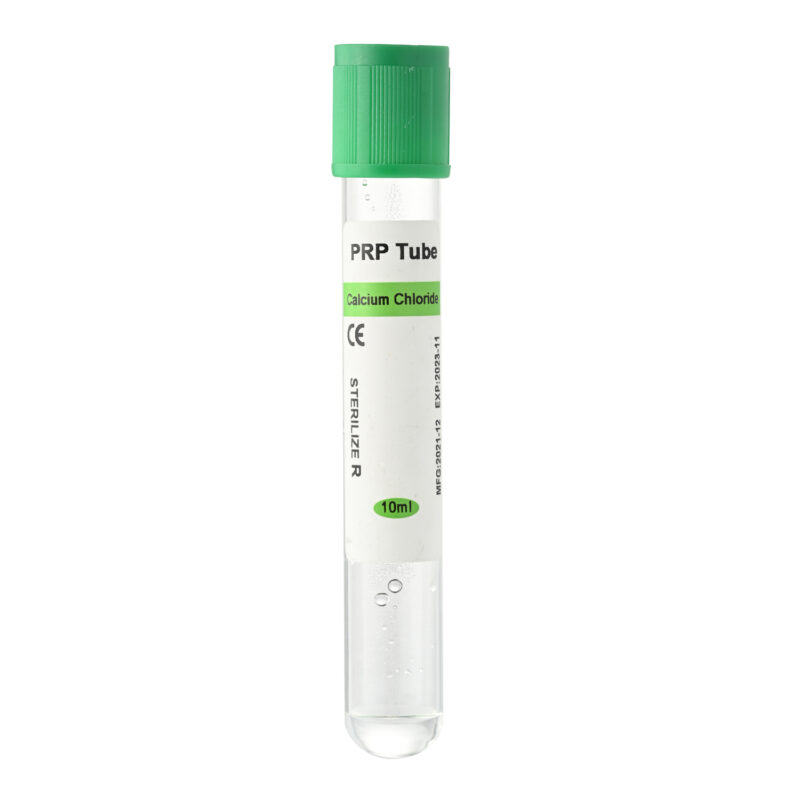
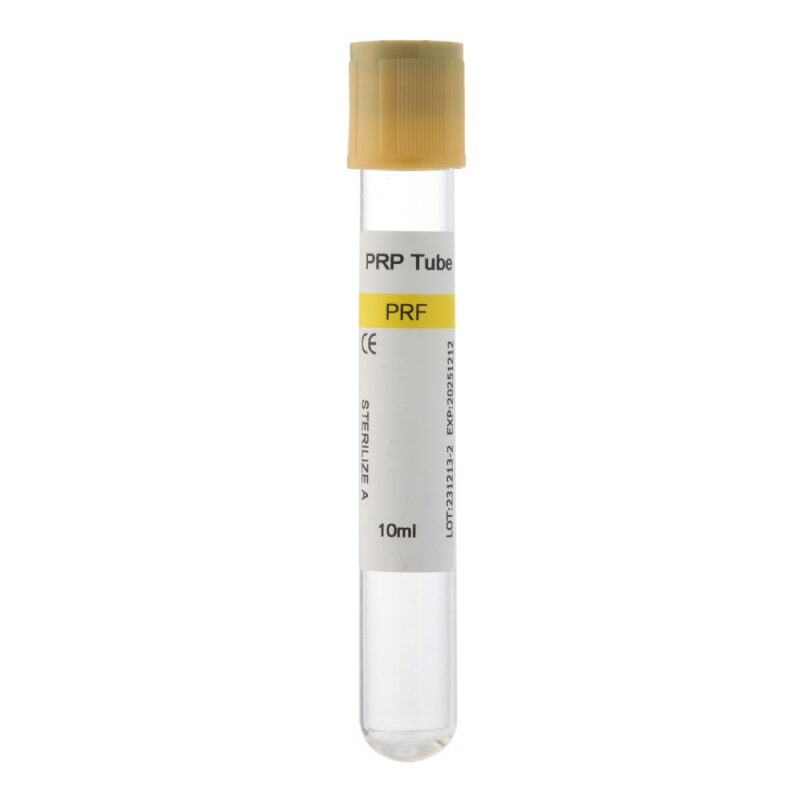
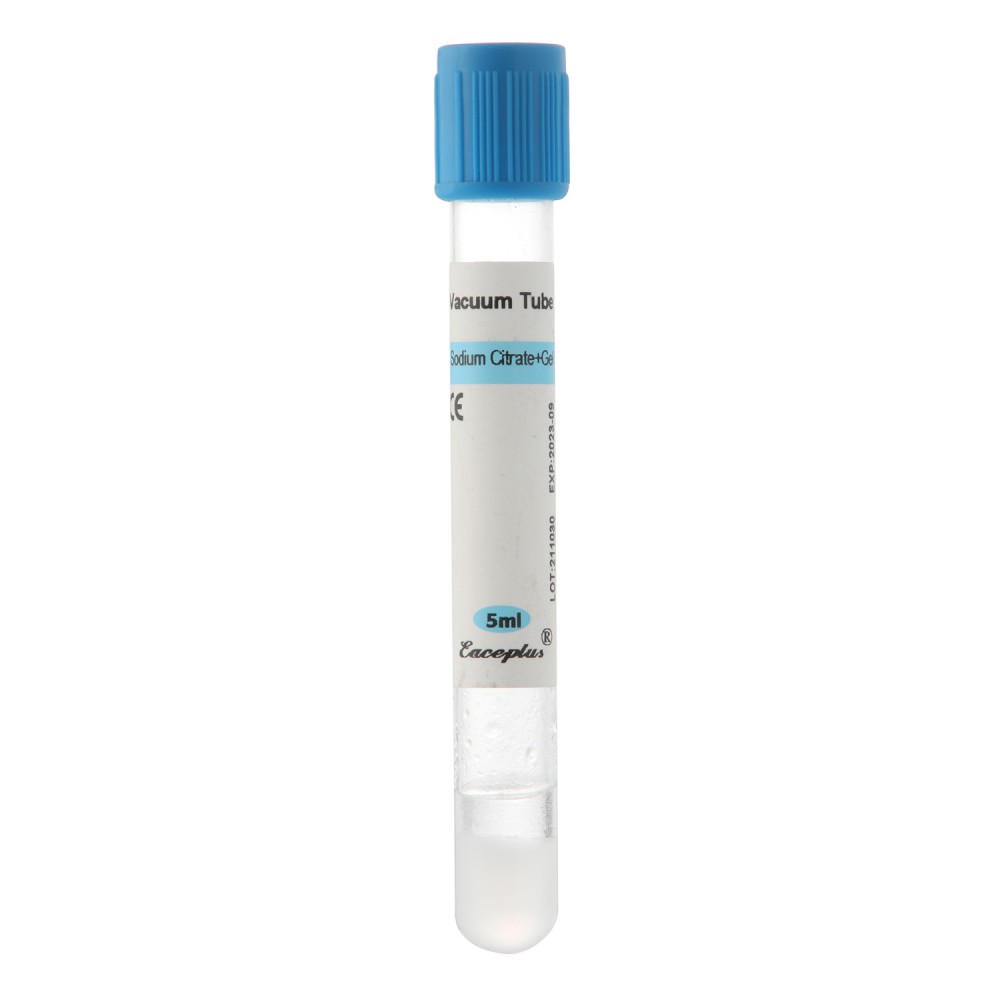
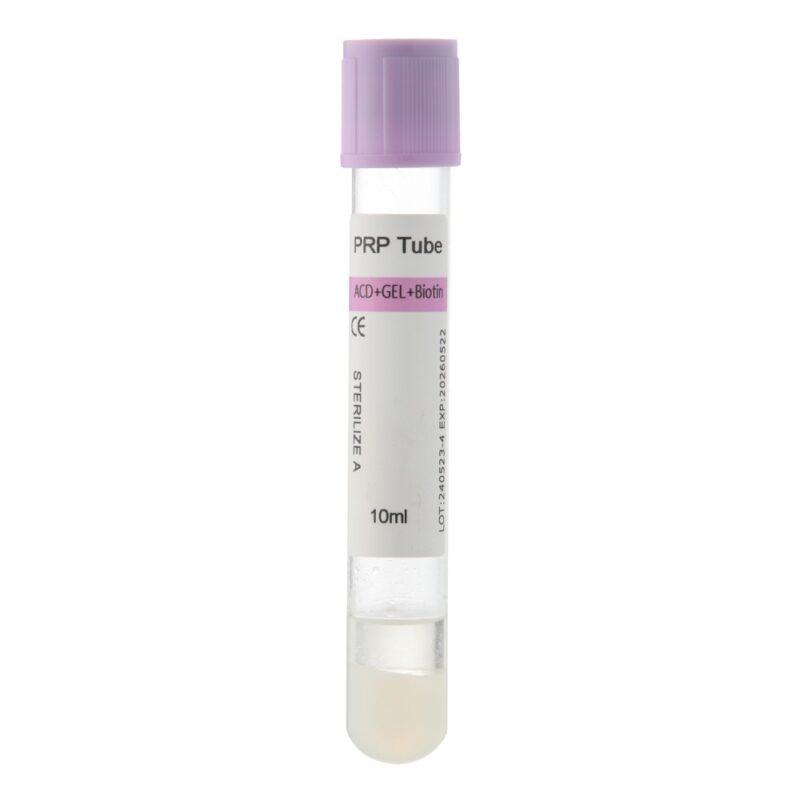
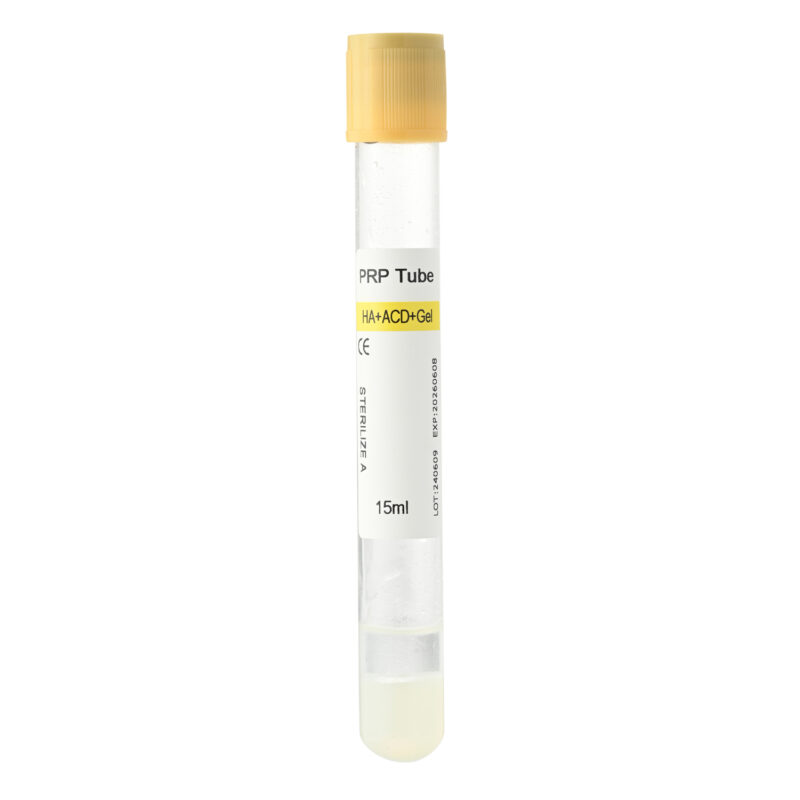
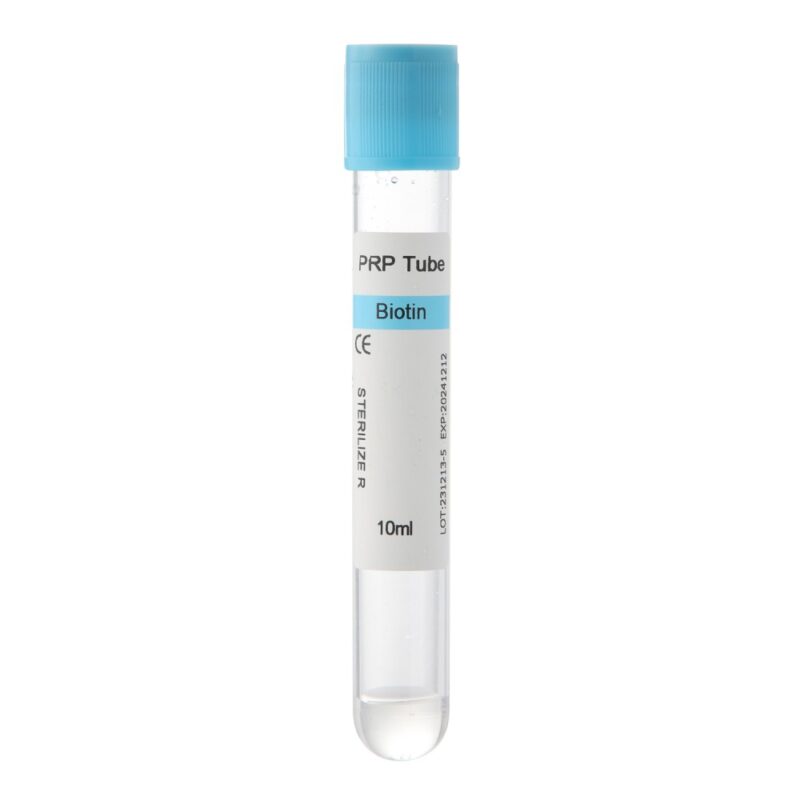
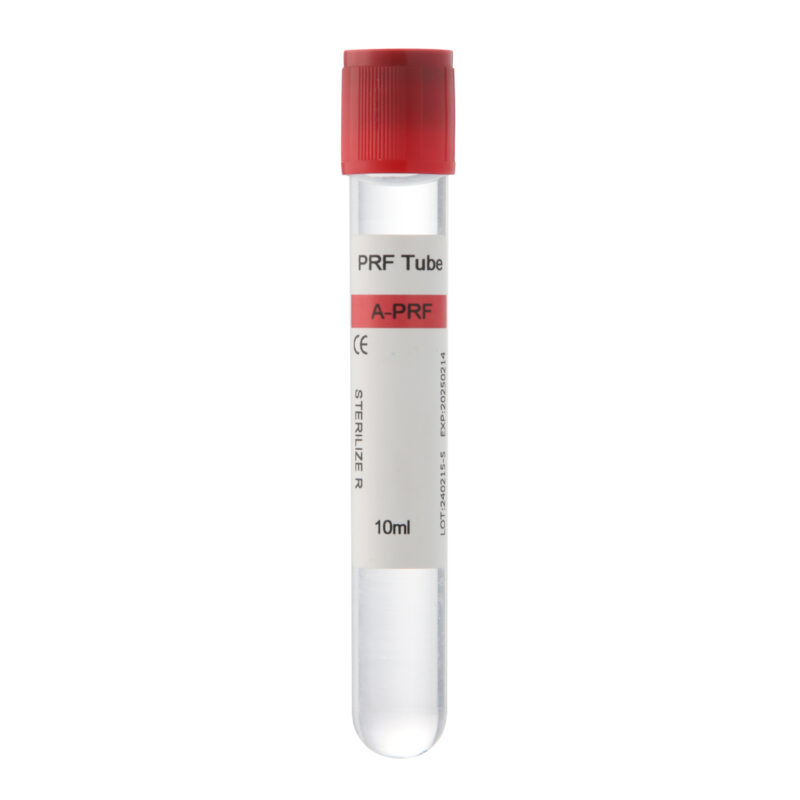
For clinics, medical distributors, and aesthetic professionals, consistent PRP preparation is also an important part of treatment quality. Using reliable PRP tubes designed for aesthetic applications helps support a controlled workflow and allows professionals to prepare platelet-rich plasma according to their preferred clinical protocols. Siny PRP provides professional PRP tube solutions for aesthetic medicine and regenerative applications.
What Is PRP Filler and How Does It Work?
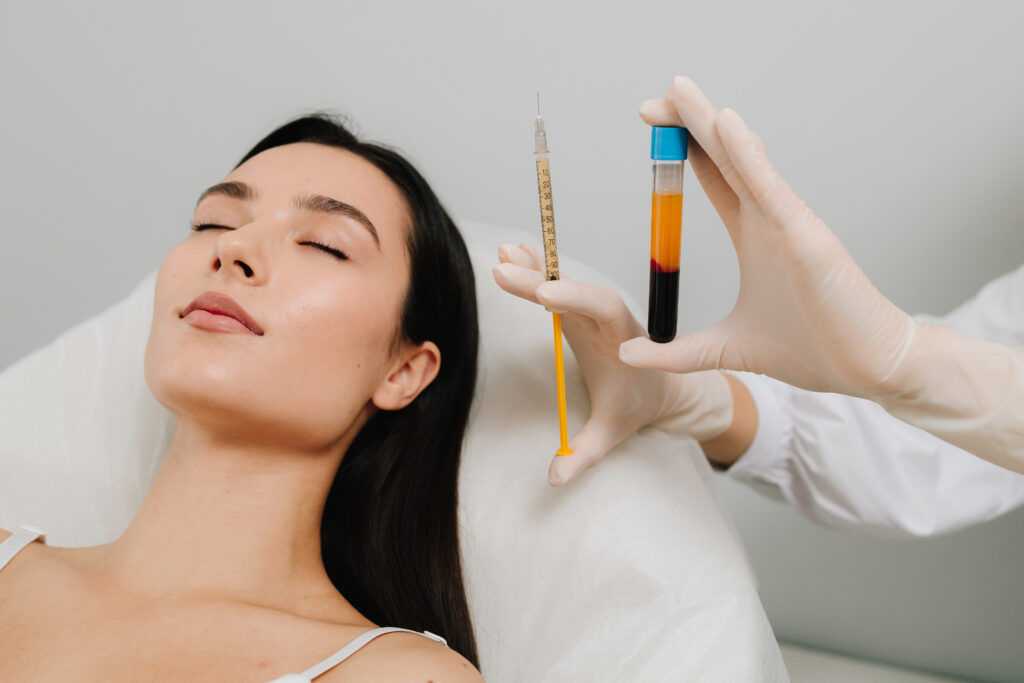
PRP filler is an aesthetic treatment that uses platelet-rich plasma prepared from a patient’s own blood. During the procedure, a healthcare professional collects blood using a specialized PRP tube and processes the sample through centrifugation to separate plasma components, platelets, and other blood elements.
Compared with normal blood, PRP contains a higher concentration of platelets. These platelets release growth factors that participate in tissue repair pathways and support processes related to collagen formation, skin elasticity, and overall skin quality.
However, PRP filler works differently from traditional dermal fillers. Instead of simply adding volume beneath the skin, PRP focuses on stimulating the body’s own regenerative response. Because the treatment relies on biological activity, improvements usually develop gradually rather than appearing immediately.
In aesthetic medicine, PRP applications generally include two common approaches:
Standard Liquid PRP for Skin Rejuvenation
Liquid PRP remains in its natural plasma form after preparation. Healthcare professionals may inject it into targeted skin layers or combine it with procedures such as microneedling.
This approach focuses mainly on:
- Supporting collagen production
- Improving skin texture
- Enhancing skin hydration
- Reducing the appearance of fine lines
- Promoting overall skin rejuvenation
Since liquid PRP works through biological stimulation, visible changes usually appear progressively over several weeks rather than immediately after treatment.
PRP Bio-Filler (Plasma Gel) for Natural Volume Enhancement
PRP Bio-Filler uses a different preparation approach. During processing, plasma proteins and albumin may be thermally treated to create a smooth autologous gel-like material.
This gel can provide temporary structural support in areas such as:
- Cheeks
- Nasolabial folds
- Under-eye areas
- Areas with mild volume loss
Compared with liquid PRP, PRP Bio-Filler provides a more noticeable filling effect because the processed plasma creates temporary physical volume. At the same time, the preparation still contains biological components associated with PRP-based regenerative applications.
Different clinics may use different PRP processing techniques depending on their treatment goals, professional experience, and patient requirements.
How Long Does PRP Filler Last After Injection?
The answer to how long does PRP filler last depends on the specific PRP method, treatment area, and individual biological response.
For standard liquid PRP treatments, patients may experience visible improvements in skin quality for approximately 6 to 12 months after completing an initial treatment plan. Many professionals recommend multiple sessions because repeated treatments may provide more consistent stimulation of natural skin renewal processes.
For PRP Bio-Filler (Plasma Gel), the visible volumizing effect may last approximately 3 to 6 months depending on factors such as injection area, preparation technique, and individual metabolism. As the autologous gel is gradually absorbed, improvements related to skin quality and collagen support may continue beyond the initial volume effect.
The treatment timeline usually develops through several stages:
Early Stage: First Few Days to Weeks
Immediately after PRP treatment, patients may experience temporary redness, swelling, or sensitivity around the injection area. These effects usually relate to the injection procedure itself and typically improve within a short period.
When PRP Bio-Filler is used, patients may notice immediate volume changes because the processed plasma gel provides temporary structural support. With liquid PRP, visible improvements generally require more time because collagen remodeling occurs gradually.
Development Stage: Several Weeks After Treatment
Many patients begin noticing improvements in skin texture, hydration, and overall appearance within several weeks after treatment.
During this period, biological activity from platelets and growth factors supports natural skin remodeling. The final appearance depends on individual response and the quality of the PRP preparation.
Maintenance Stage: Several Months After Treatment
Over time, PRP-related effects gradually decrease as biological stimulation reduces and the body naturally processes the treated material.
Some patients choose maintenance treatments every 6 to 12 months based on their aesthetic goals and professional recommendations. A personalized treatment schedule helps maintain more stable results.
Factors That Affect How Long PRP Filler Results Last
While PRP offers a natural approach to aesthetic rejuvenation, the duration of results depends on multiple factors rather than a single element. Patient characteristics, treatment methods, injection techniques, and PRP preparation quality all contribute to the final outcome.
Understanding these factors helps both patients and aesthetic professionals develop realistic expectations and select appropriate treatment approaches.
Patient Age and Skin Condition
Age and skin condition are two important factors that influence PRP treatment response. Younger skin generally has stronger natural collagen production and may respond more quickly to regenerative stimulation.
As the skin ages, collagen synthesis gradually decreases, and concerns such as reduced elasticity, fine lines, and volume loss become more noticeable. In these cases, patients may require additional PRP sessions or combined aesthetic approaches to achieve their desired results.
Skin quality also affects treatment outcomes. Factors such as sun exposure, hydration level, lifestyle habits, and existing skin damage can influence how the skin responds after PRP treatment.
Because PRP works by supporting the body’s natural repair mechanisms, the treatment outcome depends partly on the patient’s ability to respond to these biological signals.
Treatment Area and Injection Purpose
The treatment area can significantly influence how long PRP filler results remain visible.
Areas with frequent movement, such as around the mouth, may process injected materials differently compared with less mobile areas. For PRP Bio-Filler applications, facial movement and metabolic activity may influence how quickly the temporary gel structure is absorbed.
Different aesthetic goals also affect expected results:
- Skin rejuvenation: Focuses on improving texture, hydration, and elasticity through collagen stimulation.
- Fine line improvement: Relies on gradual skin remodeling rather than immediate filling.
- Volume enhancement: PRP Bio-Filler provides temporary structural support through processed autologous plasma.
A professional treatment plan considers both the injection location and the intended outcome when determining the most suitable PRP approach.
Number of Treatment Sessions
Although some patients may notice improvements after one PRP treatment, many aesthetic protocols recommend an initial series of treatments to achieve more stable results.
A common approach includes 2 to 3 sessions spaced several weeks apart. Repeated treatments allow continued stimulation of natural regenerative processes and may help maintain improvements for a longer period.
After the initial treatment cycle, some patients choose maintenance sessions based on their individual needs. The recommended schedule varies depending on skin condition, treatment goals, and professional evaluation.

How PRP Preparation Quality Influences Treatment Results
When discussing how long does PRP filler last, many people focus on injection methods and patient factors. However, the quality and consistency of PRP preparation also influence the characteristics of the final platelet-rich plasma product.
PRP treatment depends on collecting and concentrating platelets, which release growth factors involved in tissue repair and regeneration. A well-controlled preparation process helps healthcare professionals obtain a suitable platelet concentrate that matches their clinical application.
Several factors can affect PRP preparation quality:
Platelet Concentration and Biological Components
Platelets are the main component responsible for releasing growth factors during PRP treatment. A suitable platelet concentration helps create a preparation that supports the desired aesthetic application.
However, PRP quality is not determined only by platelet numbers. The balance between platelets, plasma components, and other blood elements also influences the characteristics of the final preparation.
Different aesthetic procedures may require different PRP characteristics. For example, a skin rejuvenation procedure may prioritize biological stimulation, while a PRP Bio-Filler application may require a preparation approach that supports gel formation.
Anticoagulant Selection
During blood collection, anticoagulants help prevent premature clot formation before centrifugation. The choice of anticoagulant can influence platelet preservation, sample handling, and preparation consistency.
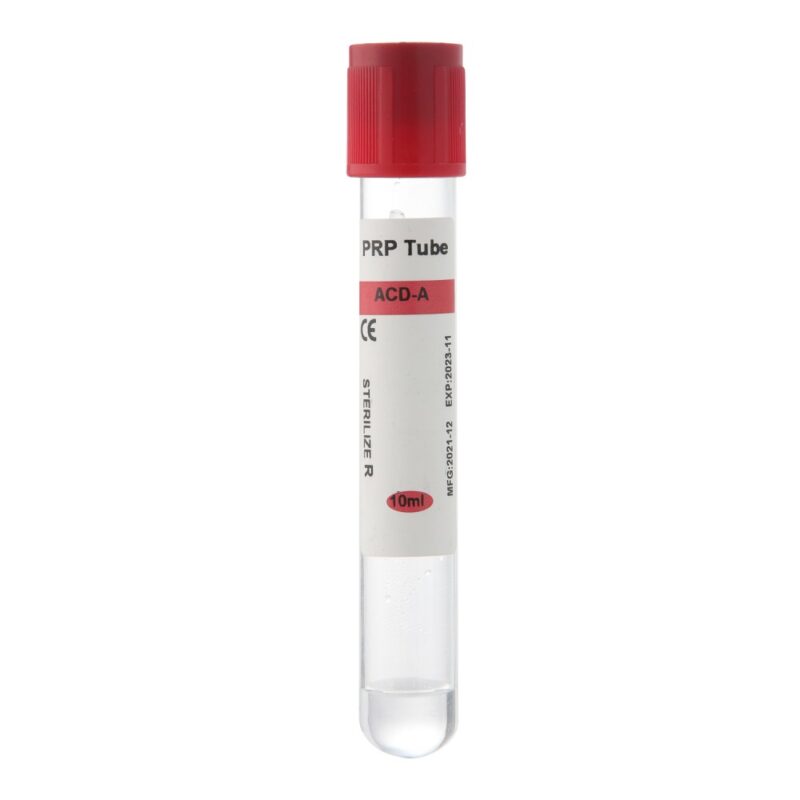
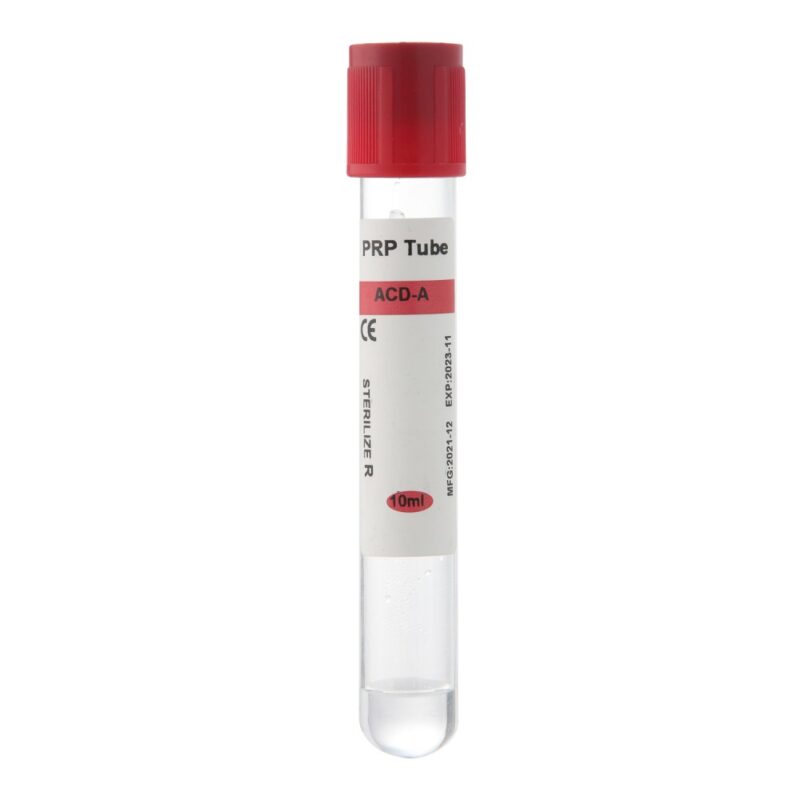
Sodium citrate and ACD-A are commonly used anticoagulant options in PRP preparation workflows. Clinics may select different options according to their preferred protocols and treatment requirements.
A suitable anticoagulant system helps professionals maintain better control during the preparation process and supports consistent PRP quality between treatments.
PRP Tube Design and Material Quality
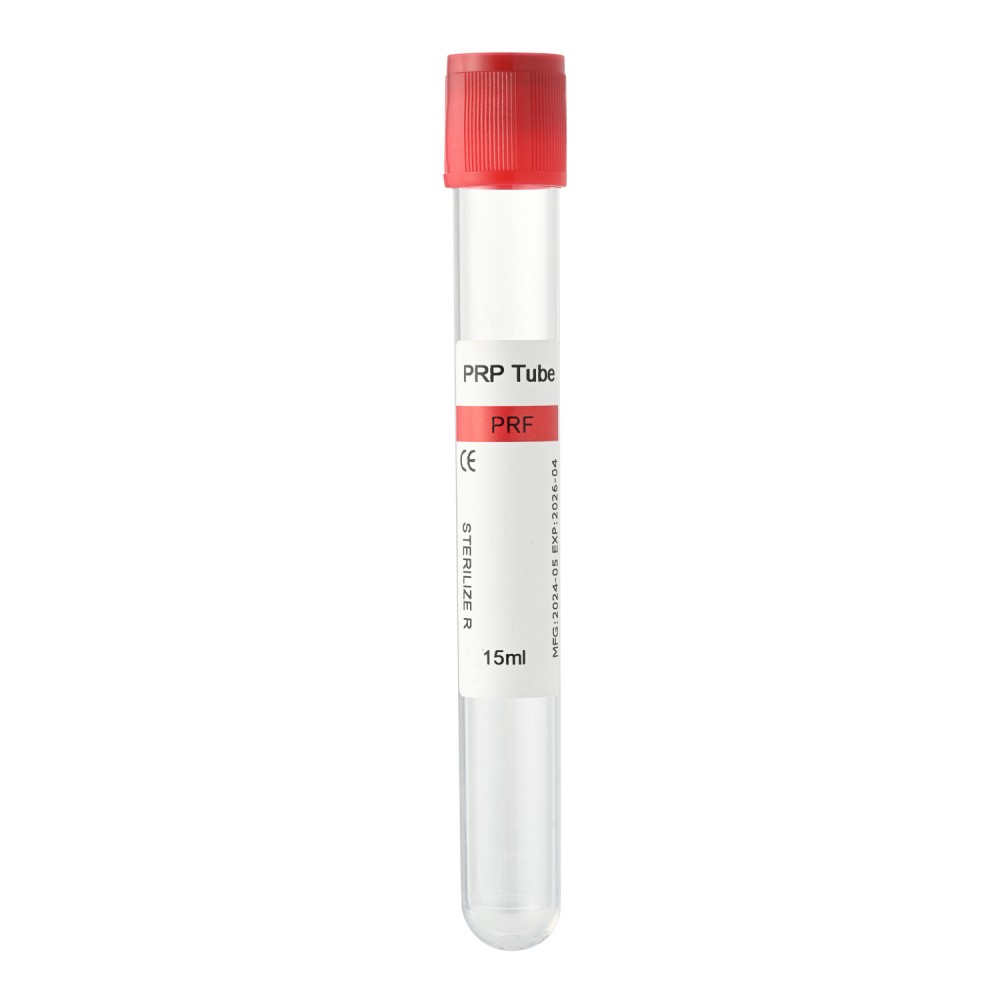
The PRP tube is a key component of the preparation workflow. Tube design, material selection, and separation performance can influence how efficiently blood components are processed during centrifugation.
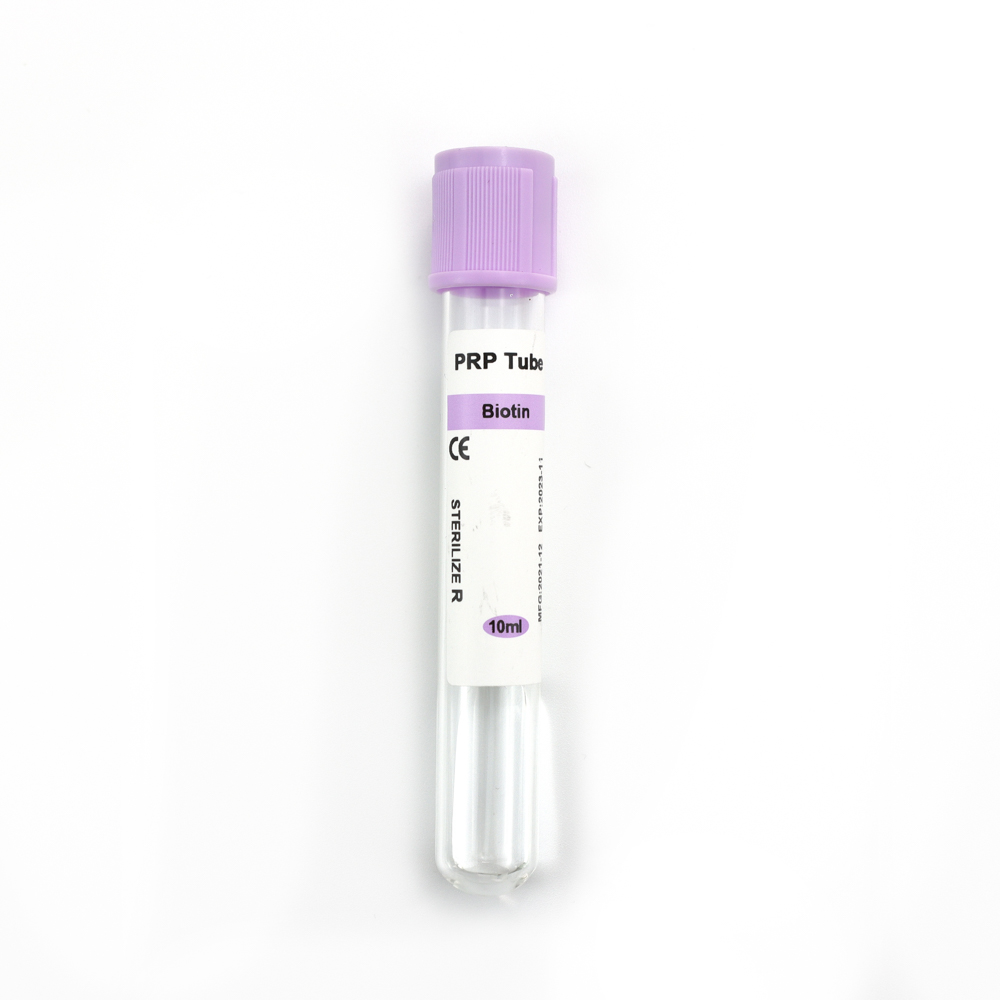
Common PRP tube configurations include:
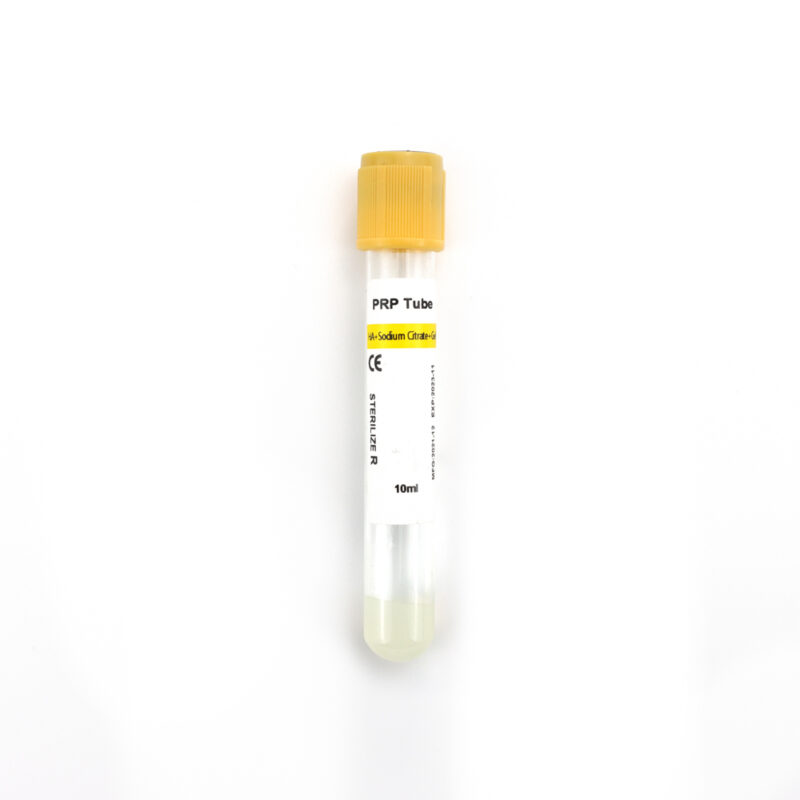
- Sodium citrate PRP tubes
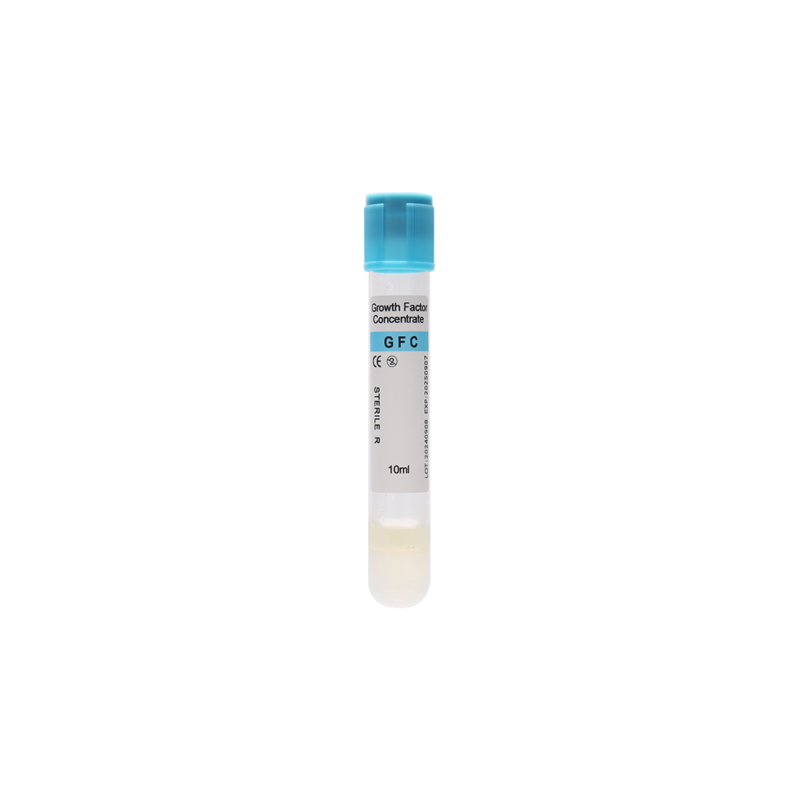
- Gel separator PRP tubes
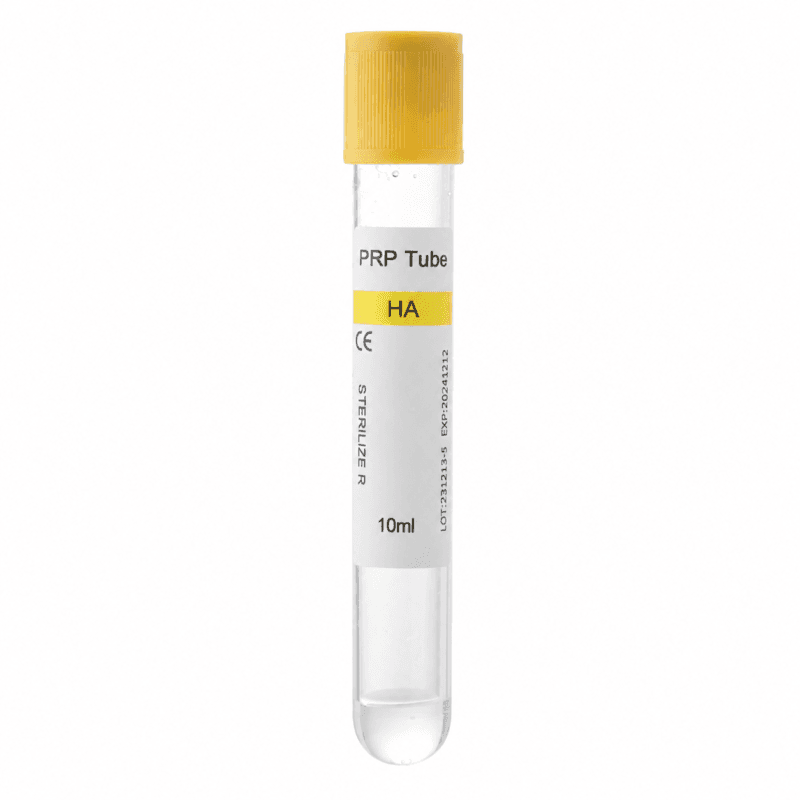
- HA (Hyaluronic Acid) combination PRP tubes
- ACD-A PRP tubes
Different tube designs support different clinical preferences.
For example:
- Sodium citrate PRP tubes are commonly selected when clinics require controlled anticoagulation during PRP preparation.
- Gel separator PRP tubes help create clearer separation between plasma and blood components, supporting easier handling.
- HA combination PRP tubes allow professionals to prepare a combined PRP and hyaluronic acid solution for aesthetic applications.
Selecting an appropriate PRP tube helps clinics establish a more standardized preparation process and improve workflow efficiency.
Choosing PRP Tubes for PRP Filler Preparation
For clinics, distributors, and healthcare suppliers, choosing the right PRP tube is an important consideration when developing PRP aesthetic services.
A suitable PRP tube should match the intended application, preparation method, and clinical workflow.
Key factors to evaluate include:
Intended Application
PRP tubes used for aesthetic procedures may have different requirements compared with tubes used in orthopedic, dental, or other regenerative fields.
Aesthetic applications often focus on:
- Reliable platelet preservation
- Consistent plasma separation
- Convenient handling
- Compatibility with clinic workflows
Understanding the intended use helps professionals select a tube configuration that matches their treatment approach.
Anticoagulant Type and Preparation Requirements
Different PRP applications may require different anticoagulant systems.
For example, sodium citrate tubes are commonly used in many PRP workflows because they support controlled blood collection and platelet preservation. ACD-A tubes may be selected for applications where professionals prefer an alternative anticoagulant formulation.
The choice should depend on professional protocols and the desired PRP characteristics.
Separation Performance and Workflow Compatibility
Efficient separation is important for clinics that perform PRP procedures regularly. A well-designed tube can help simplify handling steps after centrifugation and support consistent preparation.
For clinics managing multiple aesthetic procedures, workflow efficiency becomes especially important because preparation consistency directly affects daily operations.
Supplier Reliability and Customization Options
For medical distributors and larger clinics, supplier capability is another important consideration.
Factors may include:
- Production consistency
- Quality management systems
- Packaging options
- Volume requirements
- Customized product solutions
Working with a professional PRP tube manufacturer allows clinics and distributors to develop a more stable supply chain for aesthetic applications.
PRP Filler vs. Traditional Dermal Fillers: Understanding the Differences
When patients search for how long does PRP filler last, they often compare PRP-based treatments with traditional dermal fillers. Although both approaches can improve facial appearance, they work through different mechanisms and provide different types of aesthetic benefits.
Traditional dermal fillers are designed primarily to restore lost volume by injecting a filling material beneath the skin. Hyaluronic acid (HA) fillers are one of the most common examples. They can create noticeable volume enhancement shortly after treatment, making them suitable for correcting areas affected by facial volume loss.
PRP filler takes a different approach by using the patient’s own blood-derived components. Standard liquid PRP focuses on supporting natural skin improvement through platelet activity and growth factor release, while PRP Bio-Filler uses processed autologous plasma to create temporary volume support.
The choice between PRP and traditional fillers depends on the patient’s goals, skin condition, and the treatment approach recommended by a qualified professional.
| Feature | Standard Liquid PRP | PRP Bio-Filler (Plasma Gel) | Traditional Dermal Filler |
|---|---|---|---|
| Main component | Patient’s liquid platelet-rich plasma | Processed autologous plasma gel | Injectable filling materials such as hyaluronic acid |
| Primary purpose | Supports collagen production and skin rejuvenation | Provides temporary volume with regenerative support | Creates immediate volume enhancement |
| Result development | Gradual improvement over several weeks | Immediate volume with gradual skin quality benefits | Usually visible shortly after injection |
| Biological approach | Uses the patient’s own platelet-related growth factors | Uses autologous plasma processed into a gel-like structure | Relies on injected biomaterial |
| Typical visible duration | Around 6–12 months depending on treatment plan | Approximately 3–6 months for volume effect, with longer-lasting skin quality benefits | Varies depending on product type, treatment area, and individual factors |
This comparison shows that PRP filler and traditional fillers serve different purposes. PRP-based treatments focus more on supporting natural tissue improvement, while traditional fillers are mainly designed for structural volume correction.
For clinics offering regenerative aesthetic procedures, understanding these differences also helps determine the most suitable PRP preparation method and tube configuration for different applications.
How to Maintain PRP Filler Results for a Longer Time
Although PRP filler does not provide permanent results, several factors may help patients maintain visible improvements for a longer period.
Because PRP works through biological stimulation rather than a permanent implanted material, maintaining results often requires a combination of professional treatments and healthy skin management.
Follow a Professional Treatment Schedule
PRP treatments often achieve better consistency when performed according to a structured treatment plan.
Many aesthetic protocols recommend an initial series of treatments followed by maintenance sessions when needed. The recommended frequency depends on factors such as:
- Skin condition
- Patient age
- Treatment goals
- Previous treatment response
A personalized schedule helps professionals adjust treatment frequency according to individual needs.
Protect Skin From Environmental Damage
Environmental factors can affect skin aging and collagen breakdown. Sun exposure, pollution, and insufficient skincare may reduce the long-term appearance of aesthetic improvements.
Using appropriate sun protection and maintaining a consistent skincare routine can help support healthier skin conditions after PRP treatment.
Maintain a Healthy Lifestyle
Lifestyle factors may also influence skin quality and the body’s natural regeneration ability.
Healthy habits such as:
- Maintaining sufficient hydration
- Following balanced nutrition
- Getting adequate sleep
- Avoiding excessive smoking and alcohol consumption
may support overall skin health and help preserve aesthetic improvements.
Choose Reliable PRP Preparation Methods
The consistency of PRP preparation is an important consideration for clinics providing aesthetic procedures.
A reliable preparation process helps professionals obtain platelet-rich plasma that matches their treatment requirements. This includes selecting suitable PRP tubes, following appropriate centrifugation procedures, and maintaining consistent handling methods.
For aesthetic clinics and distributors, choosing a dependable PRP tube supplier supports stable product quality and long-term workflow management.
Siny PRP provides professional PRP tube solutions designed for aesthetic medicine, regenerative applications, and customized clinical requirements.
FAQs About PRP Filler Duration
How long does PRP filler last after one treatment?
The duration of PRP filler results varies depending on the treatment method, patient condition, and individual biological response.
Standard liquid PRP may provide visible improvements in skin quality for approximately 6 to 12 months after completing a recommended treatment plan. PRP Bio-Filler may provide a temporary volumizing effect for around 3 to 6 months, while improvements related to skin quality and collagen support may continue for a longer period.
Is PRP filler permanent?
No, PRP filler is not considered a permanent aesthetic treatment.
Unlike permanent implants or long-lasting synthetic materials, PRP relies on the patient’s own biological response. Over time, the body naturally processes the injected components and the stimulation effect gradually decreases.
Maintenance treatments may help patients continue experiencing the desired aesthetic benefits.
How many PRP filler treatments are needed for better results?
The number of treatments depends on the patient’s goals, skin condition, and professional treatment plan.
Many clinics recommend an initial series of 2 to 3 PRP sessions spaced several weeks apart. After the initial treatment cycle, maintenance sessions may be considered based on individual response.
Does PRP filler work better than traditional dermal fillers?
PRP filler and traditional dermal fillers have different advantages, so one option is not necessarily better for every patient.
PRP focuses on supporting natural skin improvement through platelet-derived growth factors, while traditional fillers mainly provide immediate volume enhancement.
The appropriate choice depends on whether the treatment goal is skin rejuvenation, collagen support, or structural volume restoration.
Does the PRP tube affect PRP filler quality?
Yes. The PRP tube can influence the consistency of the final platelet-rich plasma preparation.
Factors such as tube material, anticoagulant type, separation design, and manufacturing consistency can affect the preparation workflow.
For clinics and distributors, selecting a reliable PRP tube supplier helps maintain standardized preparation processes and supports consistent clinical applications.
What should clinics consider when choosing PRP tubes for aesthetic treatments?
Clinics should consider several factors when selecting PRP tubes, including:
- Intended aesthetic application
- Anticoagulant requirements
- Separation performance
- Compatibility with existing centrifugation procedures
- Product consistency and supplier reliability
Different PRP tube designs may support different treatment preferences. Working with an experienced PRP tube manufacturer allows clinics and distributors to select solutions that better match their operational needs.
Final Thoughts on PRP Filler Duration and Treatment Quality
Understanding how long does PRP filler last requires considering the complete treatment process rather than focusing only on the injection itself.
The duration of results depends on multiple factors, including the type of PRP application, patient condition, treatment area, and preparation quality. Standard liquid PRP and PRP Bio-Filler provide different aesthetic benefits, so treatment expectations should be based on the specific approach used.
For aesthetic clinics, consistent PRP preparation is an important part of delivering reliable treatment experiences. Selecting suitable PRP tubes helps professionals maintain a controlled workflow and prepare platelet-rich plasma according to their clinical requirements.
Siny PRP develops and supplies professional PRP tube solutions for aesthetic clinics, medical distributors, and healthcare providers worldwide. Whether you need sodium citrate PRP tubes, gel PRP tubes, HA combination PRP tubes, or customized solutions, Siny PRP can support your PRP preparation needs.