PRP therapy has gained significant attention in recent years as a regenerative treatment used in orthopedics, dermatology, sports medicine, and hair restoration. As the popularity of platelet-rich plasma treatments continues to grow, many patients and clinicians are asking an important question: What is the downside of PRP injections?
While PRP therapy offers promising benefits such as improved tissue healing and reduced inflammation, it is not a perfect treatment. Results can vary; the procedure requires careful preparation, and treatment outcomes often depend on the quality of the equipment used during the PRP preparation process.
Understanding both the advantages and limitations of PRP injections helps practitioners set realistic expectations for patients while also improving treatment protocols. In this guide, we will explore how PRP therapy works, the potential disadvantages of PRP injections, and why preparation systems—especially PRP tubes—play a crucial role in achieving consistent results.
What Is PRP? Understanding Platelet-Rich Plasma Therapy
Platelet-rich plasma (PRP) is a concentrated form of plasma obtained from a patient’s own blood. Platelets are small blood cells responsible for clotting, but they also contain important growth factors that promote tissue repair and regeneration.
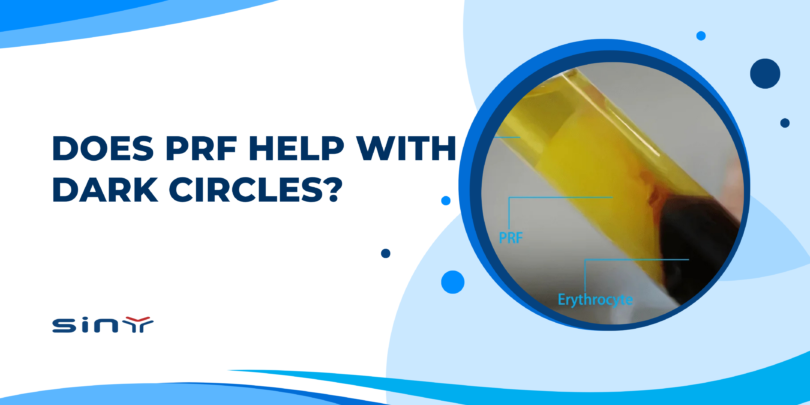
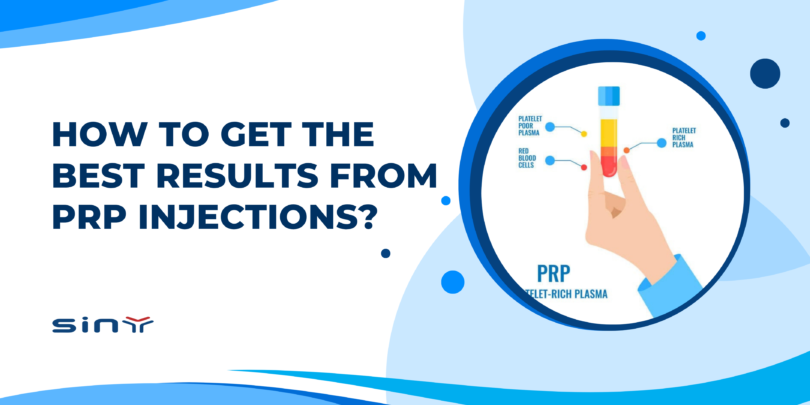
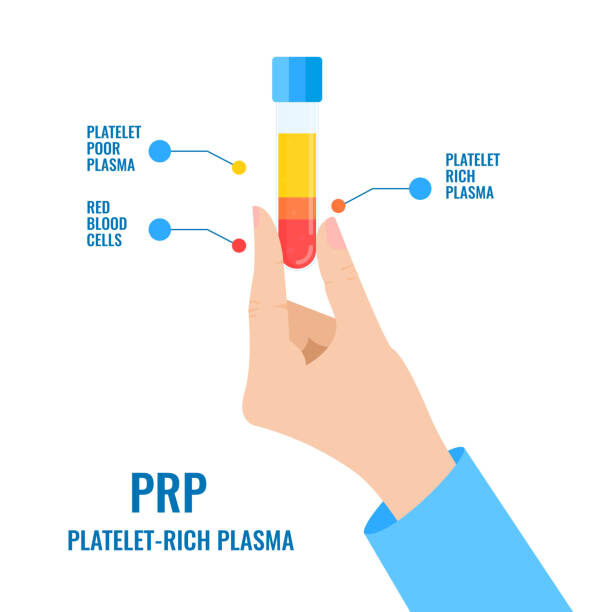
During PRP preparation, a blood sample is collected and then processed through centrifugation. This process separates the blood into different layers, allowing clinicians to isolate plasma with a higher concentration of platelets.
PRP contains several growth factors that may stimulate healing, including:
Platelet-derived growth factor (PDGF)
Transforming growth factor beta (TGF-β)
Vascular endothelial growth factor (VEGF)
These growth factors play an important role in promoting tissue repair, collagen formation, and cellular regeneration. Because PRP uses the patient’s own biological material, it is widely considered a natural regenerative therapy.
However, the effectiveness of PRP treatment depends heavily on how the plasma is prepared. The type of PRP tubes used, centrifugation parameters, and platelet concentration can all influence treatment outcomes.
How PRP Injections Work: Step-by-Step Treatment Process
To understand what is the downside of PRP injections, it helps to review how the procedure is typically performed in clinical practice.
Step 1: Blood collection
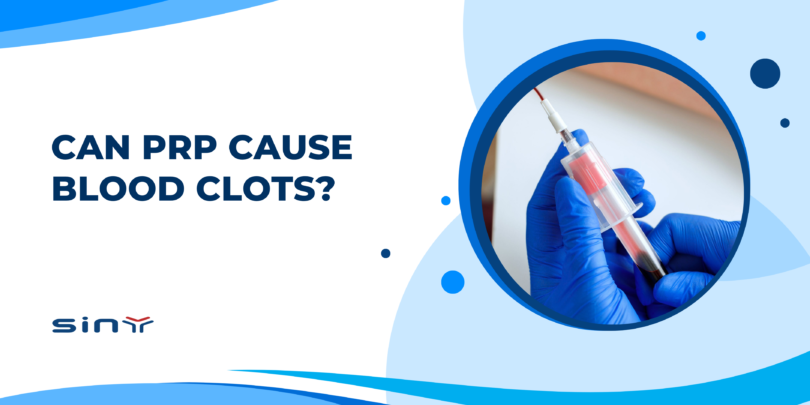
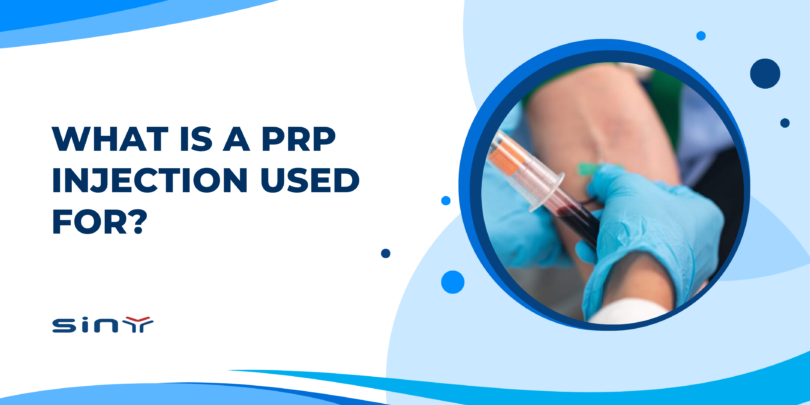
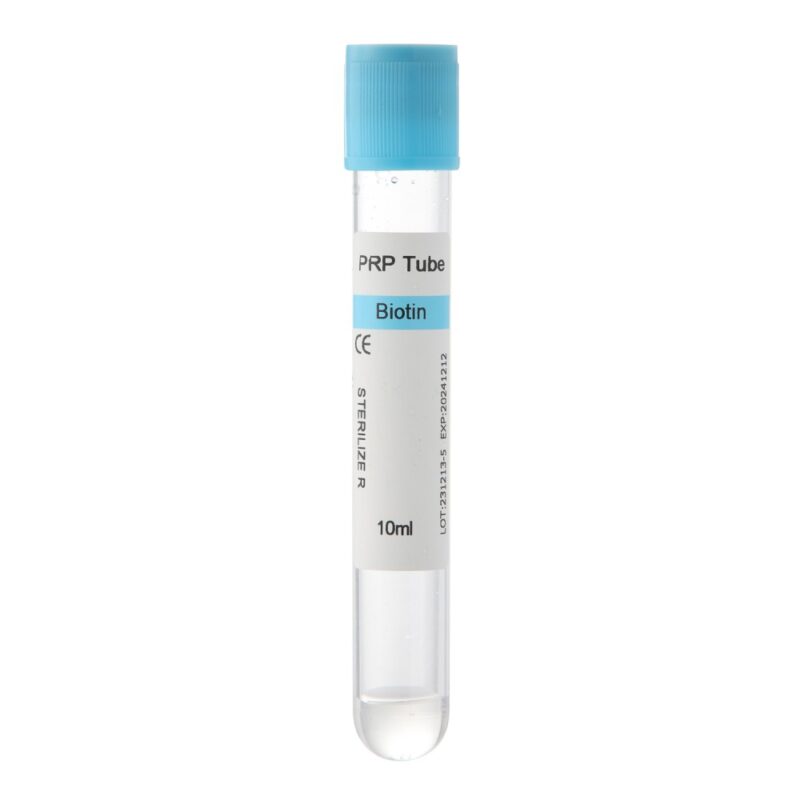
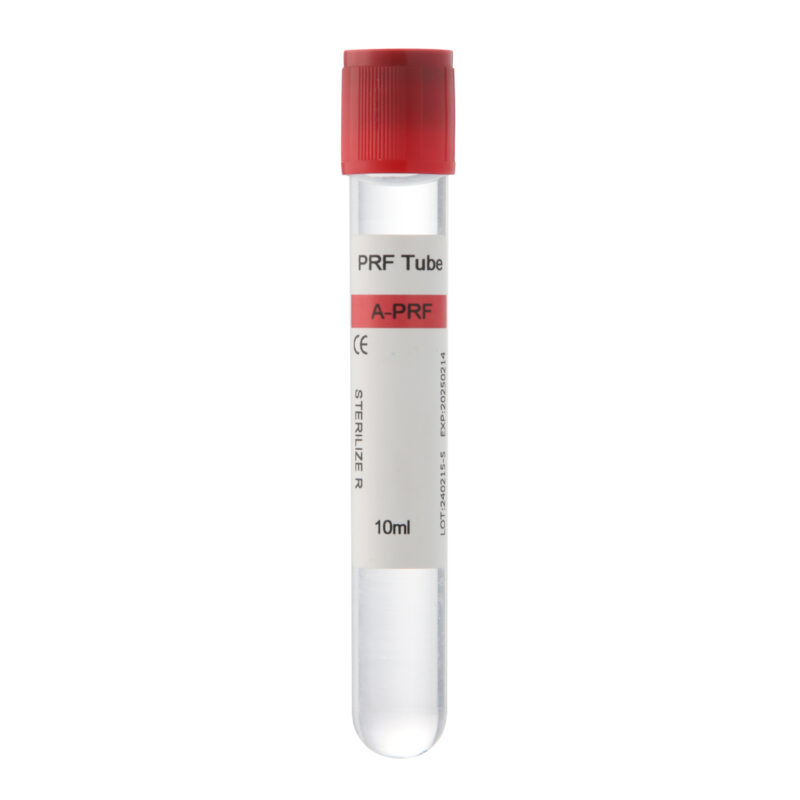
A small volume of blood is drawn from the patient using specialized blood collection tubes designed for PRP preparation.
Step 2: Centrifugation
The collected blood is placed in a centrifuge, where spinning separates the different blood components based on density.
Step 3: Plasma extraction
The platelet-rich layer is carefully extracted from the tube after centrifugation.
Step 4: Injection
The concentrated plasma is injected directly into the injured or targeted tissue.
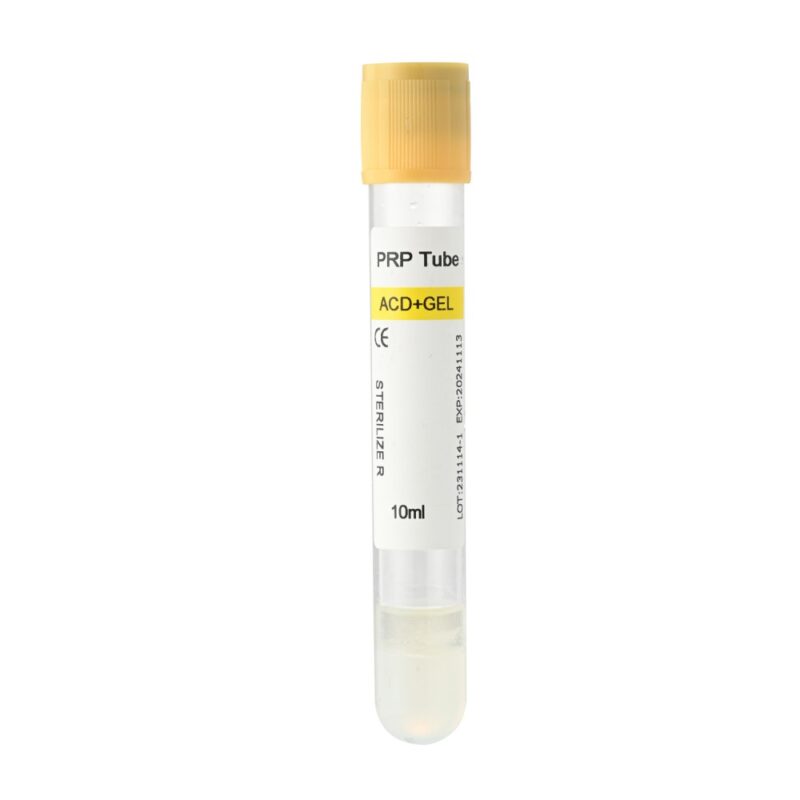
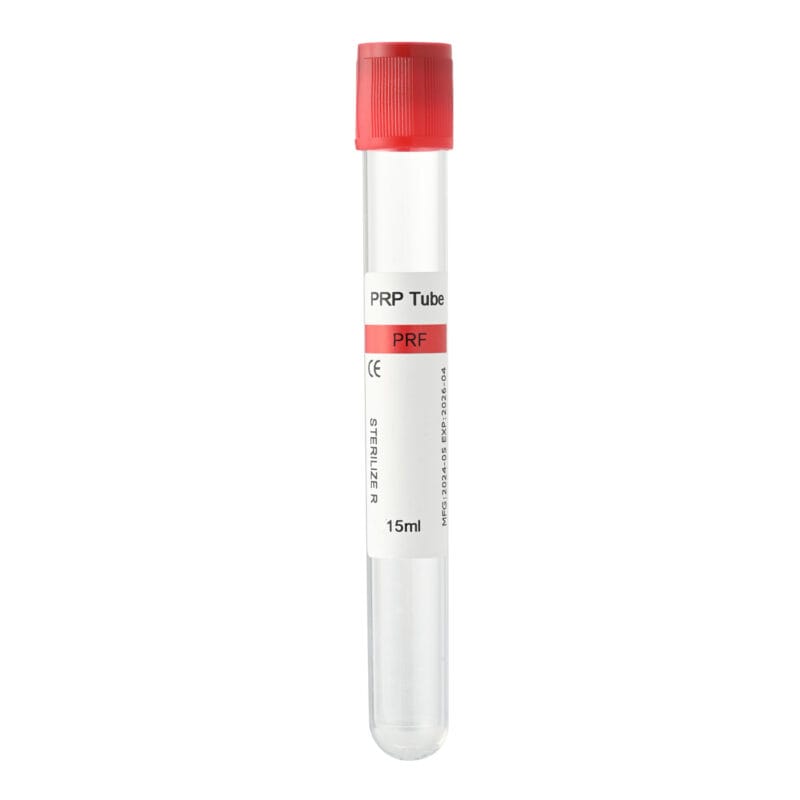
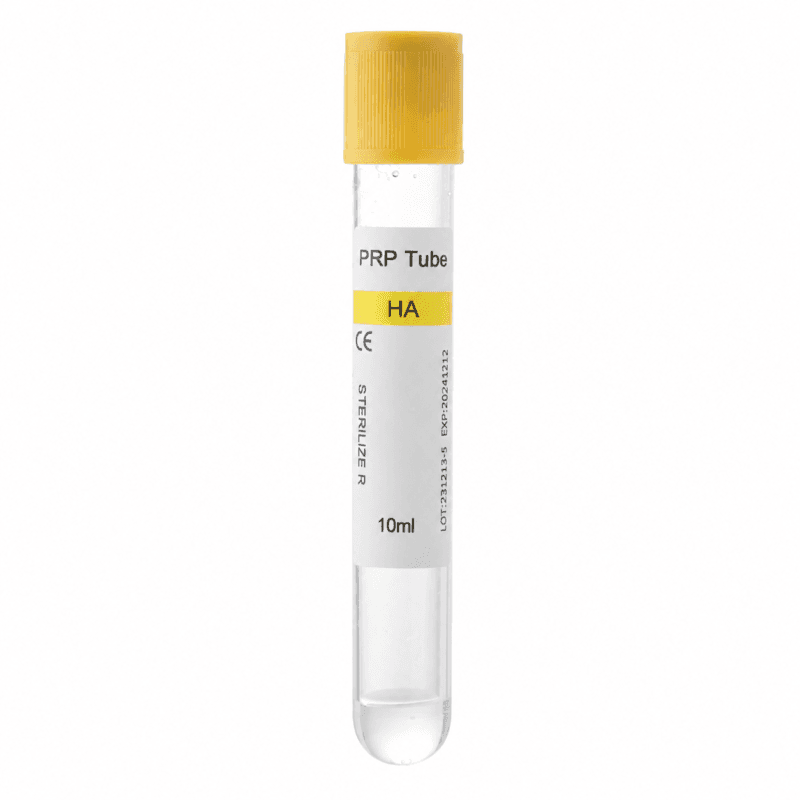
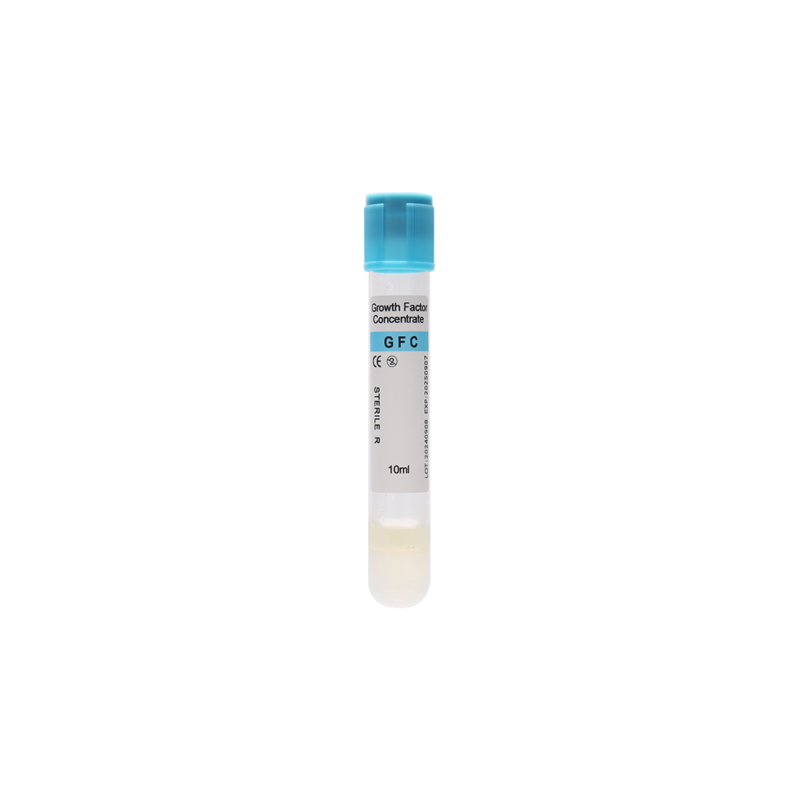
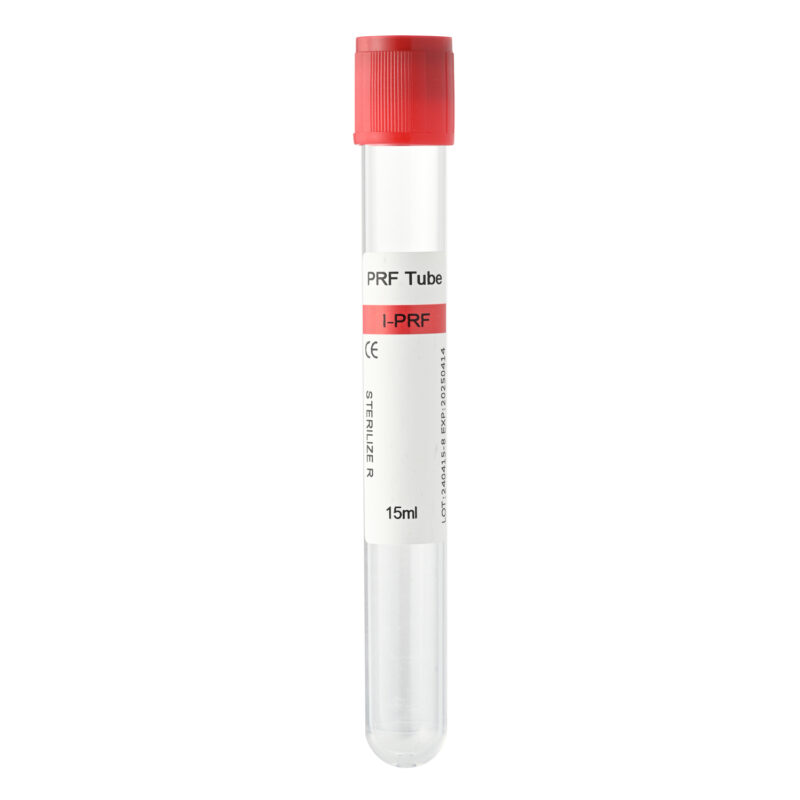
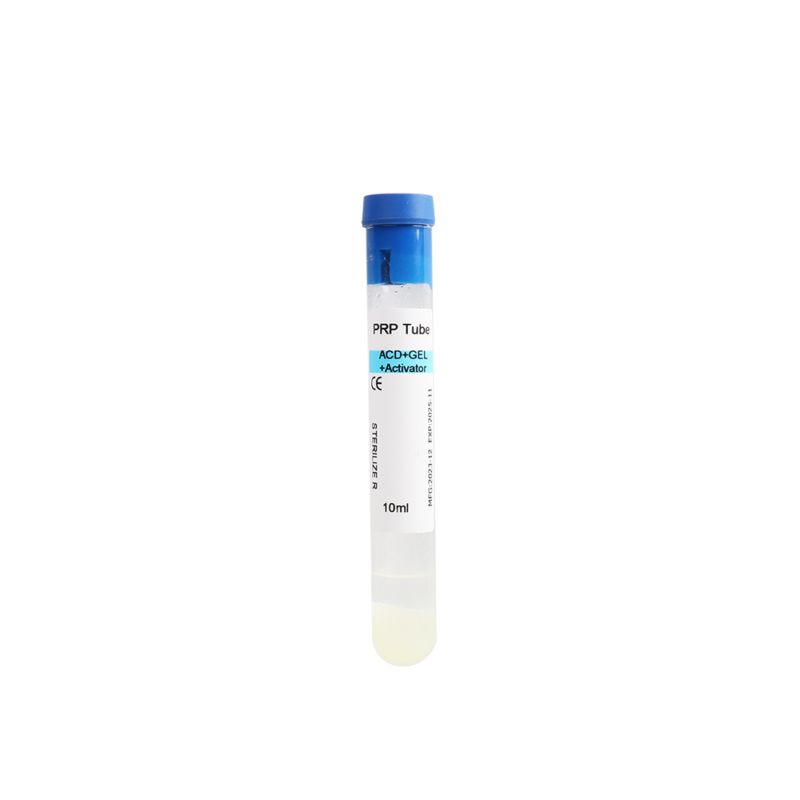
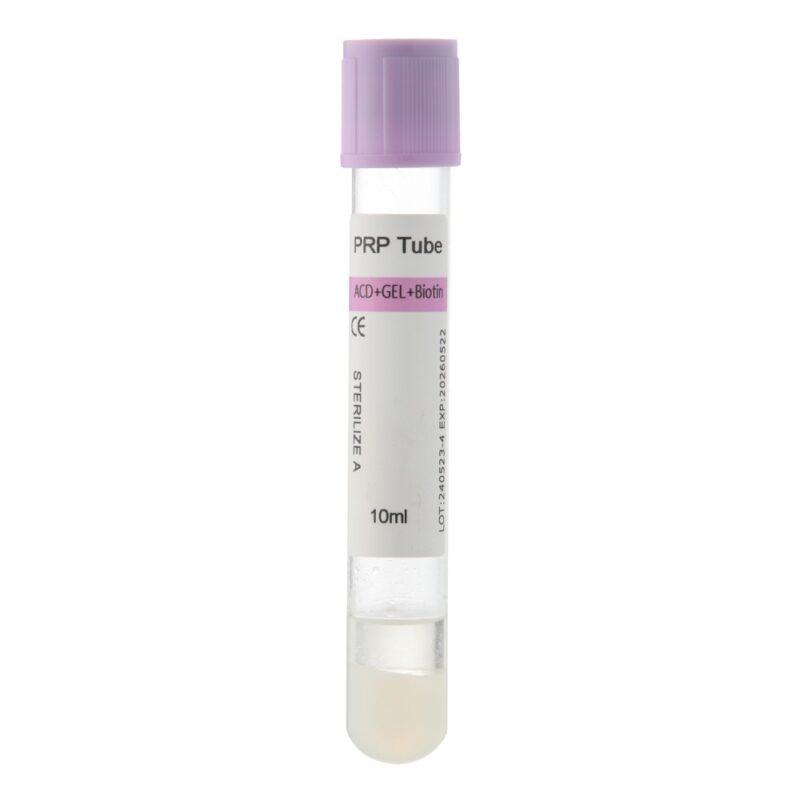
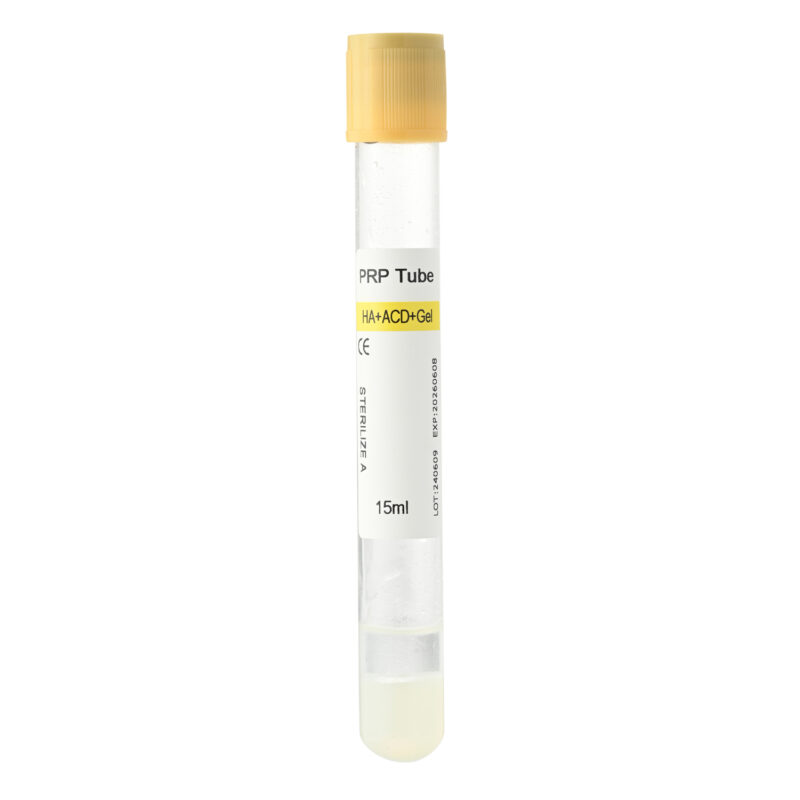
This procedure may appear straightforward, but the quality of the final PRP solution depends greatly on the design of the PRP tube, the anticoagulant formulation, and platelet recovery efficiency. These factors can significantly influence the therapeutic effectiveness of PRP injections.

What Is the Downside of PRP Injections?
Although PRP therapy is widely used, there are several potential disadvantages clinicians should understand.
1. Results can vary between patients
One of the most common concerns when discussing what is the downside of PRP injections is the variability of treatment outcomes. Because PRP uses the patient’s own blood, platelet levels and growth factor concentrations differ between individuals.
Factors that may affect results include:
- Age
- Lifestyle habits
- Underlying medical conditions
- Medication use
This variability means that some patients may experience significant improvement while others see more limited benefits.
2. Multiple treatment sessions may be required
Unlike medications that provide rapid relief, PRP therapy stimulates the body’s natural healing process. As a result, many patients require two to three treatment sessions before noticeable improvements appear.
For chronic conditions such as tendon injuries or hair loss, the treatment timeline may extend over several months.
3. PRP therapy can be expensive
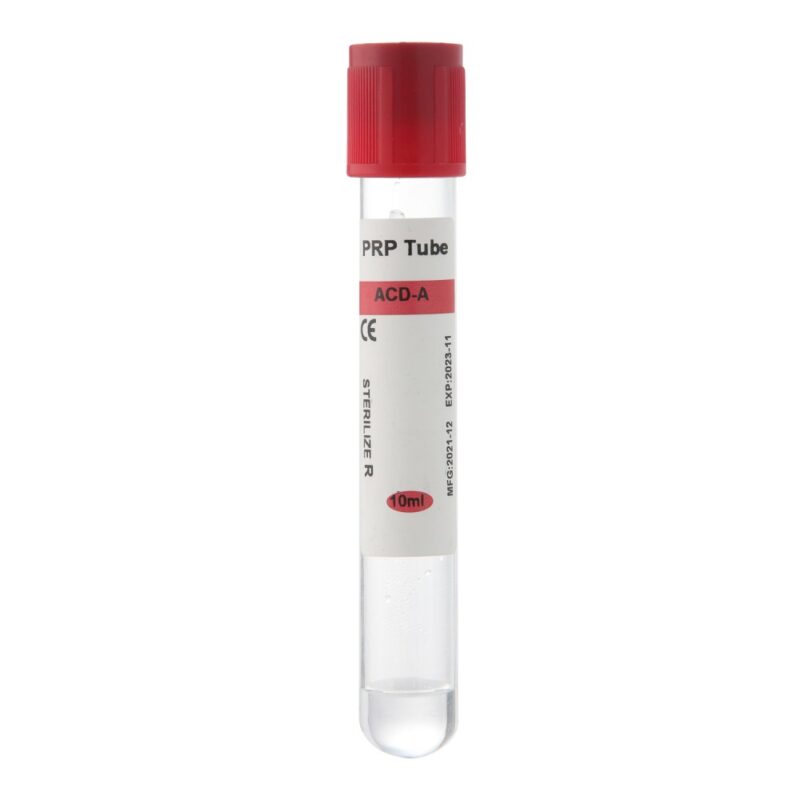
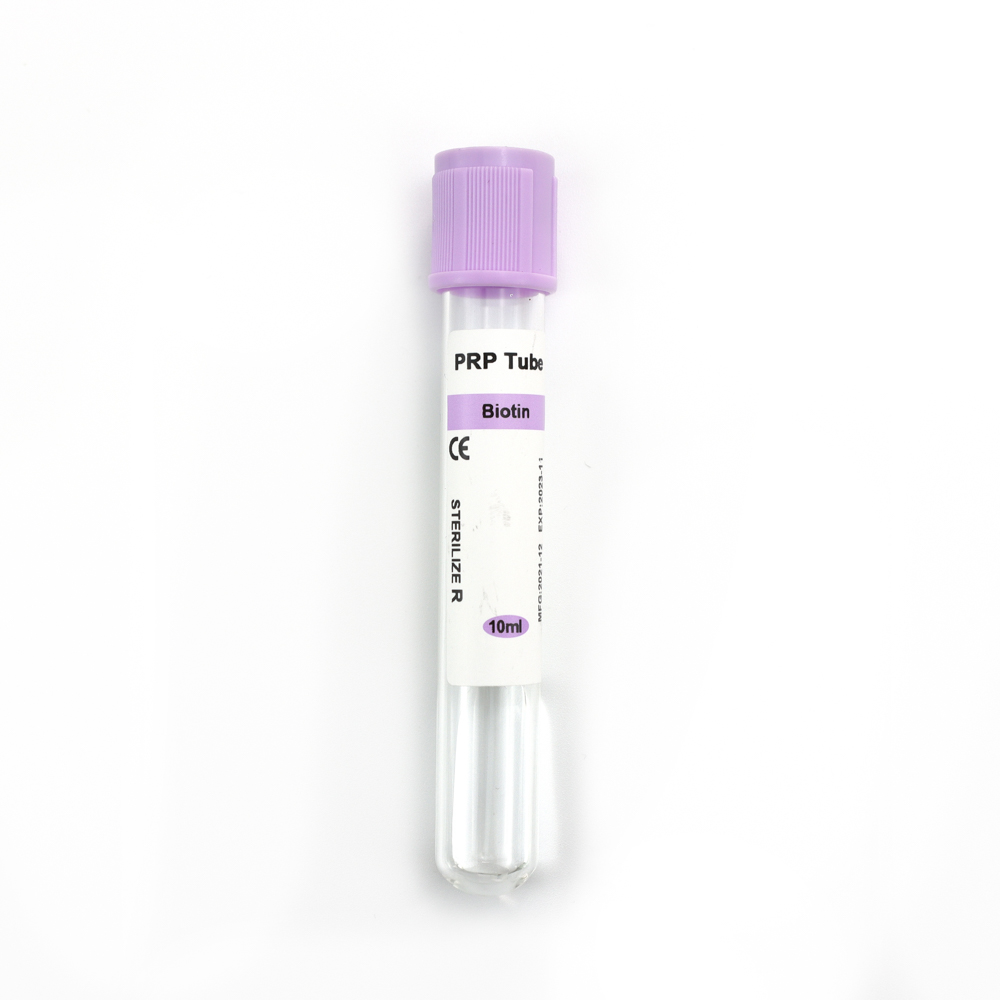
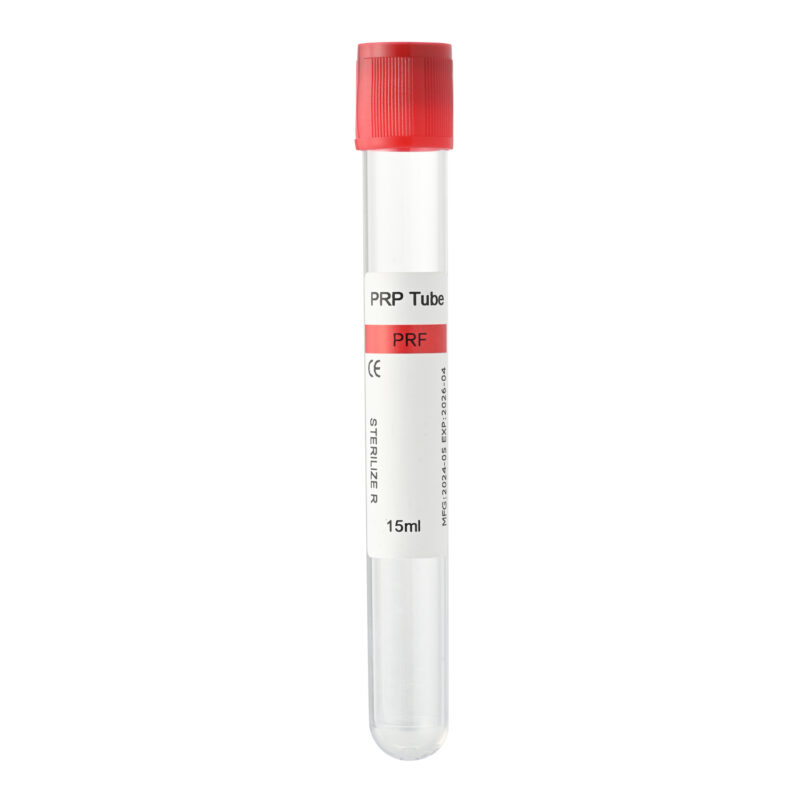
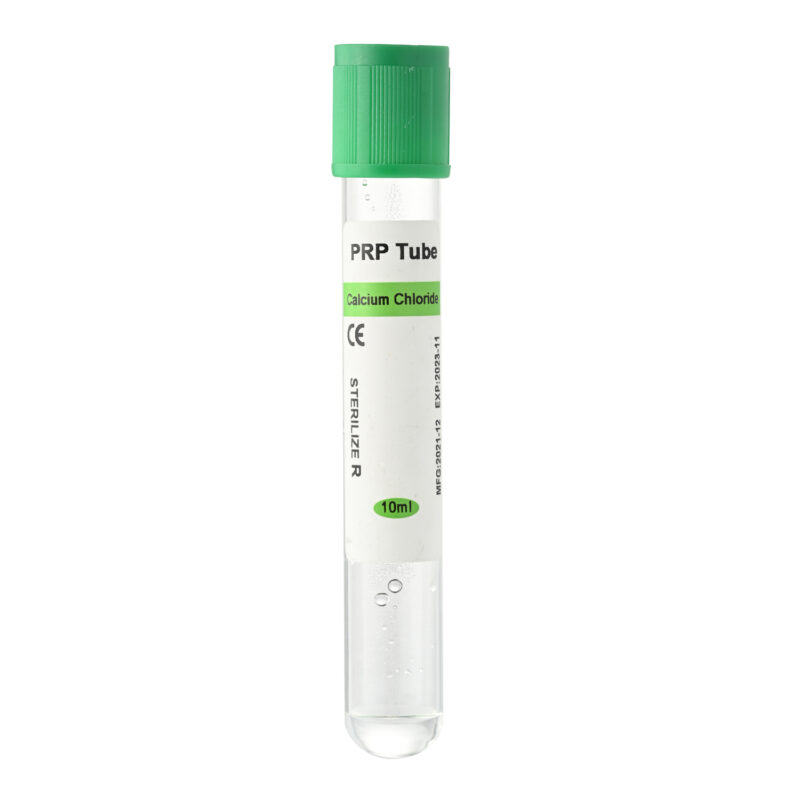
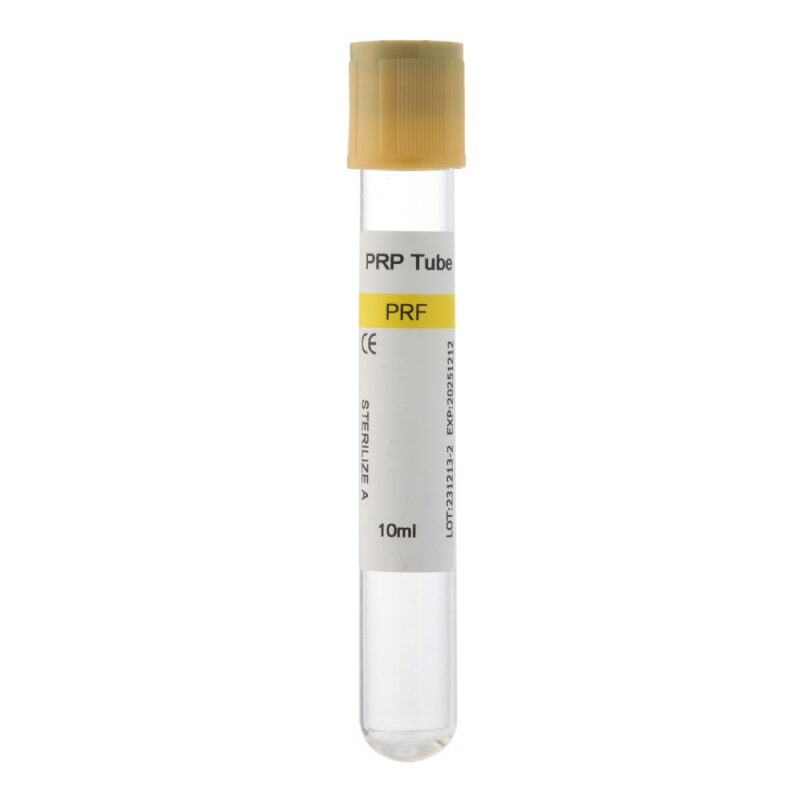
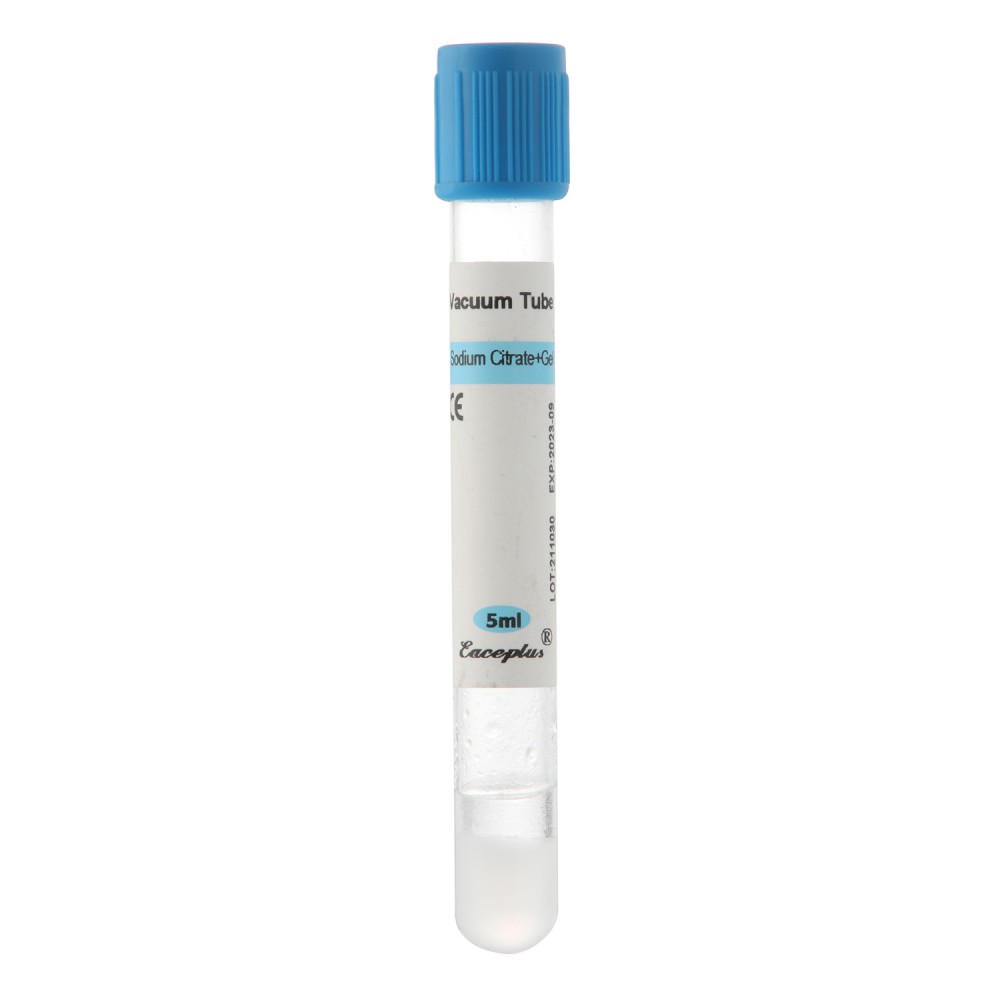
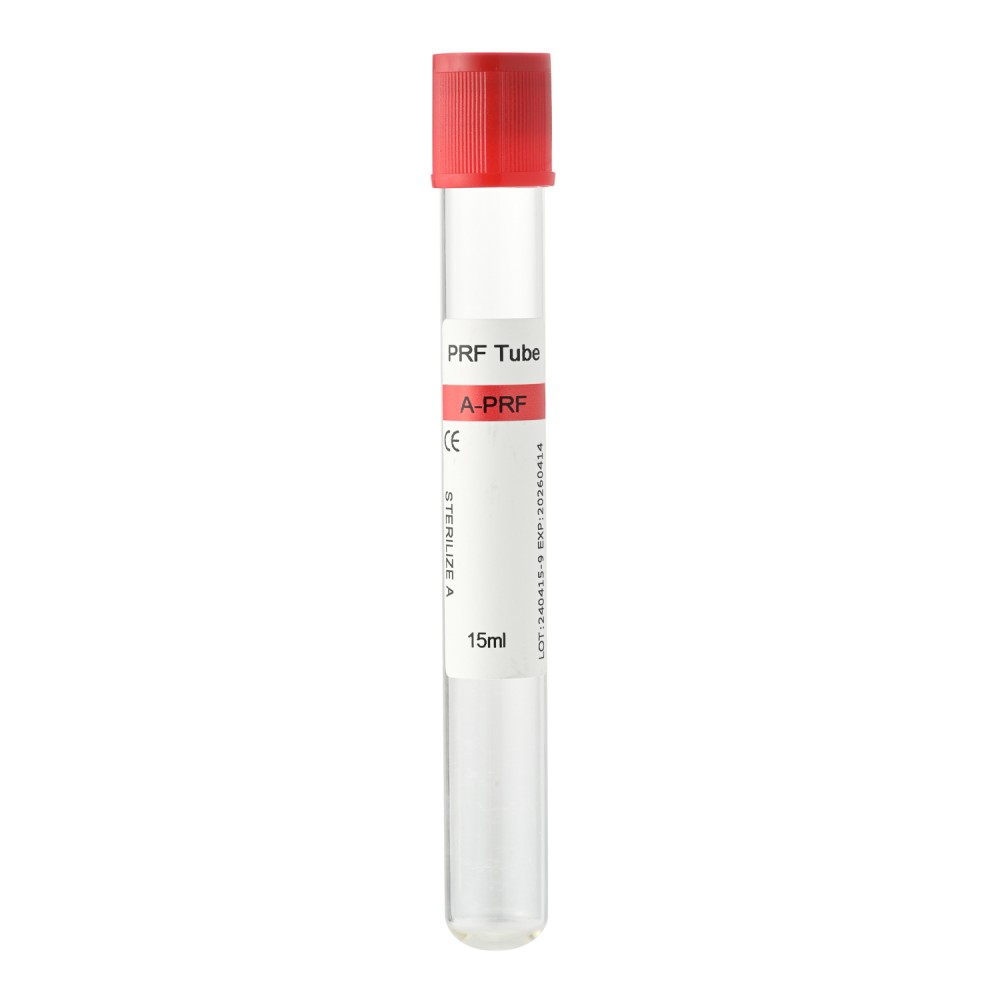
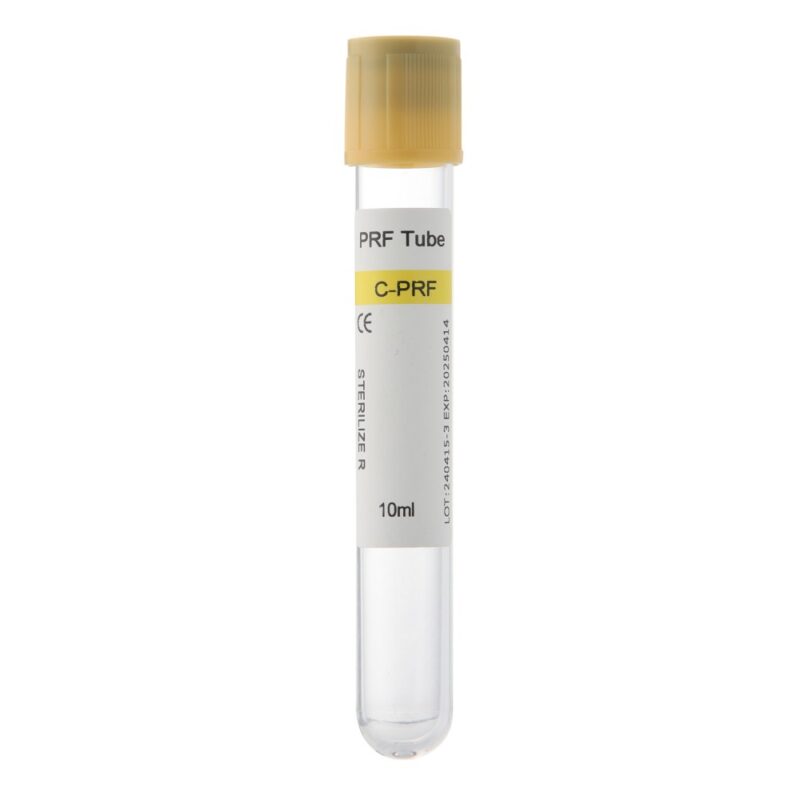
Another potential downside is cost. PRP treatments require specialized equipment, including centrifuges, sterile preparation kits, and PRP tubes.
Because the procedure involves biological processing rather than pharmaceutical products, treatment costs may be higher than standard injections such as corticosteroids.
4. Preparation quality affects treatment outcomes
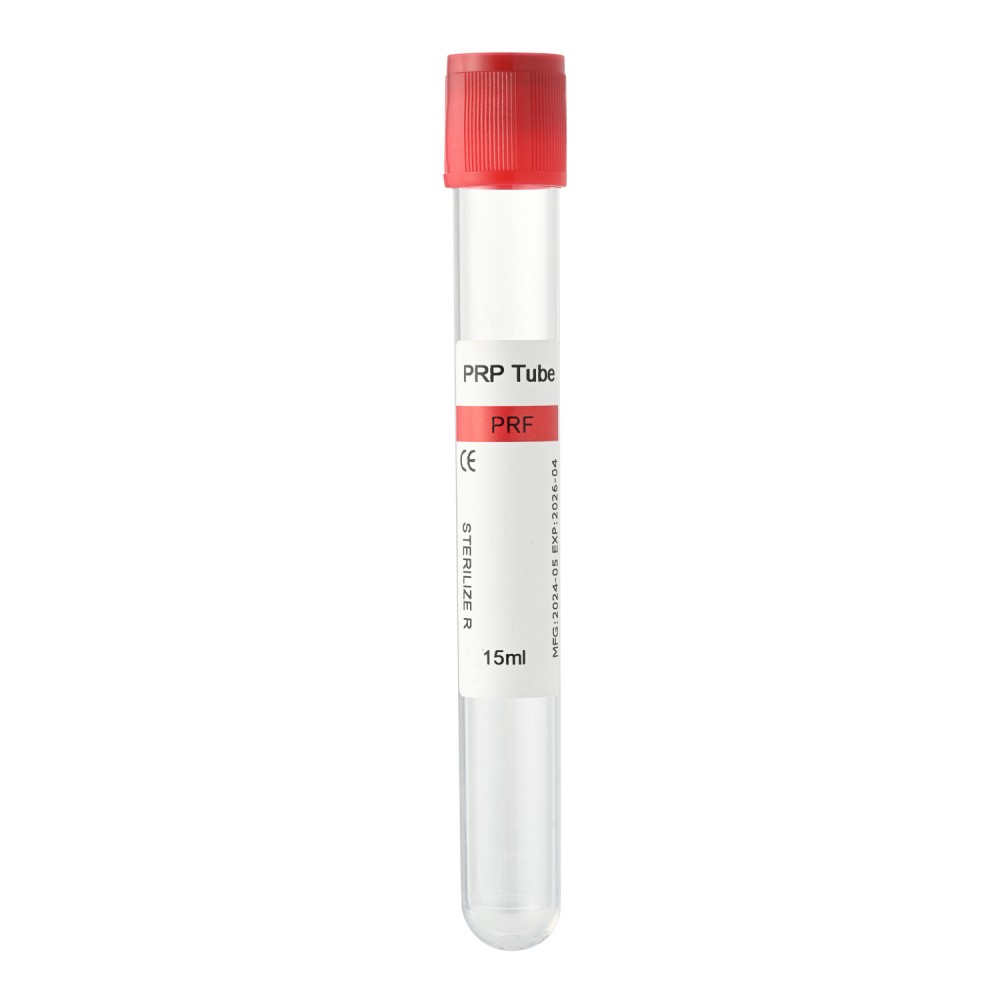
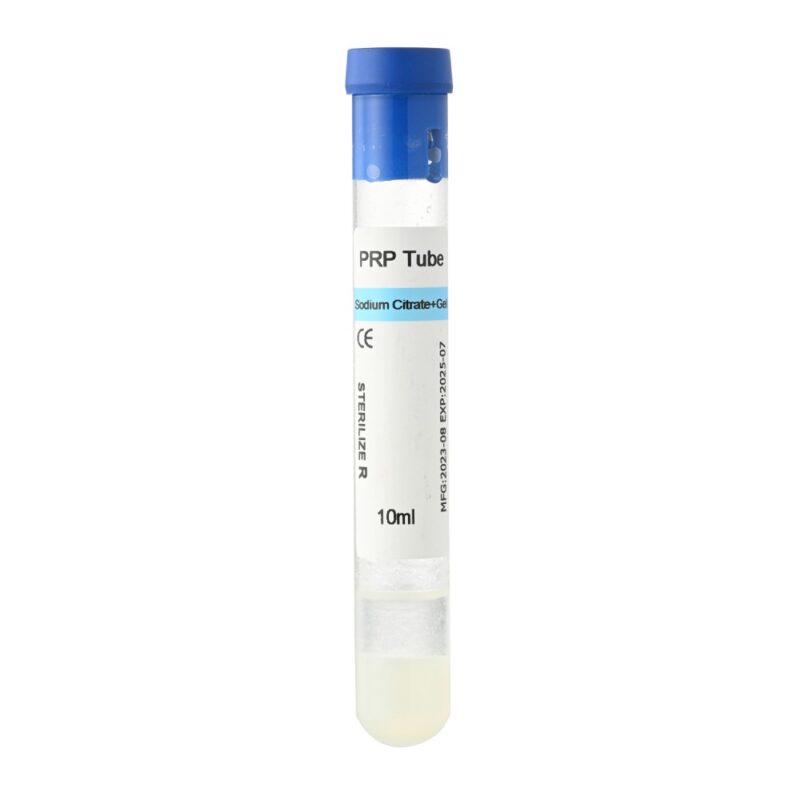
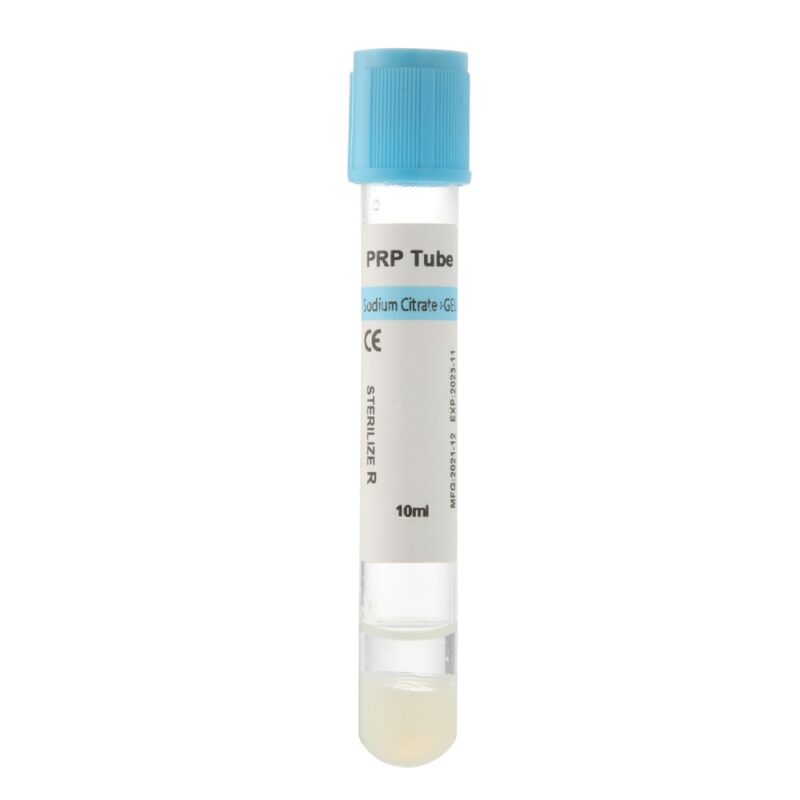
One limitation that is often overlooked is the quality of PRP preparation systems. Poorly designed PRP tubes may result in incomplete platelet separation or lower platelet recovery rates.
This can directly affect the biological activity of the final injection.
For this reason, many clinics carefully evaluate PRP preparation systems and suppliers before implementing the therapy in their practice.
Clinics that wish to standardize their preparation process often explore specialized manufacturers such as Siny PRP, which provide medical-grade PRP tubes designed for consistent platelet separation.
Common Medical Uses of PRP Therapy
Despite the potential downsides, PRP injections continue to gain popularity across multiple medical specialties.
Orthopedic treatments
PRP injections are widely used to treat tendon injuries, ligament damage, and osteoarthritis.
Hair restoration
Dermatologists often use PRP therapy to stimulate hair follicles and improve hair density in patients with androgenetic alopecia.
Aesthetic medicine
PRP treatments are commonly used in facial rejuvenation procedures to improve skin texture and stimulate collagen production.
Dental and oral surgery
Dentists sometimes use PRP during implant procedures to promote bone healing and tissue regeneration.
Across all these applications, the consistency of PRP preparation remains one of the most important factors affecting treatment success.

Why PRP Tube Quality Matters for Consistent Results
Many discussions about what is the downside of PRP injections focus only on patient outcomes. However, experienced practitioners understand that preparation quality is equally important.
A high-quality PRP tube should provide:
Stable anticoagulant formulation
Reliable vacuum blood draw volume
Effective separation gel density
High platelet recovery efficiency
Using reliable PRP preparation systems can help reduce variability between treatments and improve overall procedure consistency.
Clinics interested in improving their PRP preparation workflow often review the technical specifications available from manufacturers such as Siny PRP when selecting equipment.
FAQ About the Downside of PRP Injections
Are PRP injections safe?
PRP injections are generally considered safe because they use the patient’s own blood. When performed under sterile conditions, the risk of infection or allergic reaction is very low.
Why do PRP injections sometimes fail?
Treatment outcomes may vary due to patient biology, platelet concentration levels, injury severity, and the quality of PRP preparation.
How long does PRP treatment last?
Results can vary depending on the condition being treated. Some patients experience benefits for six to twelve months after treatment.
Are PRP injections painful?
Most patients report mild discomfort during the injection process. Local anesthesia is often used to reduce pain.
What equipment is required for PRP therapy?
PRP treatment typically requires blood collection needles, PRP tubes, a centrifuge, and sterile syringes.
Conclusion
Understanding what is the downside of PRP injections helps practitioners evaluate both the benefits and limitations of platelet-rich plasma therapy. While PRP offers promising regenerative potential, treatment results can vary depending on patient biology and preparation techniques.
By improving preparation protocols and selecting reliable PRP tubes, clinics can reduce variability and achieve more consistent treatment outcomes.
Practitioners who want to learn more about professional PRP preparation systems can explore the product information available through Siny PRP or consult experienced suppliers for guidance.