When discussing Can PRP heal a torn meniscus, the answer is not a simple yes or no. Platelet-Rich Plasma (PRP) therapy has gained significant attention in orthopedic and sports medicine, especially for knee injuries. However, its effectiveness depends on several factors, including the type of tear, patient condition, and—often overlooked—the quality of PRP preparation.
For clinics and distributors evaluating treatment solutions, understanding both the clinical science and the preparation process is essential before making procurement decisions.
What Is PRP and Why Is It Used in Knee Injuries?
PRP (Platelet-Rich Plasma) is derived from the patient’s own blood. After centrifugation, platelets are concentrated and injected into the injured area to promote healing.
These platelets release growth factors that:
- Stimulate tissue repair
- Reduce inflammation
- Enhance cellular regeneration
In knee-related conditions, PRP is commonly used for:
- Cartilage damage
- Ligament injuries
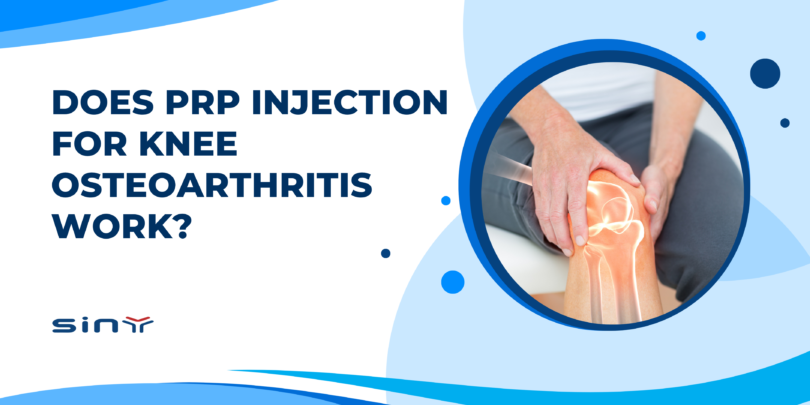
- Meniscus tears
In practical terms, PRP acts as a biological booster—helping the body heal itself more efficiently rather than replacing tissue surgically.

What Happens in a Torn Meniscus?
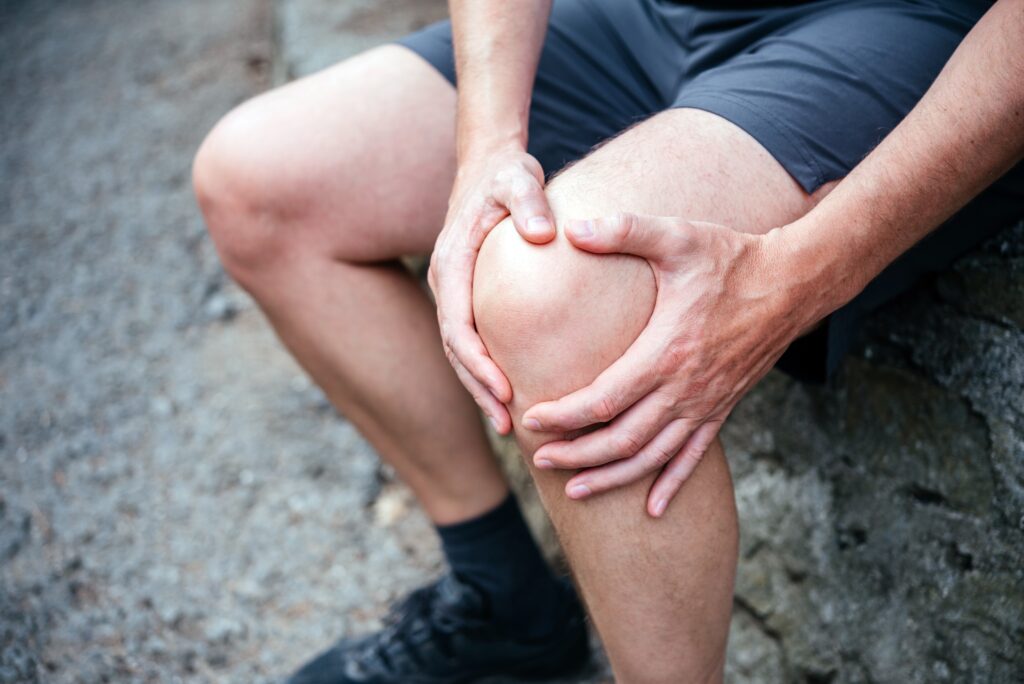
The meniscus is a C-shaped cartilage in the knee that acts as a shock absorber. When torn—whether from sports or degeneration—it can cause:
- Pain and swelling
- Limited mobility
- Joint instability
The key issue is blood supply.
The outer third of the meniscus has blood flow and can heal naturally.
The inner region has very limited circulation, making healing much more difficult.
This is exactly where PRP therapy becomes relevant.
Can PRP Heal a Torn Meniscus?
So, can PRP heal a torn meniscus?
The realistic answer: PRP can support healing in certain cases, but it does not “fix” all meniscus tears.
PRP works best when:
- The tear is in the vascular (outer) zone.
- The injury is mild to moderate.
- It is used as part of a non-surgical treatment plan.
PRP is less effective when:
- The tear is severe or displaced.
- The inner meniscus is involved.
- Mechanical instability requires surgery.
Clinical studies suggest PRP may:
- Reduce pain faster.
- Improve joint function.
- Delay or avoid surgery in some patients.
But outcomes vary significantly—often due to differences in PRP preparation quality.
Why PRP Preparation Quality Matters More Than You Think
Here’s something many articles don’t emphasize enough:
Not all PRP is the same.
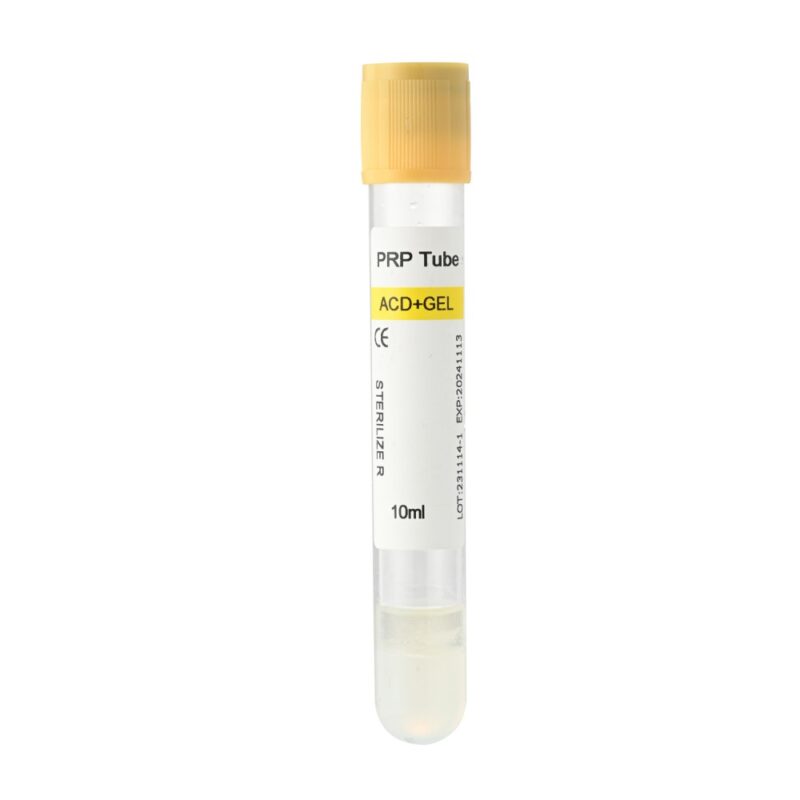
The concentration and viability of platelets depend heavily on:
- Anticoagulant formulation.
- Separator gel stability.
- Centrifugation consistency.
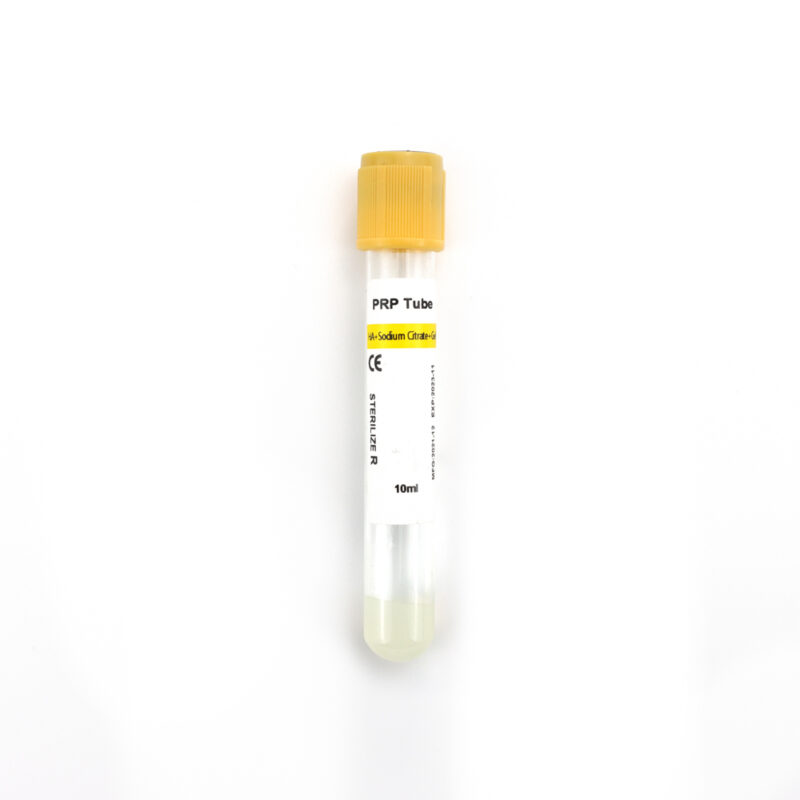
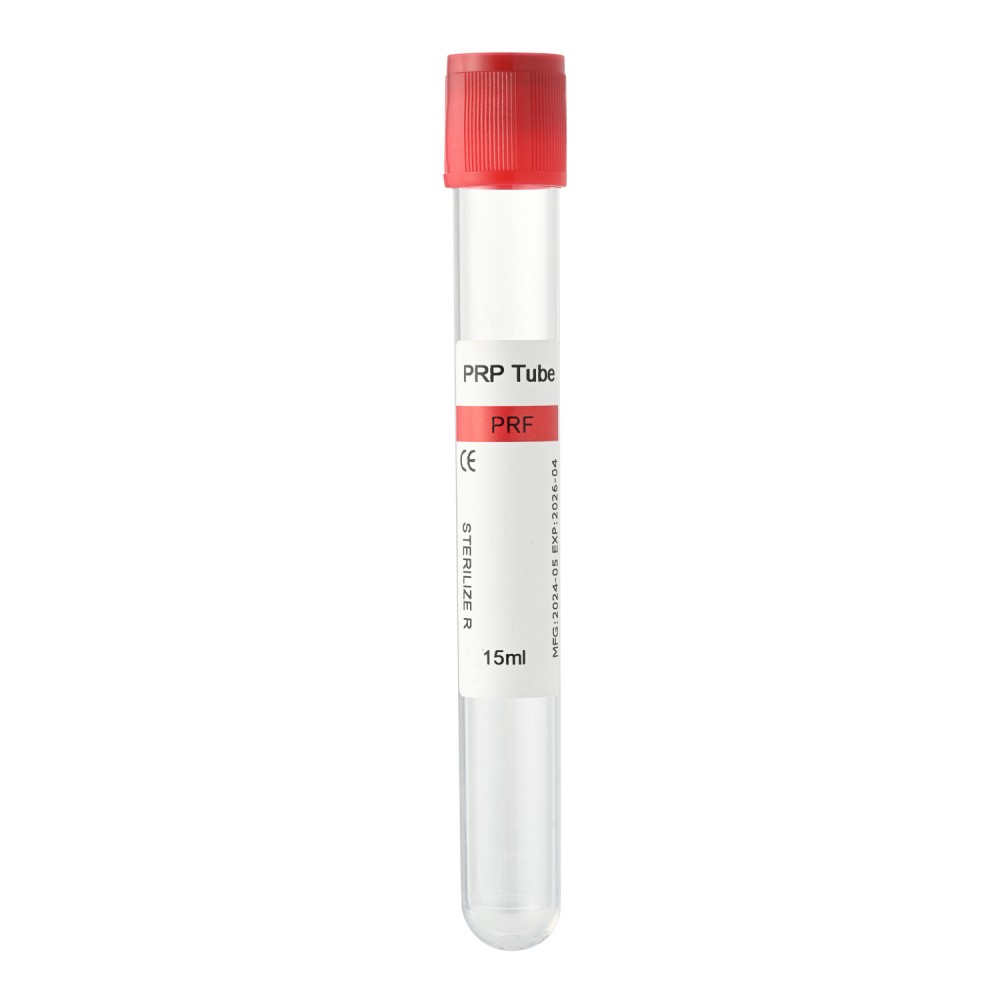
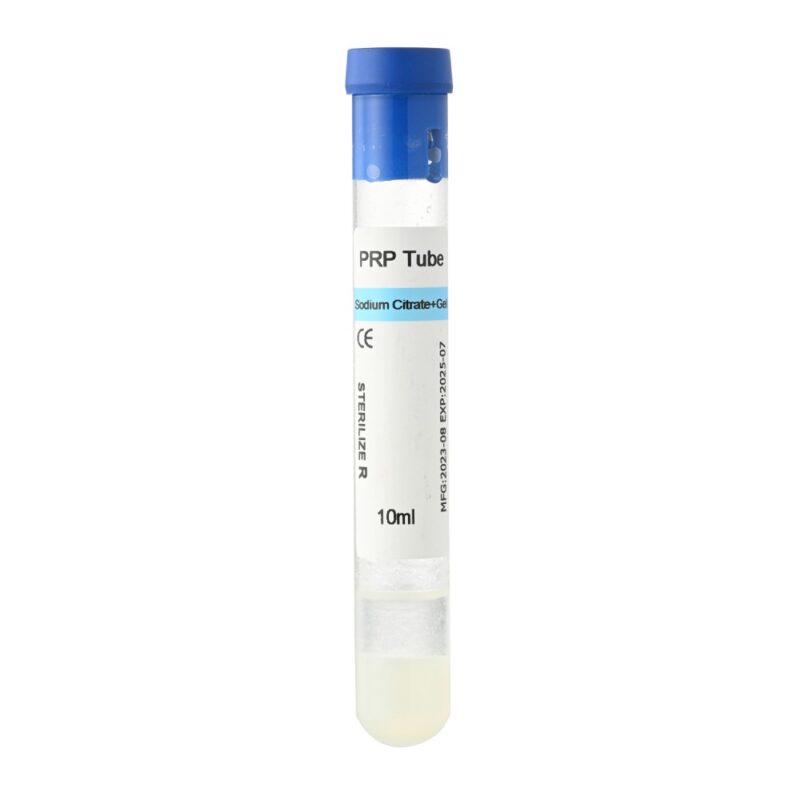
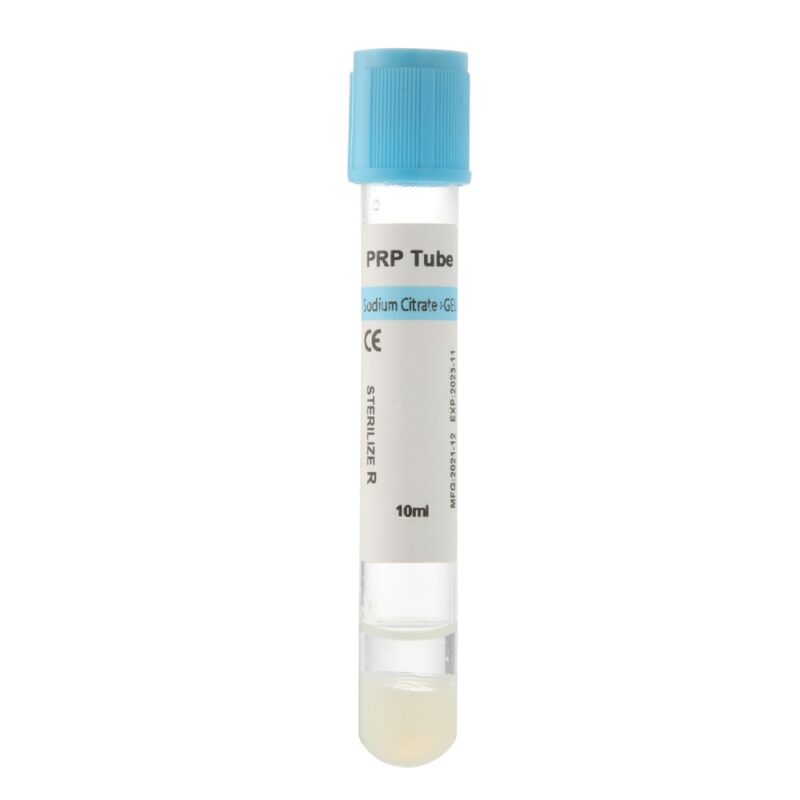
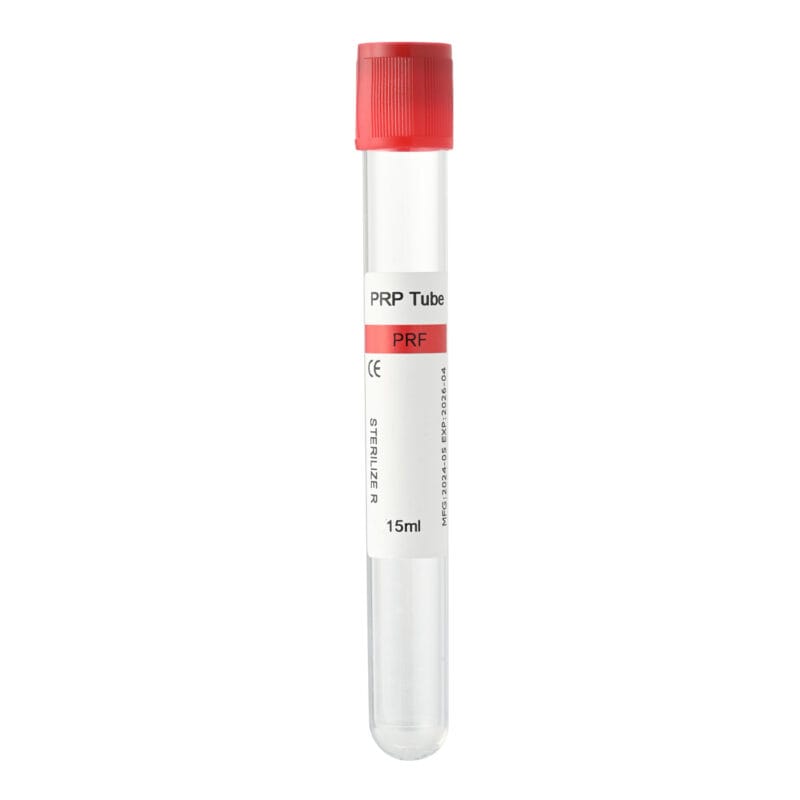
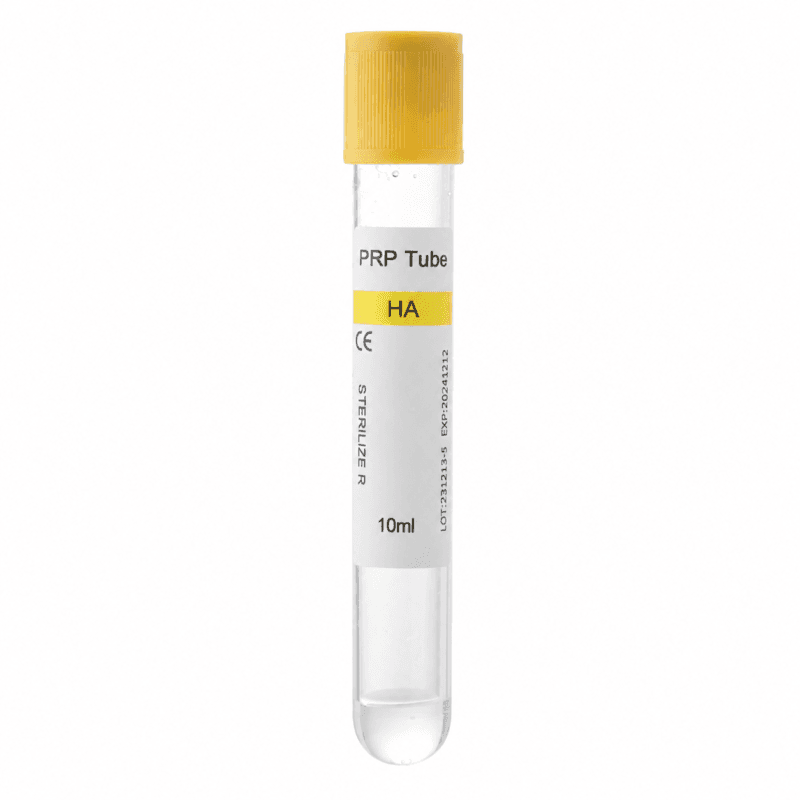
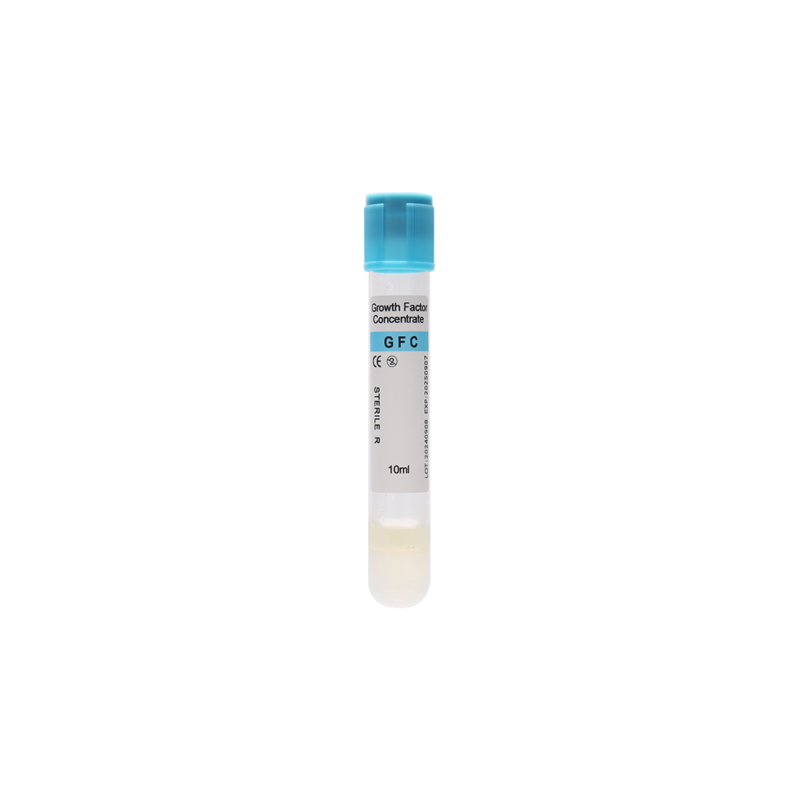
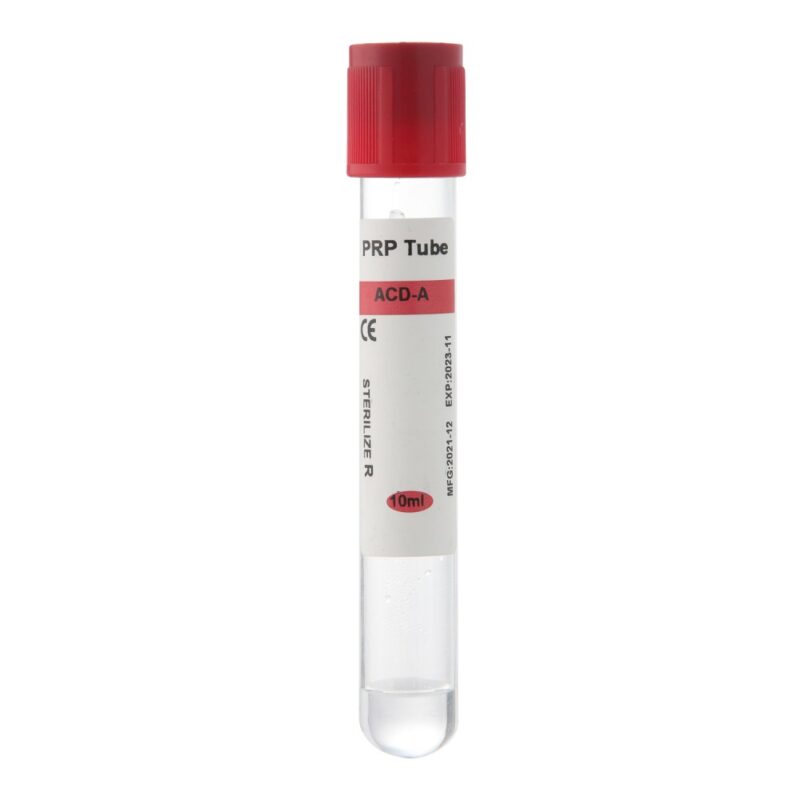
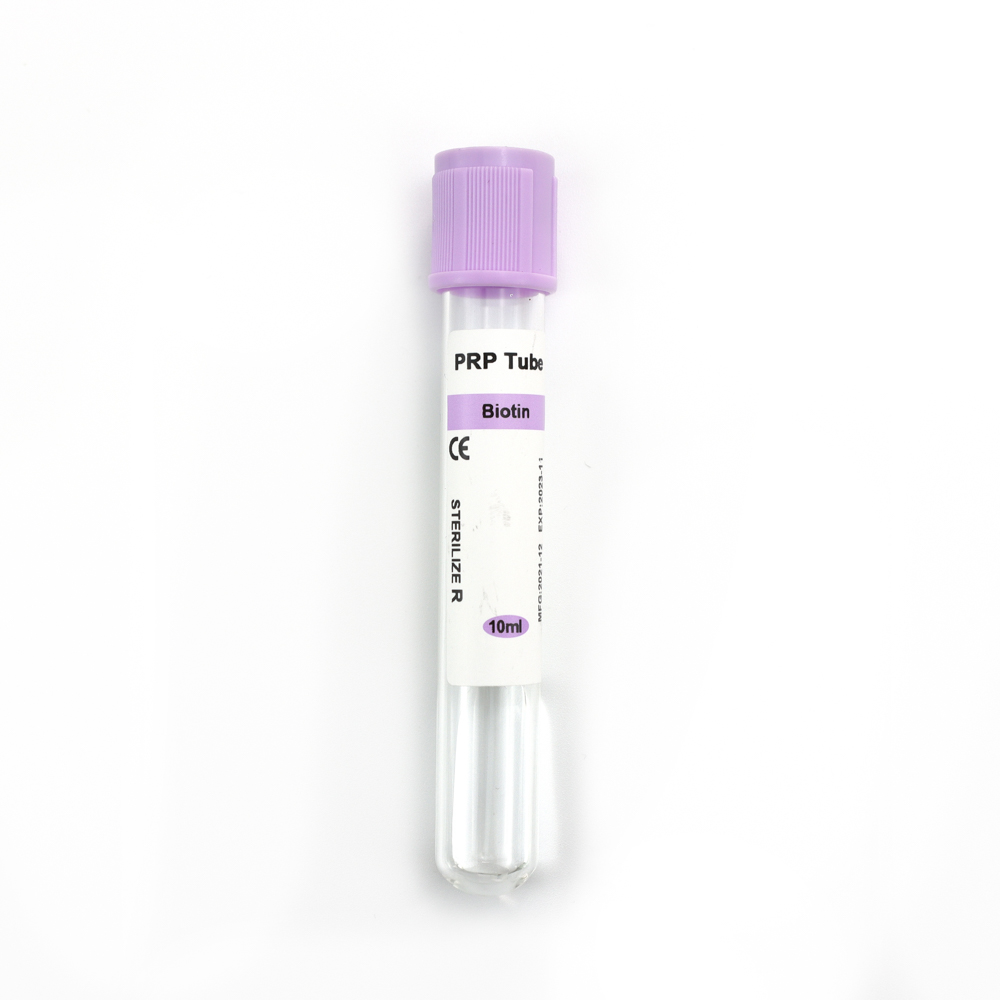
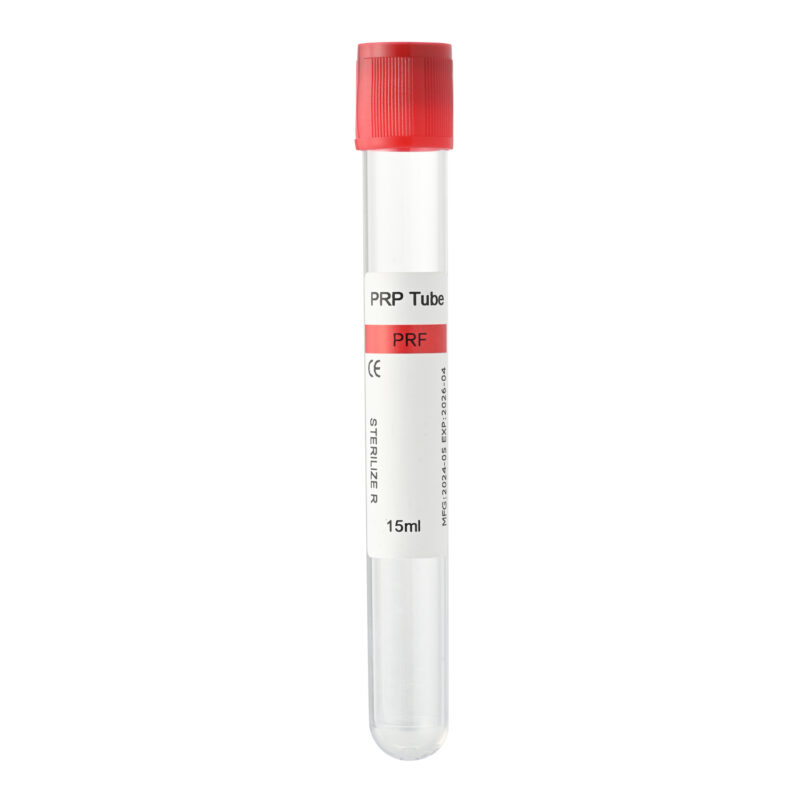
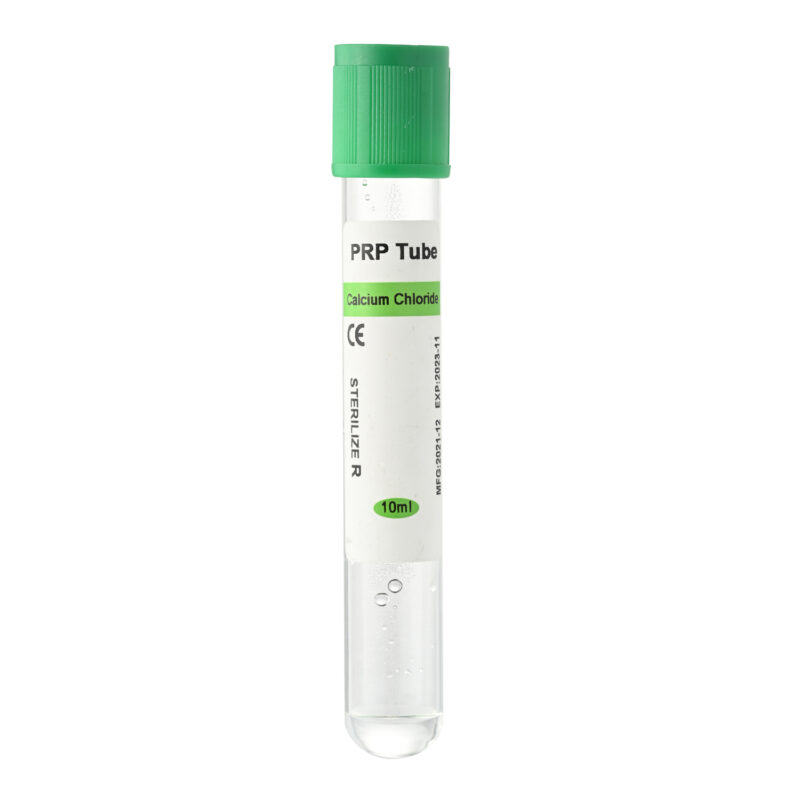
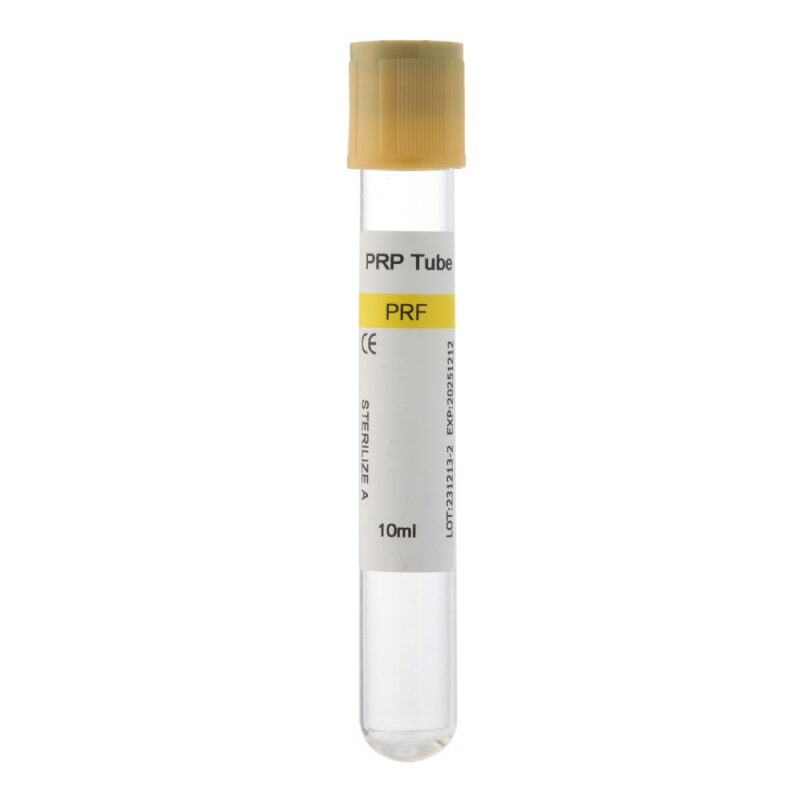
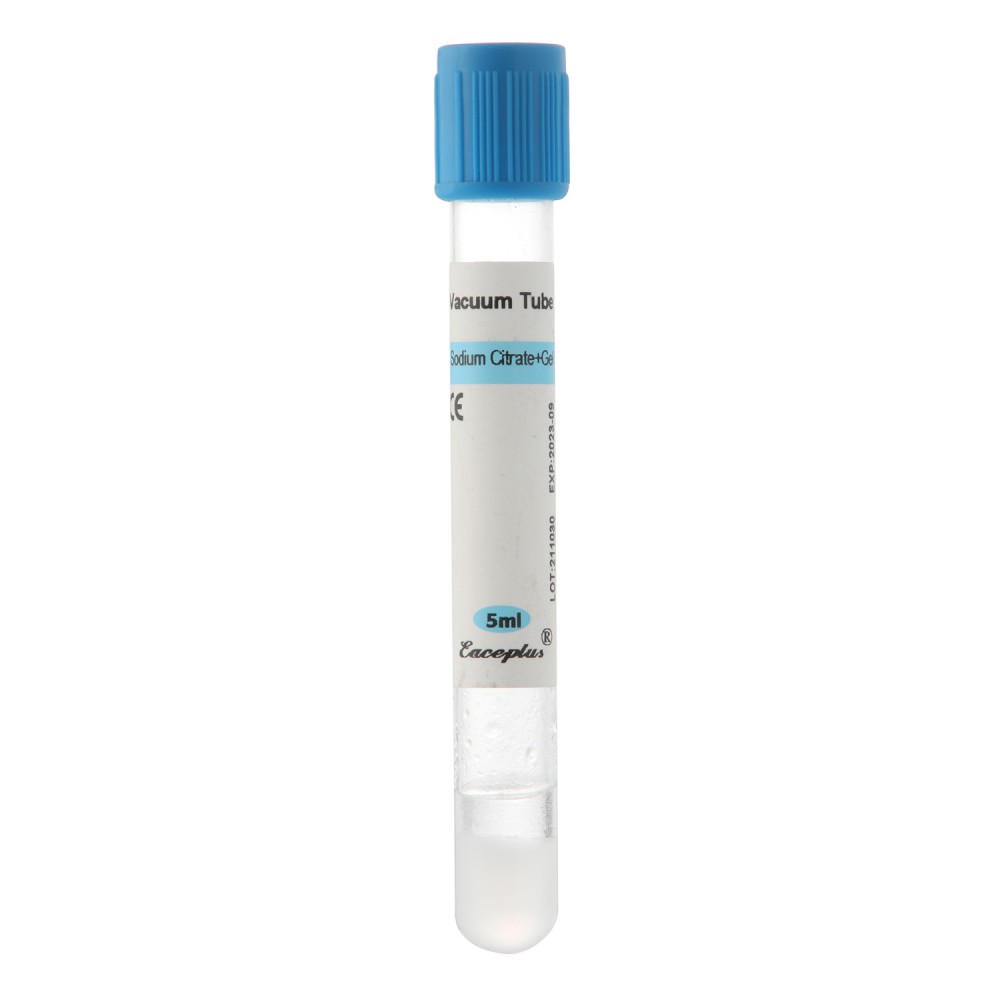
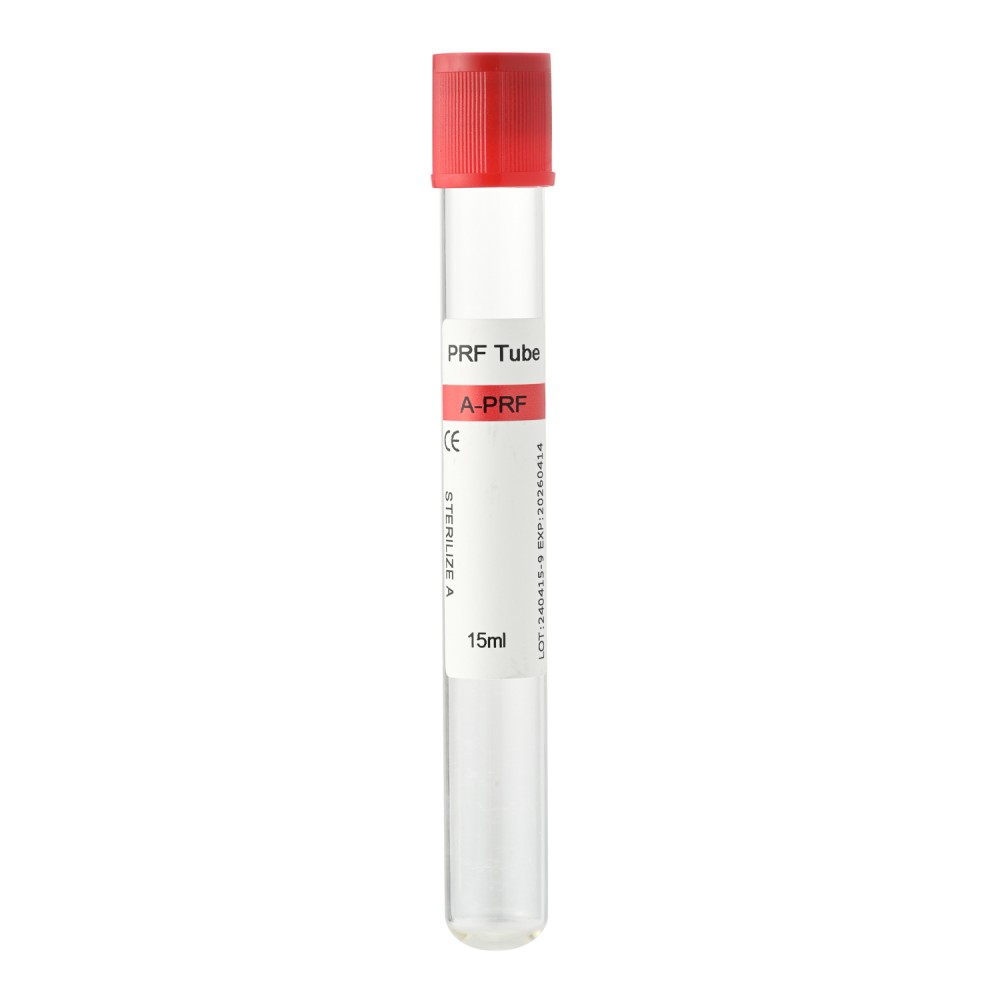
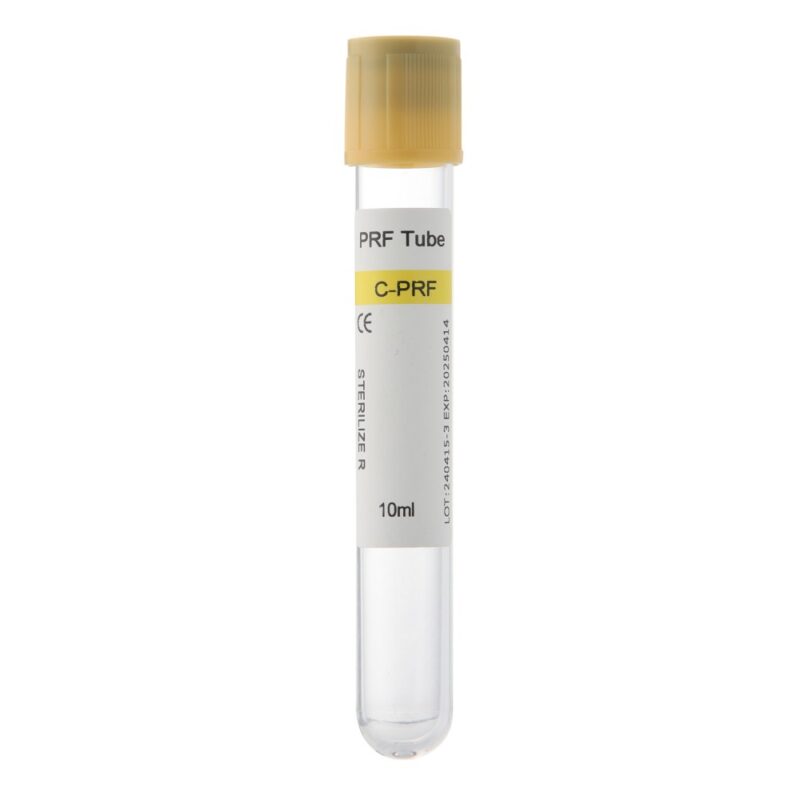
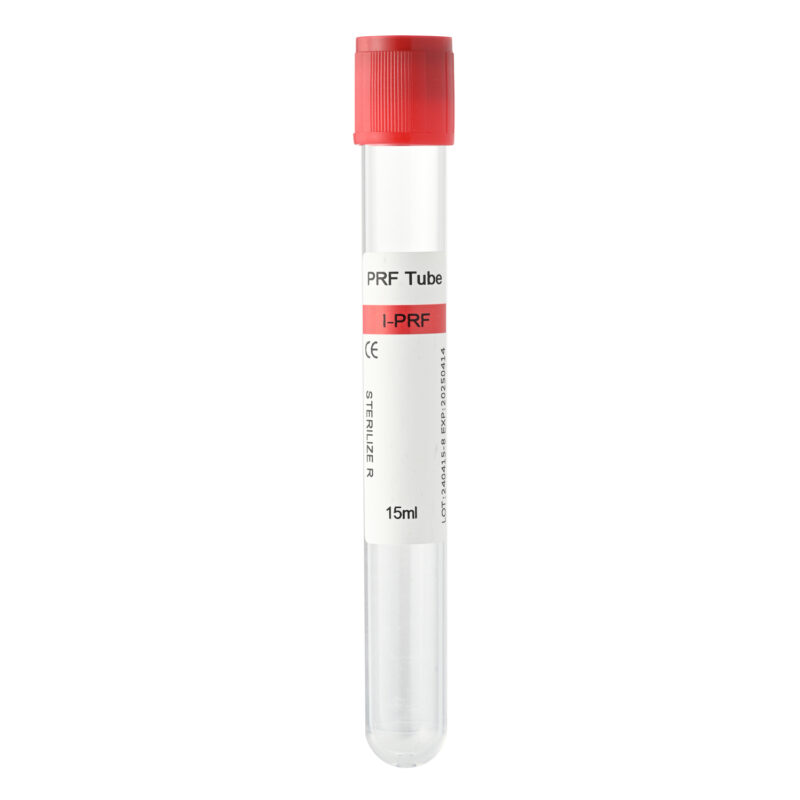
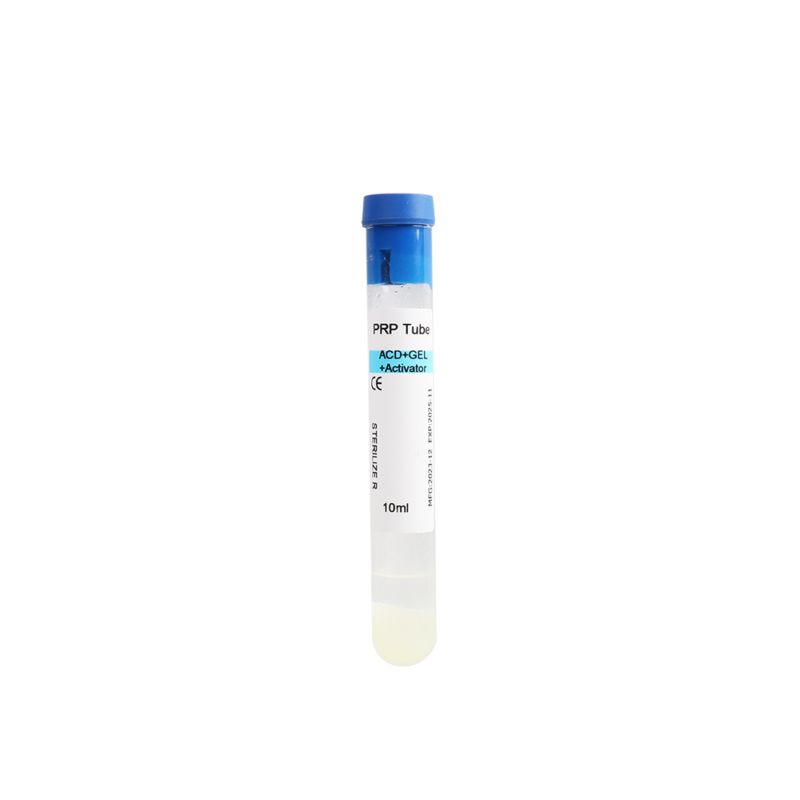
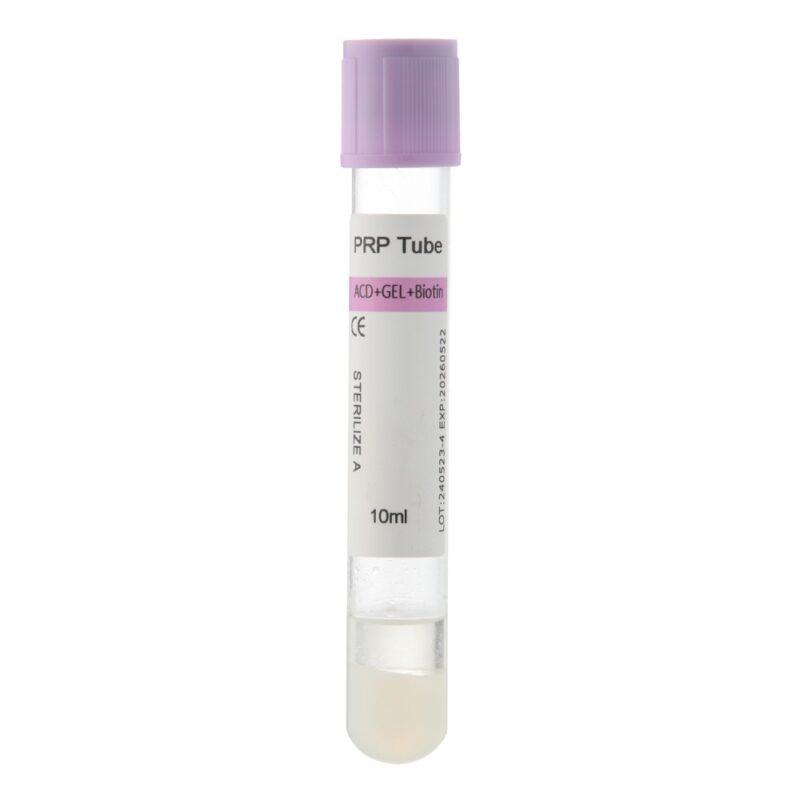
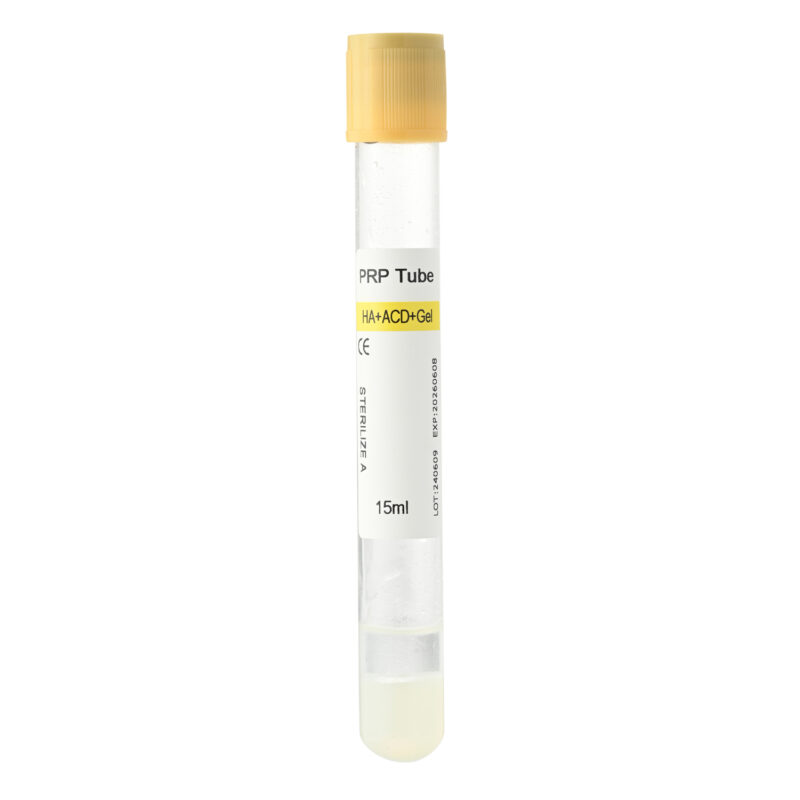
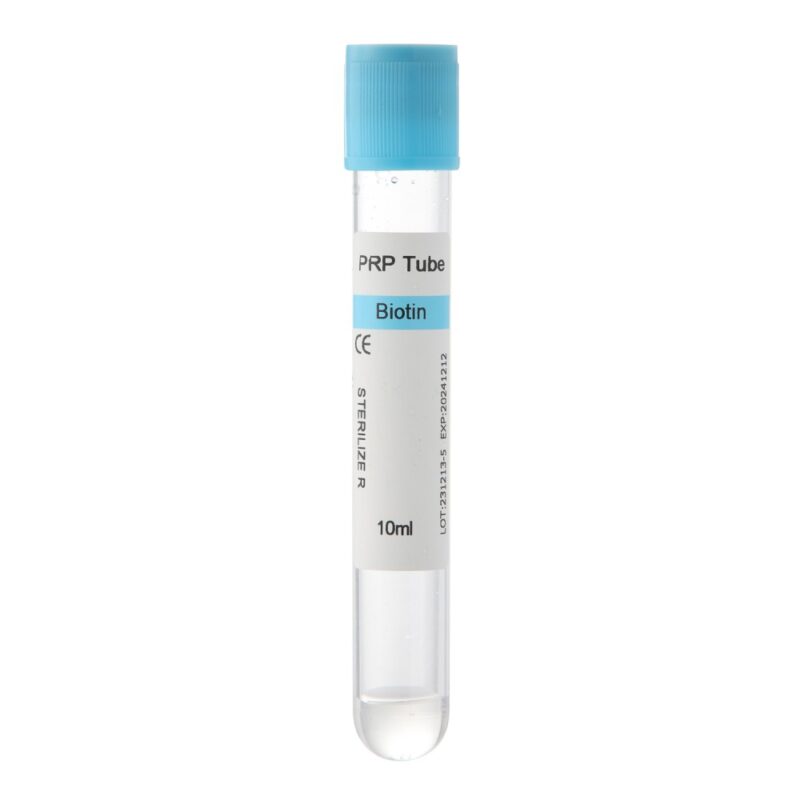
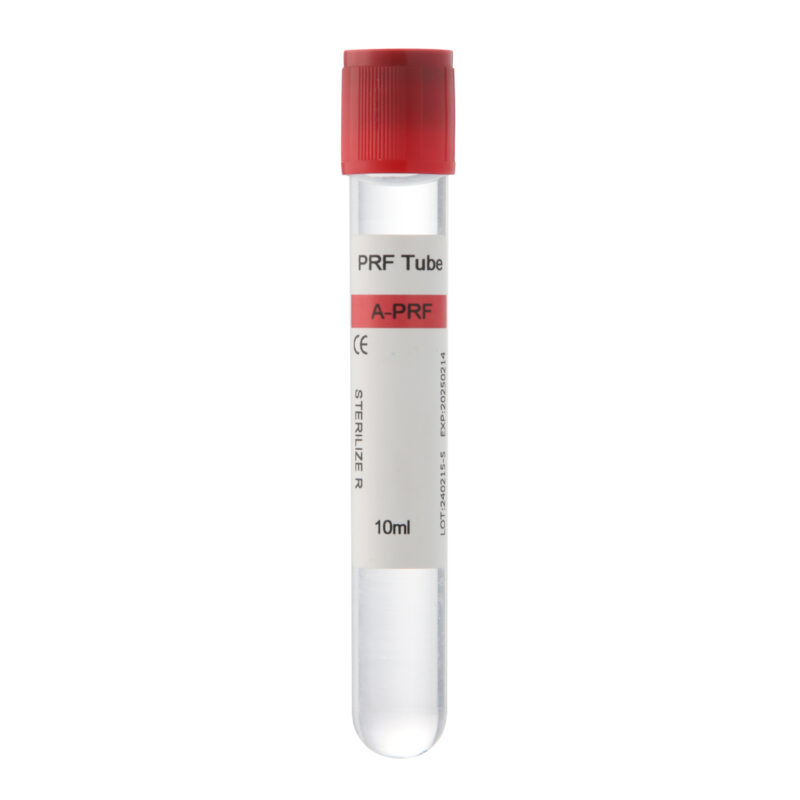
For example, systems like:
They are designed to improve separation efficiency and platelet preservation.
If the preparation is inconsistent:
- Platelet yield drops.
- Growth factor release becomes unstable.
- Clinical outcomes become unpredictable.
This is why many clinics are now focusing not just on PRP therapy, but on standardizing the tools behind it.
If you’re evaluating reliable PRP preparation solutions, you can explore options or contact Siny PRP for detailed specifications and technical support.
PRP Treatment Process for Meniscus Tears
A typical PRP procedure follows these steps:
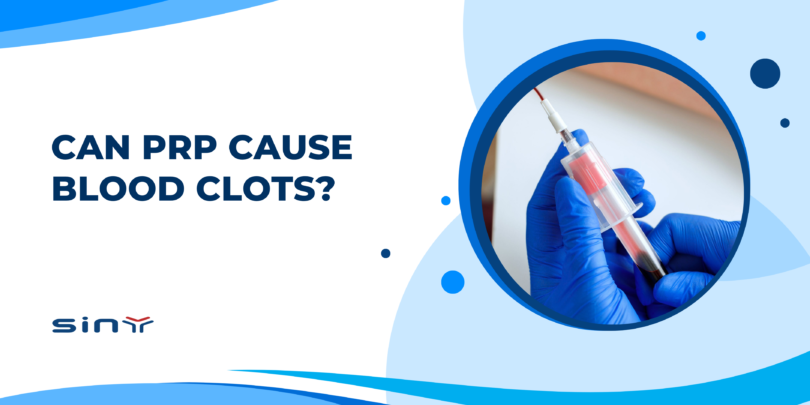
- Blood collection
- Centrifugation using specialized PRP tubes
- Isolation of platelet-rich plasma
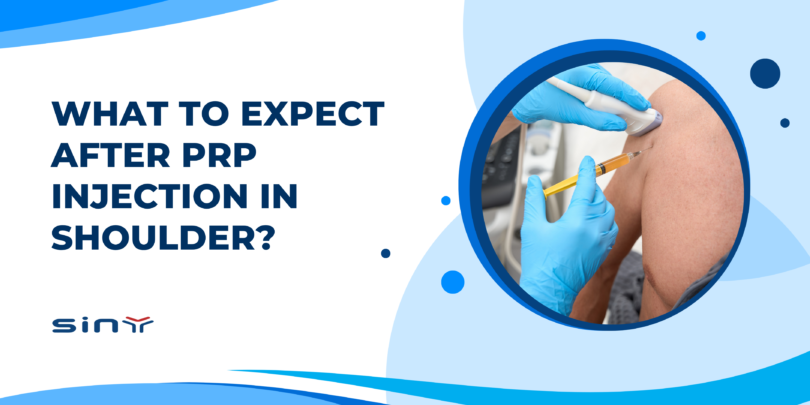
- Injection into the knee joint
The entire process usually takes under an hour.
Patients may require:
- 1–3 sessions
- Several weeks between treatments
Recovery timelines vary, but many patients report improvement within 4–8 weeks.

Limitations and Realistic Expectations
While PRP shows promise, it is not a miracle solution.
Important limitations include:
- Not a replacement for surgery in severe tears.
- Results vary by patient age and health.
- Requires proper technique and equipment.
Clinics that fail to standardize PRP preparation often see inconsistent results—leading to skepticism about the therapy itself.
For clinics aiming to deliver stable outcomes, working with a consistent PRP system supplier such as Siny PRP can help reduce variability and improve treatment reliability.
FAQ: Can PRP Heal a Torn Meniscus?
1. Can PRP completely heal a torn meniscus?
Not always. It can support healing, especially in mild or outer-zone tears, but severe cases may still require surgery.
2. How long does PRP take to work?
Most patients begin noticing improvement within 4–8 weeks, depending on the severity of the injury.
3. Is PRP better than surgery?
PRP is less invasive and suitable for early-stage injuries. Surgery is still necessary for complex tears.
4. How many PRP injections are needed?
Typically 1–3 sessions, depending on the treatment plan.
5. Does PRP quality affect results?
Yes—significantly. Poor platelet concentration or unstable preparation can reduce effectiveness.
Final Thoughts
So, can PRP heal a torn meniscus?
It can play a valuable role—but only under the right conditions.
For clinics, the conversation should not stop at “Does PRP work?”
It should extend to: “Are we using the right system to make it work consistently?”
Because in PRP therapy, outcomes don’t just depend on biology—they depend on preparation quality.
If you’re looking to optimize your PRP procedures or sourcing reliable PRP tubes, reaching out to Siny PRP for tailored solutions and technical support is a practical next step.