When people ask what is the purpose of PRP treatment, they are usually looking for more than a simple definition. They want to understand why it works, where it applies, and whether it delivers consistent results in real clinical settings.
Platelet-Rich Plasma (PRP) therapy has gained widespread attention across orthopedics, dermatology, and aesthetic medicine. However, its true purpose goes beyond “healing faster.” At its core, PRP is designed to enhance the body’s natural regenerative capacity by concentrating biologically active components from blood.
For clinics, hospitals, and distributors evaluating PRP solutions, understanding its purpose is not only about treatment outcomes—it is also about choosing the right preparation system and consumables. If you’re exploring reliable PRP preparation solutions, you can also review different configurations available on the Siny PRP platform to compare options.
The Core Purpose of PRP Treatment: Stimulating Natural Regeneration
To fully understand what is the purpose of PRP treatment, we need to start with its biological foundation.
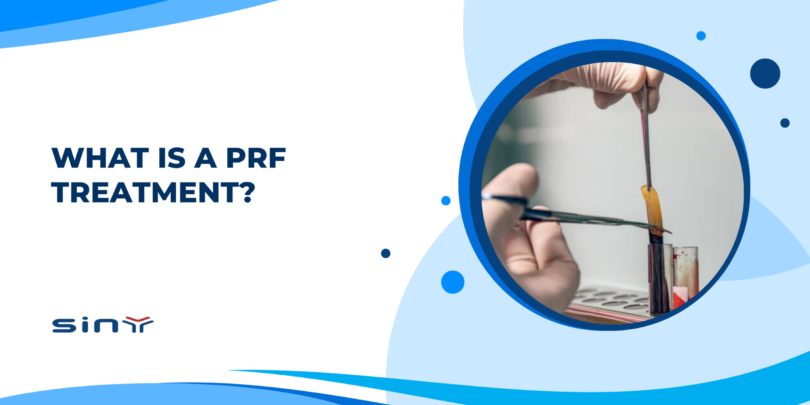
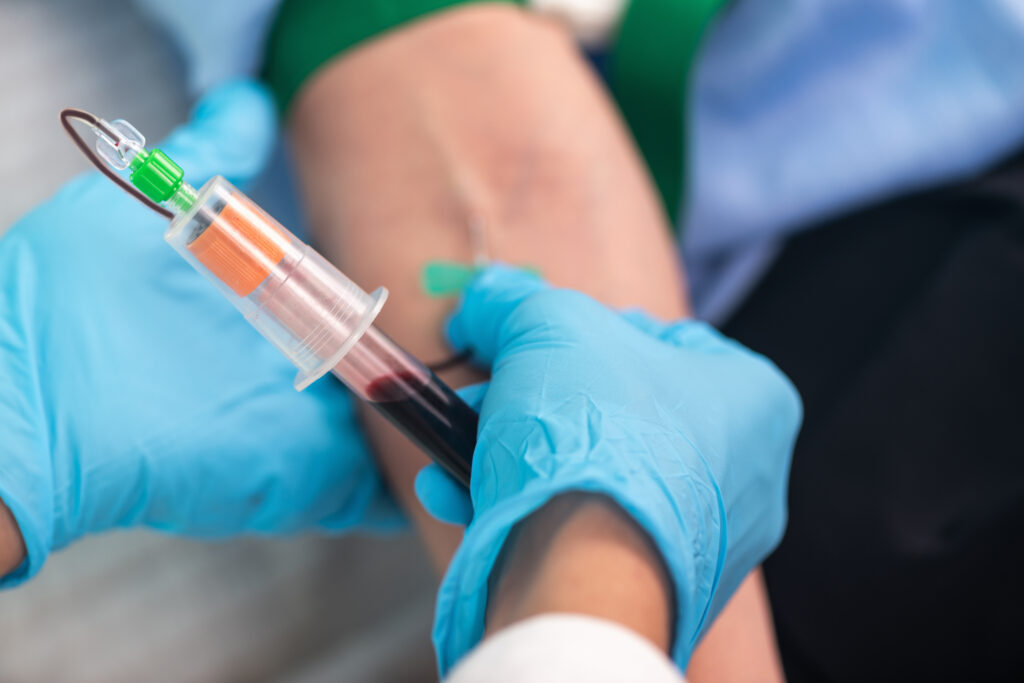
PRP is derived from the patient’s own blood through centrifugation. This process isolates and concentrates platelets, which are rich in growth factors such as:
- PDGF (Platelet-Derived Growth Factor)
- TGF-β (Transforming Growth Factor)
- VEGF (Vascular Endothelial Growth Factor)
These components play a critical role in:
- Cell proliferation
- Tissue repair
- Angiogenesis (new blood vessel formation)
The primary purpose of PRP treatment is therefore not to replace damaged tissue, but to activate and accelerate the body’s existing healing mechanisms.

Why PRP Treatment Is Used Across Multiple Medical Fields
Another way to understand what is the purpose of PRP treatment is to look at where it is used.
Despite different applications, the underlying goal remains consistent: enhancing tissue repair in a controlled, localized manner.
Common clinical uses include:
1. Hair Restoration (Trichology)
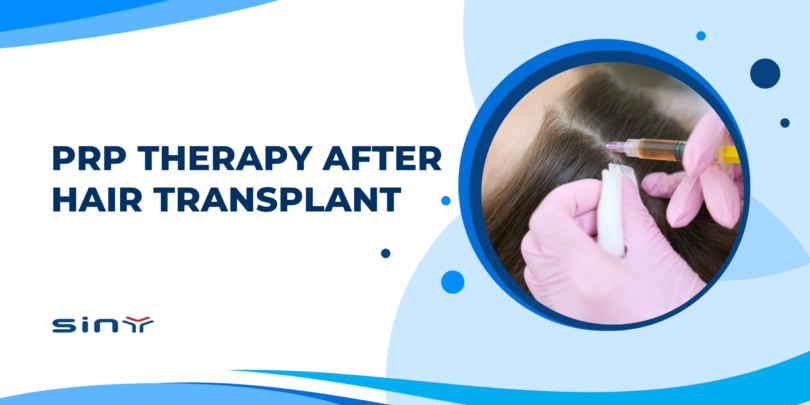
PRP is injected into the scalp to stimulate dormant hair follicles. Growth factors improve blood supply and cellular activity around follicles.
2. Orthopedic Treatments
Used in conditions like tendon injuries, osteoarthritis, and ligament damage. PRP helps reduce inflammation and supports tissue regeneration.
3. Aesthetic and Dermatology Procedures
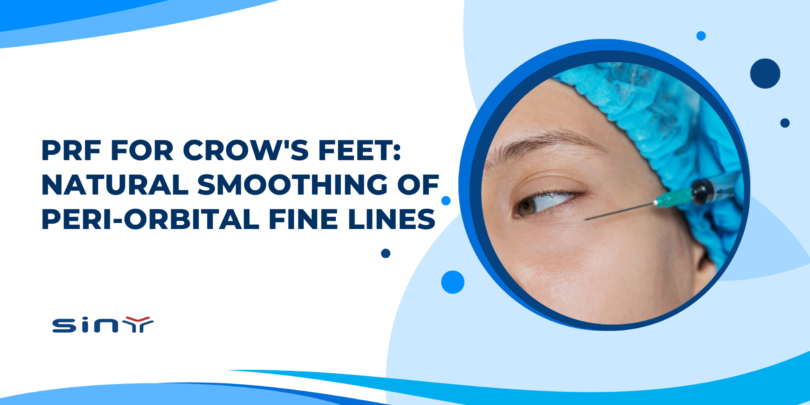
Often applied for skin rejuvenation, fine lines, and acne scars by promoting collagen production.
What’s important here is not just the variety of applications, but the consistency of the underlying mechanism. Regardless of the field, PRP aims to optimize the biological healing environment.
How PRP Preparation Directly Affects Its Purpose
Understanding what is the purpose of PRP treatment also requires looking at how PRP is prepared, because preparation quality directly determines therapeutic value.
Several factors influence PRP effectiveness:
- Platelet concentration level
- Separation efficiency
- Anticoagulant stability
- Gel barrier performance
Poor-quality preparation can lead to:
- Low platelet yield
- Premature activation
- Inconsistent results
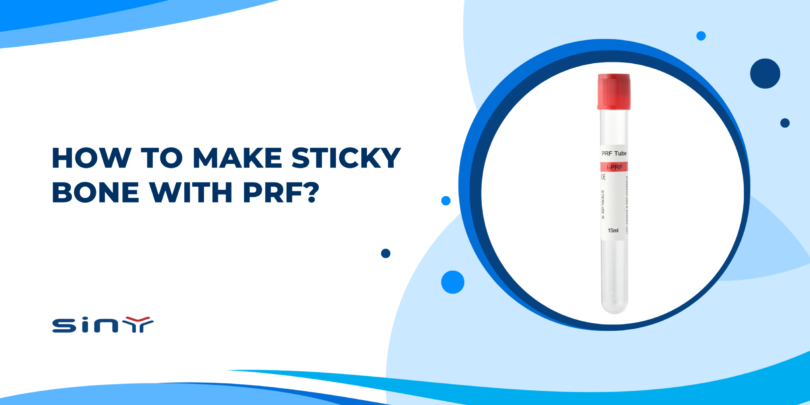
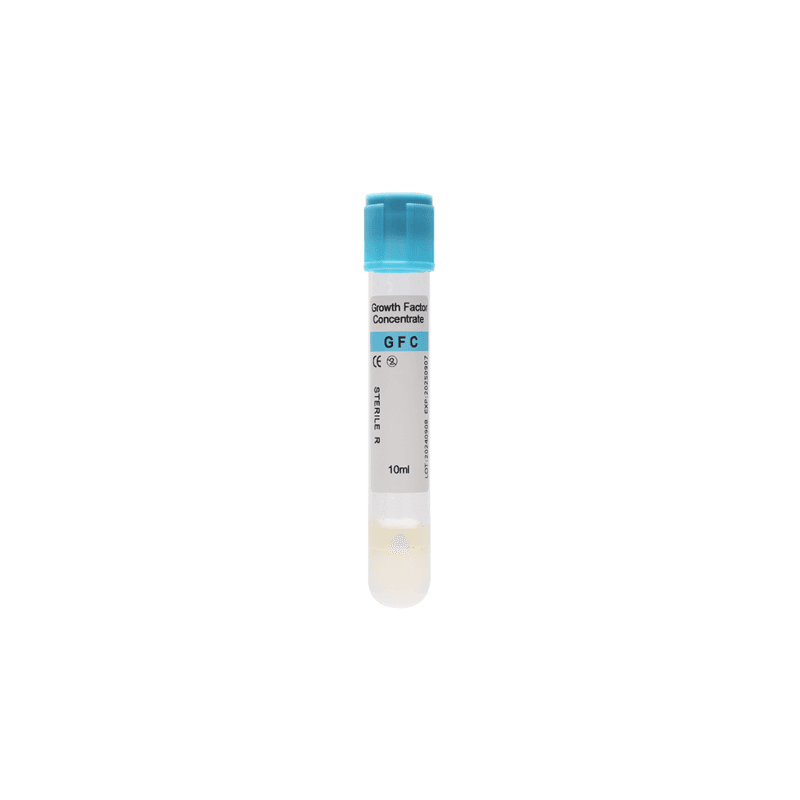
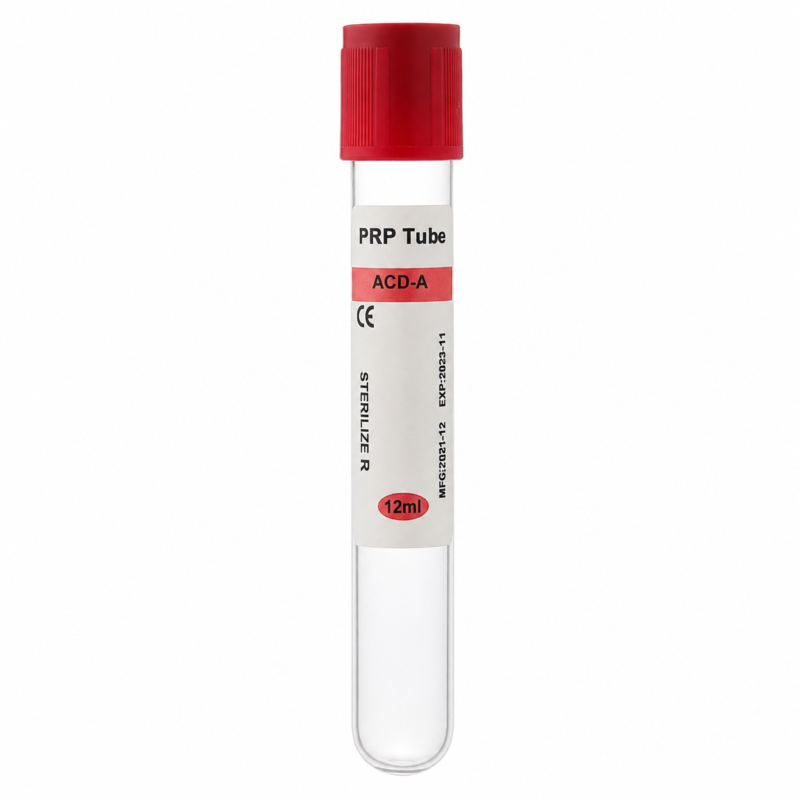
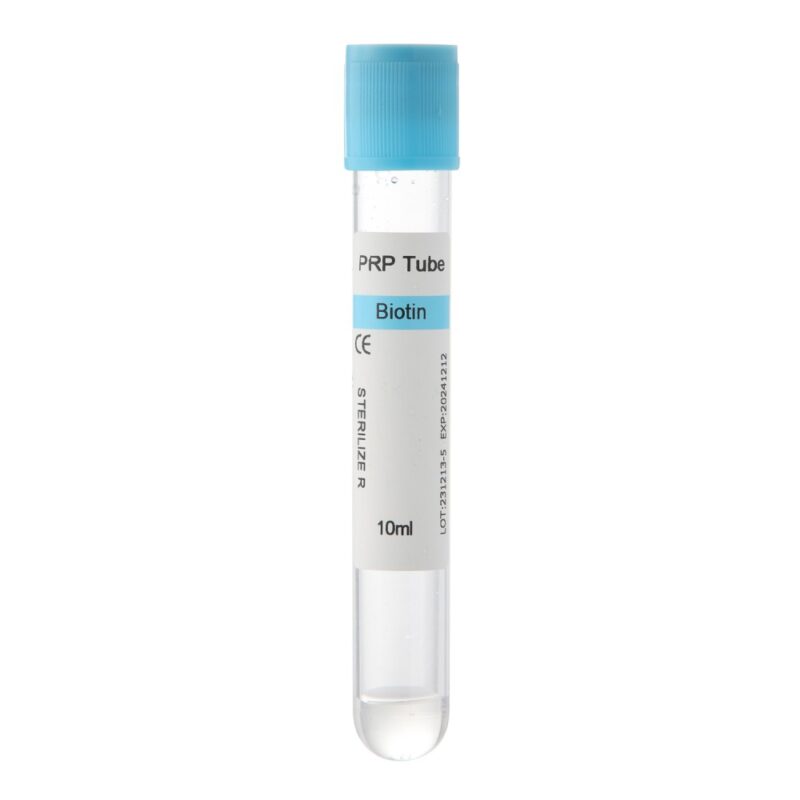
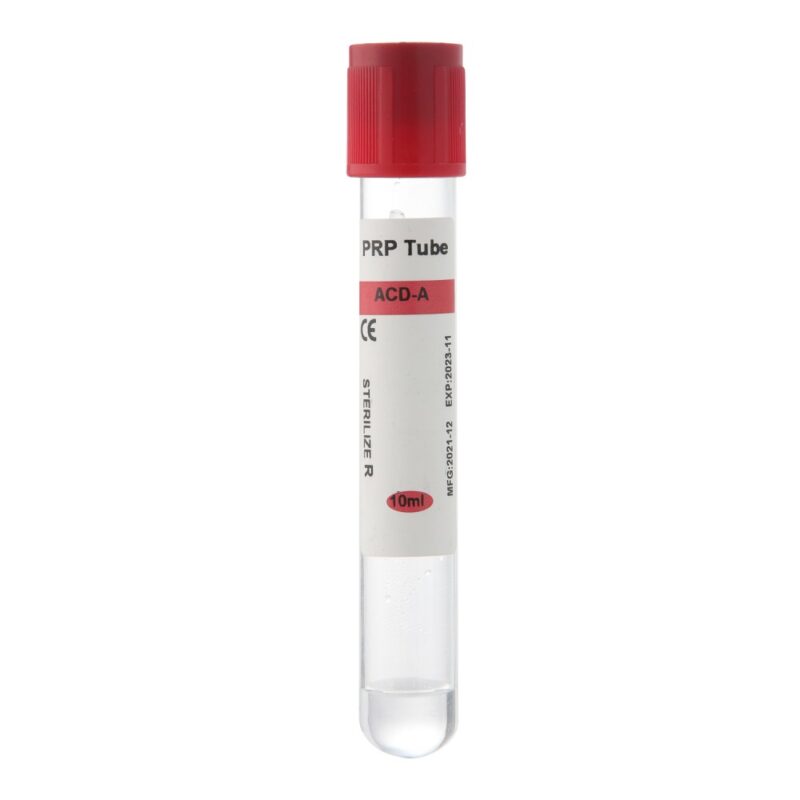
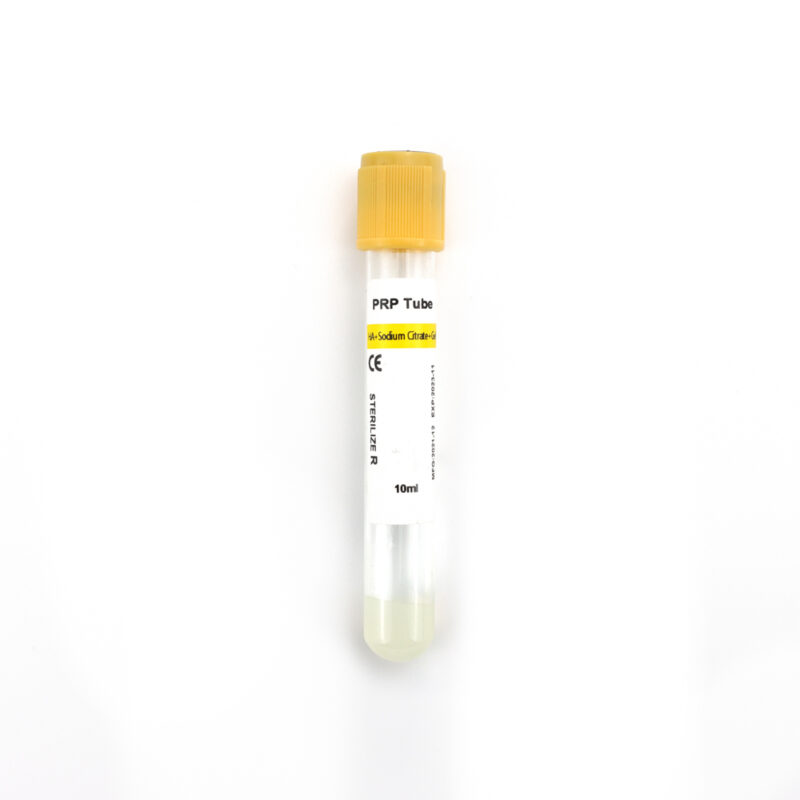
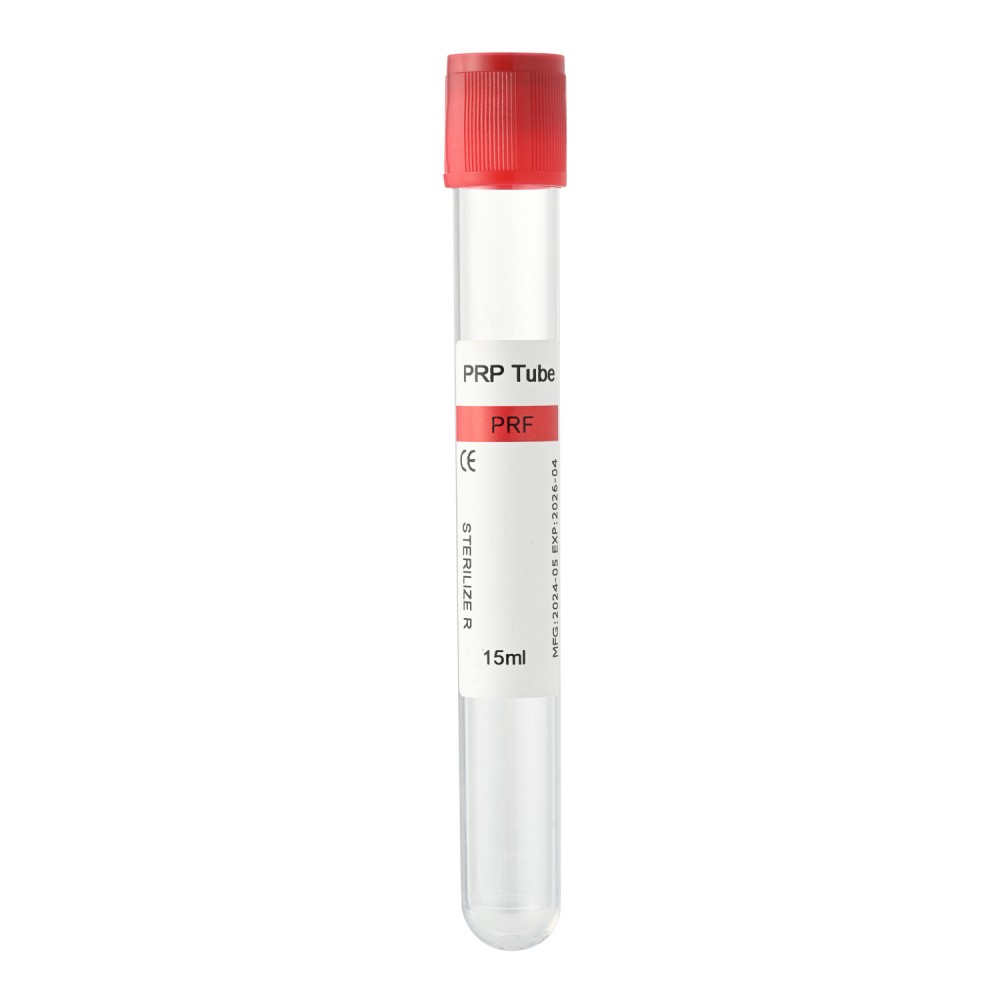
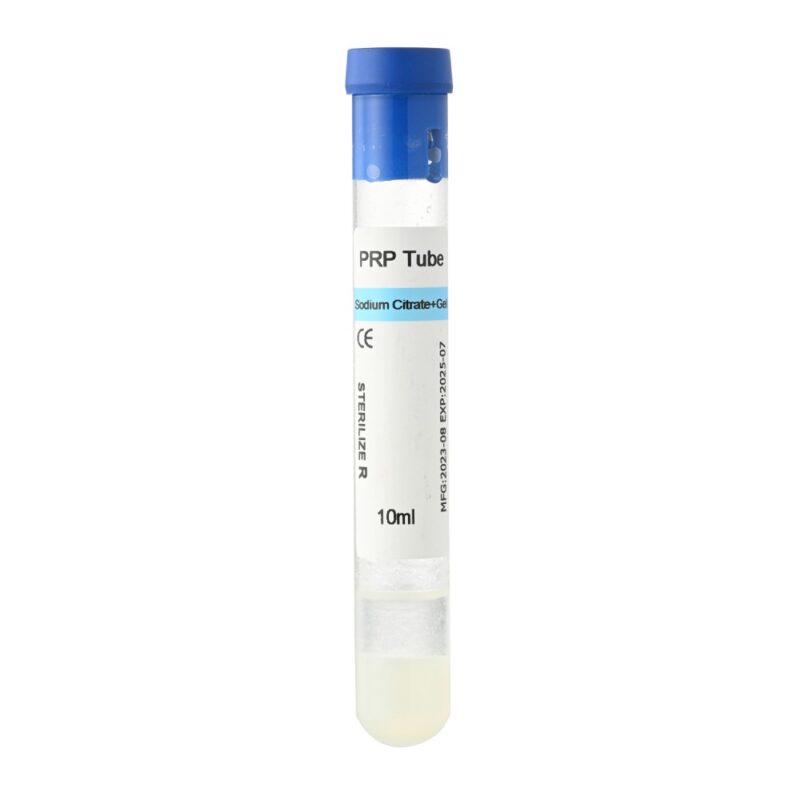
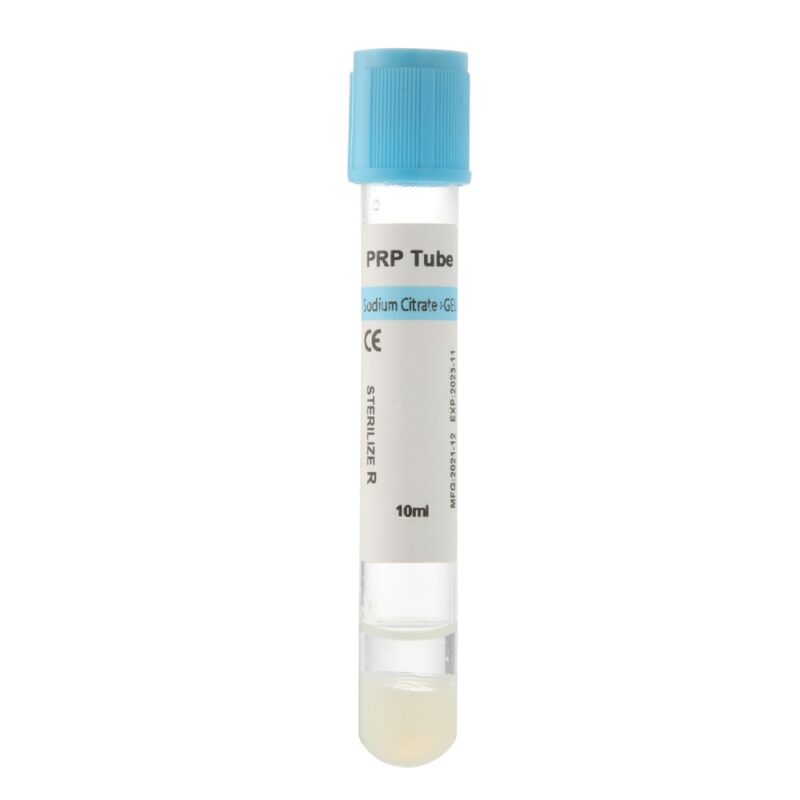
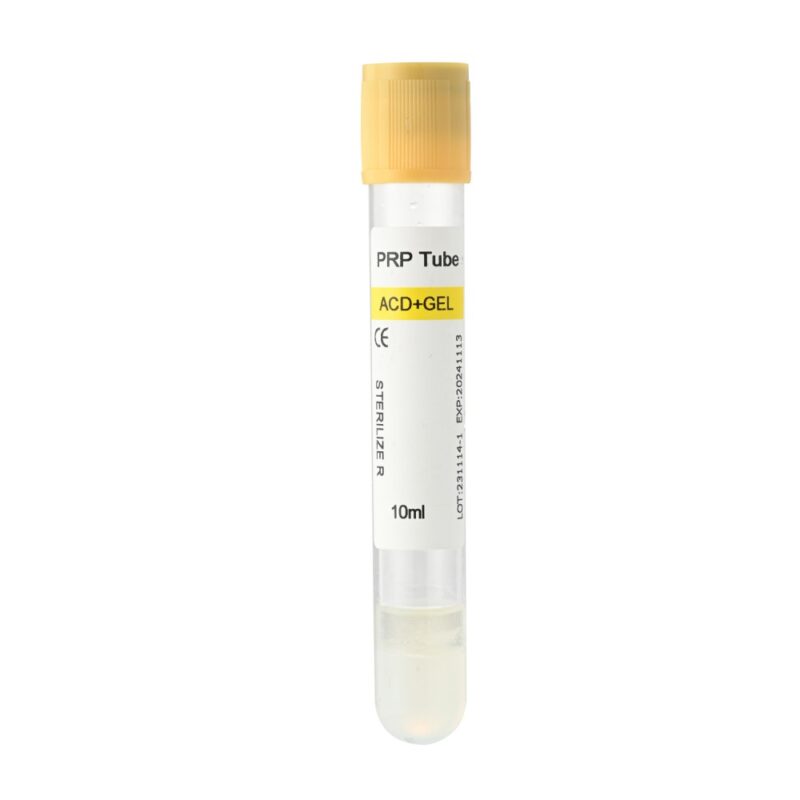
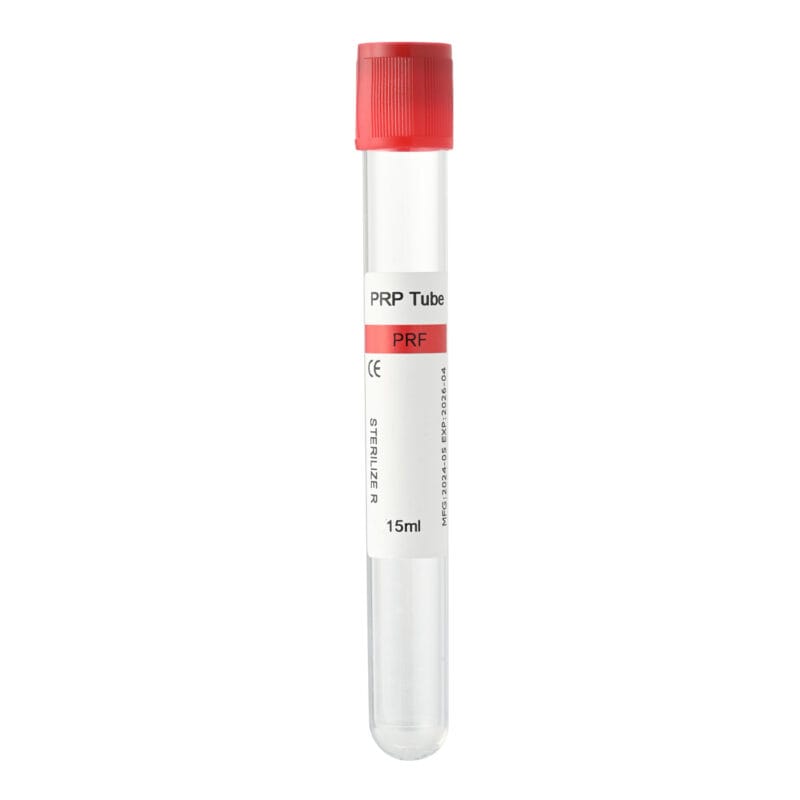
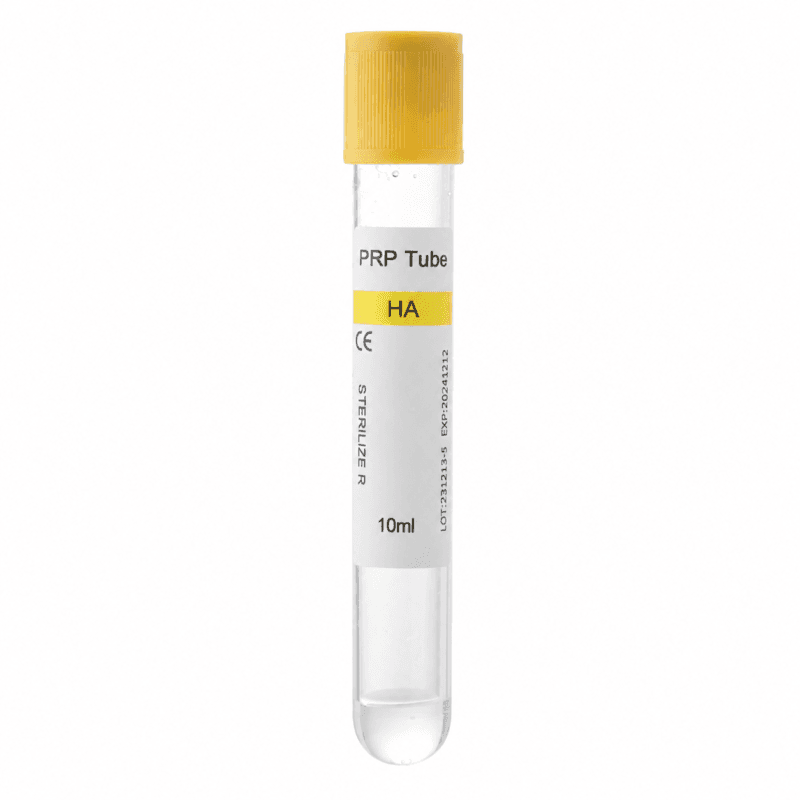
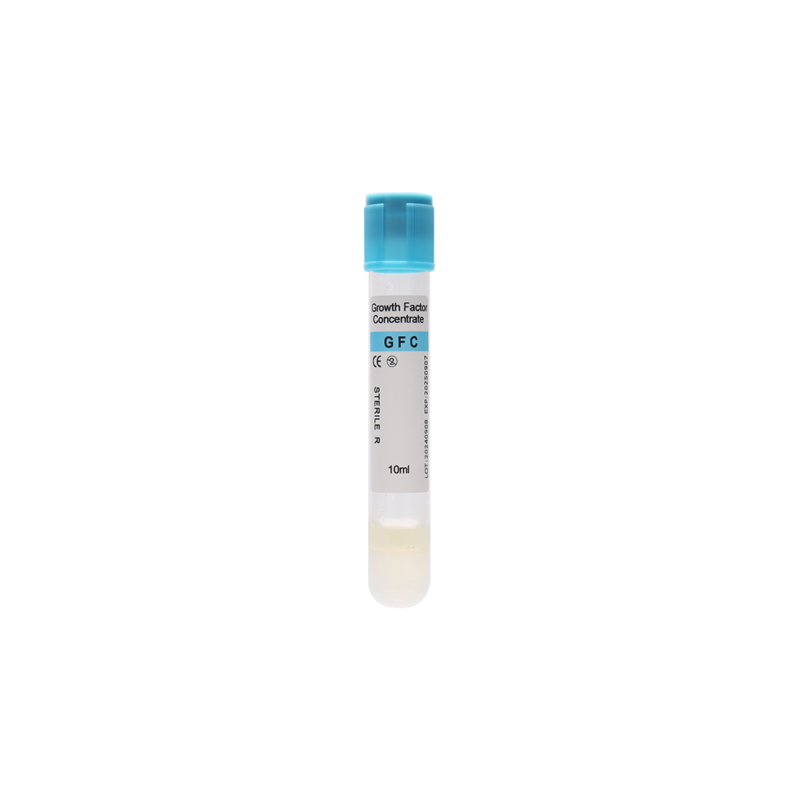
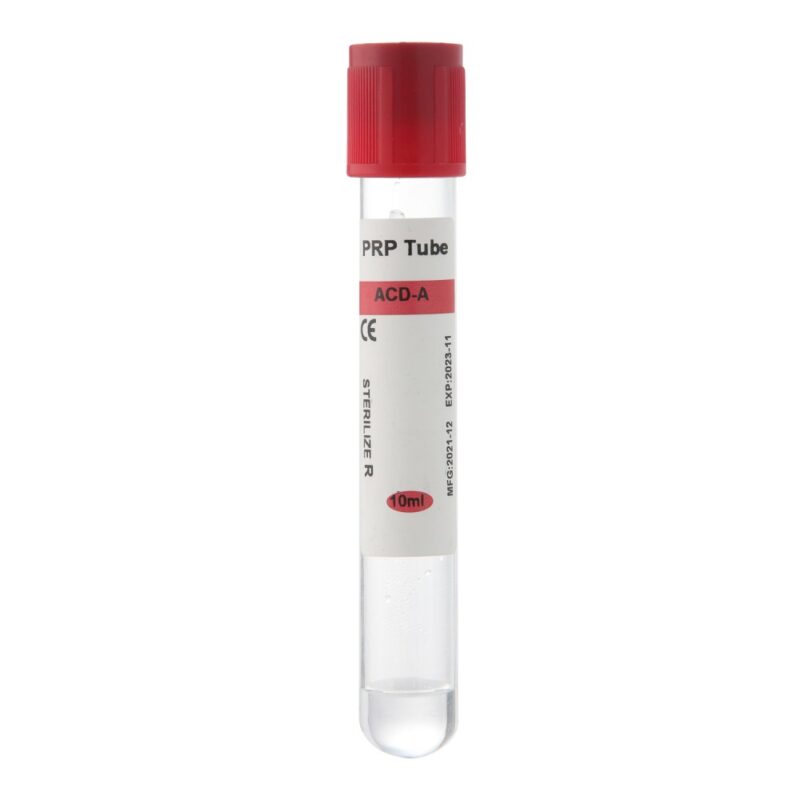
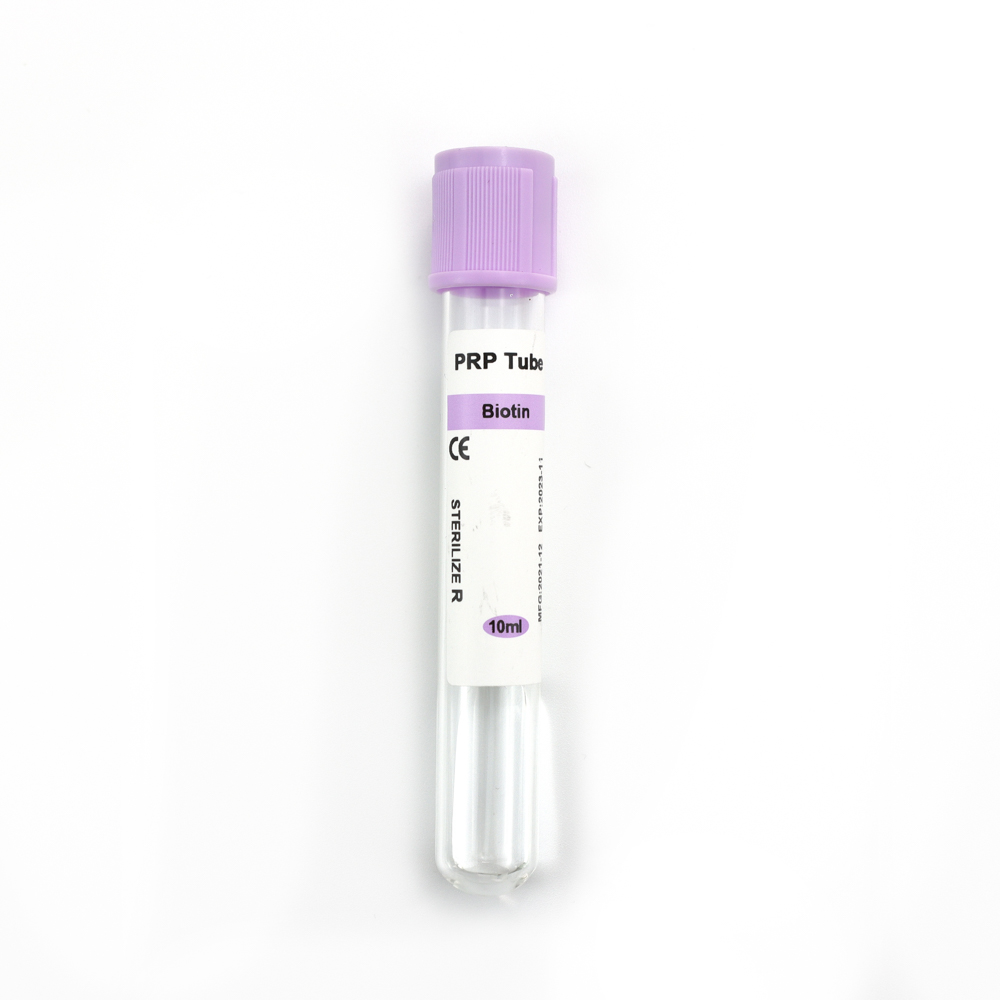
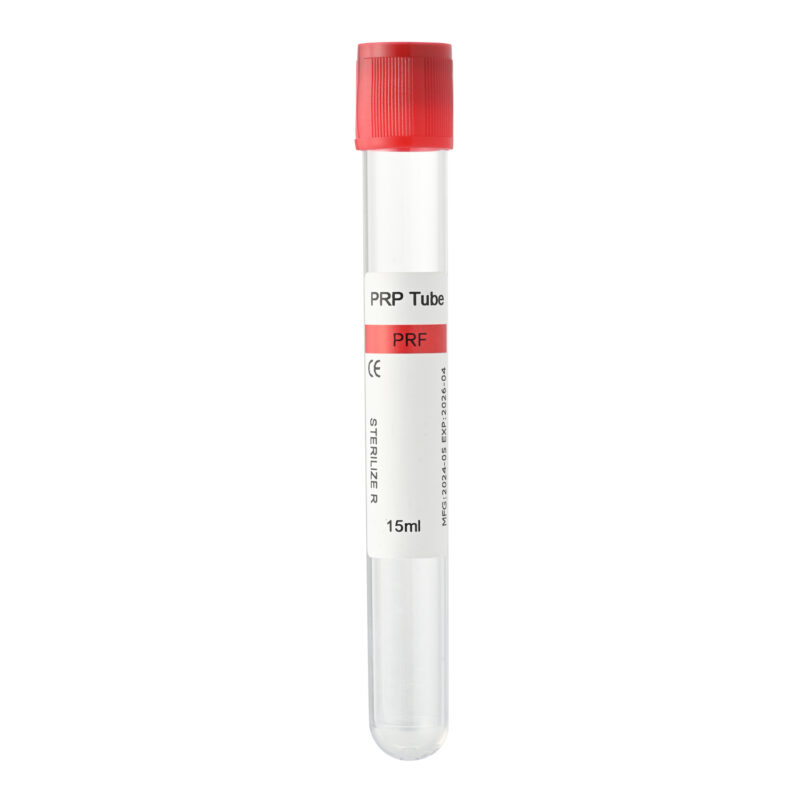
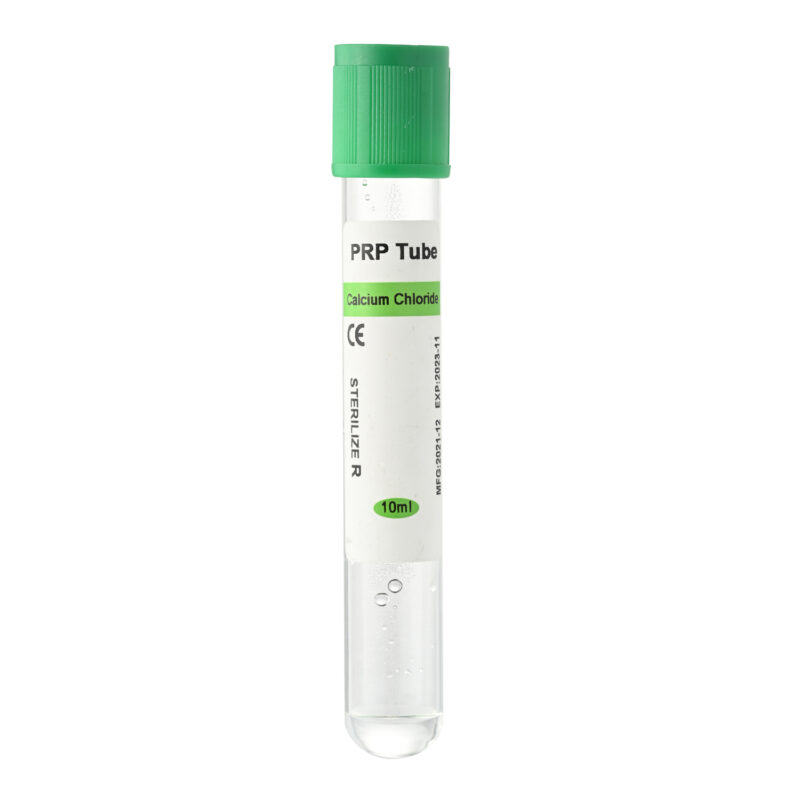
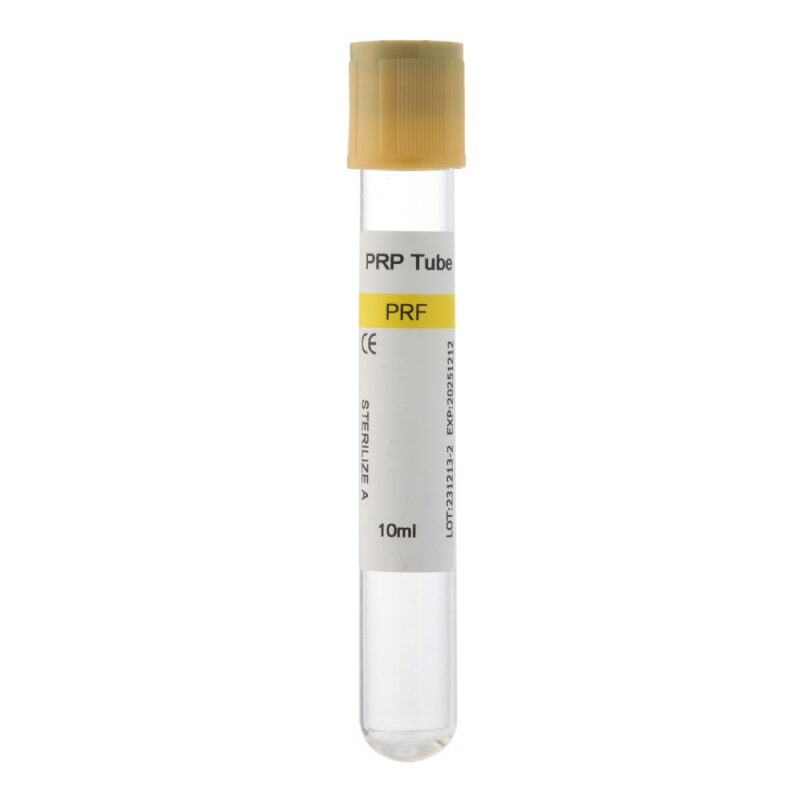
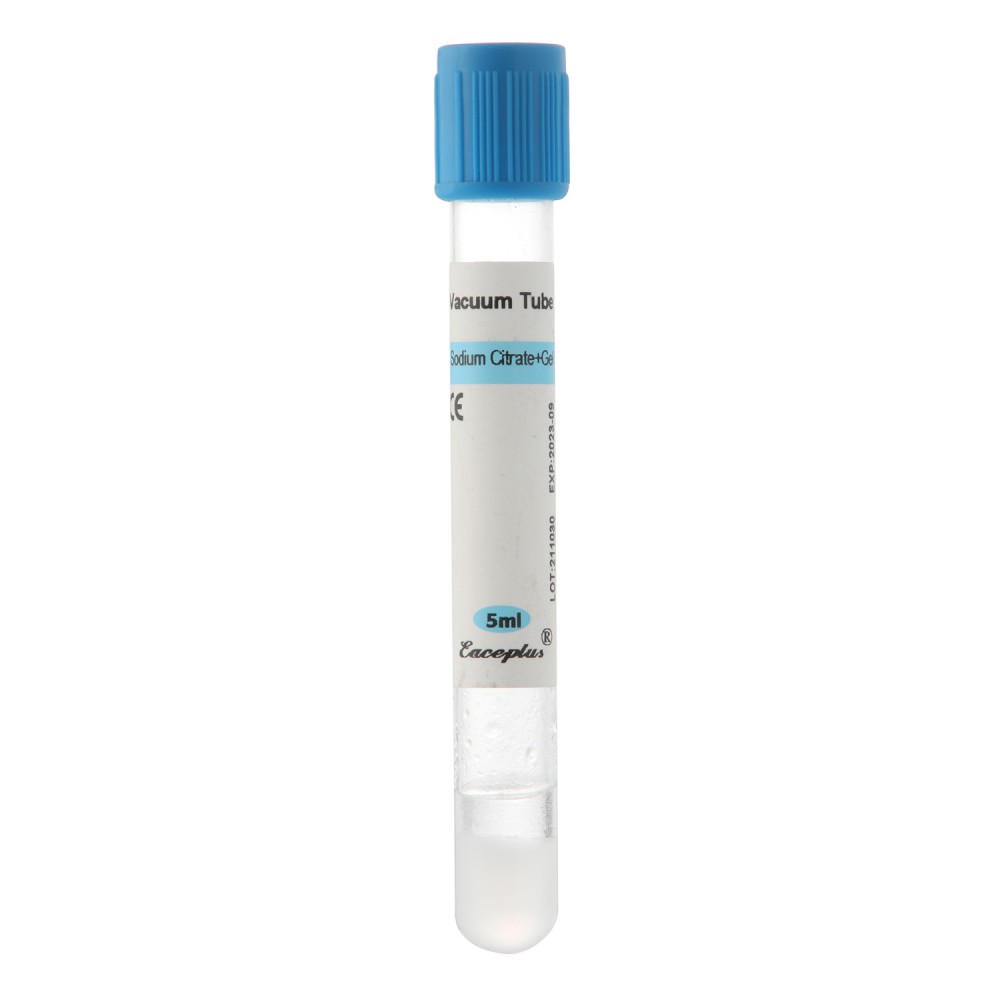
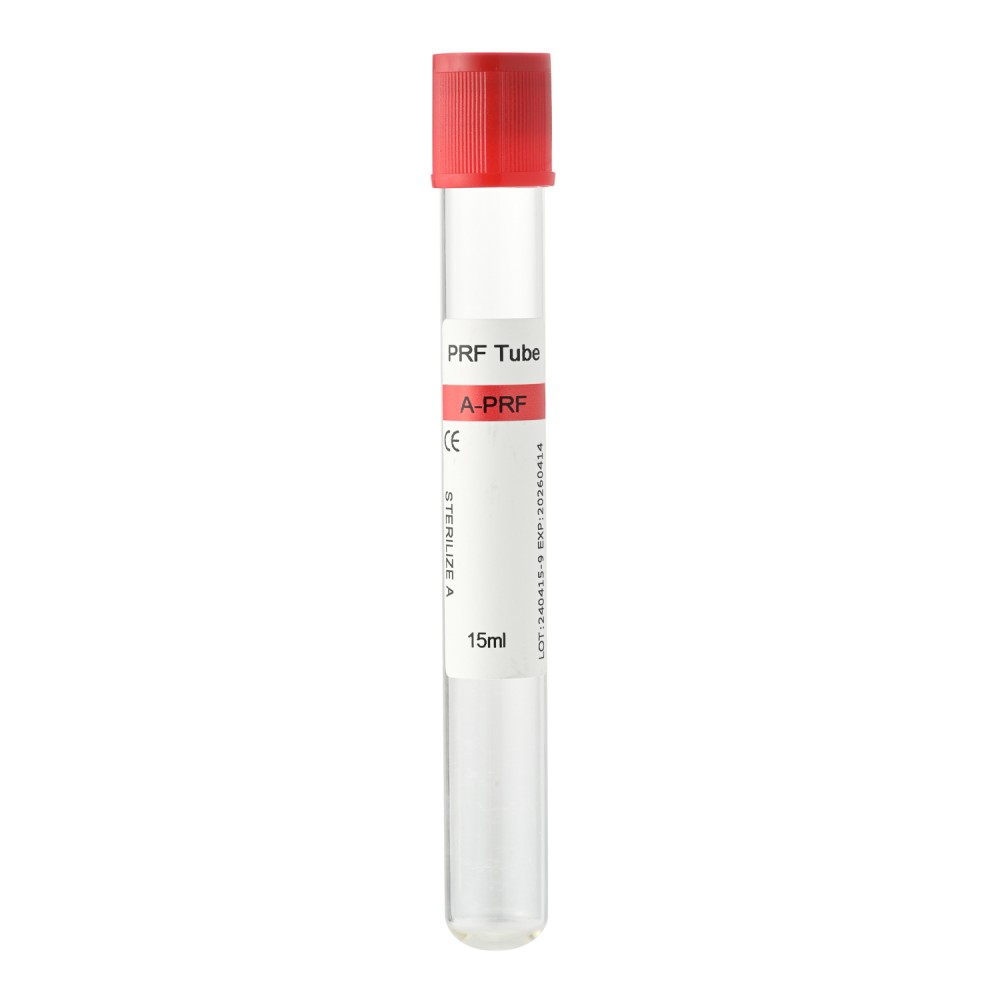
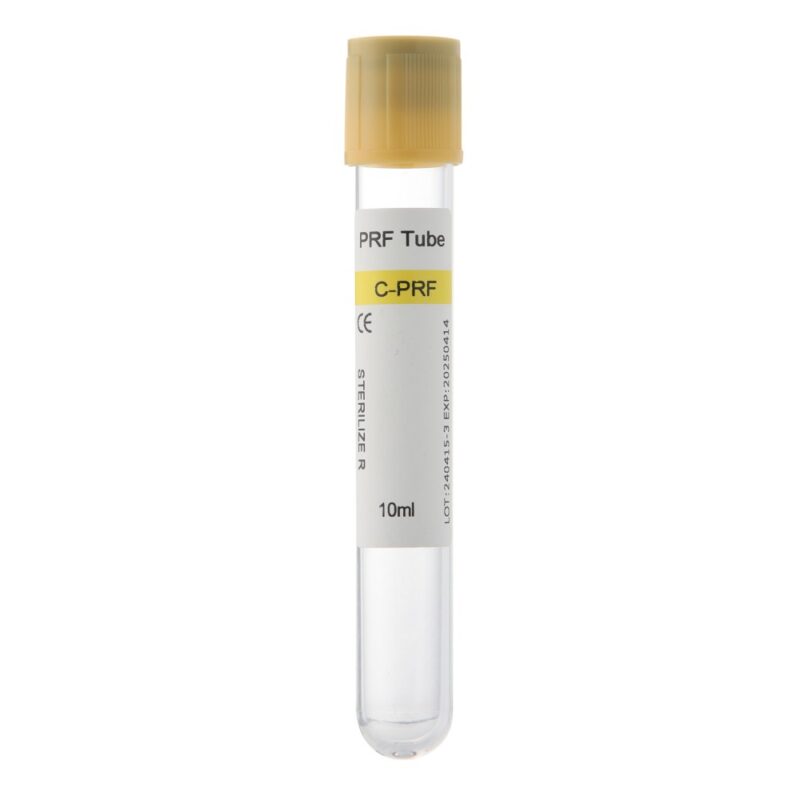
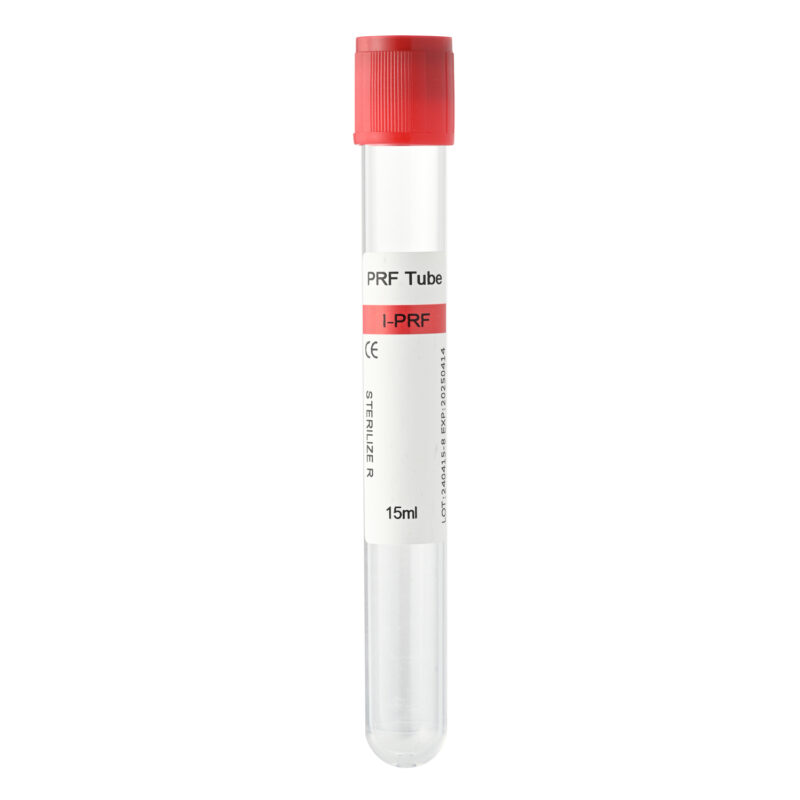
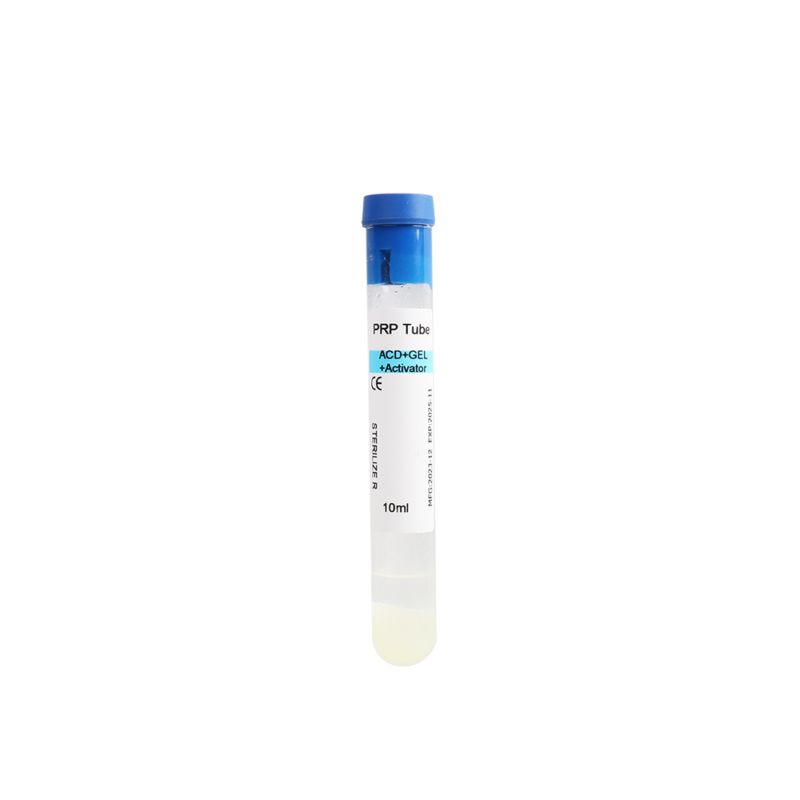
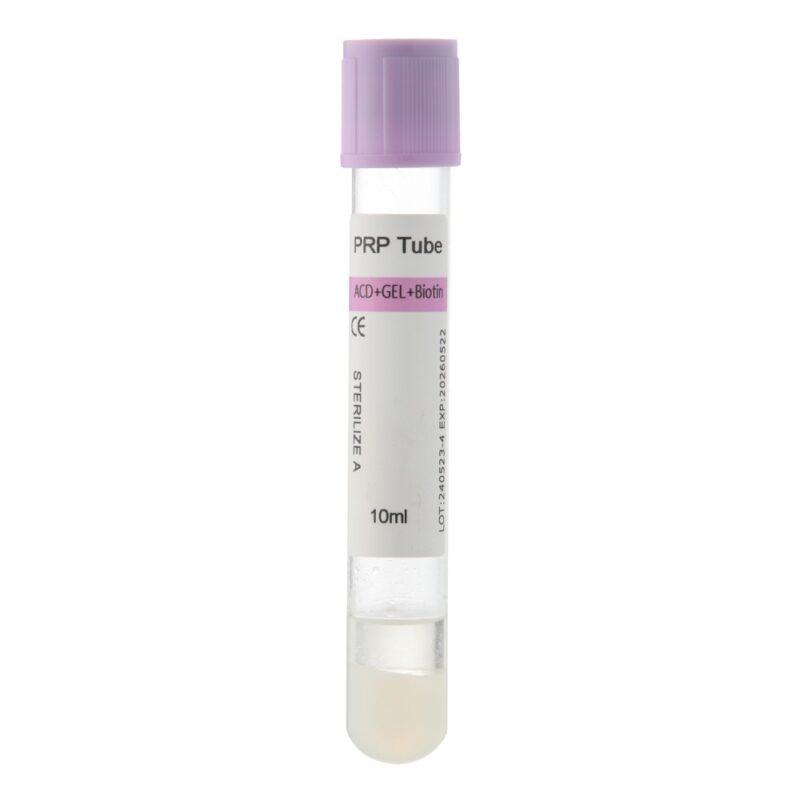
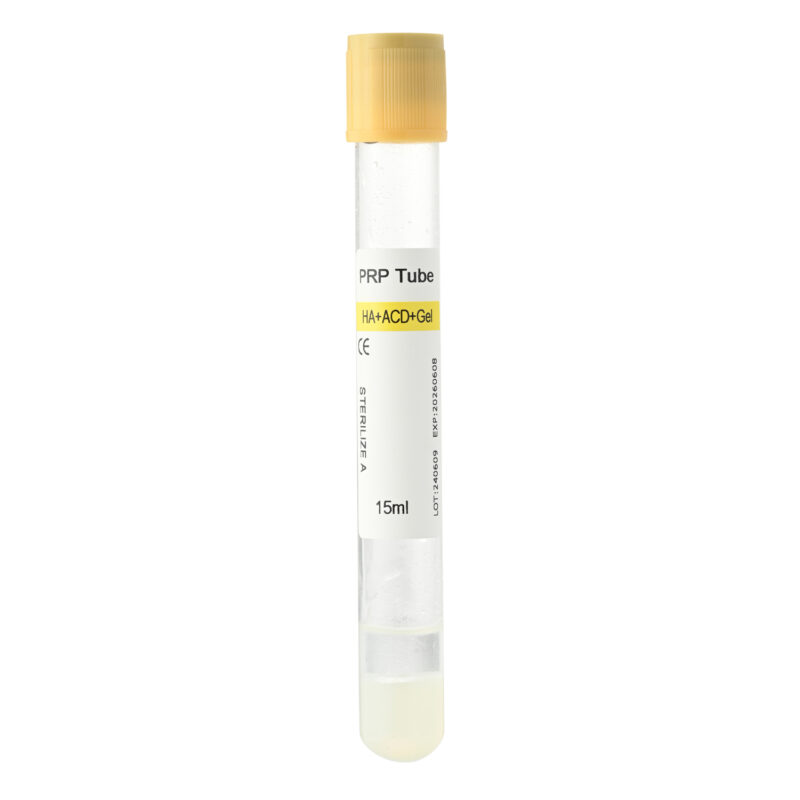
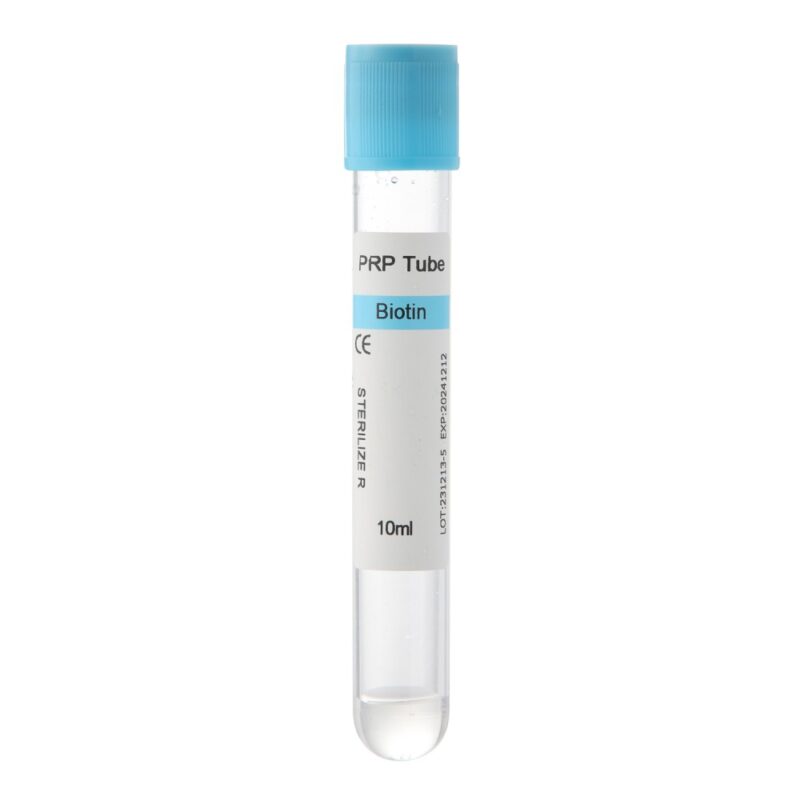
This is why many clinics are shifting toward integrated PRP tube systems, such as:
These designs aim to ensure:
- Stable separation during centrifugation
- Reduced contamination risk
- More reproducible clinical outcomes
If you are comparing PRP systems for procurement, reviewing structured product categories like those available on Siny PRP can help clarify which configurations align with your clinical needs.
The Real Clinical Purpose: Predictability and Outcome Consistency
From a clinical perspective, the ultimate answer to what is the purpose of PRP treatment is not just regeneration—it is predictable regeneration.
Doctors are not only interested in whether PRP works, but also whether it works:
- Consistently
- Safely
- Across different patients
This shifts the focus from “concept” to process control.
Key determinants include:
- Standardized blood collection
- Reliable centrifugation protocols
- High-quality PRP tubes
Inconsistent preparation methods can result in variability in platelet concentration, which directly affects treatment outcomes. This is why many experienced practitioners emphasize system-based PRP solutions rather than individual components.
For distributors and clinics, this reinforces a practical insight:
The purpose of PRP treatment can only be fully realized when the preparation process is standardized.

Choosing the Right PRP System to Support Treatment Purpose
Once you understand what is the purpose of PRP treatment, the next logical step is selecting the right system to support that purpose.
Key considerations include:
- Anticoagulant type
- Presence of separation gel
- Tube material (glass vs PET)
- Compatibility with centrifuge protocols
Different product configurations are designed for different clinical priorities:
- Higher platelet yield
- Faster preparation time
- Enhanced growth factor release
Rather than focusing on price alone, procurement decisions should prioritize clinical reliability and reproducibility.
If you’re evaluating options, it may be helpful to consult directly with experienced manufacturers to understand how different tube structures impact PRP quality and performance.
FAQs
1. What is the main purpose of PRP treatment?
The main purpose is to accelerate the body’s natural healing process by concentrating and delivering growth factors directly to the target area.
2. Is PRP treatment effective for all patients?
Not always. Effectiveness depends on patient condition, treatment protocol, and PRP preparation quality.
3. Why does the PRP preparation method matter?
Because platelet concentration and viability directly influence treatment results. Poor preparation reduces effectiveness.
4. What type of PRP tube is best?
It depends on the application. Tubes with stable anticoagulants and reliable separation systems are generally preferred for consistent outcomes.
5. How can clinics ensure consistent PRP results?
By using standardized systems, including high-quality PRP tubes and controlled centrifugation protocols.
Summary
So, what is the purpose of PRP treatment?
At a surface level, it is about healing. But in real clinical practice, it is about:
- Enhancing biological repair
- Ensuring consistent outcomes
- Supporting evidence-based treatment protocols
For buyers and decision-makers, this understanding translates into a more important question:
Can your current PRP system consistently deliver the biological effect it promises?
If not, reviewing more advanced and standardized PRP preparation solutions—such as those available through Siny PRP—may be a practical next step toward improving both treatment quality and patient outcomes.