If you’re working with platelet-rich plasma, one question always comes up early: how long is PRP good for after spinning?
The short answer is simple but critical—PRP should ideally be used immediately after centrifugation, and in most clinical settings, within 30 minutes to 2 hours for optimal effectiveness.
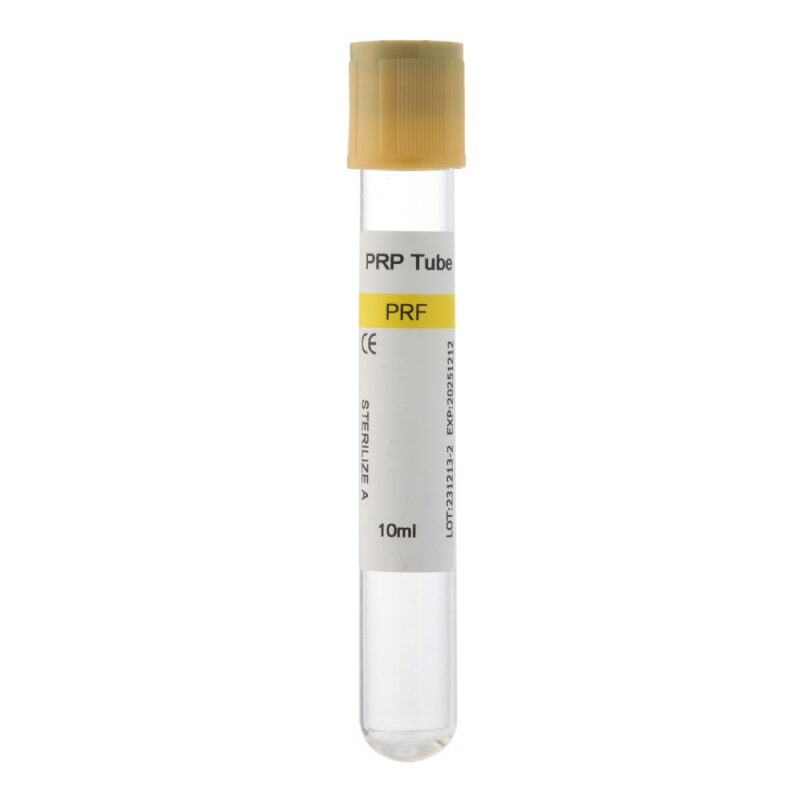
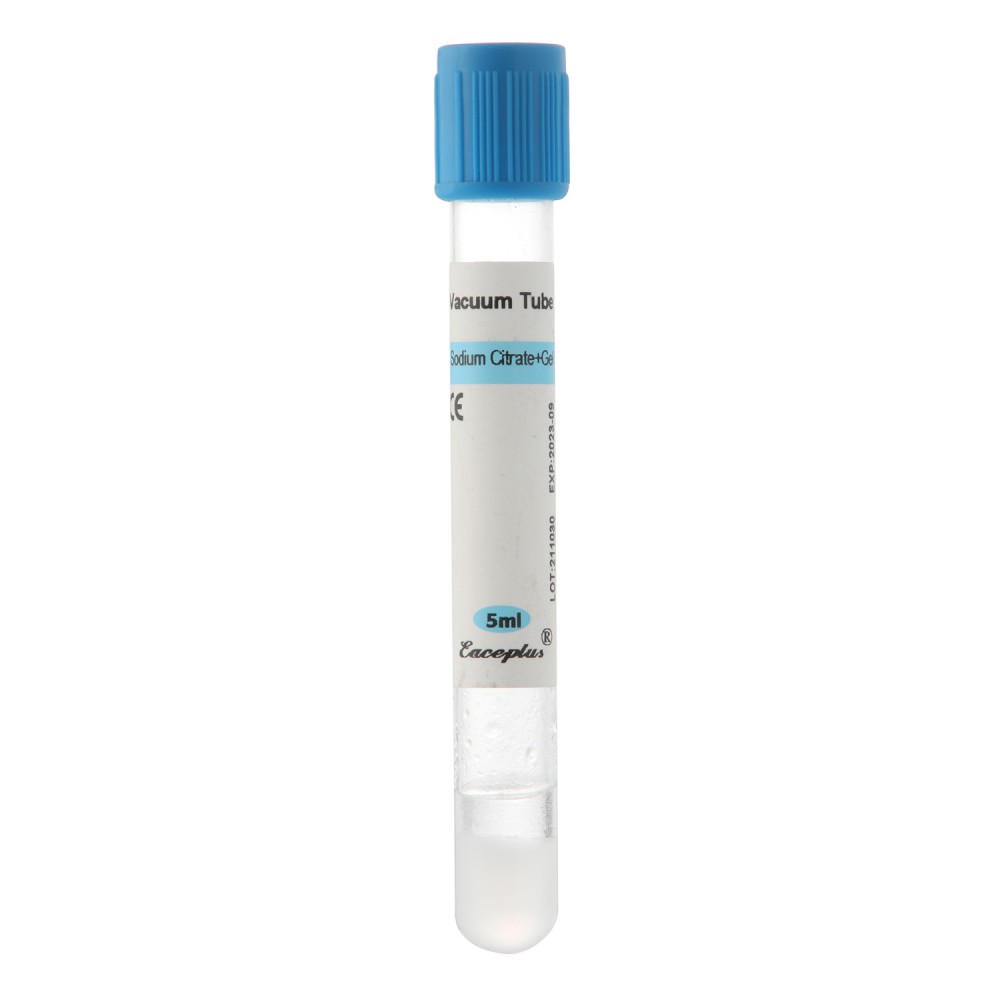
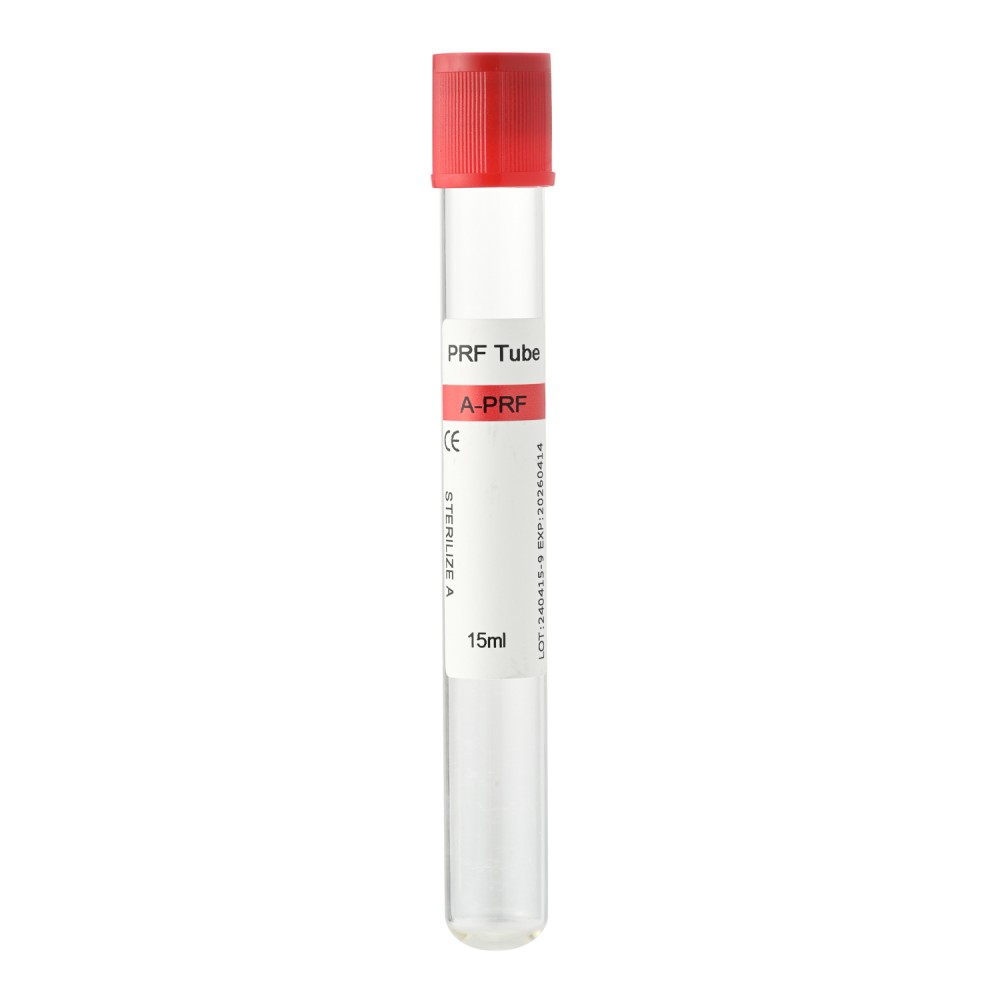
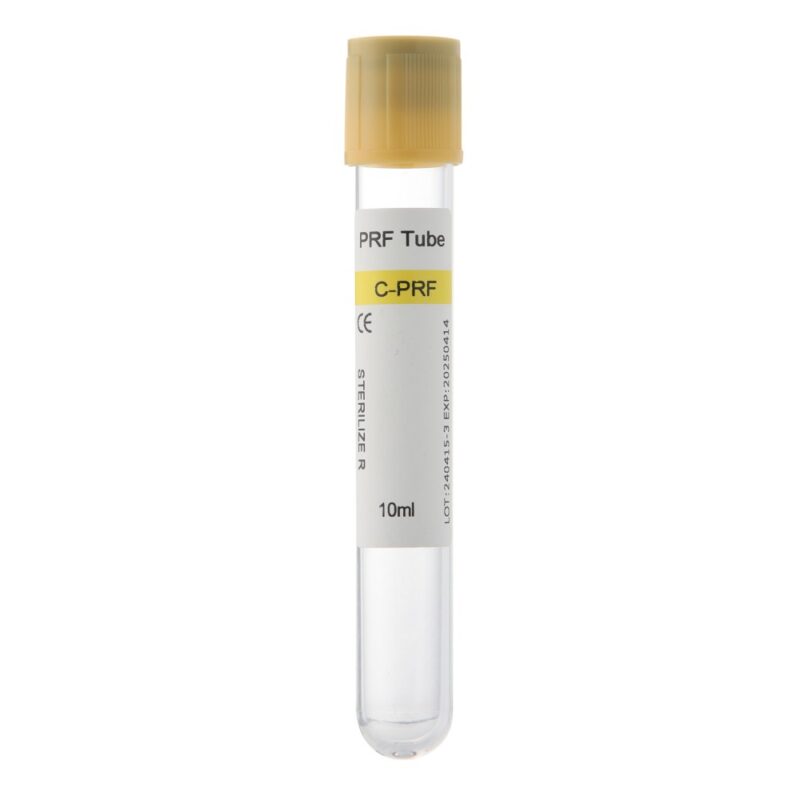
However, the real answer depends on multiple variables, including anticoagulant type, activation status, and—often overlooked—the quality of the PRP tube itself.
What Is PRP?
Before diving deeper into how long PRP lasts after spinning, it’s important to understand what PRP actually is.
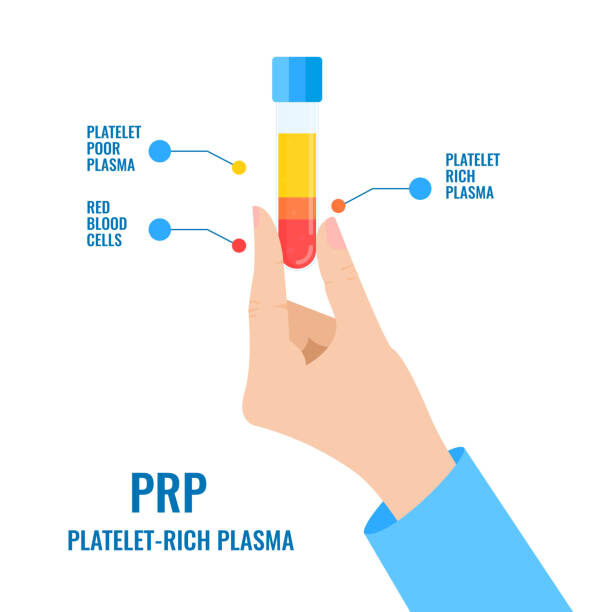
Platelet-rich plasma (PRP) is a concentration of platelets derived from a patient’s own blood through centrifugation. These platelets contain a high level of growth factors, which play a key role in tissue repair, regeneration, and healing.
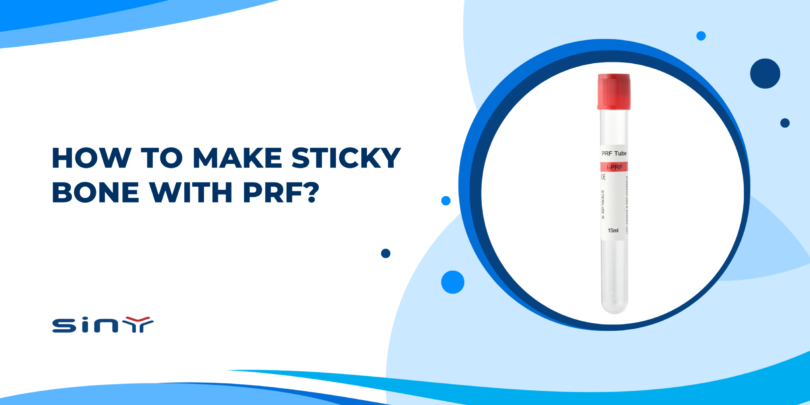
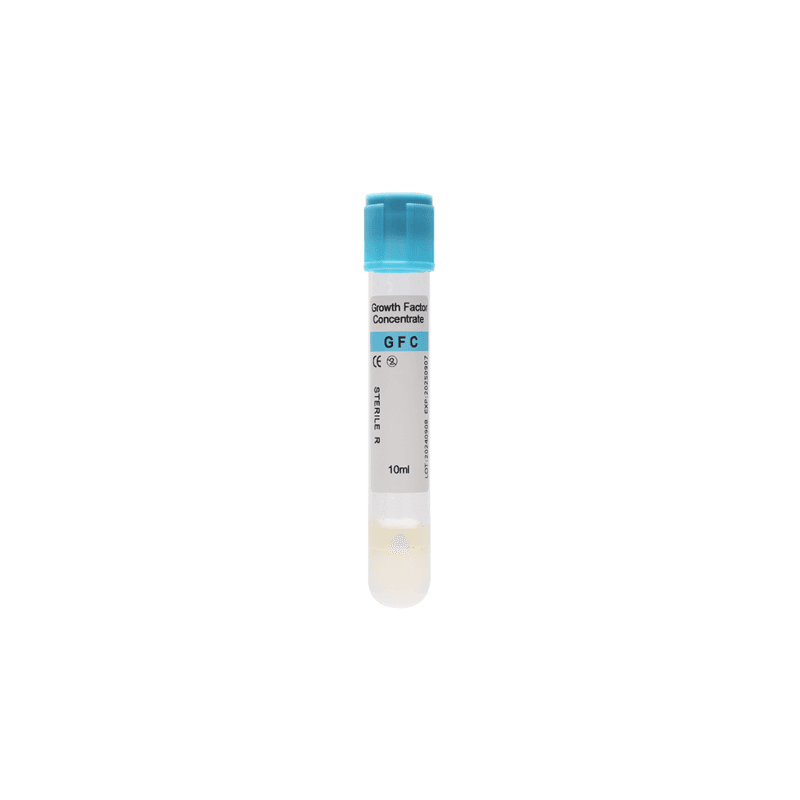
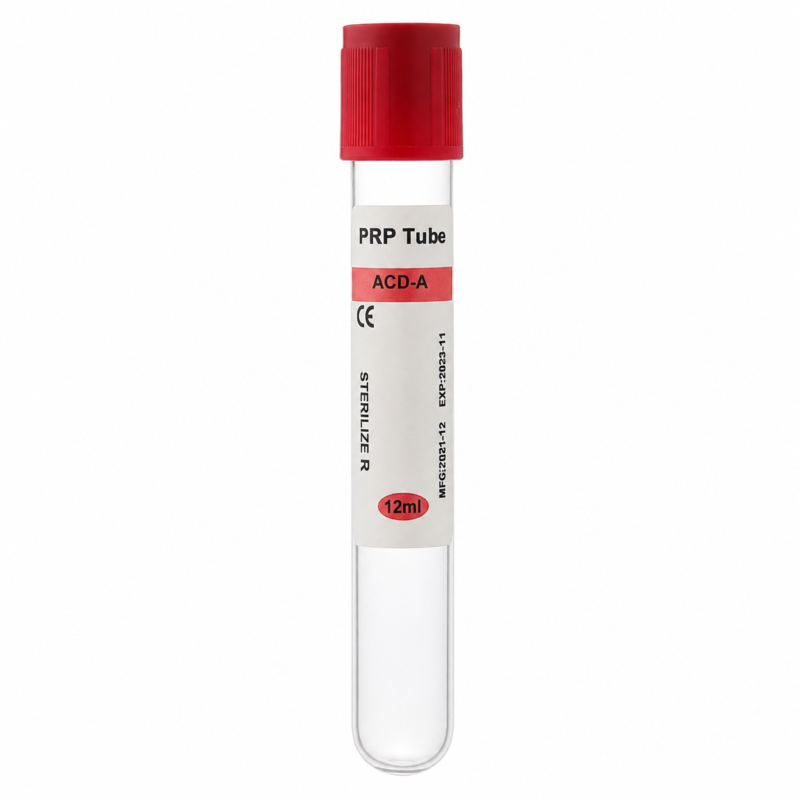
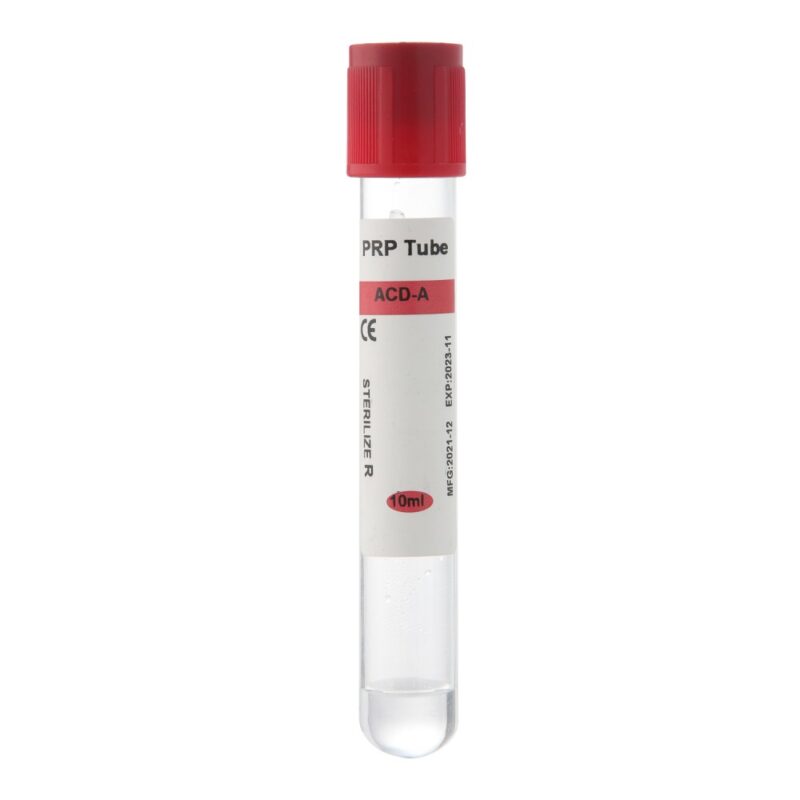
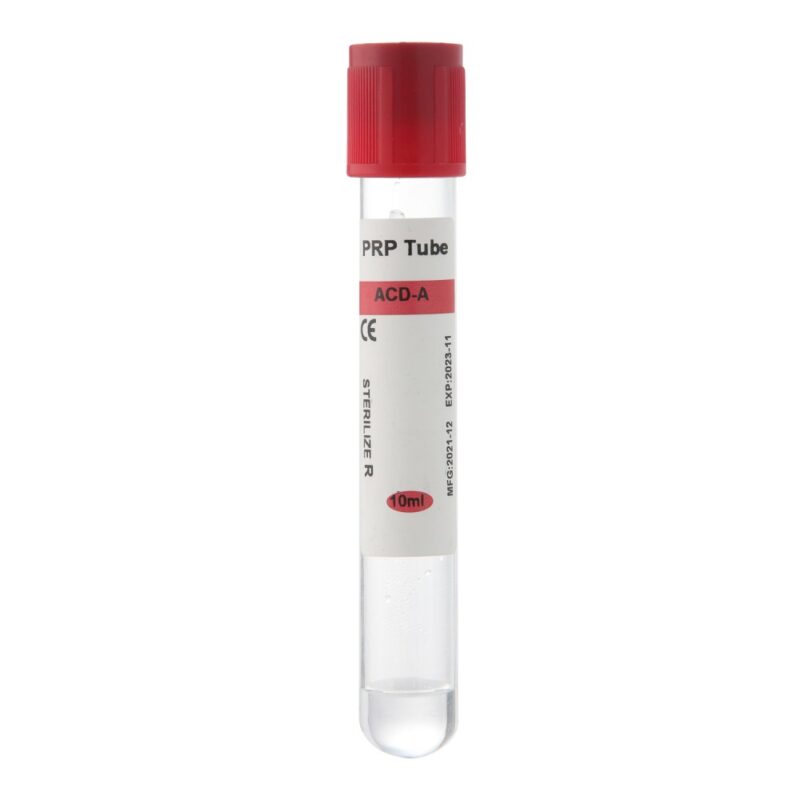
During the preparation process, whole blood is collected into a specialized tube—typically containing an anticoagulant such as ACD-A—and then centrifuged to separate it into layers. The platelet-rich layer is carefully extracted and used for treatments ranging from hair restoration and skin rejuvenation to orthopedic and dental procedures.
Because PRP relies on the biological activity of platelets, its effectiveness is highly time-sensitive. This is why understanding how long PRP is good for after spinning is not just a technical detail, but a critical factor in achieving consistent clinical outcomes.
What Happens to PRP After Spinning?
Once blood is centrifuged, PRP enters a biologically unstable phase. Platelets are no longer protected within whole blood and begin to undergo gradual activation or degradation.
This leads to three key changes:
- Platelet viability decreases over time
- Growth factor release becomes uncontrolled
- Contamination risk increases once exposed
In simple terms, PRP is most potent right after separation. The longer you wait, the less predictable—and often less effective—it becomes.
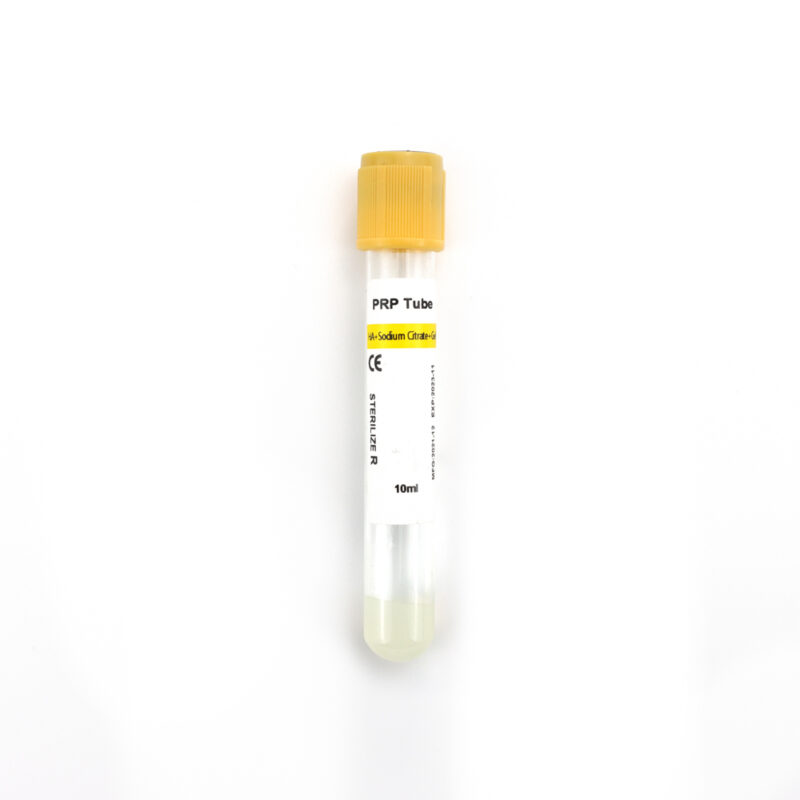
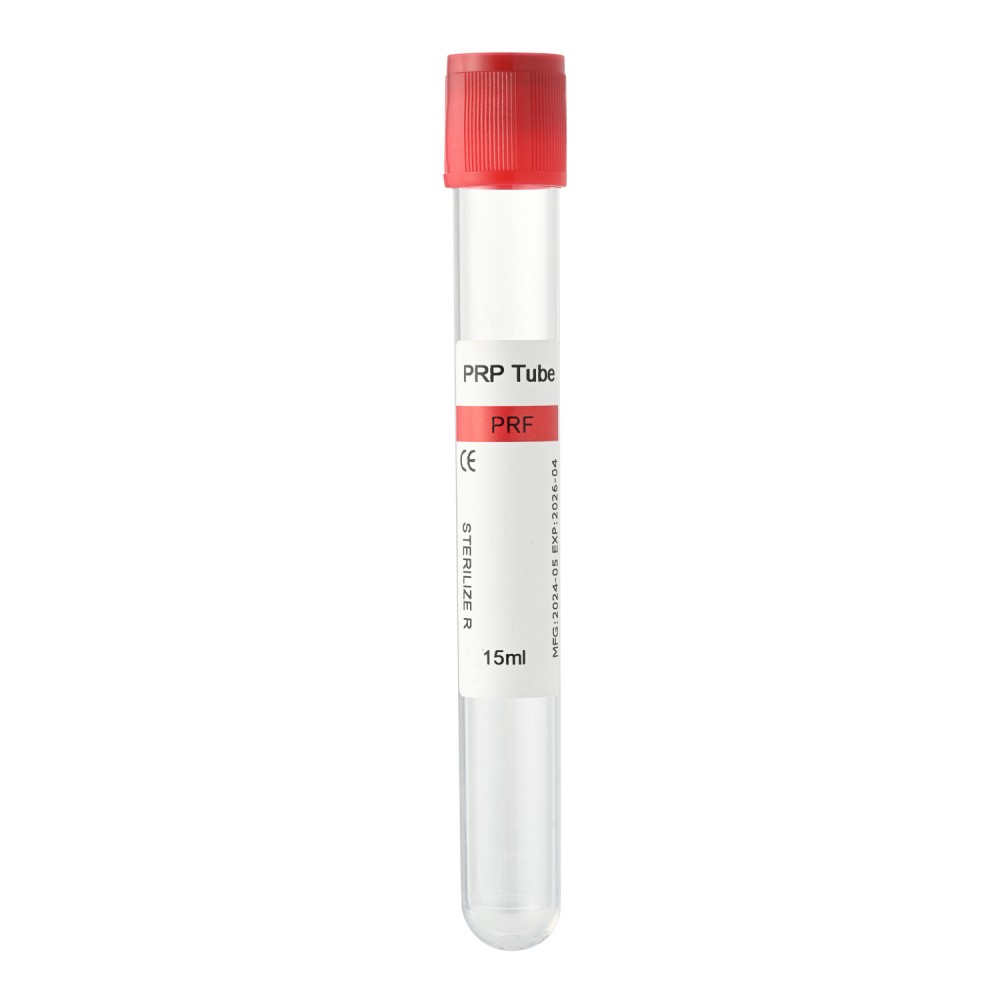
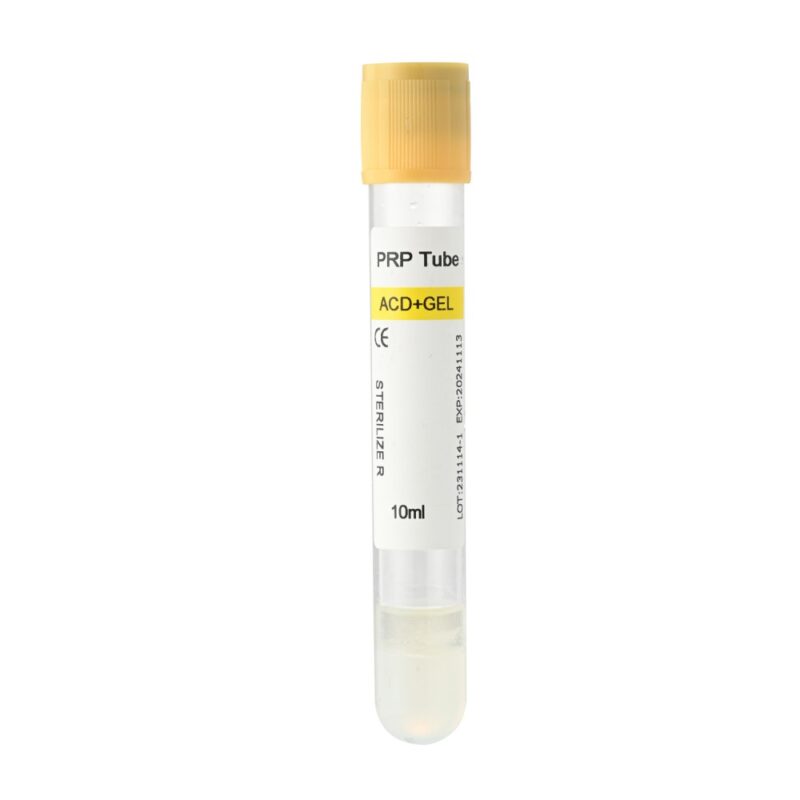
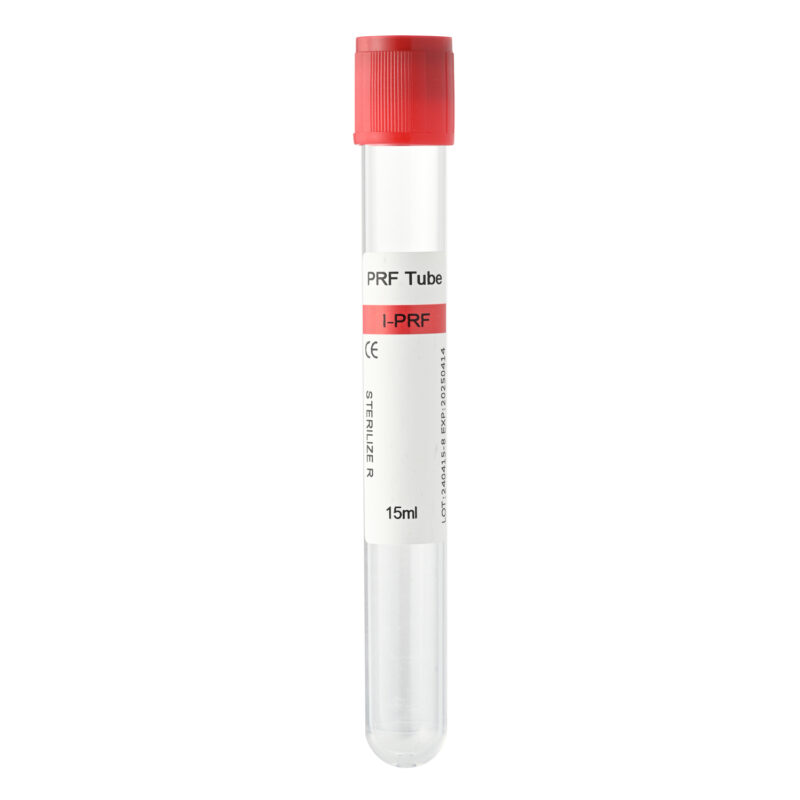
This is why many high-standard clinics prefer closed-system tubes, such as the Siny PRP Tube (ACD + Separator Gel), to maintain stability during and after centrifugation. If you’re comparing systems, it’s worth reviewing how different tube designs handle post-spin preservation.

How Long Is PRP Good for After Spinning?
So let’s get more precise.
Immediate Use (Best Practice)
- 0–30 minutes: Peak platelet activity
- Ideal for all applications (hair, orthopedics, aesthetics)
Short Window Use
- 30 minutes – 2 hours: Acceptable under controlled conditions
- Must remain sterile and unactivated
Extended Use (Not Recommended)
- 2–4 hours: Rapid decline in platelet function
- Increased variability in outcomes
Beyond 4 Hours
- Clinically unreliable
- Risk of degradation and contamination rises sharply
This is why most protocols emphasize “spin and inject” workflows rather than storage.
Key Factors That Affect PRP Shelf Life After Spinning
1. Anticoagulant Type (ACD-A vs Sodium Citrate)
Anticoagulants slow down premature platelet activation.
- ACD-A: Better preservation, longer functional window
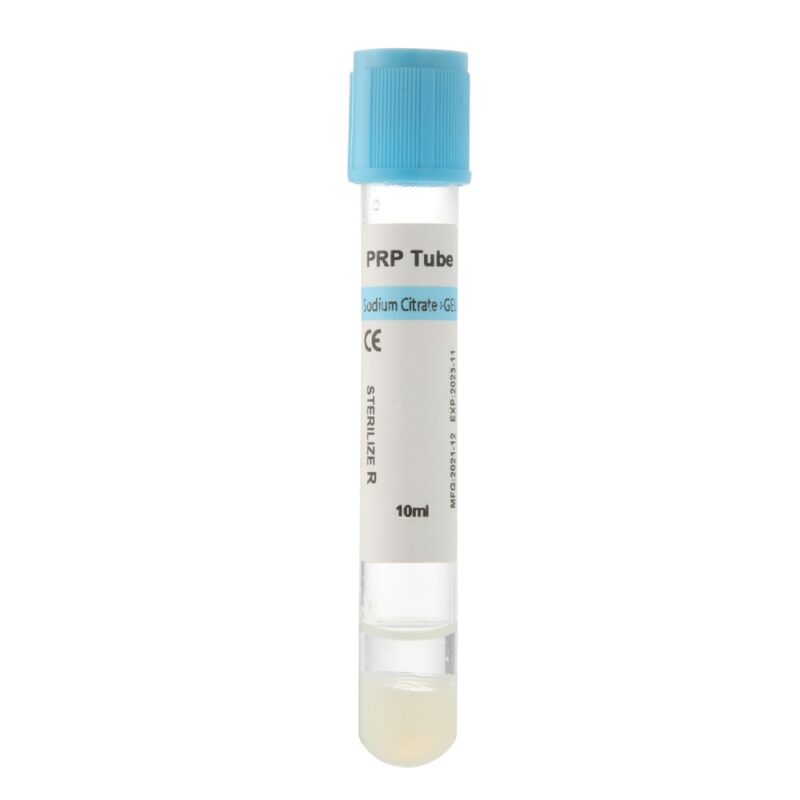
- Sodium citrate: Shorter stability window
2. Activation Status
- Non-activated PRP: More stable, slightly longer usable time
- Activated PRP: Must be used immediately (minutes, not hours)
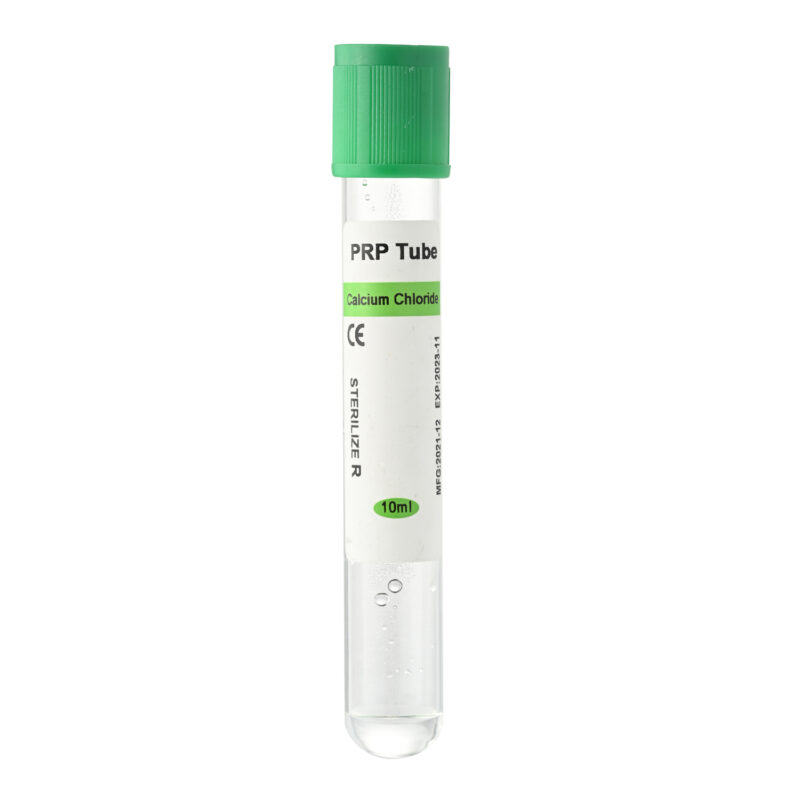
Once activated (e.g., calcium chloride added), growth factors are released rapidly, making storage impractical.
3. Tube Design & Separation Quality
This is where many buyers underestimate the difference.
Low-quality tubes can cause:
- Poor separation (RBC contamination)
- Platelet loss
- Premature activation
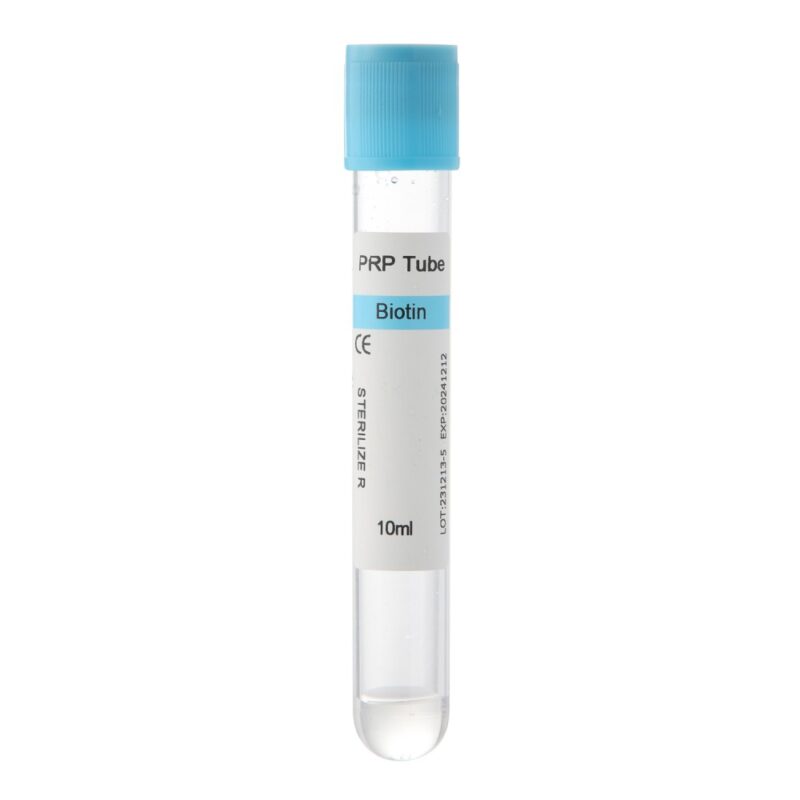
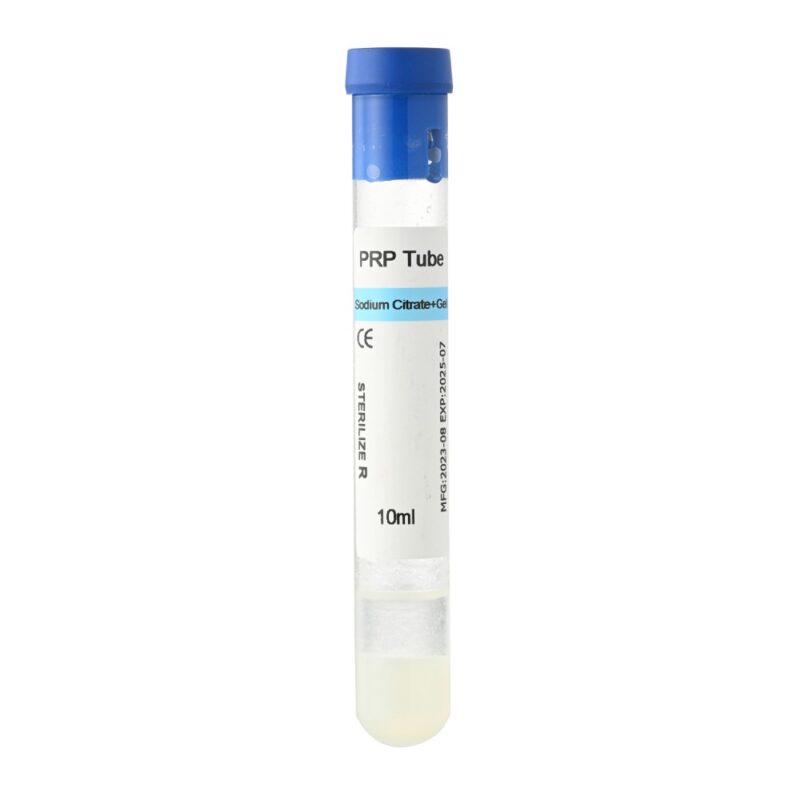
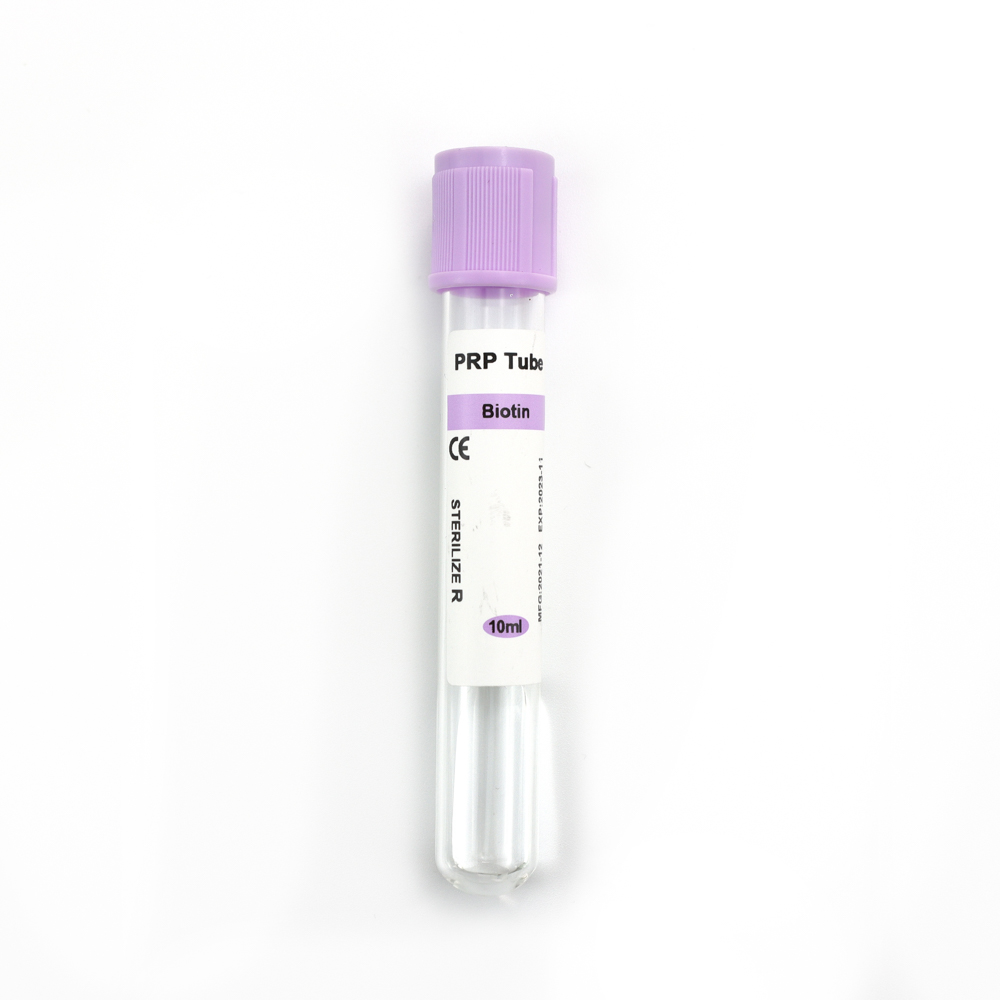
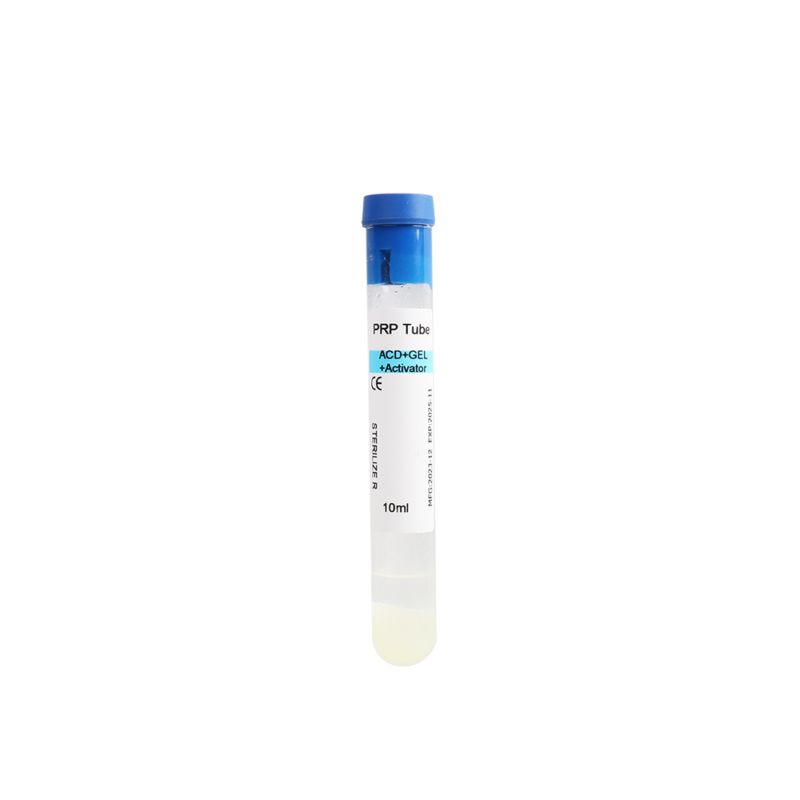
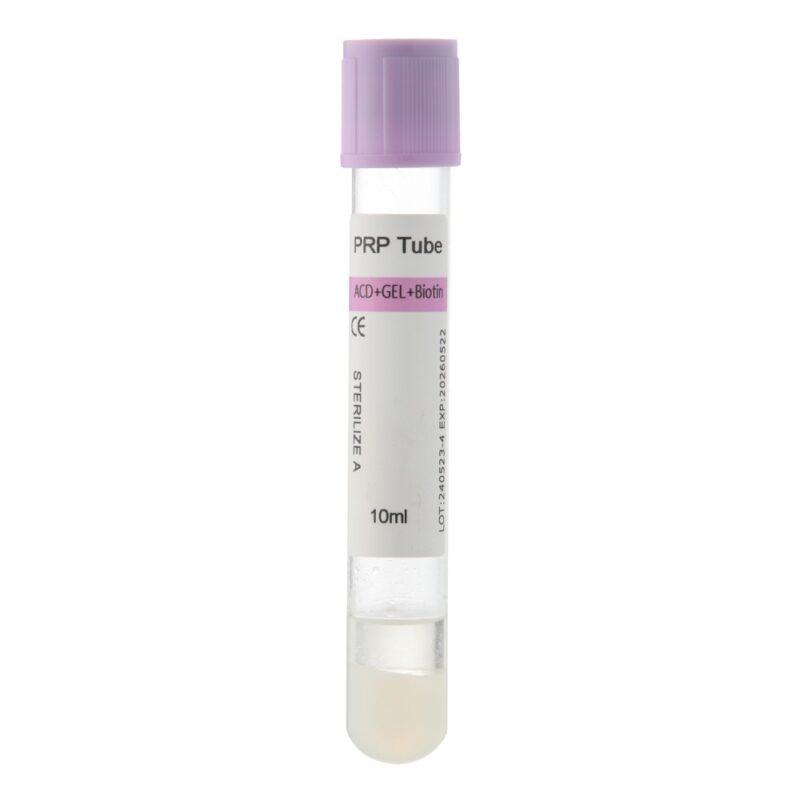
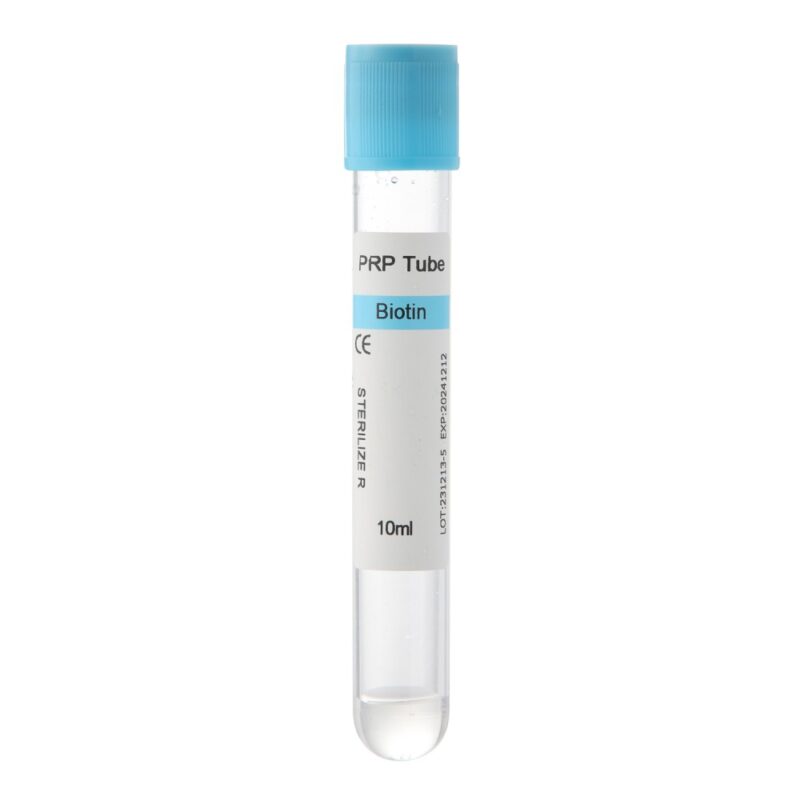
High-quality separator gel systems—like those used in Siny PRP product lines such as ACD+Gel PRP Tubes or ACD+Gel+Biotin PRP Tubes for Hair Restoration—help create a cleaner PRP layer and reduce instability post-spin.
If you’re sourcing for distribution or clinical use, this factor alone can determine consistency between batches.
4. Storage Conditions (If Temporary Holding Is Needed)
If PRP must be held briefly:
- Keep at room temperature (not refrigerated)
- Avoid shaking or agitation
- Maintain closed sterile conditions
Refrigeration is generally not recommended for short-term storage of PRP, as it may affect platelet function.
Can PRP Be Stored After Spinning?
There’s a lot of confusion here, so let’s clear it up.
- Freezing PRP for later use (same session) → Not effective
- Using PRP after several hours → Reduced efficacy
- Short holding (≤2 hours) → Only if strictly controlled
Some advanced protocols (e.g., PRP lysate) involve processing for storage—but that’s a completely different application and requires specialized systems.
For standard PRP therapy, the rule is still:
Fresh PRP delivers the best results
Why Product Selection Matters for PRP Stability
For procurement teams and distributors, this is where technical understanding becomes a competitive advantage.
A reliable PRP system should offer:
- Consistent platelet concentration
- Stable anticoagulant performance
- High-quality separator gel
- Sterile, closed environment
At Siny PRP, product lines such as:
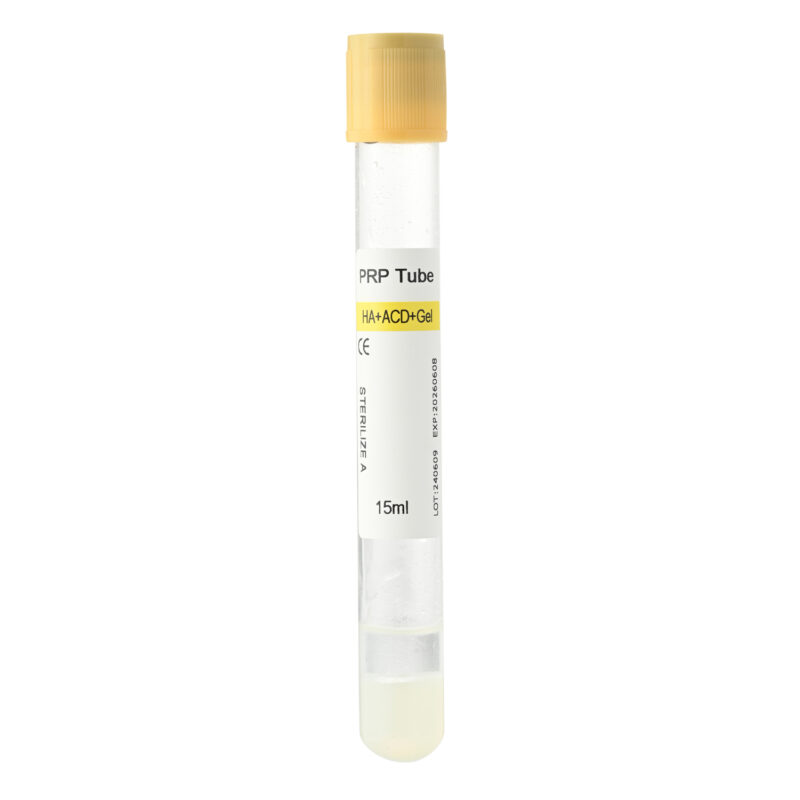
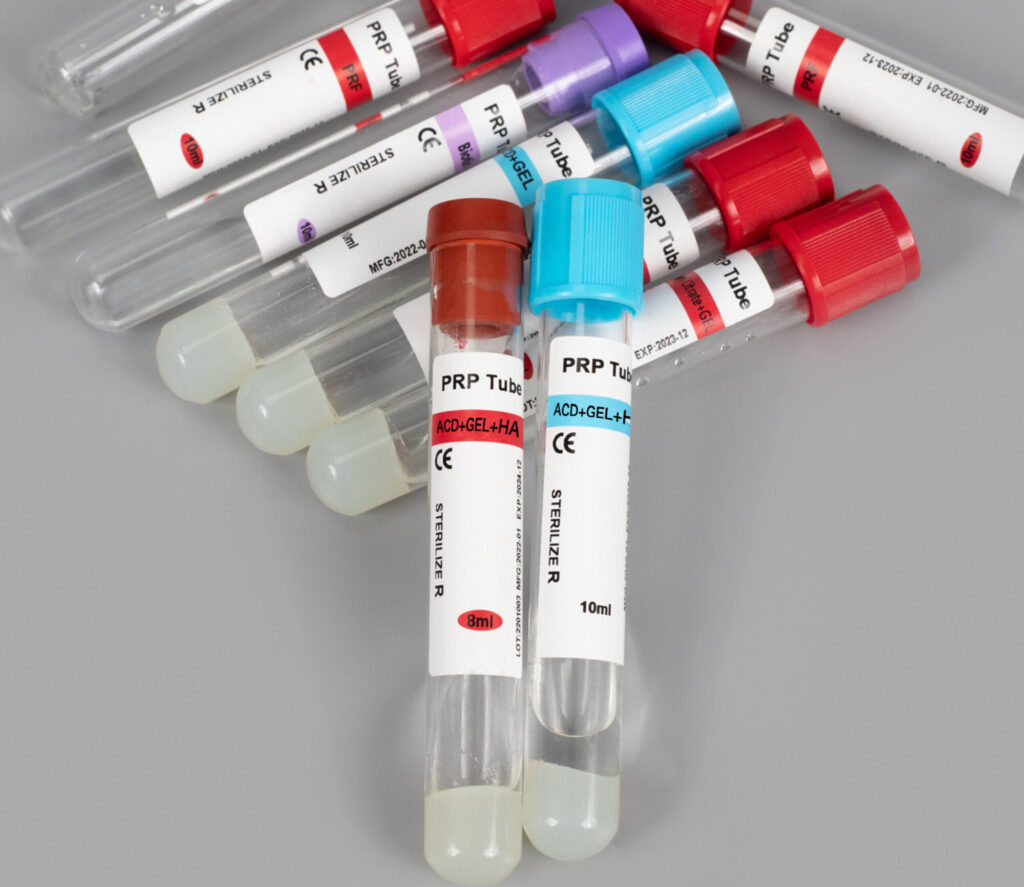
- Yellow Top ACD+Gel PRP Tube
- 10ml PRP Tube Sodium Citrate + Gel + Biotin
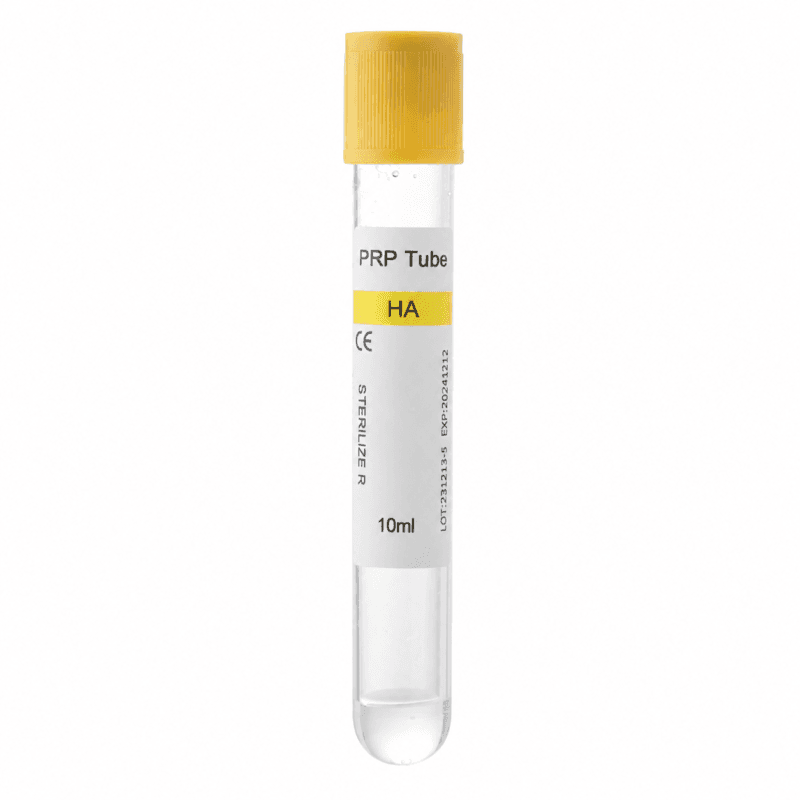
- ACD+Gel+HA PRP Tube for Aesthetic Use
They are designed specifically to maintain platelet integrity during and after centrifugation, reducing variability between procedures.
If you’re evaluating suppliers, it’s worth comparing how different tubes perform under real clinical timelines—not just lab specs. You can always explore more options or request technical details through the Siny PRP product pages or the contact team.
FAQ: How Long Is PRP Good for After Spinning?
1. Can PRP be used 24 hours after spinning?
No. PRP is not stable for that long. Platelet activity and growth factor effectiveness significantly decrease within hours.
2. Can you refrigerate PRP after centrifugation?
Not recommended for standard use. Refrigeration can impair platelet function and reduce clinical effectiveness.
3. How long can non-activated PRP last?
Typically, up to 2 hours under strict sterile conditions, but immediate use is still preferred.
4. Does PRP expire after activation?
Yes—very quickly. Activated PRP should be used within minutes, as growth factors are released rapidly.
5. Do better PRP tubes extend usability time?
Yes, indirectly. High-quality tubes improve platelet preservation and separation quality, which helps maintain effectiveness within the usable window.
Summary
So, how long is PRP good for after spinning?
While a short window of up to 2 hours may be acceptable under controlled conditions, the reality is clear:
The closer to immediate use, the better the clinical outcome.
For clinics and distributors alike, optimizing results isn’t just about timing—it’s also about choosing the right system. If you’re looking to standardize PRP preparation or improve consistency across procedures, exploring reliable solutions like those from Siny PRP is a practical next step.
And if you’re comparing options or need technical specs, reaching out directly can often save weeks of trial and error.