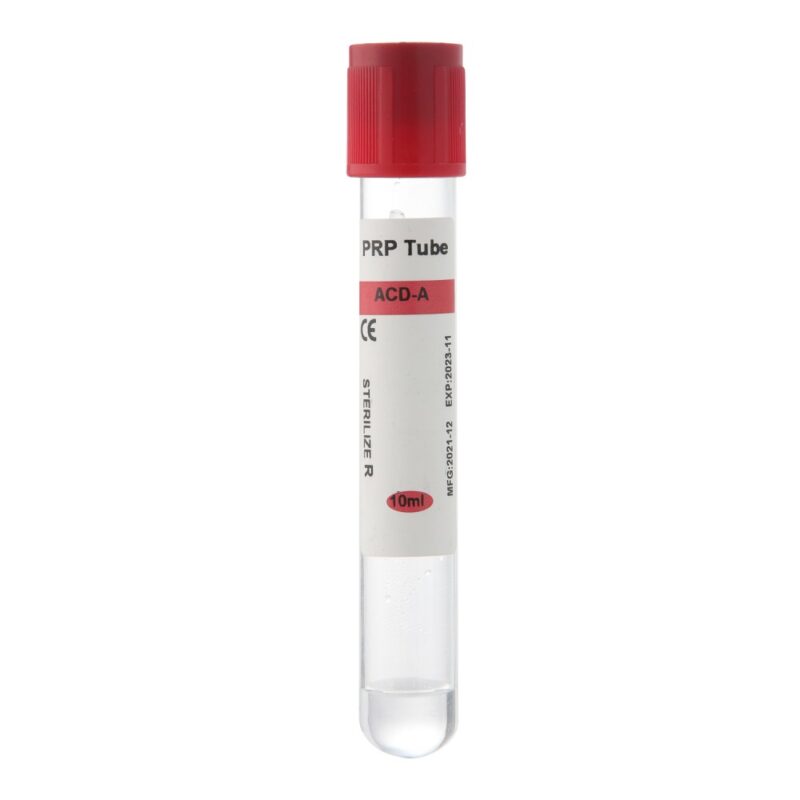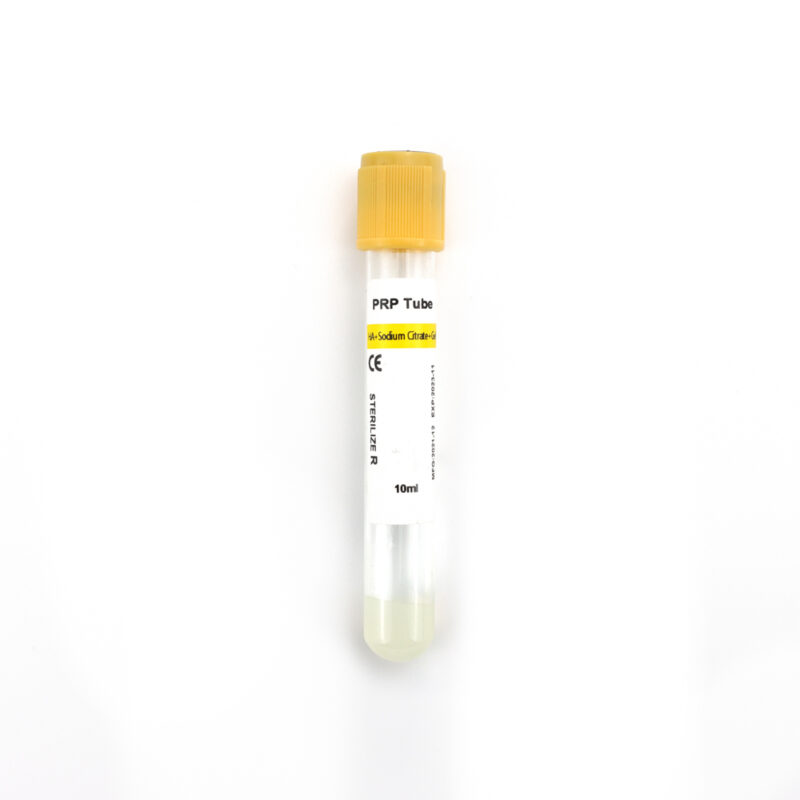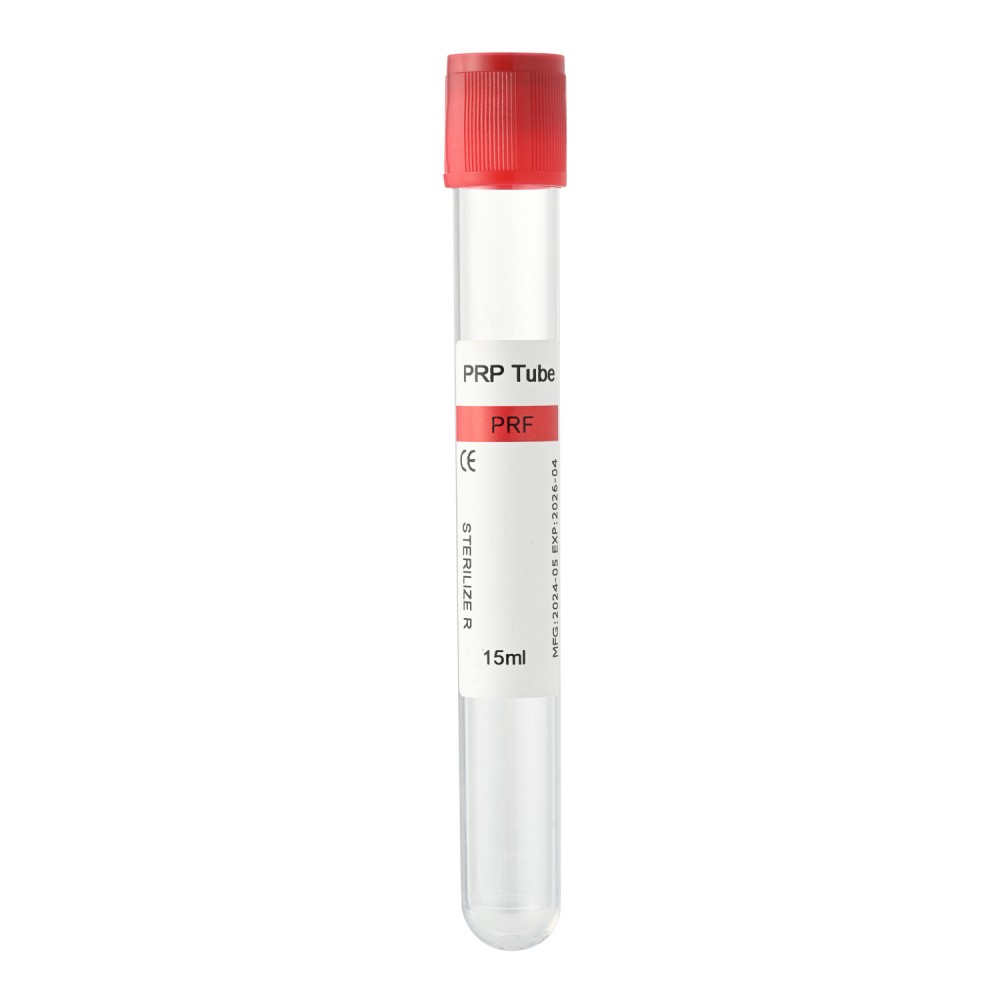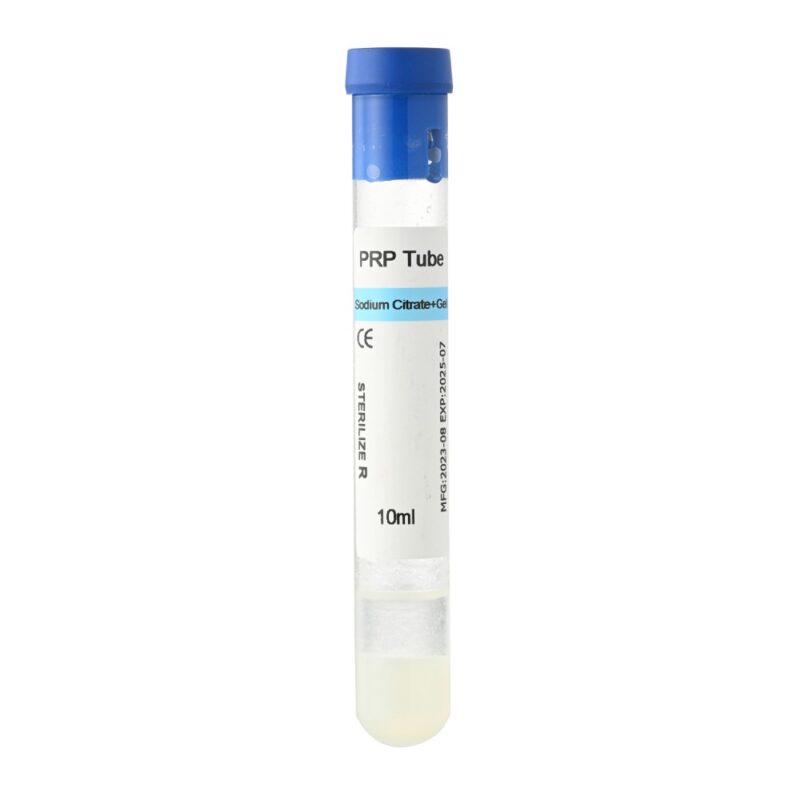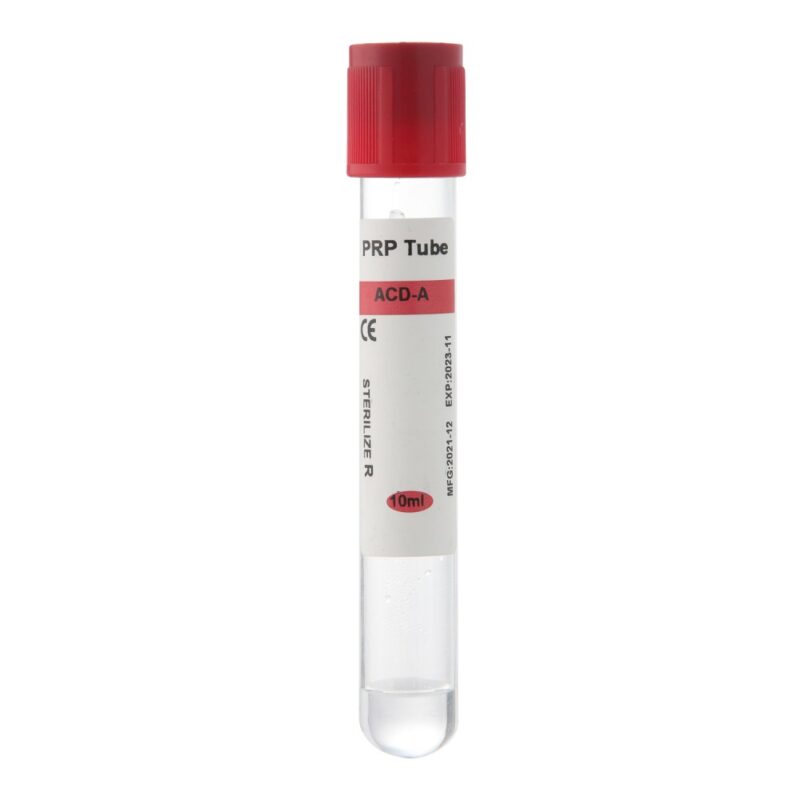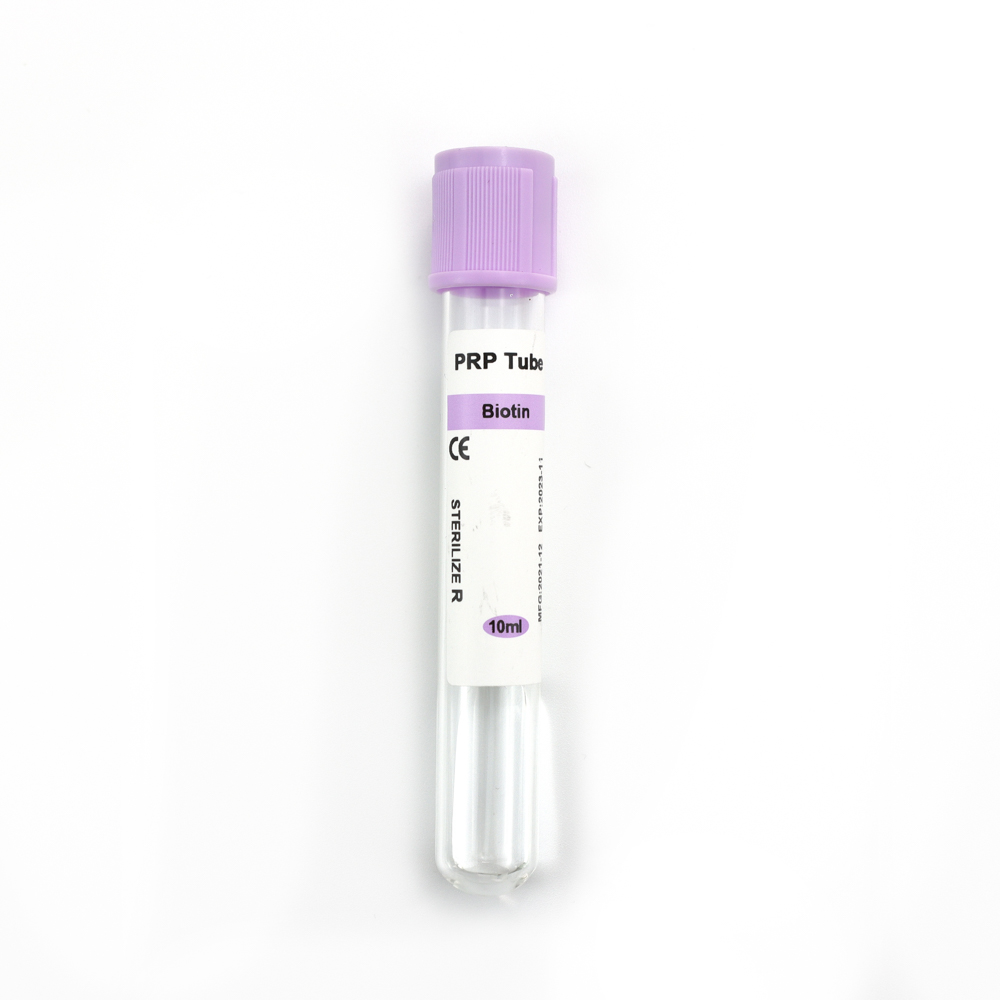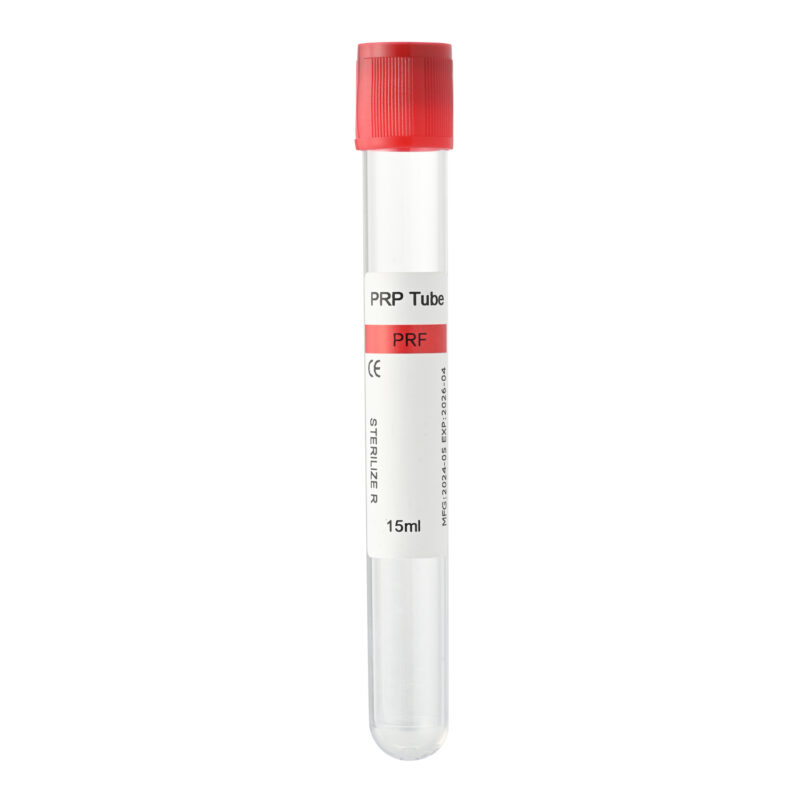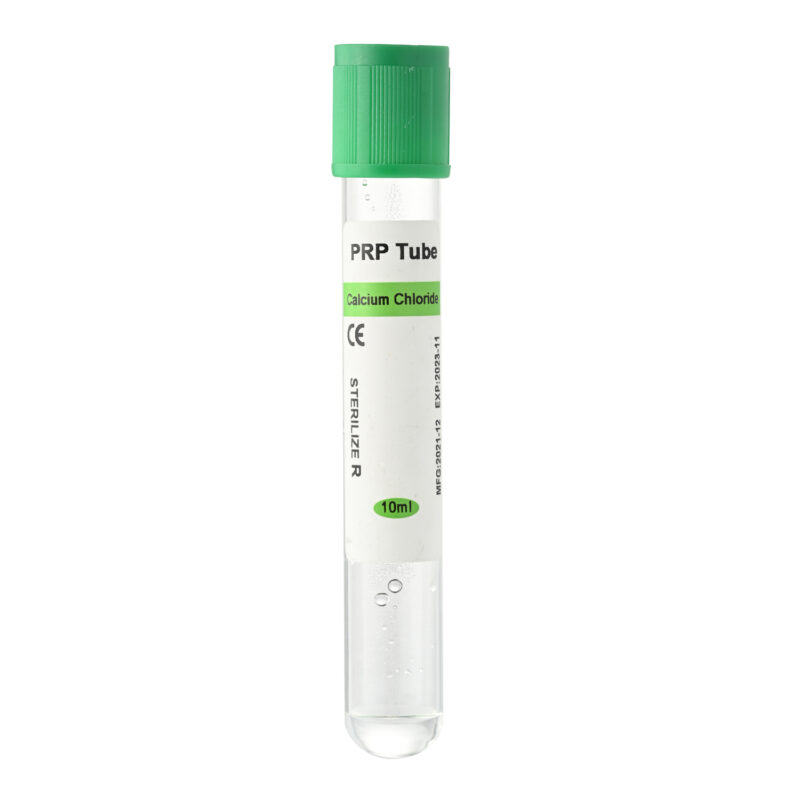
When people search for PRP/Stem Cell Therapy Post Management Care, what they usually want is simple: How do I recover properly and get the best results?
Both platelet-rich plasma (PRP) therapy and stem cell therapy are widely used in regenerative medicine, ranging from hair restoration to orthopedic treatments. However, the success of these procedures doesn’t depend only on the injection itself. In many cases, post-treatment care plays a decisive role in how well the body responds and heals.
Understanding what to expect after treatment—and how to manage recovery—can make a meaningful difference in outcomes.
What Is PRP and Stem Cell Therapy?
To understand PRP/Stem Cell Therapy Post Management Care, it helps to first look at how these treatments work.
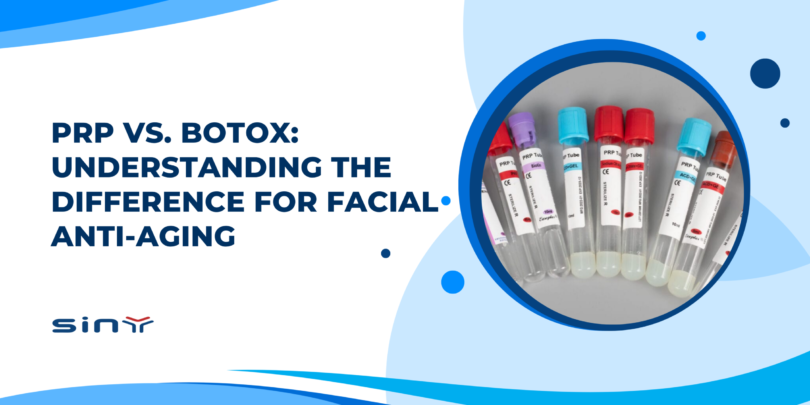
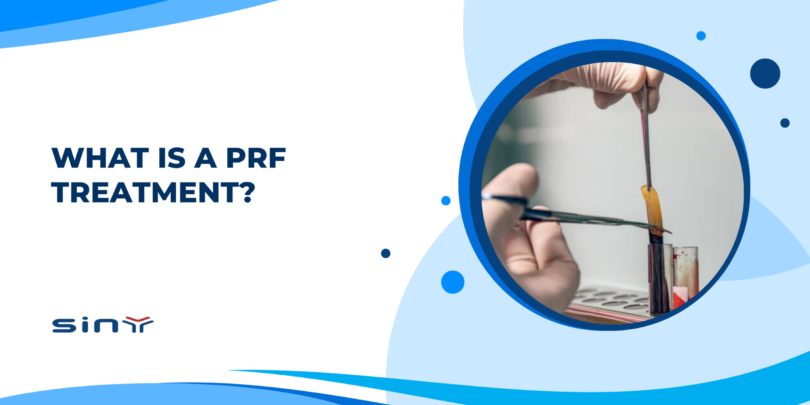
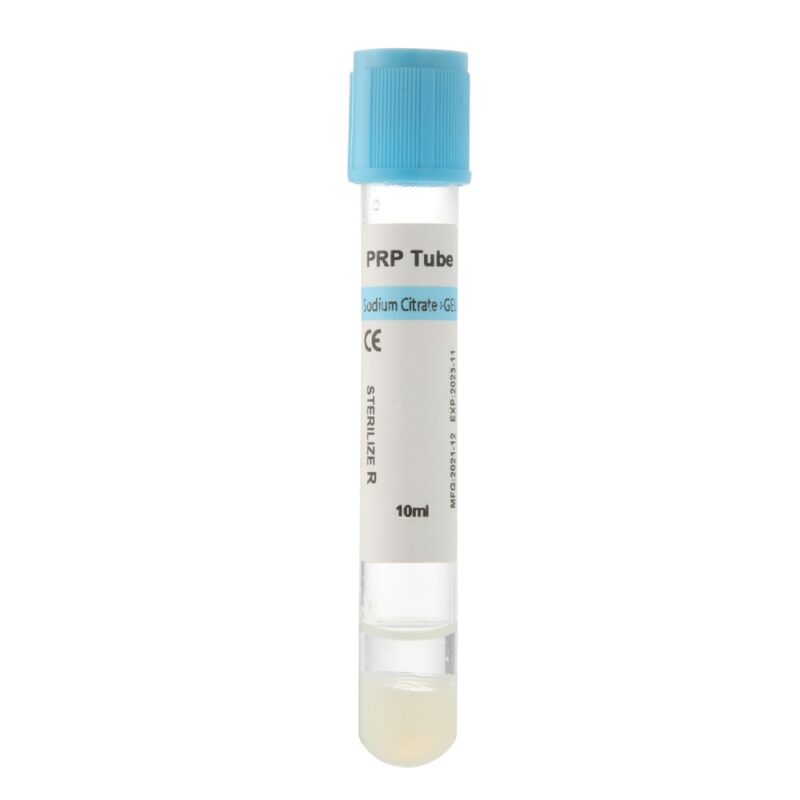
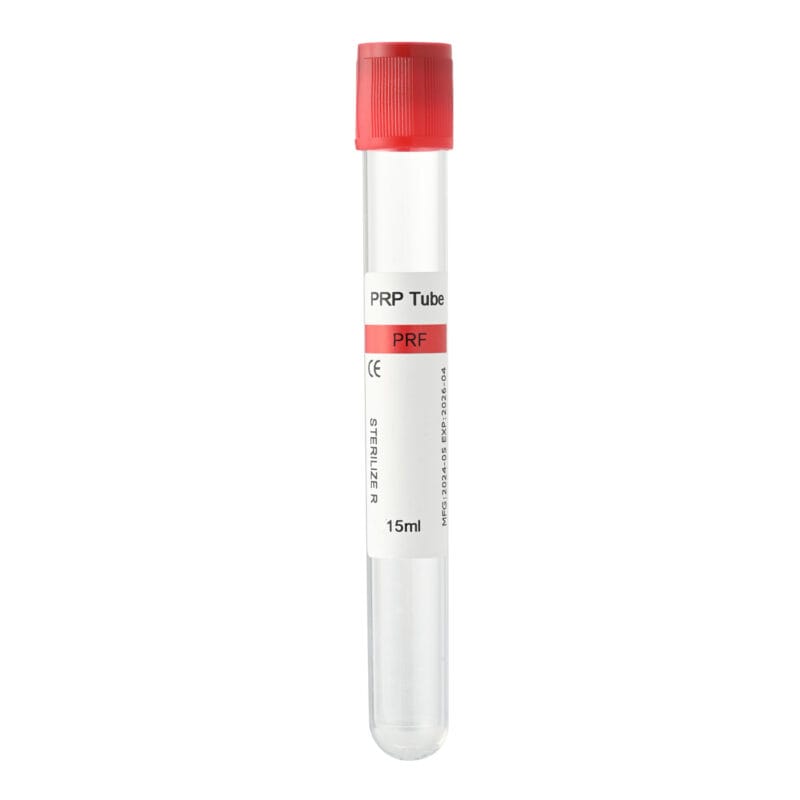
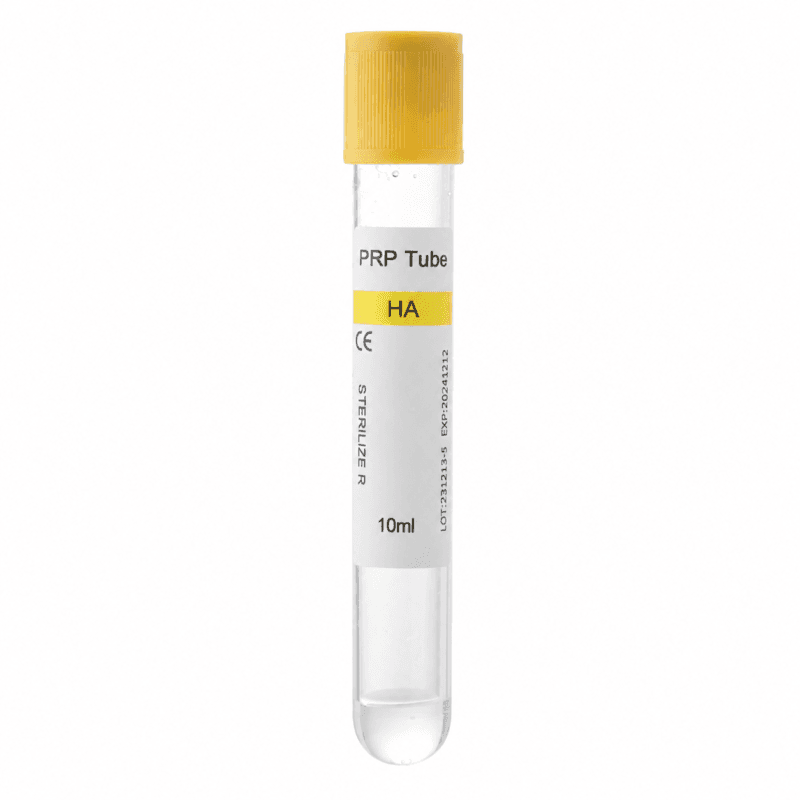
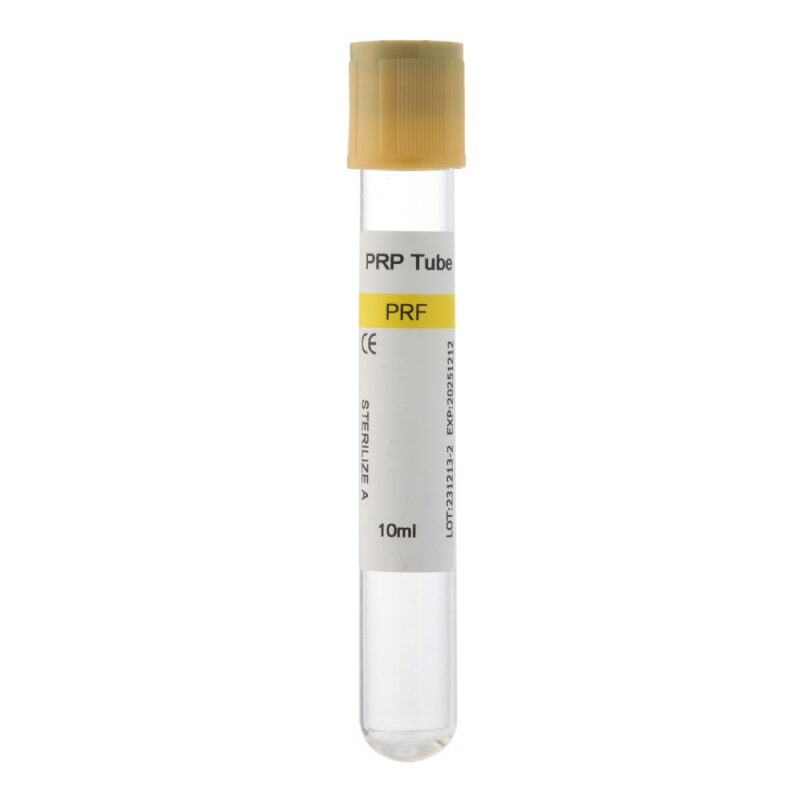
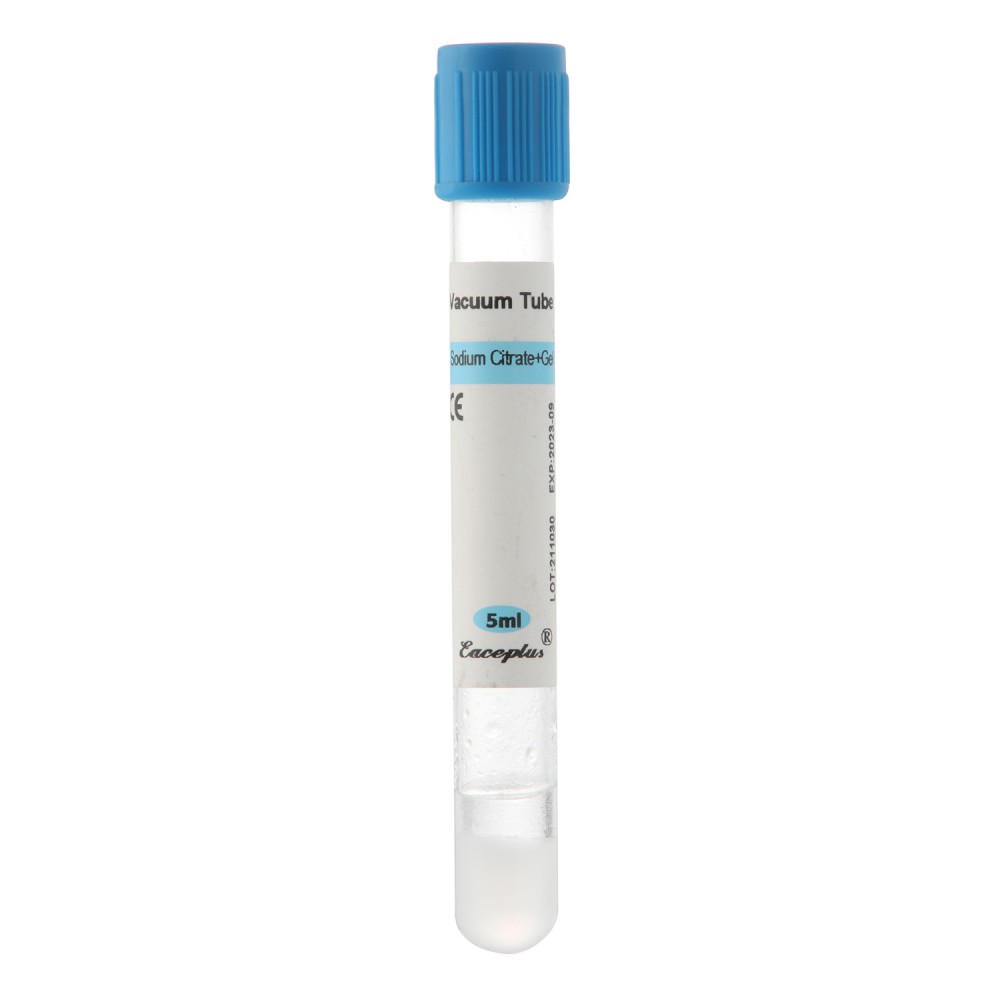
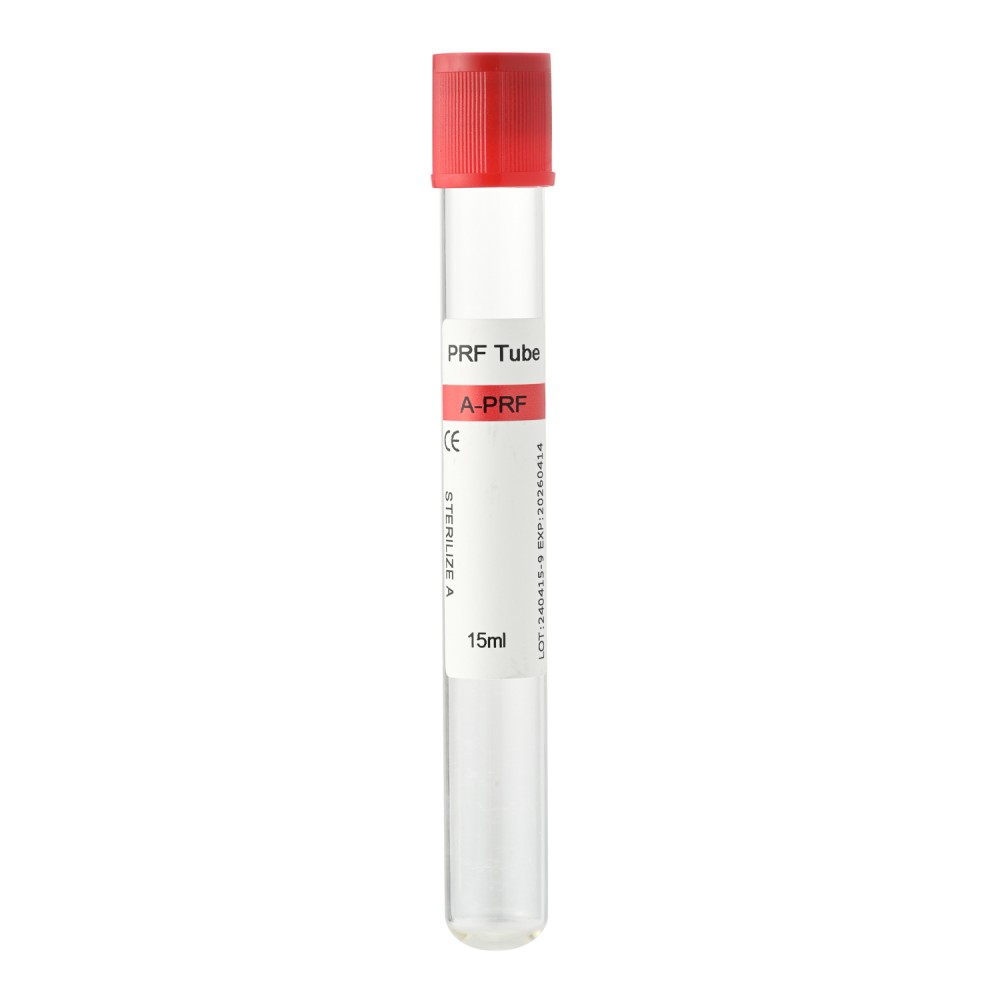
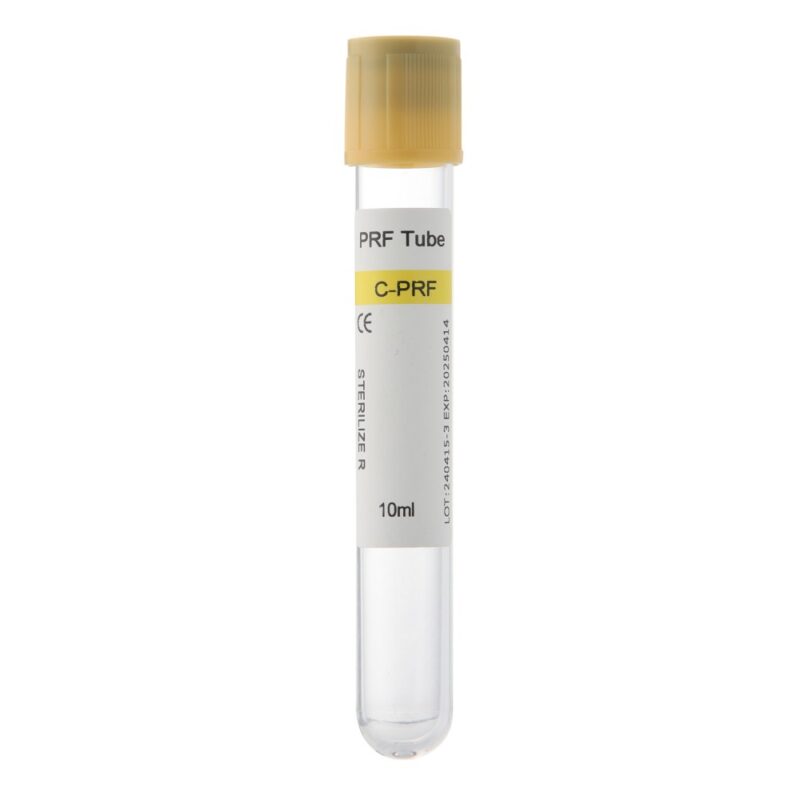
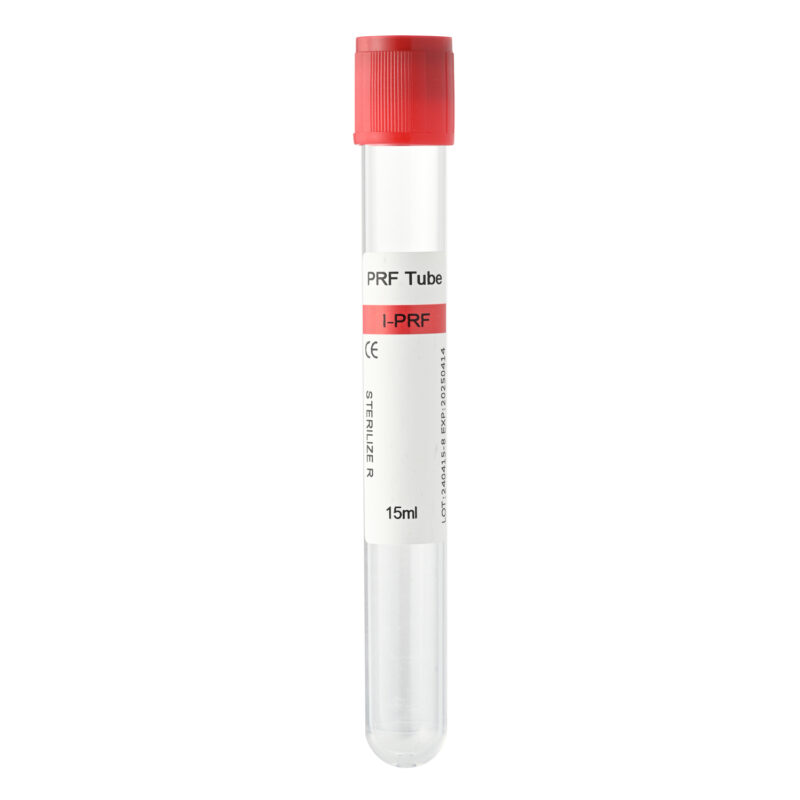
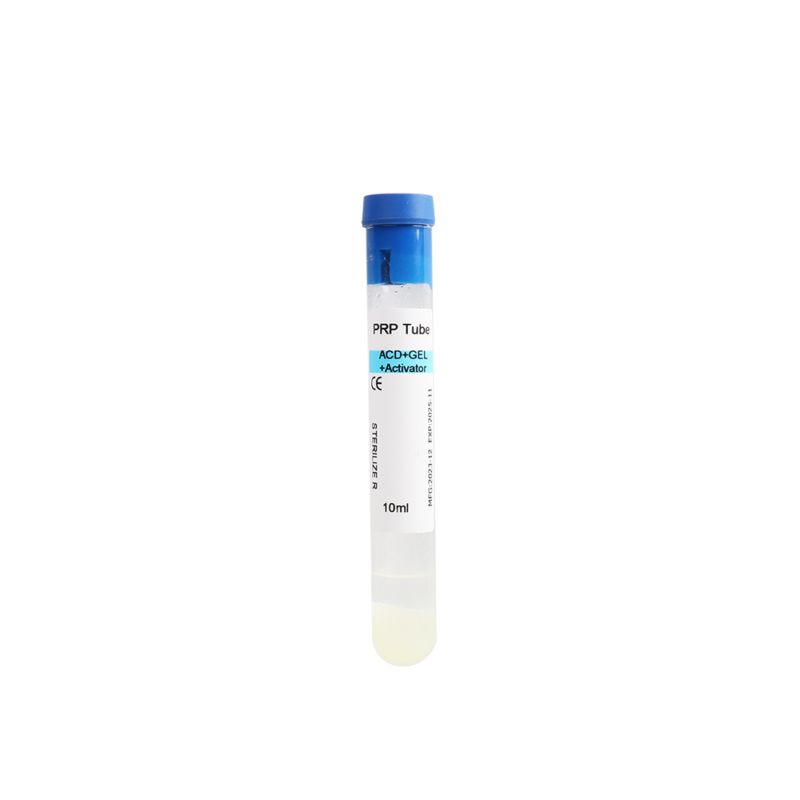
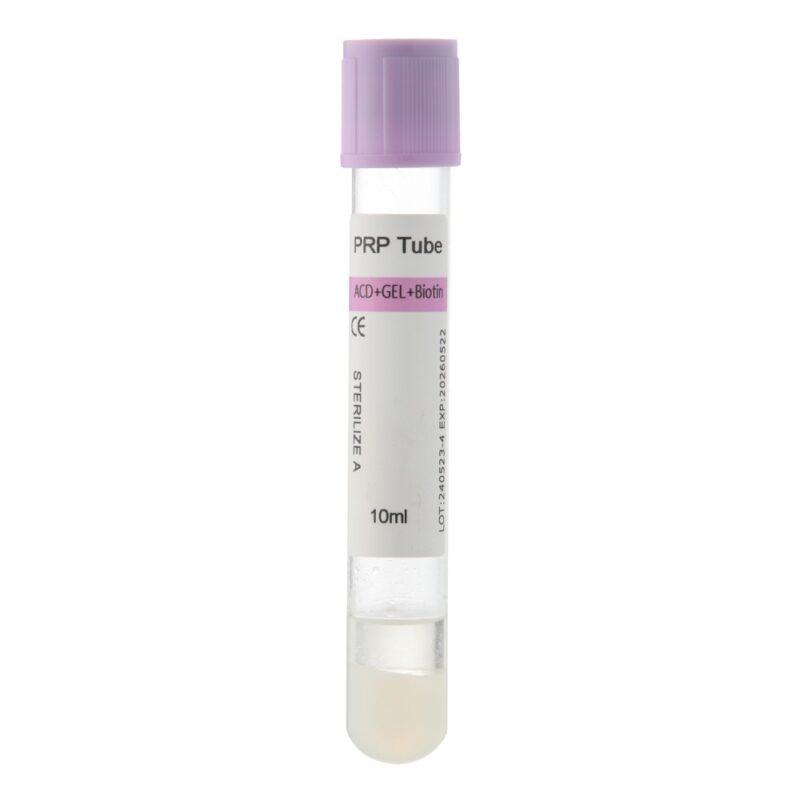
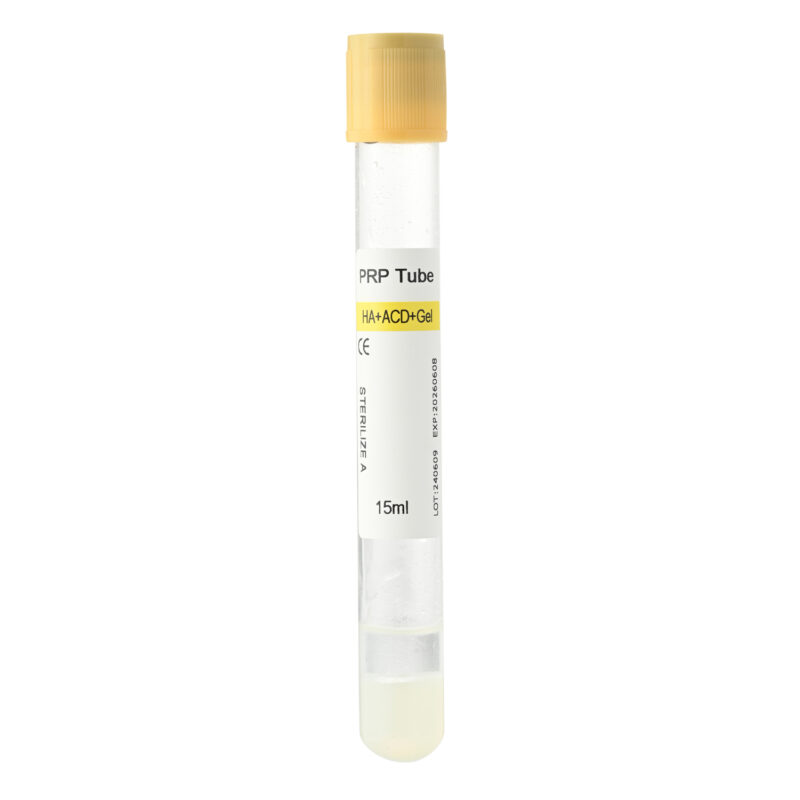
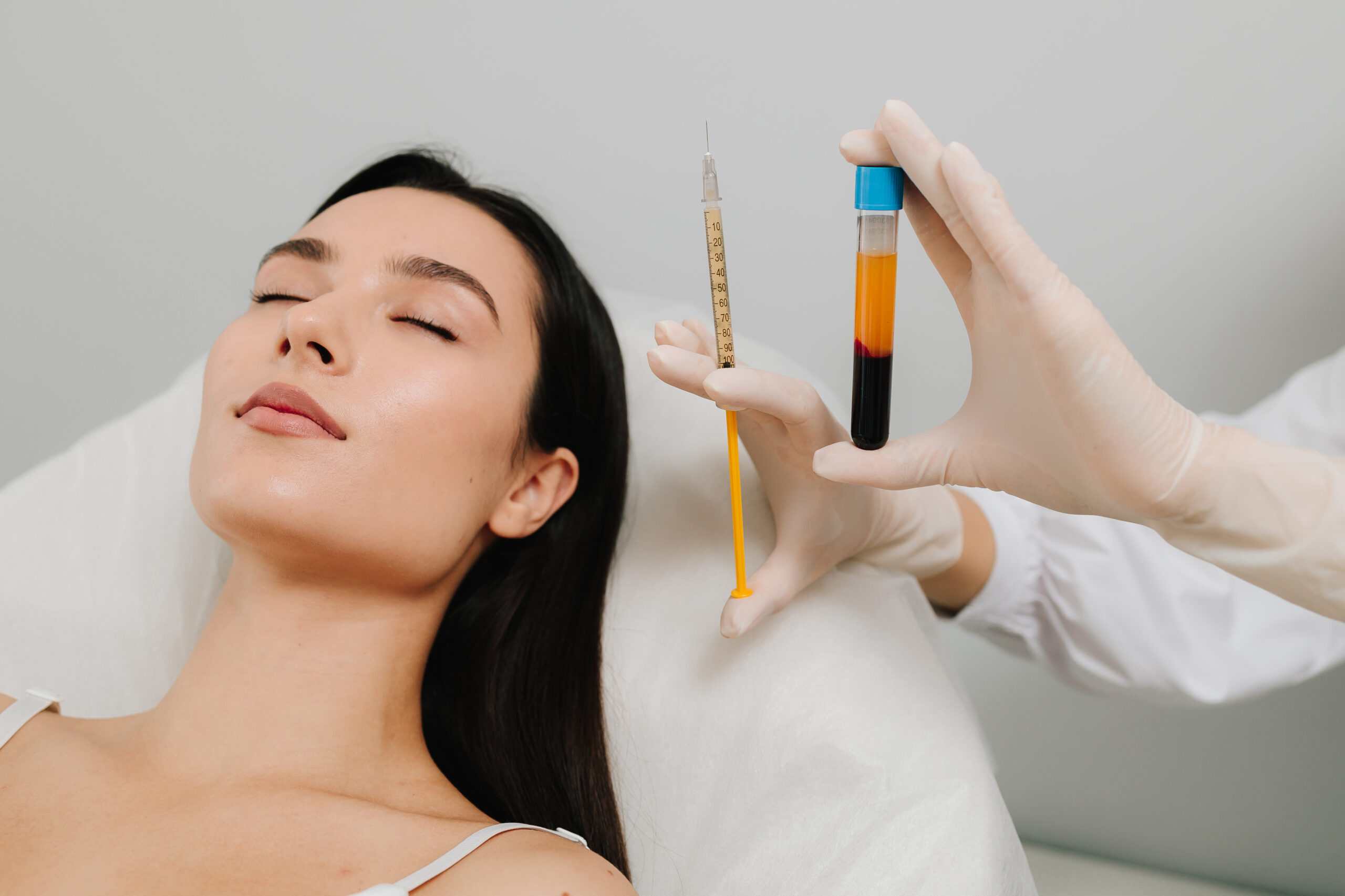
PRP(Platelet-rich plasma) therapy involves drawing a small amount of the patient’s blood, concentrating the platelets, and injecting them into a targeted area. These platelets release growth factors that support tissue repair and regeneration.
Stem – cell therapy works at a deeper level by introducing cells that can develop into various tissue types, thereby helping to repair damaged structures more directly.
Both approaches rely on the body’s natural healing response. That means:
- The treatment initiates the repair process
- The body completes it over time
This is exactly why post-treatment care is so important—it directly affects how efficiently that healing process unfolds.
PRP/Stem Cell Therapy Post Management Care Timeline
A clear recovery timeline helps set realistic expectations. While individual results vary, most patients follow a similar pattern:
First 24–48 Hours
- Mild swelling, redness, or soreness may occur
- The treated area is in the early inflammatory phase
- Rest is recommended, and unnecessary contact should be avoided
Days 3–7
- The body begins active repair
- Discomfort usually decreases
- Light daily activities can gradually resume
Weeks 2–4
- Tissue regeneration becomes more noticeable
- Some patients begin to see visible improvements
1–3 Months
- Collagen production and tissue remodeling continue
- Results become more stable and pronounced
It’s important to remember that regenerative treatments are not instant solutions. They work progressively as the body heals itself.
Key Do’s and Don’ts in PRP/Stem Cell Therapy Post Management Care
Proper PRP/Stem Cell Therapy Post Management Care is largely about supporting the body while avoiding disruptions to the healing process.
What to Do
- Stay well hydrated to support cellular activity
- Follow medical guidance regarding rest and activity levels
- Maintain a balanced diet rich in protein and micronutrients
What to Avoid
- Anti-inflammatory medications (unless prescribed), as they may interfere with the healing response
- Alcohol and smoking, which can impair circulation and recovery
- High-intensity exercise too early in the recovery phase
For clinics aiming to standardize outcomes across patients, exploring reliable suppliers like Siny PRP can make a measurable difference.

Factors That Influence Recovery and Treatment Outcomes
Not all patients respond the same way to PRP or stem cell therapy. Several factors influence recovery:
1. Individual Health Condition
Age, metabolism, and overall health can affect how quickly the body heals.
2. Treatment Area and Severity
A minor soft tissue issue may recover faster than a chronic joint condition.
3. Treatment Technique
Injection accuracy, dosage, and protocol all play a role.
4. Biological Quality of the Sample
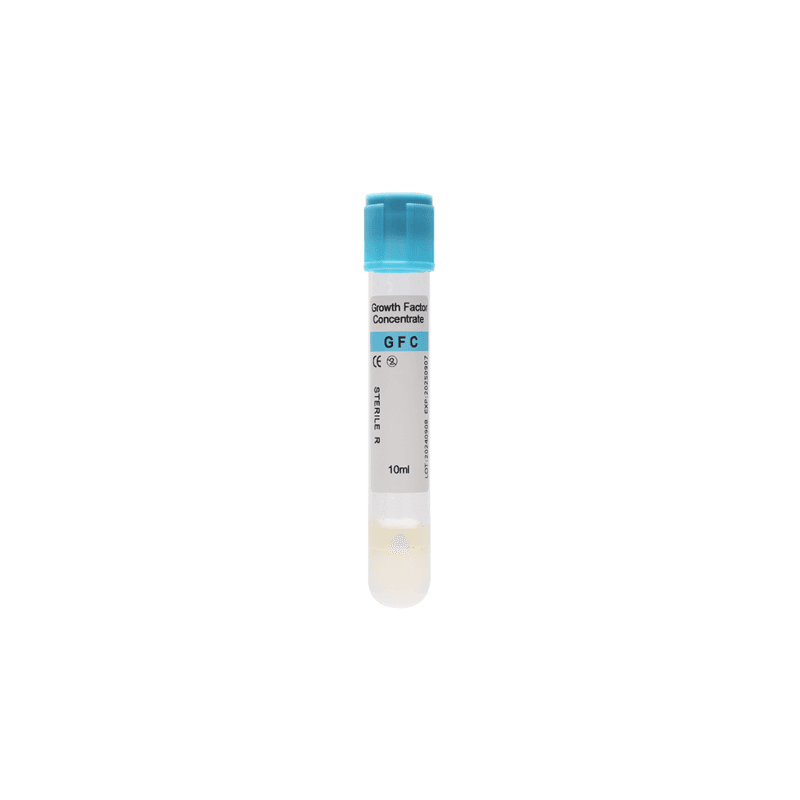
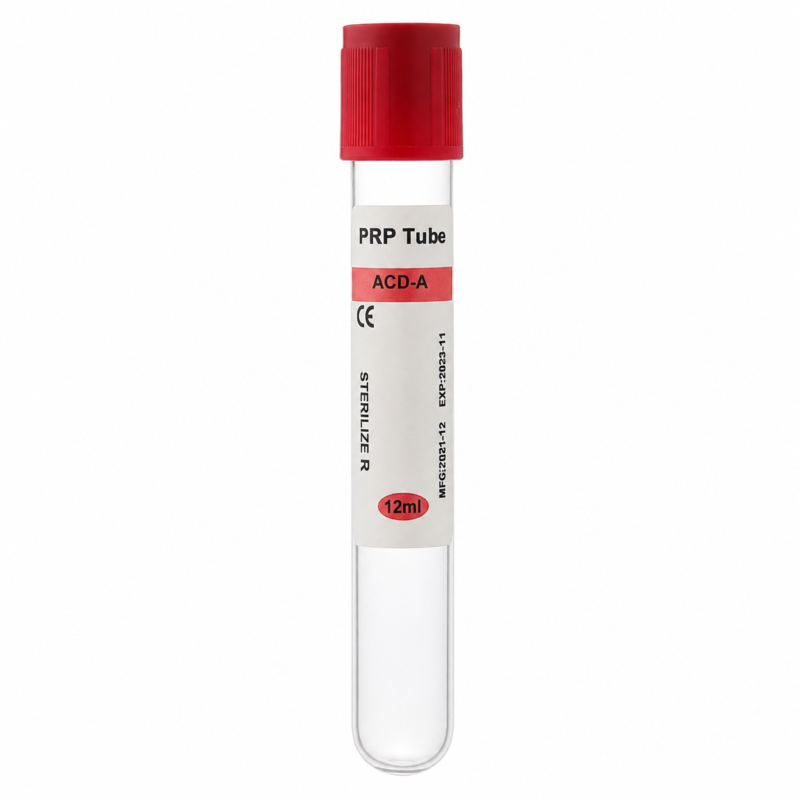
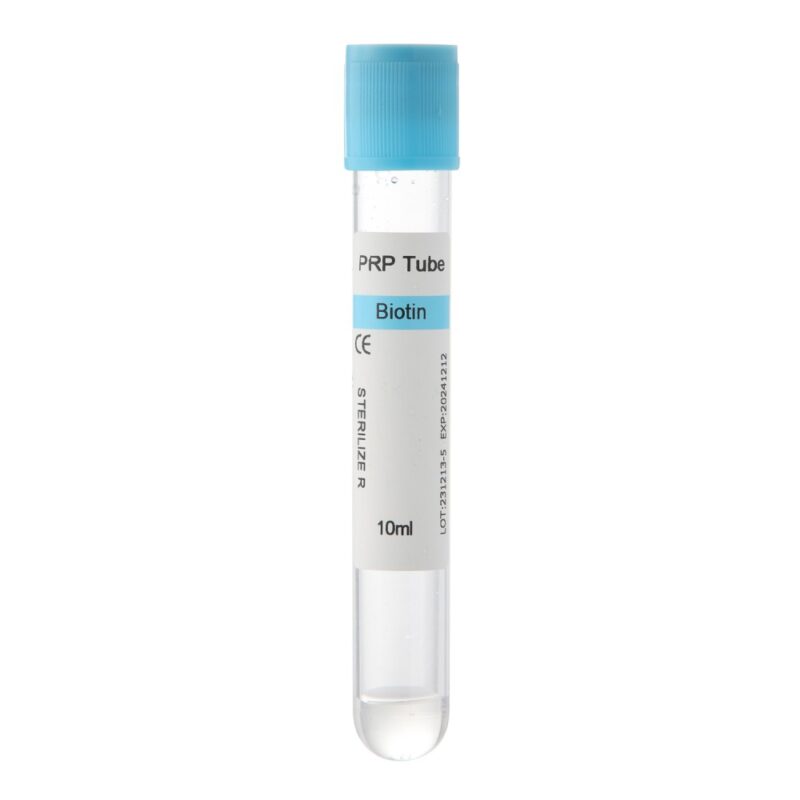
In PRP treatments, especially, the concentration and quality of platelets can influence the level of growth factor release.
Even when the procedure itself is standardized, small variations in these factors can lead to different outcomes.
If you’re looking to improve treatment consistency rather than just follow post-care guidelines, you can explore optimized PRP tube solutions directly through Siny PRP.
Why Post Management Care Is Critical for Long-term
One of the most overlooked aspects of PRP/Stem Cell Therapy Post Management Care is that healing is not a single event—it is a process.
After treatment, the body goes through:
- Inflammation (initial response)
- Proliferation (cell growth)
- Remodeling (tissue strengthening)
If this process is interrupted—for example, by excessive strain, poor lifestyle habits, or inadequate rest—the final results may be less effective.
On the other hand, when patients follow proper post-care guidelines, they are more likely to:
- Experience smoother recovery
- Achieve more consistent results
- Reduce the risk of complications
This is why post-treatment management is often considered just as important as the procedure itself.
FAQ – PRP/Stem Cell Therapy Post Management Care
1. How long should I rest after PRP or stem cell therapy?
Most patients should rest for at least 24–48 hours, with gradual return to normal activity over the following days.
2. Can I exercise after treatment?
Light movement is usually acceptable after a few days, but intense exercise should be avoided for 1–2 weeks or as advised by your doctor.
3. Is swelling normal after PRP or stem cell therapy?
Yes, mild swelling and discomfort are common in the first few days and typically resolve on their own.
4. When will I see results?
Some improvement may be noticed within a few weeks, but full results usually take 1–3 months as tissue regeneration progresses.
5. Does everyone respond the same way to these treatments?
No. Results vary depending on individual health, treatment area, and how well post-care instructions are followed.
Final Thoughts
PRP and stem cell therapies offer promising solutions in regenerative medicine, but their effectiveness depends on more than just the procedure itself.
Understanding and following proper PRP/Stem Cell Therapy Post Management Care helps ensure that the body can fully utilize its natural healing potential. By supporting the recovery process, patients can achieve more predictable and lasting results.