If you’ve recently received a PRP injection for hip pain—or you’re considering one—it’s natural to wonder what happens next. Mild soreness, temporary stiffness, and gradual improvement over the following weeks are all normal parts of the healing process. Unlike pain-relieving injections that provide immediate symptom relief, platelet-rich plasma (PRP) therapy works by stimulating your body’s own regenerative mechanisms, which means recovery takes time.
Understanding what to expect after PRP injection in hip helps patients approach treatment with realistic expectations while allowing healthcare providers to better educate and support them throughout recovery. Whether PRP is being used to treat hip osteoarthritis, gluteal tendinopathy, labral injuries, or chronic soft tissue disorders, the overall recovery pattern is generally predictable, although every patient’s healing journey is unique.
Recovery depends on multiple factors, including the severity of the underlying condition, age, overall health, activity level, rehabilitation compliance, and the quality of the PRP preparation itself. A carefully prepared PRP sample with an appropriate platelet concentration provides the biological foundation for successful regenerative therapy, making preparation protocols just as important as the injection technique.
This guide explains the typical hip PRP recovery timeline, discusses common symptoms at each stage, outlines activities to avoid, and explores the clinical and preparation-related factors that influence treatment outcomes. Whether you’re a patient seeking reassurance or a healthcare professional looking to educate patients, this guide provides a practical overview of what to expect during recovery.
Recovery Timeline at a Glance
| Recovery Stage | What Most Patients Experience |
|---|---|
| Day 1–3 | Mild soreness, stiffness, temporary pain flare, light walking encouraged |
| Week 1 | Inflammation gradually settles, walking becomes more comfortable |
| Weeks 2–4 | Mobility begins improving, daily activities become easier |
| Weeks 4–6 | Noticeable reduction in pain and improved joint function for many patients |
| Months 2–6 | Continued tissue remodeling and gradual improvement in strength and function |
While individual recovery varies, most patients follow a similar pattern. Understanding this timeline can help reduce anxiety and prevent unrealistic expectations during the healing process.
What to Expect After PRP Injection in Hip During the First 48 Hours
The first 48 hours after a PRP injection are usually the most uncomfortable. Many patients expect immediate relief because they associate injections with fast pain reduction. However, PRP works very differently from corticosteroids. Instead of suppressing inflammation, it temporarily stimulates a controlled inflammatory response that initiates tissue repair.
Once the concentrated platelets are injected into the damaged area, they begin releasing growth factors that recruit healing cells, promote collagen production, encourage new blood vessel formation, and support tissue regeneration. This biological response explains why temporary discomfort is both common and expected.
During the first two days, patients may notice:
- Mild to moderate pain around the injection site
- Temporary stiffness when standing or walking
- A feeling of pressure or fullness within the hip joint
- Mild swelling or localized tenderness
- Reduced range of motion during certain movements
Some individuals report that their pain actually increases during the first 24 to 72 hours before gradually improving. Although this temporary flare-up can be frustrating, it usually reflects the body’s natural healing response rather than a treatment complication.
Patients are generally encouraged to continue gentle daily movement. Short walks and light household activities help maintain circulation and reduce stiffness without overloading healing tissues. Complete bed rest is rarely recommended because prolonged inactivity may delay recovery.
At the same time, patients should avoid activities that place excessive stress on the hip, including:
- Running
- Jumping
- Heavy weightlifting
- Deep squats
- High-impact sports
- Long-distance hiking
Pain management also requires careful consideration. Most orthopedic physicians recommend avoiding nonsteroidal anti-inflammatory drugs (NSAIDs), including ibuprofen, naproxen, and diclofenac, for approximately one to two weeks after treatment. Because PRP relies on inflammation to activate tissue repair, suppressing that response may reduce its biological effectiveness. If additional pain control is necessary, acetaminophen is commonly considered a more suitable option after consulting the treating physician.
Simple lifestyle habits can also support recovery. Staying well hydrated, consuming adequate protein, sleeping seven to nine hours each night, and avoiding smoking all help create a favorable environment for tissue healing.
From a clinical perspective, successful recovery begins well before the injection is administered. Consistent PRP preparation protocols help produce predictable platelet concentrations and cleaner plasma separation, giving physicians greater confidence that each treatment delivers a reproducible biological product.
What to Expect After PRP Injection in Hip During the First Six Weeks
Once the initial inflammatory phase begins to settle, patients enter the tissue repair stage. This period is characterized by gradual biological remodeling rather than dramatic overnight improvement. While every patient heals differently, many people begin noticing small but meaningful improvements in pain and mobility over the following weeks.
Week 1: Early Healing Begins
Pain often stabilizes during the first week. Stiffness may still be present, particularly after prolonged sitting or when getting out of bed in the morning, but simple movements usually become more comfortable.
Patients may begin physician-directed rehabilitation exercises designed to restore mobility without overloading healing tissues. Gentle stretching, controlled range-of-motion exercises, and light walking are commonly introduced during this stage.
The goal is not to return to full activity immediately, but to encourage healthy movement while protecting the regenerative process taking place inside the joint.
Weeks 2–4: Gradual Functional Improvement
Between the second and fourth week, many patients begin experiencing noticeable improvements in daily function. Walking longer distances, climbing stairs, standing for extended periods, and performing routine activities often become easier than they were before treatment.
Patients receiving PRP injection for hip osteoarthritis may experience slower progress than those being treated for tendon injuries because cartilage degeneration generally requires a longer remodeling period. Likewise, recovery after PRP for gluteal tendinopathy often depends on consistent rehabilitation in addition to the biological effects of the injection.
It is important not to compare your recovery with someone else’s. Some individuals report steady improvement every week, while others notice very little change until the fifth or sixth week before experiencing significant progress.
Weeks 4–6: Meaningful Progress Becomes More Noticeable
By the fourth to sixth week, many patients report reduced pain, greater hip stability, and improved range of motion. Everyday activities that once caused discomfort often become easier, allowing patients to gradually return to a more active lifestyle.
Following physician approval, many people can begin reintroducing low-impact exercises such as:
- Stationary cycling
- Swimming
- Elliptical training
- Water-based rehabilitation
- Progressive strength exercises
Higher-impact activities—including running, competitive sports, and heavy resistance training—typically require additional recovery time and should only resume after the treating physician confirms that tissue healing has progressed appropriately.
Regular follow-up appointments during this period help physicians assess recovery, adjust rehabilitation programs, and determine whether additional PRP sessions may provide further benefit. Although many patients respond well after a single injection, others—particularly those with more advanced degeneration—may benefit from a series of treatments as part of a comprehensive regenerative care plan.
As recovery progresses, another factor deserves attention: not every PRP preparation is biologically identical. Platelet concentration, leukocyte content, centrifugation protocols, and collection tube quality all influence the final composition of the injectable PRP. Clinics seeking consistent outcomes increasingly rely on dedicated PRP preparation systems that help standardize platelet recovery and minimize variation between procedures.

Factors That Influence Hip PRP Recovery Results
Patients often wonder why one person experiences rapid improvement while another needs several months to recover. The answer is that PRP outcomes depend on multiple biological, clinical, and procedural factors rather than the injection alone.
The underlying diagnosis remains one of the strongest predictors of recovery. Patients with early-stage hip osteoarthritis, tendon injuries, or mild cartilage damage generally respond more favorably than those with advanced joint degeneration. PRP supports tissue repair, but it cannot completely reverse severe structural changes within the joint.
Age also influences healing capacity. Younger individuals often regenerate tissue more efficiently, although many older adults still experience meaningful pain reduction and functional improvement when appropriate patient selection and rehabilitation protocols are followed.
Lifestyle choices make a measurable difference as well. Smoking, obesity, poorly controlled diabetes, chronic inflammatory conditions, and poor nutrition may all slow tissue healing. Conversely, maintaining a healthy diet, adequate sleep, regular rehabilitation, and appropriate activity modification can support better clinical outcomes.
Equally important is the quality of the PRP preparation itself. Platelet concentration, leukocyte composition, anticoagulant formulation, blood collection methods, centrifugation parameters, and preparation consistency all influence the biological characteristics of the final injectable product.
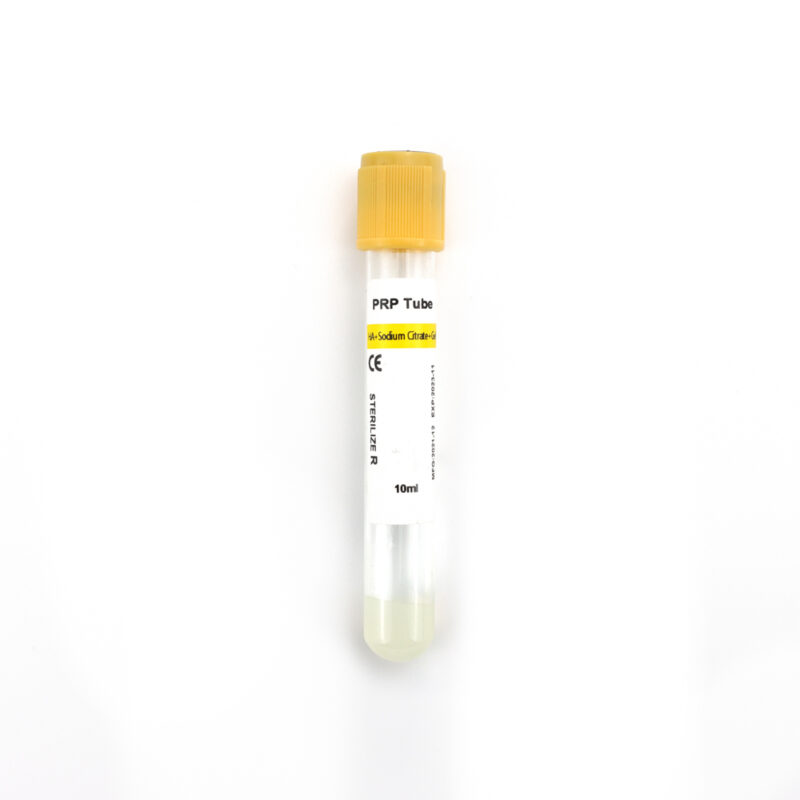
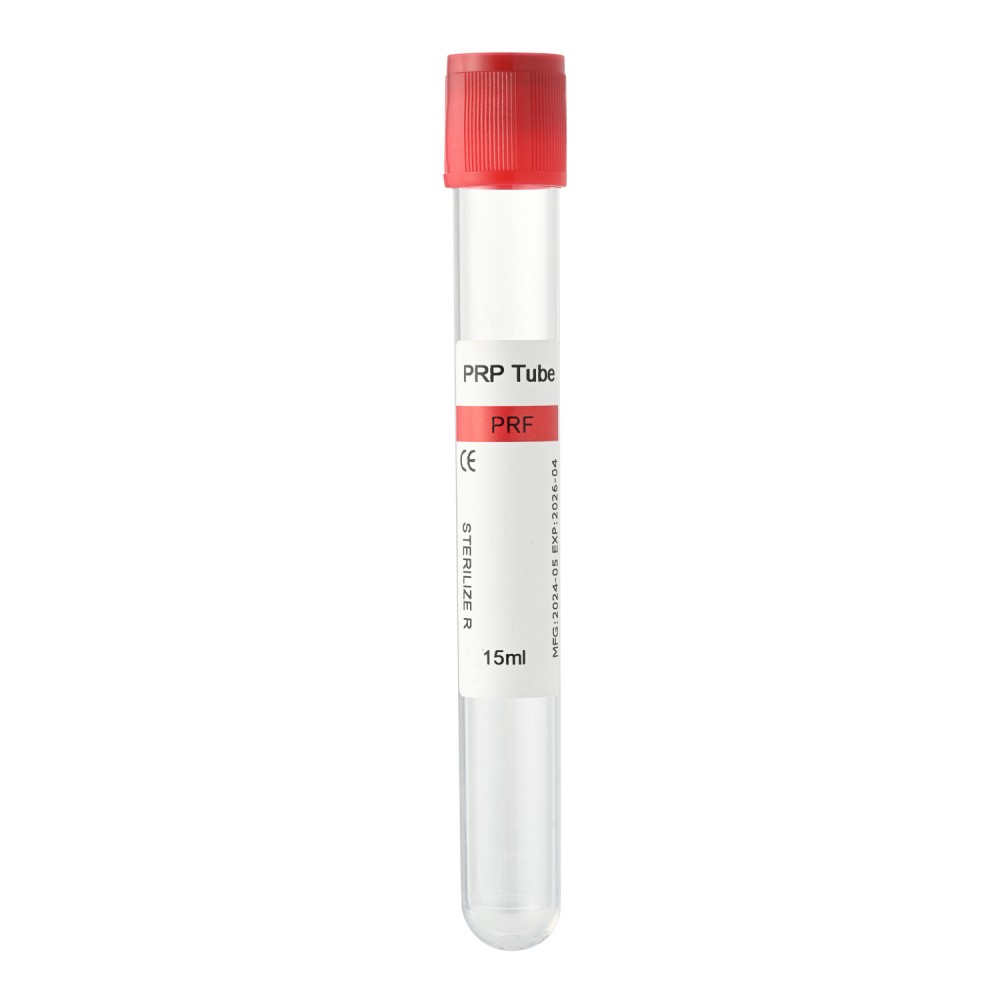
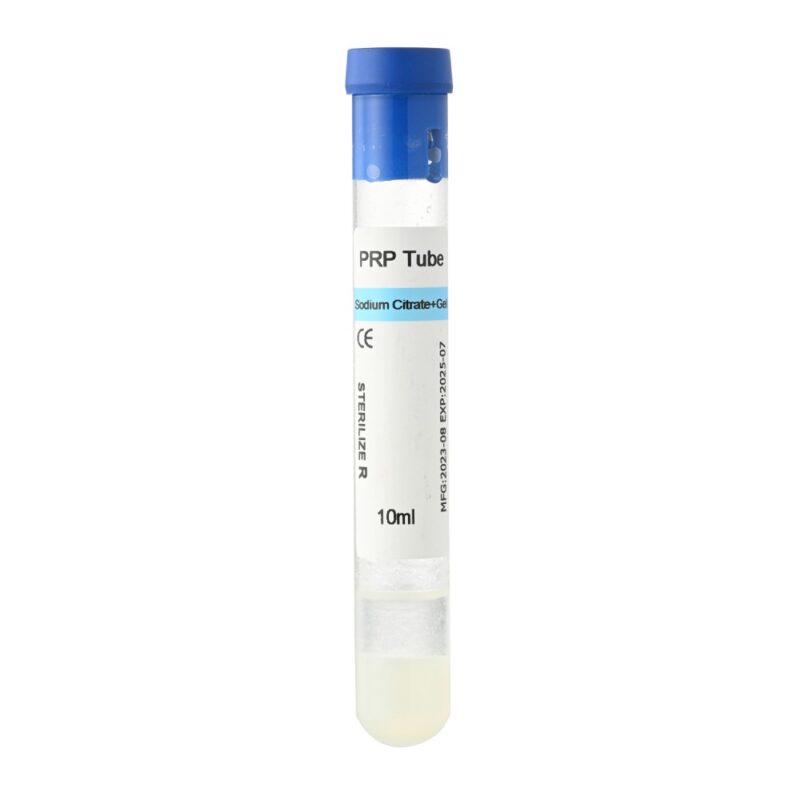
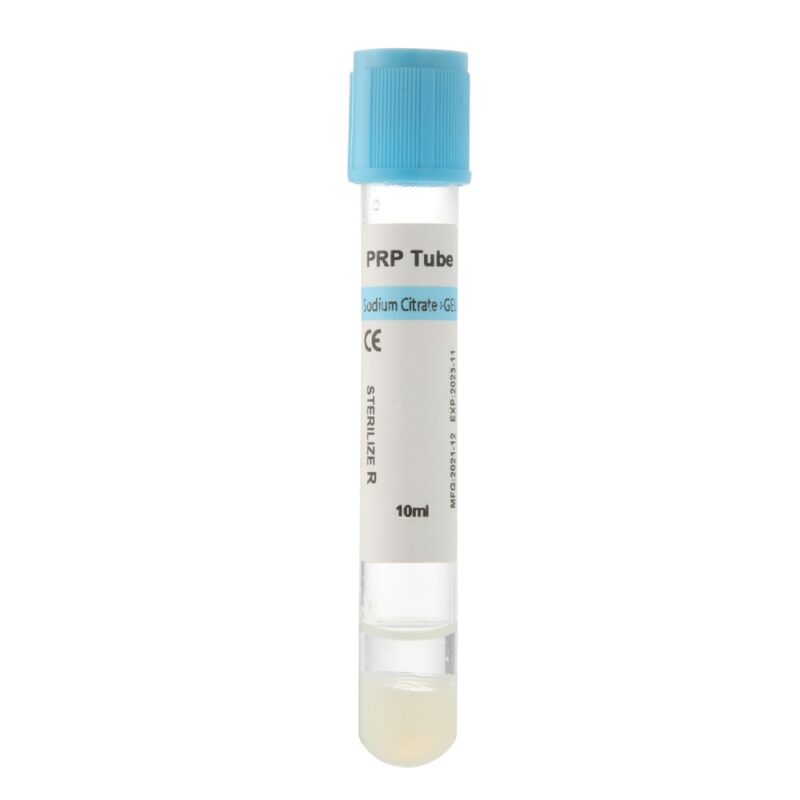
Modern orthopedic and sports medicine clinics increasingly recognize that successful regenerative therapy depends on standardized preparation as much as injection technique. High-quality PRP tubes specifically developed for regenerative medicine help achieve cleaner plasma separation, reliable platelet recovery, and greater consistency between treatments.
At Siny PRP, we manufacture a comprehensive range of PRP tubes for orthopedic medicine, sports medicine, pain management, hair restoration, and aesthetic applications. Designed for consistent performance and dependable preparation protocols, our products help clinics and distributors deliver reliable regenerative solutions while supporting efficient clinical workflows.
What Should You Avoid After PRP Injection in Hip?
Knowing what to avoid after treatment is just as important as understanding the recovery timeline. Although PRP is a minimally invasive procedure, the injected tissues require time to respond to the biological signals released by concentrated platelets. Activities or medications that interfere with this process may delay recovery or reduce the treatment’s overall effectiveness.
While your physician’s instructions should always take priority, the following recommendations are widely accepted in orthopedic and sports medicine practices.
Avoid Anti-Inflammatory Medications
One of the most important recommendations after PRP therapy is to avoid nonsteroidal anti-inflammatory drugs (NSAIDs), including:
- Ibuprofen
- Naproxen
- Diclofenac
- Celecoxib
These medications suppress inflammation, but inflammation is exactly what PRP uses to initiate tissue repair. Taking NSAIDs too soon after treatment may reduce the biological activity that PRP is intended to stimulate.
If pain relief becomes necessary, many physicians recommend acetaminophen because it does not significantly interfere with the inflammatory cascade involved in tissue regeneration.
Avoid Returning to Sports Too Early
Patients often feel encouraged once the initial soreness begins to improve. However, reduced pain does not necessarily mean the injured tissues have fully healed.
Returning too quickly to activities such as:
- Running
- Tennis
- Basketball
- Soccer
- Heavy resistance training
- CrossFit
may overload tissues that are still remodeling internally.
Instead, physicians typically recommend progressing gradually from walking to cycling, swimming, structured rehabilitation exercises, and eventually higher-impact activities once strength, mobility, and pain levels have sufficiently improved.
Don’t Skip Rehabilitation
PRP creates a favorable biological environment for healing, but movement restores function.
A structured rehabilitation program helps rebuild muscle strength, improve hip stability, restore flexibility, and correct movement patterns that may have contributed to the original injury. Numerous orthopedic specialists consider rehabilitation an essential component of successful PRP treatment rather than an optional addition.
Avoid Smoking and Limit Alcohol
Smoking reduces blood circulation and oxygen delivery, both of which are important for tissue regeneration. Excessive alcohol consumption may also interfere with normal healing responses.
Patients who avoid smoking, stay hydrated, consume adequate protein, and maintain healthy sleep habits generally create a better biological environment for recovery.
Be Patient With the Healing Process
Perhaps the most overlooked aspect of PRP therapy is patience.
Unlike corticosteroid injections that primarily suppress pain, PRP aims to improve tissue quality over time. Some patients notice measurable improvement within four to six weeks, while others continue experiencing gradual progress over three to six months as collagen remodeling and tissue regeneration continue.
Understanding this gradual progression helps patients remain committed to their rehabilitation program instead of assuming the treatment has failed simply because improvement is not immediate.
For healthcare providers, consistent patient outcomes begin with consistent preparation. Standardized PRP protocols supported by dedicated collection tubes help reduce procedural variability and provide a reliable biological foundation for regenerative therapies.
Why PRP Preparation Quality Matters More Than Many Patients Realize
When people discuss PRP therapy, conversations usually focus on the physician performing the injection or the rehabilitation program afterward. While both are extremely important, the quality of the PRP itself is equally critical.
PRP is not a standardized pharmaceutical product. Its biological characteristics depend entirely on how it is prepared.
Every step of the preparation process influences the final injectable plasma, including:
- Blood collection
- Anticoagulant selection
- Tube vacuum consistency
- Centrifugation speed and duration
- Plasma separation efficiency
- Platelet recovery
- Sterile handling procedures
Small variations during preparation may lead to meaningful differences in platelet concentration, leukocyte composition, plasma purity, and growth factor availability. These factors can influence the consistency of regenerative treatments, particularly in orthopedic applications where clinicians aim to deliver reproducible results across different patients.
For this reason, experienced orthopedic clinics increasingly use dedicated PRP preparation systems instead of adapting conventional blood collection products. High-quality PRP tubes help standardize preparation protocols, improve workflow efficiency, and reduce batch-to-batch variation.
When evaluating a PRP tube supplier, distributors and healthcare providers should consider more than price alone. Important factors include:
- Manufacturing quality and consistency
- Vacuum accuracy
- Additive stability
- Sterility validation
- Batch-to-batch quality control
- OEM and private-label capabilities
- Regulatory documentation
- Reliable production capacity
These considerations become increasingly important for distributors building long-term regenerative medicine product portfolios and for clinics seeking predictable clinical performance.
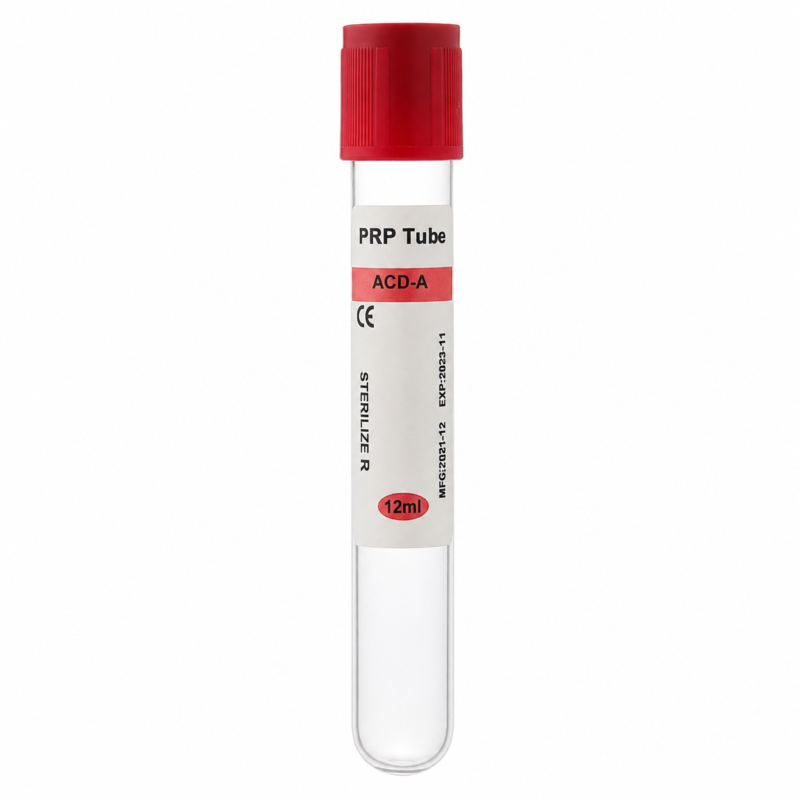
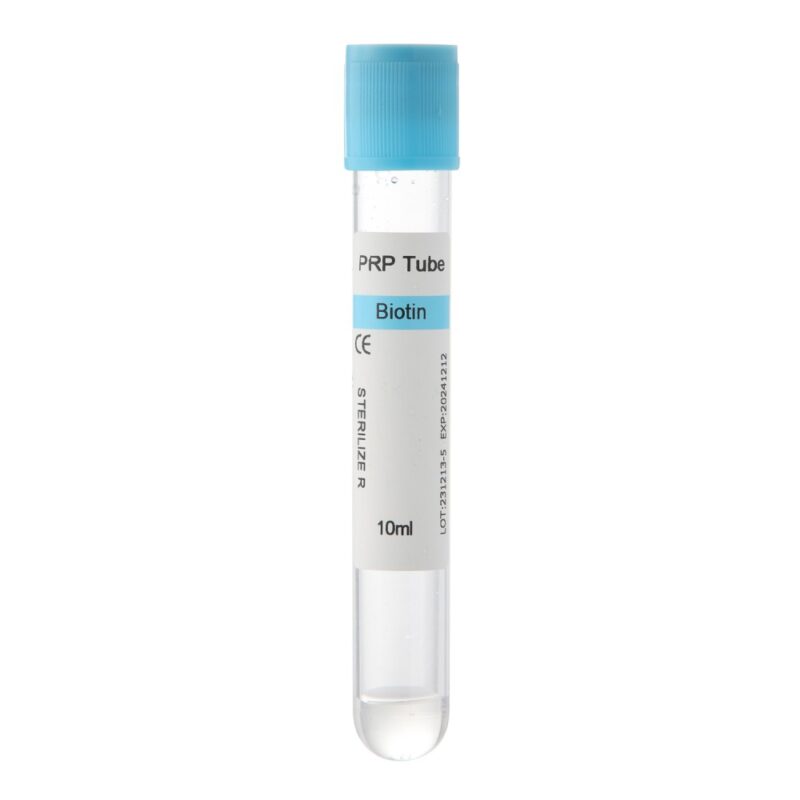
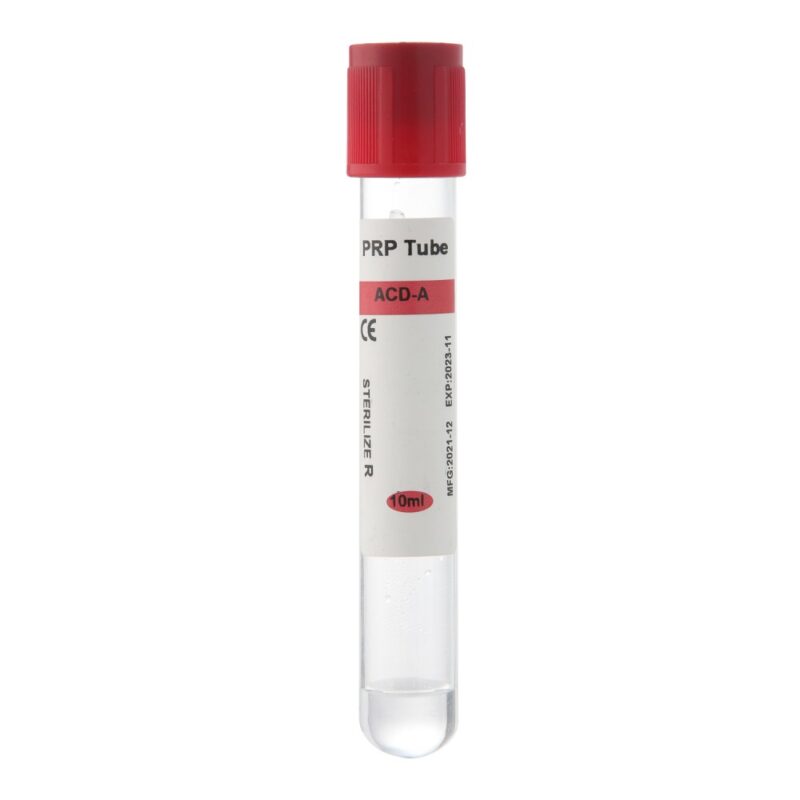
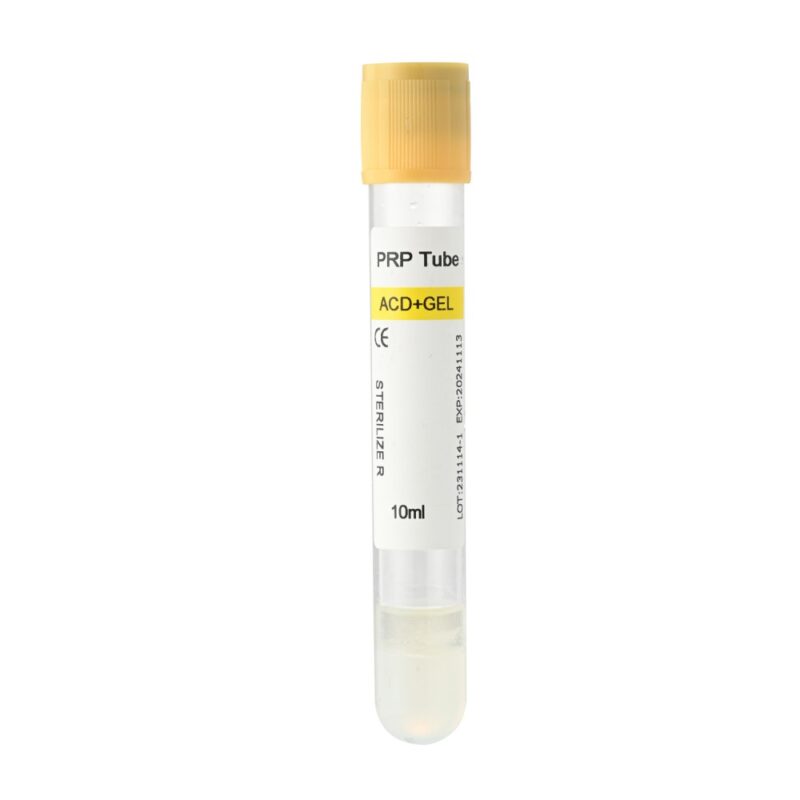
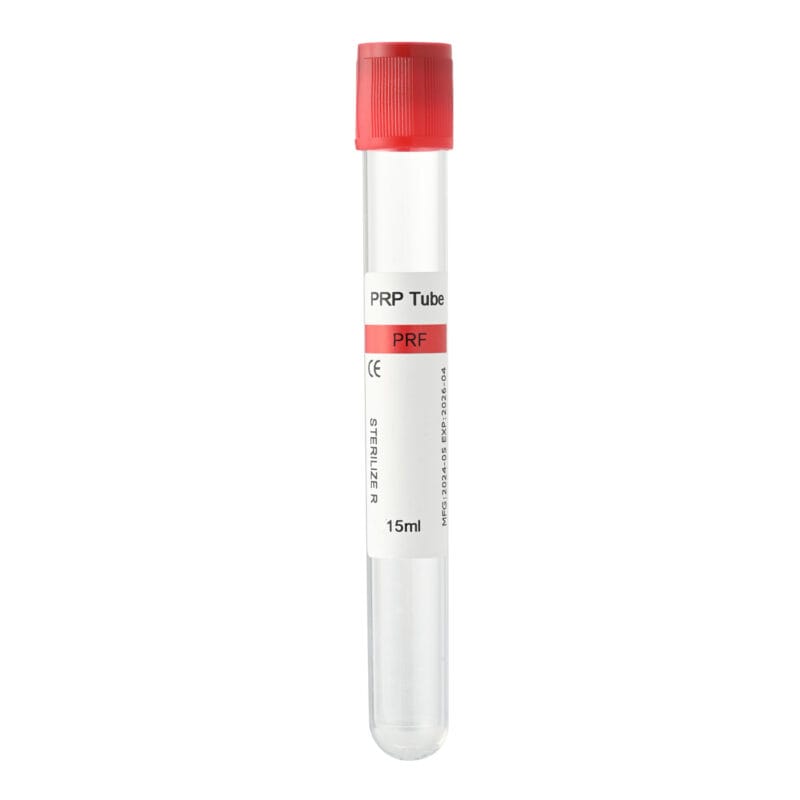
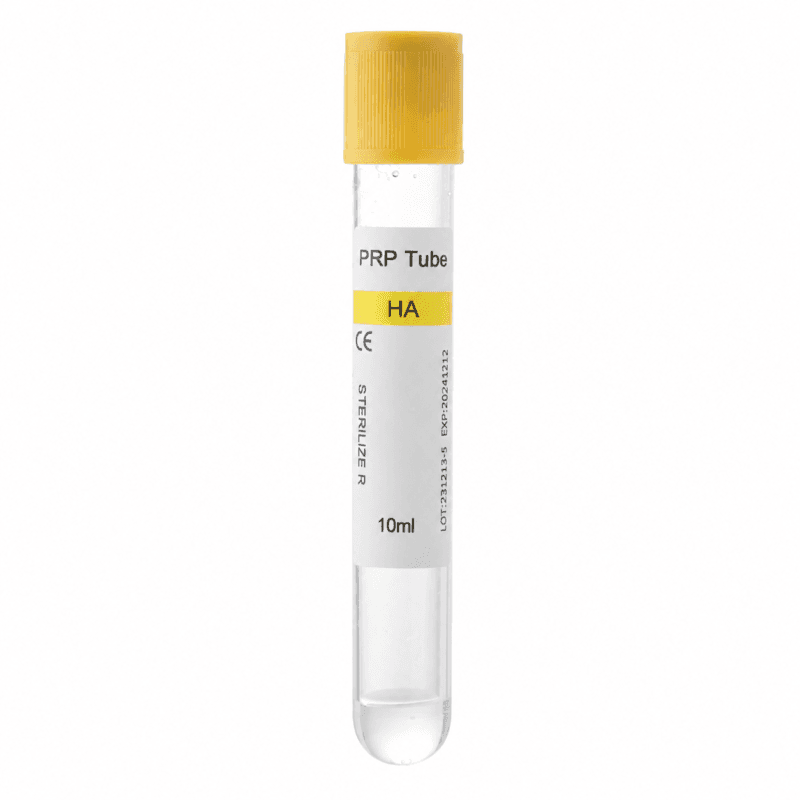
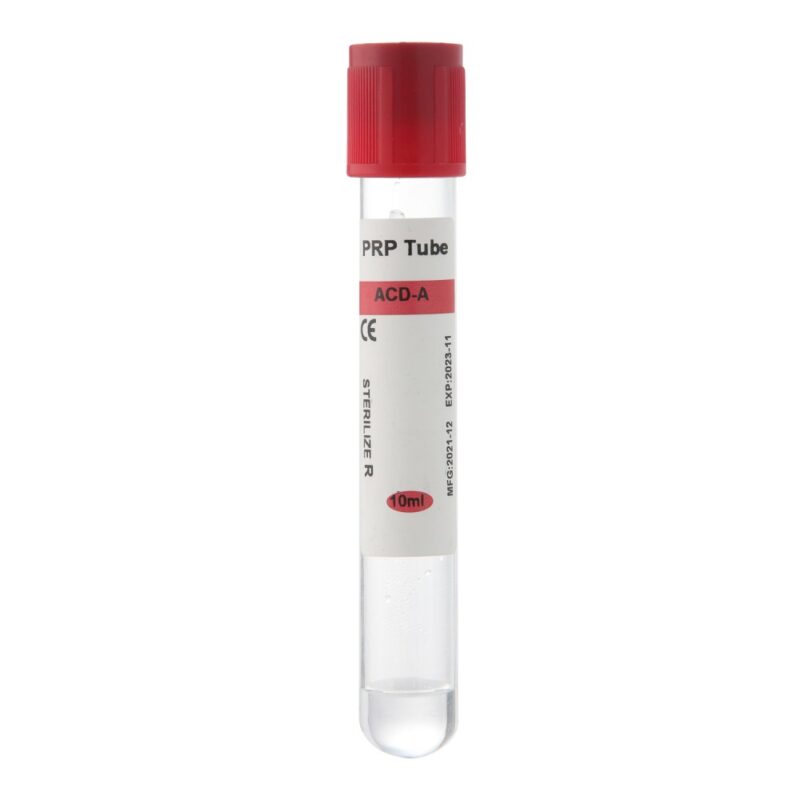
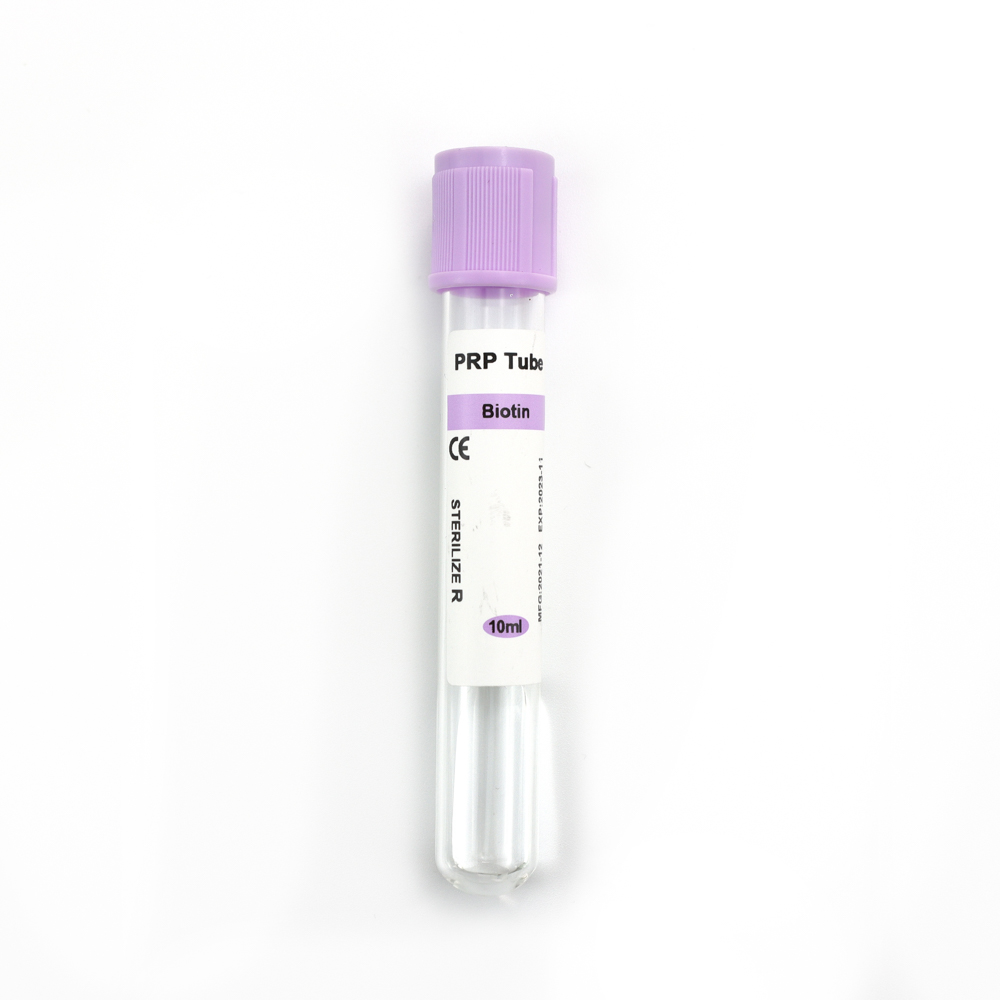
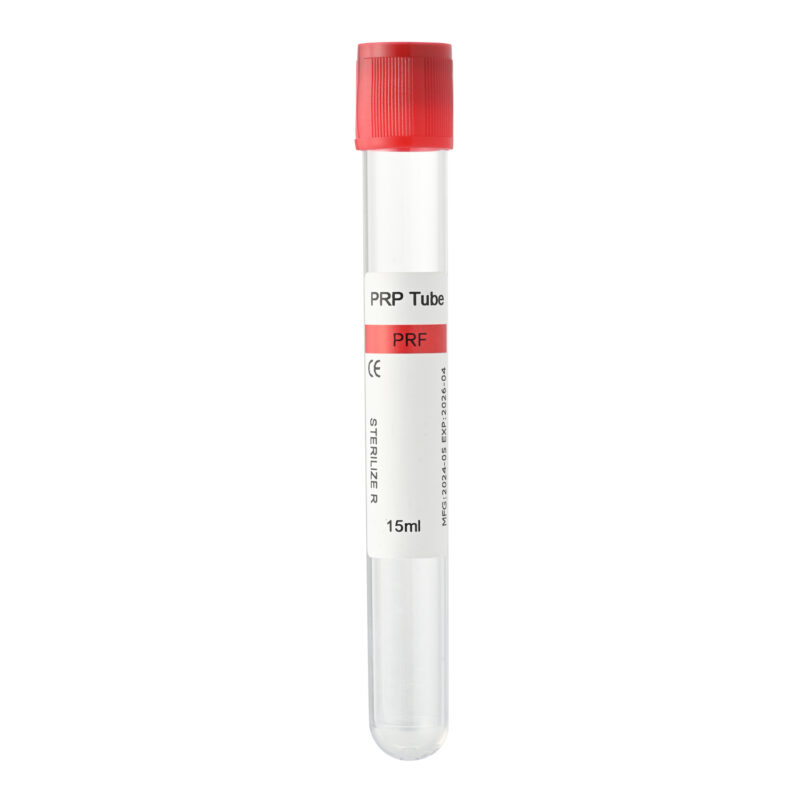
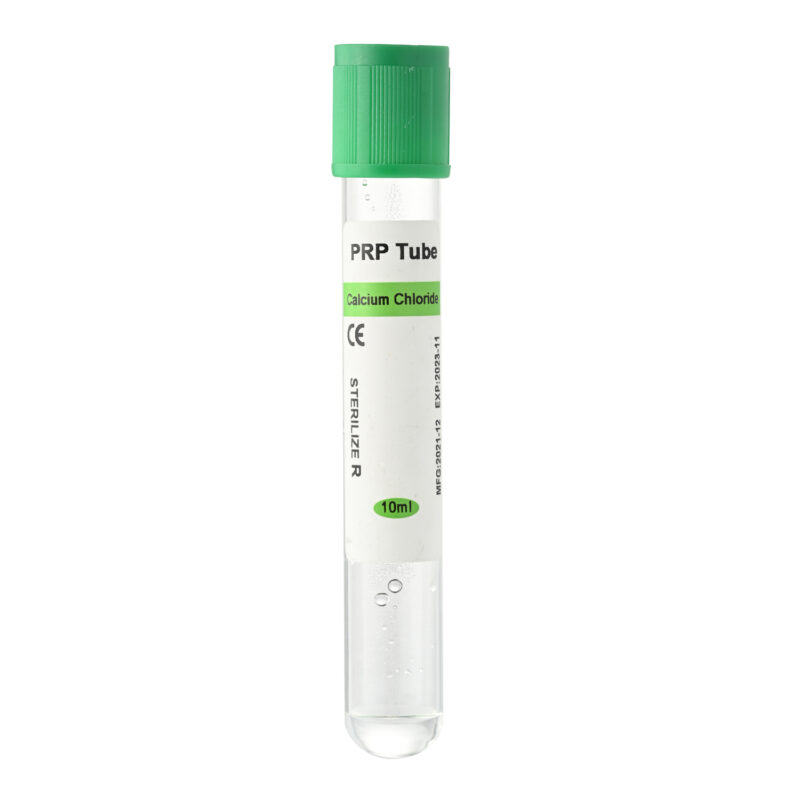
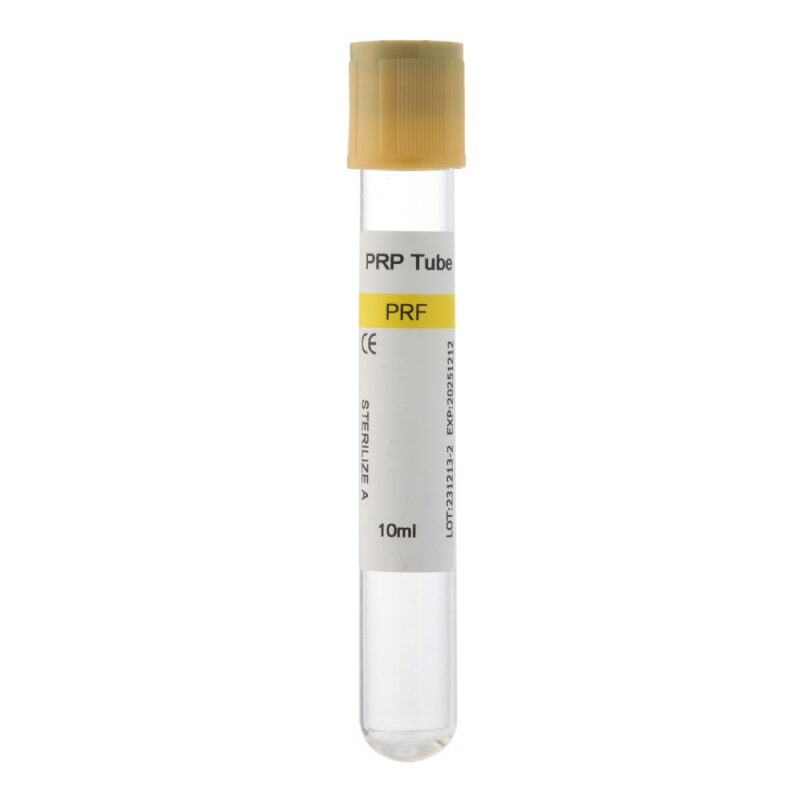
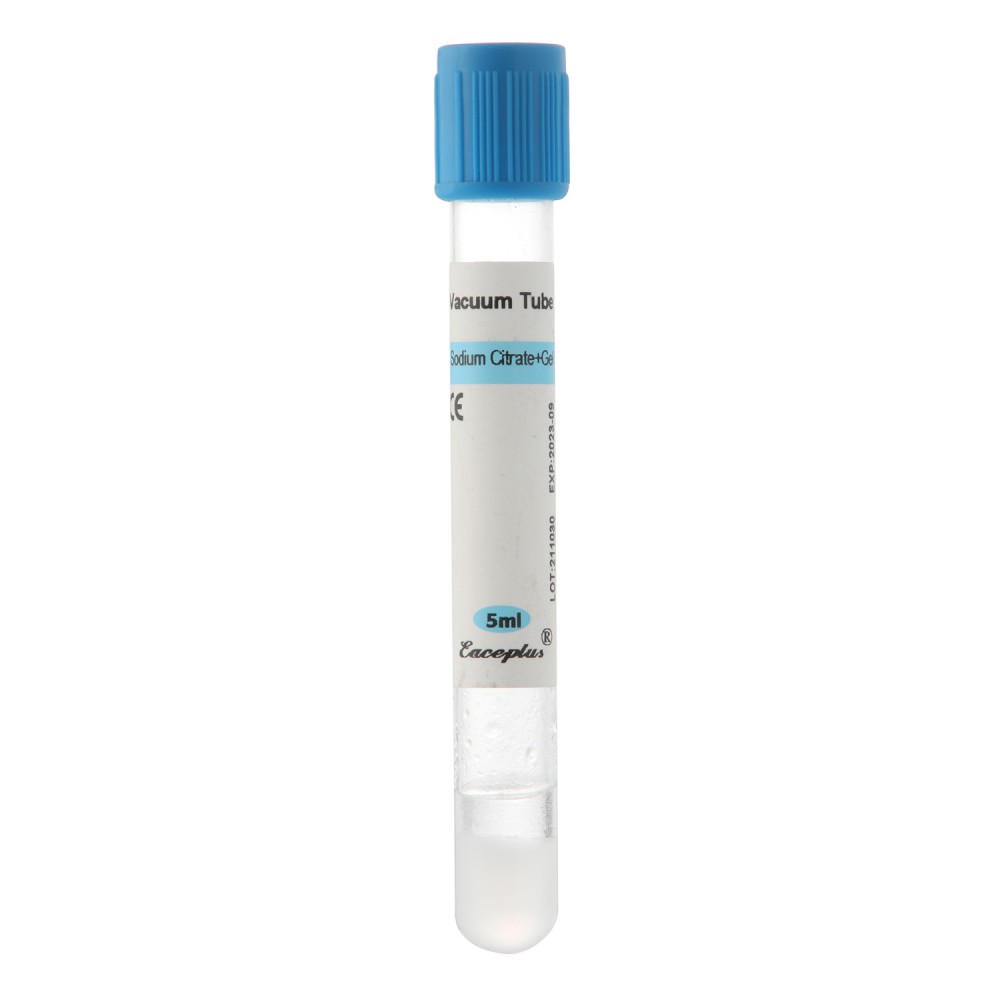
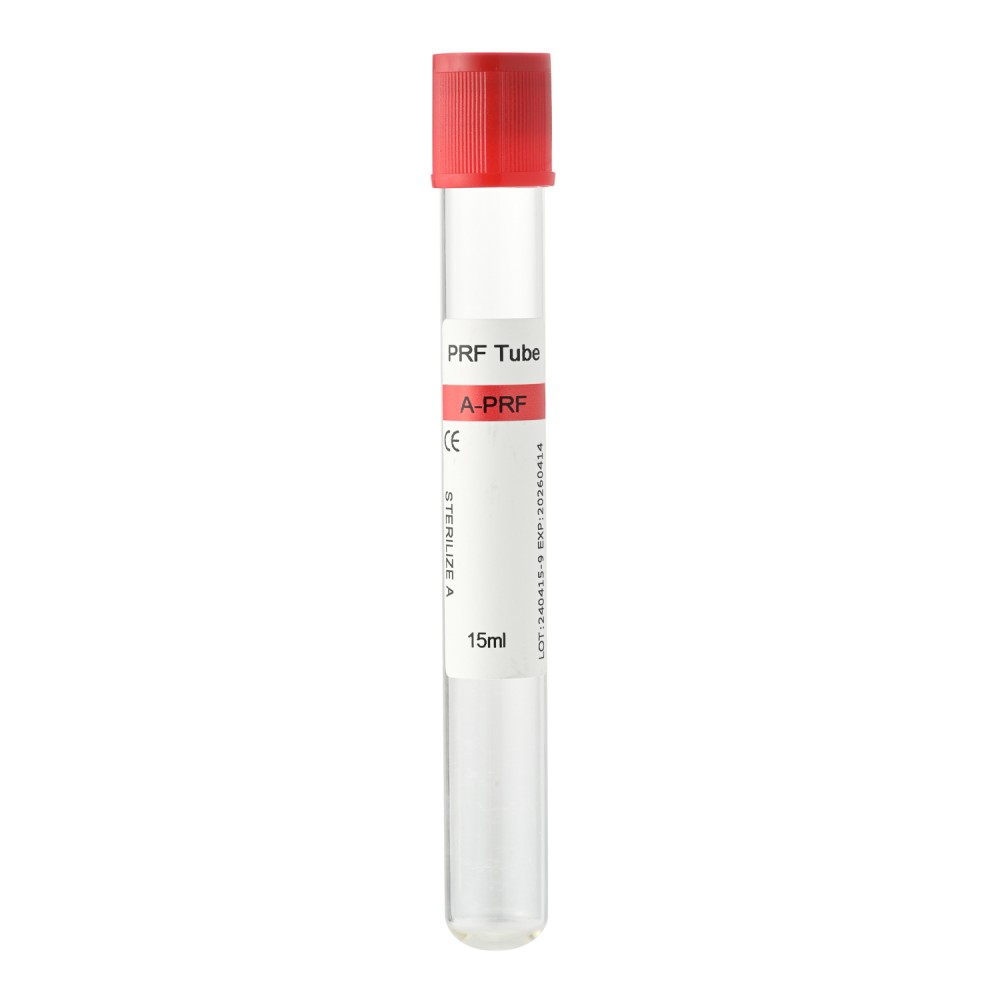
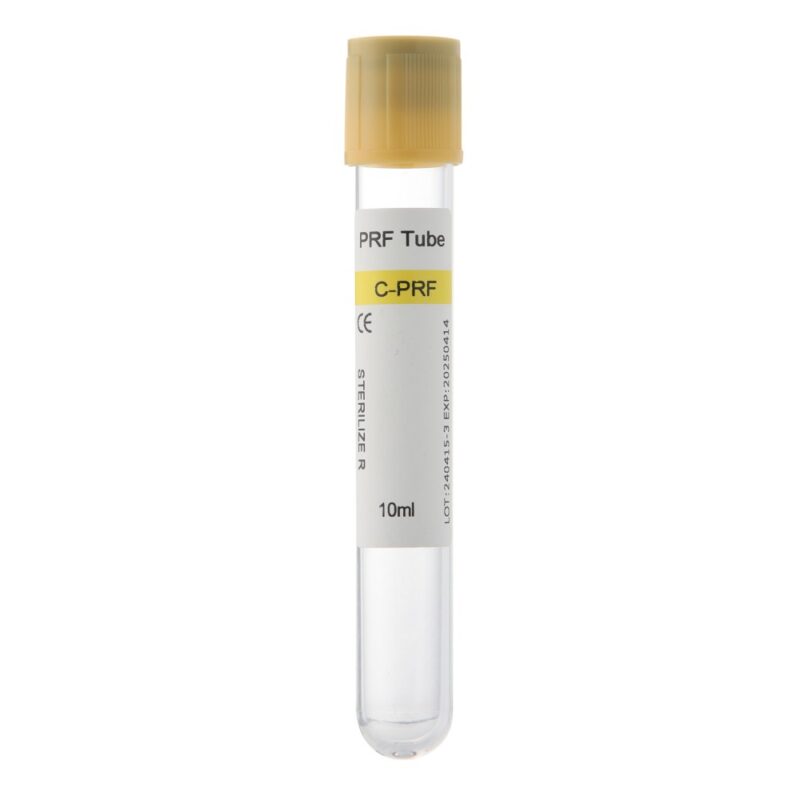
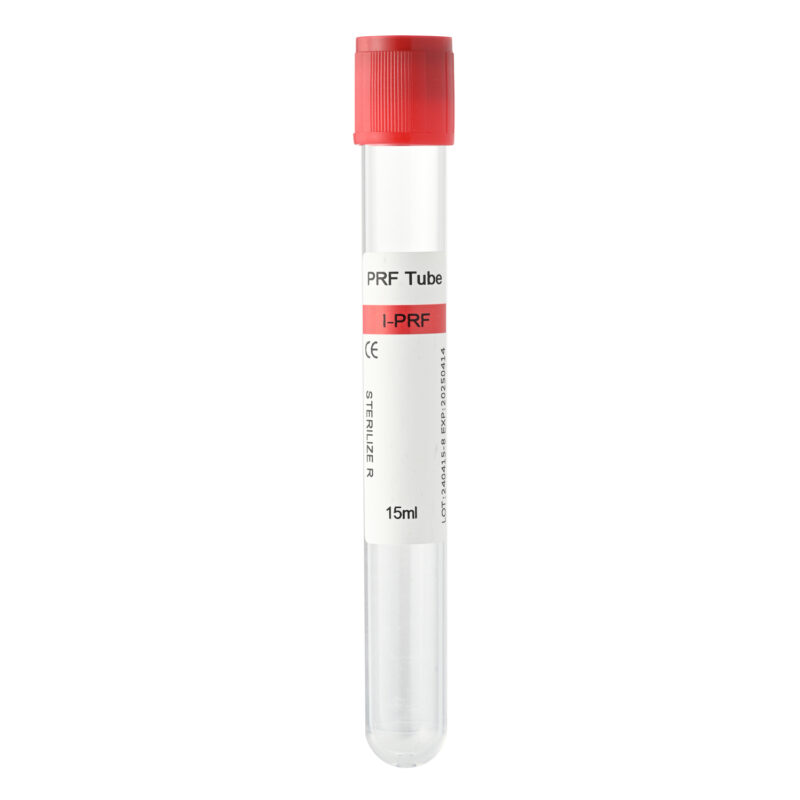
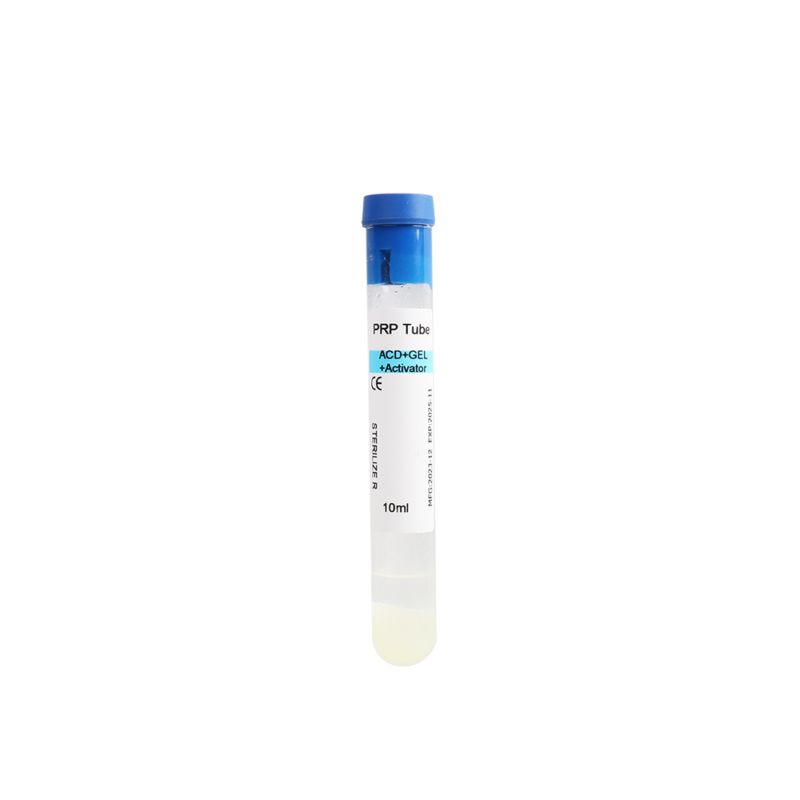
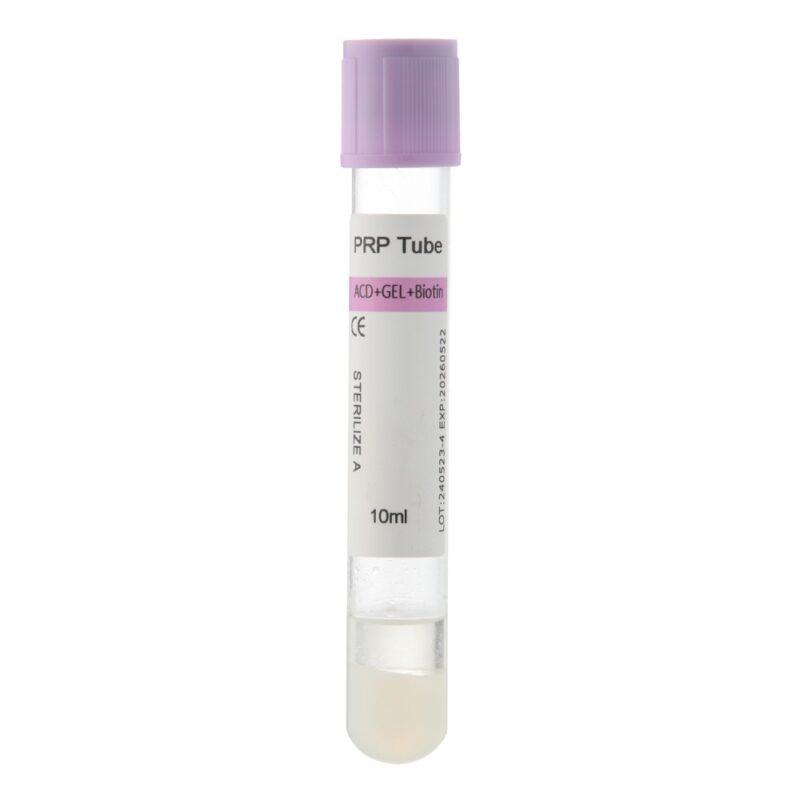
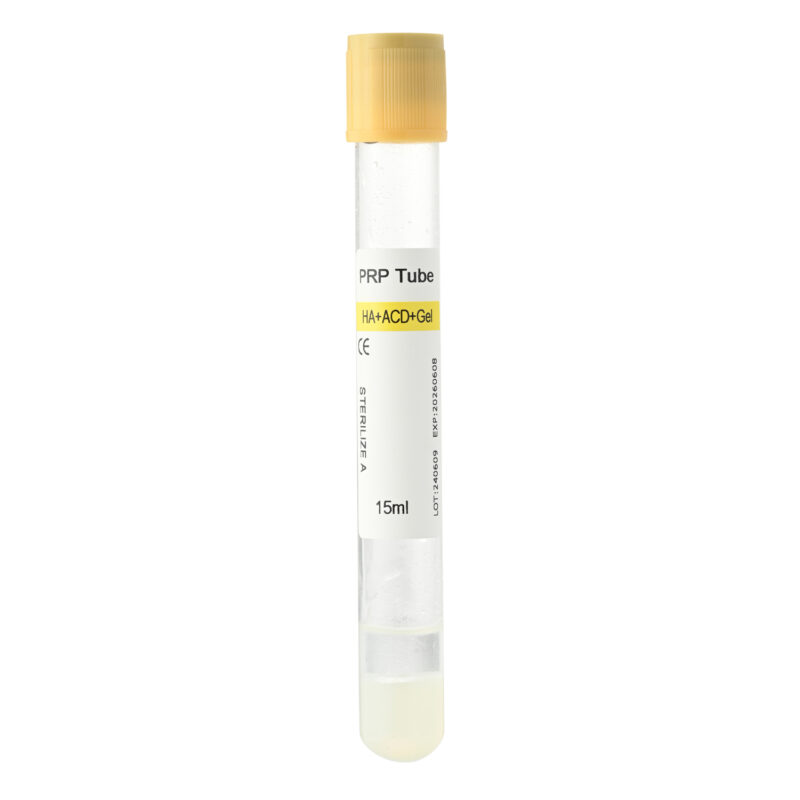
At Siny PRP, we specialize in manufacturing high-quality PRP tubes for orthopedic medicine, sports medicine, pain management, hair restoration, aesthetic medicine, and regenerative therapies. Our product portfolio includes ACD PRP tubes, gel PRP tubes, HA PRP tubes, and customized OEM solutions designed to support standardized preparation protocols and dependable platelet separation.
Whether you’re supplying hospitals, private clinics, or international distributors, choosing reliable preparation products helps establish greater consistency from one procedure to the next.
FAQs
1. What should I expect after a PRP injection in the hip?
Most patients experience mild soreness, temporary stiffness, and localized tenderness for the first two to three days. These symptoms are a normal part of the body’s healing response. Pain usually begins to improve gradually over the following weeks rather than immediately after treatment.
2. Is it normal for hip pain to get worse after PRP?
Yes. A temporary increase in pain during the first 24 to 72 hours is common because PRP stimulates a controlled inflammatory response. This short-term discomfort does not usually indicate that the treatment has failed.
3. How long does PRP take to work for hip pain?
Many patients begin noticing improvement between four and six weeks after treatment, while maximum benefits often continue developing over two to six months. Recovery speed depends on the severity of the condition, patient health, and adherence to rehabilitation.
4. Can I walk after a PRP injection in my hip?
Yes. Light walking is generally encouraged because it promotes circulation without placing excessive stress on healing tissues. High-impact exercise should still be avoided until your physician recommends returning to more demanding activities.
5. When can I return to exercise?
Low-impact activities such as cycling, swimming, and supervised rehabilitation exercises are usually introduced gradually after several weeks. Running and competitive sports should only resume after medical clearance based on your individual recovery.
6. Should I use ice after a PRP injection?
Recommendations vary between physicians. Some allow short periods of ice application for comfort, while others recommend avoiding it during the early inflammatory phase. Always follow your treating physician’s specific instructions.
7. Can I take ibuprofen after PRP therapy?
Most orthopedic specialists recommend avoiding NSAIDs for approximately one to two weeks after treatment because these medications may interfere with the biological processes that PRP relies upon. Consult your physician before taking any medication.
8. Will I need more than one PRP injection?
It depends on the condition being treated. Some patients achieve satisfactory improvement after a single injection, while others—particularly those with hip osteoarthritis or long-standing tendon disorders—may benefit from a series of two or three treatments recommended by their physician.
9. Does the type of PRP tube affect treatment quality?
Yes. PRP preparation depends heavily on the collection system used. Tube design, anticoagulant formulation, vacuum stability, centrifugation compatibility, and platelet recovery efficiency all influence the composition of the final PRP. Dedicated PRP tubes help clinics achieve more consistent preparation and standardized regenerative treatment protocols.
10. How do clinics choose the right PRP tube?
Clinics typically evaluate several factors, including platelet recovery performance, ease of preparation, additive formulation, manufacturing quality, regulatory documentation, and supplier reliability. For distributors and healthcare providers, choosing a manufacturer with stable production capacity and OEM experience is equally important for ensuring long-term supply consistency.
Support Better Regenerative Outcomes with Siny PRP
Successful PRP therapy begins long before the injection reaches the patient. Physician expertise, accurate diagnosis, ultrasound-guided injection techniques, and structured rehabilitation all contribute to positive outcomes—but none of these can replace a consistently prepared PRP sample.
At Siny PRP, we manufacture a complete range of premium PRP tubes designed to support standardized platelet separation for orthopedic medicine, sports medicine, pain management, hair restoration, and aesthetic applications. Every product is developed with a focus on preparation consistency, manufacturing quality, and reliable clinical performance.
Whether you’re sourcing PRP tubes for a private orthopedic clinic, a regenerative medicine center, a hospital, or an international distribution business, our experienced team can provide dependable manufacturing, flexible OEM services, and customized product solutions tailored to your market.
Contact Siny PRP today to discuss your project, request product samples, or learn how our PRP tube solutions can support your regenerative medicine business.