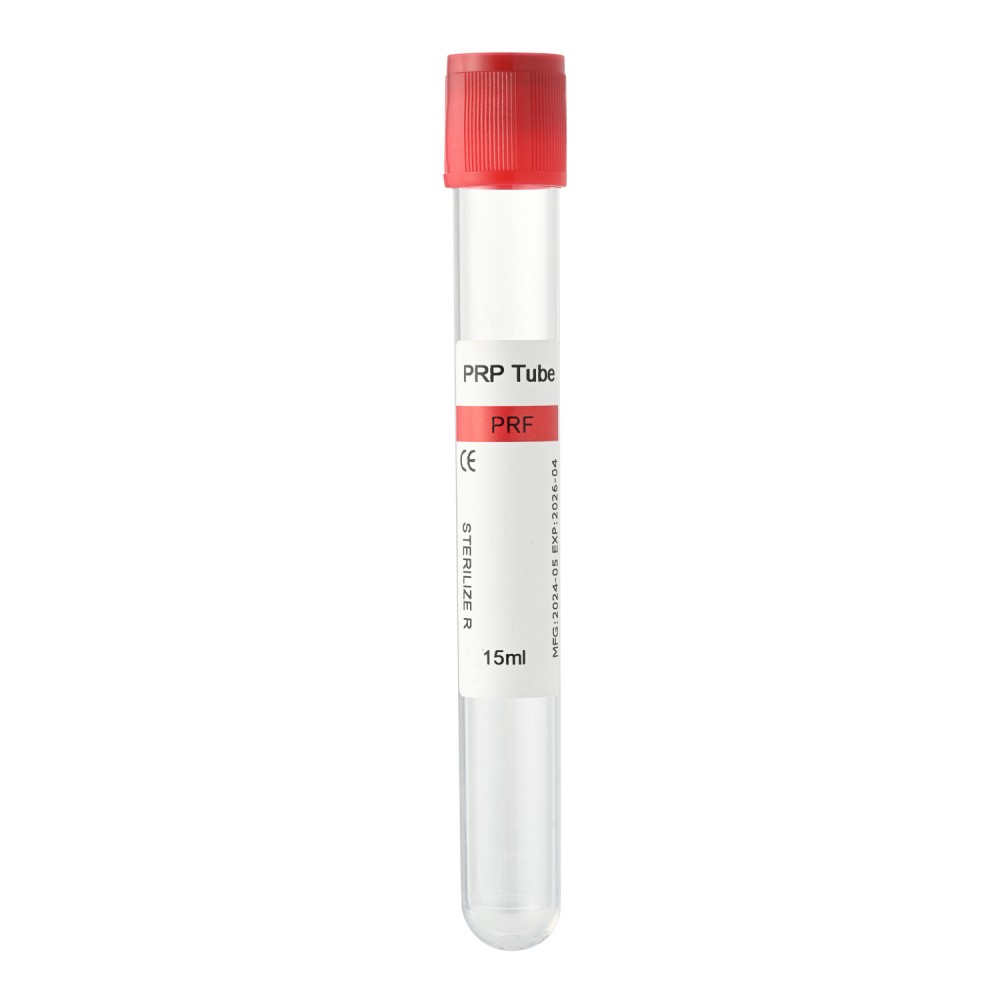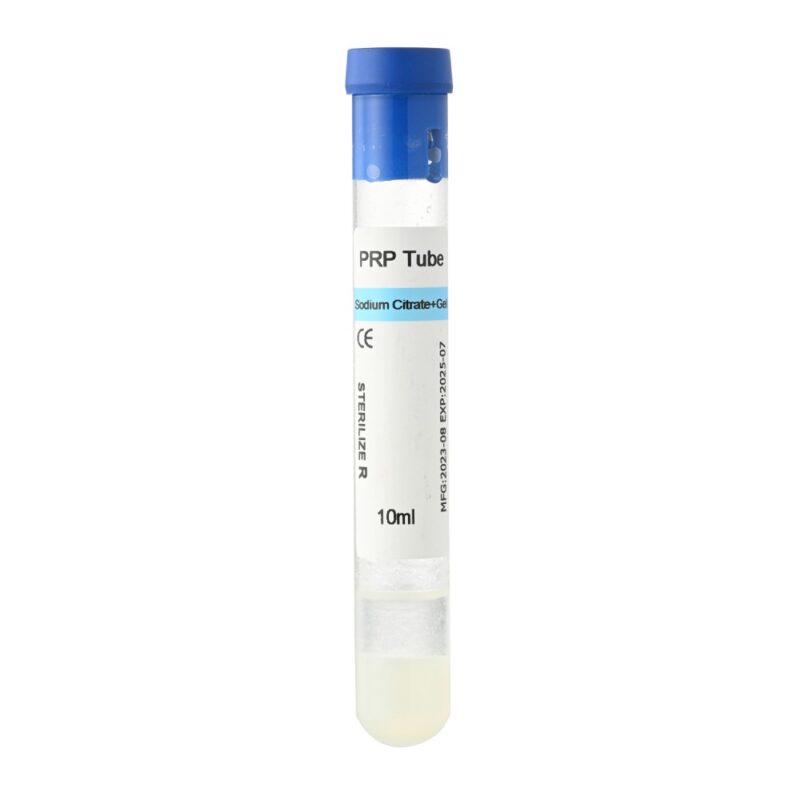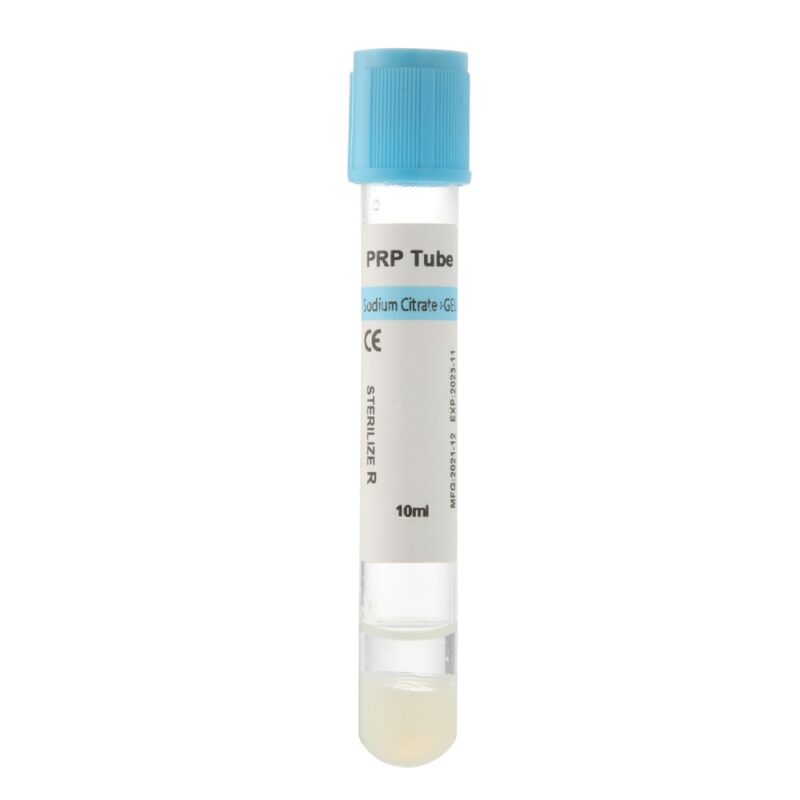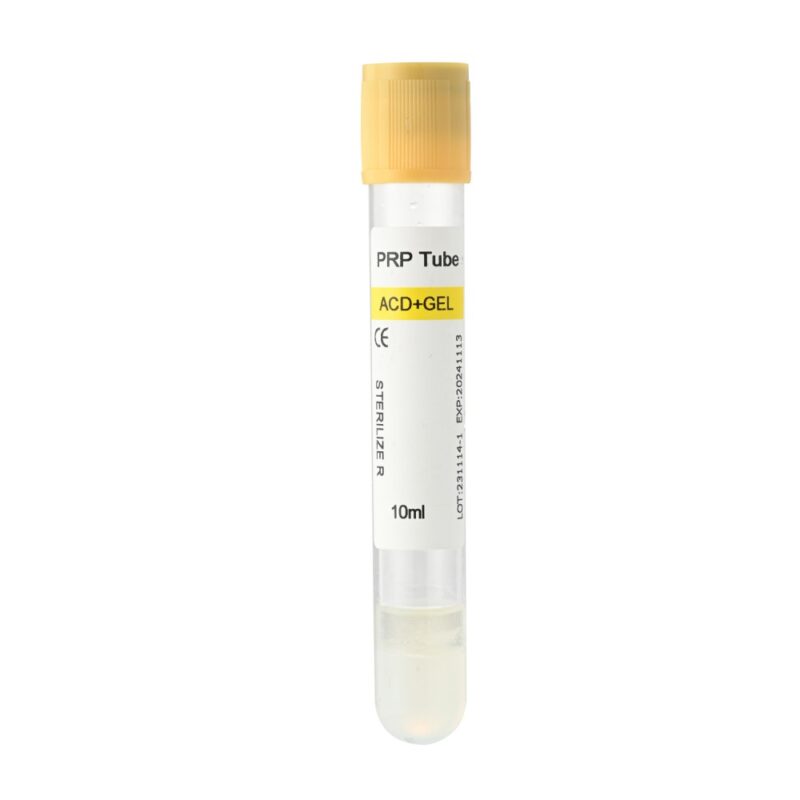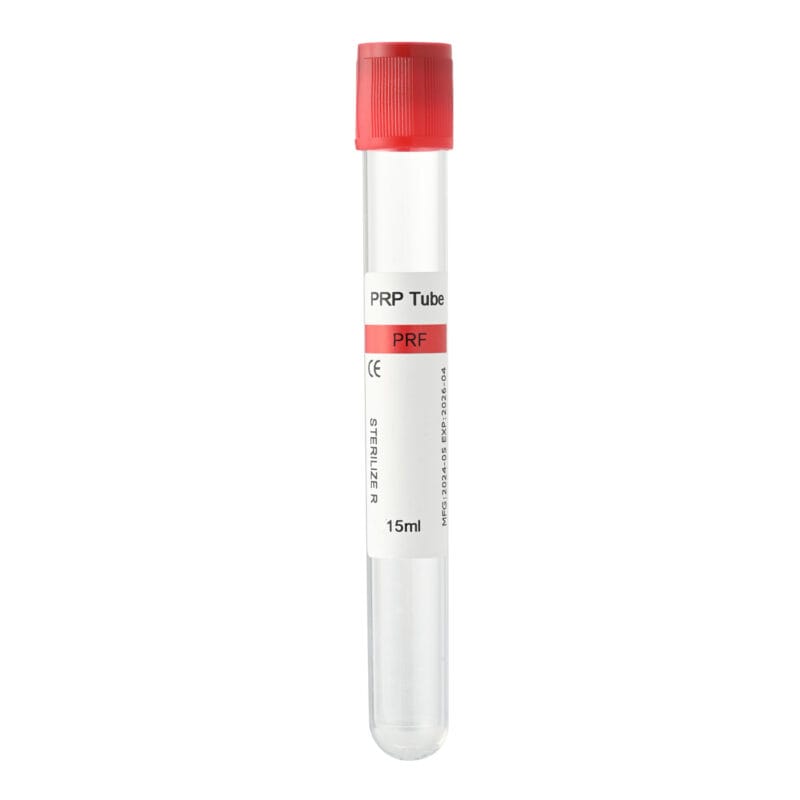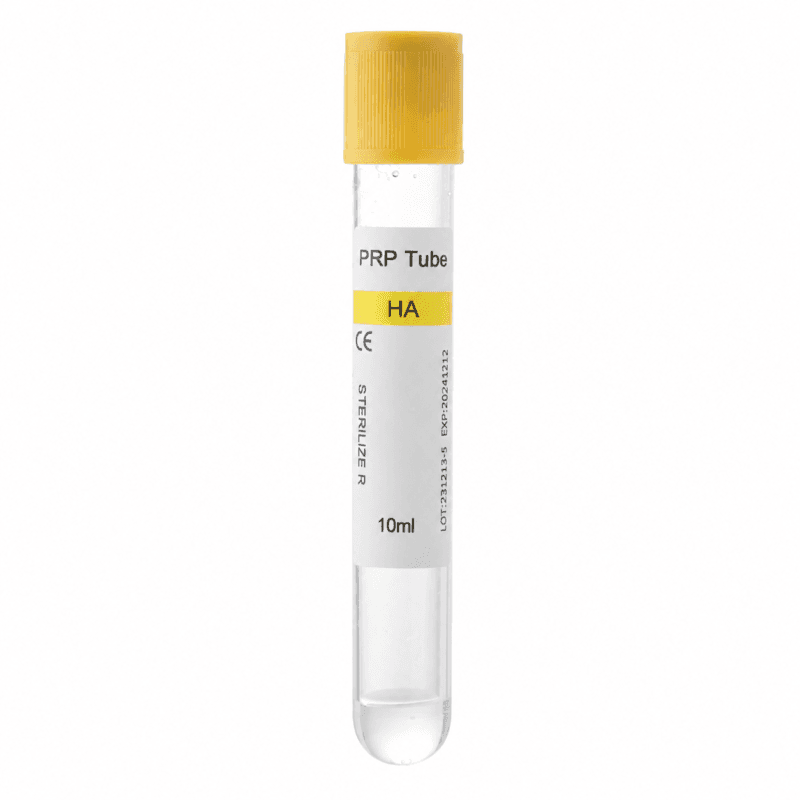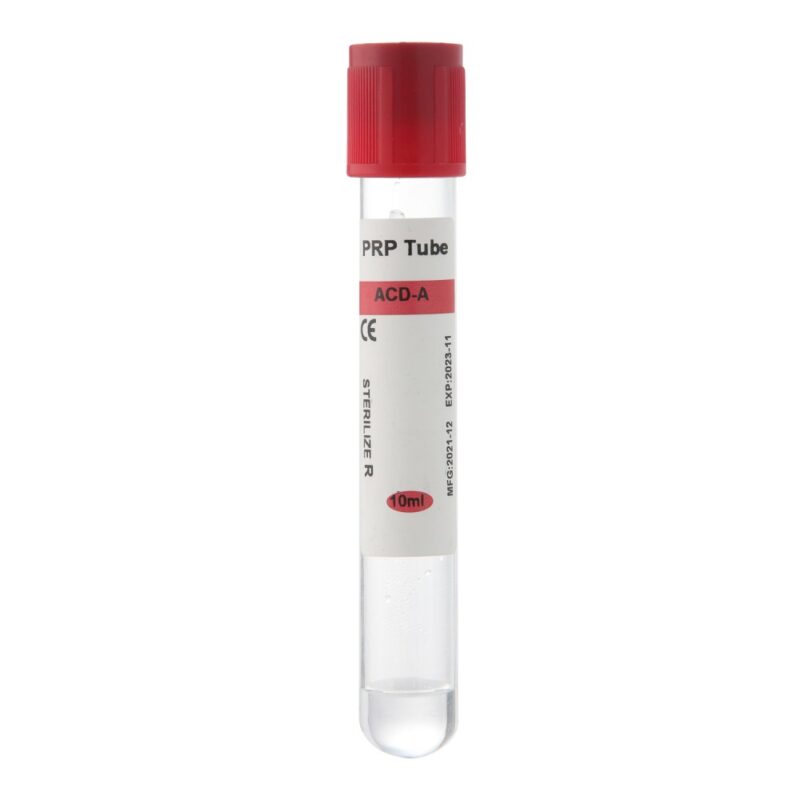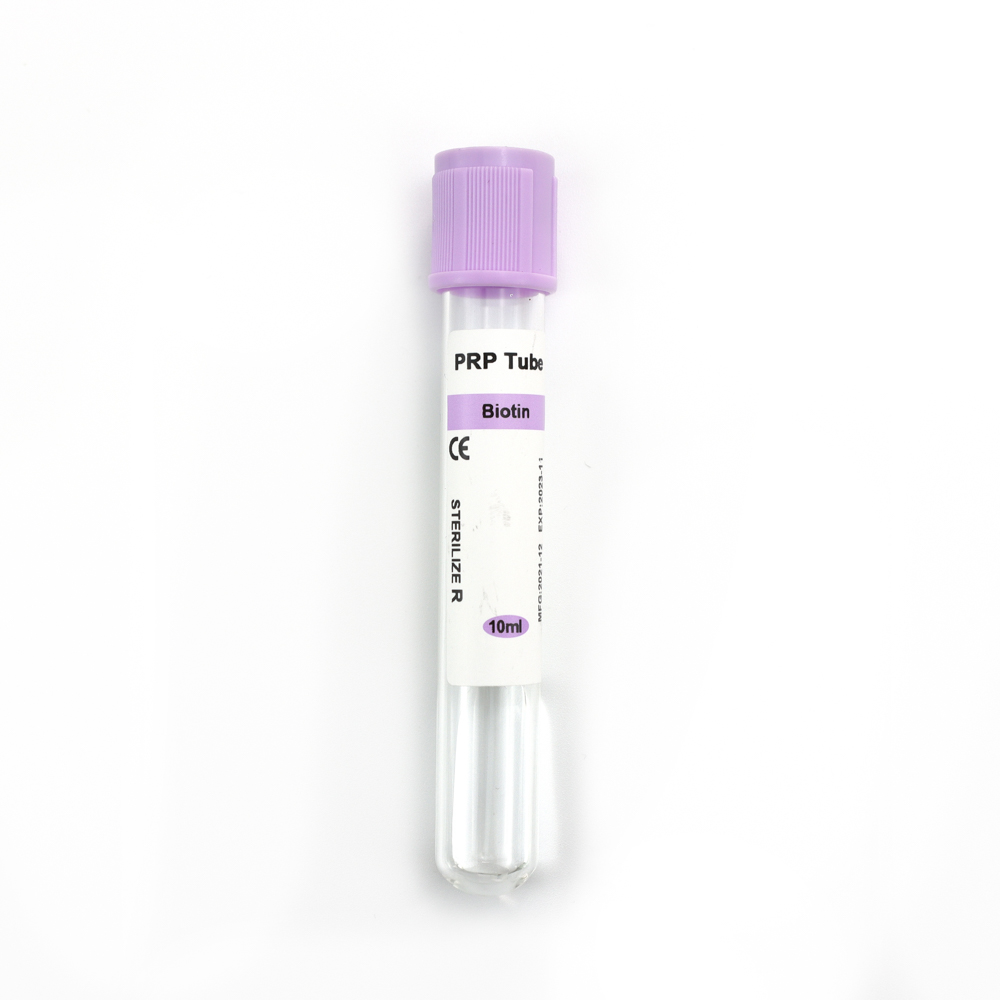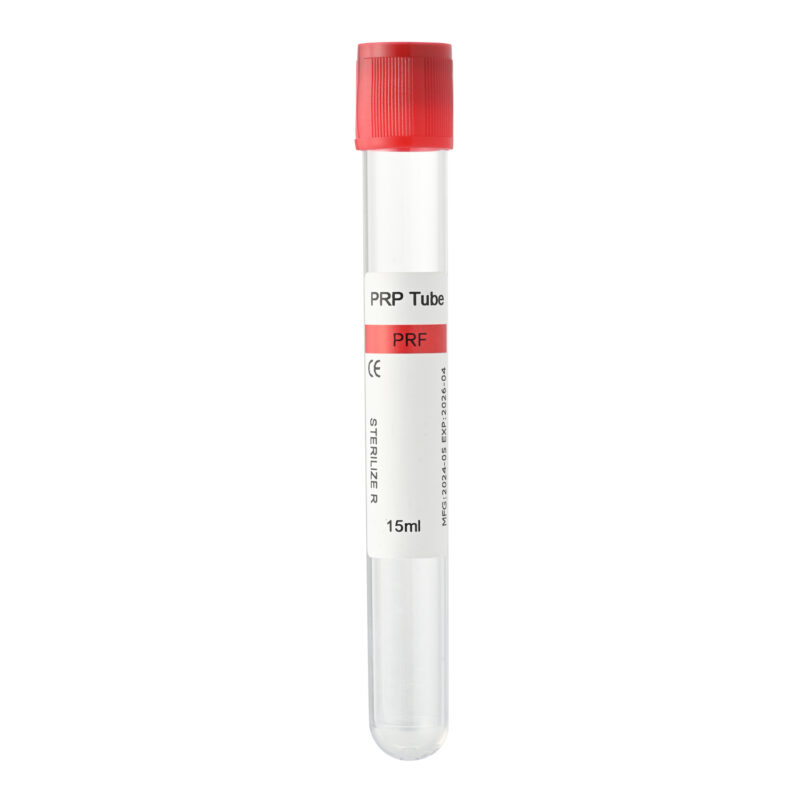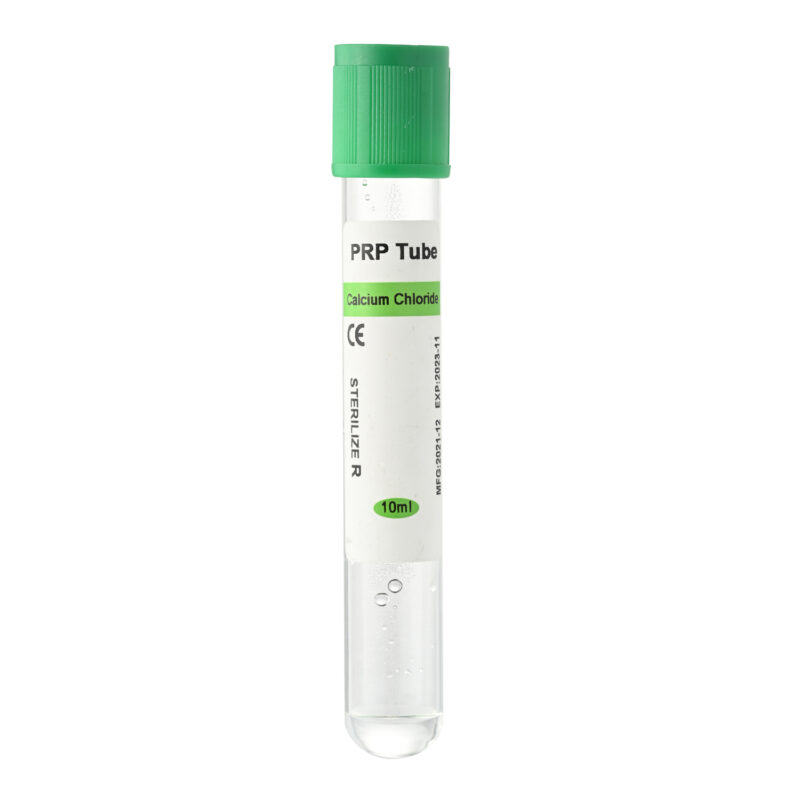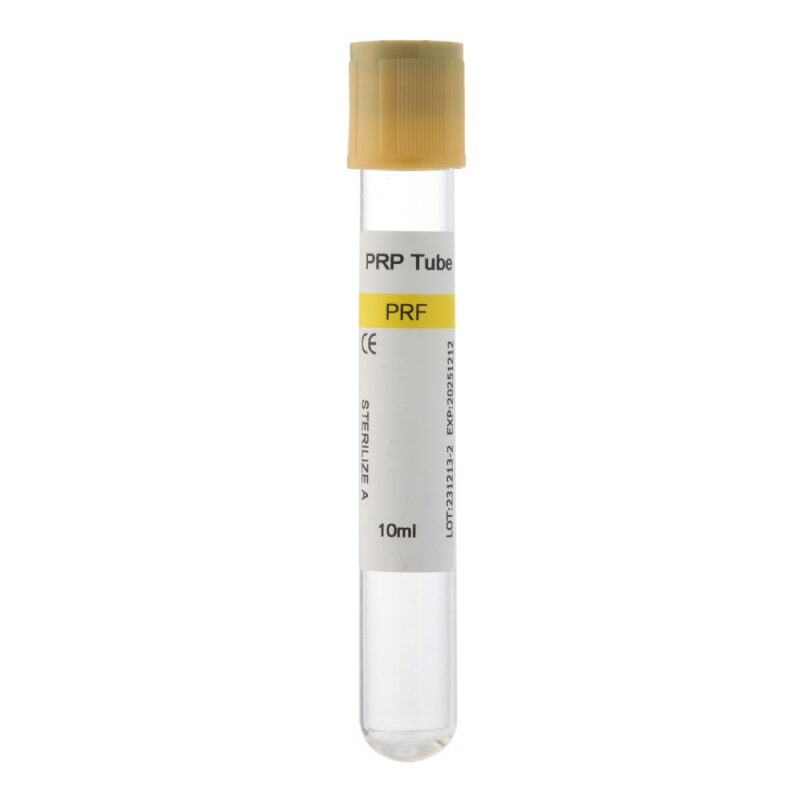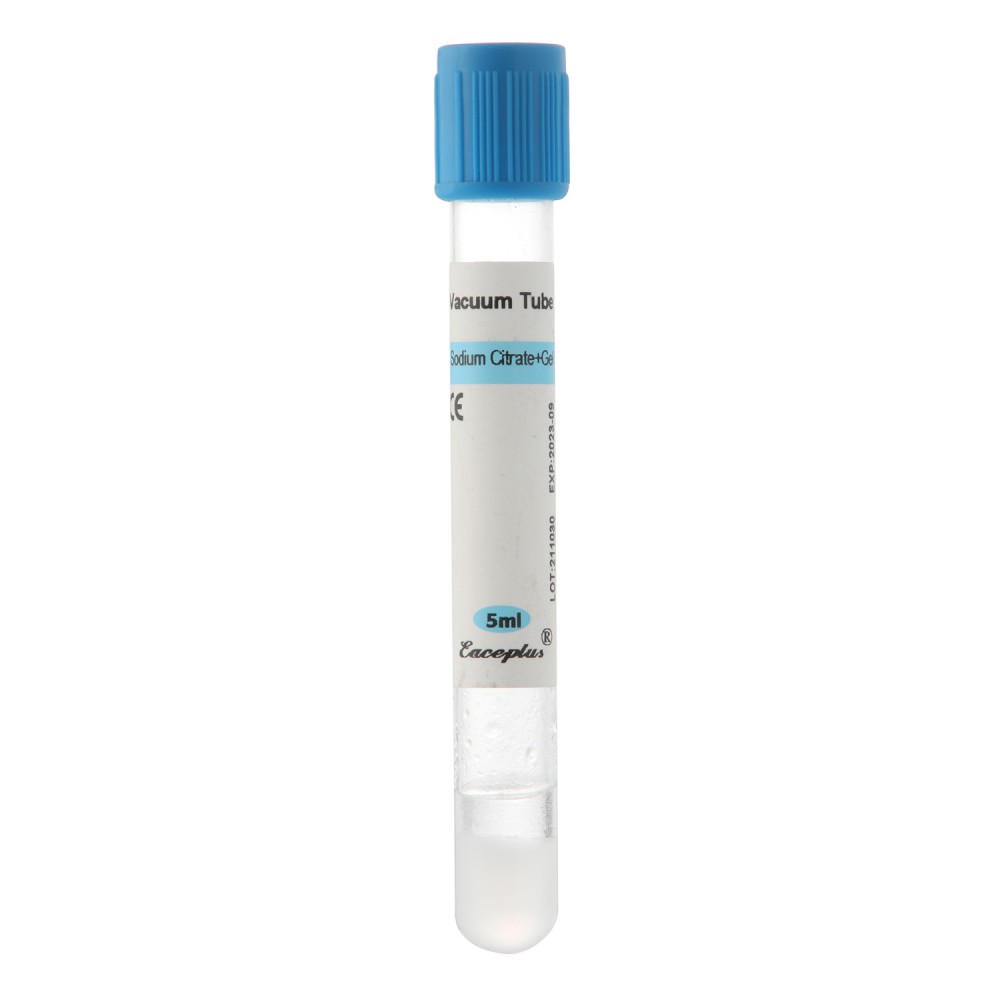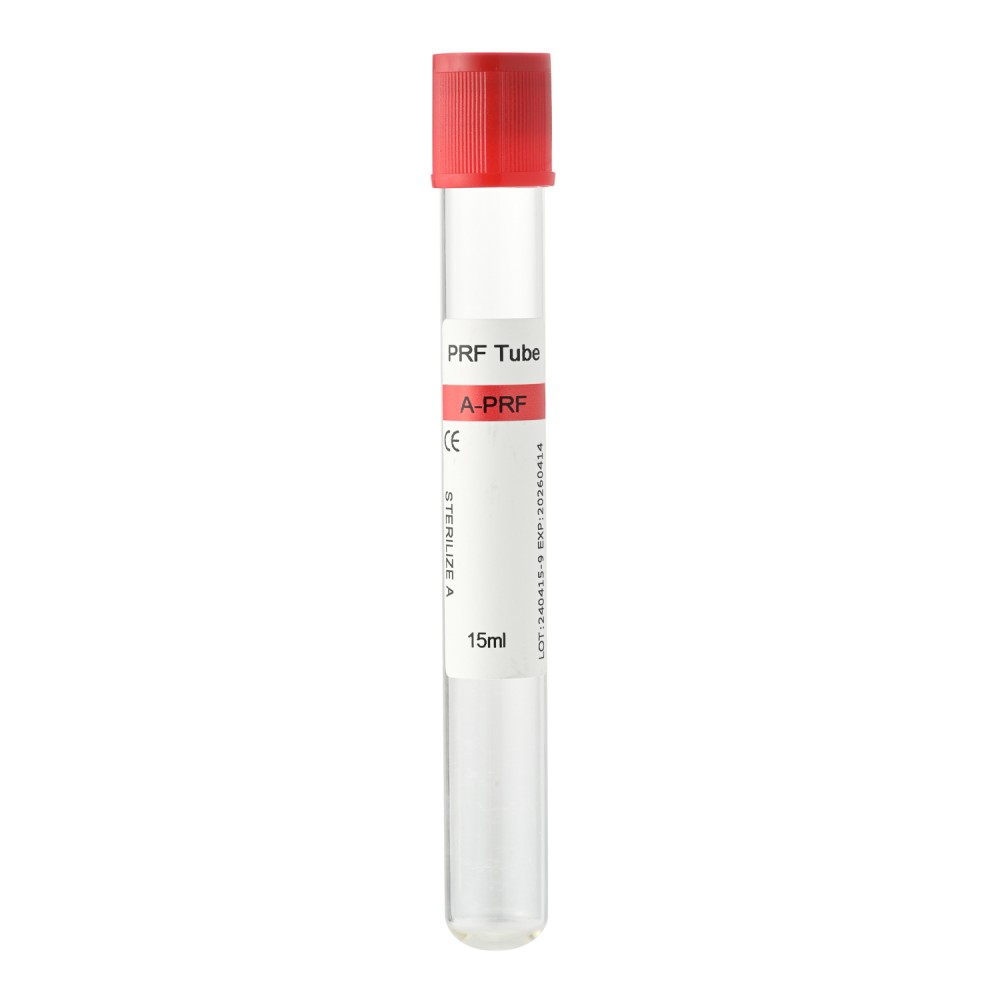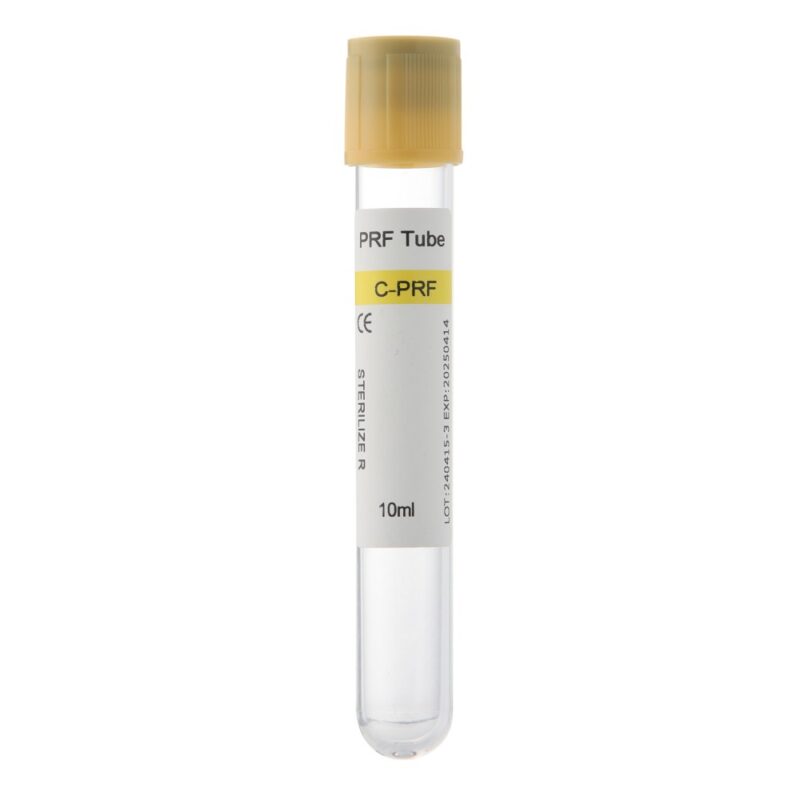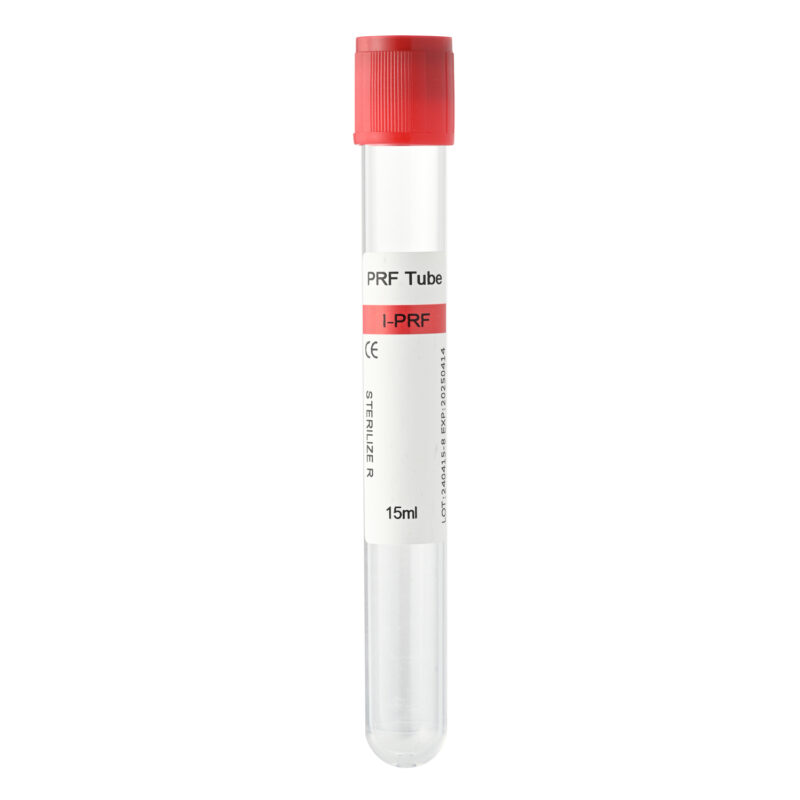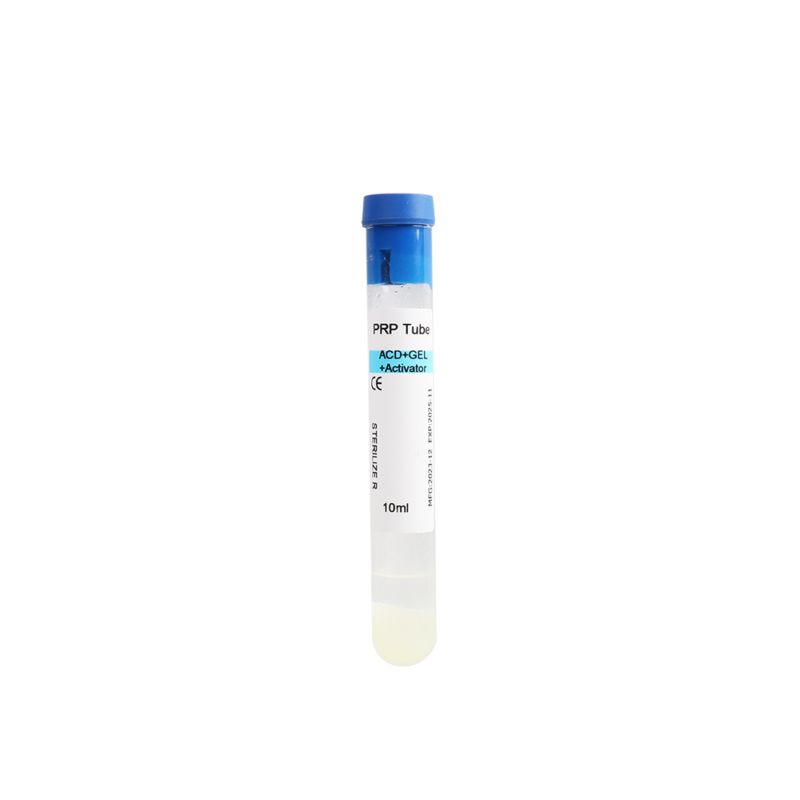
GFC vs. PRP Tubes: What Is the Difference? Regenerative medicine continues to evolve, and healthcare providers are constantly searching for treatments that deliver better outcomes with greater consistency. While Platelet-Rich Plasma (PRP) has become a widely recognized solution for hair restoration, skin rejuvenation, orthopedics, and wound healing, a newer approach called Growth Factor Concentrate (GFC) is gaining attention among clinics and practitioners.
For distributors, clinics, and medical consumables buyers, understanding the differences between GFC and traditional PRP systems is increasingly important. The preparation method, final composition, and clinical applications can influence product selection and treatment protocols. This article explains what a GFC tube is, how Growth Factor Concentrate is prepared, and how it compares with PRP and PRF.
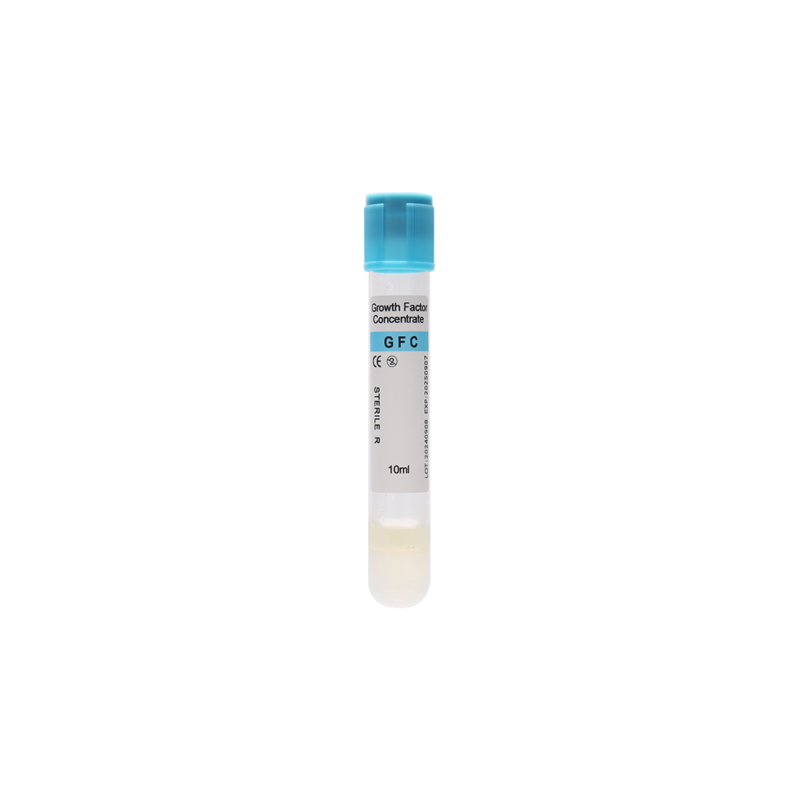
What Is a GFC Tube?
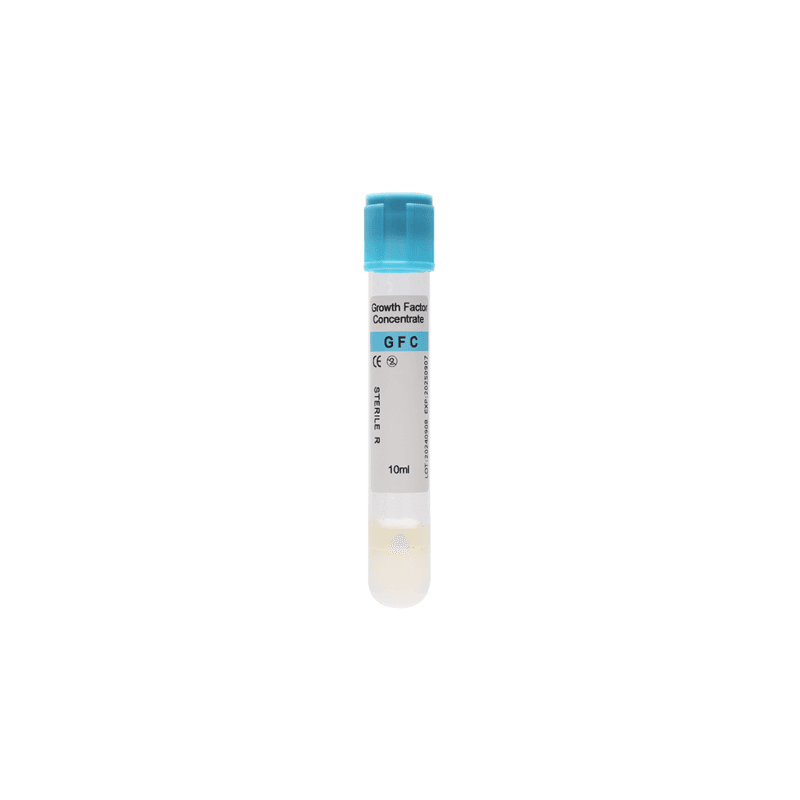
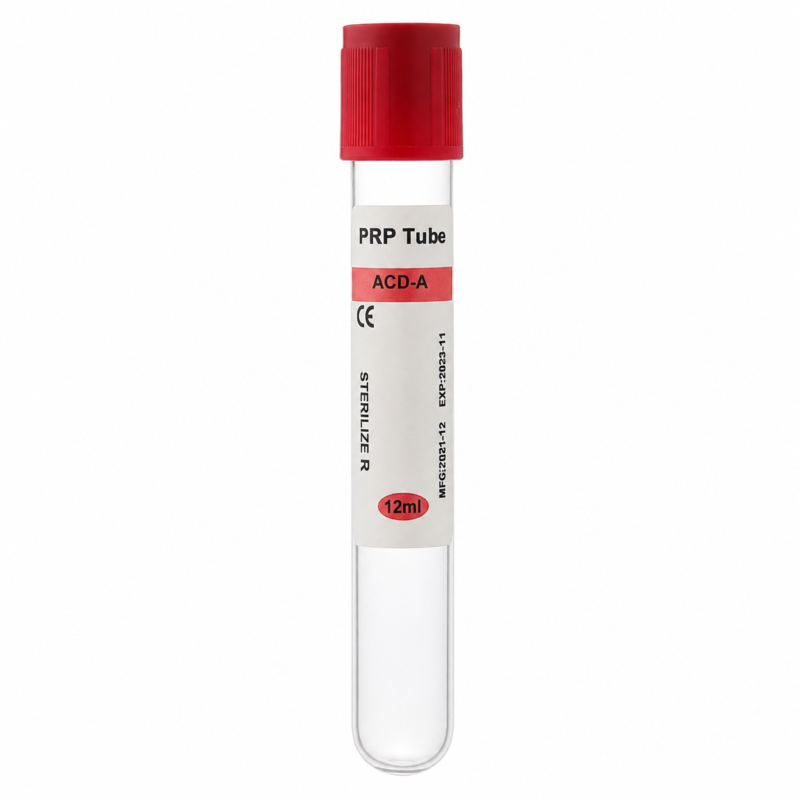
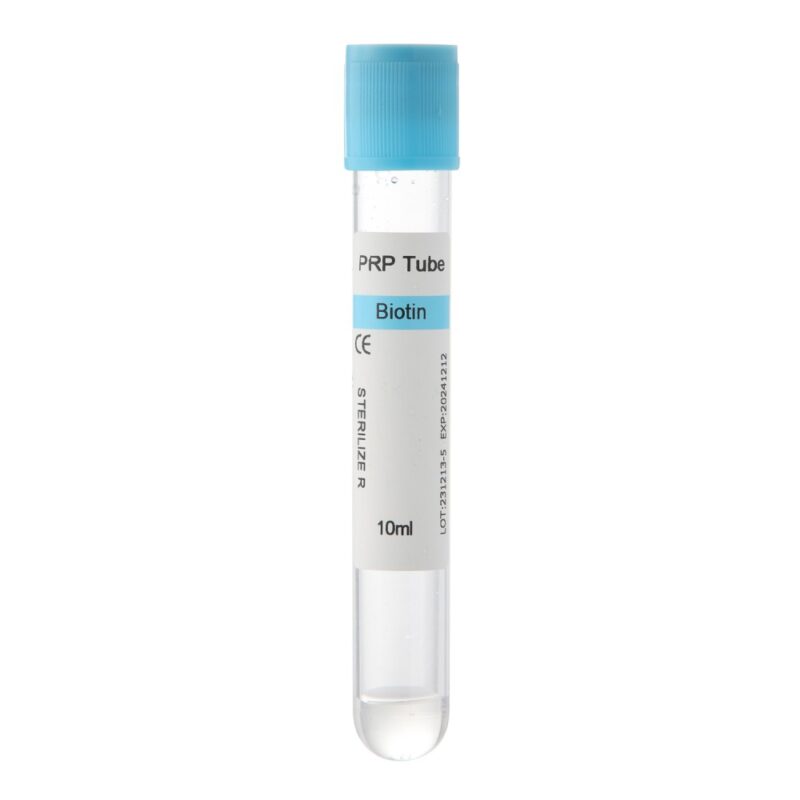
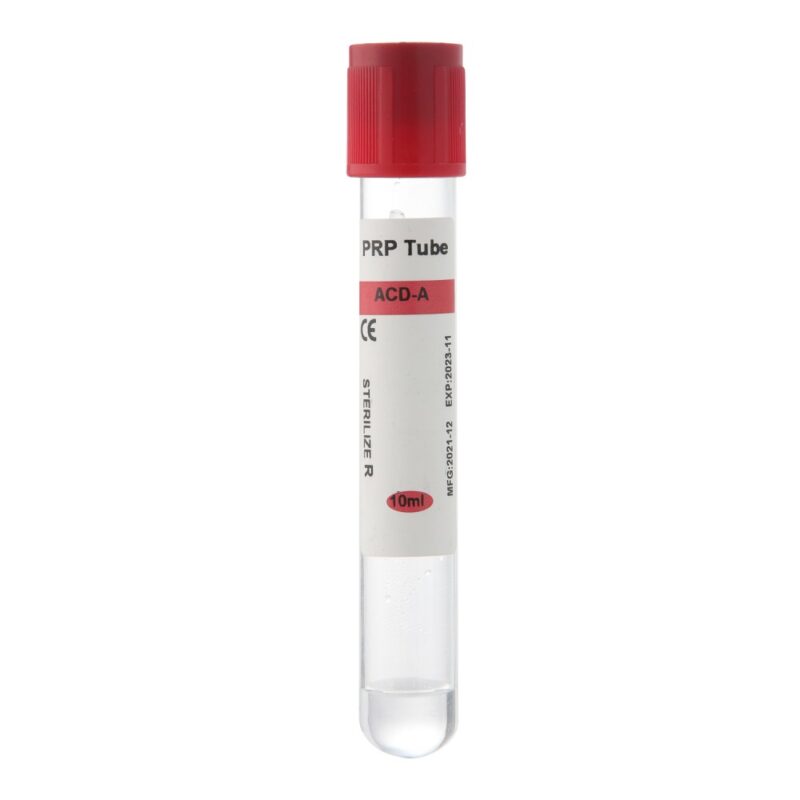
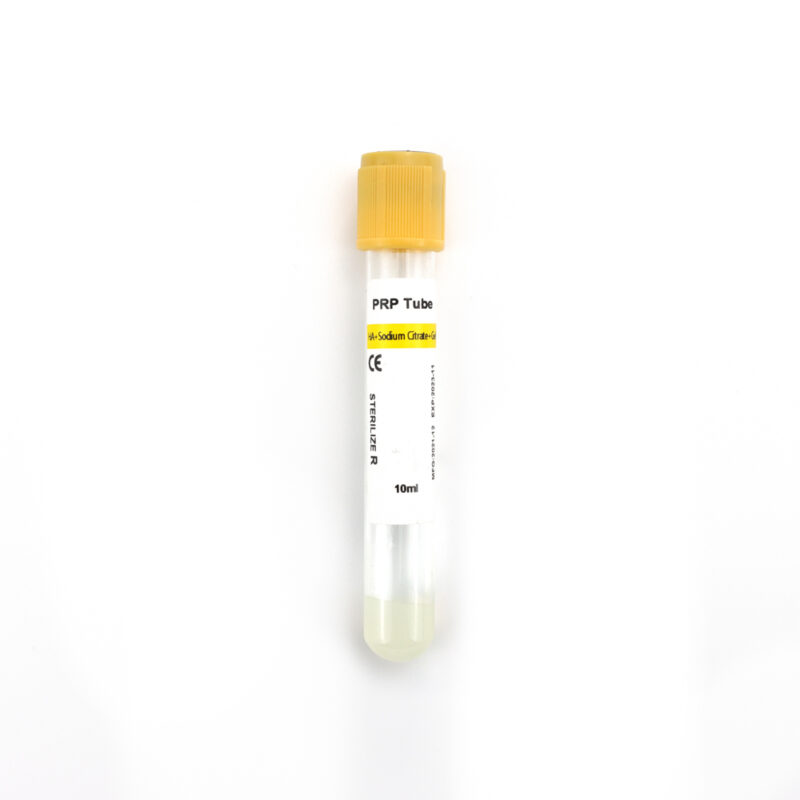
A GFC Tube is a specialized blood collection tube designed for the preparation of Growth Factor Concentrate. Unlike standard PRP tubes that primarily focus on concentrating platelets, GFC tubes are developed to stimulate platelets to release their growth factors before application.
The goal is to obtain a plasma fraction rich in bioactive growth factors that support tissue regeneration, cell repair, collagen production, and angiogenesis. Depending on the system design, GFC tubes may contain proprietary activators or additives that encourage controlled platelet degranulation, allowing platelets to release growth factors into the plasma.
The resulting concentrate typically contains high levels of important growth factors such as:
- Platelet-Derived Growth Factor (PDGF)
- Vascular Endothelial Growth Factor (VEGF)
- Transforming Growth Factor-Beta (TGF-β)
- Epidermal Growth Factor (EGF)
- Insulin-Like Growth Factor (IGF)
These signaling molecules play a key role in stimulating tissue repair and regeneration.
As demand for regenerative aesthetics continues to grow, many clinics are exploring GFC systems as an alternative to conventional PRP preparation methods.
How Is Growth Factor Concentrate Prepared?
Although preparation protocols vary between manufacturers, the general workflow for GFC preparation is relatively straightforward.
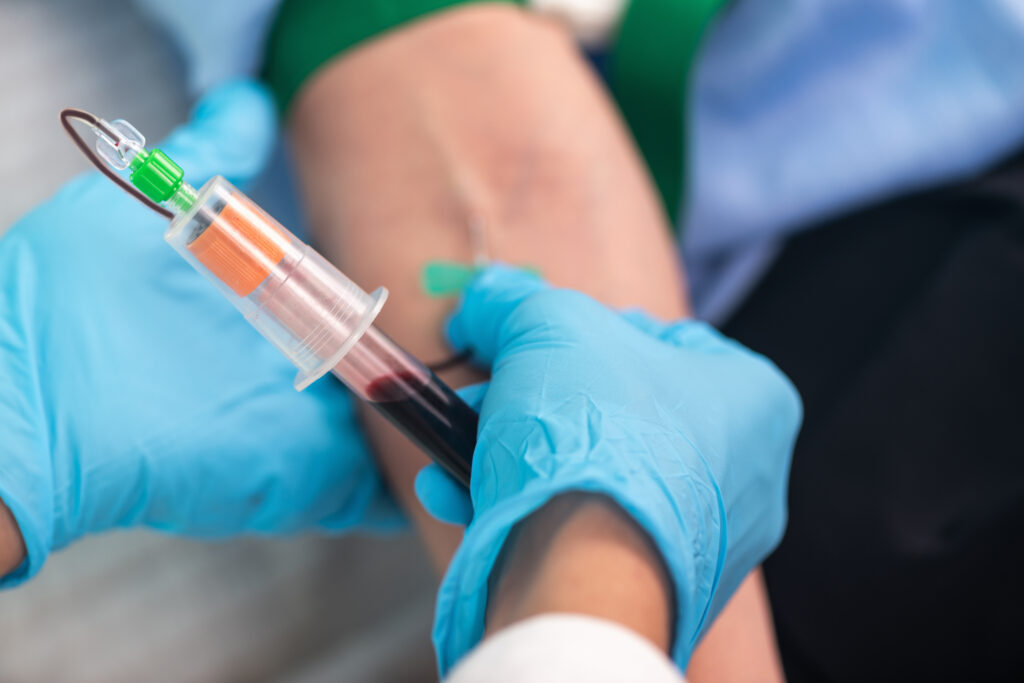
Step 1: Blood Collection
A healthcare professional collects a patient’s blood using a dedicated GFC tube. The tube is specifically engineered to support the subsequent activation and concentration process.
Step 2: Centrifugation
The collected sample is centrifuged according to the manufacturer’s recommended settings. Centrifugation separates blood components based on density, allowing the desired plasma fraction to be isolated.
Step 3: Growth Factor Release
Unlike traditional PRP preparation, the GFC process aims to trigger platelets to release their stored growth factors into the plasma. Depending on the system, this may occur through specialized activators or proprietary processing techniques.
Step 4: Collection of Growth Factor Concentrate
The clinician extracts the growth factor-rich plasma layer and prepares it for treatment.
The final product contains concentrated regenerative signaling molecules that clinicians can inject into target tissues for therapeutic or aesthetic purposes.
For clinics seeking standardized preparation methods, selecting high-quality GFC tubes is essential for achieving consistent processing results.
Key Applications of GFC in Hair and Skin Treatments
The growing popularity of GFC therapy is largely driven by aesthetic medicine. Patients increasingly seek minimally invasive procedures that promote natural regeneration without surgery.
GFC for Hair Restoration
Hair loss treatments represent one of the fastest-growing applications of regenerative medicine. Growth factors can stimulate hair follicle activity, improve scalp microcirculation, and support healthier hair growth cycles.
Clinics commonly use GFC therapy for:
- Androgenetic alopecia
- Early-stage hair thinning
- Hair density improvement
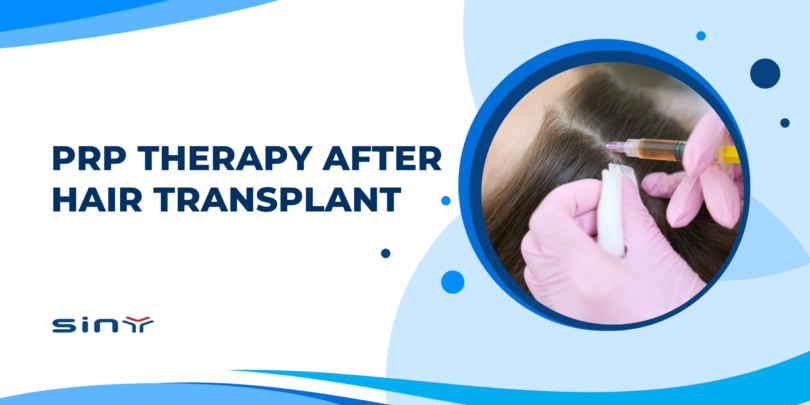
- Maintenance treatments following hair transplantation
Many practitioners report that growth factor-based treatments offer a more targeted regenerative approach because the final product focuses directly on the biologically active molecules responsible for tissue signaling.
GFC for Skin Rejuvenation
In aesthetic dermatology, GFC is frequently used to improve skin quality and appearance.
Common treatment indications include:
- Fine lines and wrinkles
- Dull skin texture
- Acne scars
- Enlarged pores
- Photoaging
- Skin elasticity improvement
Growth factors can stimulate fibroblast activity and collagen synthesis, helping support smoother and healthier-looking skin over time.
Because GFC treatments use autologous blood-derived components, many patients view them as a natural regenerative option compared with synthetic alternatives.
GFC vs. PRP: What Are the Main Differences?
Although GFC and PRP both originate from the patient’s own blood, they are not identical products.
Preparation Philosophy
PRP focuses on concentrating platelets within plasma. After injection, these platelets gradually release growth factors at the treatment site.
GFC focuses on obtaining a plasma fraction that already contains released growth factors before administration.
This difference represents the primary distinction between the two approaches.
Final Composition
PRP generally contains:
- Concentrated platelets
- Plasma proteins
- Variable levels of white blood cells
- Growth factors stored inside platelets
GFC generally contains:
- Released growth factors
- Reduced cellular content
- Growth factor-rich plasma fraction
As a result, the biological profile of the final product differs between systems.
Standardization
One challenge associated with PRP therapy is variability. Platelet concentrations can differ depending on the preparation system, centrifugation protocol, and operator technique.
Many GFC systems aim to provide a more standardized growth factor yield through controlled processing methods.
For clinics focused on protocol consistency, this can be an attractive advantage.
Clinical Experience
PRP remains one of the most established regenerative therapies worldwide, supported by extensive clinical literature.
GFC is a newer category that continues to gain popularity, particularly in aesthetic medicine and hair restoration. As adoption increases, more clinical data are becoming available to evaluate long-term outcomes.
GFC vs. PRF: Understanding the Difference
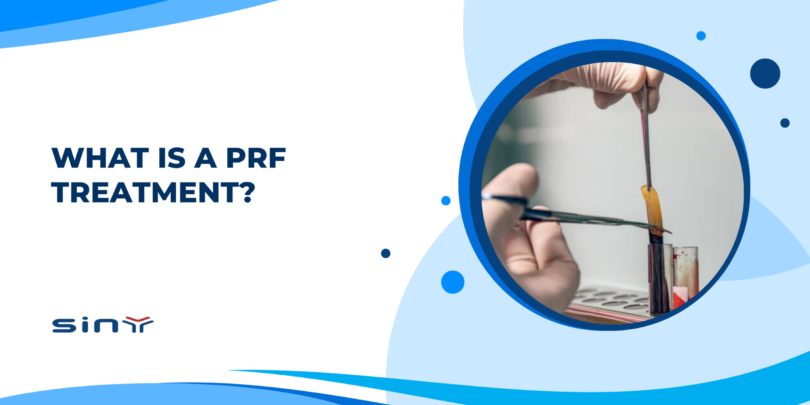
Platelet-Rich Fibrin (PRF) represents another regenerative blood-derived therapy frequently used in dentistry, oral surgery, and aesthetics.
Unlike both PRP and GFC, PRF contains a fibrin matrix that acts as a scaffold for cellular migration and tissue healing.
PRF Characteristics
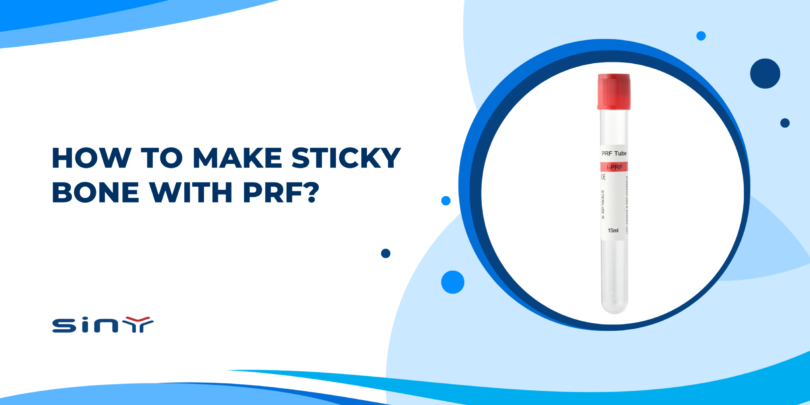
PRF preparation typically involves:
- No anticoagulants
- Lower centrifugation speeds
- Formation of a fibrin clot
- Gradual release of growth factors over time

Comparison with GFC
GFC provides a liquid injectable product rich in released growth factors.
PRF provides a fibrin-based matrix that can be used as a membrane, plug, or injectable formulation depending on the protocol.
As a result, clinicians often prefer PRF when they need both regenerative signaling and structural support during healing.
Dentists and oral surgeons commonly choose PRF for:
- Bone grafting
- Implantology
- Periodontal procedures
- Soft tissue regeneration
Meanwhile, GFC is more frequently associated with aesthetic and hair restoration treatments.
| Feature | PRP | GFC | PRF |
| Primary Objective | Concentrates platelets within plasma | Releases growth factors before injection | Creates a physiological fibrin scaffold |
| Active Components | Concentrated platelets & plasma proteins | Free-floating, pre-released growth factors | 3D Fibrin matrix, leukocytes, & platelets |
| Growth Factor Release | Gradual release inside tissues over time | Immediate availability upon injection | Dental implants, bone grafting, and oral surgery |
| Physical Form | Liquid | Pure liquid concentrate | Solid clot, membrane, or liquid |
| Anticoagulant Used | Yes (ACD-A or Sodium Citrate) | Yes (Required during preparation) | No (Completely natural coagulation) |
| Clinical Focus | General regenerative aesthetics, orthopedics | Skin rejuvenation, hair restoration | Dental implants, bone grafting, oral surgery |
How to Choose the Right System for Your Clinic
There is no universal solution that fits every practice.
Clinics should evaluate several factors when selecting between PRP, PRF, and GFC systems:
- Treatment indications
- Desired biological profile
- Processing workflow
- Equipment requirements
- Regulatory considerations
- Cost per procedure
- Patient expectations
The ideal choice often depends on the clinic’s specialty and treatment objectives.
FAQs
Is GFC the same as PRP?
No. PRP concentrates platelets that release growth factors after injection, while GFC focuses on obtaining a plasma fraction already rich in released growth factors.
What is the main advantage of GFC therapy?
Many practitioners appreciate the direct availability of growth factors and the potential for more standardized preparation protocols.
Is GFC commonly used for hair loss?
Yes. Hair restoration is currently one of the most popular applications of Growth Factor Concentrate therapy.
Can GFC be used for facial aesthetics?
Yes. Clinics frequently use GFC for skin rejuvenation, collagen stimulation, acne scar improvement, and overall skin quality enhancement.
How does PRF differ from GFC?
PRF contains a fibrin matrix that acts as a scaffold for healing, while GFC is primarily a liquid concentrate containing released growth factors.
Do GFC procedures require specialized tubes?
Yes. Manufacturers design dedicated GFC tubes to support the specific preparation process required to obtain Growth Factor Concentrate.
Summary
Growth Factor Concentrate represents an emerging development in regenerative medicine. By focusing on the collection of released growth factors rather than simply concentrating platelets, GFC systems offer clinics an alternative approach to autologous regenerative treatments.
While PRP remains the most established option and PRF continues to play an important role in surgical and dental applications, GFC is becoming increasingly popular in hair restoration and aesthetic medicine. For distributors, clinics, and procurement teams, understanding these differences is essential when selecting the most appropriate blood processing system.
If you are evaluating GFC tubes for your clinic, distribution network, or private-label product line, partnering with an experienced medical consumables manufacturer can help ensure product consistency, reliable performance, and long-term supply stability.