Wisdom tooth extraction is one of the most common oral surgery procedures performed worldwide. While most patients recover without major complications, swelling, pain, and delayed healing remain common concerns—especially after impacted wisdom tooth removal. Because every patient’s recovery is different, many people look for ways to reduce discomfort and encourage faster healing. This naturally leads to one important question: is PRP necessary for wisdom teeth removal?
The short answer is no. Platelet-Rich Plasma (PRP) is not considered a standard part of wisdom tooth extraction. An experienced oral surgeon, careful surgical technique, and proper postoperative care remain the most important factors for successful healing. However, PRP has become an increasingly popular regenerative adjunct because it may reduce postoperative discomfort, encourage soft tissue repair, and create a more favorable healing environment for selected patients.
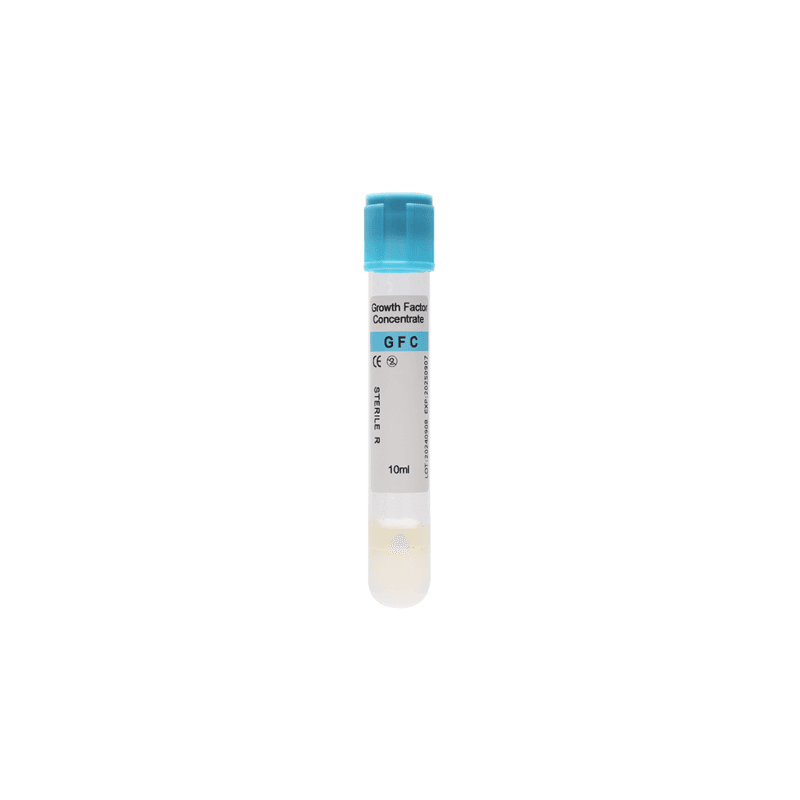
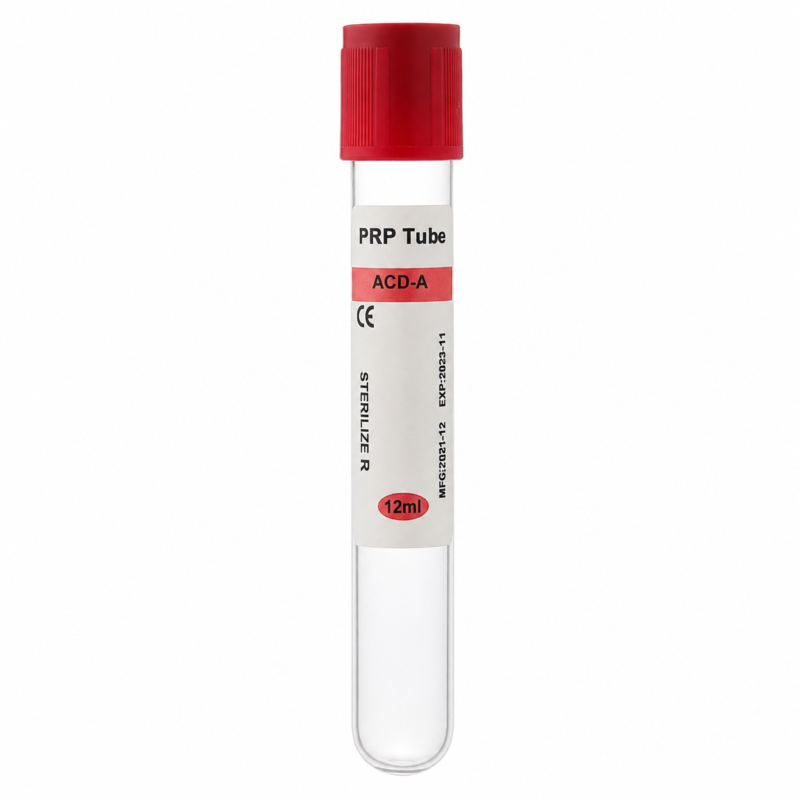
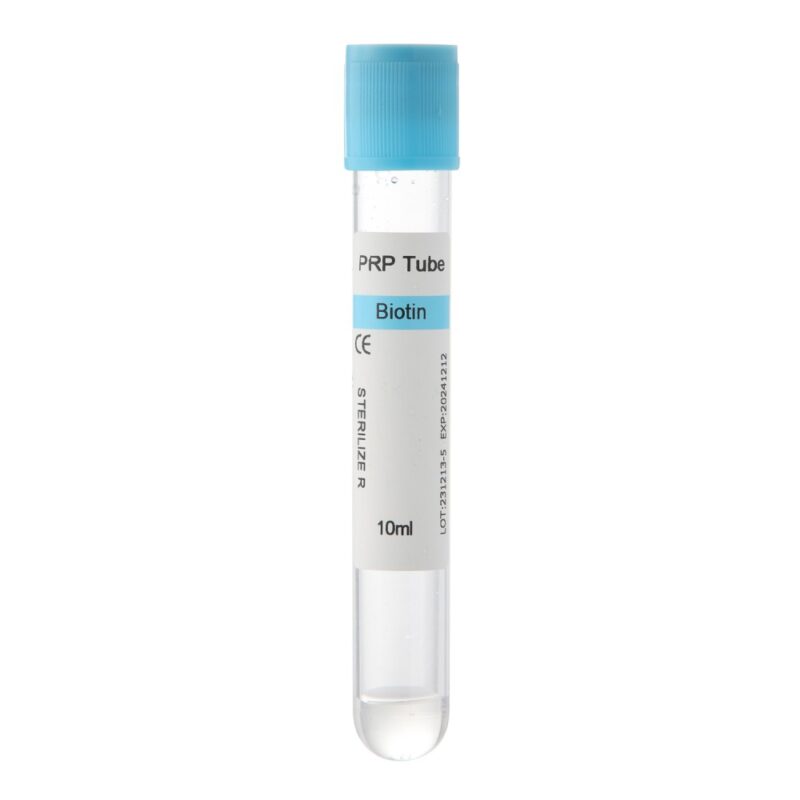
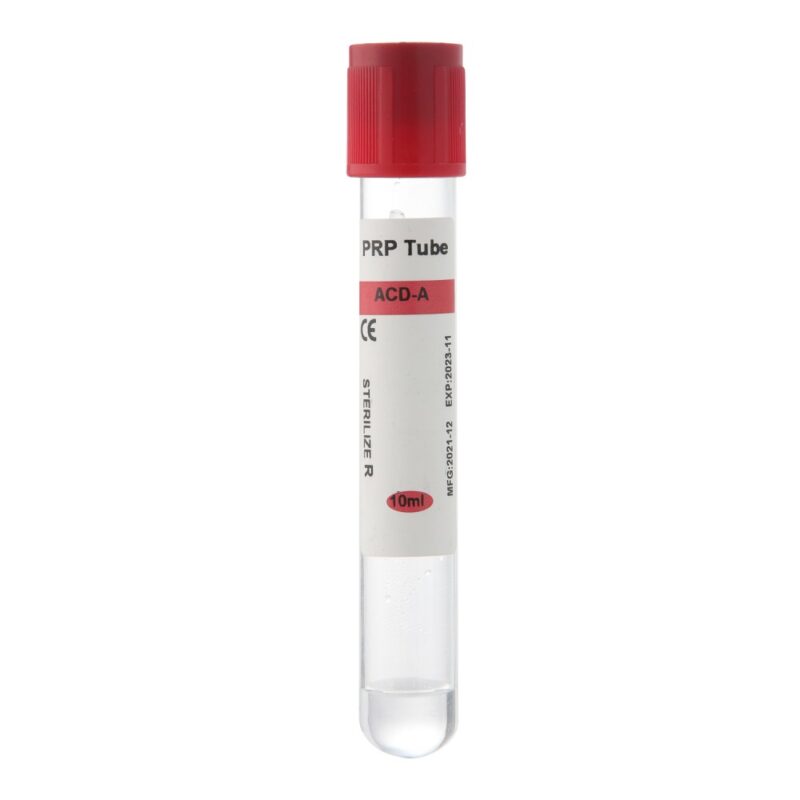
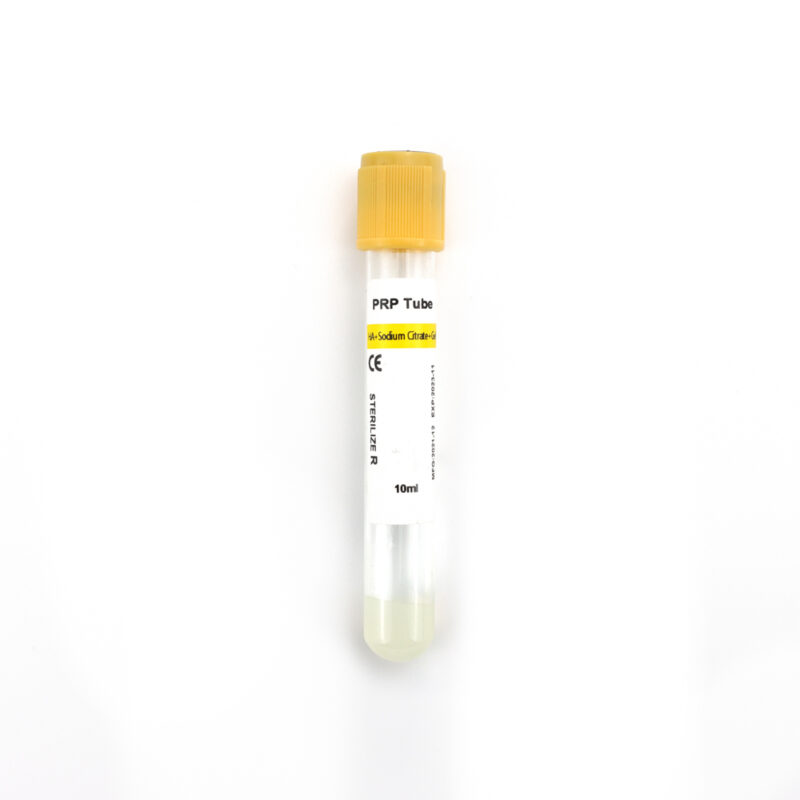
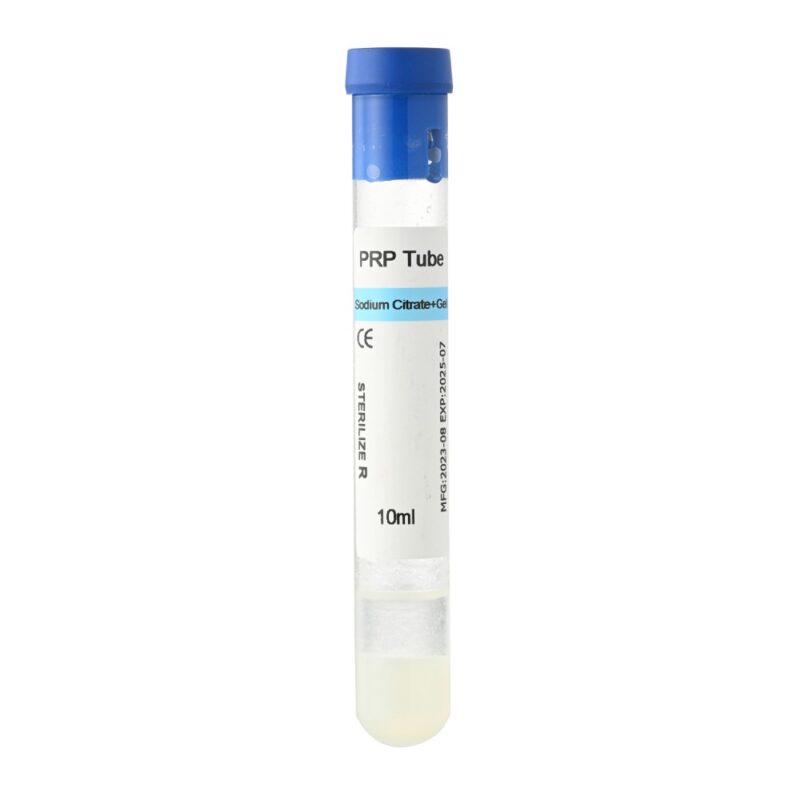
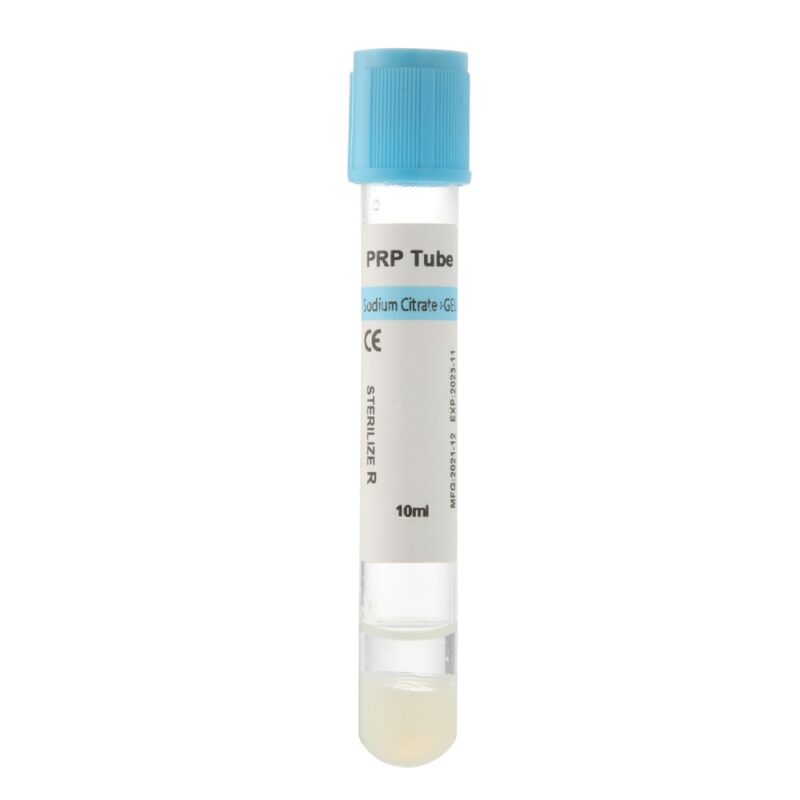
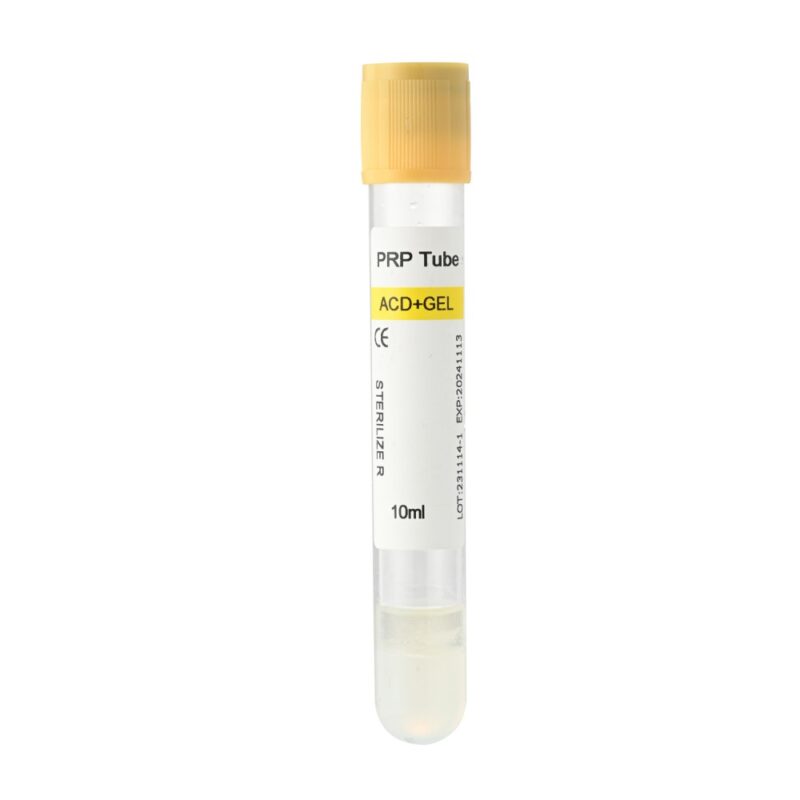
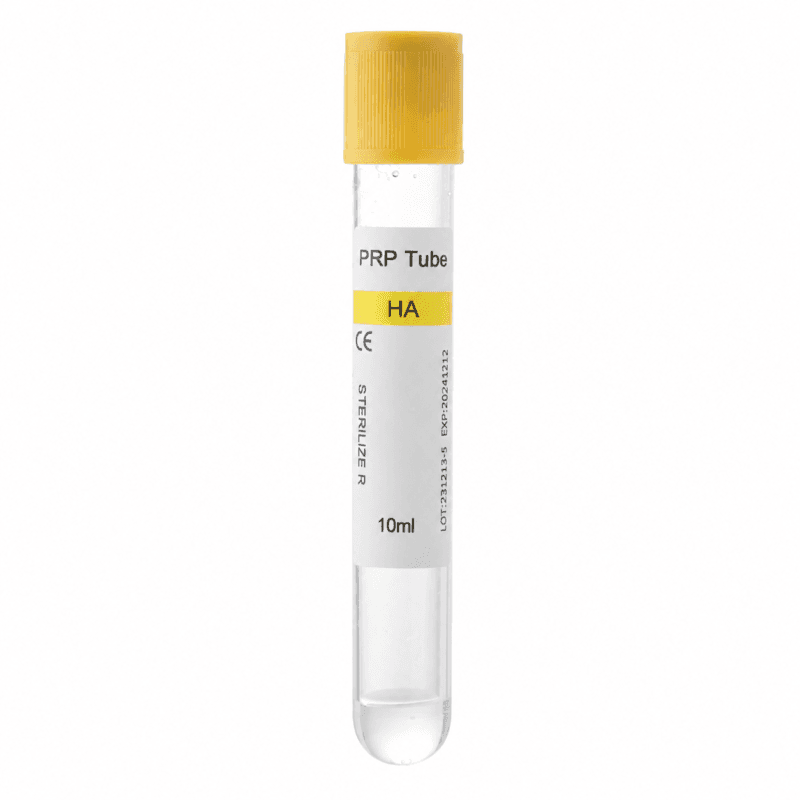
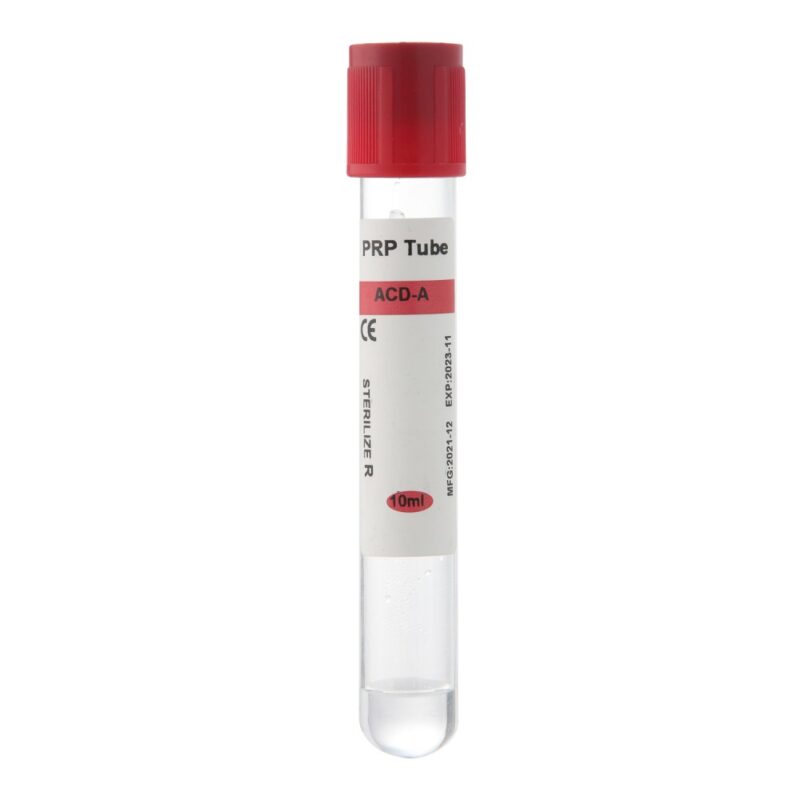
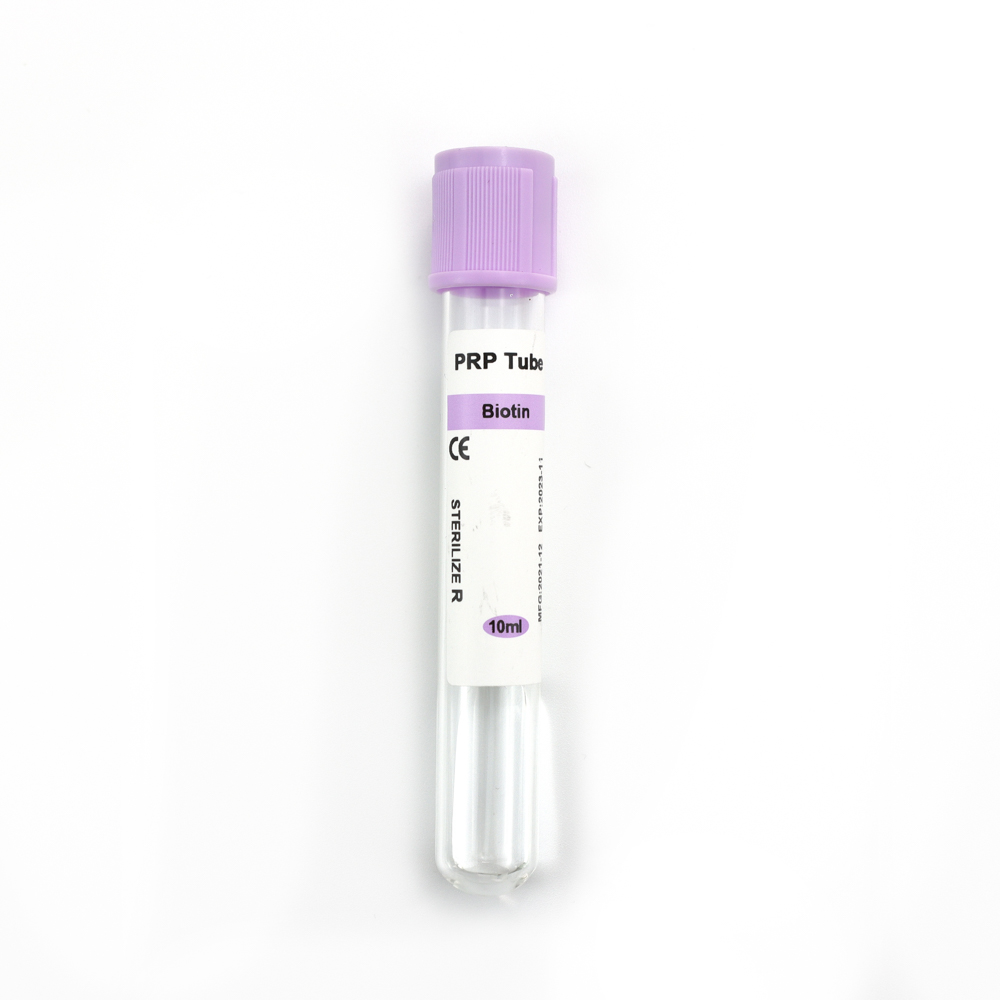
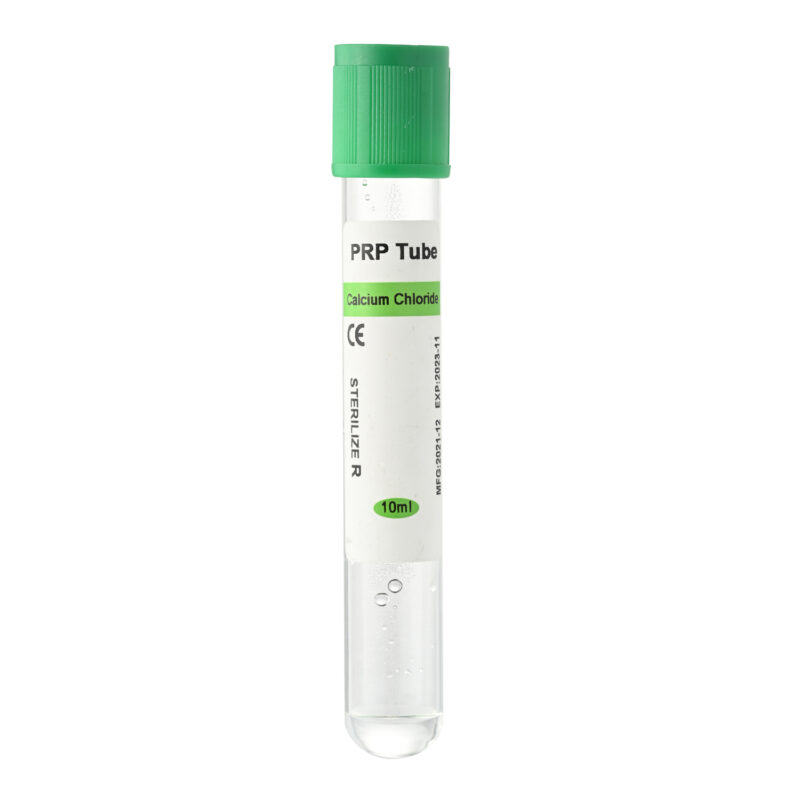
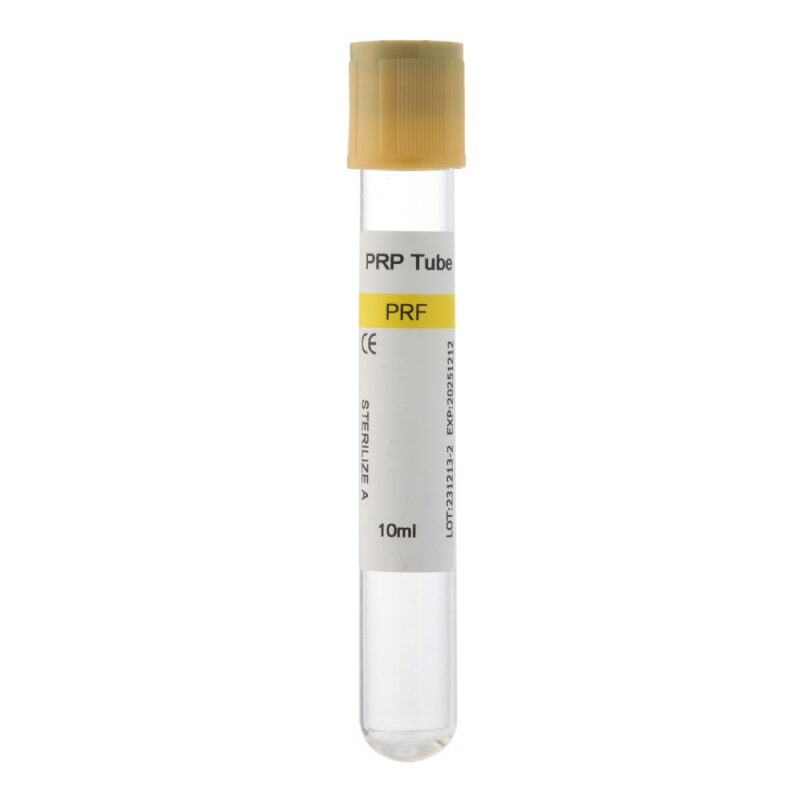
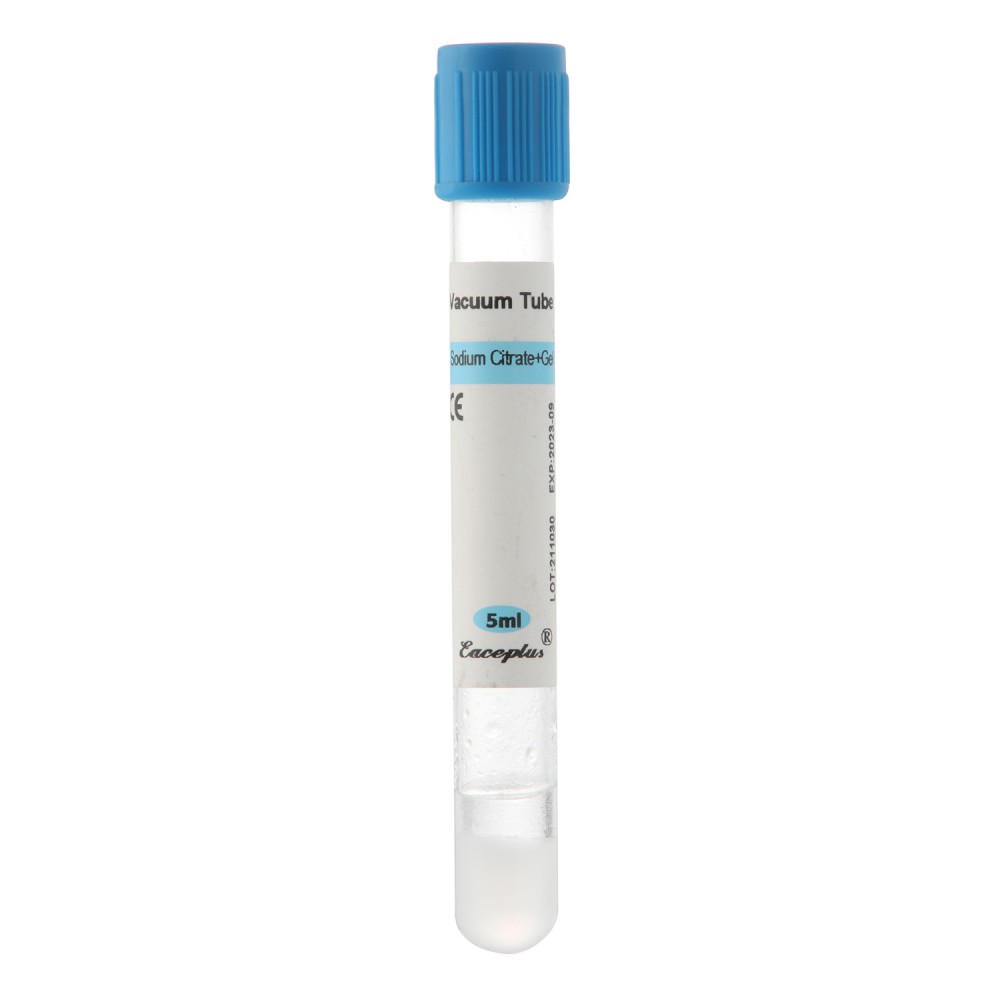
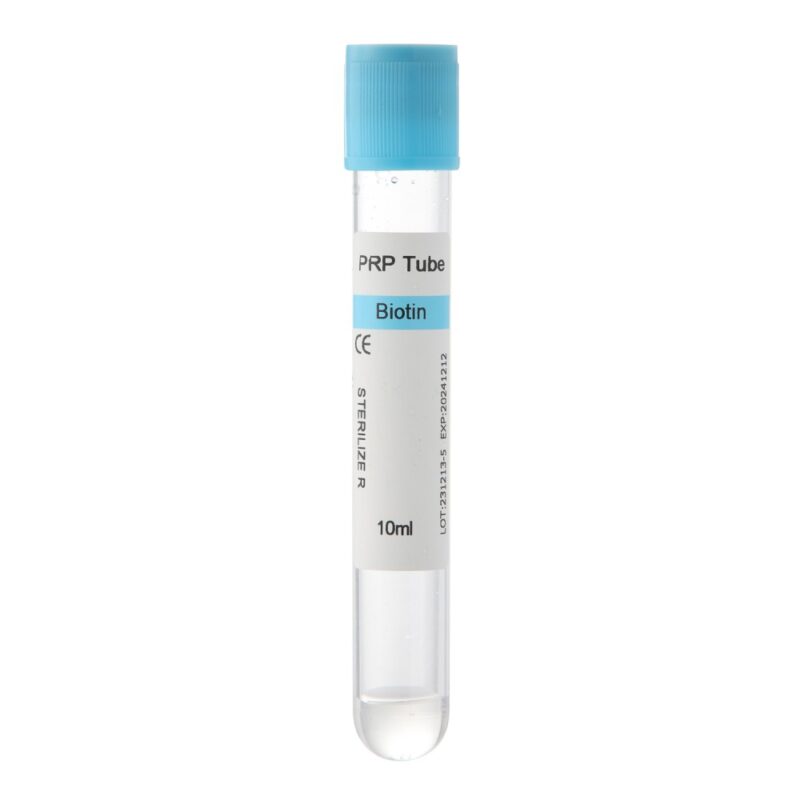
As regenerative dentistry continues to evolve, more oral surgeons and implant specialists incorporate autologous platelet concentrates into wisdom tooth extraction, implant placement, bone grafting, and periodontal surgery. Understanding when PRP offers genuine clinical value—and how the preparation process influences the final product—helps clinicians make informed treatment decisions. For practices planning to introduce regenerative procedures, choosing a reliable PRP preparation system begins with selecting a high-quality PRP collection tube.
Is PRP Necessary for Wisdom Teeth Removal? Understanding the Evidence
The growing popularity of PRP in dentistry has sparked considerable interest among both clinicians and patients. Although many studies report positive outcomes, it is important to separate established clinical evidence from unrealistic expectations. PRP can improve certain aspects of recovery, but it should complement—not replace—sound surgical technique and appropriate postoperative care.
How PRP Supports Tissue Healing
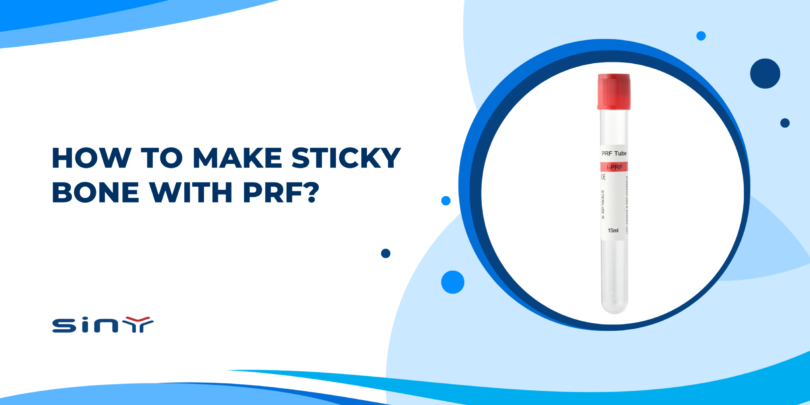
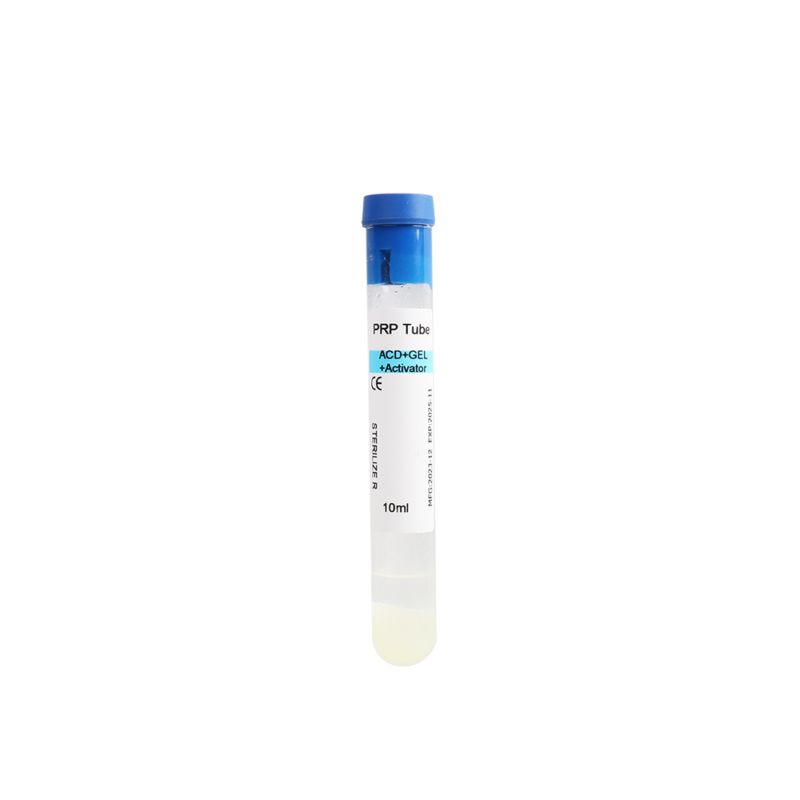
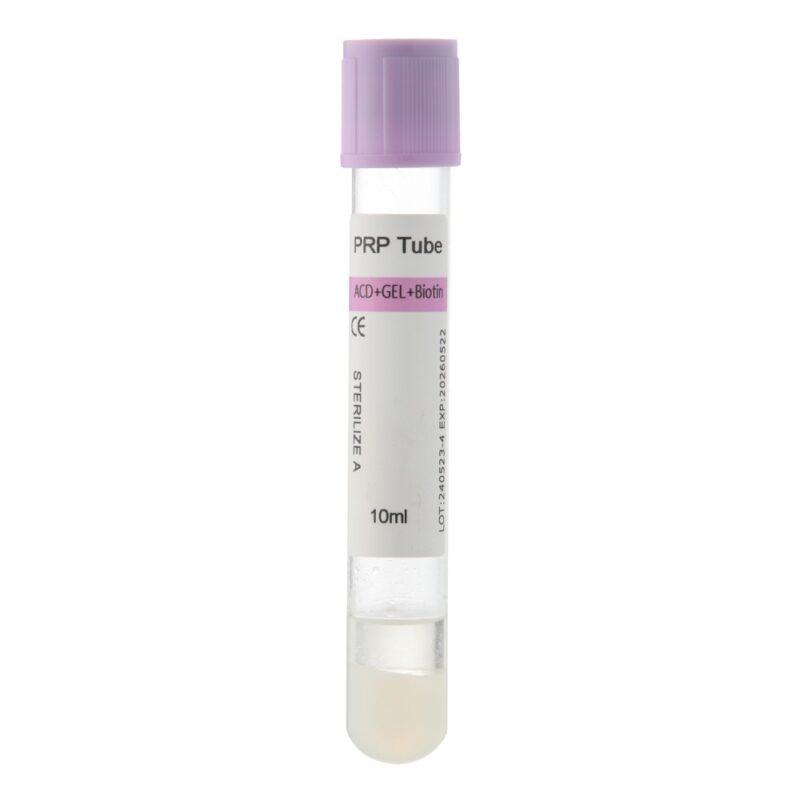
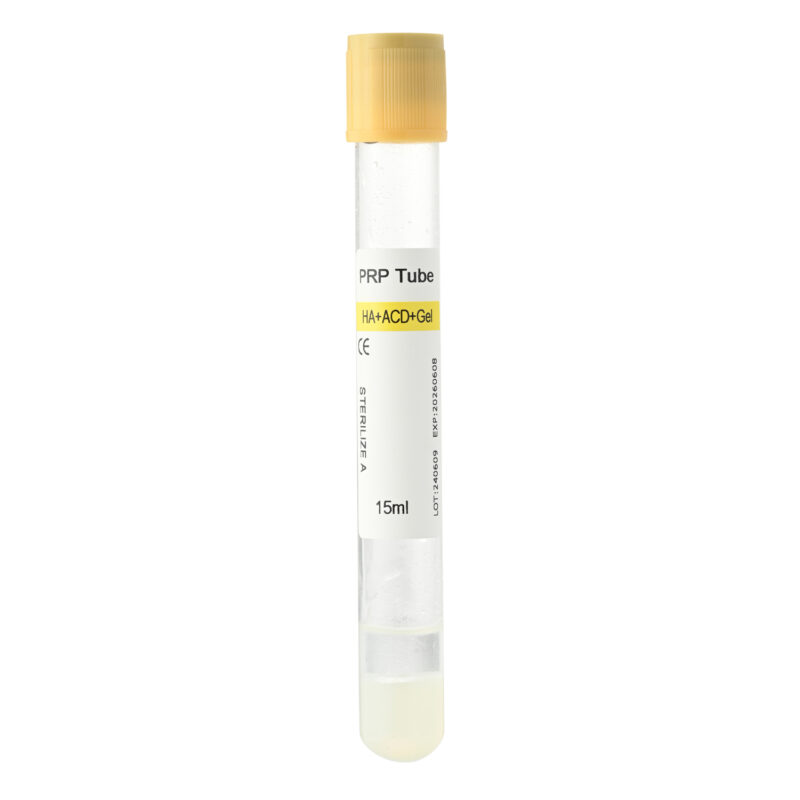
Clinicians prepare PRP by collecting a patient’s blood into a specialized anticoagulant tube before centrifugation. During centrifugation, the blood separates into different layers, allowing platelets to become concentrated within the plasma. These concentrated platelets contain numerous biologically active growth factors, including:
- Platelet-derived growth factor (PDGF)
- Transforming growth factor-beta (TGF-β)
- Vascular endothelial growth factor (VEGF)
- Insulin-like growth factor (IGF)
After activation, these growth factors stimulate cell migration, collagen production, angiogenesis, and tissue regeneration. Instead of introducing an external medication, PRP enhances the body’s own healing response by delivering a higher concentration of regenerative signaling molecules directly to the extraction site.
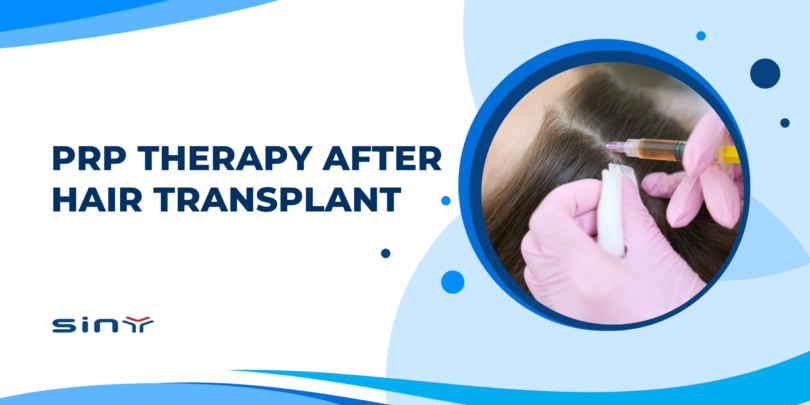
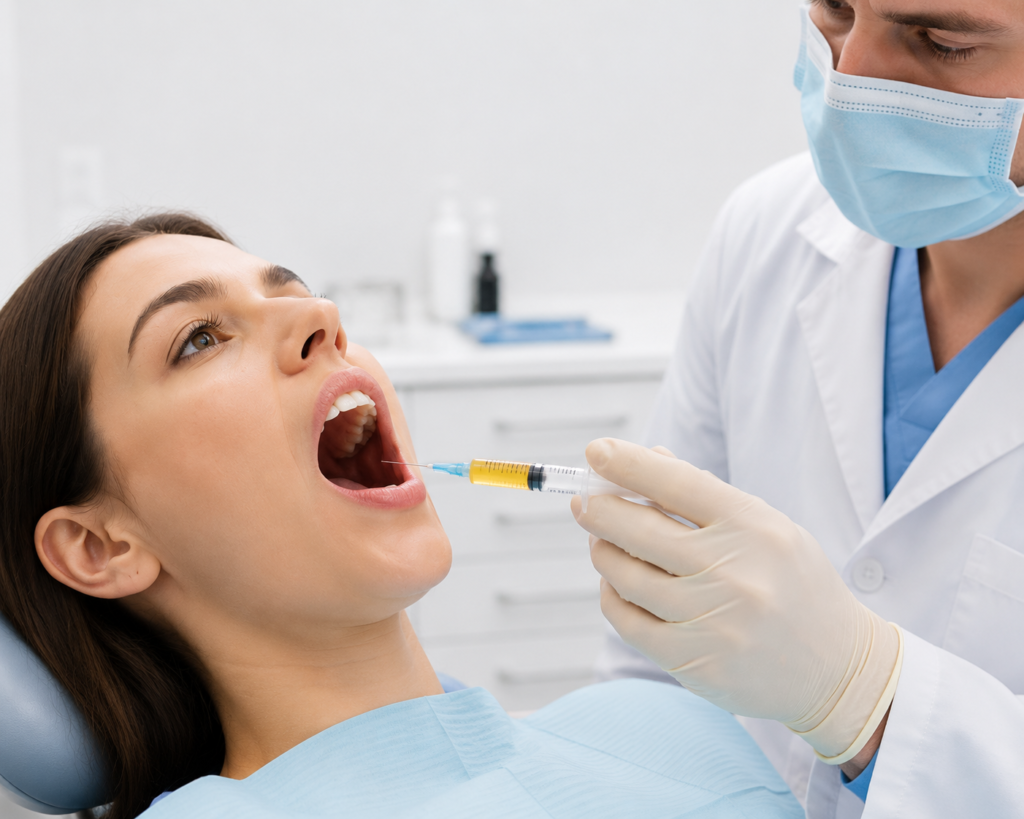
Following wisdom tooth removal, the clinician places PRP into the extraction socket immediately before suturing. The concentrated platelets interact with the surrounding tissues and create a biological environment that encourages socket healing during the early stages of recovery.
What Current Research Says
Most published clinical studies report improvements in early soft tissue healing, postoperative comfort, and inflammation control. Evidence for long-term bone regeneration, however, remains less consistent. This balanced body of evidence explains why PRP continues to gain popularity without becoming a routine requirement for every wisdom tooth extraction.
Current research suggests several potential benefits of platelet-rich plasma after tooth extraction, including:
- Reduced postoperative pain during the first several days
- Less facial swelling
- Improved soft tissue healing
- Greater patient comfort during recovery
- A possible reduction in dry socket incidence among selected patients
- Earlier return to normal eating and speaking
Not every study reaches the same conclusion. Some randomized clinical trials report significant improvements, while others identify only modest differences compared with conventional treatment. Differences in centrifugation protocols, platelet concentration, blood collection systems, surgical techniques, and individual patient biology all contribute to these varying results.
Why PRP Is Considered an Adjunct Rather Than a Necessity
Professional dental organizations generally describe PRP as an adjunctive regenerative therapy rather than an essential part of wisdom tooth extraction. It can improve the biological environment for healing, but it does not guarantee faster recovery or eliminate the possibility of postoperative complications.
Most healthy patients heal successfully without PRP. Dentists typically recommend regenerative therapies when they expect additional biological support to provide meaningful clinical benefits, such as after complex extractions or procedures involving bone grafting.
For dental clinics that routinely perform oral surgery, consistency begins long before the centrifuge starts spinning. High-quality PRP tubes help maintain sterile blood collection conditions, preserve platelet viability, and improve platelet recovery. These factors contribute to a more standardized preparation process and greater confidence in the final biologic product. If your practice is evaluating regenerative dentistry systems, Siny PRP offers professional PRP tubes specifically developed for oral surgery, implantology, periodontics, and other regenerative dental applications.
Which Patients Benefit Most from PRP After Wisdom Teeth Removal?
Although the answer to “Is PRP necessary for wisdom teeth removal?” is usually “not always,” some patients are more likely to benefit from regenerative therapy than others. Careful patient selection remains one of the most important factors in determining whether PRP is likely to provide meaningful clinical value.
Patients with Impacted Wisdom Teeth
Deeply impacted third molars often require extensive bone removal, tooth sectioning, and soft tissue reflection. Compared with simple extractions, these procedures create larger surgical wounds and usually involve a longer recovery period.
Many clinicians use PRP to promote oral surgery healing after these more demanding procedures. Patients frequently report less swelling and greater comfort during the first postoperative week, although individual experiences naturally differ.
Patients Undergoing Multiple Extractions
Removing all four wisdom teeth during one appointment creates substantially more surgical trauma than extracting a single tooth. Reducing inflammation and encouraging early tissue repair become even more important under these circumstances.
Many oral surgeons therefore include PRP in full-mouth third molar surgery to improve wisdom tooth extraction recovery and help patients return to normal eating, speaking, and daily activities more comfortably.
Patients with Higher Healing Demands
Healing speed varies from one patient to another. Age, smoking, and certain well-controlled medical conditions can all influence tissue repair.
PRP cannot eliminate these challenges, but it may improve the local healing environment by delivering concentrated growth factors directly to the surgical site. Patients should still understand that PRP supports healing rather than guarantees faster recovery. Following postoperative instructions remains essential.
Patients Receiving Bone Grafting
When wisdom tooth removal is combined with ridge preservation or bone grafting, clinicians often place PRP alongside graft materials. The released growth factors may encourage early vascularization and improve soft tissue integration around the graft.
This combination has become increasingly common in regenerative dentistry because it addresses both biological healing and tissue preservation.
Patients Planning Future Implant Treatment
Some patients undergo wisdom tooth extraction as part of a broader treatment plan that includes orthodontics or future dental implant placement. Maintaining healthy soft tissue and encouraging predictable socket healing may simplify later restorative procedures.
Although PRP does not guarantee better implant outcomes, many clinicians include it within comprehensive treatment planning because it helps establish a healthier healing environment before implant therapy begins.
If your clinic regularly performs complex extractions, bone grafting, or implant-related procedures, a dependable PRP preparation system can improve workflow consistency and standardize regenerative protocols. Siny PRP supplies sterile PRP tubes manufactured under strict quality controls, helping dental professionals prepare high-quality platelet concentrates with greater confidence.
How the Right PRP Tube Improves Wisdom Tooth Extraction Outcomes
When clinicians discuss PRP therapy, the conversation usually focuses on centrifuge settings, platelet concentration, or injection techniques. While these factors are important, one critical component often receives far less attention: the PRP collection tube. Even the most advanced centrifuge cannot compensate for inconsistent sample preparation. If platelets activate too early, separate poorly from other blood components, or lose viability during processing, the final PRP may contain fewer functional platelets and lower concentrations of regenerative growth factors.
Why the Collection Tube Matters
Successful PRP preparation begins before the blood enters the centrifuge. The quality of the collection tube directly affects platelet preservation, plasma purity, and the consistency of the final preparation.
Not all PRP tubes are manufactured to the same standard. Differences in anticoagulant formulation, vacuum accuracy, separator technology, and manufacturing precision can influence platelet recovery and the biological quality of the final PRP. For practices that perform regenerative procedures regularly, using tubes from an experienced medical manufacturer helps minimize variation between cases and supports standardized clinical protocols.
A high-quality PRP tube contributes to reliable preparation in several ways:
- Maintains platelet viability. A carefully balanced anticoagulant prevents premature clotting before centrifugation and preserves platelet function.
- Improves platelet recovery. Optimized tube design promotes cleaner separation between plasma, the buffy coat, and red blood cells, making it easier to collect a platelet-rich fraction with minimal contamination.
- Delivers consistent performance. Accurate vacuum volume, high-quality additives, and strict manufacturing controls reduce variability from one procedure to the next.
- Protects sample sterility. Medical-grade sterile production minimizes contamination risks throughout blood collection and preparation.
- Supports standardized protocols. Reliable tubes allow clinicians to follow validated centrifugation procedures with greater confidence.
These details become increasingly important in regenerative dentistry, where relatively small differences in platelet concentration and growth factor release may influence the biological quality of the final preparation.
What to Look for in a High-Quality PRP Tube
When selecting PRP tubes for dental procedures, clinicians and distributors should evaluate several important factors:
- Medical-grade materials with excellent biocompatibility
- Reliable anticoagulant formulation for stable platelet preservation
- Precise vacuum calibration for consistent blood collection
- Compatibility with commonly used dental centrifuges
- Strict quality management and batch consistency
- OEM and private-label manufacturing capabilities for distributors and medical brands
Choosing a premium PRP tube does not automatically guarantee better clinical outcomes. It does, however, reduce unnecessary variation during preparation and improves consistency across procedures. For practices that perform PRP routinely, standardized preparation simplifies staff training, increases workflow efficiency, and delivers more predictable regenerative treatments.
At Siny PRP, we manufacture a complete portfolio of professional PRP tubes designed for oral surgery, implantology, periodontics, orthopedics, sports medicine, and aesthetic medicine. Whether you are an oral surgeon, implant specialist, distributor, or OEM partner, our team can recommend the most appropriate PRP tube based on your preferred preparation protocol and clinical objectives.

PRP vs. PRF for Wisdom Teeth Removal: Which Is Better?
Another common question dentists ask is whether PRP or PRF provides better outcomes following wisdom tooth extraction. Although both products originate from the patient’s own blood and belong to the family of autologous platelet concentrates, they differ in preparation, biological characteristics, and clinical applications.
When Clinicians Choose PRP
Clinicians prepare PRP using an anticoagulant-containing collection tube, allowing the platelets to remain suspended in plasma after centrifugation. Before application, the clinician activates the PRP so it releases a high concentration of growth factors during the early stages of healing.
PRP is often selected when clinicians want to:
- Deliver growth factors immediately after surgery
- Apply a liquid biologic evenly throughout the extraction socket
- Combine PRP with bone graft materials
- Adapt the preparation to different surgical techniques
Because of its fluid consistency, PRP is particularly useful when clinicians need flexibility during oral surgery or regenerative procedures.

When PRF May Be the Better Option
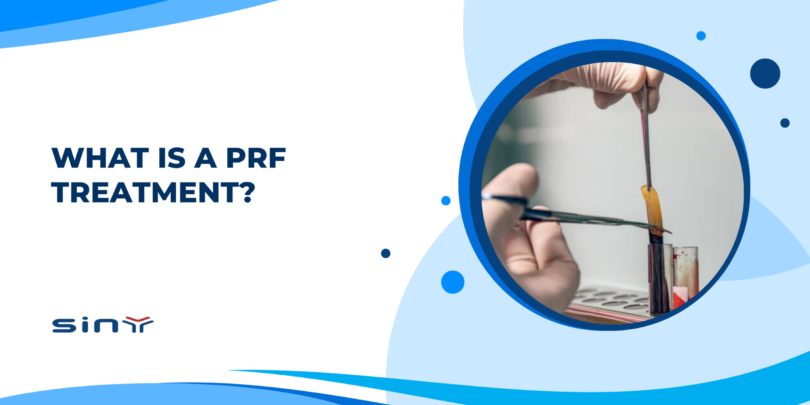
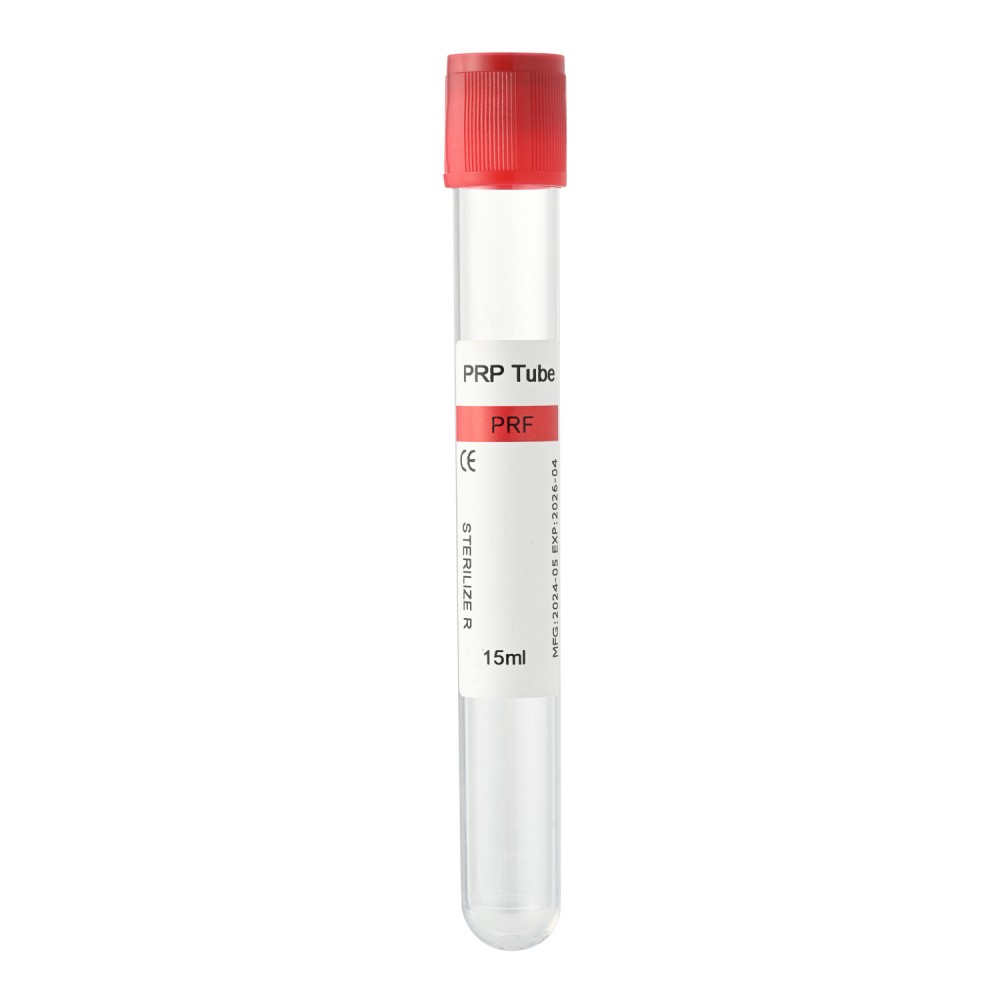
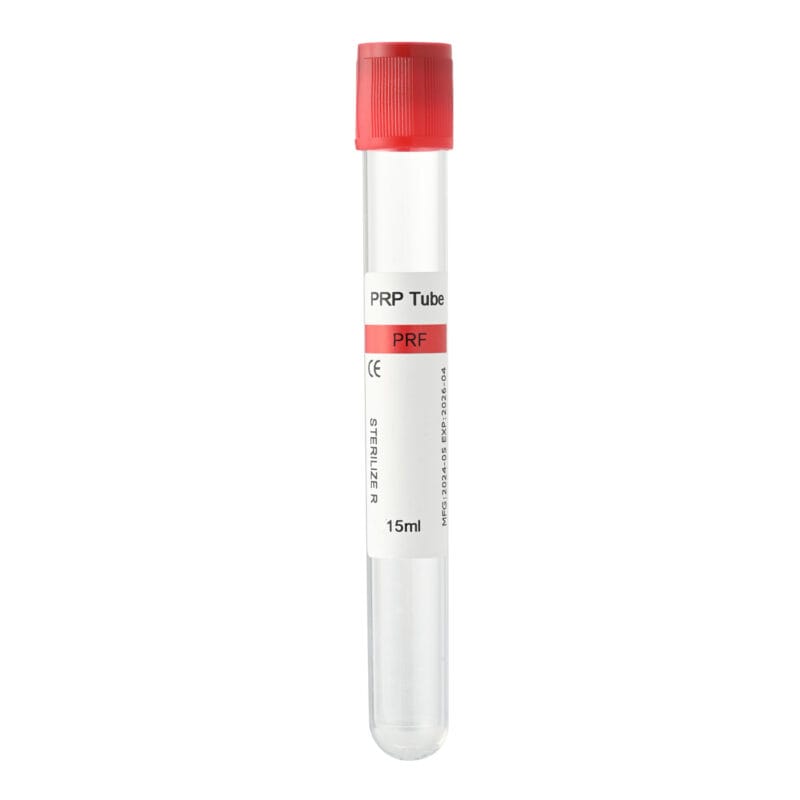
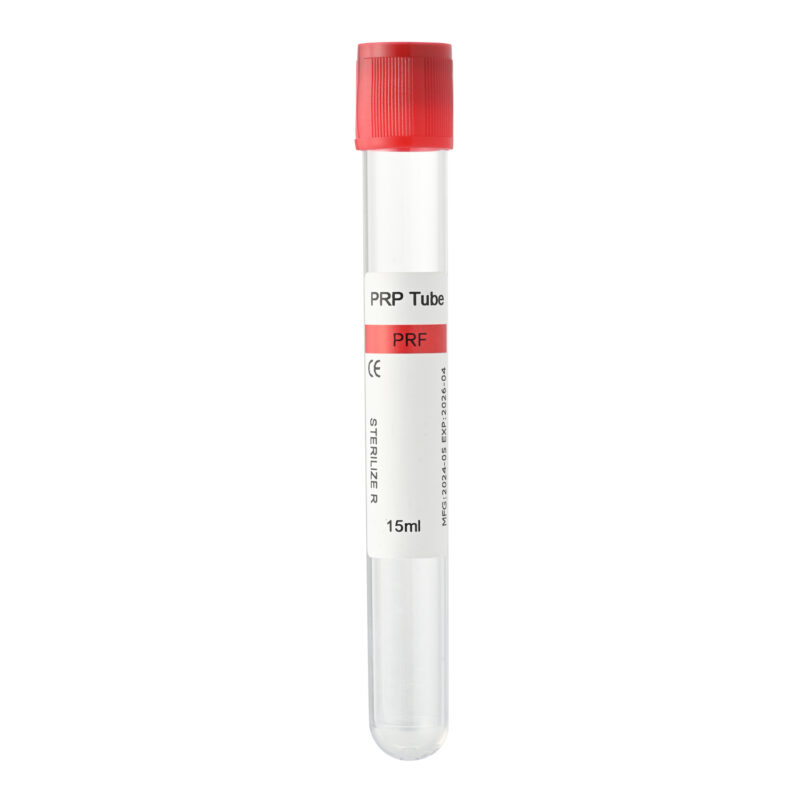
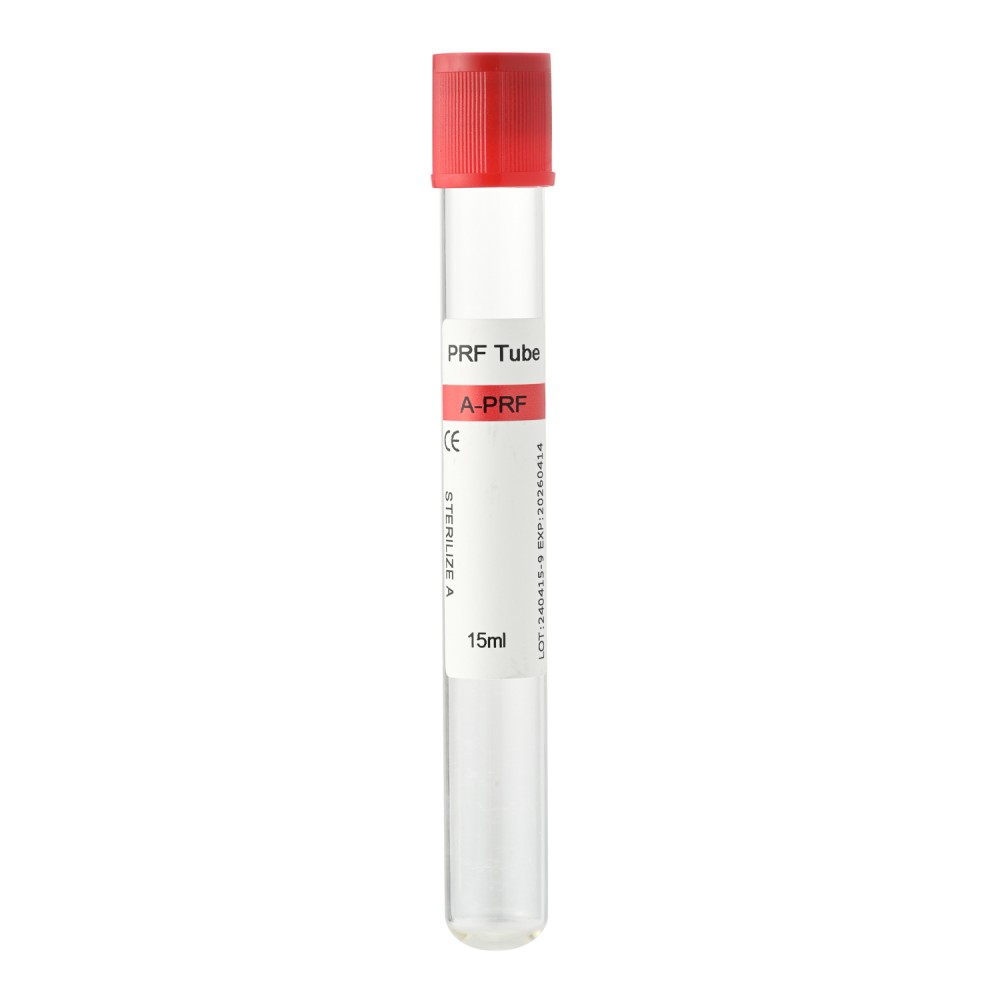
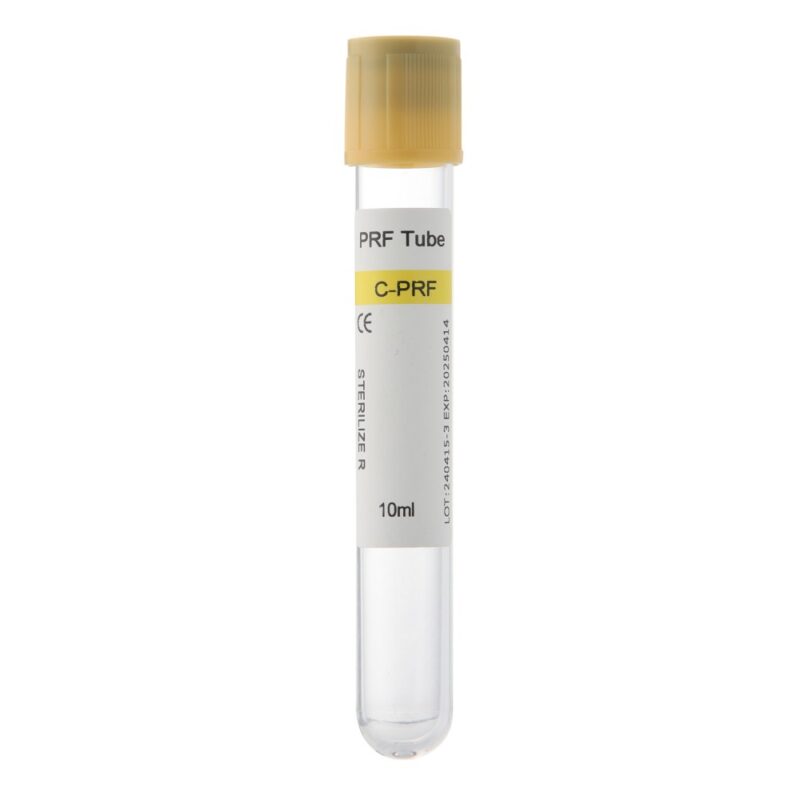
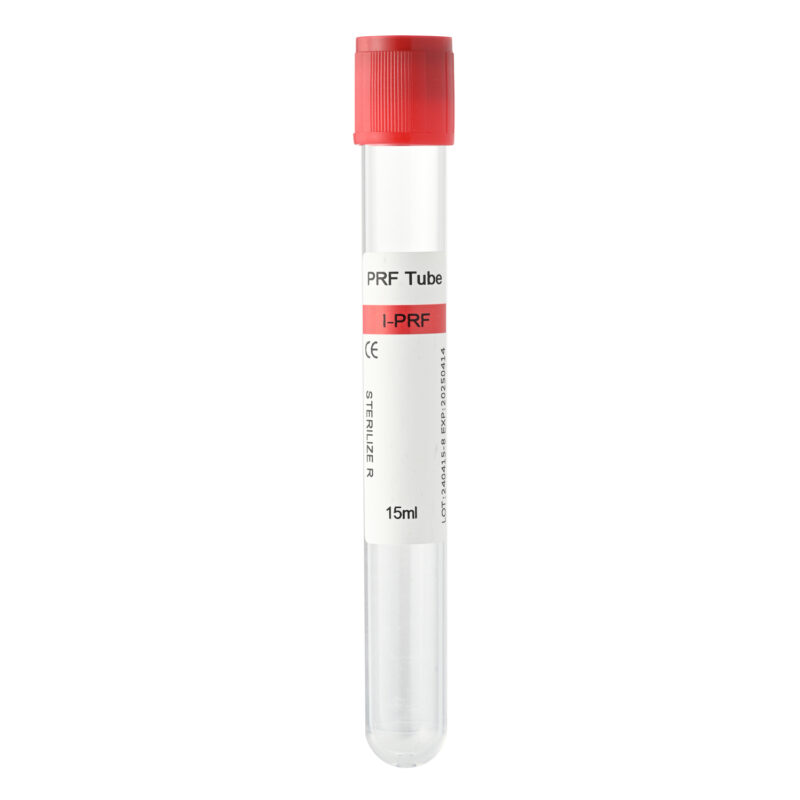
Clinicians produce PRF without anticoagulants. During low-speed centrifugation, a natural fibrin network forms and traps platelets and leukocytes within a three-dimensional scaffold. This fibrin matrix gradually releases growth factors over several days while also providing structural support for healing tissues.
Many oral surgery practices prefer PRF for extraction sockets because the membrane is easy to handle, remains stable inside the socket, and continues releasing biologically active molecules throughout the early healing period.
Clinicians often choose PRF when they want:
- A fibrin membrane that stays securely within the extraction socket
- Sustained growth factor release over several days
- Additional support for soft tissue healing
- An additive-free preparation protocol
Current systematic reviews suggest that both PRP and PRF improve postoperative healing compared with extraction alone, although neither has demonstrated universal superiority in every clinical situation. Patient selection, surgical technique, preparation protocol, and clinician experience remain more influential than the choice between PRP and PRF alone.
Rather than asking which option is objectively better, many clinicians select the regenerative material that best matches their workflow, equipment, and treatment philosophy.
At Siny PRP, we manufacture both professional PRP tubes and additive-free PRF tubes, allowing dental practices to choose the preparation system that best fits their clinical protocols and regenerative goals.

FAQs
Is PRP necessary for wisdom teeth removal?
No. Most wisdom tooth extractions heal successfully without PRP. However, PRP may reduce postoperative discomfort and encourage soft tissue healing in selected patients, particularly after impacted or surgically complex extractions.
Does PRP prevent dry socket?
PRP may reduce the likelihood of dry socket by supporting stable clot formation and encouraging early tissue repair. However, it cannot completely prevent this complication. Careful surgical technique and proper postoperative care remain the most effective preventive measures.
Is PRP safe for dental procedures?
Yes. Because clinicians prepare PRP from the patient’s own blood, the risk of allergic reactions or disease transmission is extremely low when sterile preparation protocols are followed correctly.
How is PRP prepared before wisdom tooth extraction?
The clinician collects a small blood sample into a dedicated PRP tube and places it in a centrifuge to separate platelet-rich plasma from other blood components. The clinician then applies the PRP directly to the extraction socket before suturing.
Does every dental clinic offer PRP?
No. PRP preparation requires specialized collection tubes, a compatible centrifuge, standardized preparation protocols, and trained personnel. Oral surgeons, implant specialists, and regenerative dental clinics are more likely to provide PRP therapy than general dental practices.
Is PRP covered by dental insurance?
Insurance coverage varies by country, provider, and treatment plan. Because PRP is generally considered an adjunctive regenerative procedure rather than a standard component of wisdom tooth extraction, patients should confirm coverage directly with their insurance provider before treatment.
How much does PRP add to the cost of wisdom tooth removal?
The additional cost depends on the clinic, geographic location, and the PRP preparation system being used. Patients should discuss both the expected clinical benefits and the additional expense with their oral surgeon before deciding whether PRP is appropriate for their treatment.
Final Thoughts
So, is PRP necessary for wisdom teeth removal? For most patients, the answer is still no. Conventional wisdom tooth extraction performed by an experienced oral surgeon continues to deliver excellent results without regenerative adjuncts. Careful surgical technique, thorough postoperative care, and good oral hygiene remain the foundation of predictable healing.
Even so, PRP has become an increasingly valuable tool in modern regenerative dentistry. By concentrating the patient’s own platelets and growth factors, PRP may reduce postoperative discomfort, encourage soft tissue repair, promote socket healing, and improve the biological environment following difficult extractions or procedures involving bone grafting. Although it is not essential for every case, it offers meaningful clinical value in carefully selected situations.
Clinicians should also remember that the preparation process is just as important as the decision to use PRP. The centrifuge, preparation protocol, and especially the PRP collection tube all influence platelet recovery, plasma purity, and the consistency of the final biologic product. Standardizing each step of the workflow helps practices achieve more reproducible results and improves confidence in regenerative procedures.
At Siny PRP, we manufacture a complete portfolio of professional PRP and PRF tubes for oral surgery, implantology, periodontics, orthopedics, sports medicine, and aesthetic medicine. Every product is engineered to deliver consistent platelet separation, reliable preparation protocols, and dependable clinical performance. We also provide OEM and private-label manufacturing services for distributors and medical brands worldwide.
Whether you need standard PRP tubes, customized OEM solutions, or technical guidance on selecting the right preparation protocol, the Siny PRP team is ready to support your business. Contact us today to learn more about our regenerative blood collection solutions or request a recommendation tailored to your clinical workflow.