Hair loss patients often ask the same question before starting treatment: how long for PRP to work on hair? The answer is not always immediate, and understanding the timeline is important for both clinics and distributors purchasing PRP systems. Platelet-rich plasma therapy has become one of the most discussed non-surgical hair restoration treatments because it uses concentrated platelets and growth factors from the patient’s own blood to support weakened hair follicles.
Unlike instant cosmetic procedures, PRP hair restoration works gradually. Most patients do not notice visible improvement after the first session. Instead, the treatment stimulates the scalp environment over time, helping dormant or miniaturized follicles become more active. In many cases, reduced shedding appears first, followed by improved hair thickness and density several months later.
What Is PRP Hair Treatment and How Does It Work?
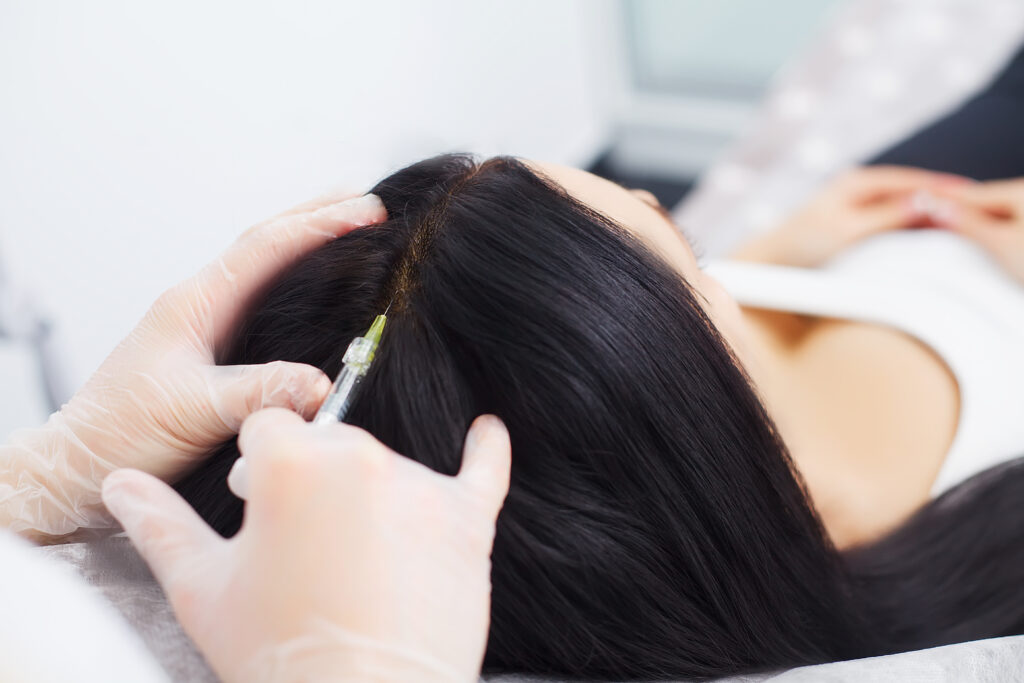
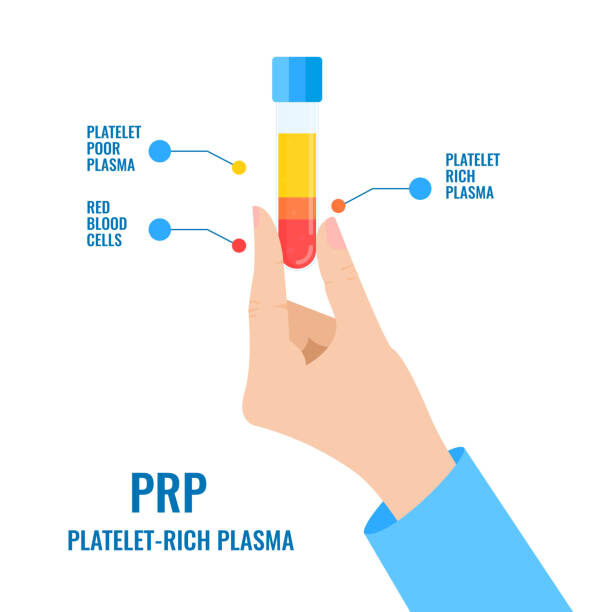
PRP hair therapy is a regenerative procedure that involves collecting a patient’s blood, separating platelet-rich plasma through centrifugation, and injecting the concentrated plasma into areas affected by hair thinning.
Platelets contain multiple growth factors that may help support follicle activity, improve blood supply around the scalp, and prolong the anagen (growth) phase of hair follicles. The treatment is commonly used for:
- Androgenetic alopecia (male and female pattern baldness)
- Early-stage hair thinning
- Hair density improvement
- Supportive therapy after hair transplant procedures
The procedure itself is relatively fast. Blood collection generally takes only a few minutes, followed by centrifugation and reinjection. However, the biological response inside the scalp takes much longer. Hair follicles grow slowly by nature, which explains why PRP results develop progressively instead of overnight.
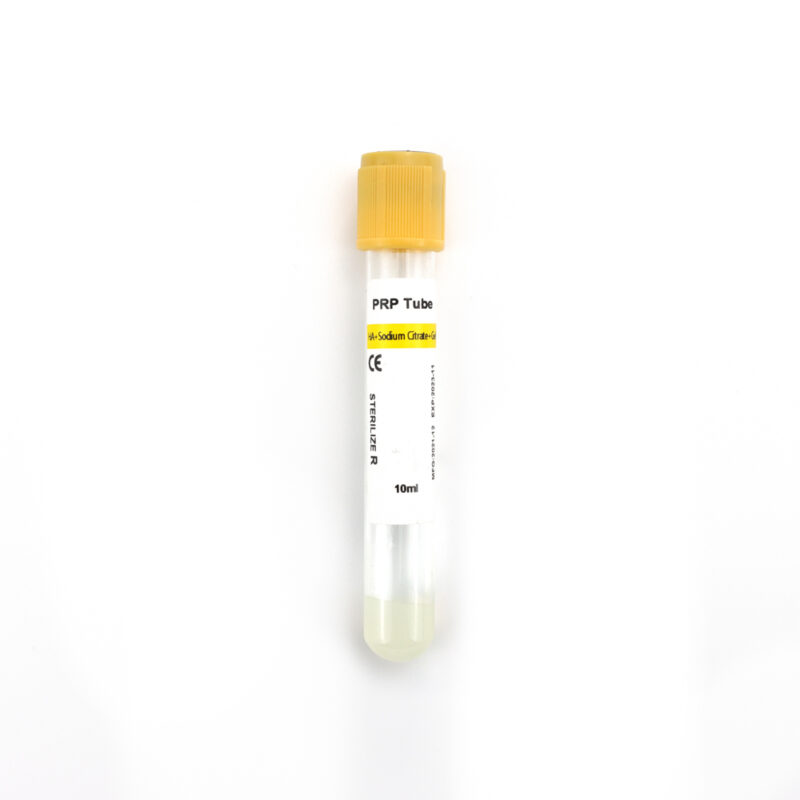
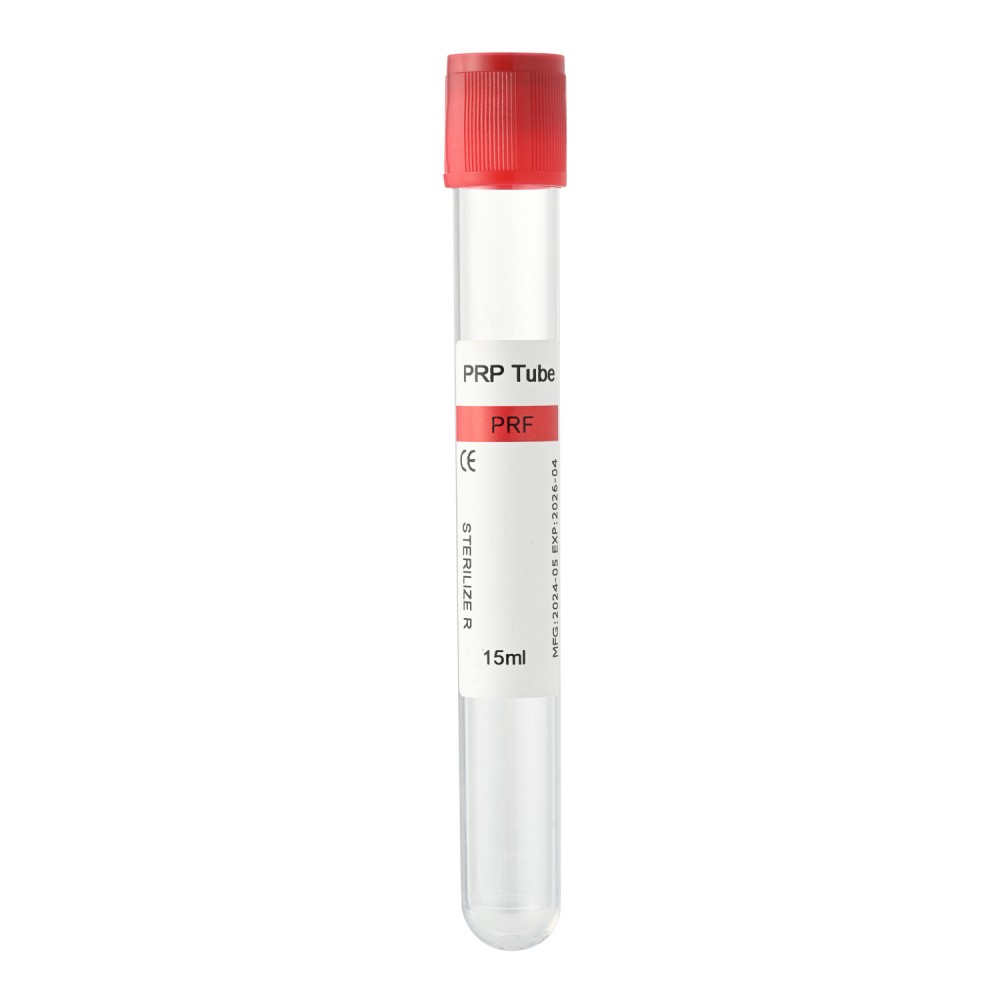
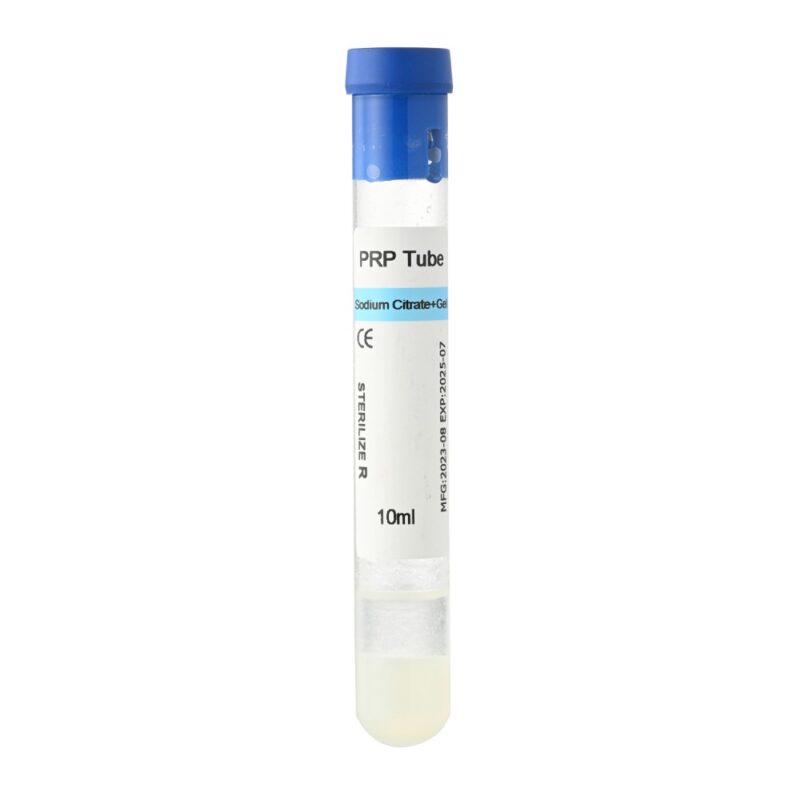
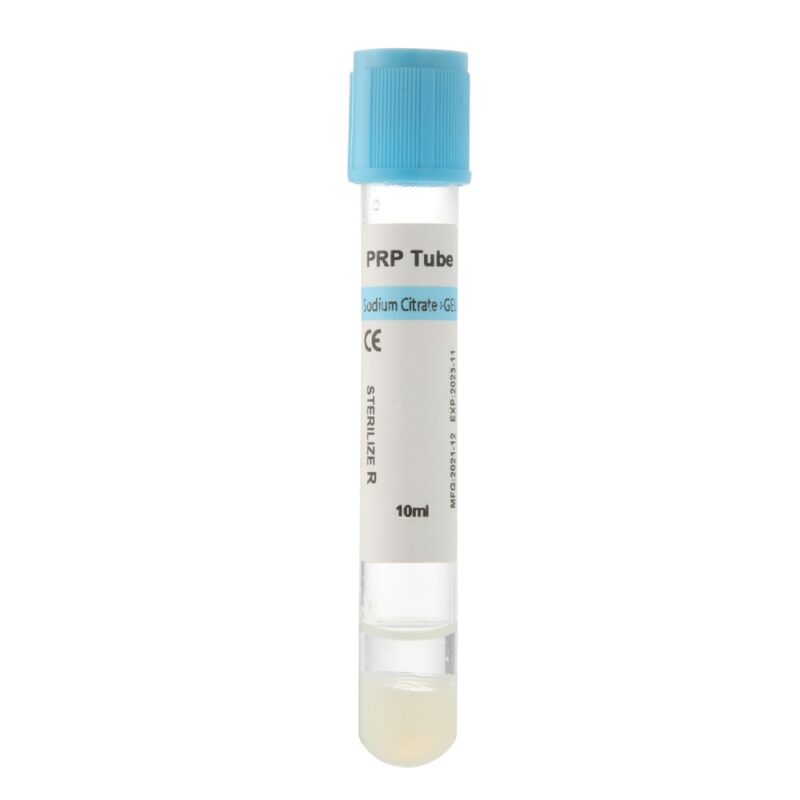
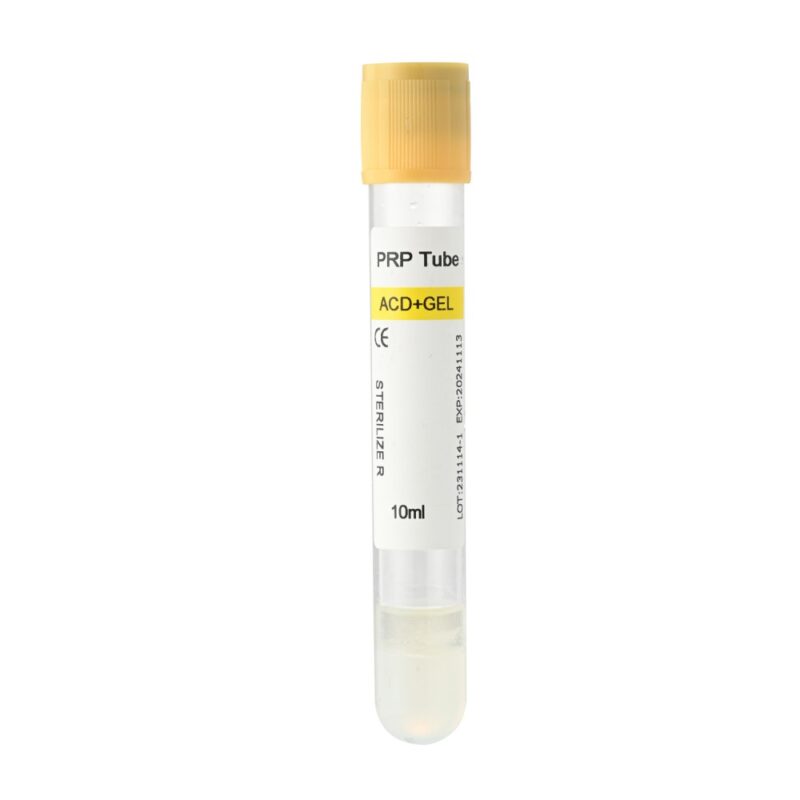
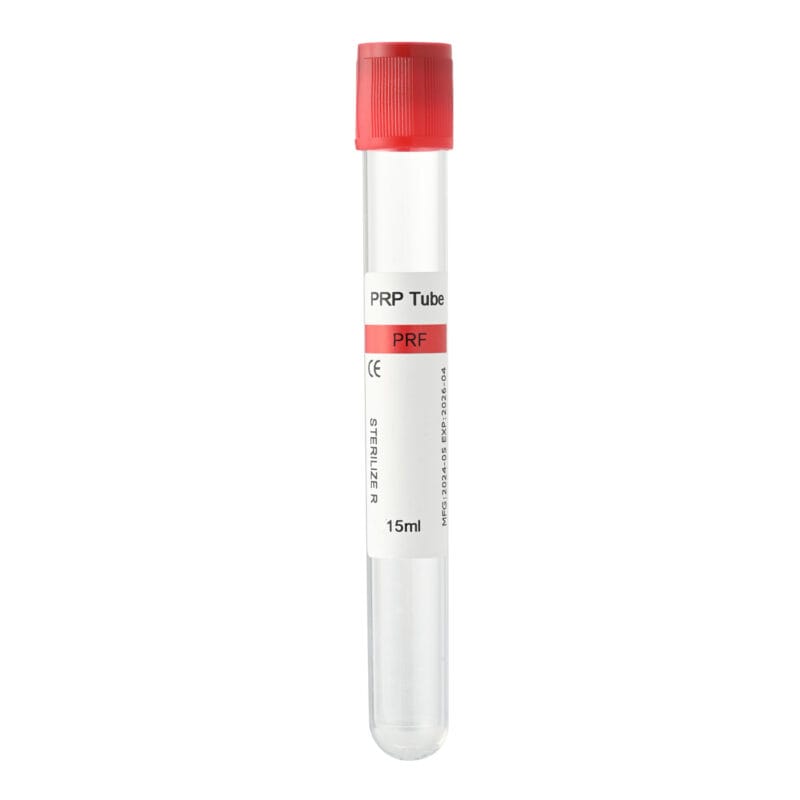
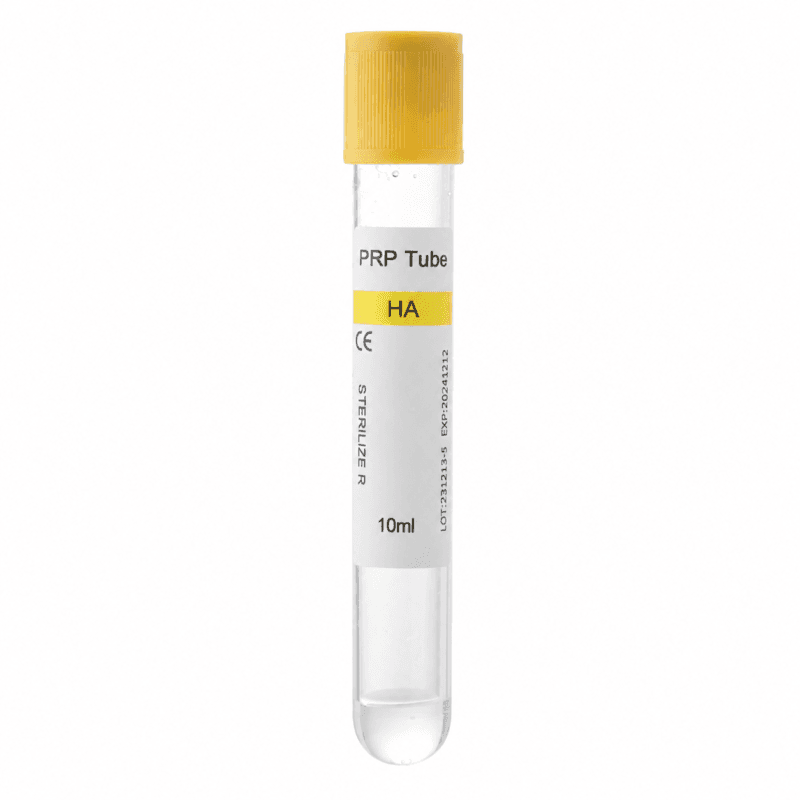
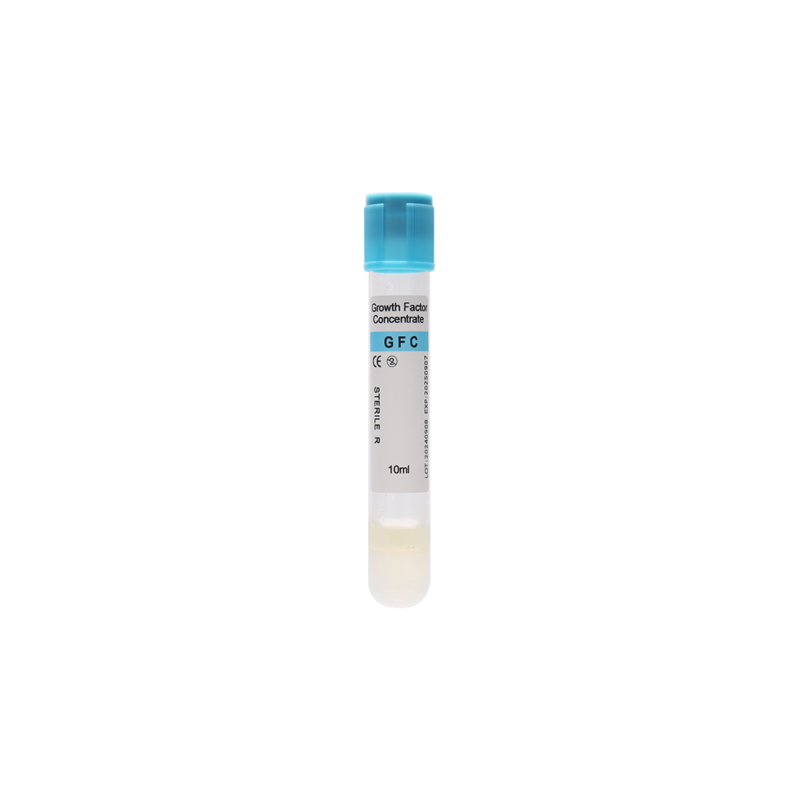
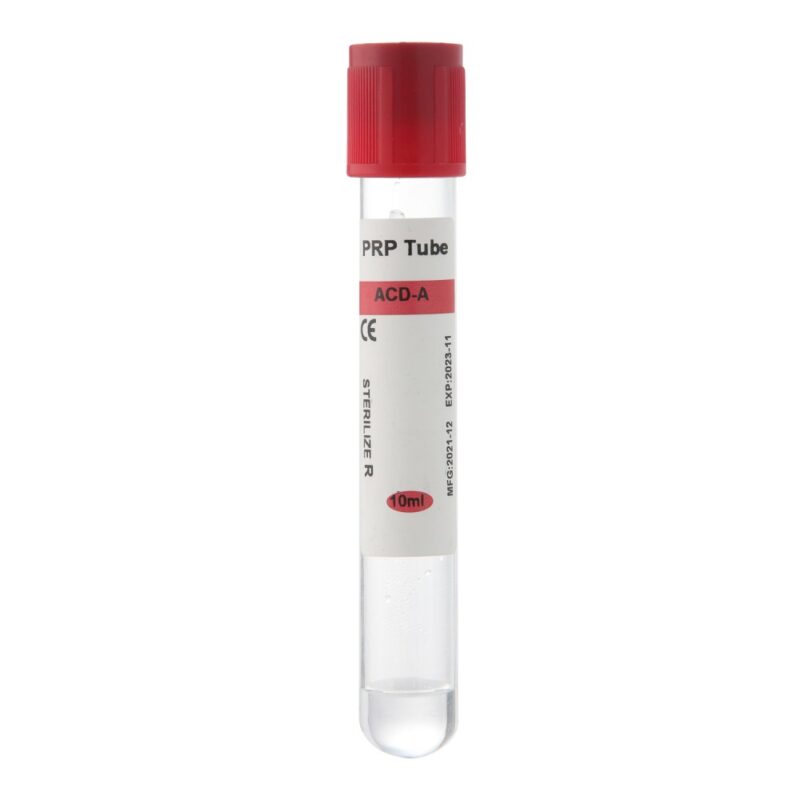
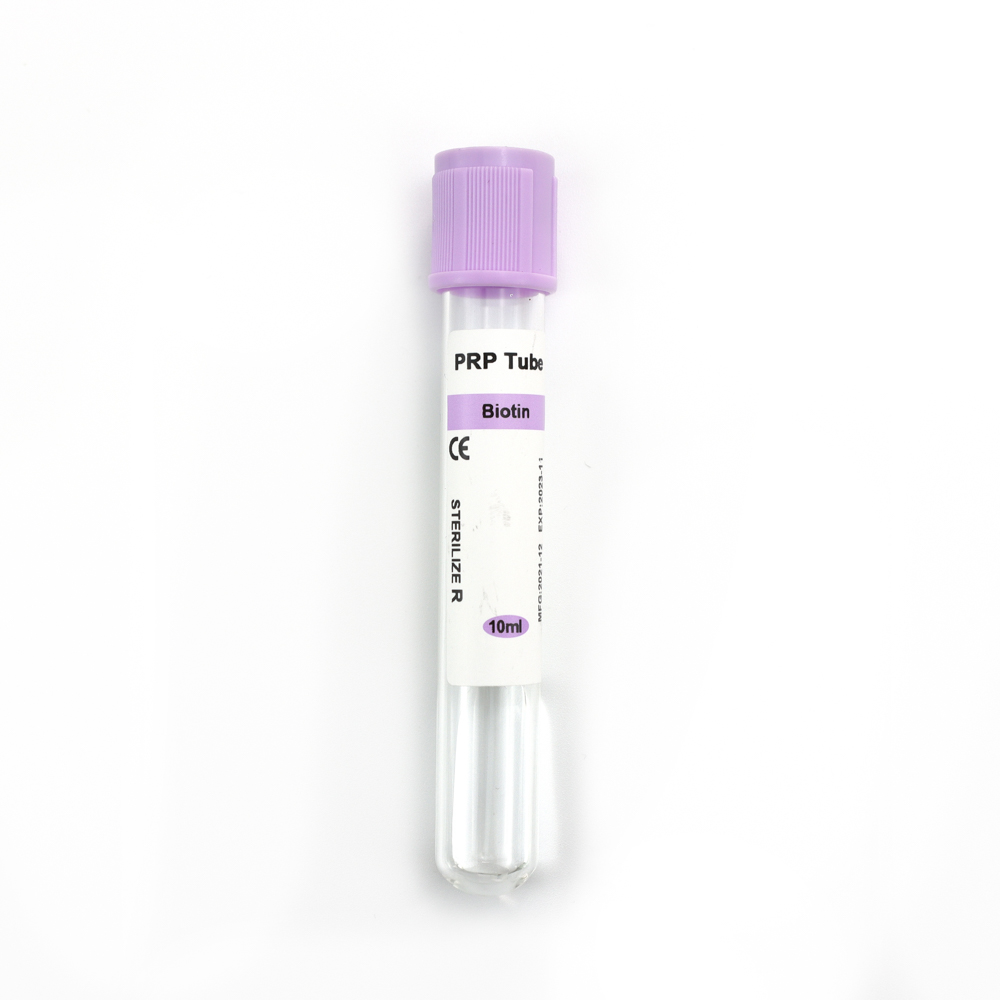
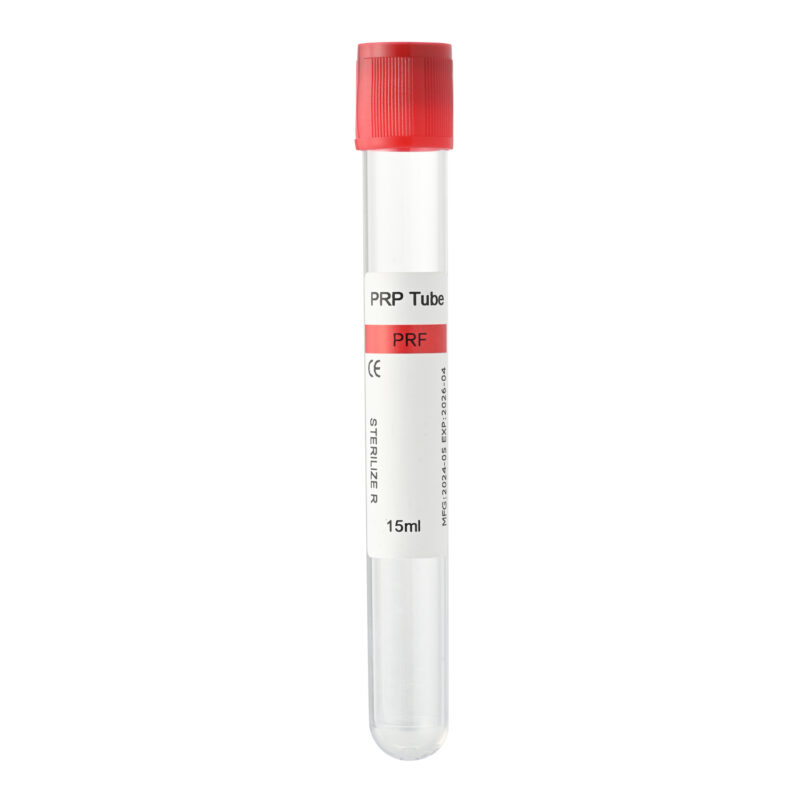
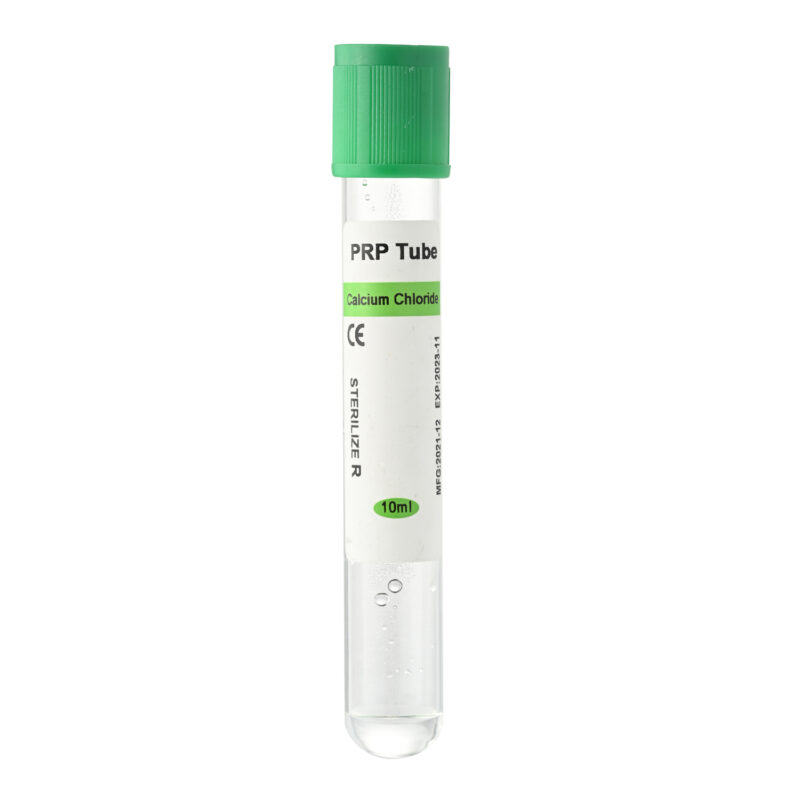
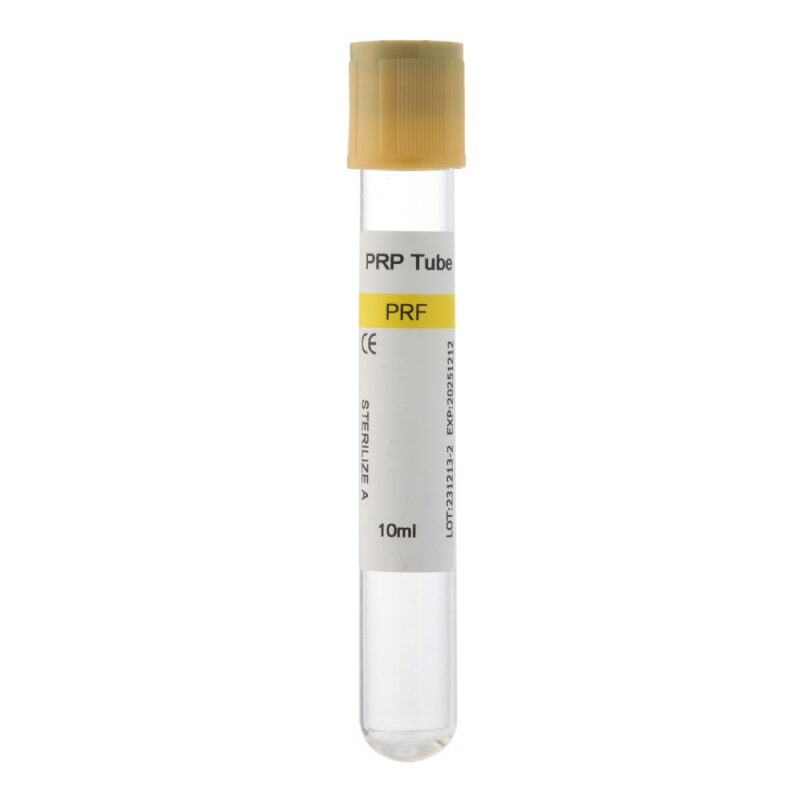
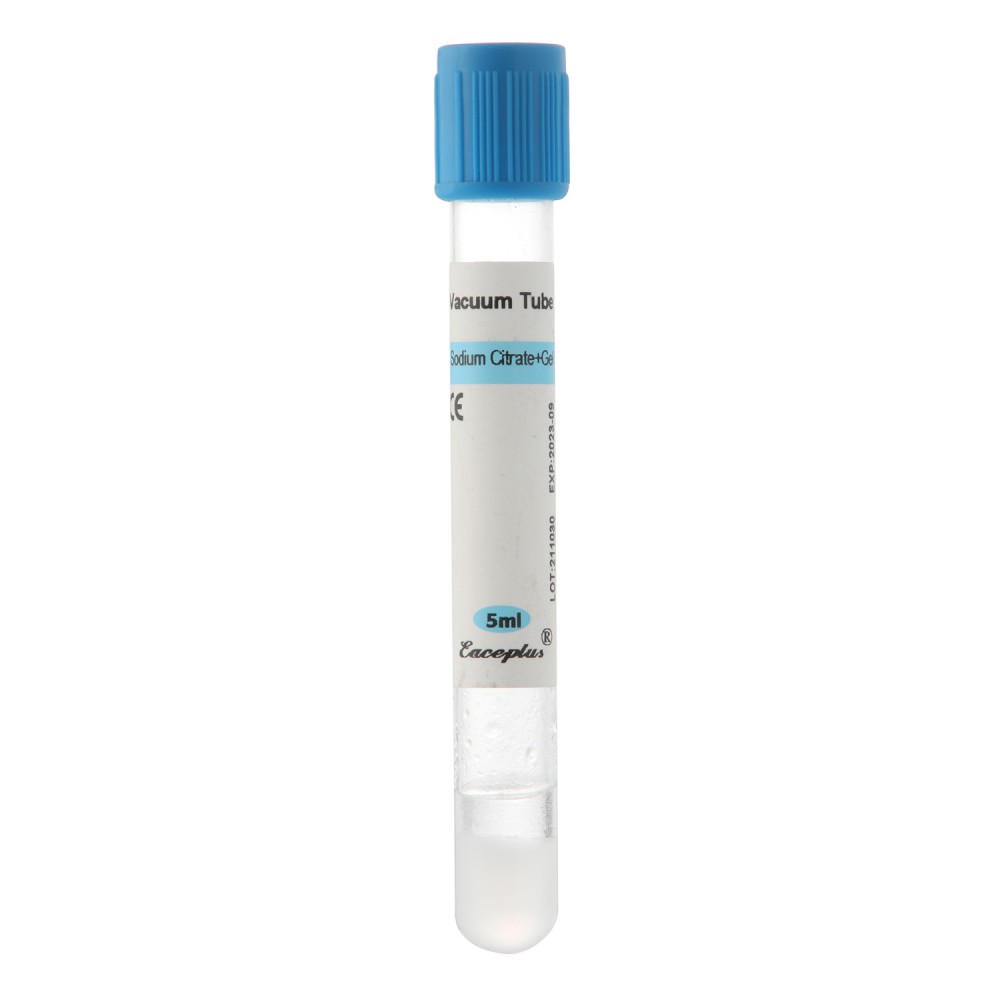
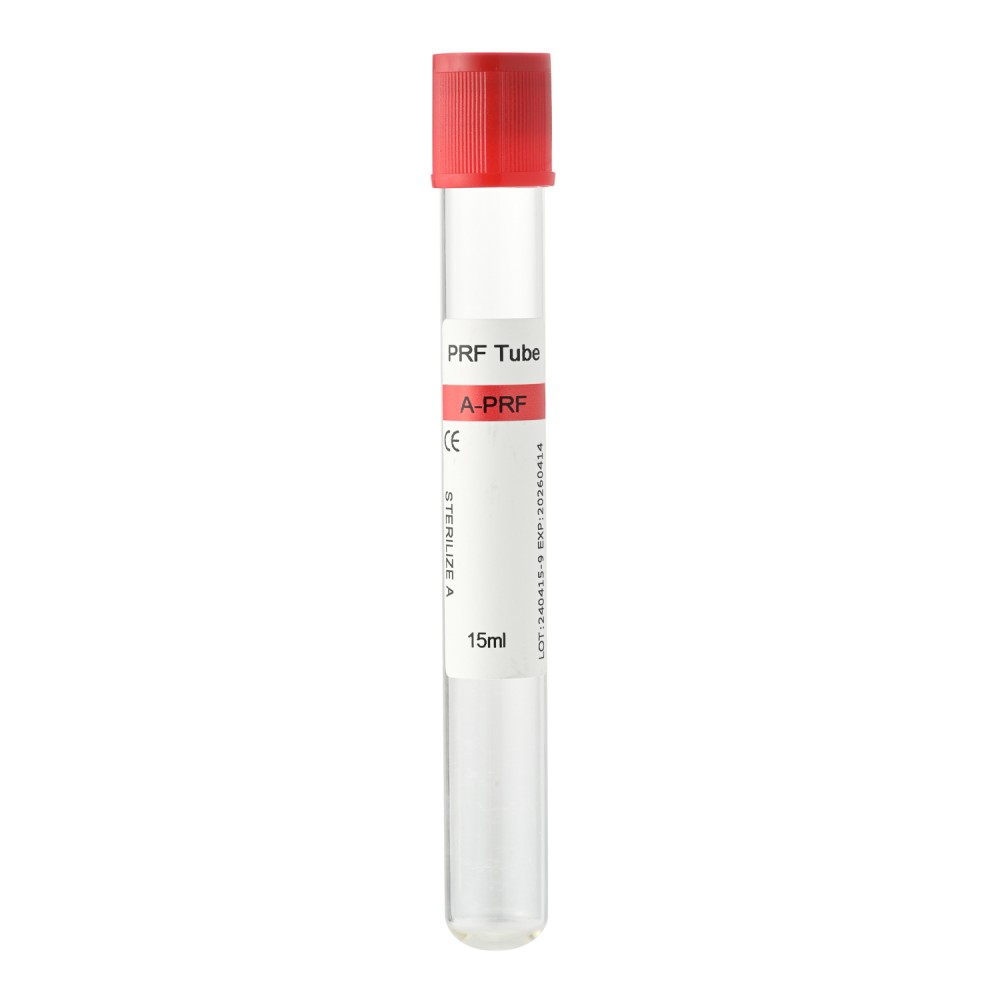
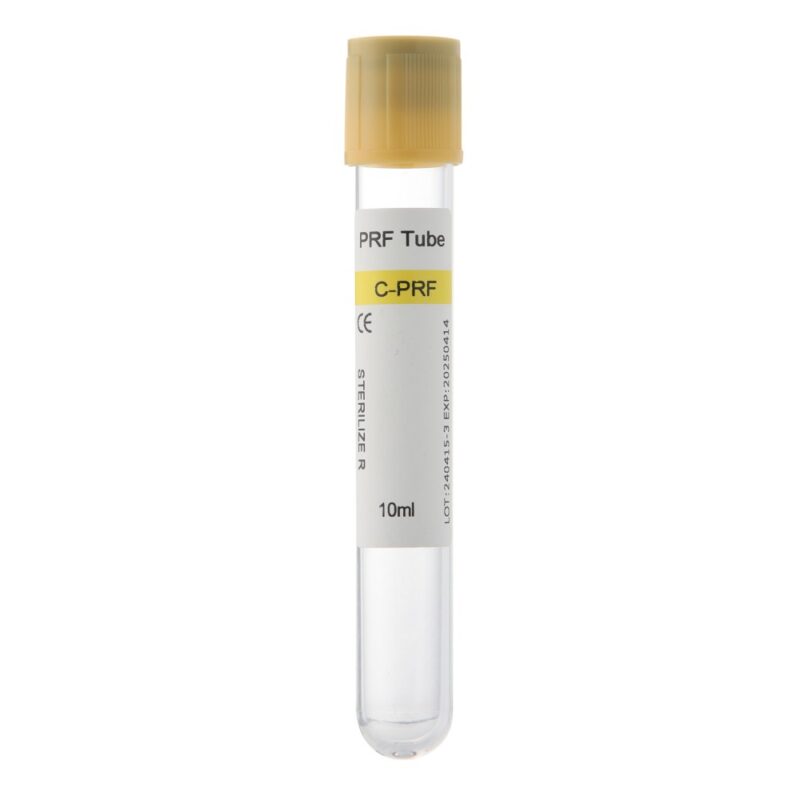
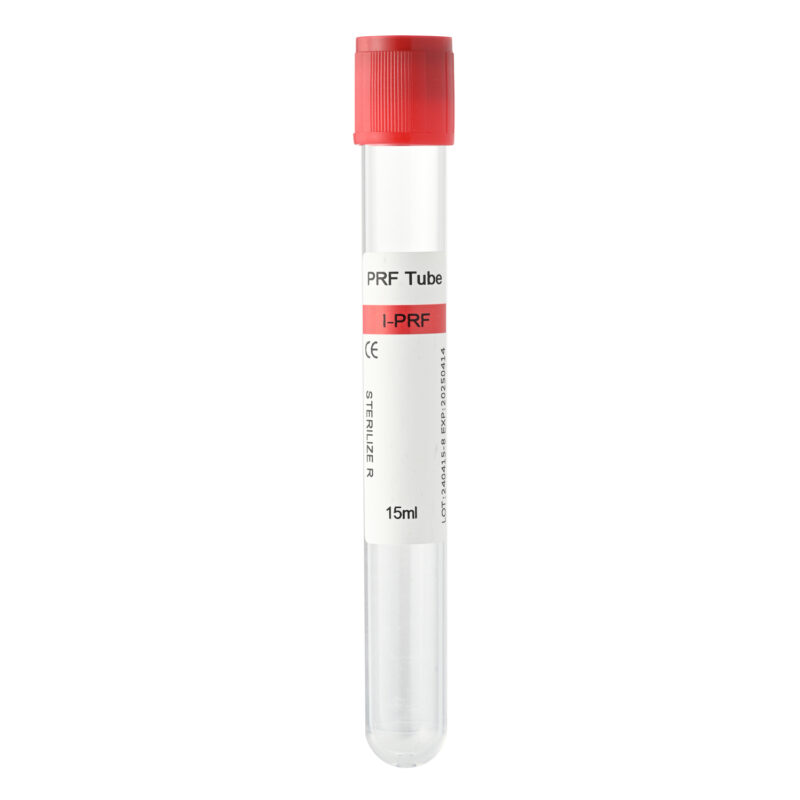
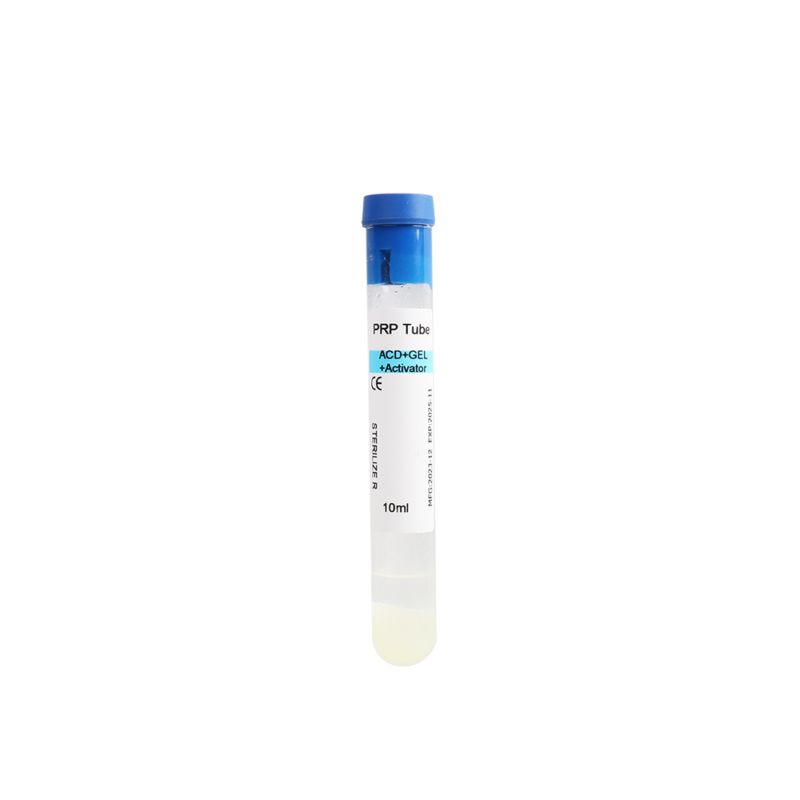
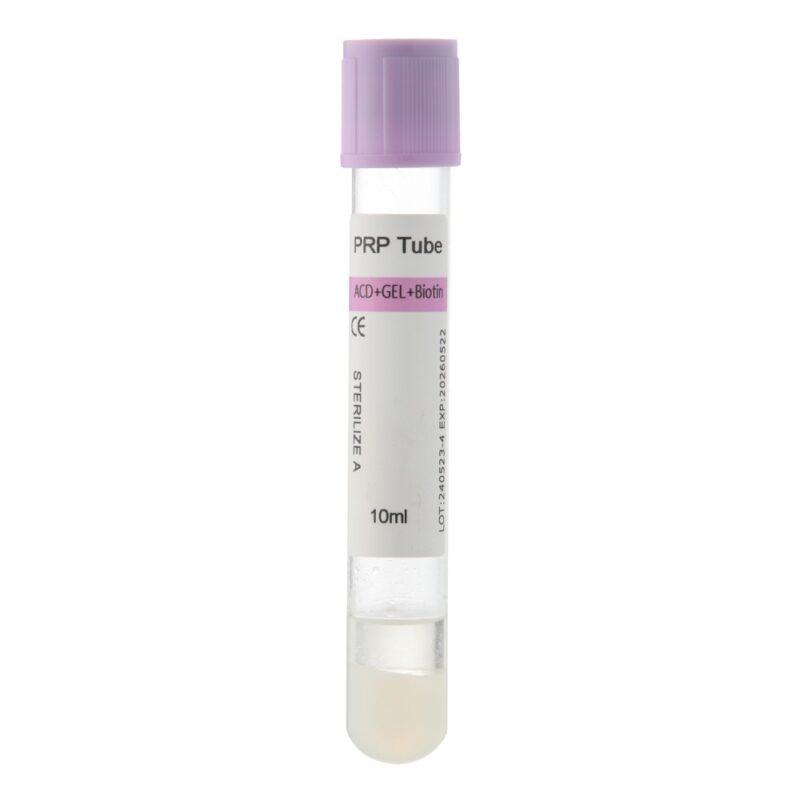
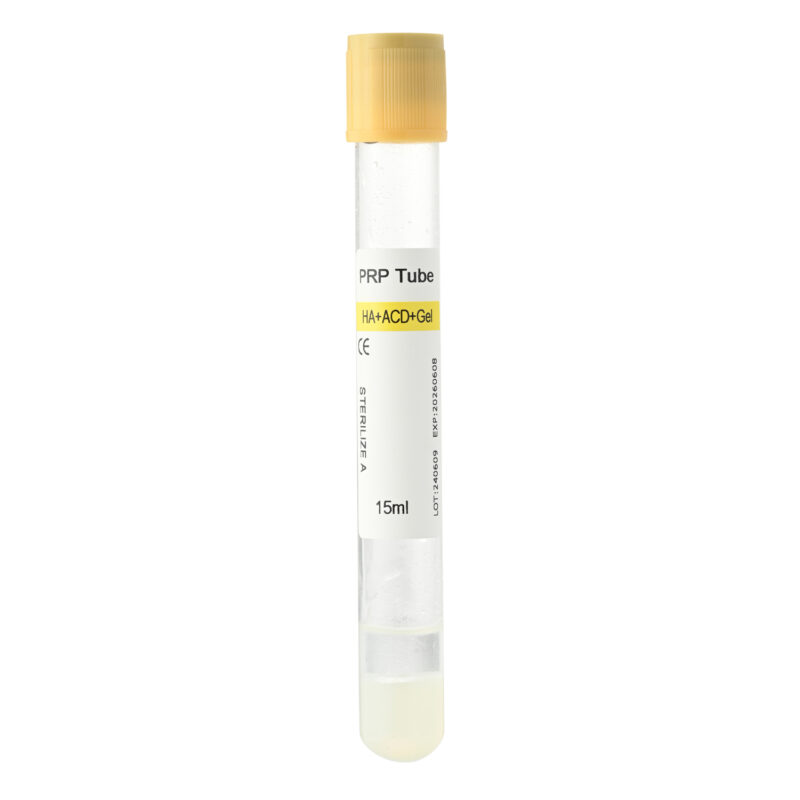
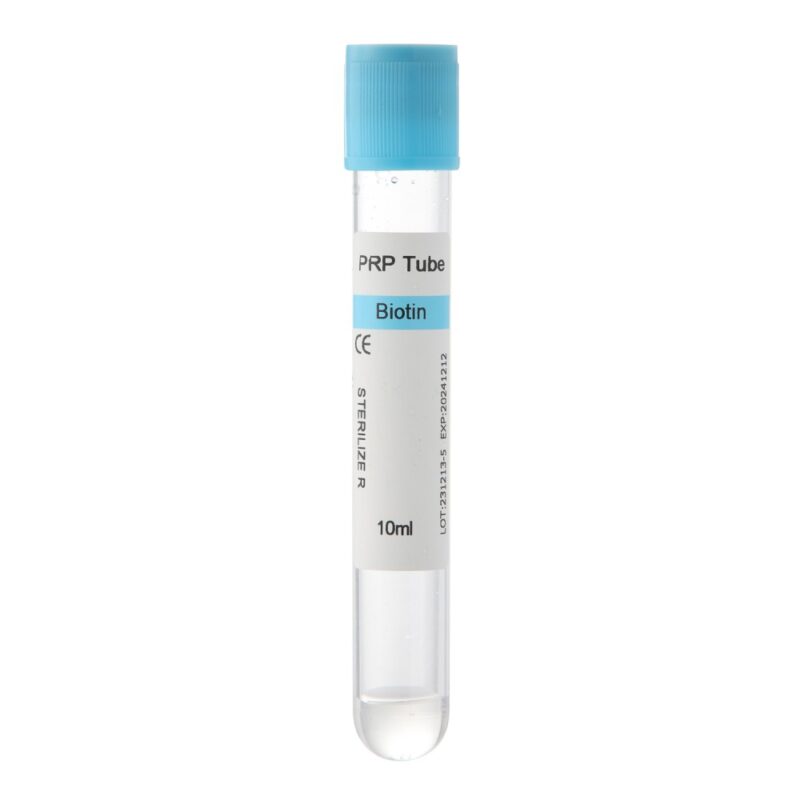
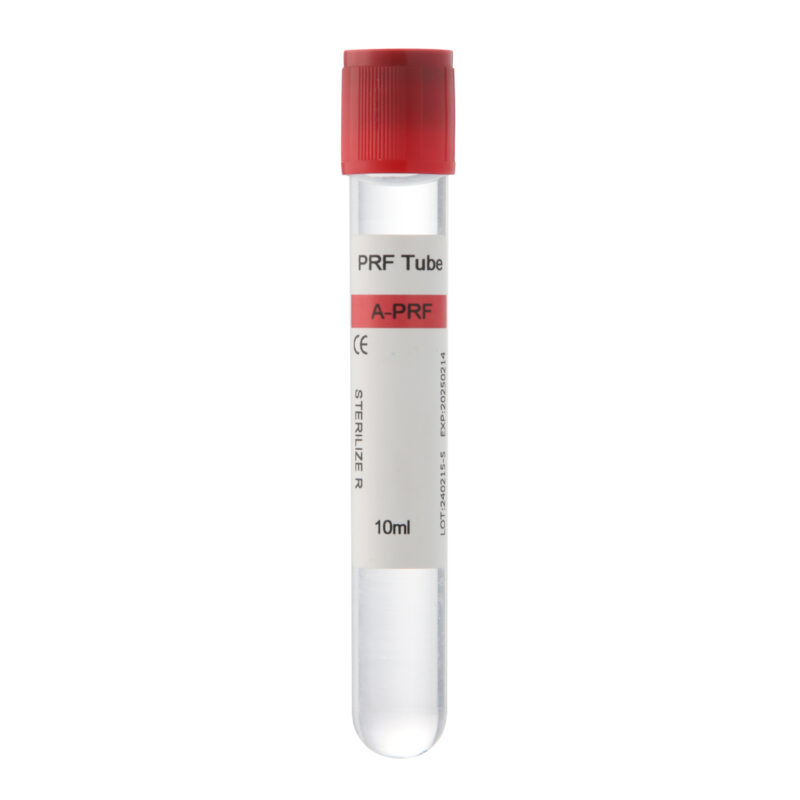
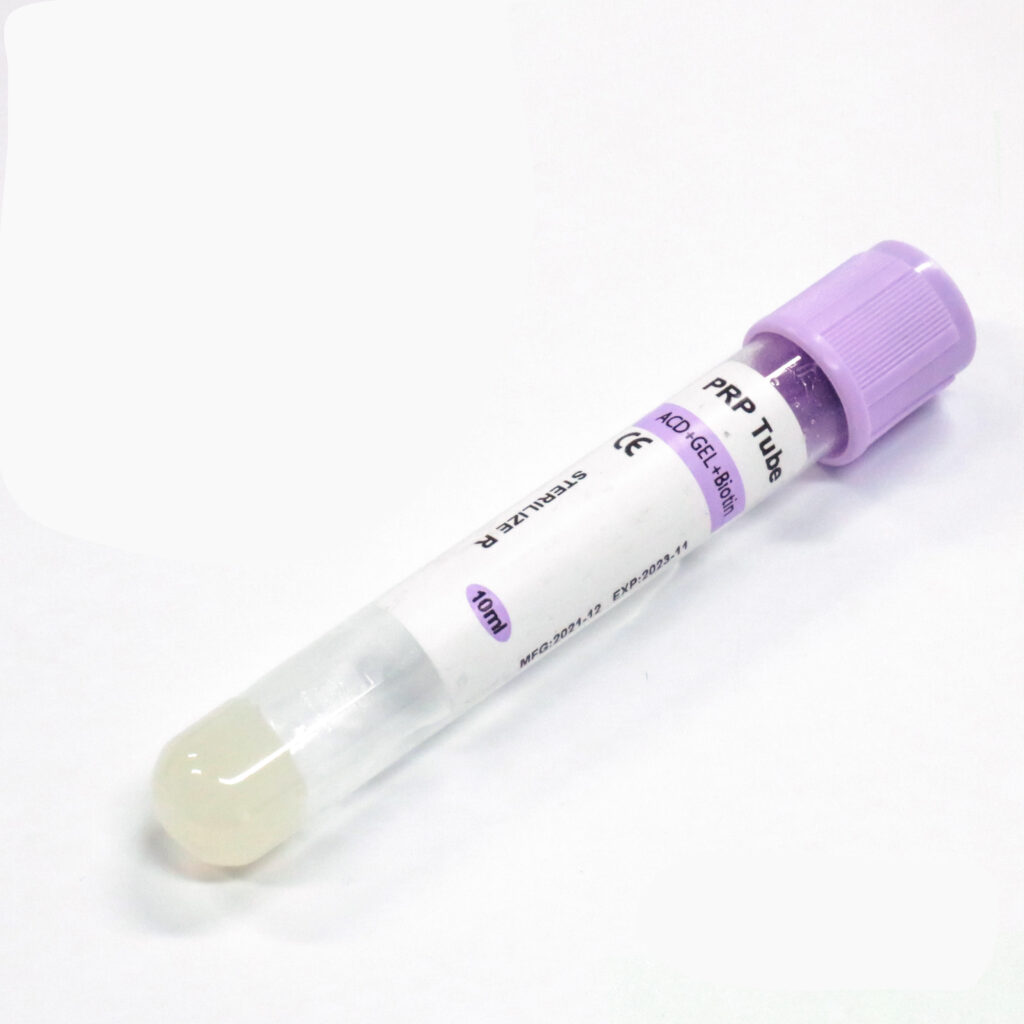
Another important factor is PRP preparation quality. Poor platelet concentration or unstable gel separation can reduce treatment consistency. Many aesthetic clinics, therefore, prefer professional systems such as:
Choosing reliable consumables helps reduce variability between treatments, especially for clinics performing high patient volumes.
How Long for PRP to work on hair?
One reason patients become frustrated with PRP is unrealistic expectations. Hair restoration is a gradual biological process, and visible changes often take several months.
Here is a realistic timeline many clinics observe:
First 2–4 Weeks: Reduced Hair Shedding
In the early stage, most patients do not see new hair growth. Instead, they may notice reduced hair fall during washing or brushing. This is often the first indication that follicles are responding to treatment.
Some patients also experience temporary mild redness or scalp sensitivity after injections, which typically resolves quickly.
1–3 Months: Early Follicle Activation
During this period, follicles begin responding more actively to growth factors. Hair texture may start feeling thicker, although visible density improvement is still limited.
At this stage, consistency matters more than dramatic visual change. Most clinics recommend multiple sessions spaced several weeks apart instead of relying on a single treatment.
3–6 Months: Visible Hair Improvement
This is the stage where many patients finally notice meaningful improvement. Common changes include:
- Increased hair density
- Stronger hair shafts
- Reduced scalp visibility
- Improved overall texture
Photographic comparisons become more noticeable around this time. Patients with early-stage hair thinning generally respond better than individuals with severe follicular damage.
6–12 Months: Maximum PRP Hair Results
Long-term improvement continues gradually. Some patients require maintenance sessions every few months, depending on genetics, age, hormonal factors, and lifestyle habits.
Clinics performing repeat treatments often emphasize standardized PRP preparation protocols to maintain consistent outcomes. Using reliable PRP consumables can help improve procedural repeatability over time. For clinics evaluating different options, Siny PRP offers various PRP tube solutions commonly used in hair restoration workflows.
Factors That Affect How Fast PRP Works for Hair Growth
Not every patient responds to PRP at the same speed. Several variables influence how quickly results appear.
Severity of Hair Loss
Patients with early hair thinning usually respond faster than those with advanced baldness. PRP works best when follicles are weakened but still alive.
Completely inactive follicles are much harder to regenerate.
Frequency of Treatments
Many protocols recommend an initial series of 3–4 sessions followed by maintenance therapy. Patients who stop after one treatment may see limited improvement.
PRP Concentration Quality
Platelet concentration matters significantly. Insufficient platelet recovery can reduce growth factor delivery to the scalp.
This is why clinics often prioritize:
- Stable anticoagulants
- Consistent centrifugation performance
- Reliable separator gel technology
- Sterile vacuum PRP tubes
High-quality preparation systems can help reduce inconsistencies between batches and procedures.
Overall Patient Health
Nutrition, smoking, stress, hormones, and underlying medical conditions all affect follicle response. PRP is not a miracle solution if broader health factors remain unmanaged.
Combination Therapies
Many clinics combine PRP with:
- Microneedling
- Low-level laser therapy
- Hair growth medications
- Stem cell-based protocols
Combination approaches sometimes improve overall outcomes compared with PRP alone.
Why PRP Preparation Quality Matters in Hair Restoration
When clinics research PRP systems, they often focus mainly on price. However, preparation quality has a direct impact on workflow consistency and treatment reliability.
In hair restoration procedures, the goal is to isolate viable platelet-rich plasma while minimizing contamination from red blood cells and unwanted components. Several consumable factors influence this process:
Anticoagulant Stability
ACD-A and sodium citrate formulations are commonly used because they help maintain platelet viability during centrifugation.
Separator Gel Performance
A stable gel barrier helps improve plasma isolation and reduce mixing after centrifugation.
Tube Material Compatibility
Medical-grade PET or glass tubes can influence vacuum stability and centrifuge performance.
Sterility and Manufacturing Standards
Professional PRP consumables should comply with recognized manufacturing and quality standards to support clinical safety.
Because clinics increasingly compete on treatment consistency, many distributors and aesthetic centers compare multiple PRP tube suppliers before making procurement decisions. Siny PRP provides a range of PRP preparation products designed for applications including hair restoration, facial aesthetics, orthopedics, and regenerative medicine.
How to Choose the Right PRP Tubes for Hair Restoration Clinics
For distributors and clinics purchasing PRP consumables, product selection can feel overwhelming because many tubes appear visually similar while performing differently in practice.
When evaluating PRP systems for hair applications, buyers often consider:
Platelet Recovery Efficiency
A higher platelet concentration may improve growth factor availability during injection procedures.
Centrifuge Compatibility
Tube dimensions and material quality should match commonly used centrifuge systems.
Ease of Use
Clinics prefer workflows that simplify blood collection, centrifugation, and plasma extraction.
Regulatory Documentation
Depending on the market, clinics may request:
- ISO documentation
- Sterility validation
- Technical specifications
Product Stability
Vacuum consistency and additive quality influence long-term storage and transportation reliability.
For clinics building hair restoration programs, choosing dependable consumables is often just as important as the injection technique itself. Exploring specialized PRP tube solutions through Siny PRP can help clinics compare different configurations for aesthetic applications.
FAQ About PRP Hair Treatment
How long for PRP to work on hair after the first session?
Most patients do not see major visible changes immediately after one session. Early improvement usually begins within 1–3 months, while more noticeable density changes often appear after 3–6 months.
Does PRP work permanently for hair loss?
PRP is generally considered a maintenance-based treatment rather than a permanent cure. Ongoing sessions may be needed to sustain results.
How many PRP sessions are needed for hair growth?
Many clinics recommend 3–4 initial sessions spaced several weeks apart, followed by maintenance treatments every few months depending on patient response.
Is PRP better for early or advanced hair loss?
PRP tends to work better in earlier stages of hair thinning when follicles are still active.
Why do clinics care about PRP tube quality?
Tube quality affects platelet concentration, plasma separation, and overall treatment consistency. Reliable PRP preparation systems help clinics standardize procedures and reduce variability.
Summary
So, how long for PRP to work on hair? In most cases, meaningful improvement requires patience. While some patients notice reduced shedding within weeks, visible hair density changes usually take several months to develop. PRP works gradually by supporting follicle activity rather than producing instant cosmetic results.
For clinics and distributors involved in hair restoration, treatment consistency depends not only on technique but also on preparation quality. Reliable PRP consumables, stable anticoagulants, and effective separation systems all contribute to better procedural standardization. Clinics looking to compare professional PRP preparation products for hair restoration can explore the available solutions through Siny PRP for more detailed product information and technical support.