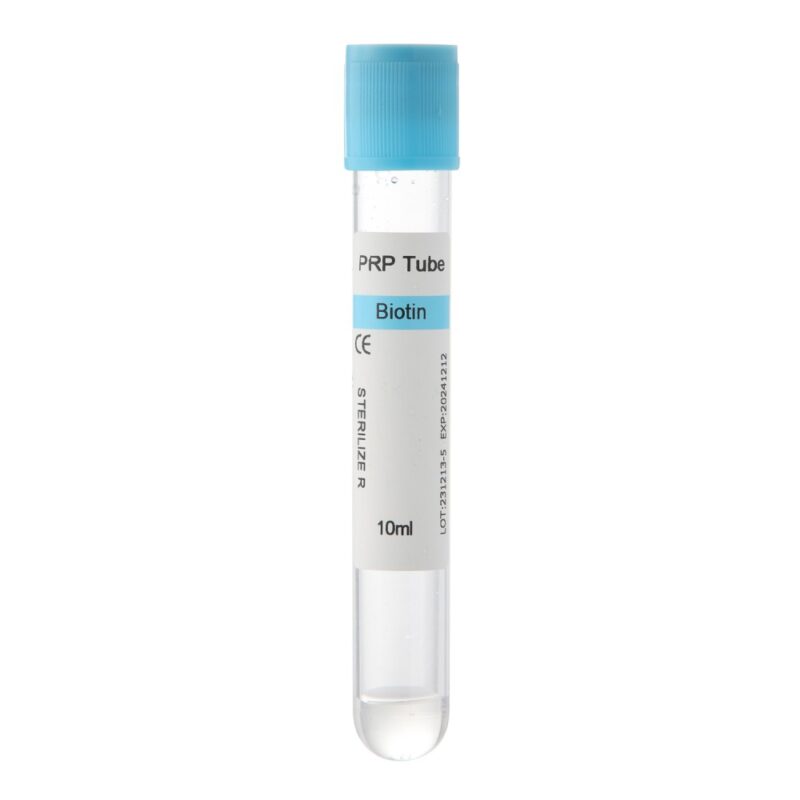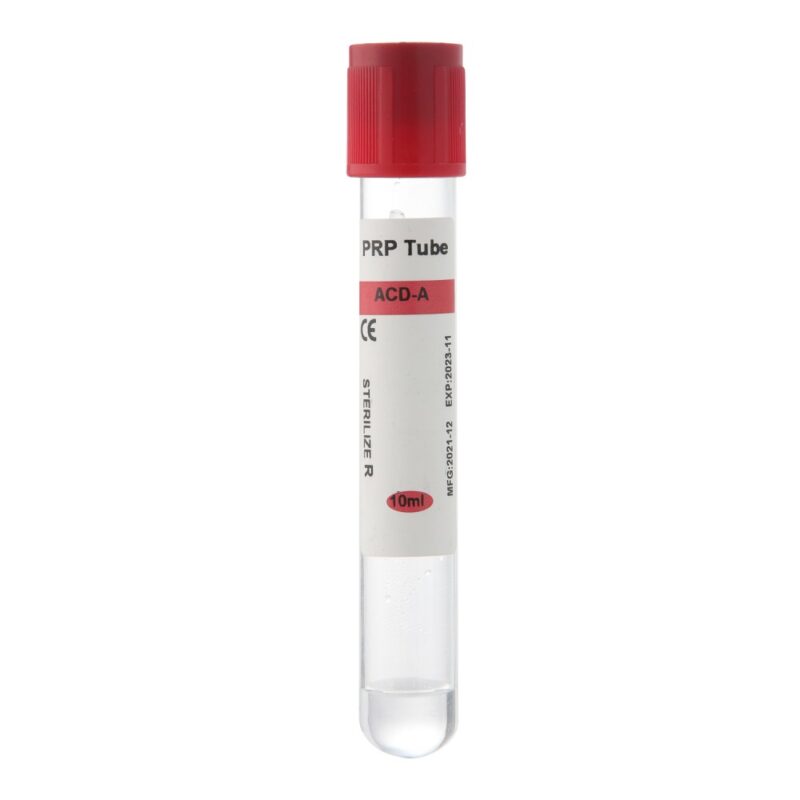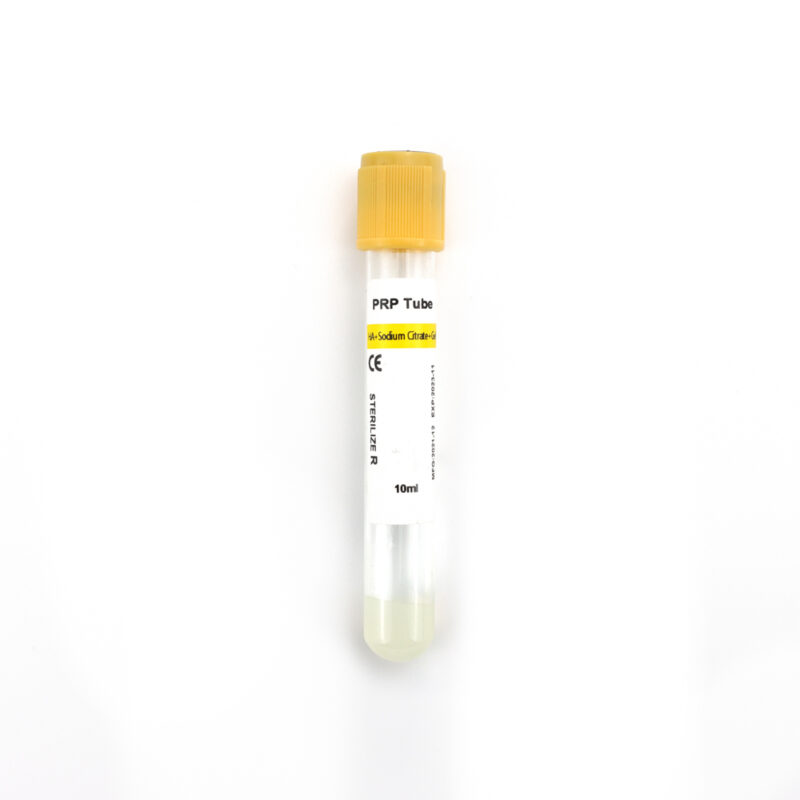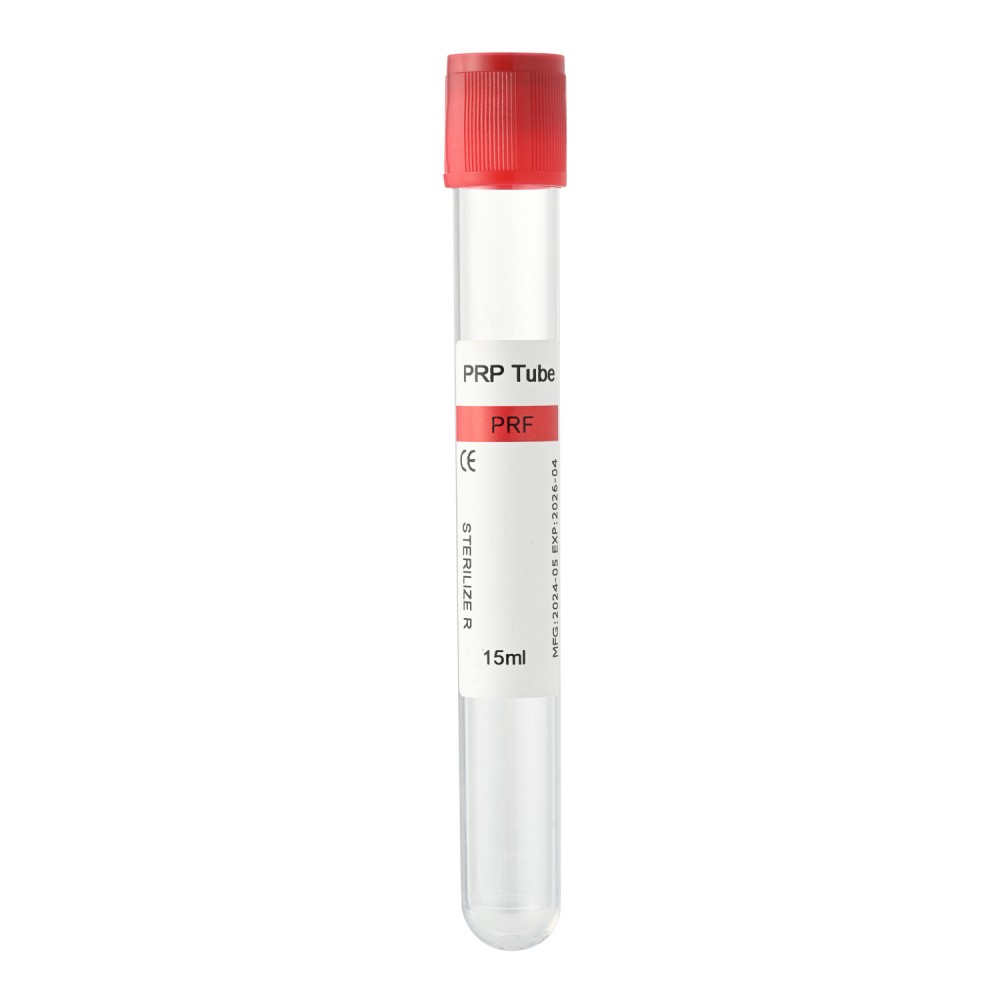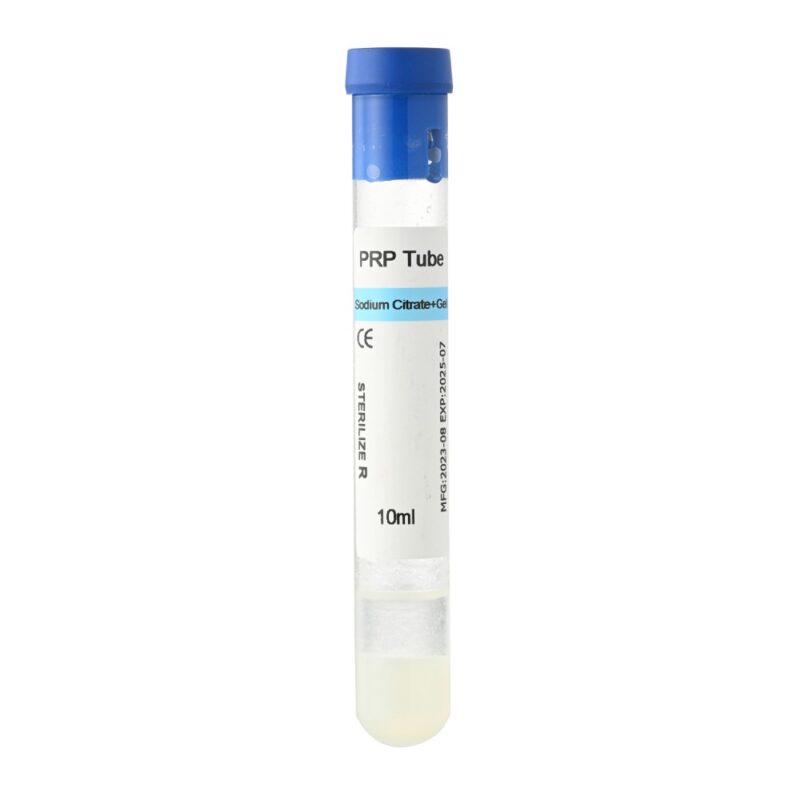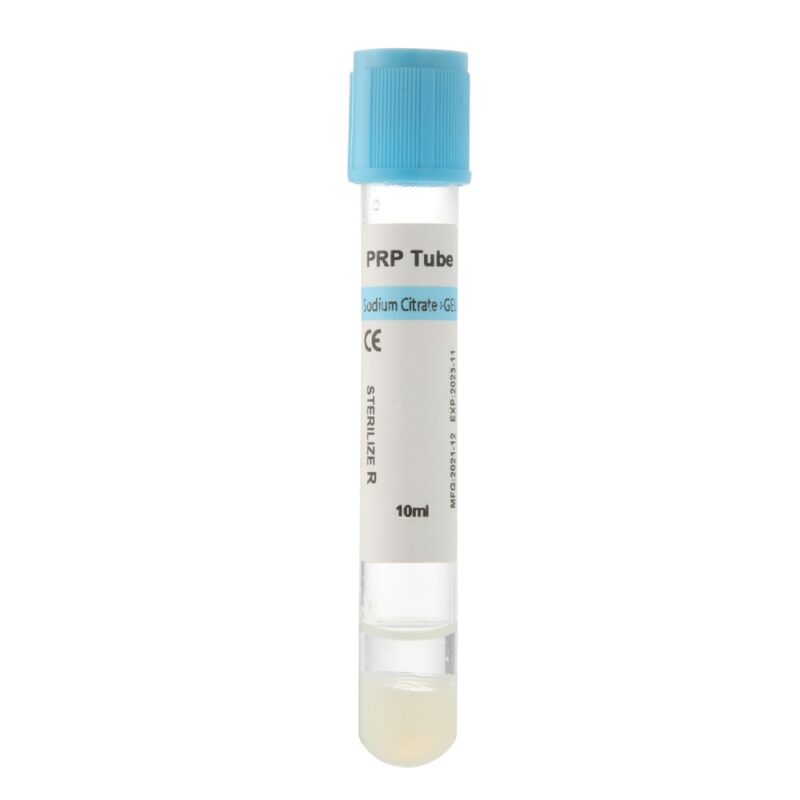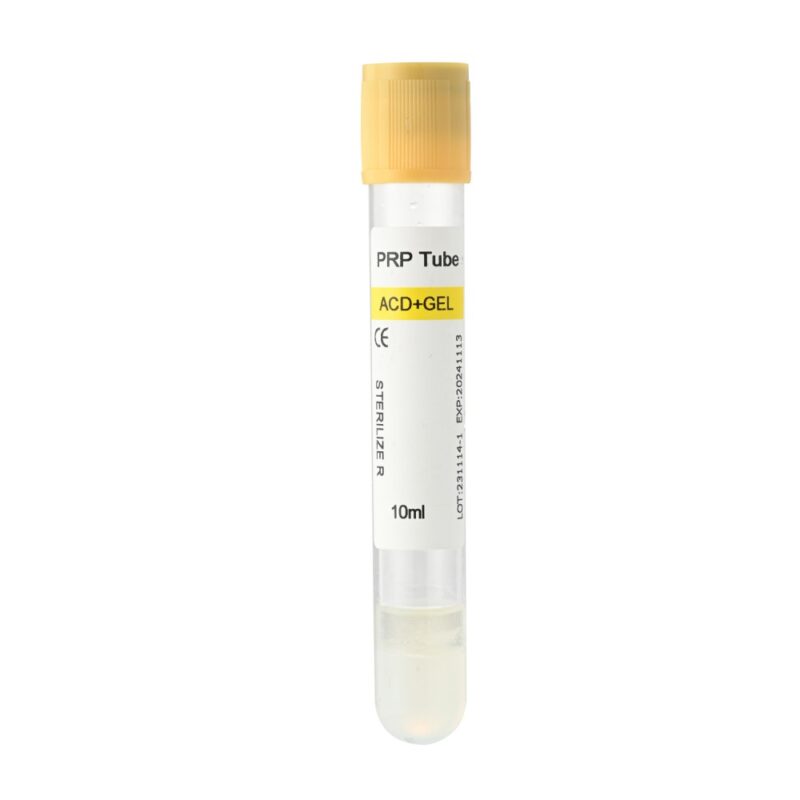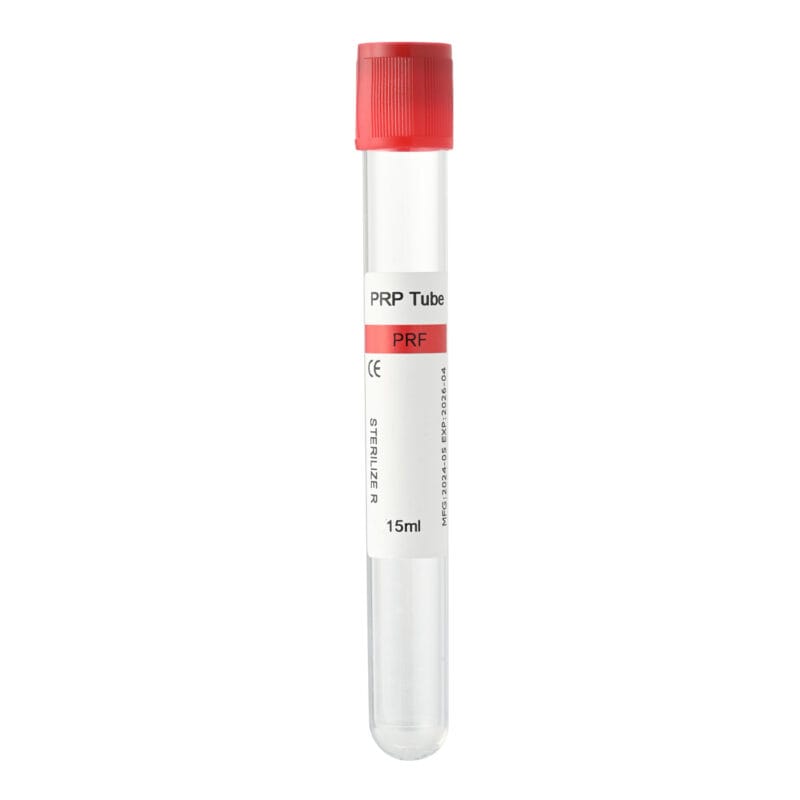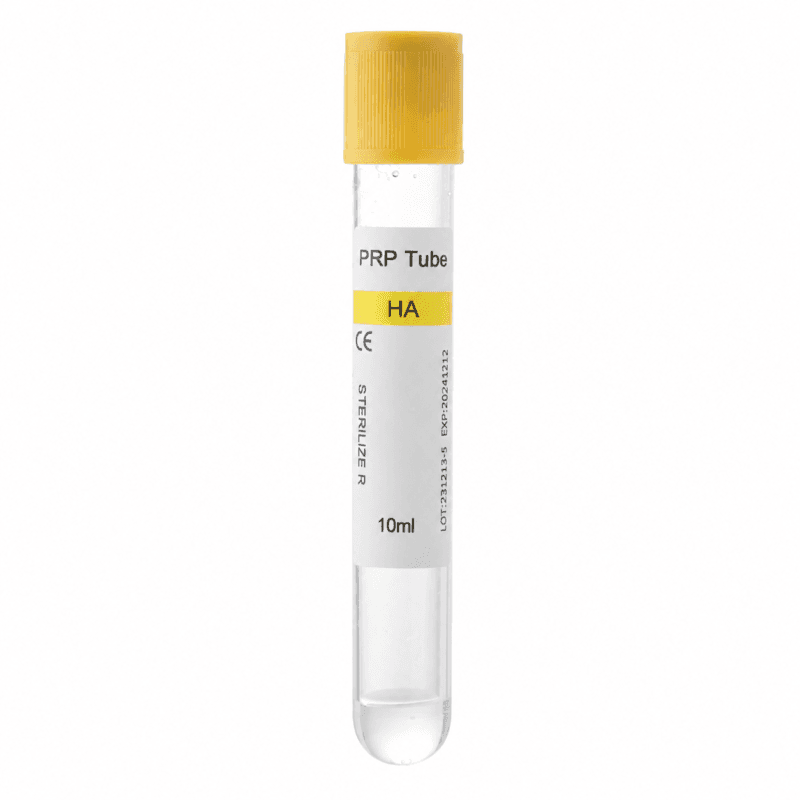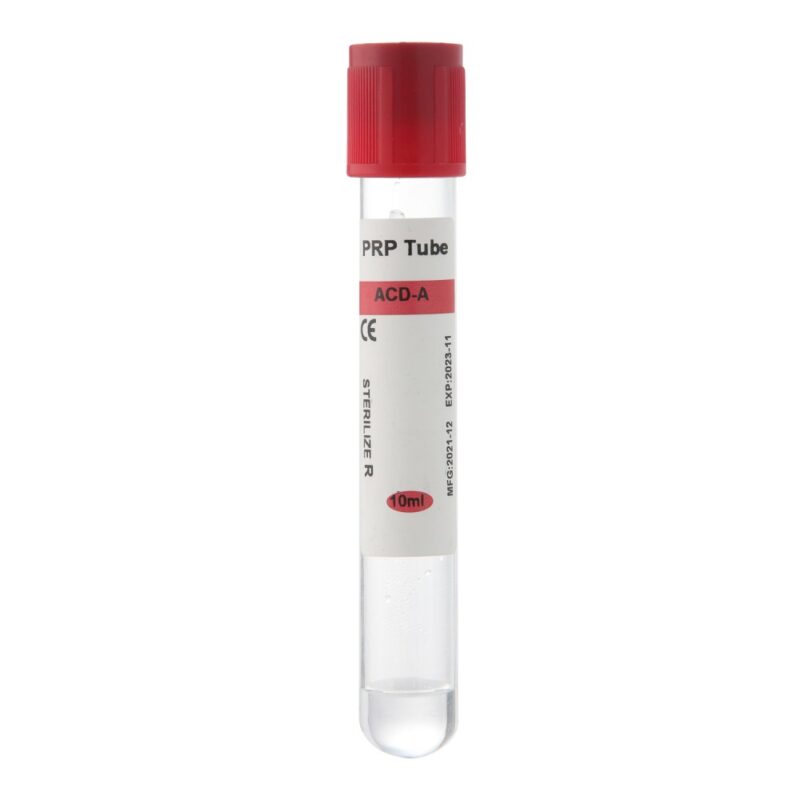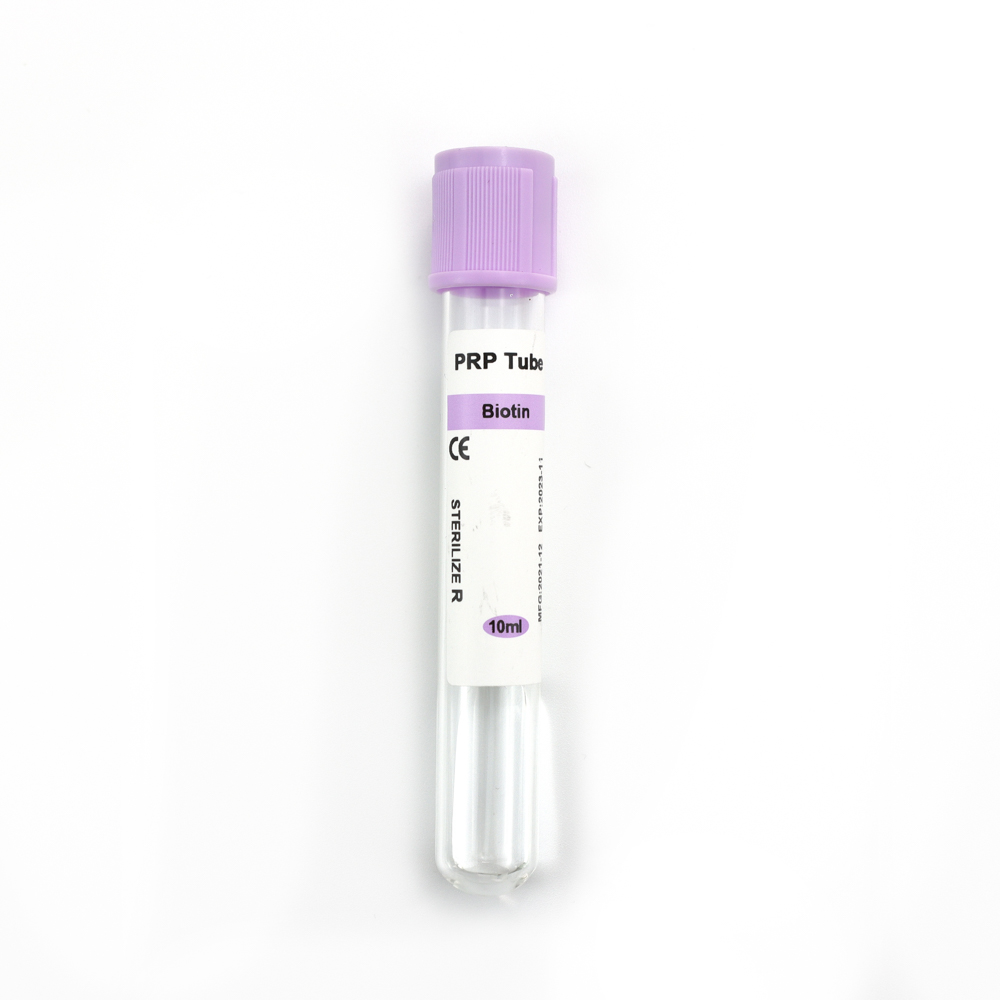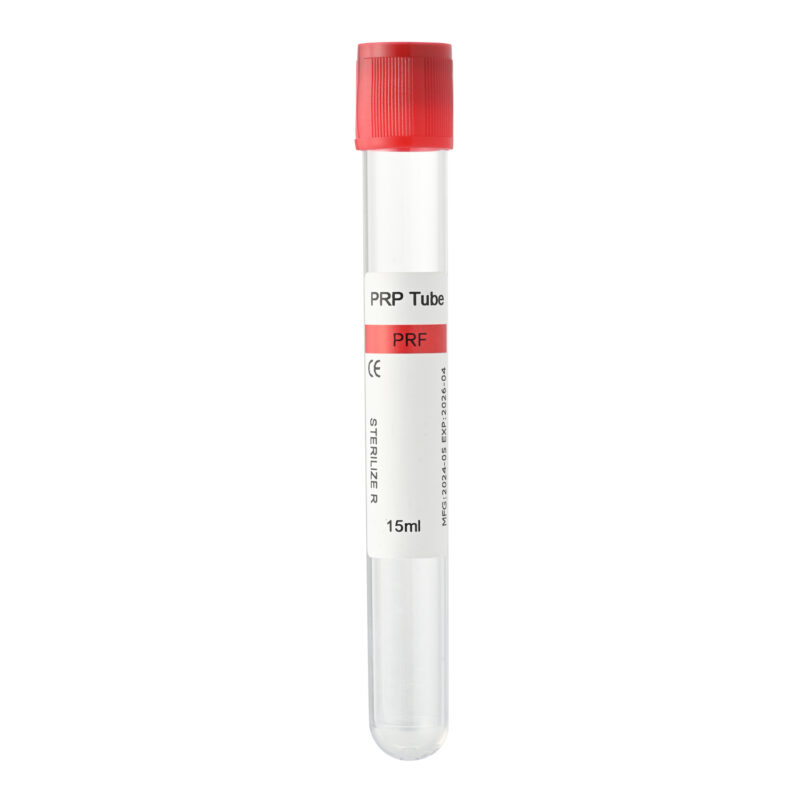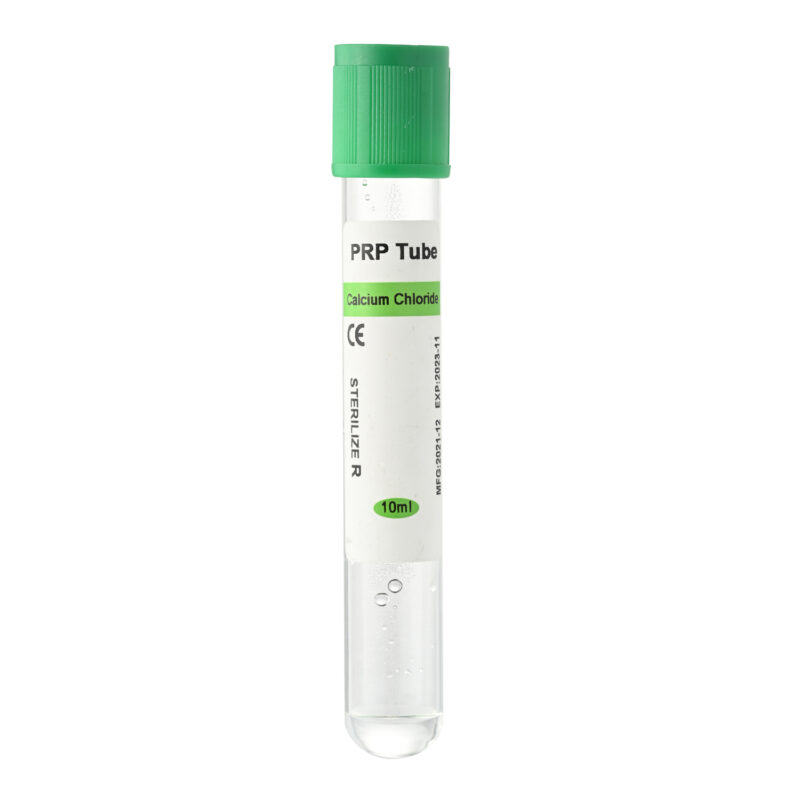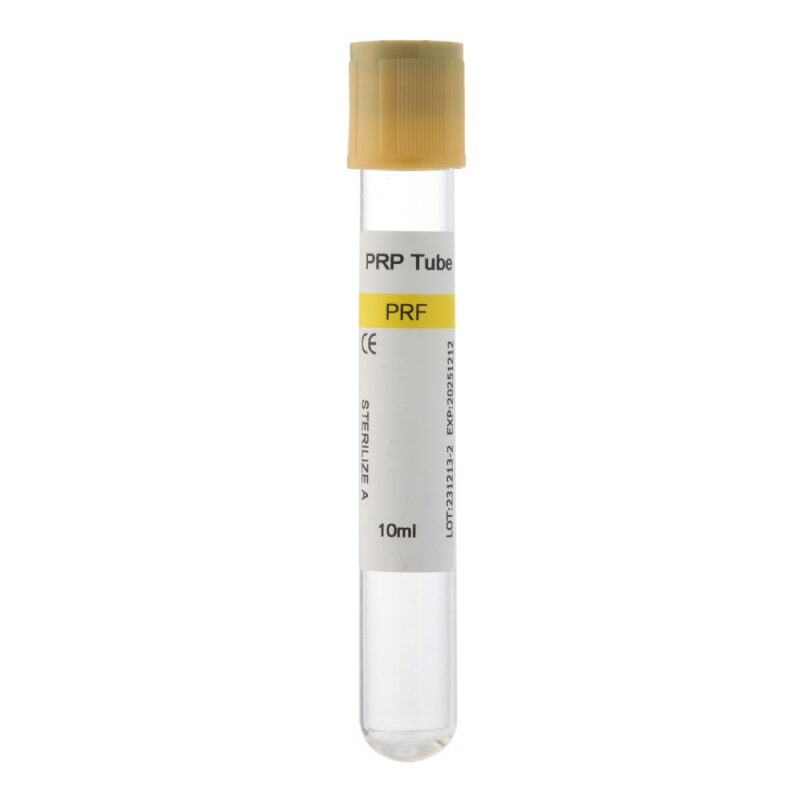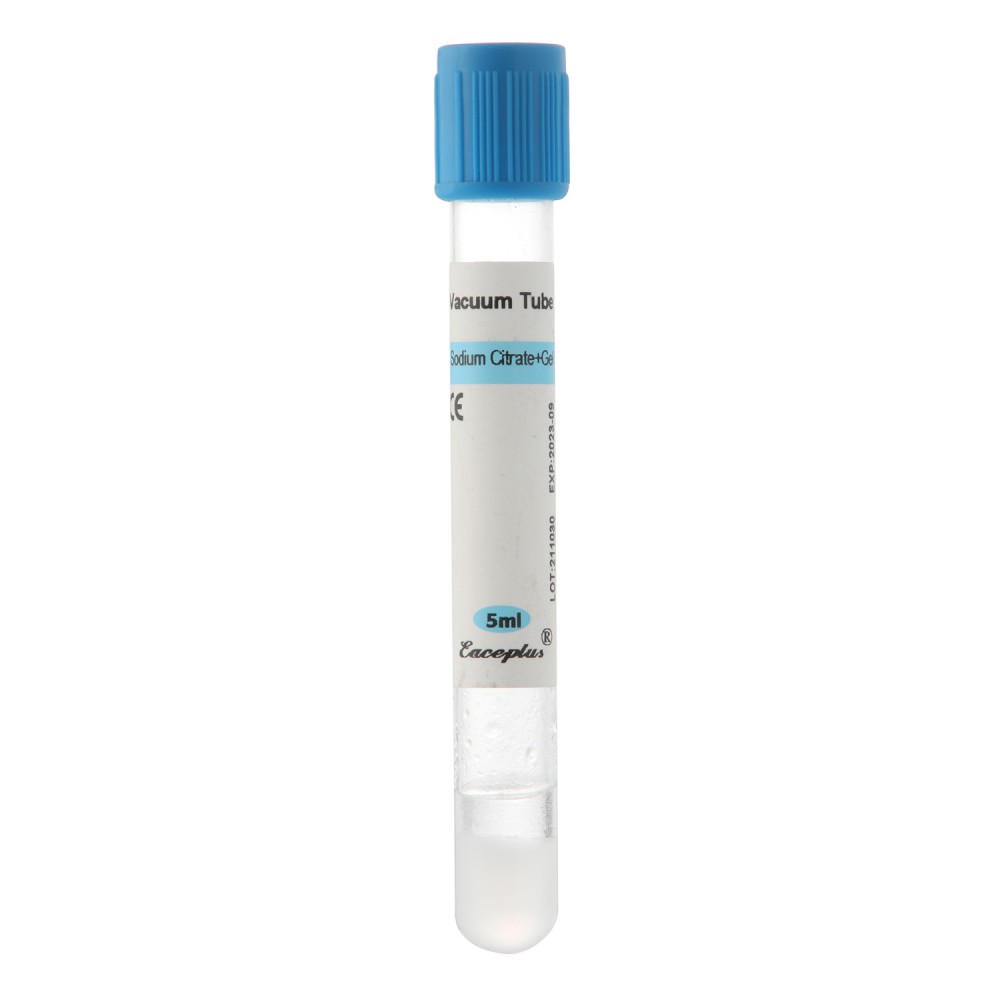
Dental implant procedures have become one of the most reliable solutions for restoring missing teeth, but successful implant treatment depends heavily on one key factor: healing quality. In recent years, how PRF Tubes Improve Healing Rates in Dental Implant Surgeries has become a major topic among dentists, oral surgeons, and implant clinics looking for faster tissue regeneration and more predictable clinical outcomes. Platelet-Rich Fibrin (PRF) technology is now widely used to support bone regeneration, soft tissue healing, and implant stability after surgery.
Unlike traditional healing approaches that rely only on the body’s natural recovery process, PRF uses the patient’s own blood to create a concentrated fibrin matrix rich in platelets, leukocytes, and growth factors. The quality of the PRF preparation process depends greatly on the PRF tube itself. Tube material, inner coating, sterility, centrifugation compatibility, and clot formation performance all directly influence the final PRF quality.
Today, many implant specialists are paying closer attention to selecting reliable PRF tubes rather than simply choosing the lowest-priced products on the market. Poor-quality tubes may lead to unstable fibrin structure, inconsistent clot formation, or reduced growth factor release, all of which can negatively affect surgical healing outcomes.
What Are PRF Tubes and Why Are They Important in Dental Implant Surgery?
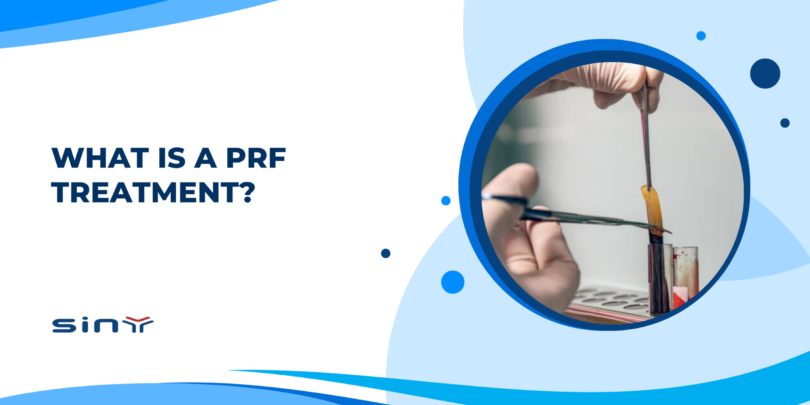
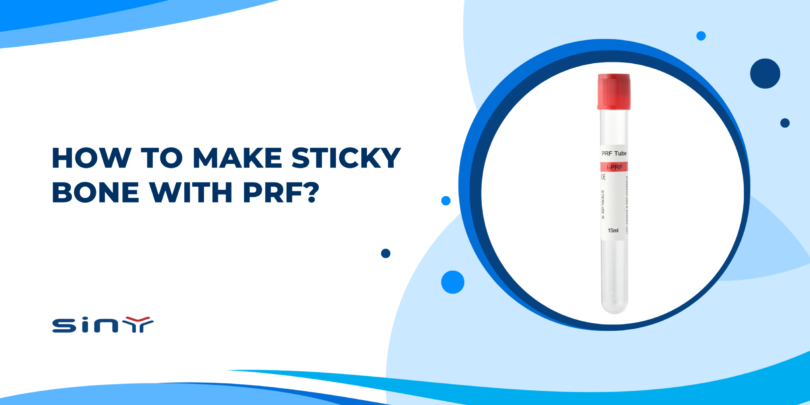
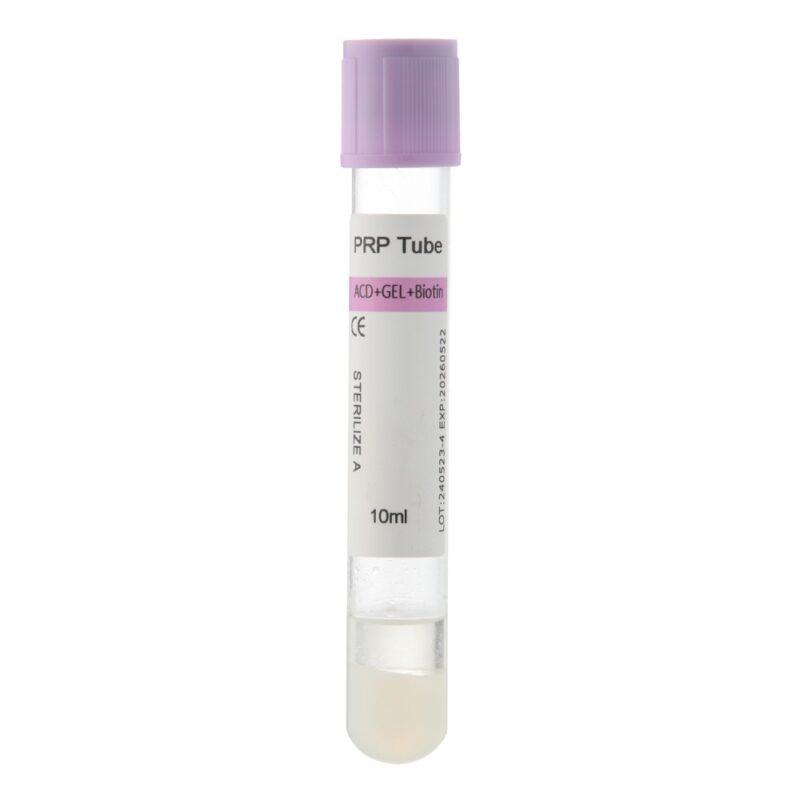
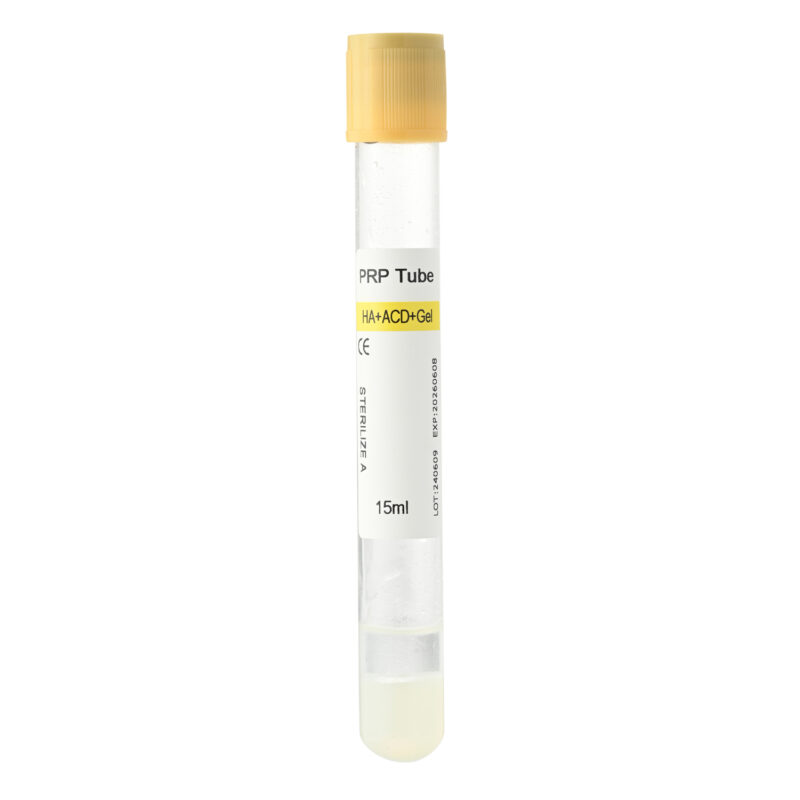
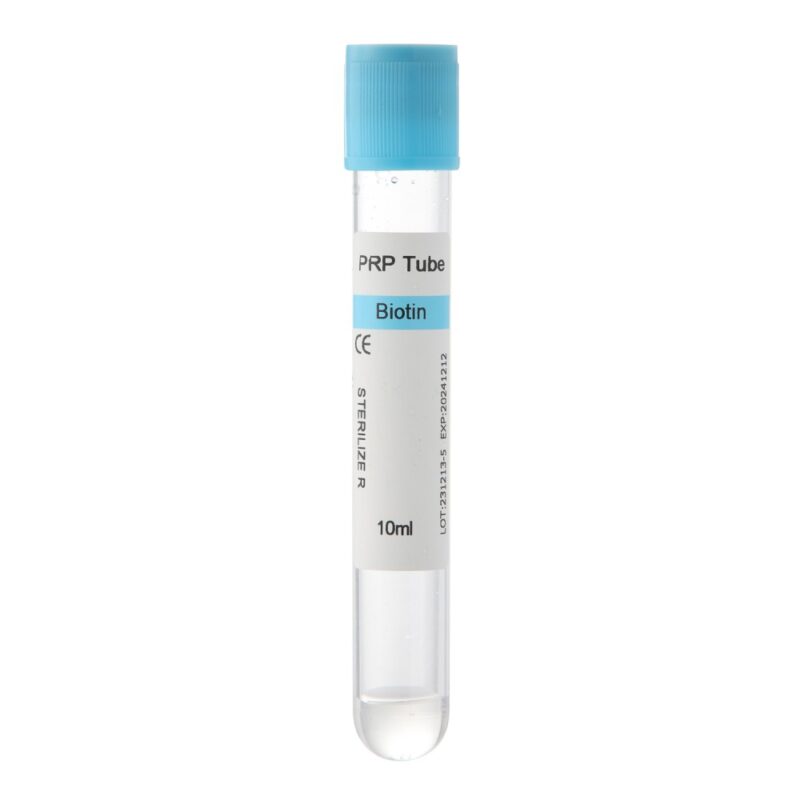
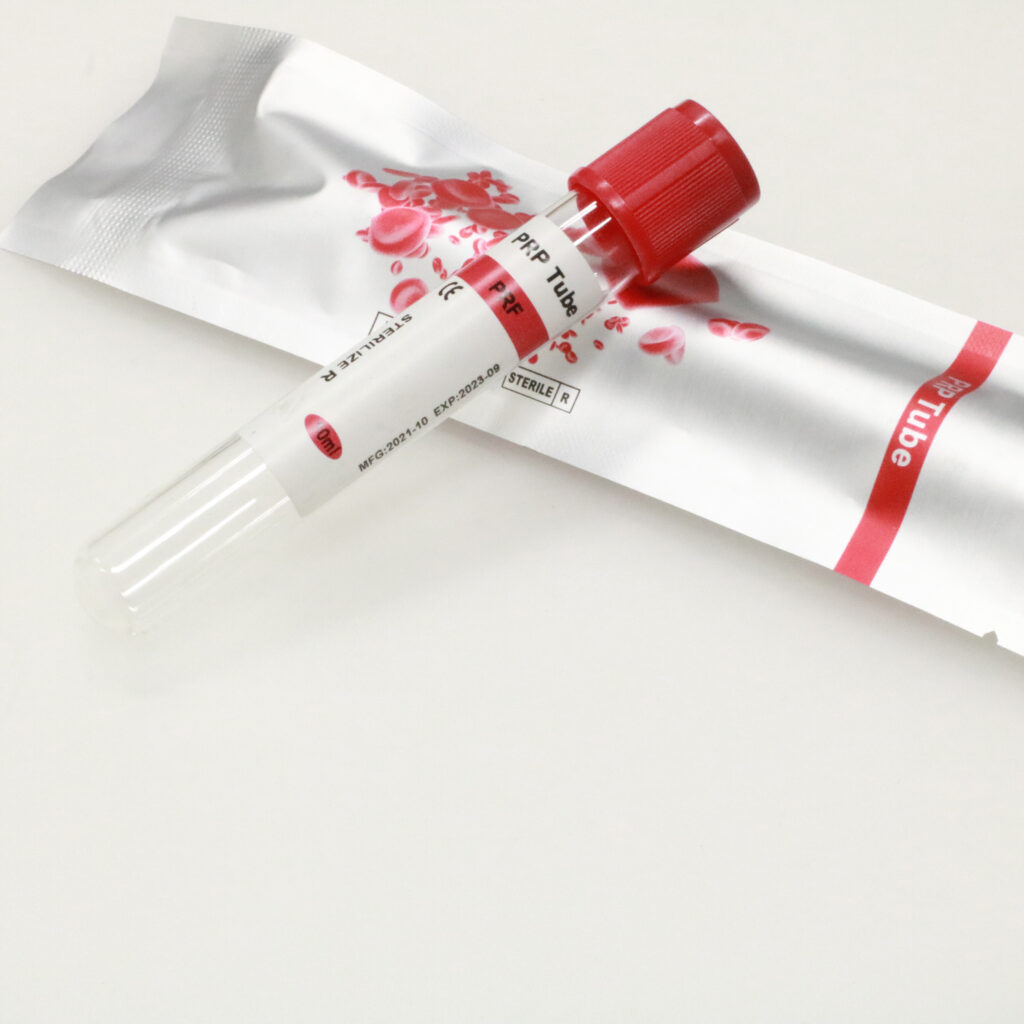
PRF tubes are specialized blood collection tubes designed specifically for preparing Platelet-Rich Fibrin during centrifugation. Unlike anticoagulant-based PRP systems, PRF preparation relies on natural coagulation without additives, allowing the formation of a fibrin scaffold that slowly releases growth factors over time.
In dental implant surgeries, PRF is commonly used for:
- Bone grafting procedures
- Sinus lift surgeries
- Immediate implant placement
- Soft tissue regeneration
- Socket preservation after tooth extraction
- Periodontal regeneration
The reason PRF has gained so much popularity is simple: it supports the body’s natural healing mechanisms while reducing inflammation and improving tissue regeneration.
However, the final biological quality of PRF depends heavily on the tube used during blood collection and centrifugation. Medical-grade PRF tubes are engineered to maintain proper clot formation conditions. Factors such as glass surface activation, sterile manufacturing standards, and centrifuge compatibility all contribute to producing stable fibrin matrices.
Many clinicians now prefer dedicated PRF systems over generic vacuum blood collection tubes because specialized PRF tubes provide more consistent separation layers and better membrane quality during surgical handling.
This is especially important in implant dentistry, where stability during the early healing phase can determine long-term implant success.

How PRF Tubes Improve Healing Rates in Dental Implant Surgeries
One of the biggest advantages of PRF technology is its ability to accelerate both hard tissue and soft tissue healing after implant placement.
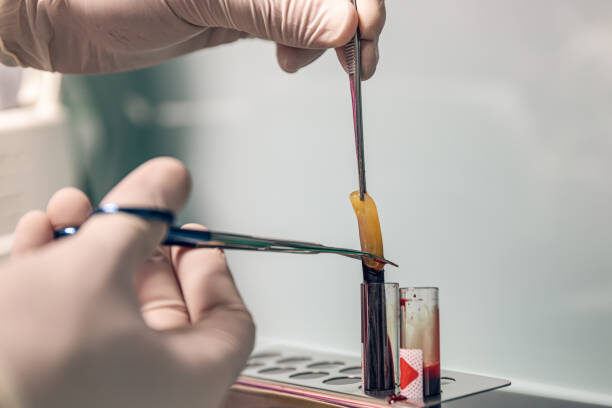
After centrifugation, PRF forms a dense fibrin network containing concentrated platelets and leukocytes. This structure gradually releases biological growth factors such as:
- PDGF (Platelet-Derived Growth Factor)
- TGF-β (Transforming Growth Factor Beta)
- VEGF (Vascular Endothelial Growth Factor)
- IGF (Insulin-Like Growth Factor)
These growth factors help stimulate angiogenesis, collagen production, fibroblast migration, and bone regeneration around the implant site.
In practical clinical use, PRF prepared with high-quality PRF tubes may help:
- Reduce postoperative swelling.
- Improve soft tissue closure.
- Enhance bone graft integration.
- Shorten recovery time.
- Lower the risk of infection.
- Improve implant stability during osseointegration.
For example, in immediate implant procedures, PRF membranes are often placed around the implant or mixed with bone graft materials to improve vascularization and tissue integration.
The handling characteristics of the PRF membrane also matter significantly during surgery. High-quality PRF tubes tend to produce stronger and more elastic fibrin membranes that are easier for clinicians to manipulate during suturing or graft coverage.
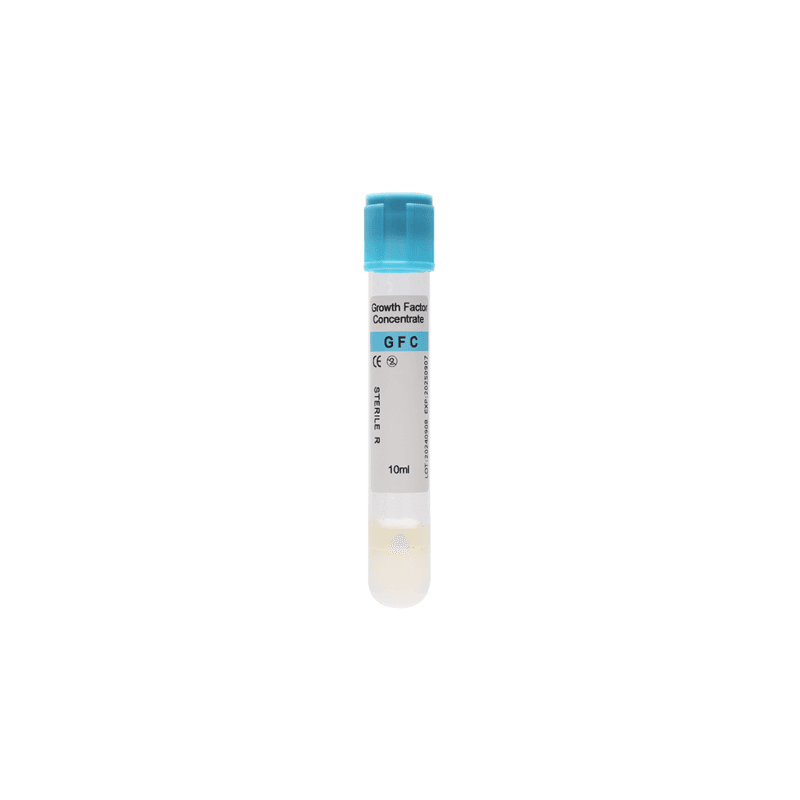
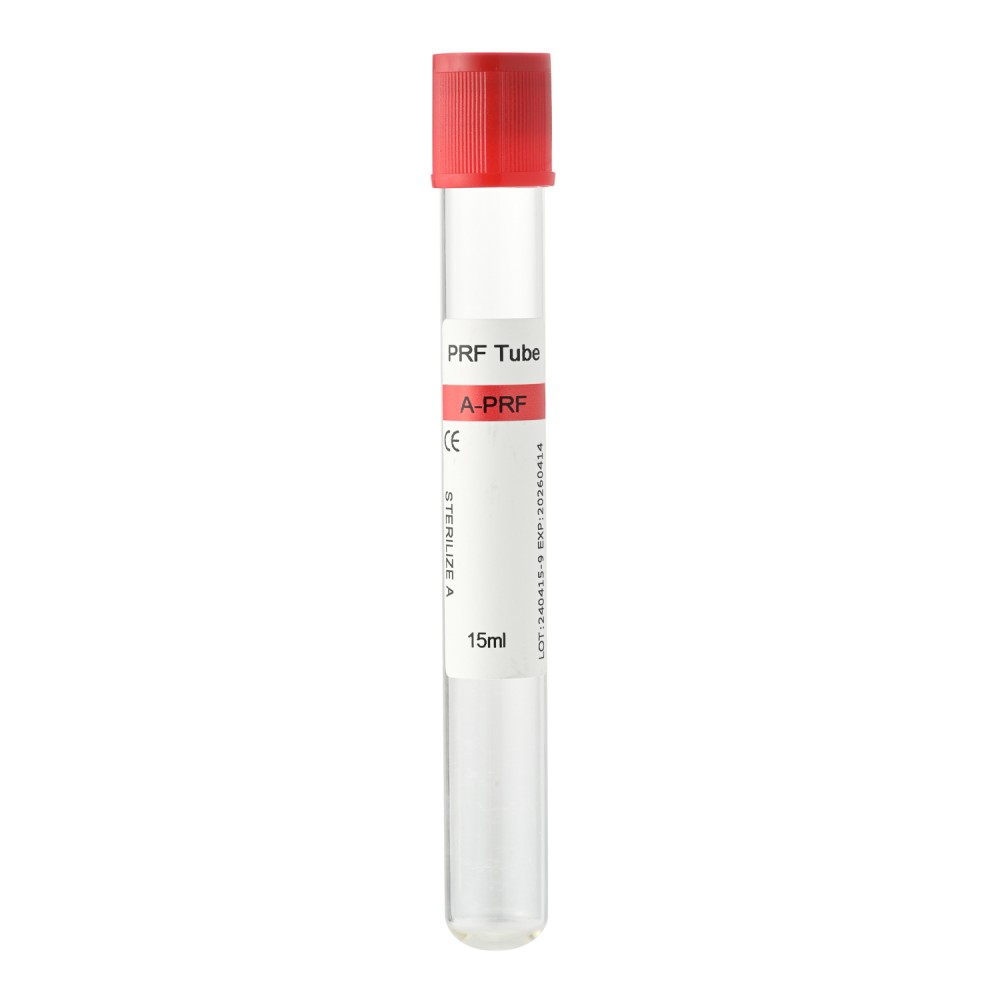
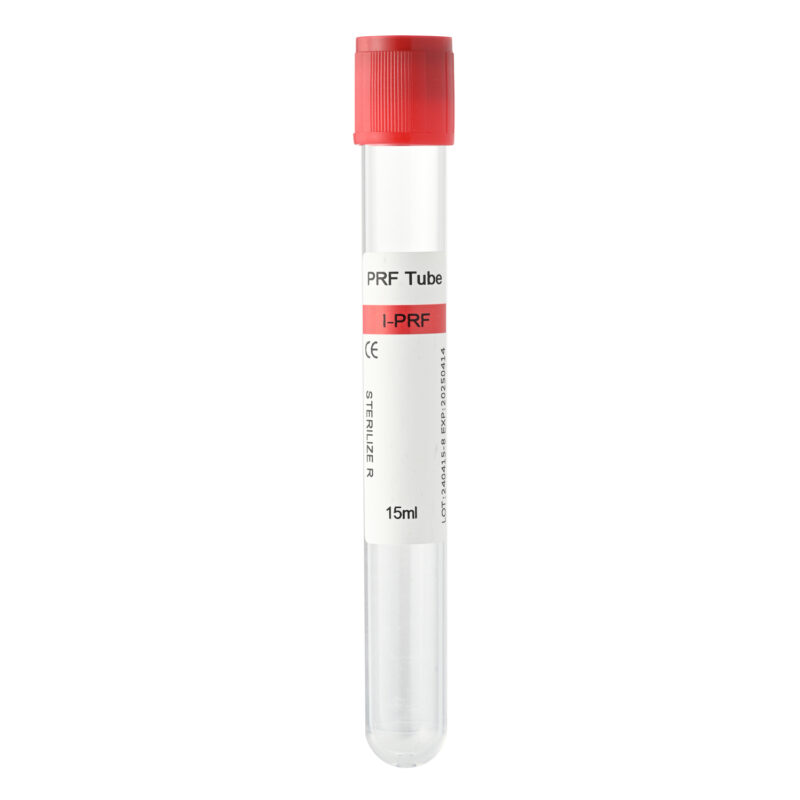
Clinics using advanced regenerative workflows often combine products such as Injectable PRF (I-PRF) Tubes and A-PRF Tubes to optimize both liquid and membrane-phase regenerative applications.
If your clinic performs implant surgeries regularly, choosing reliable PRF preparation consumables can directly affect treatment consistency and patient satisfaction. More information about different regenerative dentistry solutions can be found through Siny PRP PRF Products.
Key Features to Look for When Choosing PRF Tubes
Not all PRF tubes are manufactured to the same standards. While many products may look similar externally, the actual performance during centrifugation can vary significantly.
When evaluating PRF tubes for dental implant procedures, clinicians should pay attention to several critical factors.
Tube Material Quality
Tube material directly influences clot activation and fibrin formation. Medical-grade glass tubes are commonly used because they naturally activate coagulation.
Low-quality plastic tubes may fail to generate proper PRF structures unless chemical additives are used.
Sterility and Manufacturing Standards
PRF tubes must meet strict medical manufacturing standards to reduce contamination risks. Clinics should look for products manufactured under ISO-certified systems and supplied in sterile packaging.
Consistency between batches is also extremely important for clinics performing large numbers of implant surgeries.
Centrifuge Compatibility
Different PRF protocols require different centrifugation speeds and tube designs. A tube that works well in one centrifuge system may not perform ideally in another.
Choosing tubes specifically designed for PRF preparation improves clot consistency and membrane quality.
Additive-Free Design
One of the core advantages of PRF therapy is that it avoids anticoagulants and biochemical additives. High-quality PRF tubes are designed to support natural coagulation without introducing unnecessary chemicals into the regenerative process.
Stable Fibrin Membrane Formation
Clinicians often need PRF membranes with sufficient elasticity and strength for handling during implant surgery. Weak or fragmented membranes can complicate graft stabilization and soft tissue management.
Because of these factors, many implant clinics are now prioritizing product reliability and clinical consistency over simply comparing tube prices.
PRF vs PRP in Dental Implant Healing
Although PRP and PRF are both platelet concentrate technologies, they function quite differently in implant dentistry.
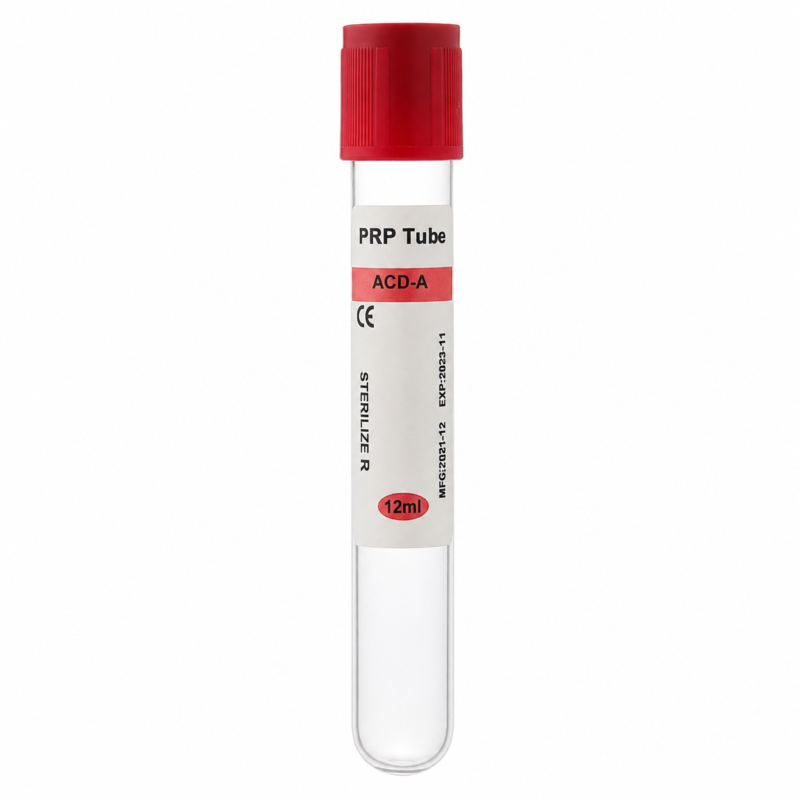
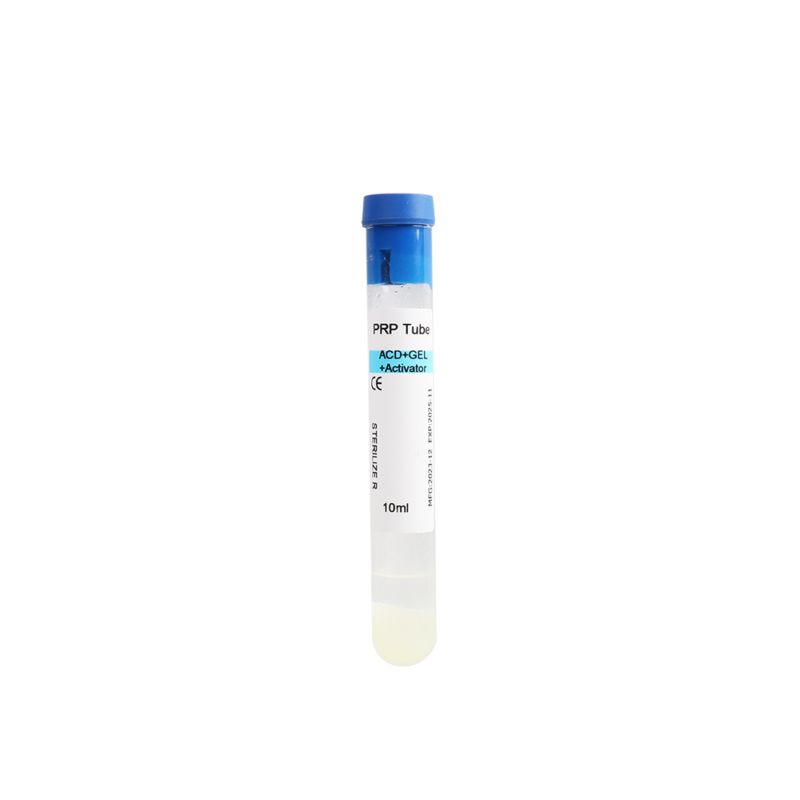
PRP systems typically require anticoagulants and external activation agents. The resulting plasma contains concentrated platelets but forms a weaker fibrin structure compared with PRF.
PRF, on the other hand, creates a natural fibrin matrix that gradually releases growth factors over a longer period. This sustained-release mechanism is one reason PRF is often preferred for regenerative dentistry applications.
Another important difference is handling convenience. PRF membranes can be compressed and shaped for use as biologic barriers during implant surgery, while PRP is usually applied in liquid form.
In many modern dental implant protocols, PRF is favored because it combines biological activity with structural support.
Popular regenerative applications include:
- PRF membranes for guided bone regeneration
- I-PRF mixed with bone graft particles
- A-PRF for soft tissue enhancement
- PRF plugs for extraction sockets
- PRF combined with sinus augmentation procedures
As regenerative dentistry continues evolving, demand for specialized PRF preparation systems is growing rapidly worldwide.
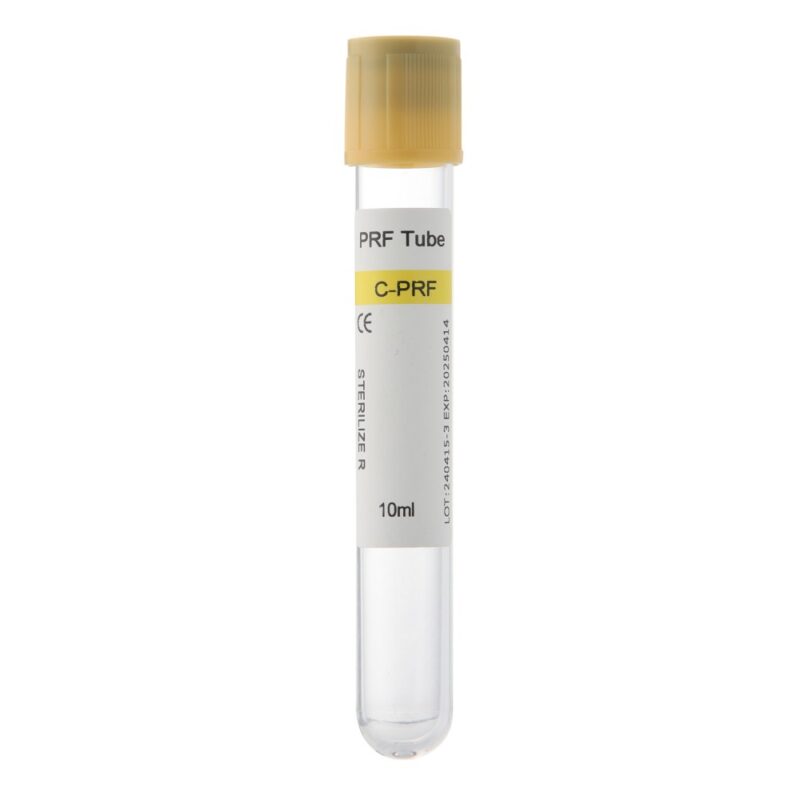
Clinics searching for dependable regenerative consumables often compare products such as PRF Tube Kits, Injectable PRF Tubes, and A-PRF systems before selecting a supplier.
Why More Dental Clinics Are Investing in High-Quality PRF Systems
The global dental implant market has become increasingly competitive, and patient expectations are higher than ever. Faster recovery, lower postoperative discomfort, and improved aesthetic healing are now major factors influencing patient satisfaction.
Because PRF is derived from autologous blood, many clinicians also view it as a safer and more biologically compatible regenerative option compared with synthetic materials alone.
For implant clinics, investing in reliable PRF systems can provide several long-term advantages:
- Improved surgical predictability
- Better patient experience
- Reduced healing complications
- Enhanced tissue regeneration outcomes
- More advanced treatment offerings
- Stronger clinic reputation in regenerative dentistry
At the same time, clinics must ensure that the PRF tubes they purchase are manufactured specifically for medical and dental regenerative applications.
Some low-cost products on the market may have inconsistent vacuum pressure, unstable clot formation performance, or poor tube surface quality, which can negatively affect the final PRF result.
That is why many distributors and dental clinics prefer working directly with experienced PRF tube manufacturers capable of offering stable production quality, regulatory documentation, and consistent product performance.
FAQ
What is the main purpose of PRF in dental implant surgery?
PRF is mainly used to accelerate healing and improve tissue regeneration around dental implants. It helps enhance bone integration, soft tissue repair, and postoperative recovery.
Are PRF tubes different from standard blood collection tubes?
Yes. PRF tubes are specifically designed for fibrin clot formation during centrifugation. Standard blood collection tubes may not provide the same clot quality or regenerative performance.
Why do dentists use PRF instead of PRP for implants?
Many dentists prefer PRF because it forms a stable fibrin matrix that slowly releases growth factors over time, making it highly suitable for regenerative dentistry procedures.
Can PRF improve implant success rates?
While implant success depends on multiple factors, PRF may support better healing conditions, reduced inflammation, and improved osseointegration during recovery.
What types of PRF tubes are commonly used in dentistry?
Common options include A-PRF tubes, I-PRF tubes, and standard glass PRF tubes used for membrane preparation and injectable regenerative treatments.
How should clinics choose a PRF tube supplier?
Clinics should evaluate product sterility, manufacturing standards, tube consistency, centrifuge compatibility, and supplier experience in regenerative medical consumables rather than focusing only on price.
Final Thoughts
As regenerative dentistry continues advancing, PRF technology is becoming an increasingly valuable tool in dental implant surgeries. Understanding how PRF Tubes Improve Healing Rates in Dental Implant Surgeries helps clinics make more informed purchasing decisions while improving patient outcomes.
High-quality PRF tubes contribute not only to better fibrin formation but also to more stable regenerative performance during critical healing phases. For implant specialists aiming to provide faster recovery and more predictable surgical results, selecting the right PRF preparation system is now an essential part of modern dental practice.