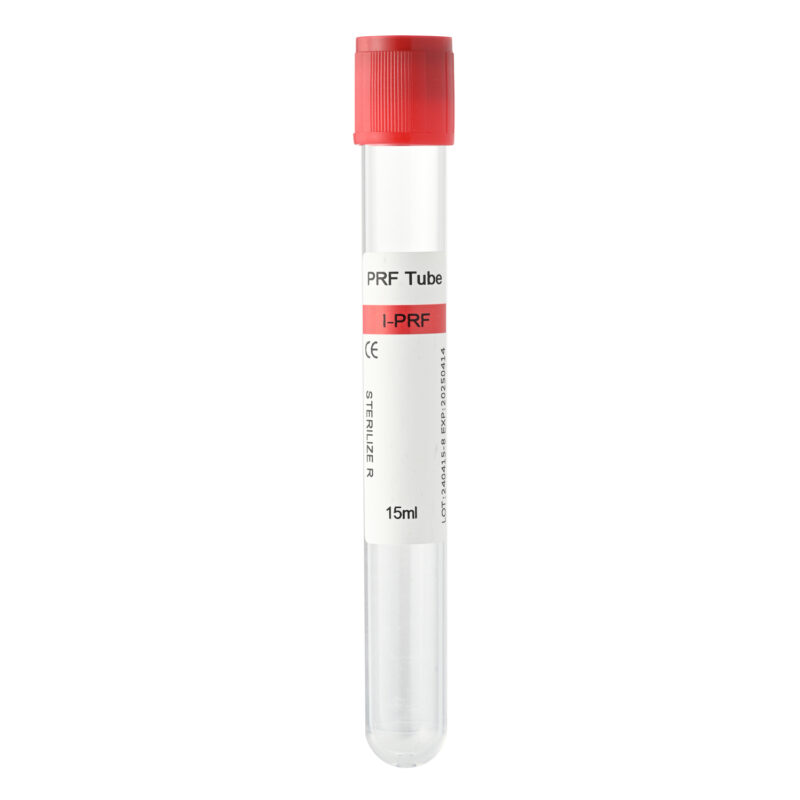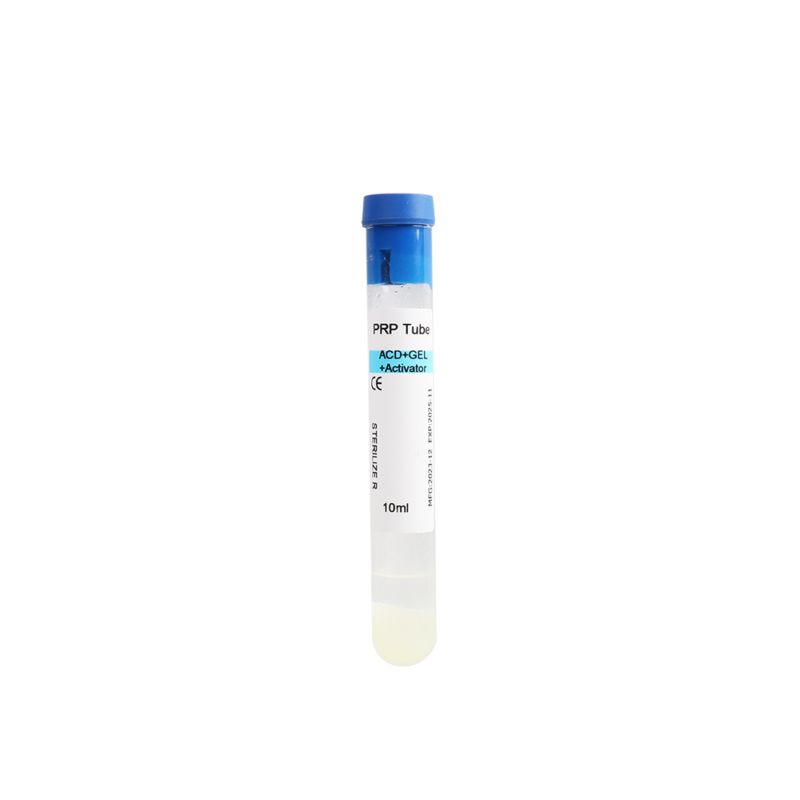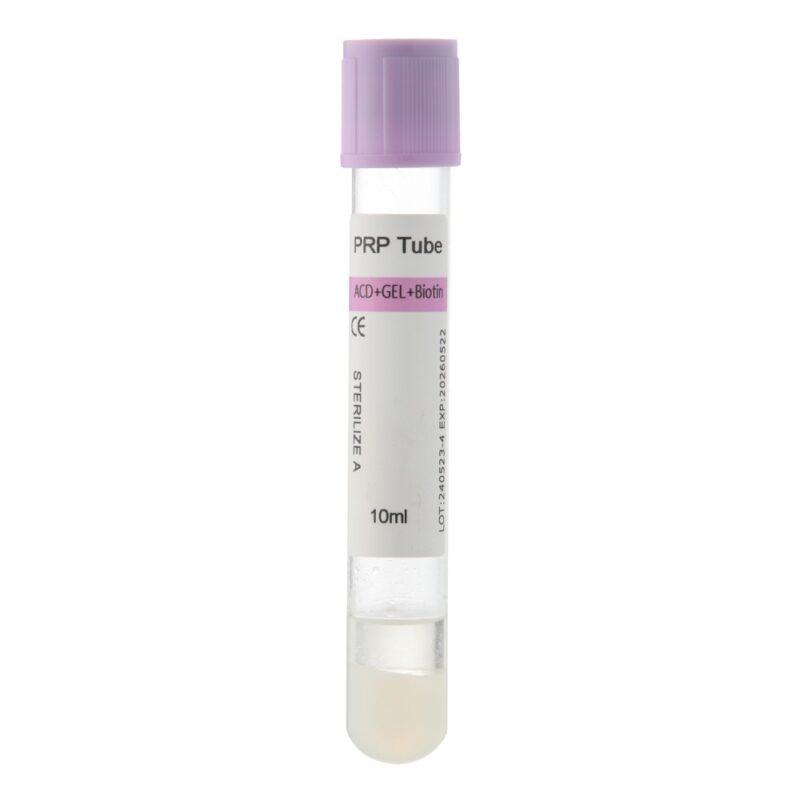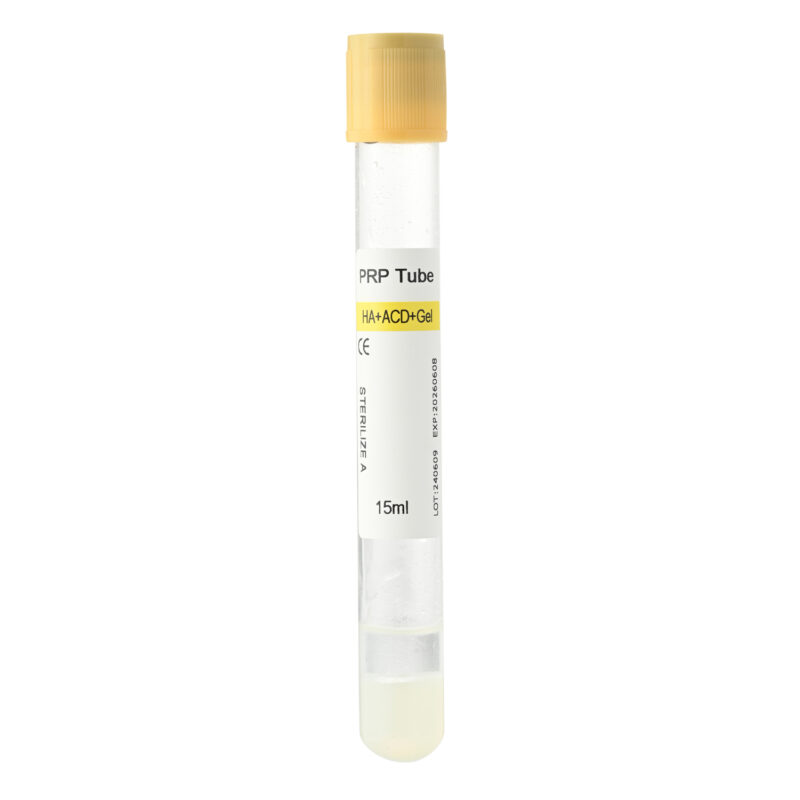
PRP therapy has become one of the most talked-about treatments in regenerative medicine. From hair restoration and facial aesthetics to orthopedic recovery and dental procedures, platelet-rich plasma is now widely used in clinics around the world. As demand continues to grow, many professionals and buyers are asking the same question: Does PRP have side effects?
The answer is yes, but most PRP side effects are mild, temporary, and manageable when the procedure is performed correctly. Because PRP is created from the patient’s own blood, it is generally considered safer than many synthetic injectable treatments. However, treatment quality still depends heavily on proper blood collection, centrifugation, sterile handling, and the consistency of the PRP preparation system being used.
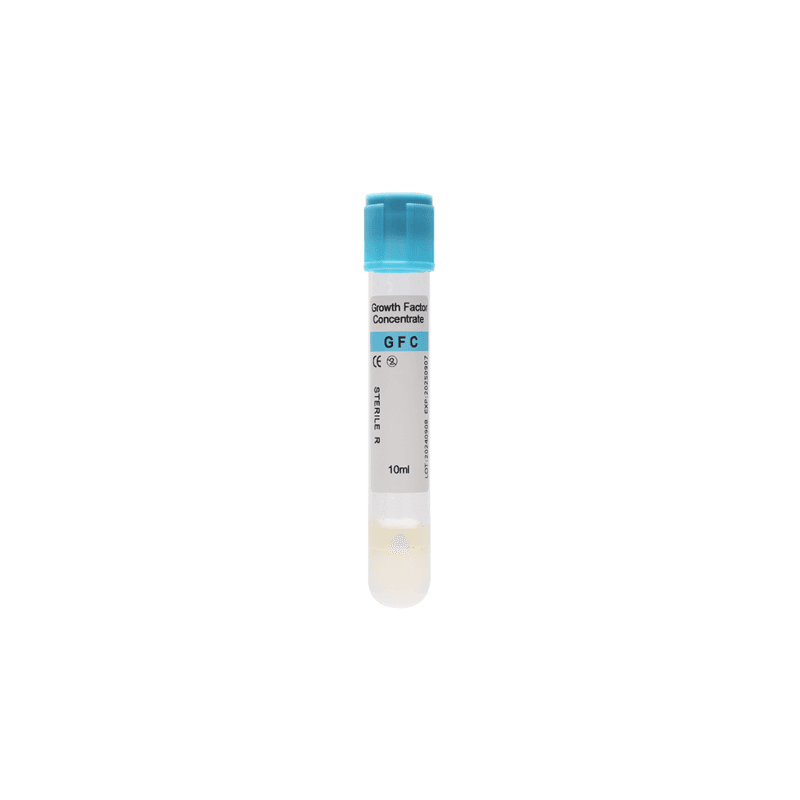
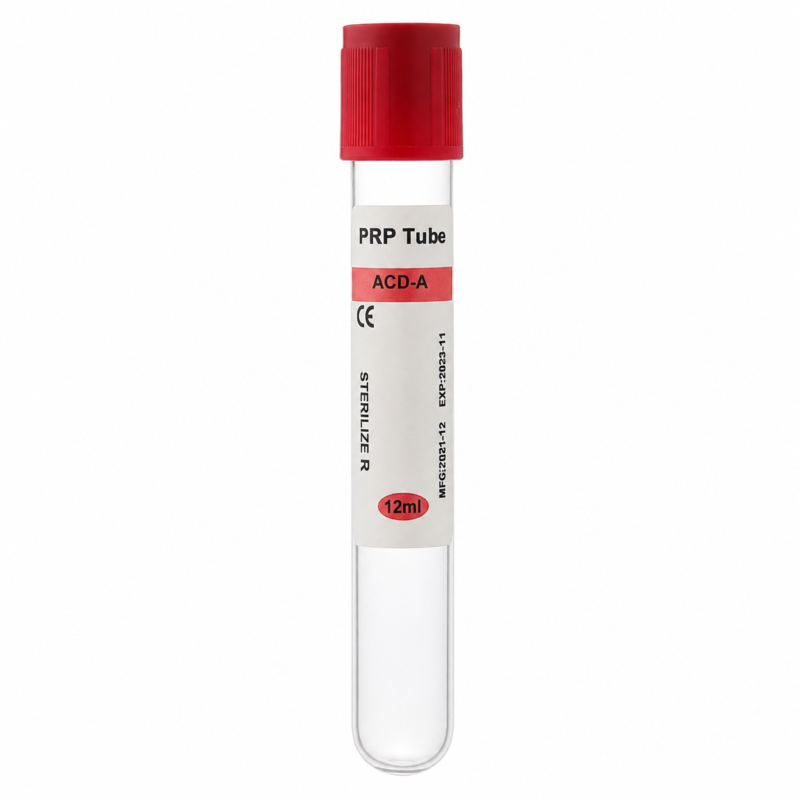
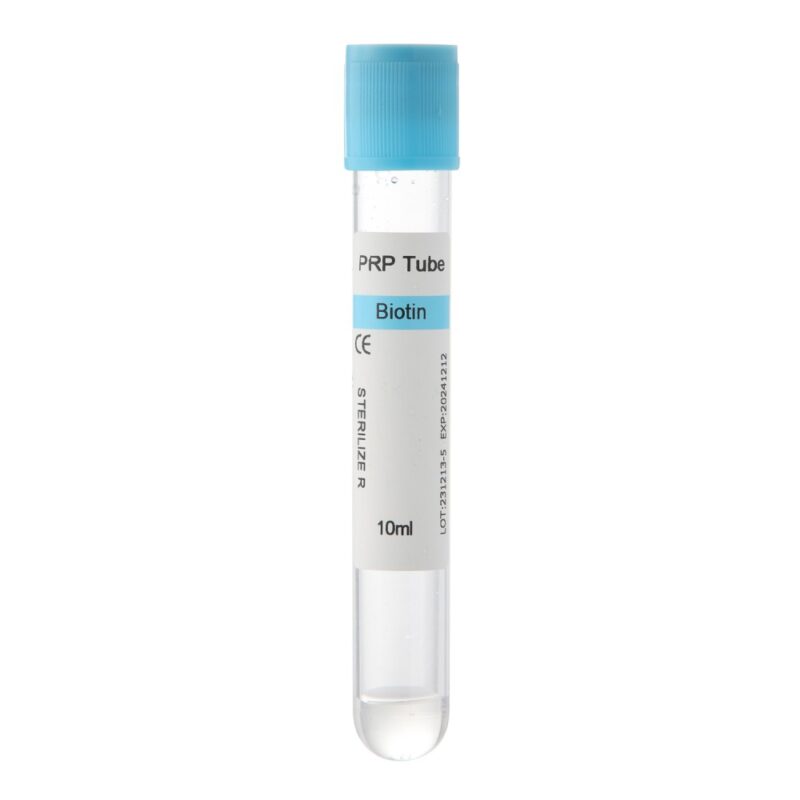
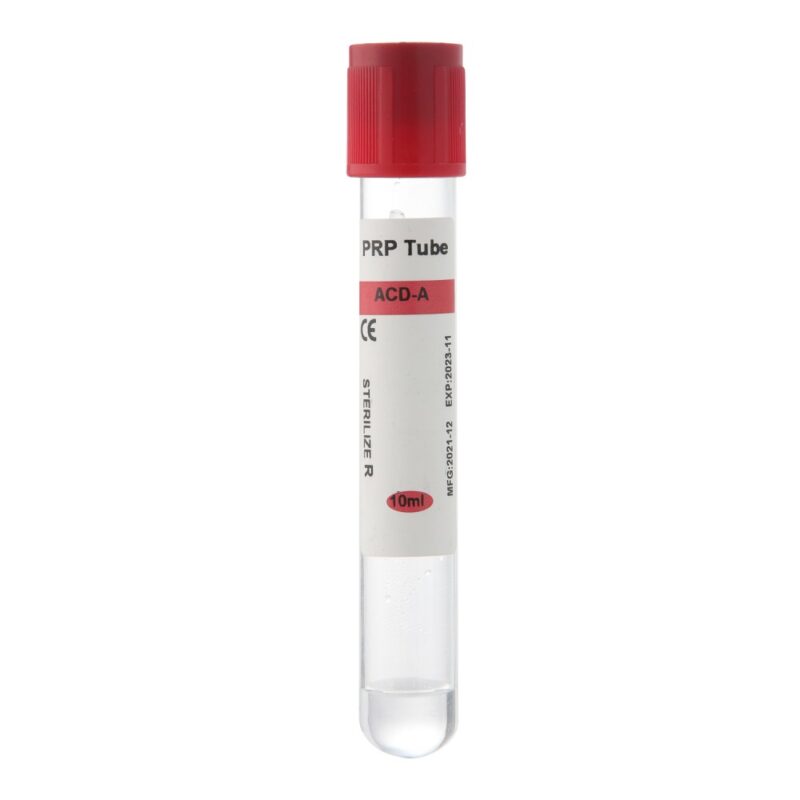
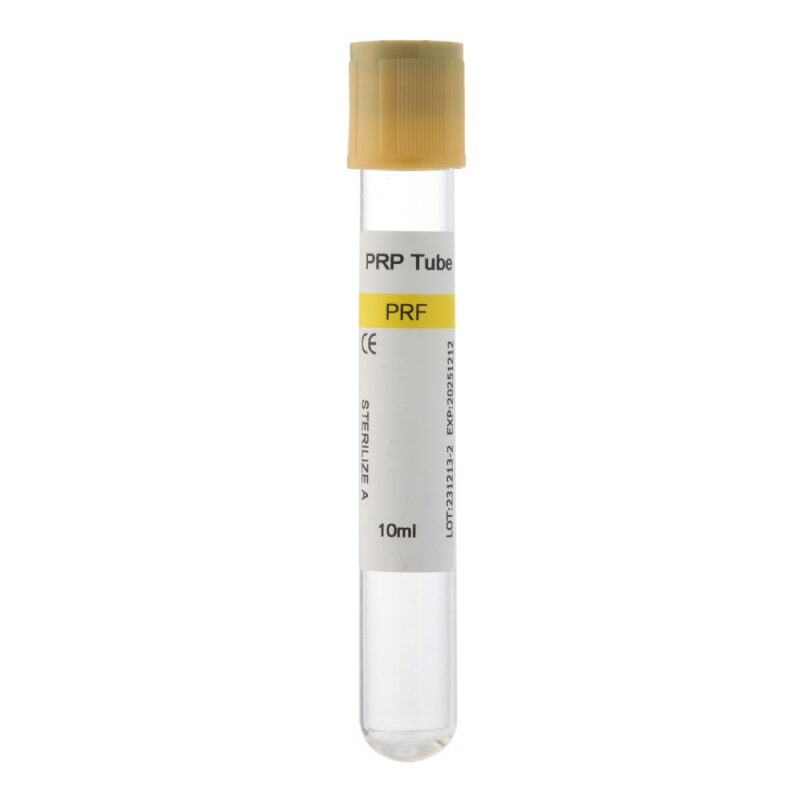
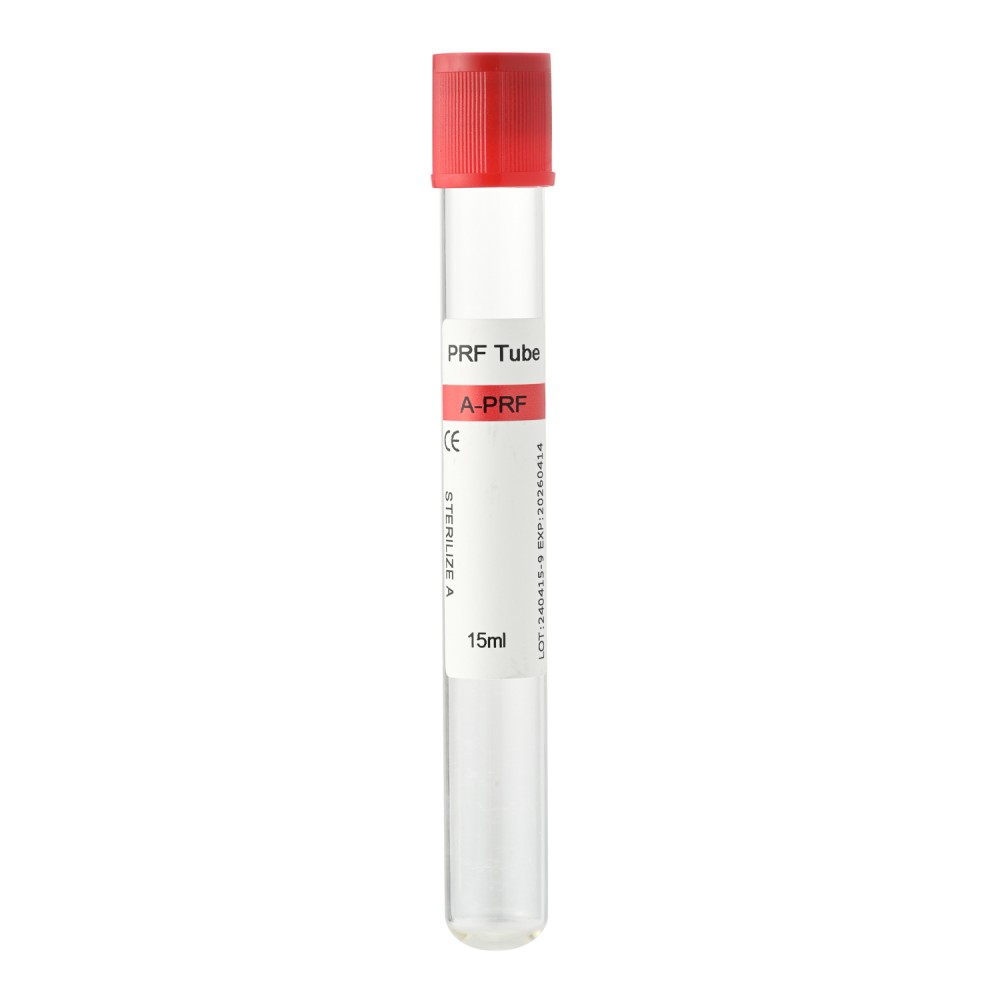
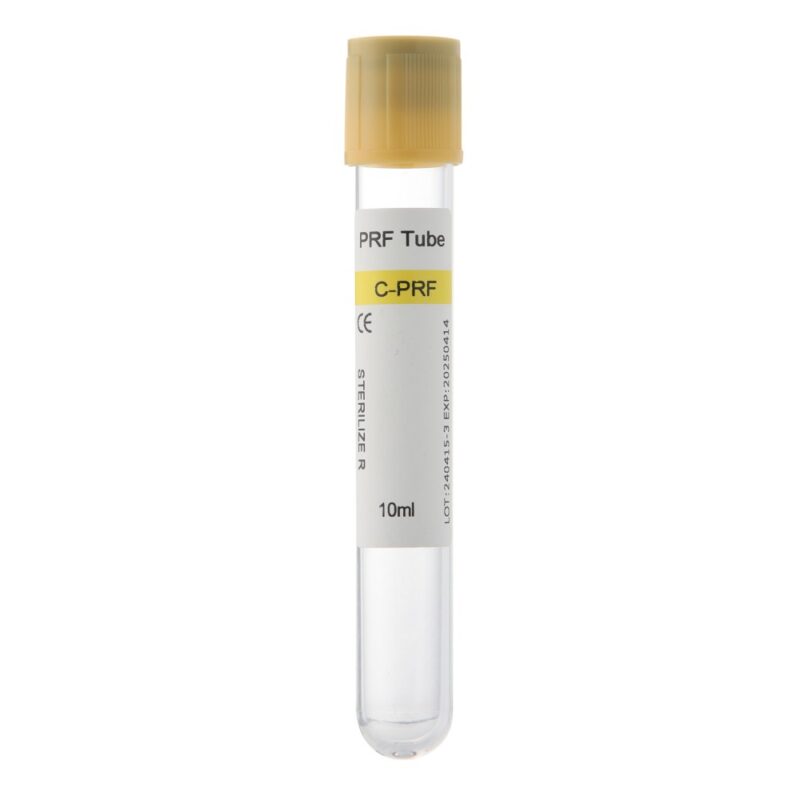
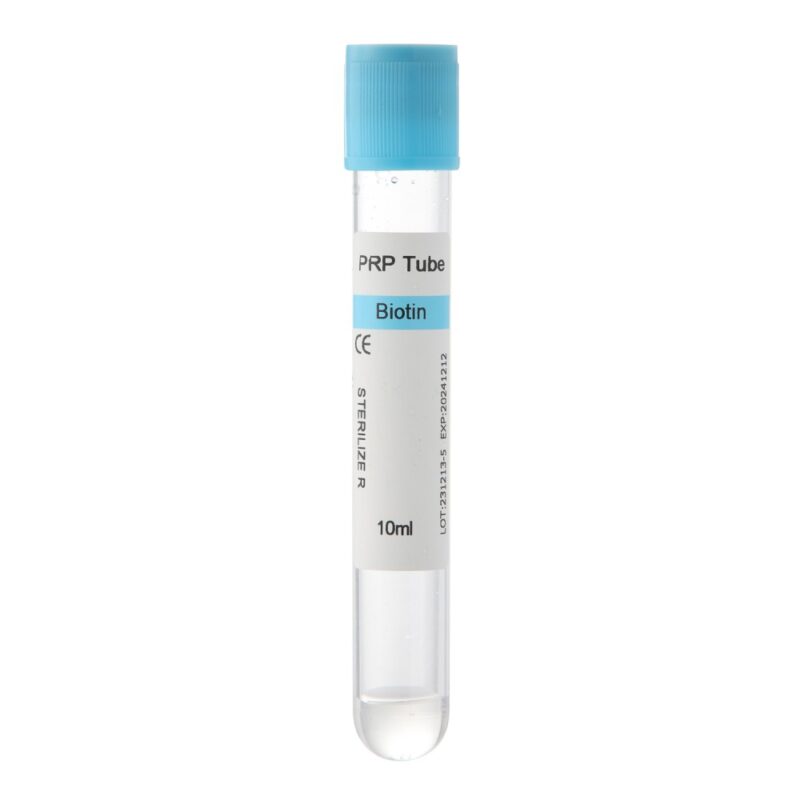
For clinics and distributors sourcing PRP consumables, understanding both the medical side effects and the preparation process is important. Inconsistent platelet separation or poor-quality collection systems may affect treatment stability, which is why buyers increasingly pay attention to the reliability of the PRP tubes they choose.
What Is PRP and Why Is It So Popular?
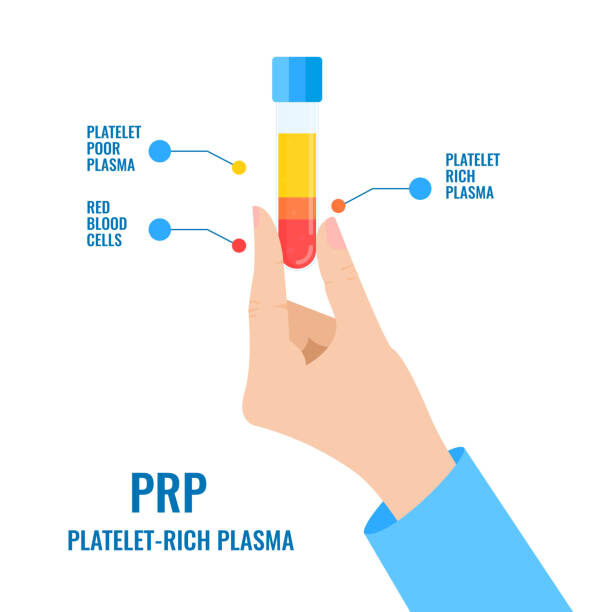
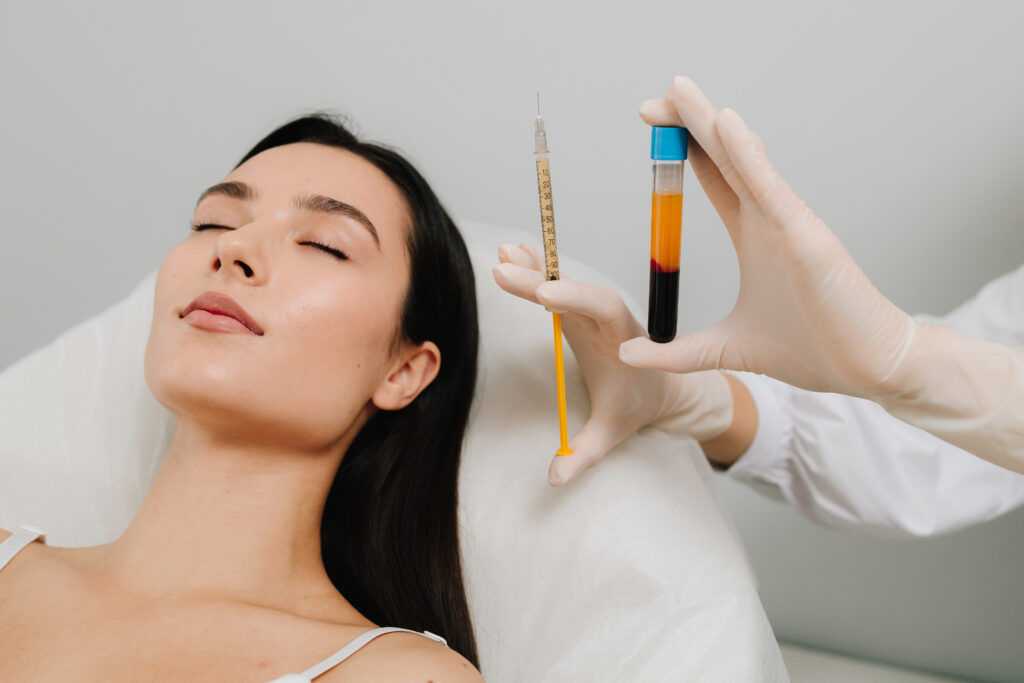
Platelet-rich plasma (PRP) is a concentrated plasma solution prepared from a patient’s own blood. After blood collection, the sample is centrifuged to separate platelet-rich plasma from red blood cells and other blood components. The final plasma layer contains concentrated platelets and growth factors that may help support tissue repair and regeneration.
Today, PRP is commonly used in:
- Hair loss treatments
- Skin rejuvenation
- Sports medicine
- Orthopedic injuries
- Tendon and ligament recovery
- Oral and dental surgery
- Post-procedure healing
One reason PRP has gained so much attention is that it relies on autologous blood rather than foreign substances. This lowers the risk of allergic reactions and makes the treatment attractive for patients looking for more natural regenerative options.
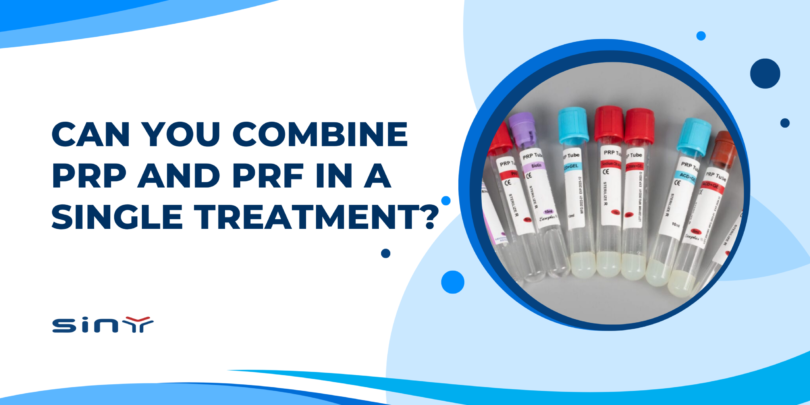
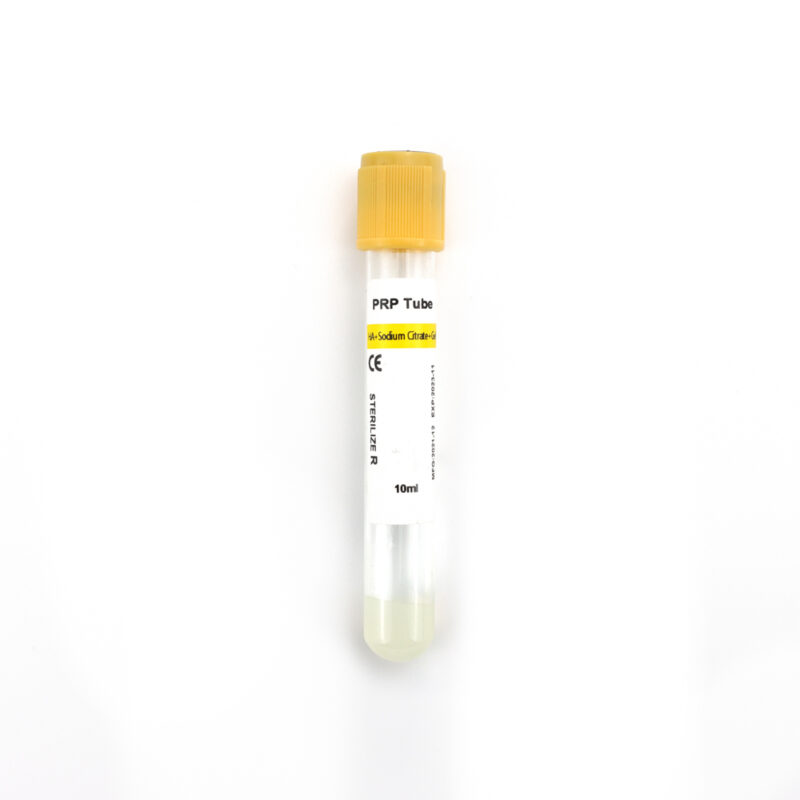
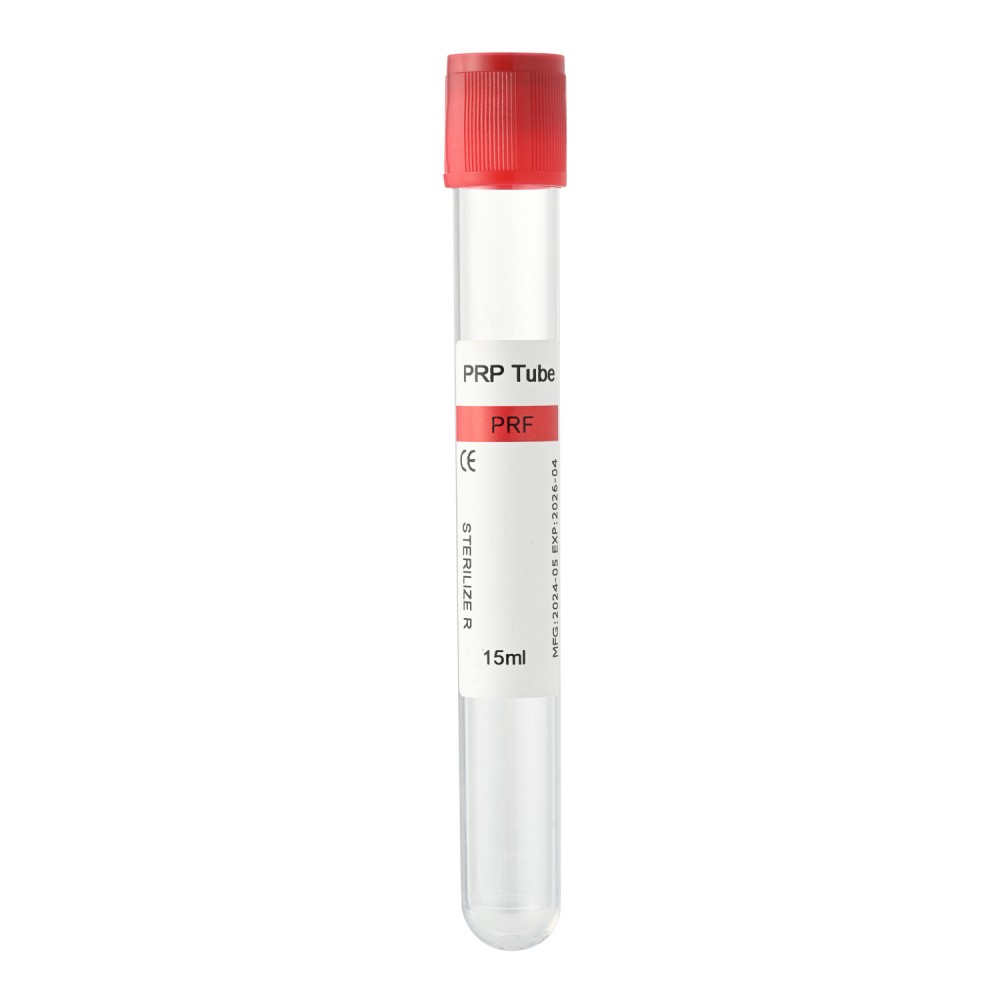
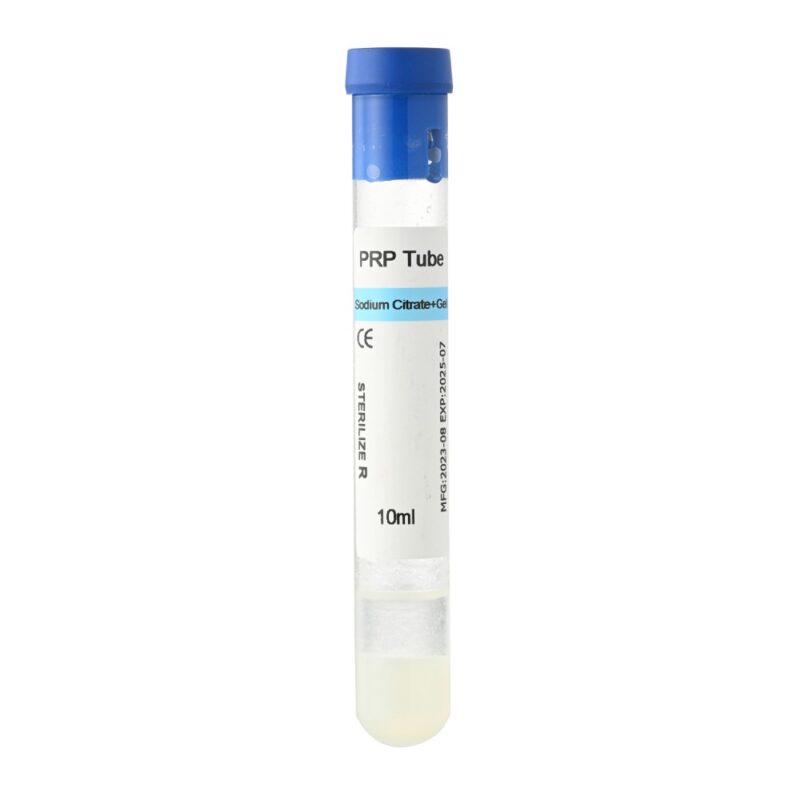
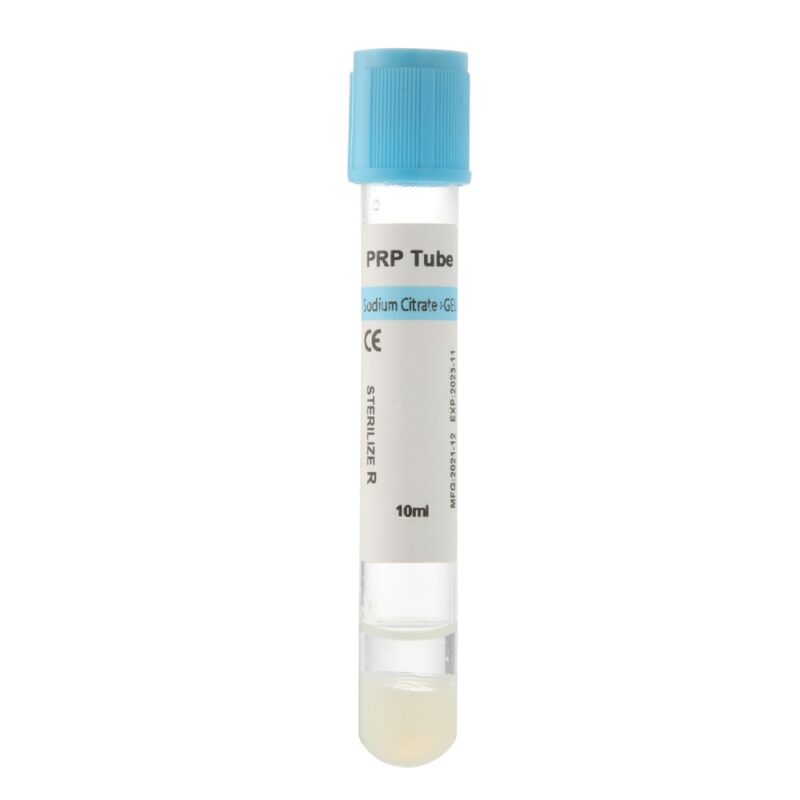
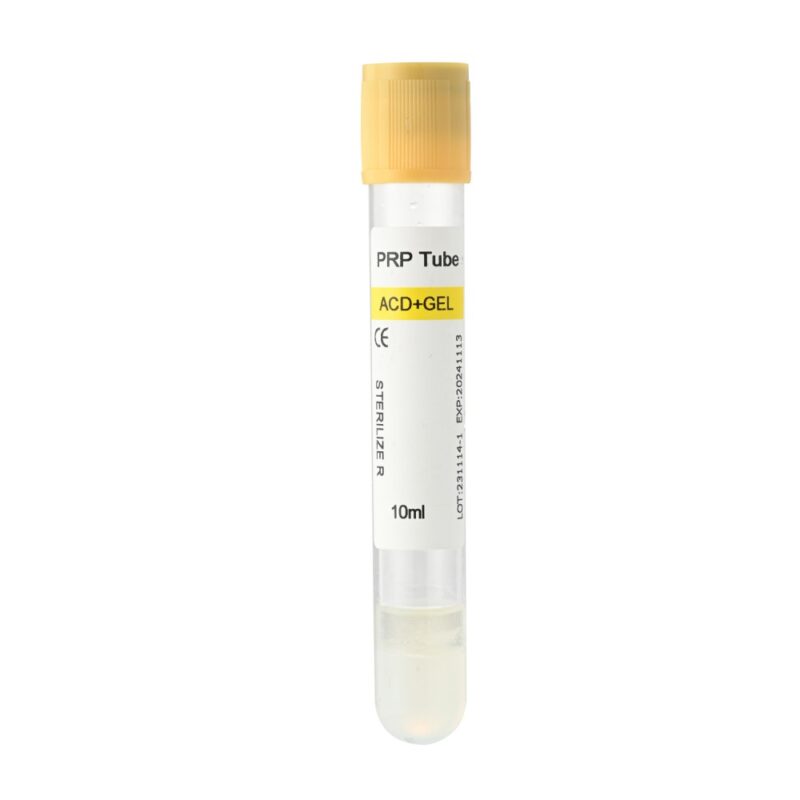
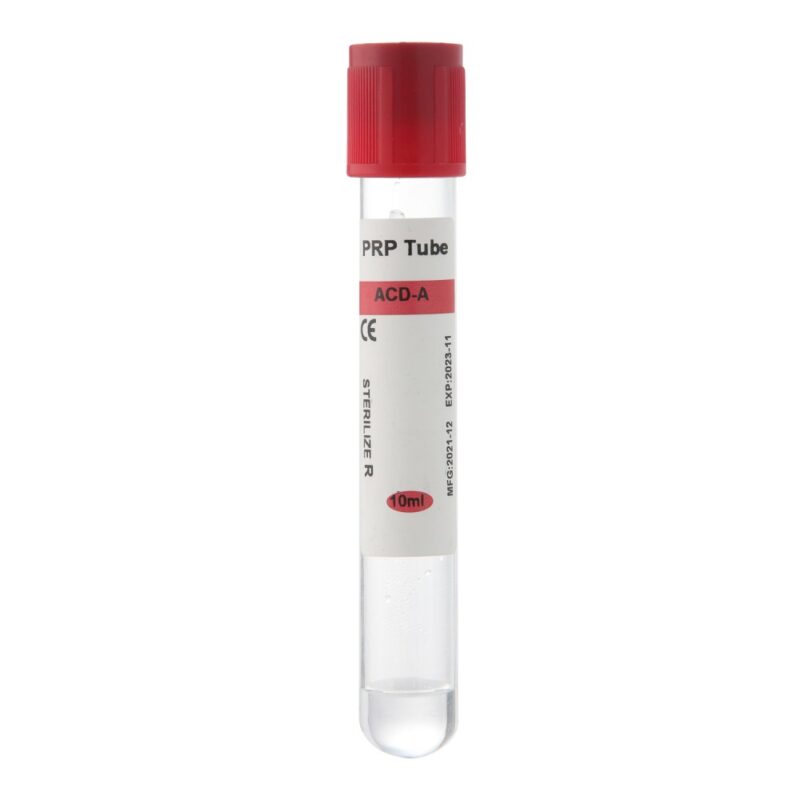
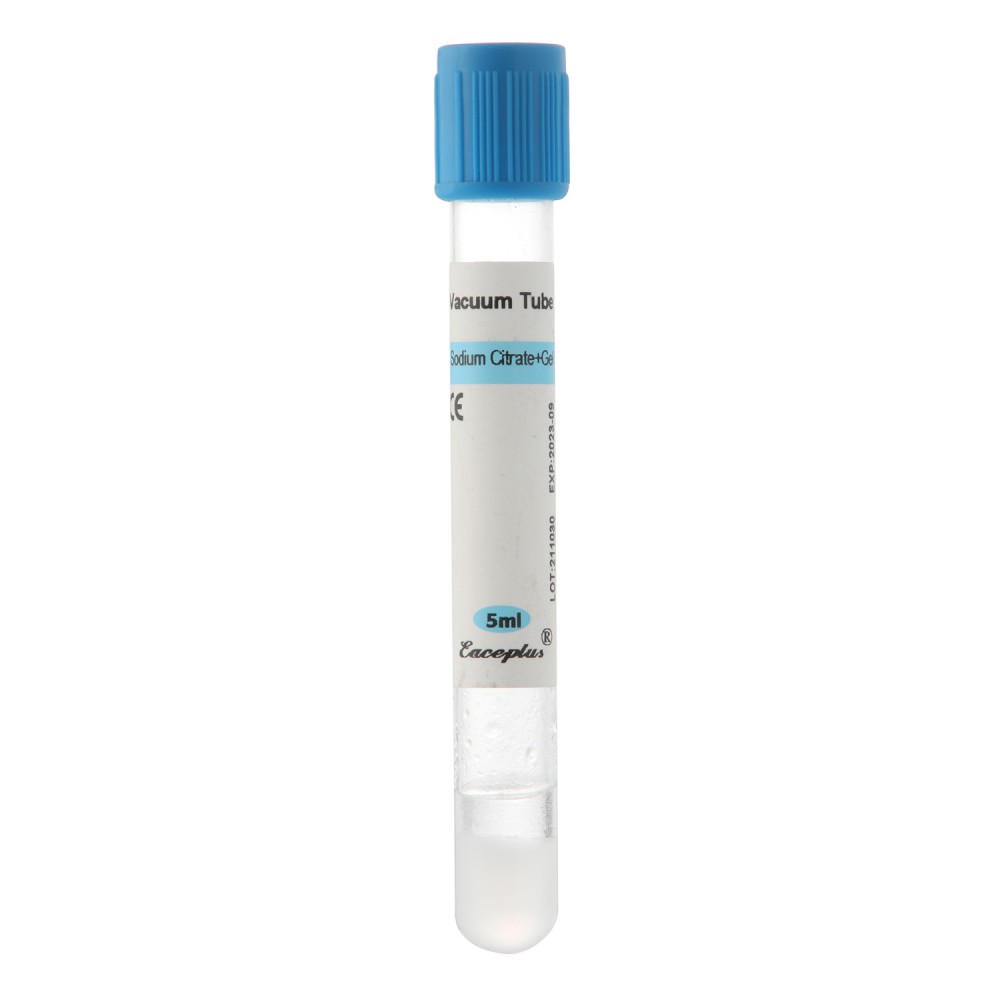
At the same time, not all PRP systems produce the same results. Factors such as centrifugation protocol, platelet recovery efficiency, and separation quality can significantly influence the final PRP concentration. For example, many clinics prefer Sodium Citrate PRP tubes or ACD + Gel PRP systems because they help improve plasma separation and reduce red blood cell contamination during processing.
Common PRP Side Effects After Treatment
When people search for “does PRP have side effects,” they are usually referring to the temporary reactions that occur after injection. In most cases, these symptoms are mild and disappear naturally within a few days.
Swelling and Redness
Mild swelling is one of the most common PRP side effects. Since PRP stimulates a localized healing response, temporary inflammation around the treatment area is considered normal.
Patients may experience:
- Facial redness
- Puffiness
- Warm sensation
- Mild skin sensitivity
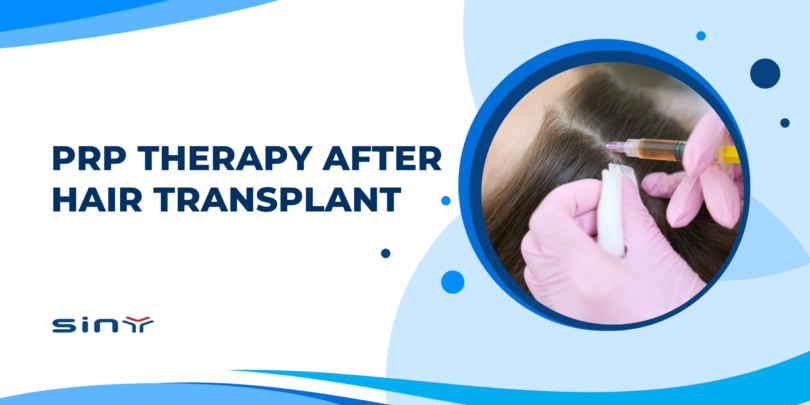
- Temporary scalp tenderness after hair PRP
These symptoms often improve within 24 to 72 hours.
Bruising and Injection Site Pain
Because PRP therapy involves both blood collection and injection, some bruising may occur around the treatment area. The severity usually depends on:
- Injection depth
- Needle technique
- Skin sensitivity
- Treatment location
Orthopedic PRP injections may also cause temporary soreness or stiffness for several days after treatment.
Temporary Inflammatory Response
One important detail many patients misunderstand is that inflammation is not always a bad sign. PRP works partly by activating the body’s natural repair response, and mild inflammation can be part of the regenerative process.
However, excessive swelling or prolonged discomfort may indicate:
- Improper injection technique
- Poor centrifugation settings
- Blood contamination during preparation
- Low-quality PRP separation
This is one reason why many clinics focus on preparation consistency rather than simply choosing the lowest-cost consumables on the market.
Clinics that use stable PRP preparation systems often see more predictable plasma separation and smoother workflow during centrifugation. Buyers comparing different PRP tube options can also review technical specifications and compatibility details through Siny PRP when evaluating products for regenerative applications.
Rare but Serious PRP Side Effects
Although PRP is generally considered safe, serious complications can still occur in rare situations.
Infection Risk
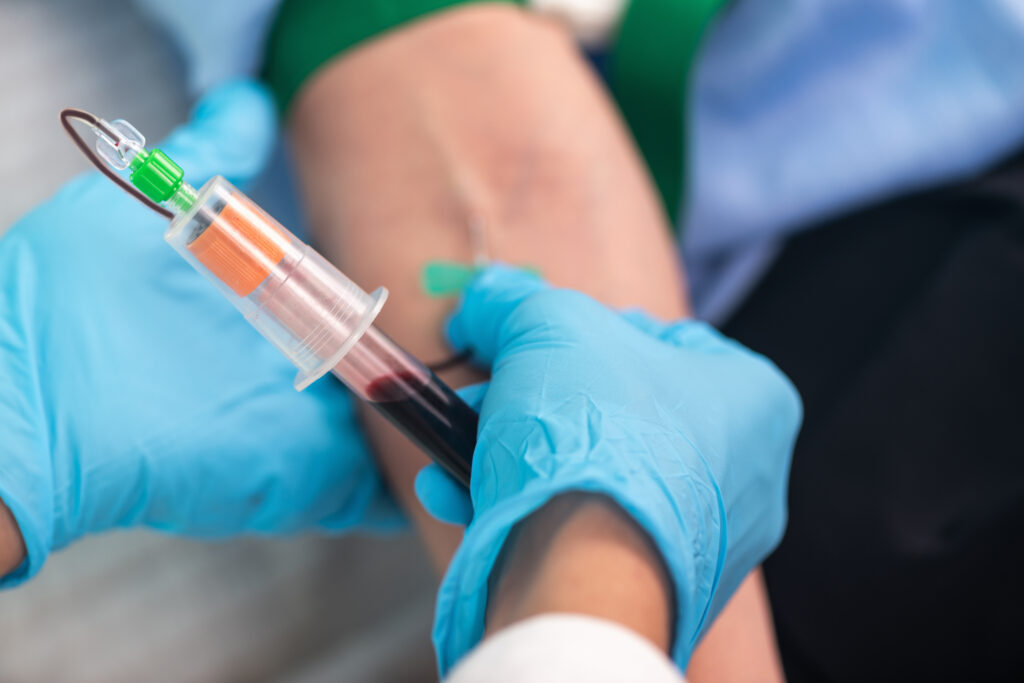
PRP is derived from the patient’s own blood, but contamination can still happen if sterile procedures are not followed properly.
Potential causes include:
- Non-sterile blood handling
- Poor injection hygiene
- Contaminated consumables
- Improper plasma transfer
Using certified sterile tubes and maintaining proper aseptic technique are critical for reducing risk.
Nerve or Tissue Injury
Improper injection placement may occasionally cause:
- Nerve irritation
- Tissue trauma
- Vascular injury
These complications are more closely related to practitioner experience than the PRP material itself.
Inconsistent PRP Quality
One of the biggest challenges in PRP therapy today is consistency. Not every PRP preparation system produces the same platelet concentration or plasma quality.
Several factors influence PRP quality:
- Tube material
- Separator performance
- Anticoagulant stability
- Centrifuge compatibility
- Processing method
For example, unstable separation may leave residual red blood cells inside the plasma layer, potentially increasing irritation after injection. This is why many clinics carefully compare PRP systems before purchasing.
Does PRP Have Side Effects Compared With Other Treatments?
Compared with corticosteroid injections or synthetic fillers, PRP is generally viewed as a lower-risk regenerative treatment because it uses autologous blood.
Lower Risk of Allergic Reaction
Since PRP comes directly from the patient’s own blood sample, allergic responses are uncommon compared with foreign injectable materials.
Minimal Downtime
Most PRP patients can return to daily activities relatively quickly:
- Facial PRP: usually within 24 hours
- Hair restoration PRP: 1–2 days
- Orthopedic PRP: several days, depending on the injection area
No Permanent Foreign Material
Unlike implants or fillers, PRP does not leave synthetic substances inside the body long-term.
However, the safety and effectiveness of PRP still depend heavily on preparation quality. Poor plasma separation or unstable platelet concentration may affect both treatment outcomes and patient experience.
Because of this, many clinics now pay closer attention to the reliability of their PRP consumables, especially in procedures where consistency matters for repeat treatments and patient satisfaction.
How Clinics Can Reduce PRP Side Effects
Reducing PRP side effects starts with preparation quality and standardized clinical protocols.
Use Reliable PRP Preparation Systems
A stable preparation system can help:
- Improve platelet recovery.
- Reduce contamination.
- Support cleaner plasma separation.
- Improve consistency between procedures.
For example, some clinics choose separator gel PRP tubes to improve layer isolation during centrifugation, especially in high-volume aesthetic or hair restoration practices.
Standardize Centrifugation Procedures
Incorrect centrifuge speed or timing may damage platelets or reduce plasma quality. Clinics should standardize:
- RPM settings
- Spin duration
- Plasma extraction process
- Storage timing before injection
Work With Experienced Suppliers
For distributors and clinics purchasing PRP consumables, supplier reliability matters just as much as price.
Important considerations include:
- Sterility validation
- ISO certification
- Product consistency
- Technical support
- Batch stability
If you are comparing PRP preparation products for your clinic or distribution business, Siny PRP provides technical support and multiple PRP tube solutions designed for regenerative medicine applications and blood component separation.
FAQ About PRP Side Effects
Is PRP treatment painful?
Most patients experience only mild discomfort during treatment. Topical anesthetics or local numbing methods are often used for facial or scalp procedures.
How long do PRP side effects last?
Most common side effects, including swelling and redness, improve within a few days. Orthopedic treatments may involve soreness for slightly longer.
Can PRP cause hair shedding?
Some patients experience temporary shedding after scalp PRP treatments. This is often part of the hair follicle stimulation cycle before regrowth begins.
Is PRP safer than fillers or steroids?
PRP is generally considered biologically safer because it uses autologous blood rather than synthetic materials or pharmaceutical steroids.
Can poor-quality PRP tubes affect treatment results?
Yes. Inconsistent plasma separation or unstable anticoagulants may affect platelet recovery and overall treatment consistency.
Summary
So, does PRP have side effects? Yes — but in most cases, they are mild and temporary. Swelling, redness, bruising, and soreness are the most common reactions, while serious complications remain relatively rare when proper sterile techniques and standardized preparation methods are followed.
For clinics and buyers, the bigger concern is often consistency rather than danger. The quality of the PRP preparation process can influence platelet concentration, plasma purity, workflow efficiency, and ultimately the patient experience.
As the PRP market continues to expand, clinics are becoming more selective about the systems they use. Choosing reliable PRP consumables, maintaining sterile protocols, and working with experienced suppliers can help improve both treatment consistency and operational confidence.