When discussing regenerative medicine, one of the most common questions is: Does PRP work for everyone? The short answer is no, but the reality is more nuanced. Platelet-Rich Plasma (PRP) therapy has shown promising results across multiple fields, from hair restoration to orthopedics, yet outcomes can vary significantly between patients.
For clinics and distributors evaluating PRP systems, understanding why results differ is just as important as knowing how PRP works. This guide breaks down the key factors behind PRP effectiveness—and what it means when selecting the right PRP tube or system.
What Is PRP and How Does It Work in Clinical Applications?
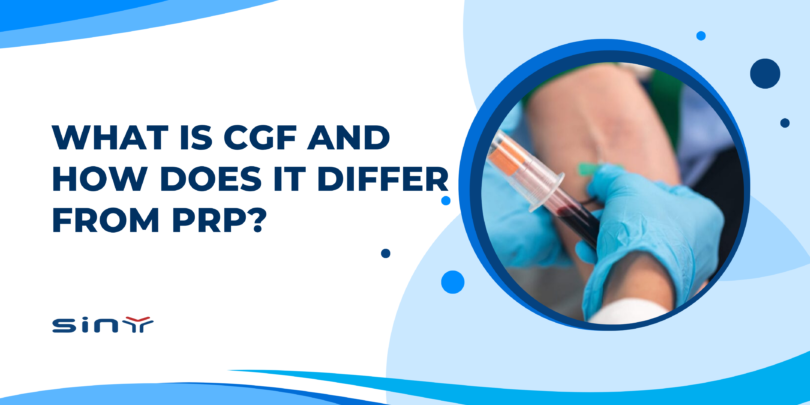
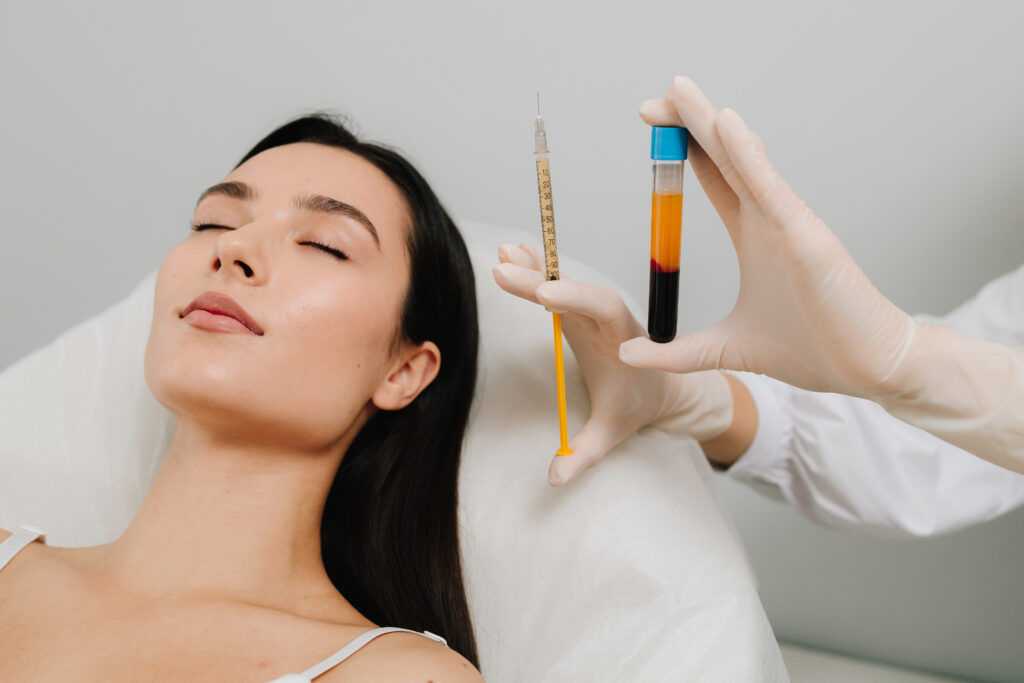
PRP is derived from the patient’s own blood and processed through centrifugation to concentrate platelets and growth factors. These bioactive components play a role in tissue repair, angiogenesis, and cell regeneration.
In practical terms, PRP is widely used in:
- Hair loss treatments (androgenetic alopecia)
- Orthopedic conditions (joint pain, tendon injuries)
- Aesthetic procedures (skin rejuvenation, microneedling)
- Dental and oral surgery
The mechanism is straightforward: higher platelet concentration → increased growth factor release → enhanced healing response.
However, even with the same process, outcomes can differ. That brings us back to the key question: Does PRP work for everyone?

Does PRP Work for Everyone?
PRP does not deliver uniform results for every individual. While many patients experience noticeable improvement, others may see minimal or delayed effects.
This variability comes down to one critical truth:
PRP is not a standardized drug—it is a biological preparation influenced by multiple variables
Unlike pharmaceuticals with fixed compositions, PRP depends on:
- Patient biology
- Blood quality
- Preparation method
- Equipment used
This is why two treatments using “PRP” can produce completely different outcomes.
For distributors and clinics, this also explains why product consistency is not just a technical detail—it directly impacts clinical results.
Key Factors That Affect Whether PRP Works
1. Patient-Related Factors
Not all patients respond equally to PRP therapy.
Key variables include:
- Age: Younger patients typically have higher regenerative capacity
- Health status: Chronic diseases can reduce platelet function
- Severity of condition: Early-stage conditions respond better
- Lifestyle factors: Smoking, stress, and nutrition affect outcomes
2. Platelet Concentration and Quality
PRP effectiveness depends heavily on achieving the right platelet concentration. Too low, and the effect is minimal. Too high, and it may not provide additional benefit.
This balance requires:
- Proper anticoagulant selection
- Stable separation during centrifugation
- Minimal platelet damage
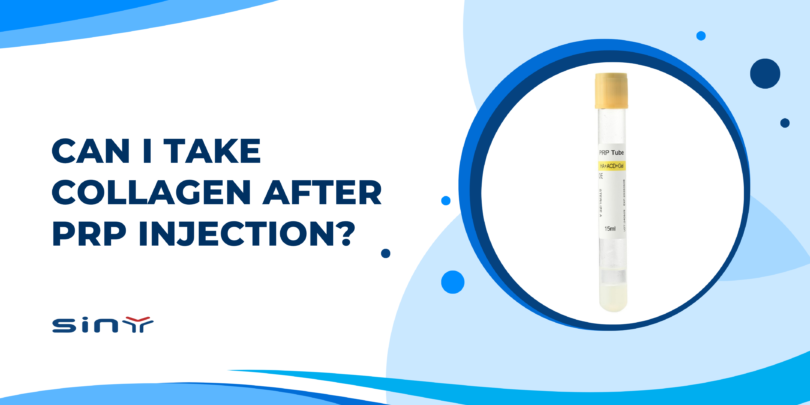
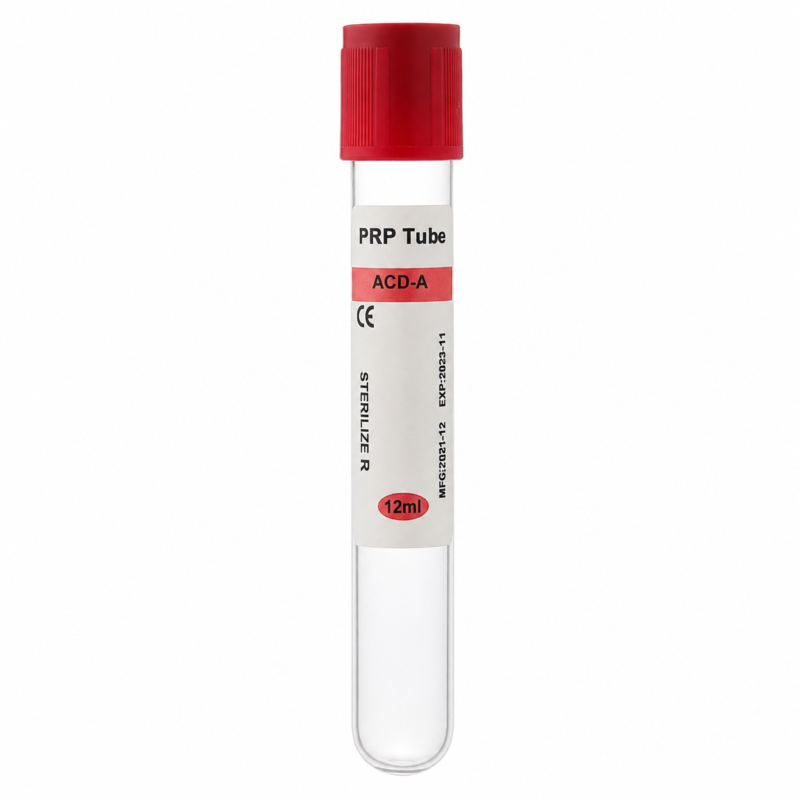
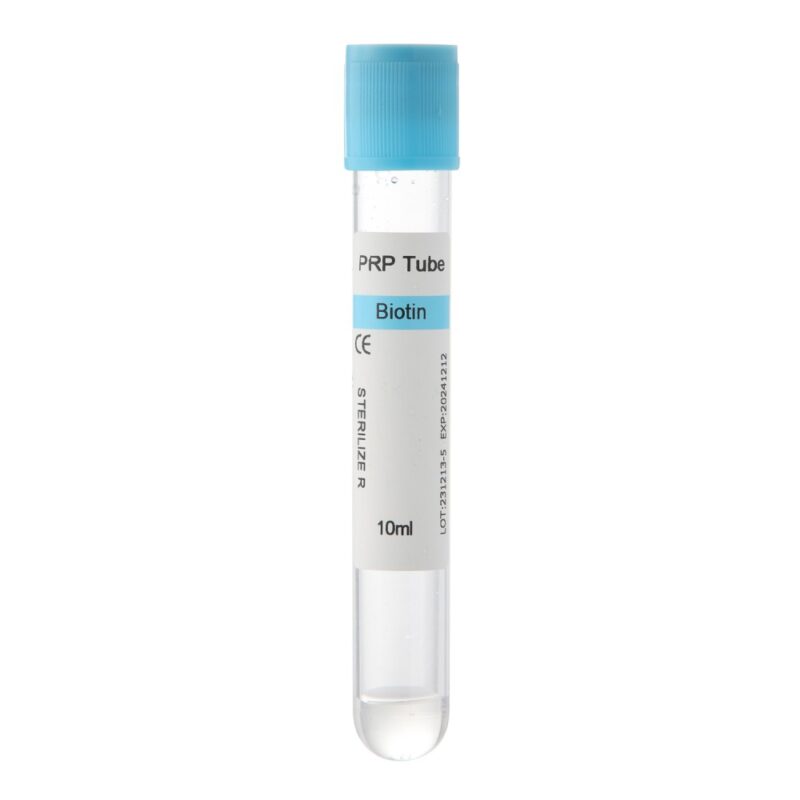
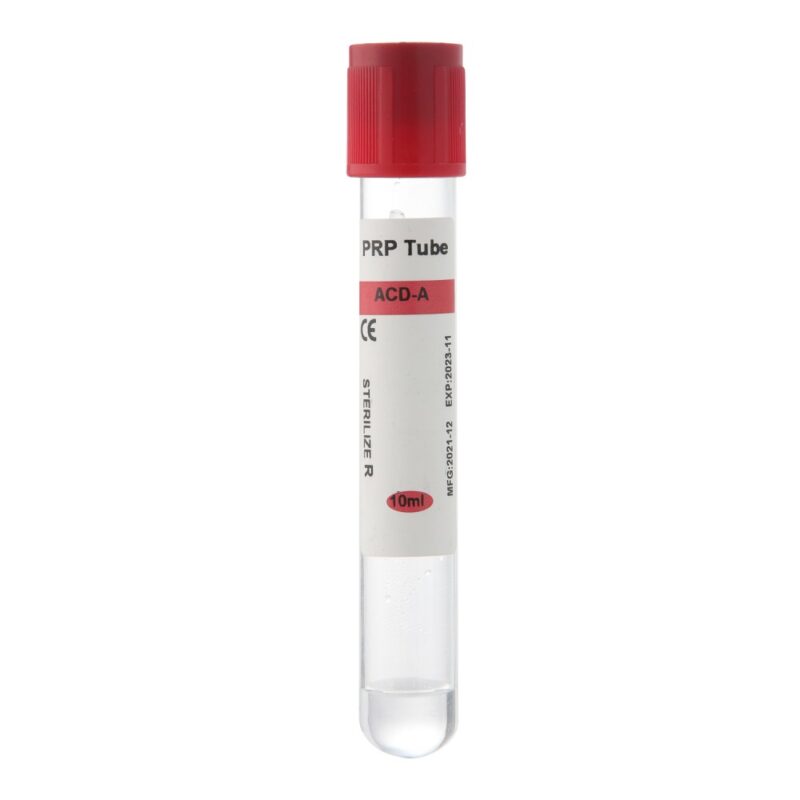
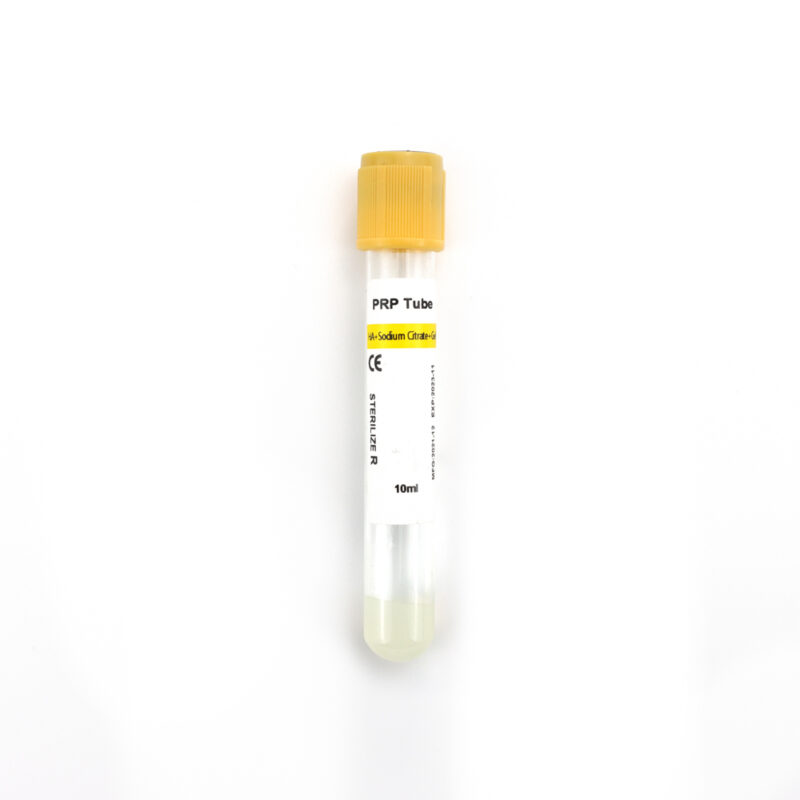
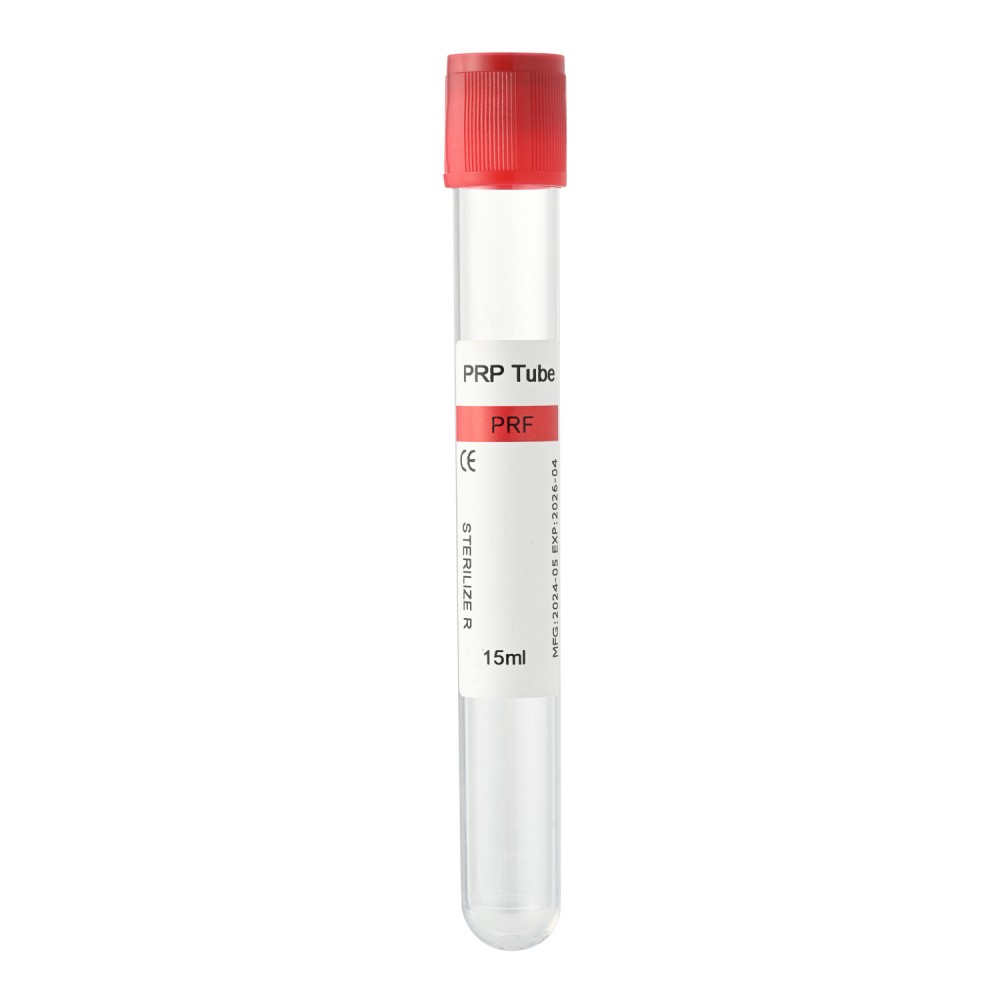
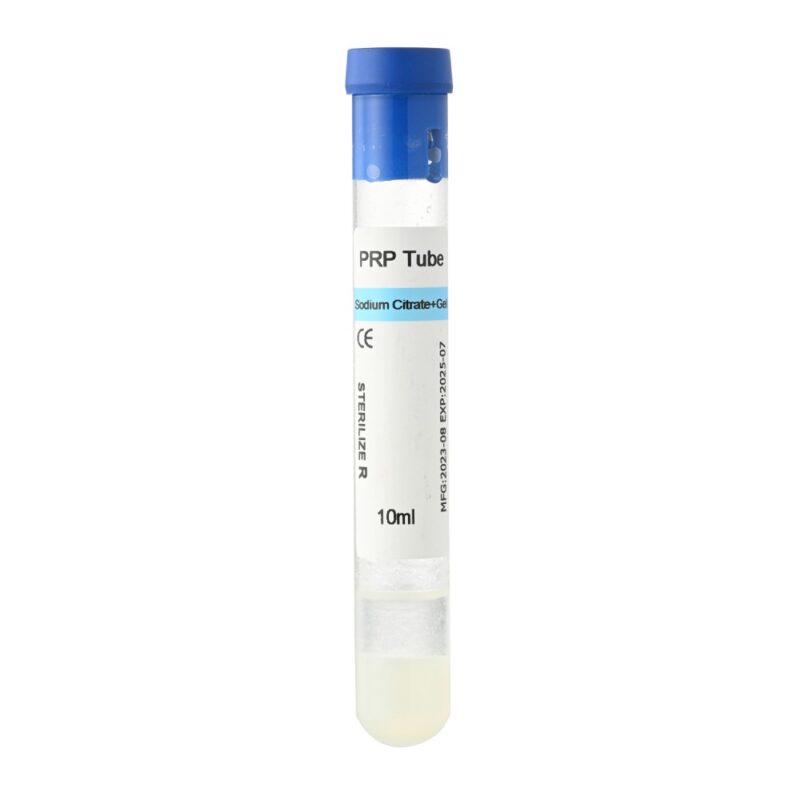
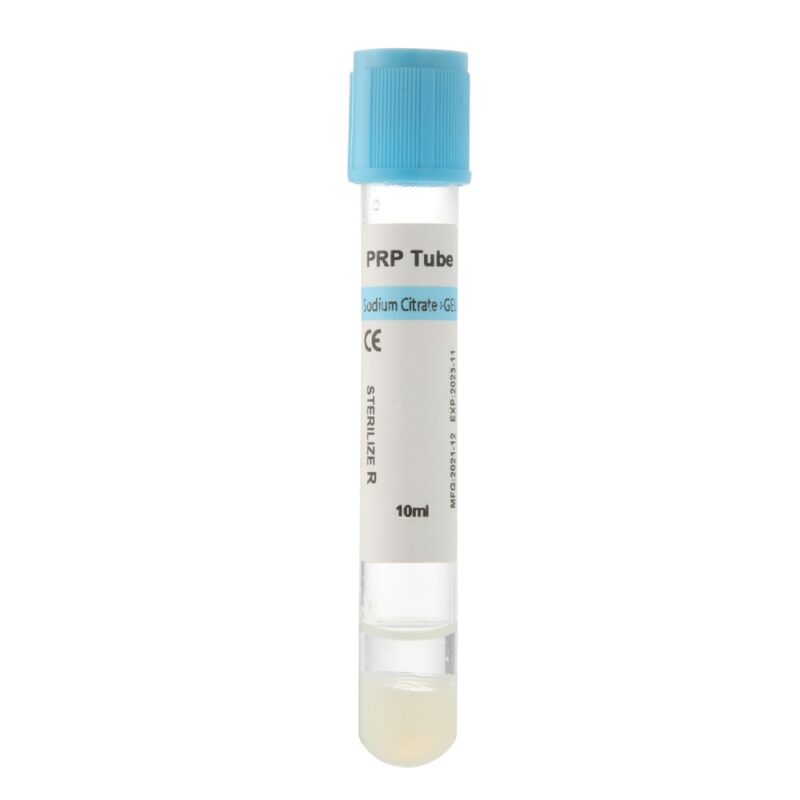
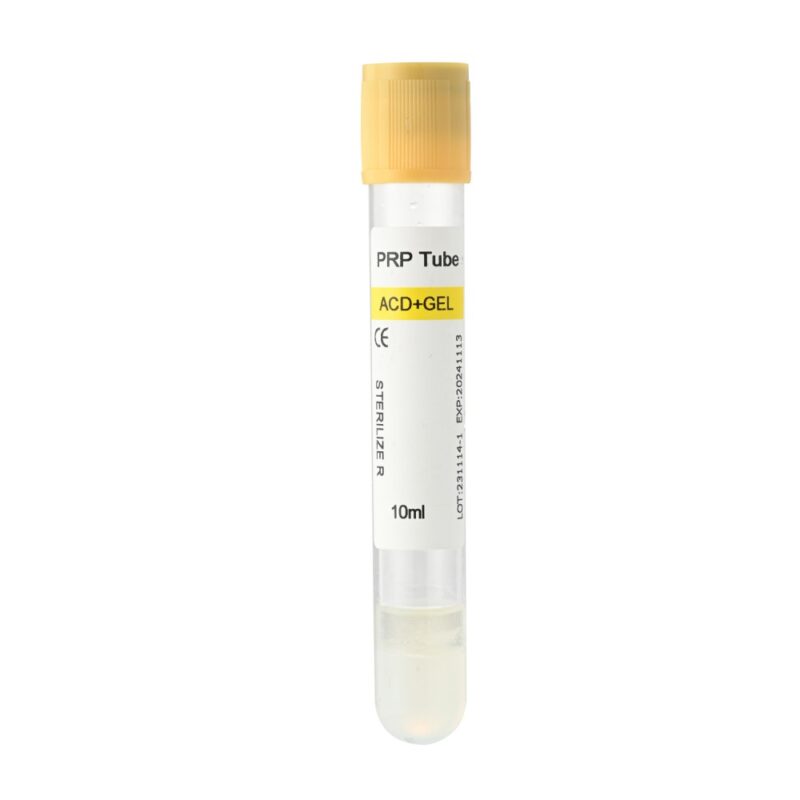
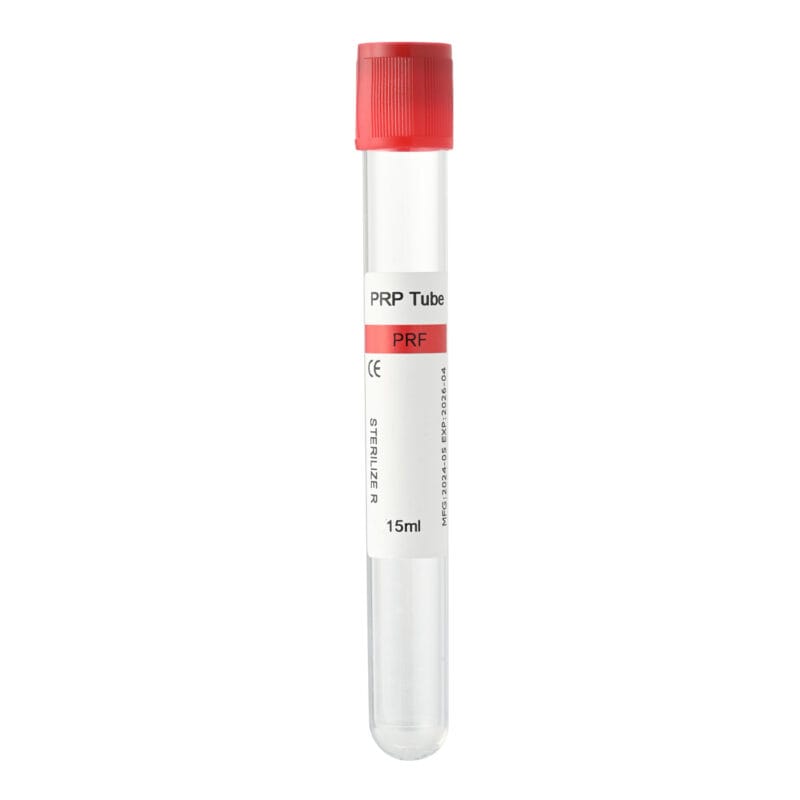
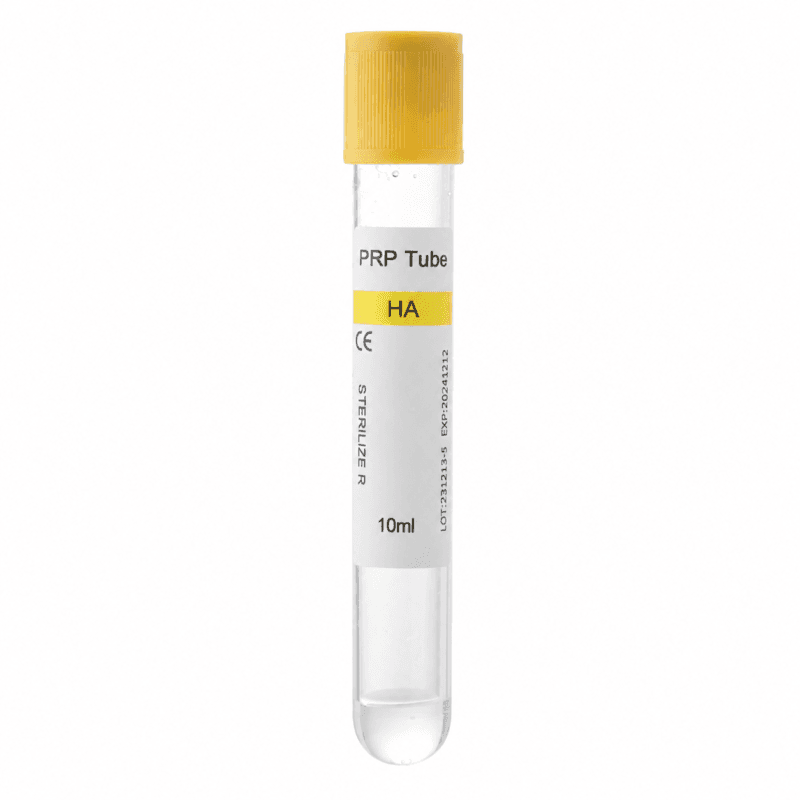
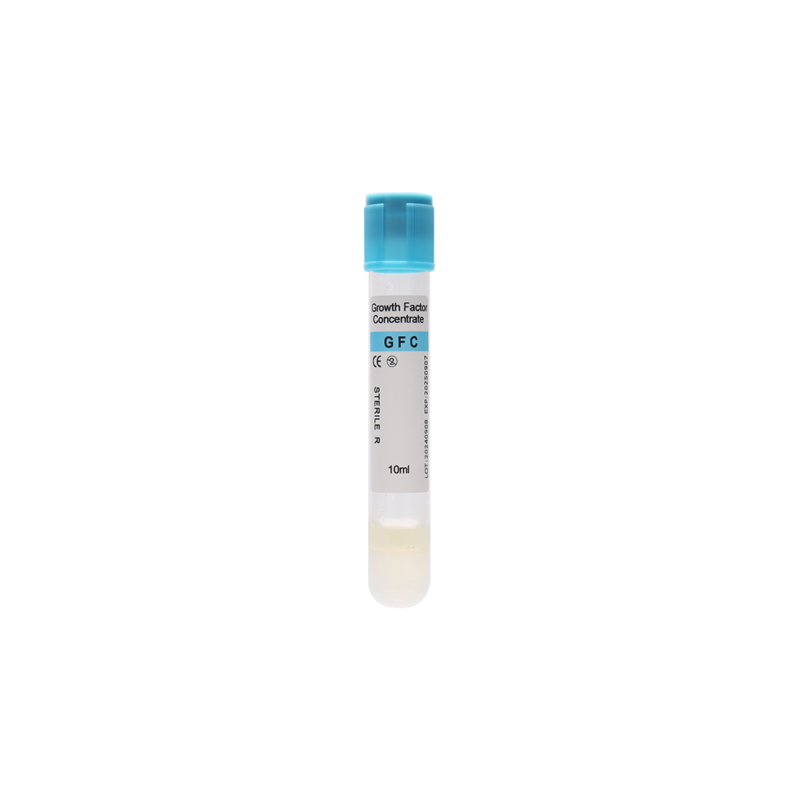
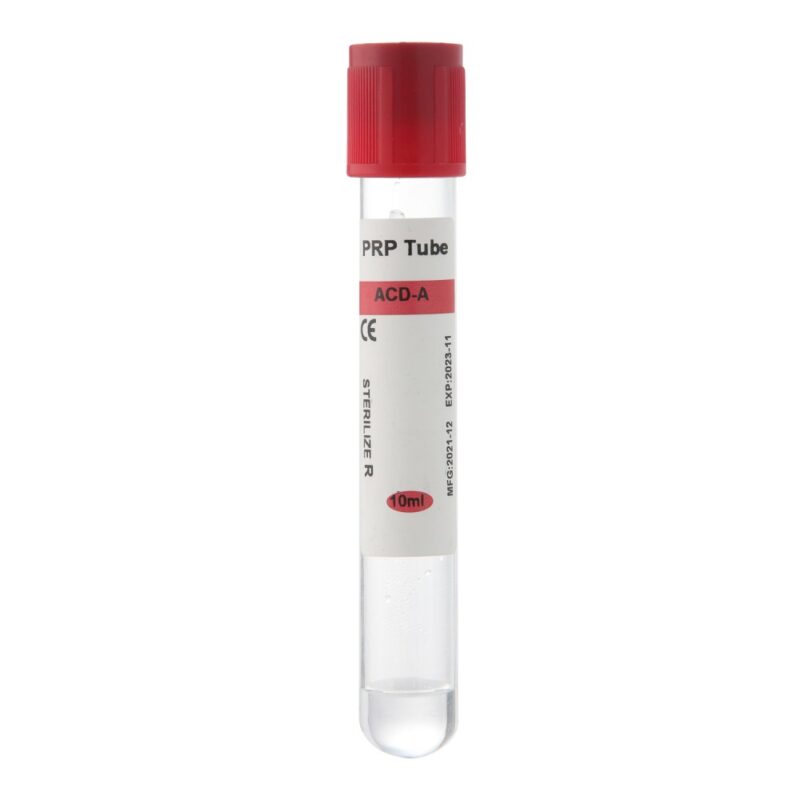
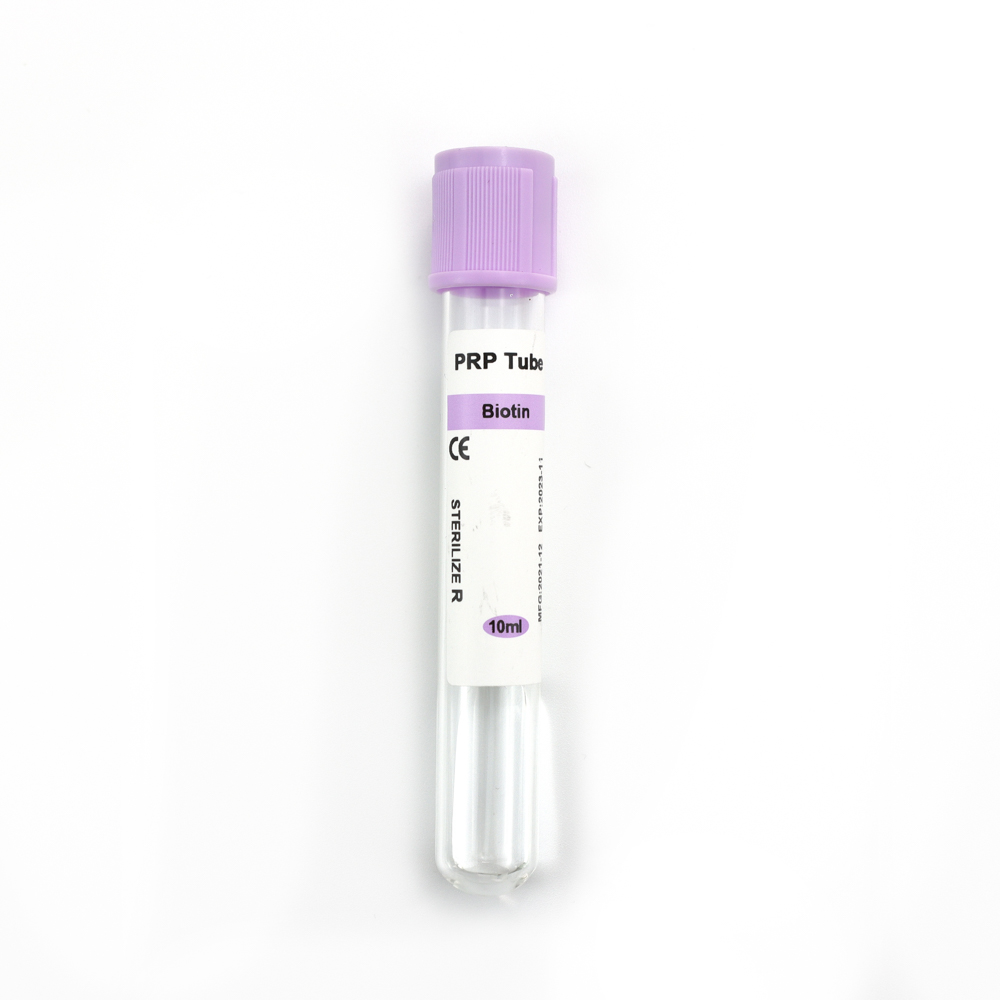
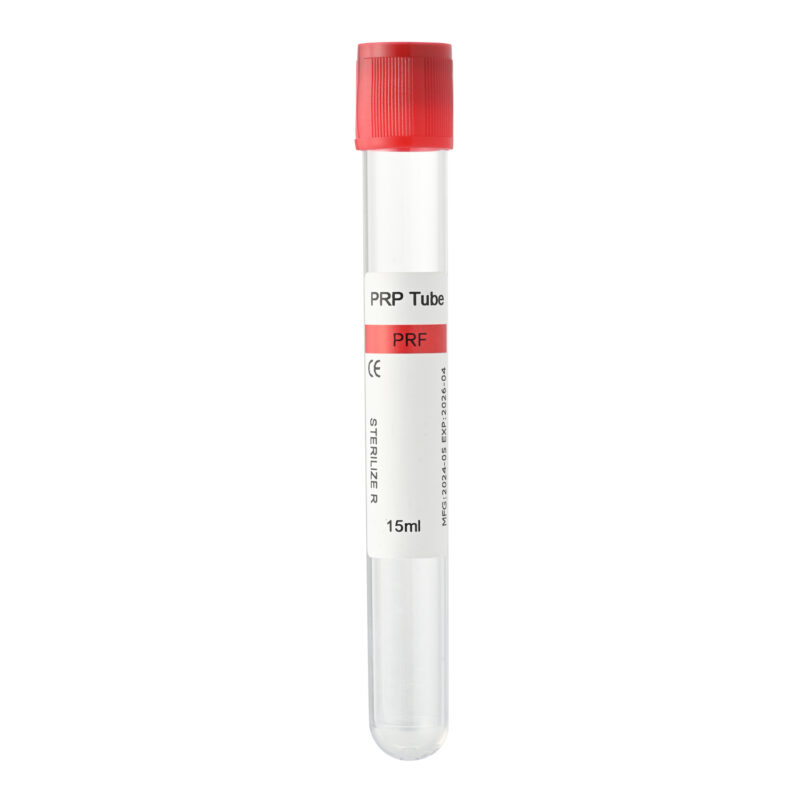
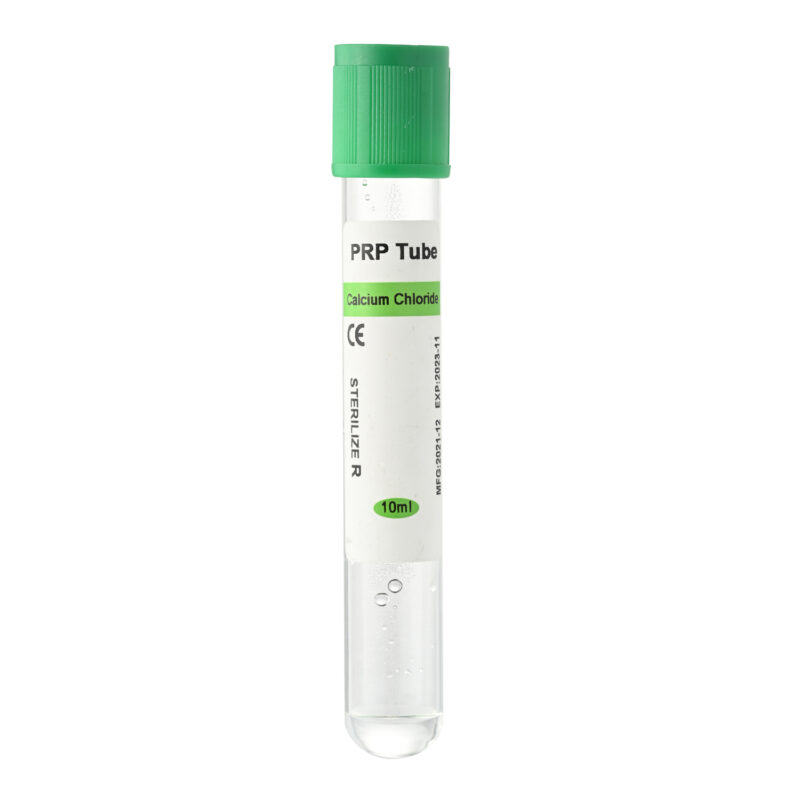
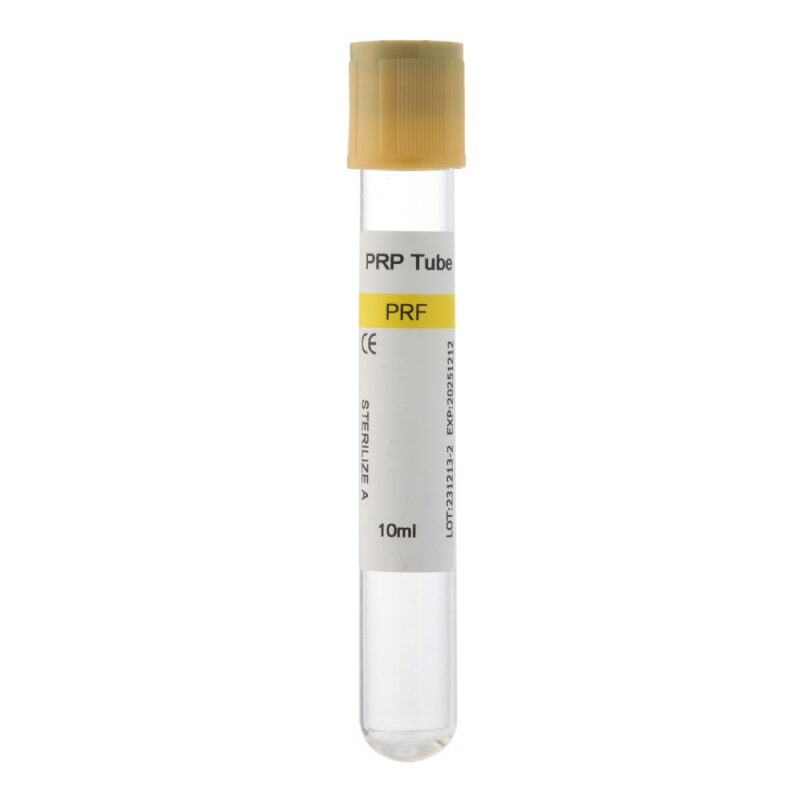
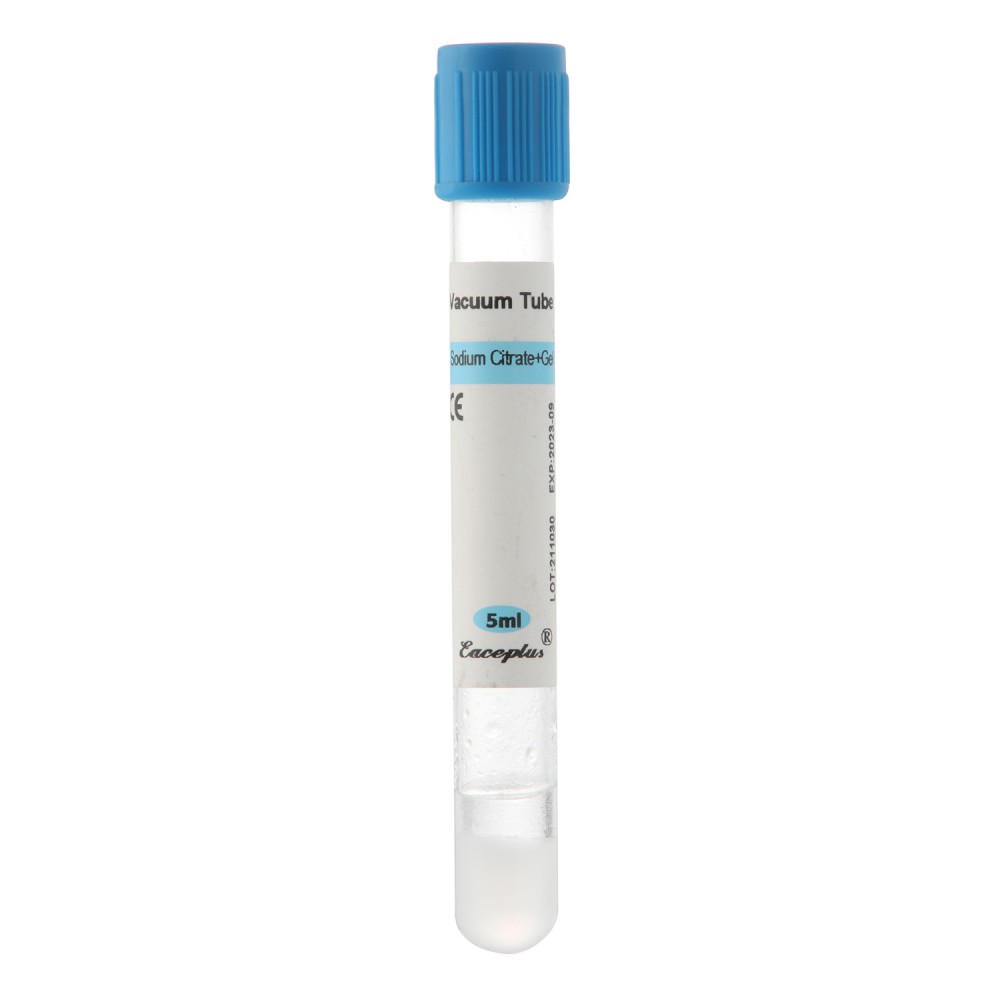
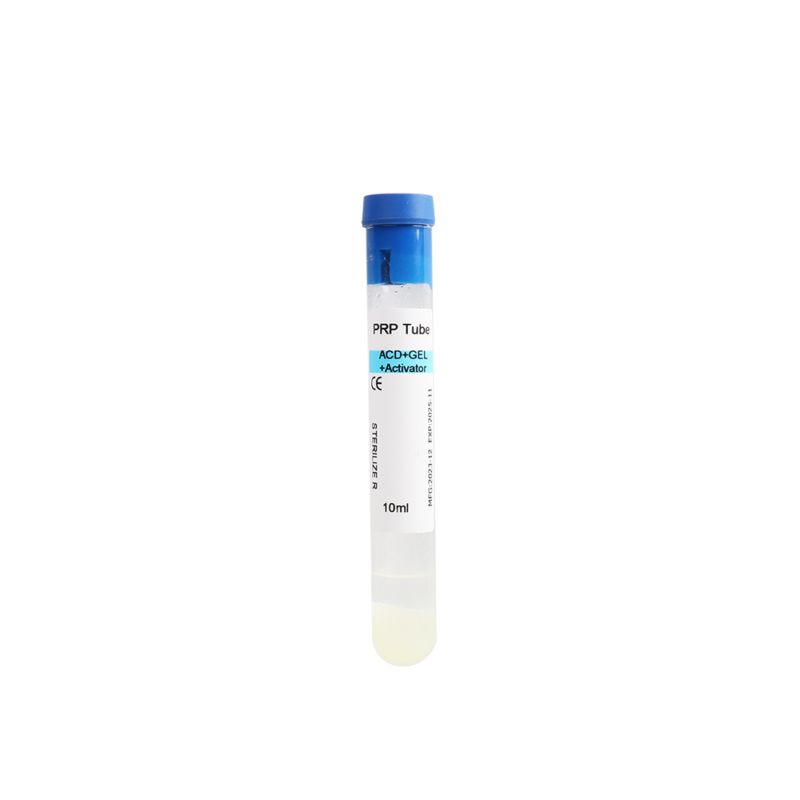
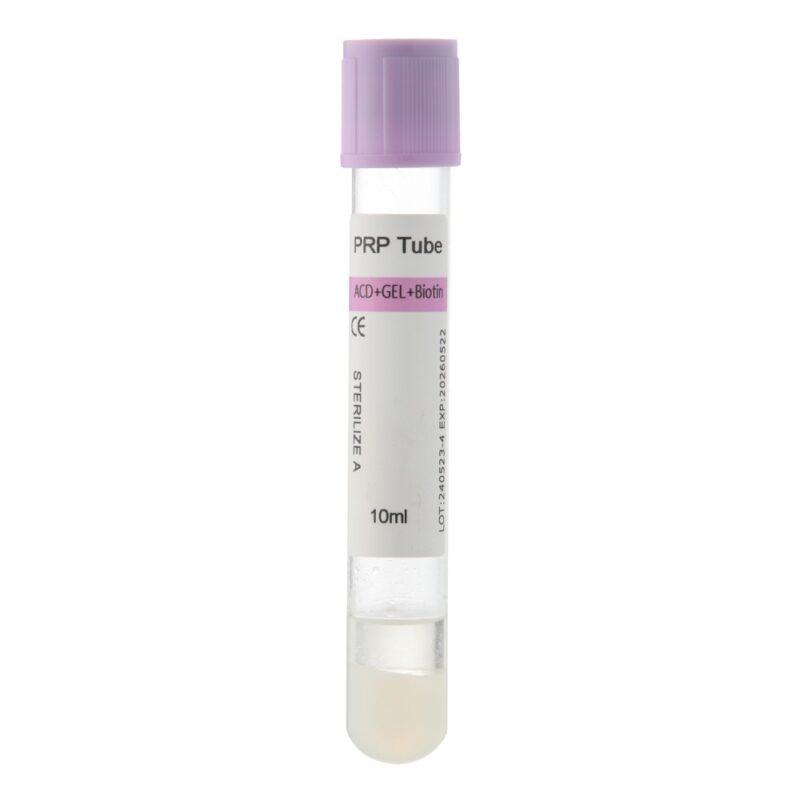
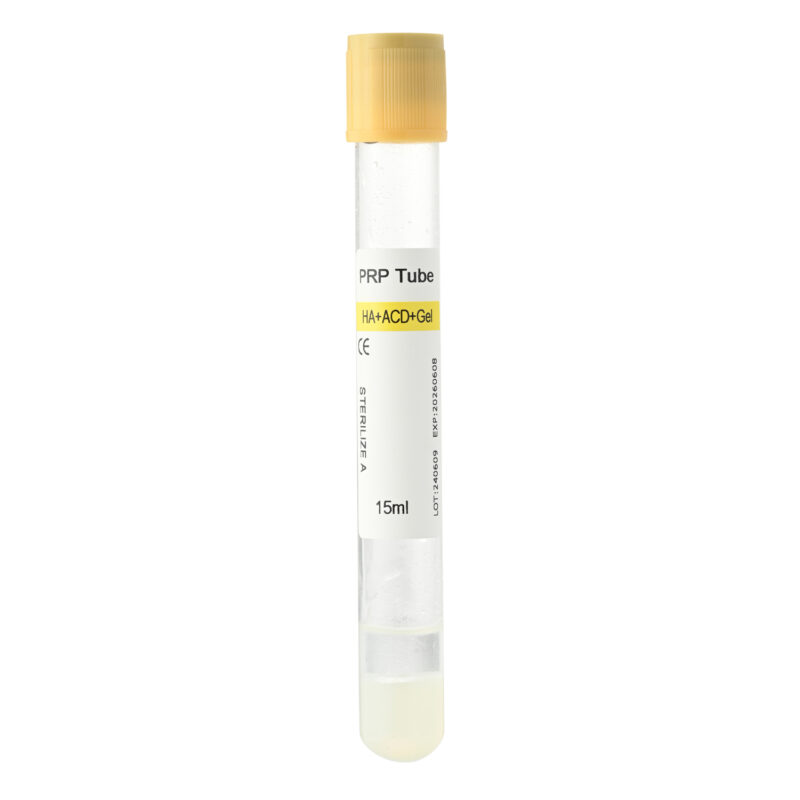
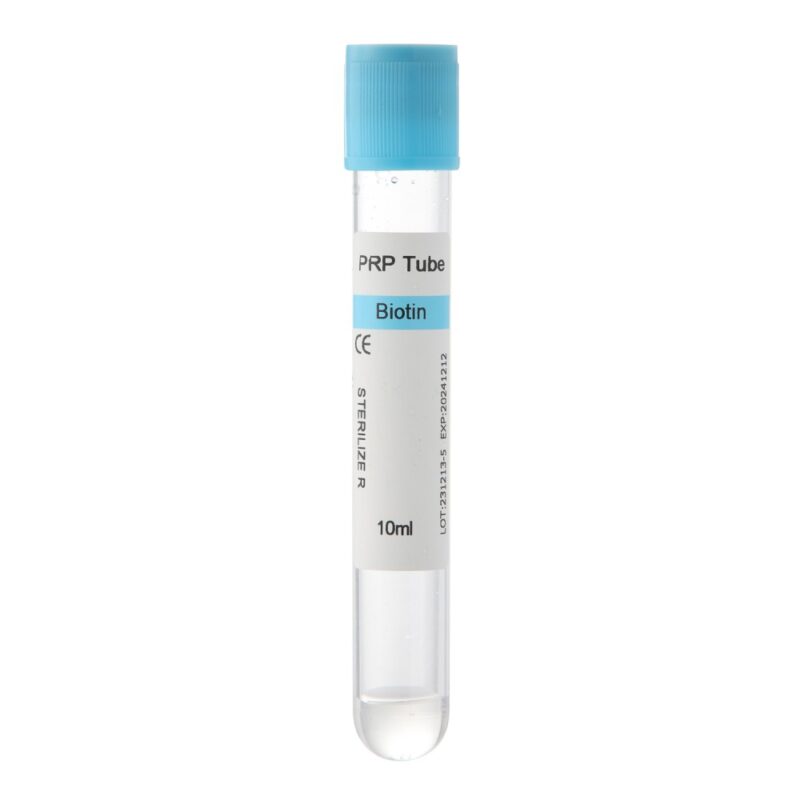
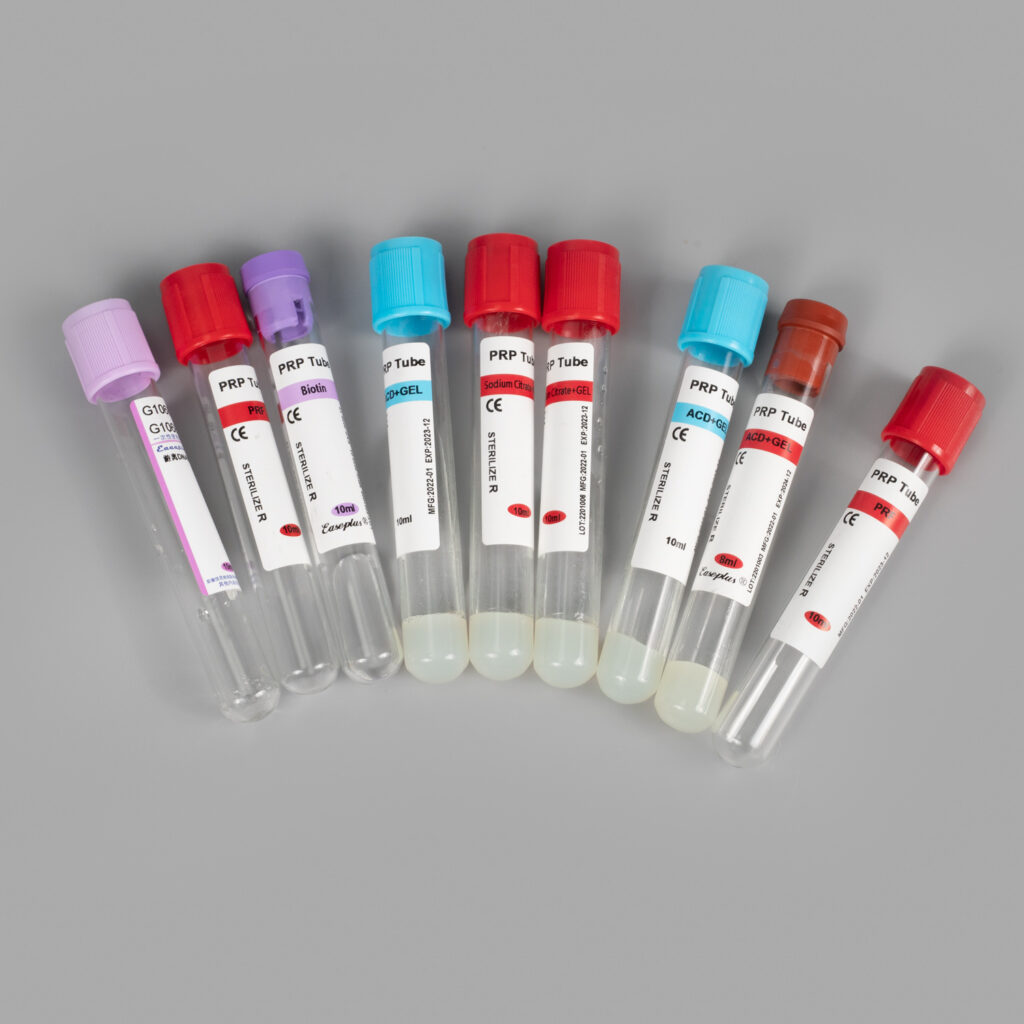
For example, systems like Siny PRP ACD Gel Tubes and Siny PRP Sodium Citrate Gel biotin Tubes are designed to maintain platelet viability and improve layer separation consistency.
3. PRP Preparation System (Often Overlooked)
Among all variables, the preparation system is one of the most underestimated.
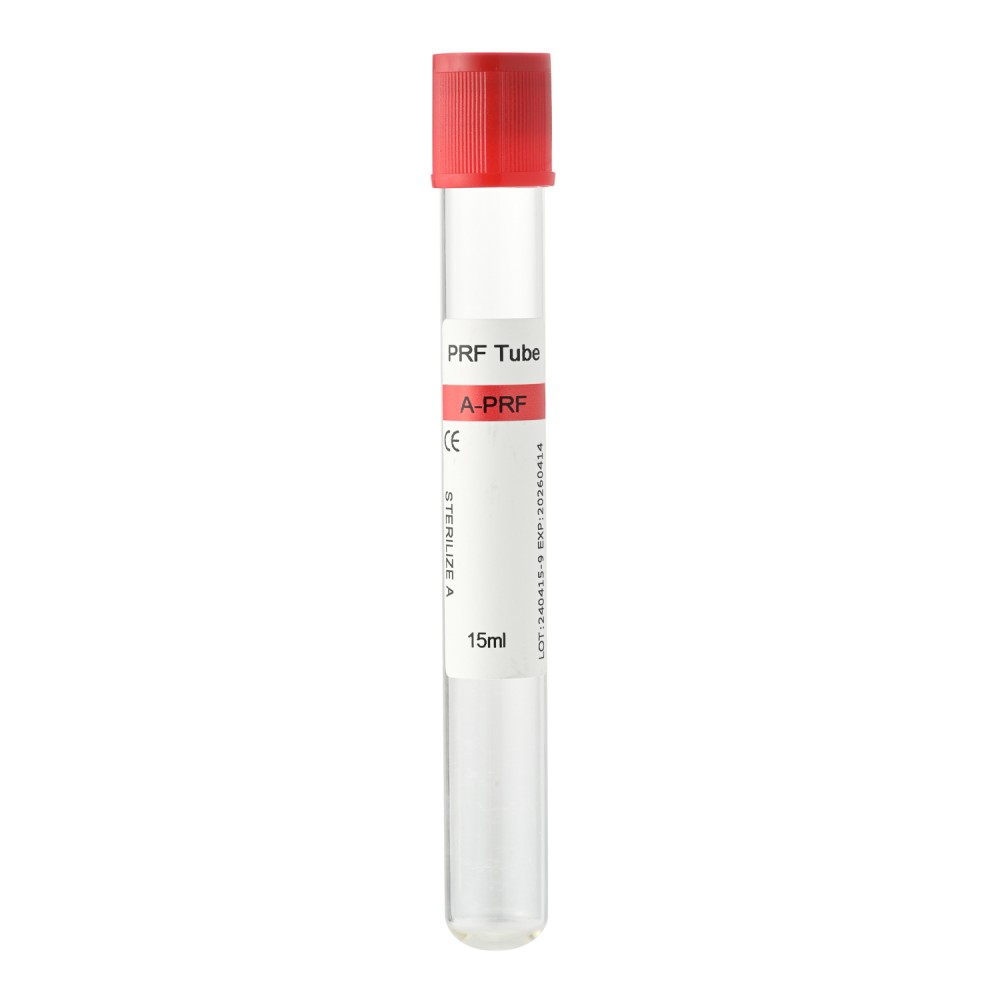
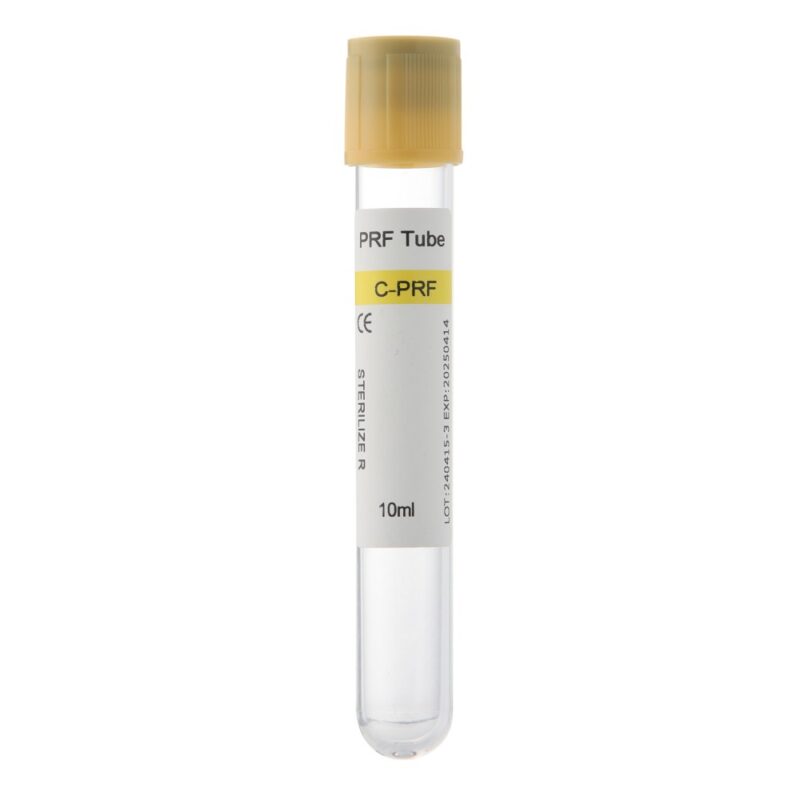
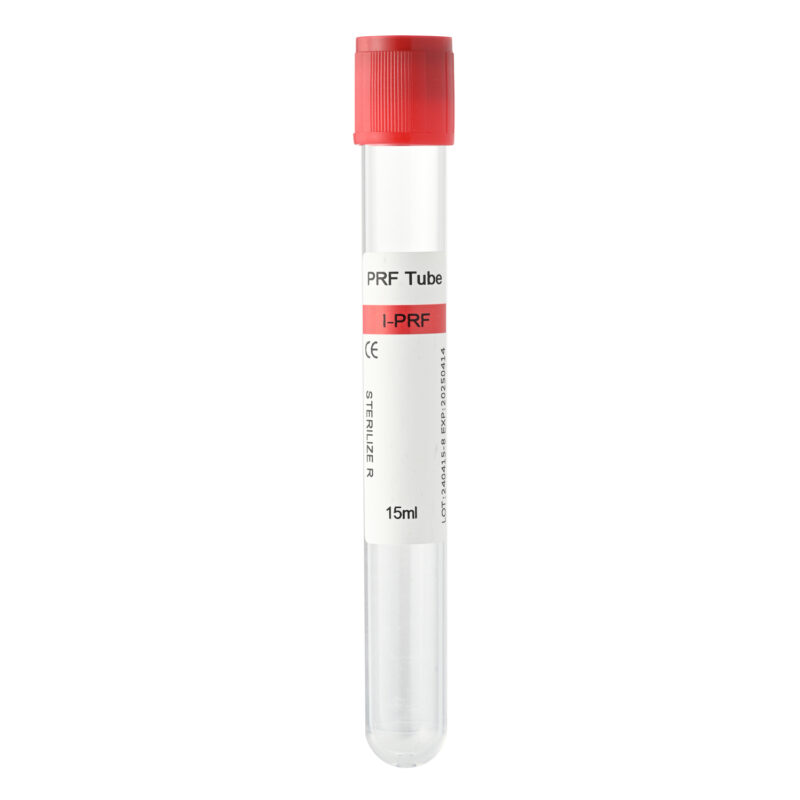
Differences in PRP tubes can affect:
- Separation clarity
- Gel stability
- Platelet recovery rate
- Risk of contamination
Inconsistent tubes often lead to:
- Mixed layers
- Poor platelet concentration
- Unpredictable clinical outcomes
If you’re evaluating suppliers, it’s worth taking a closer look at how their PRP systems are engineered. You can explore different configurations or request technical details directly from Siny PRP to better understand how design impacts performance.
4. Application Technique and Protocol
Even with high-quality PRP, technique matters.
Factors include:
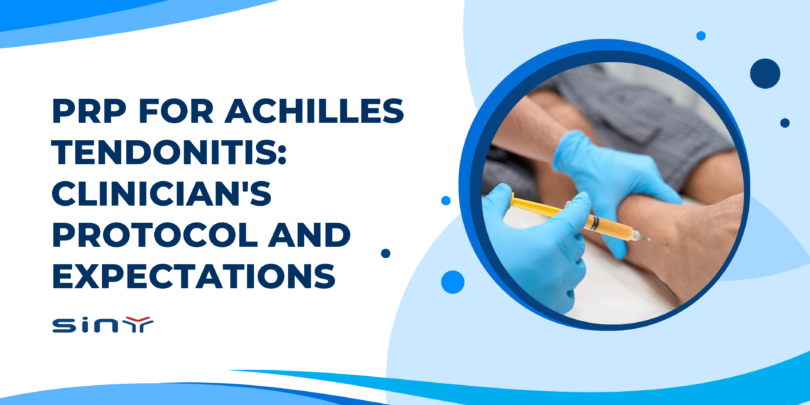
- Injection depth and method
- Treatment frequency
- Combination therapies (e.g., microneedling, HA)
Standardized protocols often produce better results than one-off treatments.
Who Is Most Likely to Benefit from PRP?
While PRP does not work for everyone, certain groups tend to respond well:
- Patients with early-stage hair thinning
- Individuals with mild to moderate joint degeneration
- Patients seeking skin rejuvenation
- Those with good overall health
On the other hand, PRP may be less effective for:
- Advanced tissue degeneration
- Severe chronic conditions
- Patients with poor platelet function
Understanding these distinctions helps clinics set realistic expectations—and helps distributors position their products more accurately.
Why Product Selection Matters More Than You Think
In many cases, inconsistent PRP results are not caused by the therapy itself, but by variability in preparation systems.
For clinics, this creates a challenge:
How do you ensure consistent outcomes across different patients?
The answer lies in:
- Reliable tube design
- Stable anticoagulant formulations
- Consistent manufacturing standards
Working with experienced manufacturers can reduce variability and improve treatment predictability. If you’re sourcing PRP tubes for clinical or distribution use, it may be helpful to review available options or consult directly with Siny PRP for tailored recommendations.
FAQ: Does PRP Work for Everyone?
1. Does PRP work for everyone?
No. PRP effectiveness varies depending on patient condition, preparation quality, and treatment protocol.
2. Why do PRP results differ between patients?
Because PRP is derived from the patient’s own blood, factors like age, health, and platelet quality directly influence outcomes.
3. Can better PRP tubes improve results?
Yes. High-quality PRP tubes can improve platelet recovery, separation clarity, and overall consistency, which can impact clinical effectiveness.
4. How many PRP sessions are needed?
Most treatments require multiple sessions (typically 3–4), followed by maintenance treatments depending on the condition.
5. Is PRP guaranteed to work?
No medical treatment is guaranteed. However, proper patient selection and standardized preparation can significantly improve success rates.
Final Thoughts
So, does PRP work for everyone? The honest answer is no—, but when applied correctly, with the right patients and reliable preparation systems, PRP can be a highly effective treatment option.
For clinics and distributors, the takeaway is clear: consistency matters. From patient selection to product choice, every step plays a role in the final outcome.
If you’re looking to improve reliability in your PRP procedures or sourcing strategy, exploring well-designed systems and working with experienced manufacturers like Siny PRP can make a measurable difference.