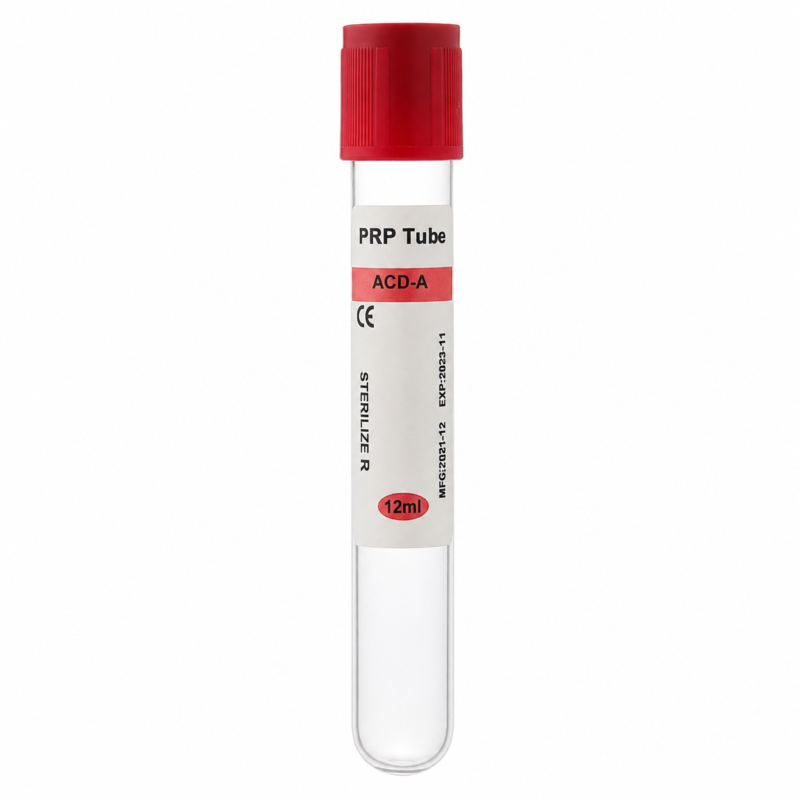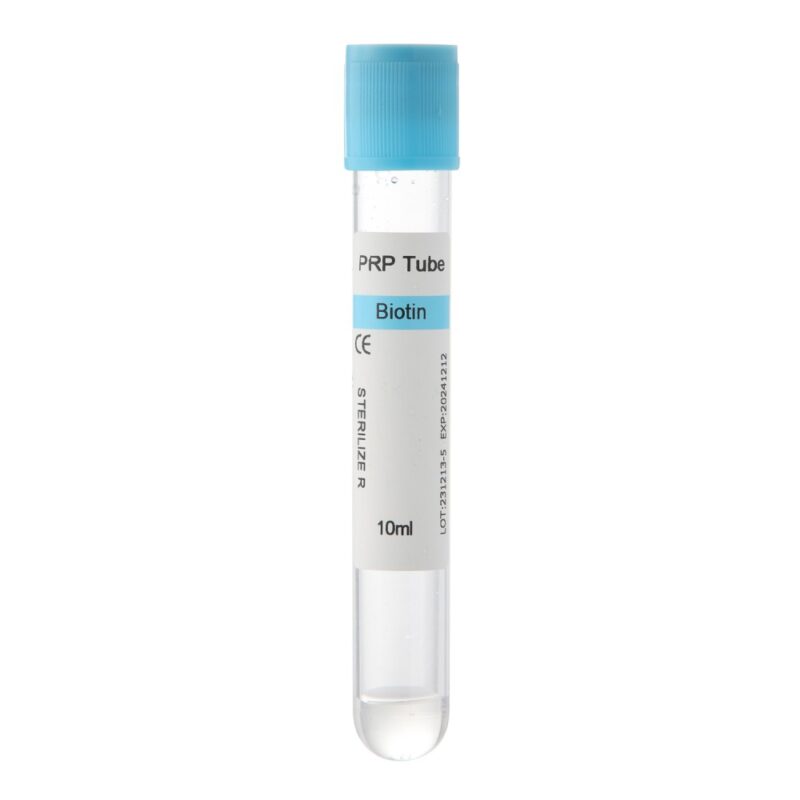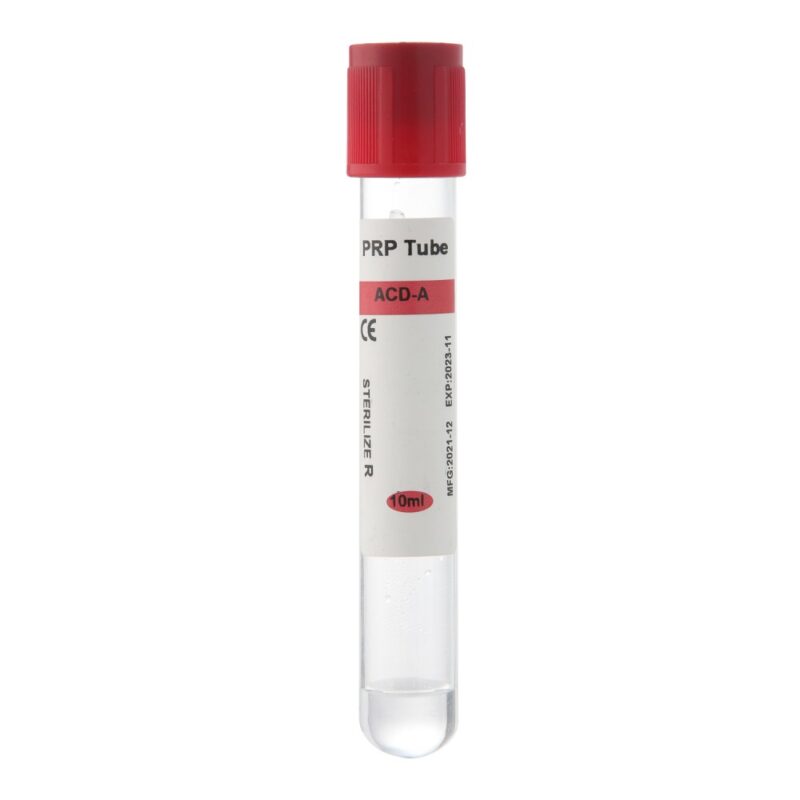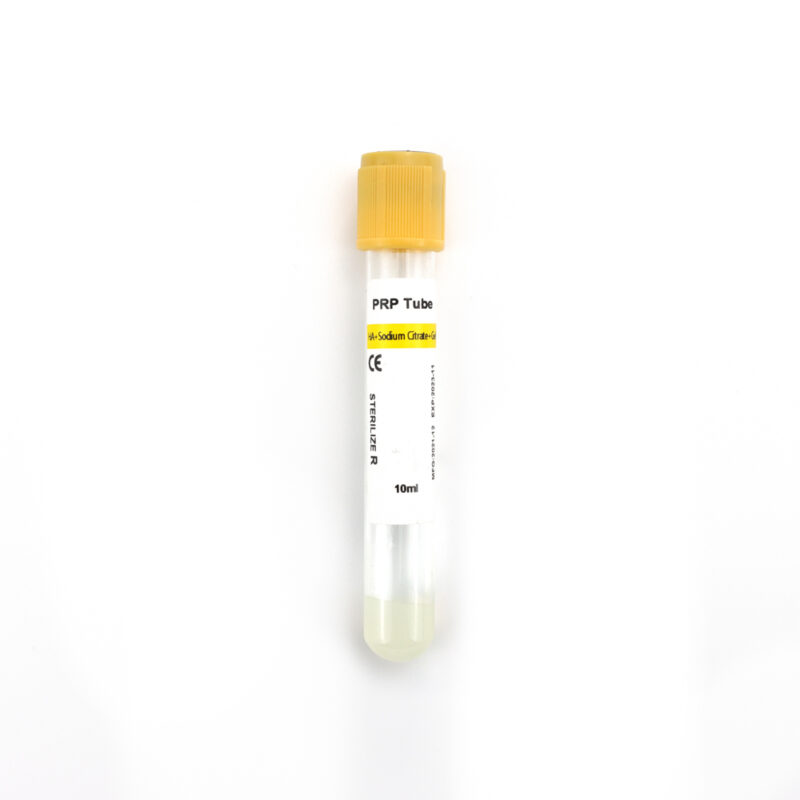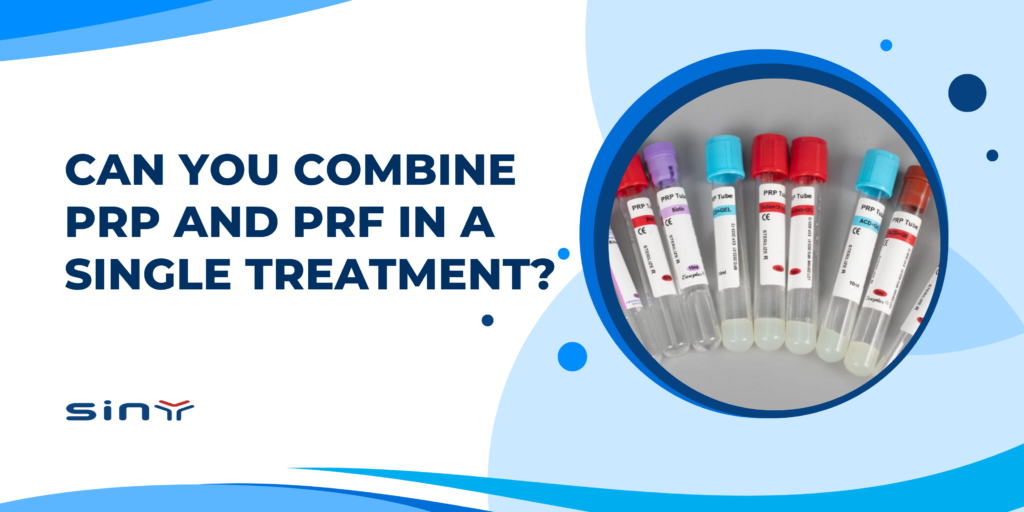
Platelet-rich plasma (PRP) and platelet-rich fibrin (PRF) are autologous platelet concentrates prepared from a patient’s own blood. They are used across regenerative medicine, aesthetics, orthopedics, dentistry, wound care, and other clinical fields. This raises a practical question: Can you combine PRP and PRF in a single treatment?
The short answer is yes, PRP and PRF may be included in the same treatment plan when the physician considers both appropriate. However, combined treatment does not mean that PRP and PRF should simply be mixed together.
In a combined protocol, PRP and PRF are generally treated as separate preparations. Blood intended for each product follows the appropriate collection, centrifugation, and handling procedure. The physician then determines how each preparation should be applied according to the treatment plan.
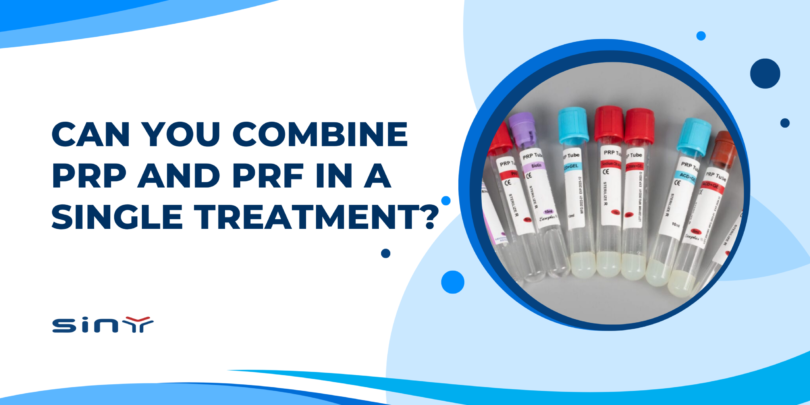
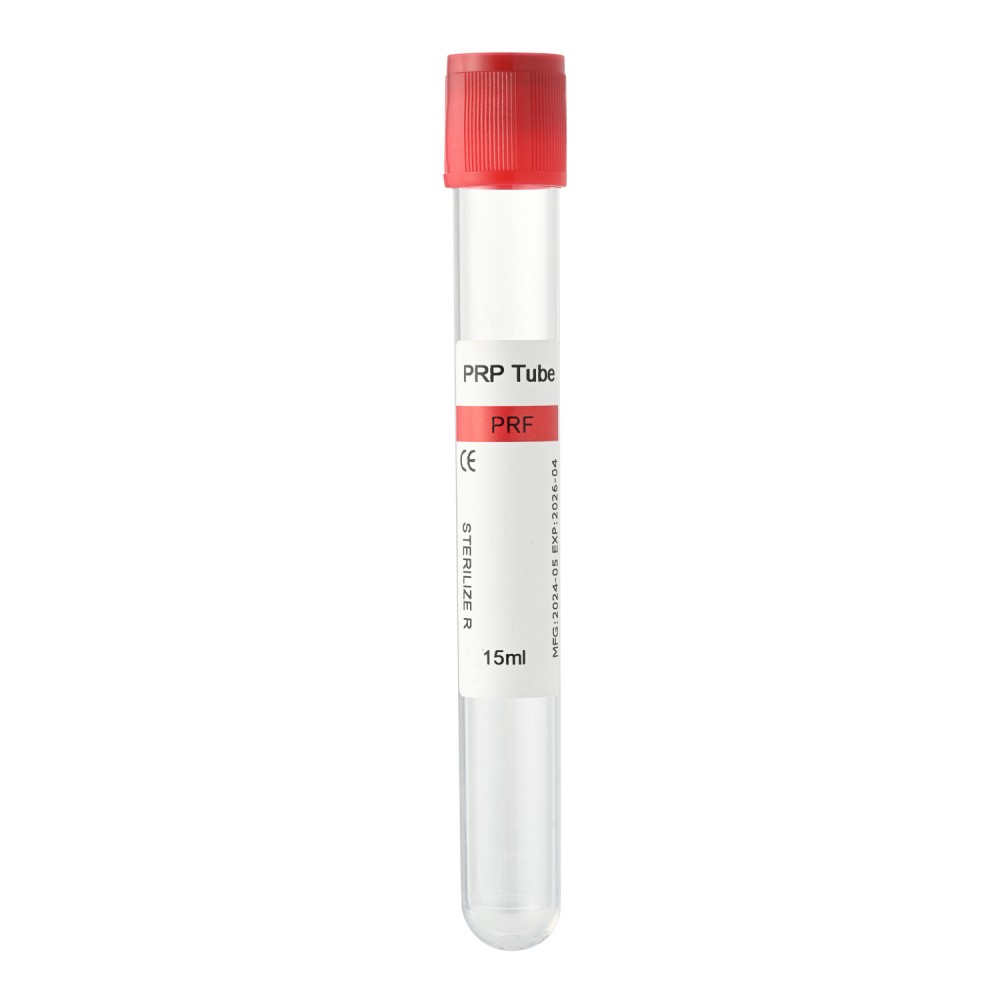
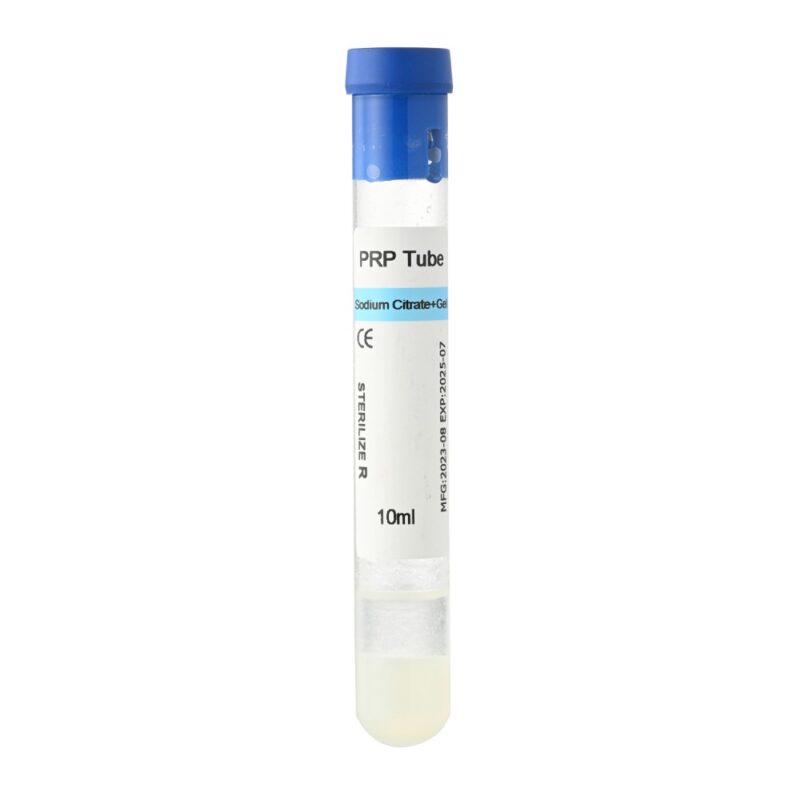
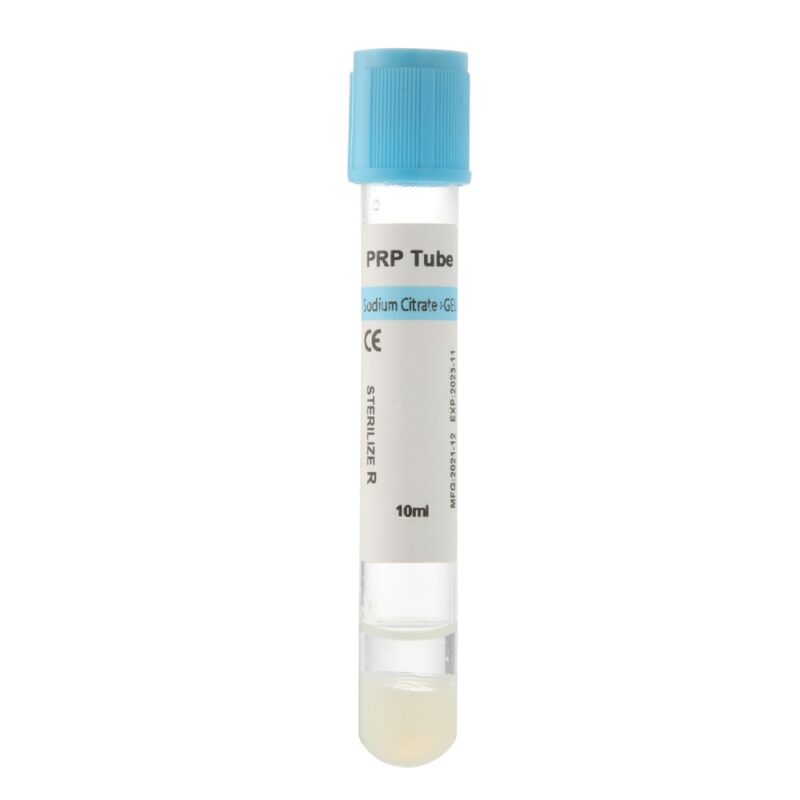
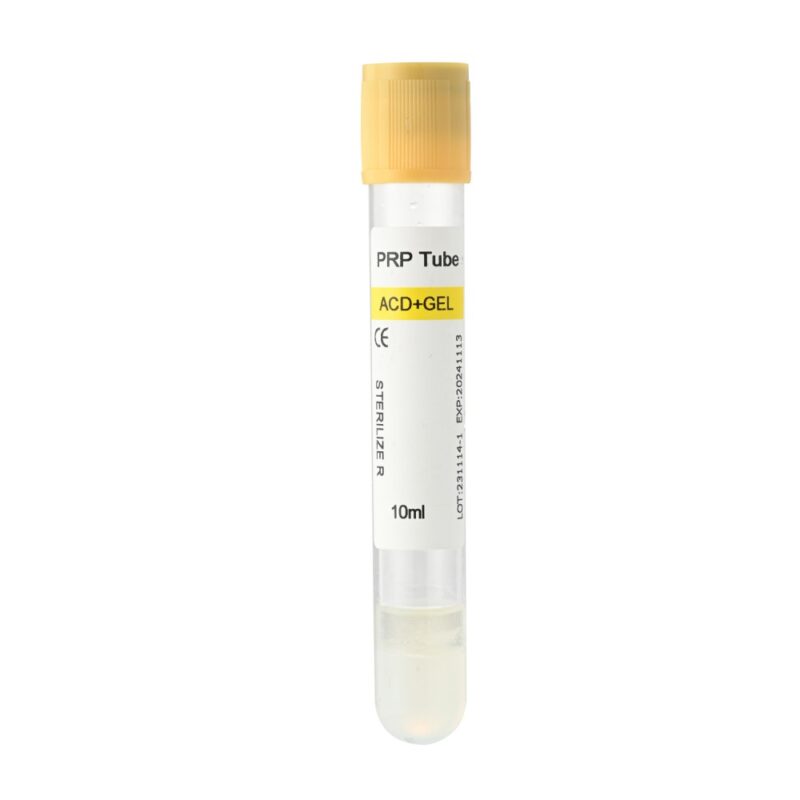
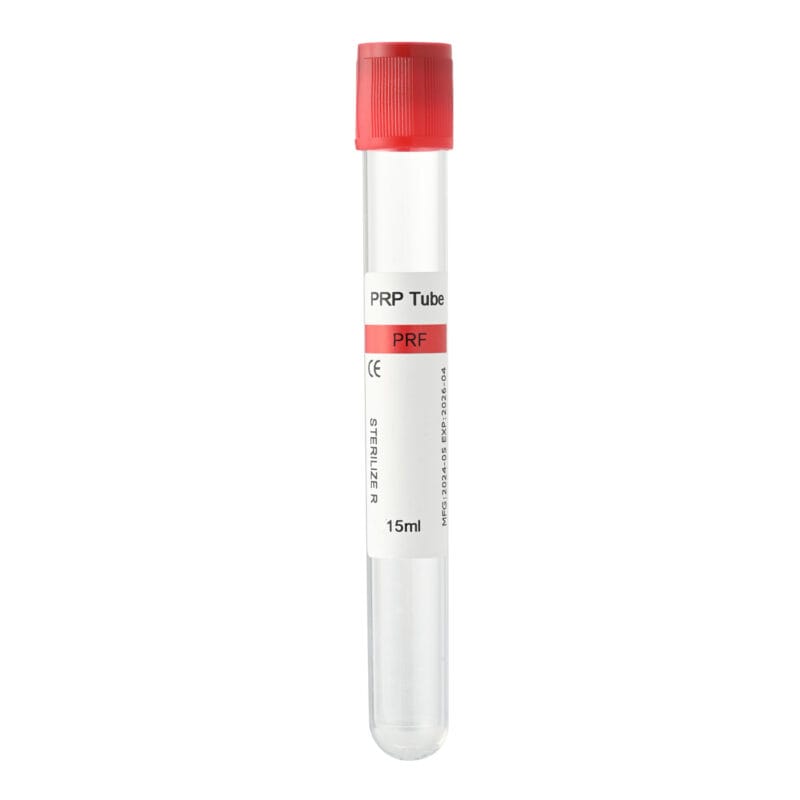
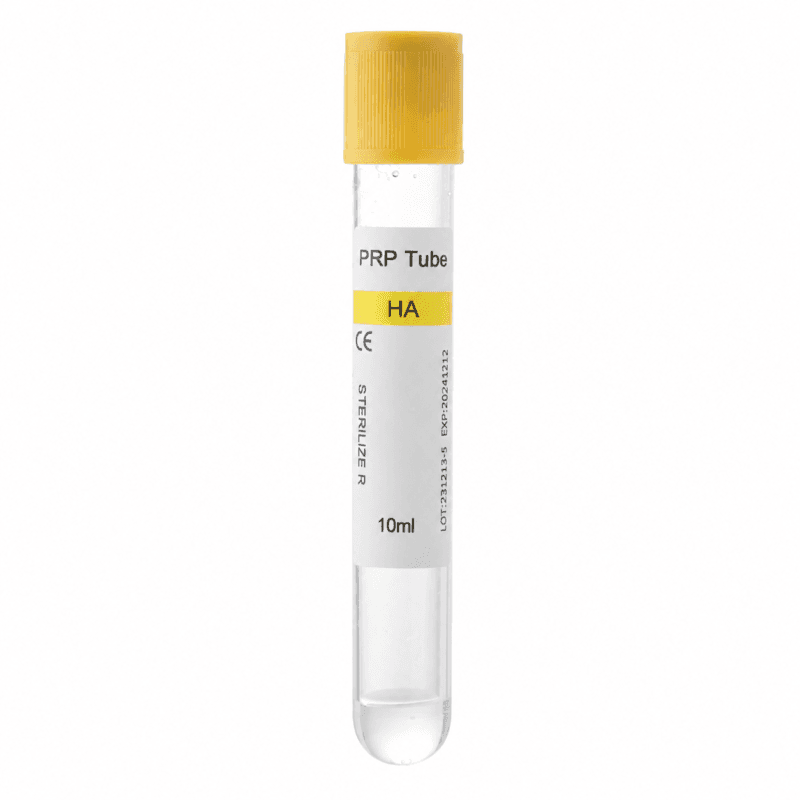
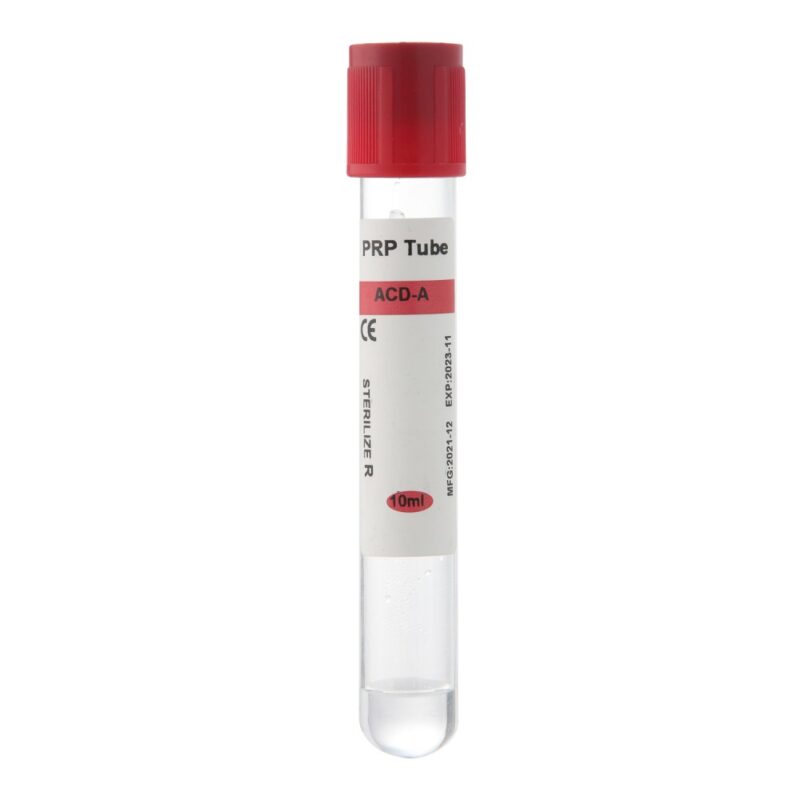
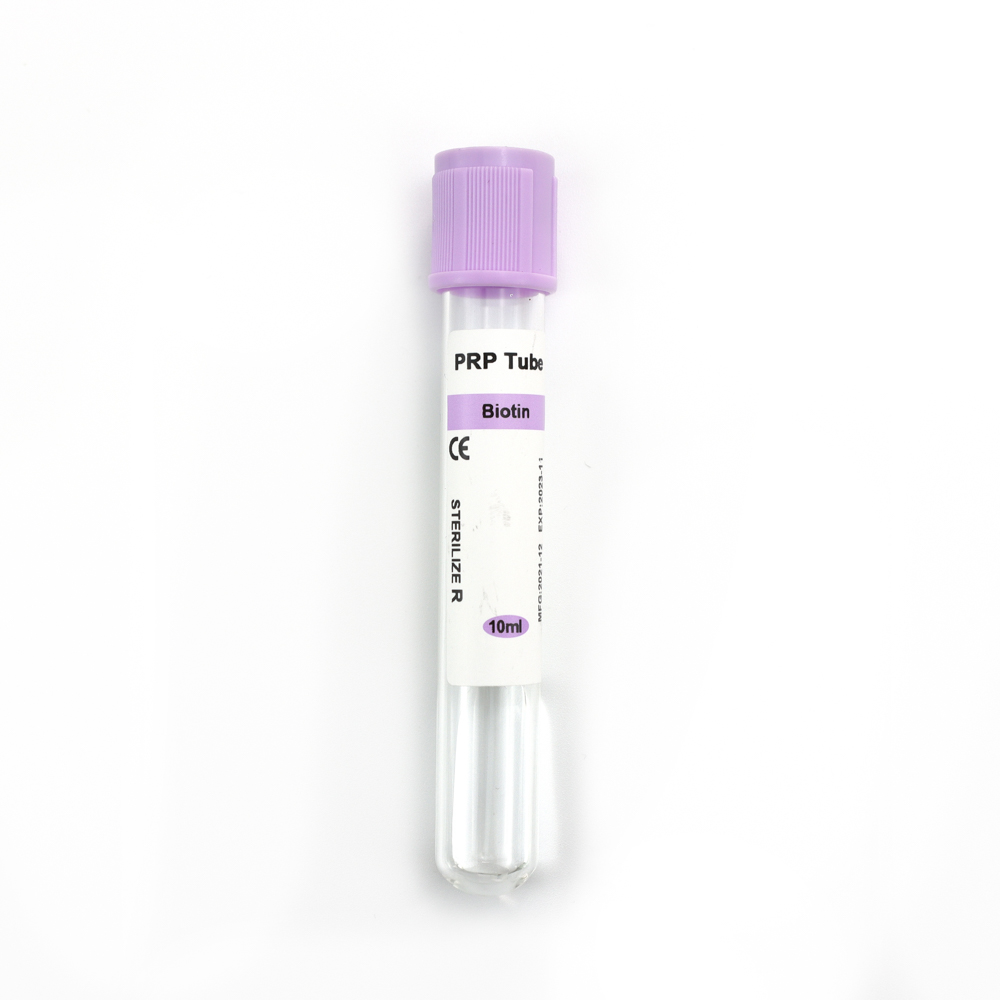
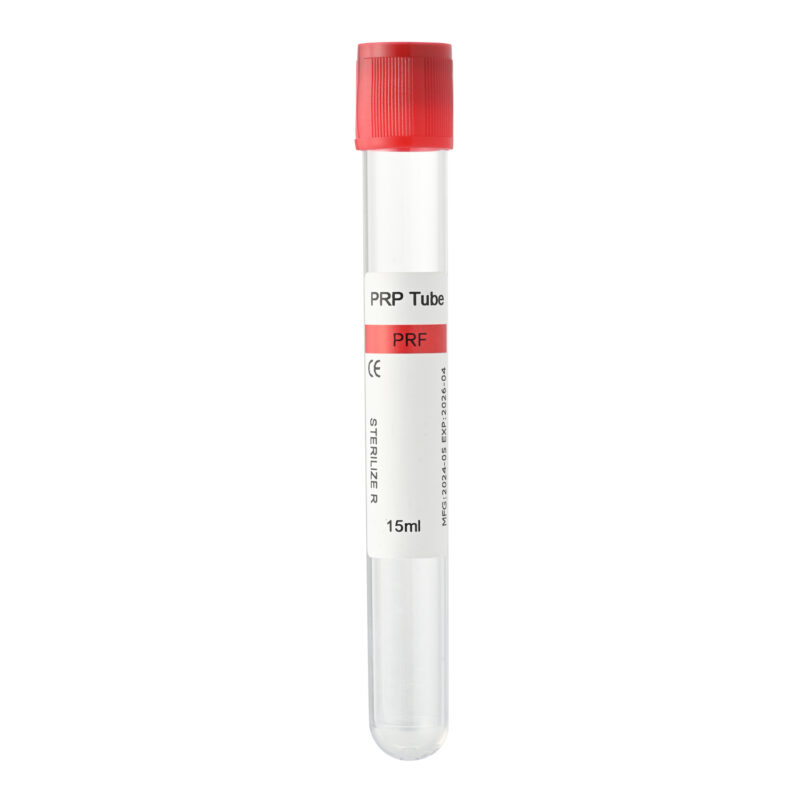
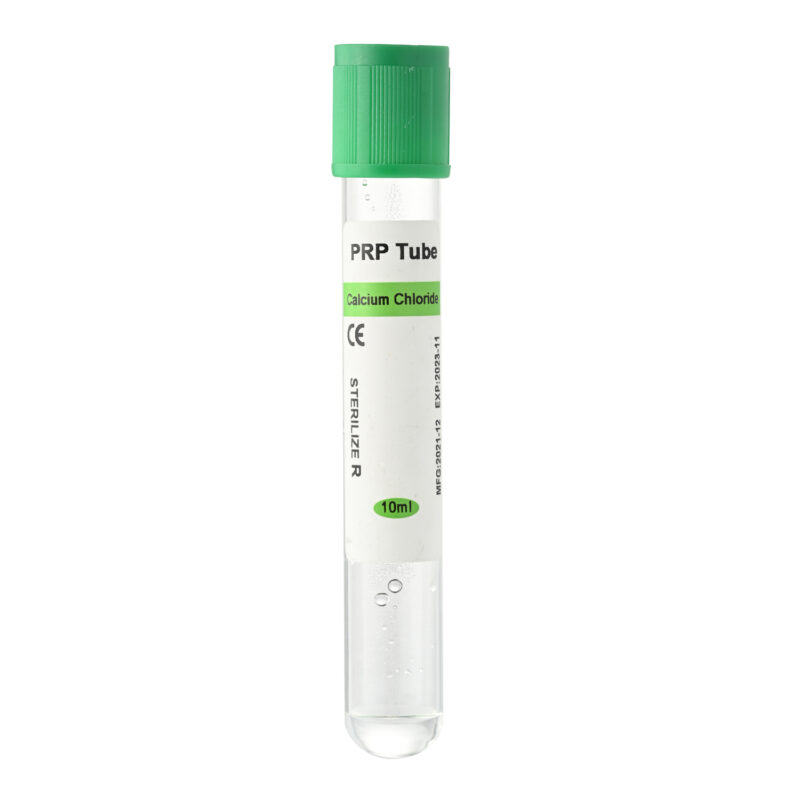
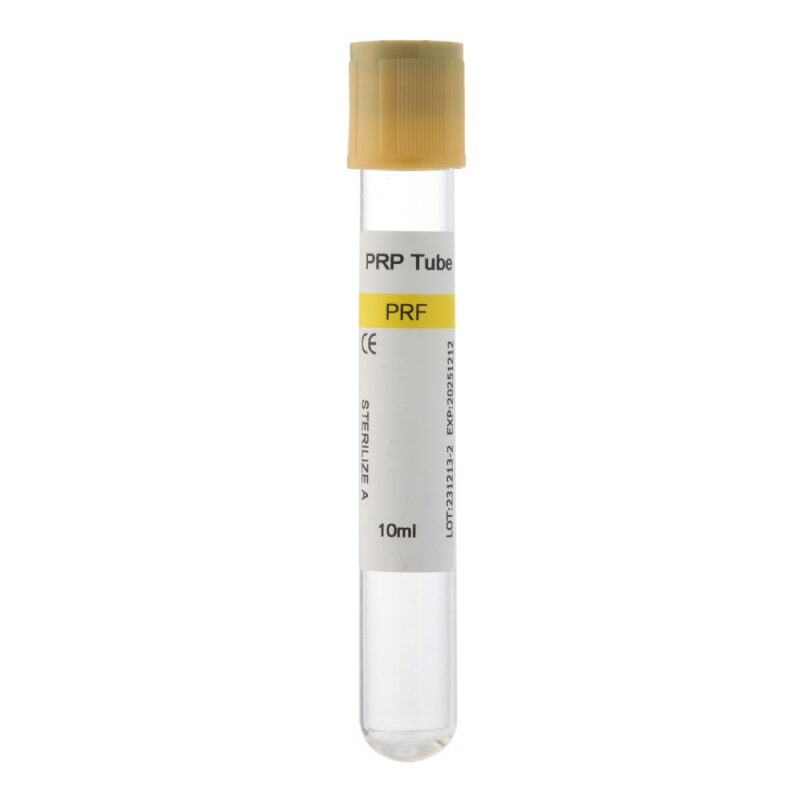
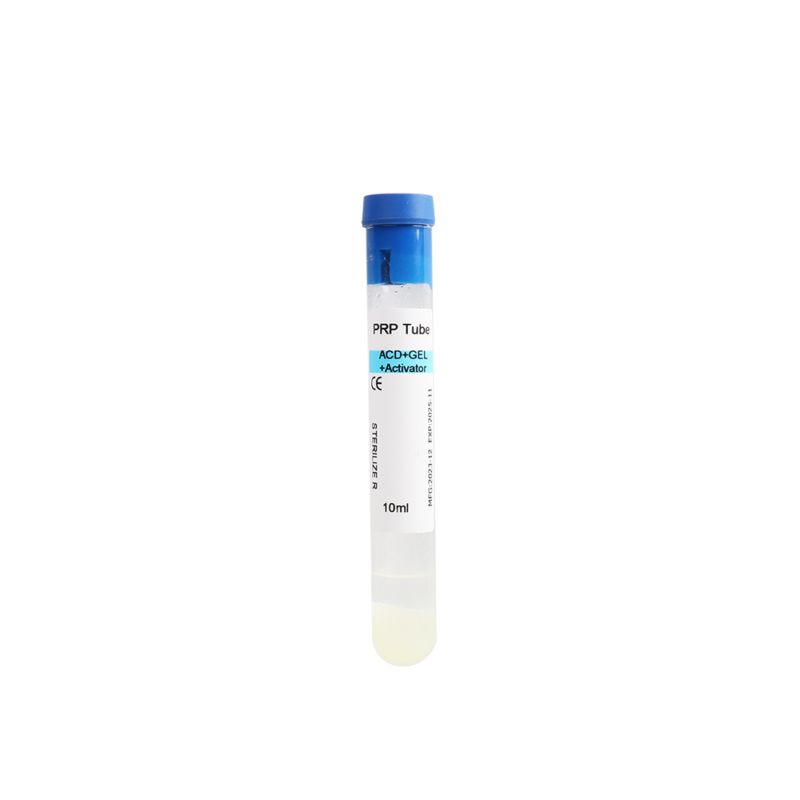
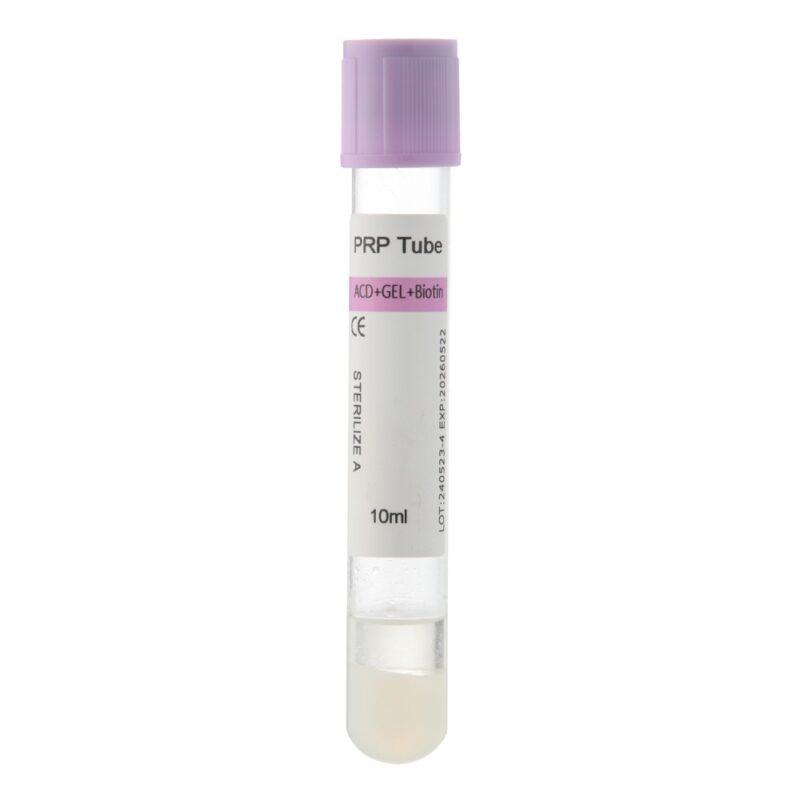
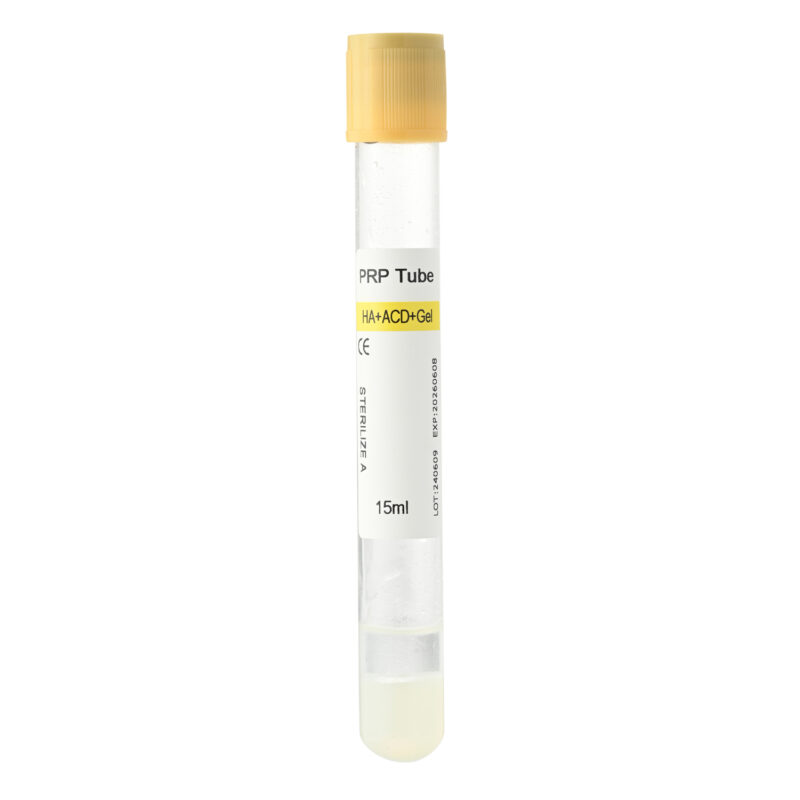
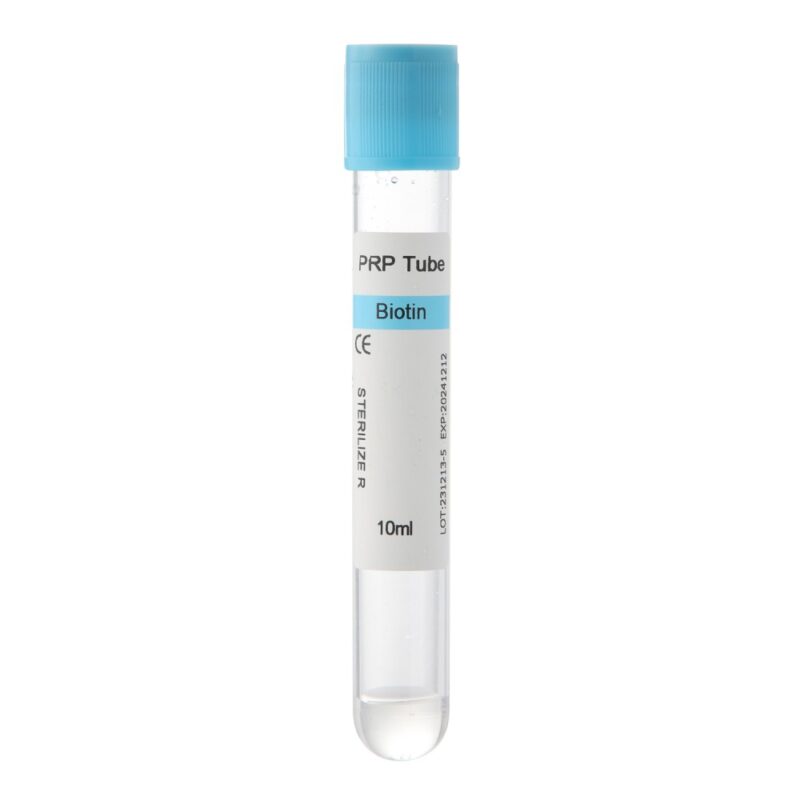
This distinction is also important when selecting PRP tubes and PRF tubes. Although both products begin with a blood sample, their preparation principles and processing requirements are different.
PRP vs. PRF: Why Are They Different?
Before considering PRP and PRF in a single treatment, it helps to understand what separates these two platelet preparations.
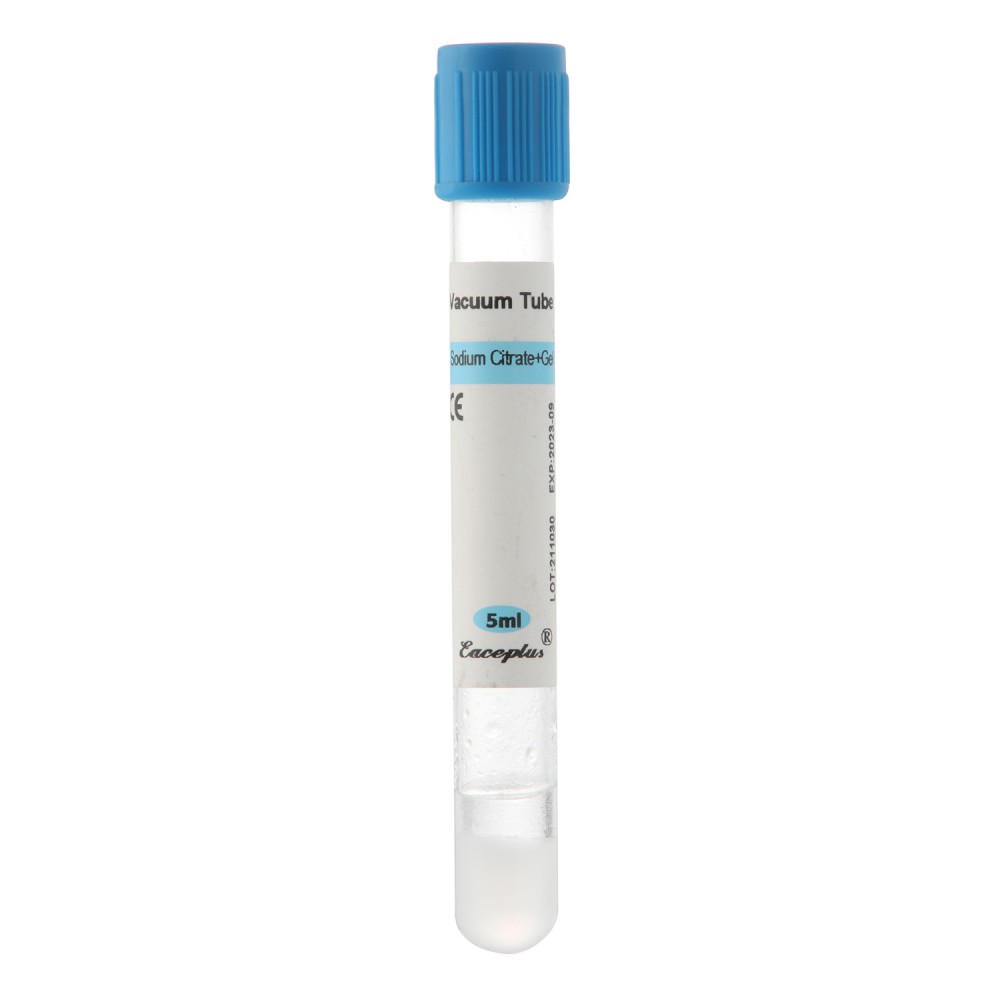
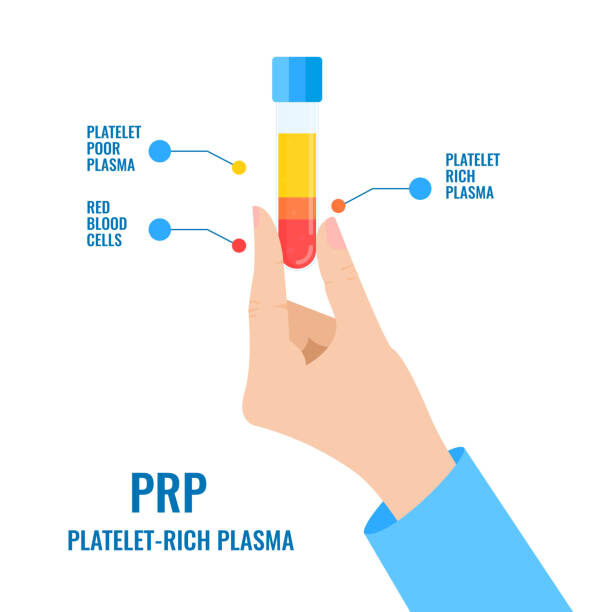
PRP is a platelet-rich plasma preparation. Many PRP protocols use an anticoagulant to control coagulation during blood processing. After centrifugation, the required platelet-rich plasma fraction is collected according to the selected preparation method.
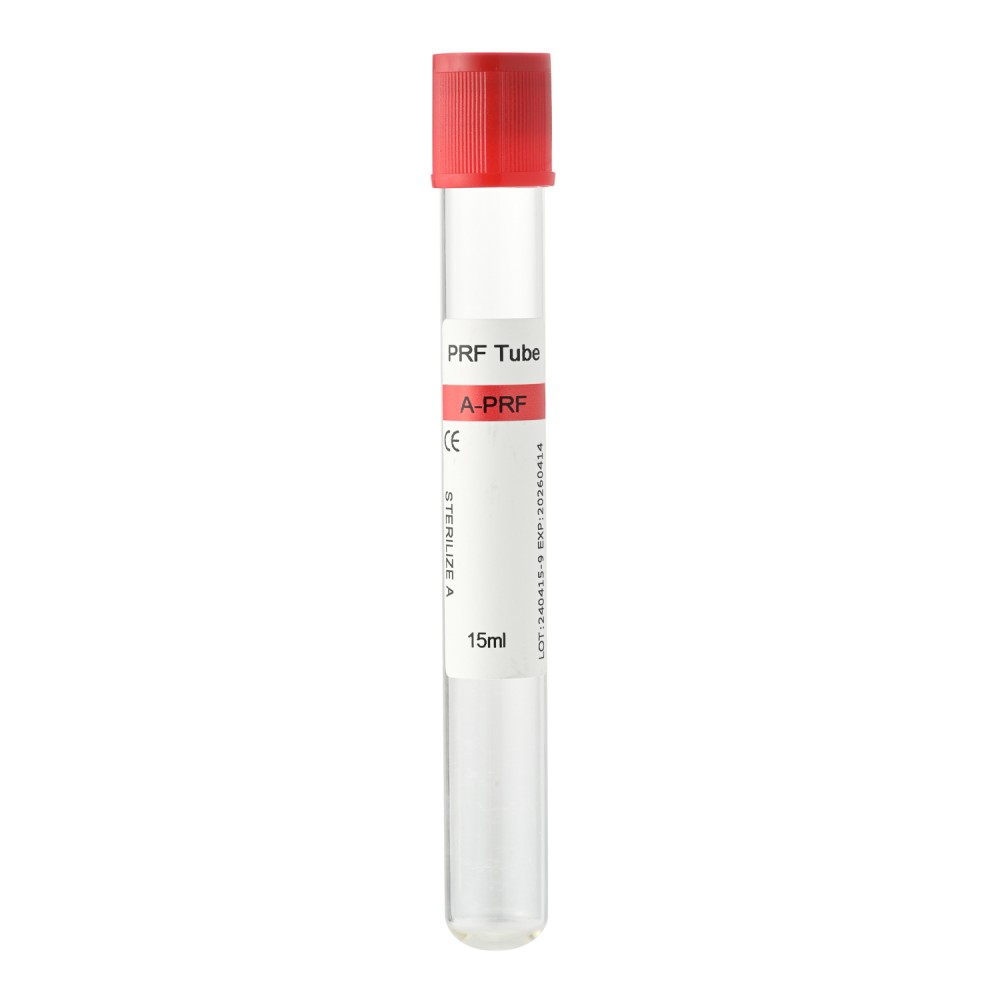
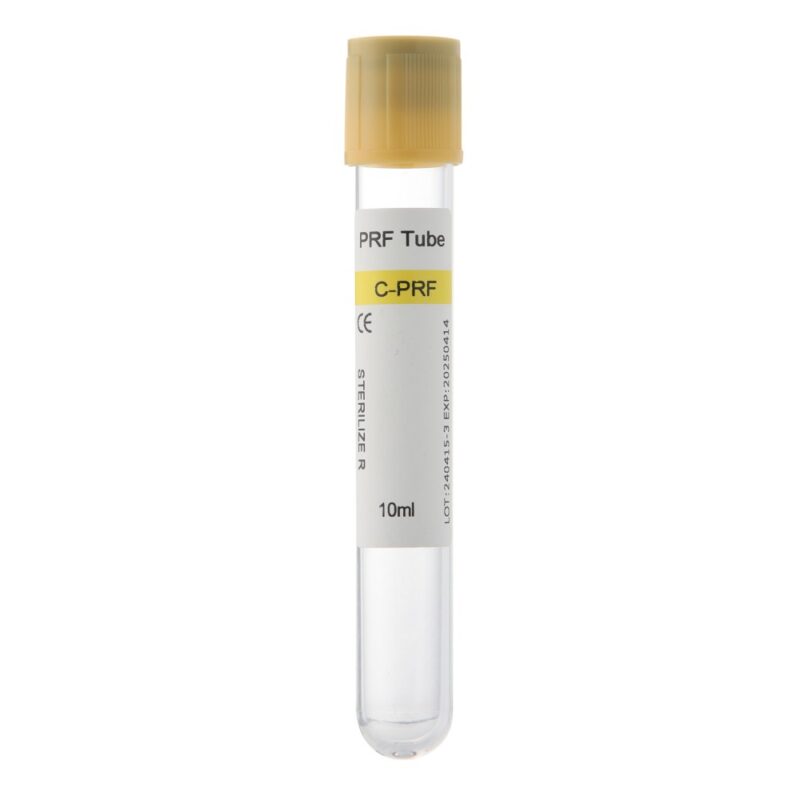
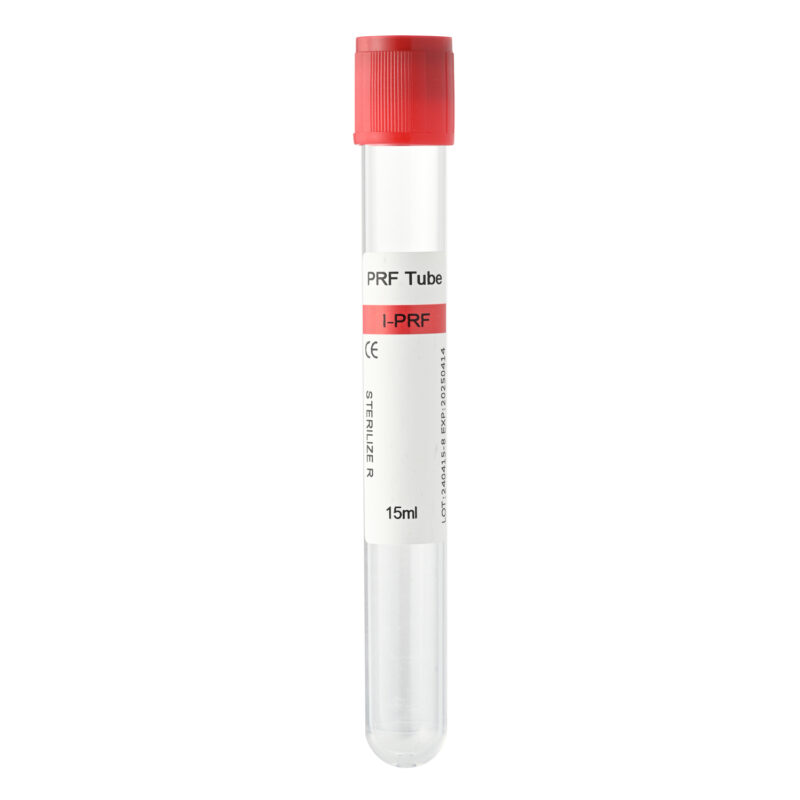
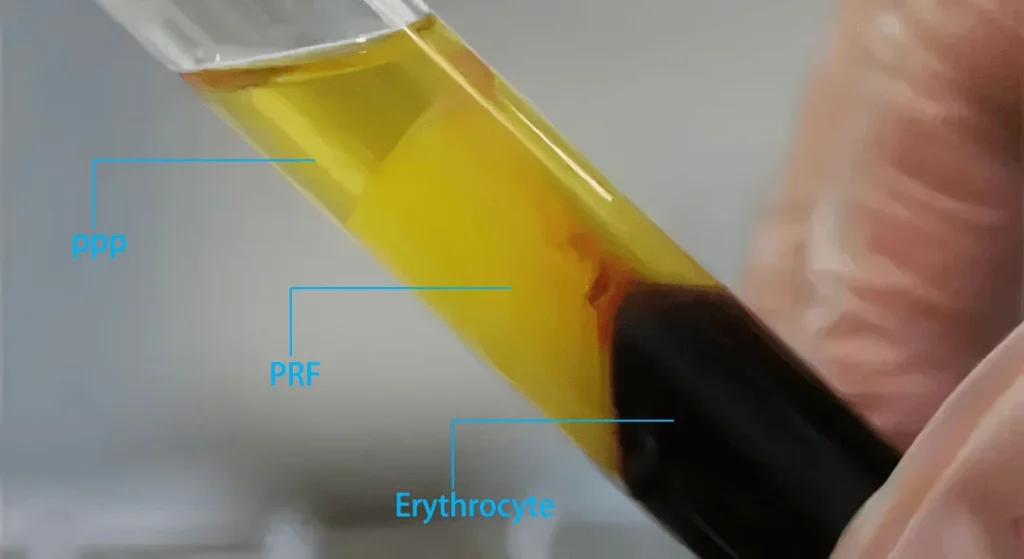
PRF follows a different principle. Many PRF protocols rely on the natural coagulation process rather than anticoagulated blood. During and after centrifugation, fibrin formation becomes an important part of the resulting preparation.
Depending on the protocol, PRF may be prepared in different forms. These can include a fibrin clot, membrane, or temporarily injectable liquid preparation.
Here is a quick comparison:
| Parameter | PRP (Platelet-Rich Plasma) | PRF (Platelet-Rich Fibrin) |
|---|---|---|
| Preparation Principle | Platelet-rich plasma fraction prepared from collected blood | Platelet concentrate developed together with a fibrin matrix |
| Anticoagulation | Many PRP protocols use an anticoagulant during preparation | Many PRF protocols rely on natural coagulation without an anticoagulant |
| Final Form | Primarily a liquid plasma preparation | May be liquid, clot, or membrane depending on the protocol |
| Fibrin Structure | Not the primary structural feature of the preparation | Fibrin matrix is a key characteristic |
| Processing | Follows a defined PRP centrifugation protocol | Requires a dedicated PRF centrifugation and timing protocol |
| Tube Selection | Should match the intended PRP preparation system | Should match the intended PRF preparation system |
| Clinical Use | Determined by the physician and treatment protocol | Determined by the physician and treatment protocol |
The key takeaway: PRP and PRF may be used within the same treatment plan, but they remain different platelet preparations. Each should follow its own collection, centrifugation, and handling protocol.
That difference is exactly why clinics planning to offer both procedures should select PRP and PRF tubes according to the intended preparation method rather than treating the tubes as interchangeable.
Can You Combine PRP and PRF in the Same Treatment Session?
Yes. PRP and PRF can be used within the same treatment session in selected clinical protocols. The important distinction is between combining them as part of a treatment strategy and physically mixing them during preparation.
A combined workflow can be understood as:
Blood collection → Separate PRP and PRF preparation → Appropriate centrifugation → Physician-directed application
It should not automatically be interpreted as:
Blood collection → Mix PRP and PRF → Use as one preparation
For example, blood intended for PRP preparation can follow the selected PRP collection and centrifugation procedure. Blood intended for PRF follows its own preparation protocol.
Once both preparations are ready, the physician decides whether and how they should be used. Depending on the treatment protocol, they may have different application methods, treatment areas, timing, or purposes.
This concept has already been explored in clinical research. For example, studies involving refractory wounds have investigated approaches in which PRP was locally injected while PRF was applied separately as a fibrin-based filling material. Such studies demonstrate that two platelet concentrates can have different roles within one treatment strategy.
However, results from one clinical field should not automatically be applied to another. Evidence from wound management, for example, does not prove that the same combination will provide equivalent benefits in hair restoration, facial aesthetics, dentistry, or orthopedic applications.
For that reason, combined PRP and PRF treatment is better understood as a protocol-dependent clinical option, not a universal formula.
If your facility prepares both platelet concentrates, explore Siny PRP’s PRP tube and PRF tube options to match different preparation workflows.
Why Might PRP and PRF Be Used Together?
The reason for considering PRP and PRF together is not simply that using two platelet products must be better than using one.
Instead, interest in combined treatment comes largely from their different physical and biological characteristics.
PRP Offers a Fluid Platelet Preparation
PRP is primarily prepared as a liquid plasma fraction containing concentrated platelets.
This liquid form can be useful in clinical protocols where the physician requires a platelet-rich preparation that can be collected and delivered according to the intended treatment method.
The exact characteristics of PRP can vary considerably. Platelet concentration, leukocyte content, plasma volume, anticoagulant choice, centrifugation method, and separation technique can all influence the final preparation.
Therefore, “PRP” does not describe one completely standardized biological product.
PRF Adds a Fibrin-Based Structure
PRF differs because fibrin formation is an important part of the preparation.
Depending on the PRF protocol, the final product may form a clot or membrane. Injectable PRF protocols, meanwhile, aim to provide a liquid preparation for a limited period before fibrin formation progresses.
The fibrin matrix can influence how platelets and other cellular components are organized within the preparation. Research has also reported differences between PRP and PRF in growth-factor release patterns.
Rather than describing PRP as providing only a “fast release” and PRF as providing only a “slow release,” it is more accurate to recognize that their release profiles can vary with the preparation method and biological characteristics of the final product.
Their Roles May Complement Each Other
These differences explain why clinicians and researchers have explored using both platelet preparations within the same treatment plan.
One preparation may be selected for injection, while another may provide a fibrin-based material for a different purpose. The exact approach depends on the clinical application.
However, using both does not automatically produce a better result.
Treatment outcomes can be affected by many variables, including platelet concentration, fibrin architecture, leukocyte content, centrifugation conditions, patient characteristics, and the underlying clinical condition.
Therefore, PRP and PRF should only be combined when each preparation has a defined role within the treatment protocol.
PRP and PRF Preparation: Why Separate Processing Matters
When PRP and PRF are used in a single treatment, preparation becomes especially important.
They should not be treated as though they require identical blood collection, centrifugation, and handling conditions.
Blood Collection Requirements
Many PRP protocols use an anticoagulant during blood collection. This helps control coagulation while the blood is processed and the required plasma fraction is separated.
Many PRF protocols take a different approach because natural coagulation and fibrin formation are part of the preparation process.
This difference means that tube selection can directly affect the preparation workflow.
Clinics should therefore start with their validated PRP or PRF protocol and select the corresponding collection system rather than assuming that a single tube type can serve both purposes.
Centrifugation Protocols
Centrifugation is another major variable.
PRP preparation may involve different centrifugation strategies depending on the system. PRF protocols also vary according to the desired final preparation.
RCF, centrifugation time, rotor radius, rotor design, tube dimensions, and blood volume can all affect blood separation.
For this reason, it is misleading to describe PRP simply as a “high-speed” process and PRF as a “low-speed” process.
What matters is whether the centrifugation parameters are appropriate for the selected protocol.
Even when the same centrifuge is capable of supporting both workflows, PRP and PRF should not automatically be processed using identical settings.
Timing and Handling
Handling time is especially important in many PRF protocols because coagulation begins after collection when anticoagulants are not used.
Delays before centrifugation can affect fibrin formation and potentially change the characteristics of the resulting preparation.
PRP has its own processing requirements. However, its workflow is generally designed to maintain controlled blood separation until the desired platelet-rich plasma fraction can be collected.
This makes workflow organization important for clinics performing both procedures.
The practical question is therefore not only “Can PRP and PRF be combined?” It is also whether the facility can reliably prepare each product according to its respective protocol.
For facilities establishing PRP and PRF workflows, Siny PRP provides tube options for different platelet preparation requirements. Contact our team4 to discuss the configuration that fits your existing processing method.
How to Choose PRP and PRF Tubes for a Combined Workflow
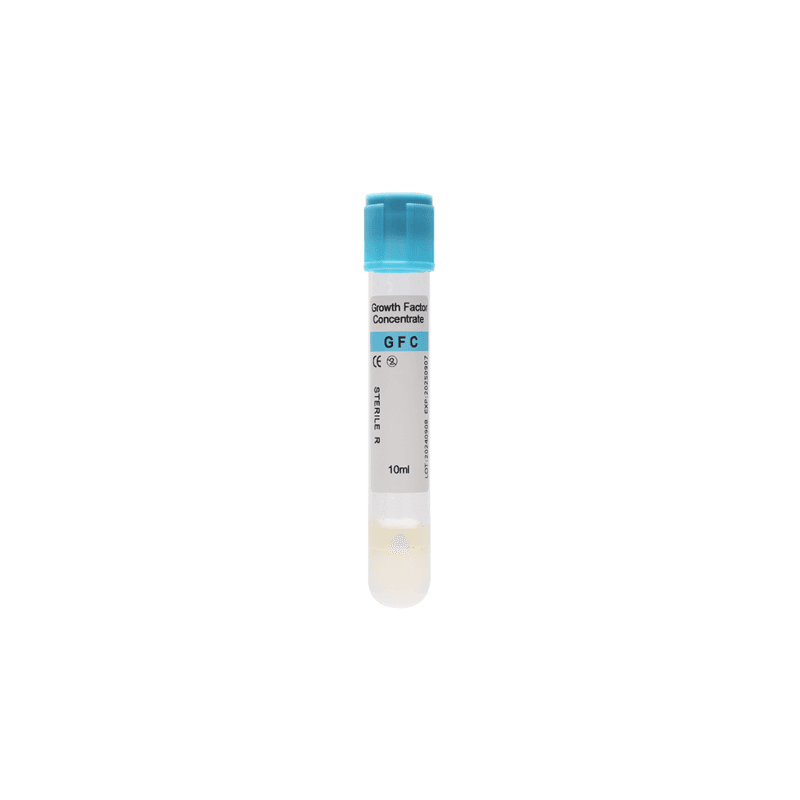
When a clinic offers both PRP and PRF procedures, tube selection should begin with the preparation protocol—not simply the tube size.
Two tubes with the same nominal volume may look similar from the outside while being intended for very different preparation workflows.
When sourcing tubes for a clinic that offers both procedures, consider the validated preparation protocol, centrifuge compatibility, required final product, and blood-processing workflow before comparing individual tube configurations.
For PRP preparation, important considerations may include:
- Tube volume and required blood collection capacity
- Tube material
- Anticoagulant configuration where applicable
- Separator gel configuration when required by the selected system
- Compatibility with the intended centrifuge
- Desired plasma separation method
PRF requires a somewhat different evaluation.
The intended PRF form is particularly important. A workflow designed to prepare injectable PRF may differ from one intended to produce a PRF clot or membrane.
Tube material and characteristics, blood volume, processing time, centrifugation parameters, and centrifuge compatibility should therefore be evaluated according to the specific protocol.
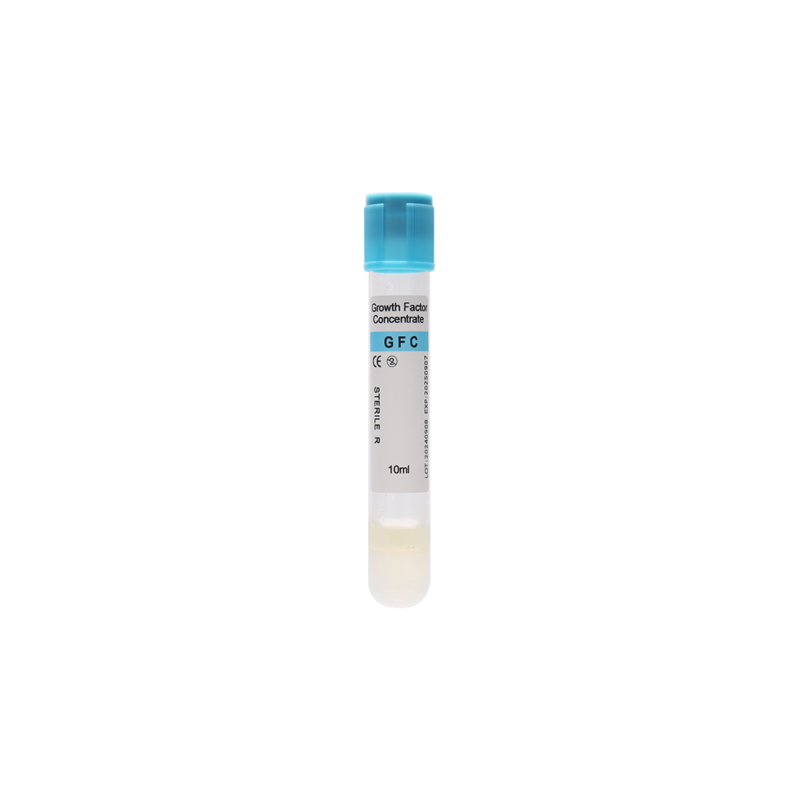
For facilities sourcing both product types, Siny PRP offers PRP tubes and PRF tubes for different preparation requirements. Tube configuration, volume, packaging, and other specifications can be discussed according to the intended workflow.
FAQ About PRP and PRF Combination Treatment
Can PRP and PRF Be Performed During the Same Appointment?
Yes, they may be used during the same treatment session when both are appropriate for the physician’s treatment plan. However, the blood intended for each platelet preparation should follow the corresponding collection and processing protocol.
Are PRP and PRF Mixed Together Before Injection?
Not necessarily. A combined treatment does not automatically mean physically mixing the two preparations. PRP and PRF can be prepared separately and then used according to the clinical protocol.
Can the Same Tube Be Used for Both PRP and PRF?
PRP and PRF generally have different preparation requirements, particularly in relation to coagulation, fibrin formation, and processing. Tube selection should therefore follow the validated preparation protocol rather than assuming one configuration is appropriate for both.
Is PRP or PRF Better?
Neither is universally better. PRP and PRF have different preparation methods, physical characteristics, and potential clinical roles. The appropriate option depends on the intended application and treatment strategy.
Is Combining PRP and PRF Better Than Using PRP Alone?
Not necessarily. Research has explored combined approaches in selected clinical applications, but current evidence does not establish that PRP plus PRF is superior for every indication. Treatment protocols and available evidence vary between clinical fields.
Do PRP and PRF Require Different Centrifuge Settings?
They can. Centrifugation parameters depend on the specific preparation protocol, tube, centrifuge, rotor, and desired final product. PRP and PRF should not automatically be processed with identical settings.
Can PRP and PRF Be Prepared Using the Same Centrifuge?
Potentially, if the centrifuge is compatible with the selected tubes and can provide the required parameters for each protocol. Each preparation should still follow its own validated centrifugation procedure.
Choose the Right PRP and PRF Tubes for Your Workflow
So, can you combine PRP and PRF in a single treatment?
Yes, in selected treatment plans, PRP and PRF may both be used during the same treatment session. However, they remain distinct platelet preparations.
The most important distinction is simple:
The same treatment plan does not mean the same preparation process.
Blood intended for PRP and PRF should follow the appropriate collection, centrifugation, and handling procedures. The final application should then follow the physician’s treatment plan.
For clinics already offering both procedures, appropriate tube selection is an important part of maintaining an organized and repeatable workflow.
Looking for PRP and PRF tubes for different preparation protocols? Explore Siny PRP’s tube options or contact our team with your required tube volume, preparation method, and packaging needs. We can help identify a suitable configuration for your workflow.