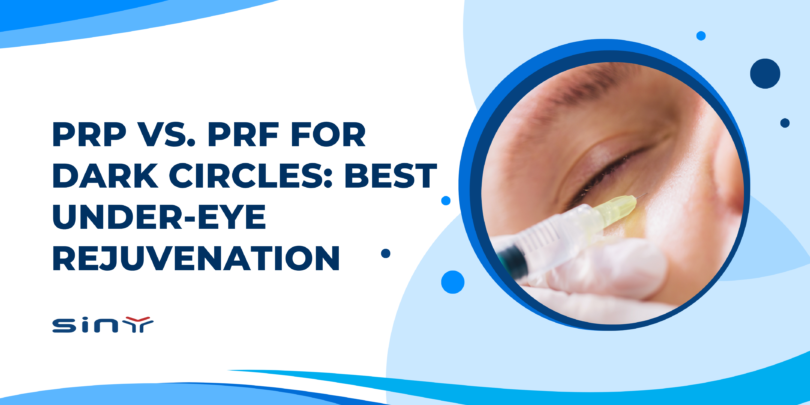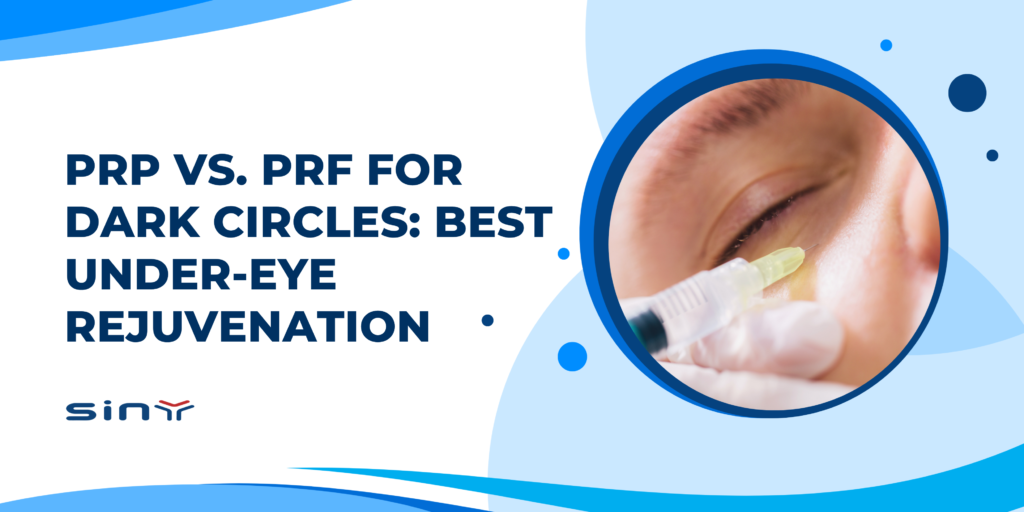
Dark circles are often treated as a pigmentation problem, but the under-eye area is more complicated than that. In some people, excess pigmentation creates the darker appearance. In others, thin skin makes underlying vessels more visible. Fine lines, skin laxity, volume loss, and tear trough shadowing can make the problem even more noticeable.
That is why PRP vs. PRF for Dark Circles does not have one universal answer.
Platelet-rich plasma (PRP) and platelet-rich fibrin (PRF) are both autologous preparations derived from a patient’s own blood. Both are used in regenerative aesthetic procedures to support tissue repair and improve skin quality, but they differ in preparation and biological characteristics.
Current evidence gives PRP stronger support for periorbital hyperpigmentation, while PRF has attracted particular interest for fine lines, crepey texture, and thin under-eye skin. Neither approach, however, is automatically better for every patient.
The more useful question is: what is actually causing the dark circles?
PRP vs. PRF for Dark Circles Starts with Identifying the Cause
Before comparing PRP and PRF, it helps to identify why the under-eye area looks dark in the first place. Periorbital dark circles can develop from several overlapping factors.
Pigmentation
Some patients have increased pigmentation around the lower eyelid. Genetics, sun exposure, inflammation, allergies, and repeated rubbing of the eyes may all contribute.
In these cases, the skin itself appears darker, making pigmentation an important part of the treatment decision.
Thin Under-Eye Skin
The lower eyelid has naturally delicate skin. As it becomes thinner with age, underlying vessels and deeper tissues can become more visible.
This often creates a blue, purple, or gray appearance rather than the brown tone more commonly associated with pigmentation.
Fine Lines and Crepey Texture
Collagen loss can make under-eye skin thinner, less elastic, and more finely wrinkled. Uneven texture also changes the way light reflects from the skin, making existing dark circles appear more pronounced.
For these patients, improving overall skin quality may be just as important as addressing discoloration.
Tear Troughs and Shadowing
Not every dark circle comes from darker skin.
A hollow between the lower eyelid and cheek can create a shadow that looks similar to pigmentation, particularly under certain lighting conditions. PRP and PRF may support surrounding skin quality, but they should not automatically be viewed as substitutes for treatments intended to correct significant structural volume loss.
This distinction matters. A patient with pigmentation may require a different approach from someone whose dark circles mainly result from thin skin, crepey texture, or tear trough shadowing.
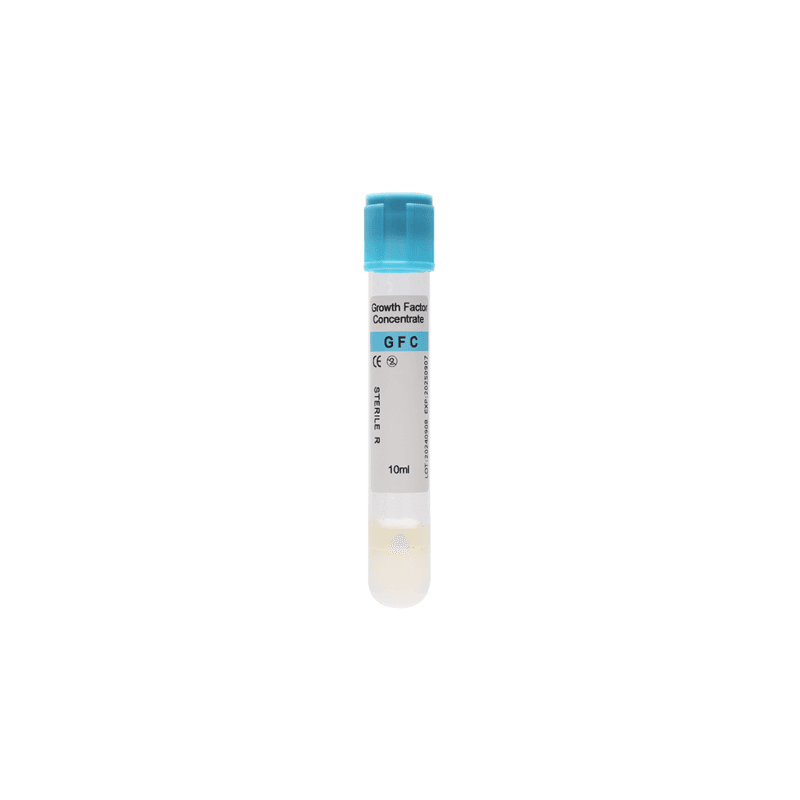
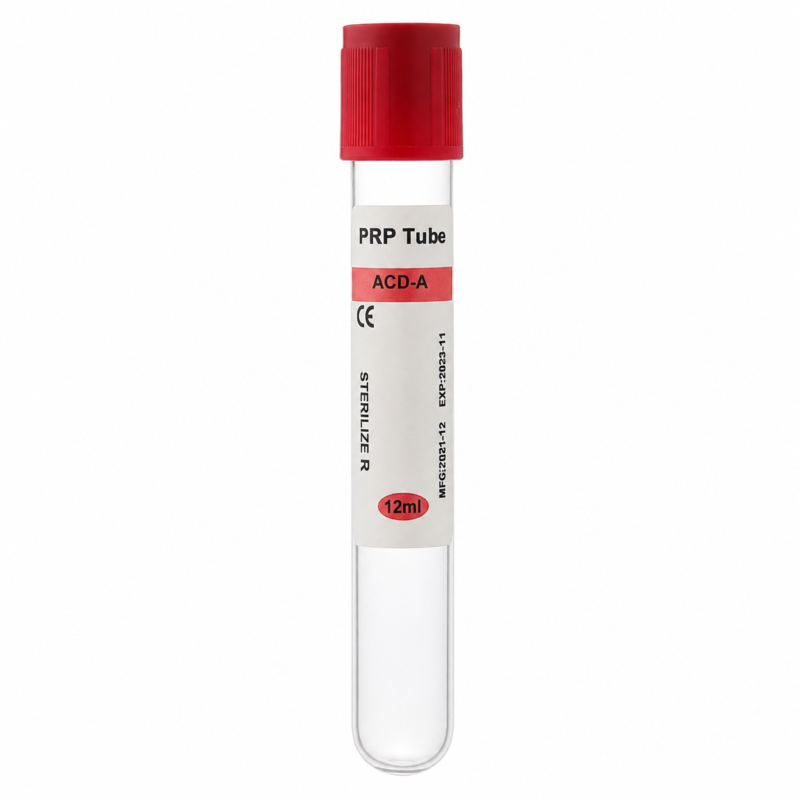
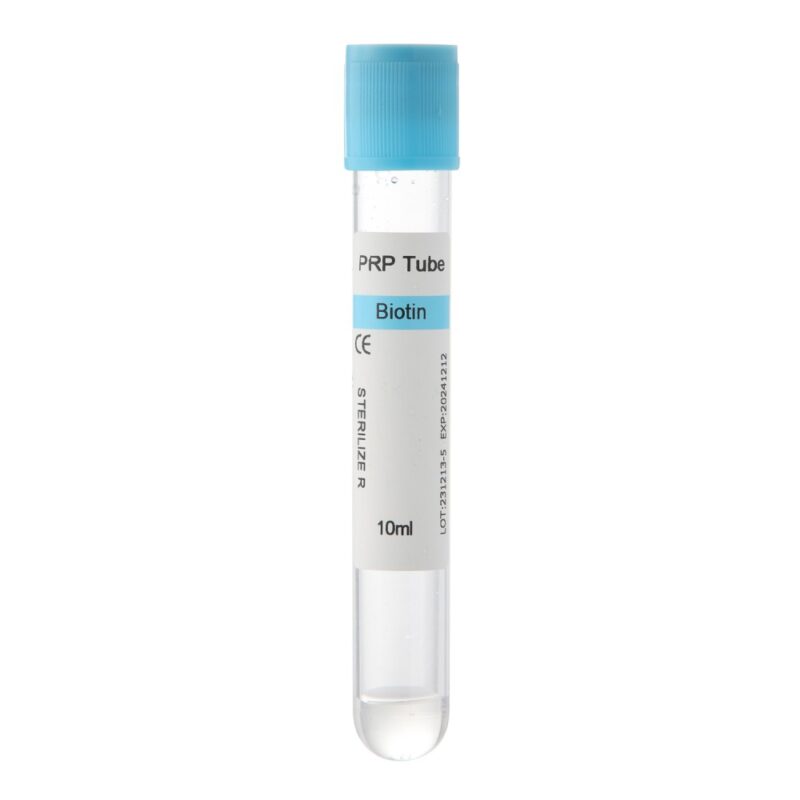
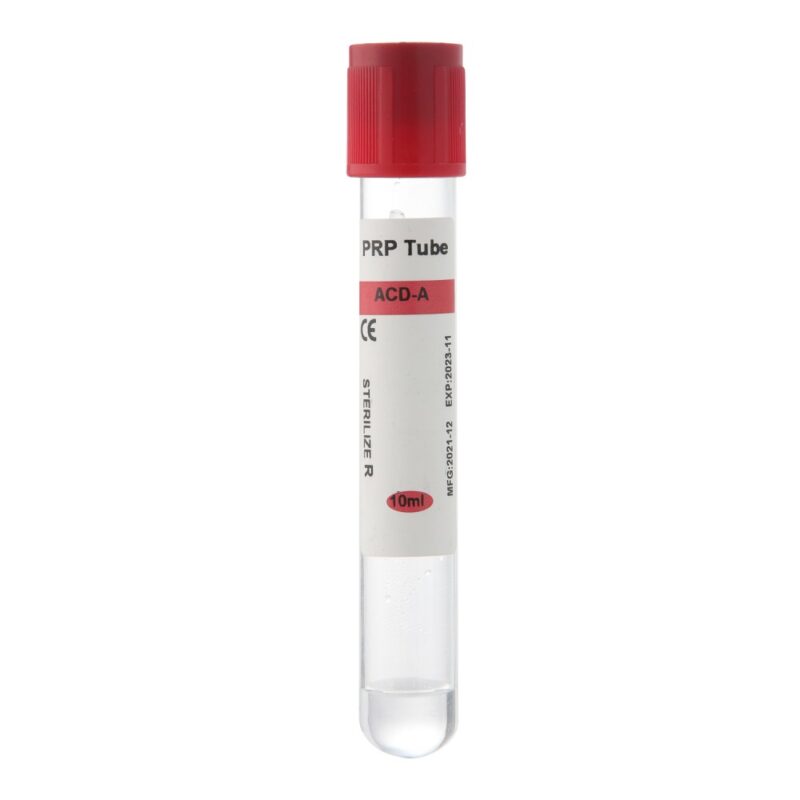
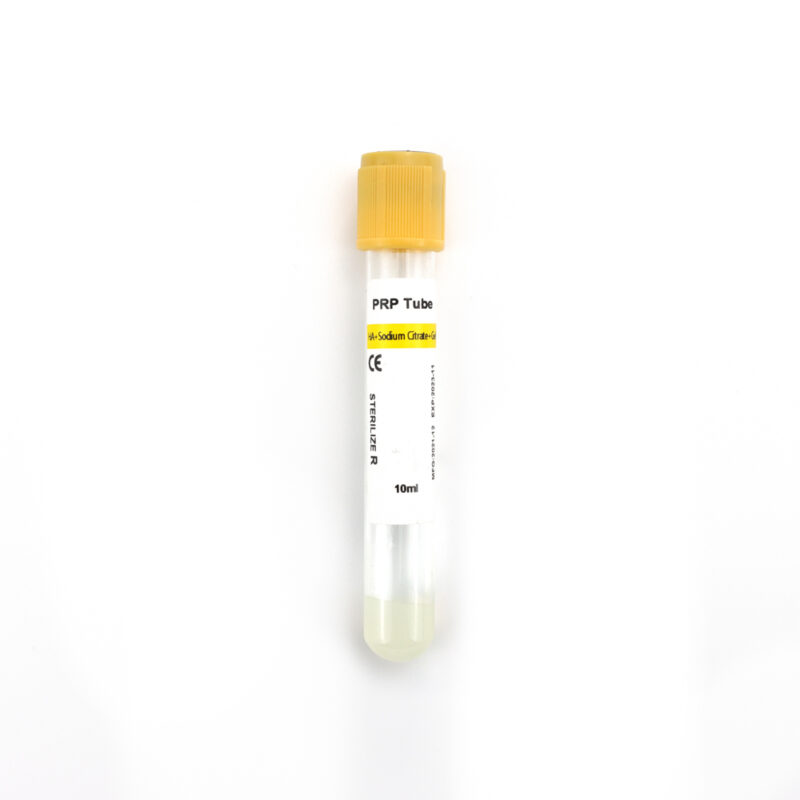
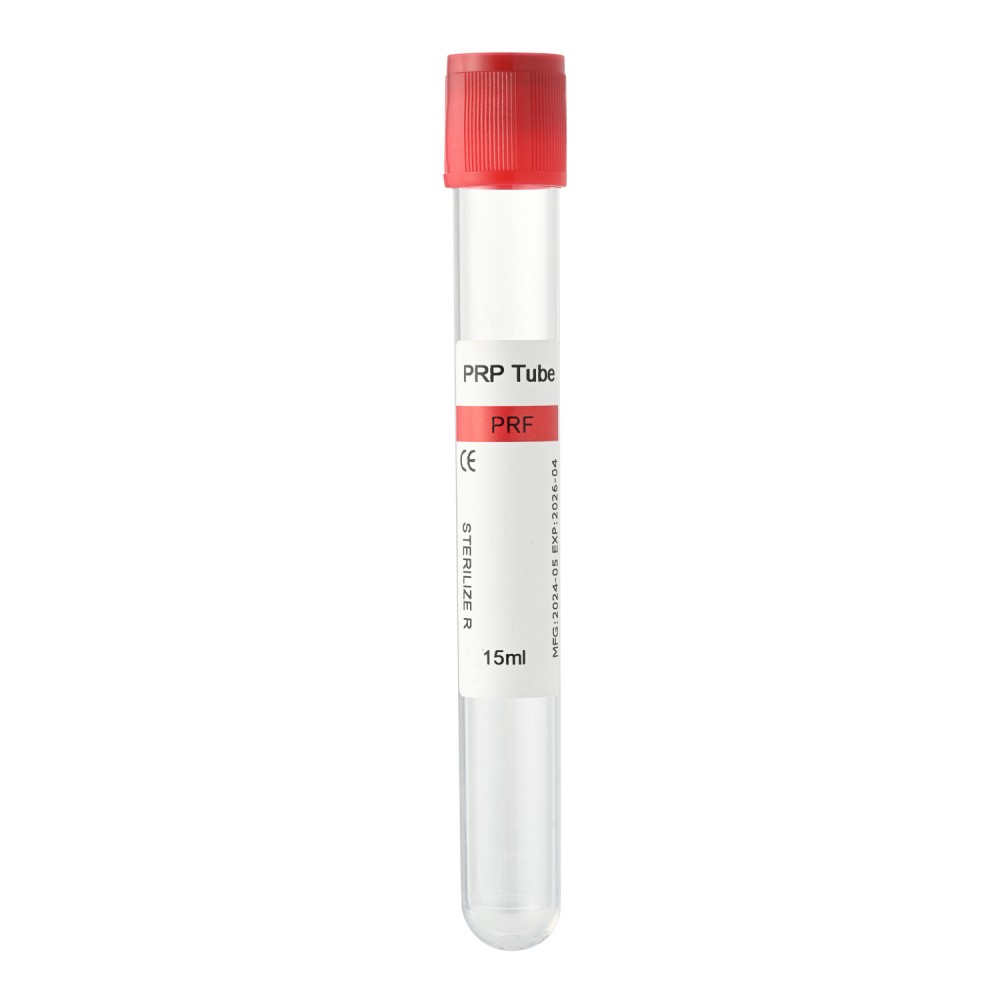
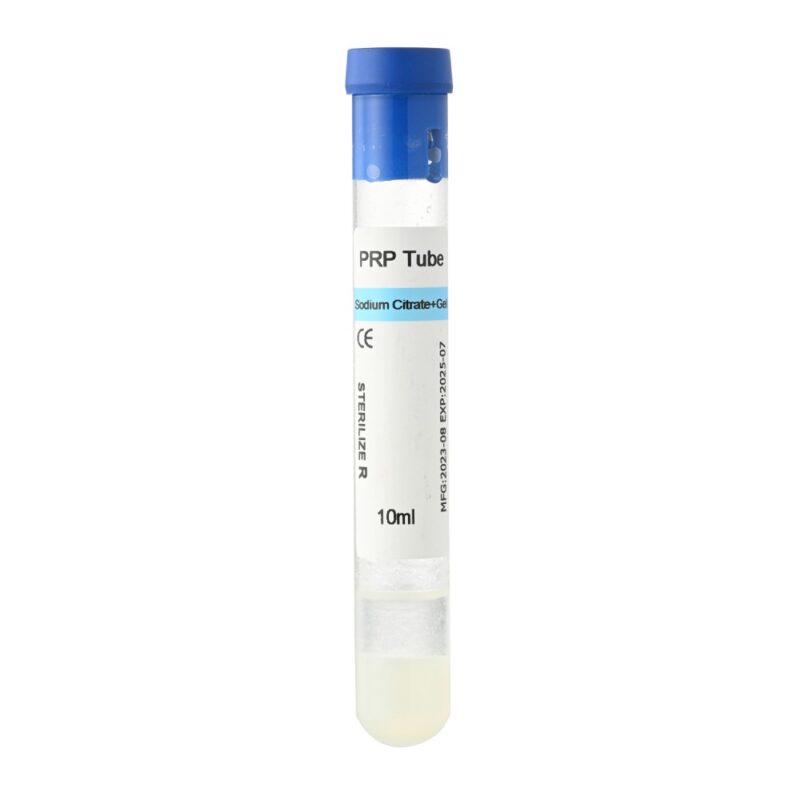
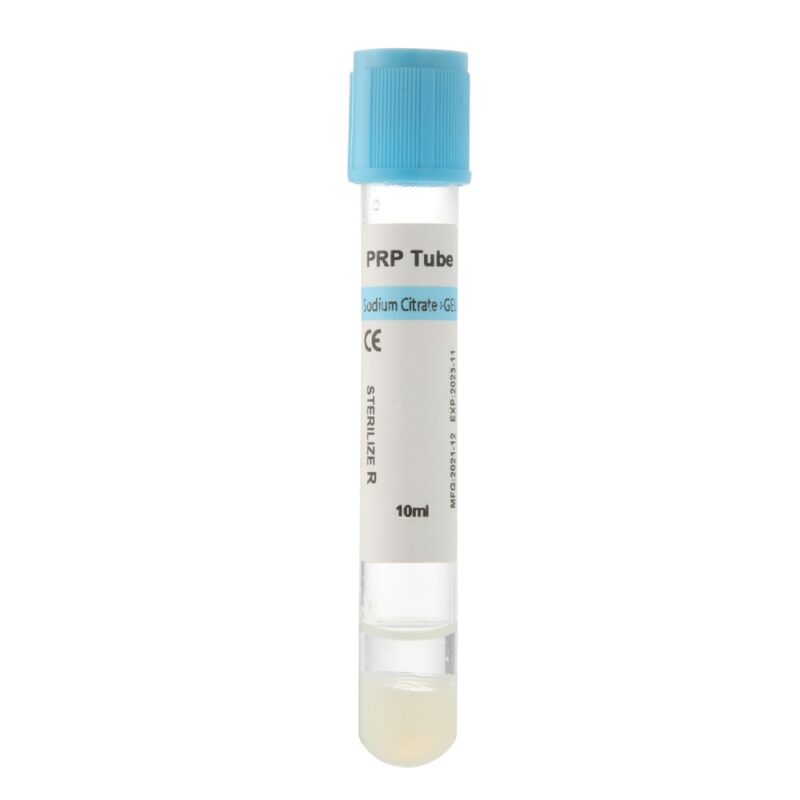
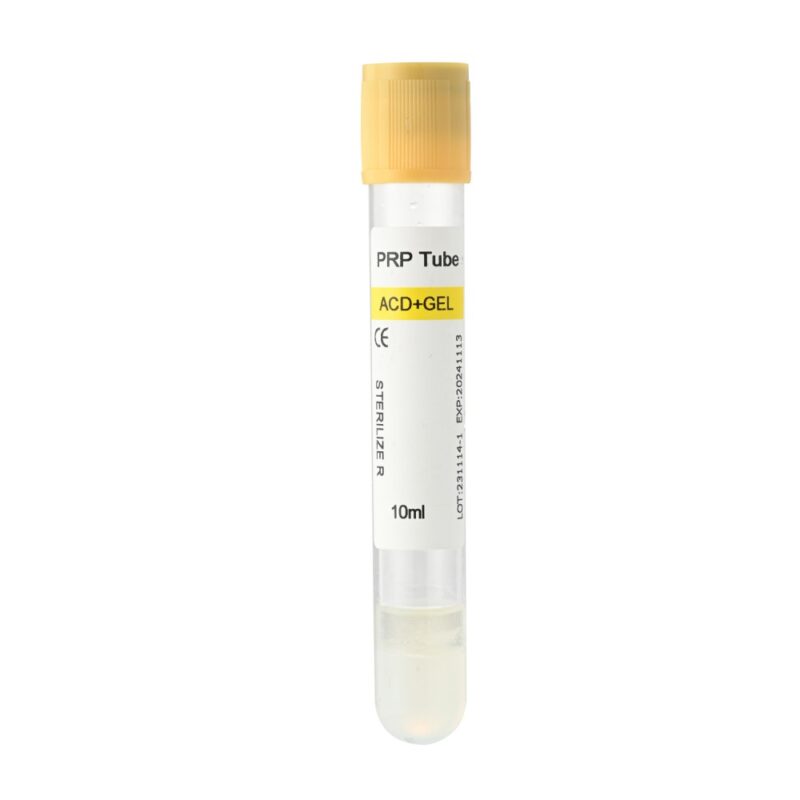
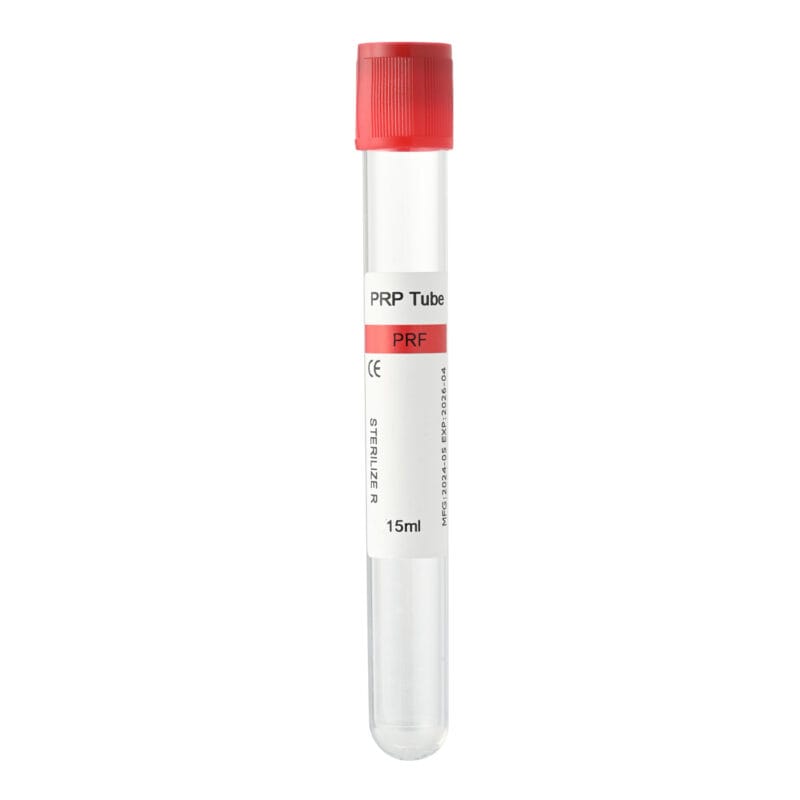
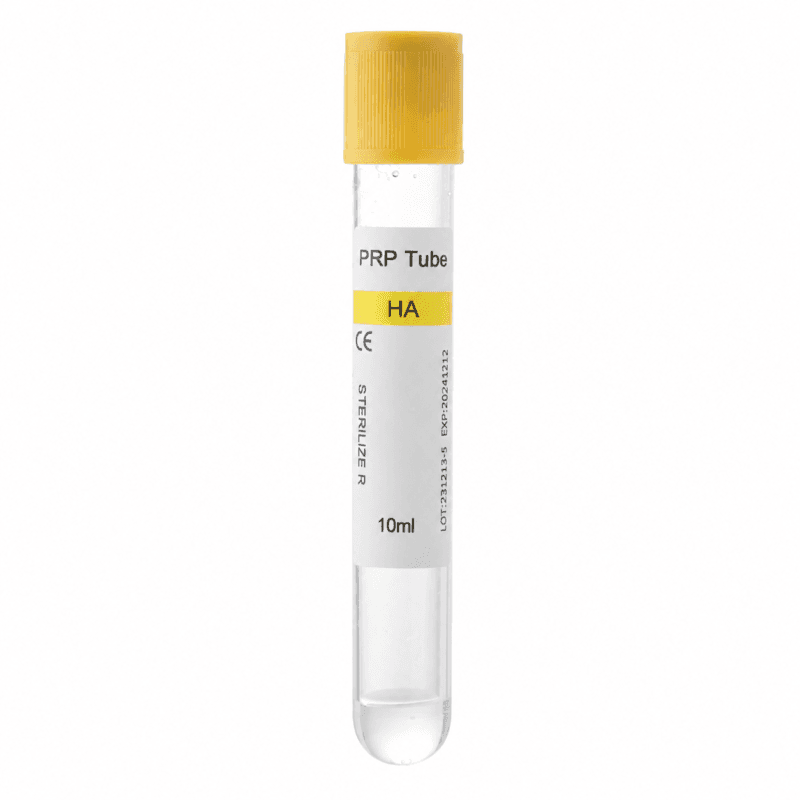
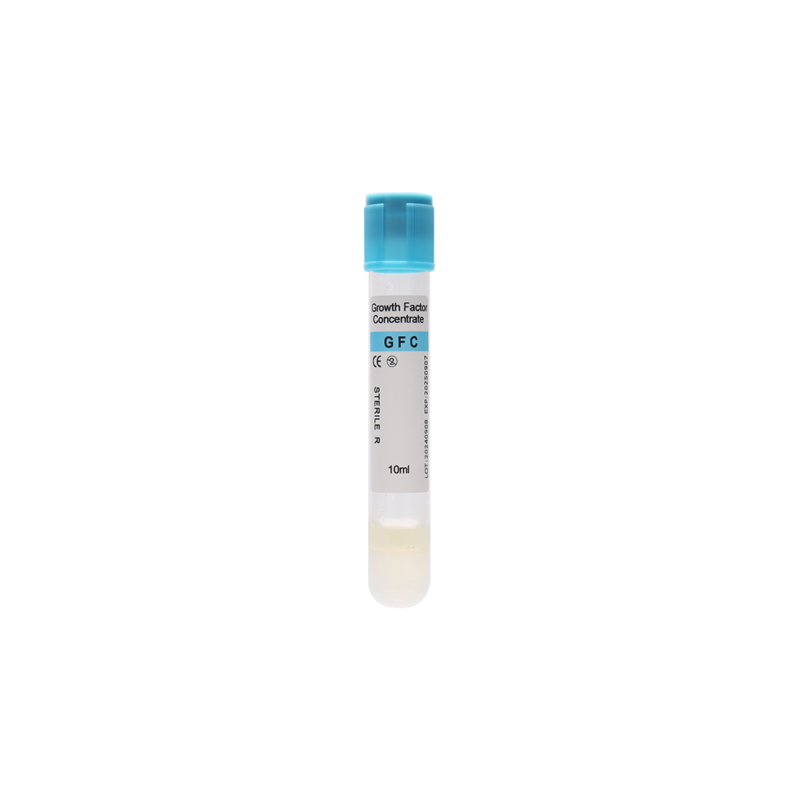
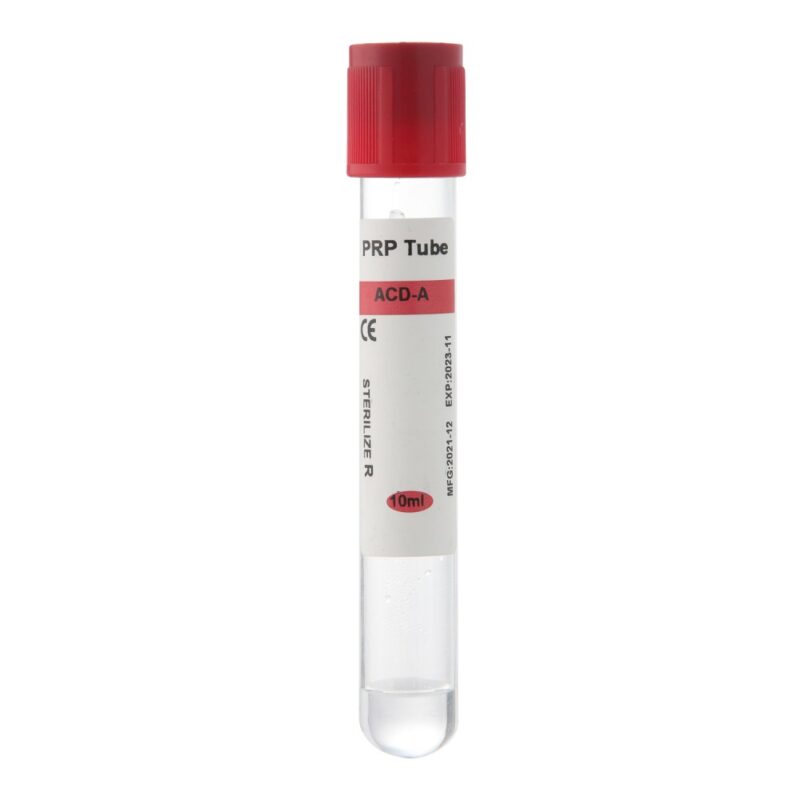
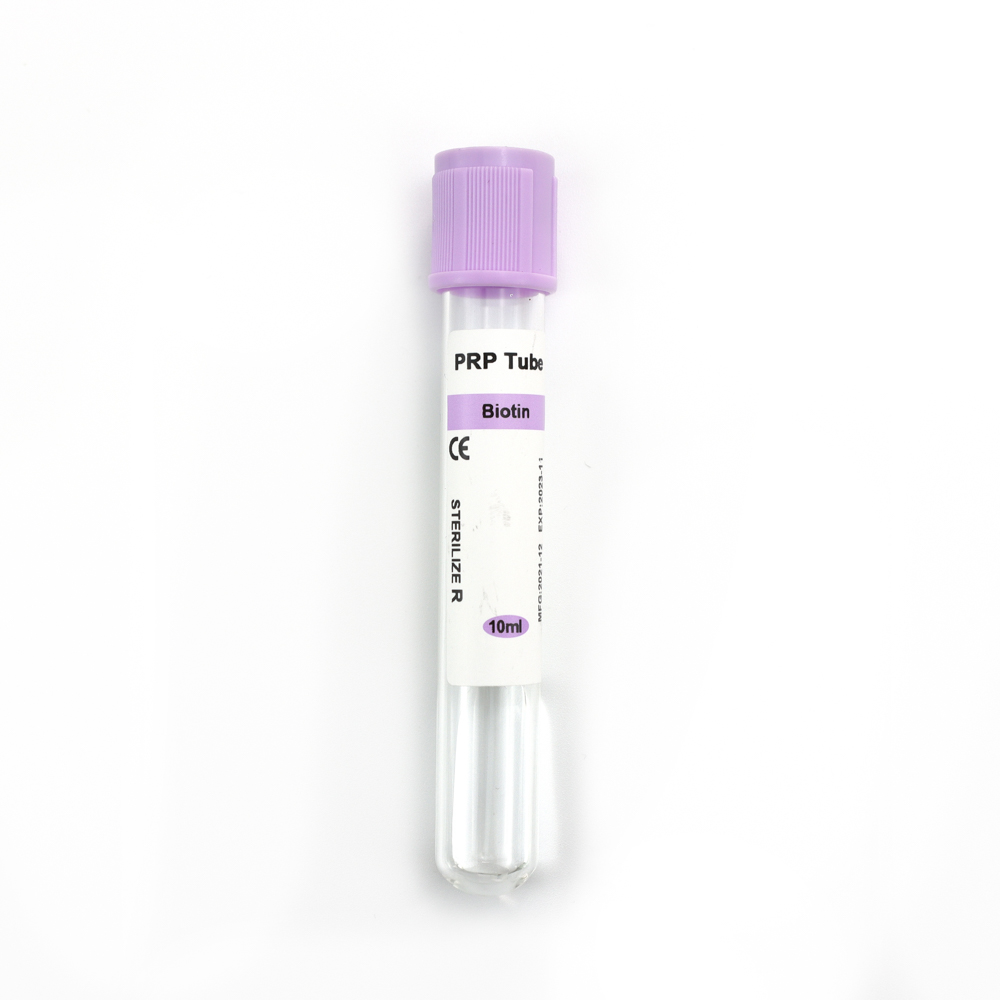
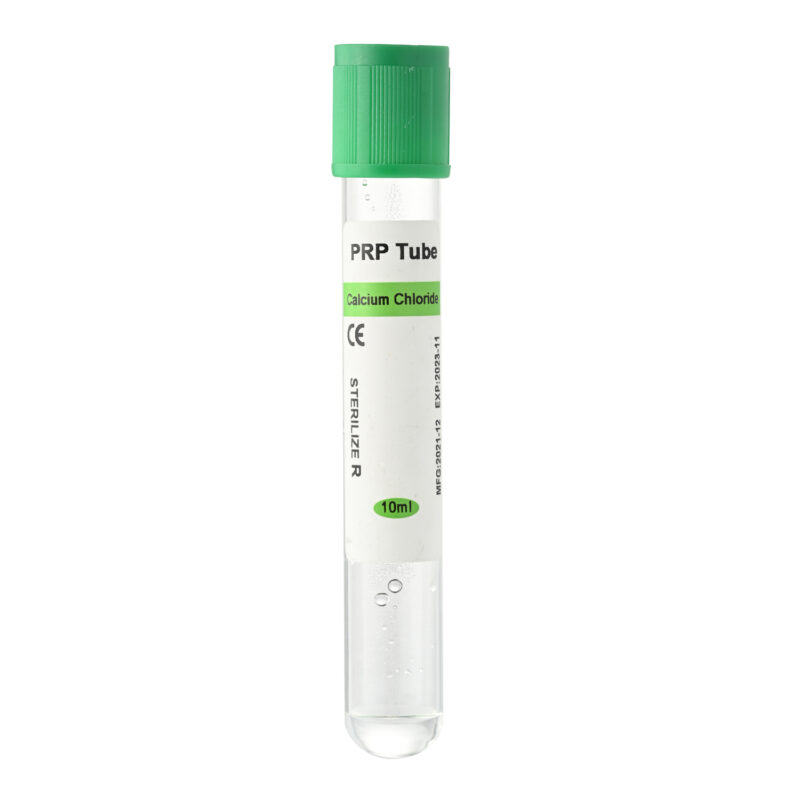
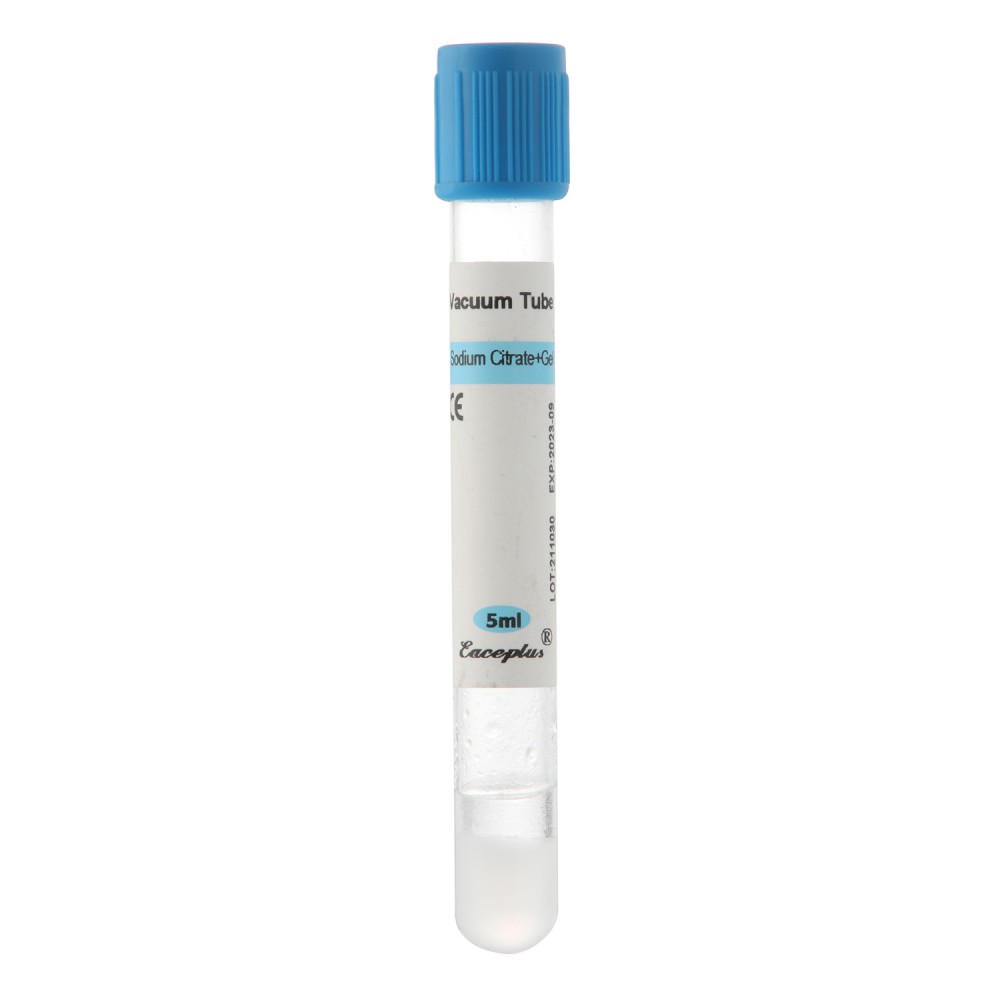
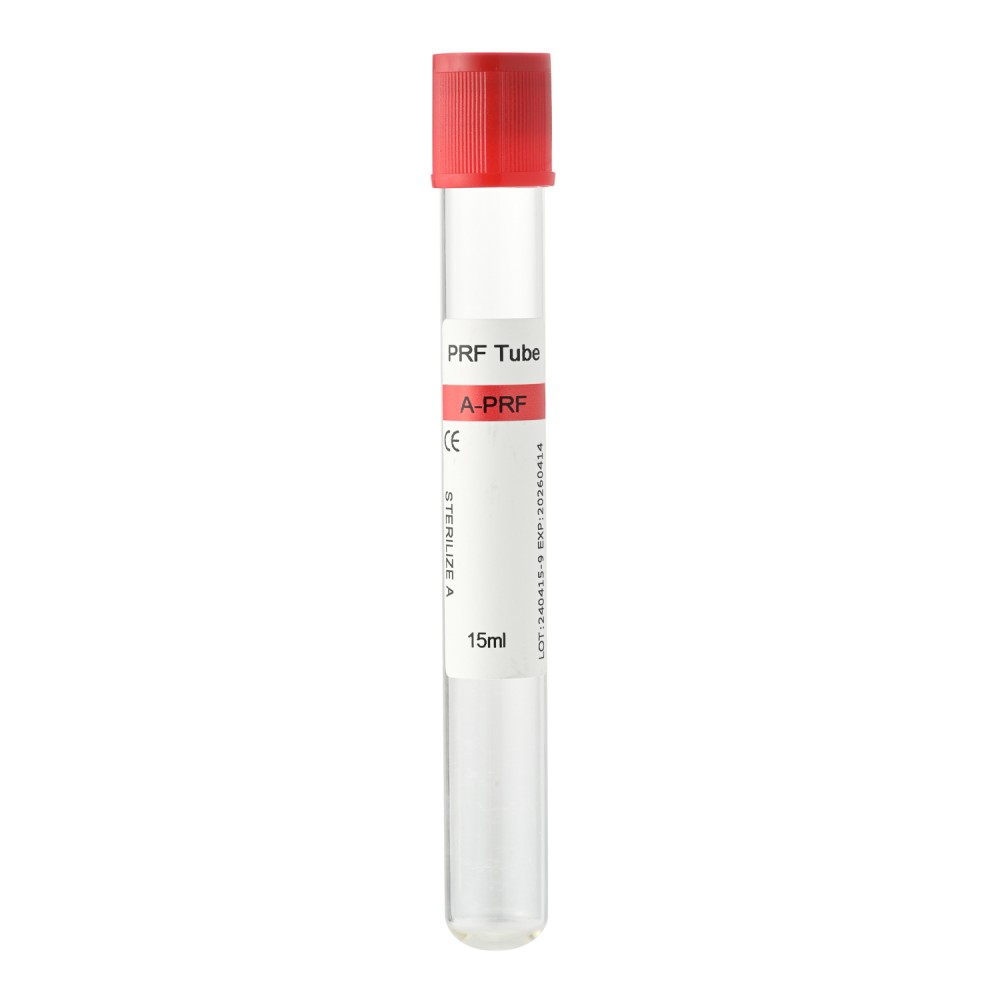
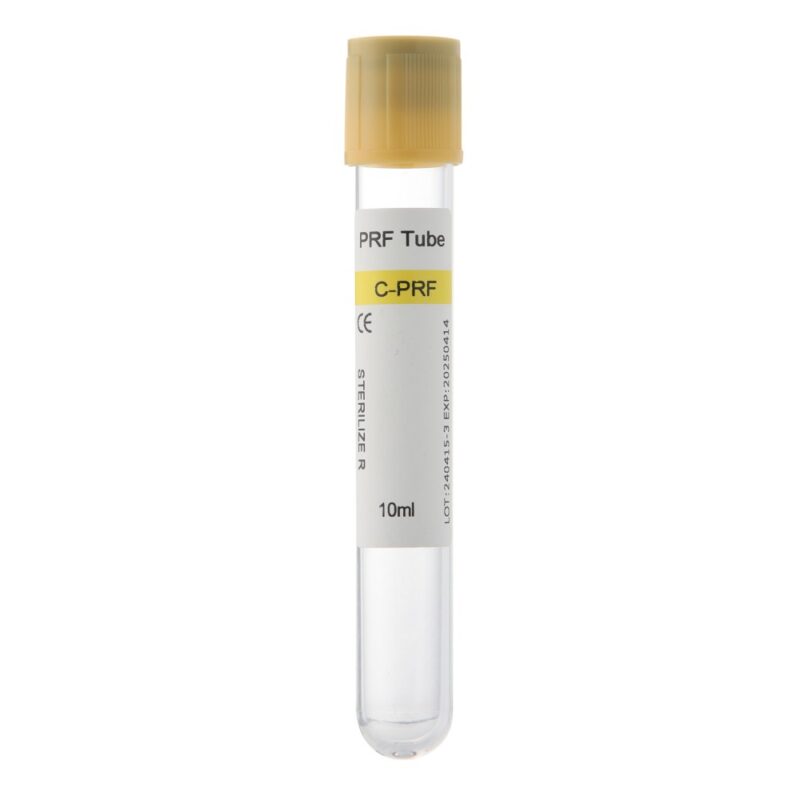
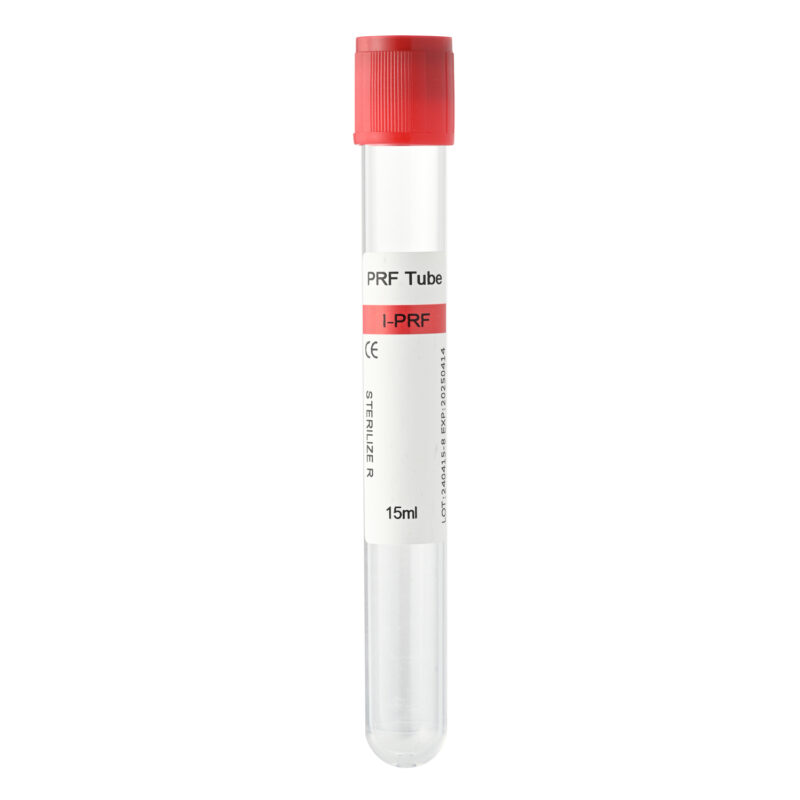
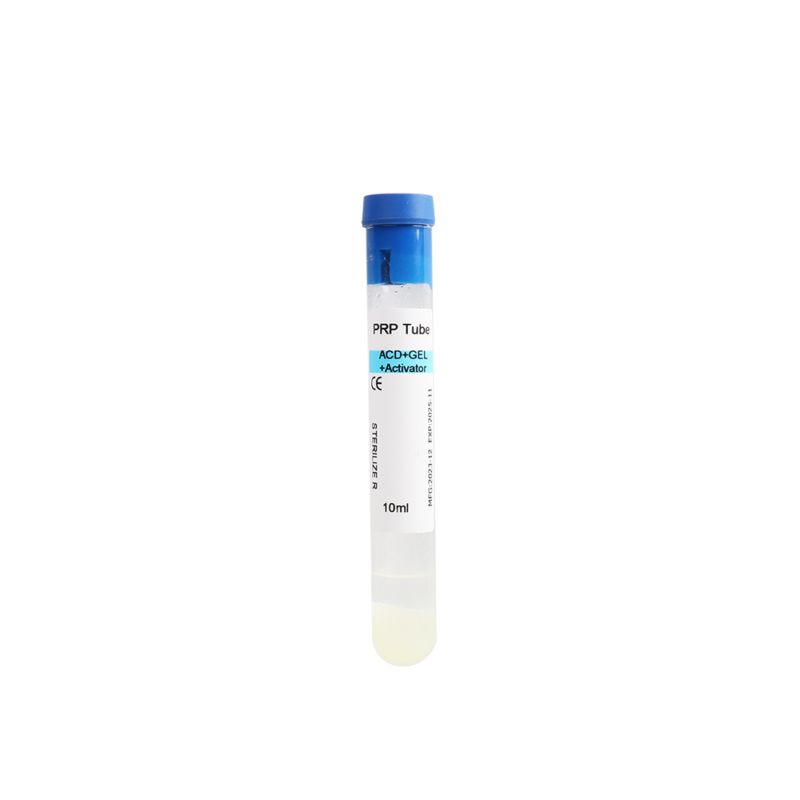
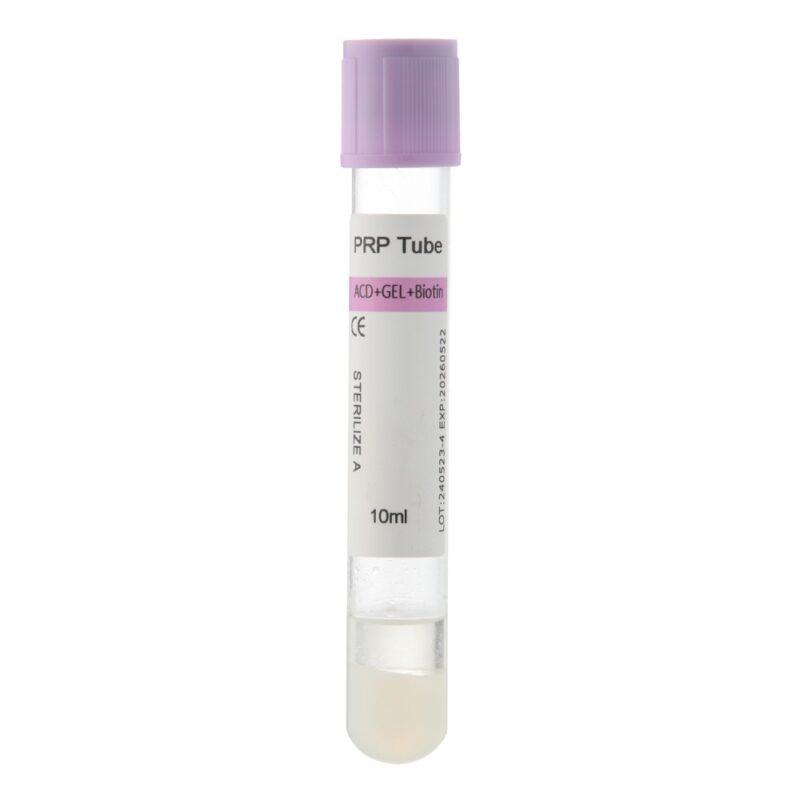
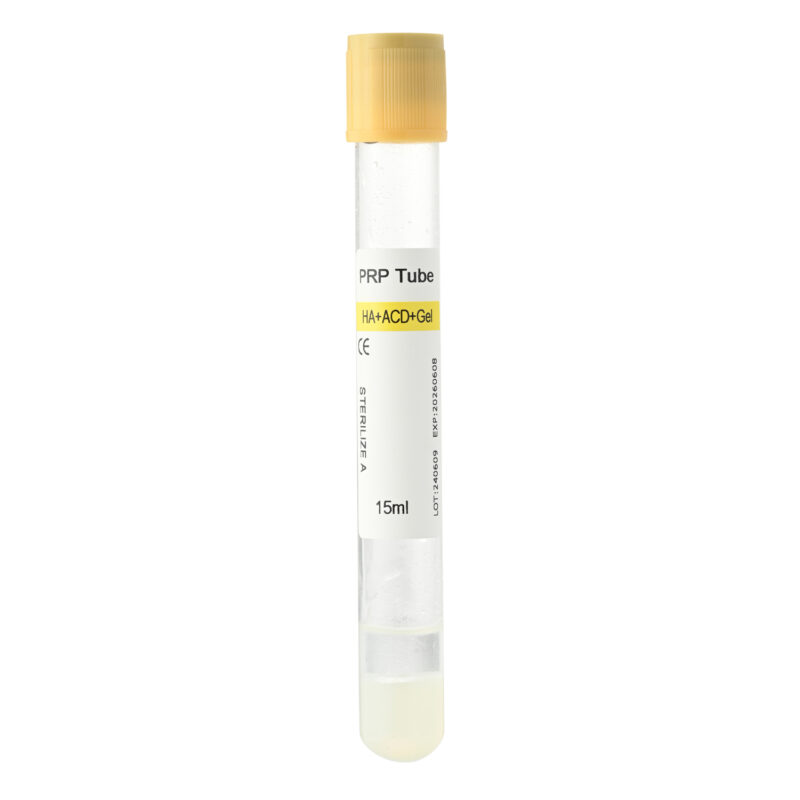
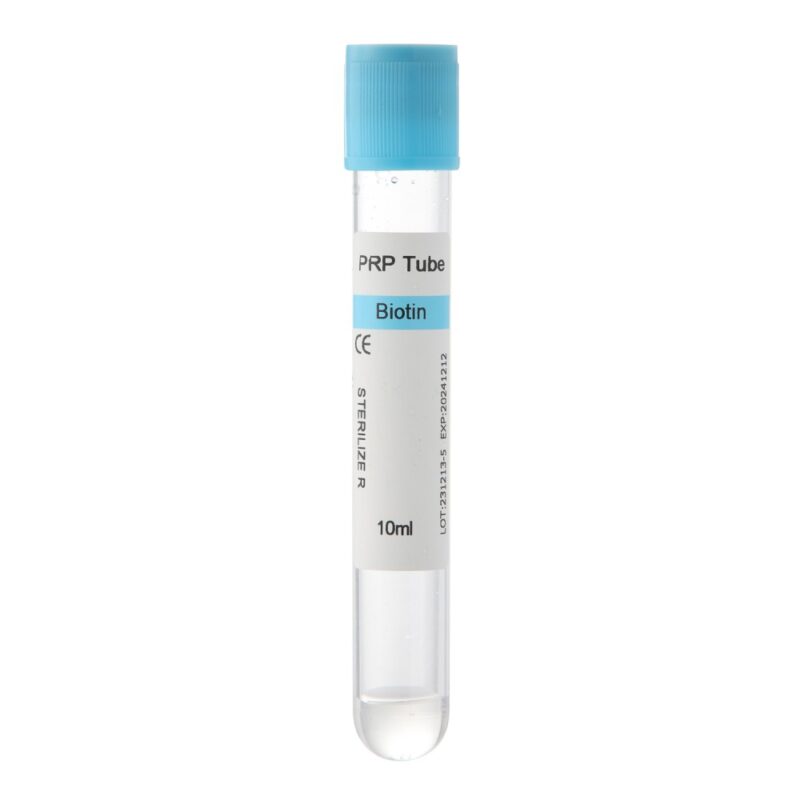
For clinics developing different regenerative protocols, Siny PRP supplies PRP and PRF tubes for professional platelet concentrate preparation and different clinical processing requirements.
How PRP Works for Under-Eye Rejuvenation
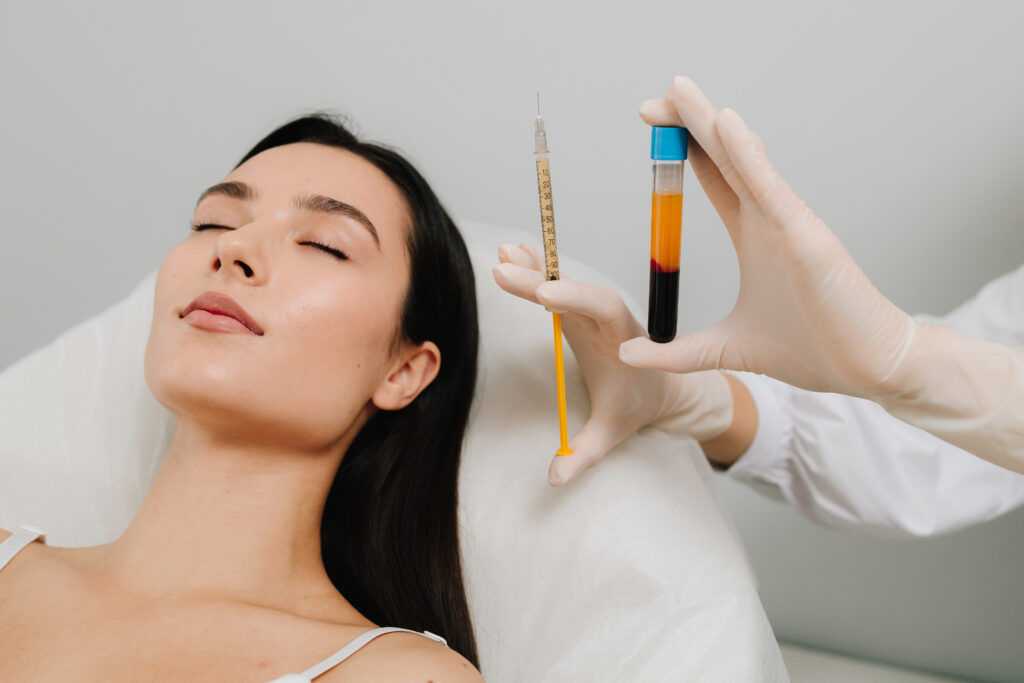
PRP is prepared by centrifuging a patient’s blood to obtain a plasma fraction containing a concentrated platelet component.
Platelets are well known for their role in clotting, but they also contain biologically active proteins and growth factors involved in tissue repair. These signaling molecules participate in processes related to fibroblast activity, collagen production, extracellular matrix remodeling, and vascular responses.
When clinicians use PRP for periorbital rejuvenation, the goal is generally not to create immediate volume beneath the eye. Instead, treatment focuses on gradually improving the appearance and quality of the skin.
Why PRP May Help with Pigmented Dark Circles
Among the available clinical literature, PRP currently has comparatively stronger evidence for improving periorbital hyperpigmentation.
A 2025 systematic review examining injectable PRP and PRF for periorbital rejuvenation found stronger supporting evidence for PRP in hyperpigmentation, while PRF showed promising results for texture, wrinkles, and crepiness.
That does not mean PRP acts like a conventional depigmenting treatment.
Any improvement may involve several processes, including skin regeneration, tissue remodeling, and changes in overall skin quality. Results also vary because the term “dark circles” covers several different underlying problems.
Clinical research has additionally explored PRP for wrinkles, photoaging, and other signs of periorbital aging, with studies reporting improvements in skin appearance and patient satisfaction.
PRP and Thin Under-Eye Skin
PRP may also be considered when dark circles occur alongside thin or aging skin.
Its regenerative effects are used with the aim of supporting collagen remodeling and gradual improvement in skin quality. As the appearance and quality of the under-eye skin improve, underlying vascular structures may become less visually prominent in some patients.
Expectations should remain realistic, though. PRP does not instantly create thicker skin, and individual responses vary according to baseline skin condition, patient characteristics, platelet composition, preparation method, and treatment protocol.
This is one reason clinical protocols may involve multiple treatment sessions rather than relying on a single procedure.

How PRF Differs for Dark Circles and Thin Under-Eye Skin
PRF belongs to the same broad family of autologous platelet preparations, but its preparation and final structure differ from conventional PRP.
A defining characteristic of PRF preparation is the absence of an added anticoagulant during blood collection. Natural coagulation therefore begins after collection, making timing and handling important parts of the preparation workflow.
During this process, a fibrin network develops within the platelet-rich fraction. Platelets and other cellular components can remain associated with this fibrin structure.
Research suggests that the resulting matrix may support a more gradual release of platelet-derived growth factors than the relatively faster release associated with PRP. This characteristic has helped drive interest in PRF for facial and under-eye rejuvenation.
Why PRF Is Interesting for Crepey Under-Eye Skin
PRF becomes particularly interesting when the primary concern goes beyond brown pigmentation.
A patient may have:
- Thin lower-eyelid skin
- Fine lines
- Mild wrinkles
- Crepey texture
- Early skin laxity
- Other visible signs of under-eye aging
In these cases, the treatment objective is often broader skin rejuvenation.
The 2025 systematic review comparing PRP and PRF found that PRF was associated with improvements in skin texture, wrinkles, and crepiness. This makes it especially interesting when poor skin quality contributes substantially to the appearance of dark circles.
Its fibrin matrix also creates a different regenerative environment from a plasma-based platelet preparation.
However, slower release should not automatically be interpreted as better treatment.
PRF is newer than PRP in many aesthetic applications, and the clinical evidence remains more limited. Questions around treatment standardization and durability also require further research.
Current evidence therefore supports PRF as a useful regenerative option without establishing it as universally superior to PRP.
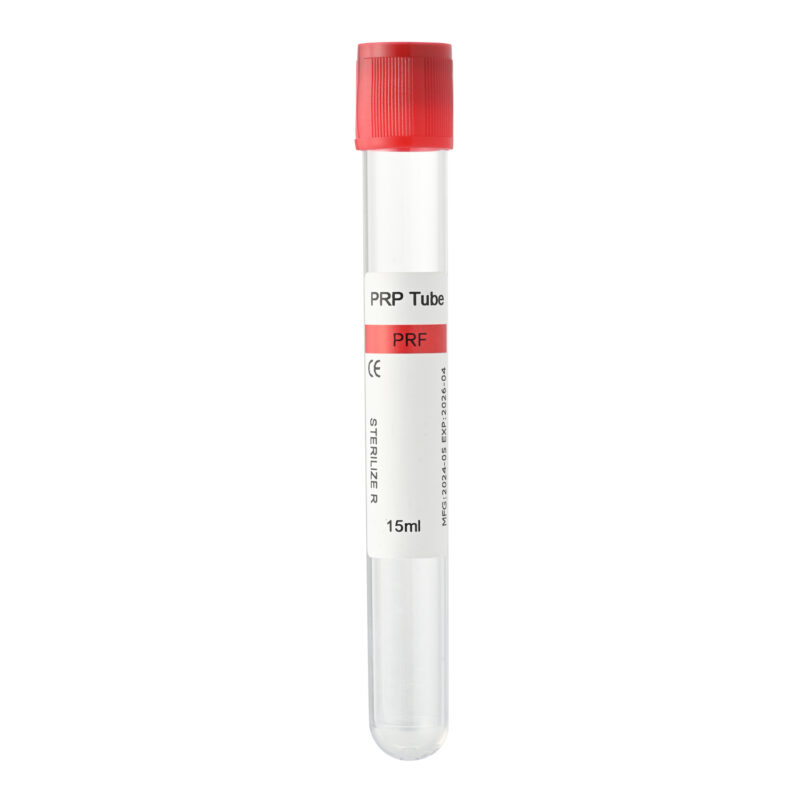
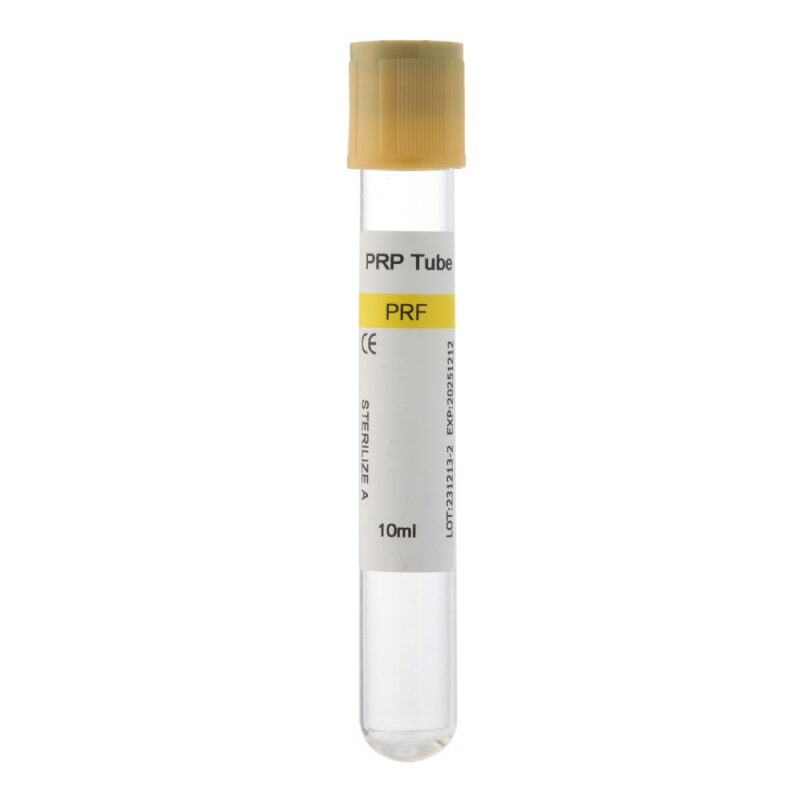
Clinics and distributors developing PRF protocols can explore Siny PRP’s PRF tube options for professional blood collection and centrifugation workflows.
PRP vs. PRF for Dark Circles: Which One Is More Effective?
This is where the comparison becomes more practical.
If we focus on the available evidence rather than assuming one preparation is always better, PRP and PRF appear to have different strengths depending on the patient’s main concern.
For Pigmentation: PRP Has More Supporting Evidence
When visible periorbital hyperpigmentation is the dominant problem, PRP currently has the stronger clinical research base.
PRP has been studied in the under-eye region for longer, and multiple studies have evaluated pigmentation-related outcomes. This makes it a reasonable option to consider when discoloration itself is the primary concern.
Clinicians still need to determine whether the apparent pigmentation is actually melanin-related.
If darkness comes mainly from shadowing caused by a deep tear trough, treating pigmentation or skin quality alone will not correct the underlying anatomical cause.
For Thin, Crepey Skin: PRF Shows Particular Promise
PRF becomes especially interesting when dark circles occur alongside thin skin, fine lines, wrinkles, or a crepey texture.
Its fibrin-based structure and gradual release characteristics have contributed to growing interest in PRF for regenerative aesthetic treatments. Recent clinical evidence also suggests potential benefits for skin texture and wrinkles.
This does not mean PRP cannot improve skin quality. It can.
The difference is more about emphasis: PRP currently has stronger supporting evidence for pigmentation, while PRF has shown particular promise for texture-focused under-eye rejuvenation.
For Mixed Dark Circles: The Answer Is Less Simple
Many patients do not fit neatly into either category.
Someone may simultaneously have:
- Mild pigmentation
- Visible vessels through thin skin
- Fine wrinkles
- Early tear trough formation
- Reduced skin elasticity
In this situation, asking whether PRP or PRF is simply “better” oversimplifies the problem.
A clinician may instead consider the dominant cause, skin quality, facial anatomy, treatment history, and desired outcome before selecting a platelet preparation or considering other appropriate treatment modalities.
Recent research supports this more cautious approach.
A 2026 randomized split-face clinical trial directly comparing PRP and PRF in the periorbital region reported improvement with both approaches, while several measured outcomes did not show statistically significant differences between them. Recent systematic reviews have likewise not established clear overall superiority of PRP or PRF for periorbital rejuvenation.
So the practical answer to PRP vs. PRF for Dark Circles is not simply “PRF is newer, therefore PRF is better.”
Instead:
PRP may be favored when pigmentation is the primary concern, while PRF may be especially useful when thin, crepey, aging skin is a major contributor.
For mixed dark circles, proper patient assessment matters more than choosing a treatment based on the PRP or PRF label alone.
Preparation Quality Matters as Much as Choosing PRP or PRF
Discussions about under-eye rejuvenation often focus entirely on whether PRP or PRF is better. In clinical practice, however, the preparation process also matters.
PRP and PRF are not completely standardized preparations that come out identical every time.
Their characteristics can vary according to blood collection, centrifugation conditions, processing time, platelet recovery, final volume, tube design, and the clinical protocol being followed.
PRF is particularly time-sensitive because natural coagulation begins after blood collection. Delays between collection and centrifugation can influence fibrin formation and the characteristics of the resulting preparation.
PRP also requires a controlled preparation protocol to obtain a consistent platelet-rich fraction.
For this reason, clinics, aesthetic centers, and medical distributors should evaluate more than the label on a blood collection tube.
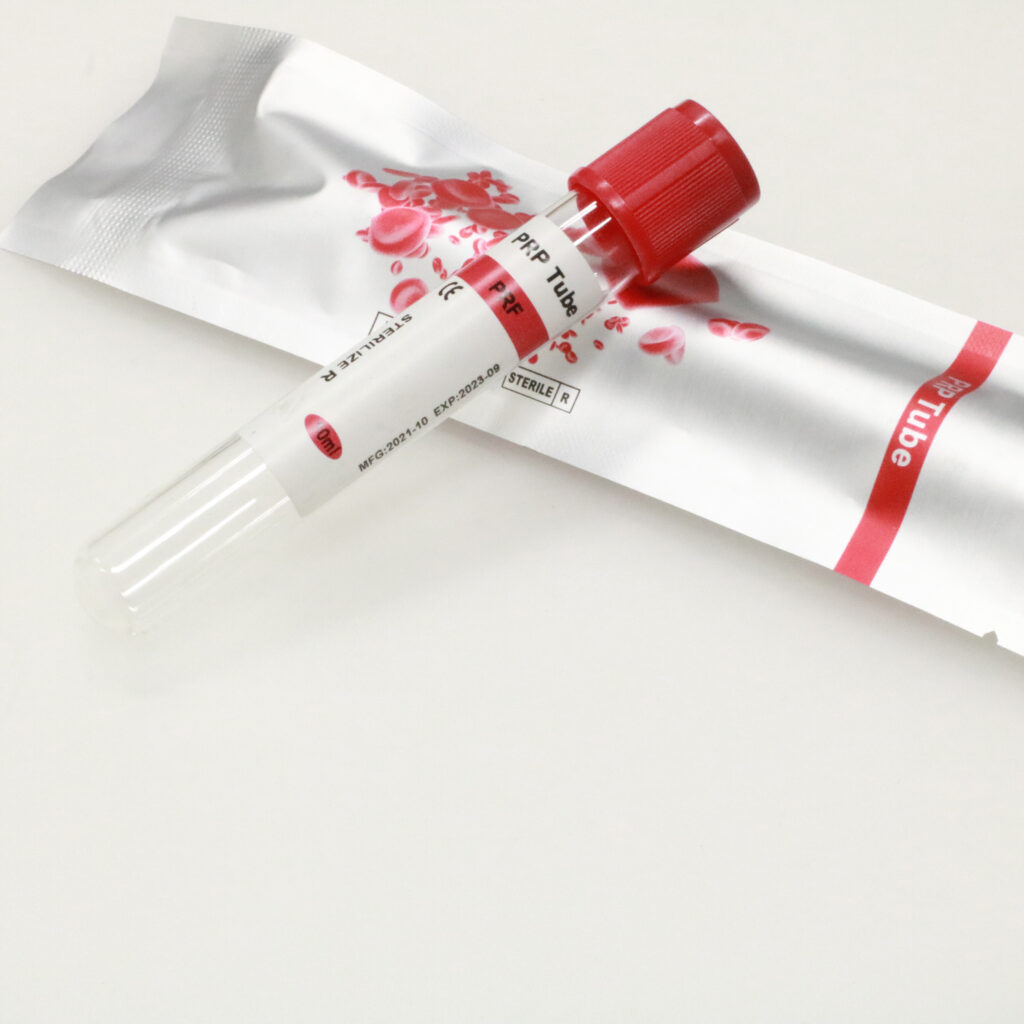
A suitable PRP or PRF tube should fit the intended preparation protocol and clinical workflow. Important considerations can include:
- Tube volume and material
- Internal tube configuration
- Intended PRP or PRF preparation method
- Centrifuge compatibility
- Processing workflow
- Packaging and supply requirements
Because PRF preparation does not rely on an added anticoagulant, tube material and surface characteristics should be considered together with centrifugation timing and the intended PRF protocol.
For distributors and clinics handling repeated treatment procedures, consistent tube quality and reliable supply can also help support a more controlled preparation workflow.
Siny PRP provides PRP and PRF blood collection tubes for aesthetic and regenerative applications, with options for different professional preparation workflows. Contact Siny PRP to discuss tube selection, bulk purchasing, packaging, or OEM supply requirements.
FAQ About PRP vs. PRF for Under-Eye Dark Circles
Is PRP or PRF better for dark circles?
It depends on what causes the dark circles. Current research provides stronger support for PRP in treating periorbital hyperpigmentation, while PRF shows promising results for fine lines, texture, and crepey under-eye skin. Neither treatment has been proven universally superior.
Is PRF better than PRP for thin under-eye skin?
PRF may be particularly useful when thin, crepey, or aging skin is the main concern because its fibrin matrix supports a gradual regenerative process. PRP is also used to improve skin quality and support collagen remodeling. Treatment selection should depend on the patient’s skin characteristics and clinical assessment.
Can PRP remove dark circles permanently?
PRP should not be considered a guaranteed permanent treatment for dark circles. Results depend heavily on the underlying cause. Genetics, pigmentation, aging, sun exposure, allergies, skin thickness, and facial anatomy can continue to influence the appearance of the under-eye area after treatment.
Does PRF contain anticoagulants?
PRF is typically prepared without adding an anticoagulant. This allows natural coagulation and fibrin formation to occur, but it also makes collection, centrifugation timing, and processing important parts of the preparation protocol.
How many PRP or PRF sessions are needed for under-eye rejuvenation?
There is no universal treatment schedule. Published studies use different treatment intervals and numbers of sessions. Clinicians typically determine the protocol according to the patient’s skin condition, treatment goals, preparation method, and response to previous sessions.
Can PRP or PRF fill deep tear troughs?
PRP and PRF are primarily regenerative treatments rather than conventional volumizing fillers. They may improve skin quality around the tear trough, but pronounced structural hollows may require a different treatment strategy.
A qualified practitioner should first determine whether the dark appearance comes mainly from pigmentation, thin skin, volume loss, shadowing, or a combination of these factors.
Are PRP and PRF safe around the eyes?
Both are autologous preparations derived from the patient’s own blood, and published studies generally report favorable safety profiles. Temporary swelling, redness, tenderness, or bruising may occur after treatment.
The periorbital region has complex vascular anatomy, so treatment should only be performed by appropriately trained healthcare professionals.
Choosing the Right Platelet Preparation for Under-Eye Rejuvenation
Dark circles are not a single condition, and that is the most important point when comparing PRP and PRF.
When pigmentation dominates the problem, PRP currently has the stronger research base. When thin, crepey skin, fine lines, and texture changes play a larger role, PRF offers an interesting regenerative approach because of its fibrin matrix and gradual release characteristics.
For many patients, however, several factors contribute at the same time.
Proper assessment therefore matters more than simply choosing whichever treatment is newer. Clinicians should evaluate pigmentation, skin thickness, texture, vascular visibility, tear trough anatomy, and other signs of aging before determining an appropriate treatment strategy.
The preparation workflow matters as well. Blood collection, tube selection, centrifugation, timing, and subsequent handling can all influence the characteristics of the final platelet preparation.
For clinics, aesthetic centers, medical distributors, and OEM buyers looking for blood collection products for regenerative treatments, Siny PRP offers PRP and PRF tube solutions for different professional preparation workflows. Contact us to discuss your required tube type, volume, packaging, and purchasing needs.
References & Further Reading
For clinical decision-making, readers should consult current peer-reviewed research on injectable PRP and PRF for periorbital rejuvenation, including recent systematic reviews evaluating pigmentation, wrinkles, skin texture, crepiness, patient satisfaction, treatment protocols, and comparative outcomes between PRP and PRF.
Medical Disclaimer: This article is intended for educational and professional reference purposes only. PRP and PRF preparation and administration should be performed by qualified healthcare professionals according to applicable regulations, validated protocols, and individual patient assessment.