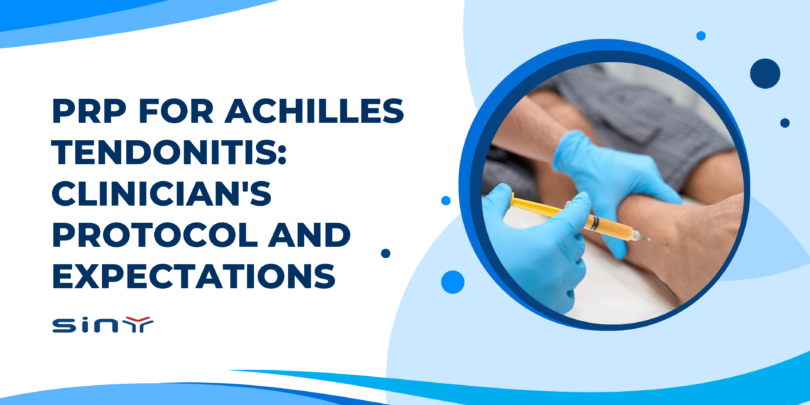
PRP for Achilles Tendonitis has become an option considered by sports medicine and orthopedic clinicians when persistent Achilles tendon symptoms do not respond adequately to an appropriate conservative treatment program. Rather than acting as a quick pain-relieving injection, platelet-rich plasma introduces a concentrated autologous platelet preparation into or around the affected tendon as part of a broader treatment and rehabilitation strategy.
That distinction matters. Achilles tendinopathy is usually a slow-developing tendon disorder associated with repetitive loading, altered tendon structure, and a reduced capacity to tolerate mechanical stress. Patients may experience morning stiffness, localized tenderness, pain during running or jumping, and discomfort that increases as activity progresses.
PRP does not instantly rebuild damaged tendon tissue. More importantly, current clinical evidence remains mixed, and PRP has not consistently demonstrated superiority over placebo or established conservative treatment for chronic Achilles tendinopathy. Clinicians therefore need to consider patient selection, injection technique, PRP preparation, post-procedure loading, and rehabilitation together rather than viewing the injection as a stand-alone solution.
For clinics already using PRP in sports medicine or orthopedic applications, this raises another practical question: how can the preparation process remain consistent from one procedure to the next? Selecting an appropriate PRP collection and separation system is one part of building a repeatable clinical workflow.
PRP for Achilles Tendonitis: Who May Be Considered for Treatment?
Not every painful Achilles tendon requires a PRP injection.
The first step is determining what is actually causing the symptoms. “Achilles tendonitis” remains a common search term, but clinicians often use Achilles tendinopathy to describe chronic tendon pain and structural change because persistent cases do not simply represent acute inflammation.
Patients considered for PRP commonly have symptoms that continue despite an appropriate period of conservative management. Depending on the individual case, previous treatment may include activity modification, progressive tendon loading, physical therapy, footwear adjustments, and correction of training-related factors.
The location of the pathology also matters.
Midportion Achilles tendinopathy typically affects the tendon several centimeters above its calcaneal insertion. Insertional Achilles tendinopathy, by comparison, develops near the point where the tendon attaches to the heel bone. These conditions can respond differently to loading and stretching, so clinicians should not automatically apply the same rehabilitation program to both.
Before injection, clinicians may combine physical examination with ultrasound or other imaging when appropriate. Imaging can help assess tendon thickness, structural abnormalities, partial tearing, and alternative sources of posterior ankle pain while also helping the clinician identify the treatment area.
PRP should also be discussed realistically with patients. It is generally considered after diagnosis and conservative treatment planning rather than as a universal first-line therapy.
Corticosteroid injections may provide short-term pain relief, but clinicians generally use them cautiously around the Achilles tendon because of concerns about tendon weakening and rupture. PRP avoids corticosteroid exposure, although its clinical effectiveness for chronic Achilles tendinopathy remains uncertain.
The goal is therefore not simply to identify someone who “has Achilles pain.” A more appropriate candidate is a patient whose diagnosis, symptom duration, previous rehabilitation, activity demands, and treatment expectations justify considering an additional biologic intervention.
How Is PRP Injected for Achilles Tendonitis?
Once a clinician decides to proceed, the quality of the procedure depends on more than inserting a needle into the painful area.
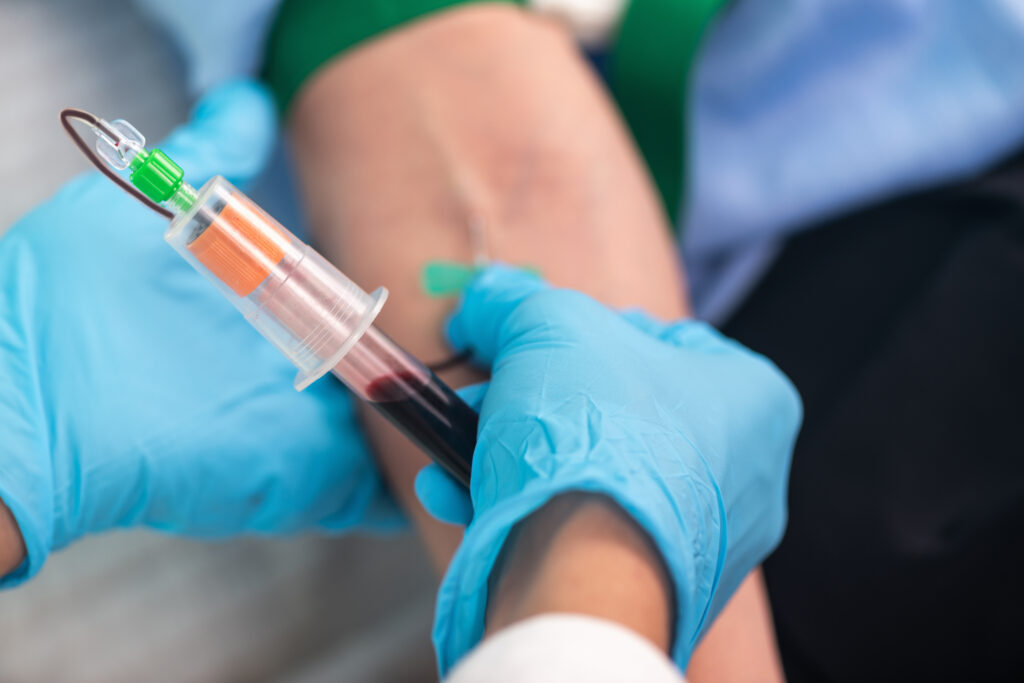
PRP preparation begins with autologous blood collection. Centrifugation separates the desired platelet-containing plasma fraction from other blood components. However, platelet concentration, leukocyte content, red blood cell contamination, final volume, and activation characteristics can vary substantially between preparation systems and protocols.
Some protocols use leukocyte-rich PRP (LR-PRP), while others favor leukocyte-poor PRP (LP-PRP). The optimal leukocyte concentration for Achilles tendinopathy remains uncertain. This variability is another reason clinicians should document the PRP formulation and keep the preparation method as consistent as possible between procedures.
For clinicians, repeatability is a practical priority. Blood collection volume, anticoagulant choice, centrifugation protocol, plasma extraction method, and injection volume should form a controlled workflow rather than changing unpredictably between patients.
A Practical Clinician’s PRP Protocol
Although individual protocols vary, the clinical pathway can generally be organized around several key stages:
| Clinical Stage | Main Consideration |
|---|---|
| Patient assessment | Confirm the type and location of Achilles tendinopathy and review previous conservative treatment |
| PRP preparation | Standardize blood collection, centrifugation, PRP formulation, and extraction |
| Injection | Identify the target tissue and select an appropriate injection technique |
| Early protection | Limit excessive tendon loading during the immediate post-injection period |
| Rehabilitation | Introduce controlled loading followed by progressive strengthening |
| Follow-up | Evaluate pain, function, strength, and readiness to return to activity |
This framework does not represent a universal treatment formula. Instead, it highlights why successful clinical management extends beyond the injection itself.
Ultrasound-Guided Achilles PRP Injection
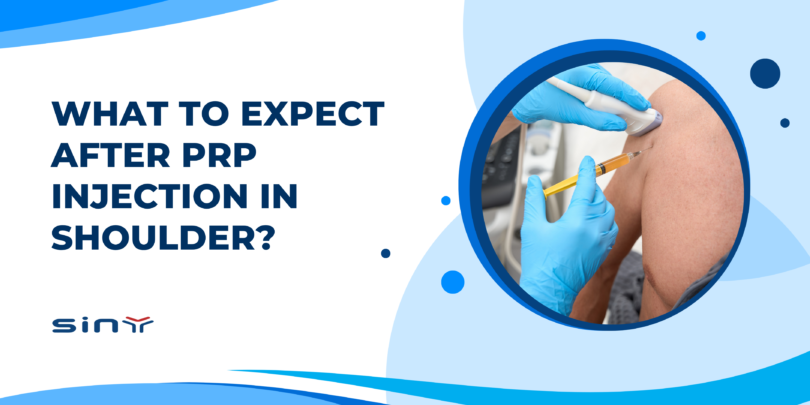
Ultrasound guidance allows the clinician to visualize the tendon and identify the target region during treatment.
Depending on the pathology and chosen protocol, PRP may be placed into abnormal tendon tissue or around selected areas of the tendon. Some techniques distribute small volumes across several locations instead of depositing the entire preparation at a single point.
Clinicians may also use needle fenestration or a peppering-style technique. With this approach, the clinician redirects the needle through the target region several times. The procedure may combine mechanical stimulation of the abnormal tissue with distribution of the platelet preparation through the selected treatment zone.
However, there is no universally accepted injection technique that works for every Achilles tendinopathy patient. Tendon location, lesion characteristics, practitioner experience, imaging findings, and PRP formulation can all influence the procedure.
The same principle applies to PRP preparation.
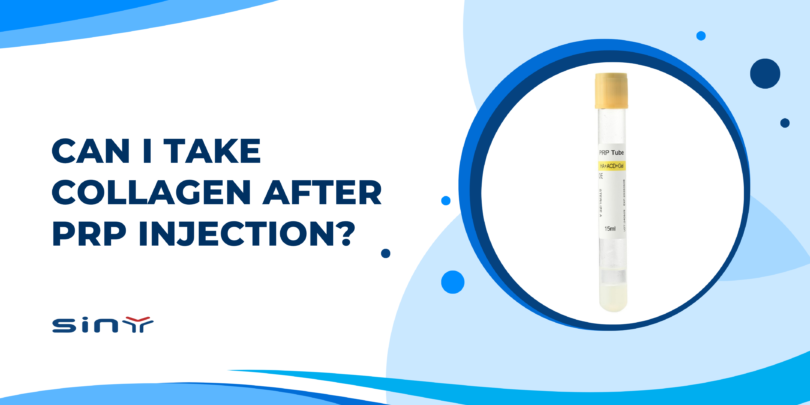
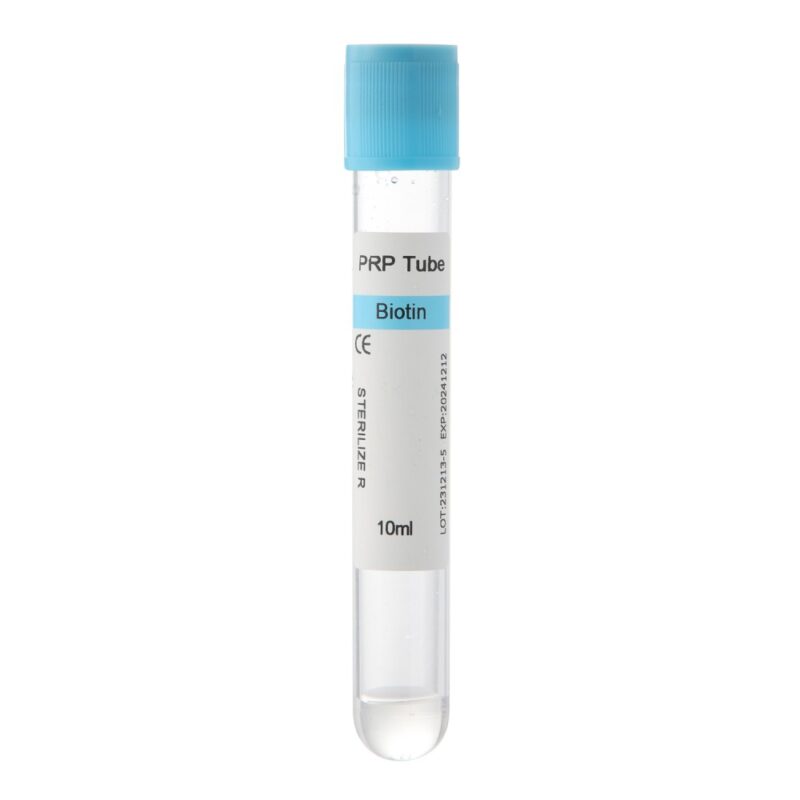
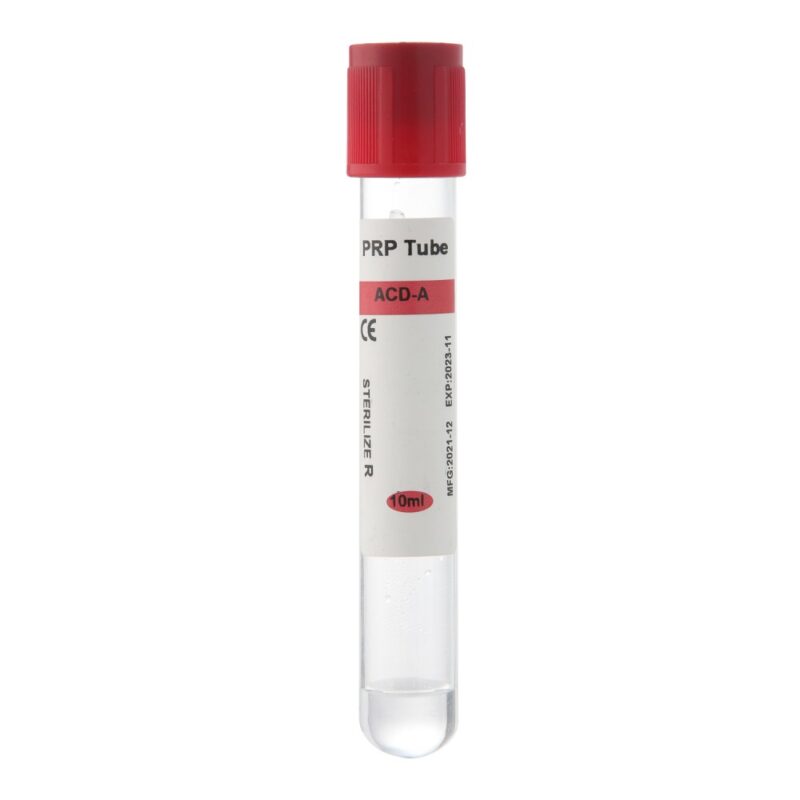
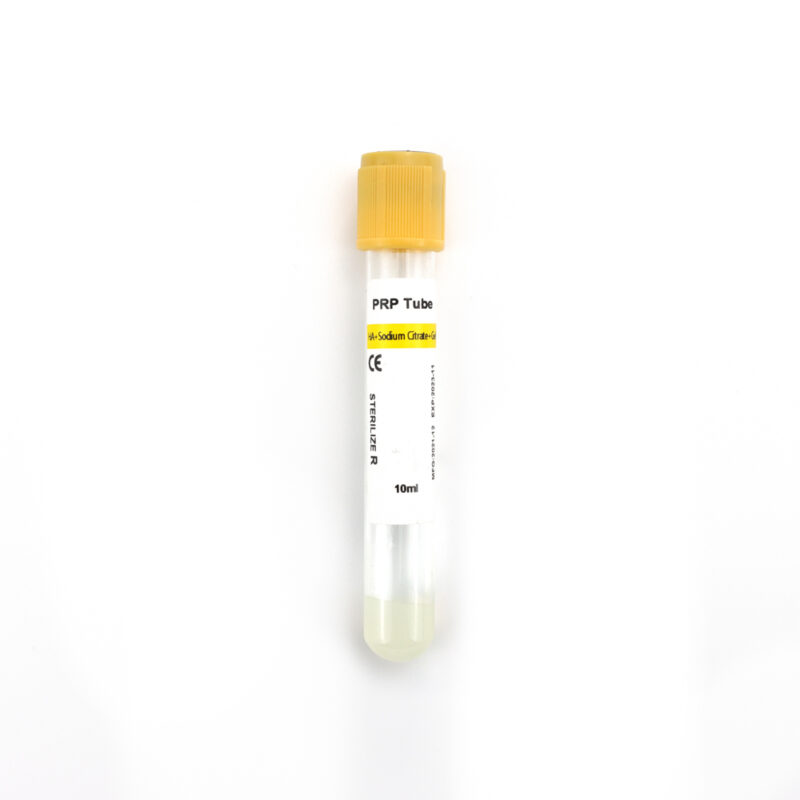
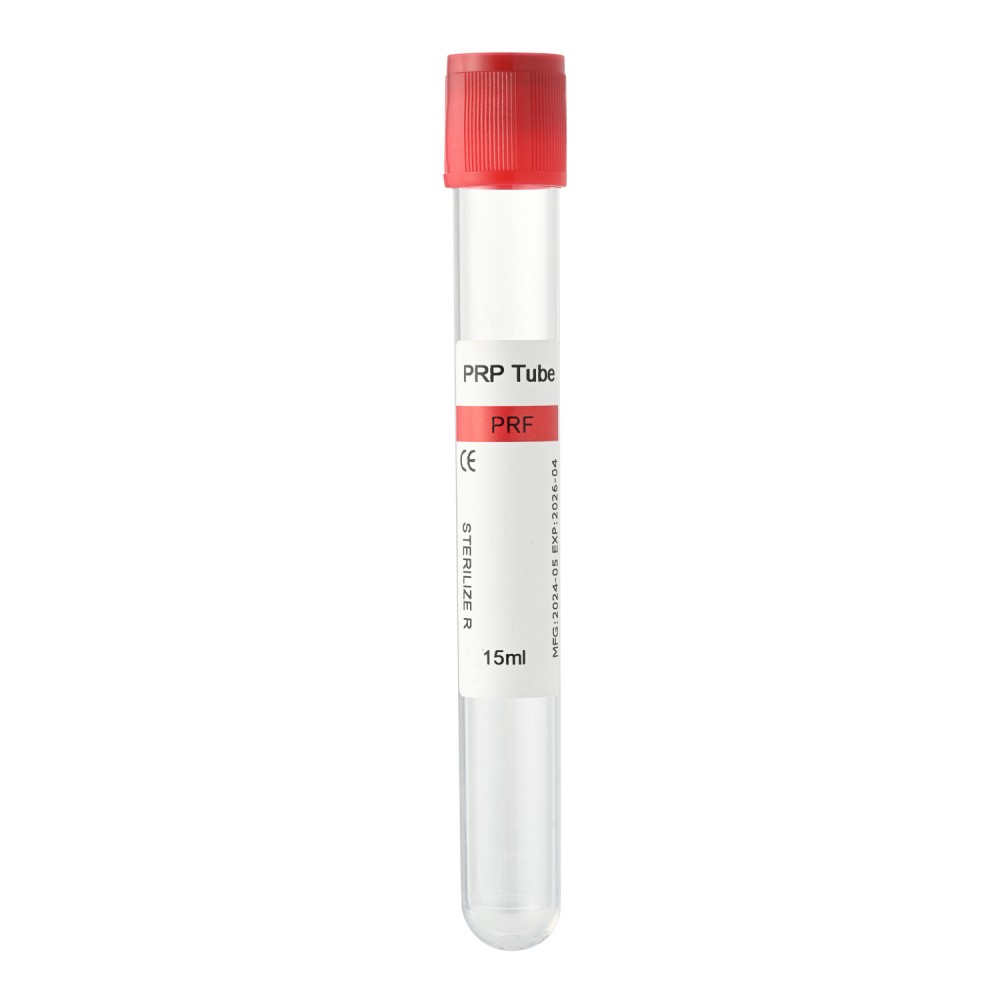
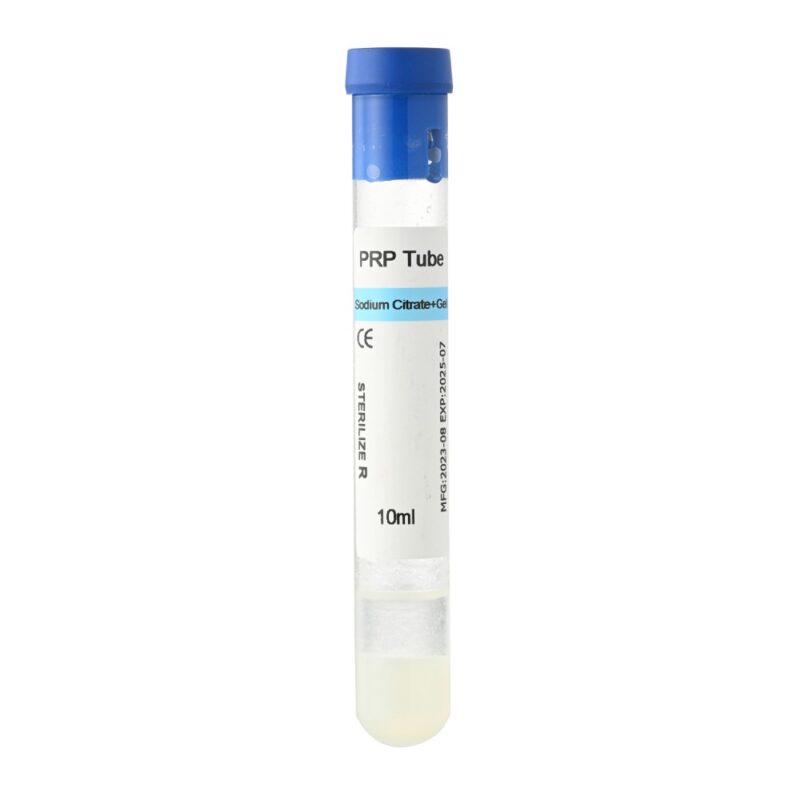
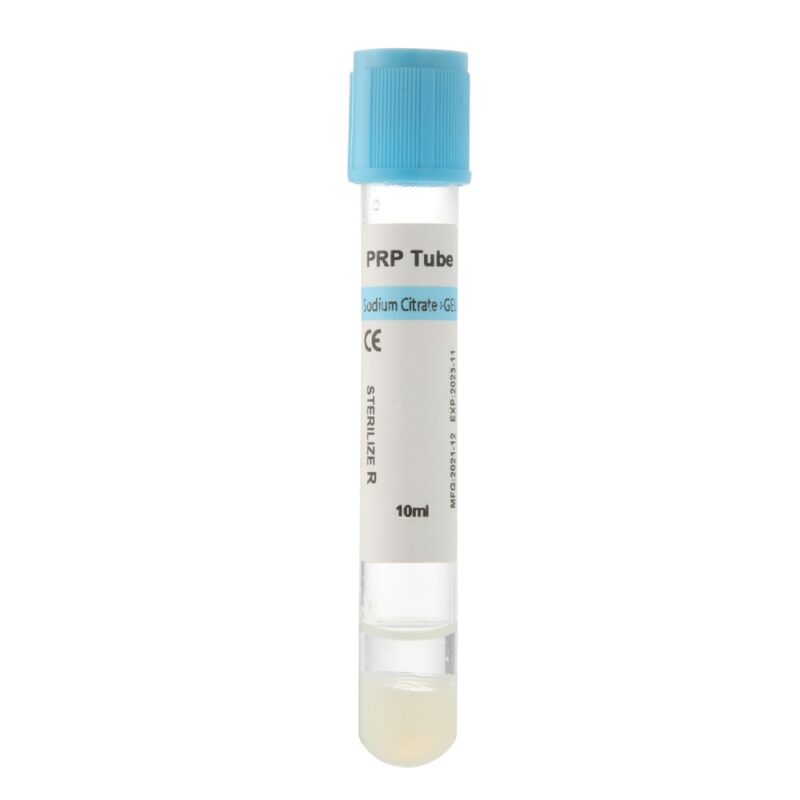
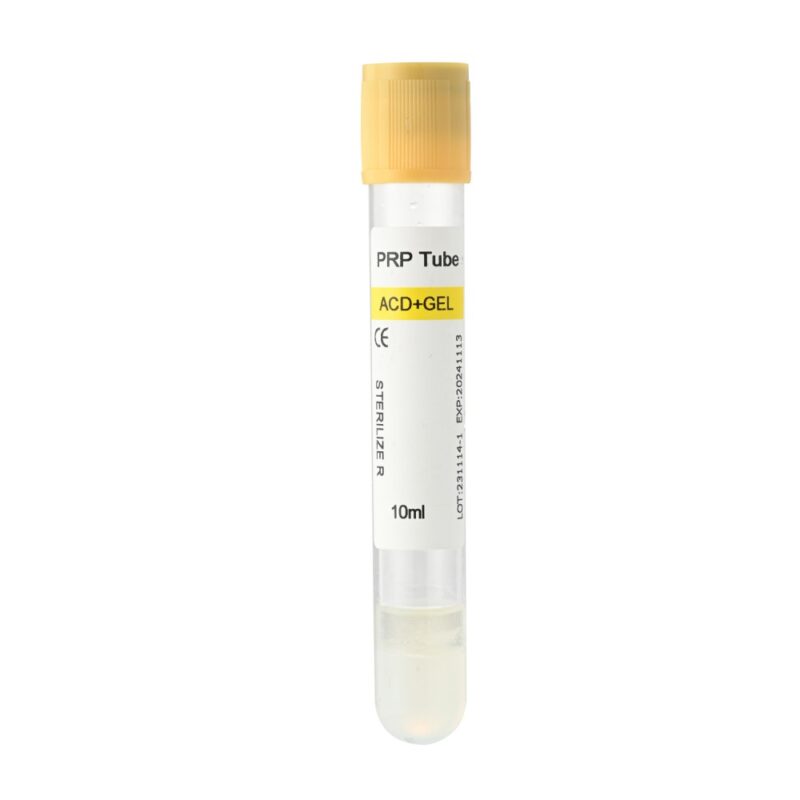
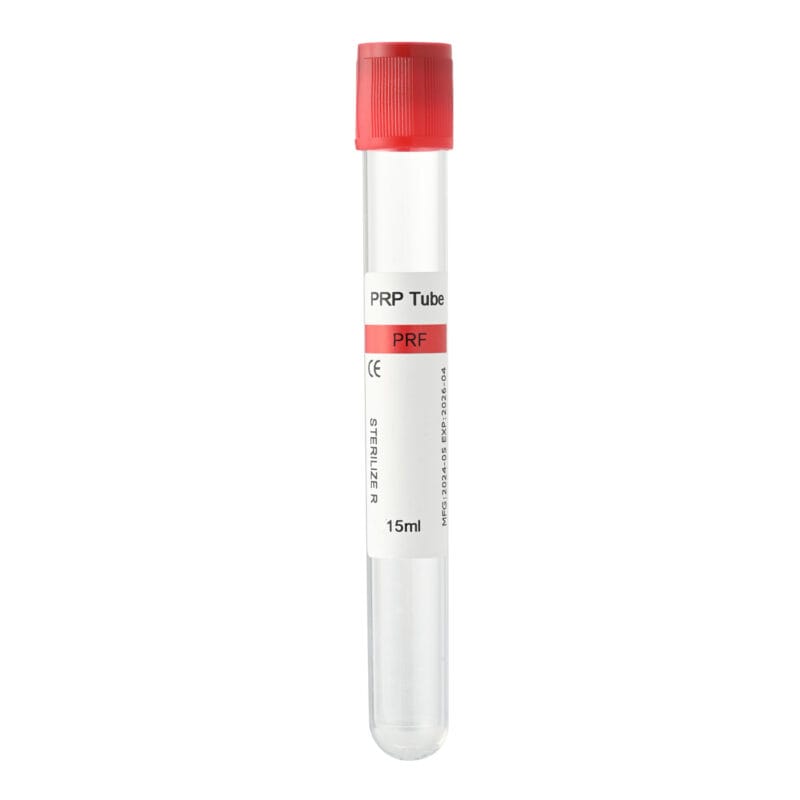
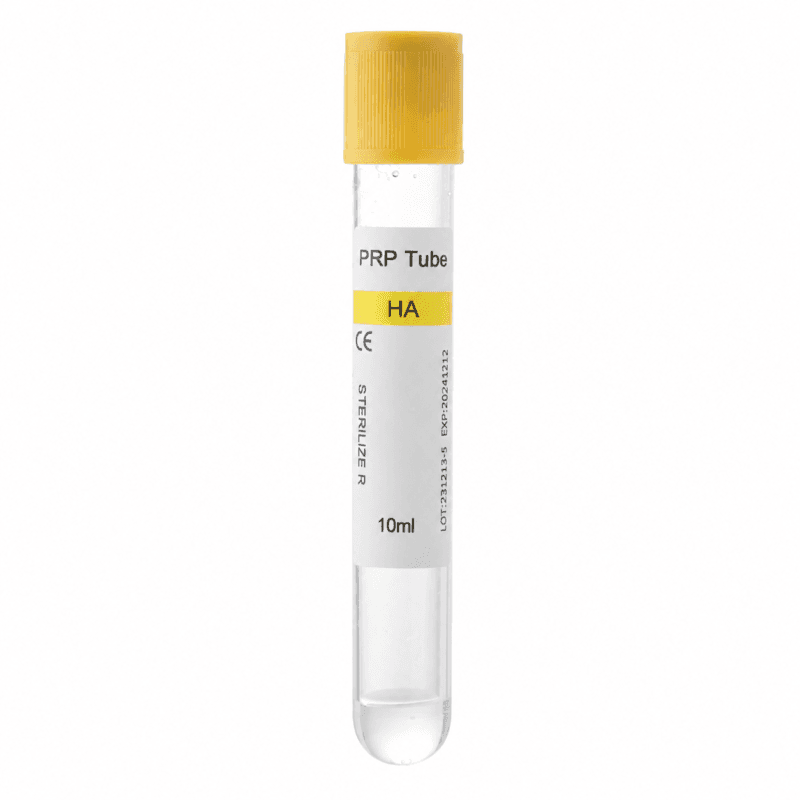
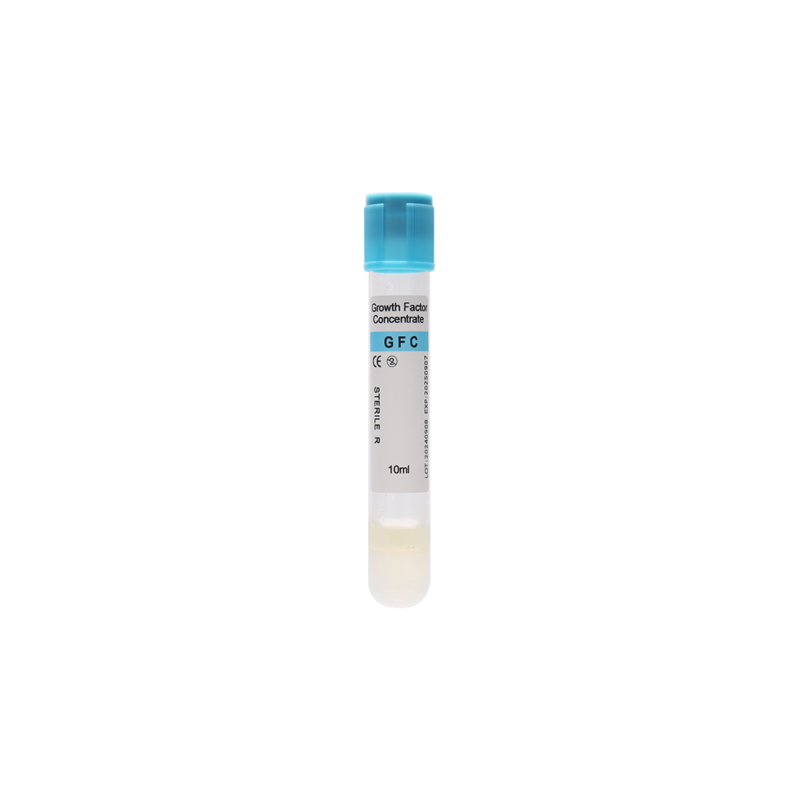
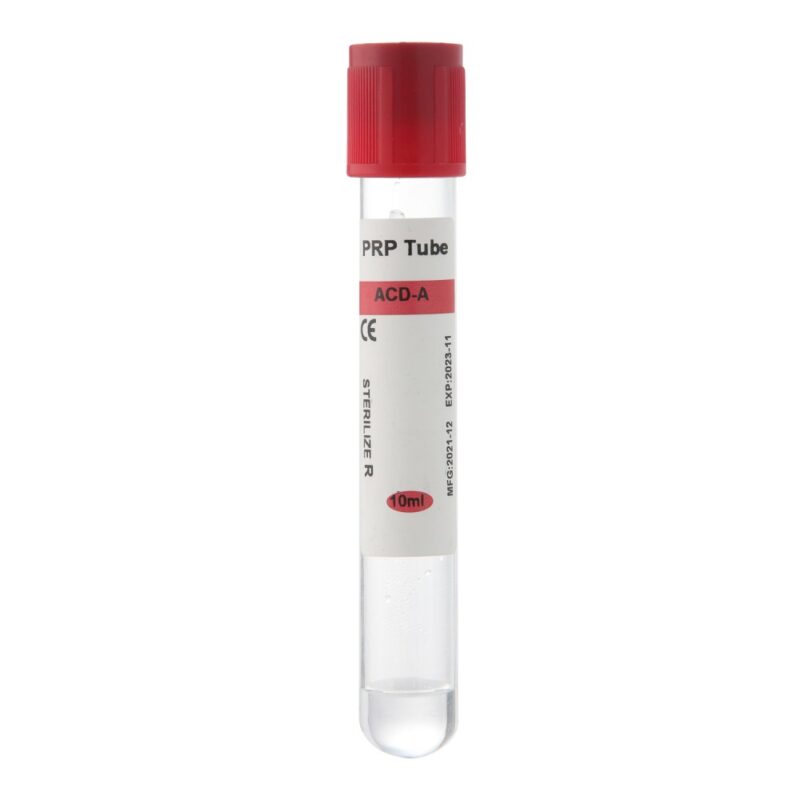
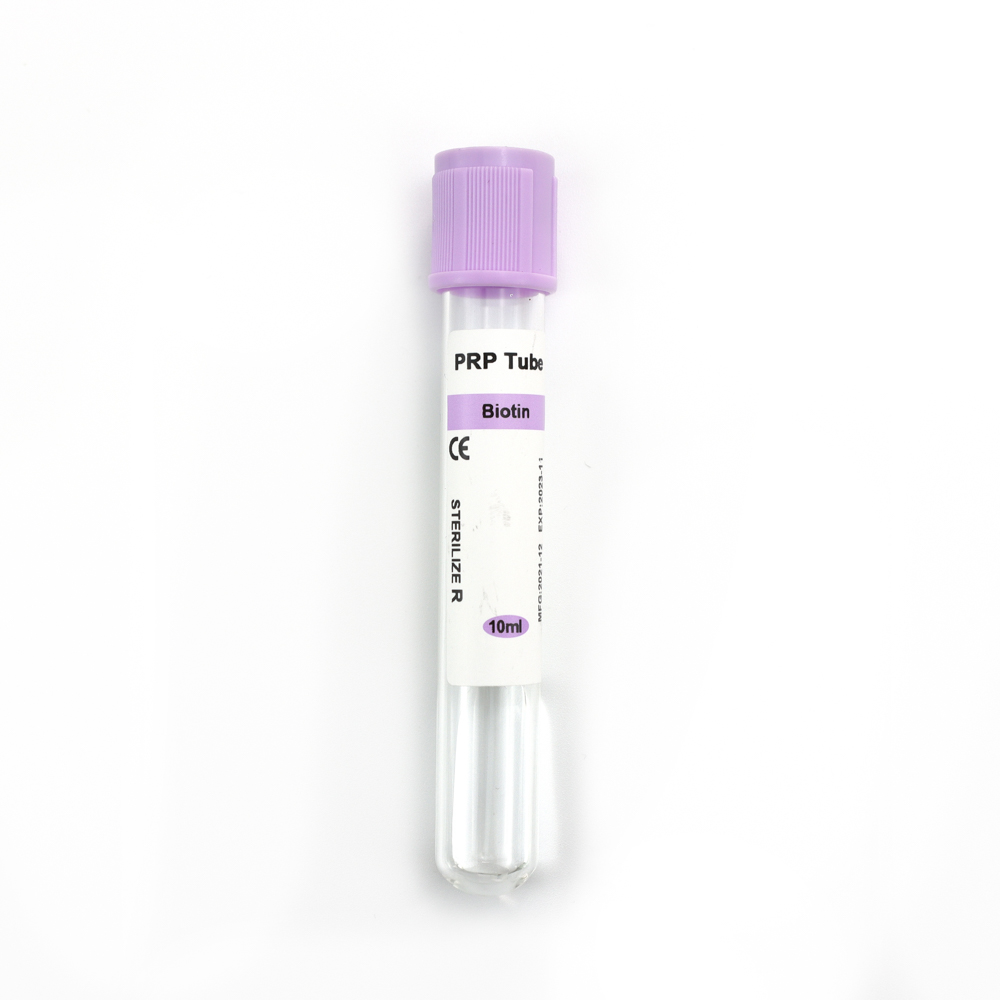
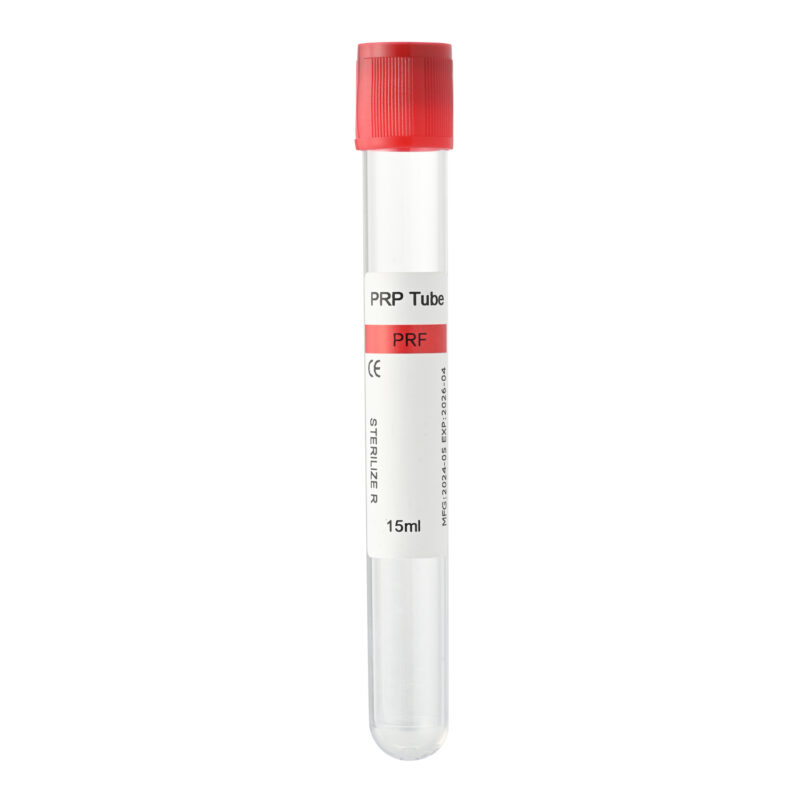
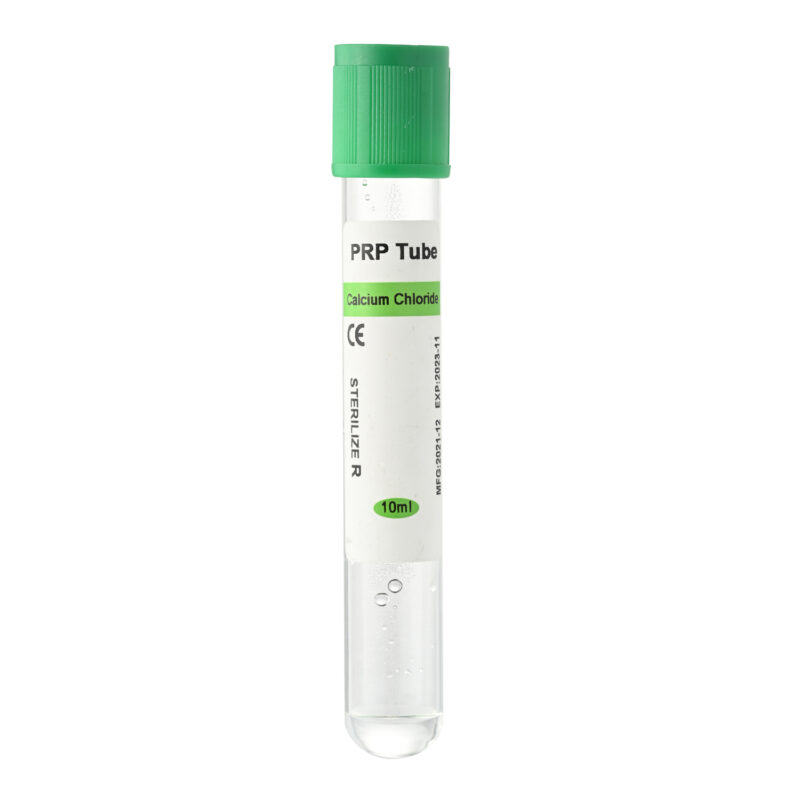
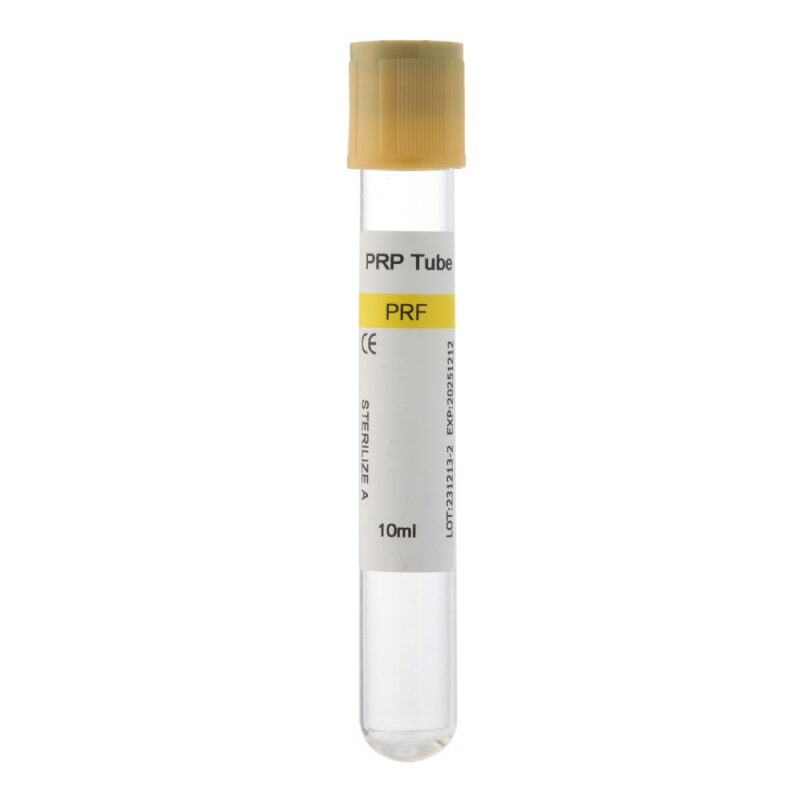
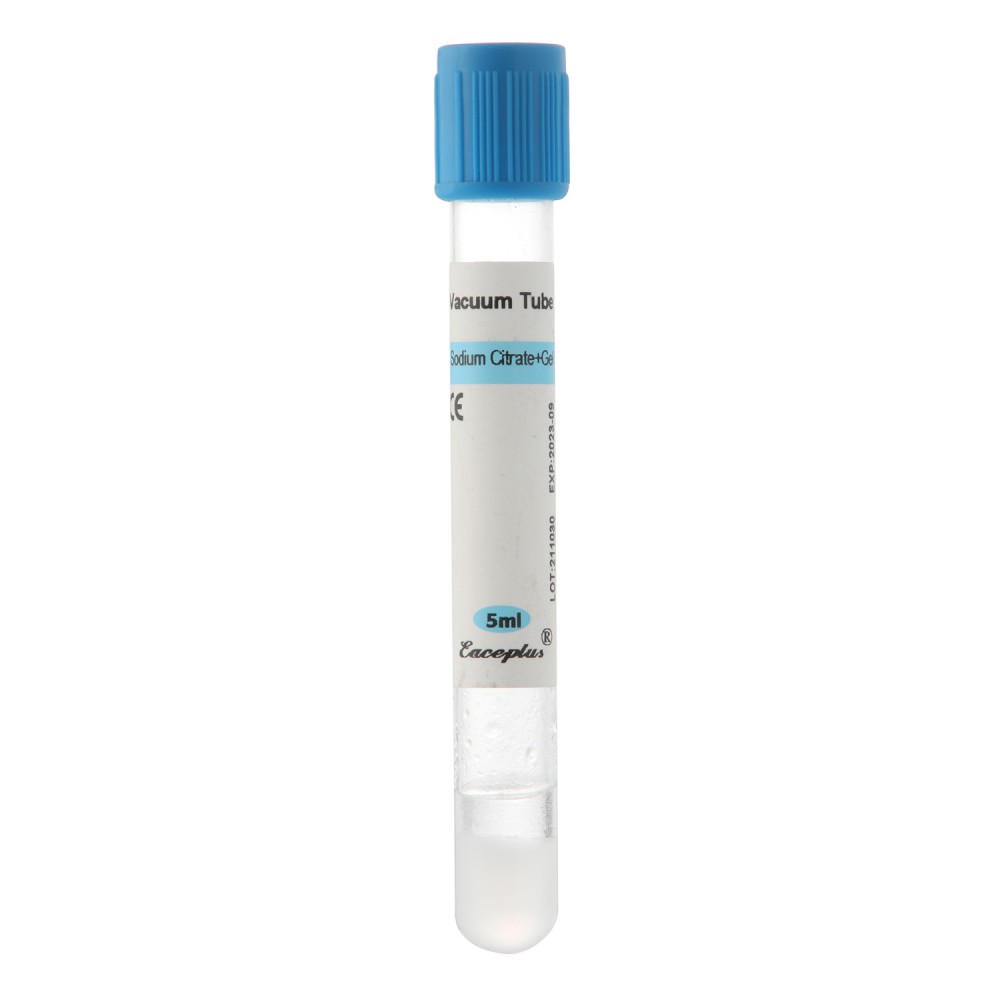
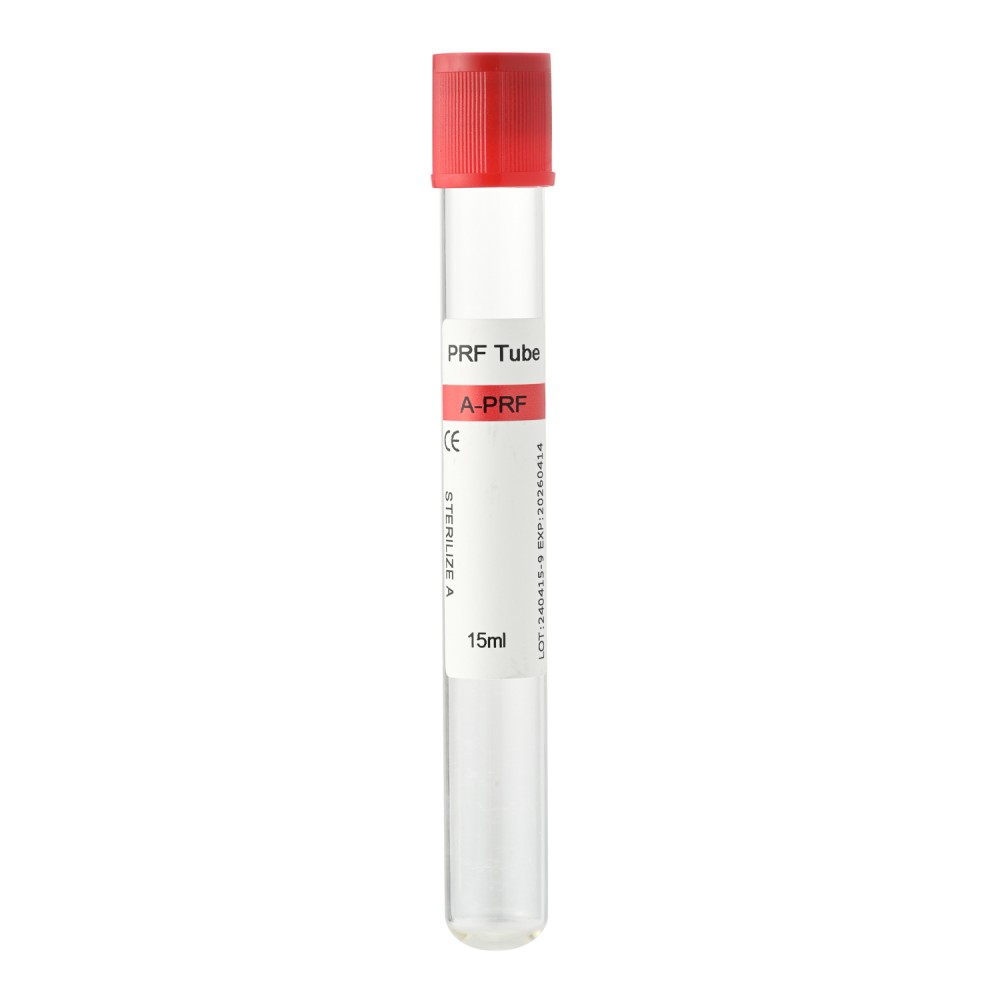
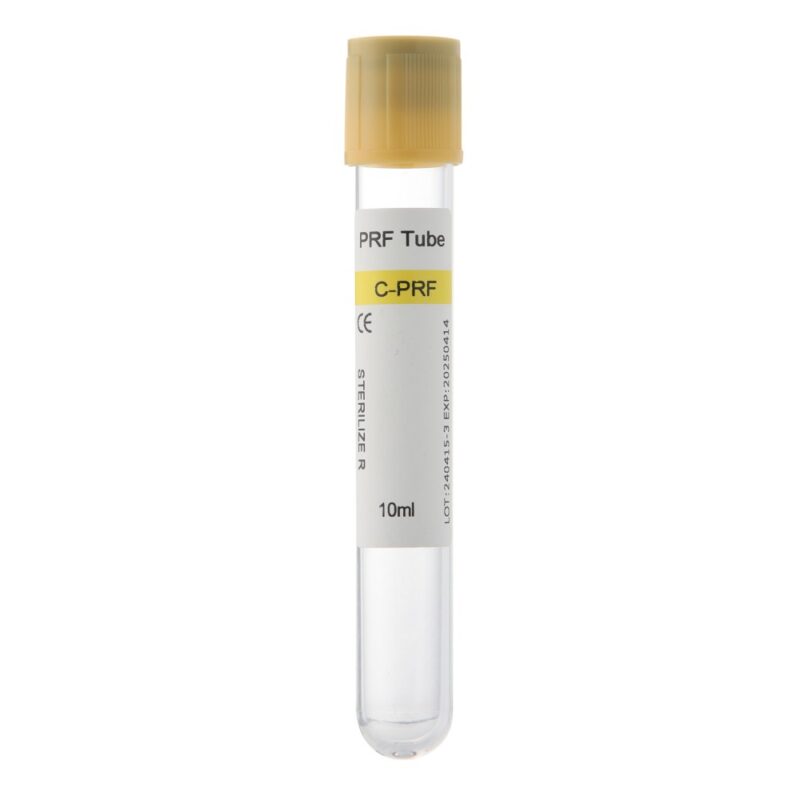
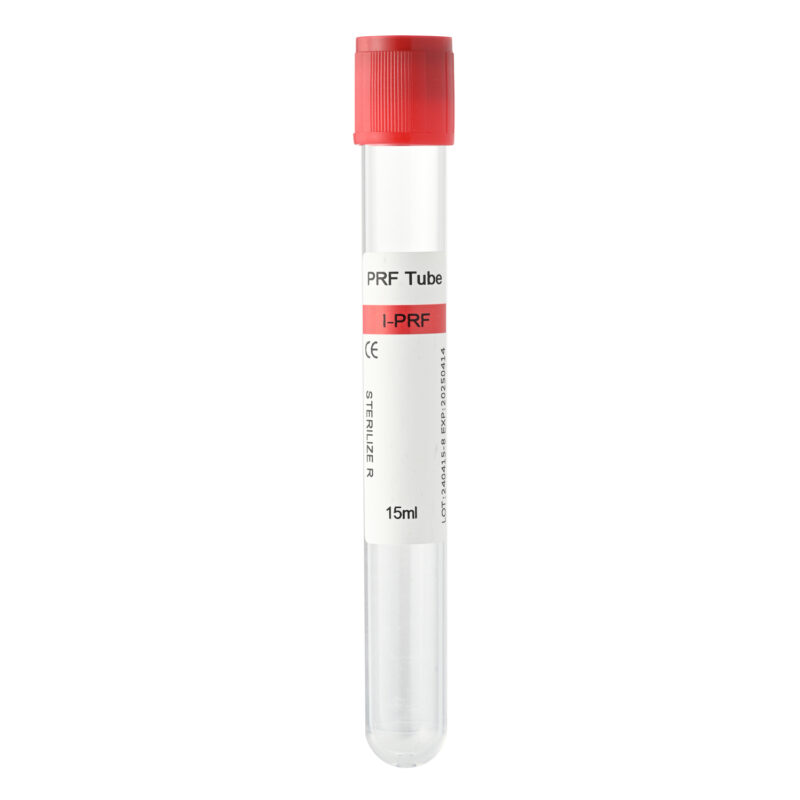
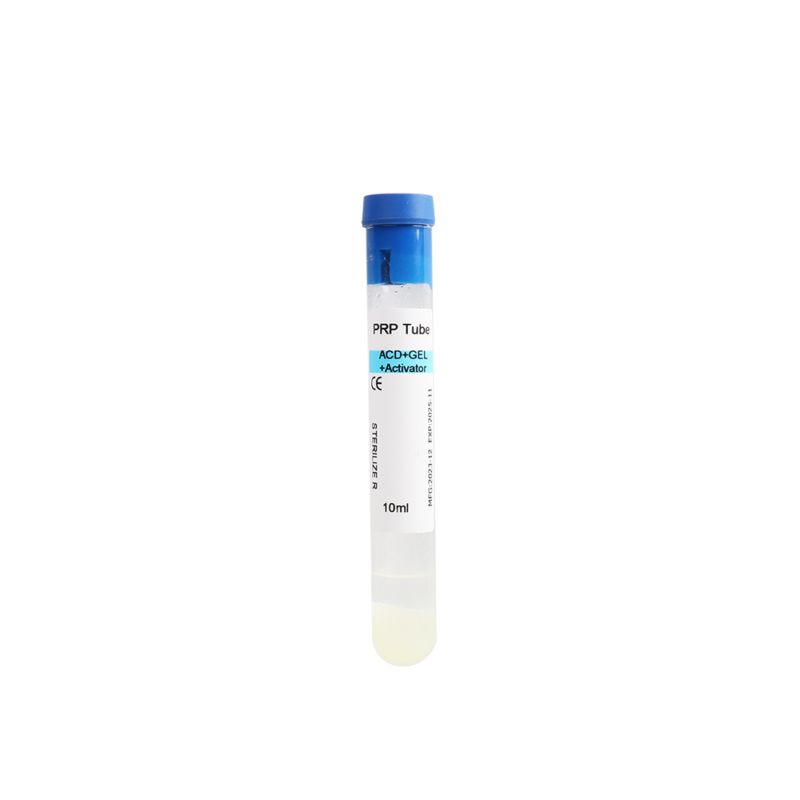
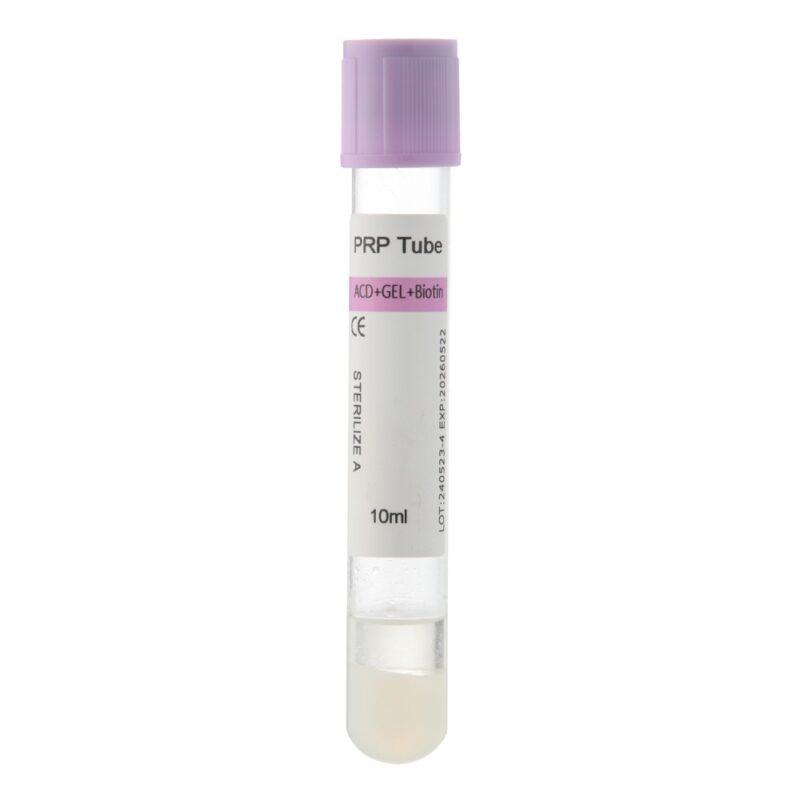
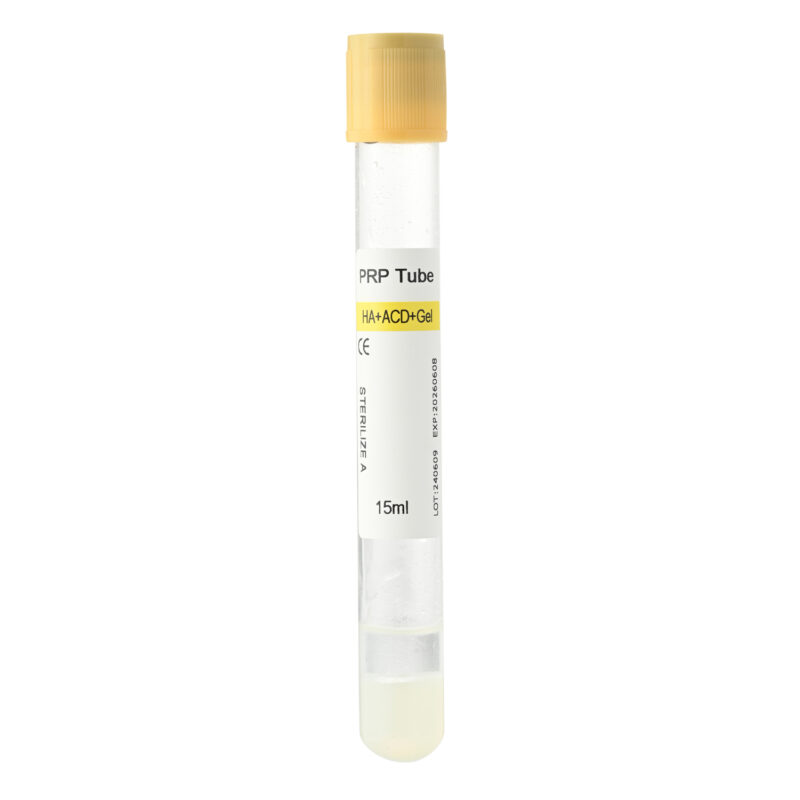
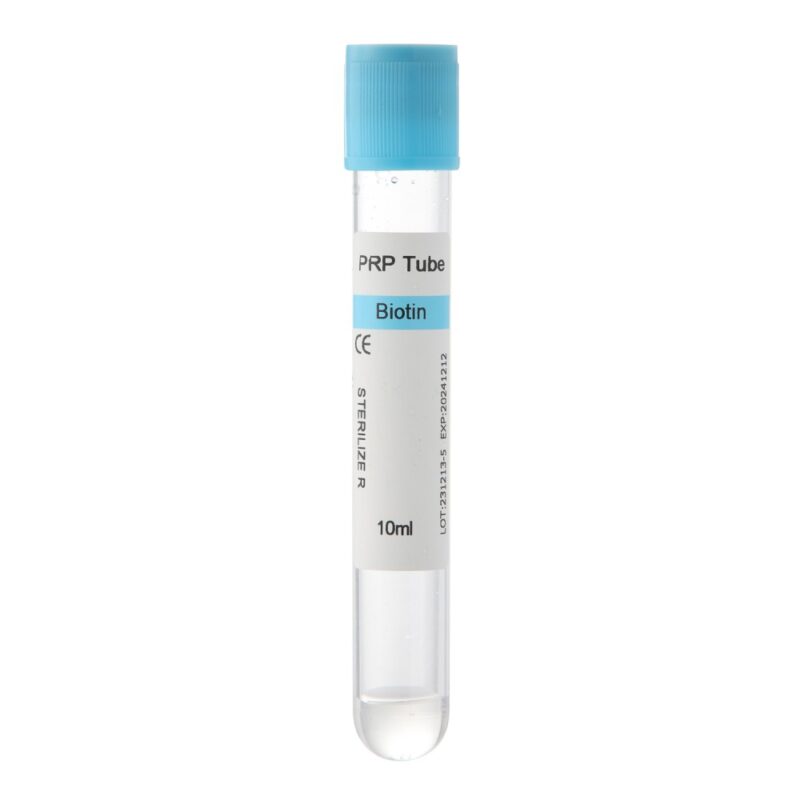
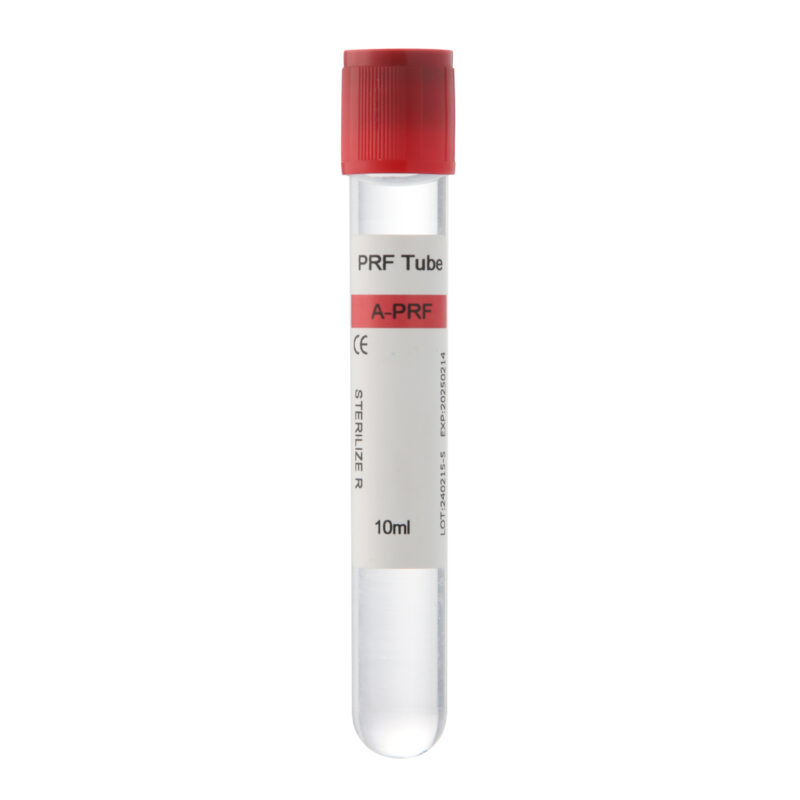
For orthopedic applications, clinicians should evaluate PRP tubes according to their intended preparation protocol rather than selecting a product simply because it carries the “PRP tube” label. Relevant considerations include anticoagulant formulation, separation method, required blood volume, expected plasma yield, sterility, batch consistency, and compatibility with the clinic’s centrifugation workflow.
Siny PRP offers multiple PRP tube configurations for orthopedic and regenerative medicine applications. Clinics, distributors, and OEM buyers can contact us to discuss a preparation system that better matches their intended protocol.
PRP for Achilles Tendonitis Recovery: What Happens After Injection?
The period after injection is where patient expectations often become unrealistic.
Some patients expect PRP to behave like a conventional pain-relieving injection: treatment today, improvement tomorrow, and normal exercise shortly afterward. Tendon biology does not usually follow that schedule.
A more useful way to understand recovery is as a progression through several overlapping phases.
| Recovery Period | Typical Clinical Focus | Activity Approach |
| First 48–72 hours | Protect the treated area and monitor the post-injection response | Relative rest and limited unnecessary tendon loading |
| Days 3–10 | Transition out of the immediate reactive period | Gradually normalize basic daily activity as tolerated |
| Weeks 2–6 | Restore tendon loading capacity | Progressive rehabilitation and controlled strengthening |
| Weeks 6–12 | Build strength and functional tolerance | Heavier loading and increasingly demanding exercises |
| 3+ months | Evaluate functional recovery | Gradual return to running, jumping, sport, or demanding work |
These periods are not fixed deadlines. They provide a practical framework for understanding tendon rehabilitation rather than a guarantee of when an individual patient will recover.
The First Few Days
Localized soreness after injection can occur, and patients may temporarily feel worse before they feel better. That early response should not automatically be interpreted as treatment failure.
Clinicians commonly recommend relative rest during the immediate post-procedure period. Patients generally avoid excessive walking, running, jumping, and heavy calf loading early in recovery.
Medication instructions also deserve attention. Some contemporary PRP protocols recommend avoiding NSAIDs during the early post-injection period because of their effects on inflammatory pathways. The treating clinician should determine medication use according to the individual patient’s situation and treatment protocol.
Days 5–10: Moving Toward Rehabilitation
Complete inactivity for a prolonged period is usually not the goal.
Current clinical approaches often introduce controlled tendon rehabilitation relatively early when symptoms and the treatment protocol allow. This may begin around 5–10 days after an intratendinous PRP procedure, although timing should remain individualized.
Early rehabilitation may include carefully controlled range-of-motion work and low-load exercises before progressing to more demanding strengthening.
Pain provides useful feedback during this process. Clinicians can monitor both discomfort during exercise and the patient’s response over the following day rather than relying on pain at a single moment.
Weeks 2–6: Progressive Tendon Loading
This phase becomes increasingly important because PRP cannot substitute for mechanical rehabilitation.
Isometric exercises may progress toward concentric and eccentric calf loading as tolerance improves. Exercise selection should also reflect whether the patient has midportion or insertional Achilles tendinopathy.
The objective is not simply to make the tendon “feel better.” It is to gradually rebuild the tendon’s ability to tolerate force.
A recreational walker and a competitive runner may therefore require very different rehabilitation endpoints even when both report similar pain reduction.
Does the Achilles Tendon Need Immobilization After PRP?
This is one of the areas where clinical protocols vary the most.
Some clinicians use a walking boot or brace for a short period, particularly when patients have substantial pain or when temporary unloading appears appropriate. Other protocols allow protected weight bearing without routine immobilization.
The important point is that there is currently no strong consensus supporting mandatory immobilization after every Achilles PRP injection.
A walking boot should therefore not become an automatic part of treatment simply because PRP was injected.
Clinicians may consider several factors when deciding whether temporary immobilization or unloading is appropriate:
- Severity and duration of symptoms
- Location of the Achilles tendinopathy
- Degree of tendon degeneration and presence of partial tearing
- Injection and needling technique
- Pain during normal weight-bearing walking
- Occupational and athletic demands
- Patient compliance
- Planned rehabilitation strategy
If clinicians use temporary protection, it should normally serve a defined purpose. Prolonged immobilization without a clinical reason may work against the eventual objective of restoring the tendon’s capacity to handle mechanical load.
This is why “rest after PRP” should not mean “avoid using the Achilles tendon until it feels normal.”
A more useful recovery model is:
Protection → Controlled Loading → Strengthening → Functional Loading → Return to Activity
Each stage prepares the tendon for the next level of mechanical demand.
For clinics standardizing this pathway, PRP preparation deserves the same attention as rehabilitation. Reliable blood collection and separation can help reduce avoidable variation before the injection even begins.
How Long Does PRP for Achilles Tendonitis Take to Work?
Recovery from chronic Achilles tendinopathy is usually measured in weeks and months rather than days.
Patients may notice changes in pain or daily function during the first several weeks, but improvement does not necessarily mean the tendon has regained the strength required for unrestricted sport.
Pain reduction alone should therefore not determine whether the tendon is ready for running or competition.
Clinicians may also evaluate:
- Morning stiffness
- Calf strength
- Range of motion
- Single-leg loading tolerance
- Hopping tolerance
- Functional exercise performance
- Response to progressively heavier tendon loading
The VISA-A score can provide a structured way to follow pain and function during Achilles tendinopathy rehabilitation.
Return to activity should also be gradual.
A patient may progress from walking to strengthening, then to heavier calf loading, jogging, running, jumping, and finally sport-specific movements. Competitive athletes may require acceleration, deceleration, repeated jumping, or change-of-direction testing before unrestricted return.
Low pain levels during clinical assessment can contribute to return-to-sport decisions, but clinicians should consider pain alongside strength, function, sport demands, and the patient’s response to progressive loading.
Imaging can help diagnose and monitor selected cases, but a tendon does not necessarily need to appear completely “normal” on ultrasound before activity resumes. Clinical function remains central to return-to-sport decisions.
Clinicians should also explain that a lack of dramatic improvement during the first few weeks does not automatically mean the treatment failed. Conversely, early pain relief does not mean tendon remodeling has finished.
A meaningful assessment often requires longer follow-up.
If improvement remains only partial after approximately three months, clinicians can reassess the diagnosis, rehabilitation adherence, loading progression, and other treatment options before deciding whether another intervention is appropriate.
Why PRP Tube Selection Matters in Orthopedic Practice
For buyers, this brings the discussion back to an easily overlooked part of PRP treatment: preparation.
The PRP tube does not determine the clinical outcome by itself, and no responsible supplier should claim that it does. However, the collection and separation system can influence how consistently a clinic prepares its platelet-rich plasma.
For procurement teams, the question should therefore be less about finding a “universal orthopedic PRP tube” and more about matching the tube configuration to the clinic’s established preparation protocol.
A clinic using an anticoagulant-based PRP protocol, for example, may evaluate citrate-based or ACD-based collection systems differently from a clinic following another preparation approach. Likewise, separation requirements, target plasma volume, and centrifugation workflow may influence which configuration fits the clinic best.
When comparing PRP tubes for orthopedic use, buyers should consider:
- Intended clinical preparation protocol
- Anticoagulant type
- Presence or absence of separation gel
- Blood collection volume
- Expected PRP yield
- Separation consistency
- Sterility and manufacturing controls
- Centrifuge compatibility
- Packaging and batch traceability
- OEM or private-label requirements for distributors
Price matters in procurement, particularly for distributors and high-volume clinics, but it should not become the only purchasing criterion. A lower-cost tube may offer little practical advantage if its configuration does not fit the clinic’s established preparation process or creates unnecessary variability between procedures.
Siny PRP supplies PRP tubes for professional regenerative medicine, orthopedic, sports medicine, dental, aesthetic, and hair applications. If you are comparing PRP tube configurations for an orthopedic product line or clinical preparation workflow, explore our product range or contact our team for product, bulk purchasing, packaging, and OEM information.
FAQs About PRP for Achilles Tendonitis
How long does PRP take to work for Achilles tendinopathy?
PRP should not be expected to provide an immediate regenerative result. Patients may notice changes over several weeks, while tendon rehabilitation and functional improvement can continue for several months. Individual recovery depends on tendon pathology, symptom duration, loading demands, rehabilitation, and other patient-specific factors.
Should patients wear a walking boot after an Achilles PRP injection?
Not necessarily. Some clinicians use temporary immobilization or partial unloading, but current evidence does not establish a walking boot as mandatory after every PRP injection. The decision should depend on the individual patient’s condition and treatment protocol.
When should rehabilitation begin after Achilles PRP?
Controlled rehabilitation may begin relatively early when clinically appropriate, with some protocols introducing low-load rehabilitation around 5–10 days after an intratendinous PRP procedure. The treating clinician should adjust timing and exercise intensity according to symptoms, tendon pathology, and the specific procedure.
Can patients exercise immediately after PRP?
Patients generally avoid strenuous Achilles loading during the immediate post-injection period. Rehabilitation typically progresses from protected daily activity toward controlled exercises and eventually heavier tendon loading. Running, jumping, and sport-specific activity come later in the progression.
Is ultrasound guidance necessary for Achilles PRP?
Ultrasound guidance can help clinicians identify abnormal tendon regions and visualize needle placement. Clinical studies frequently use ultrasound-guided techniques, although exact injection approaches vary and there is no single universally accepted PRP injection protocol.
Is PRP proven to cure Achilles tendonitis?
No. Current research does not show consistent evidence that PRP is superior to placebo or established conservative therapy for chronic Achilles tendinopathy. Clinicians should view it as a possible adjunct for selected patients rather than a guaranteed cure or universal first-line treatment.
What should clinics look for when choosing PRP tubes for tendon applications?
Clinics should evaluate the entire preparation workflow, including anticoagulant type, separation method, blood volume, expected PRP yield, sterility, centrifugation compatibility, manufacturing consistency, and supplier support. The selected tube should fit the clinic’s established or validated PRP preparation protocol rather than forcing the protocol to fit the tube.
A Consistent Protocol Matters From Preparation to Rehabilitation
PRP treatment for Achilles tendinopathy is not simply an injection procedure. Patient selection, PRP preparation, accurate delivery, early protection, progressive tendon loading, and realistic return-to-activity criteria all contribute to the clinical pathway.
The evidence surrounding PRP for chronic Achilles tendinopathy remains mixed, so clinicians should avoid promising rapid regeneration or guaranteed pain relief. A more practical approach is to use PRP selectively, standardize the procedure where possible, and place structured rehabilitation at the center of recovery.
For clinics and distributors developing orthopedic PRP programs, Siny PRP provides PRP tube solutions for professional platelet-rich plasma preparation. Explore our orthopedic PRP products or contact our team to discuss tube configuration, bulk purchasing, packaging, and OEM requirements.