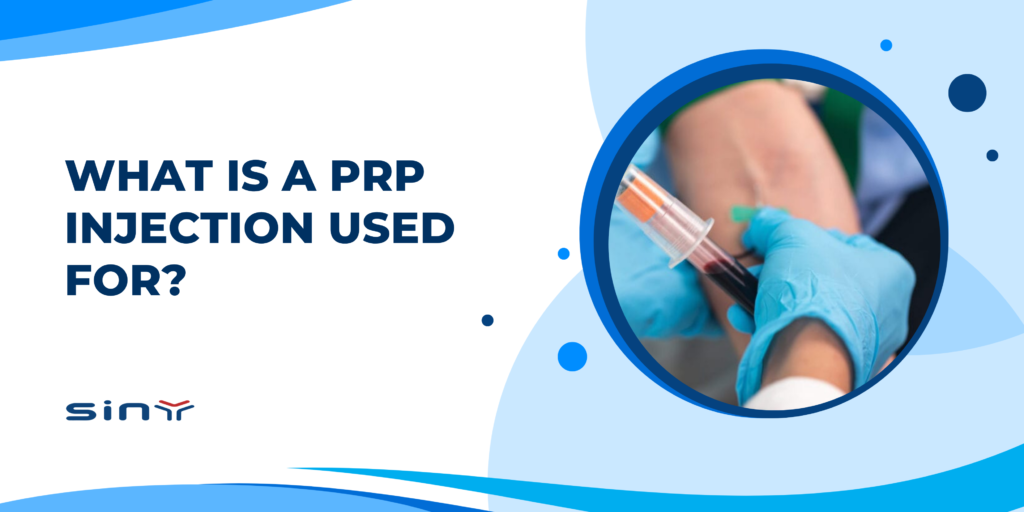
A runner struggling with persistent Achilles tendon pain. A patient noticing gradual hair thinning. Someone hoping to improve skin quality without surgery. Although their concerns are different, they may all hear the same recommendation from a healthcare professional: platelet-rich plasma (PRP) therapy.
So, what is a PRP injection used for? In simple terms, a PRP injection is used to support the body’s natural healing processes by delivering a concentrated solution of platelets and growth factors directly to targeted tissues. Today, PRP therapy is widely used in orthopedics, sports medicine, aesthetic medicine, hair restoration, dentistry, and several other regenerative medicine applications. While the specific treatment protocols vary, the goal remains the same—helping the body repair damaged tissue using its own biological resources.
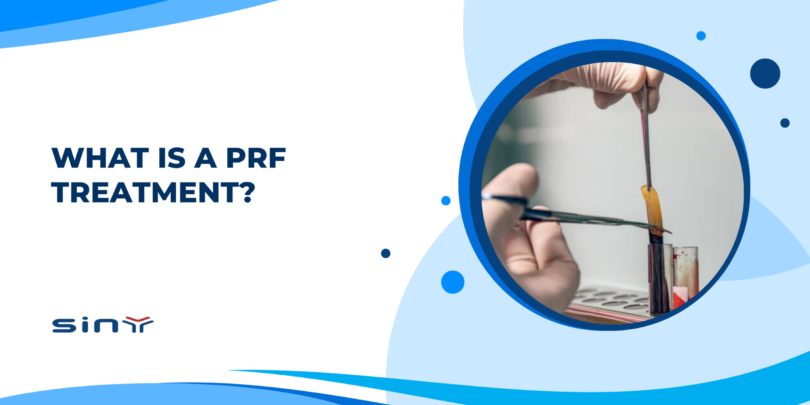
Unlike medications or synthetic fillers, PRP is prepared from a patient’s own blood. After a small blood sample is collected, it is processed through centrifugation to separate platelet-rich plasma from other blood components. The resulting concentrate contains platelets, plasma proteins, and signaling molecules that participate in tissue repair and regeneration.
As PRP procedures become more common, healthcare providers are paying closer attention to every step of the preparation process. The quality of the final platelet concentrate depends not only on centrifugation protocols but also on the blood collection system, anticoagulant, and PRP tube used. A standardized preparation workflow helps clinics achieve more consistent results while improving efficiency during daily procedures.
How Does a PRP Injection Work?
To fully understand what is a PRP injection used for, it helps to first understand how PRP is prepared and why platelets play such an important role in tissue repair.
Human blood contains four primary components: red blood cells, white blood cells, plasma, and platelets. Although platelets are best known for helping stop bleeding, they also release a variety of growth factors and bioactive proteins that support cell signaling, blood vessel formation, and tissue remodeling.
A typical PRP procedure follows several straightforward steps:
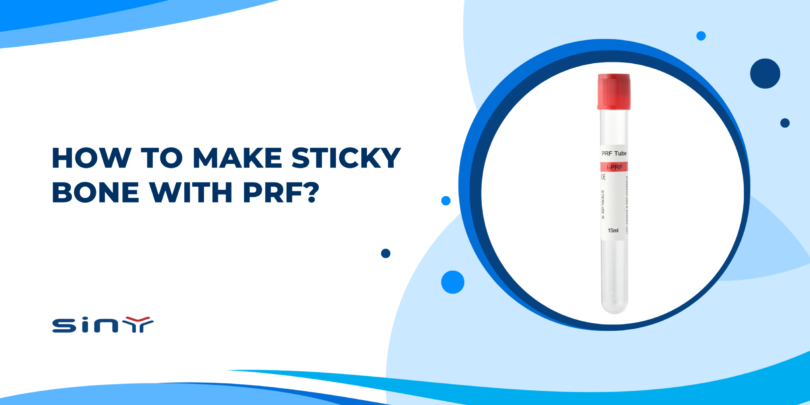
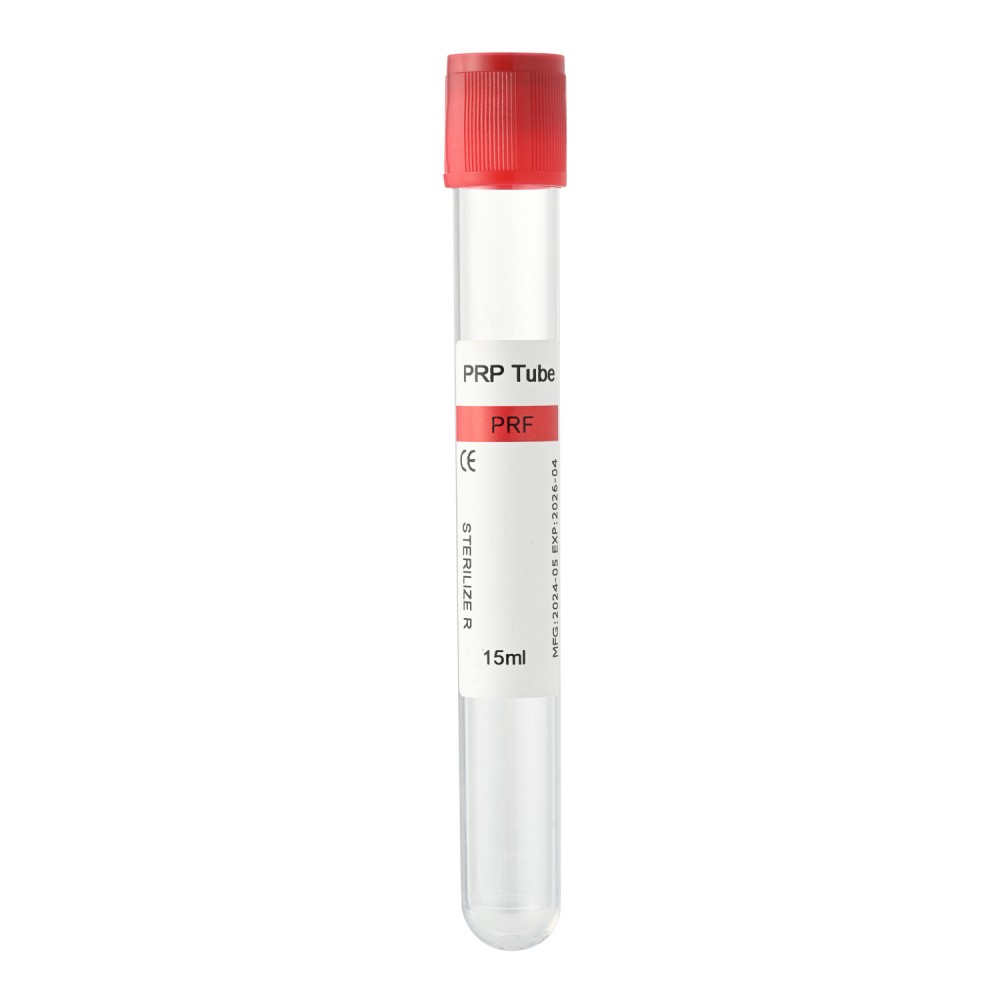
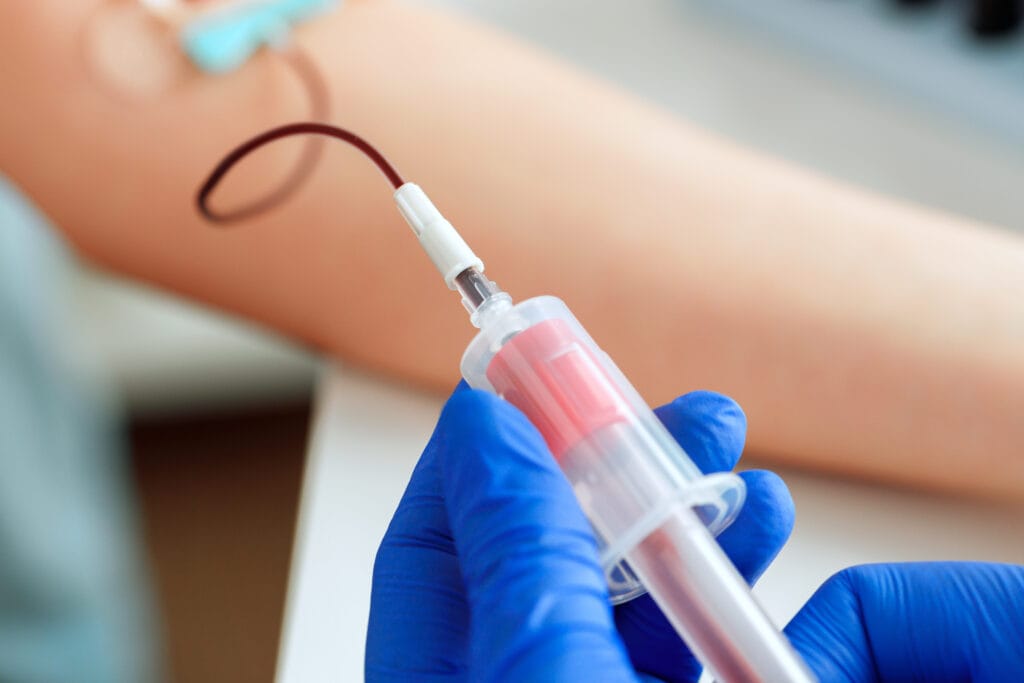
- Blood collection: A small amount of the patient’s blood is collected using a sterile PRP tube.
- Centrifugation: The tube is placed into a centrifuge, where spinning separates blood components according to their density.
- PRP preparation: The platelet-rich plasma layer is carefully isolated while minimizing contamination from red blood cells.
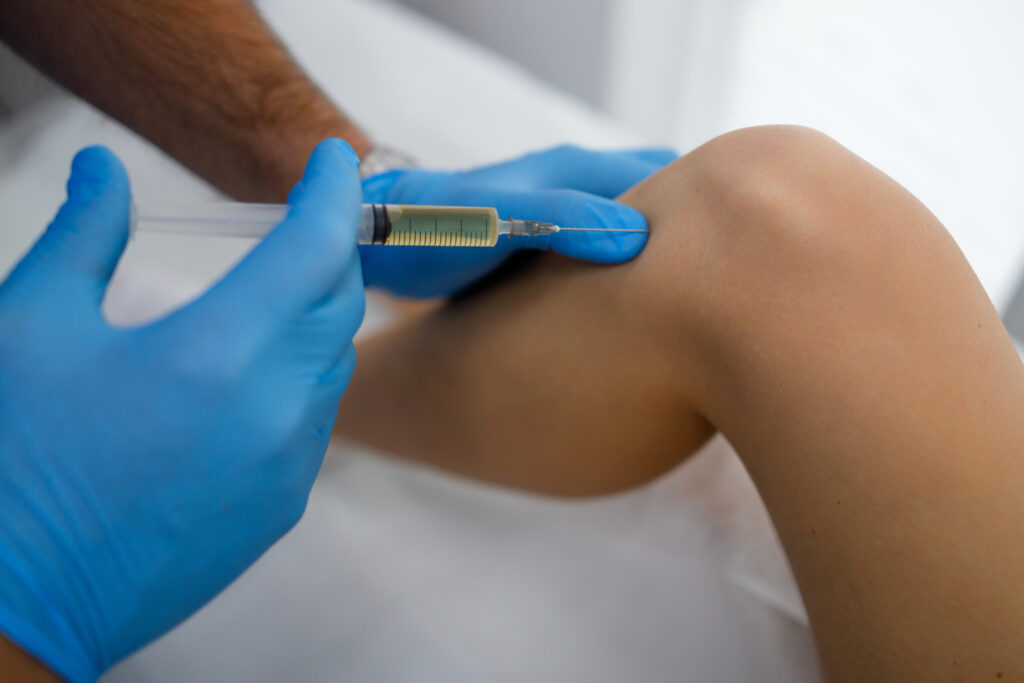
- Injection: The prepared PRP is injected into the selected treatment area under the clinician’s protocol.
The entire preparation process usually takes about 30 to 60 minutes, making PRP a convenient outpatient procedure for many clinics.
While the procedure appears simple, preparation quality can vary considerably. Platelet recovery, plasma purity, and workflow consistency are influenced by factors such as anticoagulant formulation, tube design, centrifugation settings, and operator technique. This is why experienced practitioners often place as much importance on the preparation system as they do on the injection itself.
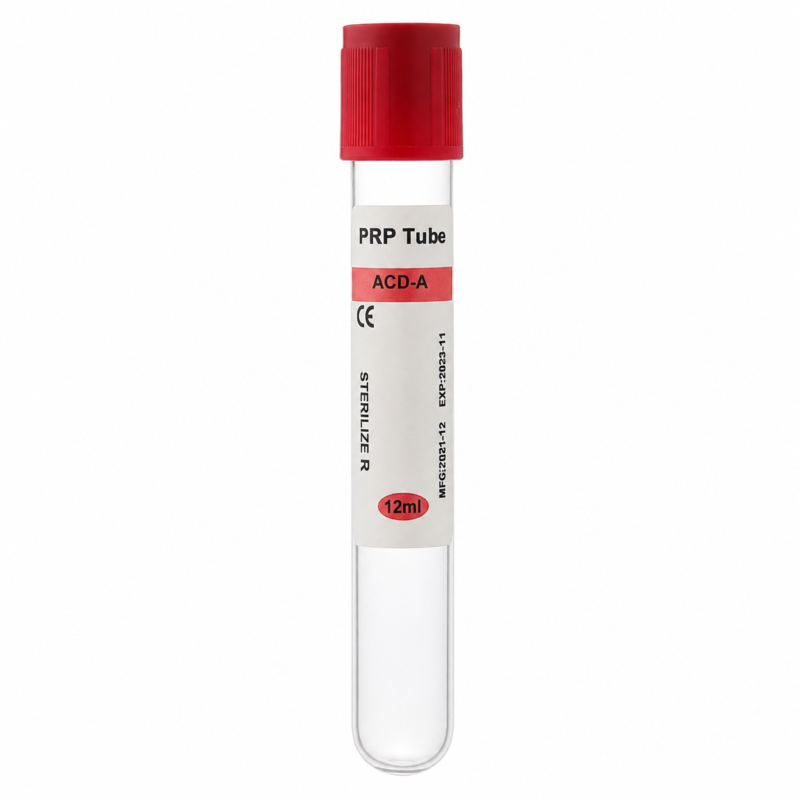
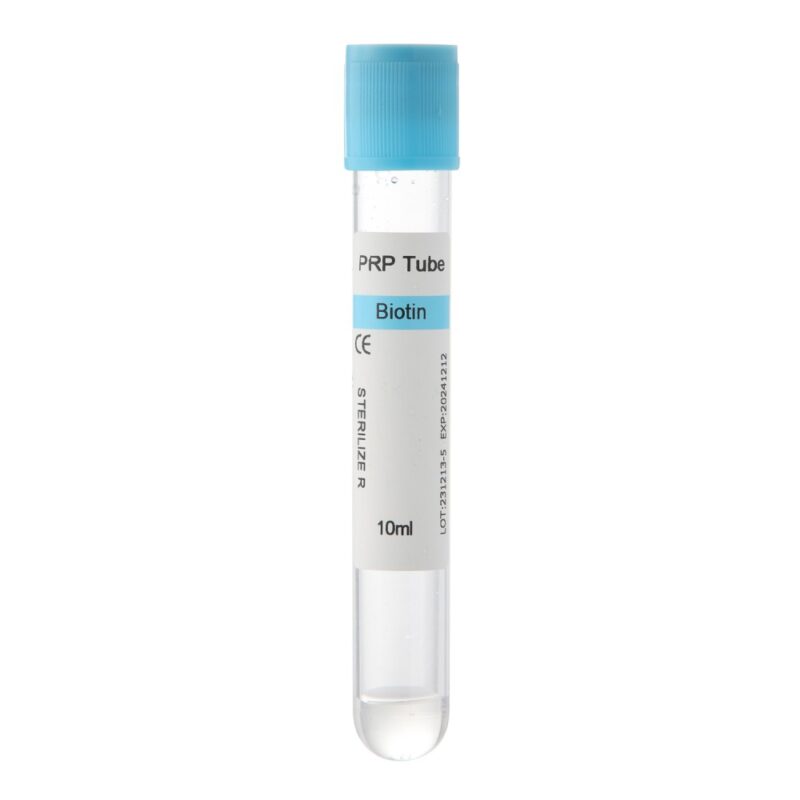
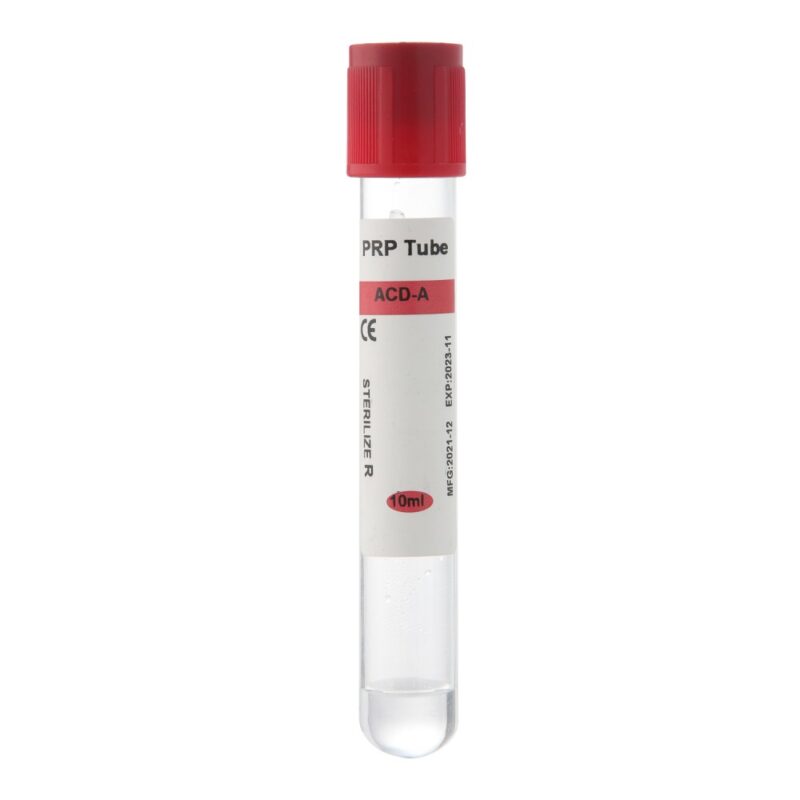
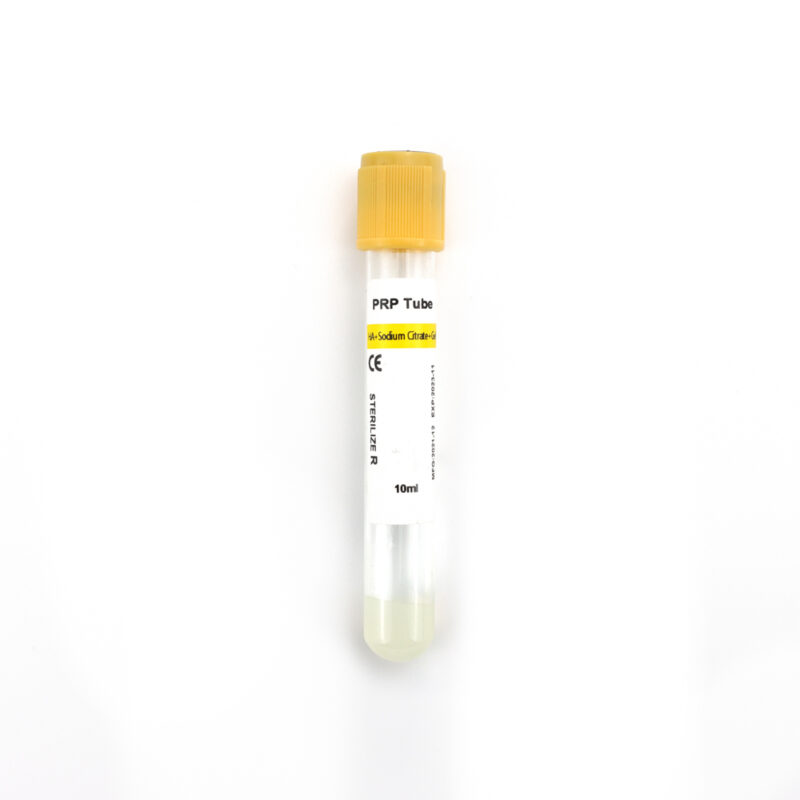
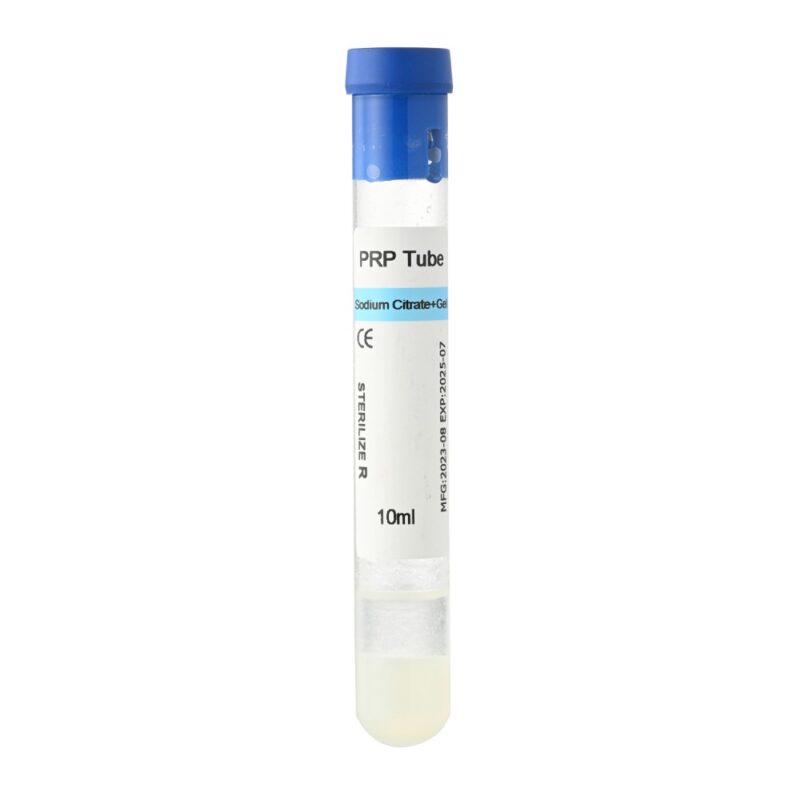
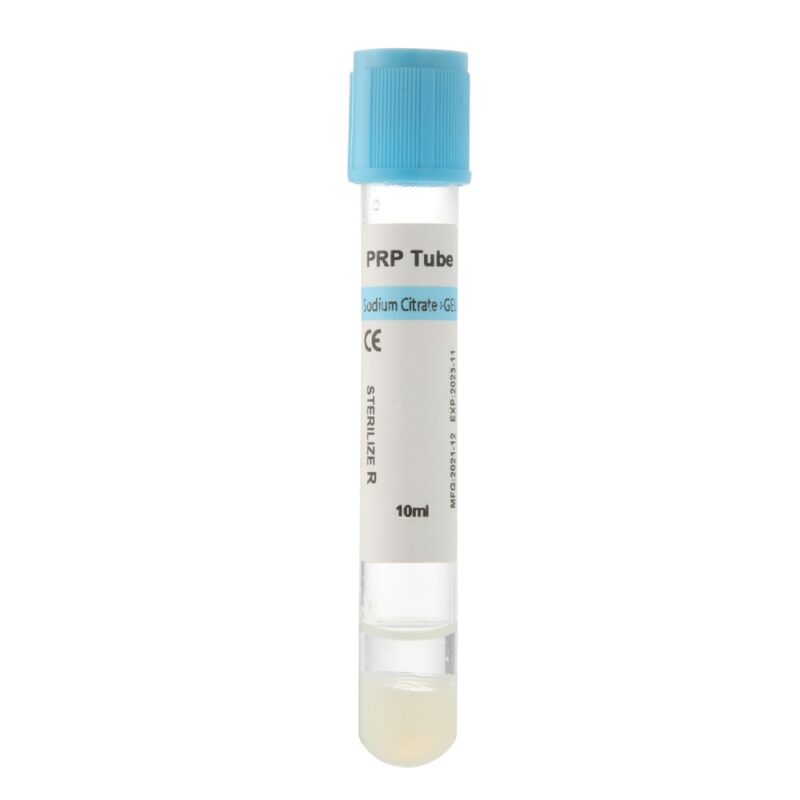
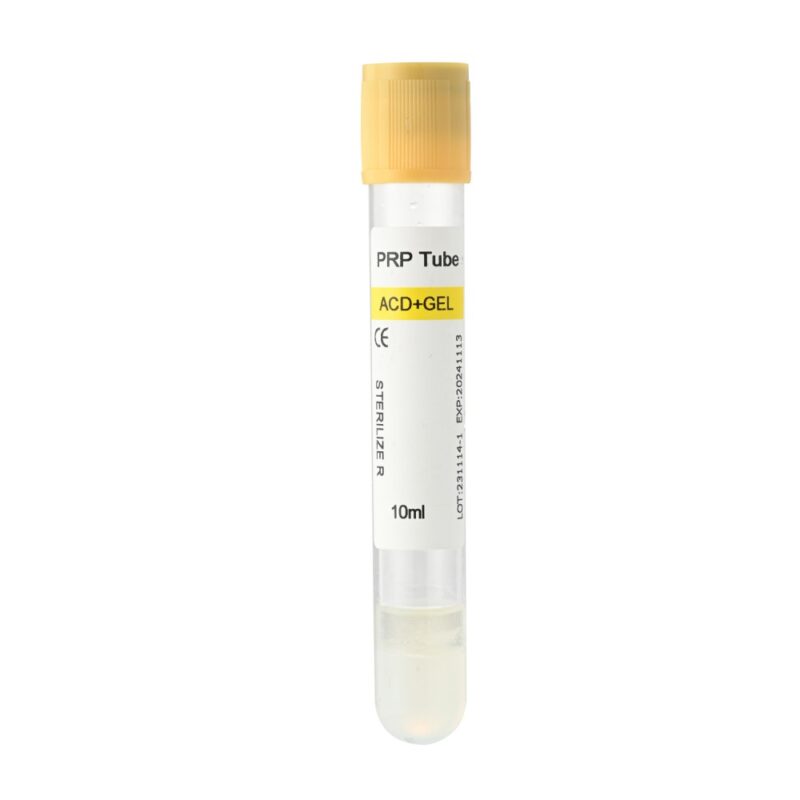
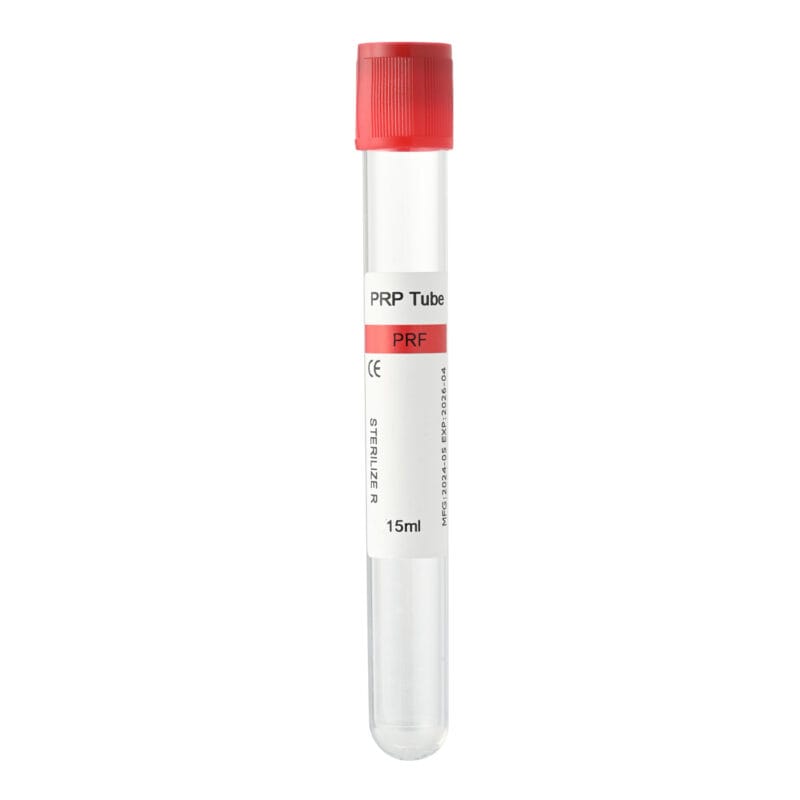
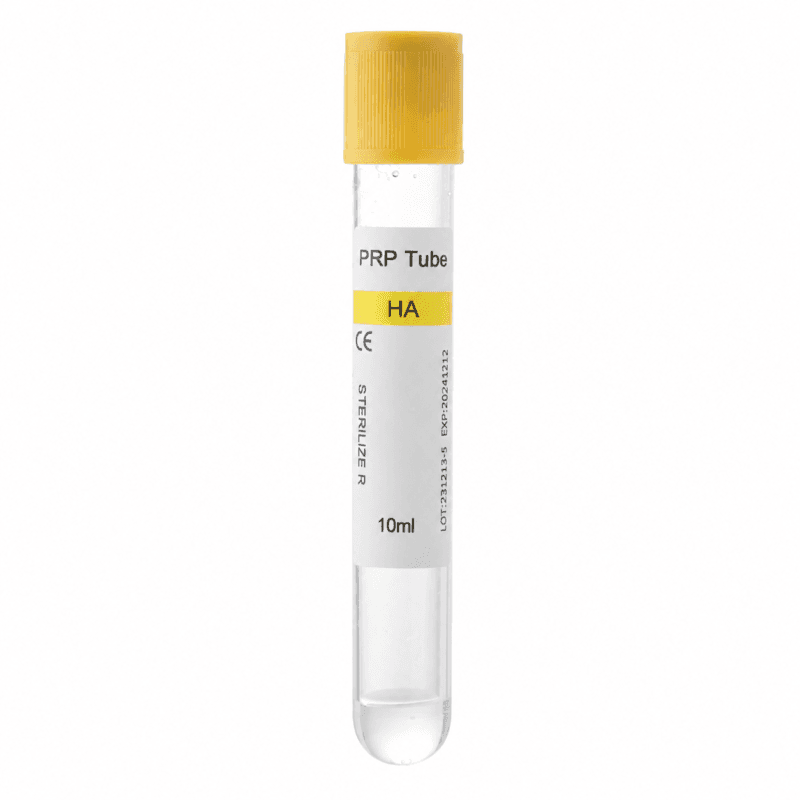
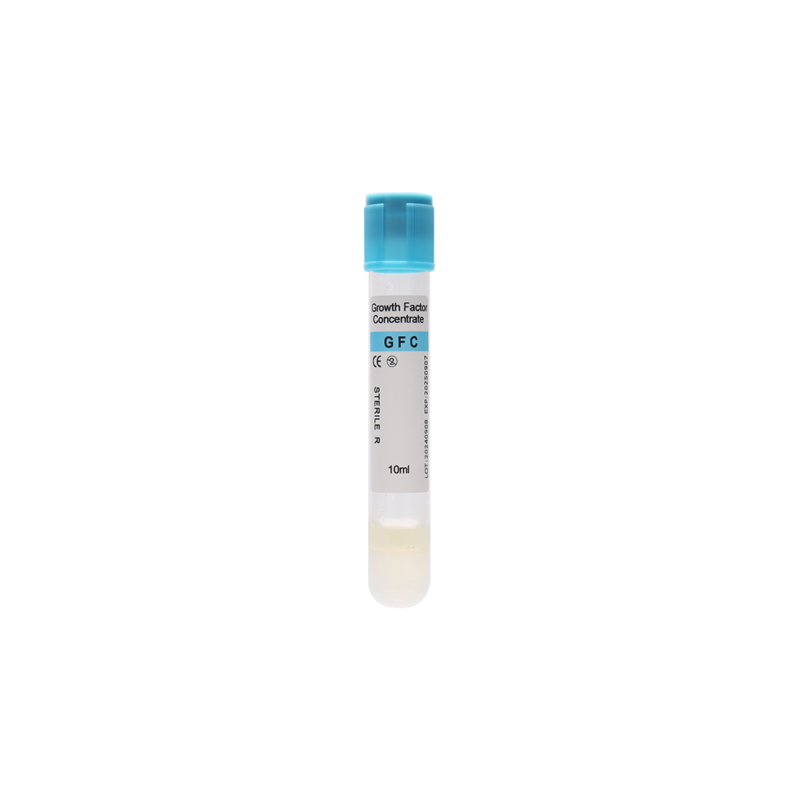
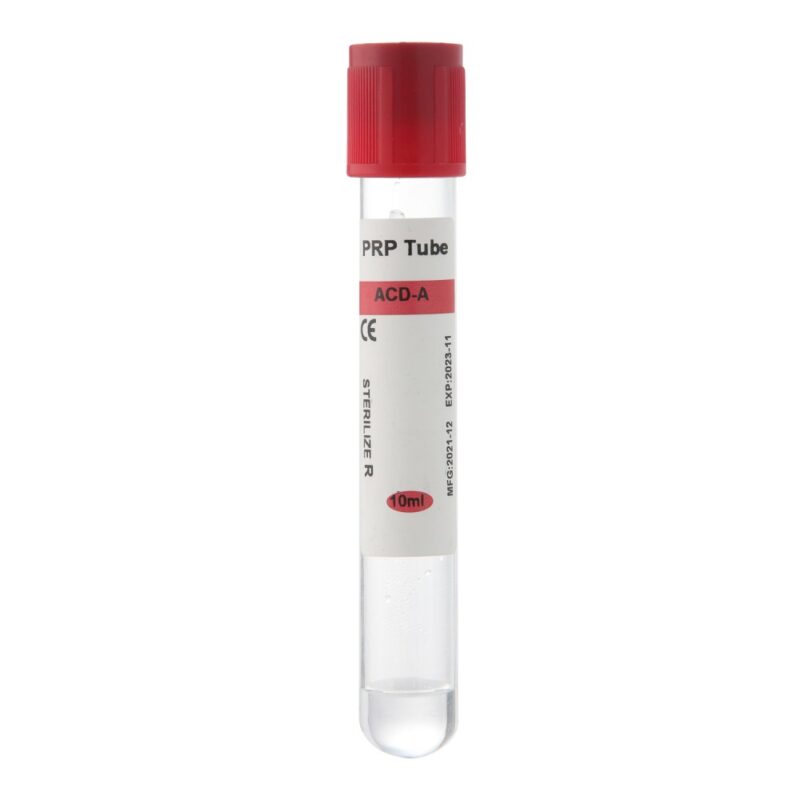
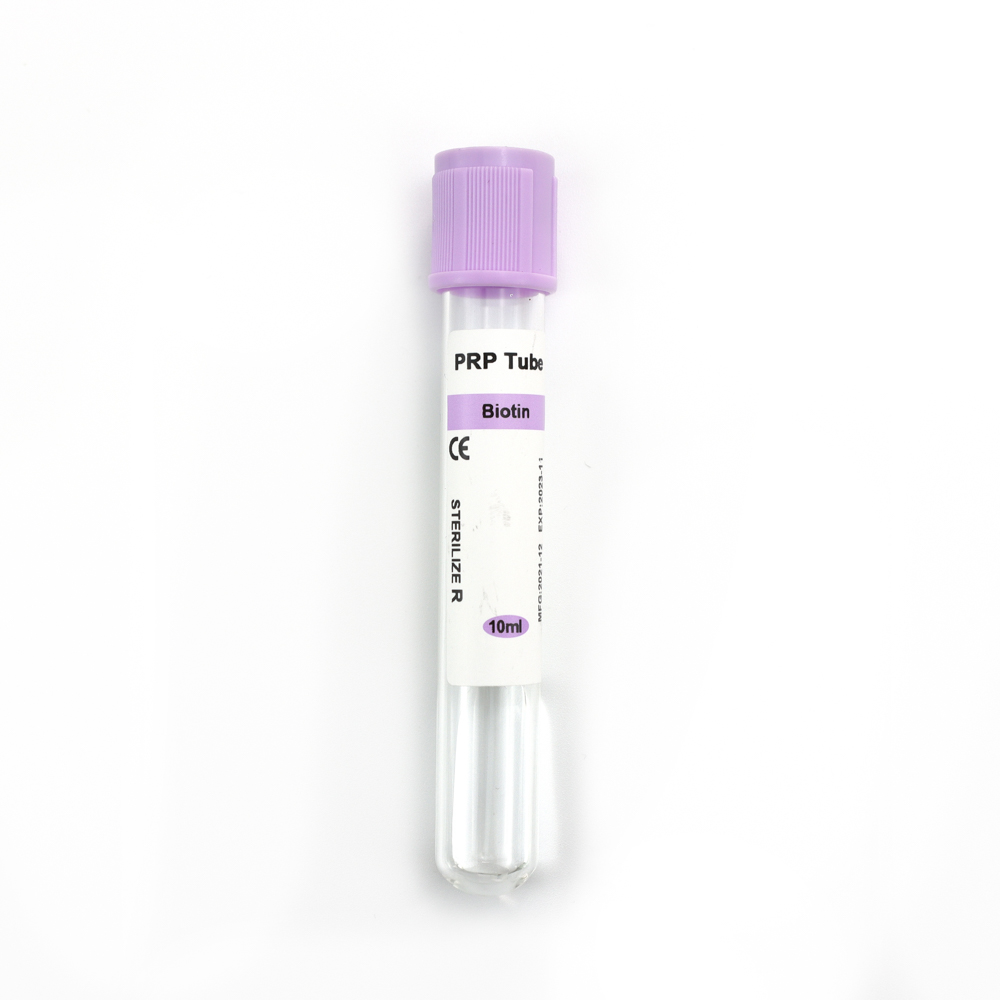
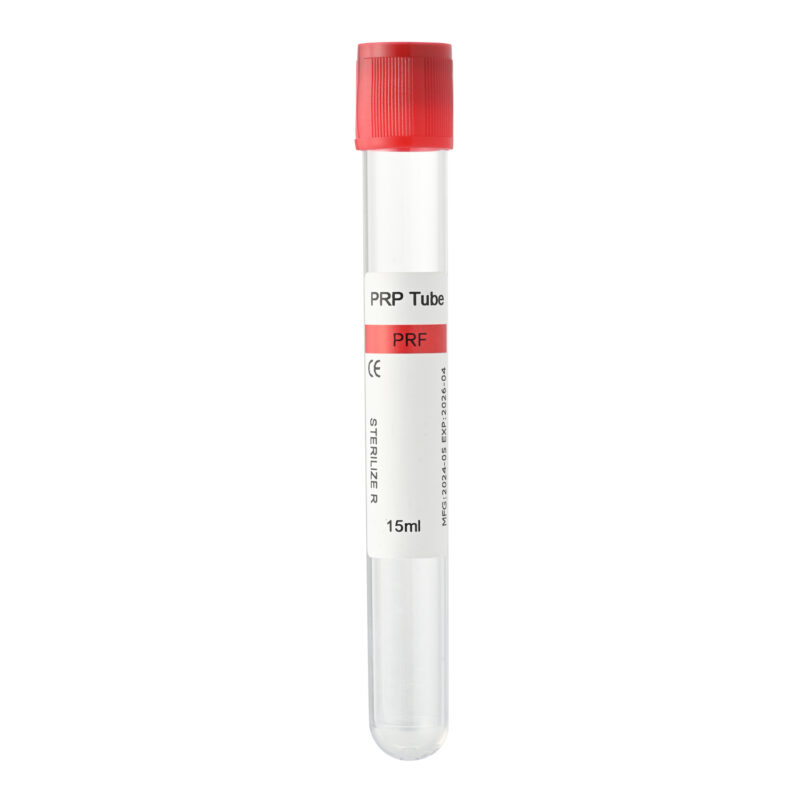
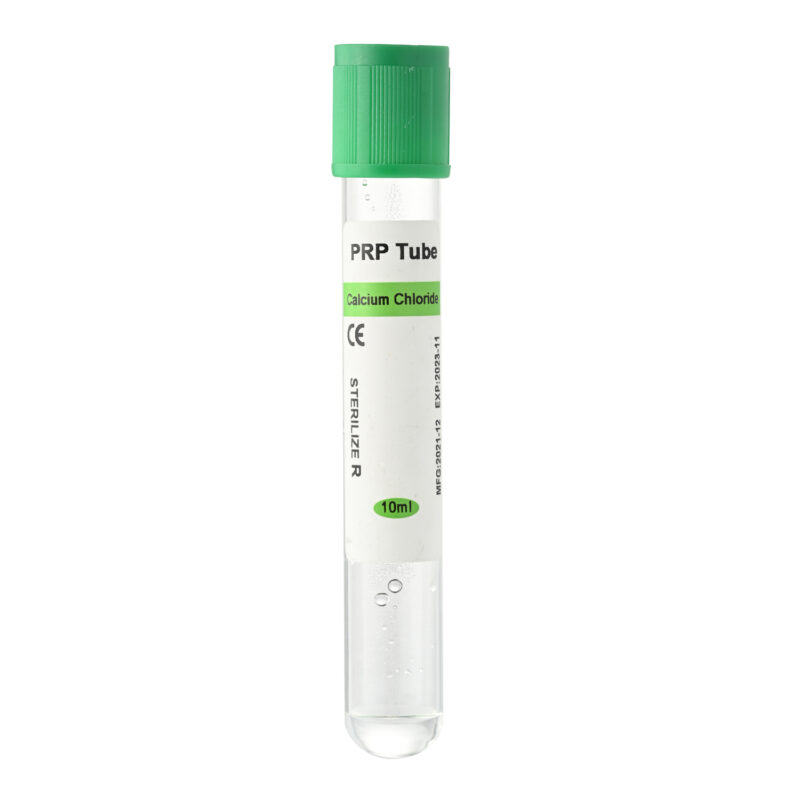
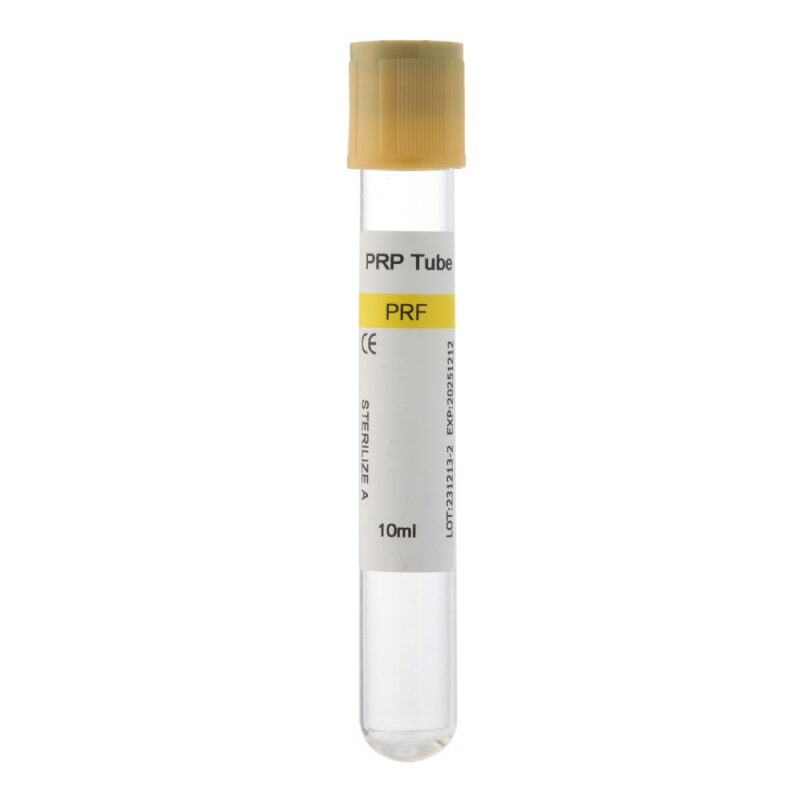
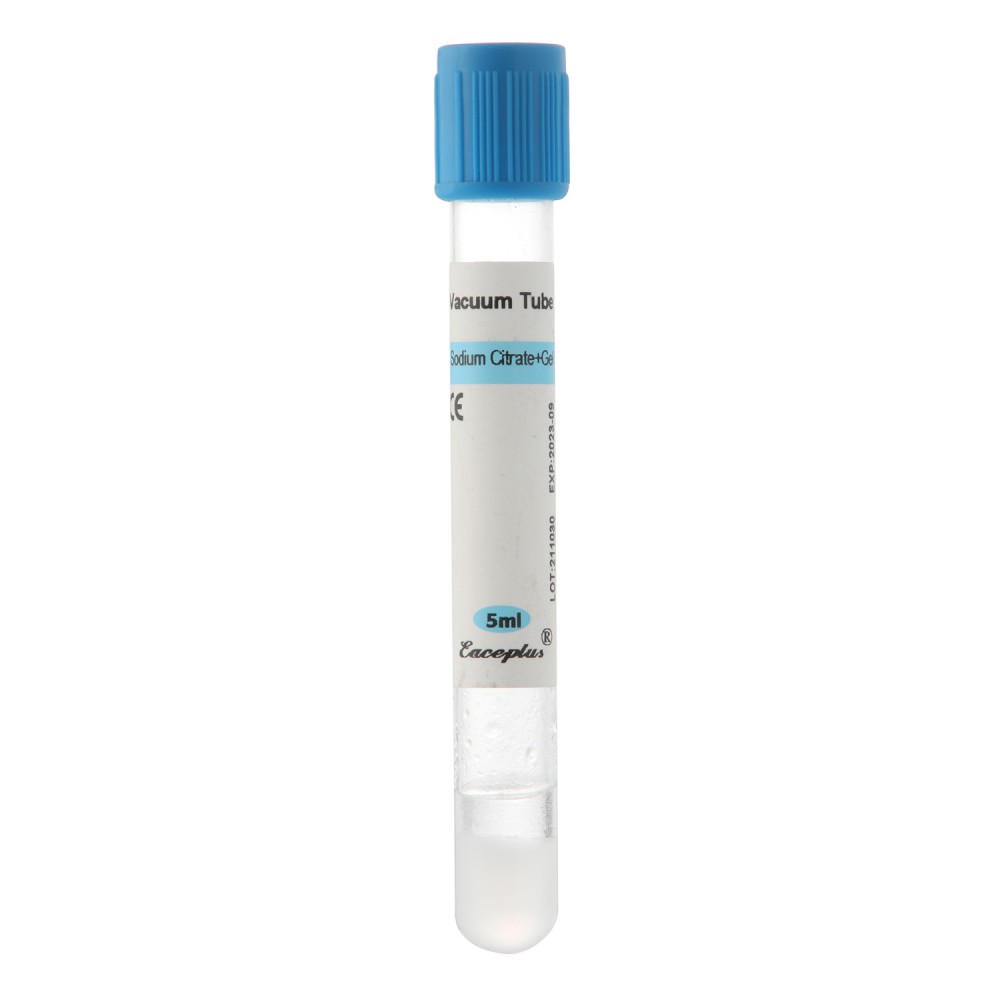
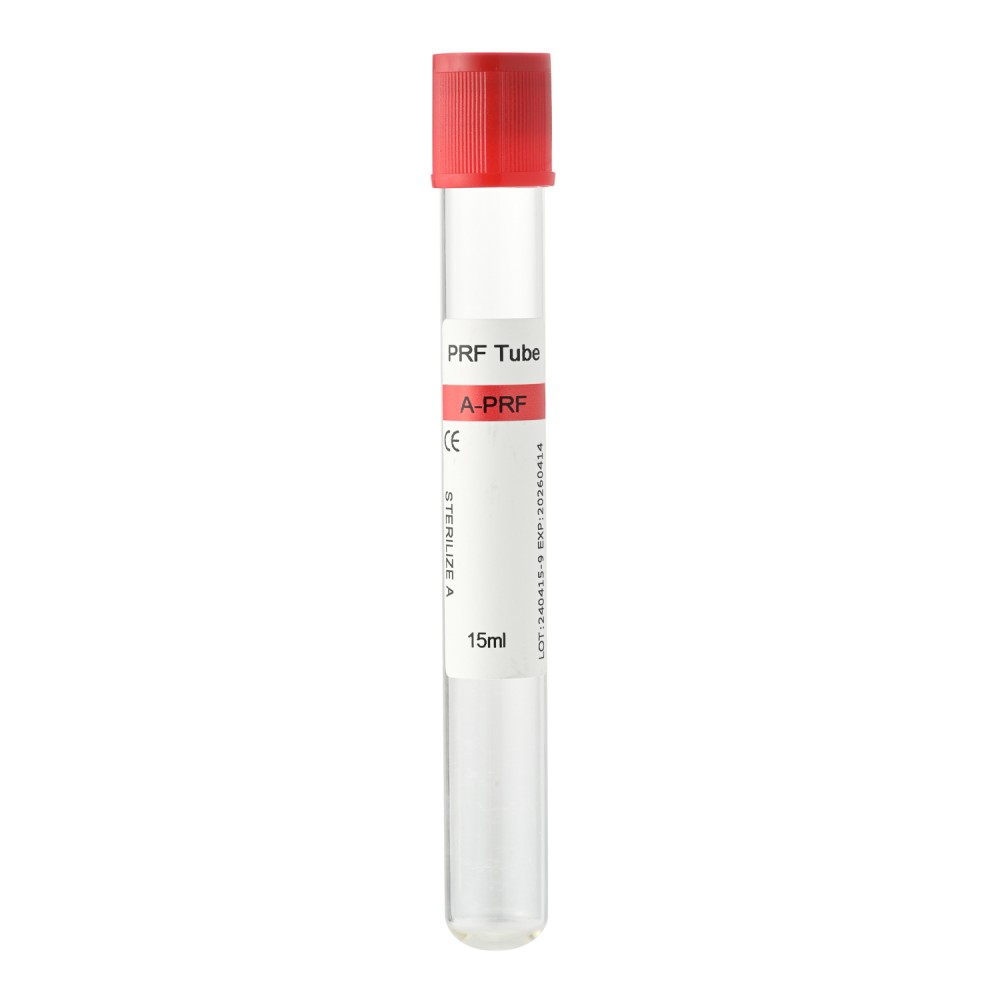
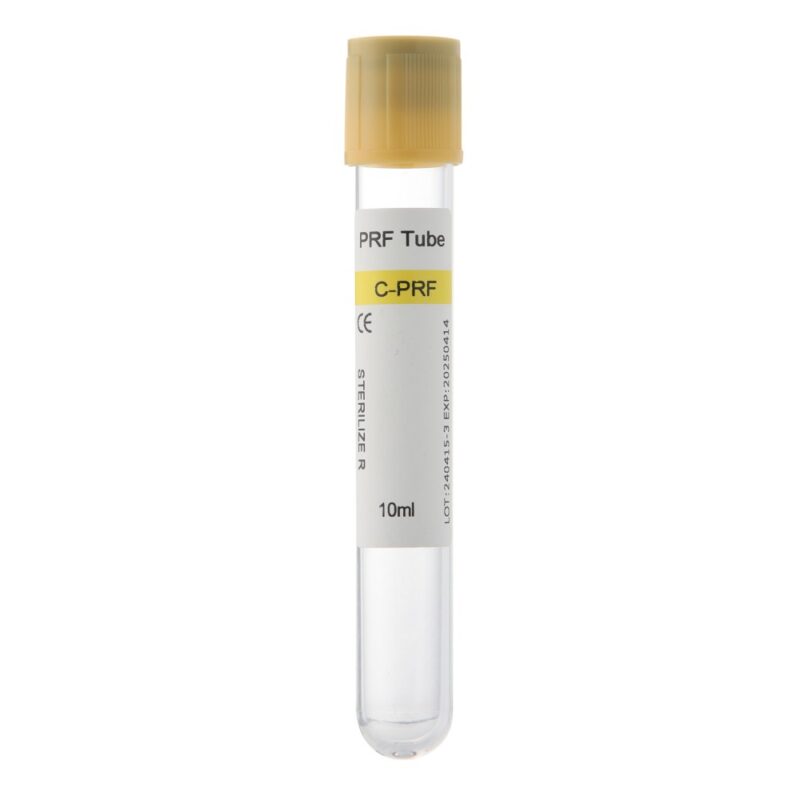
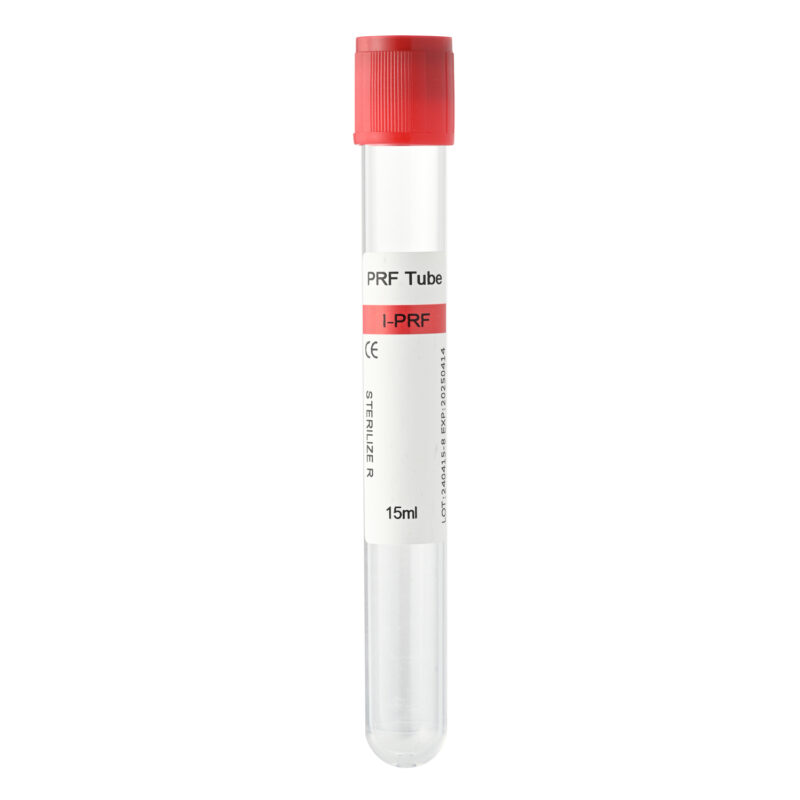
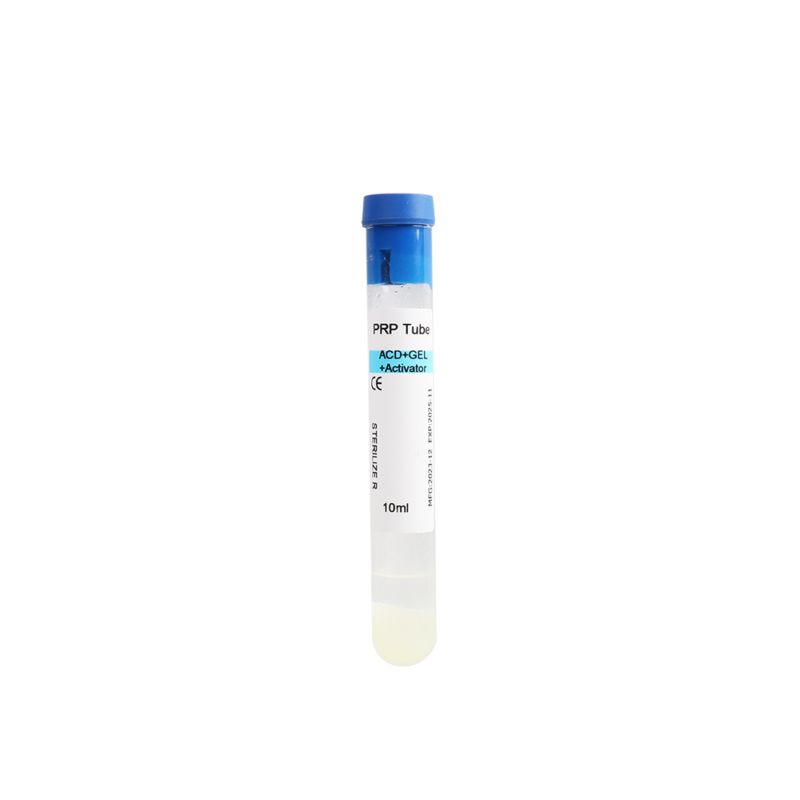
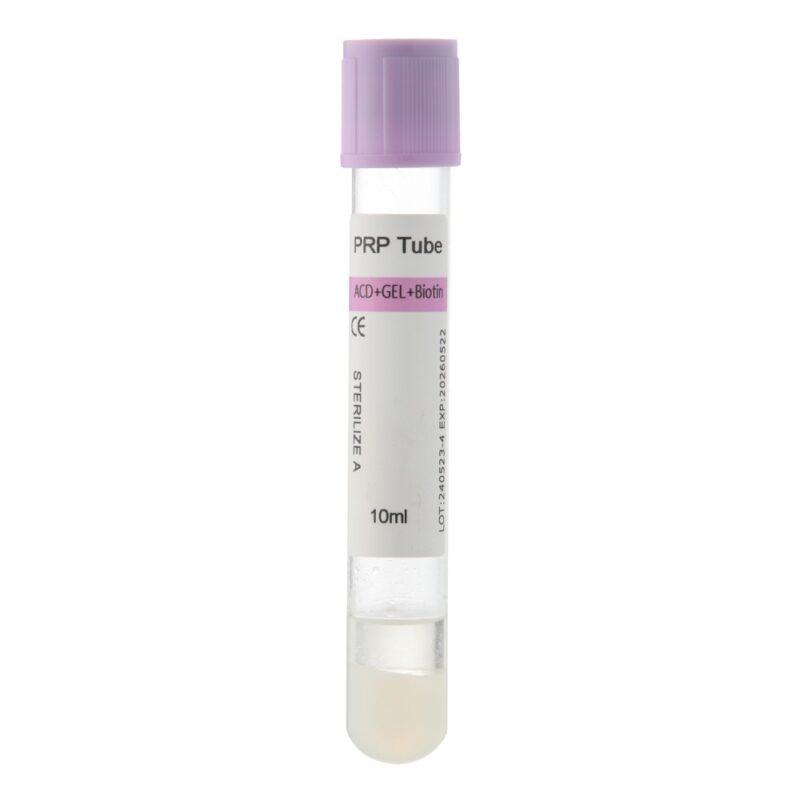
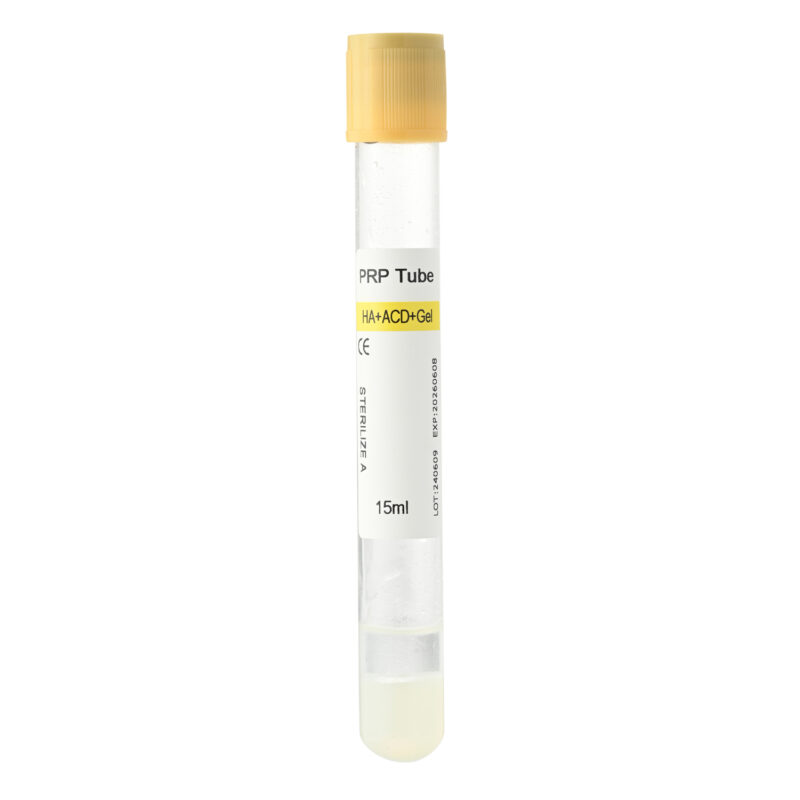
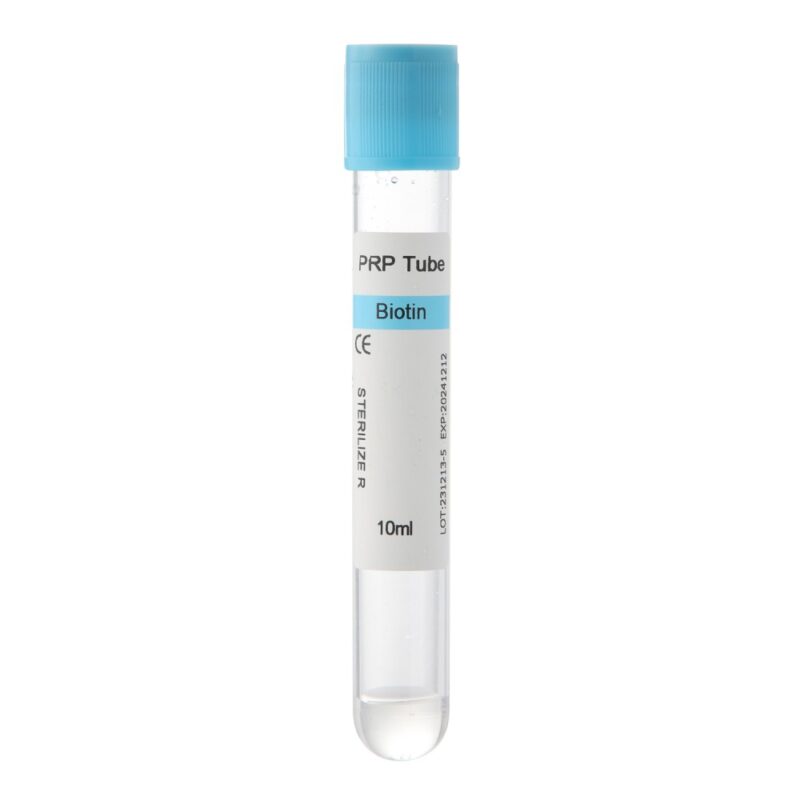
Professional PRP tubes—including sodium citrate tubes, ACD-A tubes, gel separation tubes, and specialized combination tubes—are designed to support stable plasma separation and improve preparation consistency across different clinical applications.
Common Applications: What Is a PRP Injection Used For in Healthcare?
One reason PRP therapy has attracted so much attention is its versatility. Instead of being limited to a single specialty, platelet-rich plasma is now incorporated into treatment plans across multiple areas of regenerative medicine.
Although clinical evidence continues to evolve for some indications, clinicians most commonly use PRP injections to support healing in musculoskeletal conditions, aesthetic procedures, hair restoration, and oral surgery. The following sections explain why clinicians use PRP most frequently in these specialties and why they have adopted this treatment approach.
PRP Injection for Orthopedic Conditions and Sports Injuries
Orthopedics remains one of the most established fields for PRP therapy. Athletes, physically active individuals, and patients with chronic musculoskeletal conditions often experience injuries that heal slowly because tendons, ligaments, and cartilage receive a relatively limited blood supply.
PRP injections are commonly incorporated into treatment plans for conditions such as:
- Tennis elbow
- Achilles tendinopathy
- Rotator cuff injuries
- Knee osteoarthritis
- Patellar tendon injuries
- Ligament sprains
- Muscle strains
- Plantar fasciitis
Rather than replacing conventional rehabilitation, PRP is often used alongside physical therapy and other conservative treatments. The objective is to provide a concentrated source of platelets and growth factors at the injury site, where they may help support the body’s natural repair mechanisms.
For orthopedic clinics performing PRP procedures regularly, consistency matters. Variations in platelet concentration or contamination with unwanted blood cells may affect preparation quality. Using a high-quality PRP tube helps create a cleaner platelet-rich plasma layer, making it easier to standardize treatment protocols across patients.
If your clinic performs orthopedic PRP treatments on a routine basis, choosing a reliable PRP preparation system is just as important as selecting the appropriate centrifuge and injection technique. Siny PRP supplies professional PRP tubes designed to support consistent plasma separation and efficient clinical workflows.
PRP Injection Applications in Hair Restoration
Hair restoration has become one of the fastest-growing applications for PRP therapy. Clinics specializing in medical aesthetics frequently use PRP injections as part of comprehensive treatment programs for androgenetic alopecia and other forms of hair thinning.
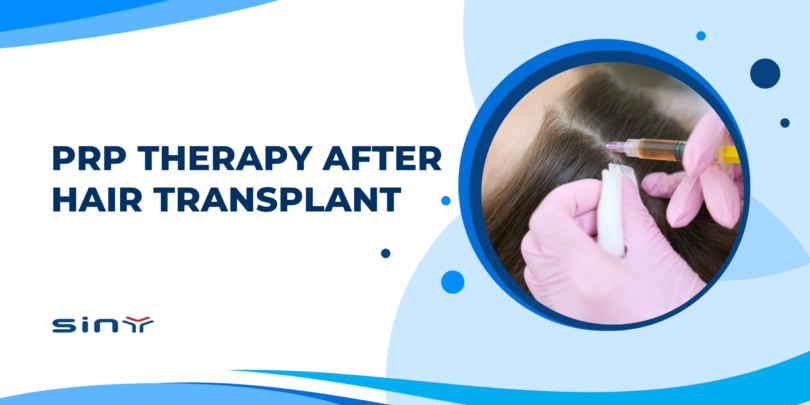
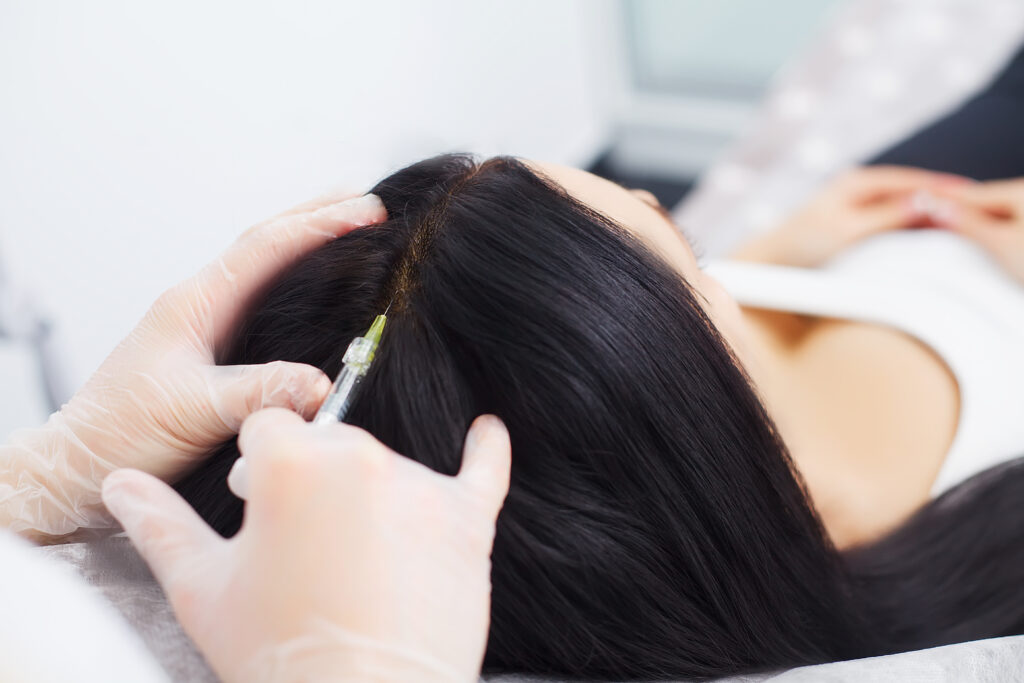
Healthy hair follicles rely on a well-nourished scalp environment. During a PRP hair restoration procedure, clinicians inject concentrated platelet-rich plasma into targeted areas of the scalp, where its growth factors may help support follicle activity and tissue health.
A typical PRP hair restoration workflow includes:
- Collecting the patient’s blood with a dedicated PRP tube.
- Separating platelet-rich plasma through centrifugation.
- Preparing the concentrated plasma under sterile conditions.
- Injecting PRP into selected scalp regions.
Because PRP uses autologous blood, the treatment relies on the patient’s own biological material rather than synthetic drugs or donor-derived products.
As demand for hair restoration continues to increase, clinics are placing greater emphasis on preparation quality and procedural consistency. A well-designed PRP tube supports reliable platelet separation, reduces workflow variability, and helps practitioners maintain standardized protocols from one treatment session to the next.
PRP Injection Uses in Aesthetic Medicine and Skin Rejuvenation
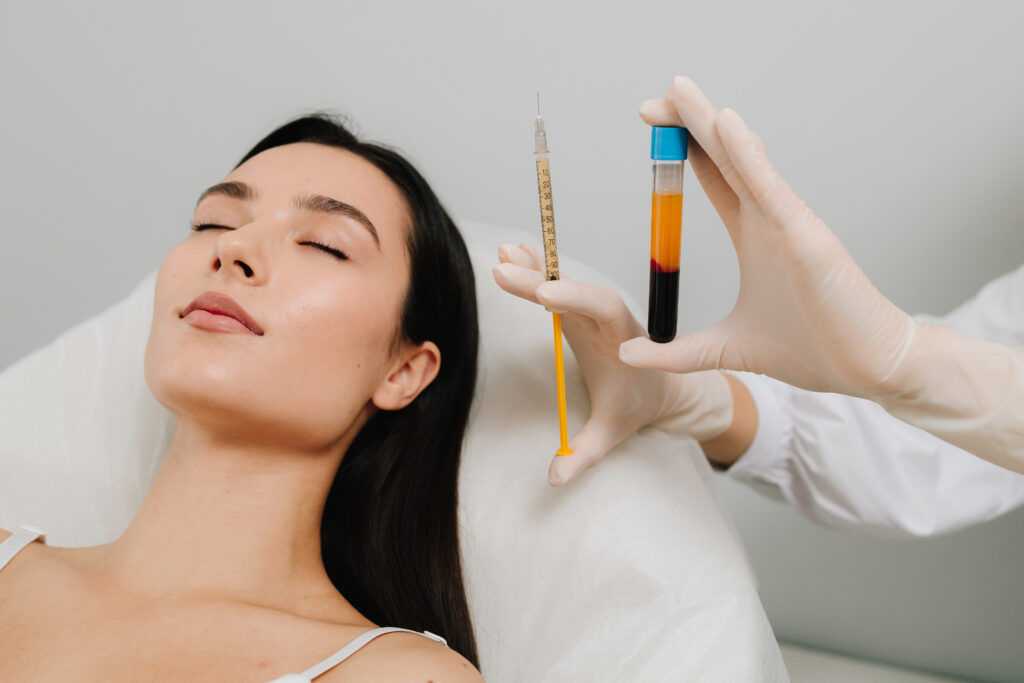
Beyond orthopedic care and hair restoration, PRP has become a valuable tool in aesthetic medicine. Many dermatology and cosmetic clinics incorporate PRP into facial rejuvenation procedures because platelets release growth factors associated with collagen production and tissue remodeling.
PRP is commonly used to support procedures aimed at improving:
- Overall skin texture and tone
- Skin firmness and elasticity
- The appearance of fine lines
- Recovery following selected cosmetic treatments
- General facial rejuvenation
Unlike injectable fillers that add volume directly, PRP focuses on supporting the skin’s natural regenerative processes. For this reason, it is often combined with treatments such as microneedling or other minimally invasive aesthetic procedures.
Preparation quality plays an essential role in achieving a smooth clinical workflow. Clinics performing facial PRP treatments typically look for collection systems that provide stable plasma separation, reliable platelet recovery, and compatibility with their centrifugation protocols. Choosing a professional PRP tube helps simplify preparation while supporting consistent treatment quality.
PRP Injection Applications in Dentistry and Oral Surgery
Dentistry is another area where PRP therapy has become increasingly common. Oral surgeons, periodontists, and implant specialists often use PRP as an adjunct to surgical procedures because platelets release biological signals that participate in the body’s natural healing process.
PRP injections or PRP preparations may be used during procedures such as:
- Dental implant placement
- Tooth extraction
- Bone grafting
- Periodontal surgery
- Sinus lift procedures
- Soft tissue reconstruction
Rather than replacing conventional surgical techniques, clinicians typically incorporate PRP into a comprehensive treatment plan. After centrifugation, clinicians apply the platelet-rich plasma to the surgical site, where it may help support early tissue healing and recovery.
As regenerative dentistry continues to evolve, many clinics are standardizing their PRP preparation protocols. A dependable PRP tube helps produce cleaner plasma separation, improves workflow efficiency, and allows clinicians to prepare platelet concentrates with greater consistency from case to case.
What Is a PRP Injection Used For Beyond Orthopedics and Aesthetics?
Although orthopedic medicine, hair restoration, and aesthetic treatments account for most PRP procedures today, researchers continue to explore its potential across a broader range of regenerative medicine applications.
Depending on the patient’s condition and clinical judgment, PRP may also be incorporated into treatment plans involving:
- Chronic tendon disorders
- Muscle injuries
- Soft tissue repair
- Wound management
- Sports rehabilitation
- Plastic and reconstructive surgery
- Selected gynecological procedures
- Veterinary regenerative medicine
Not every application is supported by the same level of clinical evidence. Some uses have been studied extensively, while others remain under active investigation. As research continues to grow, healthcare providers should always follow current clinical guidelines, local regulations, and evidence-based treatment protocols.
The expansion of PRP therapy into new specialties has also increased demand for standardized preparation systems. Clinics performing PRP procedures on a regular basis often prioritize products that deliver consistent platelet recovery, reduce red blood cell contamination, and integrate smoothly into existing clinical workflows.
Why PRP Tube Quality Matters for Successful PRP Preparation
When discussing what is a PRP injection used for, most people naturally focus on the injection itself. In reality, one of the most critical steps takes place before the patient ever receives treatment.
The quality of platelet-rich plasma depends on every stage of preparation, beginning with blood collection. Even when the same centrifuge and protocol are used, differences in PRP tubes can influence plasma purity, platelet recovery, and overall workflow consistency.
Several factors contribute to successful PRP preparation:
- Sterile blood collection
- Appropriate anticoagulant formulation
- High-quality tube materials
- Reliable separation gel performance (when applicable)
- Compatible centrifugation protocols
- Proper operator technique
A professionally manufactured PRP tube helps create a cleaner separation between platelet-rich plasma and other blood components, making plasma collection easier while reducing variability between procedures.
When selecting a PRP tube, healthcare providers commonly compare several options:
| PRP Tube Type | Typical Applications and Features |
|---|---|
| Sodium Citrate PRP Tube | A popular choice for routine PRP preparation, providing effective anticoagulation and consistent handling. |
| ACD-A PRP Tube | Often preferred when preserving platelet viability throughout processing is a priority. |
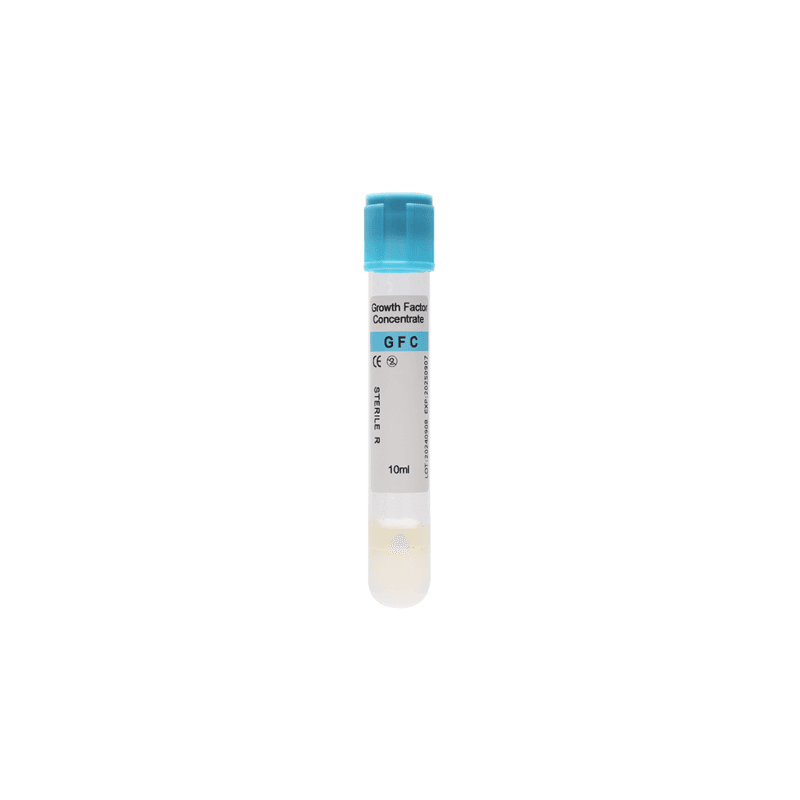
| Gel PRP Tube | Uses a separation gel to create a physical barrier after centrifugation, simplifying plasma collection. |
| Gel + HA PRP Tube | Combines platelet-rich plasma preparation with hyaluronic acid, making it suitable for selected aesthetic protocols. |
There is no universal “best” PRP tube for every clinic. The ideal choice depends on treatment indications, centrifuge settings, workflow preferences, and the level of standardization required by the medical team.
How to Choose the Right PRP Tube for Your Practice
With so many PRP tubes available on the market, choosing the right product involves much more than comparing prices. A lower purchase cost may not translate into better long-term value if preparation quality varies from one procedure to the next.
Before selecting a supplier, clinics should evaluate several key factors:
Clinical Application
Different specialties often require different preparation preferences. Orthopedic medicine, hair restoration, aesthetic medicine, and dentistry may each use distinct centrifugation protocols and platelet concentrations.
Preparation Consistency
Reliable platelet recovery and stable plasma separation help clinicians follow standardized treatment workflows while reducing variability between procedures.
Manufacturing Quality
Medical-grade raw materials, precise additive control, and strict quality inspection contribute to safer, more consistent products.
Equipment Compatibility
The selected PRP tube should work seamlessly with your existing centrifuge, reducing the need to modify established clinical protocols.
Supplier Support
For distributors and healthcare institutions, technical documentation, OEM/ODM capabilities, regulatory support, and responsive after-sales service are often just as important as the product itself.
A dependable supplier helps clinics build a more efficient and standardized PRP preparation process while supporting long-term business growth.
Whether you are launching a new regenerative medicine program or expanding an existing one, Siny PRP provides professional PRP tube solutions tailored to a wide range of clinical applications. Explore our product portfolio or contact our team to discuss your specific project requirements.
FAQs
1. What is a PRP injection used for most often?
PRP injections are most commonly used in orthopedic medicine, sports injury management, hair restoration, aesthetic medicine, and selected dental procedures. The exact treatment depends on the patient’s condition and the healthcare provider’s clinical assessment.
2. How long does a PRP procedure take?
Most appointments take 30 to 60 minutes, including blood collection, centrifugation, PRP preparation, and the injection itself.
3. How many PRP injections are usually required?
The number of treatments varies according to the medical condition, treatment goals, and clinical protocol. Some patients receive a single injection, while others may benefit from a series of treatments scheduled over several weeks or months.
4. When can patients expect to notice improvements?
Because PRP supports the body’s natural healing process, results often develop gradually. Depending on the treatment area, patients may begin noticing changes over the following weeks or months.
5. Does the type of PRP tube affect treatment quality?
Yes. The PRP tube plays an important role in platelet recovery, plasma purity, and preparation consistency. Choosing a high-quality collection system helps healthcare providers achieve a more standardized preparation process.
6. Can every clinic use the same PRP tube?
Not necessarily. Clinics may follow different centrifugation protocols, treatment indications, and preparation methods. Selecting a tube that matches your equipment and workflow usually provides the most reliable results.
7. Where can healthcare providers purchase professional PRP tubes?
Hospitals, clinics, distributors, and OEM partners can source professional PRP tubes from experienced manufacturers such as Siny PRP, which offers a broad range of preparation systems for regenerative medicine and aesthetic applications.
Final Thoughts
Understanding what a PRP injection is used for goes beyond identifying the conditions it may help treat. It also requires understanding how clinicians prepare platelet-rich plasma, why standardized processing plays an important role, and how every step—from blood collection to centrifugation—contributes to preparation quality.
As PRP therapy continues to expand across orthopedics, sports medicine, aesthetic medicine, dentistry, and regenerative healthcare, clinics are placing greater emphasis on consistency, efficiency, and preparation reliability. Choosing a professional PRP preparation system helps support standardized clinical workflows while giving practitioners greater confidence in every procedure.
Whether you are evaluating suppliers for the first time or looking to upgrade your current PRP preparation system, Siny PRP offers professional PRP tube solutions designed for modern regenerative medicine. Contact our team to discuss your application requirements, request OEM/ODM support, or explore our complete range of PRP tubes for clinics and distributors worldwide.
Disclaimer: The content of this article is provided for informational and educational purposes only and should not be considered medical advice, diagnosis, or treatment. PRP procedures should be performed only by qualified healthcare professionals using products that comply with applicable regulations in their respective jurisdictions. Siny PRP products are intended for professional use by authorized medical practitioners.