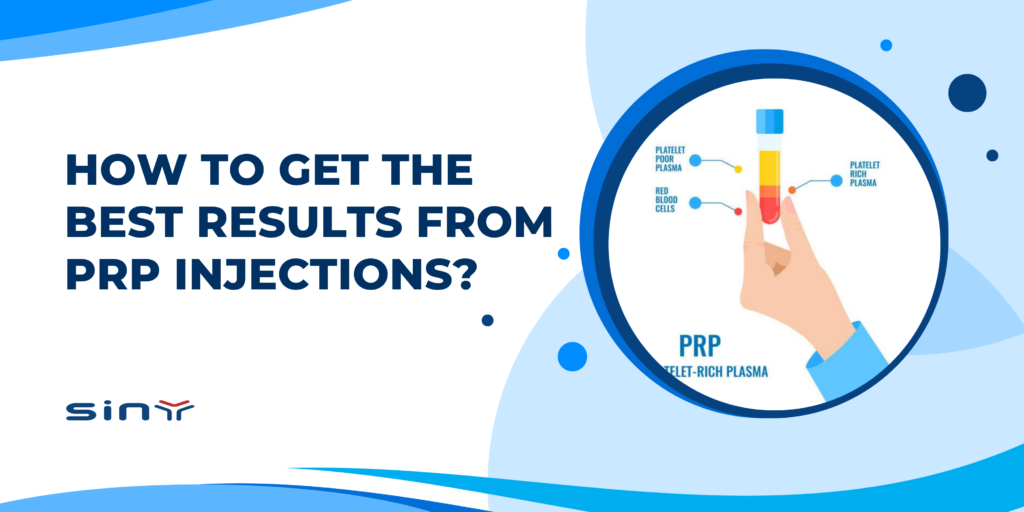
Platelet-rich plasma (PRP) therapy has become one of the most widely used regenerative treatments for joint pain, sports injuries, hair restoration, facial rejuvenation, and many other medical and aesthetic applications. Yet one question remains surprisingly common among both patients and healthcare professionals: how to get the best results from PRP injections.
Many people assume that successful PRP therapy depends entirely on the injection itself. In reality, no single factor determines the outcome. Patient preparation, blood collection, PRP preparation, injection technique, post-treatment care, and even the quality of the PRP collection tube all play an important role in the final result.
While no treatment can guarantee identical outcomes for every patient, following best practices before, during, and after the procedure helps create the ideal conditions for successful PRP therapy. For clinics, standardized preparation protocols and reliable collection materials are equally important for producing consistent platelet-rich plasma from one procedure to the next.
This guide explores the key factors that influence PRP treatment outcomes and provides practical recommendations for patients, clinicians, and distributors who want to optimize every stage of the PRP workflow.
Why PRP Results Depend on More Than the Injection
It’s easy to think of PRP therapy as a single injection, but the injection is only one part of a much larger treatment process.
PRP is created by concentrating platelets from the patient’s own blood. These platelets contain growth factors and bioactive proteins that support the body’s natural healing response. However, the quality of the final platelet-rich plasma depends on several interconnected factors, including:
- Patient health and hydration
- Blood collection quality
- Platelet preservation during preparation
- Centrifugation protocol
- Injection technique
- Post-treatment care
Even when two patients receive PRP for the same condition, differences in these variables can influence platelet recovery, PRP consistency, and the overall treatment experience.
Rather than focusing on a single stage of the procedure, the best results are achieved by optimizing the entire treatment process—from patient preparation to post-treatment recovery.
Start Before Your Appointment: Preparation Still Matters
Although this guide focuses on maximizing PRP results rather than simply preparing for treatment, what you do before your appointment still plays an important role.
Healthy habits cannot guarantee a better clinical outcome, but they help create favorable conditions for blood collection, platelet preservation, and consistent PRP preparation.
1. Stay Well Hydrated
Hydration is one of the simplest—and most effective—ways to support a successful PRP procedure.
Since PRP therapy requires a blood draw, drinking enough water helps improve blood flow and makes veins easier to access. Well-hydrated patients also tend to provide blood samples that are easier to process during centrifugation, helping clinicians prepare PRP more consistently.
Rather than drinking a large amount of water immediately before your appointment, aim to stay consistently hydrated throughout the week leading up to treatment. Maintaining good hydration every day is generally more beneficial than trying to “catch up” at the last minute.
2. Maintain a Balanced Diet
Good nutrition supports overall blood health, which is an important part of the PRP preparation process.
Your body continuously produces new platelets, so eating a balanced diet provides the nutrients needed to support normal platelet function. During the week before your appointment, focus on foods such as:
- Lean proteins, including chicken, fish, eggs, and beans
- Leafy green vegetables, such as spinach and kale
- Fruits rich in vitamin C, including berries and citrus fruits
- Whole grains, nuts, seeds, and other healthy fats
At the same time, try to reduce heavily processed foods, excessive sugar, and fried meals whenever possible. Although there is no universally accepted “PRP diet,” maintaining healthy eating habits helps create favorable conditions for PRP preparation.
3. Review Medications with Your Healthcare Provider
Certain medications and dietary supplements can temporarily affect platelet function, making this an important discussion before treatment.
Depending on your medical history, your healthcare provider may recommend adjusting medications or supplements such as:
- Non-steroidal anti-inflammatory drugs (NSAIDs), including ibuprofen and naproxen
- Aspirin, when appropriate
- Certain blood-thinning medications
- Herbal supplements that may influence clotting, such as garlic, ginkgo biloba, or high-dose vitamin E
Important: Never stop taking prescription medications without professional medical advice. Any adjustments should always be discussed with your healthcare provider before your procedure.
4. Avoid Smoking, Excessive Alcohol, and Intense Exercise
Your lifestyle in the days leading up to treatment can also influence the quality of your blood sample and the overall preparation process.
Whenever possible:
- Avoid smoking for several days before treatment.
- Limit alcohol consumption.
- Skip strenuous exercise during the 24 to 48 hours before your appointment.
- Get adequate sleep the night before treatment.
These recommendations support healthy circulation and normal platelet function while helping create better conditions for PRP preparation.
Choose an Experienced Provider and a Standardized PRP Protocol
Even high-quality PRP cannot compensate for inconsistent clinical techniques.
The experience of your healthcare provider plays a major role in achieving reliable PRP treatment. An experienced clinician understands not only how to perform the injection but also how to select the most appropriate preparation protocol for each clinical indication.
Depending on the treatment area, this may include:
- Choosing an appropriate platelet concentration
- Selecting the correct injection depth and location
- Determining whether ultrasound guidance is beneficial
- Using an appropriate centrifugation protocol
- Following standardized procedures from blood collection through injection
For clinics performing PRP treatments on a regular basis, consistency is essential. Standardized workflows reduce variation between procedures, improve reproducibility, and help produce platelet-rich plasma with more predictable quality.
Professional Tip
Getting the best results from PRP injections starts long before centrifugation. Consistent patient preparation, standardized blood collection techniques, validated centrifugation protocols, and reliable PRP collection tubes all contribute to producing platelet-rich plasma with greater consistency. Every step in the workflow plays a role in supporting dependable PRP preparation and improving procedural reproducibility.
High-Quality PRP Preparation Is Key to Better Results
One of the most important factors influencing PRP treatment results comes after the blood is collected.
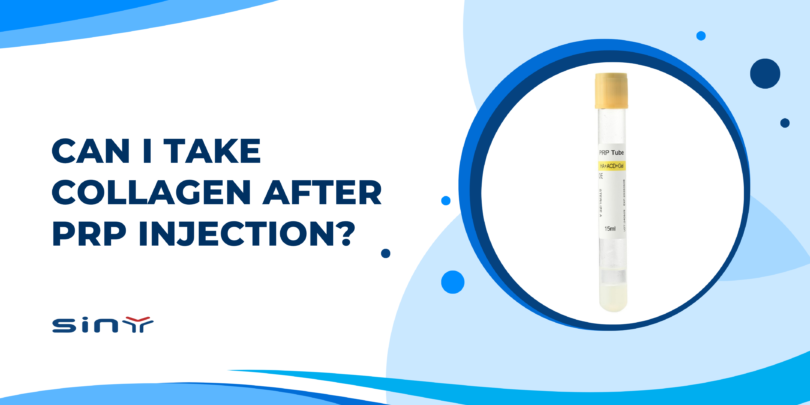
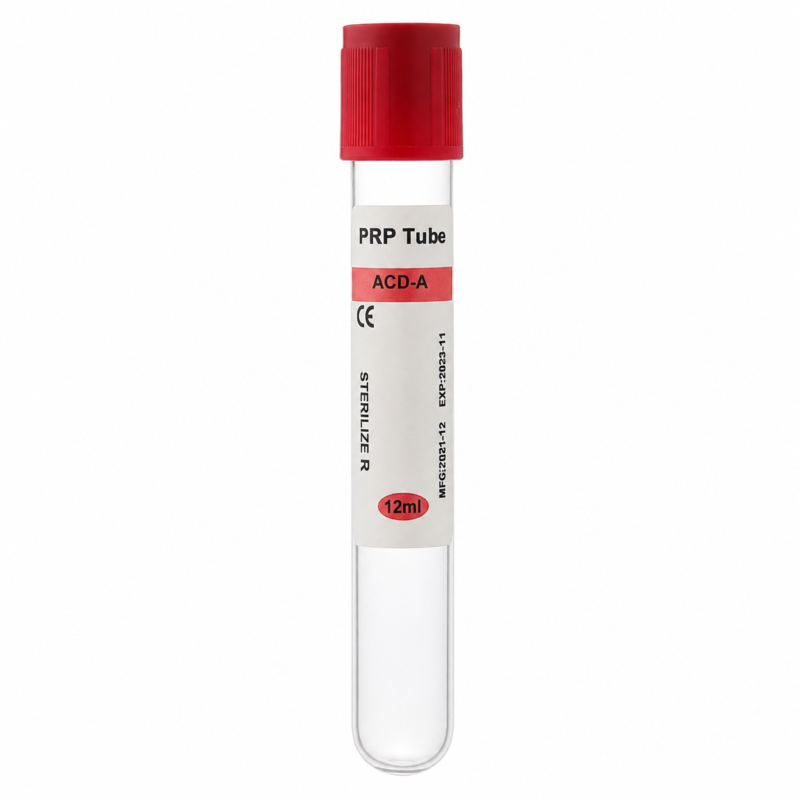
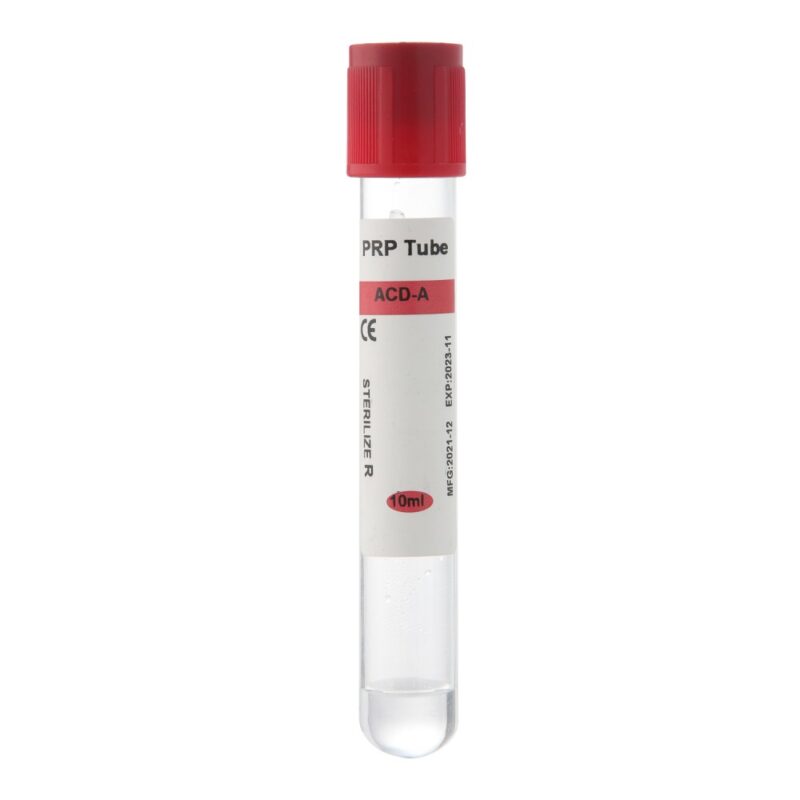
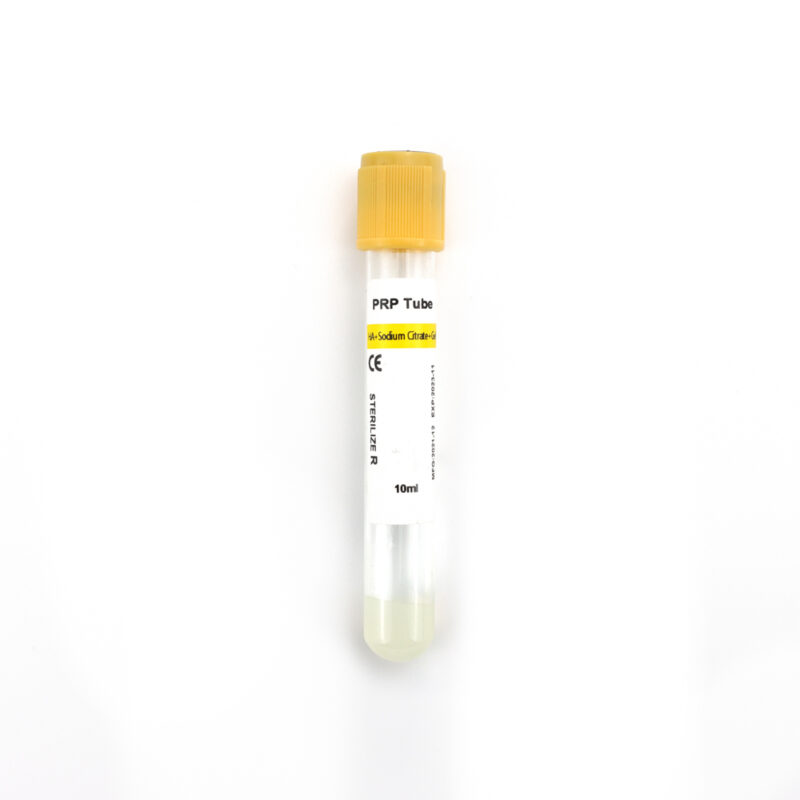
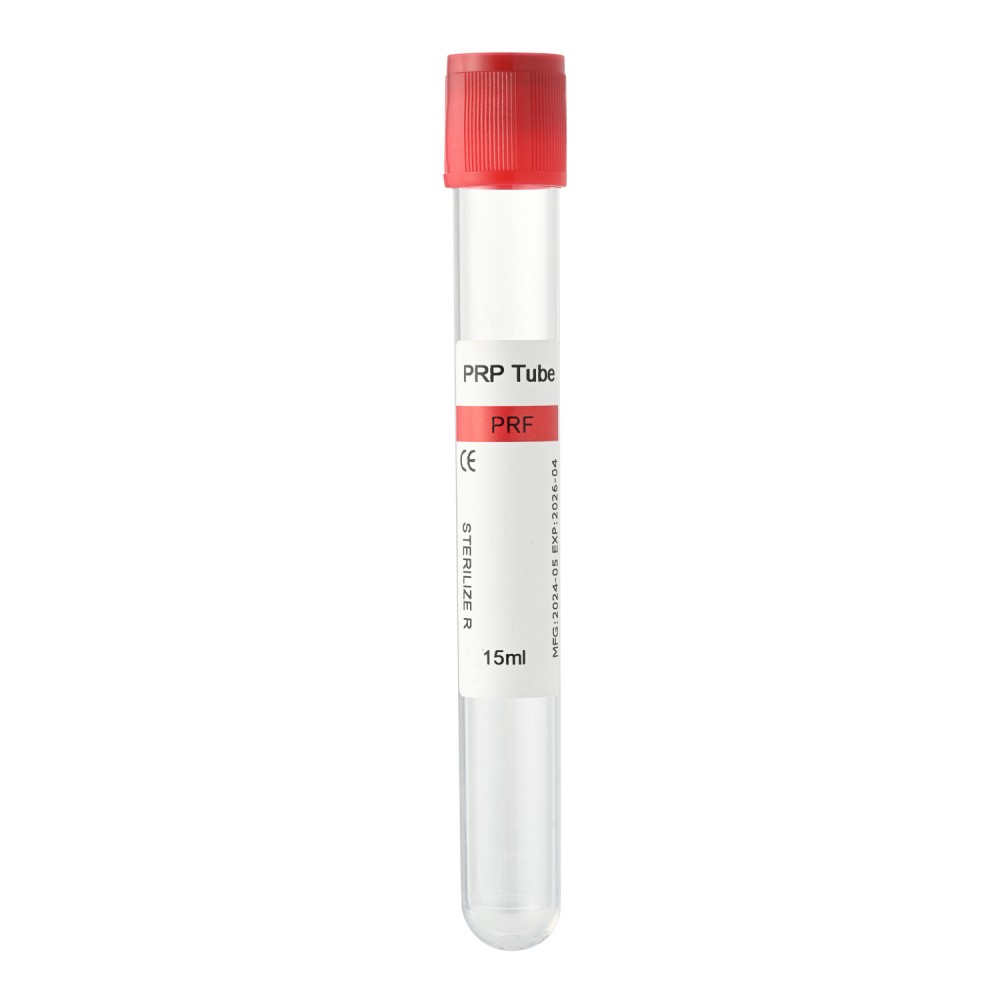
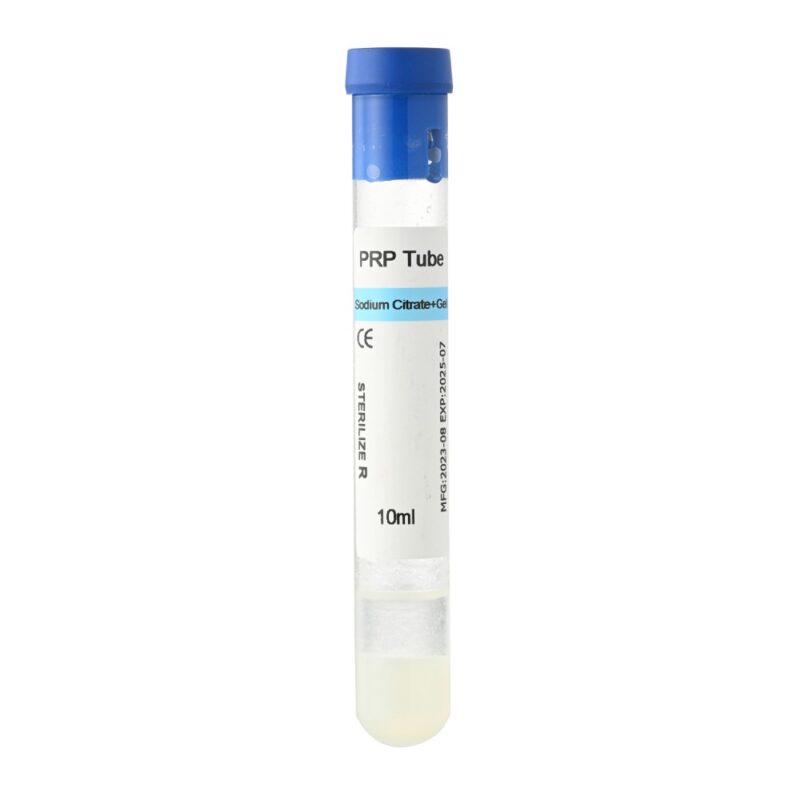
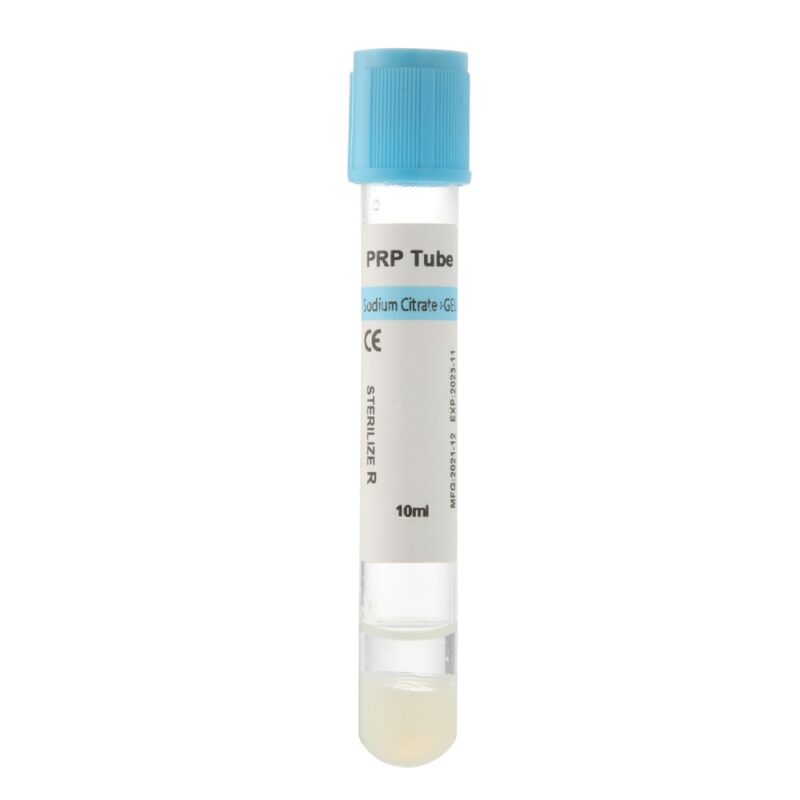
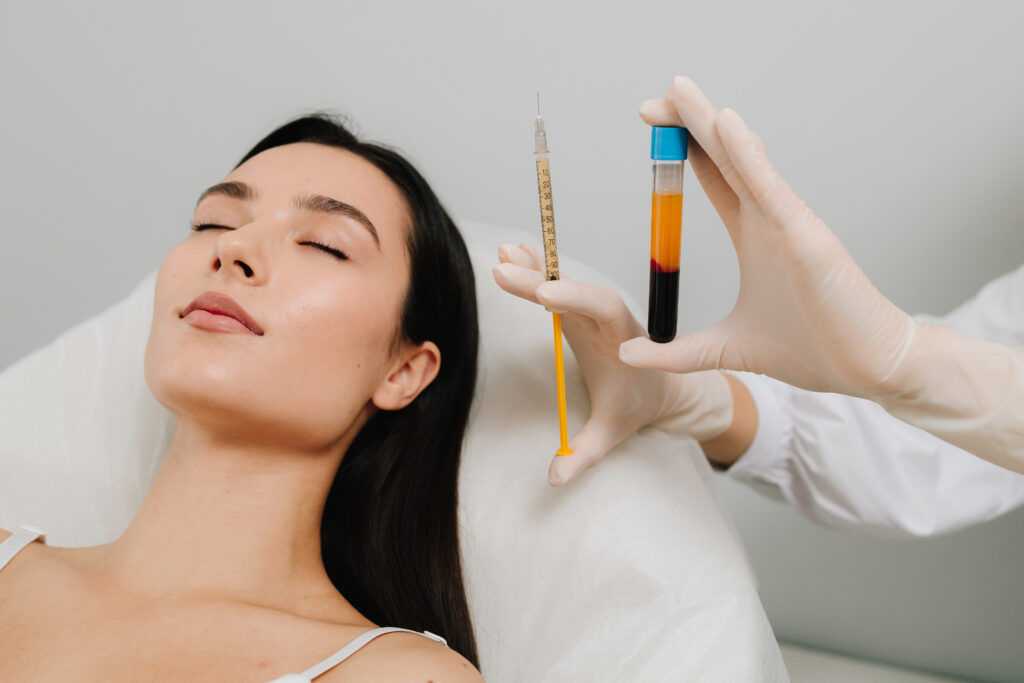
Once the sample is drawn into a specially designed vacuum PRP preparation tube, it is processed in a centrifuge. During centrifugation, blood components separate according to their density, allowing platelet-rich plasma to be isolated for injection.
Although the process appears straightforward, producing consistent, high-quality PRP requires every step to work together. Key factors include:
- Blood collection technique
- PRP collection tube quality
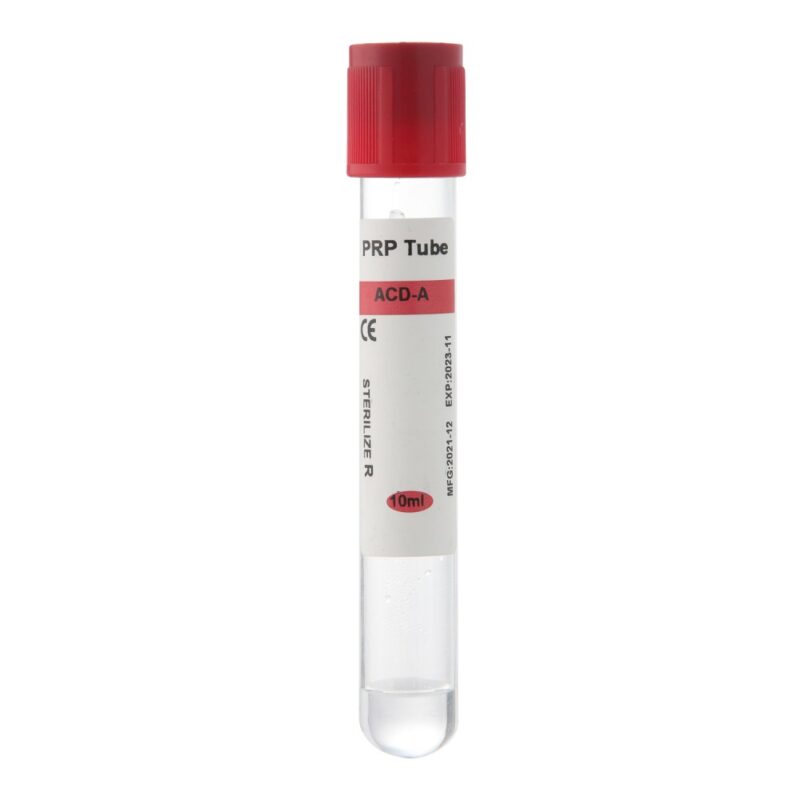
- Anticoagulant formulation (such as ACD-A or sodium citrate)
- Separator gel performance, when applicable
- Centrifuge speed and processing time
- Operator experience
- Standardized preparation protocols
When these variables are carefully controlled, clinics are more likely to achieve consistent platelet recovery, cleaner plasma separation, and reproducible PRP preparation from one procedure to the next.

Why the Right PRP Tube Is Essential
Patients often focus on hydration, nutrition, and recovery—and they should. However, clinicians also pay close attention to the quality of the PRP preparation system because it directly influences the consistency of the final product.
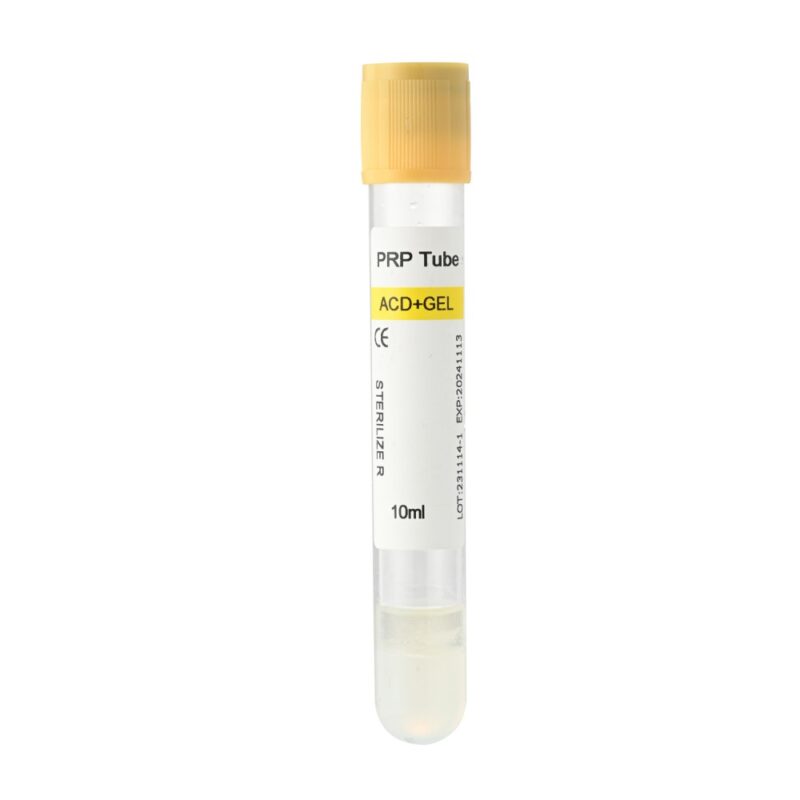
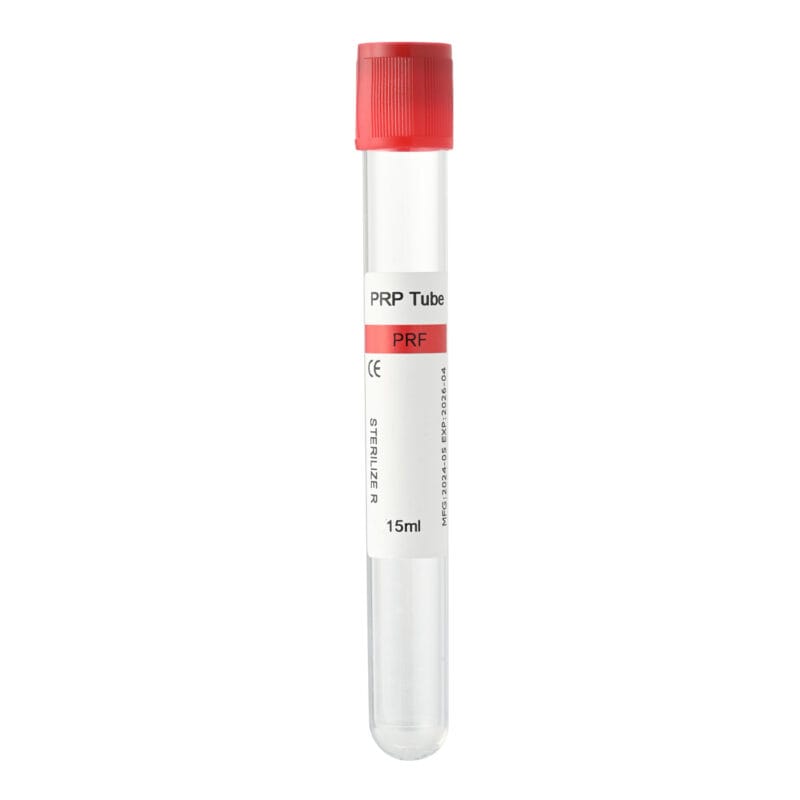
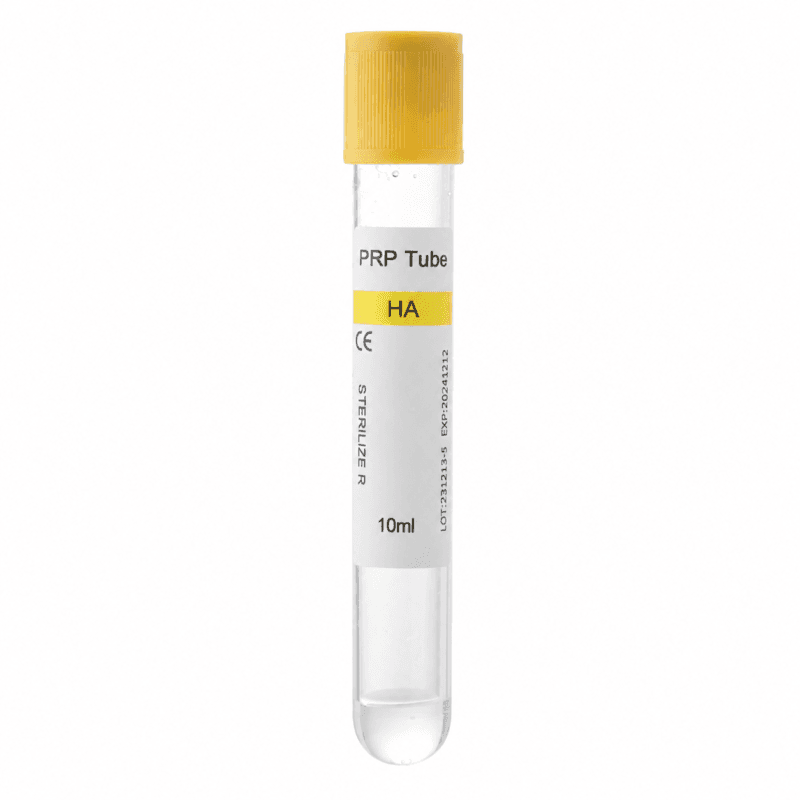
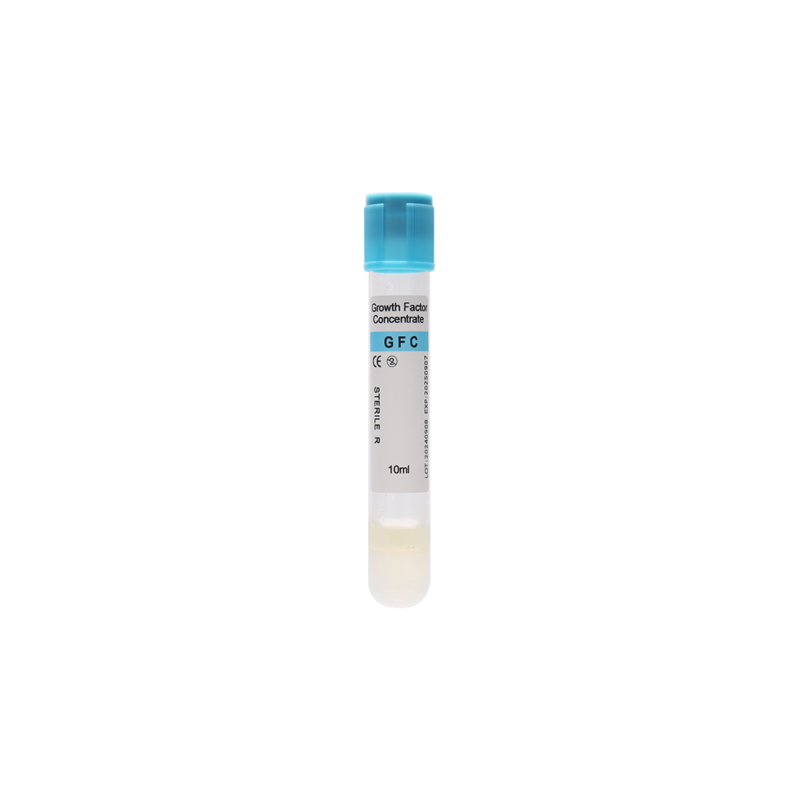
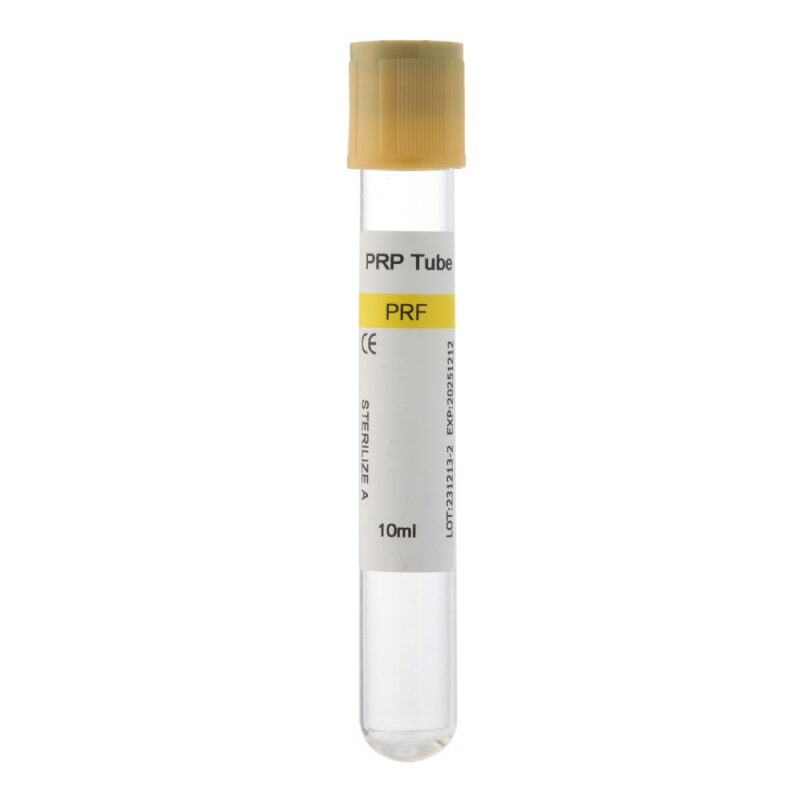
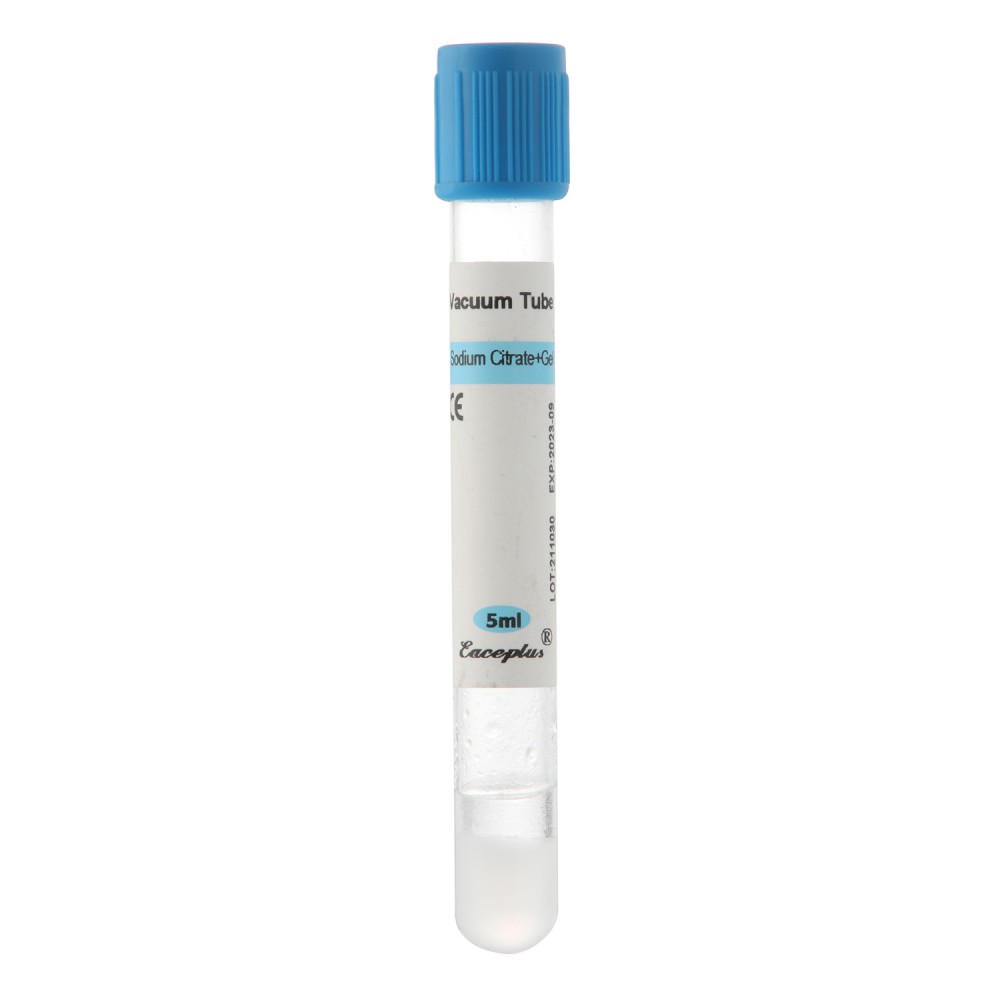
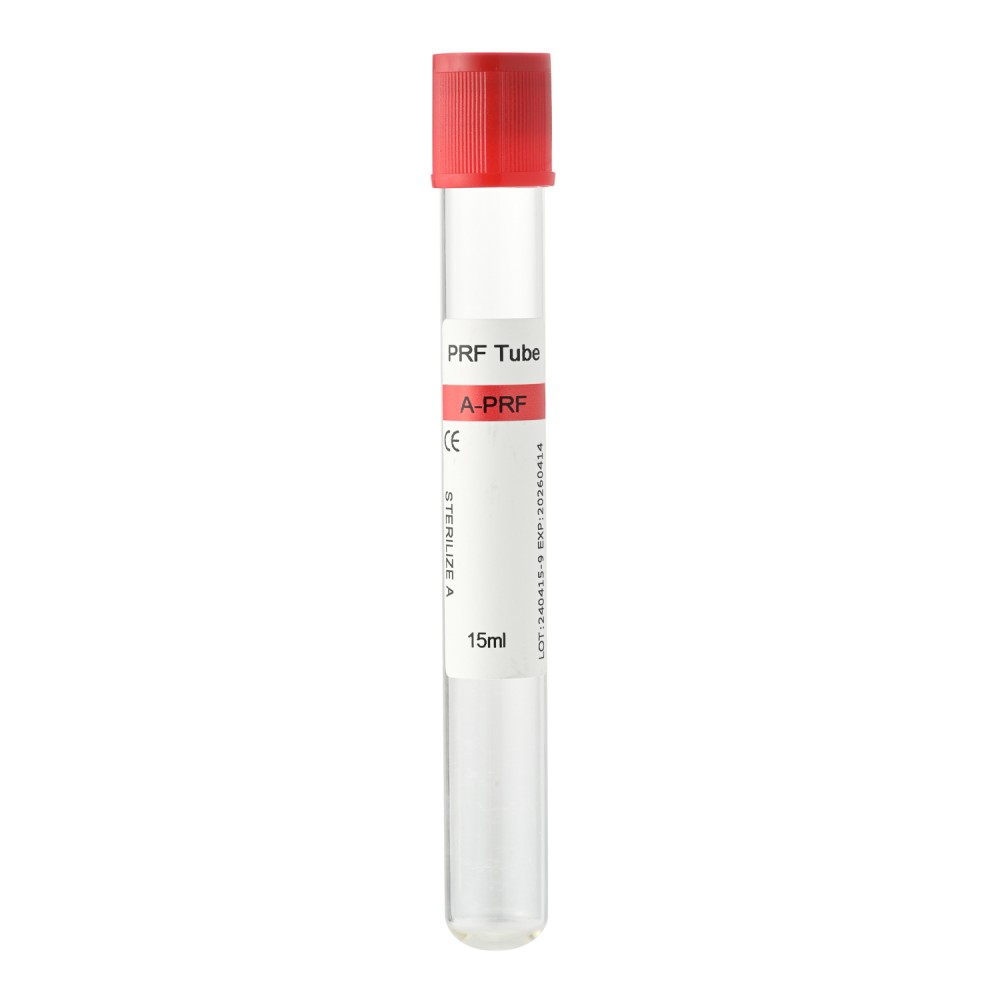
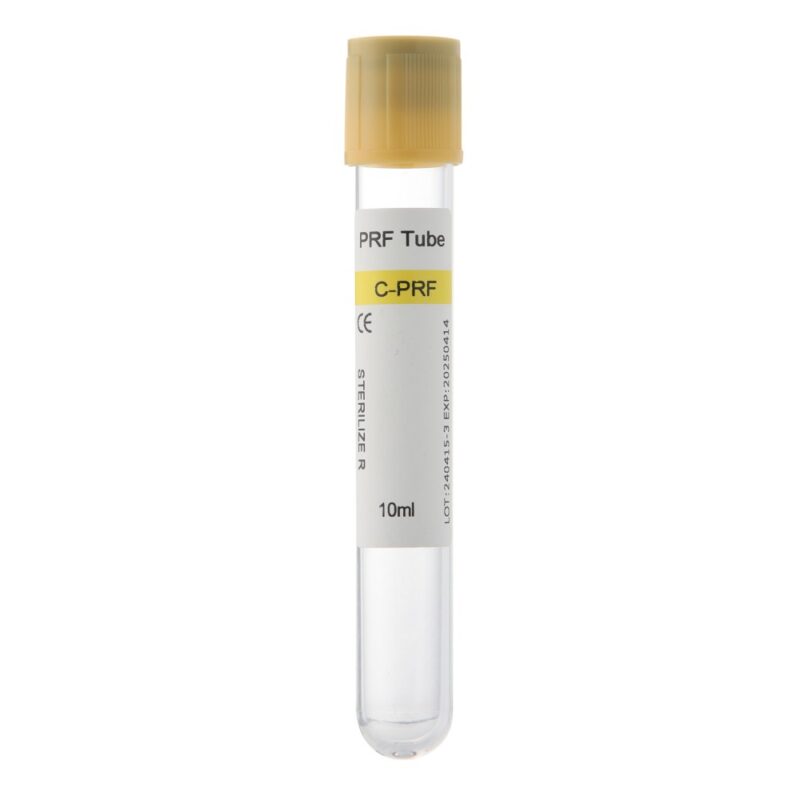
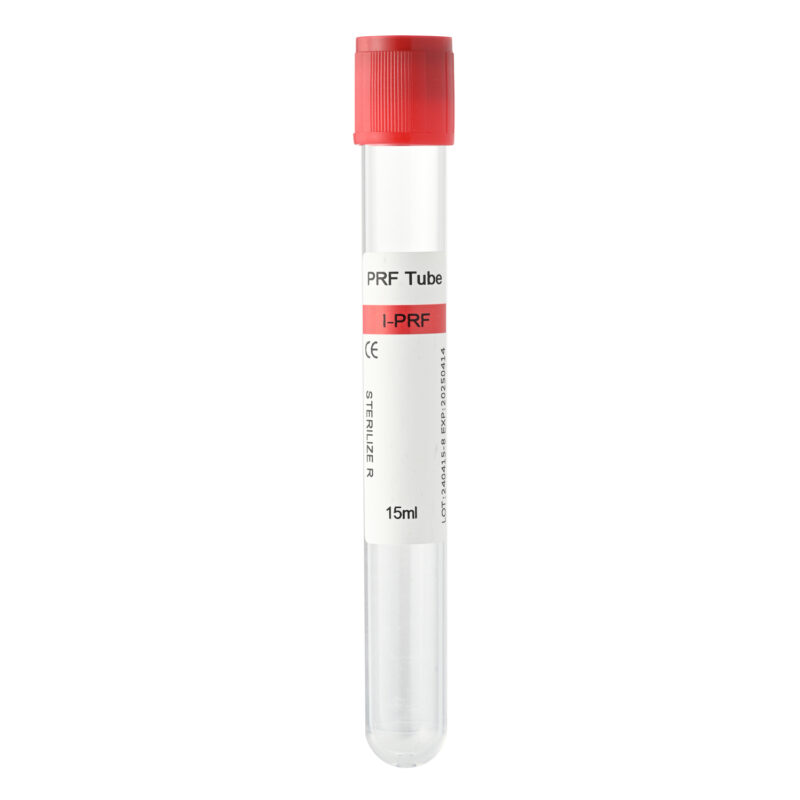
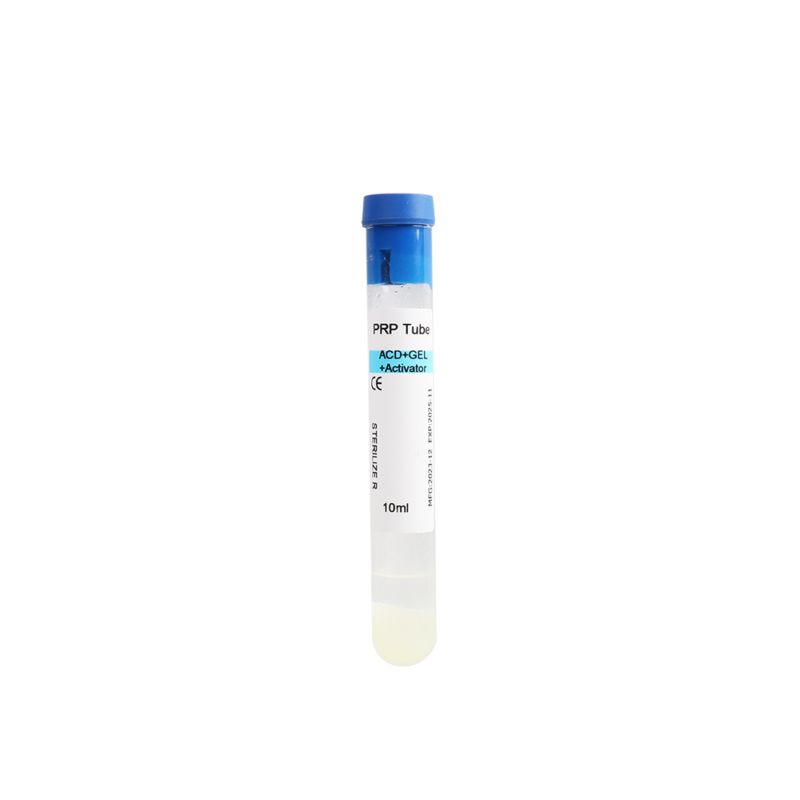
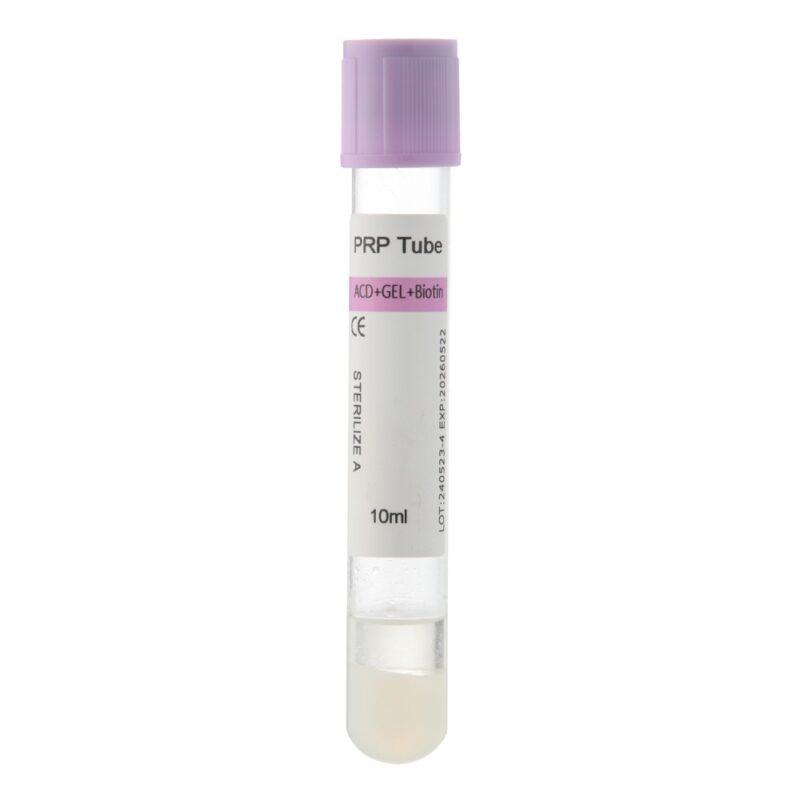
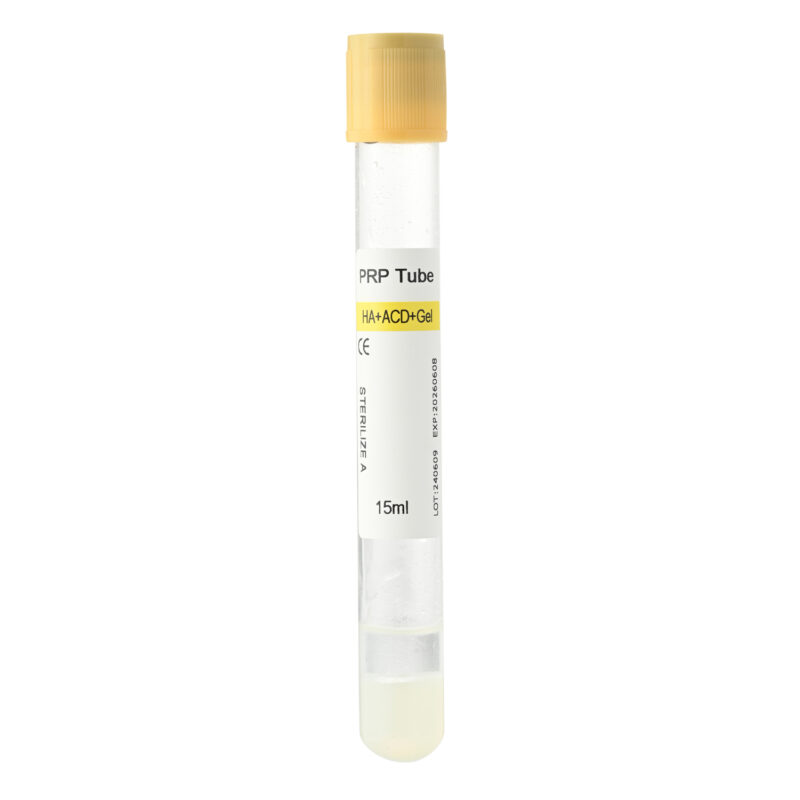
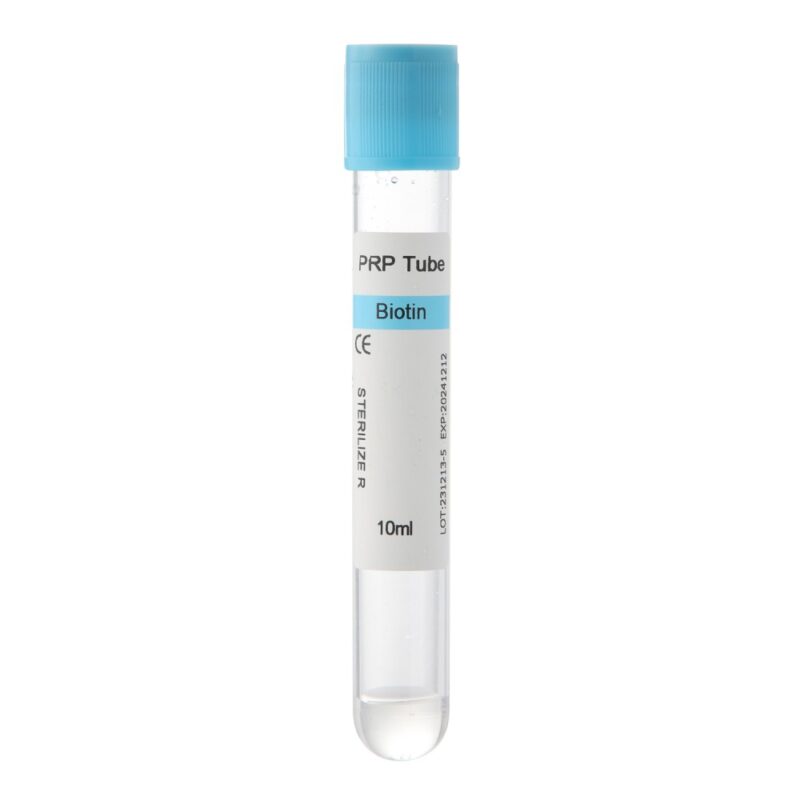
The PRP collection tube serves as the foundation of the preparation process. Its design helps preserve platelet integrity immediately after blood collection while supporting efficient component separation during centrifugation.
A high-quality PRP tube is designed to support:
- Stable anticoagulation immediately after blood collection
- Efficient separation of plasma from red and white blood cells
- High platelet recovery while minimizing unwanted cell contamination
- Clear plasma layers that are easier to isolate
- Consistent preparation across different patients and treatment sessions
By contrast, inconsistent vacuum levels, unstable additives, or poor manufacturing quality can reduce preparation consistency and increase variation between procedures.
Even the best patient preparation cannot fully compensate for inconsistent collection materials. Standardized, medical-grade PRP tubes help clinics improve reproducibility while supporting reliable platelet separation and more consistent treatment workflows.
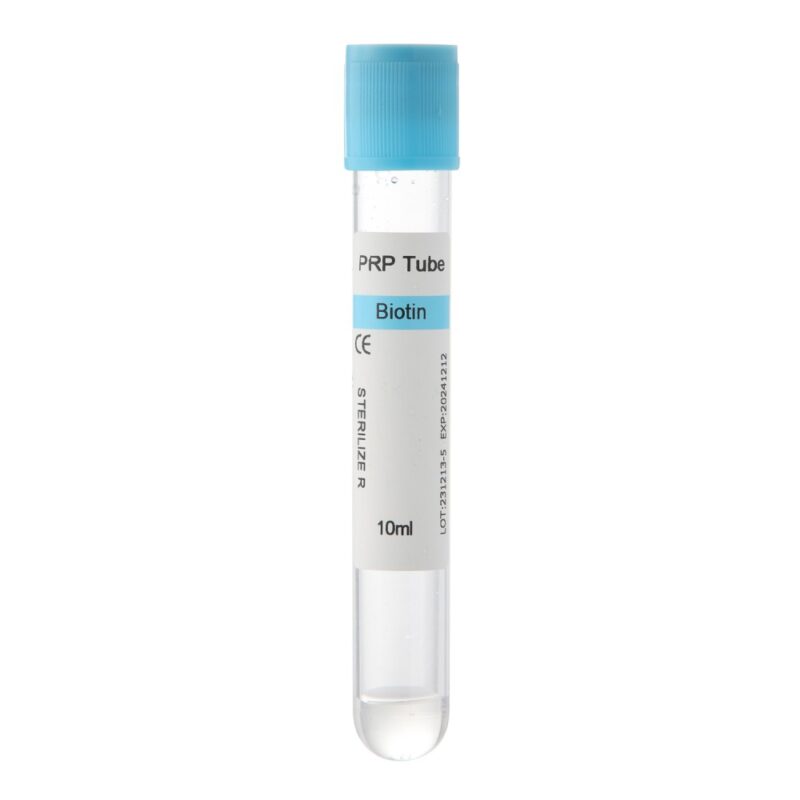
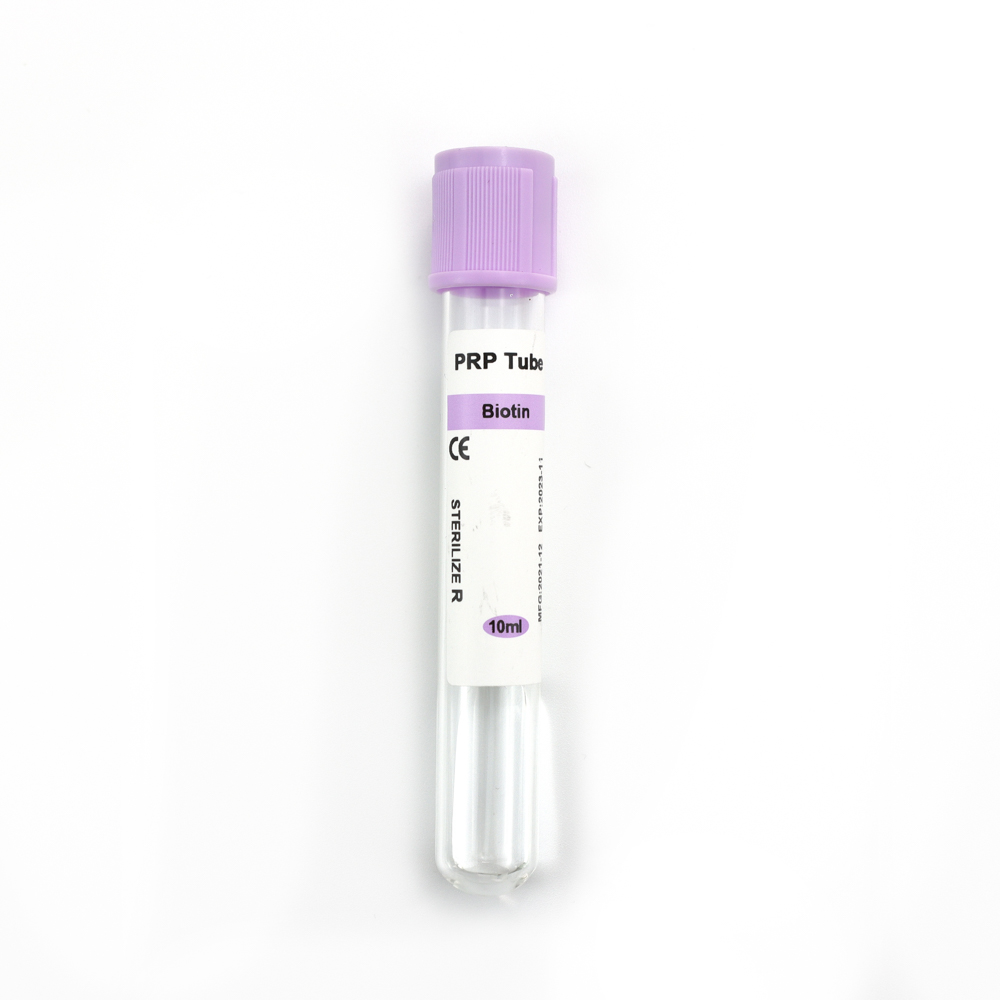
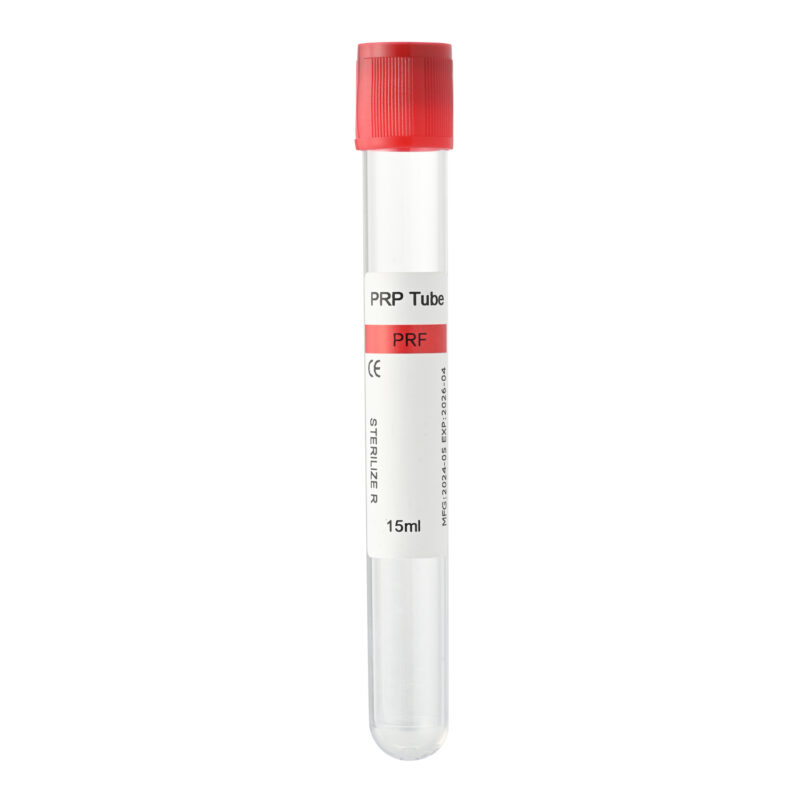
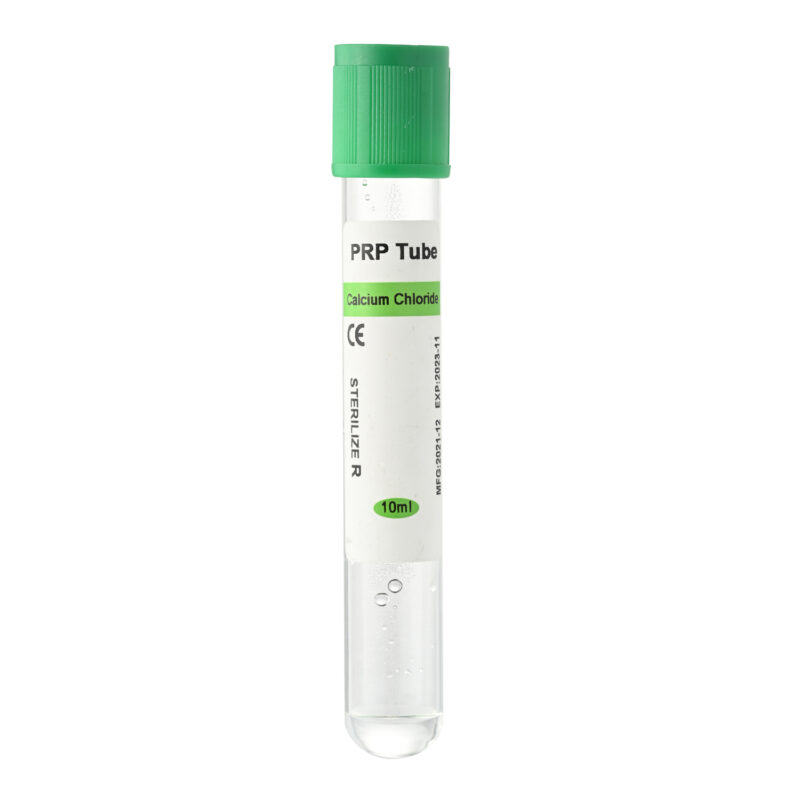
At Siny PRP, we manufacture a comprehensive range of medical-grade PRP collection tubes for orthopedic medicine, sports medicine, aesthetic medicine, hair restoration, dental procedures, and other regenerative medicine applications. Our portfolio includes ACD PRP tubes, sodium citrate PRP tubes, gel separator PRP tubes, HA PRP tubes, biotin PRP tubes, and customized OEM/ODM solutions, helping healthcare professionals achieve dependable PRP preparation across a wide range of clinical applications.
If you’re looking for reliable PRP preparation products backed by experienced manufacturing and technical support, explore the complete PRP tube range at Siny PRP or contact our team to discuss your application requirements.
Maximize Your Results After the Injection
Getting the best results from PRP injections doesn’t stop once the procedure is finished. The healing process continues over the following days and weeks, making post-treatment care just as important as patient preparation.
For quick reference, many clinicians recommend the following treatment timeline:
| Timeline | Recommended Action |
|---|---|
| One Week Before | Stay hydrated, maintain a balanced diet, and review medications with your healthcare provider if necessary. |
| 2–3 Days Before | Avoid smoking and excessive alcohol whenever possible. |
| The Day Before | Skip strenuous exercise, drink plenty of water, and get a good night’s sleep. |
| Treatment Day | Eat a light meal, stay hydrated, wear comfortable clothing, and arrive a few minutes early. |
| After Treatment | Avoid unnecessary anti-inflammatory medications, protect the treated area, and gradually return to normal activities. |
1. Follow Your Provider’s Instructions
Your healthcare provider understands your treatment goals, medical history, and recovery plan. Following their recommendations regarding activity levels, medications, rehabilitation, and follow-up appointments gives your body the best opportunity to heal.
2. Avoid Anti-Inflammatory Medications Unless Advised
Inflammation is part of the body’s natural healing response following PRP therapy.
For this reason, many clinicians recommend avoiding non-steroidal anti-inflammatory drugs (NSAIDs) after treatment unless they are medically necessary. Always consult your healthcare provider before taking any medication following a PRP injection.
3. Return to Activity Gradually
Light daily movement is often encouraged, but strenuous exercise is usually postponed for several days, depending on the treatment area.
Returning to intense physical activity too soon may place unnecessary stress on healing tissues and interfere with your recovery plan.
4. Be Patient With the Healing Process
Unlike treatments that provide immediate symptom relief, PRP supports the body’s natural repair mechanisms.
Some patients notice gradual improvements within a few weeks, while others require more time. Recovery varies depending on the condition being treated, the patient’s overall health, age, activity level, and the individualized treatment plan.
Lifestyle Habits That Support Better PRP Outcomes
PRP therapy is only one part of the healing process. Long-term lifestyle habits also influence how well your body responds to regenerative treatment.
To support recovery:
- Maintain a balanced, nutrient-rich diet.
- Stay consistently hydrated.
- Get adequate, high-quality sleep.
- Avoid smoking whenever possible.
- Manage chronic medical conditions according to your physician’s recommendations.
- Follow your rehabilitation or physical therapy program if one has been prescribed.
While these habits cannot guarantee a specific outcome, they create a healthier environment for tissue repair and complement the regenerative goals of PRP therapy.
FAQs
1. How many PRP injections do I need to achieve the best results?
The number of treatments depends on the condition being treated and your individual response to therapy. Some patients benefit from a single injection, while others may require a series of treatments scheduled several weeks apart. Your healthcare provider will recommend the most appropriate treatment plan for your situation.4
2. How long does it take to see results from PRP injections?
Many patients begin noticing gradual improvements within several weeks, although the timeline varies depending on the treatment area and individual healing response. Because PRP works by supporting natural tissue repair, improvements usually develop progressively rather than immediately.
3. Can lifestyle habits affect PRP treatment results?
Yes. Staying hydrated, maintaining a balanced diet, avoiding smoking, getting enough sleep, and following your clinician’s recommendations all help create favorable conditions for healing after PRP therapy.
4. Does the quality of the PRP tube really matter?
Absolutely. The collection tube influences platelet recovery, plasma separation, and preparation consistency. High-quality PRP tubes manufactured under strict quality standards help clinicians prepare more consistent platelet-rich plasma while improving workflow reproducibility.
5. What factors have the biggest impact on PRP treatment results?
PRP outcomes are influenced by multiple factors rather than a single step. Patient preparation, clinician experience, blood collection quality, PRP preparation protocols, collection tube quality, injection technique, and post-treatment care all work together to support consistent platelet-rich plasma preparation and successful regenerative therapy.
Final Thoughts
Understanding how to get the best results from PRP injections means looking beyond the injection itself. Patient preparation, clinician experience, standardized PRP preparation, post-treatment care, and healthy lifestyle habits all contribute to the overall treatment process.
No single factor determines the success of PRP therapy. Instead, optimizing every stage—from blood collection and platelet separation to recovery and rehabilitation—creates the best possible conditions for consistent PRP preparation and effective tissue healing.
For healthcare professionals, consistency begins with standardized protocols and reliable equipment. Siny PRP supports clinics and distributors worldwide with high-quality PRP collection tubes, strict manufacturing standards, and flexible OEM/ODM solutions designed to deliver dependable platelet separation across a wide range of regenerative medicine applications.
By paying attention to every stage of the workflow—not just the injection itself—both patients and clinicians can maximize the potential benefits of PRP therapy and achieve more consistent results over time.