If you’re wondering, “can I eat before PRP injection?”, the short answer is yes. In most cases, you do not need to fast before platelet-rich plasma (PRP) therapy. Instead, many healthcare providers recommend eating a light, balanced meal and drinking plenty of water before your appointment. These simple steps can help stabilize your blood sugar, reduce the risk of dizziness during the blood draw, and make the overall treatment experience more comfortable.
However, preparing for PRP involves more than deciding whether to eat breakfast. Your hydration level, medication use, alcohol intake, and overall health can all influence the blood collection process. While these factors do not determine whether PRP will work, they can affect how smoothly the procedure goes and help clinicians prepare a high-quality platelet concentrate.
It is also important to understand what doesn’t significantly affect PRP quality. Eating a healthy meal before treatment will not reduce the effectiveness of platelet-rich plasma. Instead, the final PRP product depends far more on proper blood collection, standardized centrifugation protocols, and the quality of the PRP collection tube used during preparation.
In this guide, you’ll learn whether fasting is ever necessary, which foods are recommended before treatment, what to avoid, and why proper preparation benefits both patients and clinicians.
Can I Eat Before PRP Injection? Here’s What Most Doctors Recommend
For most patients, eating before a PRP injection is not only safe—it is often encouraged.
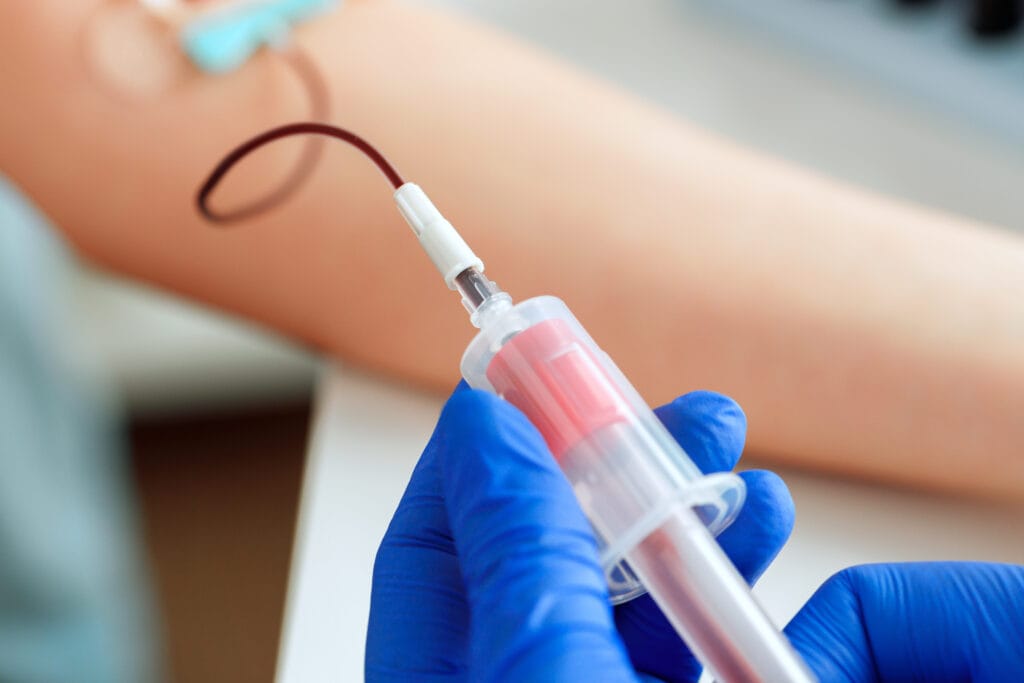
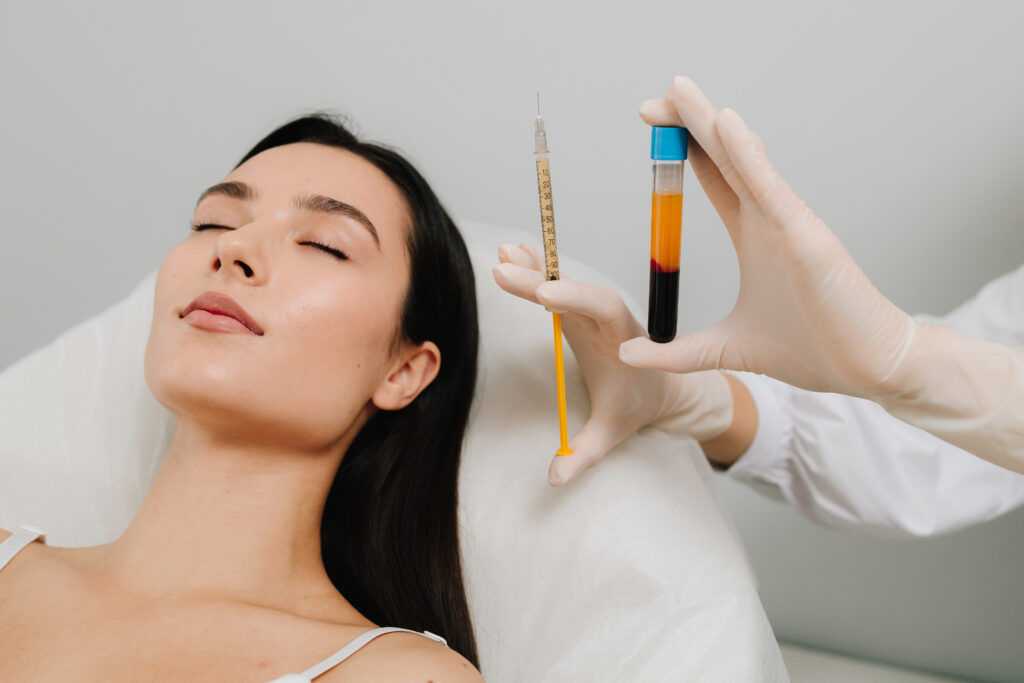
PRP therapy begins with a routine blood draw, usually between 10 and 60 mL of blood depending on the treatment protocol. Unlike surgical procedures performed under general anesthesia, PRP injections are typically completed while you are fully awake. Because of this, fasting offers little benefit for most patients.
In fact, arriving on an empty stomach may have the opposite effect. Low blood sugar can make some people feel weak, dizzy, or lightheaded during blood collection. Patients who are anxious about needles are even more likely to experience these symptoms.
A light meal eaten one to three hours before your appointment helps maintain stable energy levels throughout the procedure. It can also make longer treatments—such as scalp PRP, facial rejuvenation, or multiple orthopedic injections—more comfortable.
Hydration is just as important.
Well-hydrated blood is generally easier to collect, allowing clinicians to complete the blood draw more efficiently. Drinking enough water before your appointment may also improve vein visibility, making the collection process quicker and more comfortable for both patients and healthcare providers.
There are, however, a few exceptions. If your PRP treatment is combined with sedation or another medical procedure that requires fasting, always follow your physician’s instructions. Likewise, patients with diabetes or other medical conditions should follow personalized dietary advice provided by their healthcare team.
Another common misconception is that eating more food produces “better” PRP. This is not how PRP works. Platelets already circulate naturally in your bloodstream before the blood draw. Their concentration after processing depends primarily on your baseline platelet count, the centrifugation protocol, and the quality of the preparation system—not on whether you skipped breakfast.
For this reason, experienced clinicians place as much importance on standardized PRP preparation as they do on patient preparation. Consistent blood collection, accurate anticoagulant ratios, and reliable separation technology all contribute to producing high-quality platelet-rich plasma.
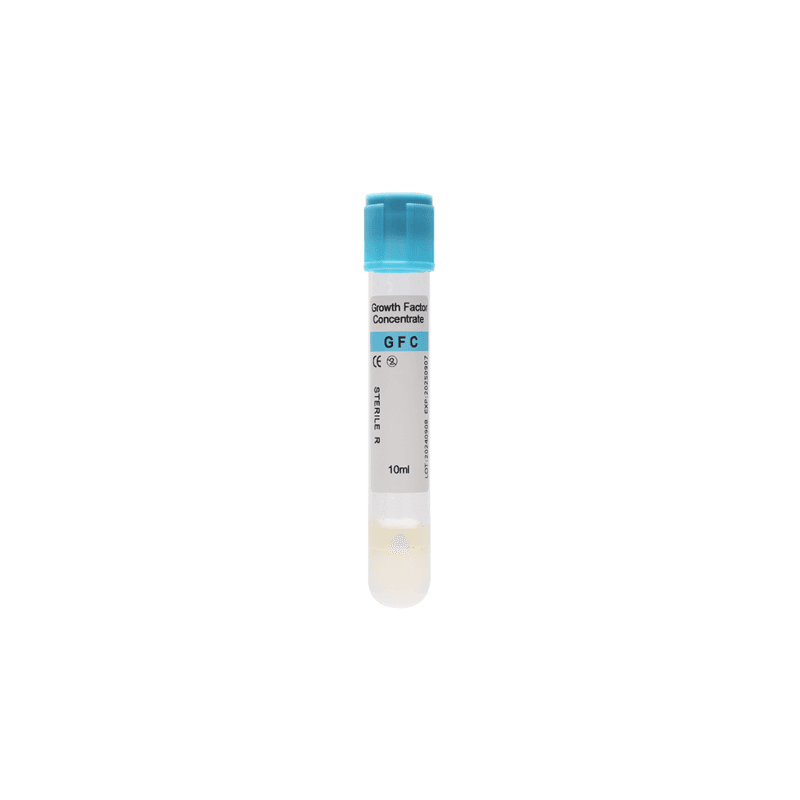
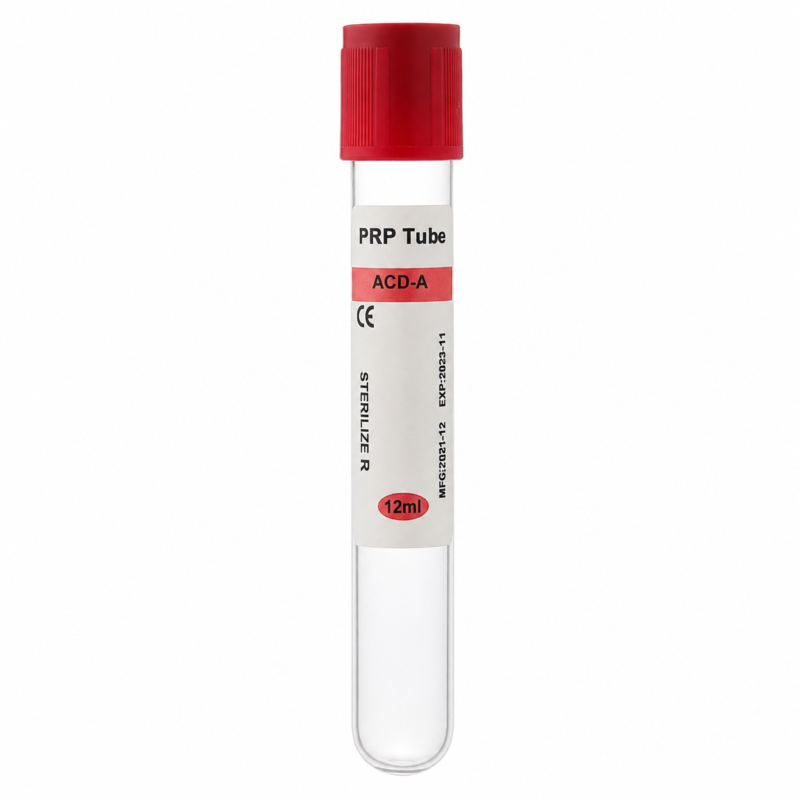
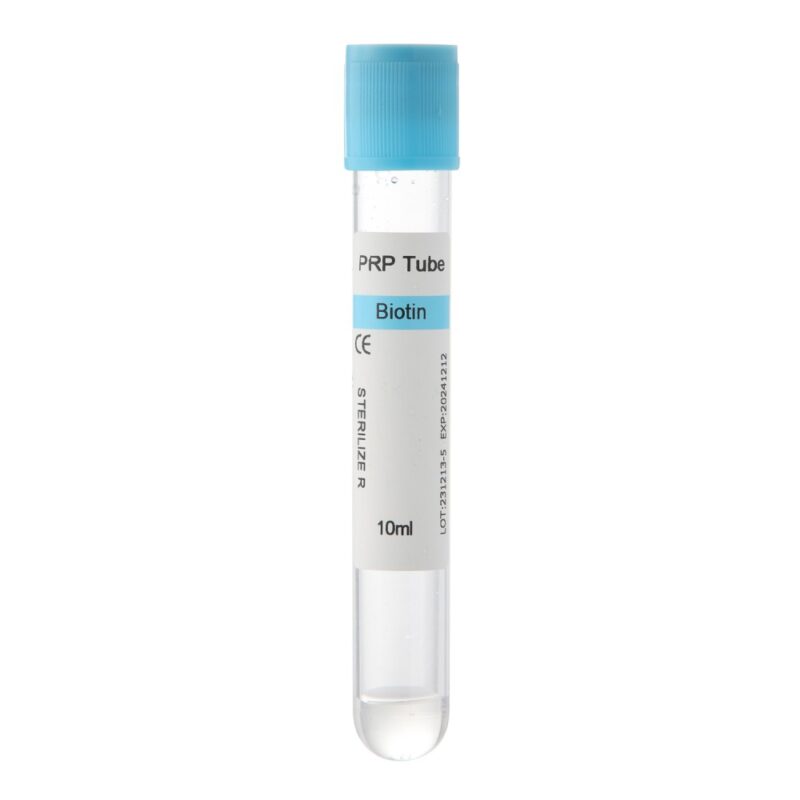
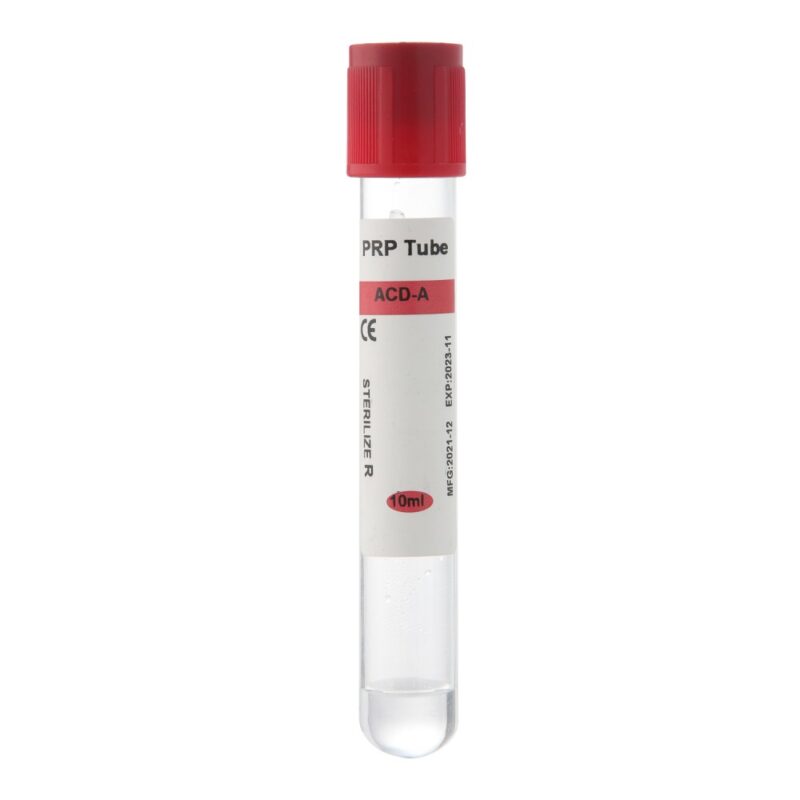
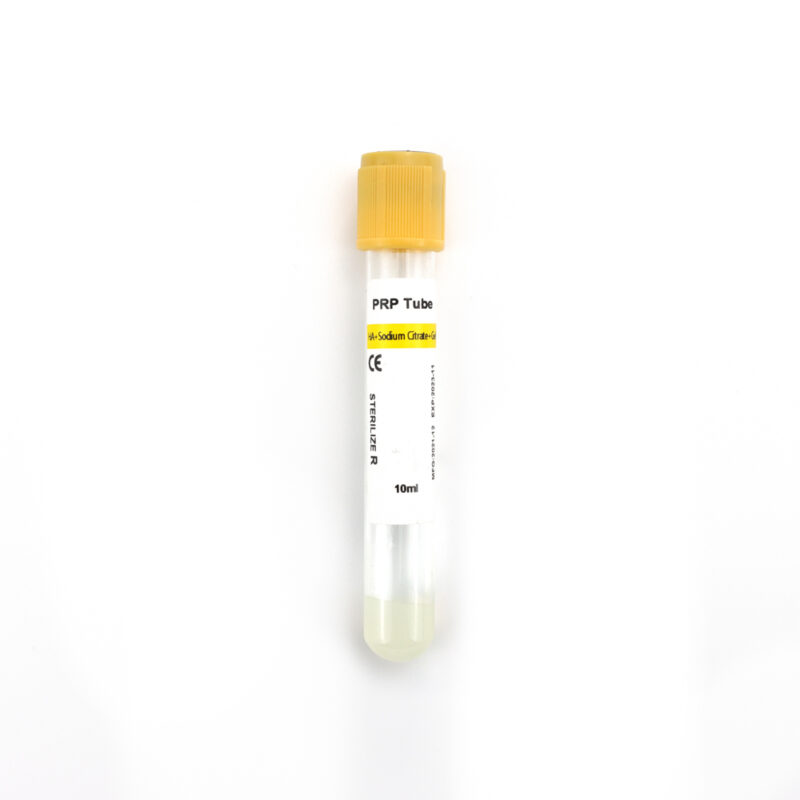
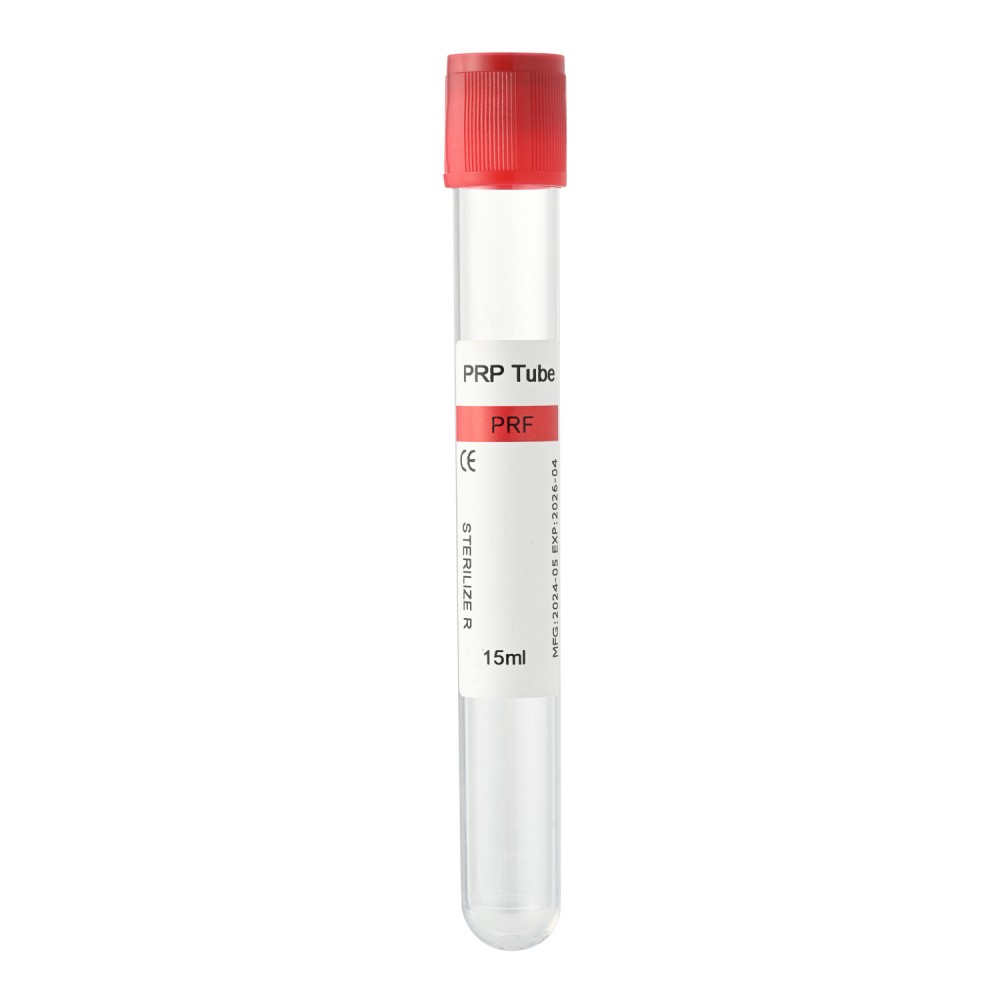
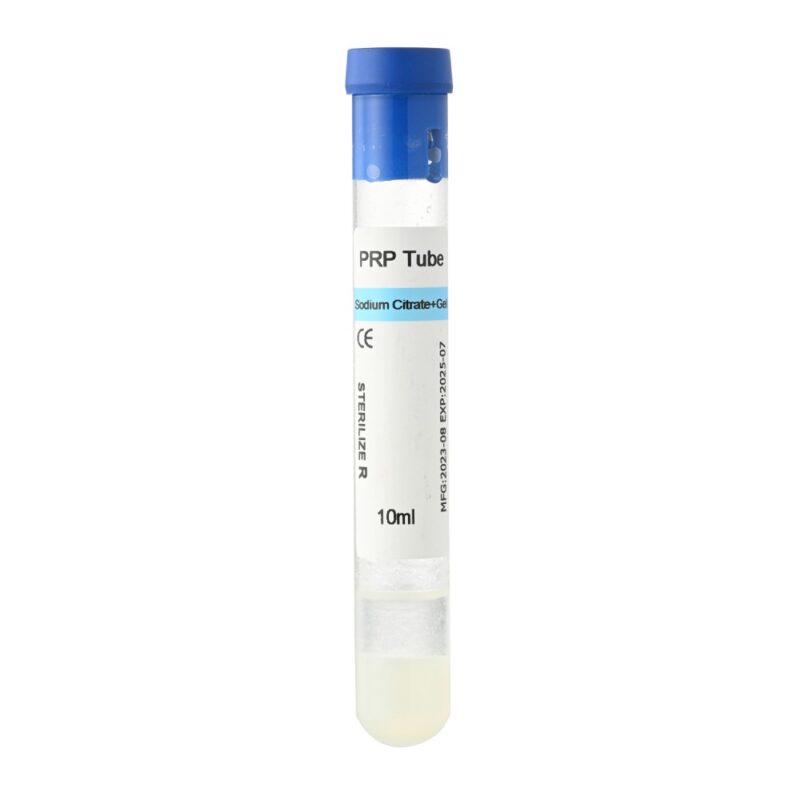
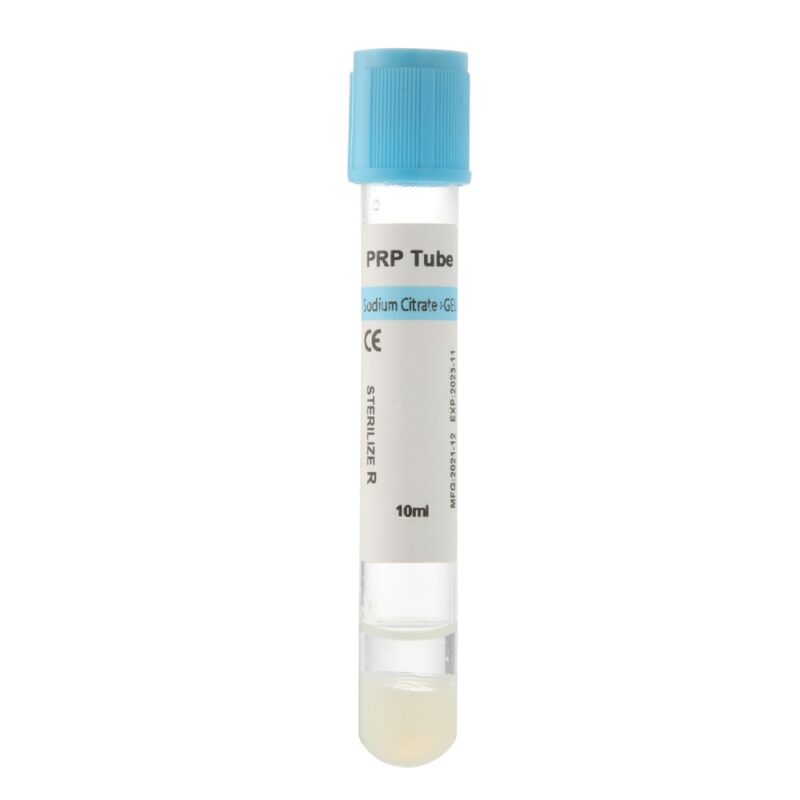
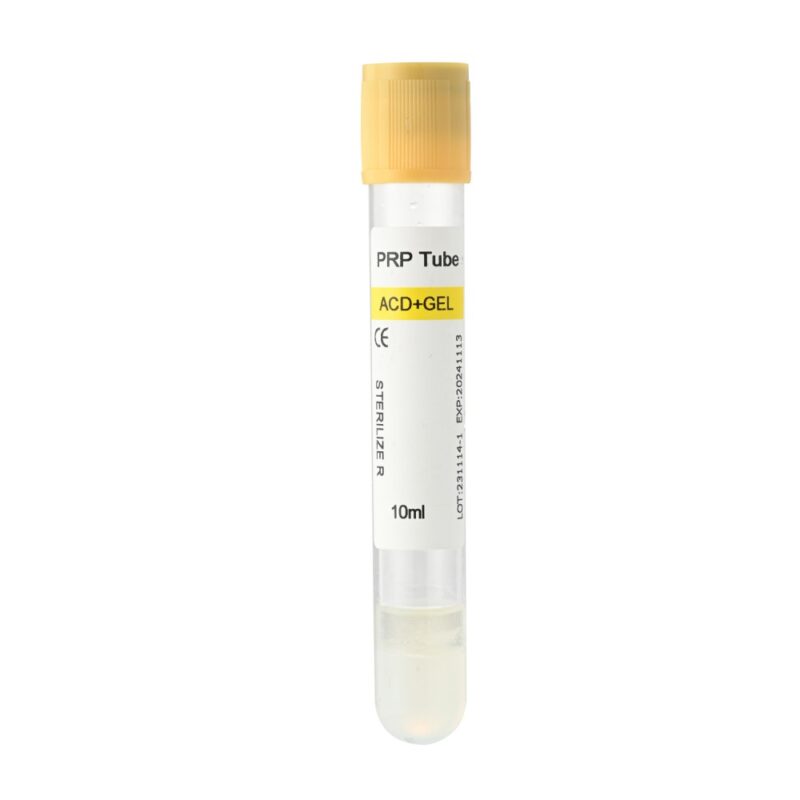
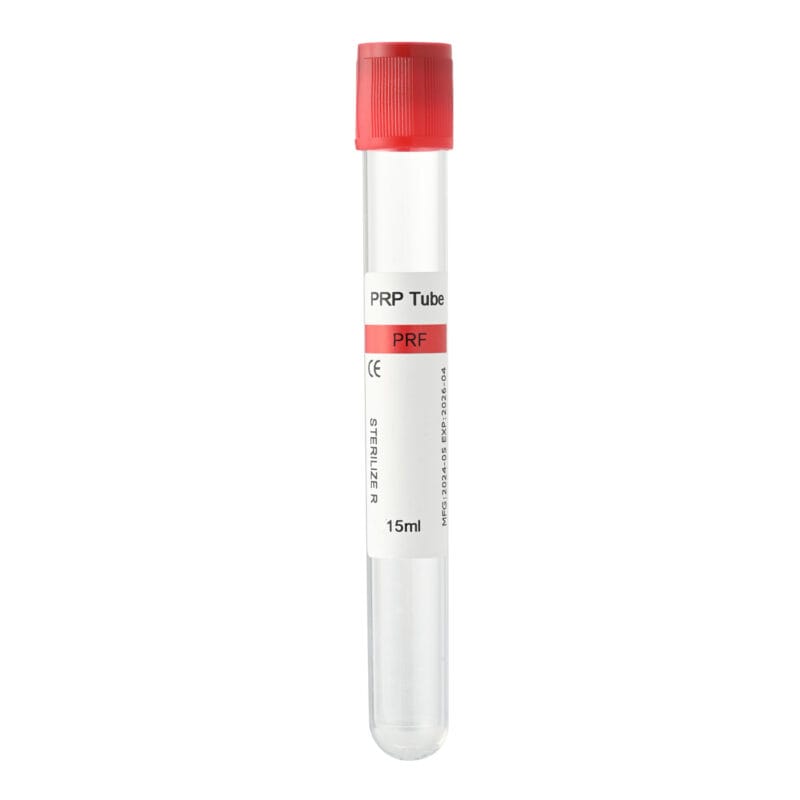
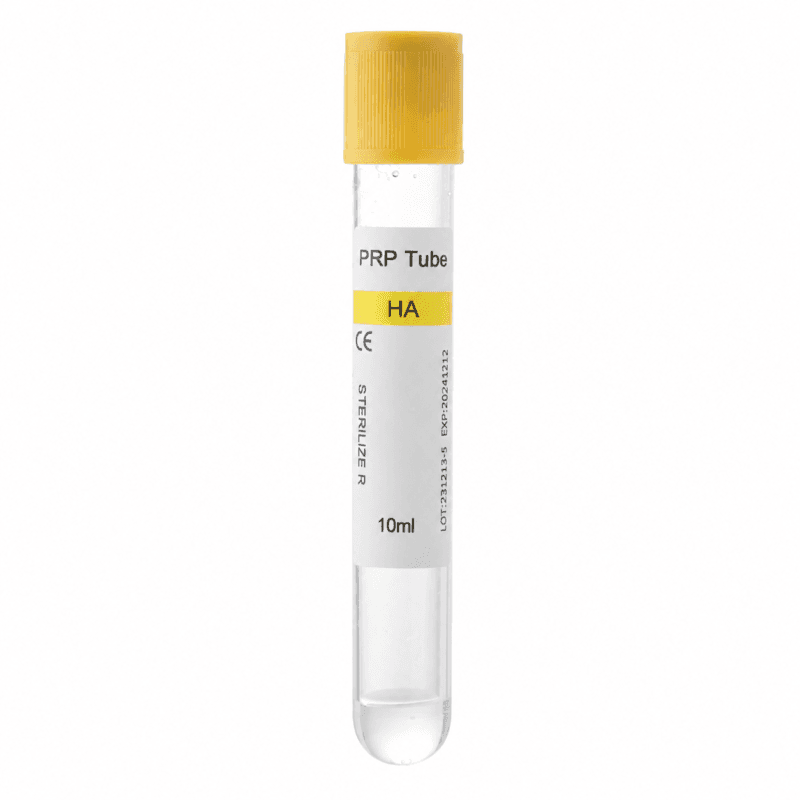
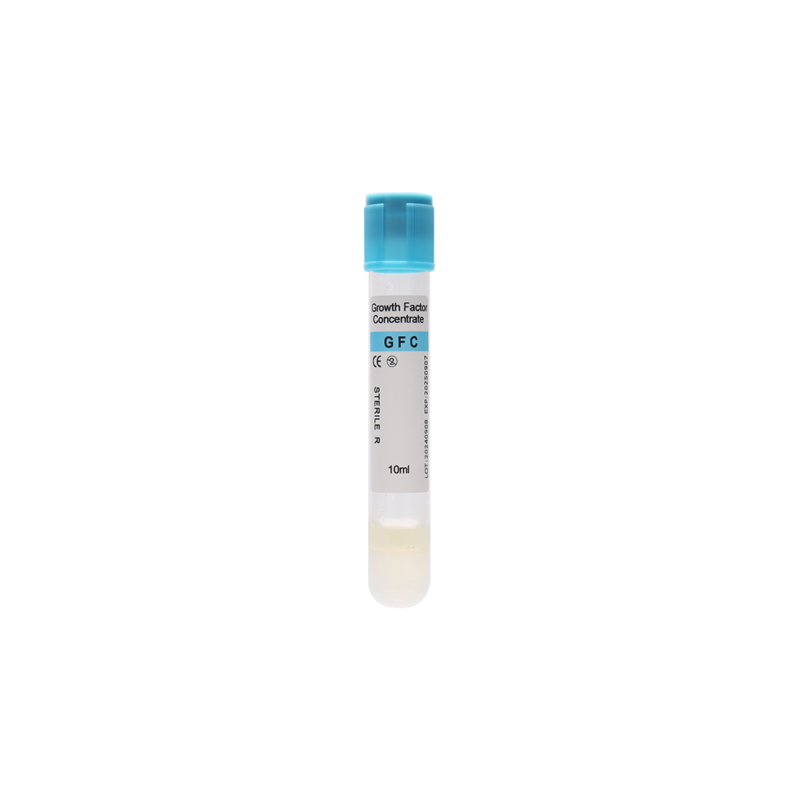
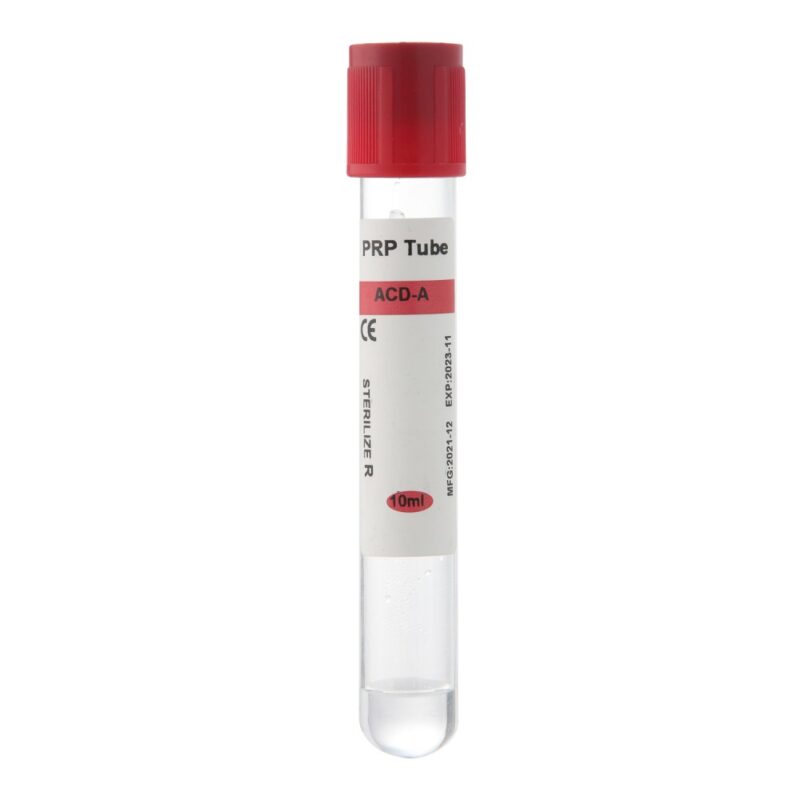
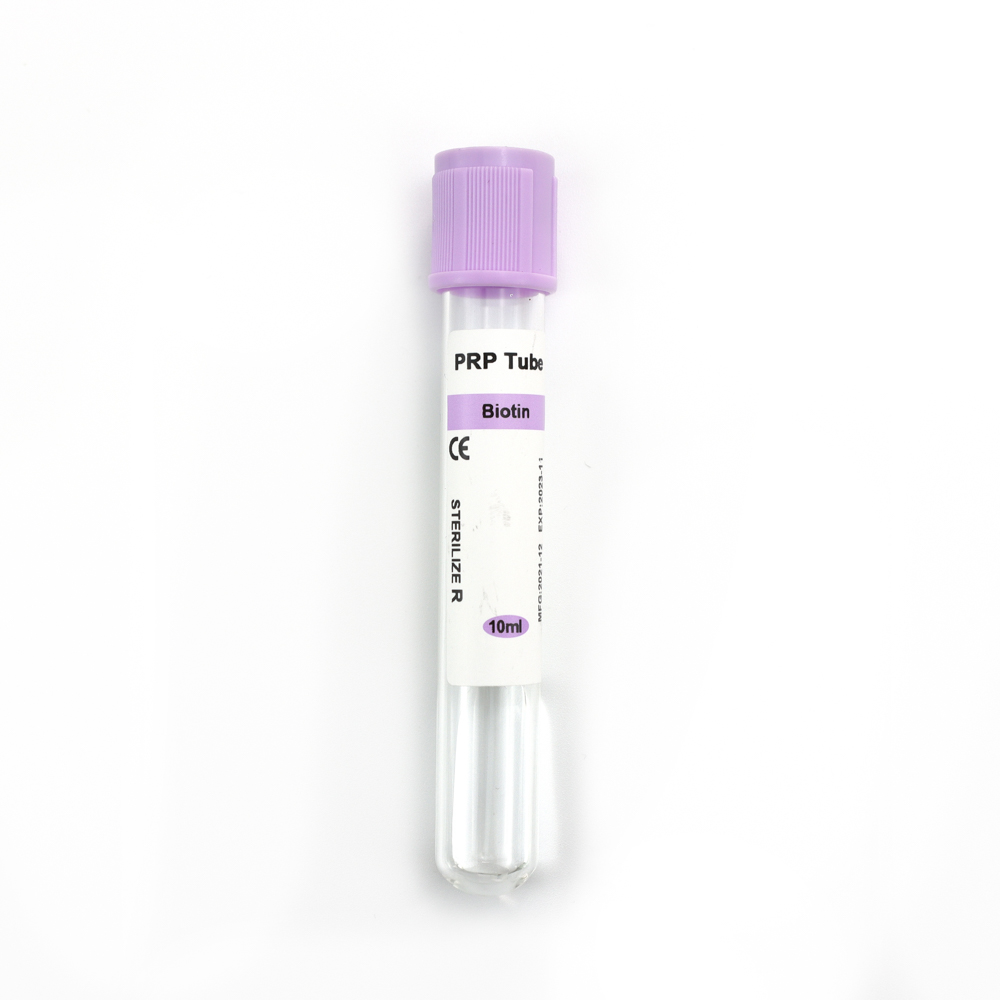
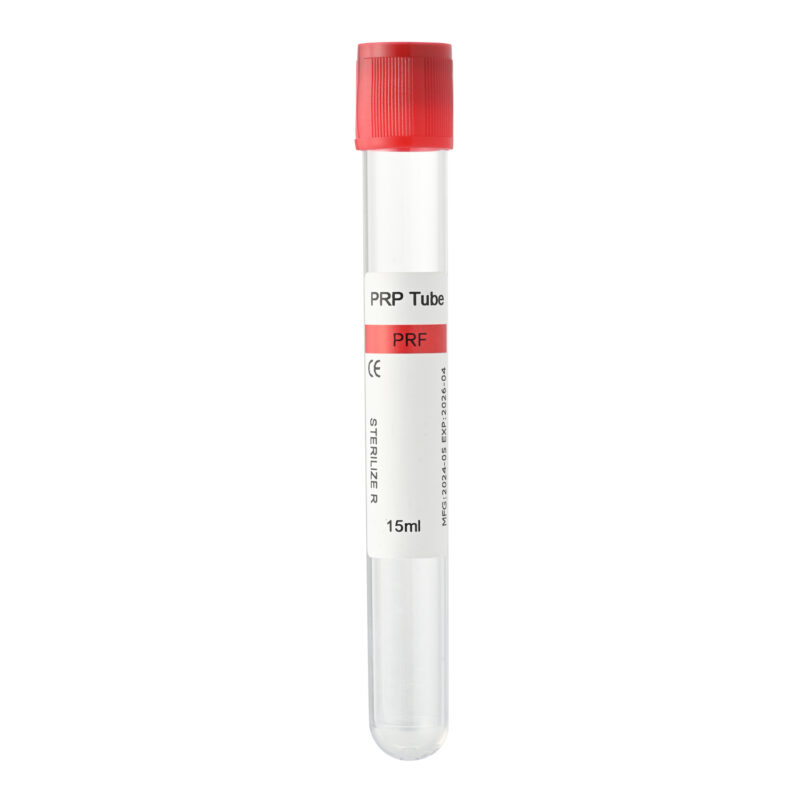
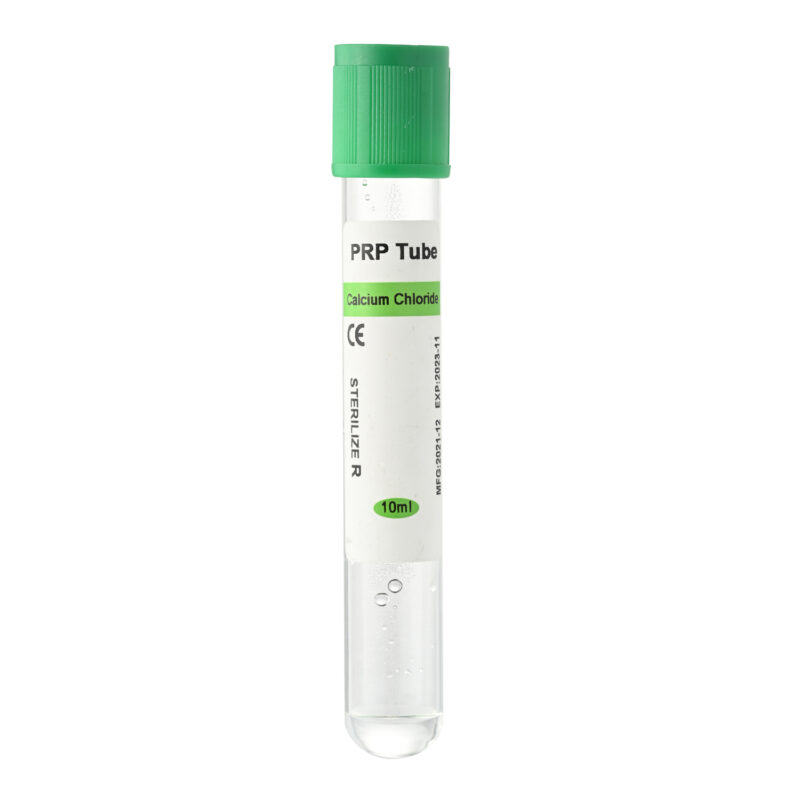
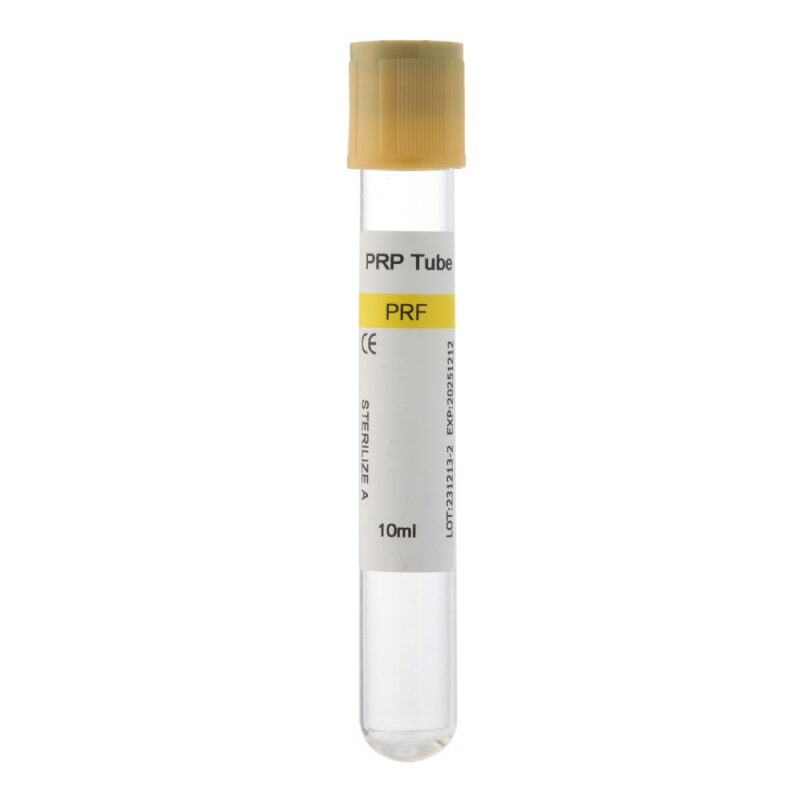
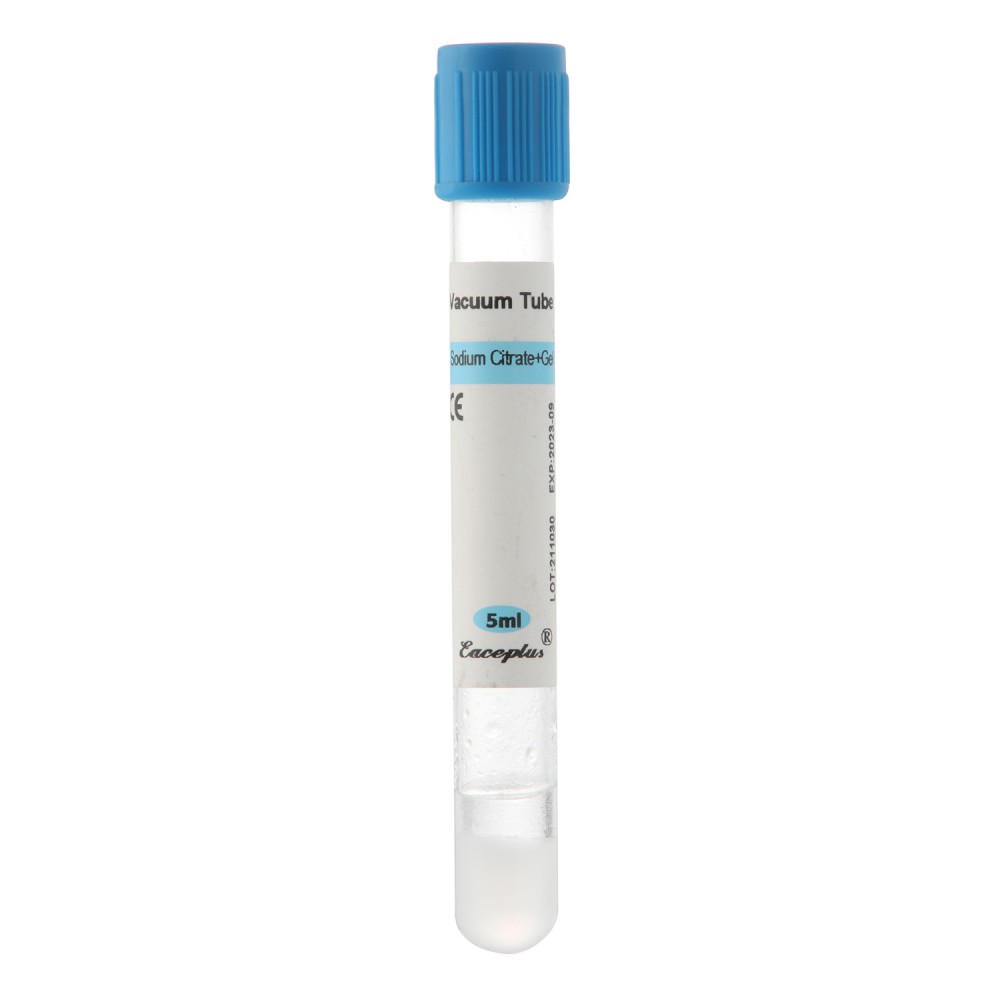
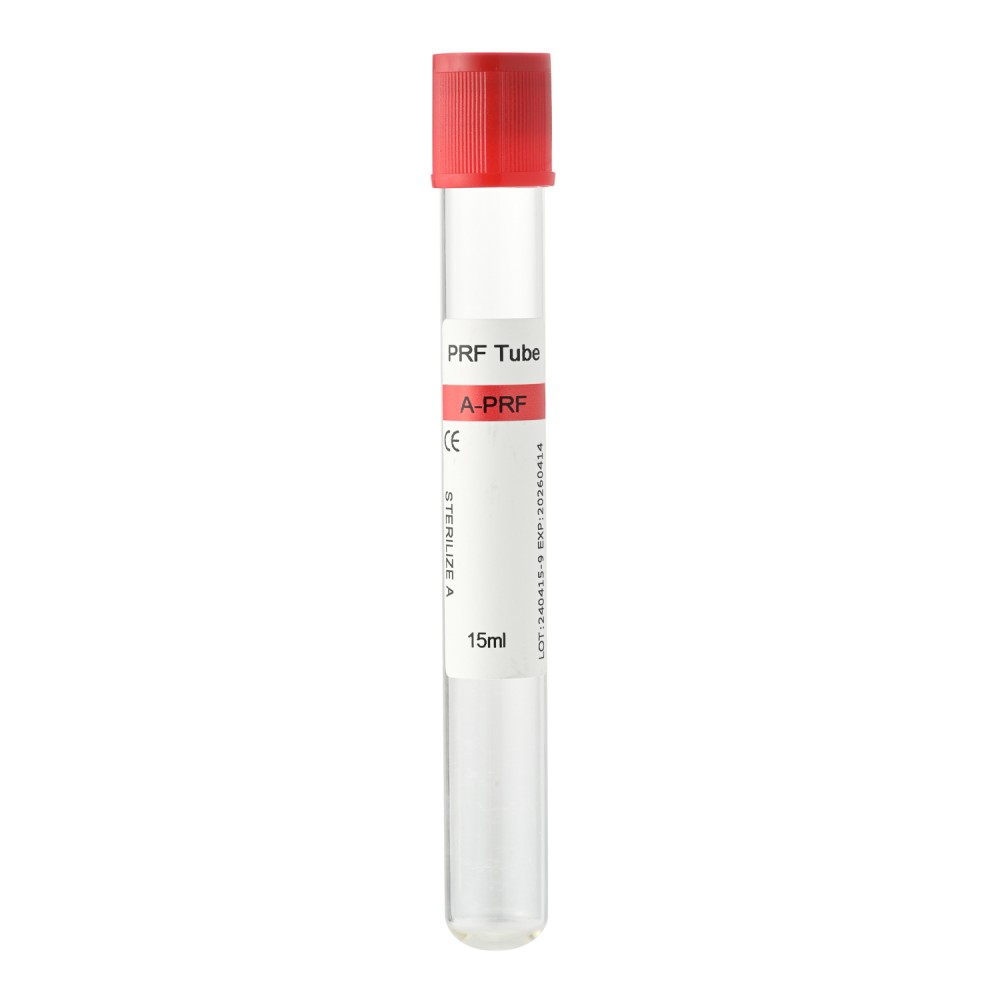
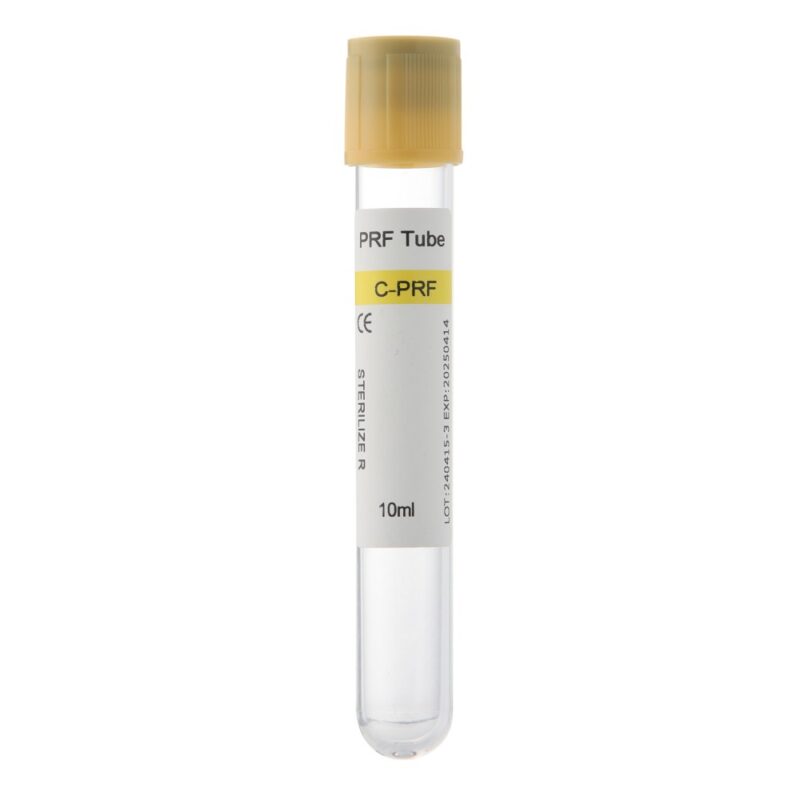
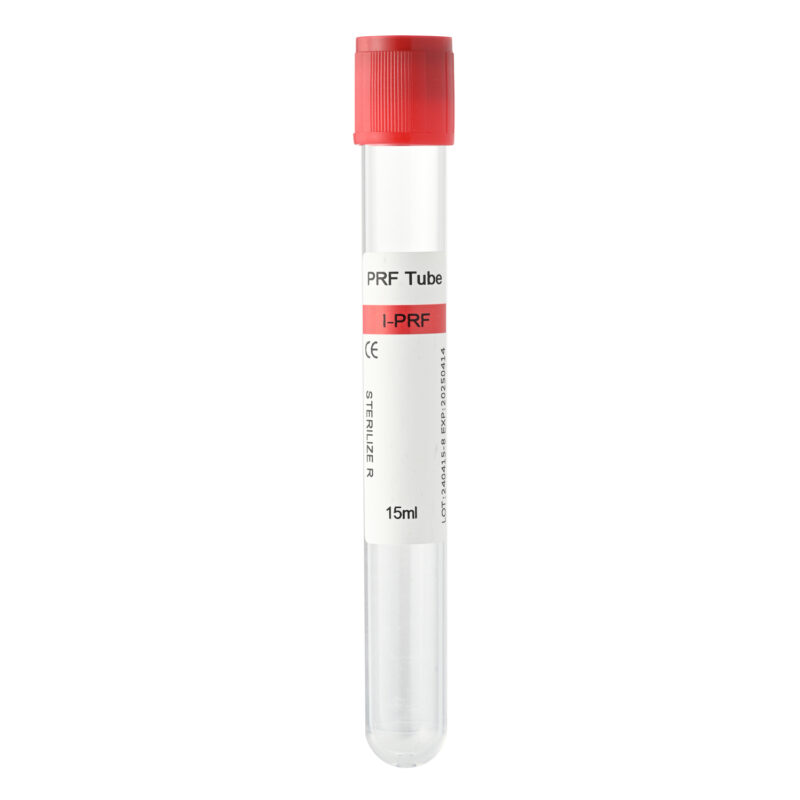
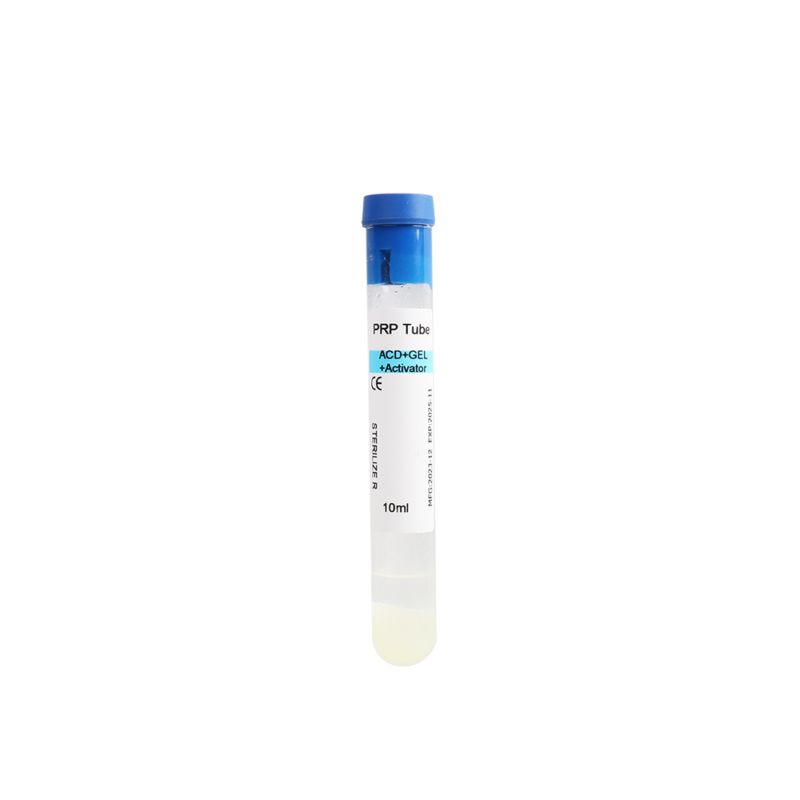
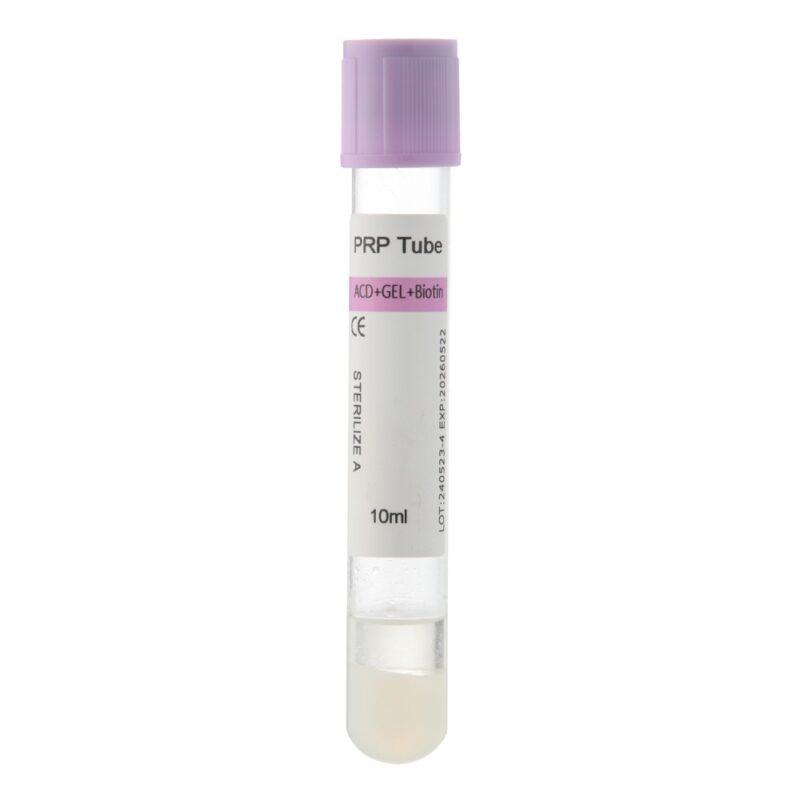
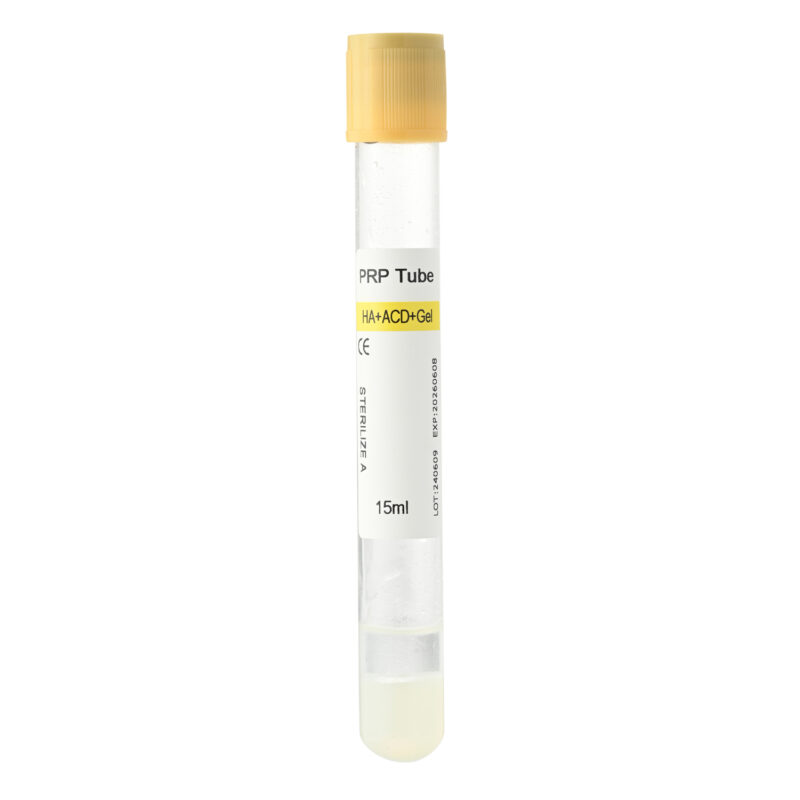
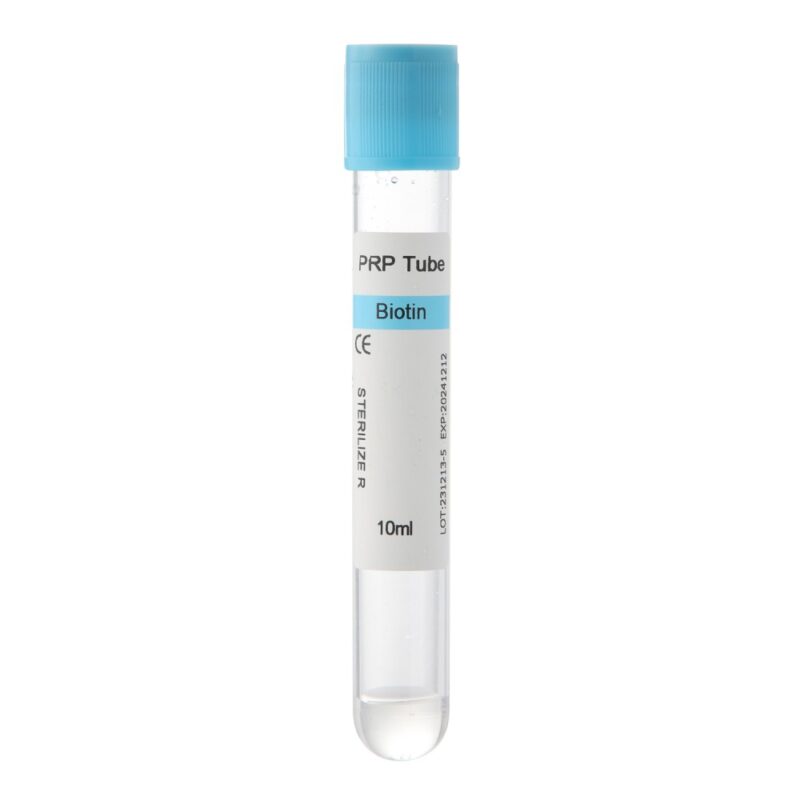
Looking for reliable PRP preparation solutions? At Siny PRP, we manufacture professional PRP collection tubes designed to support consistent platelet recovery, clean plasma separation, and dependable processing for regenerative medicine clinics and distributors worldwide.
What Should You Eat Before a PRP Injection?
There is no special “PRP diet,” but choosing nutritious foods before your appointment can help your body perform at its best.
The goal is simple: maintain stable blood sugar, stay hydrated, and avoid anything that may leave you feeling uncomfortable during treatment.
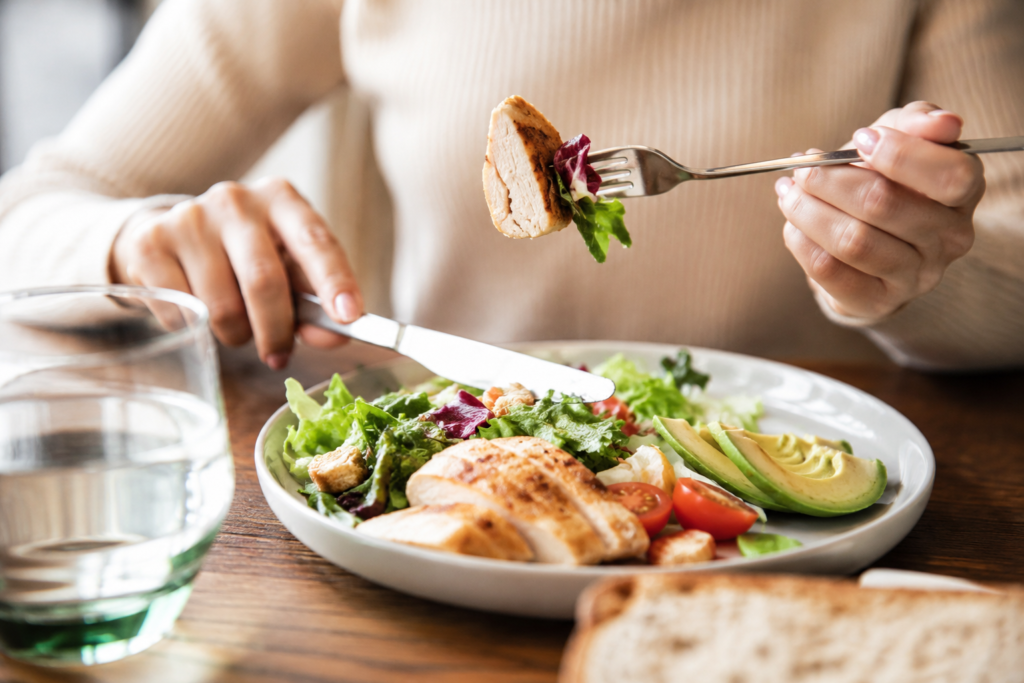
A balanced pre-treatment meal should include lean protein, complex carbohydrates, healthy fats, and plenty of fluids. This combination provides steady energy without placing unnecessary stress on your digestive system.
Some of the best foods to eat before PRP include:
- Eggs or egg whites
- Oatmeal with fresh fruit
- Whole-grain toast
- Greek yogurt
- Grilled chicken, turkey, or tofu
- Brown rice or quinoa
- Fresh vegetables
- Bananas, berries, or apples
Try to eat your meal one to three hours before your appointment. This gives your body enough time to digest the food while ensuring you still have adequate energy during treatment.
Water deserves special attention.
Even mild dehydration can make veins less visible and blood collection more difficult. Drinking water throughout the day before your appointment—and again on the morning of treatment—can make the blood draw easier and improve your overall comfort.
Many patients also ask whether coffee is allowed before PRP.
For most people, one small cup of coffee is unlikely to cause problems. However, caffeine is a mild vasoconstrictor, meaning it can temporarily narrow blood vessels. If you are usually a difficult blood draw or have small veins, skipping coffee and choosing water instead may make the collection process easier.
The same principle applies to every food choice before PRP. You do not need a restrictive diet. Instead, focus on eating simple, nutritious foods that support normal hydration and overall well-being.
Patients who prepare this way often feel more comfortable during treatment, while clinicians benefit from a smoother blood collection process. Both factors help create the best possible conditions for successful PRP preparation.
Foods, Supplements, and Medications to Avoid Before PRP Injection
Knowing what to avoid is just as important as knowing what to eat. While no single food will determine the success of your PRP treatment, certain medications, supplements, and lifestyle habits can temporarily affect platelet function, hydration, or the body’s natural healing response.
The good news is that preparation is simple. By making a few adjustments before your appointment, you can help create better conditions for both blood collection and PRP processing.
5–7 Days Before Your PRP Appointment
Many physicians recommend reviewing medications and supplements about a week before treatment.
Avoid NSAIDs whenever your physician considers it safe. Medications such as ibuprofen, naproxen, and aspirin can suppress platelet activation and reduce the inflammatory response that PRP therapy is designed to trigger. Because inflammation is an important part of tissue repair, these medications may reduce the biological activity of platelet-rich plasma.
You should also discuss supplements that may have mild blood-thinning effects. High doses of fish oil (Omega-3), vitamin E, garlic supplements, and ginkgo biloba are common examples. Your healthcare provider can advise whether they should be paused before treatment.
Never stop prescription medications without medical guidance.
24–48 Hours Before Your PRP Appointment
During the final one or two days before treatment, your focus should shift to hydration and healthy eating.
Avoid drinking alcohol because it can contribute to dehydration and temporarily influence normal platelet function.
It is also wise to avoid large, greasy meals. High-fat foods can increase blood lipids, sometimes producing lipemic plasma after centrifugation. Cloudy plasma may make it more difficult to obtain a clean platelet-rich layer during PRP preparation.
In addition, try to limit sugary snacks and soft drinks. Rapid changes in blood sugar can leave you feeling tired or uncomfortable during the procedure.
If you smoke, reducing or avoiding tobacco before and after treatment is another positive step. Smoking affects blood circulation and tissue oxygenation, both of which play important roles during the healing process.
Fortunately, there is no need for an overly restrictive diet. Most patients only need to stay hydrated, eat balanced meals, and follow their physician’s instructions to prepare successfully.
Other Ways to Prepare for PRP Injection
Food is only one part of PRP preparation. A few additional habits can help your appointment go more smoothly and improve your overall experience.
- Before your procedure, use this simple checklist:
- Eat a light meal one to three hours before treatment.
- Drink water throughout the day and again before your appointment.
- Get a full night’s sleep.
- Avoid alcohol for at least 24 hours.
- Discuss NSAIDs or supplements with your physician if necessary.
- Wear comfortable clothing that allows easy access to the treatment area.
- Arrive a few minutes early so you can relax before the blood draw.
These small steps may seem simple, but together they help create ideal conditions for PRP preparation. Patients often focus on the injection itself, yet the treatment actually begins the moment blood is collected. Every stage that follows—including centrifugation and platelet separation—depends on obtaining a high-quality blood sample.
Why Blood Collection Quality Matters for PRP Preparation
Patient preparation is only one part of successful PRP therapy. Equally important is how the platelet-rich plasma is prepared.
After blood is collected, it is placed into a specialized PRP tube and processed in a centrifuge. During centrifugation, the blood separates into different layers based on density. The goal is to isolate a platelet-rich plasma layer while minimizing contamination from red blood cells and unwanted white blood cells.
Achieving this consistently requires more than simply spinning the tube. The quality of the collection tube, anticoagulant formulation, separator gel, centrifuge settings, and processing protocol all influence the final PRP product.
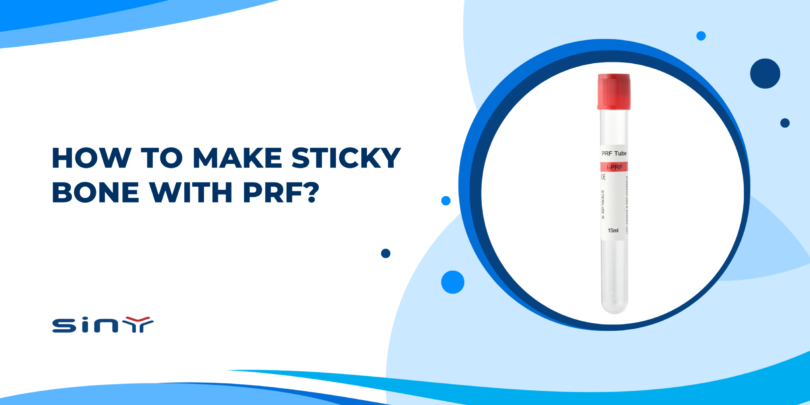
A well-designed PRP collection tube helps maintain an accurate blood draw volume, supports efficient platelet recovery, and promotes cleaner separation between plasma, the buffy coat, and red blood cells. These factors improve consistency from one procedure to the next, which is especially valuable for clinics performing PRP treatments every day.
For distributors and medical professionals, choosing standardized PRP consumables also simplifies staff training and reduces variation between operators.
At Siny PRP, we manufacture professional PRP collection tubes for regenerative medicine applications, including orthopedics, sports medicine, aesthetic medicine, dermatology, and hair restoration. Every tube is produced under strict quality control to support reliable platelet separation and reproducible clinical preparation.
Whether you operate a growing regenerative medicine clinic or supply PRP consumables to healthcare providers, investing in a dependable PRP collection system is an important step toward achieving consistent treatment outcomes.
FAQs
Can I eat breakfast before a PRP injection?
Yes. Most patients are encouraged to eat a healthy breakfast before treatment unless their physician has instructed them to fast. Good options include eggs, oatmeal, yogurt, fruit, and whole-grain toast.
Do I need to fast before PRP therapy?
No. Most PRP procedures do not require fasting because they are performed without general anesthesia. Only patients undergoing additional procedures that require sedation should follow fasting instructions.
Can I drink coffee before PRP?
A small cup of coffee is generally acceptable. However, caffeine may temporarily narrow blood vessels in some people. If you are usually a difficult blood draw, drinking water instead of coffee may make vein access easier.
How much water should I drink before PRP?
There is no fixed amount for everyone, but you should remain well hydrated during the day before treatment and on the morning of your appointment. Proper hydration often makes blood collection faster and more comfortable.
Can I take vitamins before PRP?
Most daily vitamins are acceptable. However, supplements such as fish oil, vitamin E, garlic, and ginkgo biloba may affect platelet function. Discuss these products with your physician before treatment.
What should I avoid 24 hours before PRP?
Avoid alcohol, smoking, greasy foods, and excessive sugar whenever possible. If you take NSAIDs or blood-thinning supplements, your physician may recommend stopping them 5–7 days before treatment rather than only 24 hours beforehand.
Does eating before PRP reduce its effectiveness?
No. Current evidence does not show that eating a healthy meal before treatment reduces PRP effectiveness. The quality of platelet-rich plasma depends much more on proper blood collection, standardized centrifugation, and the use of a reliable PRP preparation system.
Final Thoughts
For most patients, the answer to “can I eat before PRP injection?” is a clear yes. Eating a light, balanced meal and staying well hydrated can help you feel better during the blood draw without reducing the effectiveness of PRP therapy. At the same time, avoiding alcohol, heavy meals, and medications that interfere with platelet function can help create the best possible conditions for treatment.
Successful PRP therapy begins long before the injection itself. Healthy preparation, careful blood collection, standardized centrifugation, and high-quality PRP collection tubes all work together to produce a consistent platelet concentrate. When each step is performed correctly, clinicians are better positioned to deliver reliable regenerative outcomes across a wide range of applications.
If your clinic or distribution business is looking for dependable PRP preparation solutions, Siny PRP offers a comprehensive range of professionally manufactured PRP collection tubes designed for consistent platelet recovery, clean plasma separation, and reliable clinical workflows. Contact our team today to learn more about our products or request samples for evaluation.