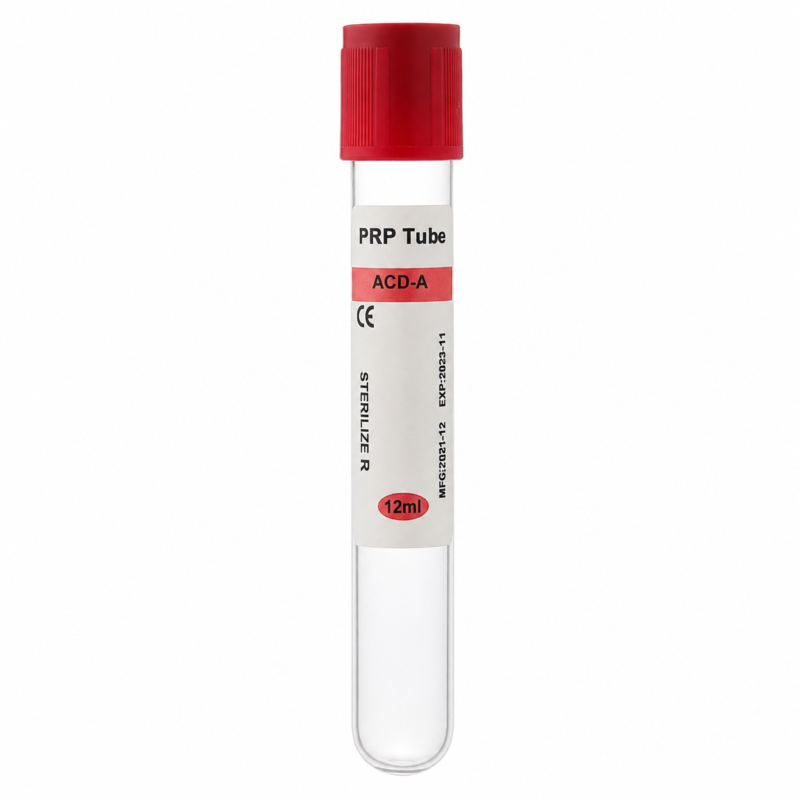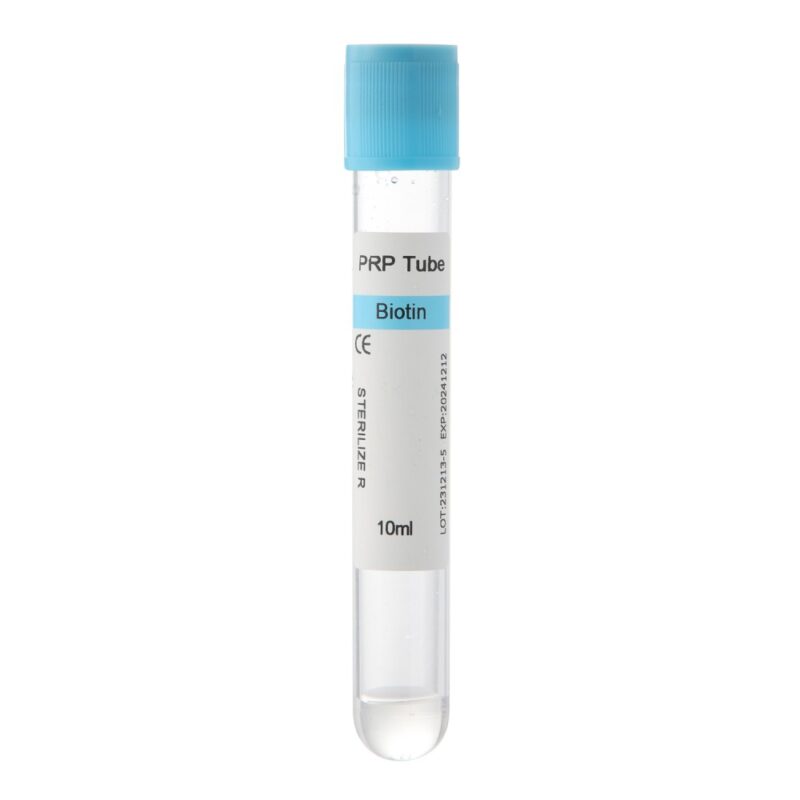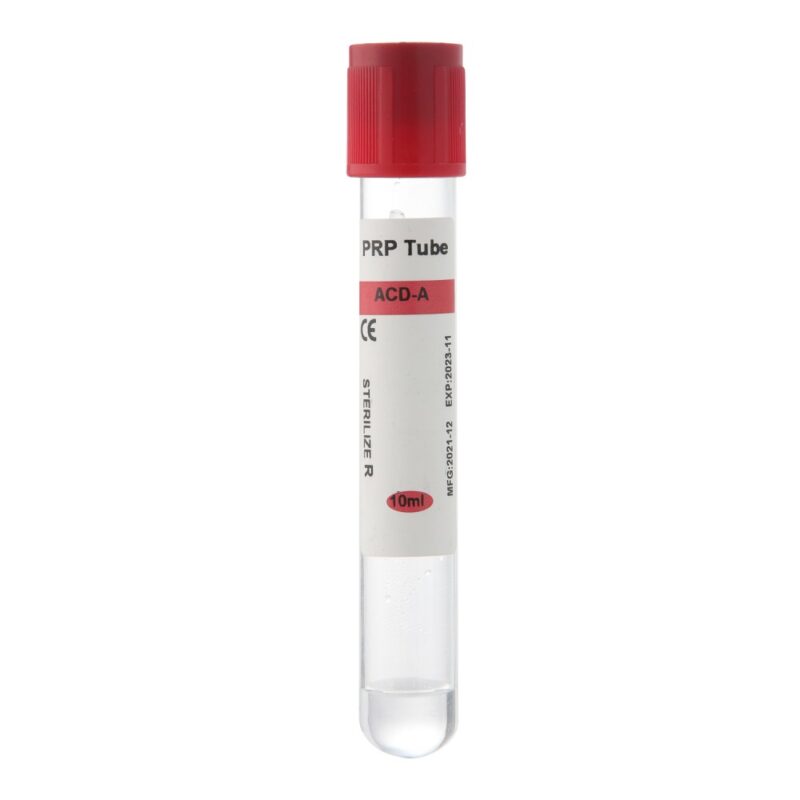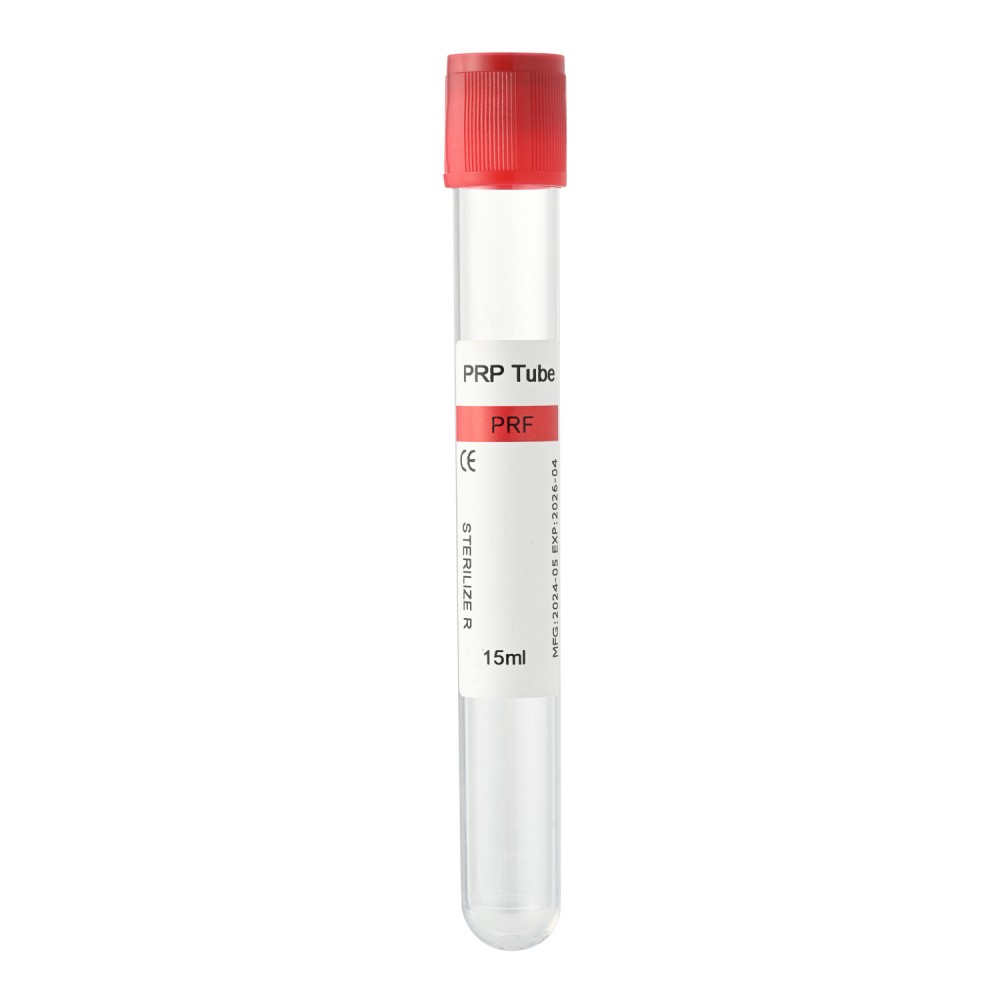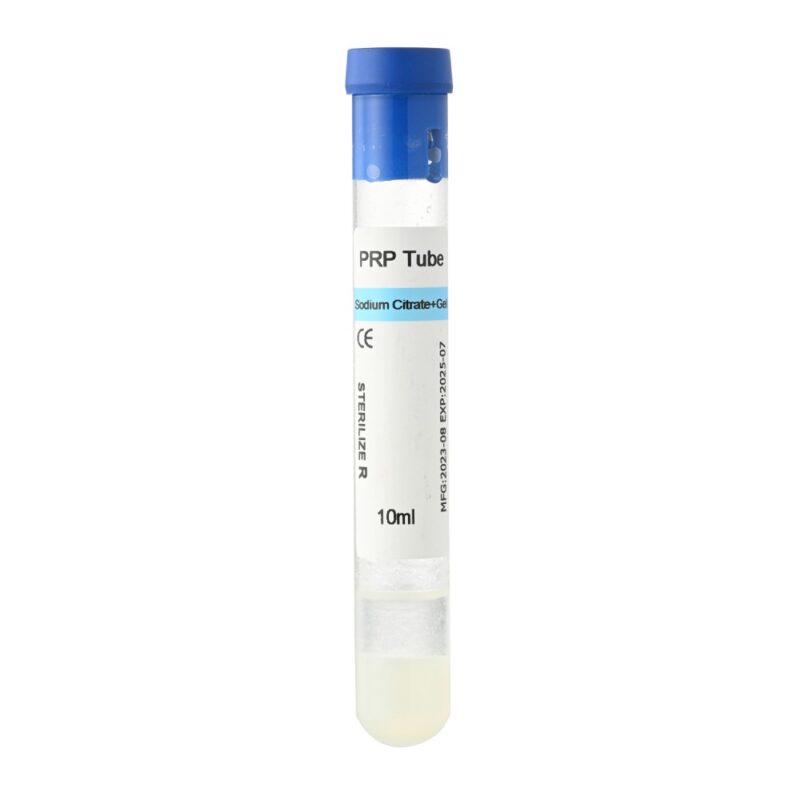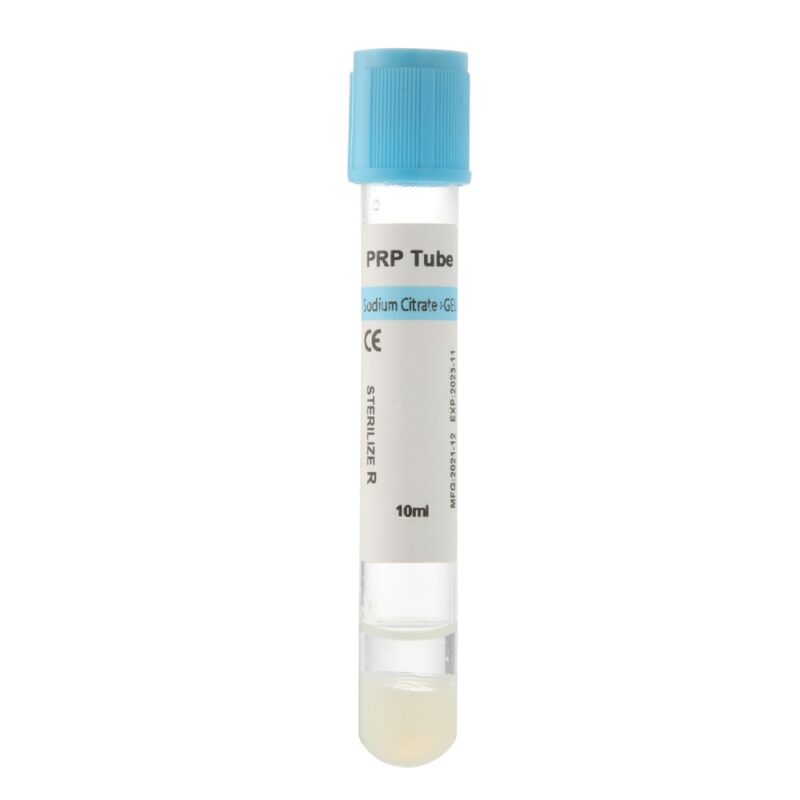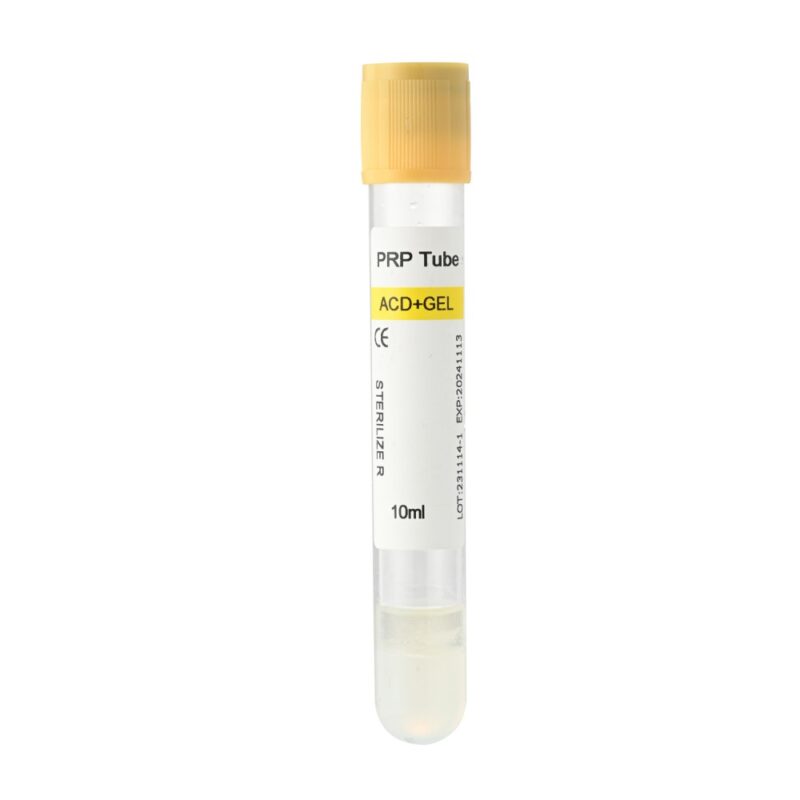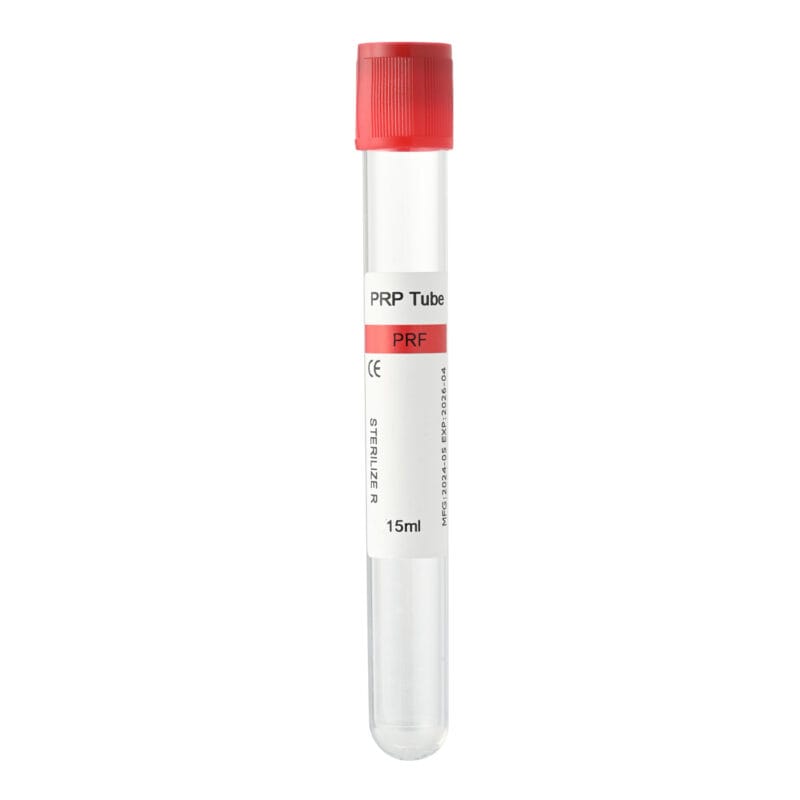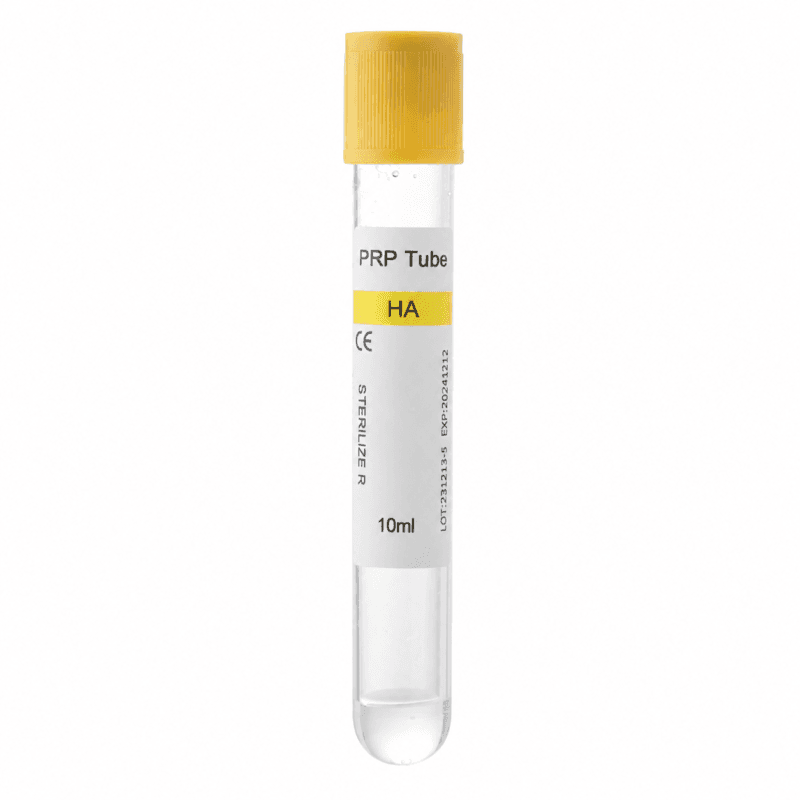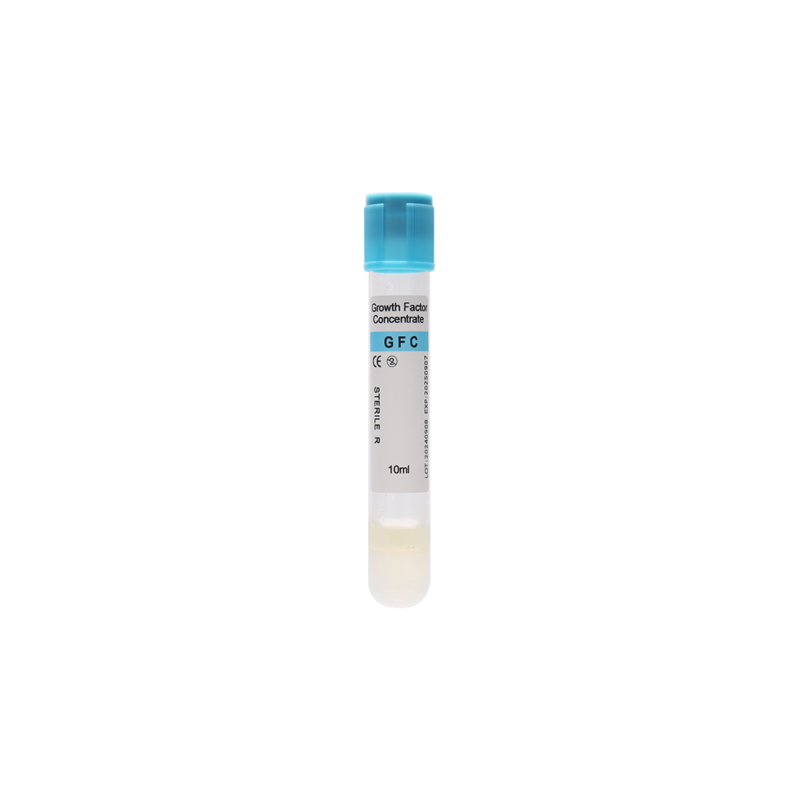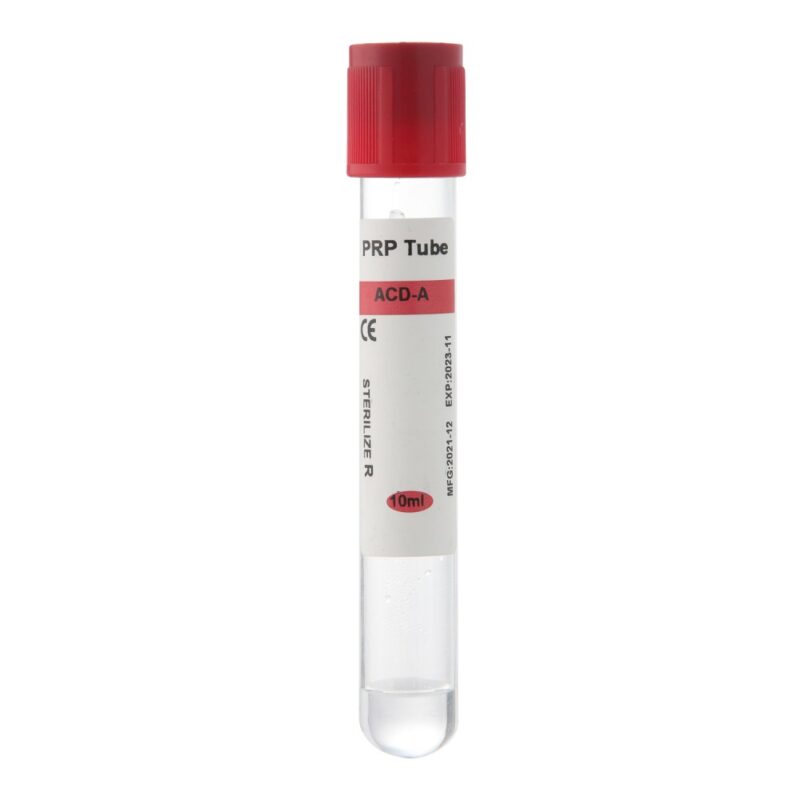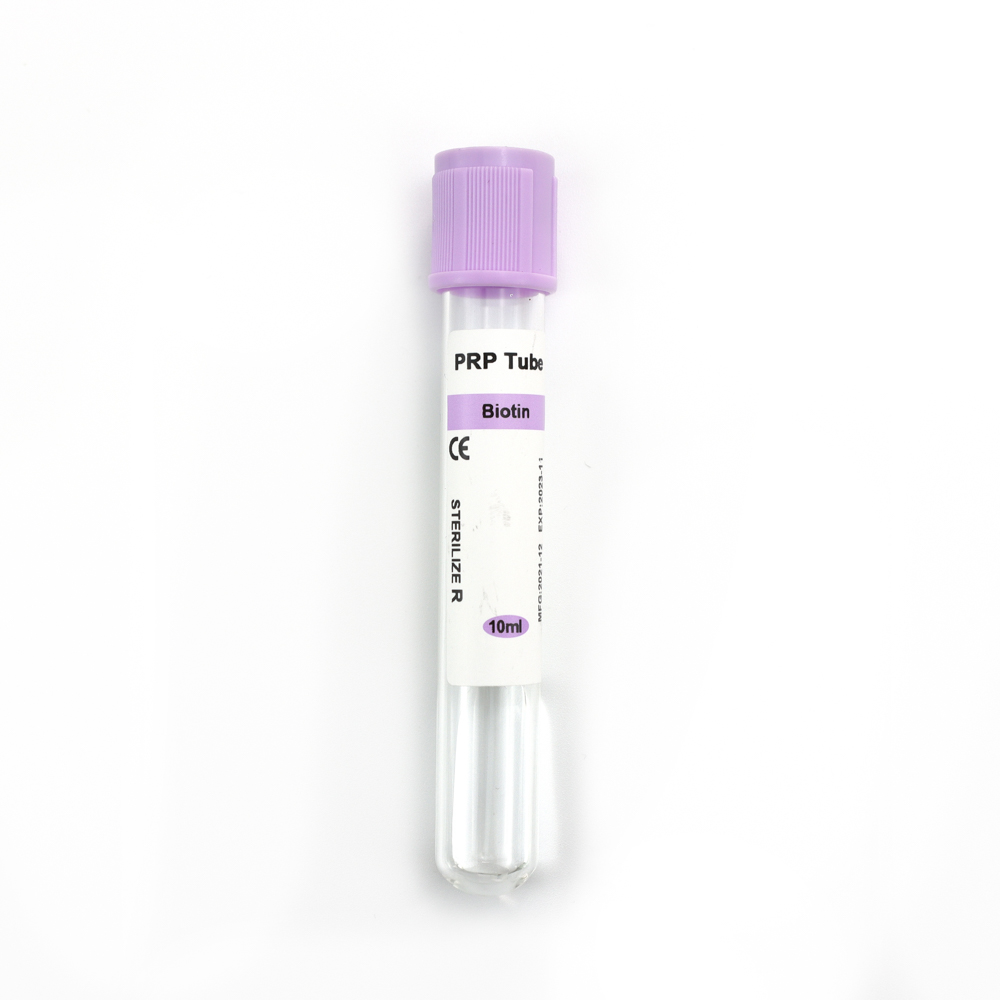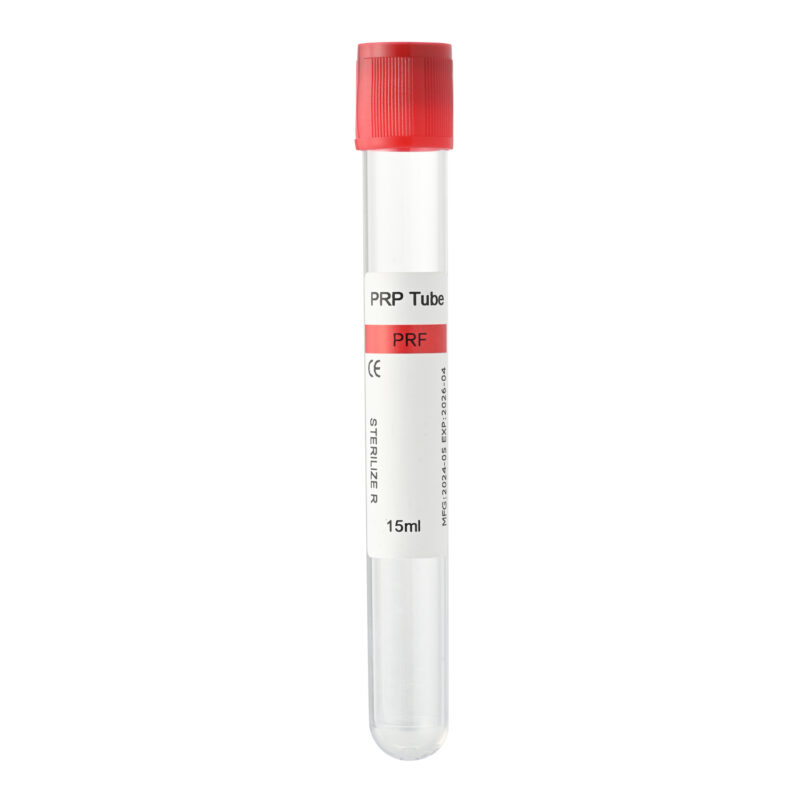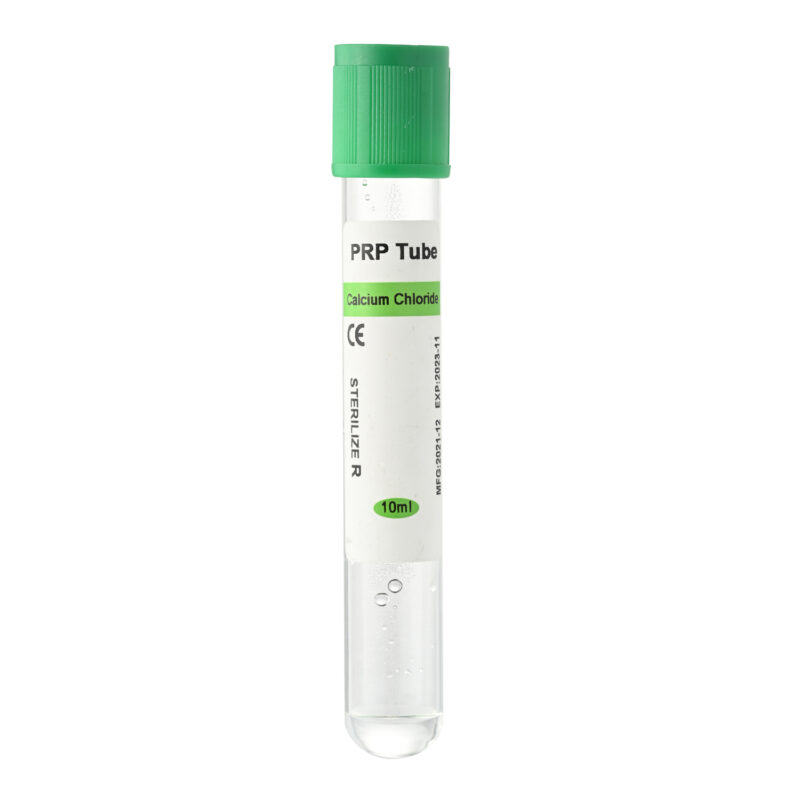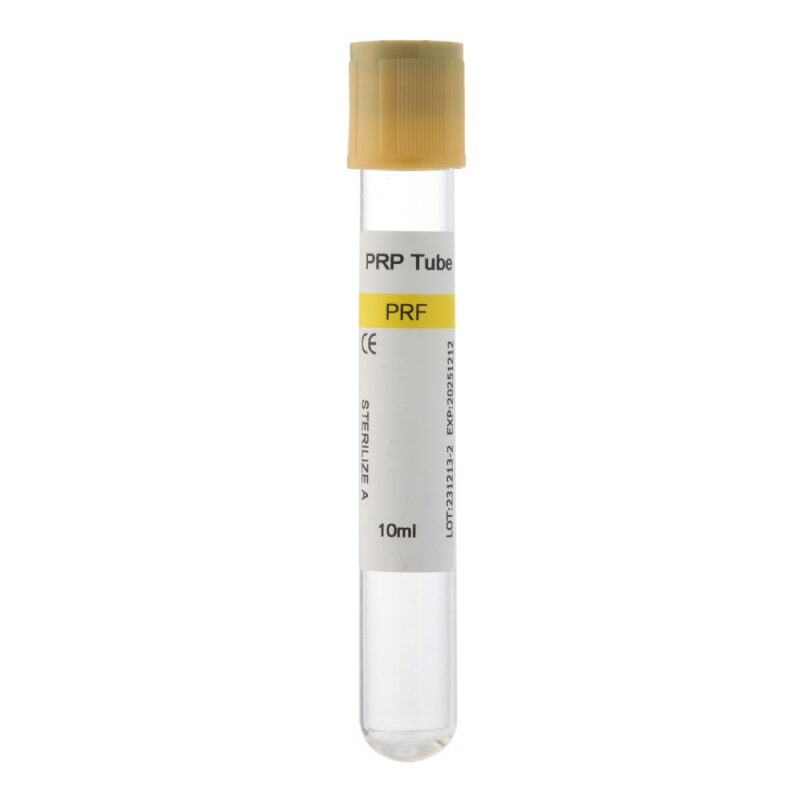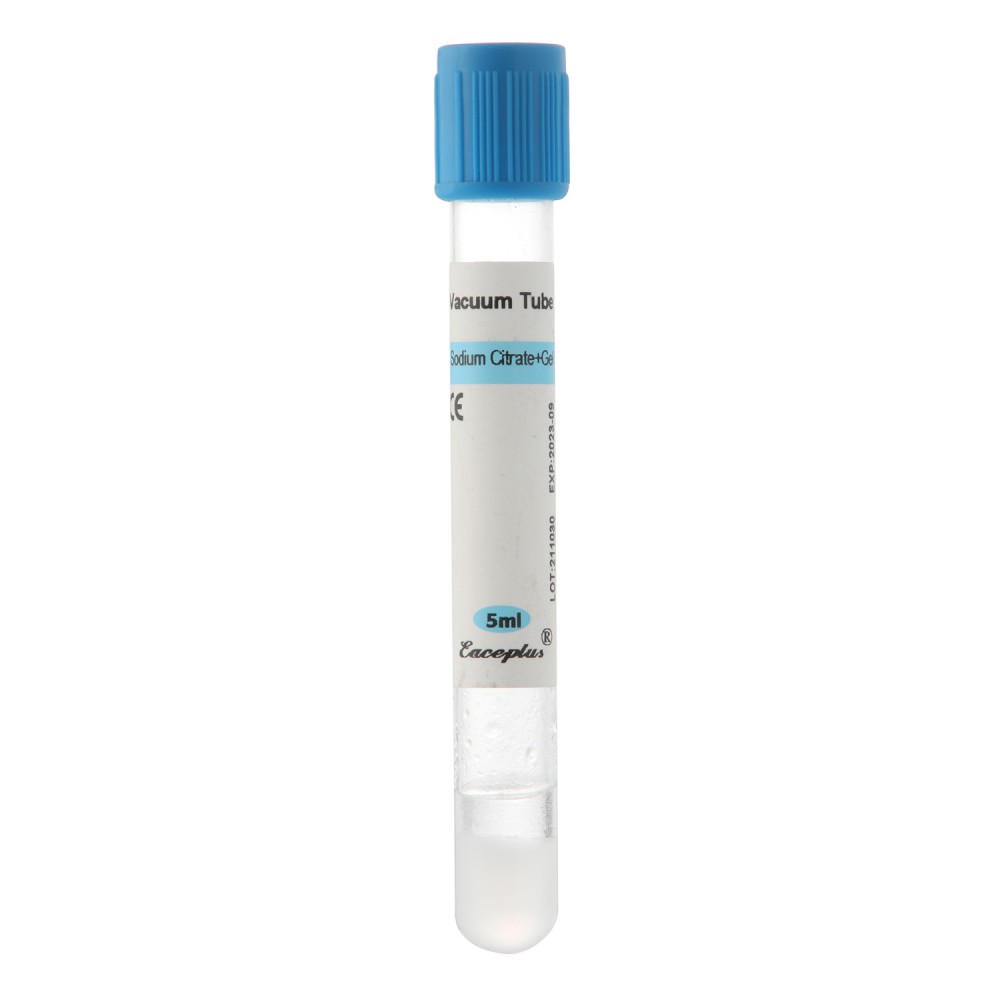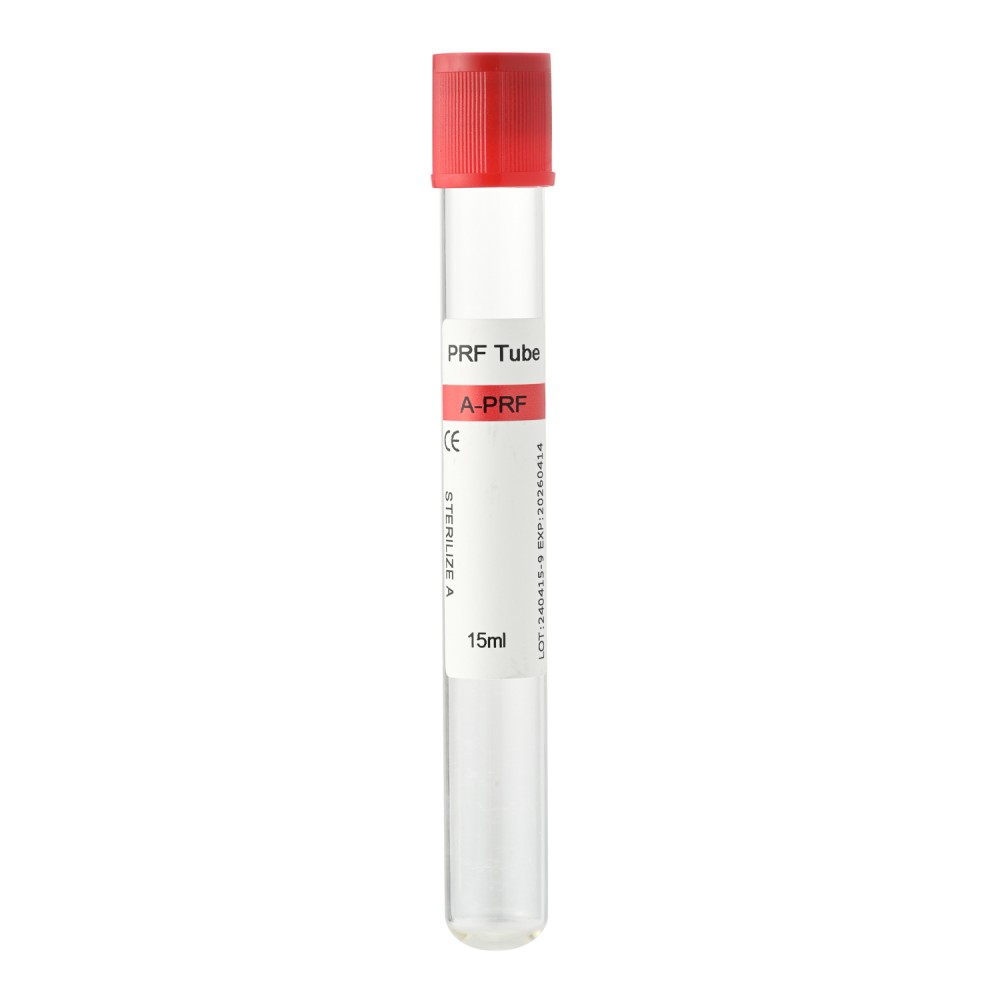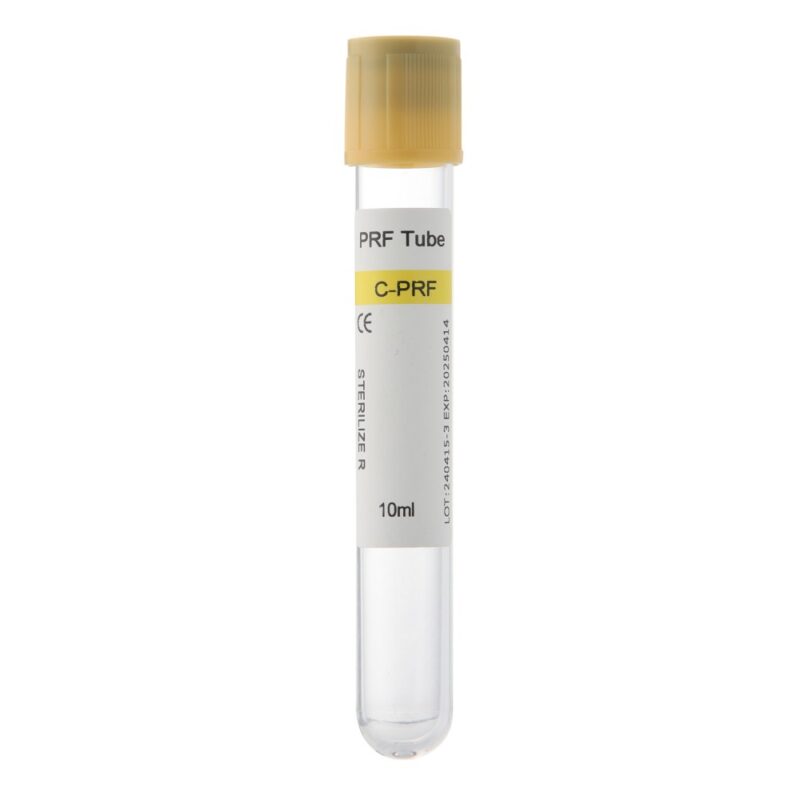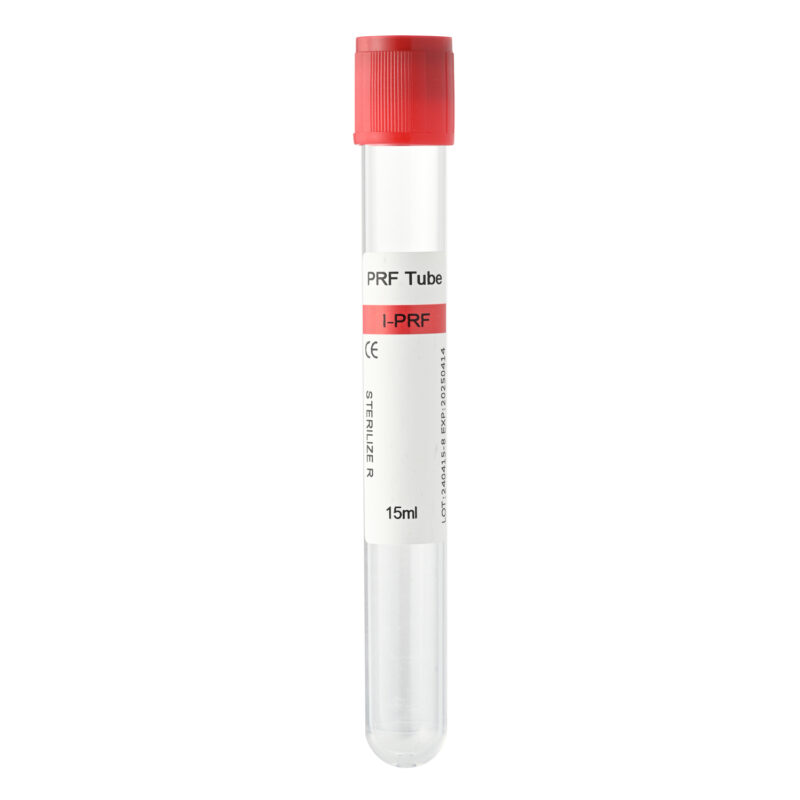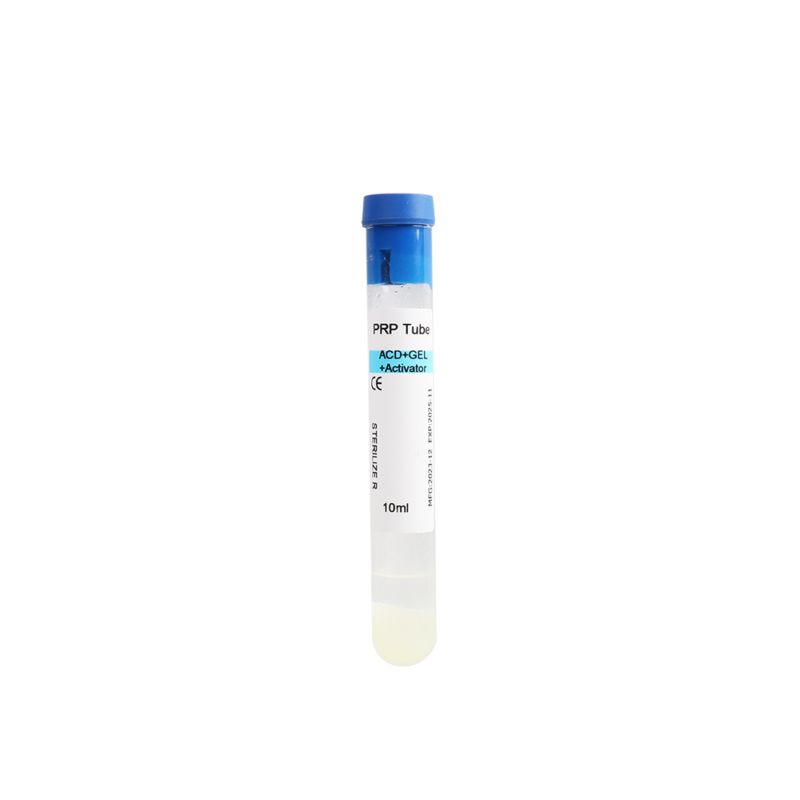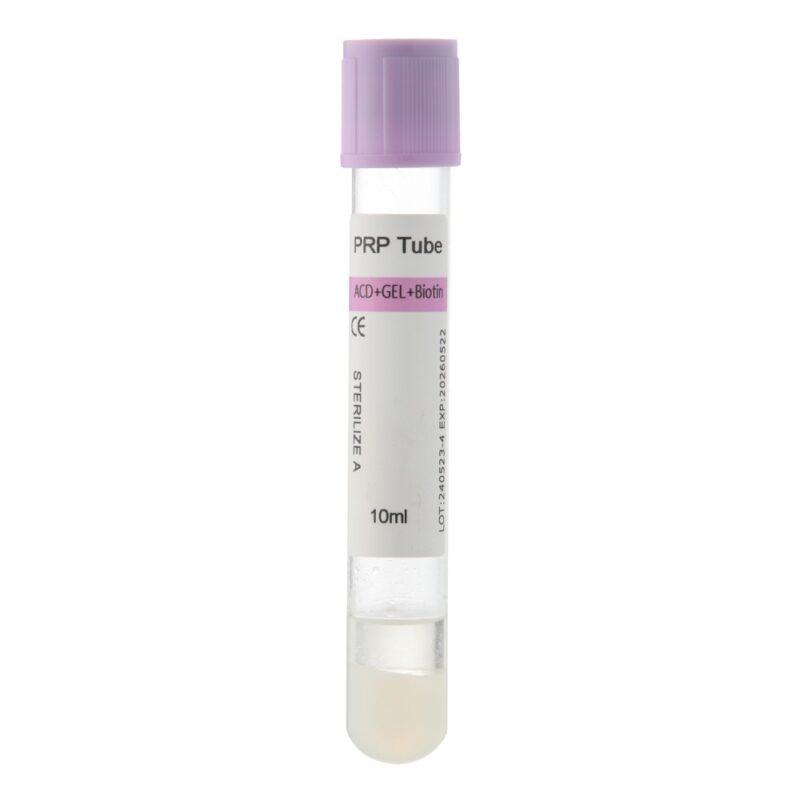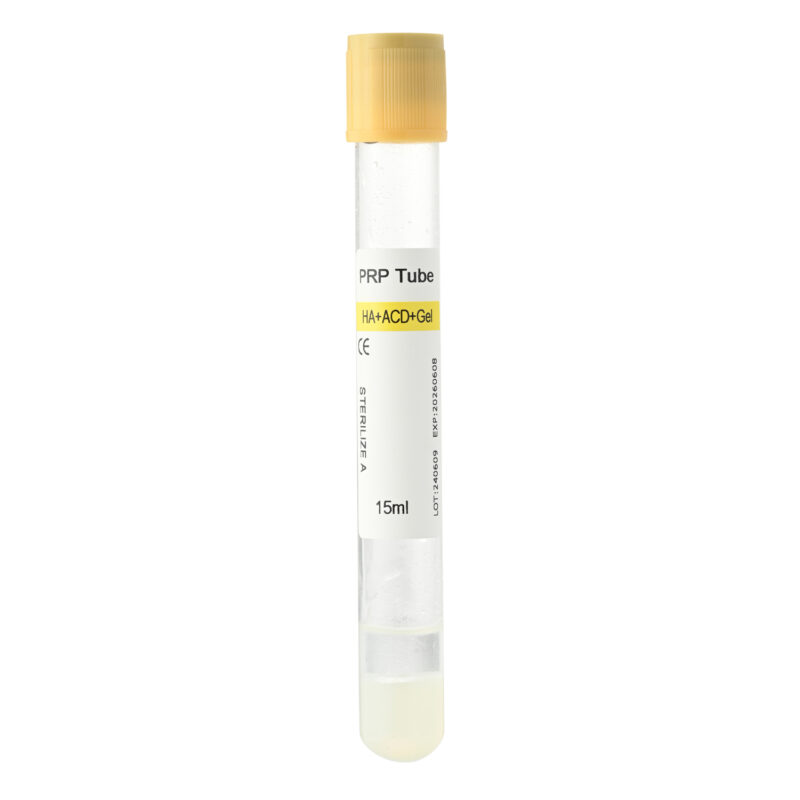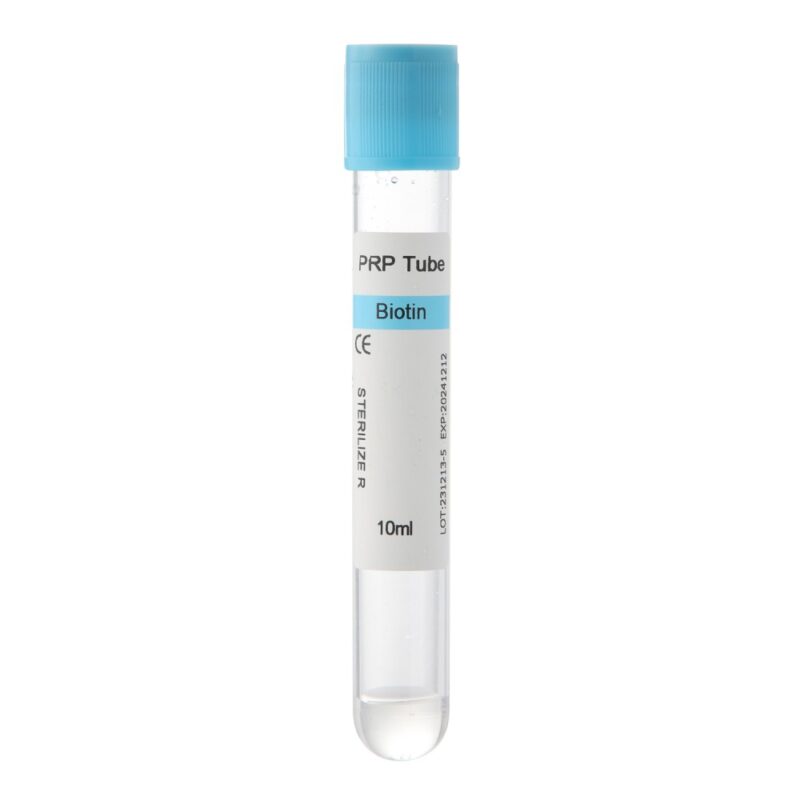
When discussing platelet-rich plasma therapy, one question appears repeatedly among clinicians, distributors, and buyers of PRP collection tubes: Is a Higher Platelet Concentration Always Better? Debunking the PRP Concentration Myth has become increasingly important as more PRP systems enter the market claiming higher platelet yields than competitors.
At first glance, the idea sounds logical. If platelets contain growth factors that support tissue repair, then concentrating more platelets should automatically produce better results. However, modern research and clinical experience suggest the relationship is not that simple. In fact, excessively high platelet concentrations may not always improve outcomes and, in some cases, may even reduce the biological effectiveness of the final PRP preparation.
For clinics purchasing PRP tubes and preparation systems, understanding this concept is critical. Choosing a product solely because it advertises the highest platelet concentration can lead to unrealistic expectations and inconsistent treatment outcomes. The quality of PRP depends on multiple variables, including platelet recovery rate, growth factor preservation, leukocyte content, red blood cell contamination, centrifugation protocol, and tube design.
Rather than chasing the highest number possible, healthcare providers should focus on producing a balanced and clinically useful platelet-rich plasma product.
Understanding Platelet Concentration in PRP
To understand why more is not always better, it helps to first understand what platelet concentration actually means.
Normal human blood contains approximately 150,000 to 450,000 platelets per microliter. PRP preparation systems aim to concentrate these platelets above baseline levels through centrifugation and separation processes.
Many PRP manufacturers advertise concentration ratios such as:
- 2× baseline
- 4× baseline
- 6× baseline
- 8× baseline
- 10× baseline or higher
These figures sound impressive, but platelet concentration alone does not tell the whole story.
Platelets act as biological storage units containing growth factors such as:
- PDGF (Platelet-Derived Growth Factor)
- TGF-β (Transforming Growth Factor Beta)
- VEGF (Vascular Endothelial Growth Factor)
- IGF (Insulin-Like Growth Factor)
- EGF (Epidermal Growth Factor)
These molecules contribute to cell signaling, angiogenesis, collagen production, and tissue regeneration. However, the goal is not simply to maximize platelet numbers. The goal is to create an environment that supports healing.
Clinical studies increasingly suggest that there is an optimal therapeutic range where platelet concentrations deliver maximum biological benefit. Beyond this range, additional platelets may not generate proportional improvements.
For this reason, experienced practitioners often evaluate overall PRP quality rather than focusing exclusively on platelet count.
When selecting PRP preparation systems, it is important to assess how effectively the tube separates platelets while minimizing contamination. At Siny PRP, we focus on consistent separation performance rather than relying solely on marketing claims about concentration ratios.

Why Extremely High Platelet Concentrations May Not Improve Results
One of the biggest misconceptions in regenerative medicine is that higher platelet concentration automatically equals better healing.
In reality, biological systems rarely function in a straight-line relationship. More growth factors do not always translate into more regeneration.
Several mechanisms may explain why extremely concentrated PRP can become less effective:
Growth Factor Saturation
Cells have a limited number of receptors available to respond to growth factors. Once those receptors become saturated, adding more signaling molecules may provide little additional benefit.
Increased Inflammatory Activity
Highly concentrated PRP preparations often contain elevated levels of leukocytes and inflammatory mediators. While some inflammation is necessary for healing, excessive inflammatory responses may increase discomfort and potentially interfere with tissue recovery.
Altered Cellular Responses
Research suggests that excessively high concentrations of certain growth factors may disrupt normal cellular signaling pathways. Instead of encouraging tissue repair, overly concentrated preparations may slow cell proliferation or alter tissue remodeling processes.
Variability Between Patients
Every patient has a different baseline platelet count. A system producing a fixed concentration factor may generate very different biological products depending on the individual donor.
This means a PRP preparation that works well for one patient may not necessarily produce the same outcome in another if concentration alone is considered.
The most successful clinicians typically prioritize consistency, purity, and reproducibility, alongside proper patient preparation, rather than simply seeking the highest platelet count possible.
PRP Quality Depends on More Than Platelet Numbers
When evaluating PRP systems, several additional factors deserve attention.
Platelet Recovery Rate
A high concentration factor is meaningless if a significant portion of available platelets is lost during processing. Recovery efficiency often matters more than advertised concentration levels.
Red Blood Cell Reduction
Red blood cells are generally considered undesirable in PRP preparations. Excessive erythrocyte contamination can contribute to inflammation and tissue irritation.
Leukocyte Profile
Some applications benefit from leukocyte-rich PRP, while others may perform better with leukocyte-poor formulations. Understanding the intended clinical use is essential.
Growth Factor Preservation
The preparation process should preserve platelet integrity until activation occurs. Excessive mechanical stress during processing may trigger premature platelet activation and reduce growth factor availability.
Tube Design and Separation Technology
The quality of anticoagulants, separation gels, vacuum consistency, and centrifugation compatibility all influence final PRP composition.
A well-designed PRP tube helps produce a cleaner platelet layer and more reproducible results between procedures.
This is why two products advertising identical platelet concentrations may produce dramatically different clinical outcomes.
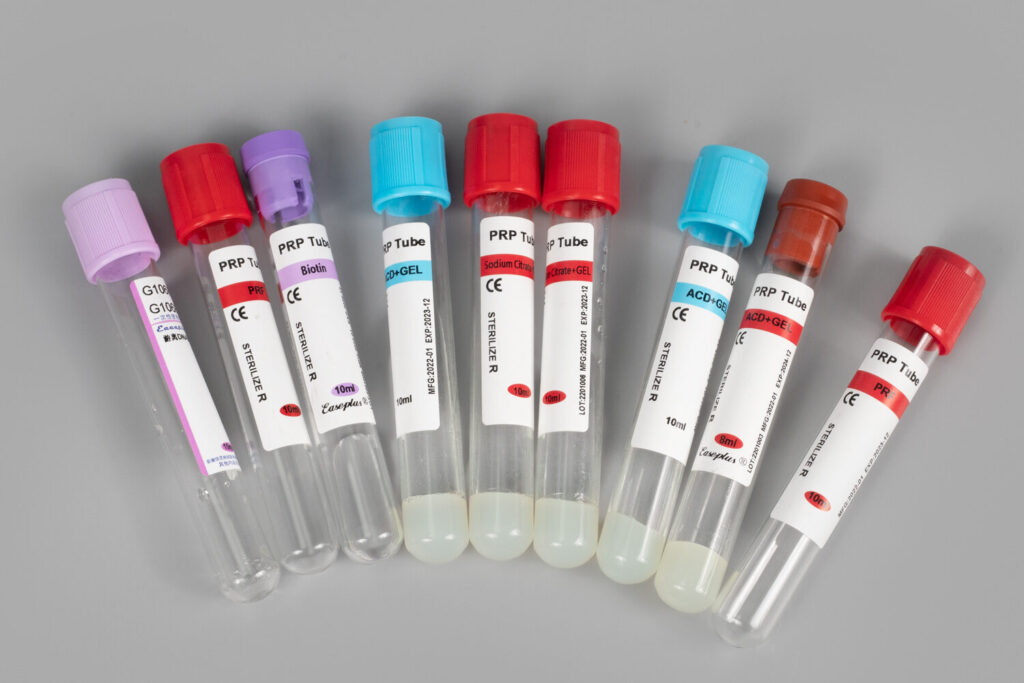
Clinics seeking predictable PRP preparation often evaluate platelet recovery, purity, and consistency alongside concentration performance. High-quality PRP tubes can play a significant role in achieving these objectives.

What Is the Optimal Platelet Concentration for PRP?
The question practitioners often ask is not whether higher is better, but rather:
“What concentration range provides the best balance between efficacy and safety?”
Current literature suggests that moderate platelet enrichment frequently produces excellent outcomes across many applications, including:
- Hair restoration
- Facial aesthetics
- Orthopedic procedures
- Sports medicine
- Dental regeneration
- Soft tissue repair
Many experts consider concentrations between approximately 3× and 6× baseline platelet levels to be clinically effective for a wide range of treatments.
This does not mean higher concentrations never work. Certain protocols may benefit from more concentrated preparations. However, evidence does not consistently support the assumption that a 10× concentration automatically outperforms a 5× concentration.
The optimal PRP product depends on:
- Treatment indication
- Patient characteristics
- Processing method
- Growth factor release profile
- PRP composition
Consequently, healthcare providers should evaluate PRP systems based on comprehensive performance rather than concentration claims alone.
The most effective PRP is not necessarily the most concentrated PRP. It is the PRP that delivers the right biological signals in the right balance.
How to Choose a PRP Tube Beyond Platelet Concentration Claims
For distributors, clinics, and purchasing managers, selecting the right PRP collection tube can be challenging because many products emphasize concentration numbers in their marketing materials.
Instead, consider asking the following questions:
- What is the platelet recovery rate?
- How effectively does the tube reduce red blood cell contamination?
- Does the system provide consistent results between batches?
- What anticoagulant formulation is used?
- Is the separation gel included?
- Are validation data available?
- Is the tube compatible with standard centrifuges?
- Does the manufacturer provide technical support?
Reliable PRP preparation requires a combination of appropriate tube design, validated manufacturing processes, and standardized protocols.
A balanced PRP product often delivers more predictable clinical performance than one designed solely to maximize platelet concentration.
For clinics seeking dependable PRP preparation solutions, evaluating the entire system rather than a single concentration figure can lead to better purchasing decisions and improved patient satisfaction.
FAQ About PRP Platelet Concentration
Does higher platelet concentration always mean better PRP?
No. Extremely high platelet concentrations do not automatically improve clinical outcomes. Many studies suggest that moderate concentrations may provide optimal biological activity.
What platelet concentration is typically considered effective?
Although requirements vary by application, many successful PRP protocols operate within approximately 3× to 6× baseline platelet concentration ranges.
Why can very high platelet concentrations be problematic?
Excessively concentrated PRP may increase inflammatory activity, alter cellular responses, and provide diminishing biological returns beyond a certain threshold.
Is platelet concentration the most important factor in PRP quality?
No. Platelet recovery, growth factor preservation, leukocyte content, red blood cell reduction, and preparation consistency are equally important considerations.
Can two PRP tubes with the same concentration produce different results?
Yes. Differences in tube design, anticoagulants, separation technology, and processing efficiency can significantly affect final PRP quality.
How should clinics evaluate PRP tubes?
Clinics should assess overall system performance, including platelet recovery, purity, consistency, ease of use, and manufacturer support, rather than relying solely on concentration claims.
Summary
The belief that higher platelet concentrations automatically produce better PRP outcomes is one of the most persistent myths in regenerative medicine. While platelet enrichment remains essential, clinical effectiveness depends on achieving the right biological balance rather than pursuing the highest concentration possible.
When evaluating PRP preparation systems, healthcare providers should focus on platelet recovery, purity, growth factor preservation, and consistency. A well-designed PRP tube that delivers reproducible, high-quality platelet-rich plasma often provides greater value than a system that simply advertises an extreme concentration factor.
If you are looking for reliable PRP collection tubes designed for consistent platelet recovery and professional clinical applications, visit Siny PRP or contact our team to learn more about our range of PRP tube solutions for aesthetic, orthopedic, dental, and regenerative medicine procedures.