Platelet-Rich Plasma (PRP) therapy has become one of the most widely used regenerative treatments for hair restoration, facial rejuvenation, sports injuries, and orthopedic conditions. However, many patients focus only on the injection itself and overlook an important factor that can dramatically influence treatment success: what to avoid before PRP.
Because PRP relies entirely on the patient’s own platelets and growth factors, anything that interferes with platelet function can reduce the quality of the final concentrate. Certain medications, dietary supplements, alcohol, and lifestyle habits may decrease platelet activity, limit growth factor release, or increase inflammation during the healing process.
Understanding what to avoid before PRP is essential for achieving the best possible clinical outcome. Whether you are a physician preparing patients for treatment or a clinic selecting reliable PRP preparation systems, proper pre-procedure preparation plays a major role in maximizing results.
Why What You Avoid Before PRP Matters
PRP therapy works by concentrating platelets from a patient’s blood sample and delivering those platelets back into targeted tissues. Once activated, platelets release numerous growth factors, including:
- Platelet-Derived Growth Factor (PDGF)
- Transforming Growth Factor Beta (TGF-β)
- Vascular Endothelial Growth Factor (VEGF)
- Epidermal Growth Factor (EGF)
- Insulin-Like Growth Factor (IGF)
These signaling molecules help regulate tissue repair, angiogenesis, collagen synthesis, and cellular regeneration.
Many medications and supplements interfere with platelet activation pathways. If platelets cannot properly aggregate or release growth factors, the biological effectiveness of the PRP treatment may be compromised.
Think of PRP as a natural repair system. The stronger and healthier the platelets are before collection, the greater the regenerative potential after injection.
For clinics performing PRP procedures regularly, using a high-quality preparation system is equally important. Consistent platelet recovery and separation efficiency help ensure predictable outcomes across different treatment indications.
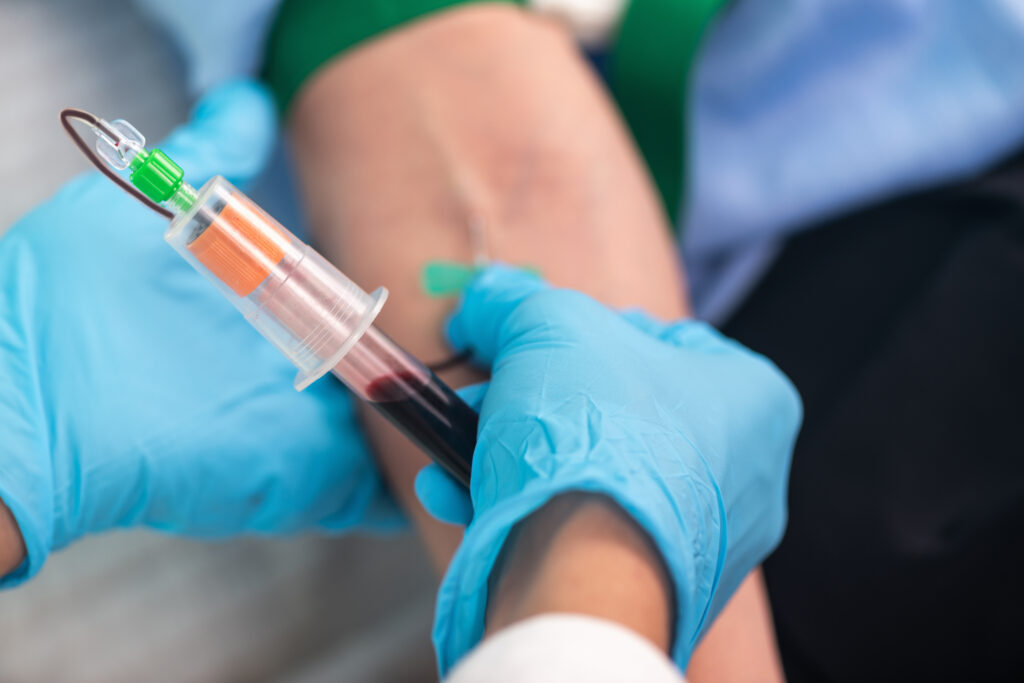
What Medications to Avoid Before PRP Treatment
One of the most important aspects of what to avoid before PRP is understanding which medications may negatively affect platelet function.
Non-Steroidal Anti-Inflammatory Drugs (NSAIDs)
NSAIDs are among the most commonly discussed medications in PRP preparation.
Examples include:
- Ibuprofen
- Naproxen
- Diclofenac
- Ketoprofen
- Celecoxib
These drugs inhibit cyclooxygenase (COX) enzymes, reducing platelet activation and inflammatory signaling. While inflammation is often viewed negatively, a controlled inflammatory response is actually necessary for PRP to initiate tissue healing.
Many clinicians recommend stopping NSAIDs approximately 5-7 days before treatment, depending on the specific medication and patient condition.
Aspirin
Aspirin deserves special attention because it irreversibly inhibits platelet aggregation.
Since platelets have a lifespan of approximately 7-10 days, aspirin use during this period can significantly reduce platelet functionality.
Patients taking aspirin for cardiovascular conditions should never discontinue it without physician approval.
Corticosteroids
Examples include:
- Prednisone
- Dexamethasone
- Methylprednisolone
Steroids suppress inflammatory pathways and may counteract the biological mechanisms that PRP relies upon.
Many practitioners advise avoiding corticosteroid injections near the treatment site for several weeks before PRP therapy whenever medically appropriate.
Supplements That Can Reduce PRP Effectiveness
Many patients assume natural supplements are harmless. In reality, several popular supplements possess blood-thinning or antiplatelet properties.
Fish Oil and Omega-3 Fatty Acids
Omega-3 supplements are widely used for cardiovascular health, but they can reduce platelet aggregation.
Common sources include:
- Fish oil capsules
- Krill oil
- Cod liver oil
Vitamin E
High-dose Vitamin E may increase bleeding tendencies and influence platelet activity.
Garlic Supplements
Concentrated garlic extracts have demonstrated antiplatelet effects and are frequently included on pre-procedure avoidance lists.
Ginkgo Biloba
Ginkgo is commonly used for cognitive support but may increase bleeding risk and affect platelet function.
Turmeric and Curcumin
Turmeric supplements have gained popularity due to their anti-inflammatory properties. However, those same properties may interfere with the inflammatory cascade required for optimal PRP healing.
Other Common Supplements
Depending on physician preference, patients may also be advised to temporarily discontinue:
- Ginger supplements
- Ginseng
- Dong Quai
- Feverfew
- High-dose green tea extract
The exact timeline varies, but many providers recommend avoiding these supplements for approximately one week before treatment.
When clinics invest in premium PRP collection systems and carefully designed PRP tubes, patient preparation becomes equally important for maintaining treatment quality.
Lifestyle Habits to Avoid Before PRP Procedures
Medication management is only part of the preparation process.
Several lifestyle factors can also influence platelet performance and healing capacity.
Alcohol Consumption
Alcohol can impair platelet function and contribute to dehydration.
Most practitioners recommend avoiding alcohol for at least 24-72 hours before blood collection.
Smoking and Nicotine
Nicotine causes vasoconstriction and reduces oxygen delivery to tissues.
Smoking may negatively impact:
- Blood circulation
- Tissue oxygenation
- Healing response
- Growth factor effectiveness
Patients preparing for hair restoration or orthopedic PRP treatments are often encouraged to minimize or stop smoking whenever possible.
Dehydration
Poor hydration can make blood collection more difficult and may affect plasma quality.
Patients should increase water intake during the days leading up to treatment.
Poor Sleep
Sleep plays an important role in immune regulation and cellular repair.
A well-rested patient generally arrives with a healthier physiological environment for platelet collection and regeneration.
If your clinic is focused on delivering consistently high-quality PRP outcomes, combining proper patient preparation with professionally manufactured PRP tubes can significantly improve procedural consistency.
How to Prepare for the Best PRP Results
Instead of focusing only on restrictions, patients should also understand what supports successful treatment.
Stay Well Hydrated
Adequate hydration helps facilitate blood collection and plasma separation.
Eat Nutritious Meals
A balanced diet rich in:
- Lean protein
- Fruits
- Vegetables
- Whole grains
supports healthy blood composition.
Follow Provider Instructions Carefully
Every treatment indication is different.
Hair restoration protocols may differ from orthopedic or facial rejuvenation procedures. Always follow the guidance of the treating physician regarding medication adjustments.
Choose Experienced Providers
The quality of PRP preparation can vary considerably depending on:
- Centrifugation protocols
- Tube design
- Anticoagulant selection
- Platelet recovery rates
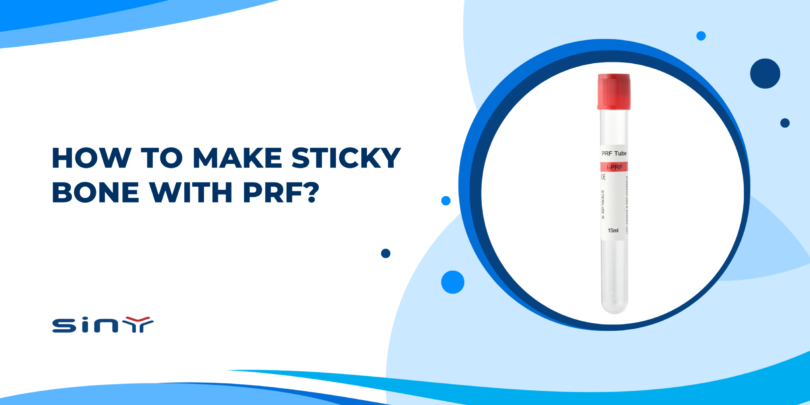
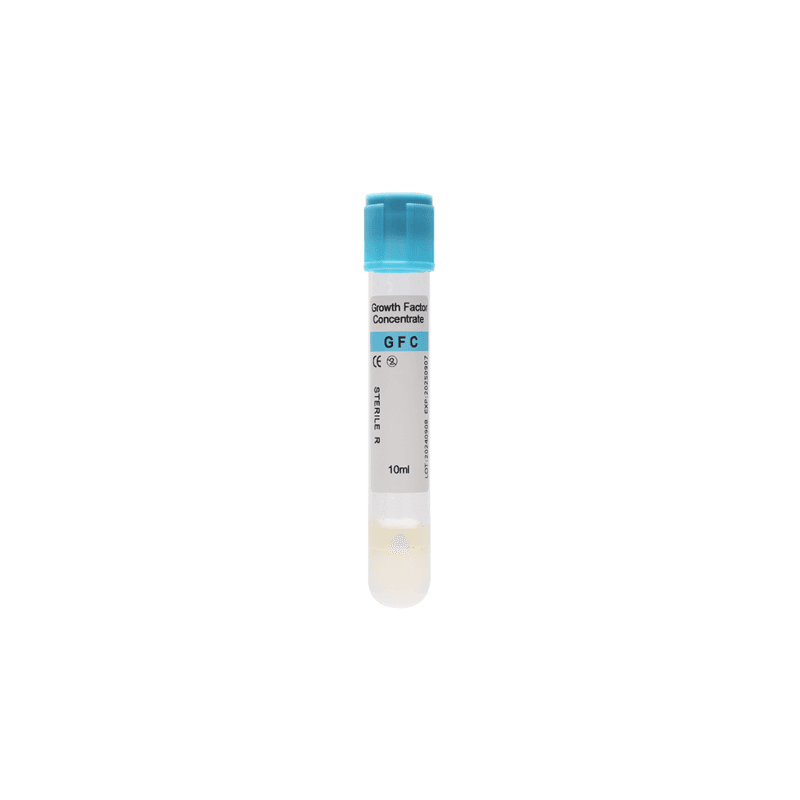
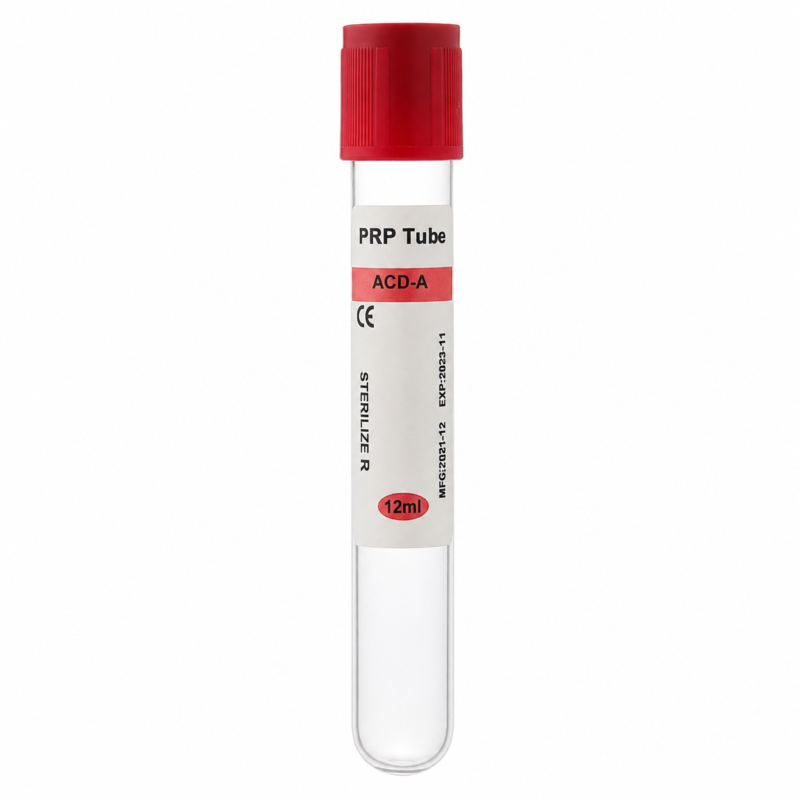
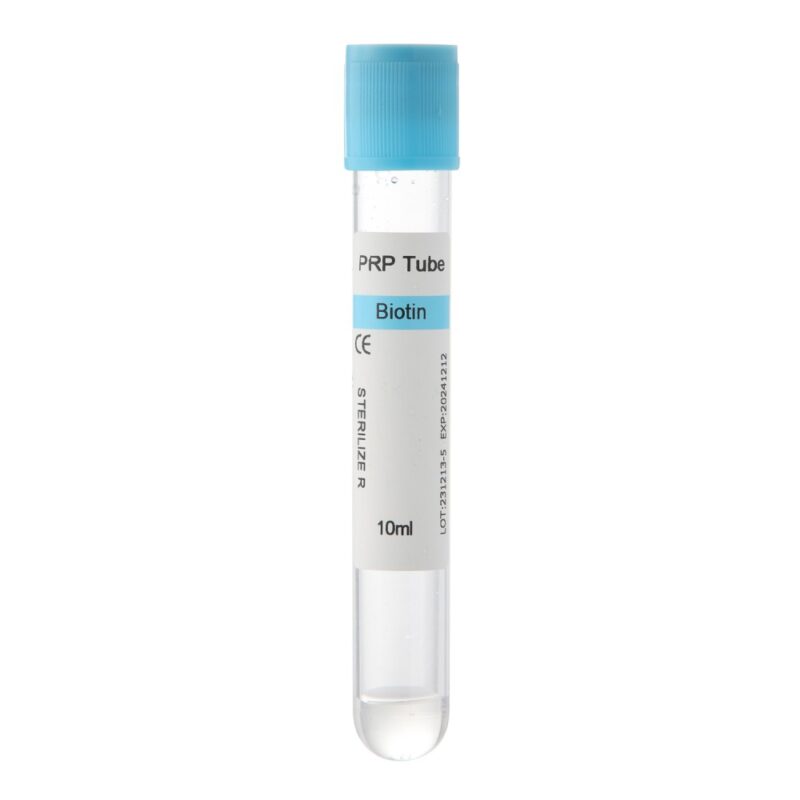
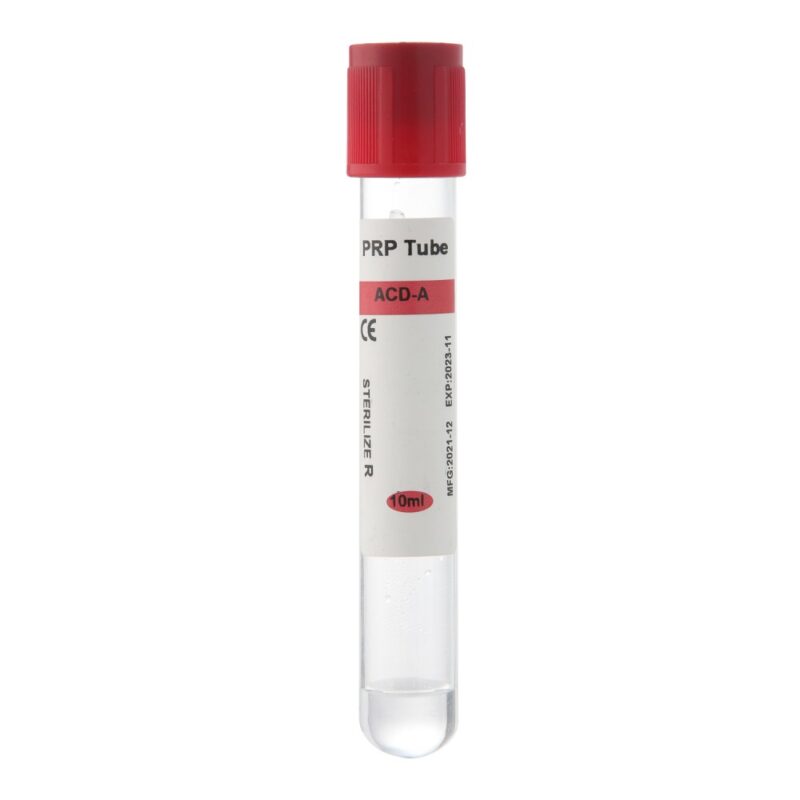
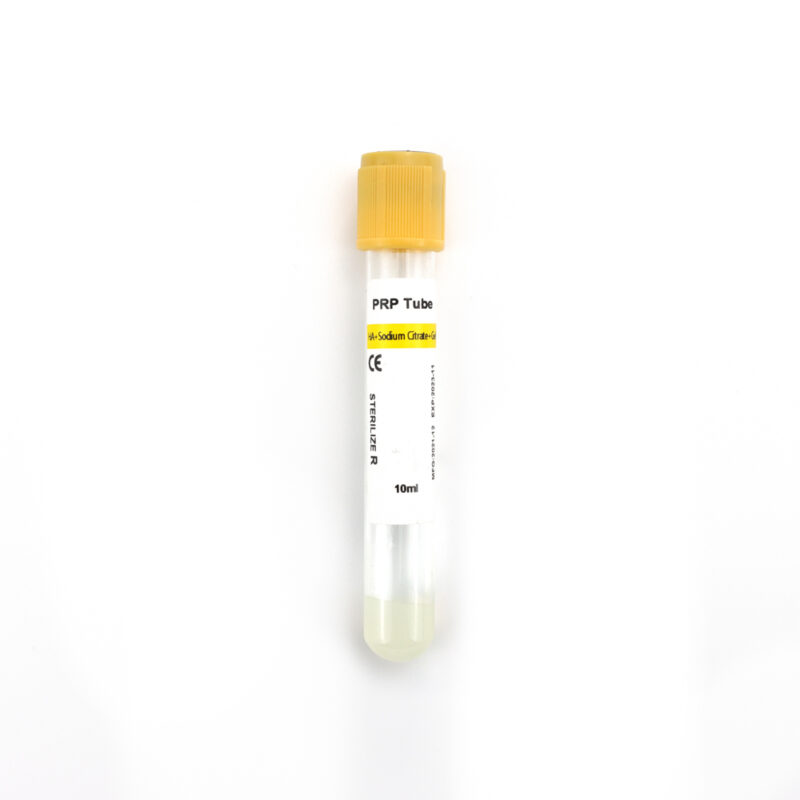
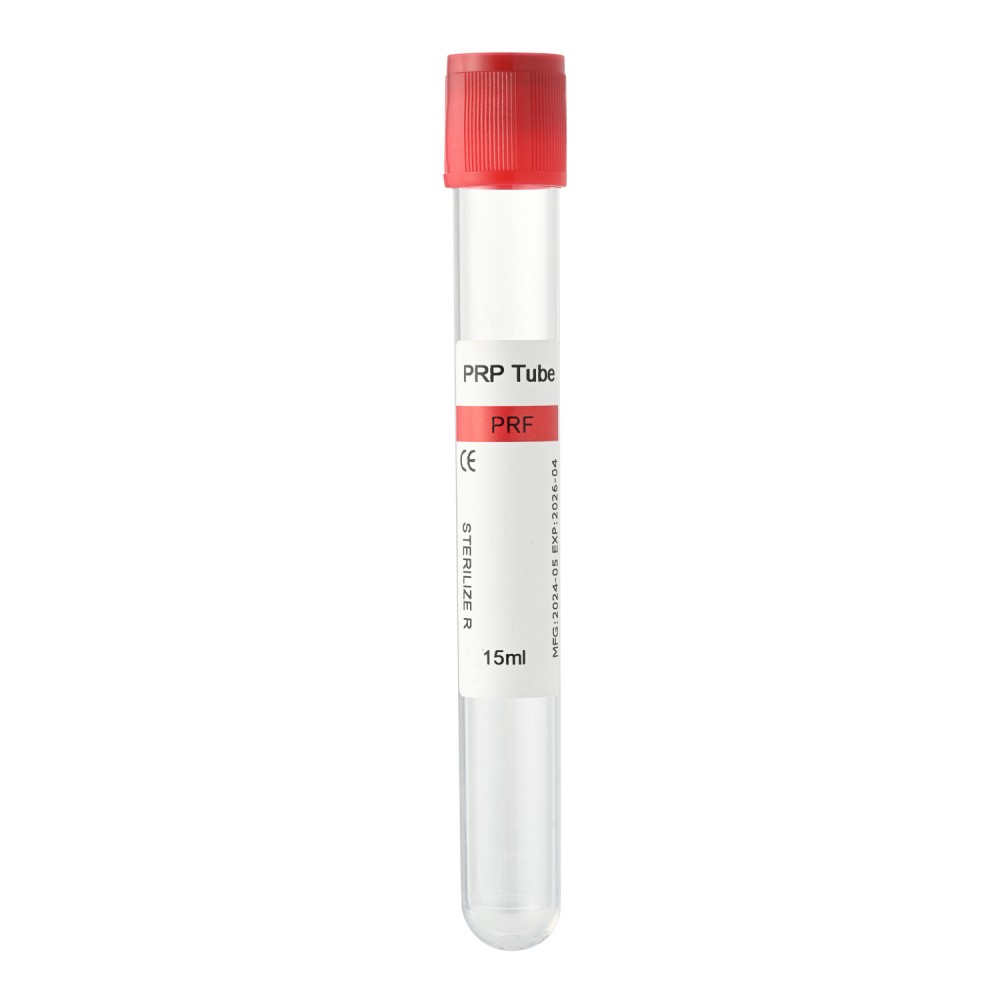
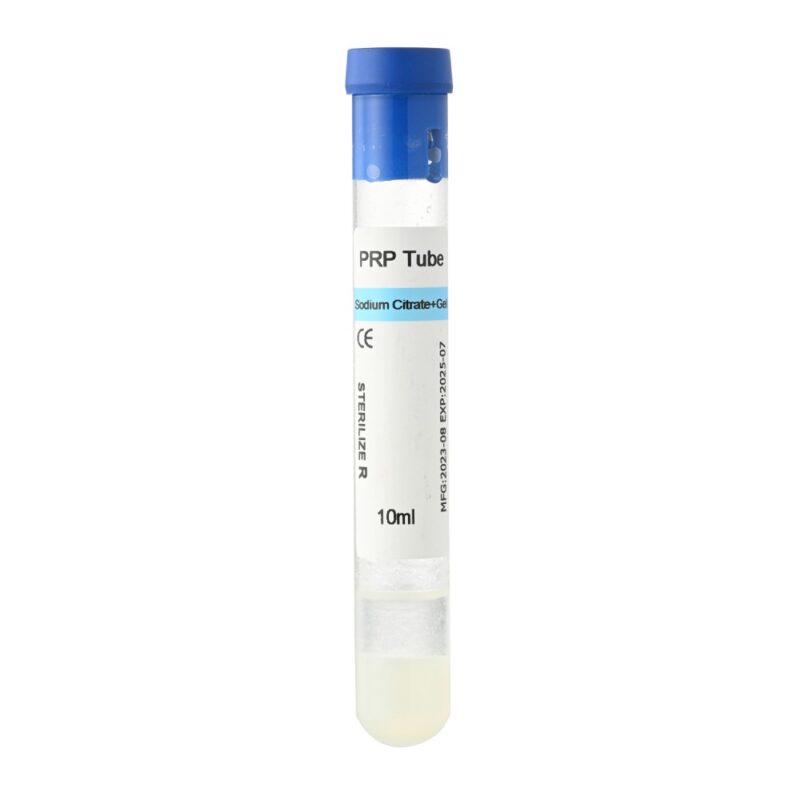
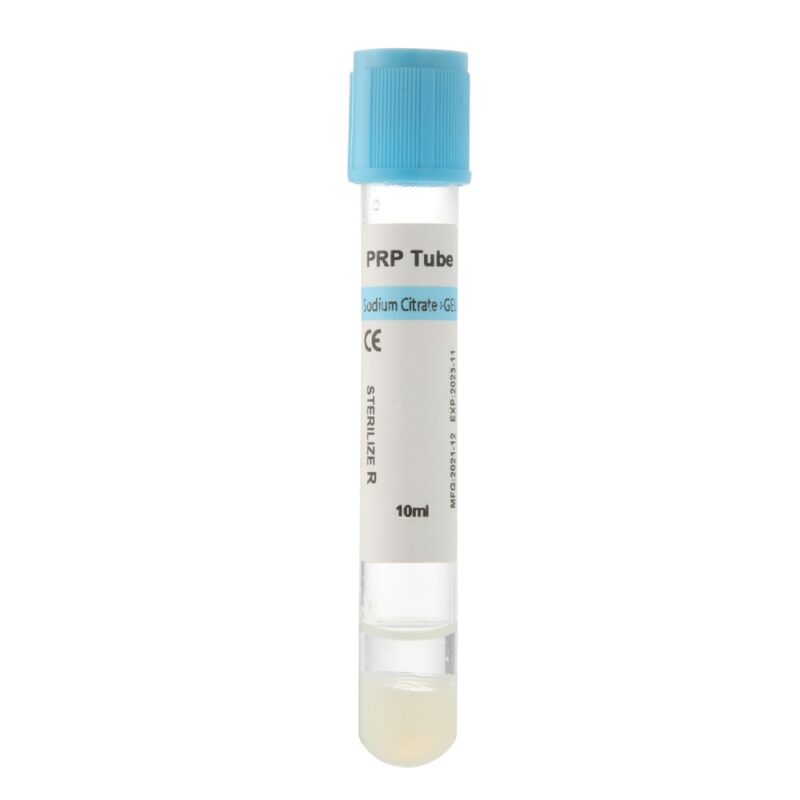
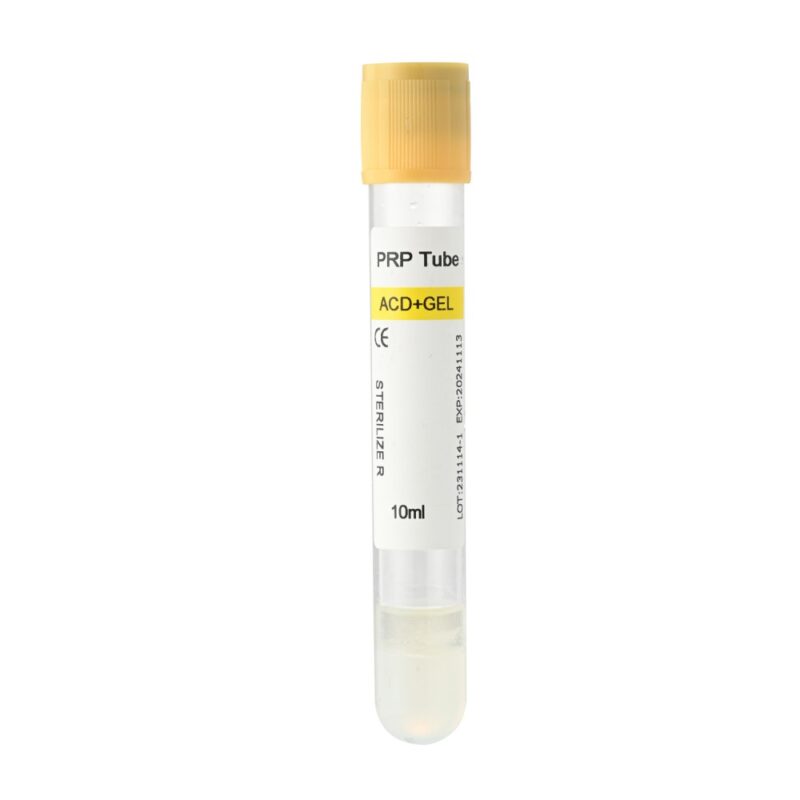
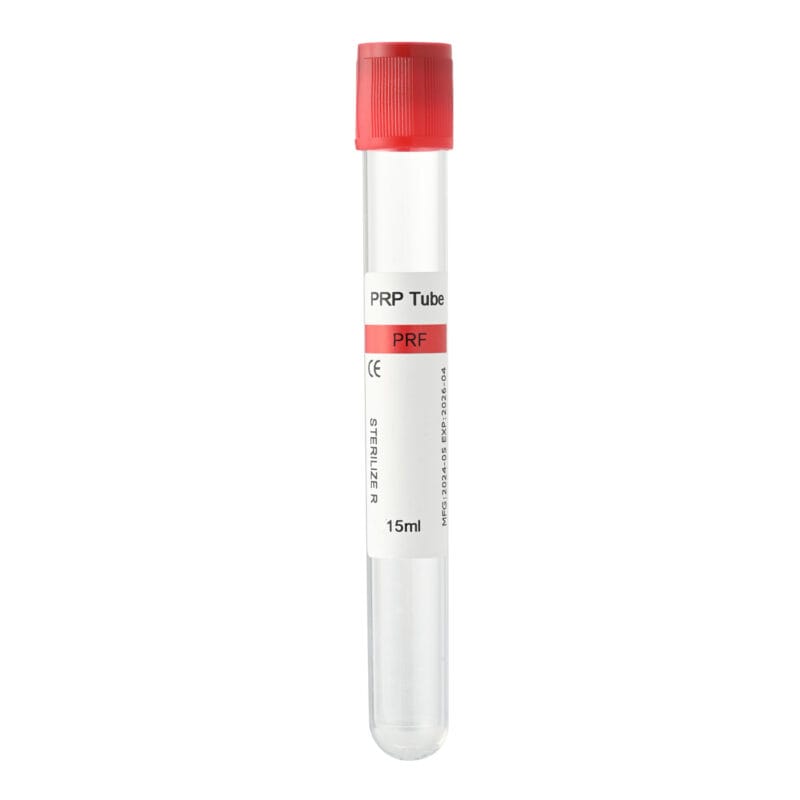
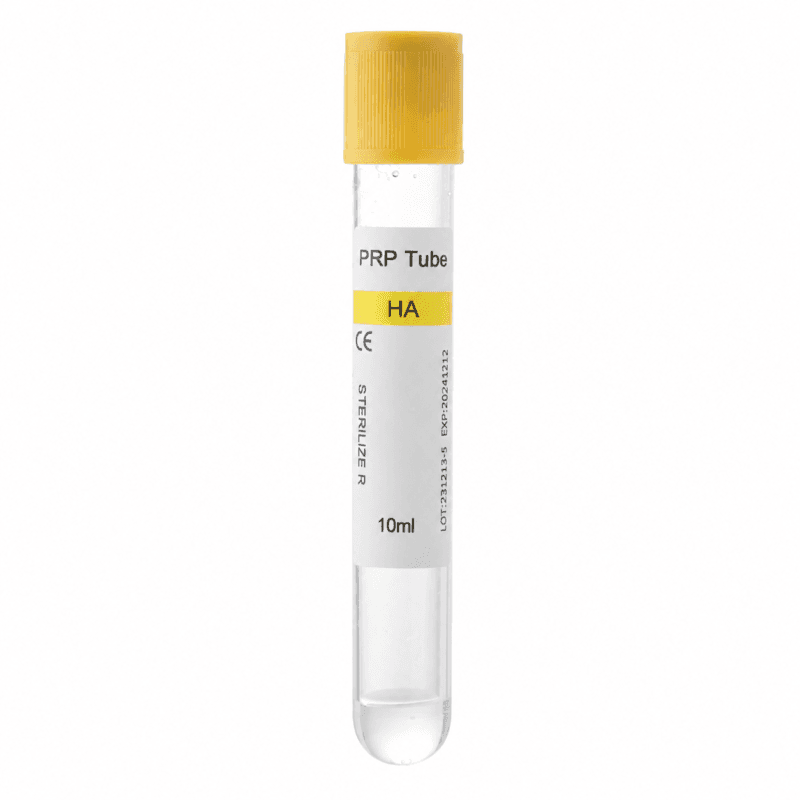
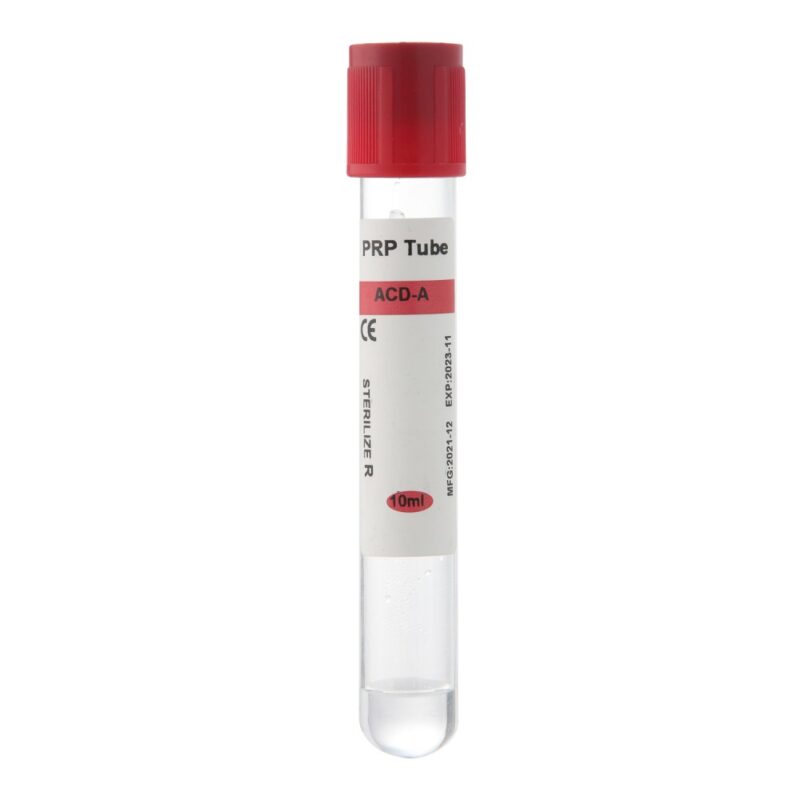
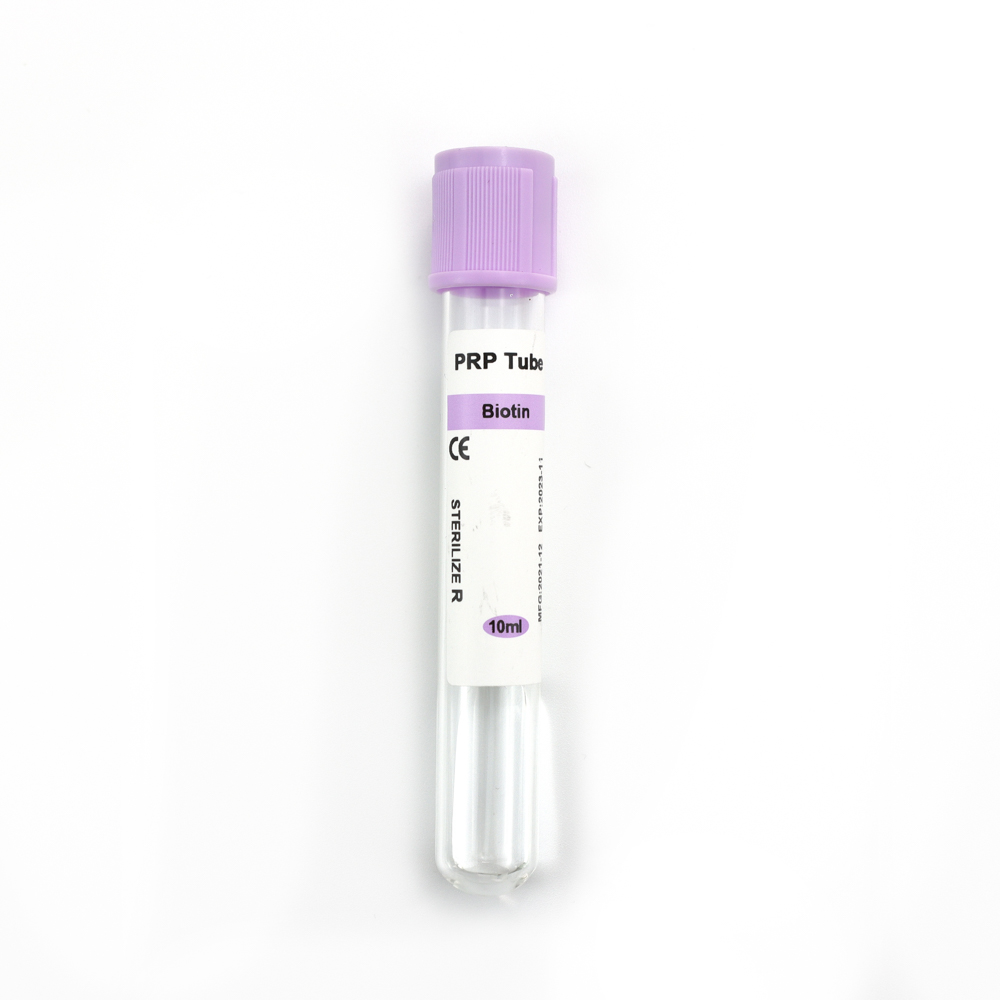
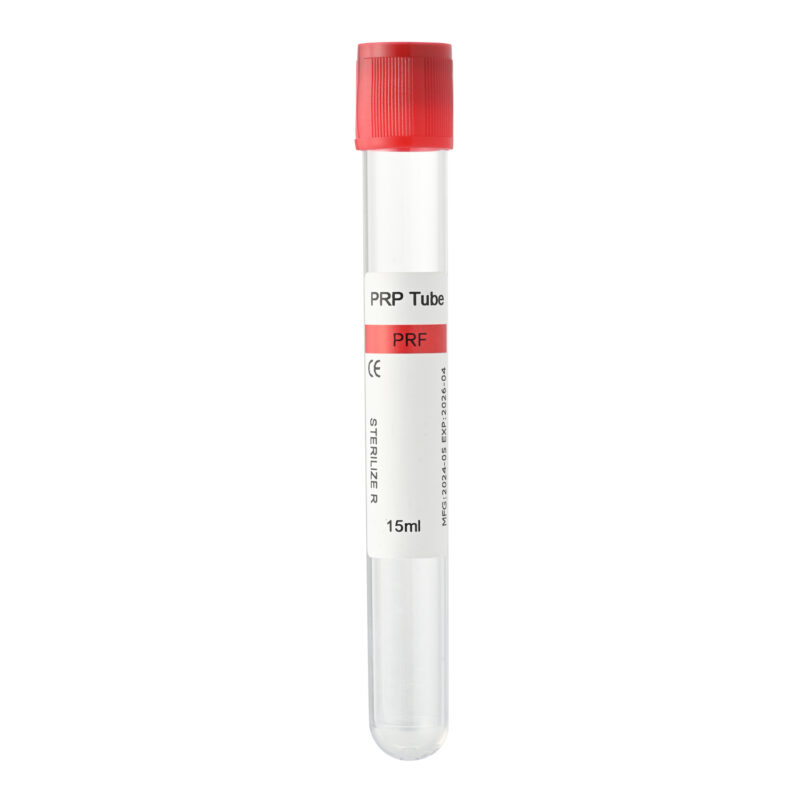
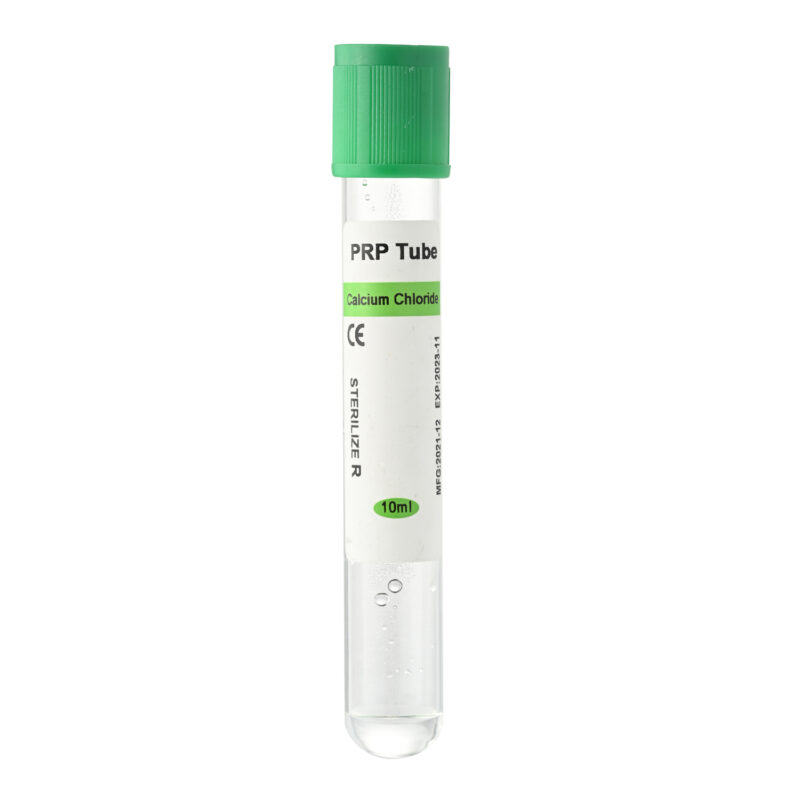
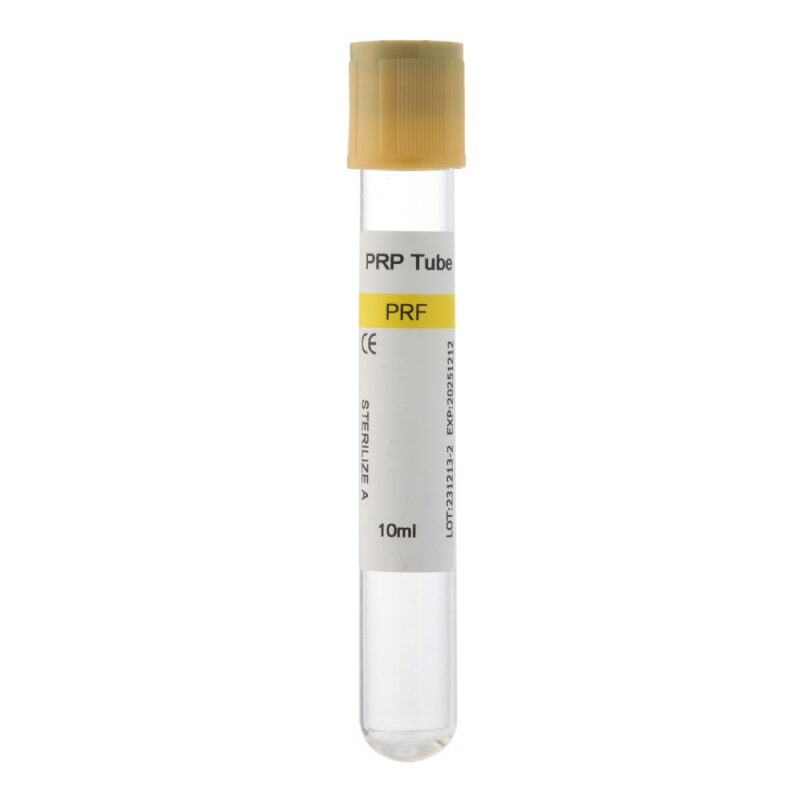
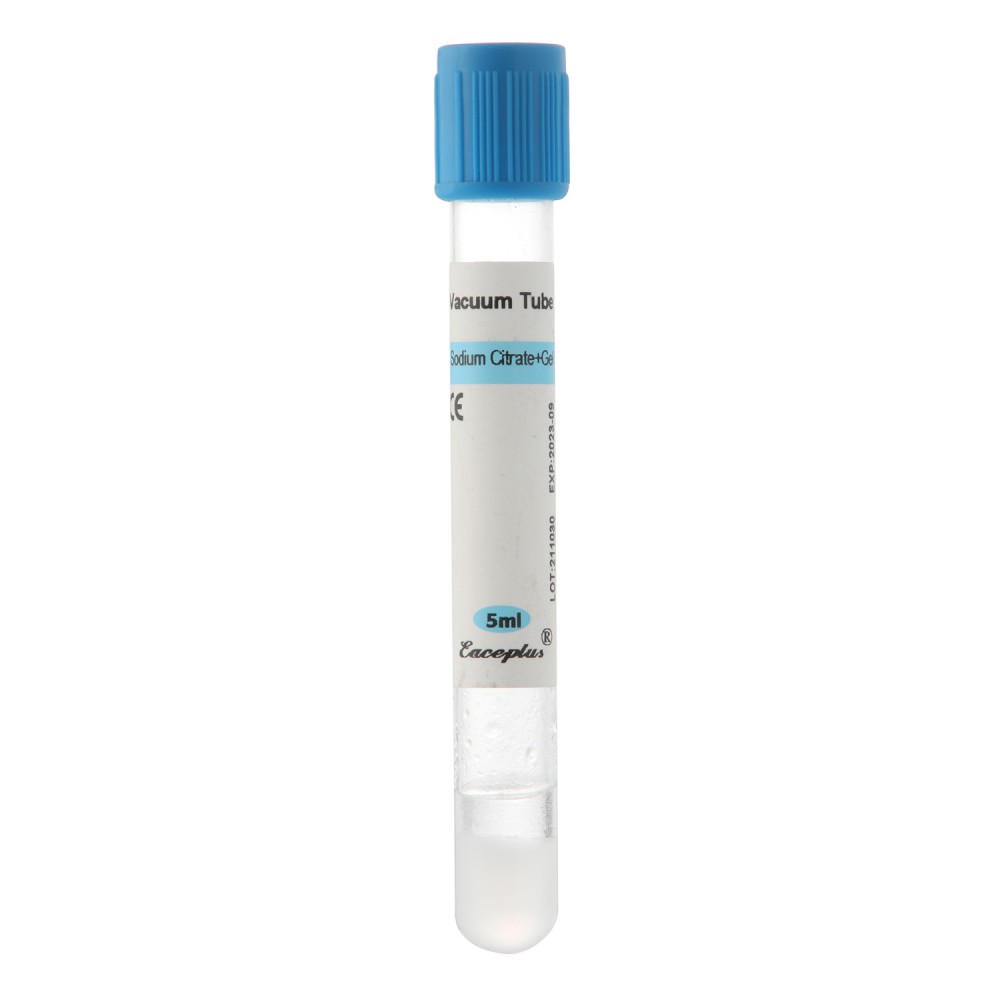
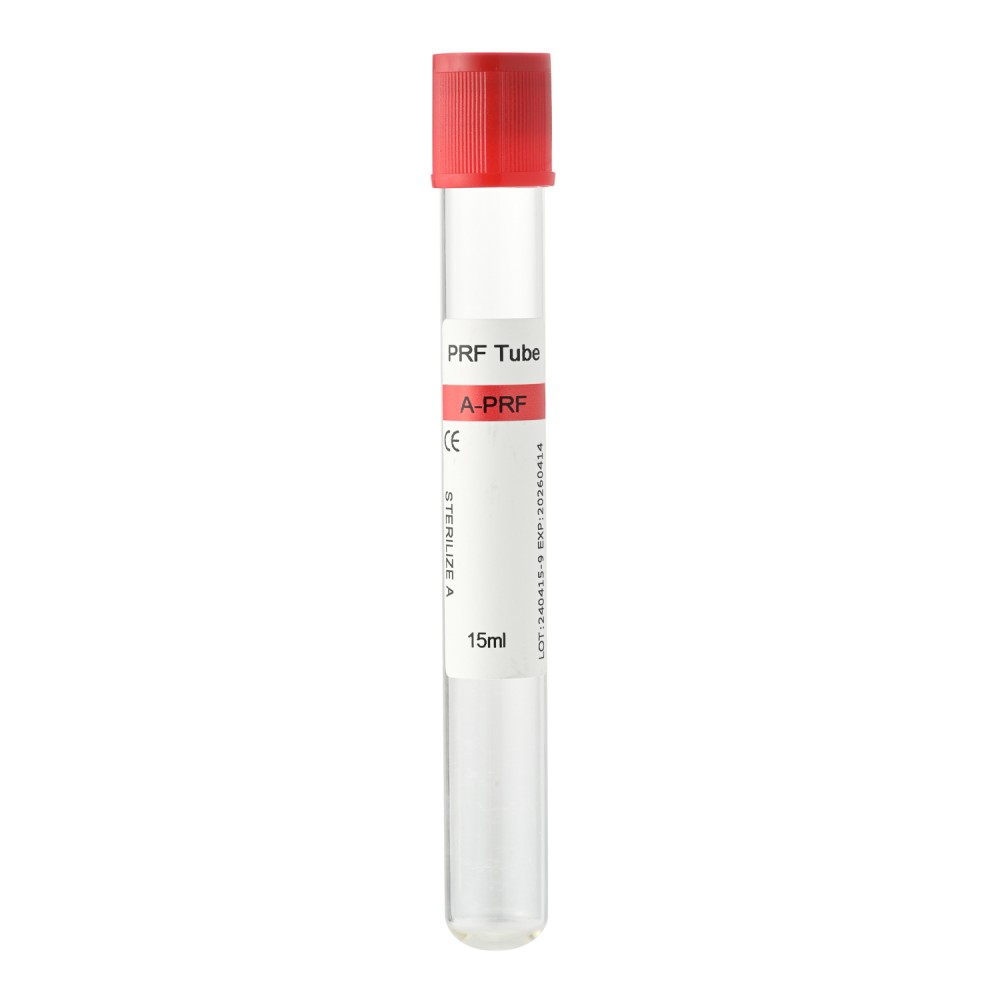
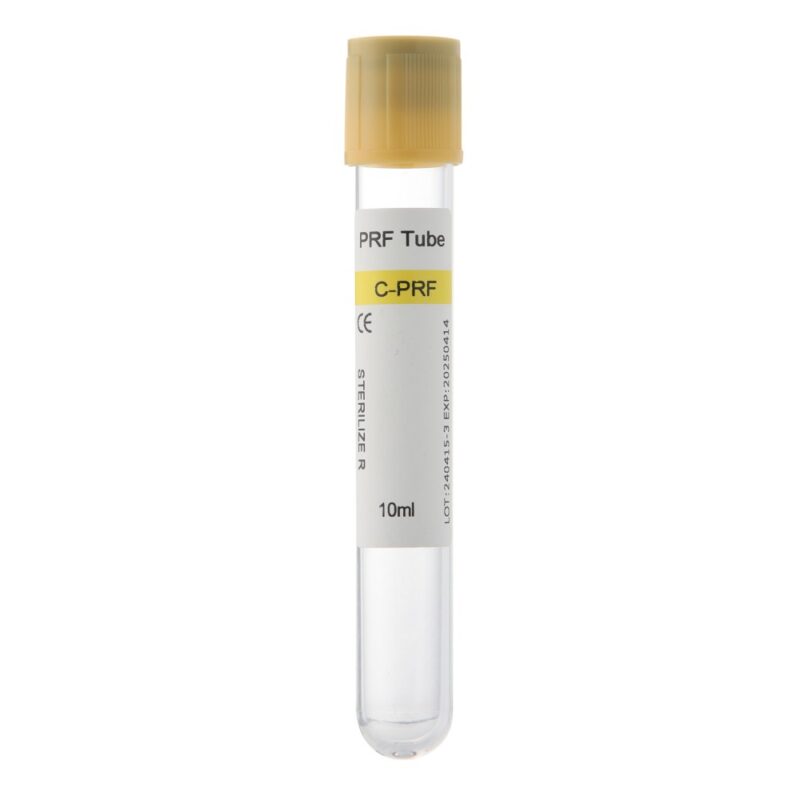
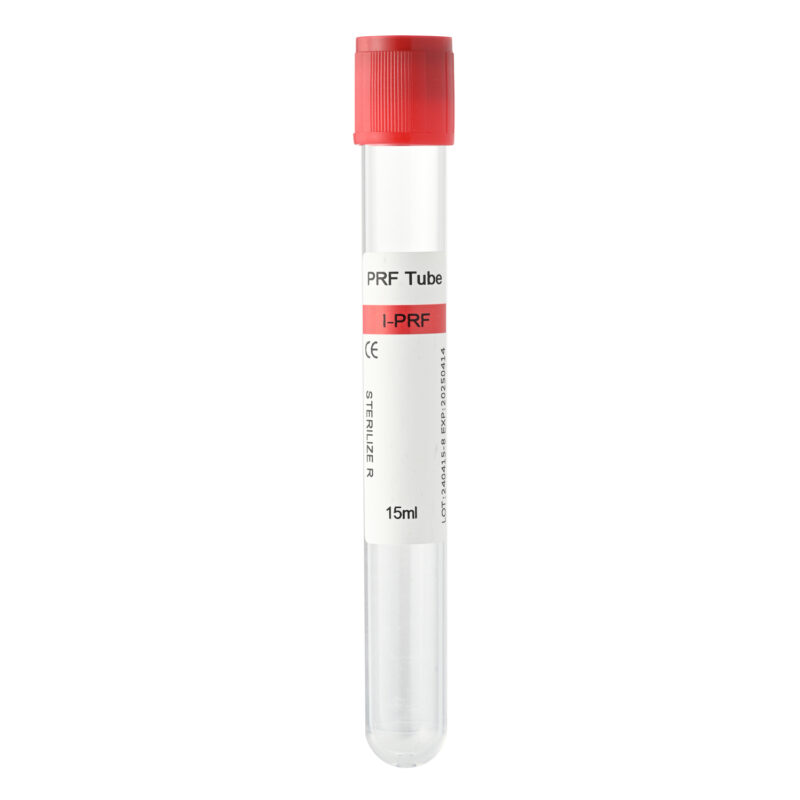
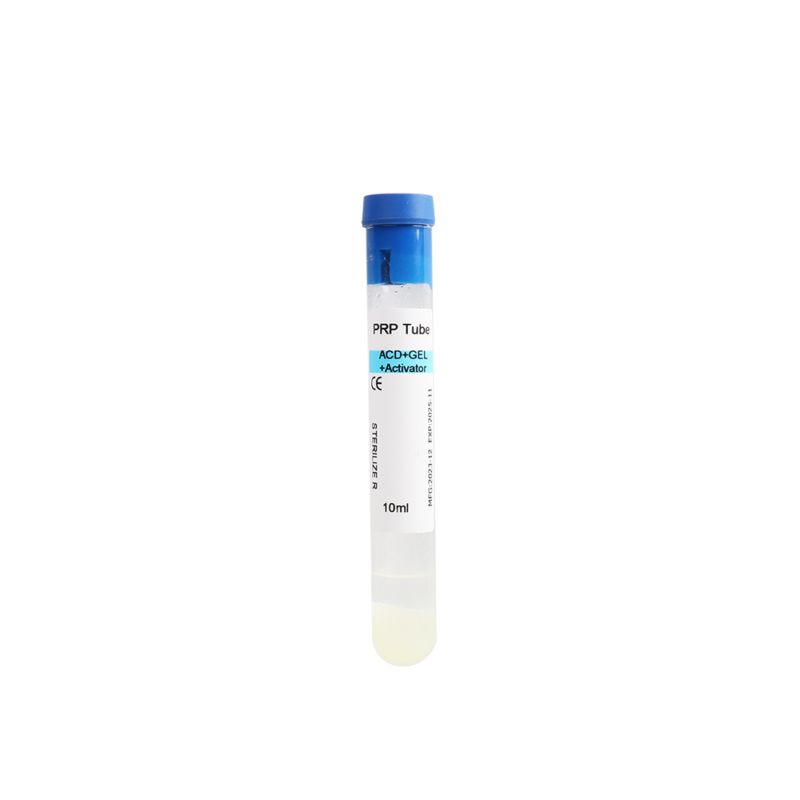
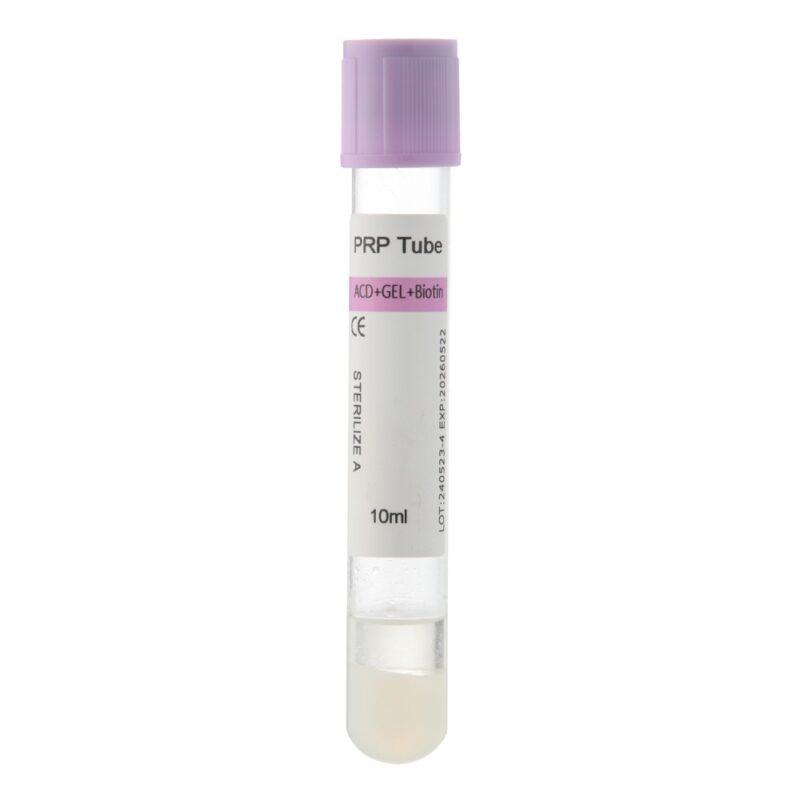
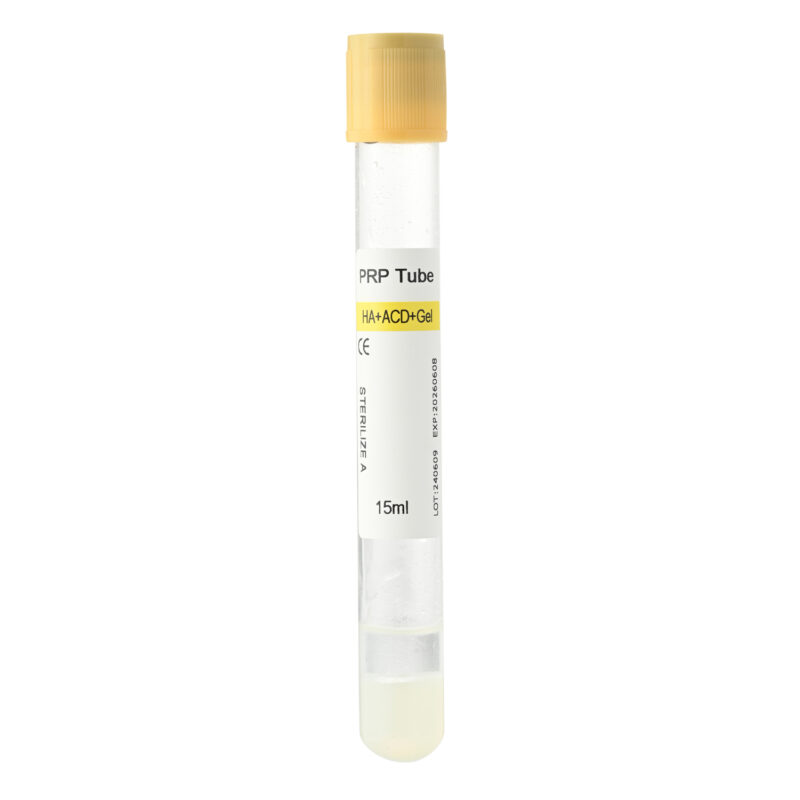
Clinics seeking reproducible PRP preparation often evaluate specialized systems such as ACD-A PRP Tubes, Sodium Citrate PRP Tubes, and Gel Separator PRP Tubes to optimize platelet concentration and separation quality.
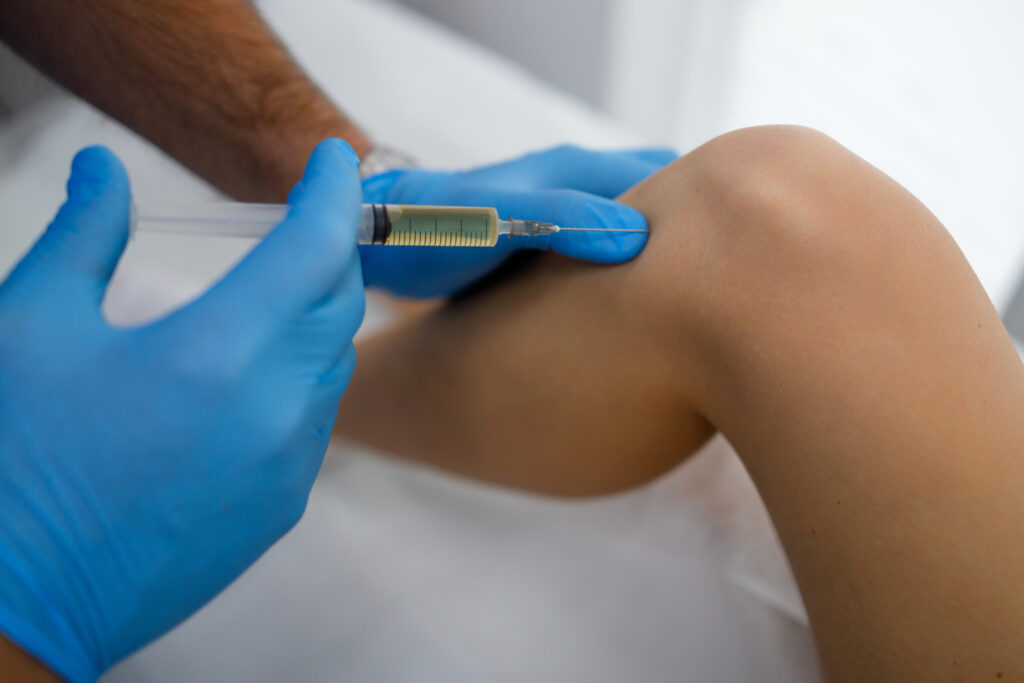
FAQ About What to Avoid Before PRP
How many days before PRP should I stop taking ibuprofen?
Many providers recommend discontinuing ibuprofen approximately 5-7 days before treatment. Always consult your physician before making medication changes.
Can I take Tylenol before PRP?
Acetaminophen (Tylenol) generally does not significantly affect platelet function and is often considered acceptable. However, individual provider recommendations may vary.
Should I stop fish oil before PRP?
Many clinicians advise temporarily discontinuing fish oil supplements about one week before treatment because of their potential antiplatelet effects.
Can caffeine affect PRP results?
Moderate caffeine consumption is generally not considered a major concern. Excessive intake may contribute to dehydration, so adequate water consumption is important.
Is alcohol worse than coffee before PRP?
Alcohol is generally considered more problematic because it can impair platelet function and contribute to dehydration.
What is the biggest mistake patients make before PRP?
One of the most common mistakes is continuing medications or supplements that interfere with platelet activity without informing the treating physician.
Summary
Understanding what to avoid before PRP can make a meaningful difference in treatment outcomes. Medications such as NSAIDs, aspirin, and corticosteroids, along with supplements like fish oil, turmeric, garlic, and ginkgo, may reduce platelet effectiveness and potentially limit the regenerative benefits of PRP therapy. Alcohol, smoking, dehydration, and poor sleep can further compromise the body’s healing response.
Successful PRP treatment is not determined solely by the injection itself. It begins with proper patient preparation, careful blood collection, and reliable platelet separation. For clinics and distributors seeking dependable PRP solutions, selecting high-quality PRP tubes and standardized preparation protocols is just as important as the procedure itself.
If you are looking for professional PRP collection tubes for hair restoration, aesthetics, orthopedic medicine, or regenerative therapies, the team at Siny PRP can help you choose the most suitable solution for your clinical application. Contact us to discuss specifications, OEM options, and technical support for your PRP projects.