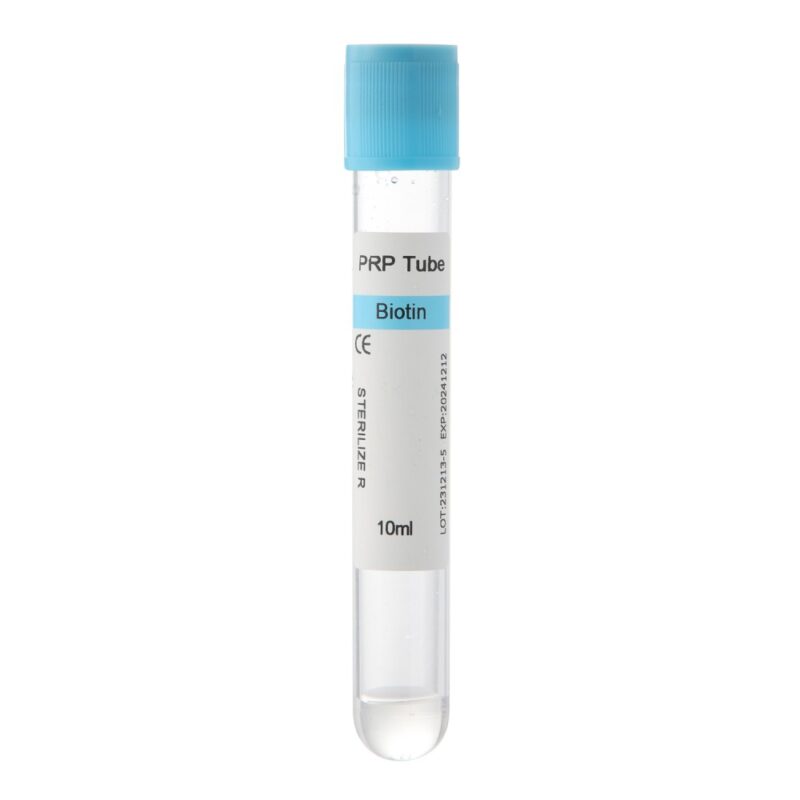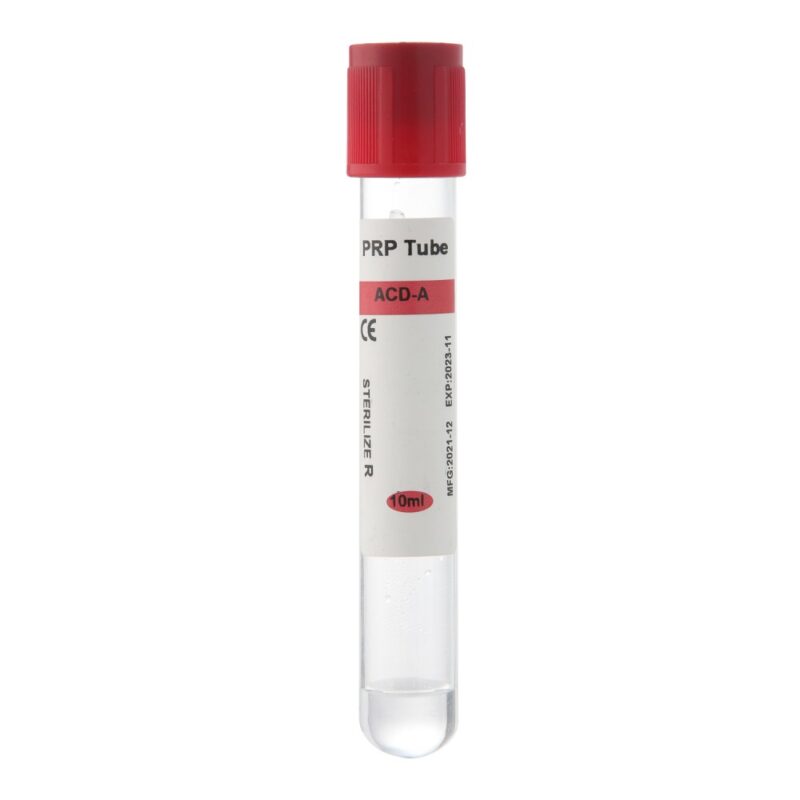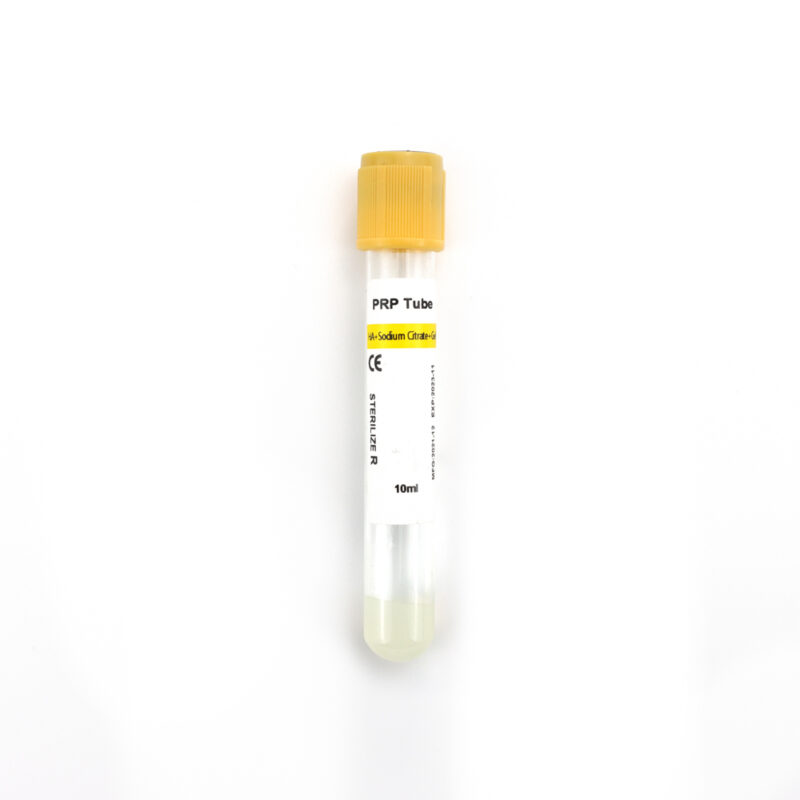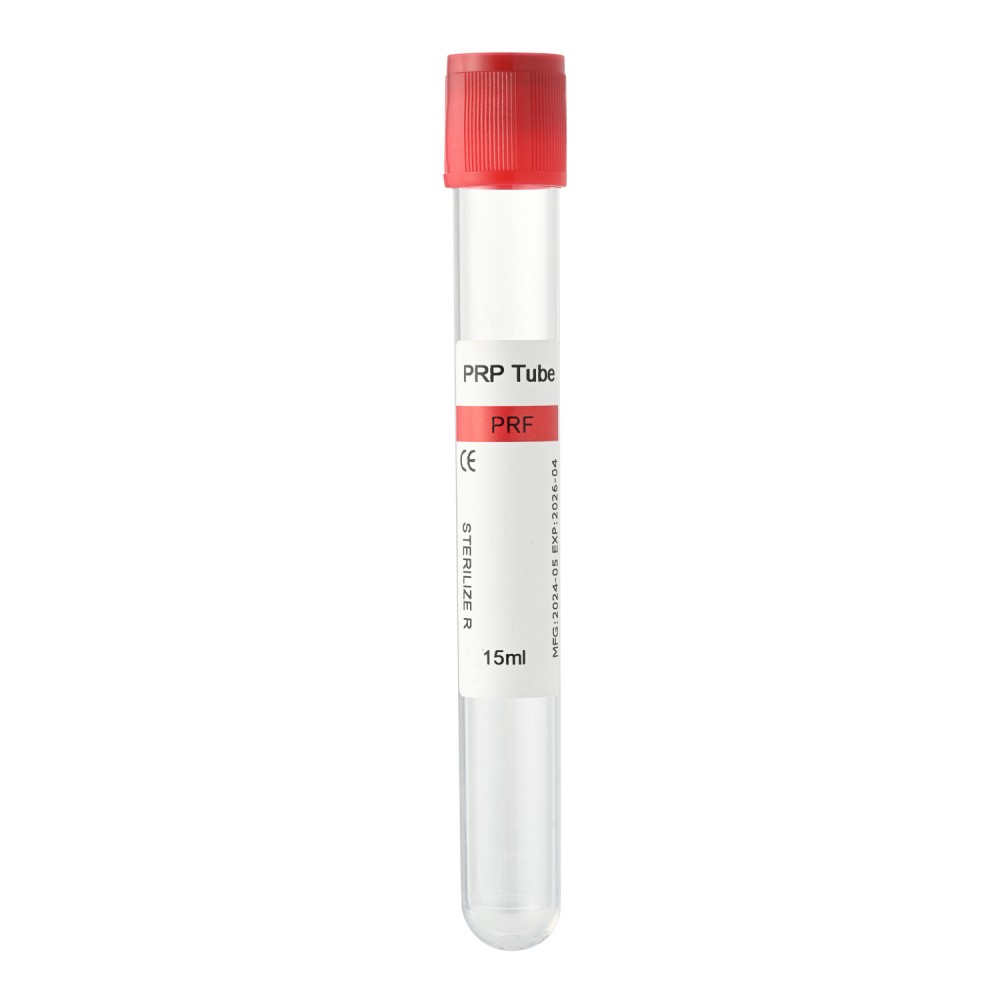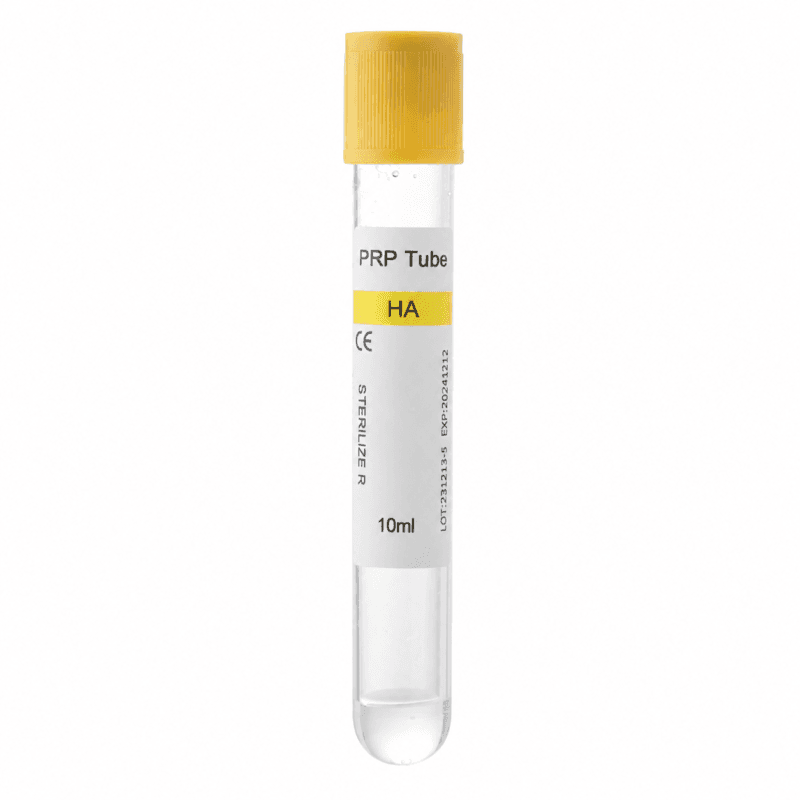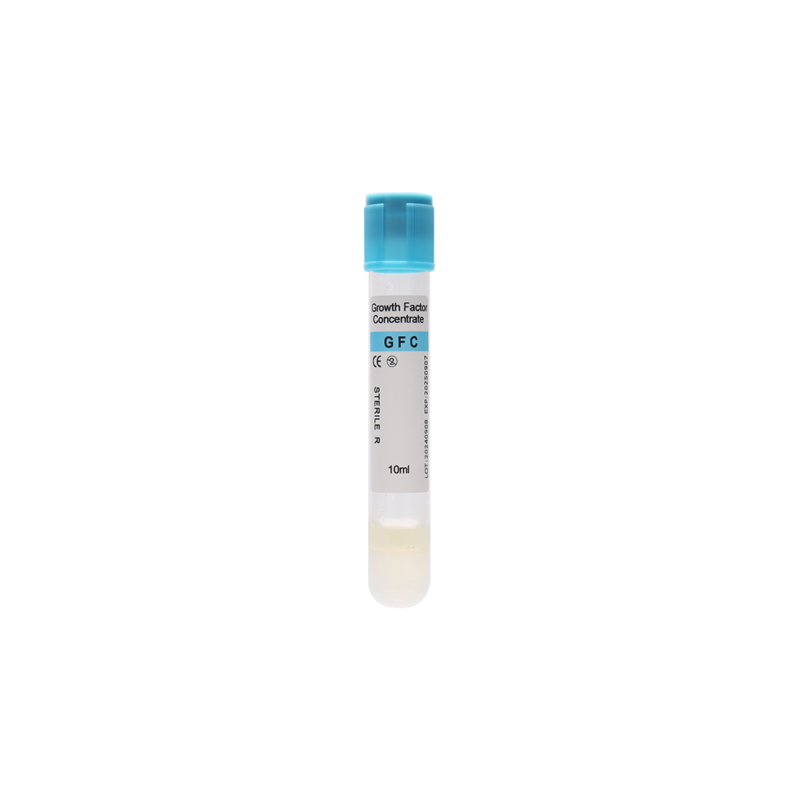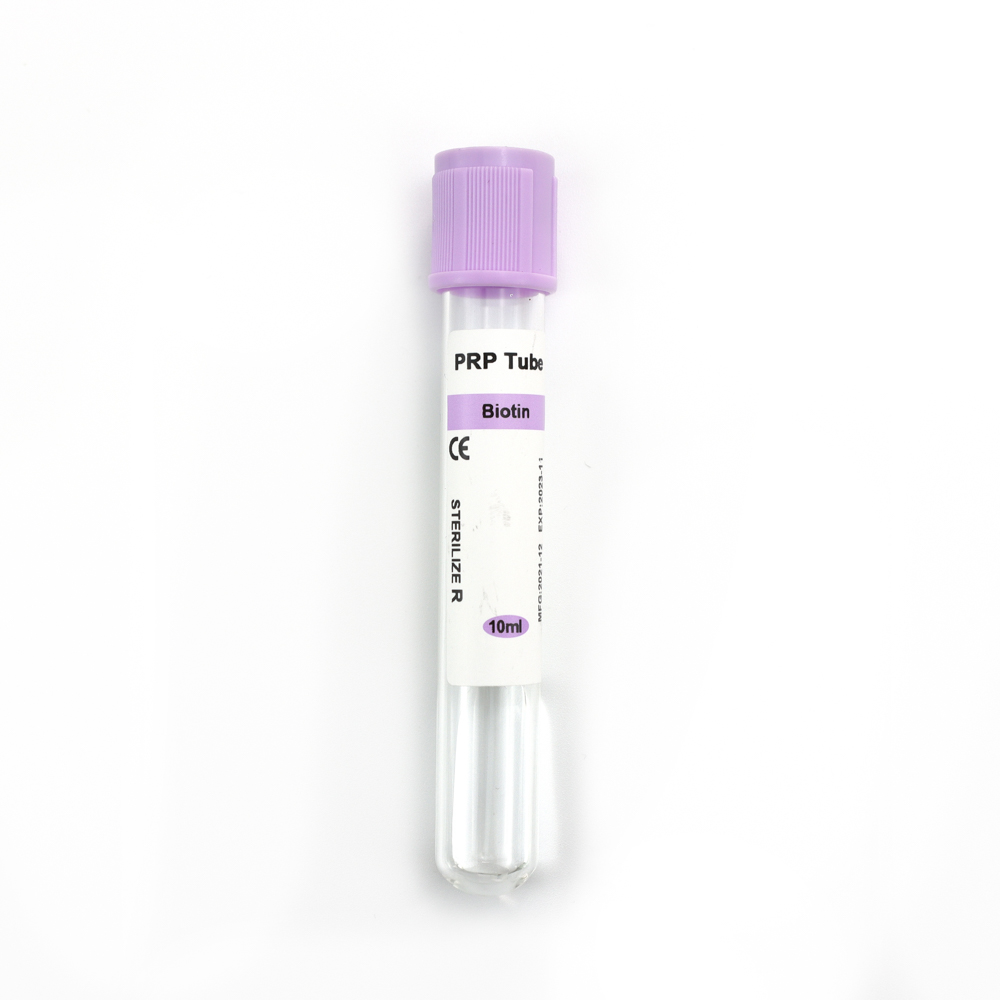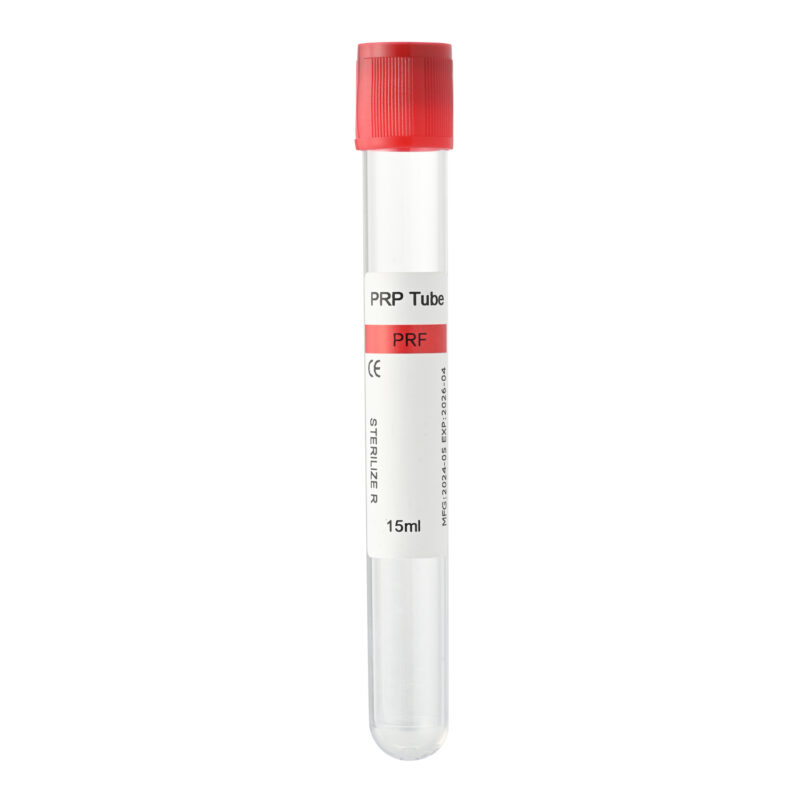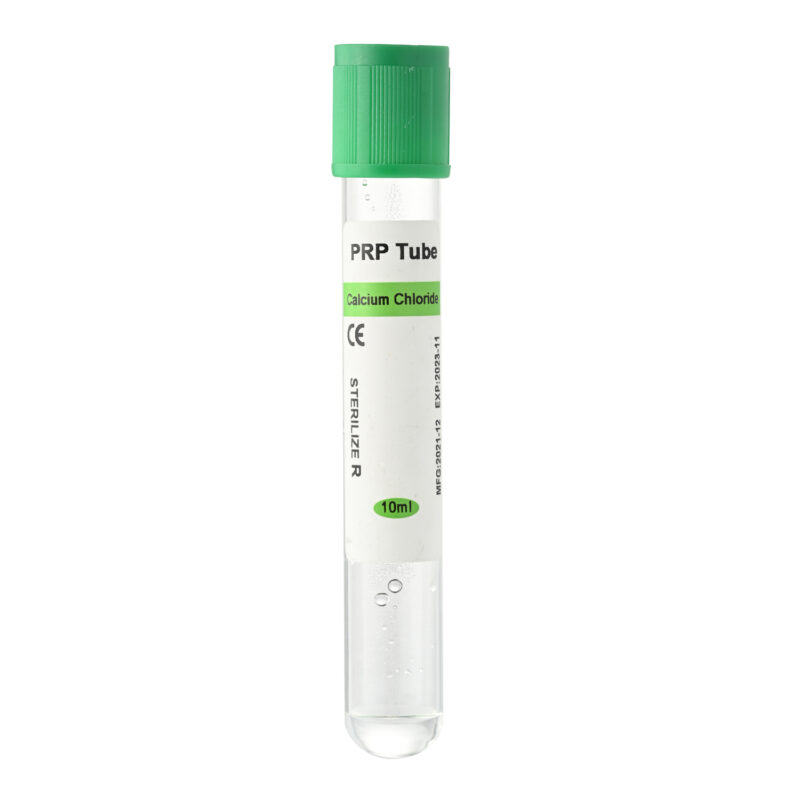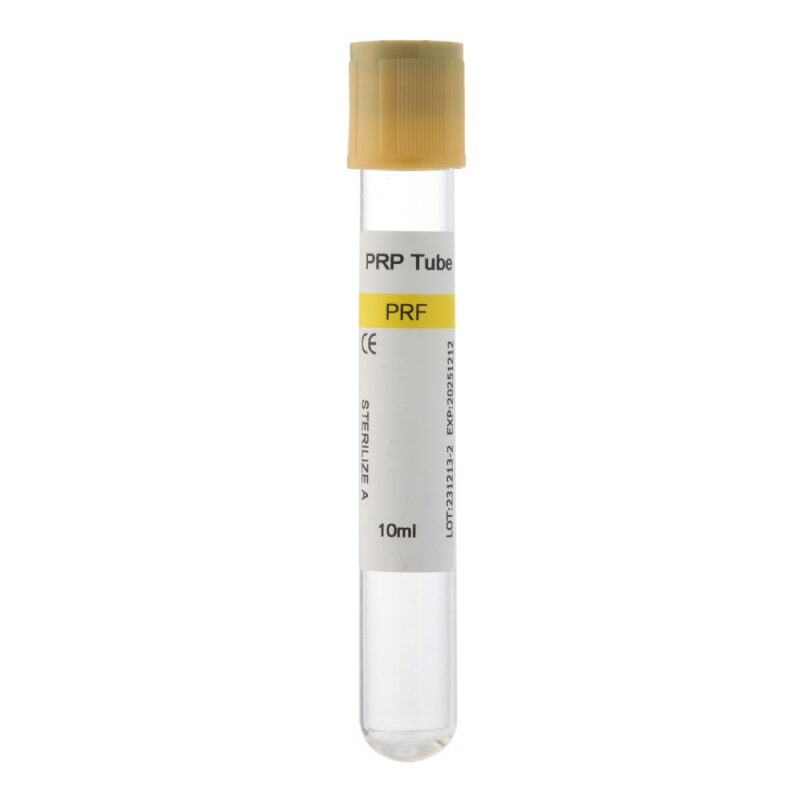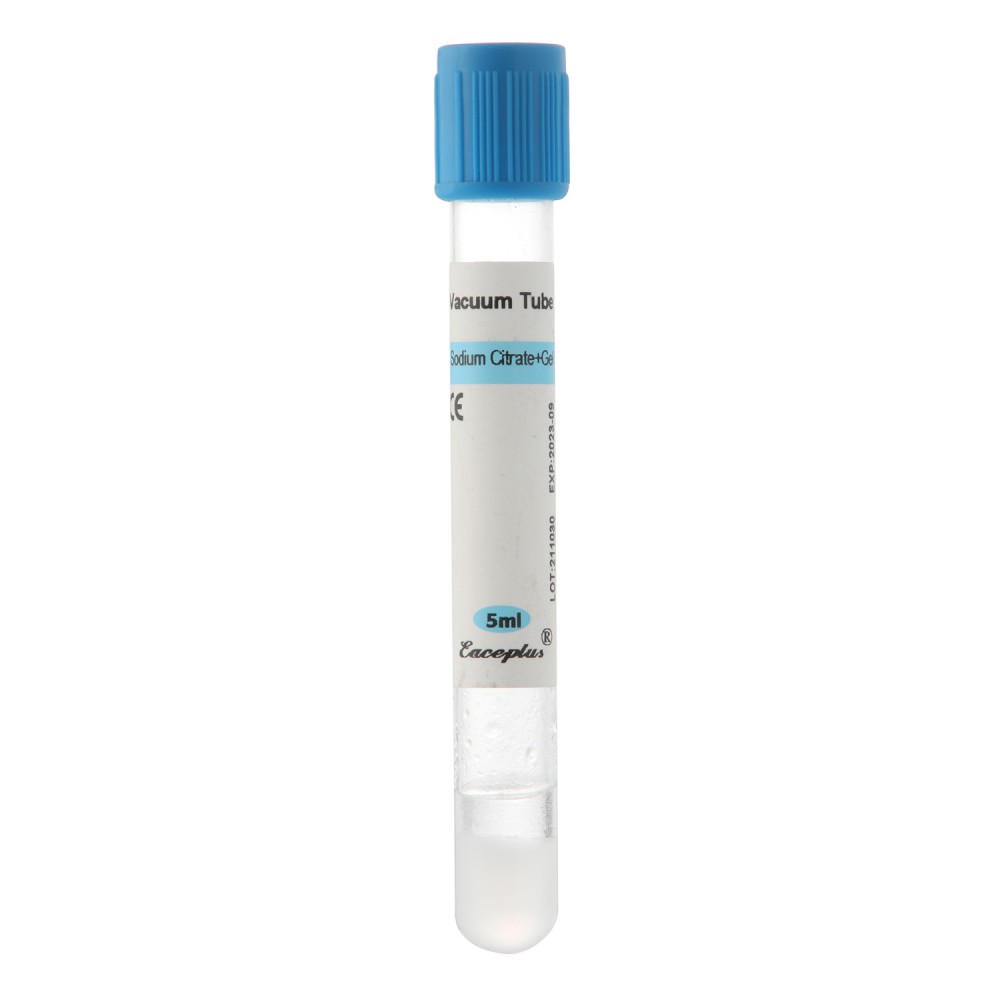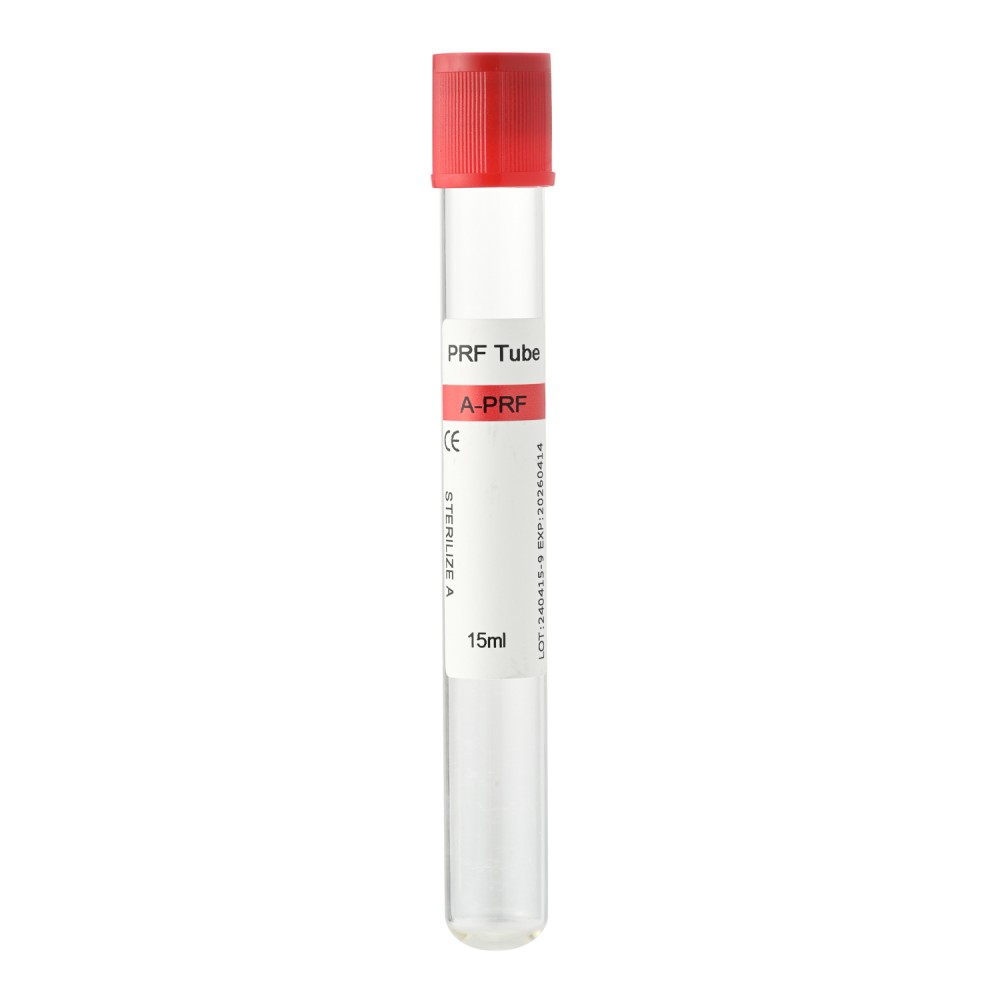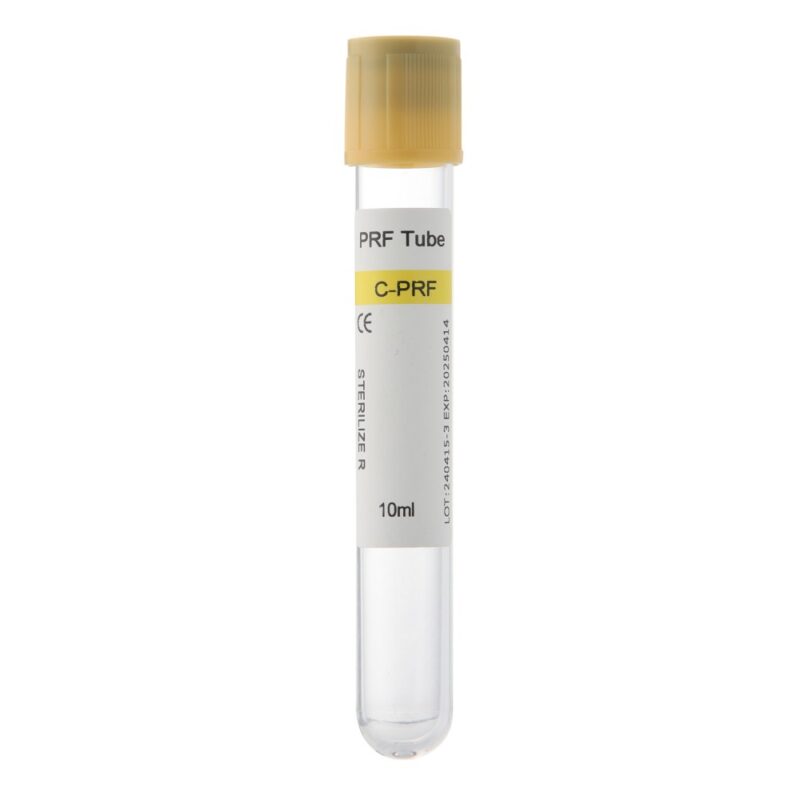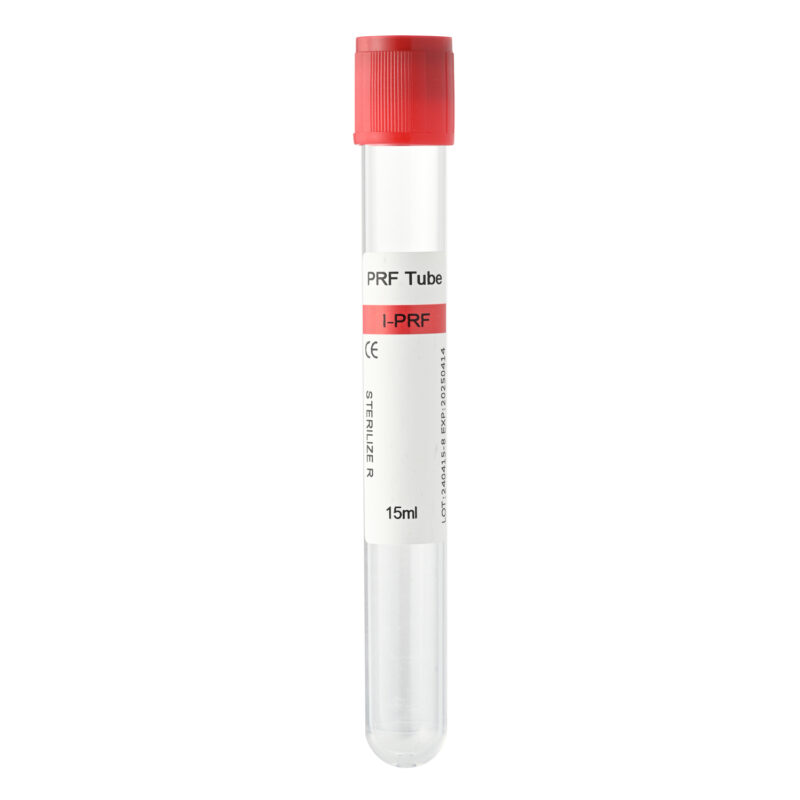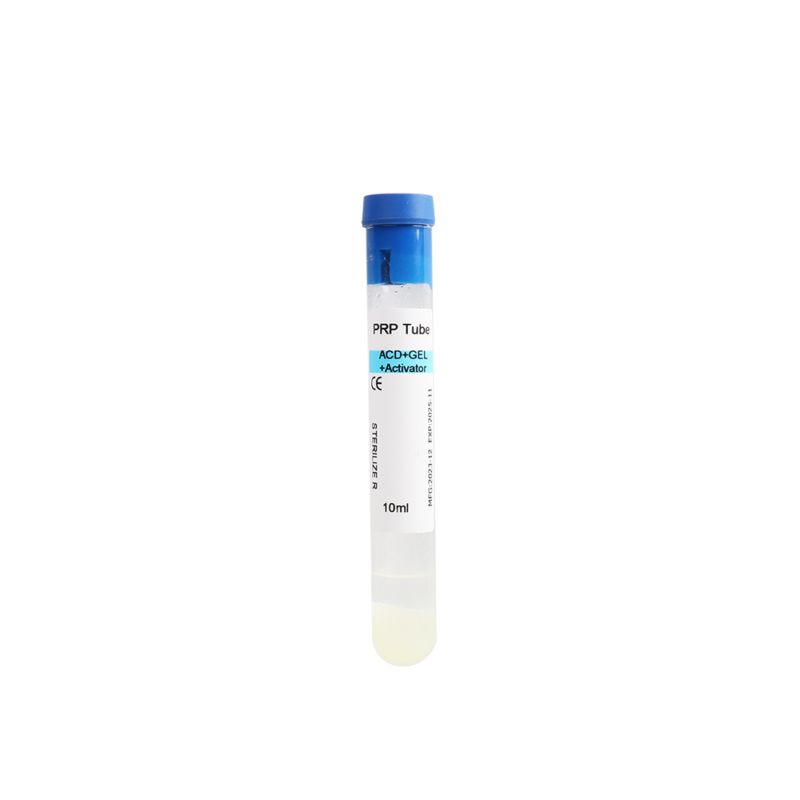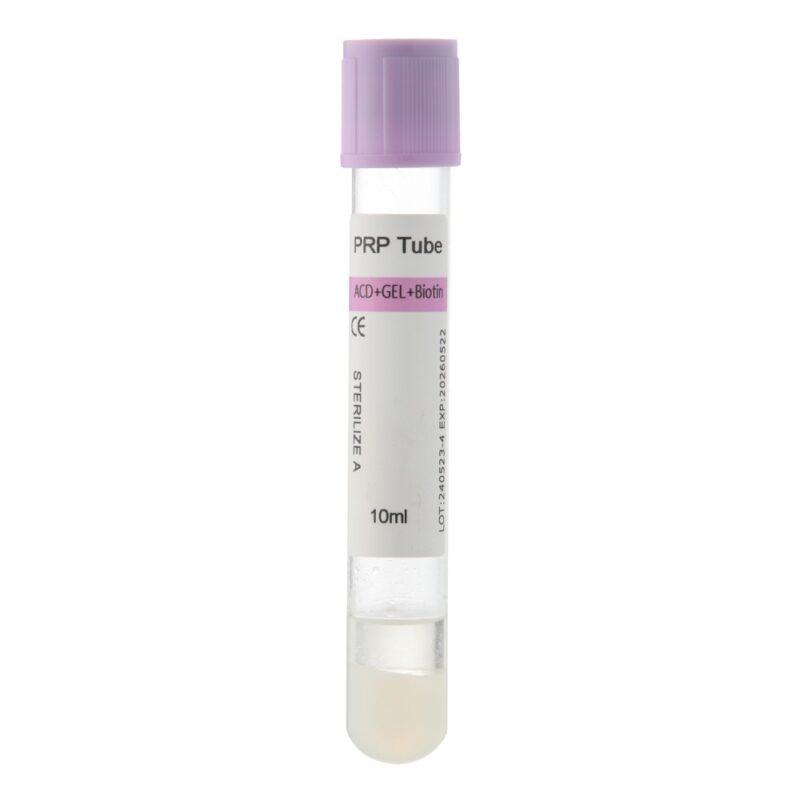
When clinics, aesthetic centers, orthopedic practices, and dental professionals begin sourcing PRP consumables, one of the most common questions is simple but important: Should you use PRP tubes with gel or PRP tubes without gel? The answer is not always straightforward because different PRP preparation methods require different separation performance, platelet concentration goals, and handling procedures.
The topic of PRP Tubes with vs. without Gel: Which One Should You Choose? has become increasingly important as more brands enter the market with different additives, separator technologies, and centrifugation protocols. Some users focus on platelet yield, while others prioritize cleaner plasma layers, easier handling, or lower contamination risk. Choosing the wrong tube can directly affect PRP quality, treatment consistency, and even patient satisfaction.
In today’s PRP market, buyers are also facing another challenge: many products look similar on the surface but behave very differently during centrifugation. Understanding the functional differences between gel and non-gel PRP tubes helps clinics avoid unstable separation, poor platelet recovery, or difficult extraction procedures.
This guide explains how both tube types work, where each option performs best, and how to choose the right configuration for your clinical workflow.
What Are PRP Tubes with Gel?
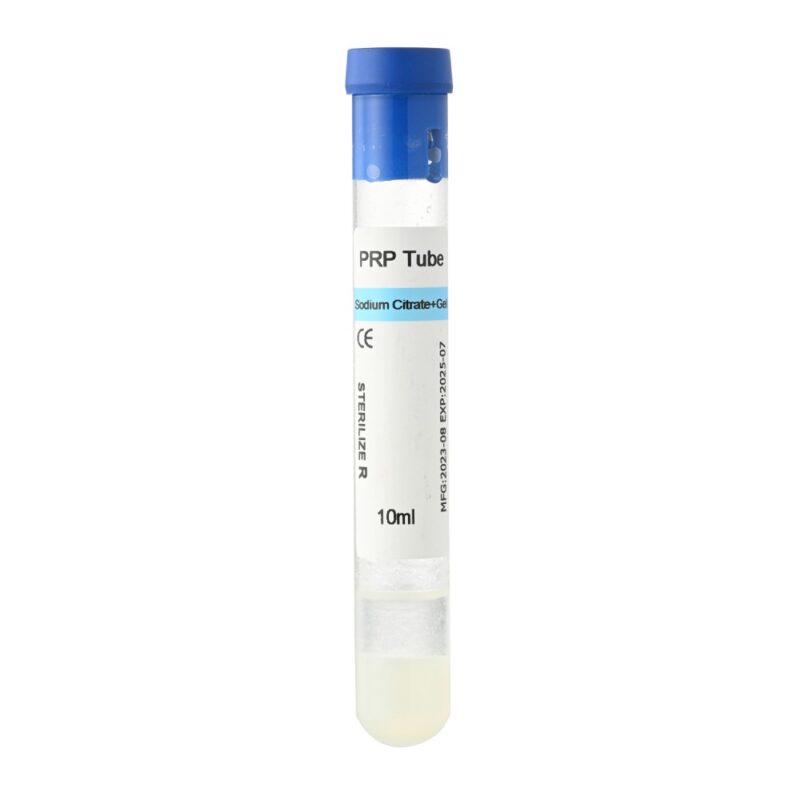
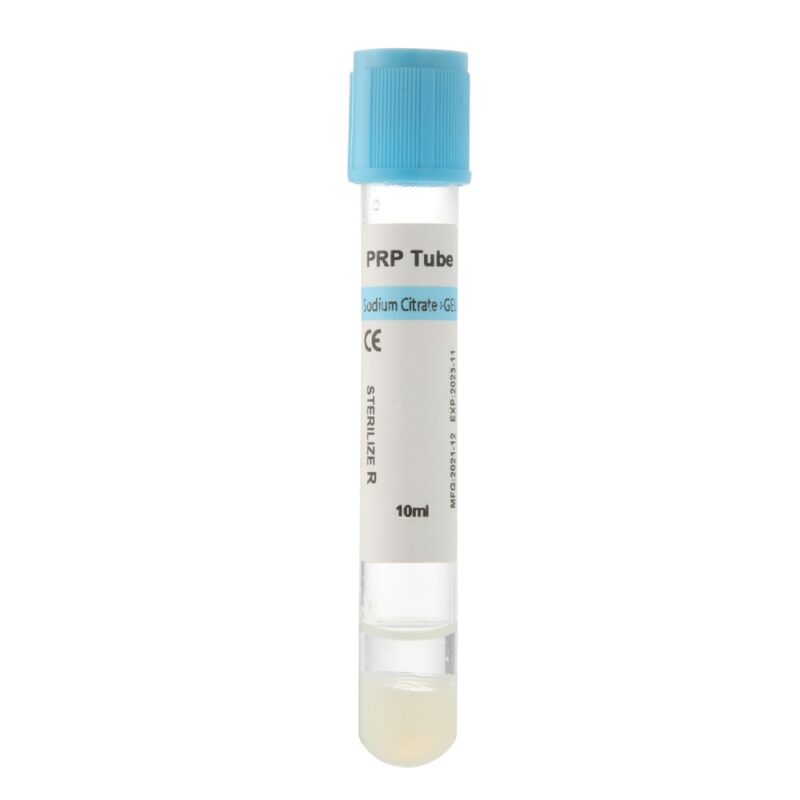
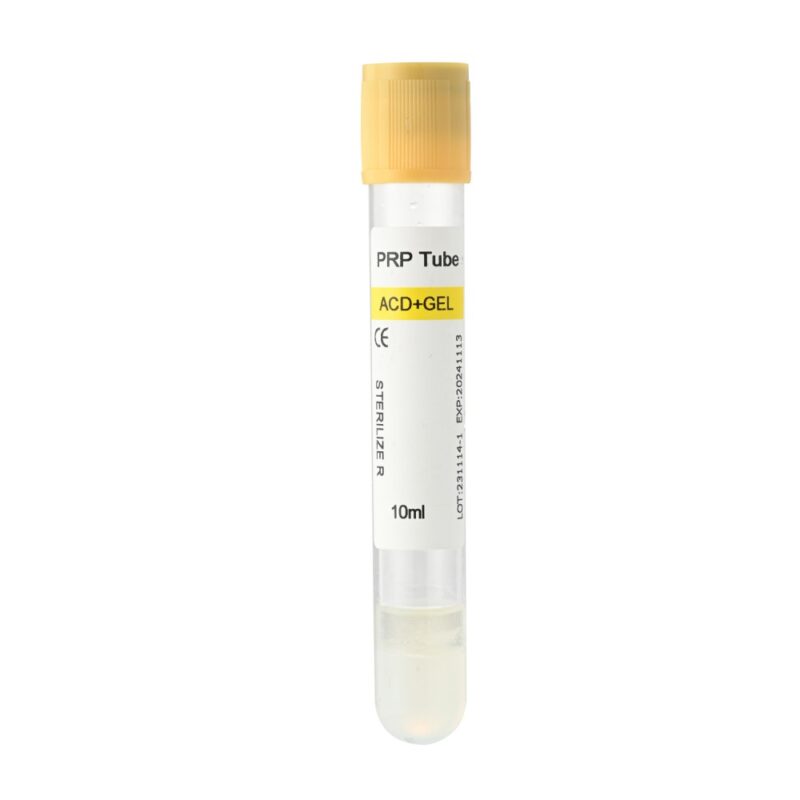
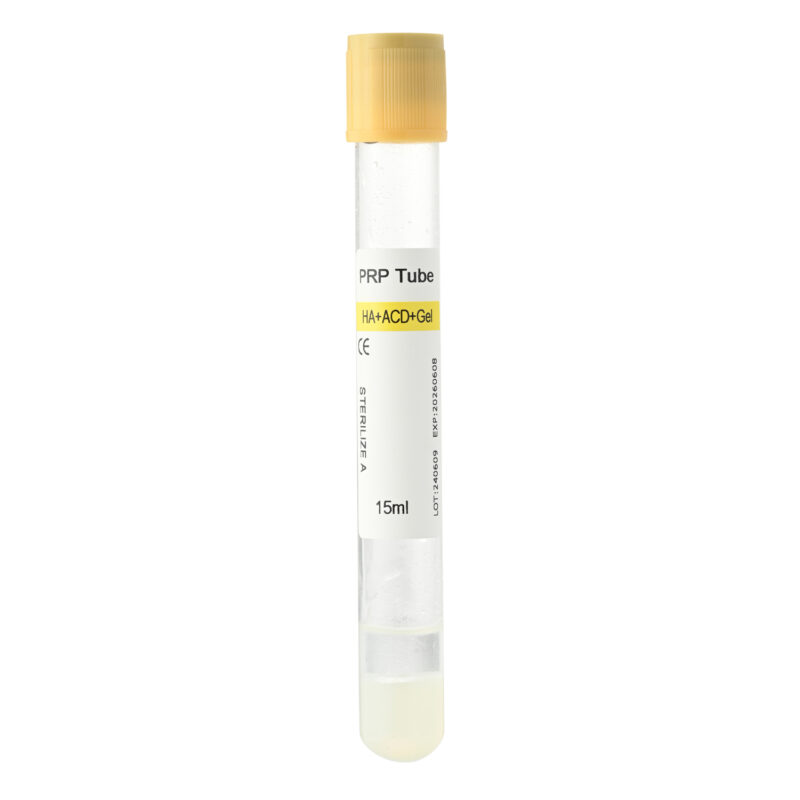
PRP tubes with gel contain a specialized separation gel positioned between the red blood cell layer and the platelet-rich plasma layer after centrifugation. During spinning, the gel moves to form a physical barrier, helping isolate plasma and platelets from heavier blood components.
These tubes are commonly used in:
- Aesthetic medicine
- Hair restoration clinics
- Facial rejuvenation procedures
- Orthopedic PRP treatments
- Sports medicine
- Dental PRP applications
The main reason many clinics prefer gel PRP tubes is convenience. The separation process tends to be cleaner and easier to repeat, especially for operators with limited laboratory experience.
Typical advantages include:
- More stable plasma separation
- Reduced mixing between layers
- Faster PRP extraction
- Lower chance of red blood cell contamination
- More user-friendly workflow
For high-volume clinics, consistency matters. A properly manufactured gel tube can help standardize preparation procedures between operators and treatment sessions.
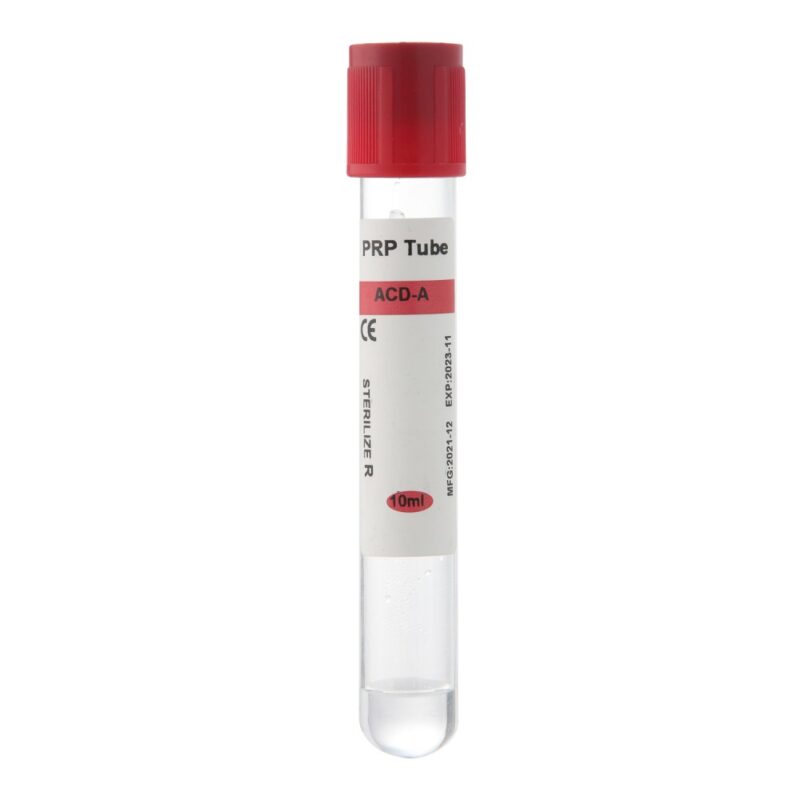
Many modern systems also combine separator gel with anticoagulants such as sodium citrate or ACD-A to improve platelet preservation during centrifugation.
Some clinics sourcing PRP consumables from suppliers such as Siny PRP often prioritize gel-based systems because they simplify daily operation and reduce variability between treatments.

What Are PRP Tubes without Gel?
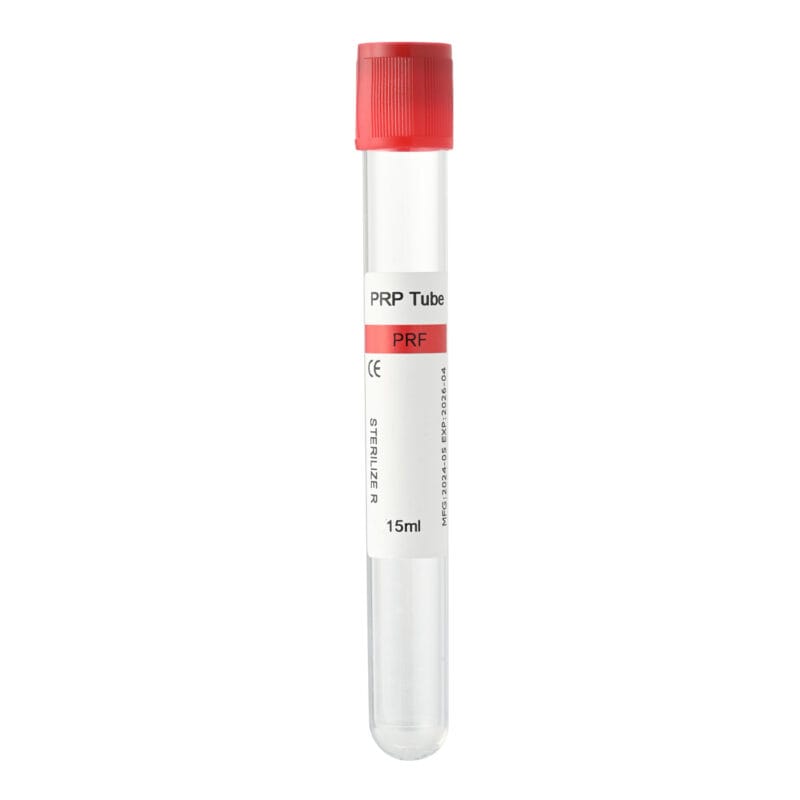
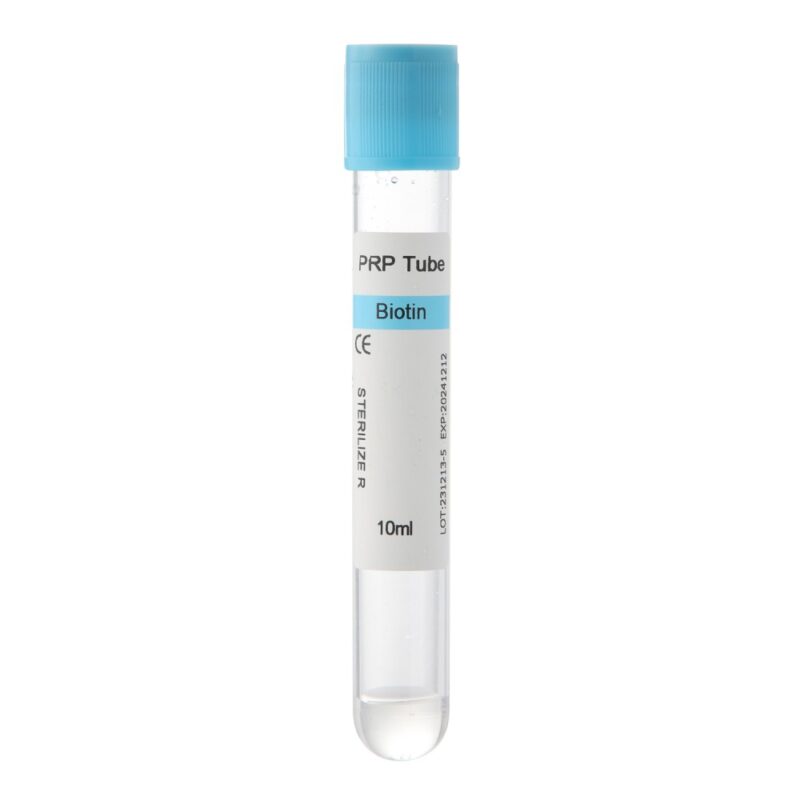
PRP tubes without gel do not contain a physical separator barrier. Instead, blood components are separated entirely through centrifugation speed, time, and operator technique.
These systems are commonly preferred by:
- Advanced PRP practitioners
- Research environments
- Laboratories
- Clinics using customized centrifugation protocols
- Professionals seeking maximum control over platelet concentration
Without gel, operators can manually extract plasma layers according to their preferred PRP formulation strategy. Some practitioners believe this allows better flexibility for obtaining leukocyte-rich PRP or higher platelet concentrations.
Non-gel PRP tubes are often associated with:
- Greater protocol customization
- Lower material complexity
- Reduced concerns about gel interaction
- Flexible plasma harvesting
- Better suitability for advanced users
However, they also require greater technical skill. Since there is no physical barrier separating layers, improper extraction can easily disturb red blood cells or unwanted leukocytes.
This becomes especially important during double-spin PRP protocols where precision strongly affects final PRP quality.
Clinics that already have experienced technicians sometimes choose non-gel systems because they want more direct control over plasma collection rather than relying on separator materials.
PRP Tubes with Gel vs. without Gel: Key Performance Differences
Although both systems are designed to produce platelet-rich plasma, their performance differs in several important areas.
| Feature | PRP Tubes with Gel | PRP Tubes without Gel |
| Separation Stability | More stable | Operator dependent |
| Ease of Use | Easier for beginners | Requires experience |
| RBC Contamination Risk | Lower | Higher if mishandled |
| Customization Flexibility | Moderate | High |
| Workflow Speed | Faster | Slower |
| Platelet Recovery Control | Standardized | More adjustable |
| Clinical Consistency | Higher | Depends on technique |
One of the biggest practical differences is workflow predictability. Gel tubes are designed to simplify separation and reduce human error. Non-gel tubes give skilled users more flexibility but also introduce more variability.
Another factor is centrifugation compatibility. Some gel tubes are optimized for specific RPM ranges and centrifuge types. Poorly matched centrifugation settings may affect gel positioning or plasma recovery quality.
Meanwhile, non-gel systems rely almost entirely on centrifugation accuracy and extraction technique. Small mistakes during plasma aspiration can significantly affect platelet concentration.
This is why many clinics moving into PRP therapy for the first time often begin with gel-based PRP tubes before transitioning into more customized protocols later.
If your clinic performs aesthetic PRP procedures daily and values operational simplicity, gel tubes may provide a smoother workflow. If your team focuses on research-driven or highly customized PRP formulations, non-gel tubes may offer more flexibility.
Which PRP Tube Is Better for Different Clinical Applications?
The “better” option depends largely on clinical goals rather than marketing claims.
Gel PRP Tubes Are Often Better For:
- Hair restoration treatments
- Facial aesthetics
- Skin rejuvenation
- High-volume clinics
- Standardized treatment workflows
- Operators seeking easier plasma isolation
These environments usually prioritize repeatability, speed, and reduced handling complexity.
Non-Gel PRP Tubes Are Often Better For:
- Research applications
- Customized PRP preparation
- Advanced orthopedic protocols
- Double-spin centrifugation methods
- Leukocyte-rich PRP preparation
- Experienced PRP practitioners
In these situations, flexibility matters more than simplified operation.
Another important consideration is training level. A clinic with multiple rotating staff members may achieve more consistent outcomes using gel tubes because the process is easier to standardize.
By contrast, highly experienced PRP specialists may prefer non-gel systems because they can manually optimize platelet concentration according to patient-specific treatment goals.
Rather than focusing only on marketing claims like “higher platelet yield,” buyers should evaluate:
- Separation consistency
- Manufacturing quality
- Sterility standards
- Anticoagulant stability
- Tube vacuum accuracy
- Centrifuge compatibility
- Regulatory documentation
- Batch consistency
These factors often have a bigger impact on clinical outcomes than whether gel is included.
Some professional buyers reviewing PRP consumables from suppliers like Siny PRP also evaluate whether the supplier can provide stable OEM production, customized labeling, and reliable export documentation for long-term purchasing partnerships.
How to Choose the Right PRP Tube Supplier
The rapid growth of the PRP industry has also created a wide quality gap between manufacturers. Two PRP tubes may appear visually similar while delivering completely different centrifugation results.
When evaluating suppliers, buyers should focus on more than price alone.
Key considerations include:
1. Gel Stability and Biocompatibility
For gel-based tubes, the separator material must maintain stable positioning during centrifugation without excessive mixing or instability.
2. Anticoagulant Accuracy
Incorrect anticoagulant ratios can affect platelet viability and plasma quality.
3. Vacuum Consistency
Poor vacuum control may result in inaccurate blood draw volumes, affecting centrifugation balance and PRP concentration.
4. Sterility and Manufacturing Standards
Reliable manufacturers should operate under ISO 13485 quality systems and provide appropriate regulatory documentation.
5. Centrifuge Compatibility
Not all PRP tubes perform equally across different centrifuge models and RPM settings.
6. Batch-to-Batch Stability
Consistent production quality becomes especially important for clinics performing large numbers of PRP procedures weekly.
Many clinics today are no longer simply buying “a tube.” They are choosing a preparation system that affects treatment efficiency, operator experience, and patient confidence.
For buyers comparing multiple options, requesting samples and conducting internal centrifugation validation is often the most practical approach before large-volume purchasing decisions.
FAQ About PRP Tubes with and without Gel
Are PRP tubes with gel safer than non-gel tubes?
Both can be safe when manufactured properly and used according to clinical protocols. The main difference is the workflow and separation method rather than basic safety.
Do gel PRP tubes produce higher platelet concentration?
Not necessarily. Platelet concentration depends on several factors, including centrifugation settings, anticoagulant formulation, blood volume, and extraction technique.
Why do some doctors avoid gel PRP tubes?
Some advanced practitioners prefer non-gel systems because they want full control over plasma extraction and platelet concentration protocols.
Are non-gel PRP tubes harder to use?
Yes. Without a separator barrier, plasma extraction requires more precision and operator experience.
Which PRP tube is better for aesthetic clinics?
Many aesthetic clinics prefer gel PRP tubes because they simplify the preparation process and reduce variability between treatments.
Can both tube types be used for hair restoration?
Yes. Both are commonly used in hair restoration procedures, depending on practitioner preference and treatment protocol.
How important is centrifuge compatibility?
Very important. Even high-quality PRP tubes can perform poorly if centrifugation speed and timing are not matched correctly.
Final Thoughts on Choosing PRP Tubes
Choosing between gel and non-gel PRP tubes is ultimately about matching the product to your clinical workflow, treatment goals, and operator experience level.
Gel PRP tubes generally provide easier handling, cleaner separation, and greater procedural consistency. Non-gel PRP tubes offer more customization and control but require higher technical precision.
Instead of focusing only on promotional claims, clinics should evaluate the full preparation system, including tube quality, anticoagulant formulation, centrifugation compatibility, and supplier reliability.
As the PRP market continues growing, clinics that select stable, well-manufactured PRP consumables are more likely to achieve consistent treatment workflows and long-term operational efficiency.
If you are currently comparing PRP tube options for your clinic or distribution business, exploring professional-grade PRP consumables from Siny PRP can help you better evaluate which tube configuration best fits your application requirements.