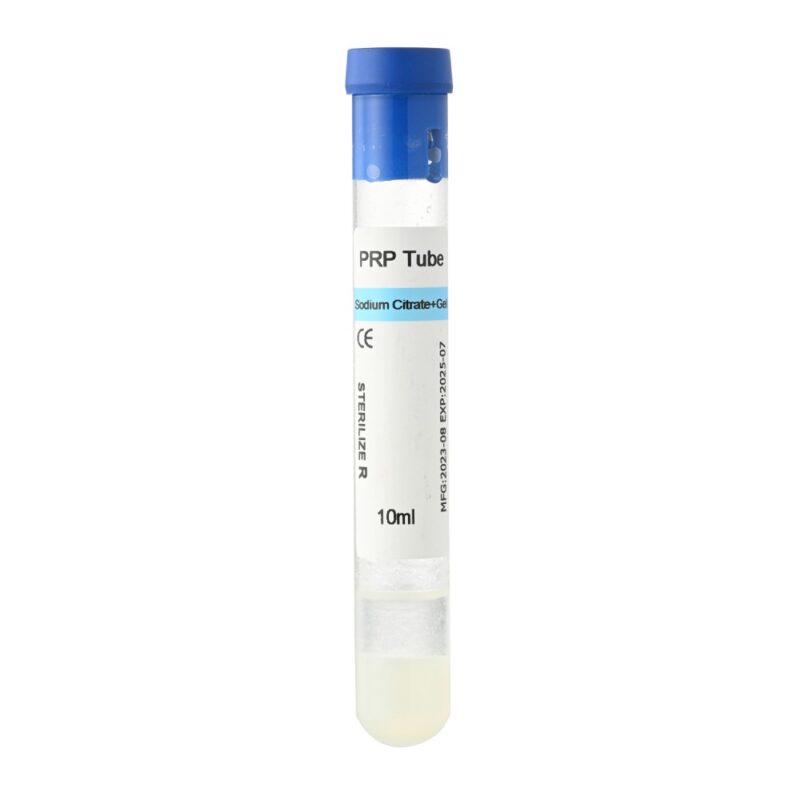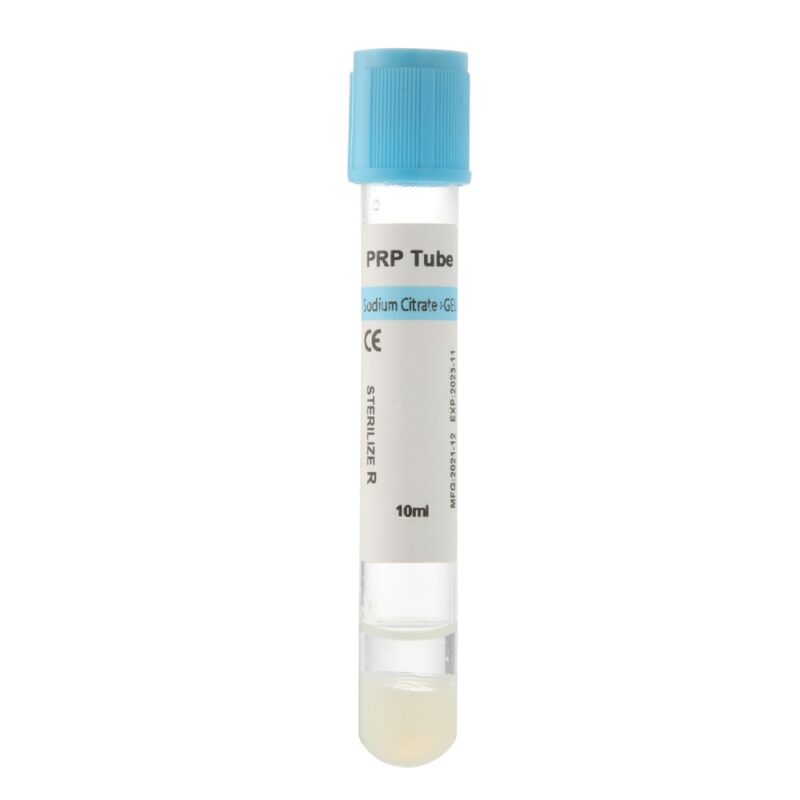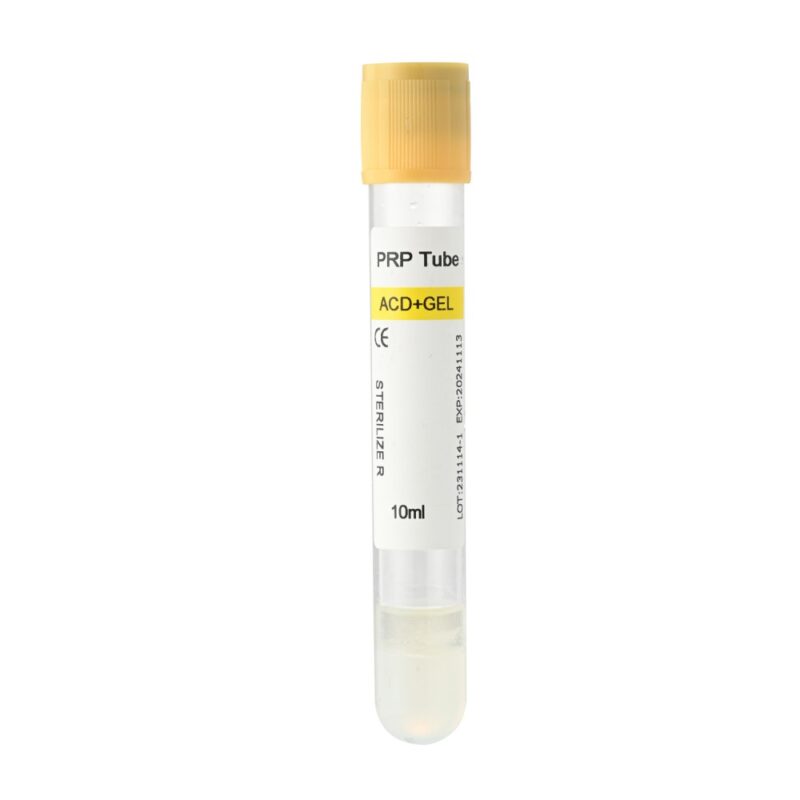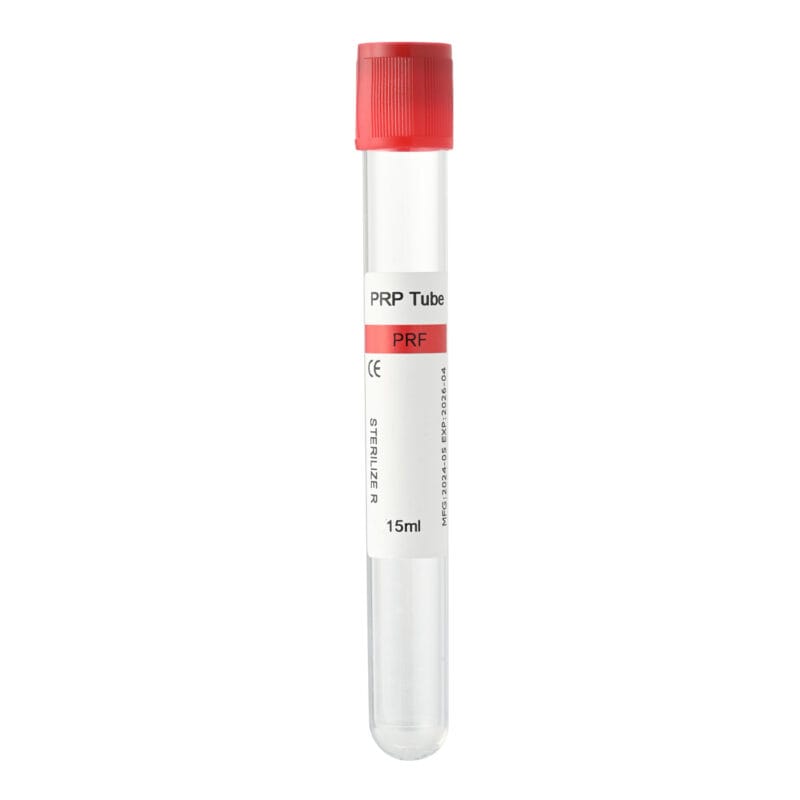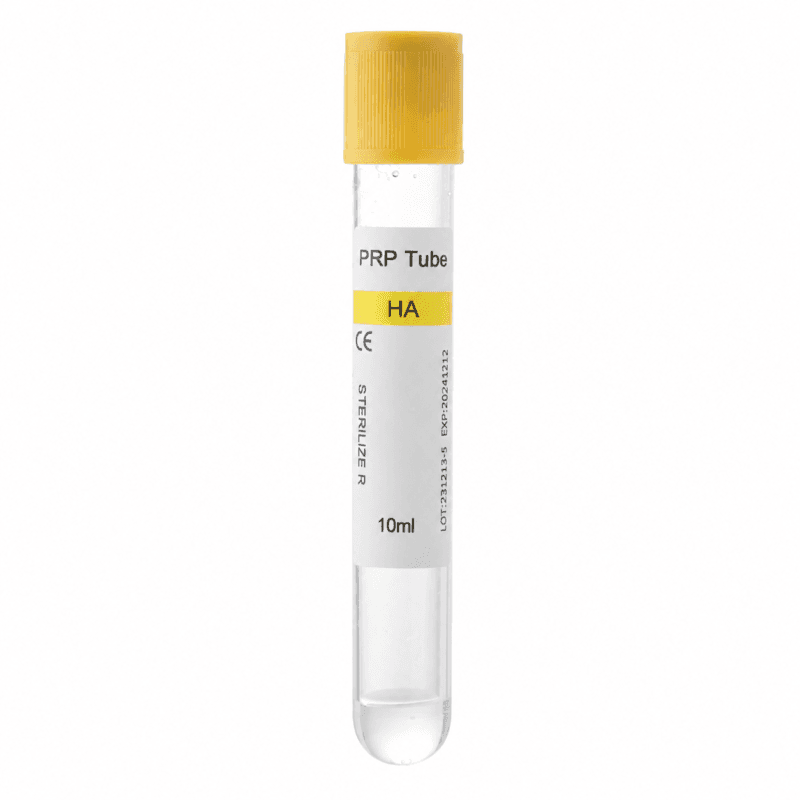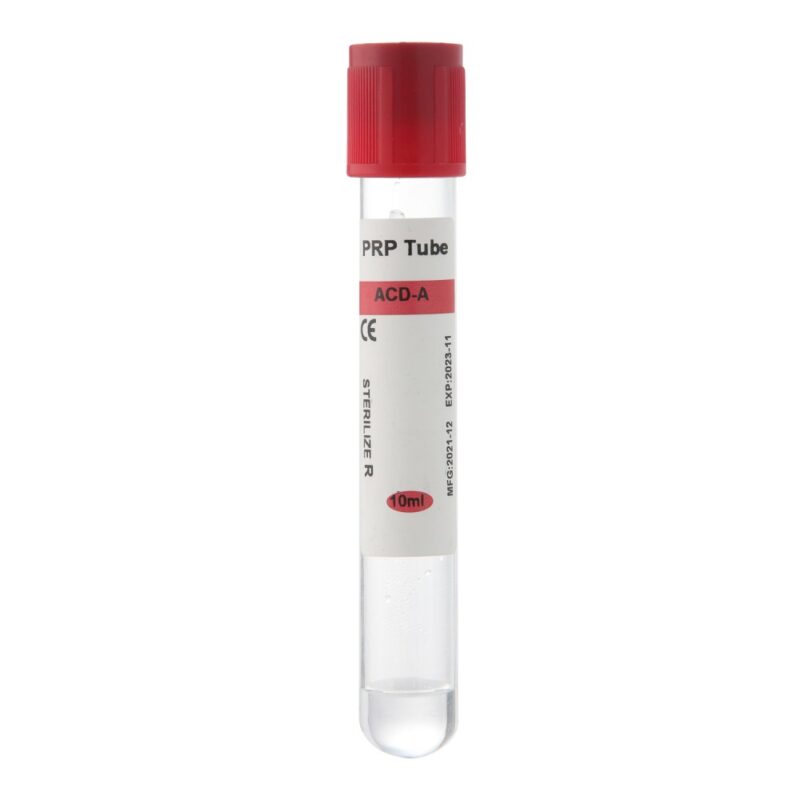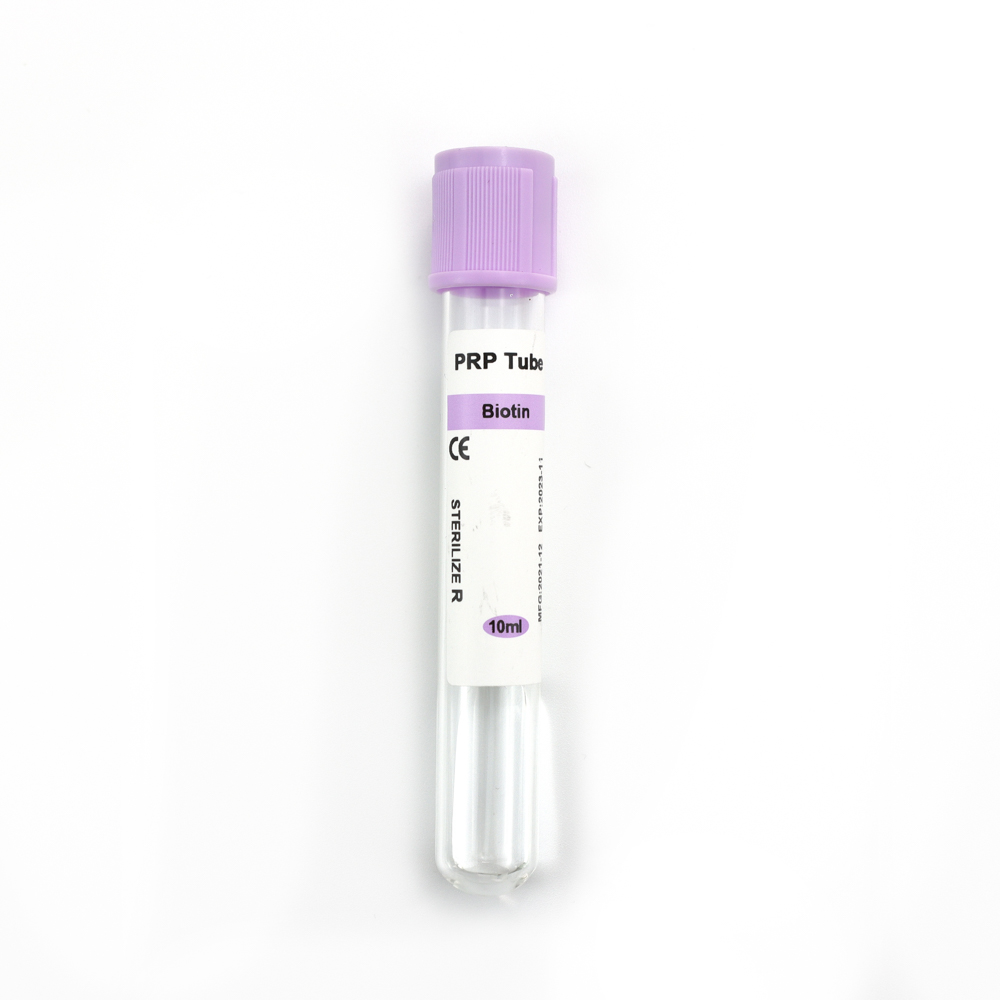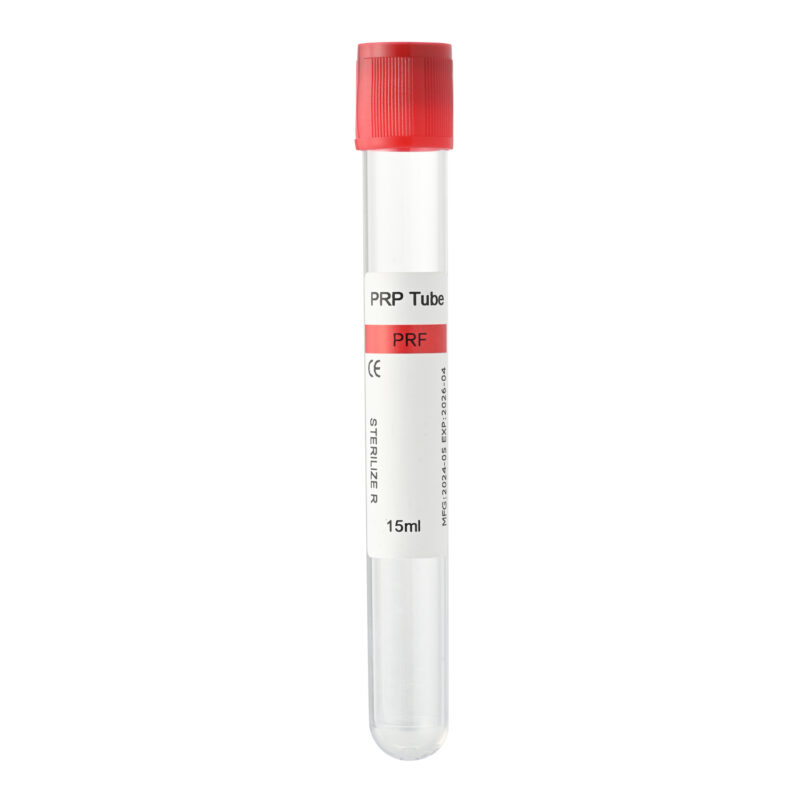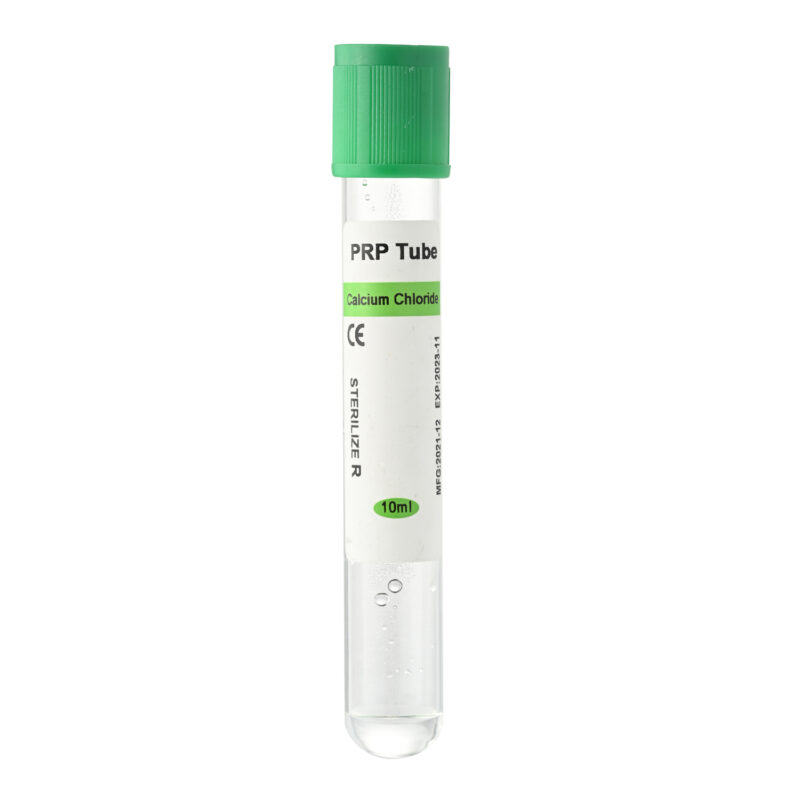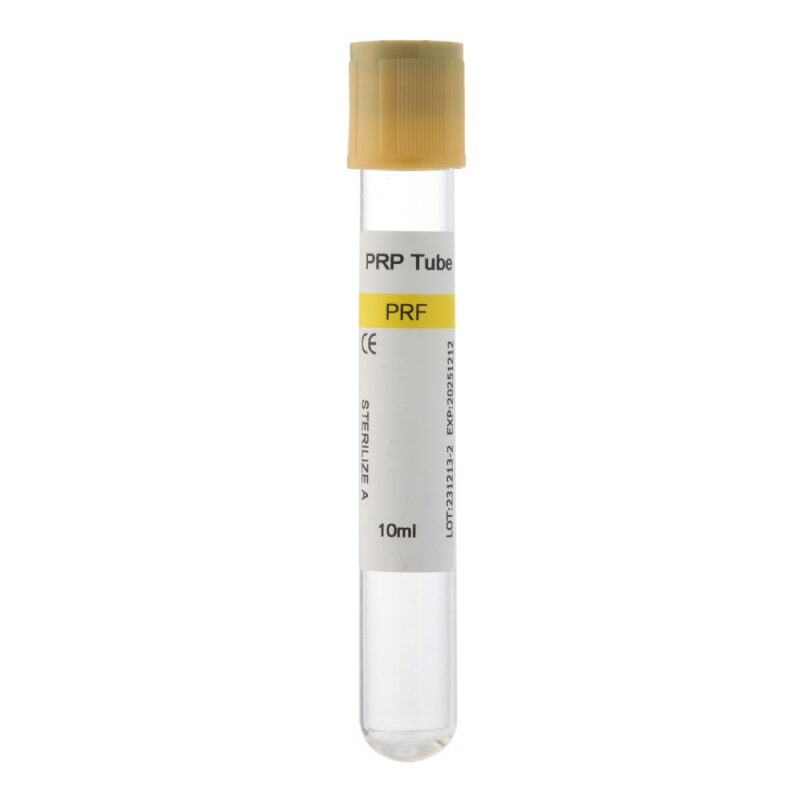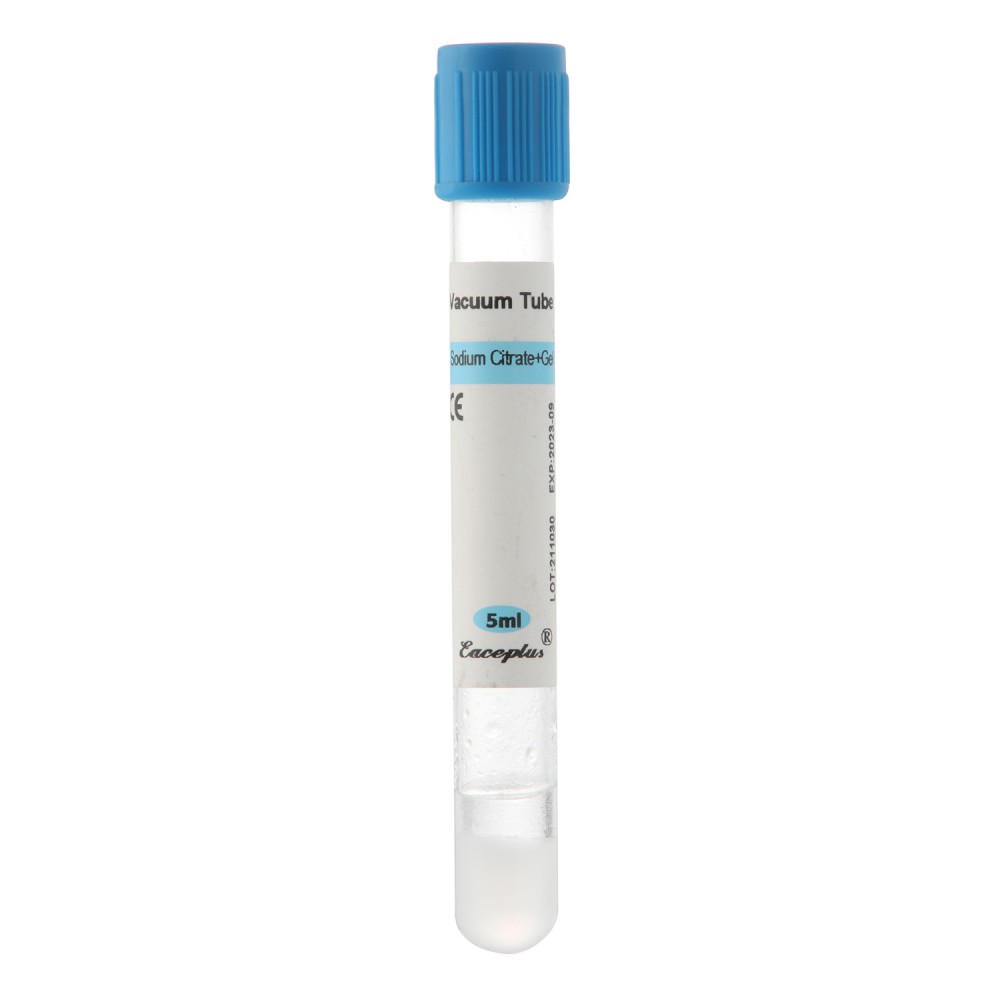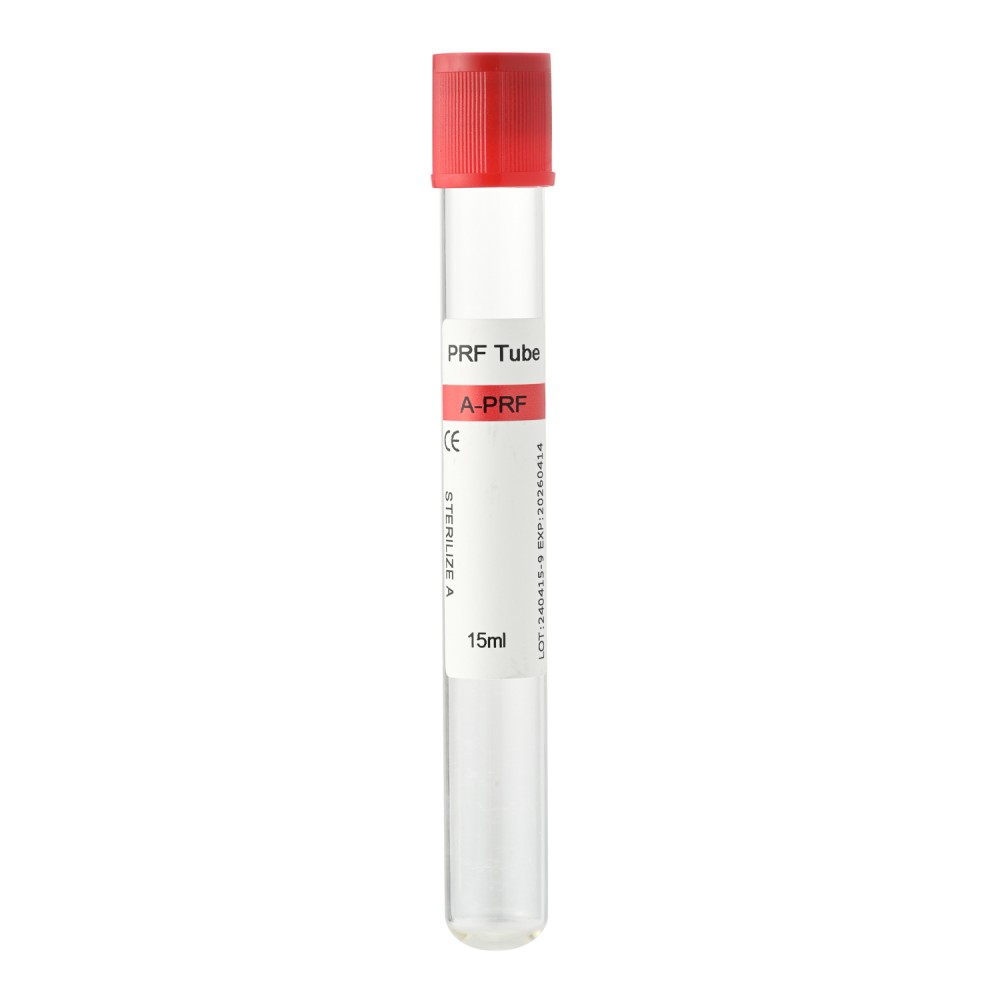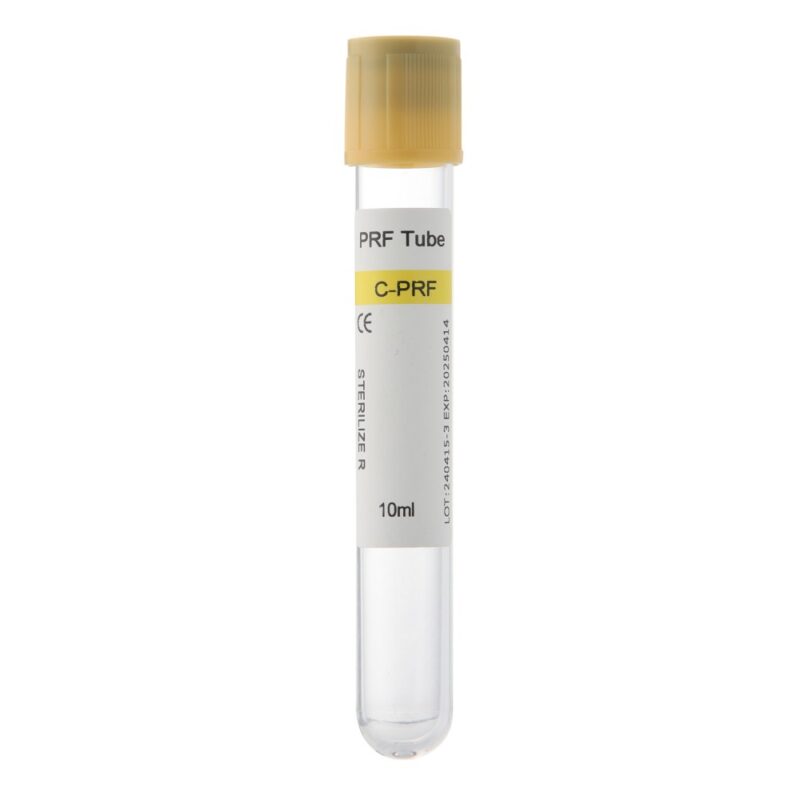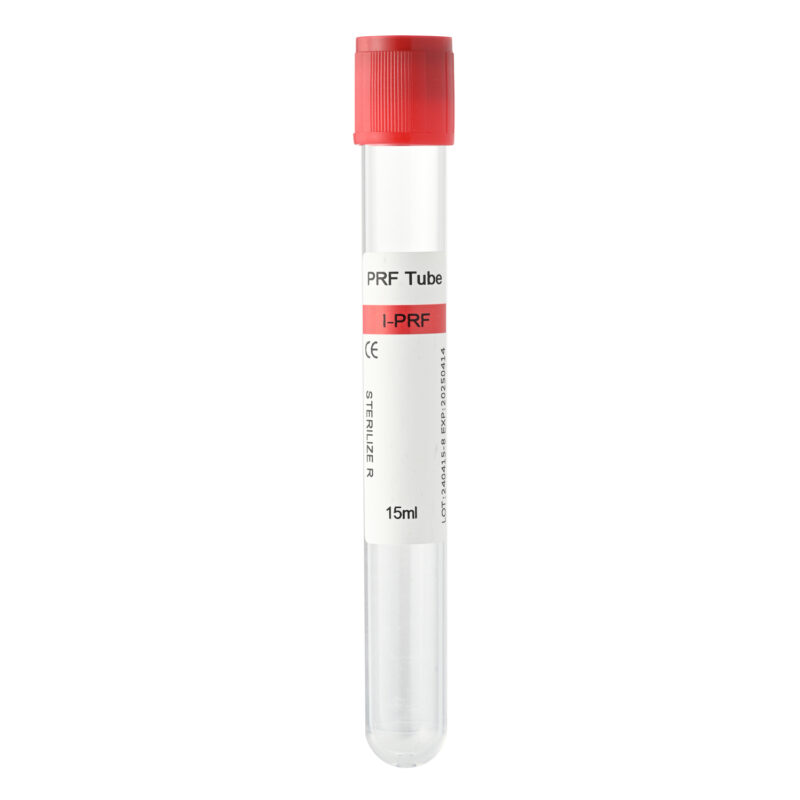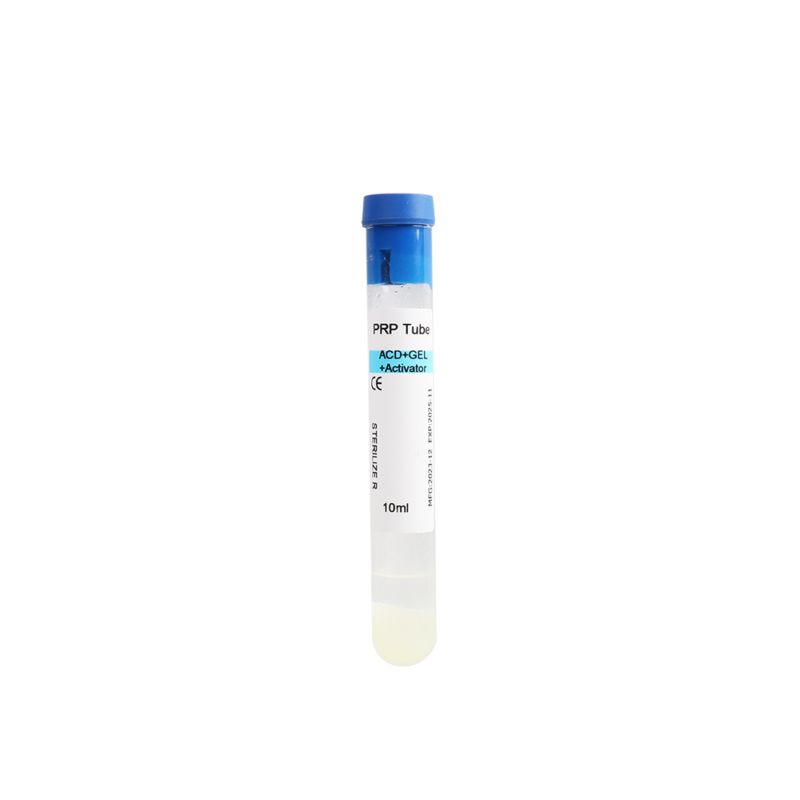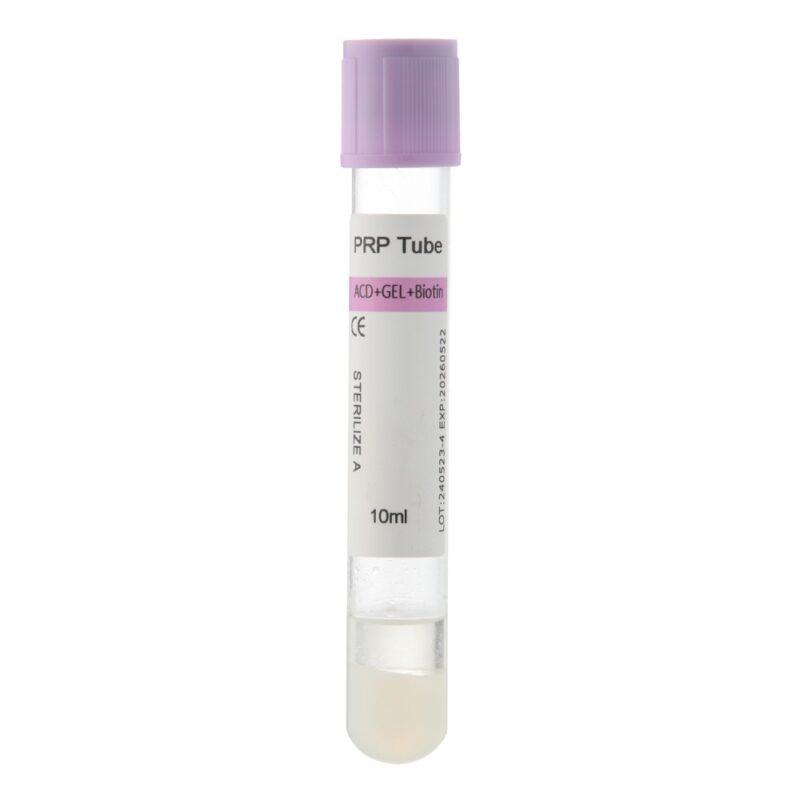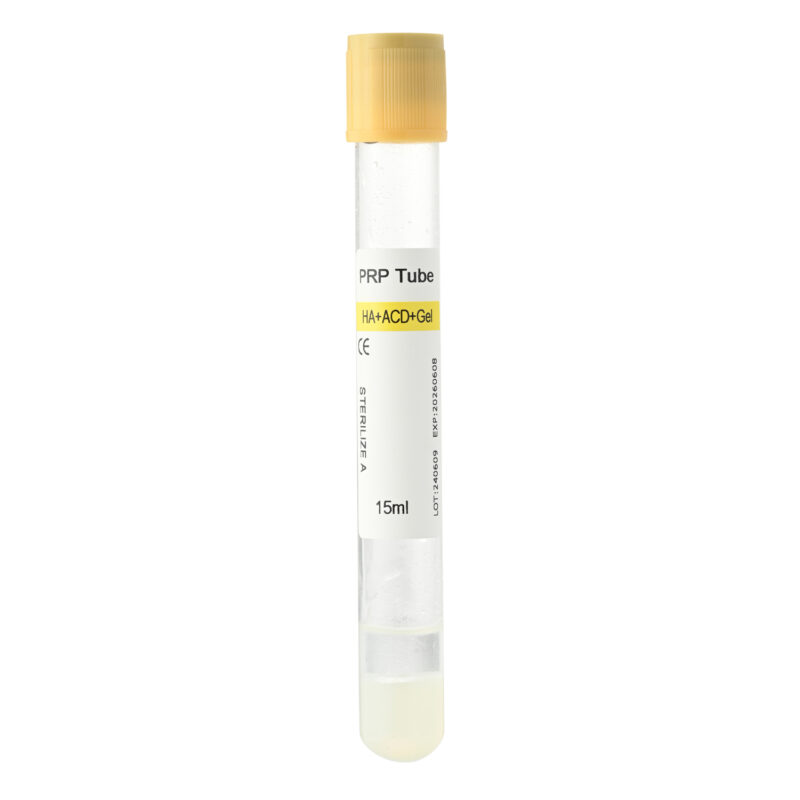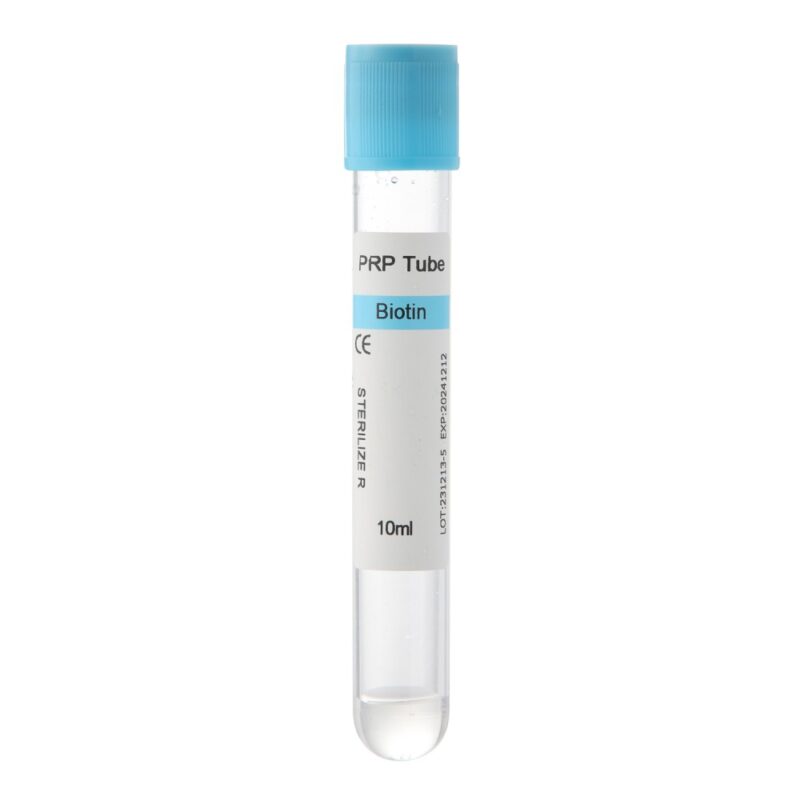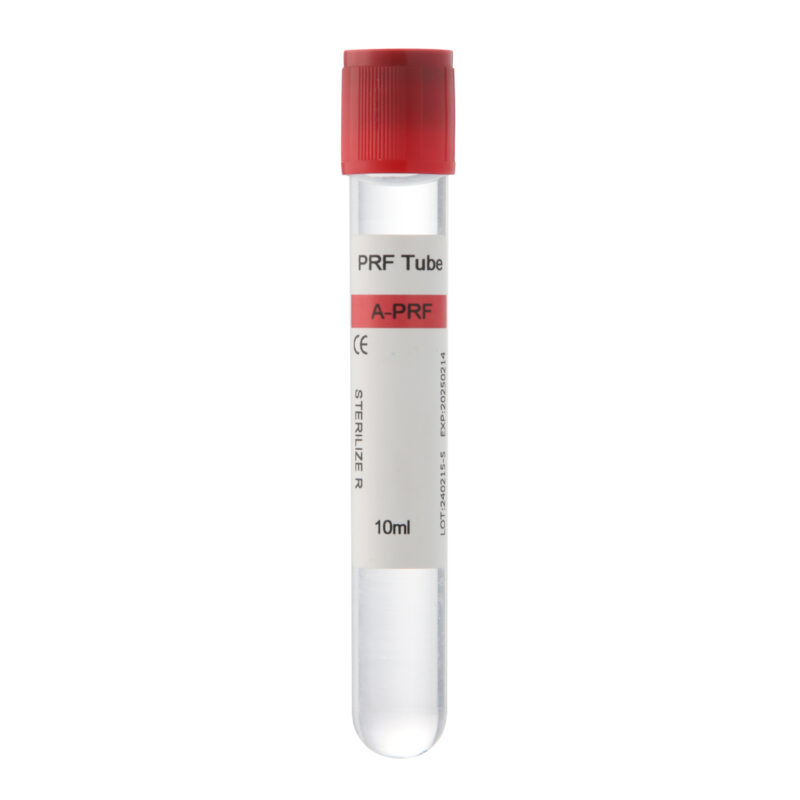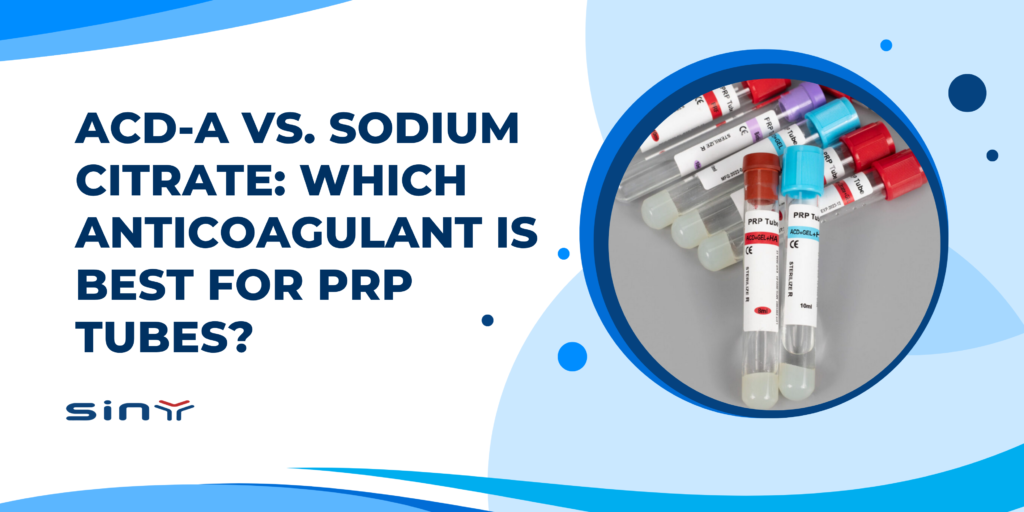
Platelet-Rich Plasma (PRP) therapy has become one of the most discussed regenerative treatment technologies in aesthetics, orthopedics, sports medicine, dentistry, and hair restoration. However, while clinicians often focus on centrifugation protocols or platelet concentration, one critical factor is frequently overlooked: the anticoagulant inside the PRP tube. Among the most commonly used anticoagulants, ACD-A and Sodium Citrate play a major role in determining platelet stability, growth factor preservation, and overall PRP preparation quality.
When blood is collected for PRP preparation, anticoagulants prevent premature clotting and help preserve platelet integrity during centrifugation. Among the most widely used options, ACD-A and Sodium Citrate are considered the industry standards. But many clinics, distributors, and purchasing managers still ask the same question: Which anticoagulant is best for PRP tubes?
The answer depends on platelet preservation goals, processing time, clinical application, and the desired quality of the final PRP product. Understanding the differences between ACD-A and Sodium Citrate is essential for selecting reliable PRP tubes that support consistent regenerative outcomes.
What Is ACD-A in PRP Tubes?
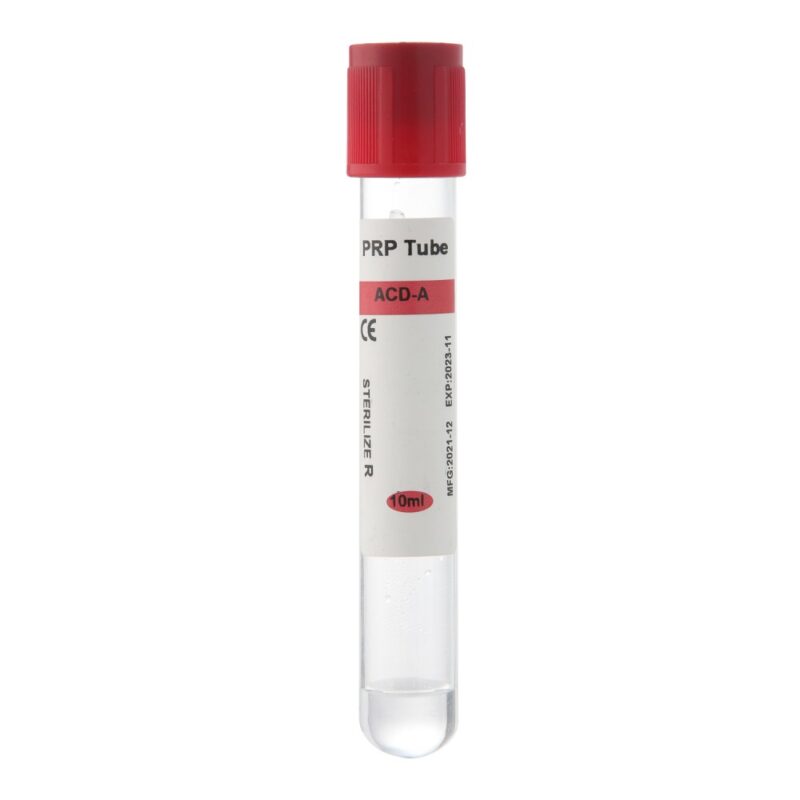
ACD-A, short for Anticoagulant Citrate Dextrose Solution A, is a specialized anticoagulant formulation commonly used in blood preservation and regenerative medicine procedures. It contains:
- Sodium citrate
- Citric acid
- Dextrose
The primary role of ACD-A is to bind calcium ions in blood, temporarily preventing coagulation during PRP preparation. Unlike standard anticoagulants, ACD-A is specifically formulated to preserve platelet viability and reduce premature platelet activation.
This is particularly important because platelets are highly sensitive cells. If they become activated too early during blood collection or centrifugation, they may release growth factors before injection, reducing therapeutic effectiveness.
In PRP systems, ACD-A is widely preferred for applications requiring:
- High platelet recovery
- Extended platelet viability
- Reduced platelet aggregation
- Improved growth factor preservation
- Longer processing windows
Because of these characteristics, ACD-A PRP tubes are frequently used in advanced aesthetic clinics, orthopedic centers, and hair restoration practices where consistency and platelet quality are priorities.
Another advantage is that the dextrose component provides an energy source that helps maintain platelet metabolism during preparation. This may improve platelet stability during longer handling procedures.
Today, many premium PRP systems on the market utilize ACD-A combined with separator gel technology to improve plasma separation efficiency and reduce red blood cell contamination.

What Is Sodium Citrate and How Does It Work in PRP Preparation?
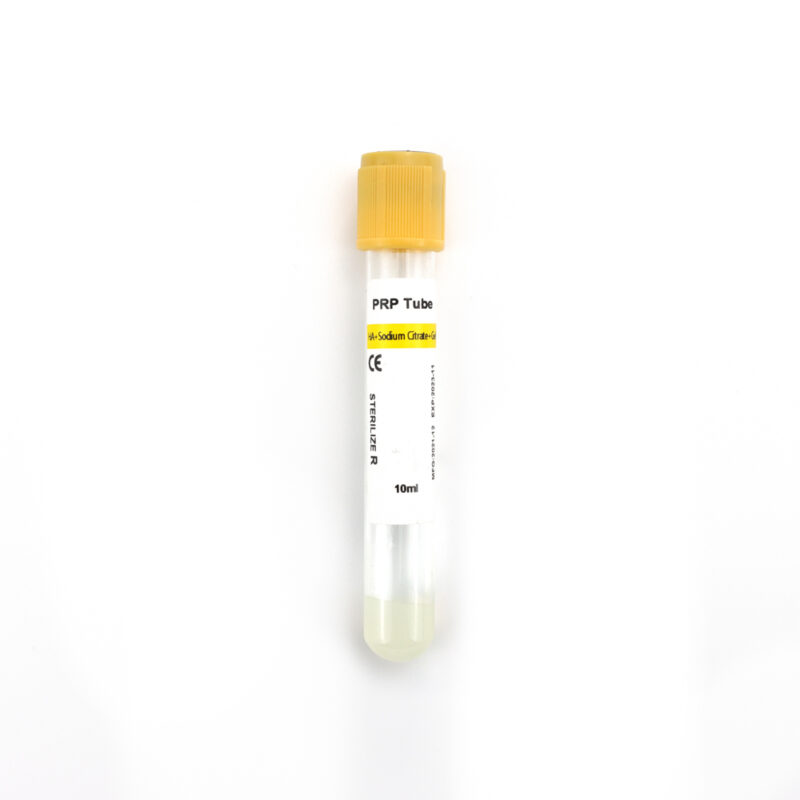
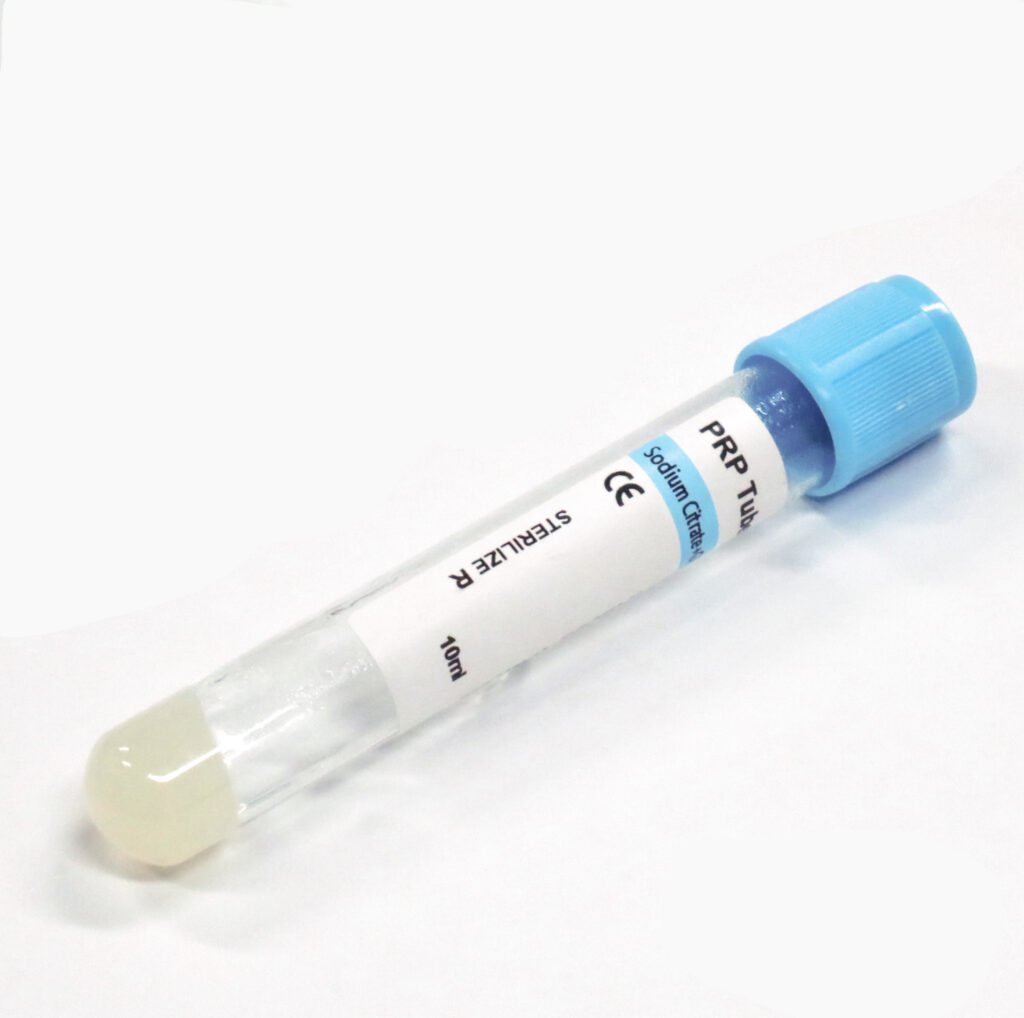
Sodium Citrate is one of the oldest and most commonly used anticoagulants in laboratory and medical applications. Like ACD-A, it prevents coagulation by chelating calcium ions in the blood.
In PRP tubes, Sodium Citrate is valued for its simplicity, affordability, and compatibility with routine blood processing workflows. It is commonly found in:
- Standard PRP tubes
- Coagulation testing tubes
- Basic regenerative therapy kits
- General blood collection systems
Compared with ACD-A, Sodium Citrate formulations are typically less complex because they do not contain dextrose or additional stabilizing components.
One reason Sodium Citrate remains popular is its ease of use. Many clinics prefer it for shorter preparation procedures where blood is processed quickly after collection.
Advantages of Sodium Citrate PRP tubes include:
- Cost-effective production
- Stable anticoagulation performance
- Widely accepted clinical use
- Simple formulation
- Good compatibility with routine centrifugation protocols
However, Sodium Citrate may not preserve platelet morphology as effectively as ACD-A during prolonged processing or delayed centrifugation. In some cases, premature platelet activation can occur earlier compared with ACD-A systems.
This does not necessarily mean Sodium Citrate is inferior. For many standard PRP applications, it performs well and provides clinically acceptable platelet recovery. The ideal choice depends on how the PRP will be prepared and used.
ACD-A vs. Sodium Citrate: Key Differences in PRP Tubes
Although both anticoagulants prevent clotting, they influence platelet behavior differently during PRP preparation.
Platelet Preservation
One of the biggest differences is platelet stability. ACD-A is generally considered more effective at maintaining platelet integrity during handling and centrifugation.
This makes ACD-A especially suitable for:
- High-concentration PRP systems
- Multi-step centrifugation procedures
- Delayed injection workflows
- Advanced regenerative applications
Sodium Citrate works well in standard workflows but may allow earlier platelet activation if processing conditions are not optimized.
Growth Factor Retention
Because ACD-A better minimizes premature activation, many clinicians believe it supports stronger preservation of growth factors before injection.
In regenerative medicine, maintaining platelet integrity until the treatment stage is critical because platelets release bioactive molecules such as:
- PDGF
- VEGF
- TGF-β
- EGF
These growth factors are central to tissue repair and healing.
Processing Flexibility
ACD-A provides a longer processing window, which can be helpful in busy clinics or multi-patient PRP sessions.
Sodium Citrate systems usually perform best when:
- Blood is processed immediately.
- Centrifugation timing is tightly controlled.
- Procedures are relatively simple.
Clinical Applications
Many advanced PRP protocols in:
- Hair restoration
- Orthopedics
- Facial aesthetics
- Sports medicine
- Dental regeneration
prefer ACD-A because platelet preservation is prioritized.
Meanwhile, Sodium Citrate remains widely used for:
- Entry-level PRP systems
- General-purpose PRP preparation
- Cost-sensitive clinical environments
Cost Considerations
Sodium Citrate is generally less expensive than ACD-A formulations. For distributors and bulk purchasers, this may influence procurement decisions.
However, clinics focused on premium PRP treatments often prioritize consistency and platelet quality over minimal cost savings.
Which Anticoagulant Is Better for Hair, Orthopedic, and Aesthetic PRP?
The “best” anticoagulant depends heavily on the intended PRP application.
PRP for Hair Restoration
Hair restoration treatments usually aim to maximize platelet viability and growth factor release. Because hair follicles respond strongly to biological signaling molecules, many practitioners prefer ACD-A PRP systems for these procedures.
ACD-A may help:
- Preserve platelet functionality.
- Reduce early platelet activation.
- Improve preparation consistency.
This is particularly important in clinics performing high patient volumes or advanced PRP hair protocols.
PRP for Orthopedic Injections
Orthopedic PRP procedures often require higher platelet concentrations and precise preparation methods. Since orthopedic treatments may involve tendon, ligament, or joint injections, platelet quality becomes especially important.
Many orthopedic specialists, therefore, favor ACD-A tubes for:
- Tendon repair PRP
- Joint injections
- Sports injury therapies
- Chronic inflammation protocols
PRP for Aesthetic Medicine
In facial rejuvenation and skin regeneration, both anticoagulants are commonly used. However, premium aesthetic clinics often lean toward ACD-A because it supports more stable platelet preservation during cosmetic procedures.
When Sodium Citrate May Be Preferred
Sodium Citrate still offers practical advantages in:
- Basic PRP applications
- Smaller clinics
- Budget-sensitive markets
- Rapid same-session processing
For many standard procedures, Sodium Citrate can deliver reliable clinical performance when paired with proper centrifugation protocols.
The most important factor is not simply the anticoagulant alone, but the overall PRP tube quality, manufacturing consistency, sterility standards, separator gel performance, and compatibility with clinical workflows.
Clinics looking for dependable regenerative medicine consumables often evaluate suppliers based on:
- Tube material quality
- Anticoagulant stability
- Sterility validation
- Centrifugation compatibility
- Regulatory documentation
- Manufacturing consistency
Professional PRP manufacturers such as Siny PRP offer multiple PRP tube configurations designed for different clinical requirements and international distribution needs.

How to Choose the Right PRP Tube Anticoagulant
Selecting the right PRP tube involves more than simply comparing anticoagulant names. Clinics and distributors should evaluate the entire PRP preparation system.
Here are several practical considerations:
Consider Your Treatment Type
Different procedures may require different platelet characteristics. Hair restoration and orthopedic treatments often demand stronger platelet preservation compared with basic cosmetic procedures.
Evaluate Centrifugation Protocols
Some anticoagulants perform better under specific centrifugation speeds and durations. Always verify compatibility between:
- PRP tube
- Centrifuge
- Clinical protocol
Prioritize Manufacturing Quality
Even the best anticoagulant cannot compensate for poor tube manufacturing quality. Low-grade separator gel or inconsistent vacuum control can negatively affect PRP separation performance.
Check Sterility and Certification Standards
Reliable PRP tube manufacturers should provide:
- CE certification
- ISO 13485 compliance
- Sterility validation
- Product technical documentation
Think About Workflow Efficiency
Busy clinics may benefit from anticoagulants that provide longer preparation flexibility and improved platelet stability.
Ultimately, both ACD-A and Sodium Citrate can produce effective PRP when properly used. The best option depends on the clinical objective, workflow, and desired PRP characteristics.
FAQ About ACD-A vs. Sodium Citrate in PRP Tubes
Is ACD-A better than Sodium Citrate for PRP?
ACD-A is often preferred for advanced PRP applications because it may better preserve platelet viability and reduce premature platelet activation. However, Sodium Citrate remains effective for many standard PRP procedures.
Why do PRP tubes use anticoagulants?
Anticoagulants prevent blood clotting during PRP preparation, allowing platelets to remain suspended until centrifugation and injection are completed.
Does ACD-A increase platelet concentration?
ACD-A itself does not directly increase platelet concentration, but it may help maintain platelet integrity during processing, which can improve the quality of the final PRP product.
Is Sodium Citrate safe for PRP preparation?
Yes. Sodium Citrate has been widely used in blood collection and PRP systems for many years and is considered safe when manufactured according to medical standards.
Which anticoagulant is more commonly used in premium PRP systems?
Many premium PRP systems use ACD-A because of its platelet preservation characteristics, especially in regenerative medicine and hair restoration applications.
Can clinics switch between ACD-A and Sodium Citrate tubes?
Yes, but centrifugation protocols and preparation procedures may need adjustment because platelet behavior can differ between anticoagulants.
Final Thoughts
The debate between ACD-A vs. Sodium Citrate is not about identifying a universally “perfect” anticoagulant. Instead, it is about selecting the right PRP tube system for specific clinical goals.
ACD-A is often favored in advanced regenerative medicine because of its platelet preservation capabilities and processing flexibility. Sodium Citrate, meanwhile, remains a practical and reliable solution for routine PRP applications and cost-sensitive workflows.
For clinics, distributors, and medical professionals, understanding these differences helps improve PRP consistency, treatment reliability, and overall patient outcomes.
As the PRP industry continues evolving, the importance of high-quality PRP consumables will only increase. Working with experienced PRP tube manufacturers can help ensure stable anticoagulant performance, reliable separation efficiency, and consistent regenerative therapy preparation.