Platelet-rich plasma therapy has become one of the most widely used regenerative treatments in modern medicine. Clinics use it for hair restoration, orthopedic injuries, dermatology, and facial rejuvenation. Because outcomes depend heavily on the quality of platelet concentration and preparation methods, understanding how to prepare for PRP injection is critical for both practitioners and clinics planning to offer this treatment.
Preparation is not only about patient instructions. It also involves selecting the appropriate PRP tubes, handling blood samples correctly, and ensuring adherence to proper centrifugation protocols. When these elements are optimized together, the treatment can deliver a higher concentration of growth factors and more consistent clinical results.
For clinics considering expanding PRP services, understanding the full preparation process can also help determine the necessary equipment and consumables. Many practitioners find that choosing reliable PRP preparation systems simplifies the workflow and improves treatment consistency.
Understanding PRP Therapy Before Preparing for PRP Injection
Before discussing how to prepare for PRP injection, it helps to briefly understand what platelet-rich plasma actually is.
PRP is a concentration of platelets derived from the patient’s own blood. Platelets contain growth factors that support tissue repair, collagen production, and cellular regeneration. During treatment, a small volume of blood is drawn and processed using a centrifuge to isolate the platelet-rich fraction. This concentrated plasma is then injected into the targeted treatment area.
PRP injections are widely used in several medical fields:
- Hair restoration for androgenetic alopecia
- Orthopedic therapy for tendon and ligament injuries
- Dermatology for skin rejuvenation
- Dental procedures and oral surgery
- Sports medicine recovery treatments
Although the concept is simple, the effectiveness of PRP therapy depends on proper preparation. Factors such as platelet concentration, anticoagulant selection, and centrifugation speed can significantly influence the quality of the final plasma product.
For this reason, clinics often invest time in selecting standardized PRP preparation systems. High-quality PRP tubes and reliable processing methods help maintain consistency between treatments and reduce variability in platelet yield.

How to Prepare for PRP Injection: Patient Preparation Guidelines
When explaining how to prepare for PRP injection, patient preparation usually begins several days before the procedure.
Patients are generally advised to avoid anti-inflammatory medications such as ibuprofen or aspirin for at least one week before treatment. These medications can interfere with platelet activity and may reduce the effectiveness of platelet-rich plasma therapy.
Hydration also plays an important role. Drinking sufficient water before the procedure can improve blood flow and make blood collection easier. Proper hydration may also help increase plasma volume, which can improve PRP processing.
Another important consideration is lifestyle preparation. Patients are typically encouraged to avoid alcohol and smoking for at least 24 to 48 hours prior to treatment. Both alcohol and nicotine may affect platelet function and healing response.
On the day of the procedure, patients should eat a light meal and arrive well hydrated. Since the treatment requires blood collection, maintaining stable blood sugar levels can help prevent dizziness or discomfort during the procedure.
Clinics that clearly communicate these preparation steps often report smoother treatment workflows and more consistent patient experiences.
Clinical Workflow: Preparing Equipment and PRP Tubes
Beyond patient preparation, clinics must also prepare the equipment needed for the procedure. Understanding this part of how to prepare for PRP injection is especially important for practitioners setting up PRP services for the first time.
The standard workflow usually includes the following steps:
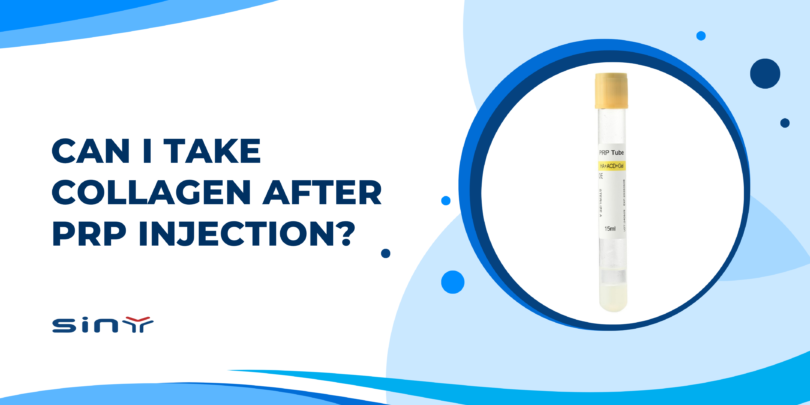
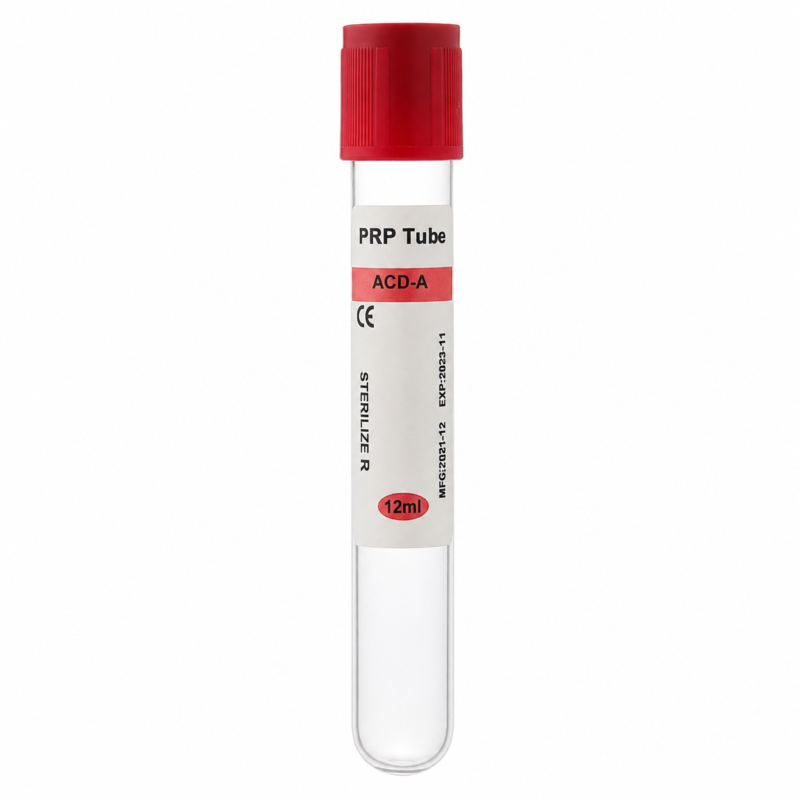
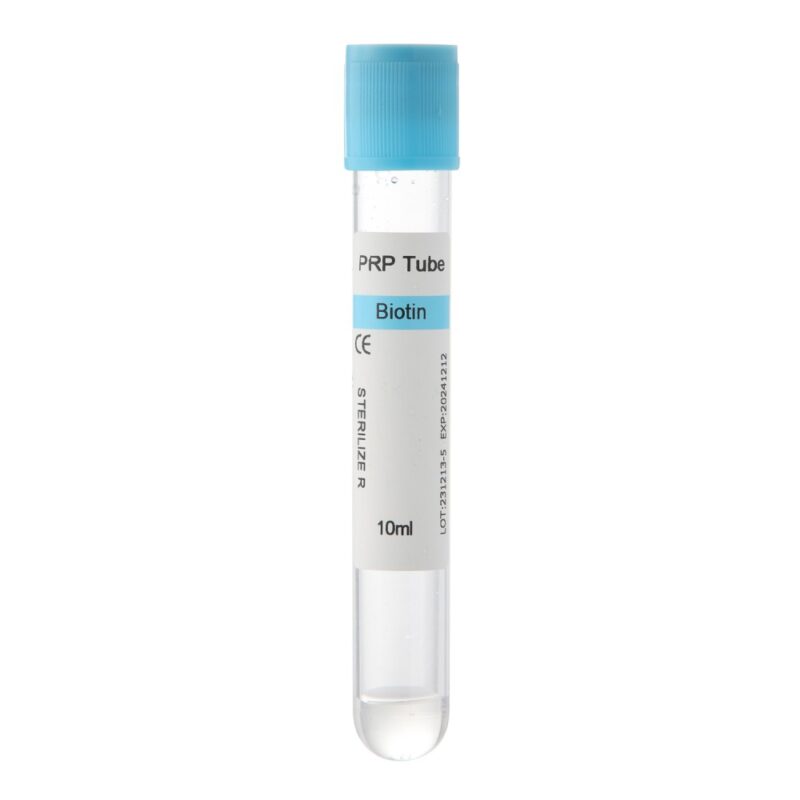
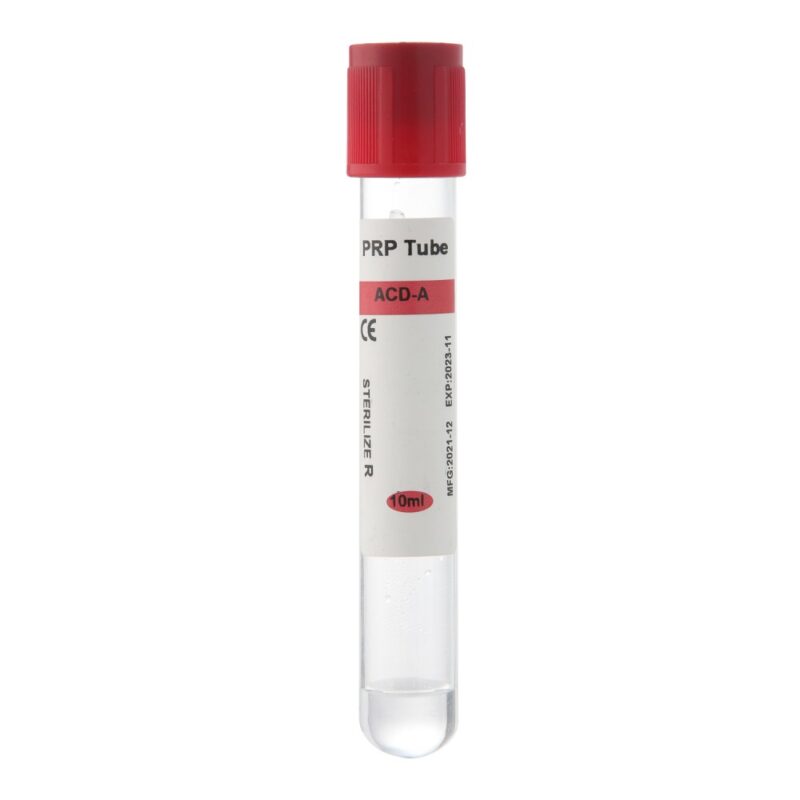
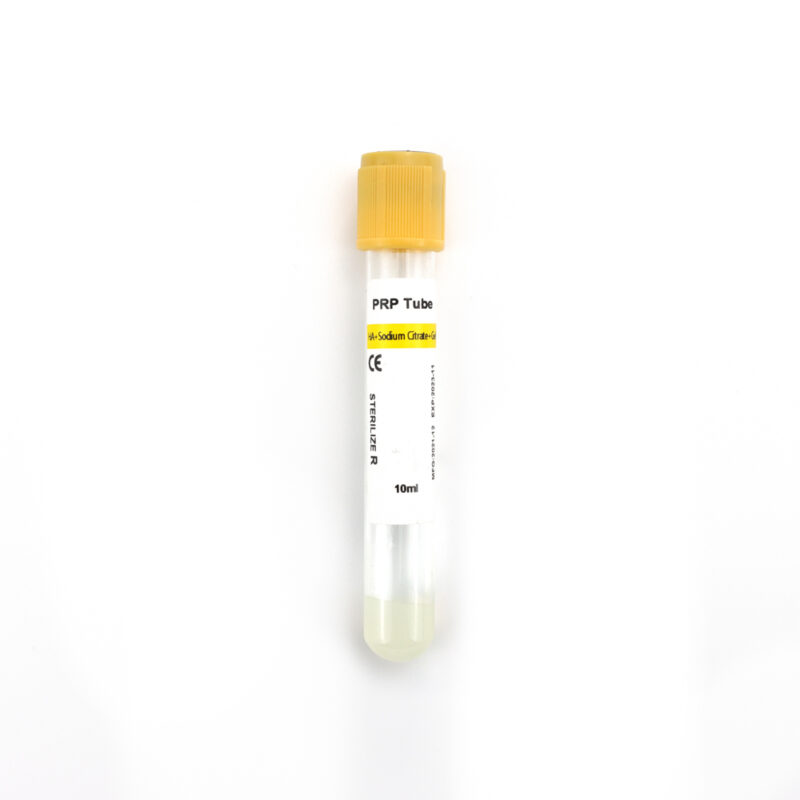
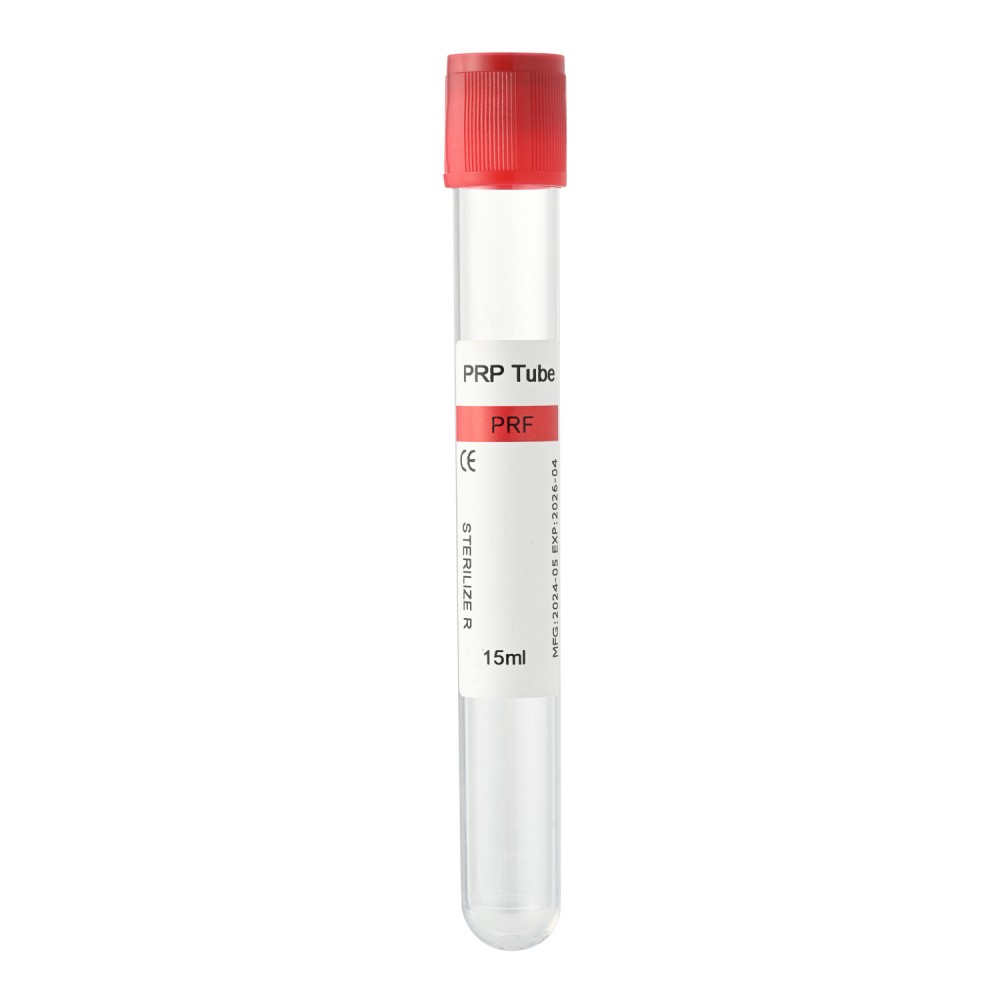
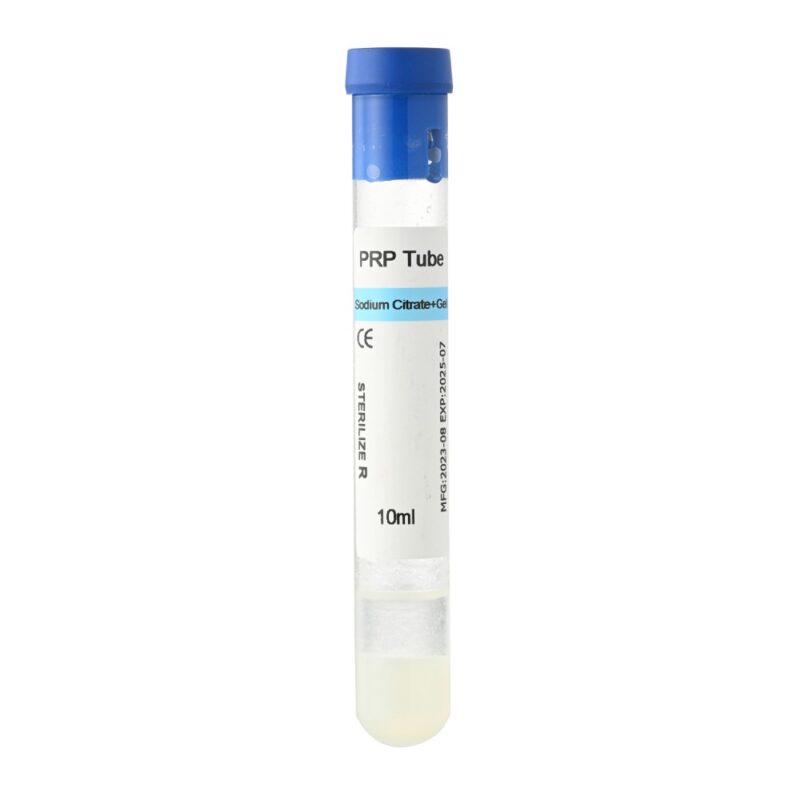
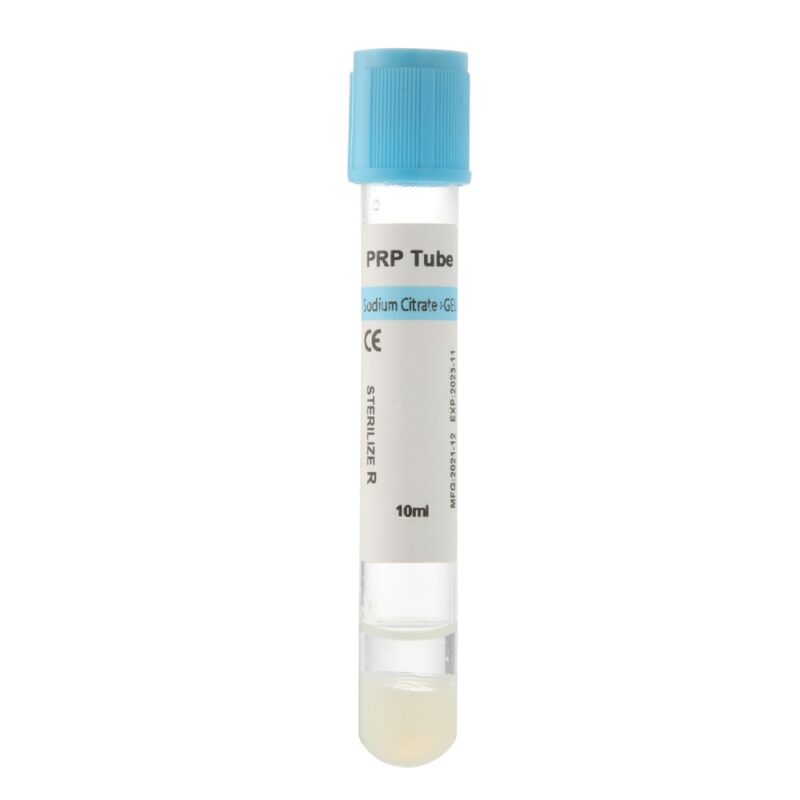
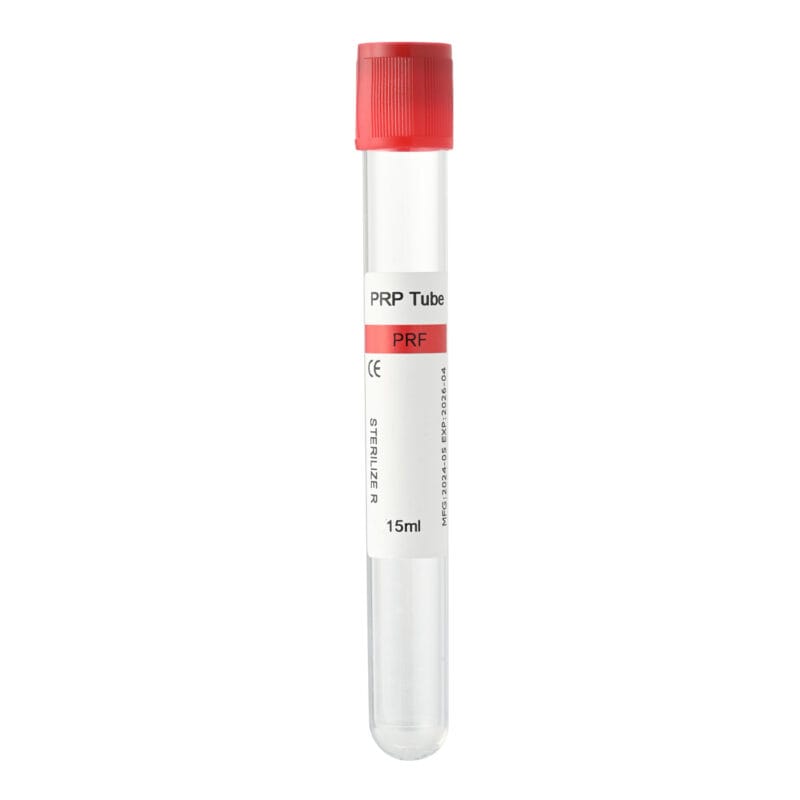
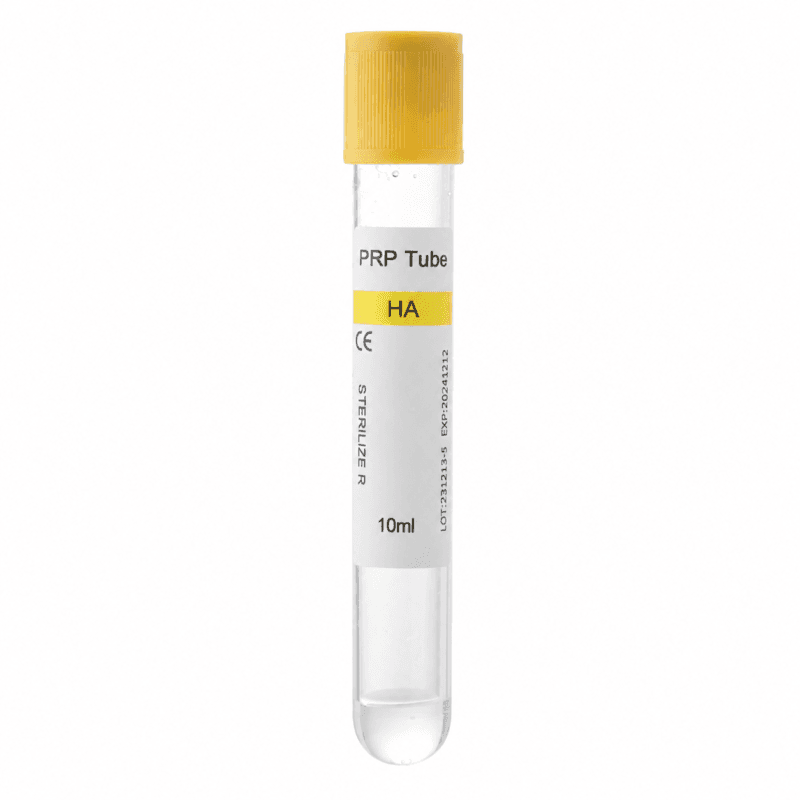
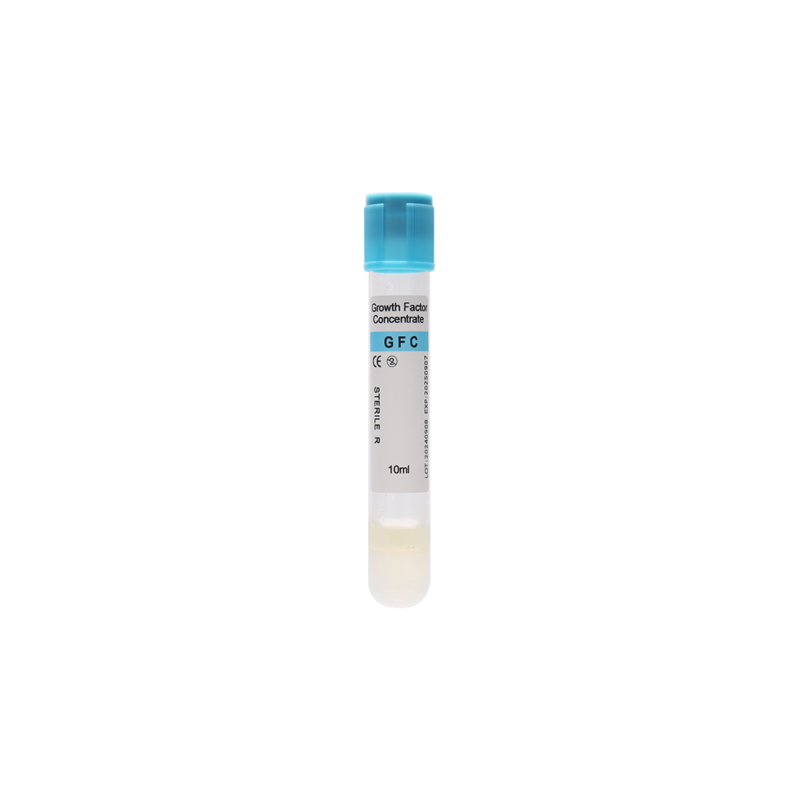
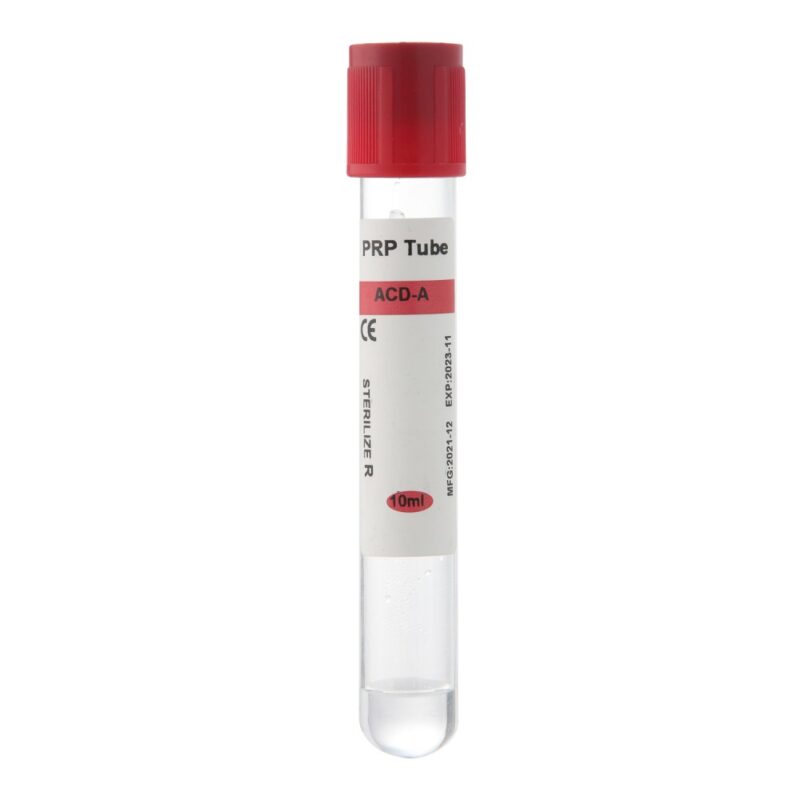
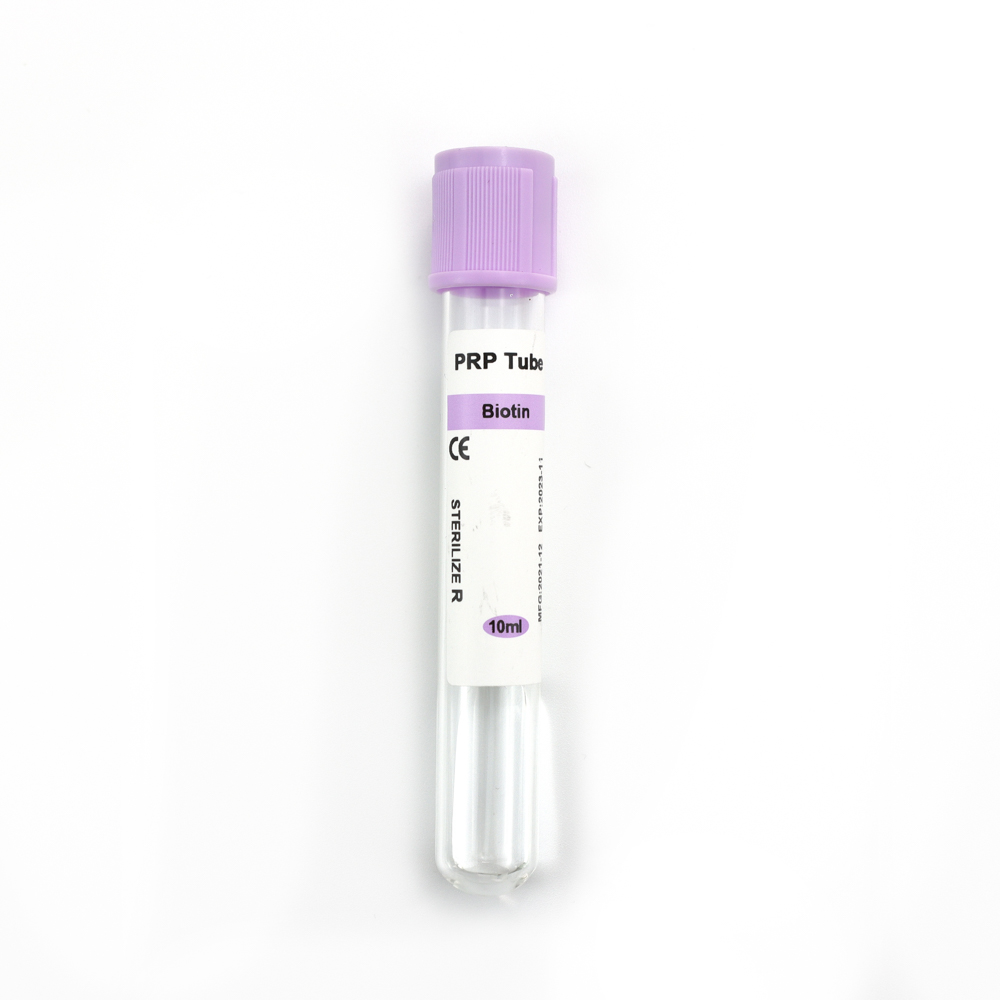
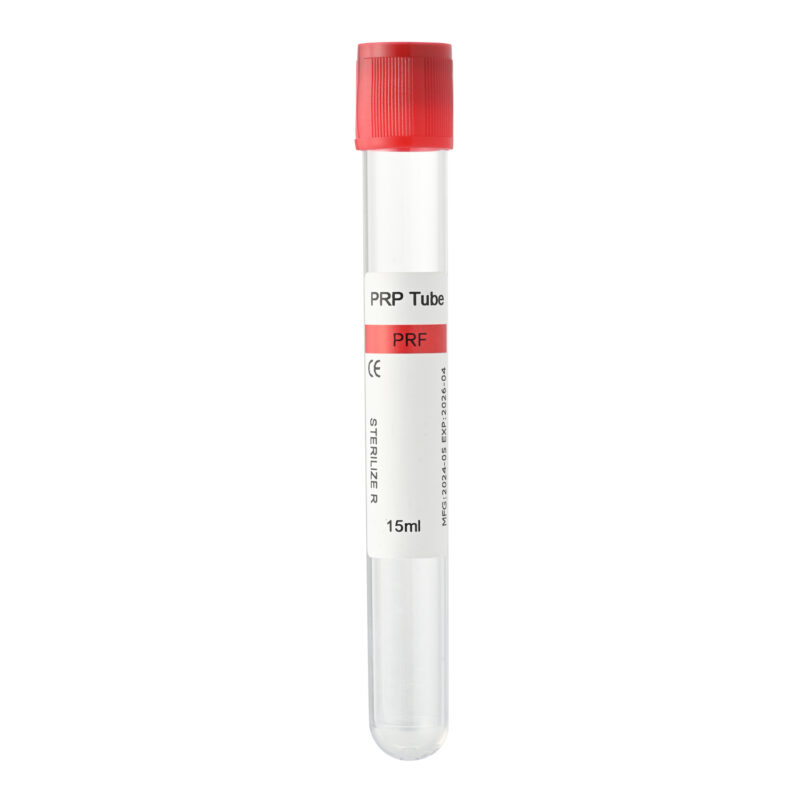
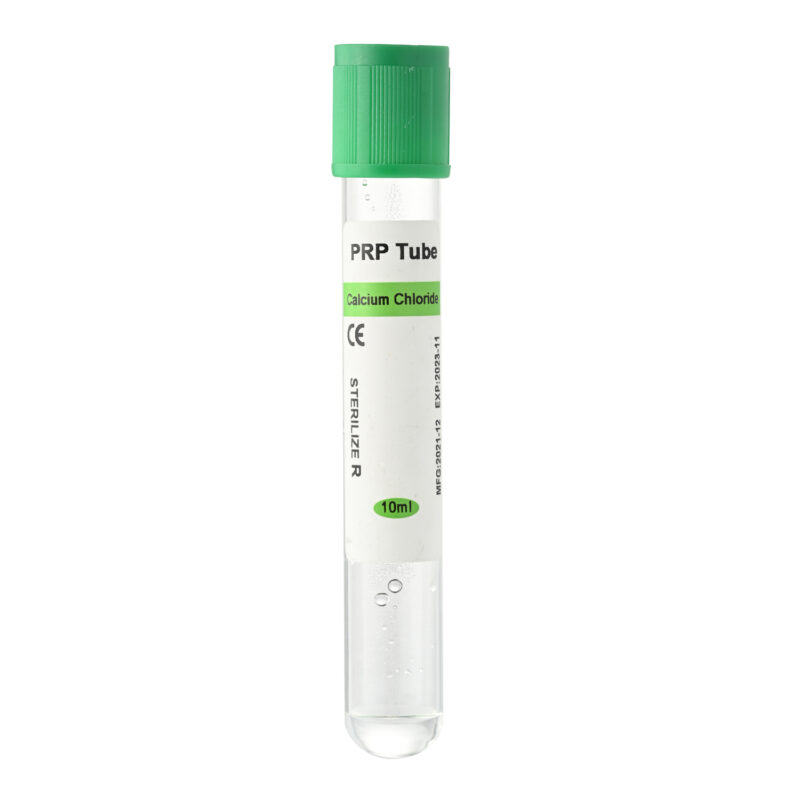
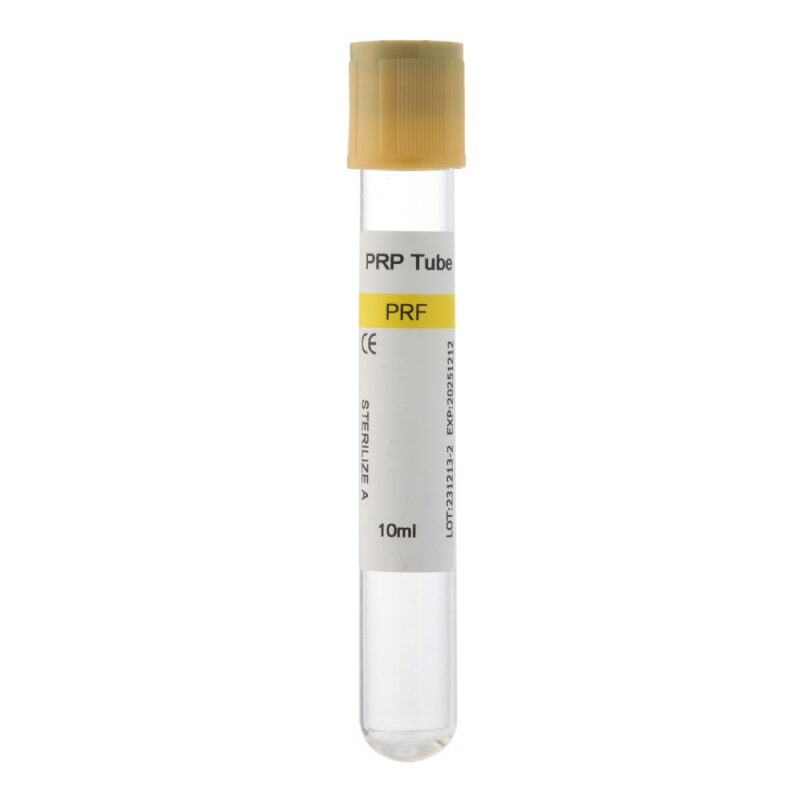
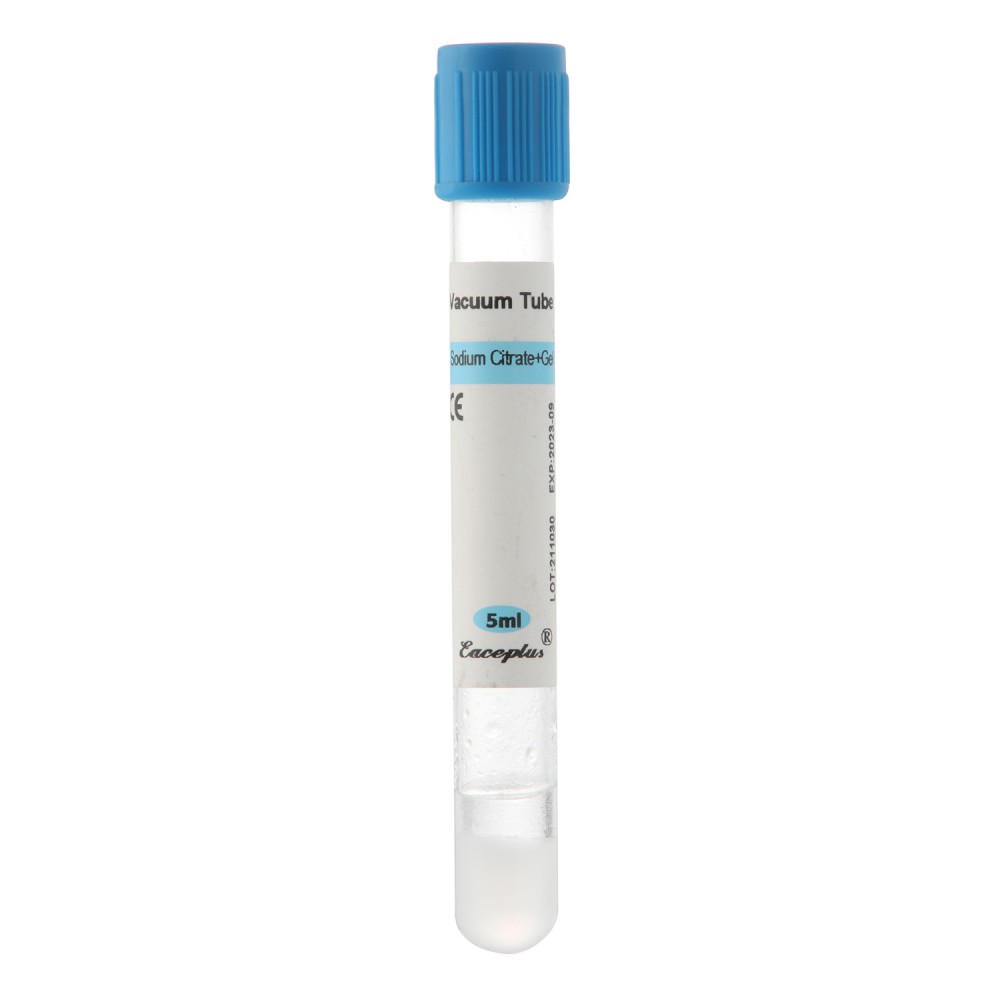
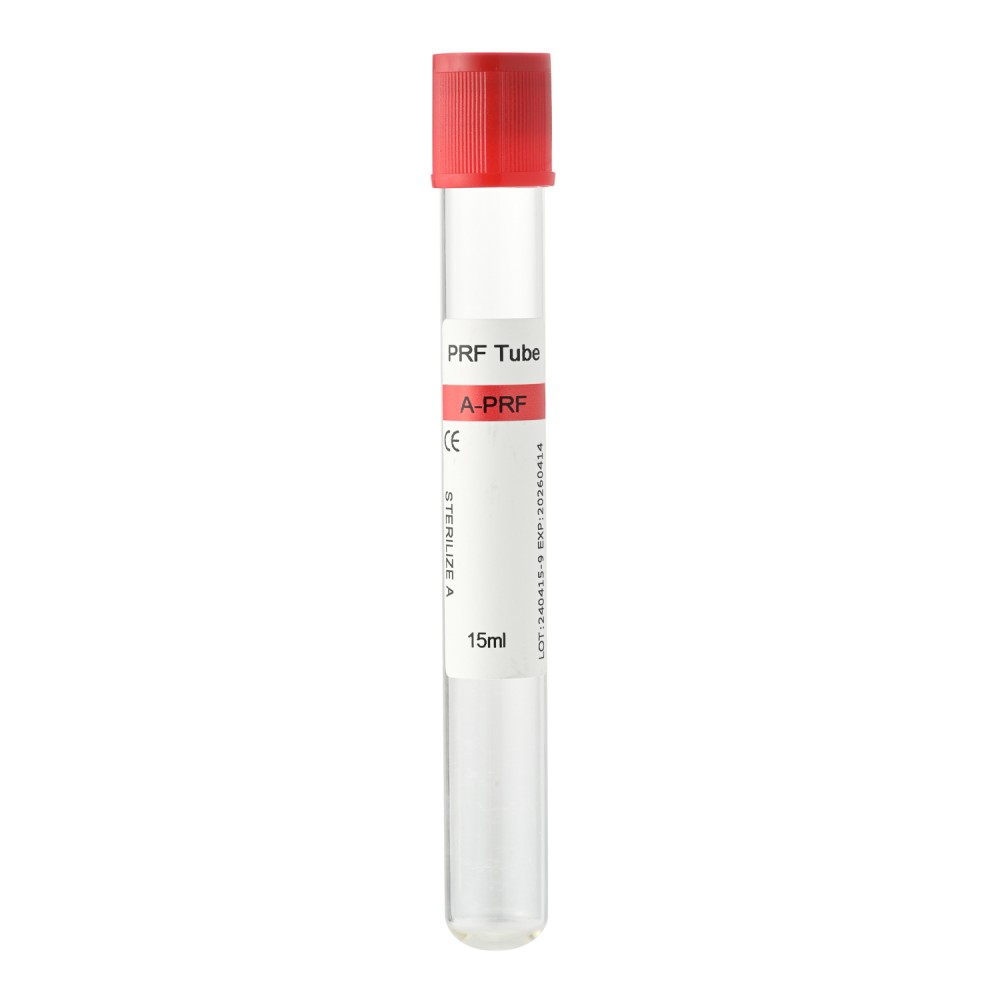
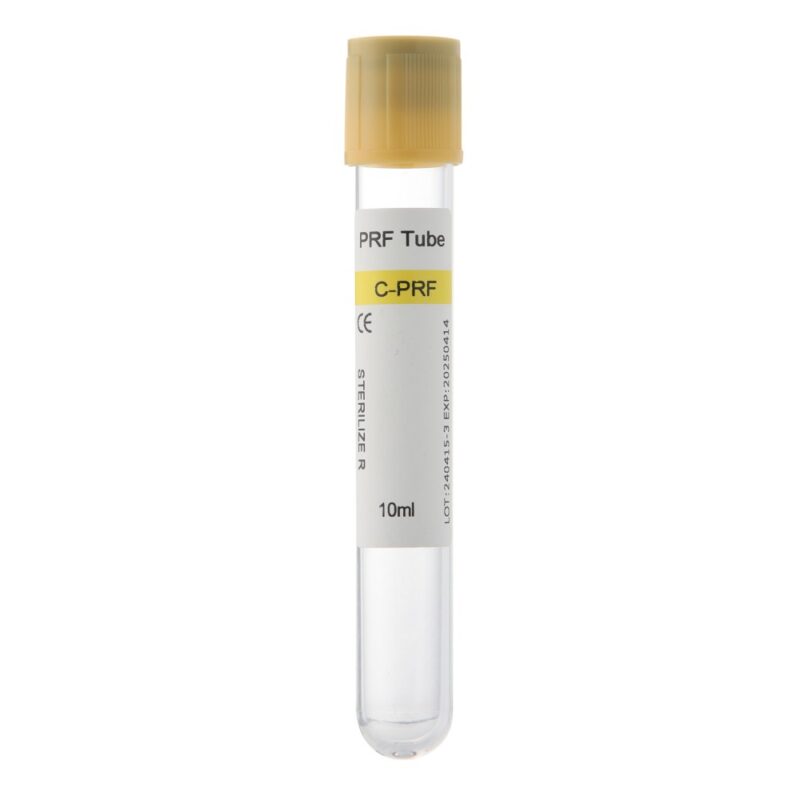
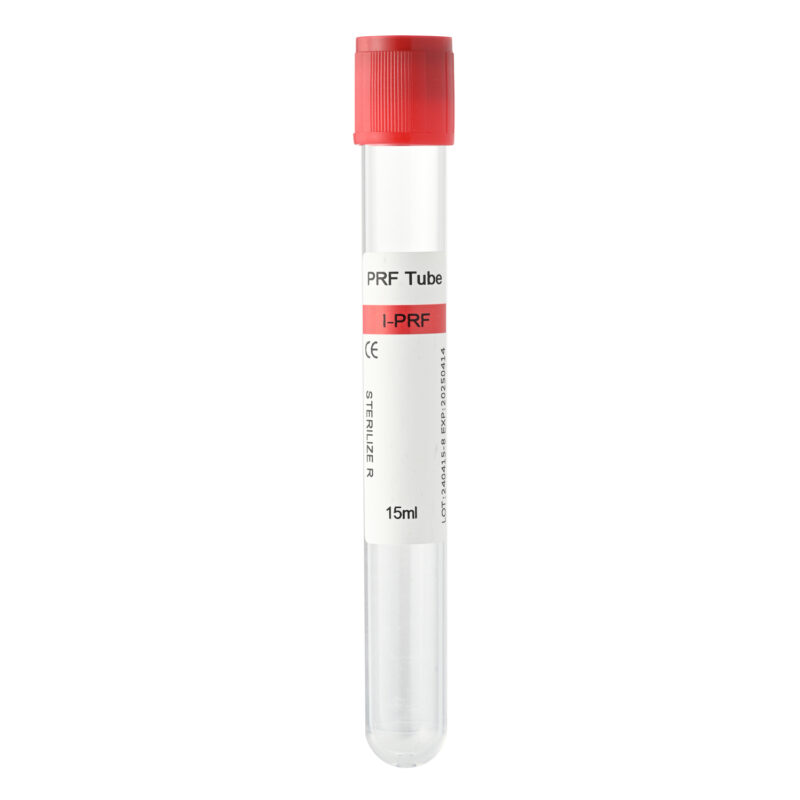
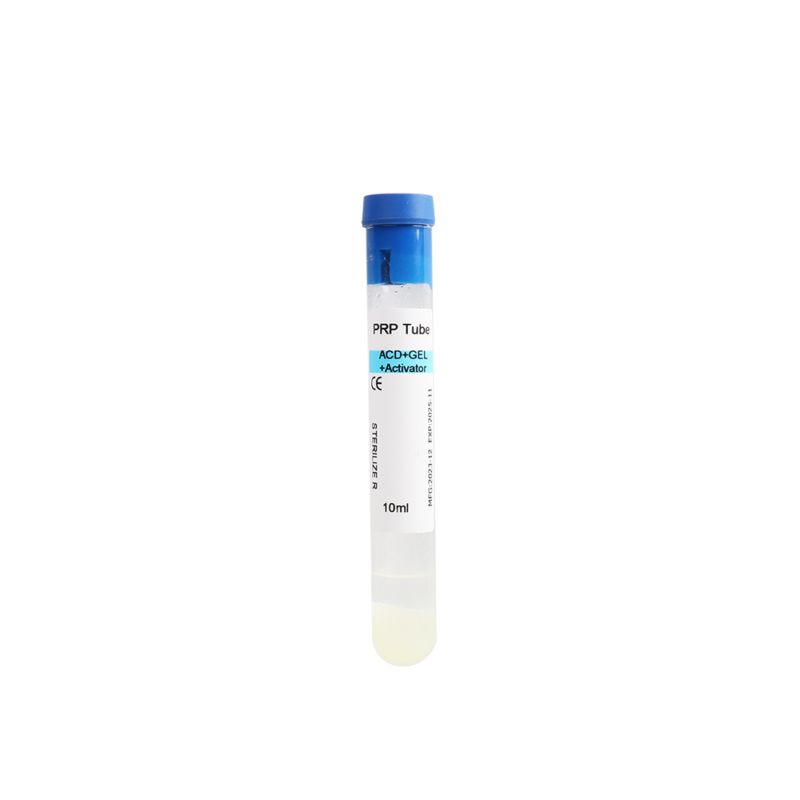
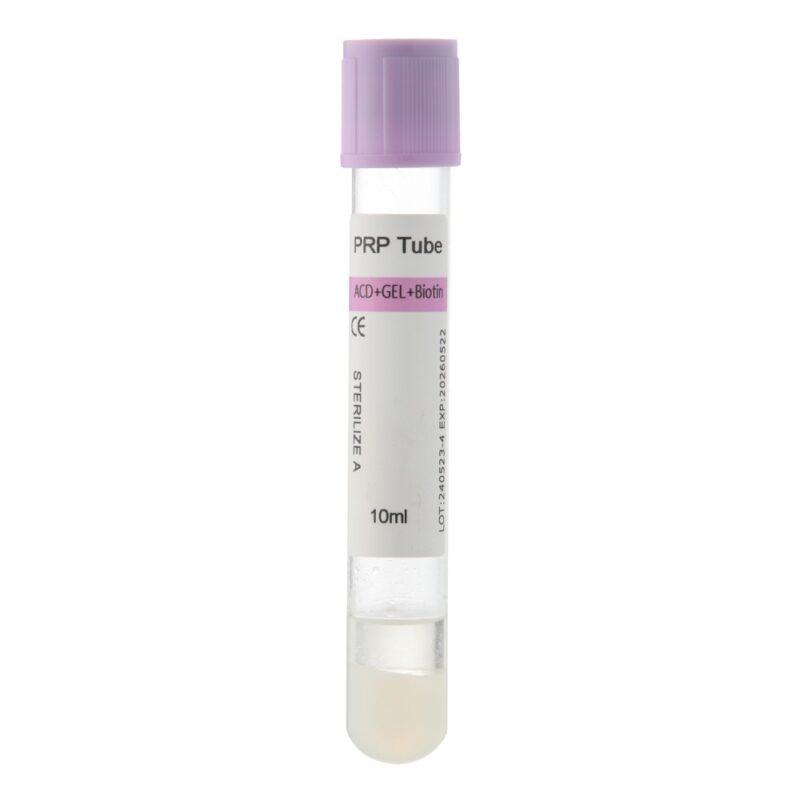
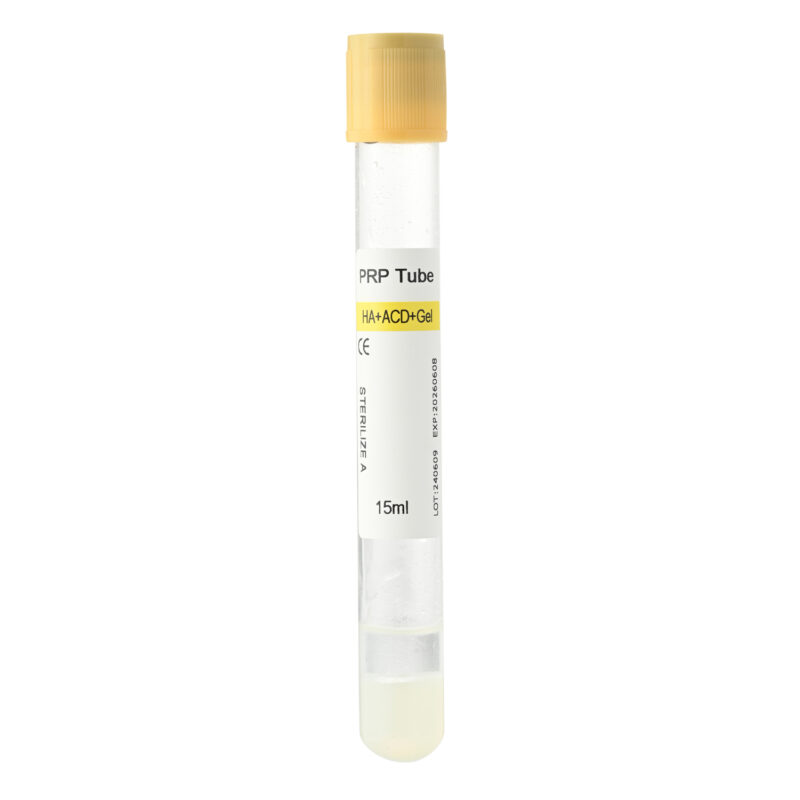
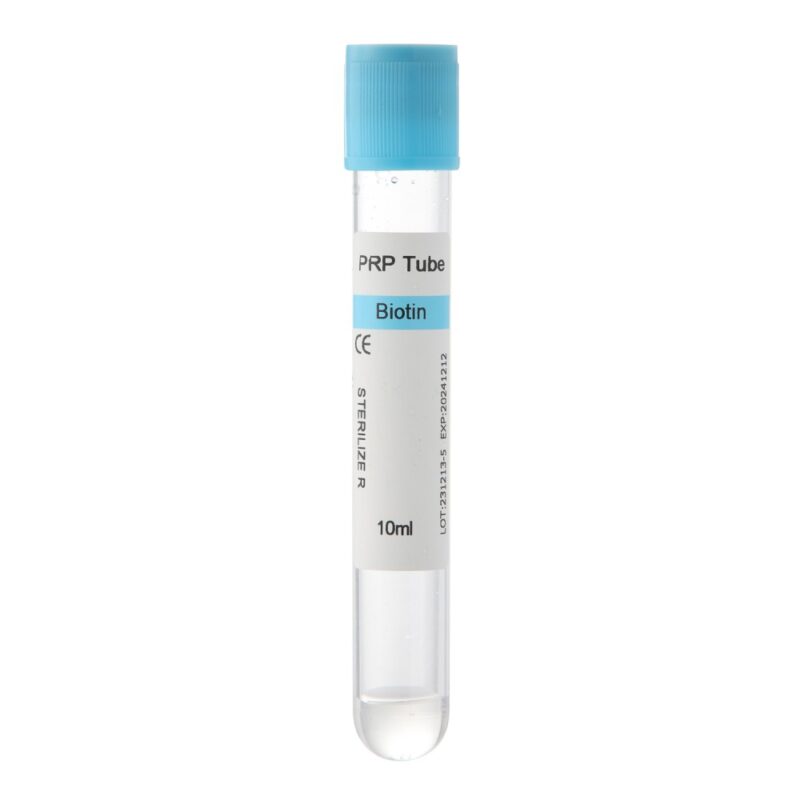
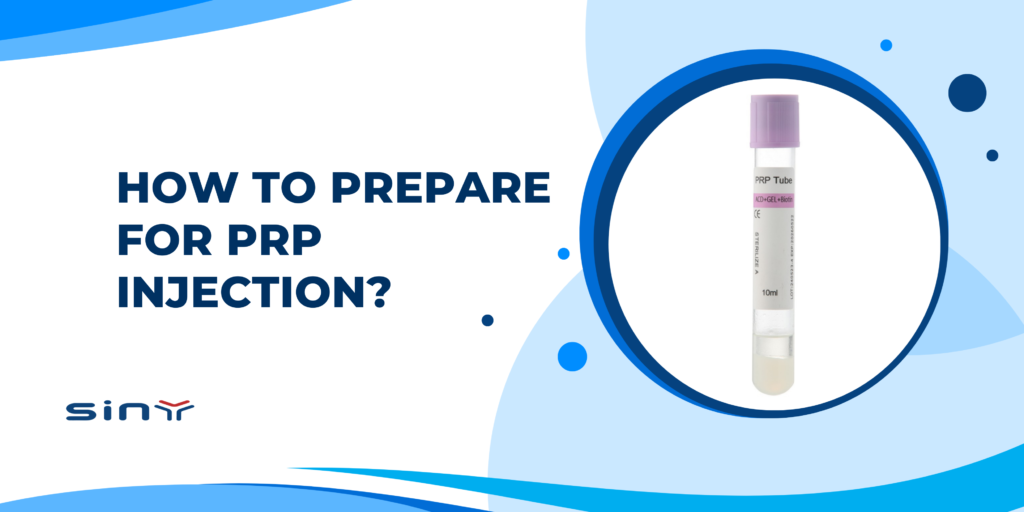
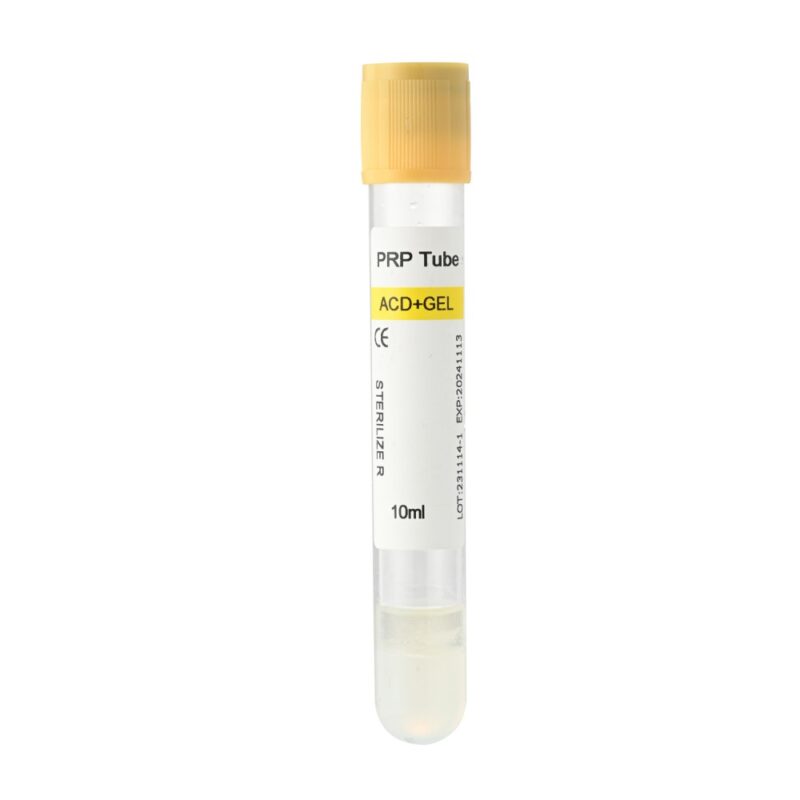
First, a sterile blood collection procedure is performed using specialized PRP tubes. These tubes typically contain anticoagulants and separation gels designed to isolate platelet-rich plasma during centrifugation.
Second, the collected blood sample is placed into a medical centrifuge. Centrifugation separates blood components based on density, allowing platelets and plasma to be isolated from red blood cells.
Third, the platelet-rich plasma layer is carefully extracted using sterile techniques and prepared for injection.
The quality of PRP tubes can significantly influence this process. High-performance tubes help maintain clear separation layers and prevent contamination between plasma and red blood cells. This improves the reliability of platelet concentration and makes the extraction step easier for clinicians.
Because PRP preparation relies heavily on consumables, many clinics evaluate suppliers carefully before purchasing PRP tubes. Reliable manufacturers typically provide consistent anticoagulant formulations, stable tube materials, and validated centrifugation compatibility.
Practitioners who want to explore different PRP tube configurations can learn more about preparation systems by visiting the Siny PRP product pages or contacting their technical team for detailed specifications.

Preparing the Treatment Area and Injection Plan
Once platelet-rich plasma has been prepared, clinicians move on to the final stage of how to prepare for PRP injection—the injection procedure itself.
The treatment area must first be disinfected and properly sterilized. Depending on the treatment type, local anesthesia may be applied to minimize discomfort.
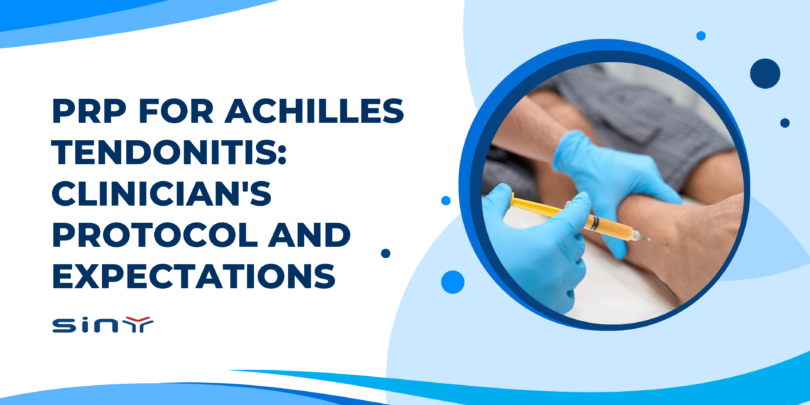
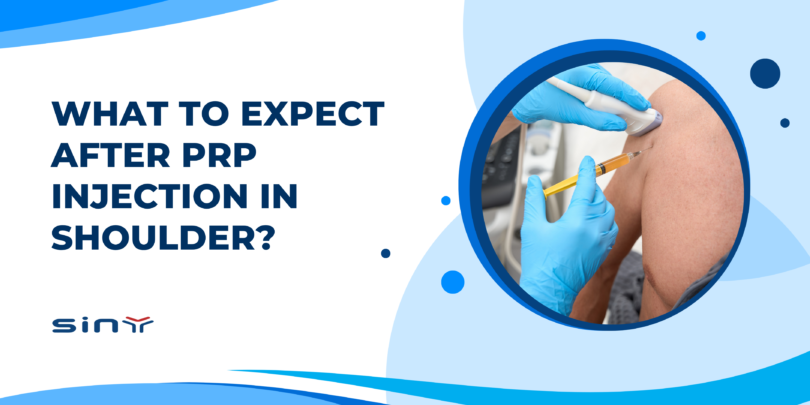
For hair restoration treatments, PRP is typically injected across the scalp in multiple small injections targeting areas with hair thinning. In orthopedic treatments, PRP injections are delivered directly into joints or injured tendons using ultrasound guidance.
In facial rejuvenation procedures, PRP may be injected intradermally or used in combination with microneedling techniques to stimulate collagen production.
Injection techniques can vary depending on the medical indication, but accurate placement of platelet-rich plasma is essential for maximizing treatment effectiveness.
Clinics that perform PRP regularly often develop standardized injection protocols. These protocols help ensure consistent results while improving treatment efficiency.
Why Choosing the Right PRP Preparation System Matters
Although patient preparation and injection technique are important, the overall success of PRP therapy often depends on the preparation system used.
Different PRP tubes and centrifugation systems can produce very different platelet concentrations. Poorly designed tubes may result in mixed layers or lower platelet yields, which can reduce treatment effectiveness.
For clinics performing PRP treatments regularly, consistency becomes especially important. Reliable consumables help ensure that each procedure produces similar platelet concentrations and predictable outcomes.
This is why many practitioners evaluate PRP tube manufacturers carefully before choosing a supplier. Factors such as gel separation quality, anticoagulant formulation, and tube material stability can all influence PRP preparation results.
Clinics exploring new PRP preparation solutions often compare different tube designs and centrifugation protocols before making purchasing decisions. Learning more about available options through professional suppliers such as Siny PRP can help practitioners identify preparation systems that fit their clinical workflow.
FAQ About Preparing for PRP Injection
How many days before PRP injection should patients prepare?
Most clinicians recommend beginning preparation at least three to seven days before treatment. This usually includes avoiding anti-inflammatory medications, maintaining good hydration, and limiting alcohol consumption.
Can patients eat before PRP injections?
Yes. Patients are usually encouraged to eat a light meal before the procedure. This helps maintain stable blood sugar levels during blood collection.
What equipment is required for PRP preparation?
A typical PRP setup includes sterile blood collection needles, specialized PRP tubes, a medical centrifuge, and sterile syringes for plasma extraction and injection.
Why are PRP tubes important for the procedure?
PRP tubes contain anticoagulants and separation materials that help isolate platelet-rich plasma during centrifugation. High-quality tubes make the separation process easier and improve consistency in platelet concentration.
Is PRP preparation difficult for new clinics?
The process is relatively straightforward once the correct equipment and consumables are in place. Many clinics find that using standardized PRP preparation systems simplifies the workflow and reduces training time.
Summary
Understanding how to prepare for PRP injection involves more than simply scheduling the procedure. Effective preparation includes patient instructions, proper equipment setup, reliable PRP tubes, and standardized centrifugation protocols.
When these elements work together, clinics can produce high-quality platelet-rich plasma and deliver more predictable treatment results.
For practitioners planning to introduce PRP therapy or optimize their current workflow, exploring reliable preparation systems is often the next step. Learning more about professional PRP tubes and preparation solutions from Siny PRP can help clinics evaluate options and select the system that best fits their practice.