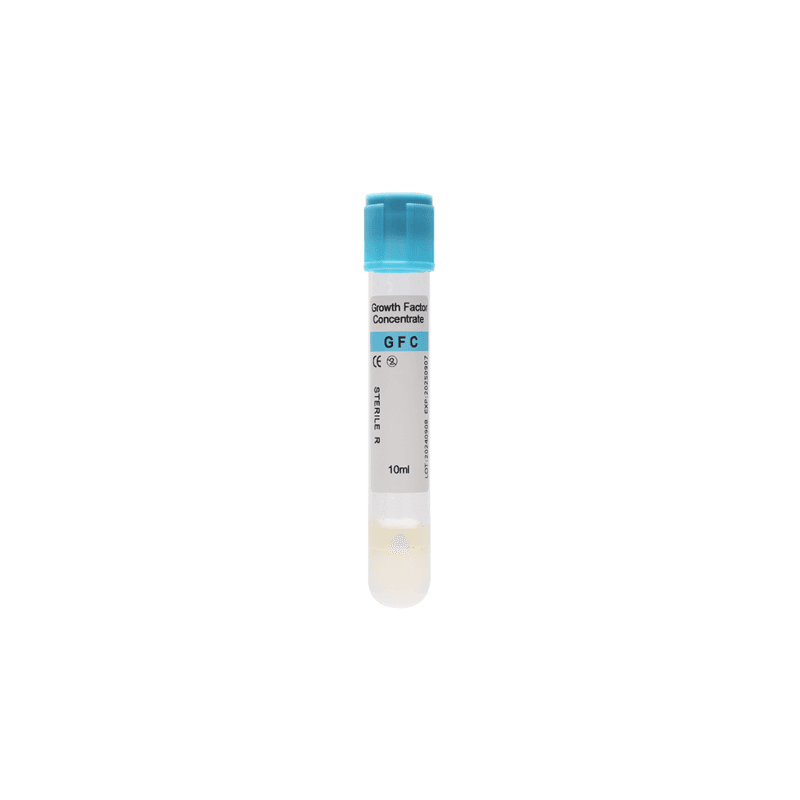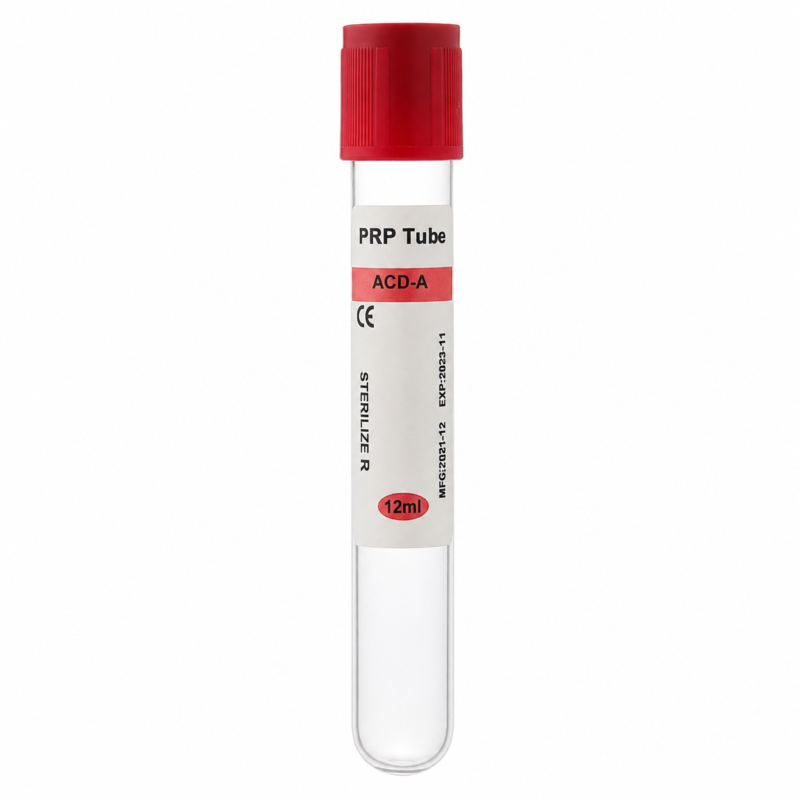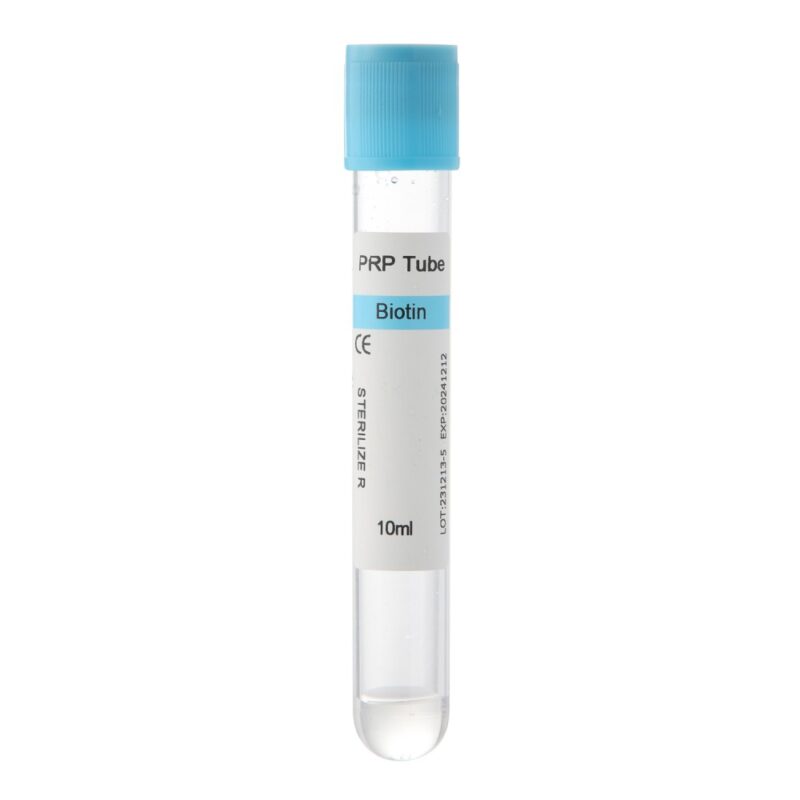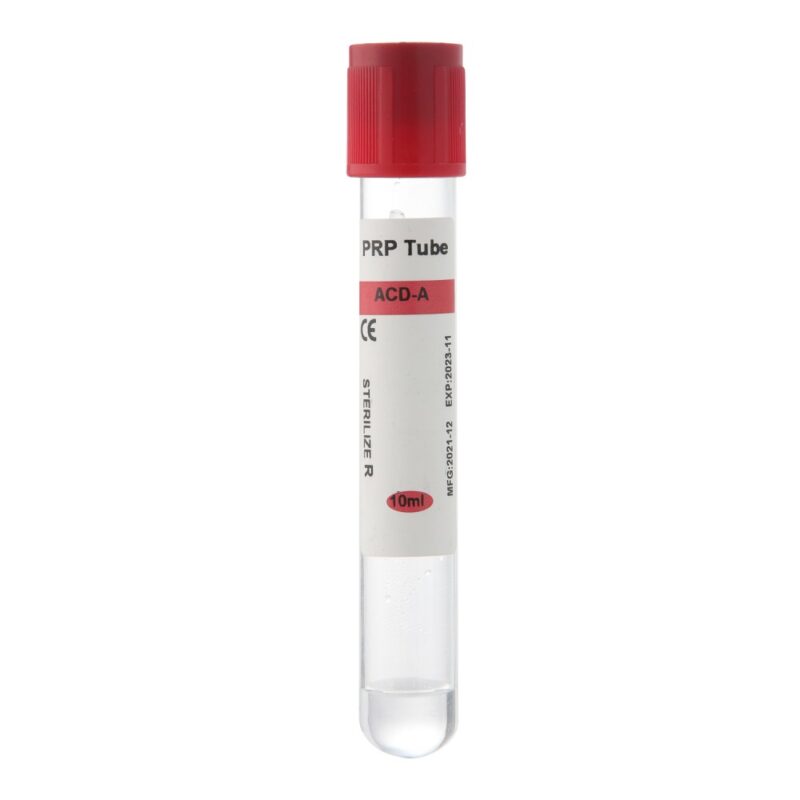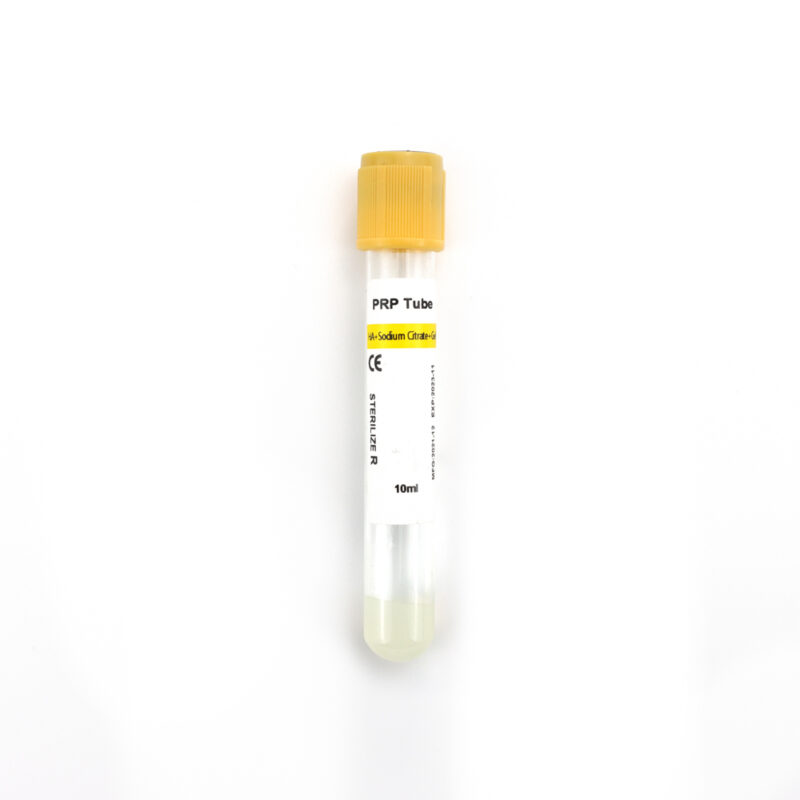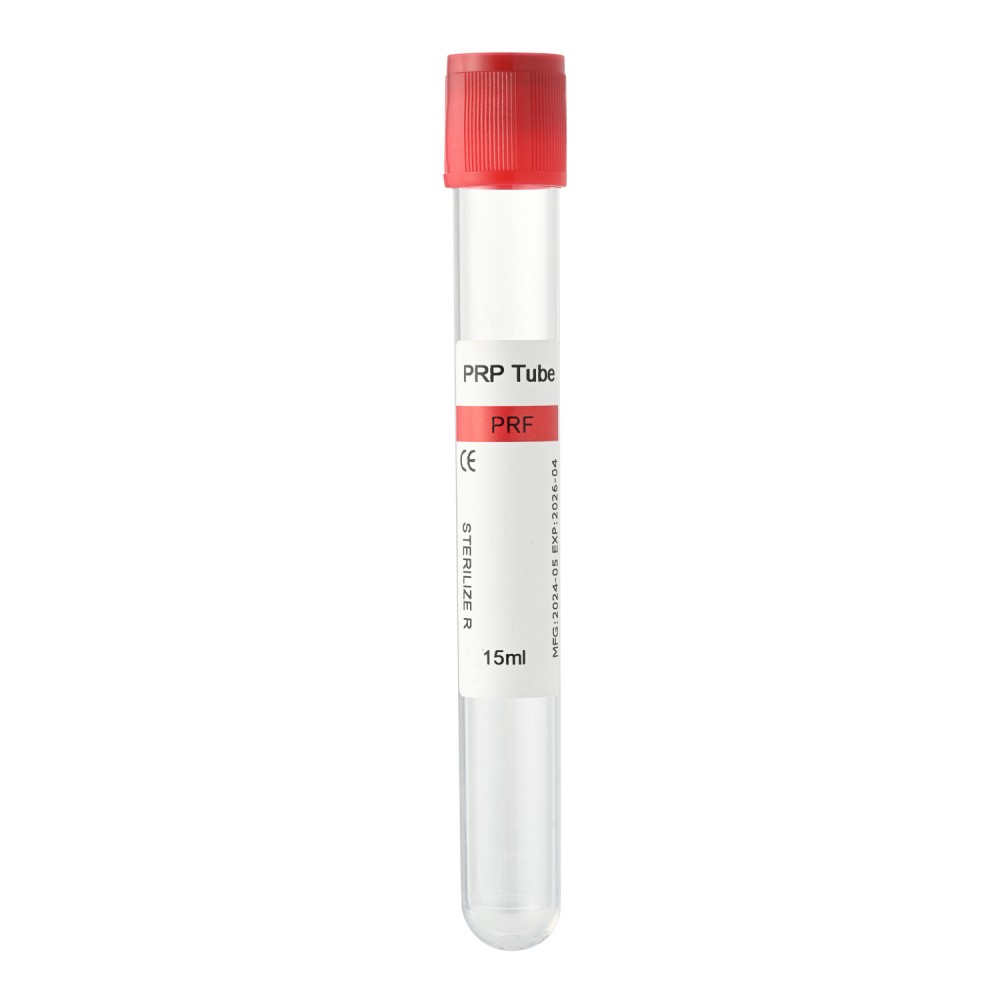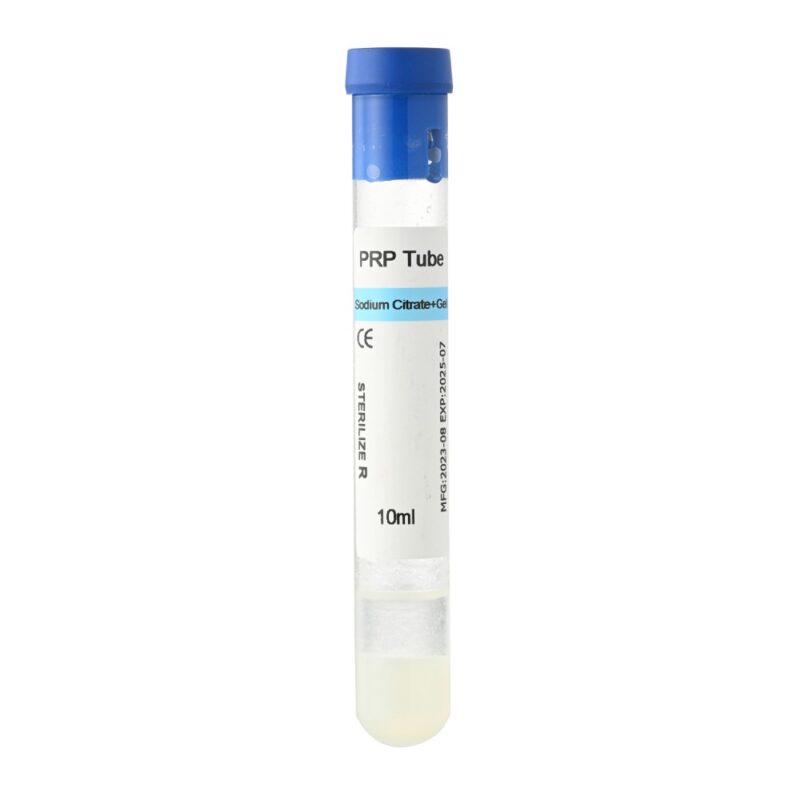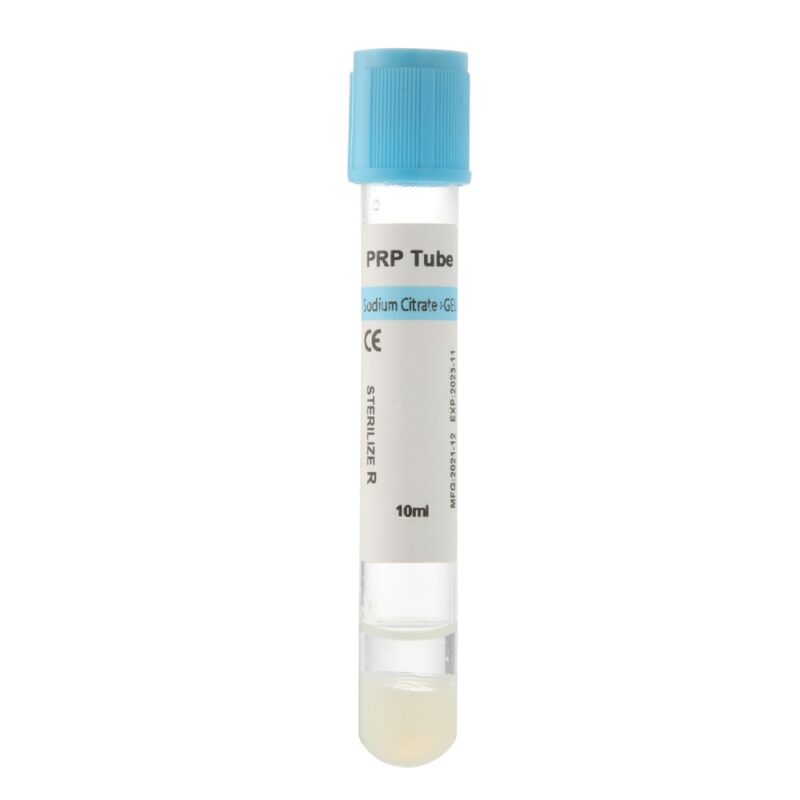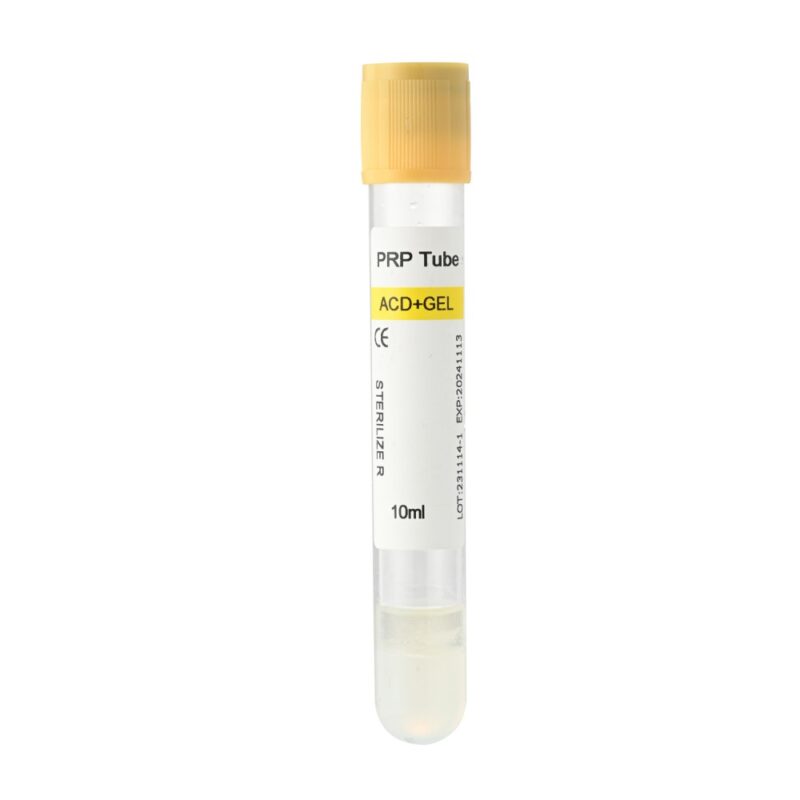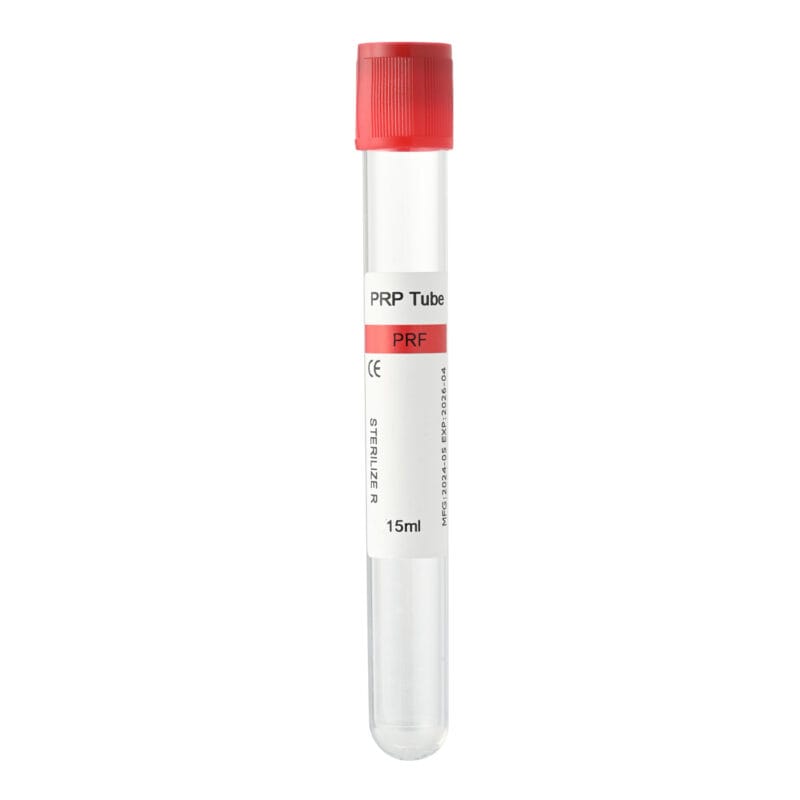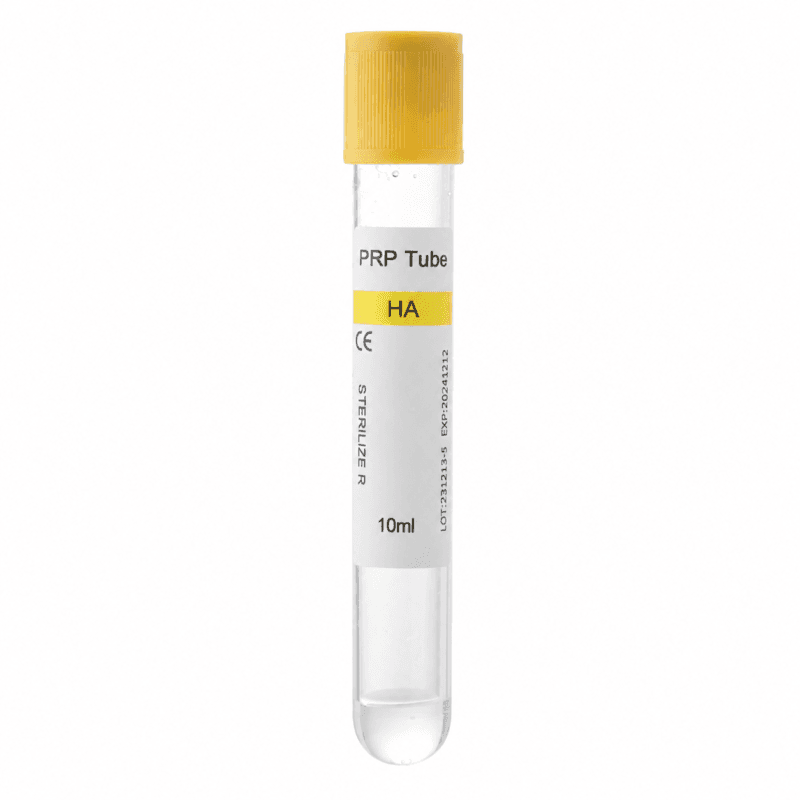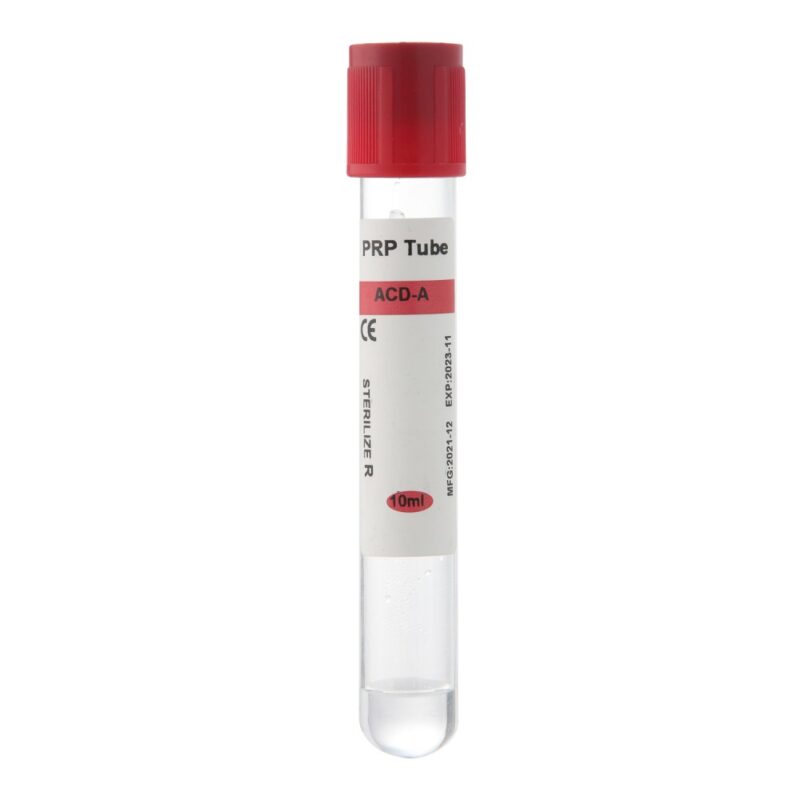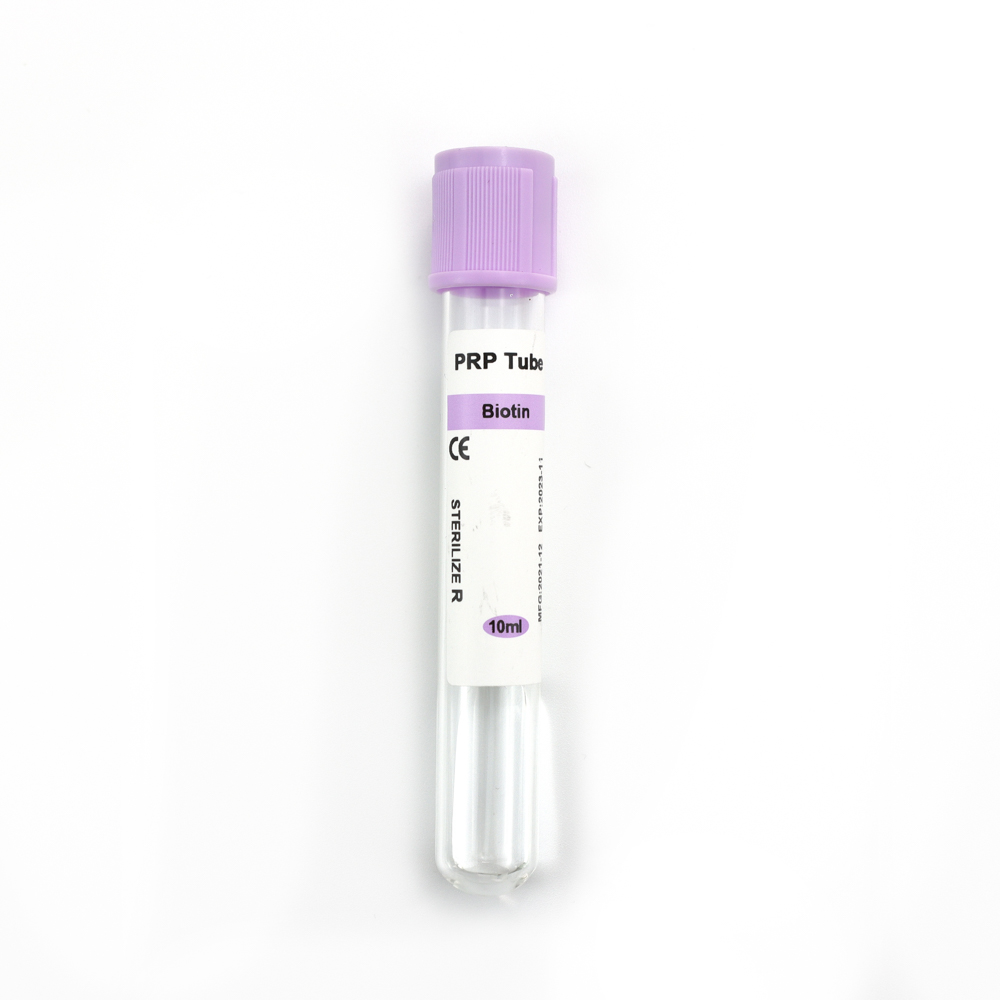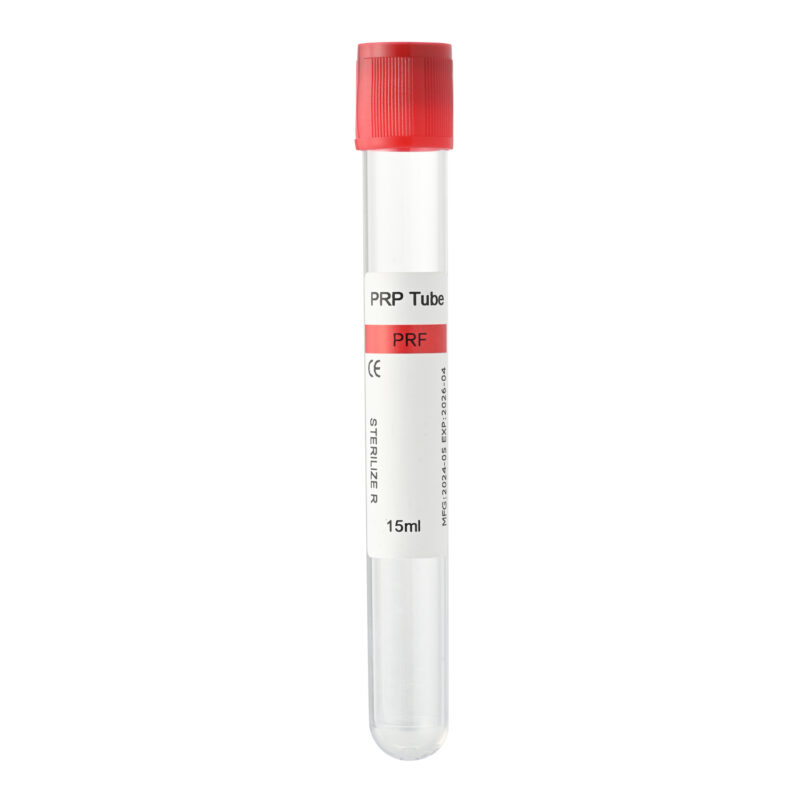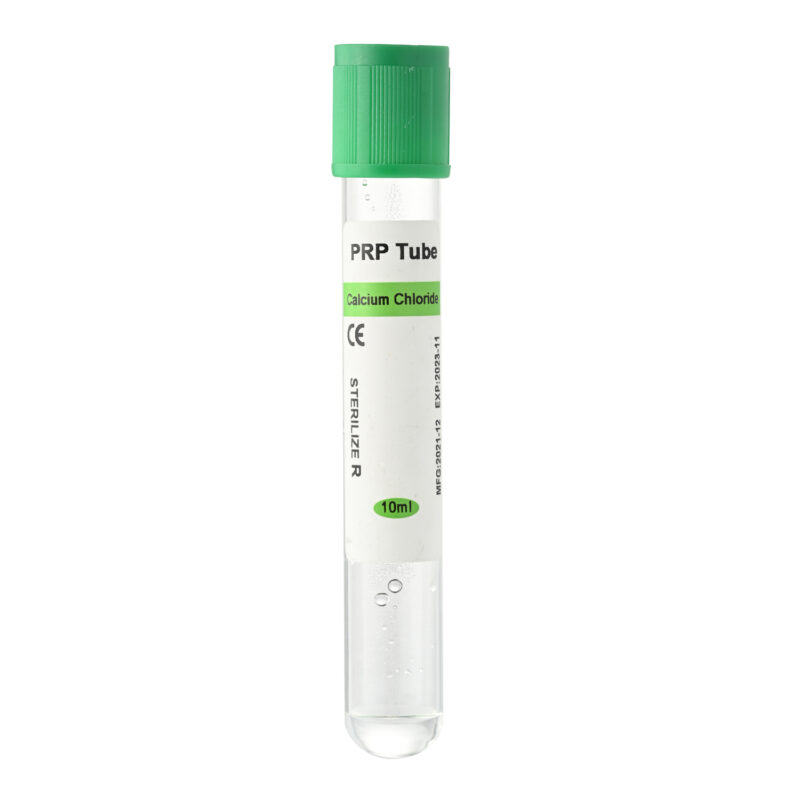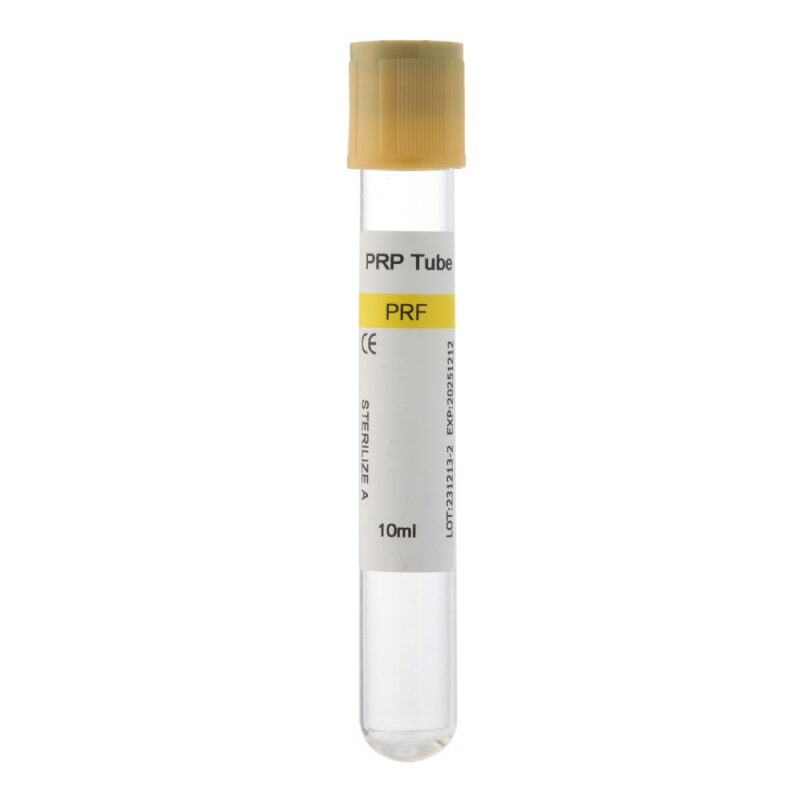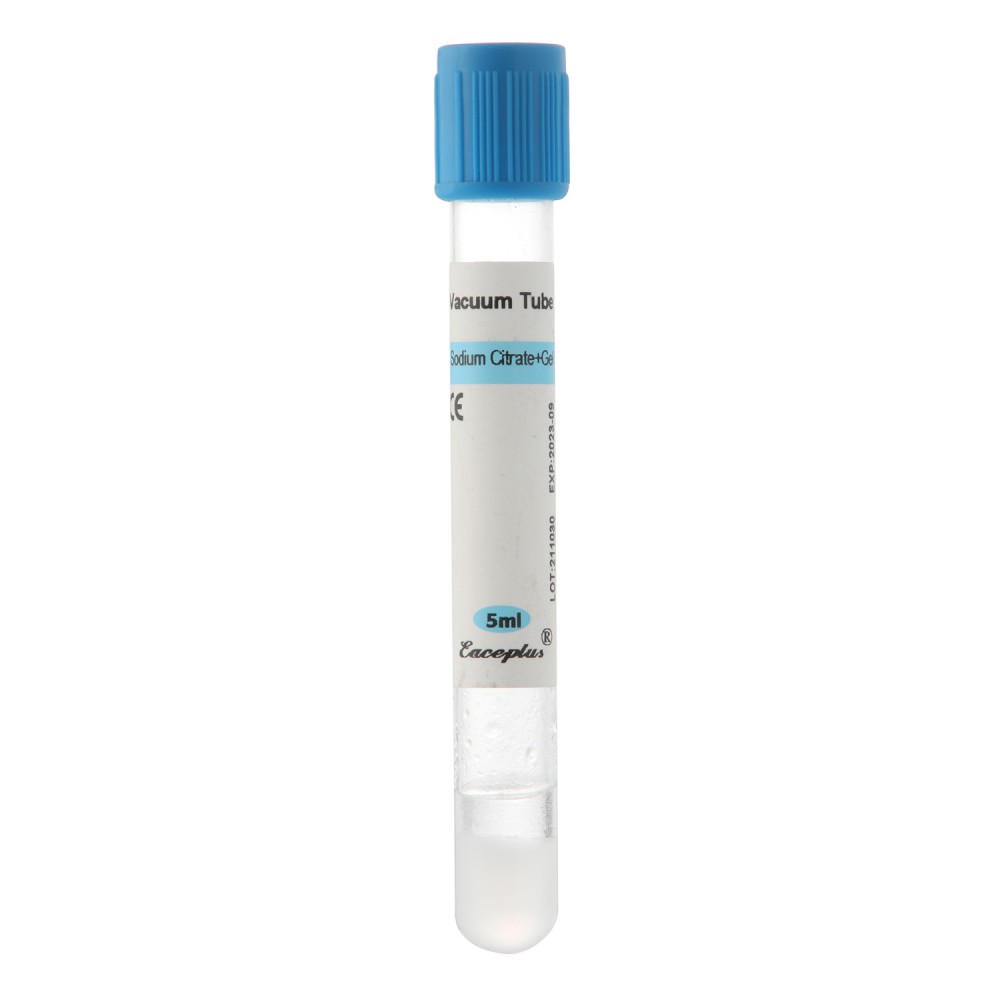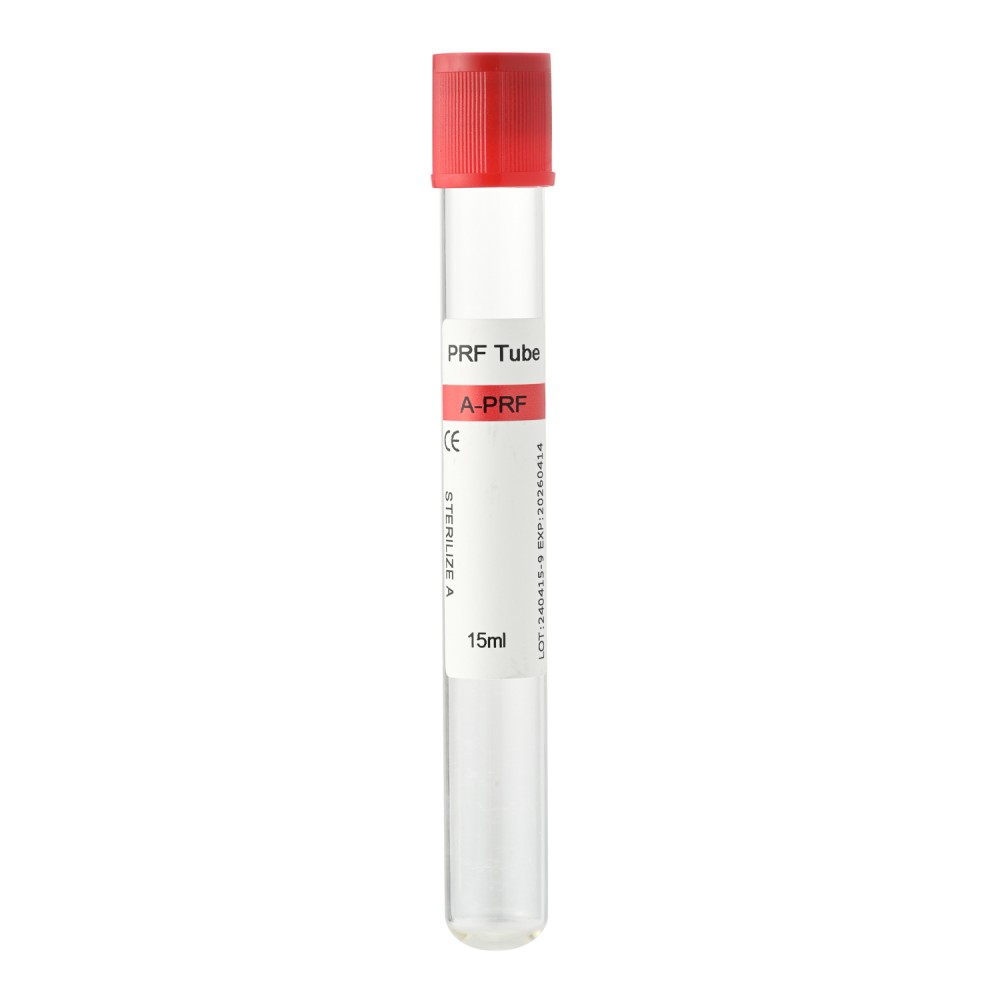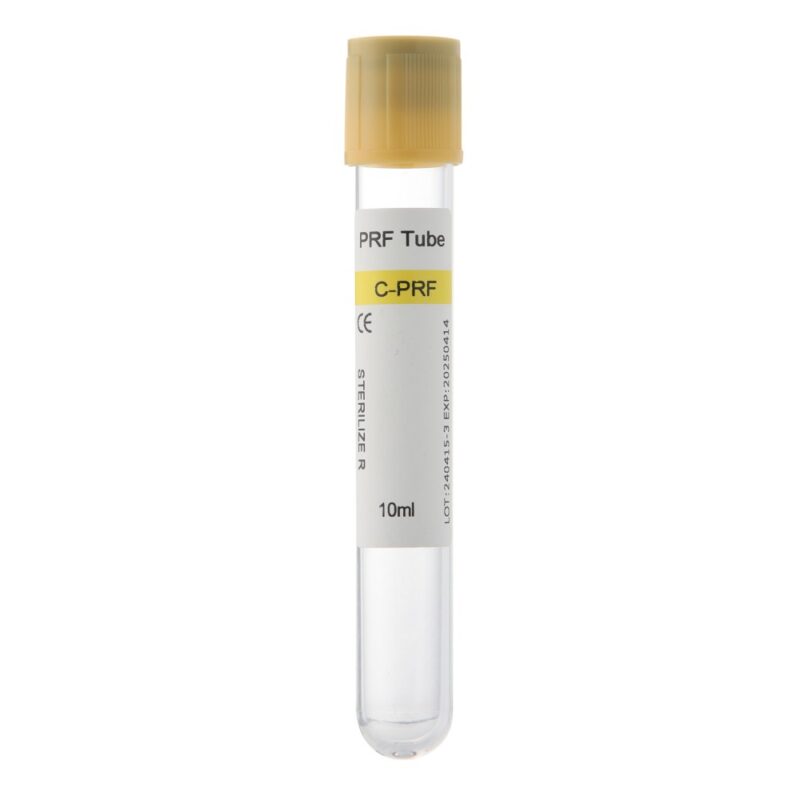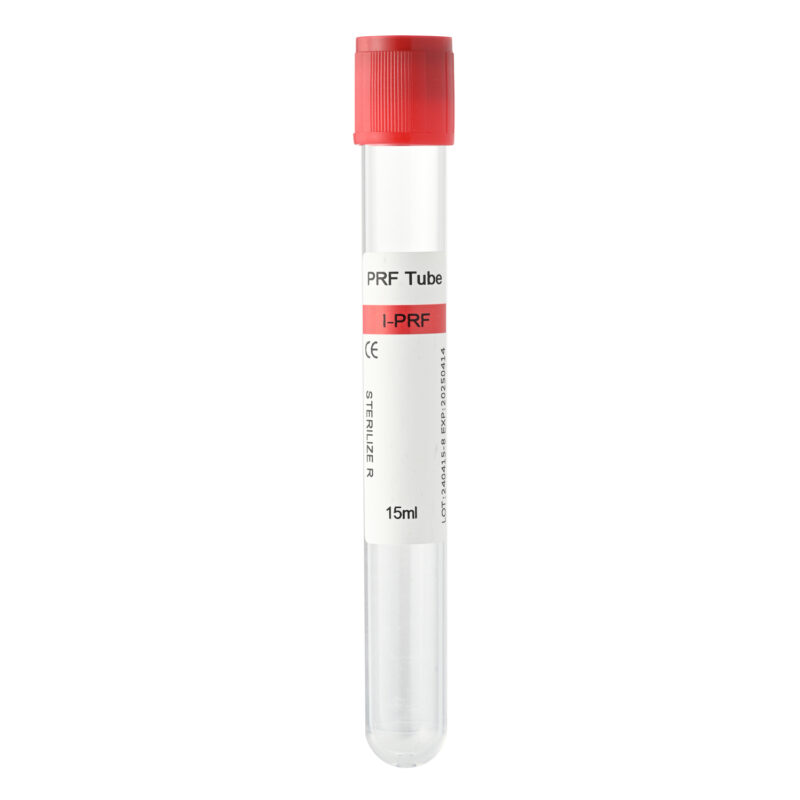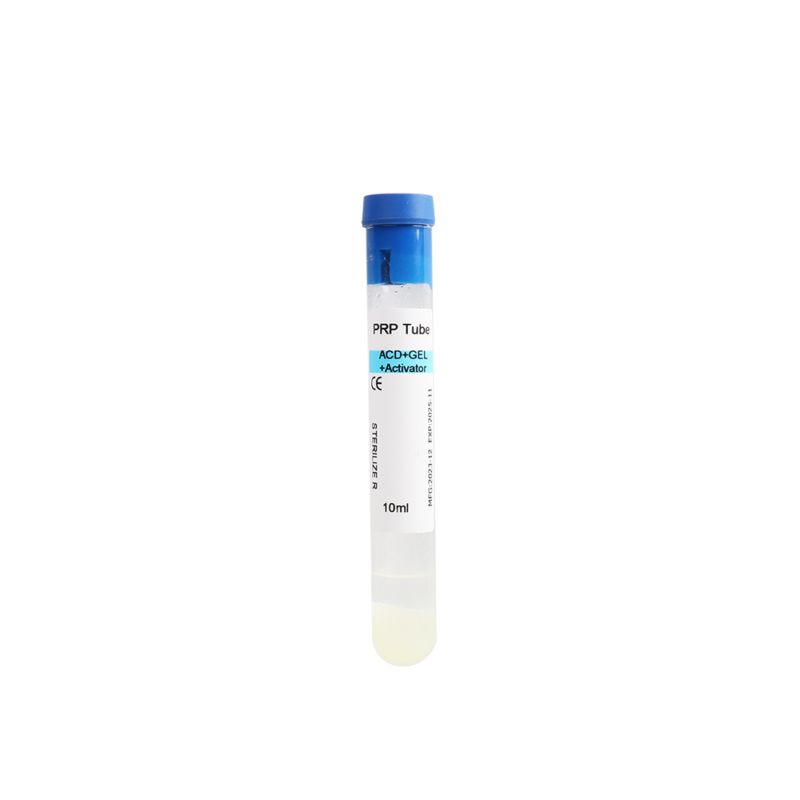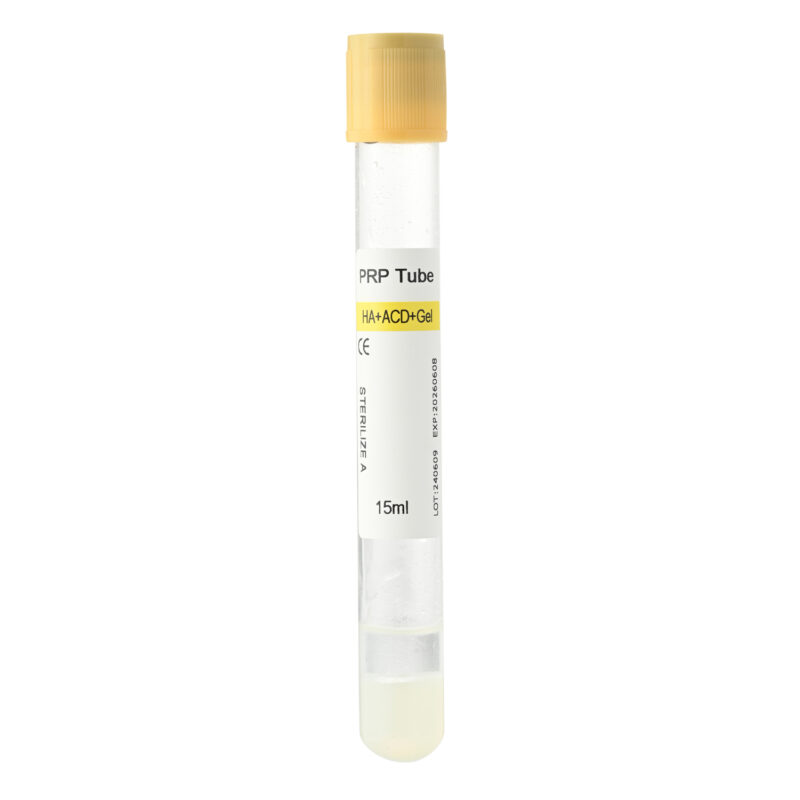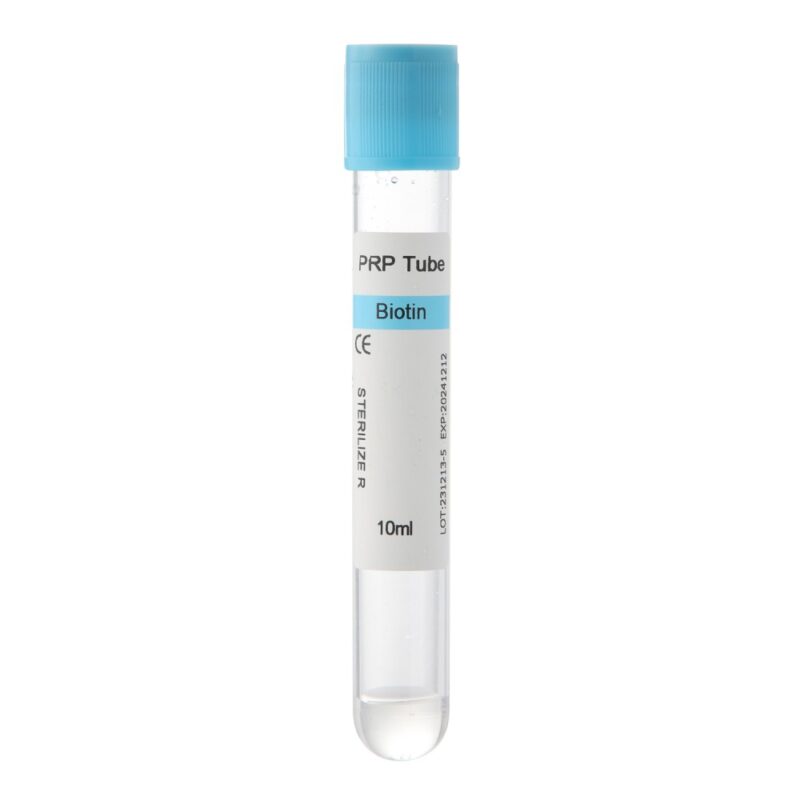
The growing popularity of regenerative medicine, aesthetic treatments, and hair restoration procedures has increased demand for specialized PRP preparation systems. Among the many options available today, the ACD Gel Biotin Tube has attracted significant attention because it combines anticoagulation, platelet separation, and biotin supplementation in a single blood collection tube.
However, many clinics, distributors, and medical professionals struggle to understand whether this type of PRP tube offers real advantages over standard PRP tubes. With so many formulations on the market, choosing the right tube can directly impact PRP quality, workflow efficiency, and treatment consistency.
This guide explains everything you need to know about the ACD Gel Biotin Tube, including its components, working principle, clinical applications, advantages, and how to select the right product for your practice.
What Is an ACD Gel Biotin Tube?
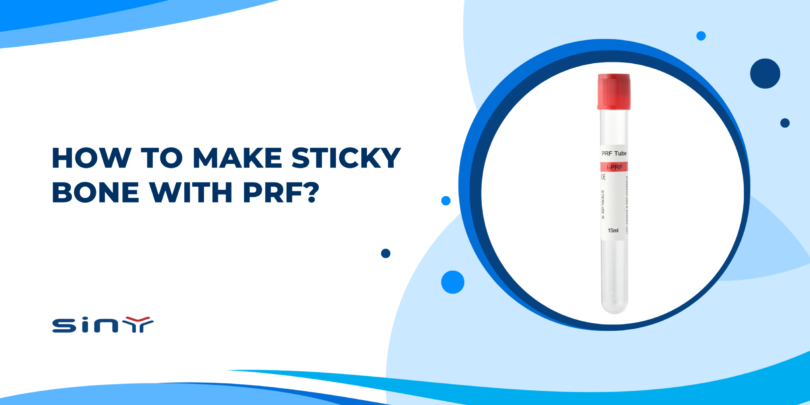
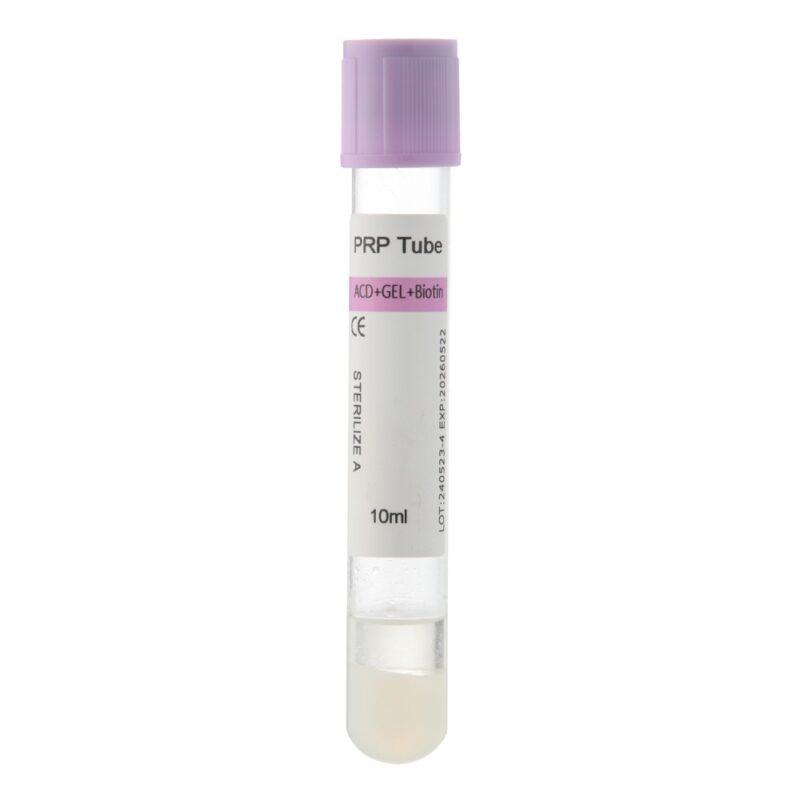
An ACD Gel Biotin Tube is a specialized PRP blood collection tube designed to prepare platelet-rich plasma while incorporating three key components:
- ACD (Acid Citrate Dextrose) anticoagulant
- Separation gel
- Biotin additive
Unlike conventional blood collection tubes, this design allows clinicians to collect blood, preserve platelet viability, separate blood components efficiently during centrifugation, and introduce biotin into the final PRP preparation process.
The combination makes these tubes particularly attractive for hair restoration clinics, aesthetic medicine centers, and regenerative therapy providers seeking a more comprehensive PRP solution.
In simple terms, the tube functions as a three-in-one system: it prevents clotting, improves plasma separation, and provides an additional nutrient that may support hair and skin health.
If you are comparing different PRP preparation systems, understanding the role of each component is essential before making a purchasing decision. For clinics looking for professional PRP preparation solutions, exploring the product range available at Siny PRP can help clarify which tube configuration best matches your treatment protocols.
How Does the ACD Gel Biotin Tube Work?
To understand why the ACD Gel Biotin Tube is different from standard PRP tubes, it is important to look at how each component contributes to the preparation process.
ACD Anticoagulant
ACD is widely used in PRP preparation because it prevents blood coagulation while helping maintain platelet integrity.
When blood is collected, platelets can become activated prematurely if the anticoagulant is insufficient. Premature activation reduces the number of viable platelets available for therapeutic use.
ACD works by binding calcium ions in the blood, temporarily interrupting the coagulation cascade and preserving platelet functionality until centrifugation is complete.
Separation Gel
The gel acts as a physical barrier during centrifugation.
As centrifugal force separates blood components according to density, the gel migrates to a specific position between the red blood cell layer and the plasma layer. This creates a cleaner separation and helps reduce contamination from erythrocytes and unwanted cellular debris.
The result is often a more consistent platelet-rich plasma yield.
Biotin
Biotin, also known as Vitamin B7, is frequently associated with healthy hair, skin, and nails.
In biotin-enhanced PRP systems, manufacturers incorporate a controlled amount of biotin into the tube formulation. The objective is to combine growth factor-rich plasma with a nutrient commonly linked to hair follicle metabolism and cellular function.
Although biotin itself is not a replacement for platelet-derived growth factors, many aesthetic practitioners view the combination as a complementary approach for hair restoration procedures.
Why Is the ACD Gel Biotin Tube Popular for Hair Restoration?
One reason the ACD Gel Biotin Tube has become increasingly popular is the rapid growth of PRP-based hair treatment worldwide.
Hair restoration specialists are constantly seeking methods that improve treatment consistency while simplifying clinical workflows.
Several factors contribute to the popularity of these tubes:
Improved Platelet Preservation
The ACD anticoagulant helps maintain platelet viability during collection and processing.
Cleaner PRP Separation
The gel barrier reduces mixing between plasma and red blood cells, which may contribute to a cleaner final preparation.
Simplified Workflow
Because the anticoagulant, separation medium, and biotin are already integrated into the tube, fewer preparation steps may be required.
Targeted Hair Treatment Applications
Since biotin is strongly associated with hair health, many clinics prefer biotin-enhanced PRP systems when offering hair restoration programs.
Better Standardization
Pre-formulated tubes help reduce operator variability and improve procedural consistency between treatments.
For distributors and clinics purchasing PRP tubes in larger quantities, standardization is often just as important as platelet concentration itself.
ACD Gel Biotin Tube vs. Standard PRP Tubes
One of the most common questions buyers ask is whether a biotin-enhanced PRP tube offers advantages over conventional PRP systems.
| Feature | Standard PRP Tube | ACD Gel Biotin Tube |
| Anticoagulant | Yes | Yes |
| Separation Gel | Optional | Yes |
| Biotin Supplement | No | Yes |
| Hair Restoration Focus | Moderate | Strong |
| Processing Simplicity | Good | Excellent |
| Workflow Consistency | Moderate | High |
It is important to understand that treatment outcomes depend on multiple variables, including patient condition, centrifugation protocol, platelet concentration, and practitioner technique.
The tube itself is only one part of the overall PRP preparation process.
However, many clinics prefer integrated systems because they reduce procedural complexity and provide more predictable preparation results.
When evaluating suppliers, focus on product quality, manufacturing consistency, vacuum accuracy, additive stability, and regulatory compliance rather than relying solely on marketing claims.
How to Choose the Right ACD Gel Biotin Tube Supplier
Not all PRP tubes are manufactured to the same standards.
Choosing the right supplier can significantly impact treatment consistency and customer satisfaction.
Consider the following factors:
Tube Material Quality
Both PET and glass tubes are available on the market. The material should maintain vacuum stability and chemical compatibility with additives.
Additive Consistency
The concentration and stability of ACD, gel, and biotin should remain consistent from batch to batch.
Manufacturing Standards
Look for manufacturers operating under recognized quality management systems and controlled production environments.
Centrifugation Compatibility
Ensure the tube is compatible with your existing centrifuge settings and workflow.
OEM and Private Label Options
For distributors building their own PRP brand, OEM manufacturing capabilities may be an important consideration.
Technical Support
Reliable suppliers provide documentation, usage guidance, and technical assistance throughout the purchasing process.
If your clinic or distribution business is evaluating different PRP preparation systems, contacting the team at Siny PRP can provide additional information regarding tube configurations, customization options, and application-specific recommendations.
Common Applications of ACD Gel Biotin Tubes
Today, ACD Gel Biotin Tubes are widely used in:
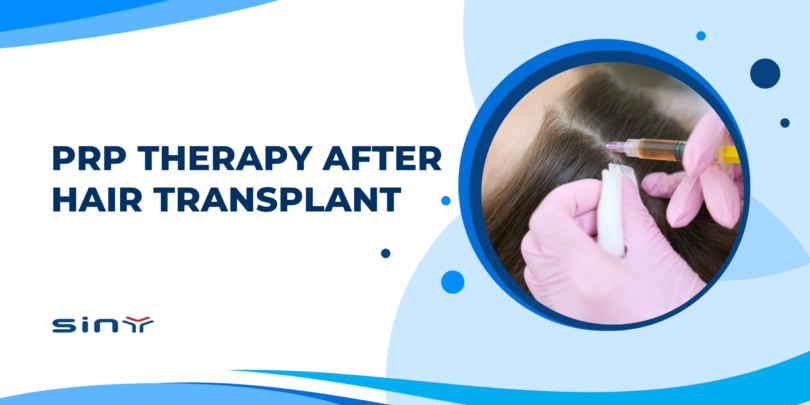
- PRP hair restoration treatments
- Hair thinning management programs
- Scalp rejuvenation procedures
- Aesthetic medicine clinics
- Anti-aging therapy centers
- Regenerative medicine practices
- Medical spas offering PRP services
As demand for non-surgical hair restoration continues to grow, the role of specialized PRP collection systems is becoming increasingly important.
Rather than focusing solely on platelet concentration, many practitioners now seek preparation methods that provide consistency, efficiency, and patient-friendly workflows.
FAQ About ACD Gel Biotin Tubes
What does ACD stand for in an ACD Gel Biotin Tube?
ACD stands for Acid Citrate Dextrose, an anticoagulant that prevents blood clotting and helps preserve platelet viability during PRP preparation.
What is the purpose of the gel in the tube?
The separation gel forms a barrier between blood components during centrifugation, helping create a cleaner plasma layer and reducing contamination.
Why is biotin added to PRP tubes?
Biotin is commonly associated with healthy hair, skin, and nails. Manufacturers add biotin to support applications focused on hair restoration and aesthetic treatments.
Is an ACD Gel Biotin Tube only used for hair loss treatments?
No. Although hair restoration is a major application, these tubes may also be used in various aesthetic and regenerative medicine procedures depending on practitioner preference.
Can ACD Gel Biotin Tubes replace treatment expertise?
No. The quality of PRP therapy depends on multiple factors, including patient selection, centrifugation protocol, platelet concentration, and clinical technique.
How do I choose a reliable ACD Gel Biotin Tube manufacturer?
Look for consistent manufacturing standards, stable additive formulations, accurate vacuum control, quality documentation, and responsive technical support.
Summary
Understanding what an ACD Gel Biotin Tube is essential for clinics, distributors, and healthcare professionals seeking effective PRP preparation solutions. By combining an ACD anticoagulant, separation gel, and biotin additive in a single device, these tubes streamline PRP processing while supporting applications in hair restoration and aesthetic medicine.
As the PRP market continues to expand, selecting the right tube becomes increasingly important. Instead of choosing based solely on price, evaluate product quality, additive consistency, manufacturing standards, and supplier expertise. A well-designed PRP tube can contribute to more reliable preparation workflows and a better overall clinical experience.
For organizations looking to source high-quality PRP tubes, customized solutions, or OEM manufacturing services, Siny PRP offers a range of professional PRP collection systems tailored to different treatment applications.