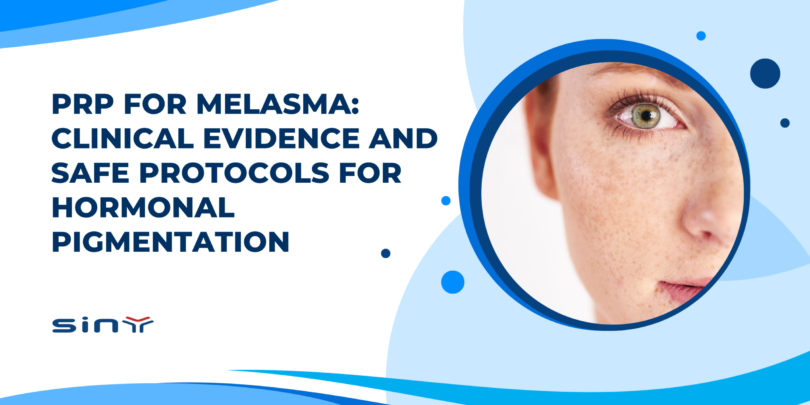
Melasma is one of the most persistent forms of facial hyperpigmentation. It usually appears as symmetrical brown or gray-brown patches on the cheeks, forehead, nose, upper lip, and other sun-exposed areas.
Hormonal changes are an important trigger, especially during pregnancy or with hormonal medication. However, melasma is not simply a hormonal pigmentation disorder. Sun exposure, visible light, genetic susceptibility, inflammation, vascular changes, oxidative stress, and alterations within the dermis can all contribute to its development and recurrence.
This complexity helps explain why melasma can be difficult to manage. Laser and energy-based procedures can improve pigmentation in selected patients, but excessive treatment-related inflammation may contribute to post-inflammatory hyperpigmentation (PIH) or pigment recurrence in susceptible skin.
For this reason, PRP for Melasma has attracted interest as a non-thermal regenerative approach. Platelet-rich plasma does not directly destroy pigment with heat or light. Instead, it uses an autologous concentration of platelets and platelet-derived signaling factors as part of a broader treatment strategy.
Clinical evidence remains developing. PRP should not be viewed as a guaranteed cure or as universally superior to established melasma therapies. Its potential value lies in how it may influence pigmentation-related signaling, inflammation, and the surrounding skin environment while avoiding direct thermal treatment.
Why Is Hormonal Melasma So Difficult to Treat?
At first glance, melasma may look like a straightforward problem of excess melanin. The biology is much more complicated.
Melanocytes are central to pigment production, but research increasingly shows that surrounding skin structures also influence persistent pigmentation. Keratinocytes, fibroblasts, mast cells, dermal blood vessels, the basement membrane, extracellular matrix changes, oxidative stress, and inflammatory signaling may all be involved.
Hormonal stimulation adds another layer. Pregnancy, estrogen-related changes, oral contraceptives, and other hormonal factors have long been associated with melasma in susceptible individuals. At the same time, ultraviolet radiation and visible light can stimulate melanogenesis and contribute to recurrence.
This is why simply removing visible pigment does not necessarily address the entire condition.
Melasma Is More Than Excess Melanin
Modern research increasingly describes melasma as a condition involving both epidermal pigmentation and changes within the dermis.
Affected skin may show increased vascularity, basement membrane disruption, solar elastosis, altered fibroblast activity, and inflammatory changes. These findings help explain why treatment outcomes can vary considerably between patients.
A procedure may initially reduce visible pigmentation. However, if UV exposure, hormonal triggers, inflammation, or other contributing factors remain active, pigmentation can gradually return.
This broader understanding of melasma is also one reason regenerative approaches such as platelet-rich plasma are being studied. Rather than targeting melanin alone, PRP may influence several biological pathways involved in pigmentation and tissue repair.
Why Does Melasma Require Caution With Laser and Energy-Based Treatments?
Laser and light-based therapies can play an important role in selected melasma cases, particularly when conventional treatments have not produced sufficient improvement.
However, melasma-prone skin can be highly reactive.
Energy-based procedures create a controlled interaction with skin tissue. Depending on the device and settings, treatment may target melanin, vascular structures, or other components of the skin. The response can vary according to wavelength, fluence, pulse characteristics, treatment frequency, pigmentation depth, skin type, and previous treatment history.
When treatment generates excessive irritation or inflammation, melanocytes may respond with increased pigment production. This can contribute to PIH or recurrent pigmentation after an initially favorable result.
Darker Skin Types May Need Extra Caution
PIH is particularly important when treating patients with darker skin tones or a previous history of pigmentation after inflammation.
This does not mean lasers cannot be used in these patients. Instead, treatment needs careful selection and individualized parameters. Appropriate devices, conservative treatment planning, professional assessment, and strong photoprotection all become important.
The goal should not be to avoid every energy-based treatment. It should be to minimize unnecessary inflammation while selecting the approach that fits the individual patient.
Where Does PRP Fit?
PRP works through a fundamentally different mechanism.
It does not rely on thermal energy to break down existing pigment. Platelet-rich plasma contains concentrated platelets that release signaling proteins involved in tissue repair, cell communication, inflammatory responses, and extracellular matrix remodeling.
This makes PRP treatment for melasma particularly interesting when clinicians want to explore a regenerative, non-thermal approach.
However, non-thermal does not mean risk-free. PRP treatment may still cause temporary redness, swelling, tenderness, bruising, or other procedure-related reactions. Any procedure that irritates or disrupts the skin may potentially influence pigmentation in susceptible patients.
How Could PRP for Melasma Influence Pigmentation?
The proposed biological mechanisms behind PRP are an important part of current research.
Platelets are best known for their role in hemostasis. Once activated, however, they release numerous signaling molecules and growth factors involved in tissue repair, inflammation, cell communication, collagen synthesis, and extracellular matrix remodeling.
Several of these pathways may be relevant to melasma.
TGF-β1 and Melanogenesis
Transforming growth factor beta 1 (TGF-β1) is frequently discussed in research on PRP and pigmentation.
Experimental evidence suggests that TGF-β1 may influence pathways involving microphthalmia-associated transcription factor (MITF), an important regulator of melanogenesis. MITF helps control proteins involved in melanin production, including tyrosinase.
This provides a plausible biological pathway through which platelet-derived signaling may influence excessive pigmentation.
However, PRP should not be described as simply “switching off” melanin production. Human skin contains many interacting pathways, and the clinical effects of PRP are likely to be considerably more complex.
EGF and Pigment-Related Signaling
Epidermal growth factor (EGF) has also been studied in relation to pigmentation. Research suggests that EGF may influence melanocyte signaling and tyrosinase-related activity.
This may help explain some of the improvements reported after platelet-rich plasma treatment. However, these proposed mechanisms should not be interpreted as proof that every patient will respond in the same way.
Inflammation and the Melasma Microenvironment
Inflammation appears to contribute to the development and persistence of melasma.
Platelet-derived mediators interact with several inflammatory and tissue-repair pathways. Researchers have therefore explored whether PRP can influence the local skin environment rather than simply target existing melanin.
This concept may be particularly relevant in patients whose pigmentation tends to worsen following irritation.
Vascular Changes Also Matter
Melasma lesions can show greater vascular activity than surrounding unaffected skin. This has encouraged research into the relationship between dermal blood vessels, endothelial signaling, and persistent pigmentation.
PRP contains a complex mixture of growth factors, however, so it should not be described as a direct anti-VEGF treatment. Current evidence supports considering vascular changes as part of the melasma microenvironment, but not the simplified claim that PRP works by suppressing VEGF.
Collagen and Dermal Remodeling
The dermal environment may also contribute to persistent pigmentation. Melasma skin can show basement membrane damage, solar elastosis, fibroblast changes, and extracellular matrix abnormalities.
Platelet-derived factors participate in collagen synthesis and tissue remodeling. Part of PRP’s potential value may therefore come from supporting the surrounding skin environment rather than acting directly on pigment alone.
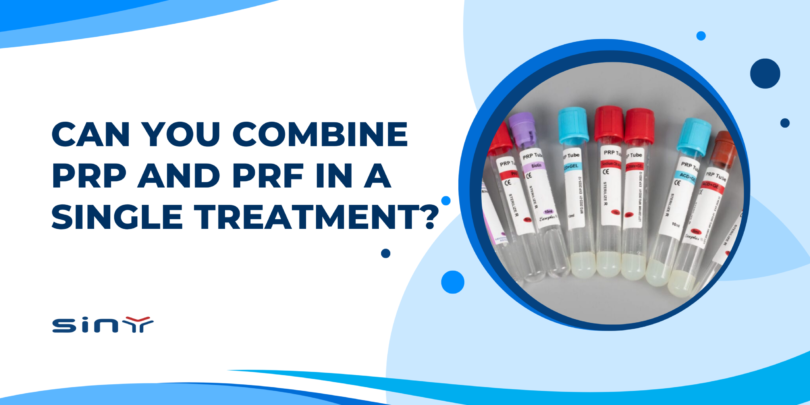
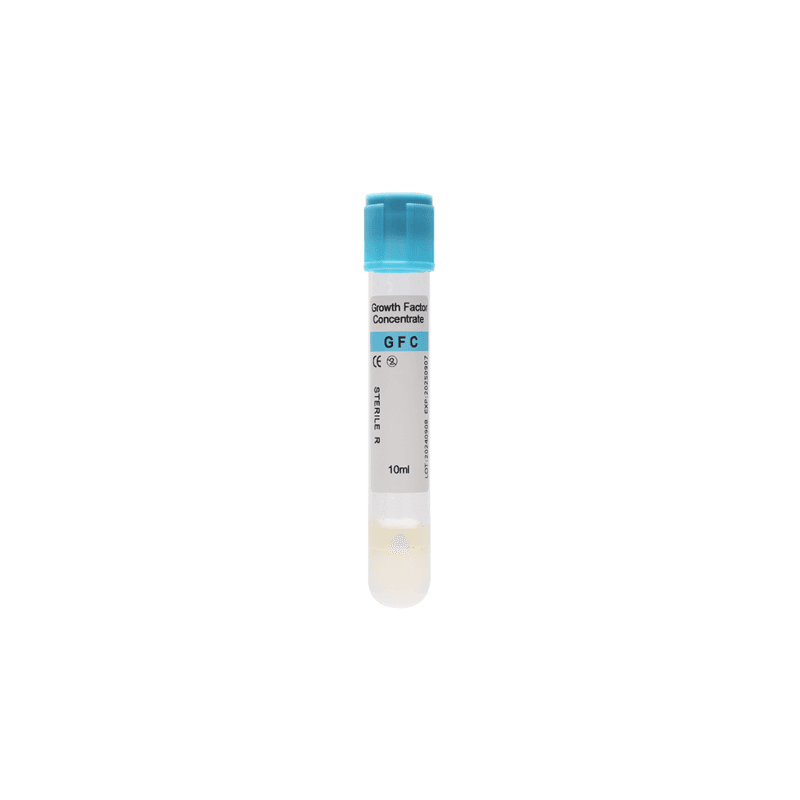
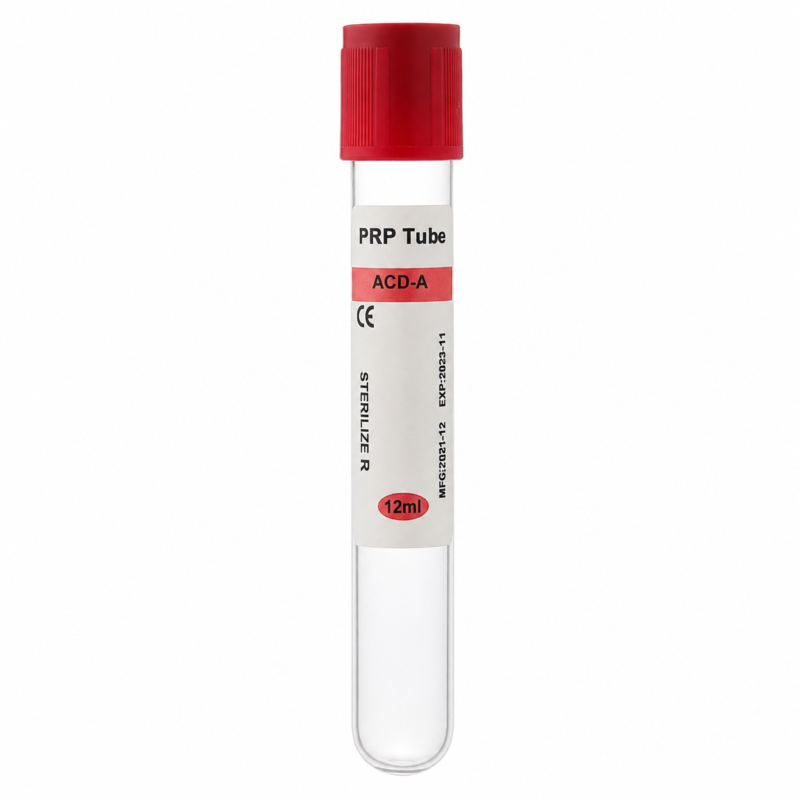
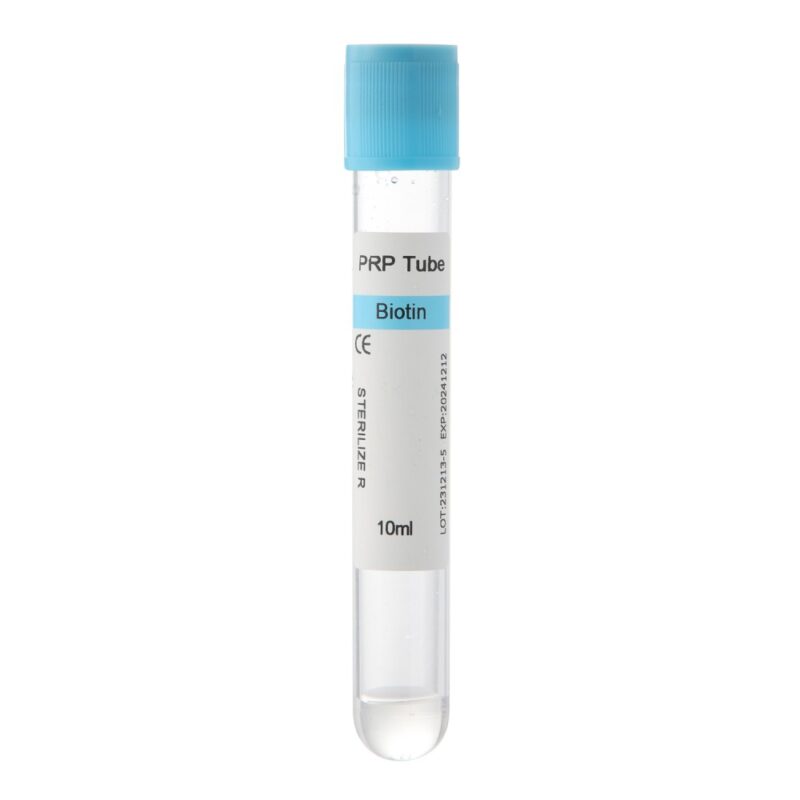
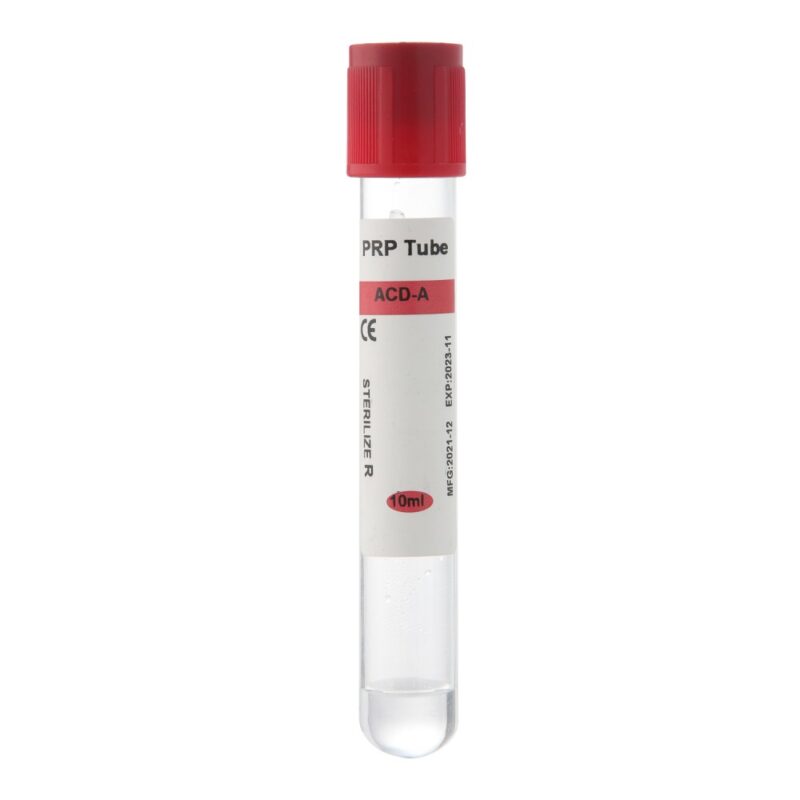
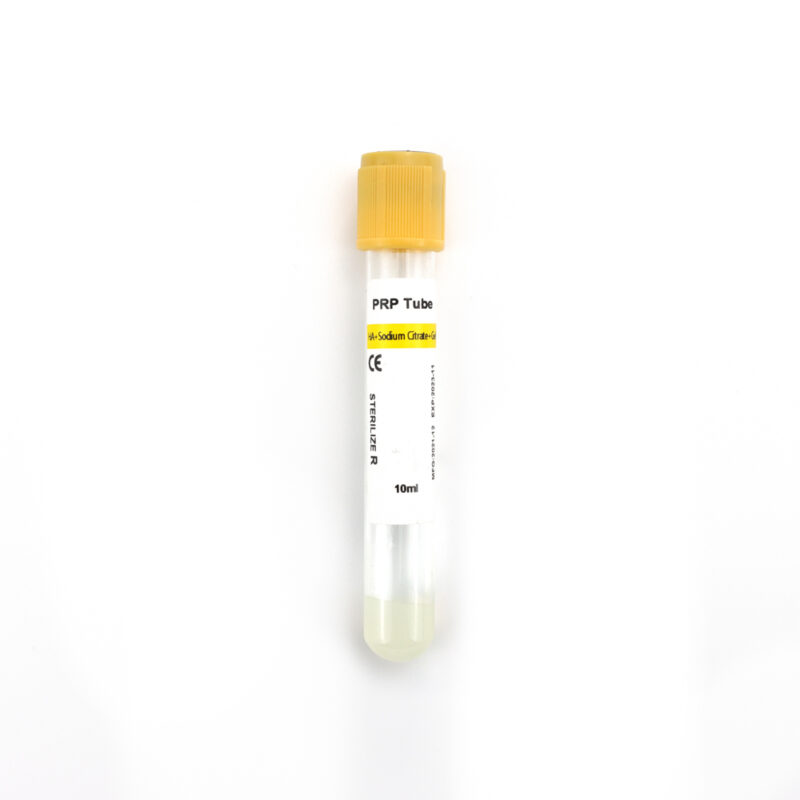
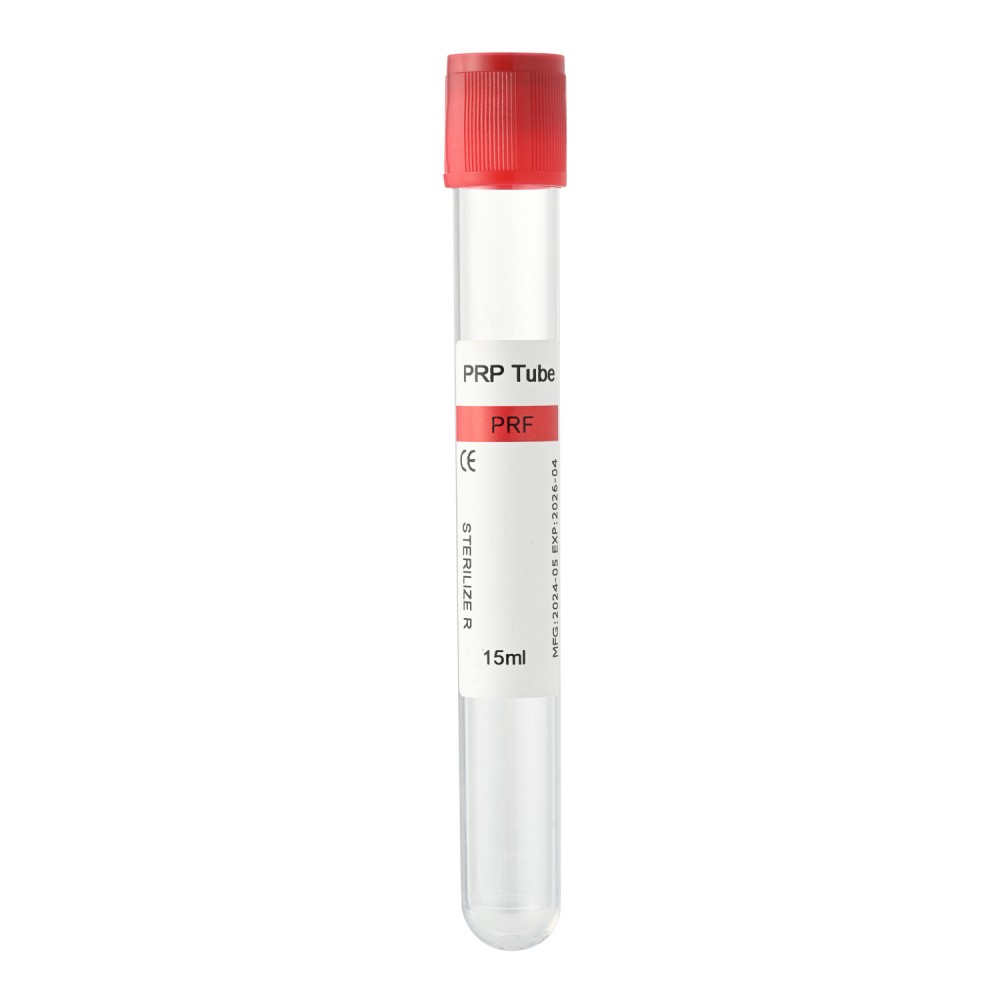
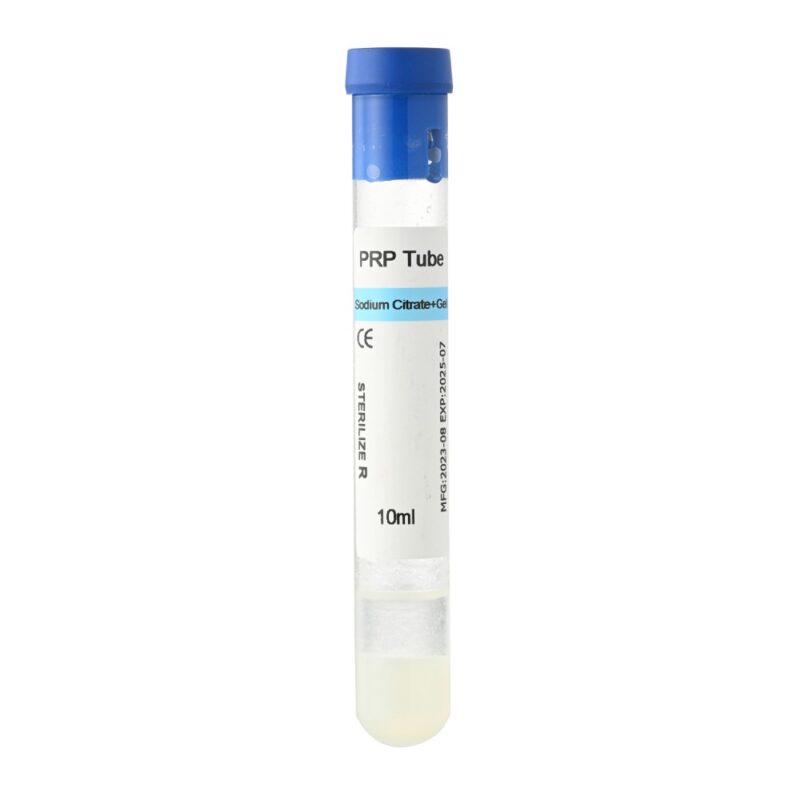
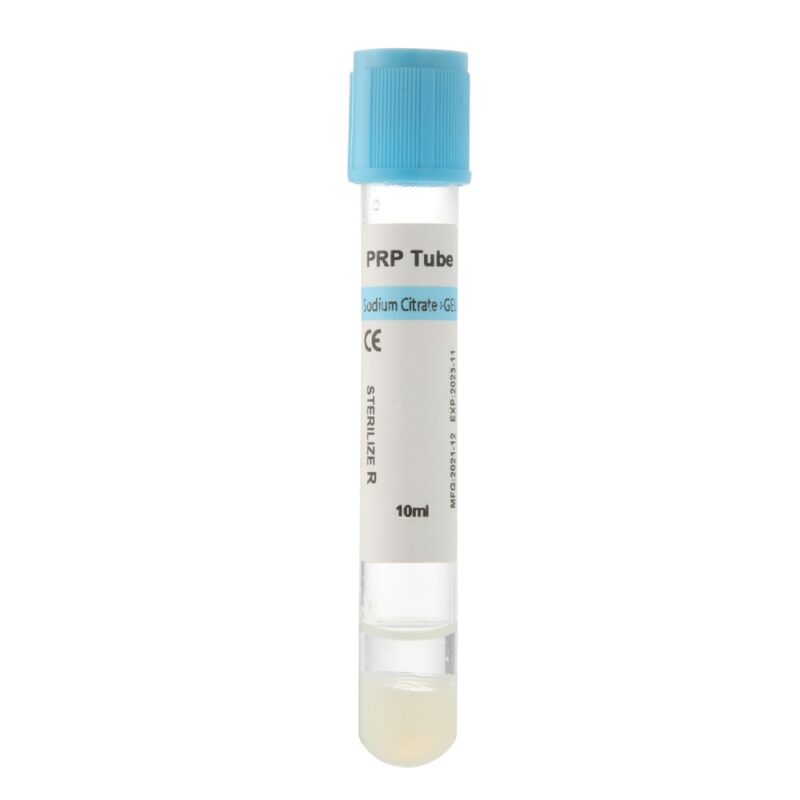
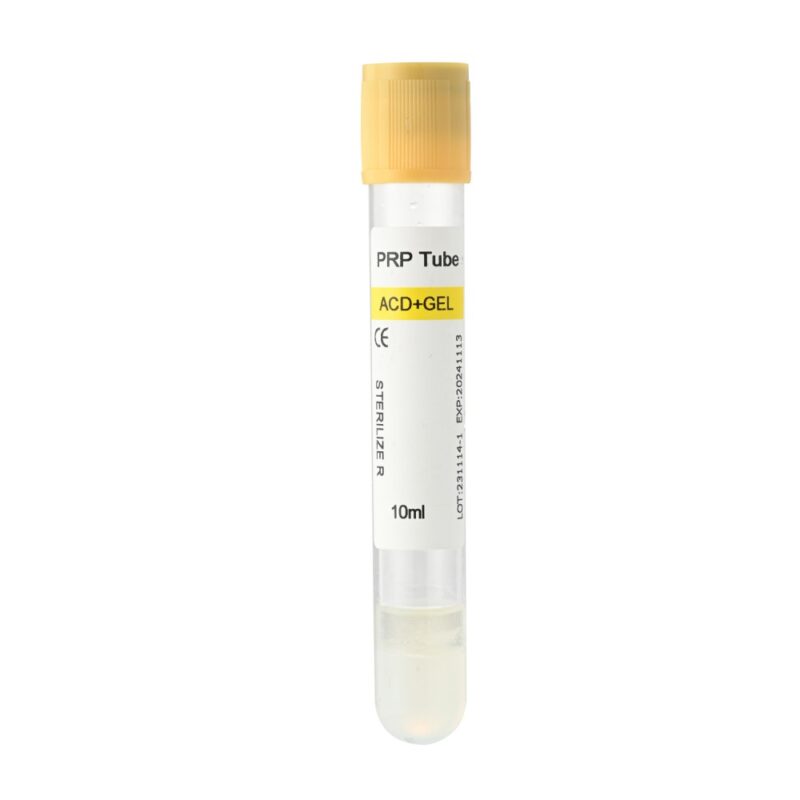
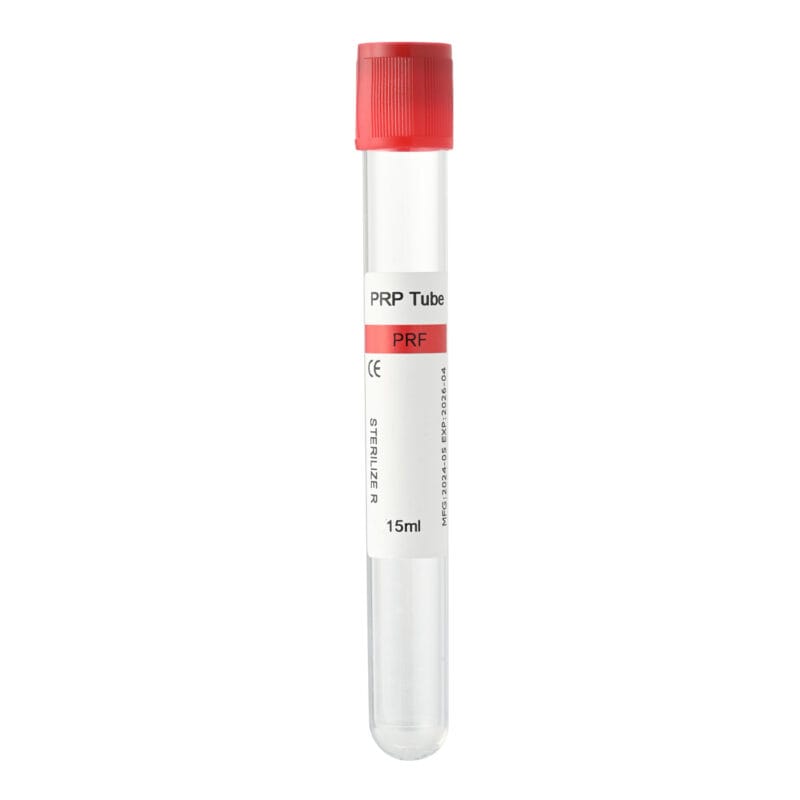
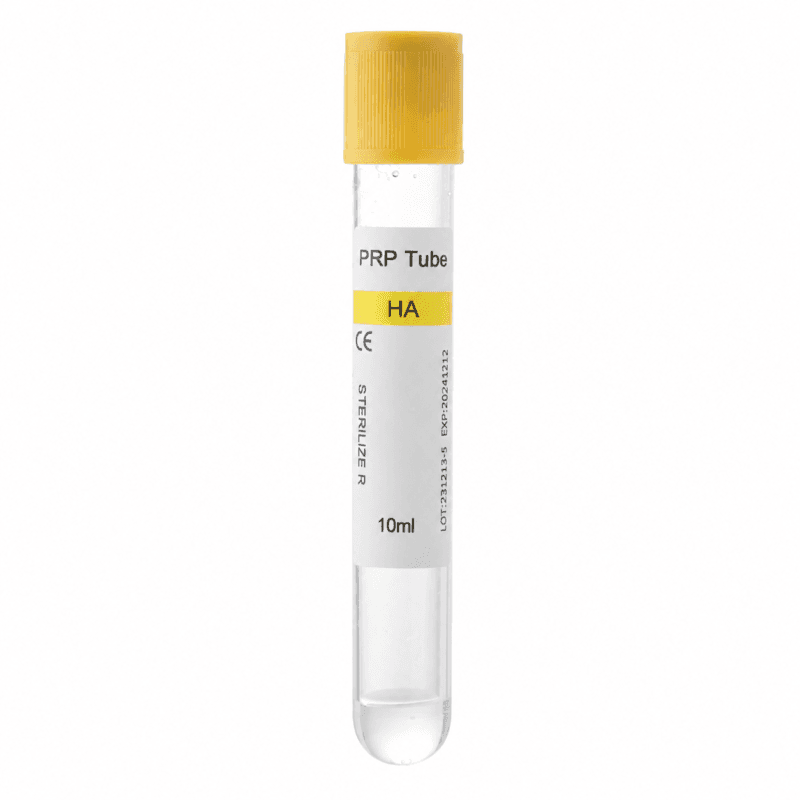
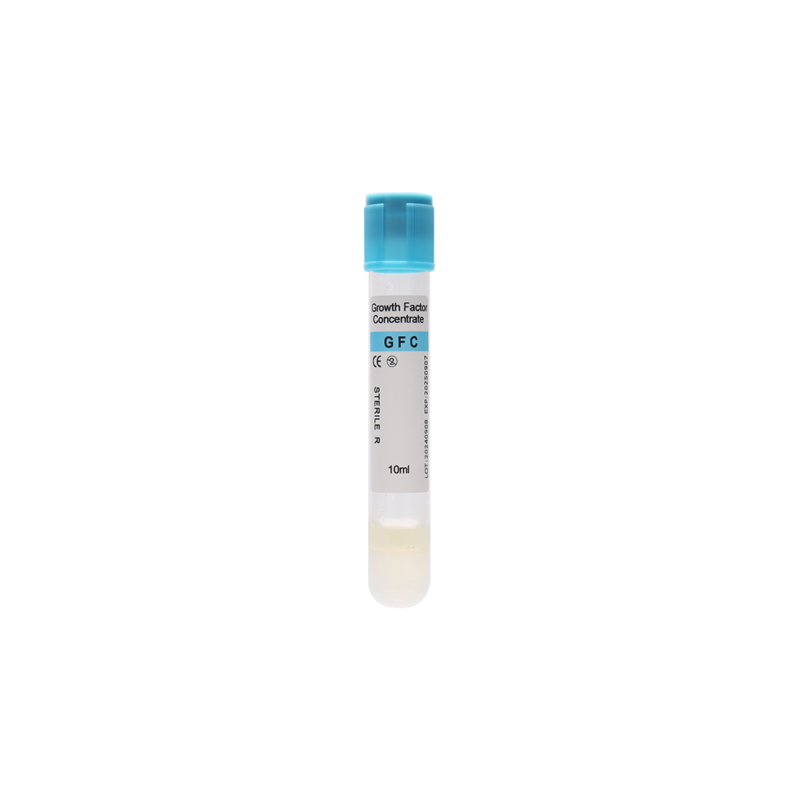
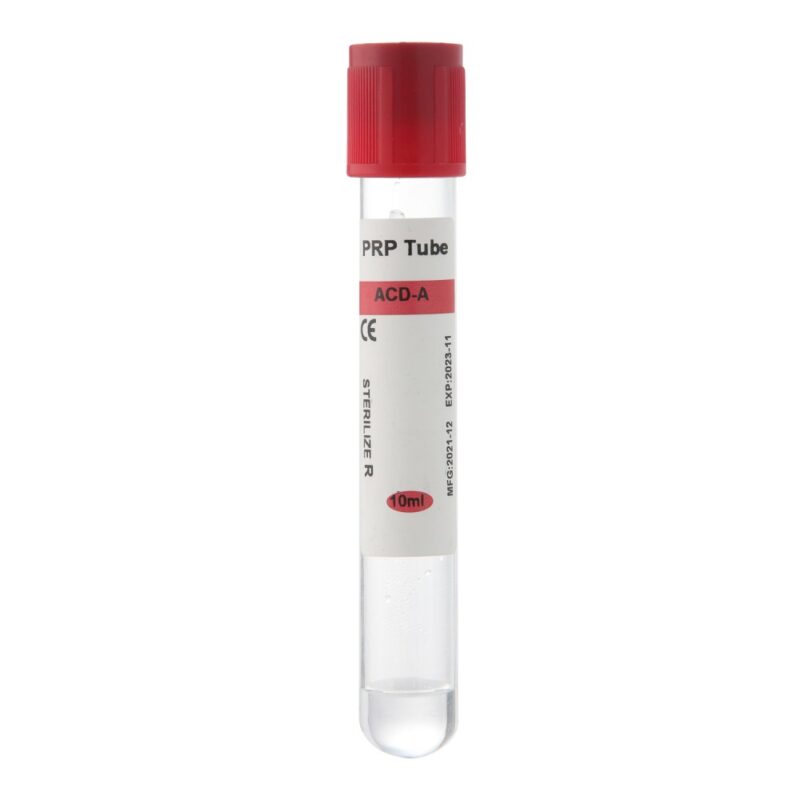
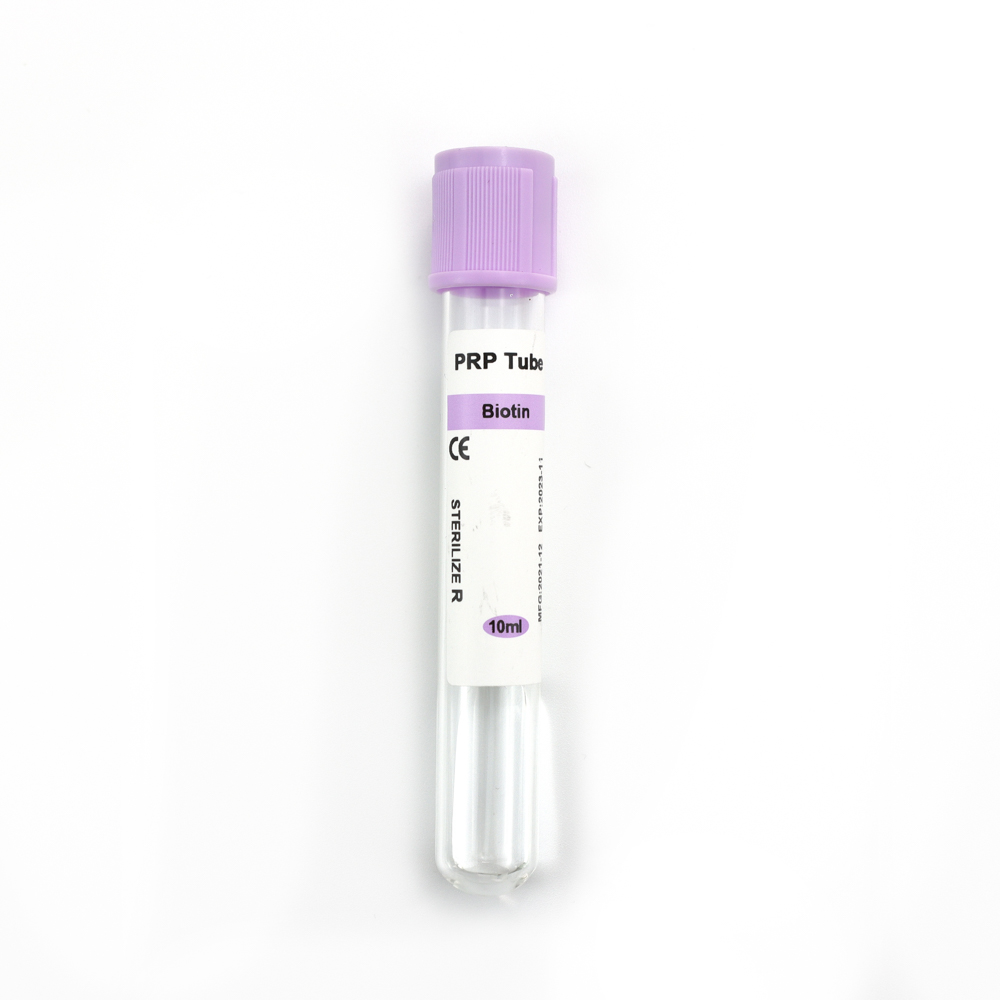
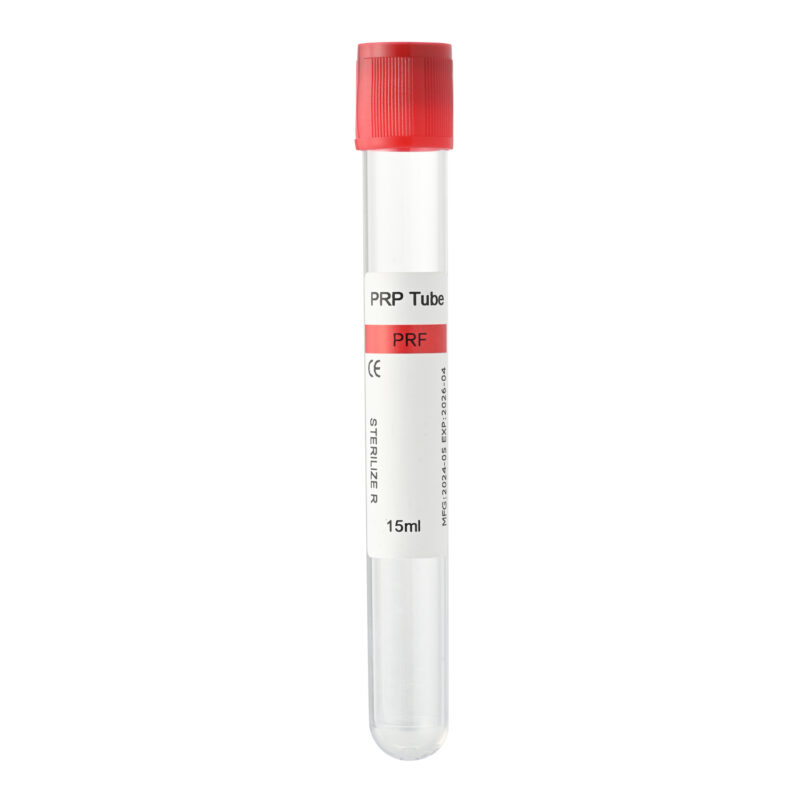
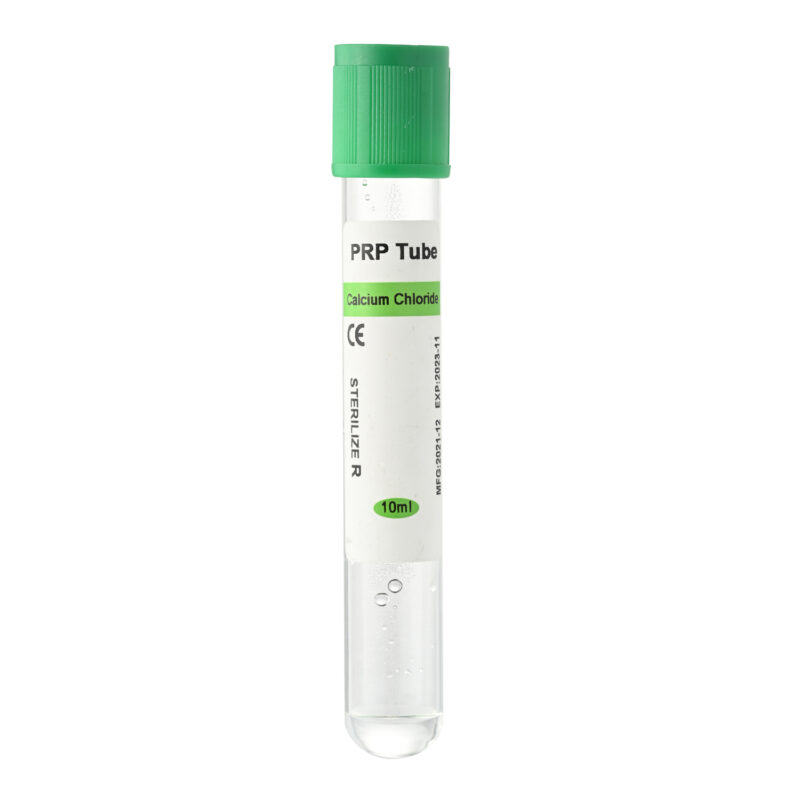
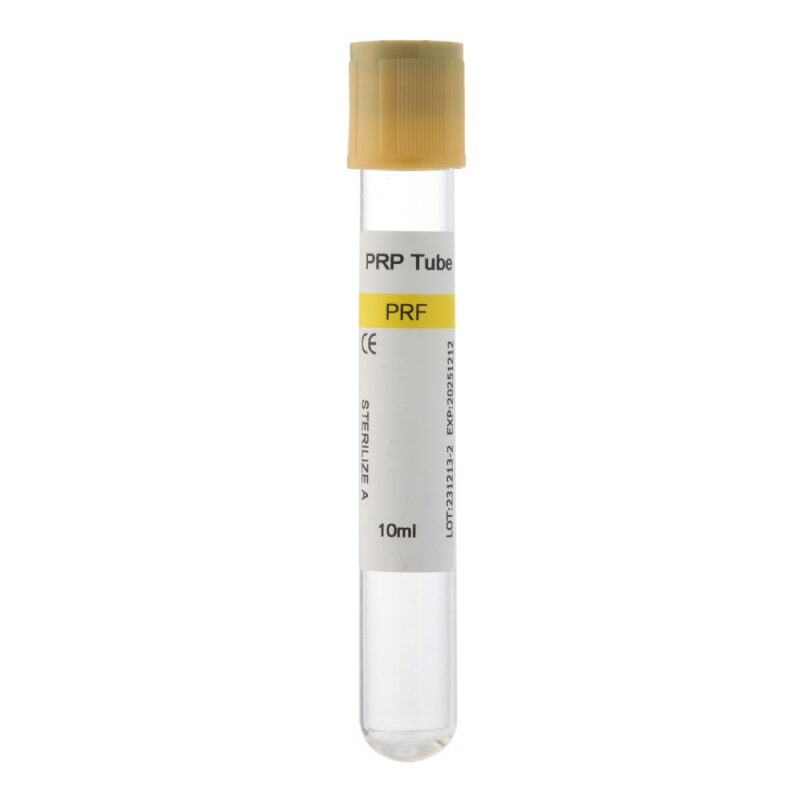
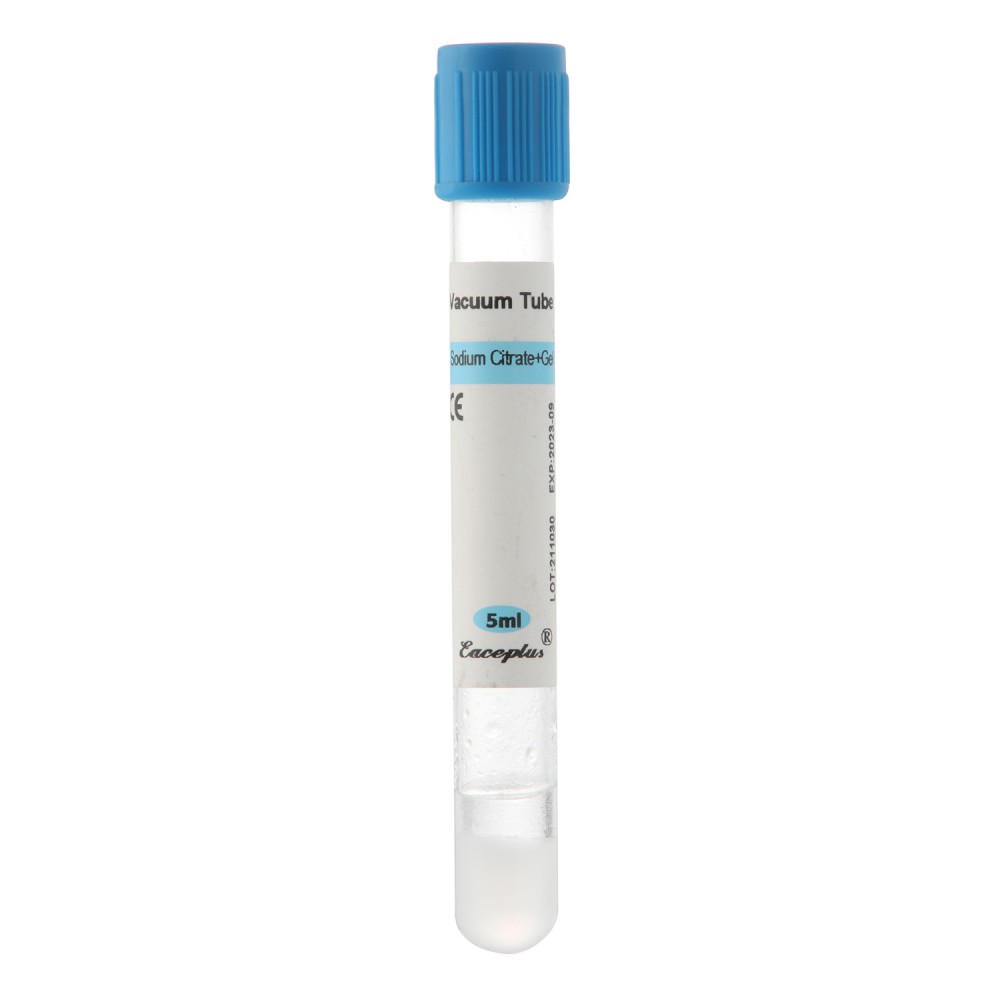
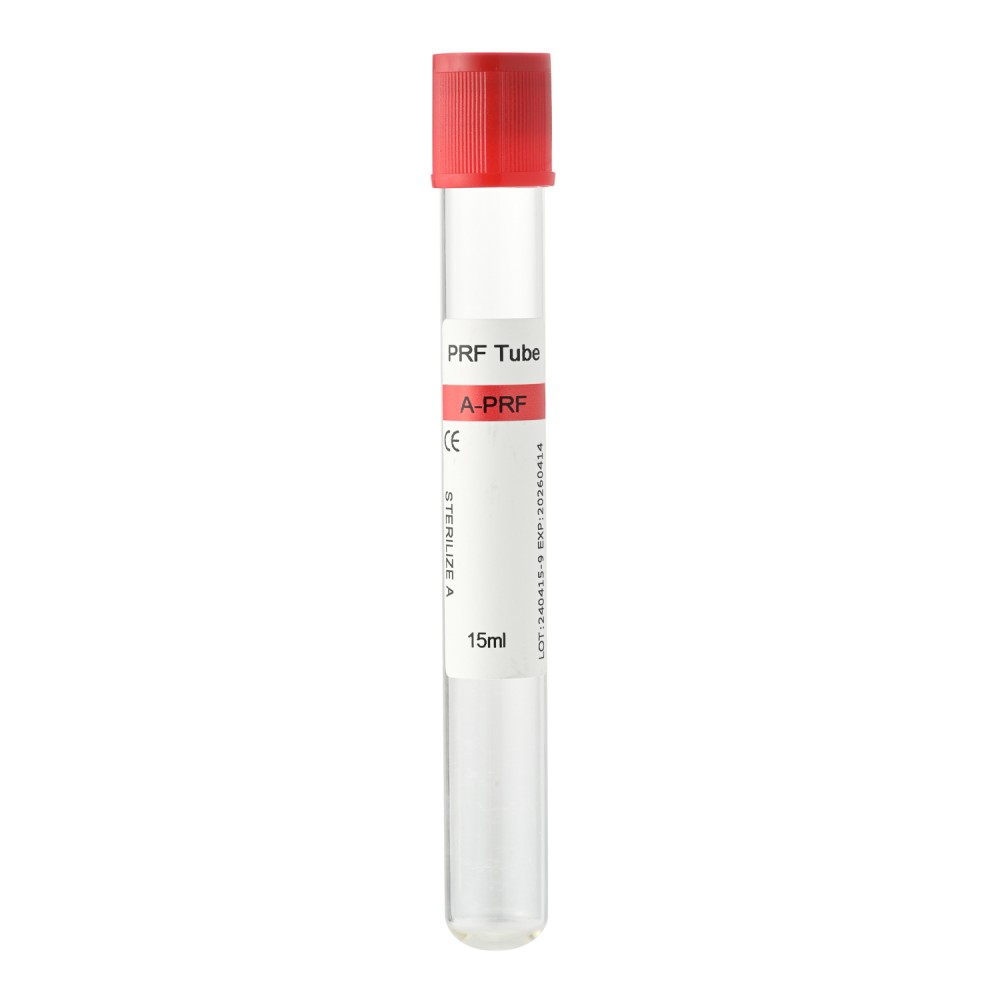
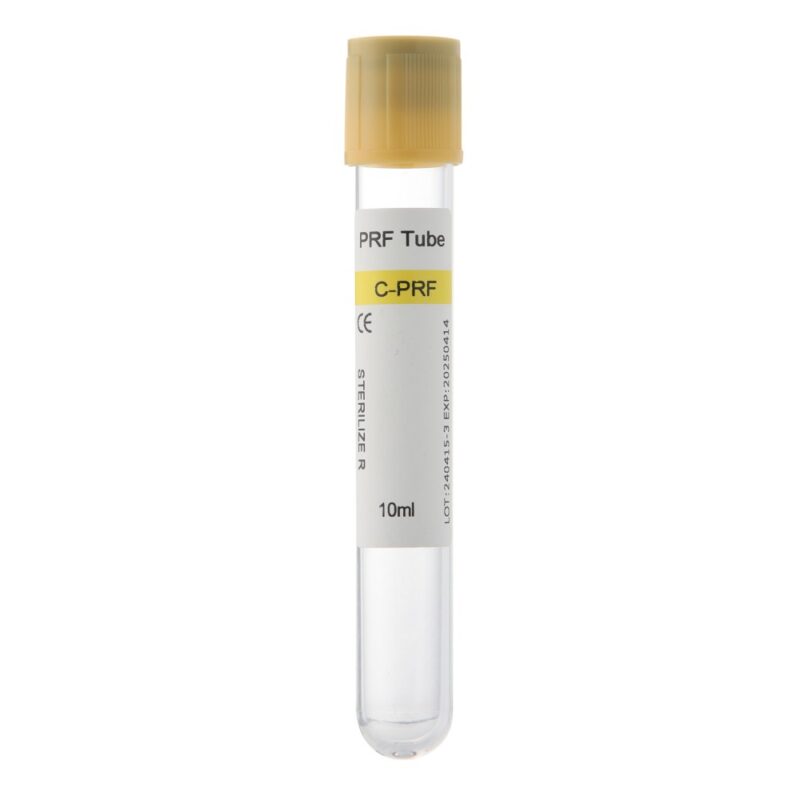
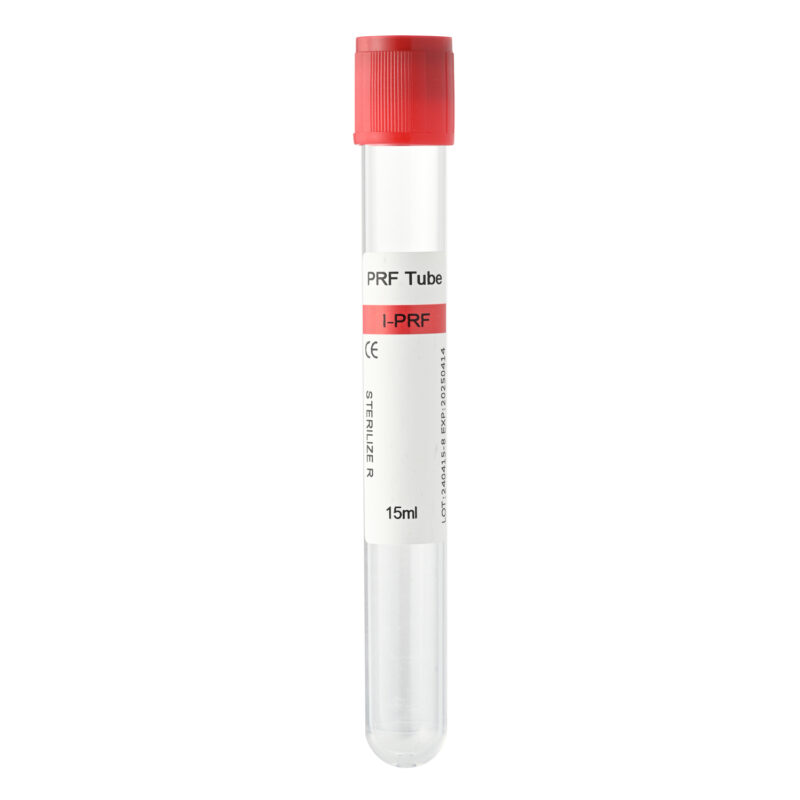
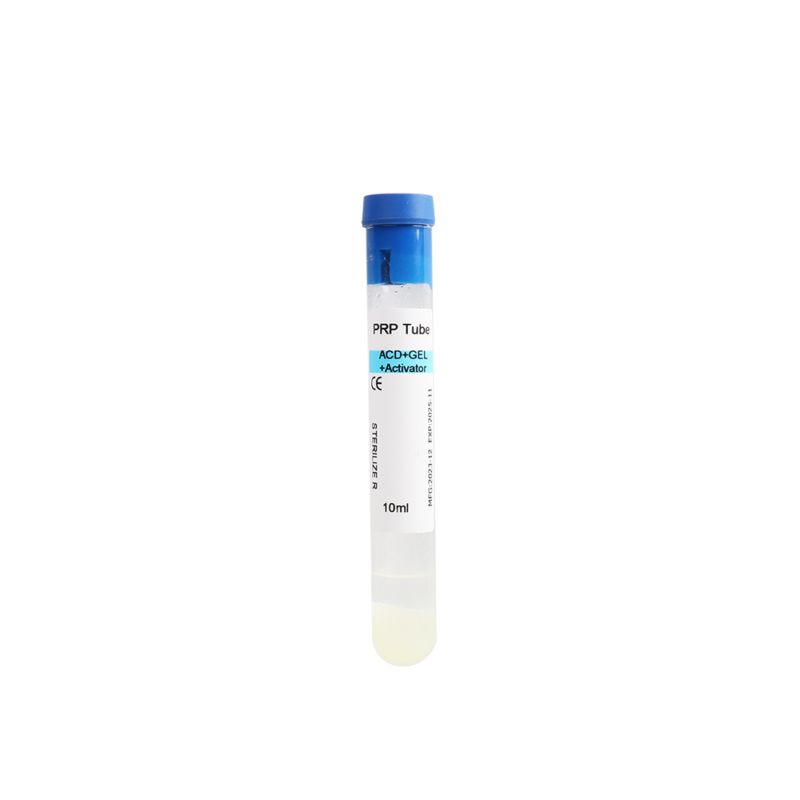
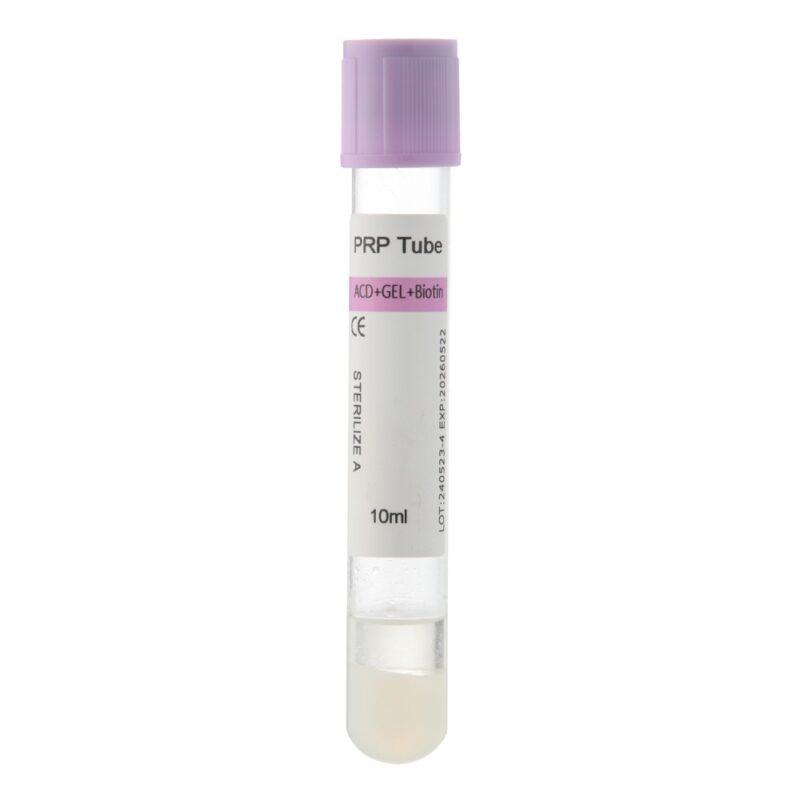
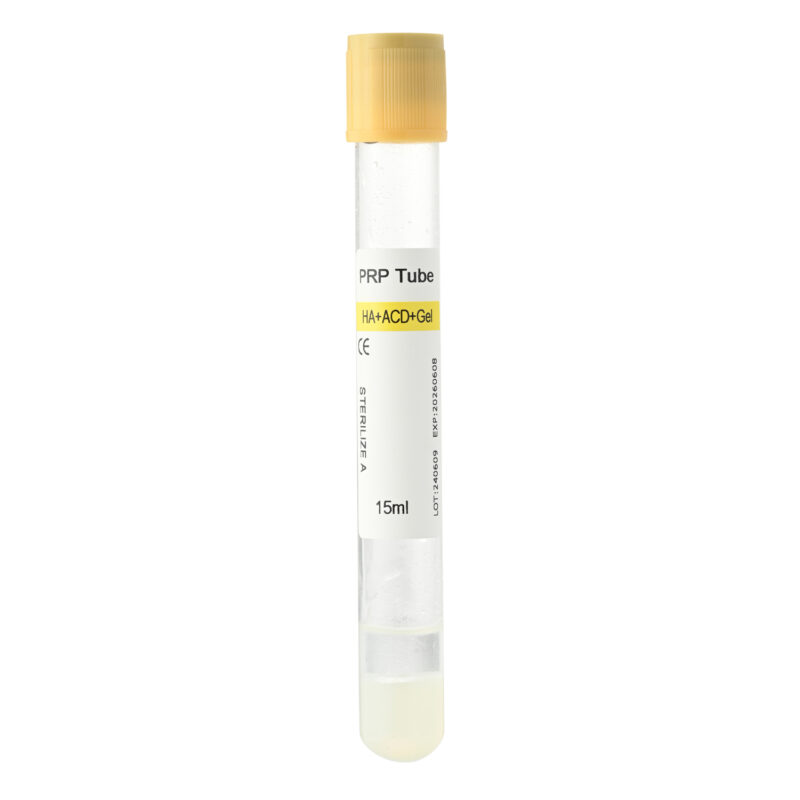
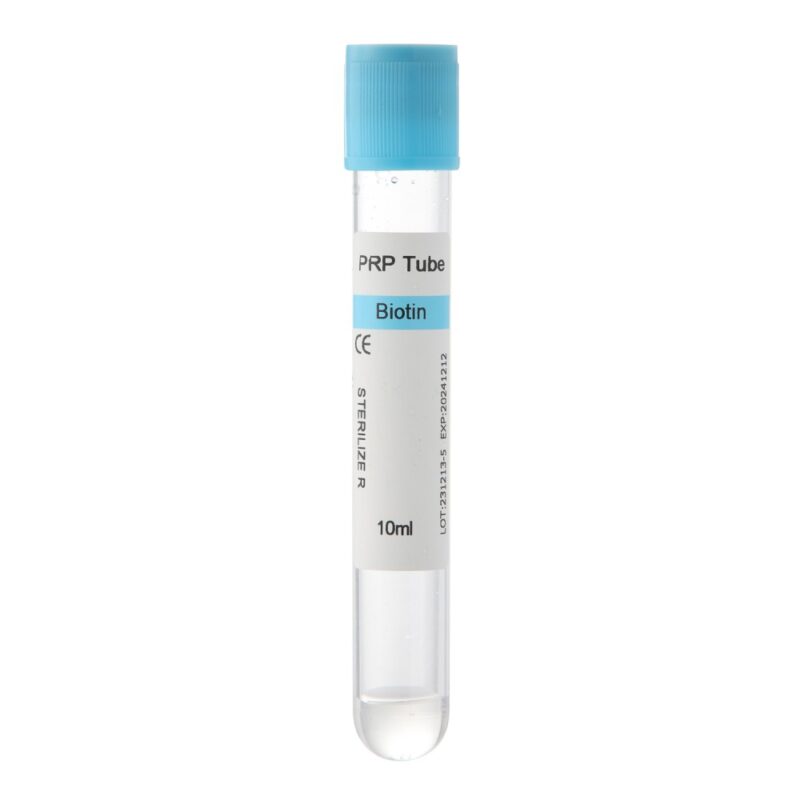
For clinics using PRP in dermatology or aesthetic medicine, reproducible preparation is important. Blood collection, centrifugation, separation, handling, and the selected PRP tube all form part of the platelet-preparation workflow.
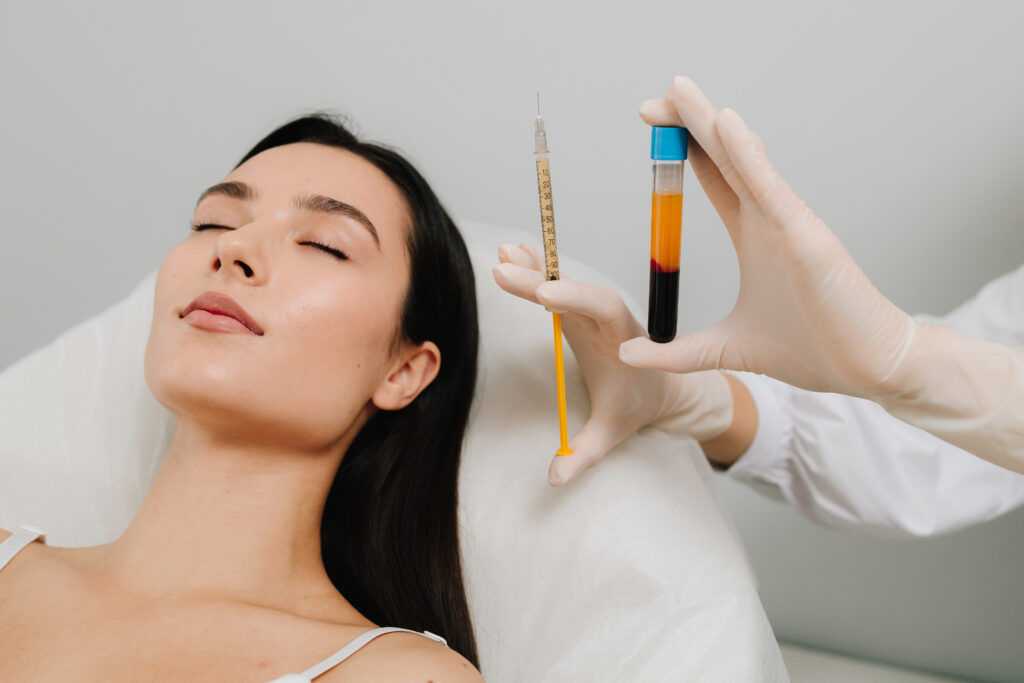
What Does the Clinical Evidence Say About PRP for Melasma?
Clinical research on platelet-rich plasma for melasma has produced encouraging results, but the evidence requires careful interpretation.
A 2021 systematic review and meta-analysis involving 10 studies and 395 adults reported improvement in melasma severity following PRP treatment. Reported adverse reactions were generally mild. PRP has also been studied alone and alongside approaches such as microneedling and other pigmentation therapies.
These findings helped generate considerable interest in platelet-rich plasma as a potential treatment for persistent melasma.
Newer evidence, however, adds important context.
What Does the Latest Clinical Evidence Show?
A 2026 systematic review and meta-analysis of 11 clinical studies compared PRP with alternative melasma treatments.
The pooled analysis did not find a statistically significant overall advantage for PRP in improving melasma severity. It also did not demonstrate a clear overall advantage in patient satisfaction or adverse-event outcomes.
The researchers highlighted substantial differences among the included studies. Treatment protocols, PRP preparation, administration techniques, combination therapies, and outcome measurements were not consistent.
This matters when interpreting the results.
The evidence does not prove that PRP has no clinical benefit. Instead, it suggests that PRP may improve melasma in selected patients, while current evidence does not establish it as a superior treatment compared with other available options.
Why Is the Evidence So Variable?
One major issue is the lack of standardized protocols.
Published studies differ in PRP preparation methods, centrifugation protocols, platelet characteristics, treatment frequency, administration technique, combination therapies, and outcome measurement.
PRP cellular composition can also vary depending on the preparation method. For example, different preparations may contain different concentrations of platelets and leukocytes.
Because inflammatory activity is relevant to melasma, the inflammatory profile of a PRP preparation is an interesting research question. However, current melasma evidence is not strong enough to establish one leukocyte composition as universally superior.
This is why clinics should avoid assuming that every PRP preparation is biologically identical.
PRP May Be Part of a Broader Treatment Strategy
Melasma is a chronic and recurrent condition. For many patients, successful management requires several approaches rather than one isolated procedure.
Photoprotection, topical pigmentation treatments, trigger management, carefully selected procedures, and long-term maintenance may all have a role.
PRP can therefore be considered another clinical tool rather than a replacement for every established melasma therapy.
For clinics developing a consistent platelet-preparation workflow, Siny PRP offers PRP tube solutions designed to support standardized blood collection and PRP preparation.

Safe Protocol Principles for PRP Treatment of Melasma
There is currently no universally accepted PRP protocol specifically for melasma.
For that reason, it would be misleading to present one centrifugation speed, injection depth, platelet concentration, treatment interval, or number of sessions as the correct standard for every patient.
Safe practice should instead focus on several broader principles.
Begin With an Accurate Diagnosis
Not every facial pigmentation problem is melasma.
A qualified clinician should assess the pigmentation pattern, skin type, medical history, medication use, hormonal factors, previous treatments, history of PIH, recent sun exposure, and any active skin conditions.
Other causes of facial hyperpigmentation should also be considered before treatment begins.
Evaluate the Condition of the Skin
PRP should not be approached as a routine procedure regardless of skin condition.
Active dermatitis, infection, significant irritation, or unstable inflammatory skin conditions may affect treatment timing. Recent aggressive procedures can also leave the skin temporarily more reactive.
Clinicians should therefore assess whether the treatment area is stable enough for another procedure. When active inflammation is present, treatment may need to be postponed or adjusted according to professional judgment.
Control UV and Visible-Light Exposure
Photoprotection remains one of the most important parts of melasma management.
Broad-spectrum sunscreen is essential, but ultraviolet radiation is not the only concern. Visible light, particularly high-energy visible light, can also contribute to pigmentation in melasma-prone skin.
For this reason, photoprotection may extend beyond conventional broad-spectrum SPF. Depending on the patient’s skin type and clinical needs, clinicians may recommend tinted sunscreen formulations containing iron oxides, which can improve protection against visible light.
This is especially relevant for patients who experience persistent or recurrent pigmentation despite regular UV protection.
No procedural treatment can compensate for uncontrolled environmental triggers. Even after a favorable response to PRP, continued photoprotection remains important for long-term pigmentation management.
Standardize PRP Preparation
PRP quality begins before the treatment itself.
Blood collection, tube selection, centrifugation, platelet separation, handling, and timing can all influence the resulting preparation. Clinics should therefore use a validated and repeatable workflow rather than changing preparation parameters without clinical justification.
Different preparation methods may also produce different platelet and leukocyte profiles. Because the ideal cellular composition for melasma has not yet been established, clinicians should follow a validated PRP system and their established clinical protocol rather than assuming one PRP type is universally preferable.
There is also no single centrifugation protocol suitable for every PRP system. Appropriate parameters depend on the PRP tube, centrifuge, intended preparation method, and clinical protocol.
For this reason, PRP equipment should be considered as an integrated preparation system rather than as isolated components.
Use Caution With Combination Procedures
PRP has been studied alongside procedures such as microneedling.
Combination treatment can be useful in selected patients, but additional mechanical stimulation may also increase irritation. This matters in melasma-prone skin, where inflammation can contribute to pigmentation changes.
There is not enough evidence to define one universal microneedling depth for every melasma patient. Clinicians should instead select conservative, individualized parameters according to the patient’s skin type, treatment history, device, and intended clinical endpoint.
Maintain Aseptic Technique
PRP is prepared from the patient’s own blood, but this does not remove the need for strict infection-control procedures.
Blood collection devices, PRP tubes, transfer components, treatment instruments, and the treatment area should be handled according to applicable clinical standards.
Poor handling can introduce avoidable risks even when the biological material is autologous.
Set Realistic Expectations
Melasma is often recurrent.
PRP may reduce pigmentation in some patients, but it does not remove the underlying tendency toward melasma. Hormonal influences, sunlight, visible light, inflammation, and other triggers can continue to affect pigmentation.
Patients should therefore understand that maintenance care may still be necessary. A realistic, individualized treatment plan is more appropriate than promising rapid or permanent clearance.
For clinics standardizing their platelet-preparation process, Siny PRP provides PRP tube solutions for professional PRP workflows. Product selection should be matched to the clinic’s established preparation system and intended application.
FAQs About PRP for Melasma
Is PRP effective for melasma?
Clinical studies have reported improvement in melasma severity following PRP treatment. Earlier systematic reviews also found encouraging results.
However, more recent evidence has not demonstrated a significant overall advantage over other melasma therapies. PRP is therefore better viewed as a promising option within individualized melasma management rather than a proven superior treatment.
Can PRP completely remove hormonal melasma?
No treatment can currently guarantee permanent removal of melasma.
Hormonal influences, ultraviolet exposure, visible light, genetics, inflammation, and other biological factors may continue to trigger pigmentation. PRP may improve visible pigmentation in selected patients, but recurrence remains possible.
Can melasma come back after PRP treatment?
Yes. Melasma is a chronic and recurrent pigmentary condition.
Even after visible improvement, pigmentation may return following sun exposure, hormonal changes, skin inflammation, or other triggers. Long-term photoprotection and maintenance strategies remain important.
Is PRP safer than laser treatment for melasma?
PRP and laser treatments work differently.
PRP is non-thermal, while lasers use controlled light energy to interact with skin structures. Avoiding thermal energy may be useful in selected patients where excessive inflammation is a concern, but this does not automatically make PRP safer for everyone.
Treatment choice should depend on skin type, pigmentation pattern, medical history, previous reactions, and professional assessment.
Can laser treatment make melasma darker?
It can occur in some patients.
Laser and energy-based procedures may trigger inflammation, and susceptible skin can respond with post-inflammatory hyperpigmentation. Risk depends on the device, treatment parameters, skin type, and individual response.
Careful patient selection and appropriate treatment parameters are therefore important.
Can PRP cause hyperpigmentation?
Any procedure that causes skin irritation or inflammation can potentially influence pigmentation.
Reported PRP reactions are generally temporary and may include redness, swelling, tenderness, or bruising. Patients with a history of PIH may require additional caution.
Can PRP Be Combined With Microneedling for Melasma?
Yes. PRP has been studied in combination with microneedling, and some clinical studies have reported favorable results.
However, there is no single microneedling depth that is appropriate for every patient. Because mechanical irritation may contribute to PIH in susceptible skin, treatment parameters should be selected conservatively by a qualified professional.
How Many PRP Sessions Are Needed for Melasma?
There is currently no universally accepted treatment schedule.
Published studies use different treatment intervals and numbers of sessions. The appropriate frequency should therefore depend on the patient’s condition, response, and the clinician’s established protocol.
Does the PRP Tube Matter for Melasma Treatment?
The PRP tube is one part of the overall preparation system.
Tube configuration, blood collection, centrifugation, platelet separation, handling, and centrifuge compatibility can all influence preparation consistency. Clinics should choose PRP tubes that fit their validated workflow rather than selecting a tube independently of the overall preparation protocol.
A Careful Approach to PRP and Persistent Melasma
Melasma is much more than excess surface pigment. Hormonal influences, UV exposure, visible light, inflammation, vascular changes, melanocyte activity, basement membrane abnormalities, and the dermal environment can all contribute to its persistence.
That complexity is one reason the condition remains difficult to manage.
PRP offers a different approach from treatments that primarily target existing pigment with light or thermal energy. Platelet-derived signaling molecules may influence pigmentation-related pathways while supporting tissue repair and dermal remodeling.
At the same time, current clinical evidence should not be overstated. PRP shows potential, but research has not established it as universally more effective or safer than other melasma treatments. Preparation and treatment protocols also remain inconsistent across published studies.
For clinicians, the practical priorities are therefore accurate diagnosis, careful patient selection, comprehensive photoprotection, controlled PRP preparation, aseptic handling, individualized treatment planning, and realistic expectations.
For clinics, aesthetic centers, and medical professionals developing a standardized platelet-preparation workflow, Siny PRP provides PRP tube solutions for professional PRP preparation. Explore our PRP tube range or contact the Siny PRP team to discuss the requirements of your current PRP preparation workflow.
This article is intended for professional and educational reference. It does not replace individualized diagnosis or treatment by a qualified healthcare professional.