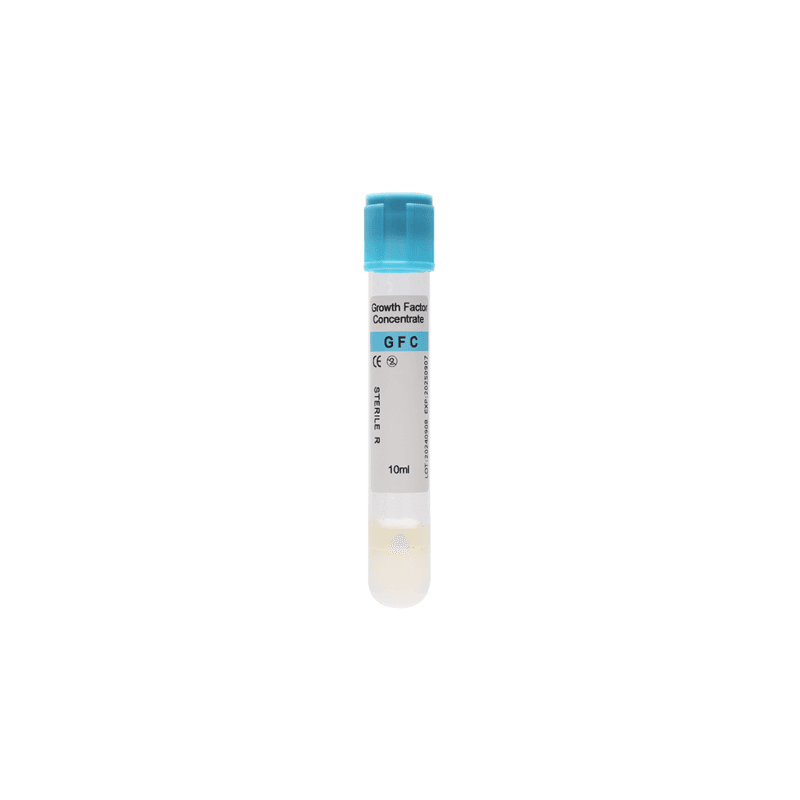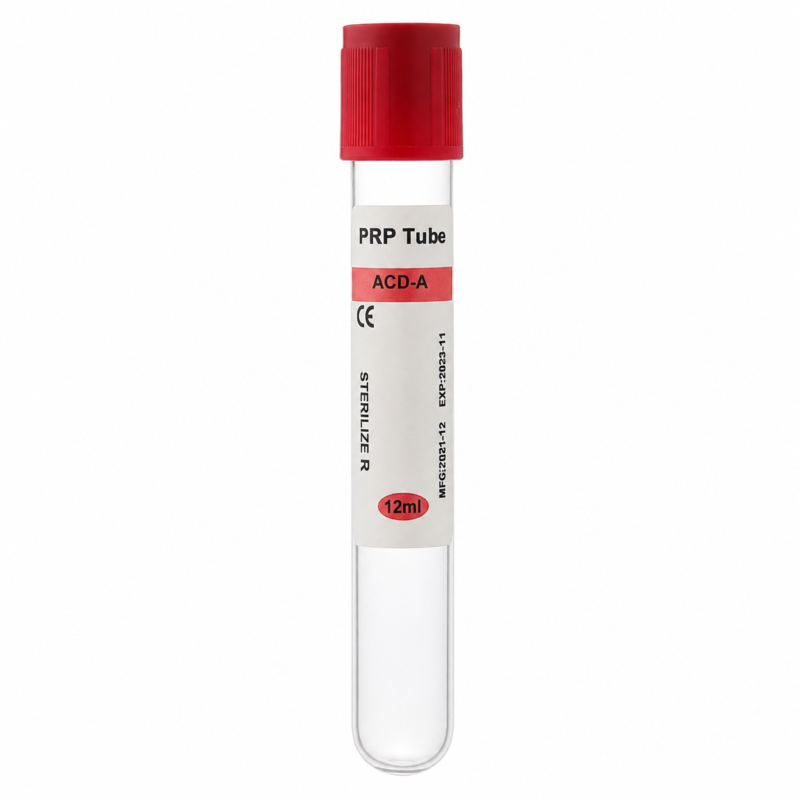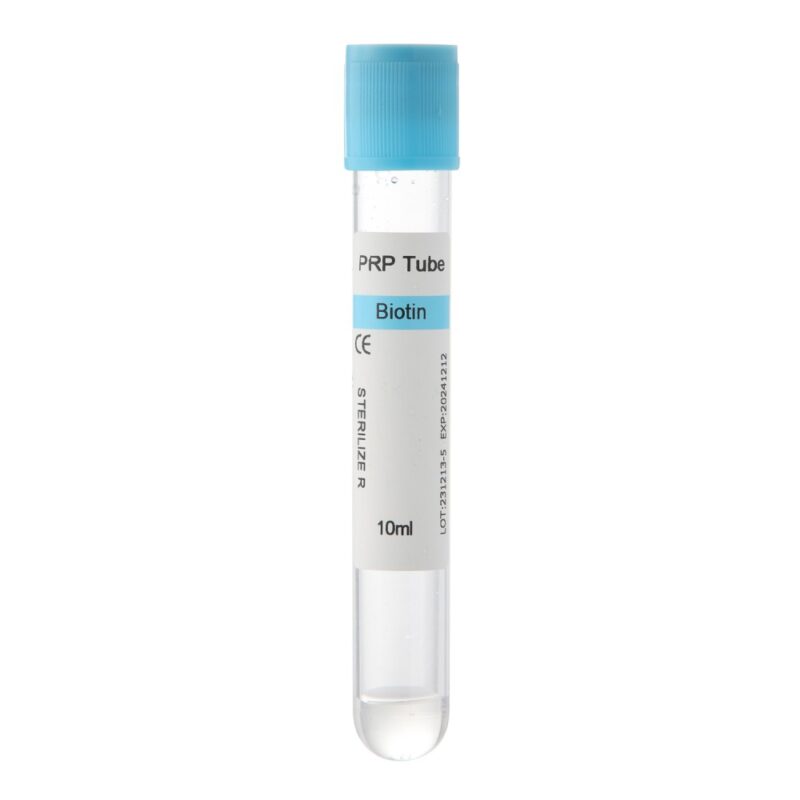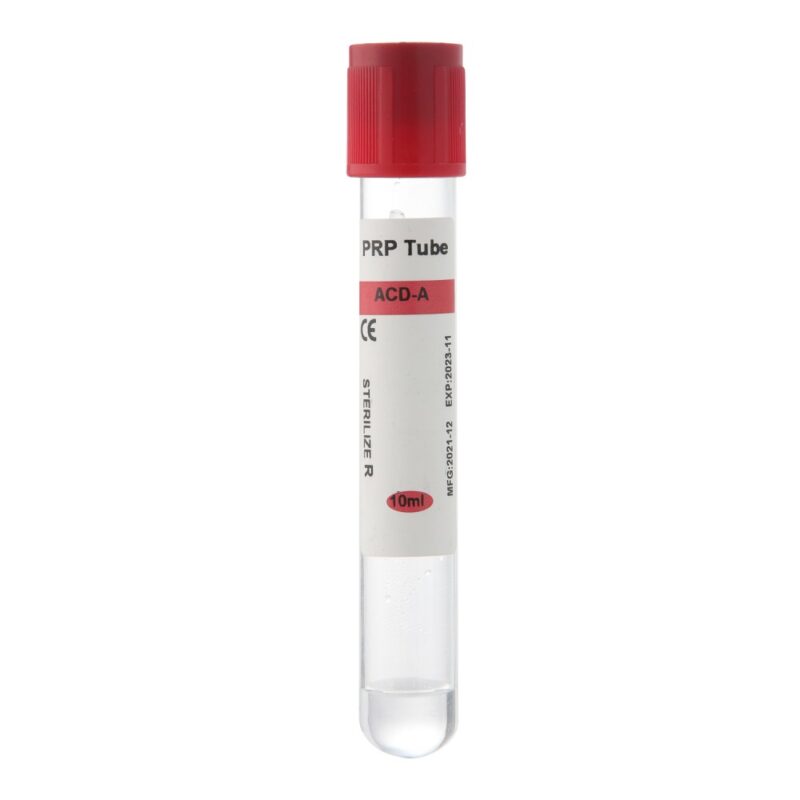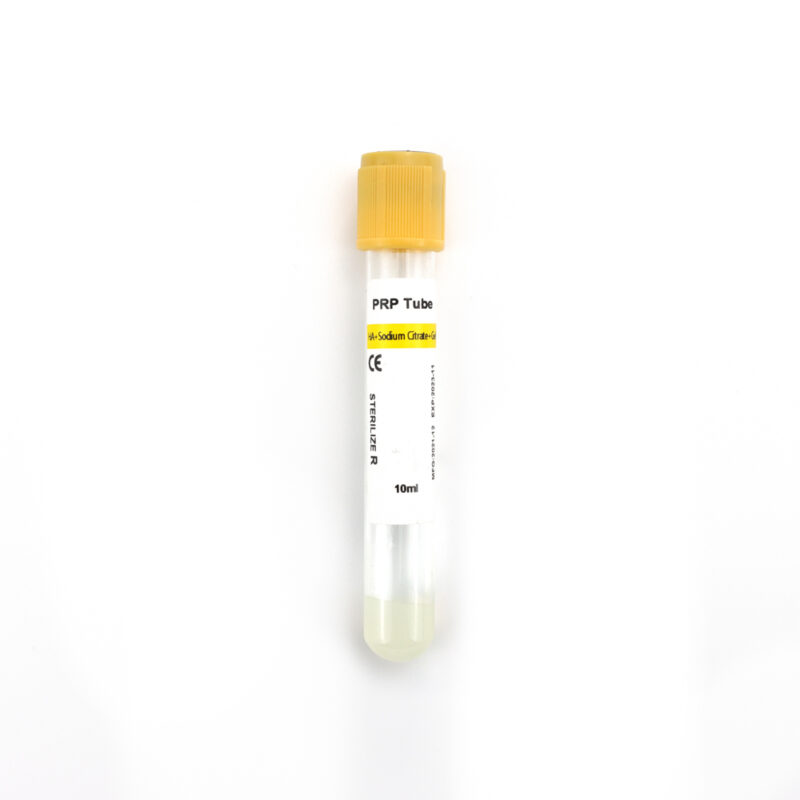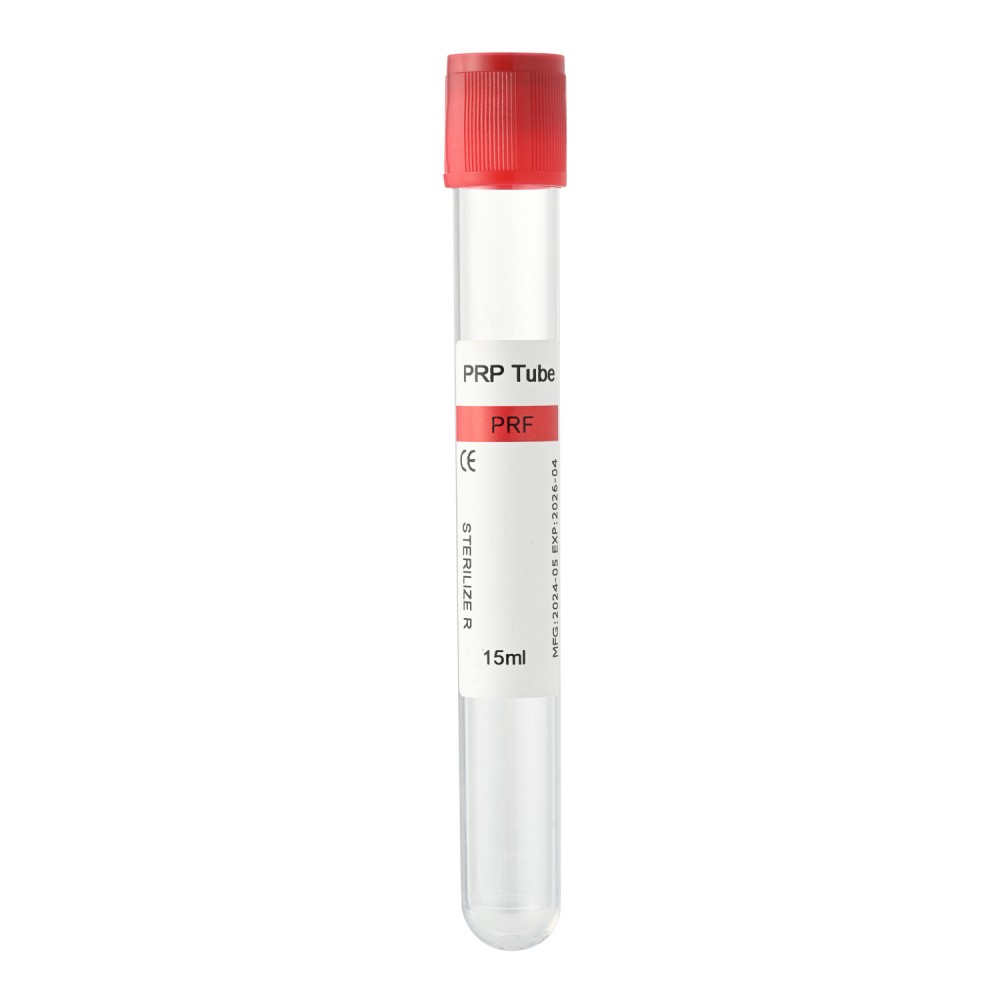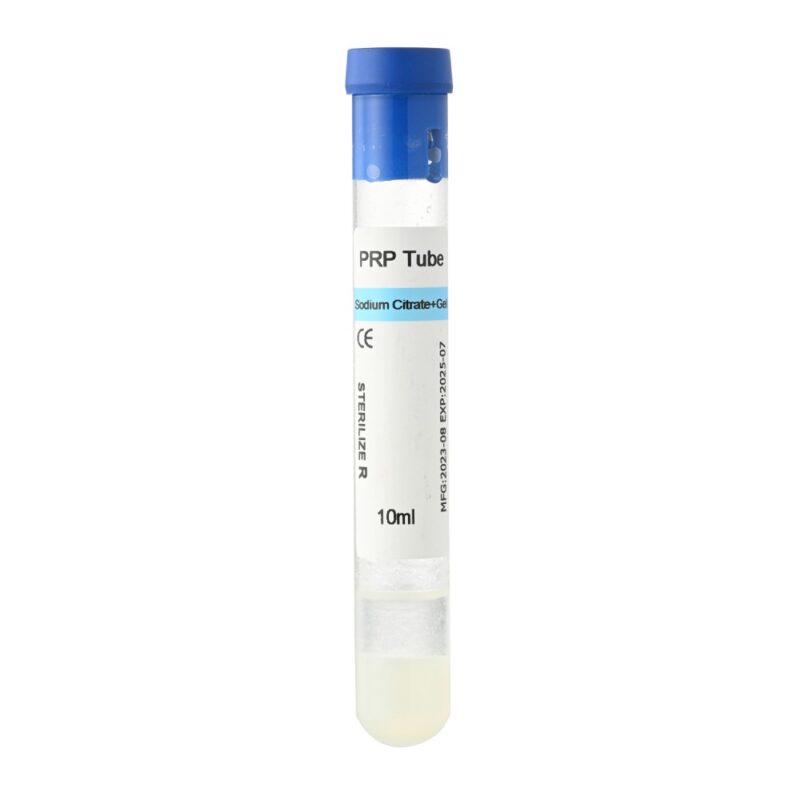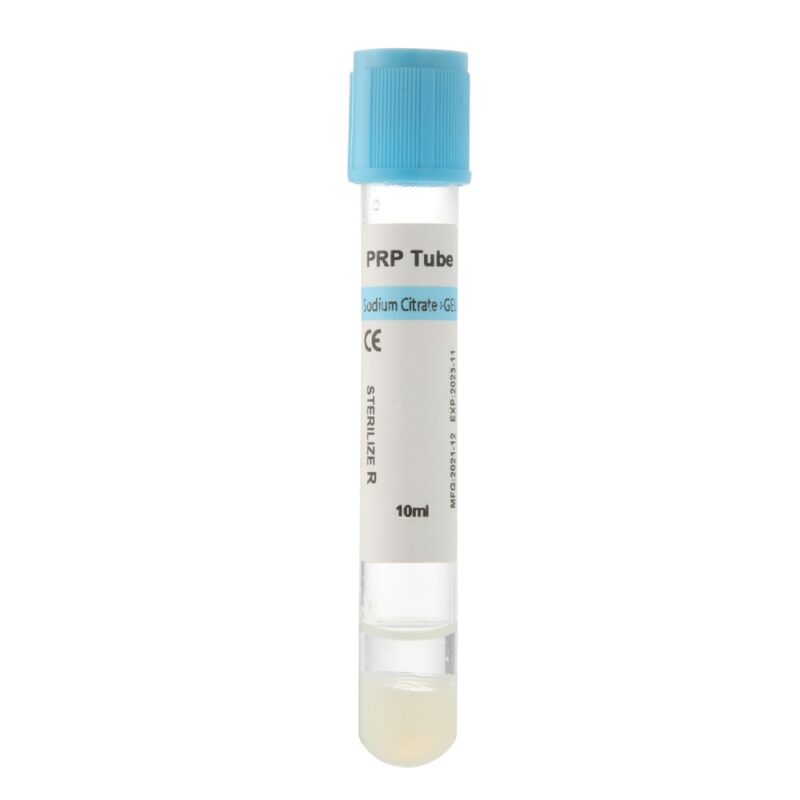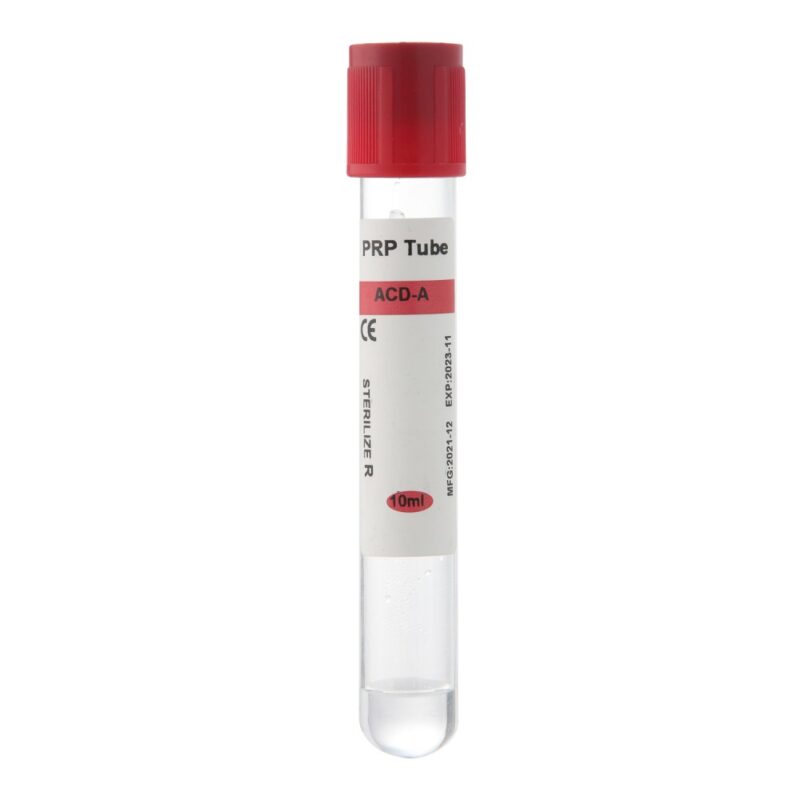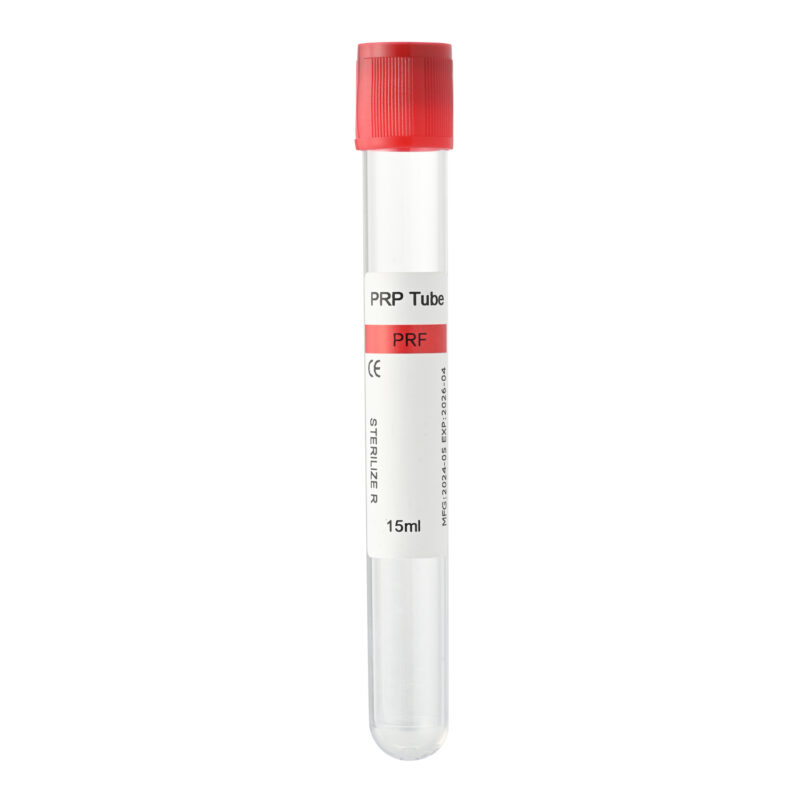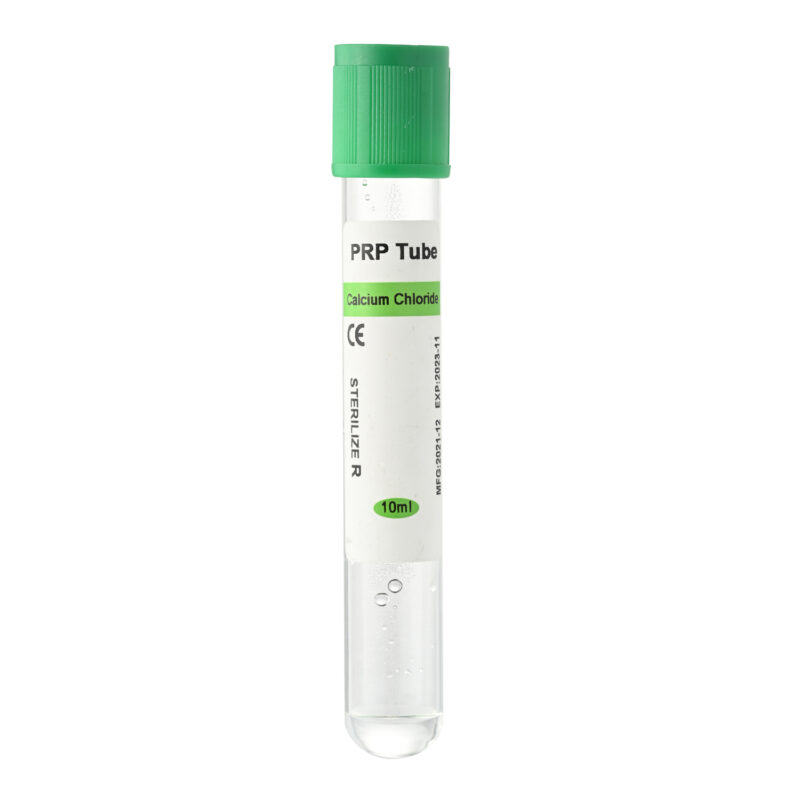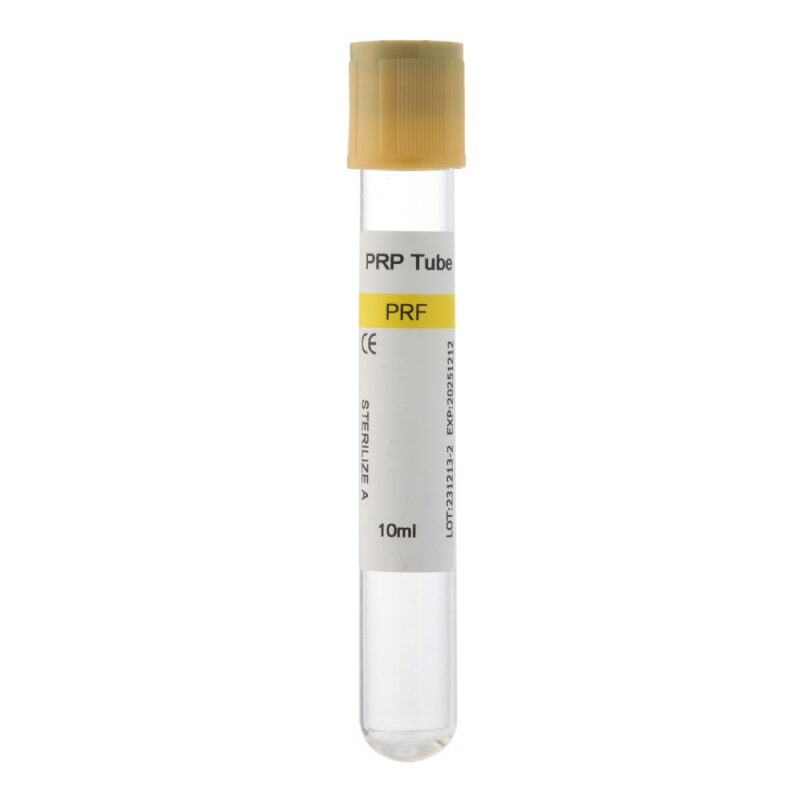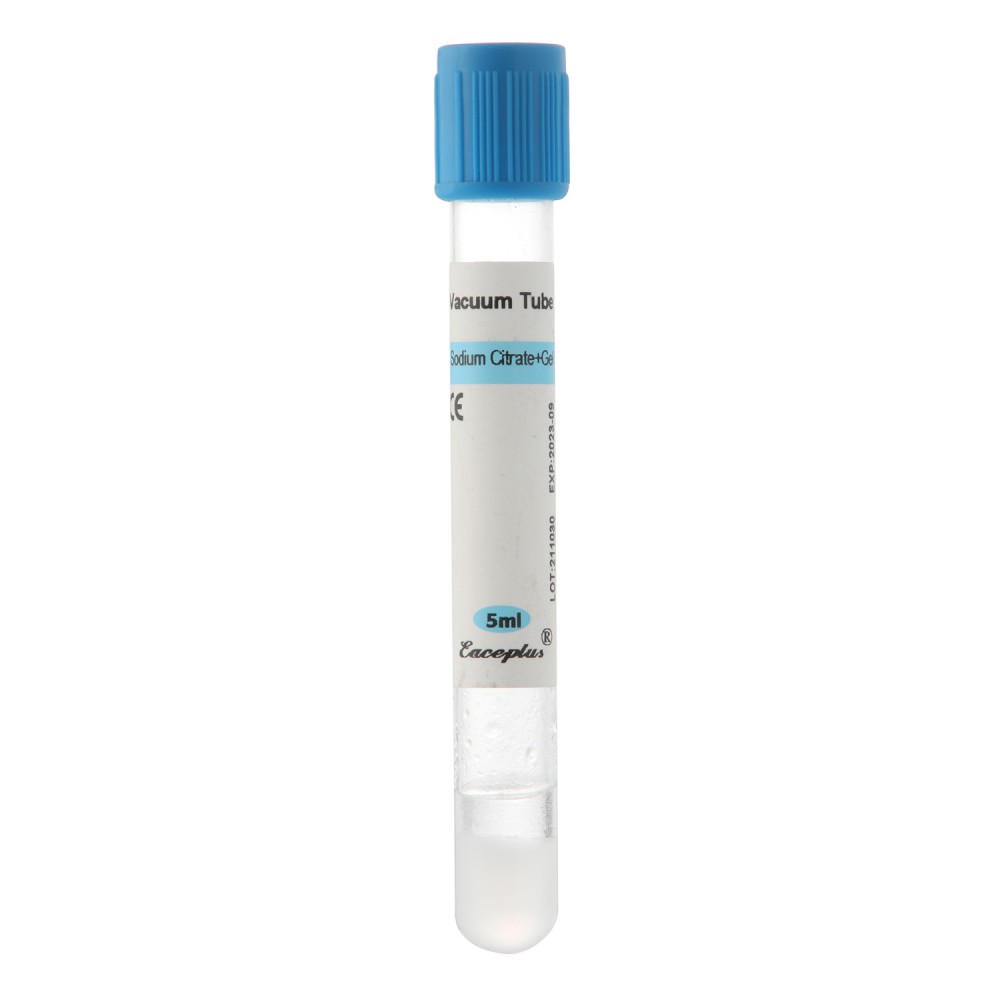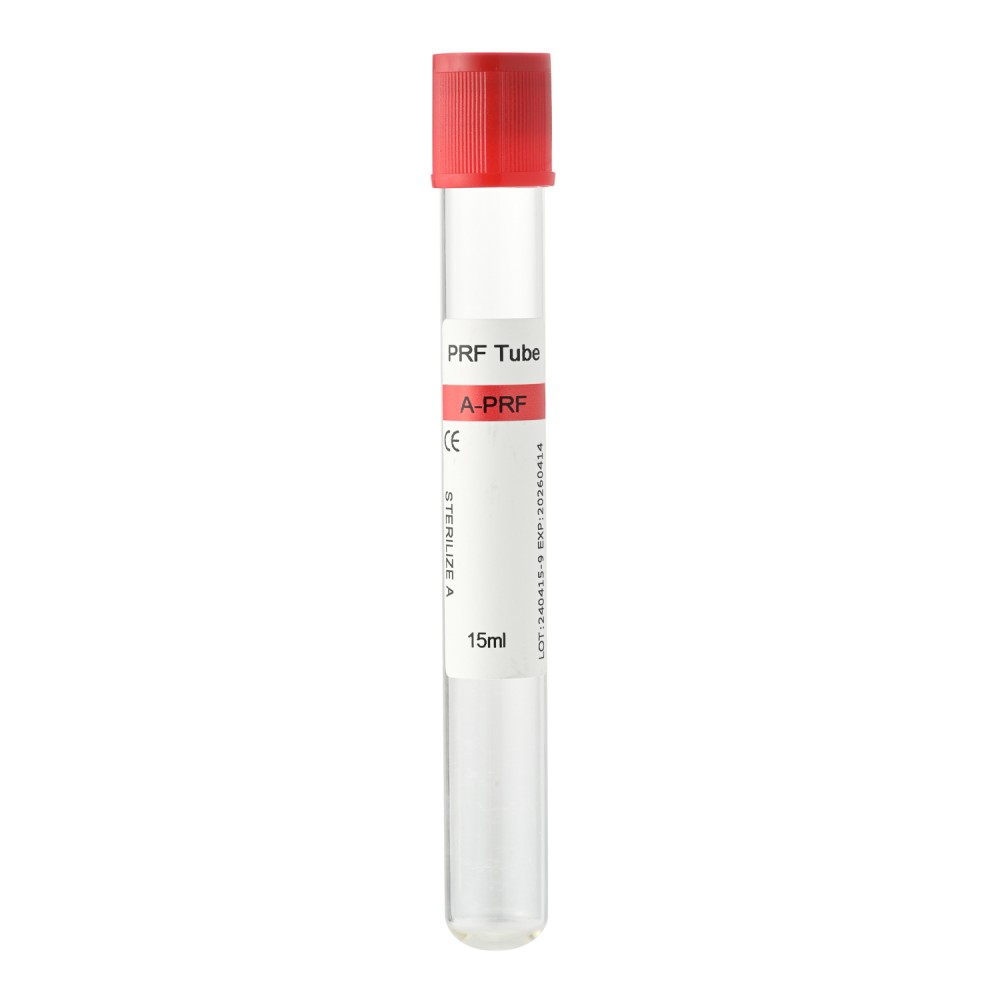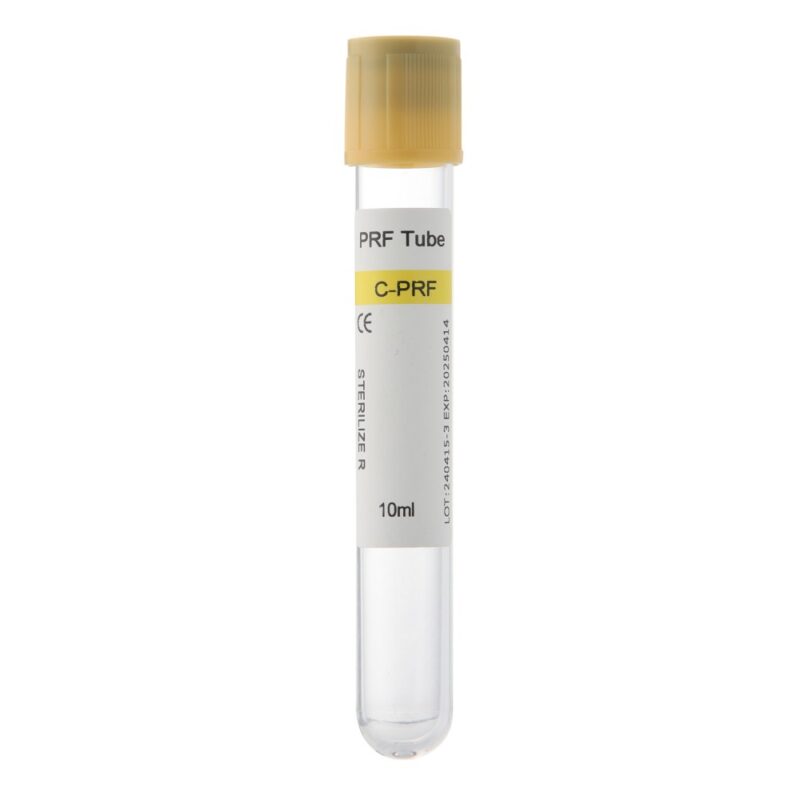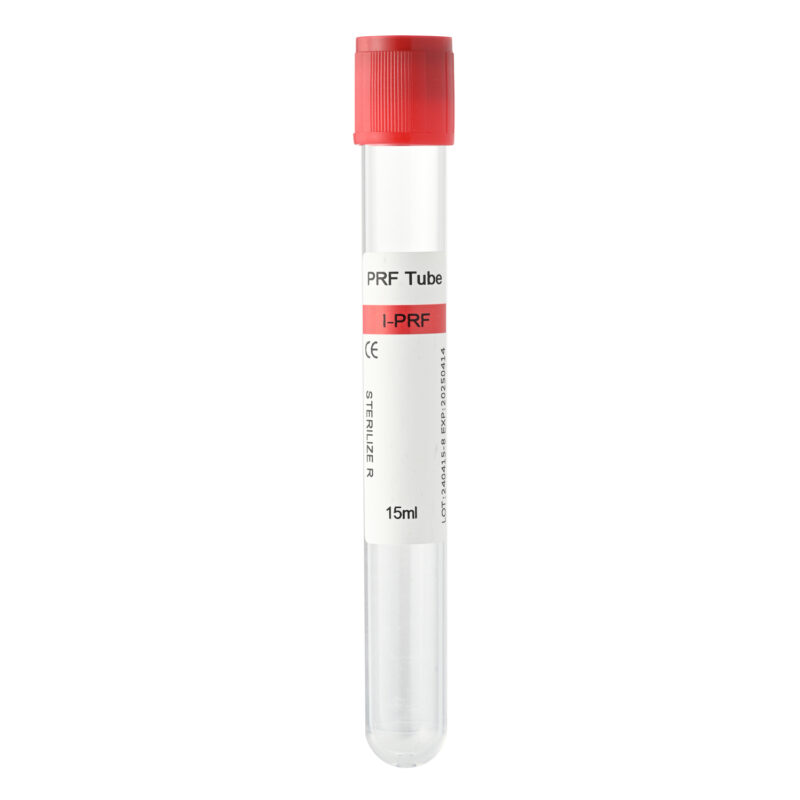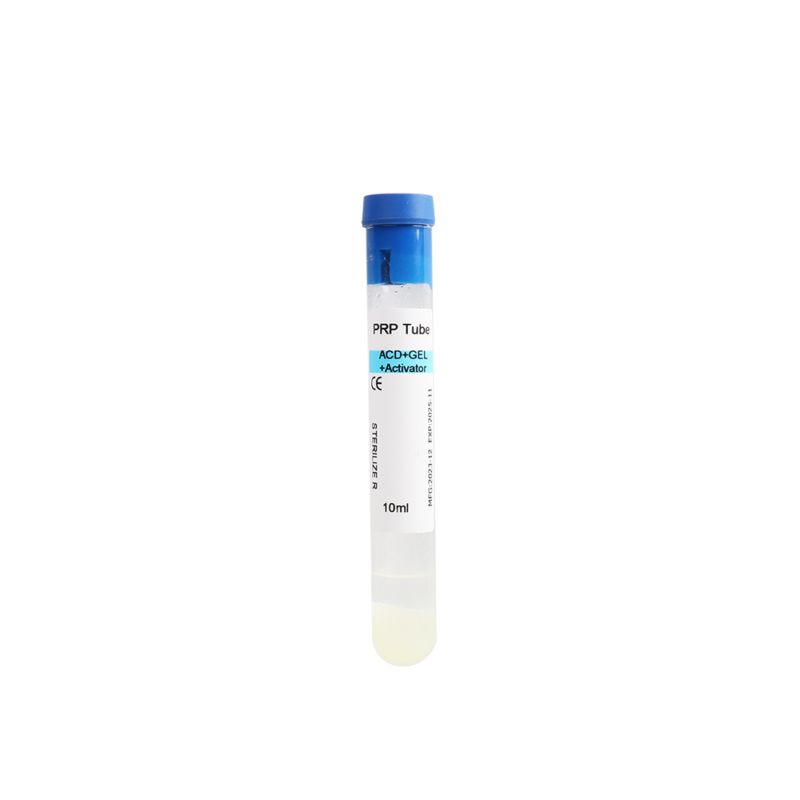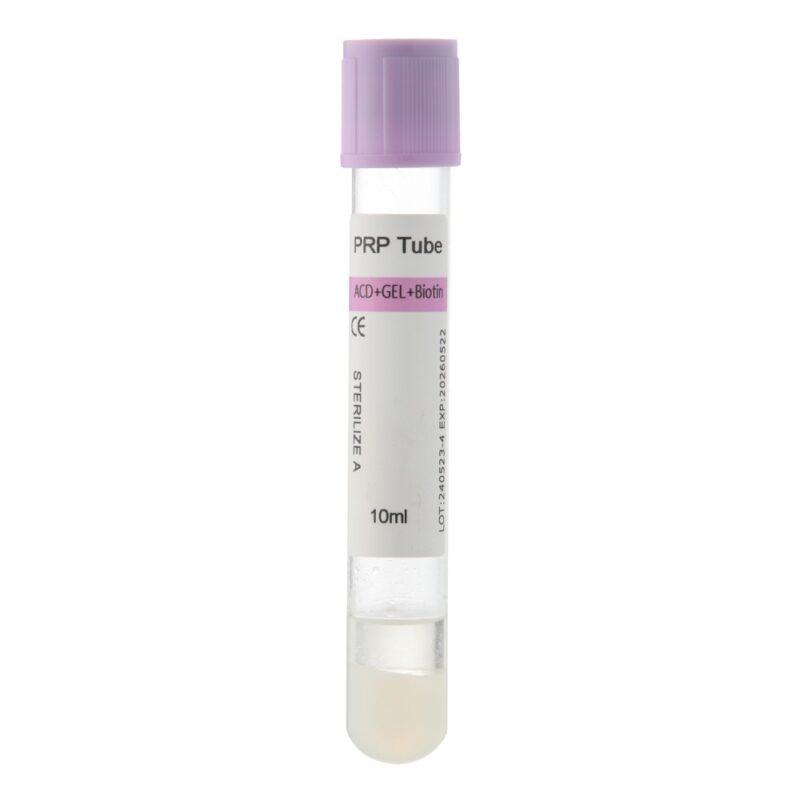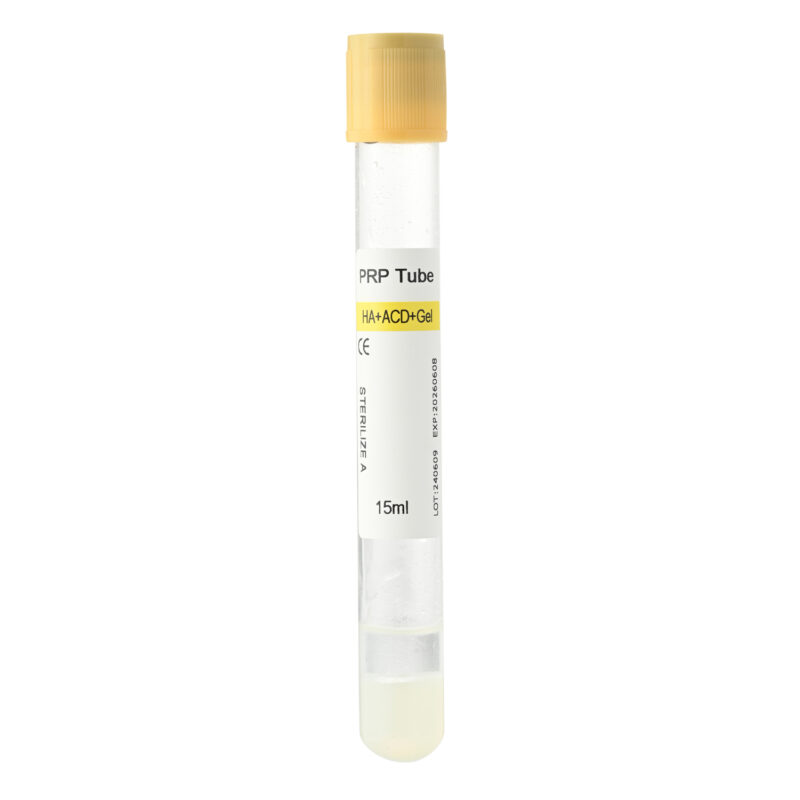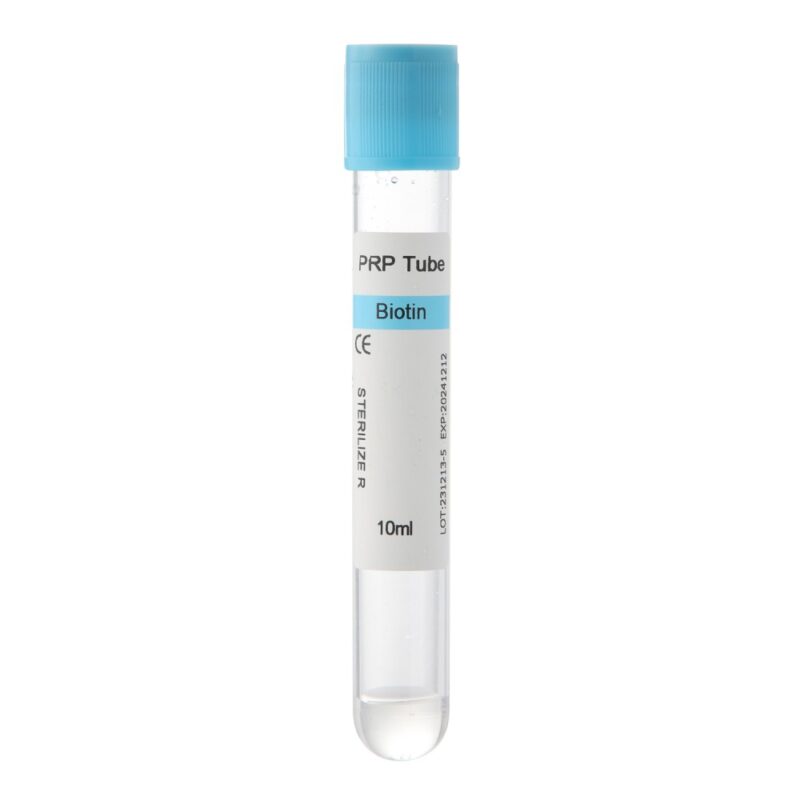
Hair restoration clinics and aesthetic practices are constantly searching for ways to improve patient outcomes, especially as demand for non-surgical hair loss treatments continues to rise. One topic that has gained attention in recent years is whether Biotin PRP offers better results than traditional platelet-rich plasma systems. Many buyers comparing PRP tubes now see products labeled with biotin, vitamins, or growth-support additives and naturally wonder if these upgraded formulations actually improve hair regrowth outcomes.
The reality is more nuanced than many marketing claims suggest. While standard PRP remains widely used in hair restoration, biotin-enhanced PRP systems are becoming increasingly popular because they combine platelet-derived growth factors with nutrients associated with hair health. For clinics choosing between different PRP tube systems, understanding the science, treatment goals, and processing differences is far more important than simply following trends.
This guide discusses how Biotin PRP compares with standard PRP, whether the added biotin makes a measurable difference, and what buyers should evaluate before selecting a PRP tube supplier for hair loss treatments.
What Is Biotin PRP and How Is It Different from Standard PRP?
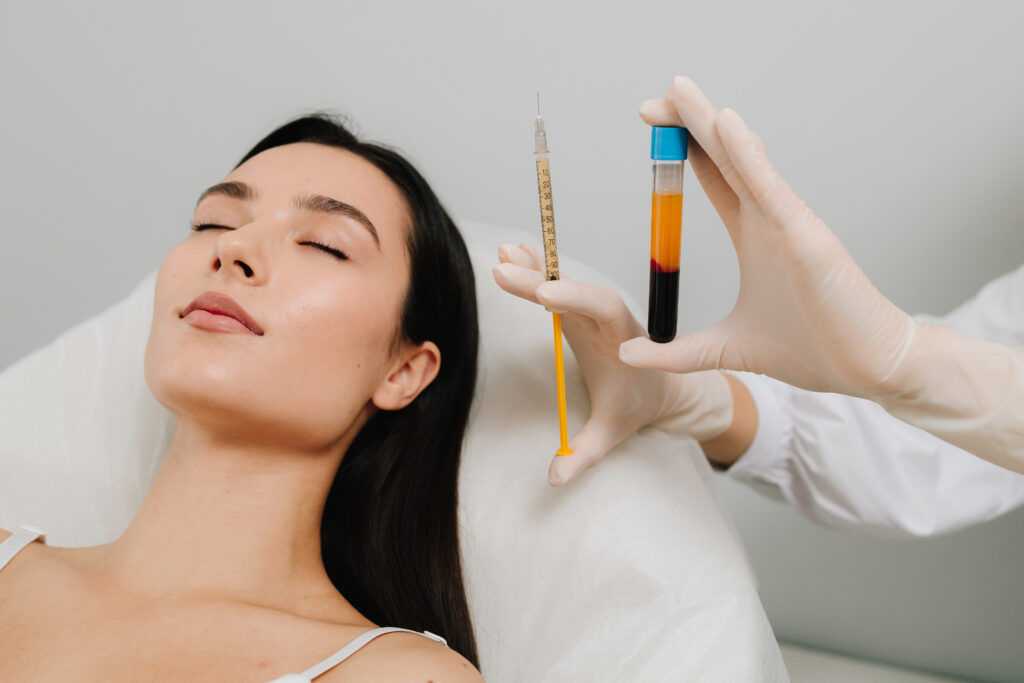
Standard PRP is prepared by collecting a patient’s blood into specialized PRP tubes and centrifuging it to separate platelet-rich plasma from red blood cells and other components. The concentrated platelets release growth factors that may support tissue repair, angiogenesis, and follicular stimulation.
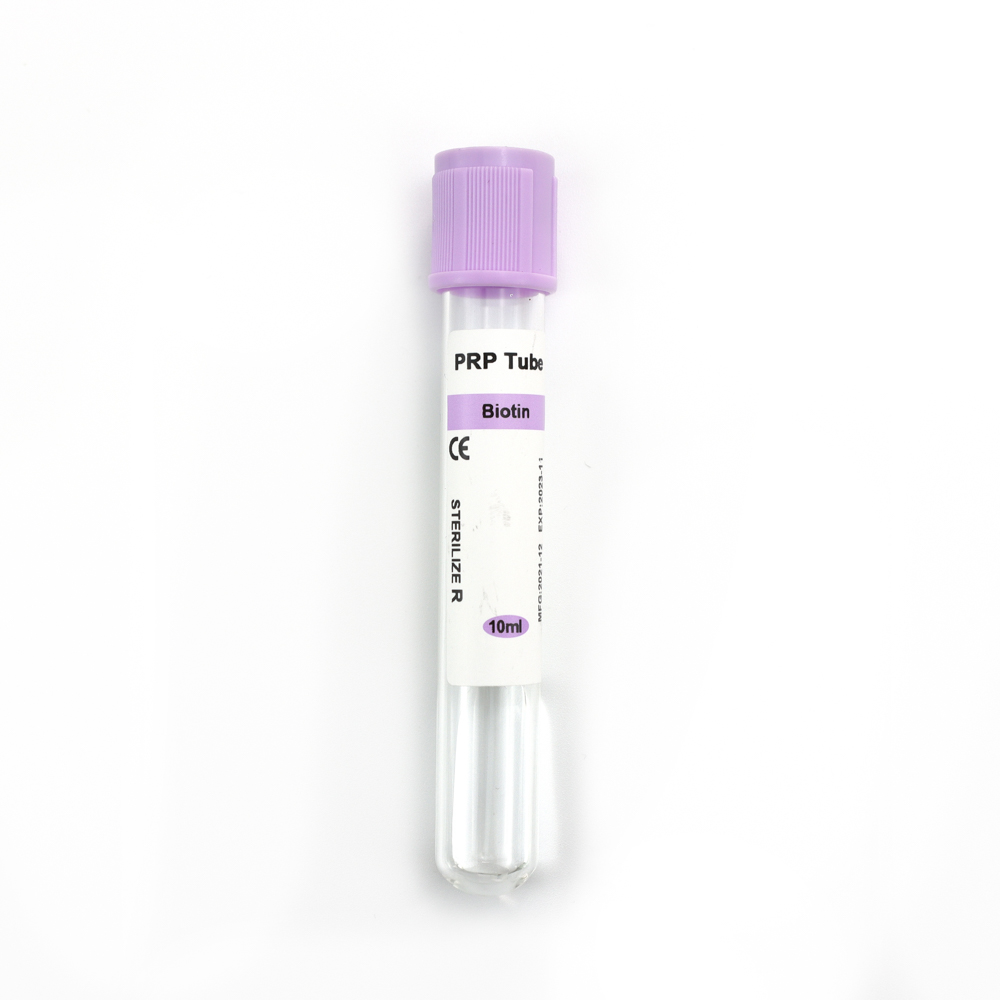
Biotin PRP follows the same general preparation principle, but the tube formulation includes biotin or biotin-related supportive compounds designed to complement the regenerative effects of platelet-rich plasma. Biotin, also known as vitamin B7, is commonly associated with keratin production and healthy hair structure.
In hair restoration clinics, the idea behind Biotin PRP is relatively straightforward:
- Standard PRP focuses mainly on growth factor delivery.
- Biotin PRP attempts to combine growth factor stimulation with nutritional support linked to hair quality.
However, it is important to understand that biotin itself is not a direct cure for androgenetic alopecia or severe follicular miniaturization. Instead, it may help create a more supportive environment around weakened follicles.
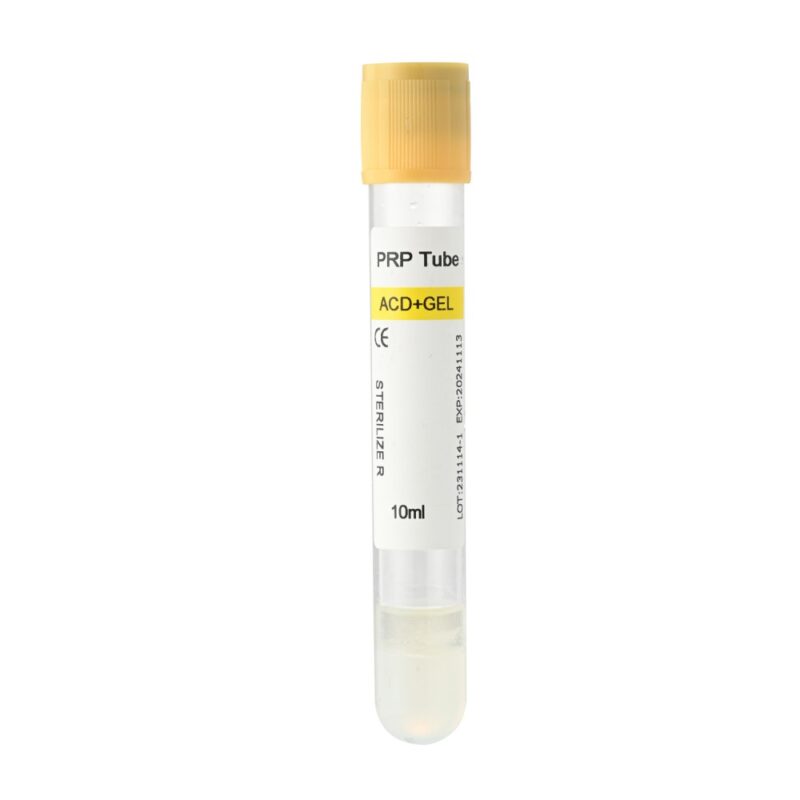
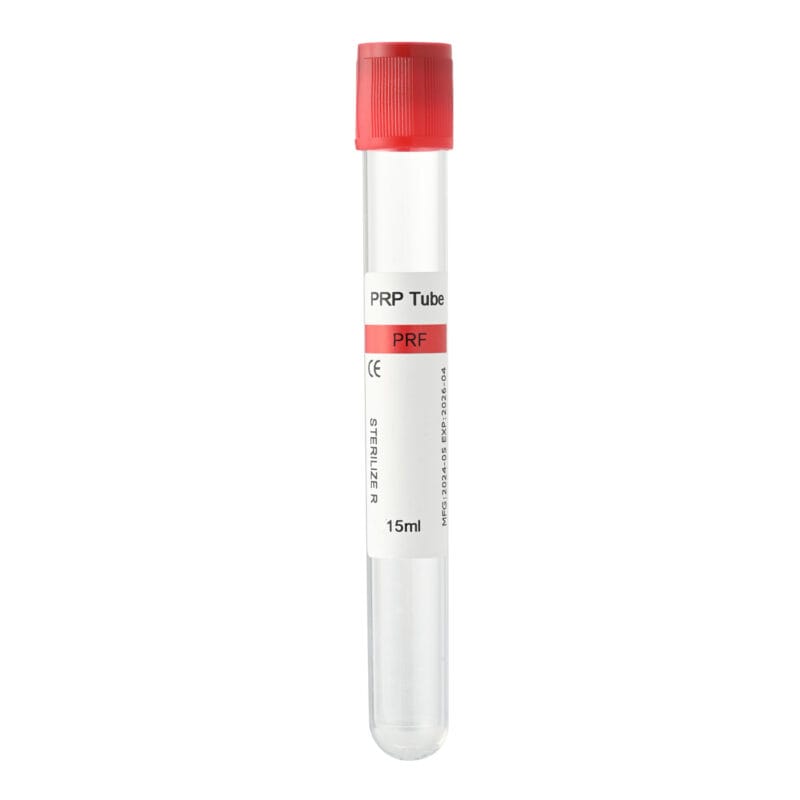
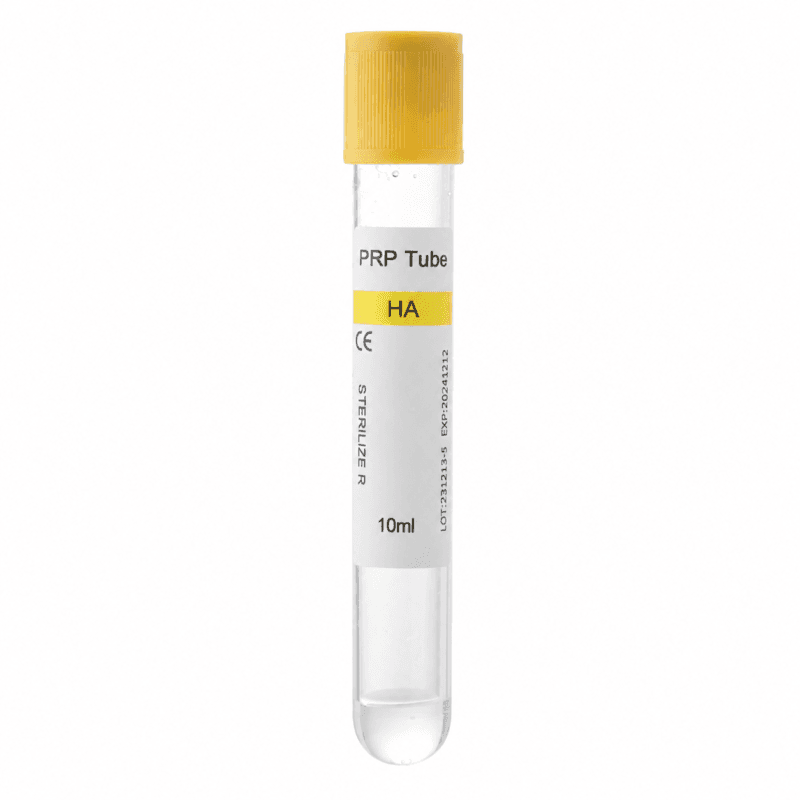
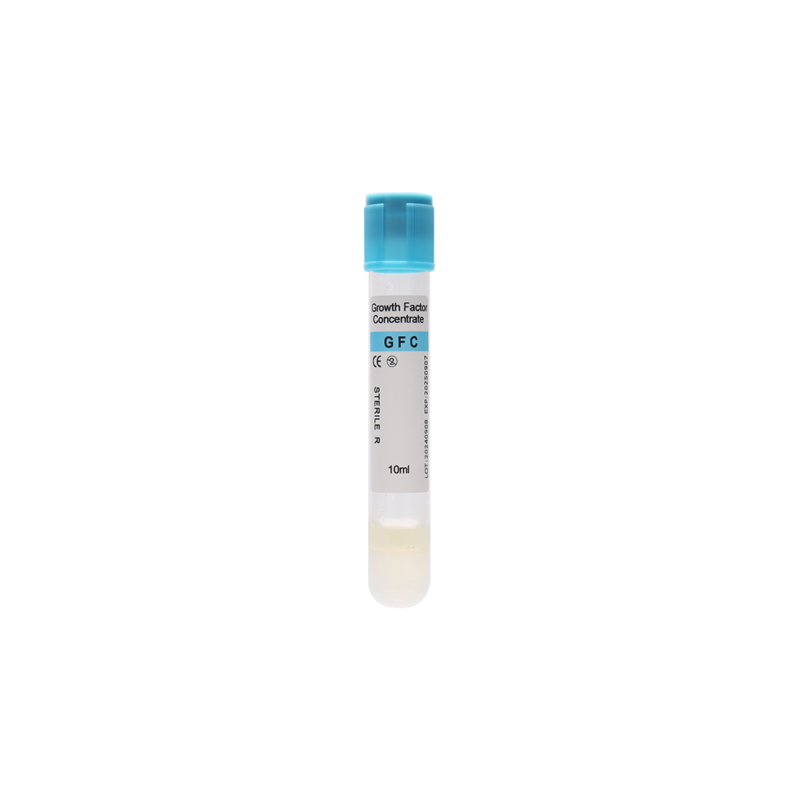
Many modern clinics now compare several systems, including:
- Sodium Citrate PRP Tubes
- ACD-A PRP Tubes
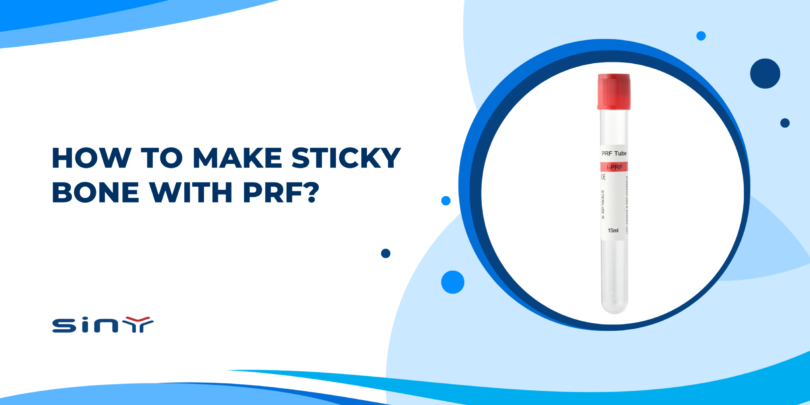
- Gel Separator PRP Tubes
- Biotin PRP Tubes
- HA Combination PRP Systems
The growing variety of options is one reason why clinics and distributors often struggle to determine which PRP tube system is genuinely suitable for hair treatment protocols.
For buyers sourcing professional PRP consumables, evaluating platelet recovery efficiency and separation stability is usually more important than simply choosing the tube with the most additives. Clinics looking for different PRP preparation options can explore the product categories available through Siny PRP to compare specifications and treatment-oriented formulations.
Does Biotin PRP Really Improve Hair Loss Results?
This is the central question behind the increasing popularity of Biotin PRP systems.
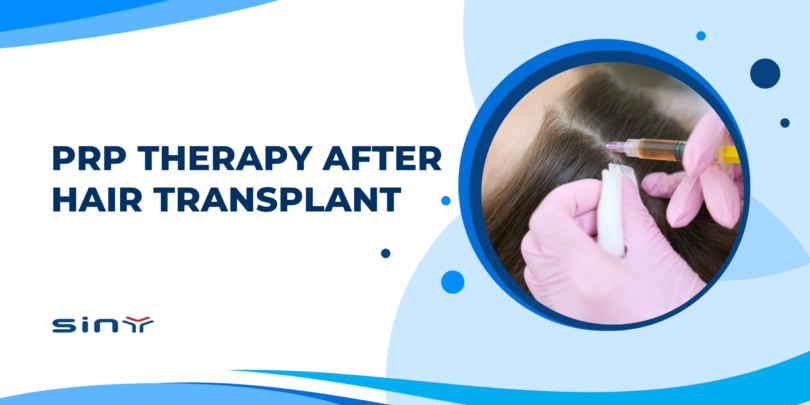
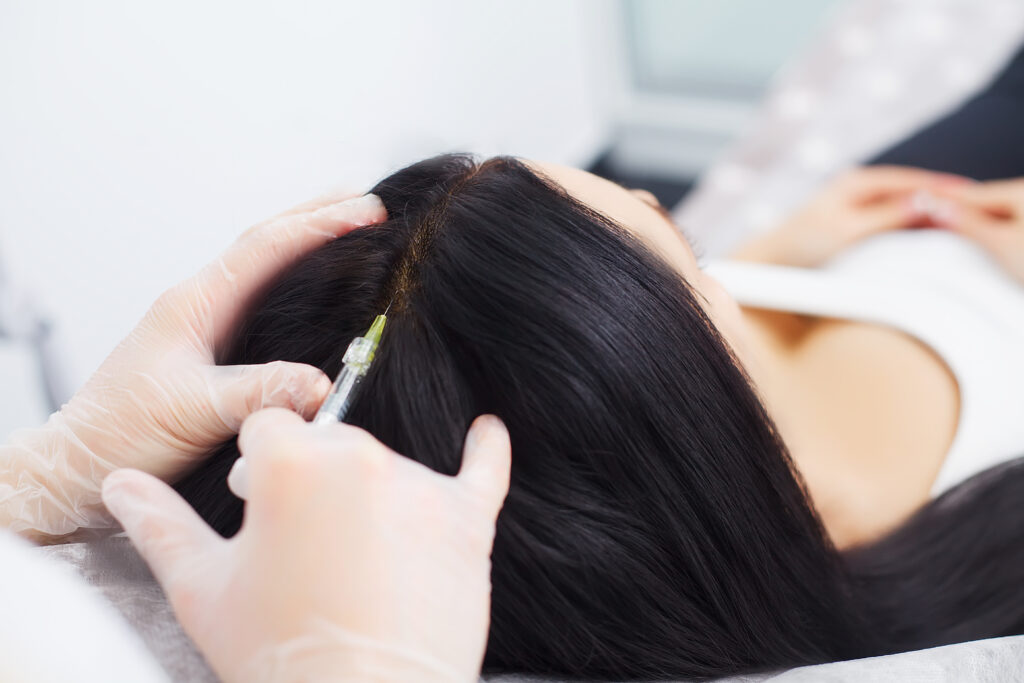
Current evidence suggests that PRP itself may help improve hair density, reduce shedding, and stimulate dormant follicles in certain patients, particularly those with early-to-moderate androgenetic alopecia. The role of biotin, however, is less clearly established in clinical PRP research.
Several practical observations explain why Biotin PRP has gained traction:
Improved Patient Perception
Patients often associate biotin with healthier hair growth because biotin supplements are widely marketed for hair care. As a result, clinics offering Biotin PRP may experience stronger patient interest and perceived treatment value.
Combination Therapy Approach
Hair restoration is rarely dependent on one mechanism alone. Modern treatment protocols frequently combine:
- PRP
- Microneedling
- Low-level laser therapy
- Topical minoxidil
- Nutritional support
- Scalp health management
Biotin PRP fits naturally into this “combined support” philosophy.
Potential Follicular Support
Biotin plays a role in metabolic pathways connected to keratin infrastructure. While this does not automatically mean dramatic hair regrowth, some clinicians believe the additional nutrient environment may support fragile follicles during regenerative therapy.
That said, there are still important limitations.
At present, there is limited large-scale evidence proving that Biotin PRP consistently outperforms high-quality standard PRP in all hair loss patients. In many cases, the final treatment result still depends more heavily on:
- Platelet concentration quality
- Proper centrifugation protocols
- Injection technique
- Patient condition
- Treatment frequency
- PRP purity
Poorly prepared PRP with added biotin will usually perform worse than properly processed standard PRP.
This is why experienced practitioners often prioritize tube quality and platelet preservation over aggressive additive marketing claims.
Choosing Between Biotin PRP and Standard PRP Tubes
For clinics, distributors, and medical buyers, the decision is not simply “Which one is better?” Instead, the more practical question is:
Which system best matches the clinic’s treatment goals and workflow?
Standard PRP Tubes May Be Better If:
- The clinic already follows established PRP protocols
- Physicians prefer customizable additive strategies
- Simplicity and consistency are priorities
- Budget efficiency matters
- Large treatment volumes are expected
Standard PRP systems remain the foundation of many successful hair restoration programs worldwide because they are predictable and clinically familiar.
Biotin PRP Tubes May Be Better If:
- The clinic wants a more premium hair restoration positioning
- Patients specifically request biotin-enhanced treatments
- The practice focuses heavily on aesthetic hair therapy
- Combination regenerative protocols are commonly used
Biotin PRP tubes are particularly popular in cosmetic clinics that emphasize wellness-oriented regenerative treatments rather than purely orthopedic or general PRP applications.
Another factor buyers should evaluate is tube construction quality. Low-quality PRP tubes may create problems such as:
- Inconsistent gel barriers
- Platelet trapping
- Poor vacuum stability
- Hemolysis risk
- Inadequate sterility control
These issues can directly affect treatment consistency regardless of whether biotin is included.
Reliable manufacturers typically provide detailed specifications covering:
- Tube material
- Anticoagulant composition
- Sterility methods
- Centrifugation recommendations
- Platelet recovery expectations
- OEM/private label support
Clinics comparing different systems often underestimate how much tube manufacturing quality influences the final PRP layer quality.
Why PRP Tube Design Matters More Than Many Buyers Expect
When people discuss hair restoration outcomes, they often focus entirely on growth factors or additives while ignoring the engineering behind the PRP tube itself.
In reality, PRP preparation quality starts long before the injection stage.
A properly designed PRP tube should support:
- Stable blood separation
- Reduced contamination risk
- Reliable anticoagulation
- Consistent plasma isolation
- Minimal platelet damage
For example, gel separator density plays a critical role in isolating platelet-rich plasma from red blood cells. If the gel formulation is unstable, mixing may occur during centrifugation, reducing plasma purity.
Similarly, anticoagulant balance affects platelet viability. Excessive anticoagulation may reduce activation efficiency, while poor anticoagulant stability can increase clotting risk before processing.
This is one reason why experienced hair restoration clinics often standardize around one PRP system rather than frequently switching between low-cost alternatives.
Buyers evaluating PRP consumables should also ask suppliers practical questions, such as:
- Are the tubes validated for PRP preparation?
- Is the vacuum stable during shipping?
- What centrifuge parameters are recommended?
- Are OEM labeling services available?
- Are sterility certifications provided?
- What export markets does the manufacturer already support?
Professional suppliers with experience in regenerative medicine products can usually provide much clearer technical guidance than generic laboratory consumable vendors.
Some clinics using biotin-enhanced systems also pair them with other specialized products, such as gel separator PRP tubes or high-concentration hair restoration kits, to create more treatment-specific workflows. Buyers researching these systems can compare multiple regenerative consumable options through Siny PRP Product Solutions for a broader understanding of available configurations.
Is Biotin PRP Worth It for Hair Restoration Clinics?
For many clinics, the answer depends less on dramatic clinical superiority and more on positioning, workflow, and patient expectations.
Biotin PRP is not magic. It does not suddenly reverse severe baldness, nor does it replace proper PRP preparation technique. However, it can become part of a more comprehensive hair restoration strategy, especially in aesthetic-focused practices where patients value advanced regenerative concepts.
Clinics that already achieve strong results with standard PRP may not necessarily need to switch systems. On the other hand, practices building a premium hair restoration brand may find Biotin PRP helpful from both a marketing and treatment experience perspective.
The most important factor remains consistency.
Consistent platelet concentration, reliable tube quality, proper centrifugation, and correct injection technique will usually have a greater influence on outcomes than a single additive alone.
That is why experienced buyers often evaluate the entire PRP preparation ecosystem rather than choosing products based solely on trend-driven terminology.
FAQ
Is Biotin PRP scientifically proven to be better than standard PRP?
Not conclusively. Current evidence does not universally prove that Biotin PRP outperforms standard PRP in all hair loss cases. Treatment success still depends heavily on PRP quality, patient condition, and clinical technique.
What is the main purpose of adding biotin to PRP tubes?
Biotin is associated with hair and keratin health. In Biotin PRP systems, it is included to complement platelet-derived growth factor activity and support hair-focused regenerative treatments.
Can standard PRP still work effectively for hair loss?
Yes. Standard PRP remains one of the most widely used regenerative approaches for hair restoration clinics and may provide strong results when prepared correctly.
Are gel separator PRP tubes better for hair treatments?
Gel separator tubes may help improve plasma isolation and preparation consistency when properly manufactured. However, tube quality and centrifugation protocol are both critical factors.
What should distributors look for when sourcing PRP tubes?
Important considerations include sterility, vacuum stability, platelet recovery performance, anticoagulant formulation, export certifications, OEM capability, and manufacturing consistency.
Can Biotin PRP be combined with other hair restoration treatments?
Yes. Many clinics combine Biotin PRP with microneedling, topical therapies, low-level laser therapy, and scalp care protocols as part of broader hair restoration programs.
Summary
The growing popularity of Biotin PRP reflects the broader evolution of regenerative hair restoration treatments. While the addition of biotin may provide supportive benefits and stronger patient appeal, the overall effectiveness of any PRP treatment still depends largely on preparation quality, platelet preservation, and clinical technique.
For clinics and distributors selecting PRP consumables, the smartest approach is not simply chasing the newest trend, but carefully evaluating tube quality, manufacturing reliability, separation performance, and compatibility with treatment protocols. Whether choosing standard PRP or Biotin PRP systems, consistent preparation and dependable consumables remain the foundation of successful hair restoration outcomes.