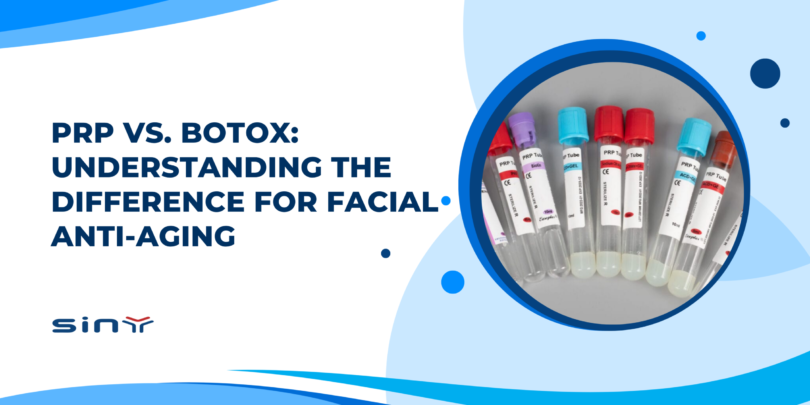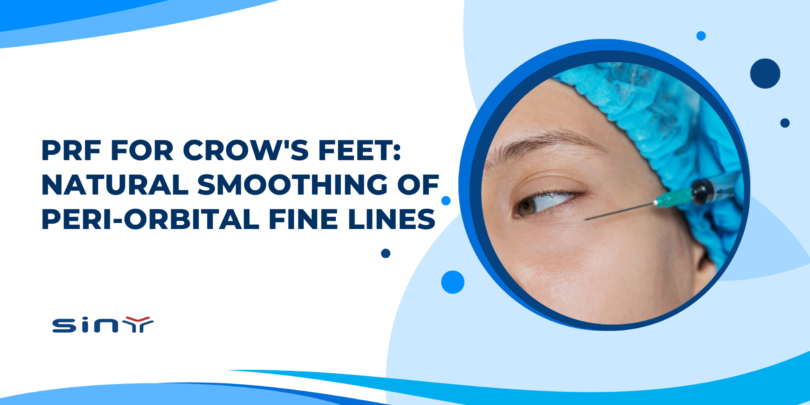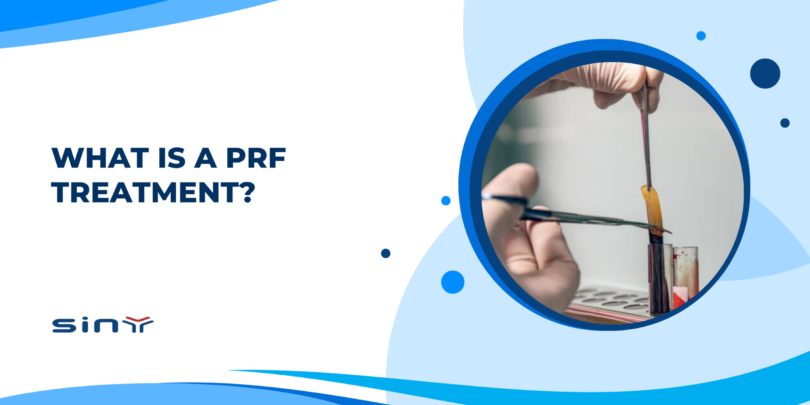
For aesthetic practitioners, clinics, and people exploring non-surgical facial rejuvenation, PRP vs. Botox is a common comparison. Both treatments are widely discussed in facial anti-aging. However, they are not interchangeable. Their mechanisms, treatment targets, preparation methods, and expected results are quite different.
Botox primarily works by temporarily reducing selected muscle activity. Therefore, it is particularly useful for expression-related wrinkles, such as forehead lines, frown lines, and crow’s feet.
PRP, or platelet-rich plasma, takes a different approach. It is prepared from the patient’s own blood. In aesthetic medicine, PRP is used in regenerative procedures that focus more on skin quality and tissue remodeling.
Understanding the difference becomes easier when facial aging is divided into dynamic wrinkles and static wrinkles. Dynamic wrinkles appear or deepen during facial movement. In contrast, static wrinkles remain visible when the face is relaxed. Collagen loss, photoaging, reduced elasticity, repeated facial movement, and other structural changes may all contribute to them.
So, the real question is not simply which treatment is better. Instead, it is which aspect of facial aging needs to be addressed.
PRP vs. Botox: How Do Their Mechanisms Differ?
PRP and Botox are both used in facial aesthetics, but their mechanisms are fundamentally different. Understanding how each treatment works helps explain why they are suited to different signs of facial aging.
How Botox Works on Facial Muscles
Botox is a brand of botulinum toxin type A. When administered to selected facial muscles, botulinum toxin temporarily reduces the nerve signals responsible for muscle contraction.
As a result, there is less repetitive folding of the overlying skin. This explains why neuromodulators are commonly associated with dynamic wrinkles.
Forehead lines, glabellar lines between the eyebrows, and crow’s feet are common examples. These lines usually become more noticeable when a person raises the eyebrows, frowns, smiles, or squints.
The treatment does not directly rebuild collagen or improve the overall condition of the skin. Instead, its main effect comes from temporarily modifying muscle activity in carefully selected areas.
How PRP Works in Facial Rejuvenation
PRP works through a different biological pathway.
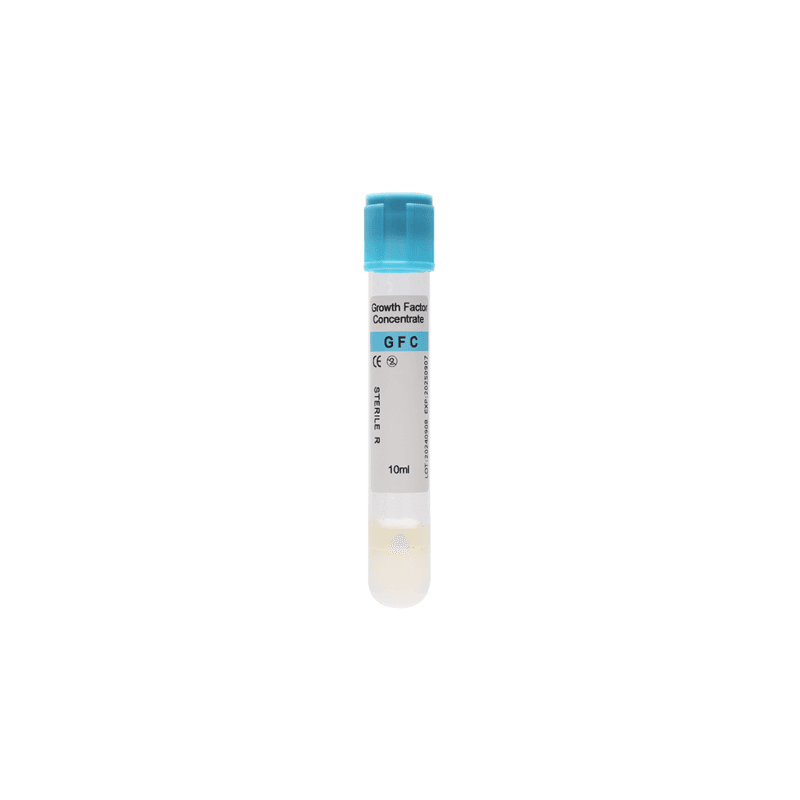
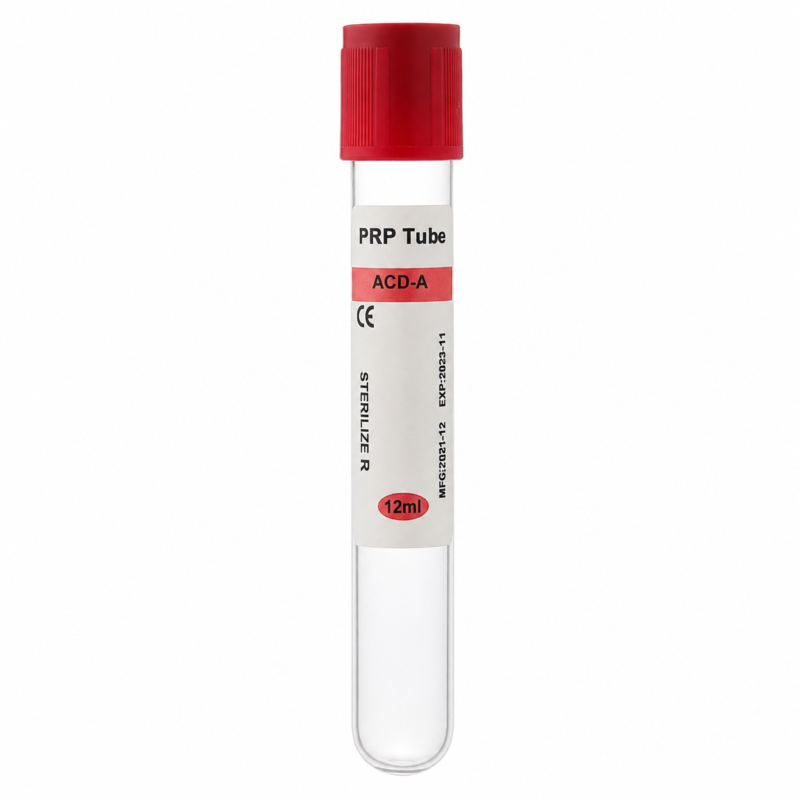
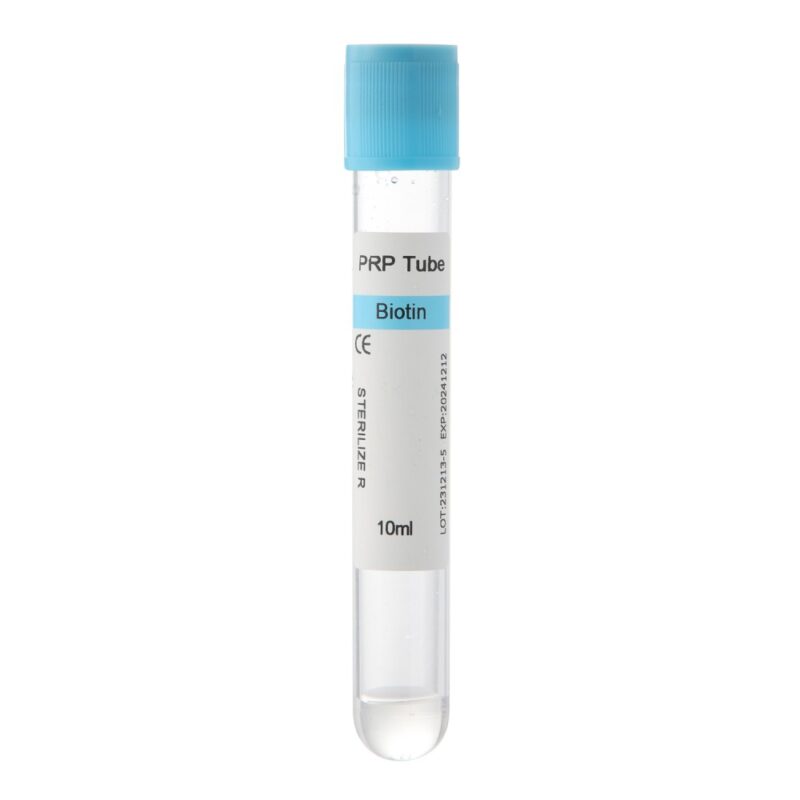
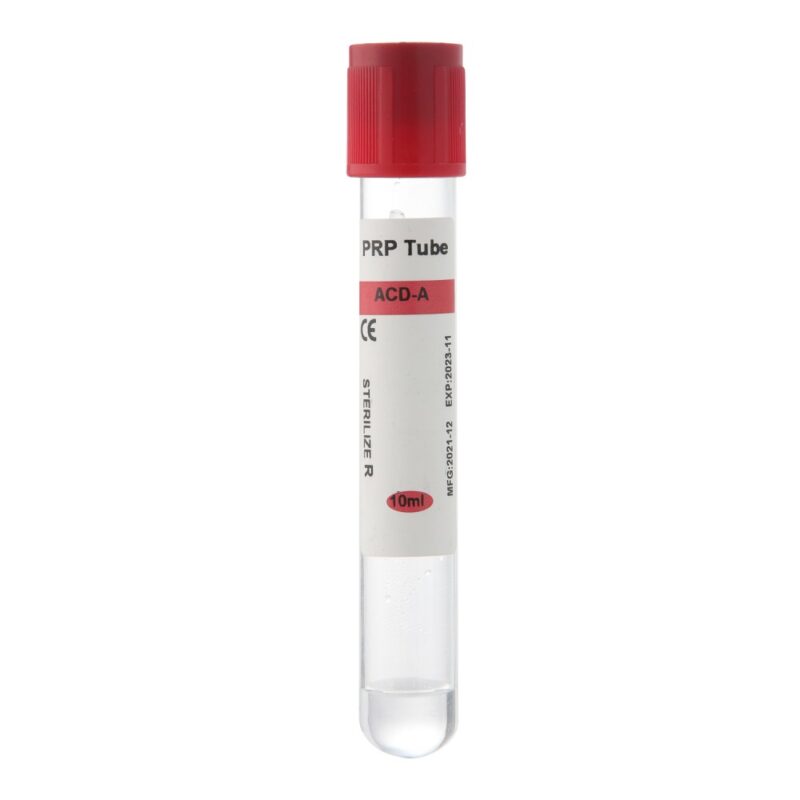
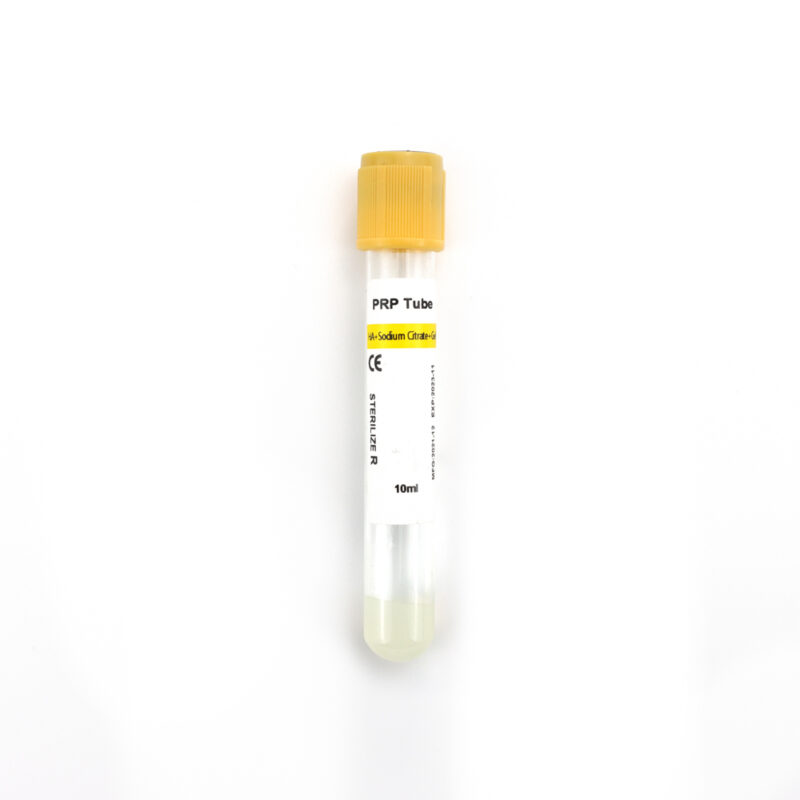
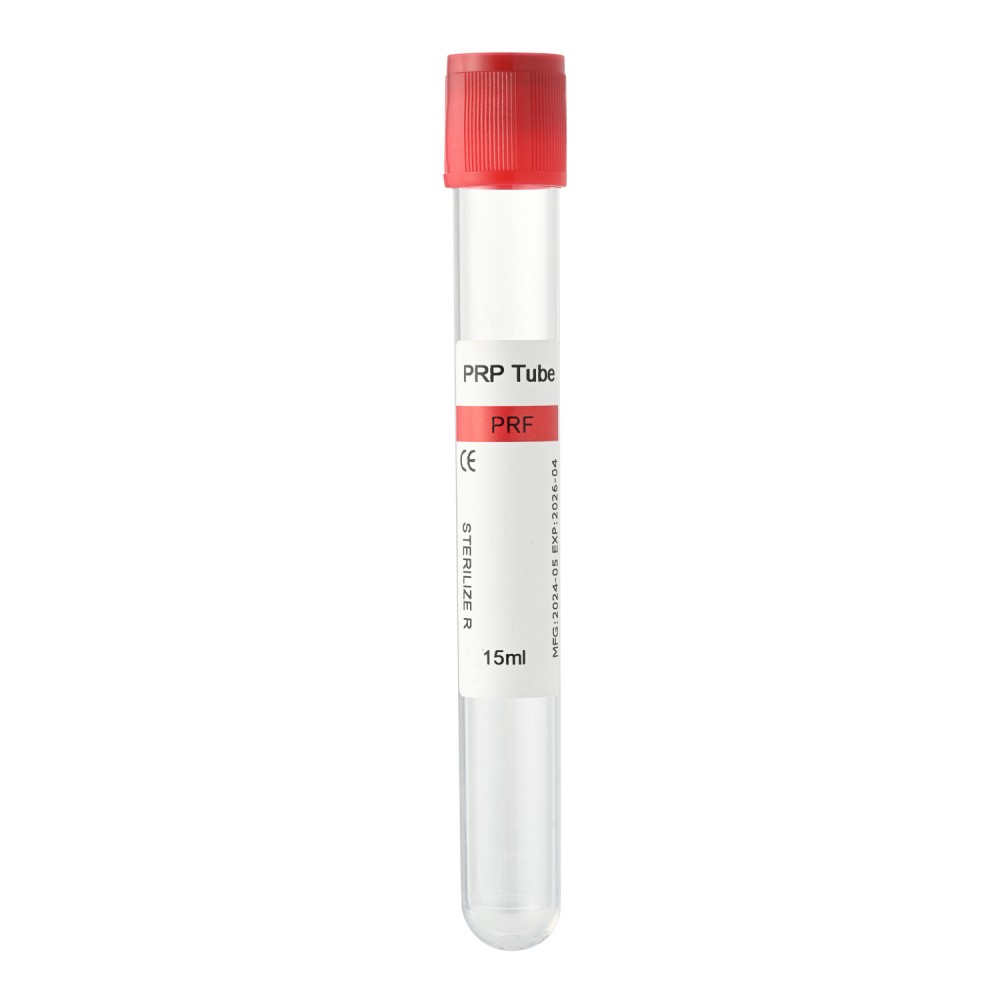
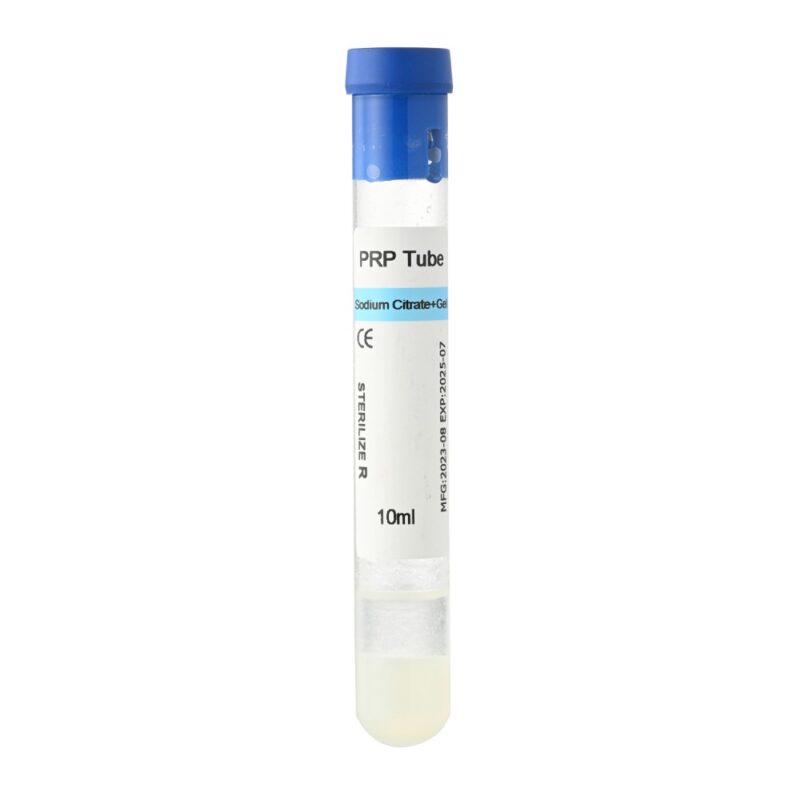
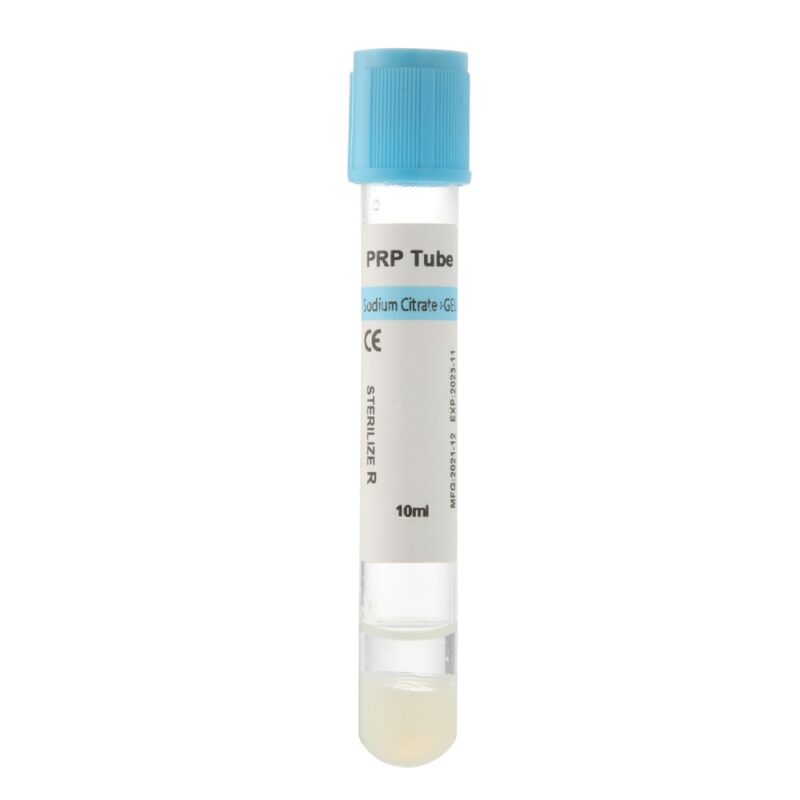
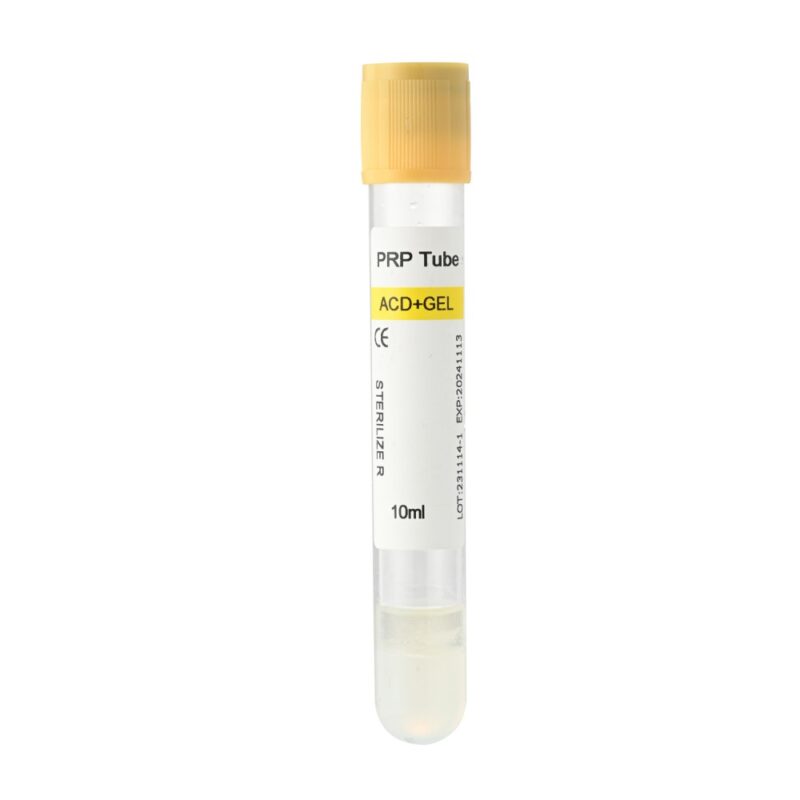
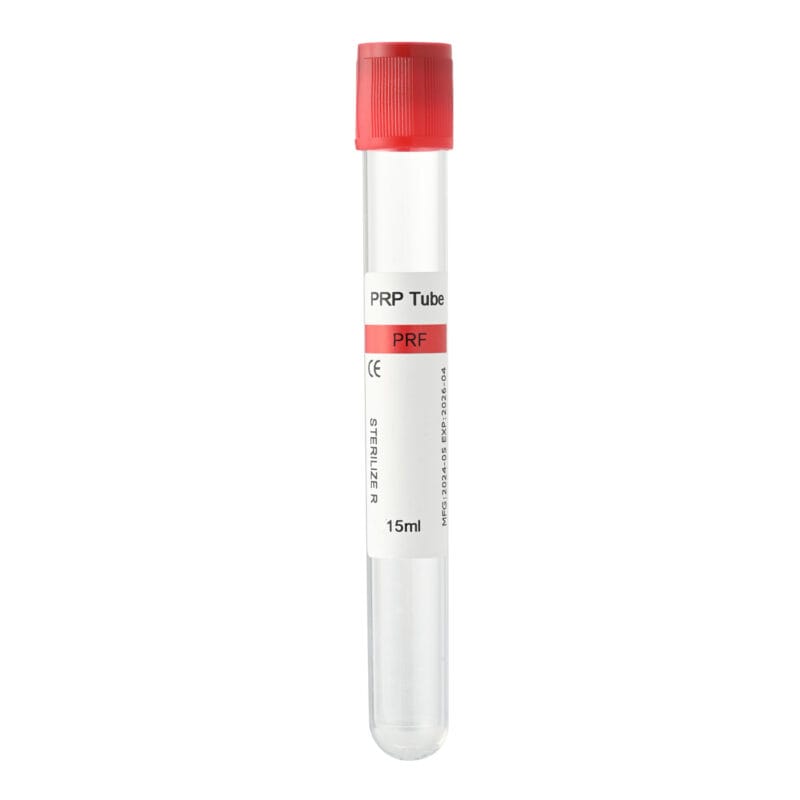
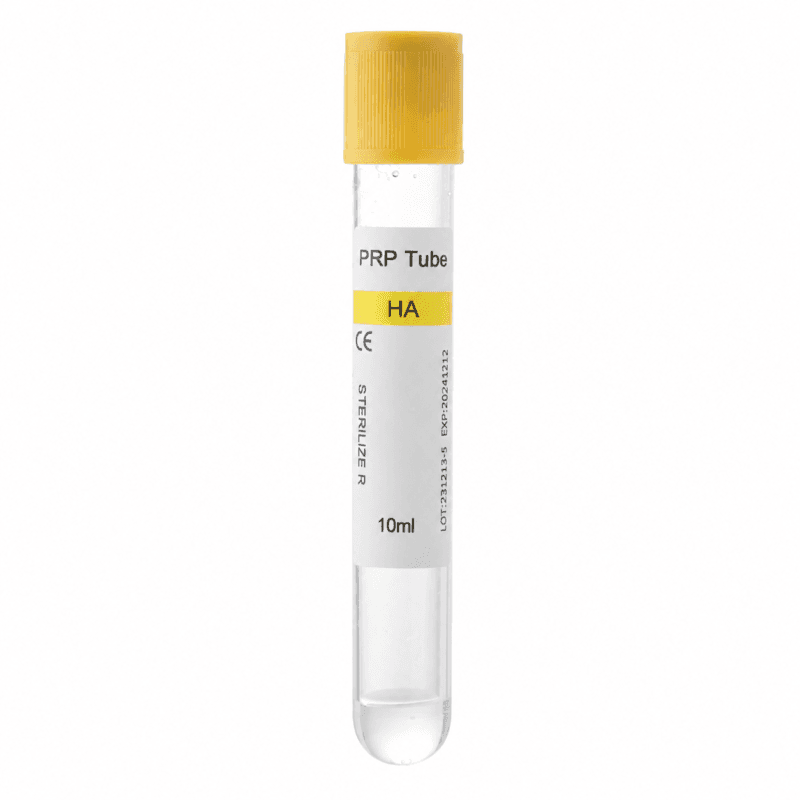
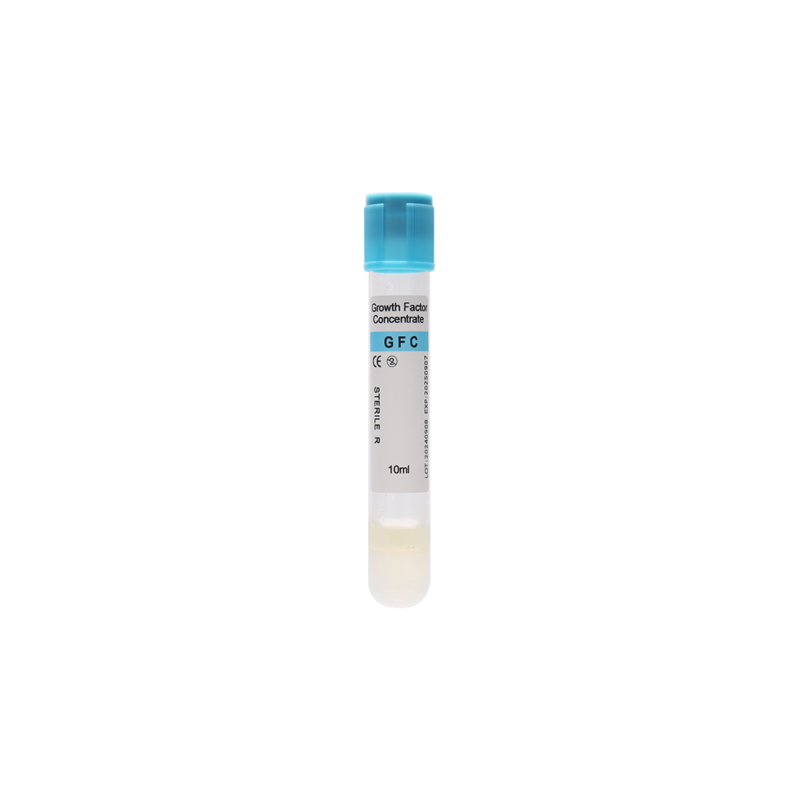
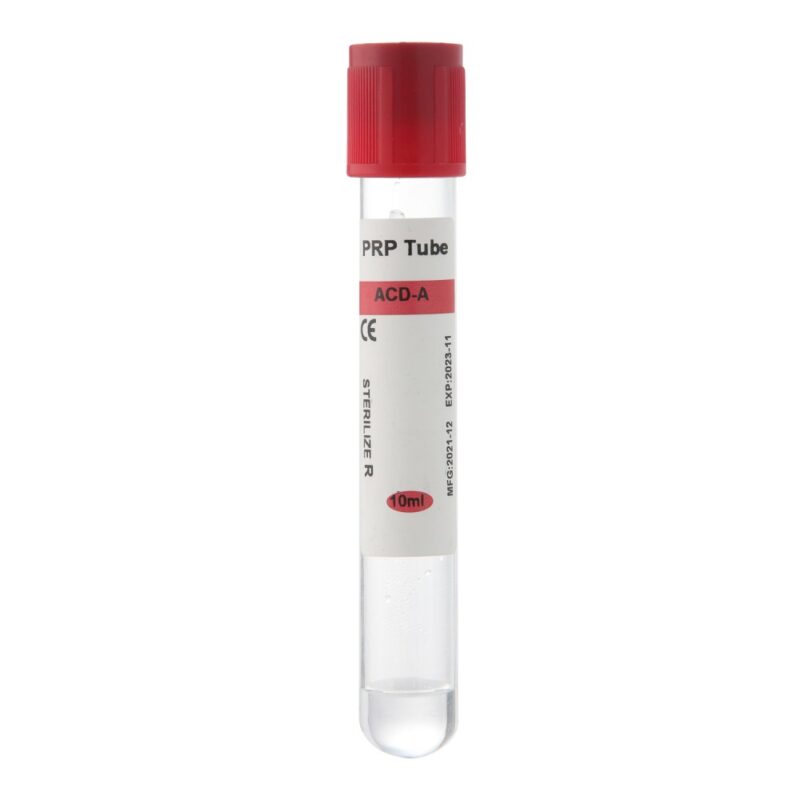
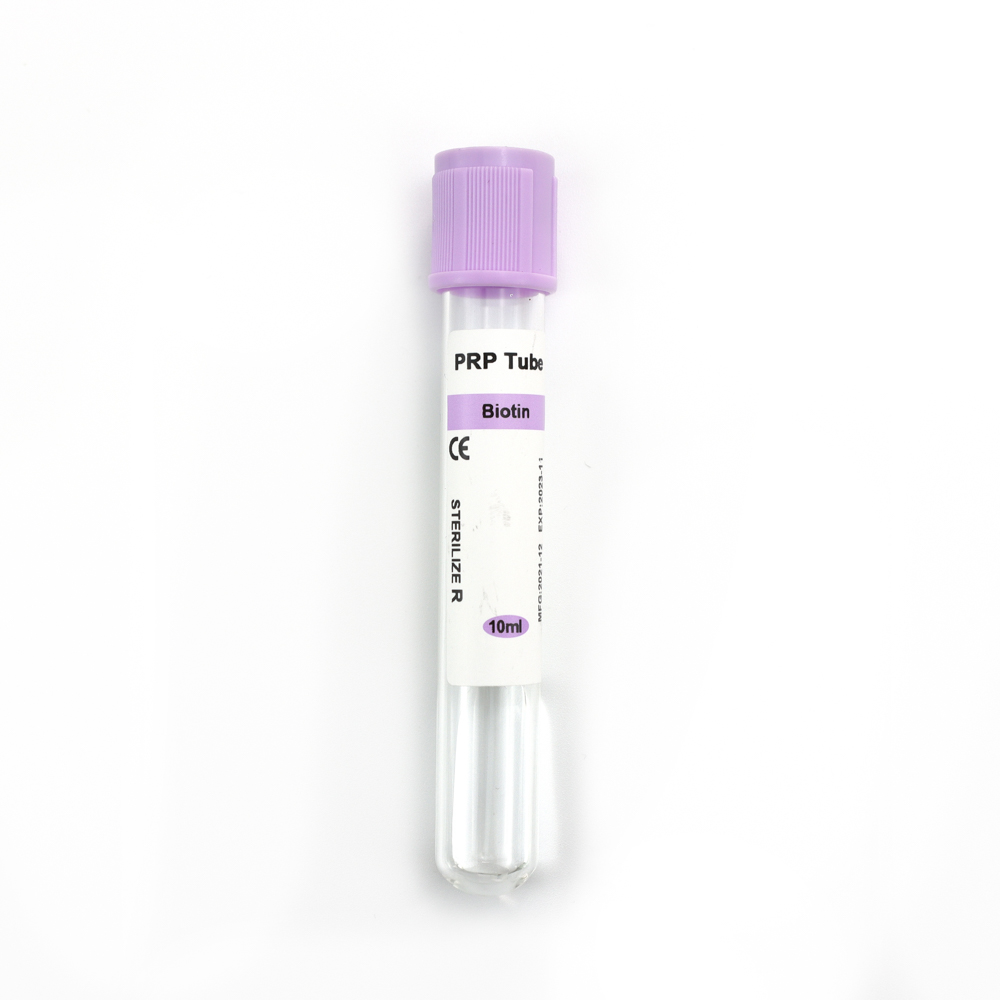
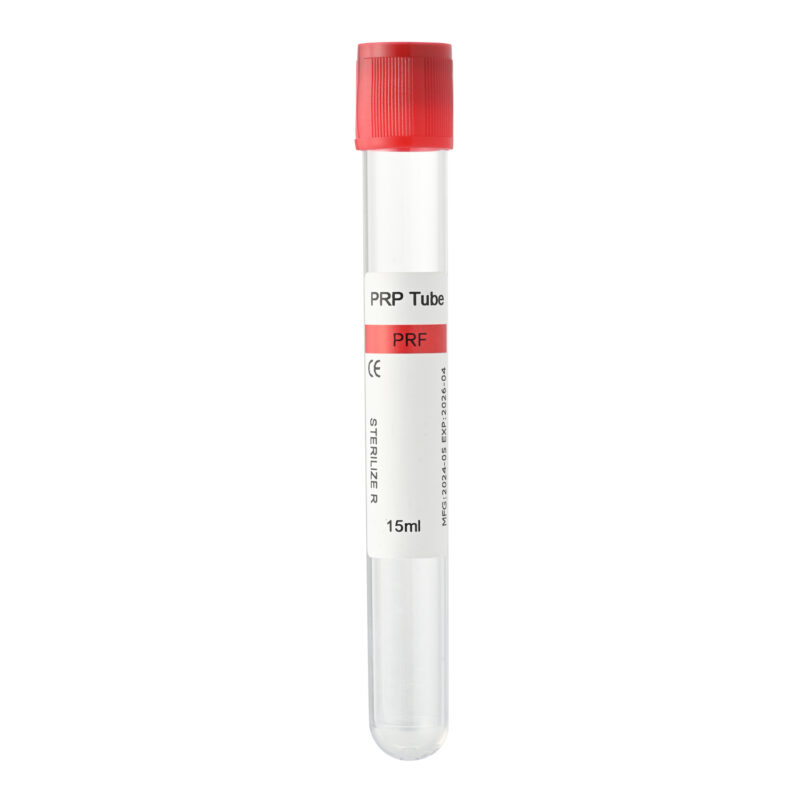
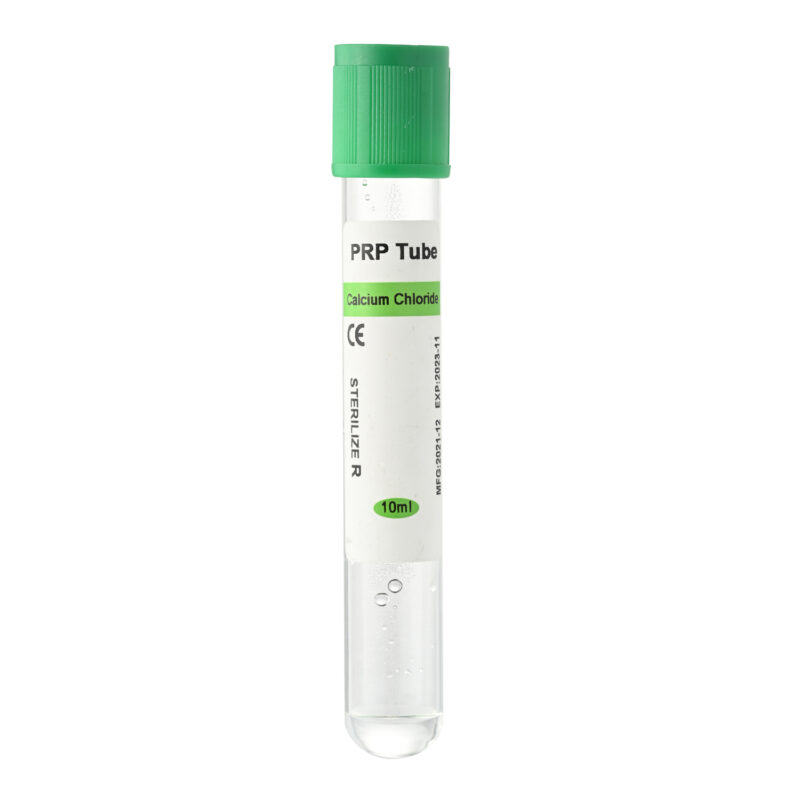
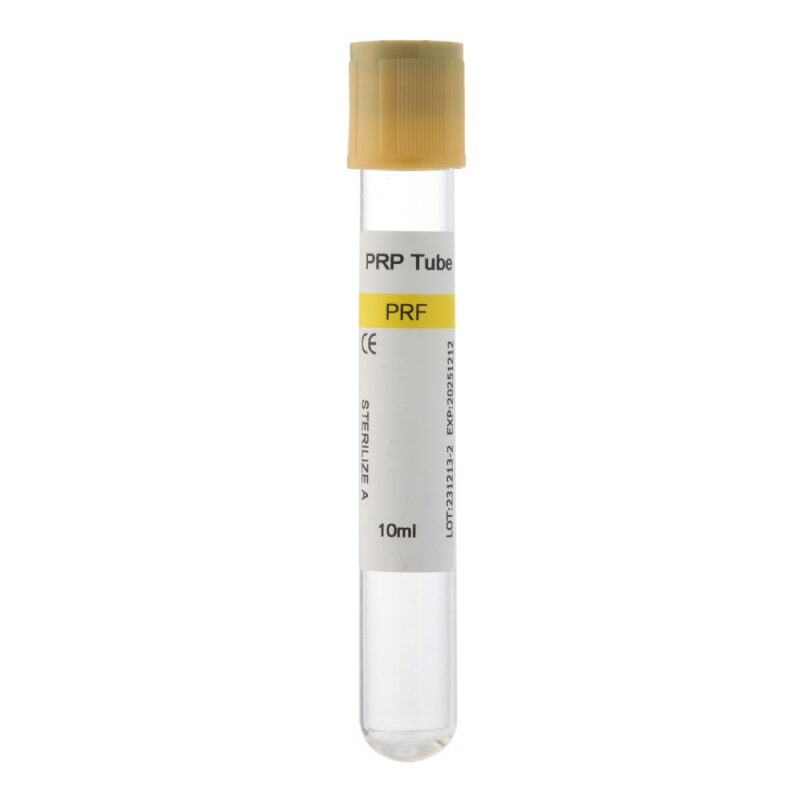
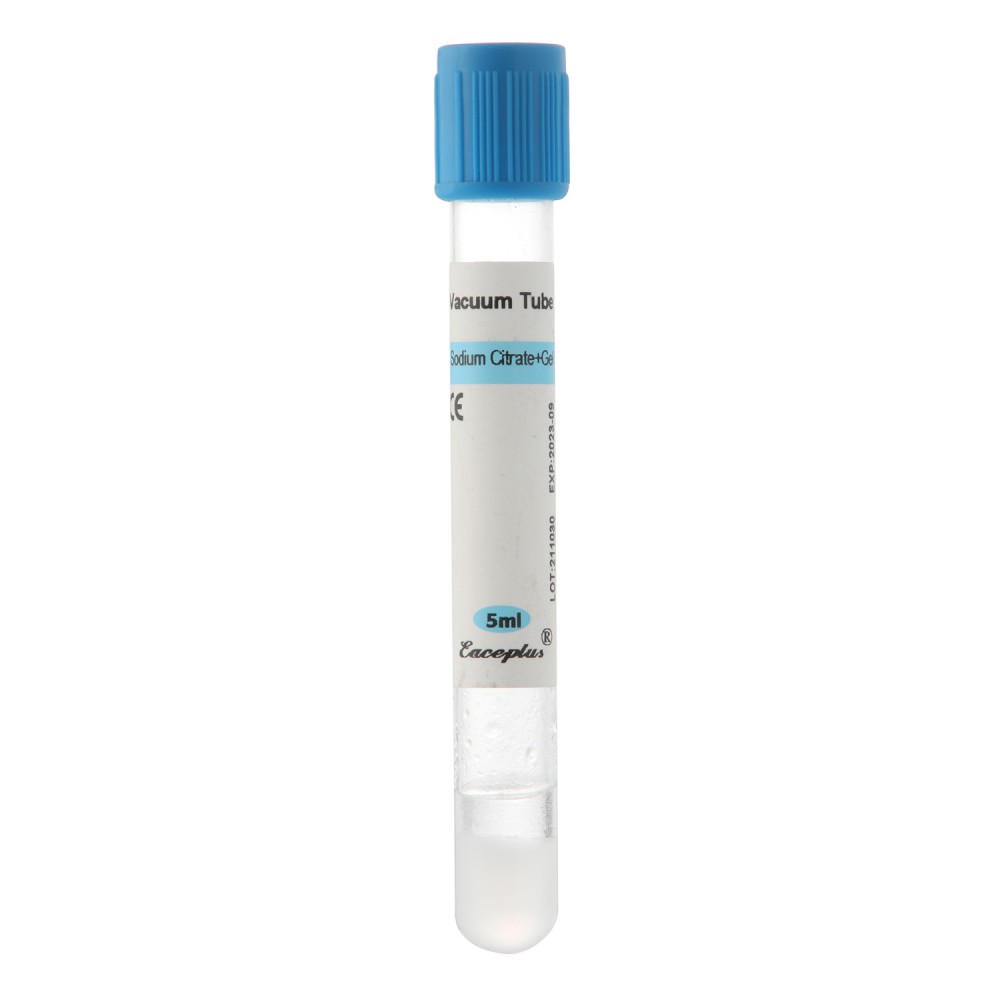
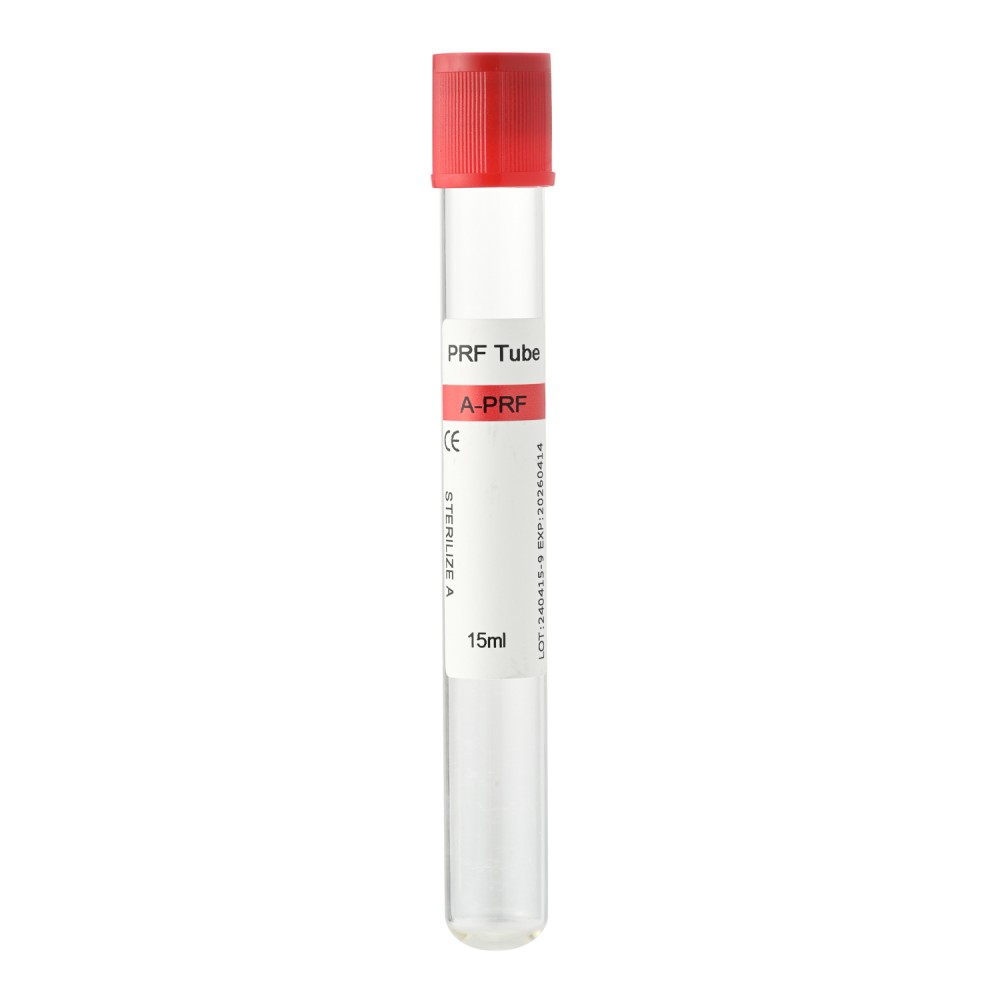
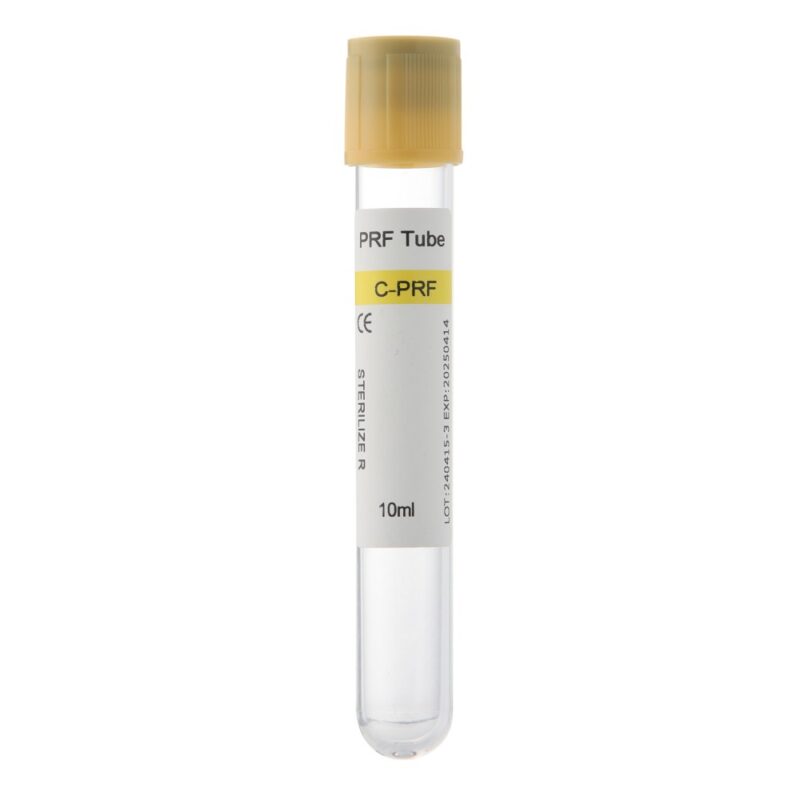
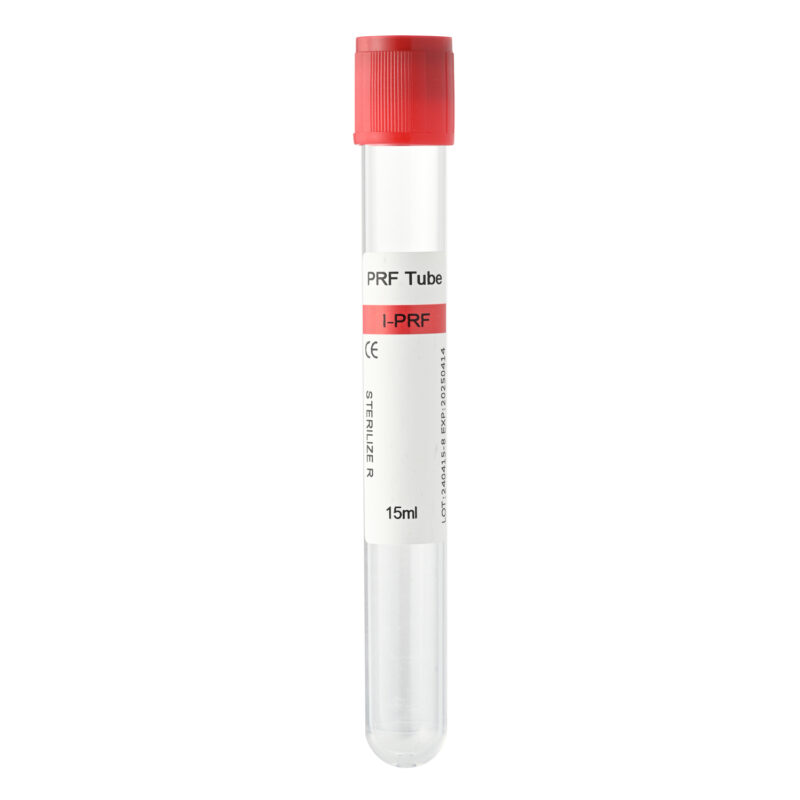
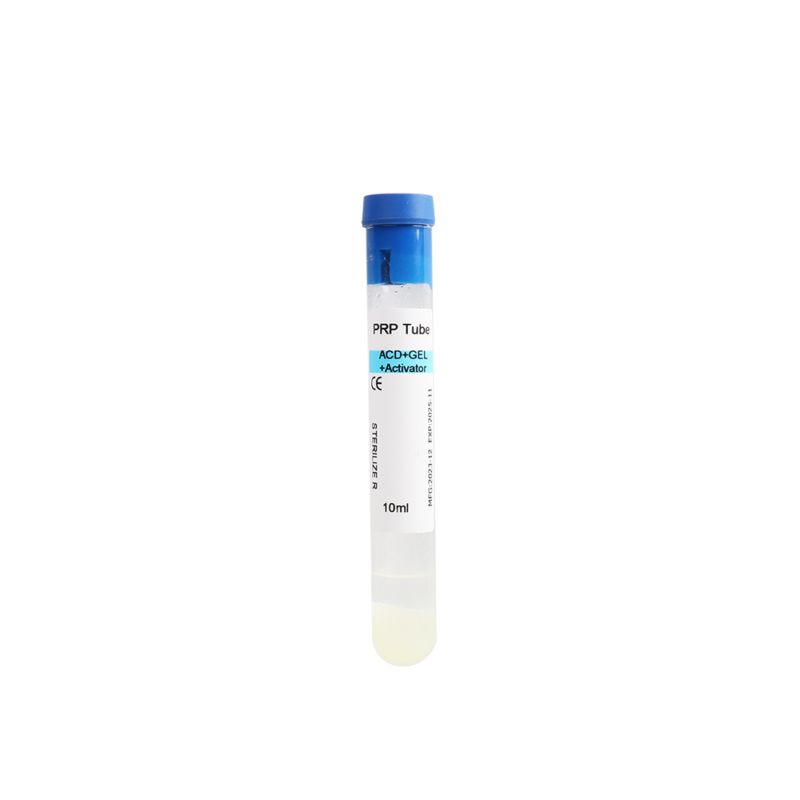
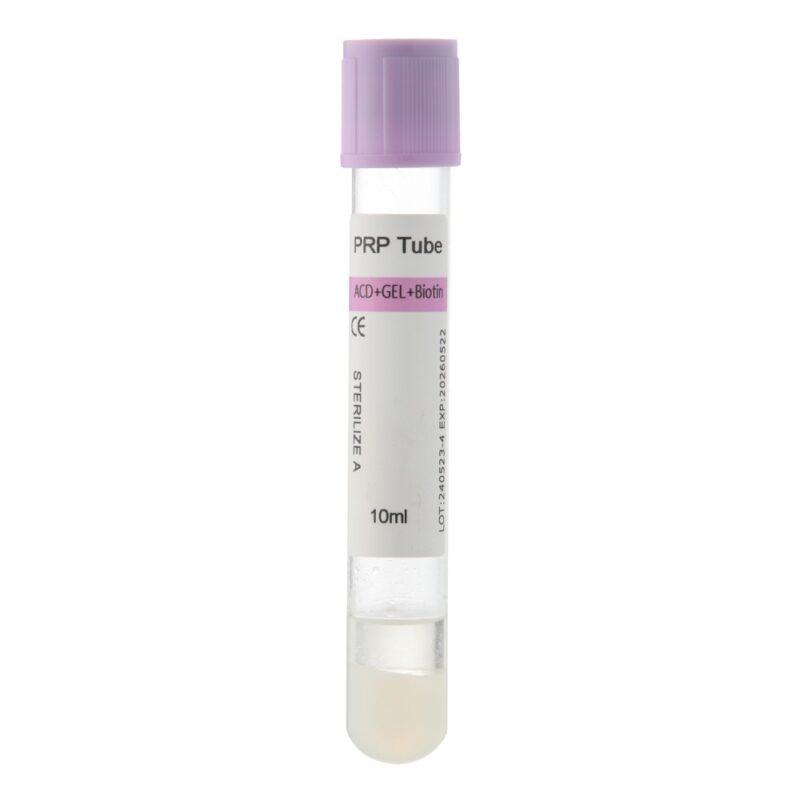
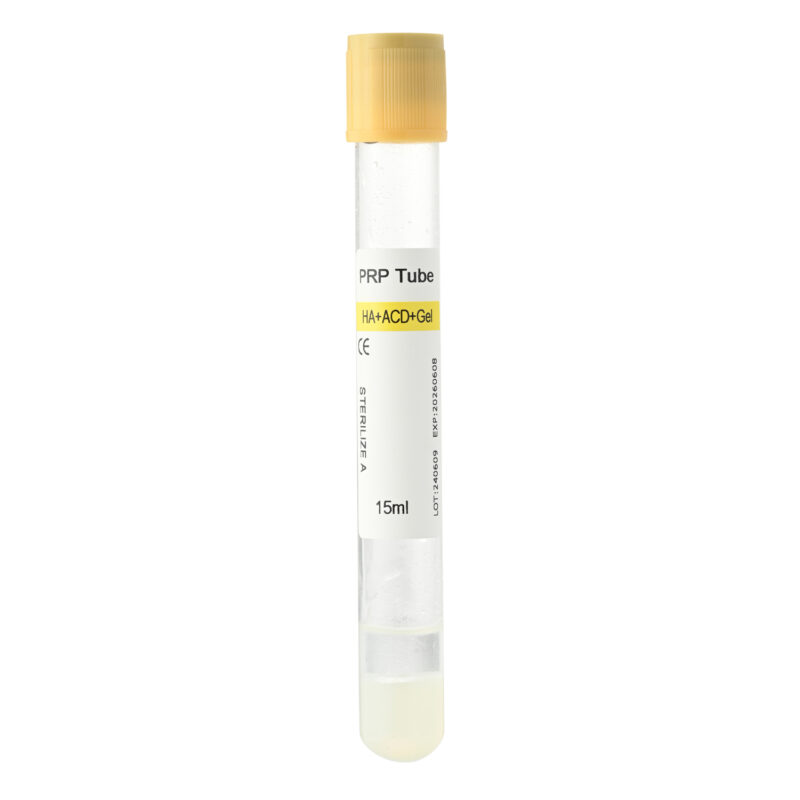
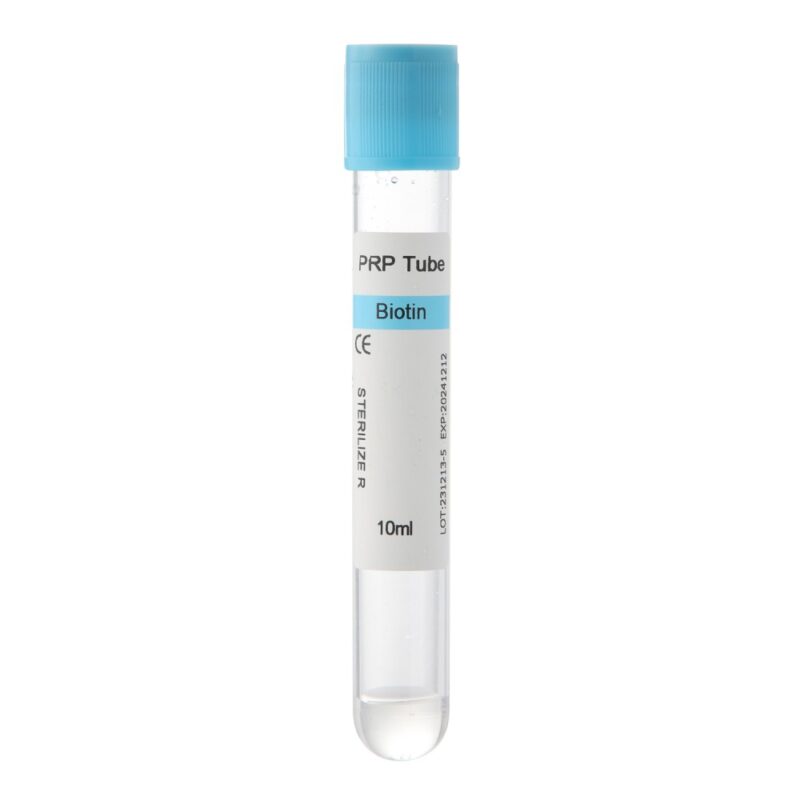
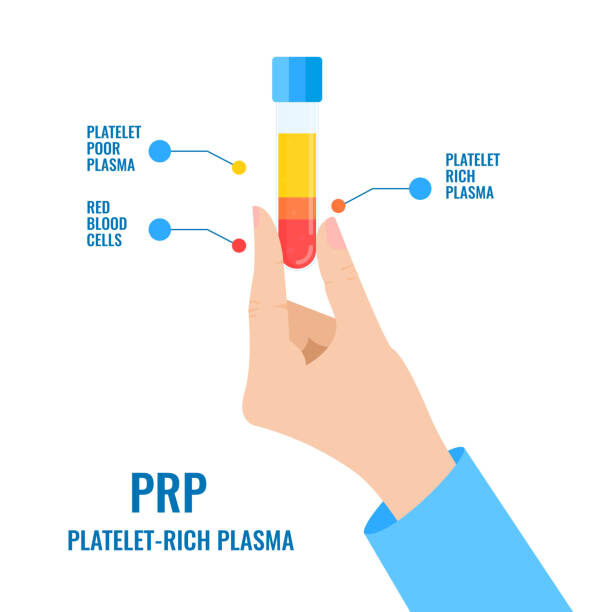
During a typical procedure, a small amount of the patient’s blood is collected into a PRP tube. The tube is then processed by centrifugation.
This process separates the blood into different components. It allows a platelet-concentrated plasma fraction to be prepared according to the selected protocol.
Platelets contain biologically active proteins and growth factors involved in tissue repair and signaling. In facial aesthetic applications, researchers have investigated PRP for its potential role in collagen remodeling, skin texture, elasticity, and overall skin quality.
Unlike botulinum toxin, PRP does not intentionally reduce facial muscle activity. Instead, it forms part of a regenerative approach aimed at the condition and appearance of the skin.
PRP Injection and Microneedling Techniques
PRP can be delivered using different techniques. The selected method depends on the treatment goal and clinical protocol.
For example, practitioners may use direct injection. Some protocols involve intradermal or subdermal administration, while others combine PRP with microneedling.
Microneedling uses fine needles to create controlled microchannels in the skin. PRP may then be incorporated into the procedure according to the practitioner’s selected technique. Treatments involving PRP and facial needling are sometimes popularly described as a “vampire facial.”
Botulinum toxin placement follows a different strategy. Injection location depends on the target muscle, treatment area, and clinical indication.
Therefore, it would be inaccurate to reduce the difference to simply “Botox goes into muscle while PRP goes into skin.” Both treatments require appropriate techniques based on their intended clinical purpose.
Their main differences can be summarized more practically:
| Comparison | PRP | Botox |
|---|---|---|
| Main approach | Autologous platelet-based regenerative approach | Neuromodulation |
| Source | Patient’s own blood | Botulinum toxin preparation |
| Primary treatment focus | Skin quality and regenerative facial rejuvenation | Muscle-driven expression lines |
| Common wrinkle focus | Fine lines and skin-related signs of aging | Dynamic wrinkles |
| Facial muscle activity | Not intentionally reduced | Temporarily reduced in selected muscles |
| Typical onset pattern | Changes tend to develop gradually | Effects generally develop within days |
| Preparation | Blood collection and centrifugation required | Supplied as a pharmaceutical product |
| Treatment planning | Often used as a treatment series | Commonly repeated as effects wear off |
For professional practices, PRP preparation is an important part of treatment consistency. Blood collection volume, tube configuration, centrifugation parameters, and sterile handling should match the clinic’s established protocol.
Therefore, PRP tubes should be selected as part of the complete preparation workflow rather than treated as interchangeable blood collection tubes.
Clinics developing regenerative aesthetic services can explore Siny PRP for professional PRP tube options and preparation solutions.
Dynamic Wrinkles vs. Static Wrinkles: Where Do PRP and Botox Fit?
The type of wrinkle provides a useful starting point when comparing PRP and Botox. However, facial aging rarely fits perfectly into a single category.
What Are Dynamic Wrinkles?
Imagine a patient raising their eyebrows. Horizontal forehead lines become deeper. When the eyebrows relax, those lines become much less noticeable.
These are predominantly dynamic wrinkles.
Repeated facial muscle movement contributes to their formation. Smiling, squinting, frowning, and raising the eyebrows repeatedly fold the skin in predictable areas.
Over time, some of these lines may become visible even when the face is at rest. This is one reason dynamic and static wrinkles should not always be viewed as completely separate problems.
Because muscle movement is an important part of dynamic wrinkling, botulinum toxin directly addresses this component by temporarily reducing selected muscle activity.
What Are Static Wrinkles?
Static wrinkles remain visible when the face is relaxed.
Their causes are usually more complex. Muscle activity may still contribute, but it is only one part of the picture.
Skin aging, collagen changes, cumulative sun exposure, reduced elasticity, and structural changes can all play a role. As a result, simply reducing muscle movement may not address every aspect of a static wrinkle.
PRP does not relax the muscles responsible for facial expressions. Instead, practitioners may consider it when the treatment strategy focuses more on skin quality, fine lines, texture, and regenerative facial rejuvenation.
However, this does not mean every static wrinkle is a PRP indication.
Deep folds, substantial volume loss, pronounced skin laxity, or significant structural aging may require other approaches. Therefore, PRP should be considered within a broader facial assessment rather than presented as a universal treatment for static wrinkles.
Matching the Treatment to the Aging Pattern
Clinical research into facial PRP has examined fine lines, wrinkles, texture, elasticity, pigmentation, and dermal changes. However, protocols vary considerably.
For example, studies may use different preparation systems, centrifugation methods, platelet concentrations, treatment intervals, and application techniques.
As a result, PRP facial rejuvenation is not one completely standardized procedure that produces identical results in every clinic.
A useful clinical framework is:
Predominantly movement-related wrinkles → consider the muscular component.
Fine lines accompanied by declining skin quality or texture → consider whether a regenerative approach belongs in the treatment plan.
Many patients have both concerns.
For example, a patient may have strong glabellar lines while frowning. At the same time, they may show fine crepey skin or textural changes elsewhere on the face.
In this situation, treating the concerns separately can be more logical than expecting one injectable treatment to address every sign of aging.
PRP vs. Botox Results: What Can Patients Expect?
Treatment expectations are another important part of the PRP vs. Botox discussion.
Botulinum toxin is often selected when the goal is to reduce expression-related wrinkles relatively quickly. As activity in the targeted muscles decreases, dynamic lines may become less noticeable. However, the effect is temporary. Therefore, maintenance treatments are generally required.
PRP usually follows a more gradual timeline.
It is not designed to temporarily switch off facial muscle activity. Instead, aesthetic PRP procedures aim to support biological processes associated with tissue repair and remodeling.
Clinical studies have reported potential improvements in skin texture, wrinkles, elasticity, and overall appearance. However, results vary between patients and treatment protocols.
In addition, current evidence does not establish one universal PRP preparation method or treatment schedule for every facial rejuvenation application.
This difference matters during patient consultation.
Someone mainly concerned about strong frown lines may be looking for targeted reduction of muscle-driven creasing. In comparison, another patient may be more concerned about fine lines, rough texture, early textural aging, or overall skin quality.
The second patient may therefore be more interested in regenerative aesthetic options.
What About Microneedling with PRP?
Microneedling with PRP is another reason PRP frequently appears in facial rejuvenation searches.
Microneedling uses fine needles to create controlled microchannels in the skin. Practitioners may then incorporate PRP into the treatment according to their selected protocol. This combination is often discussed for concerns such as texture, fine lines, acne scars, and general skin rejuvenation.
The popular term “vampire facial” is sometimes associated with procedures involving PRP and facial needling or injection. However, it does not describe one standardized medical protocol. Treatment methods can differ considerably between providers.
For professional clinics, protocol consistency is therefore important. The PRP preparation method should be clearly defined before treatment rather than adjusted casually from patient to patient.
Recovery also differs according to the procedure performed.
Botulinum toxin treatment usually involves limited downtime. Still, temporary injection-site reactions can occur.
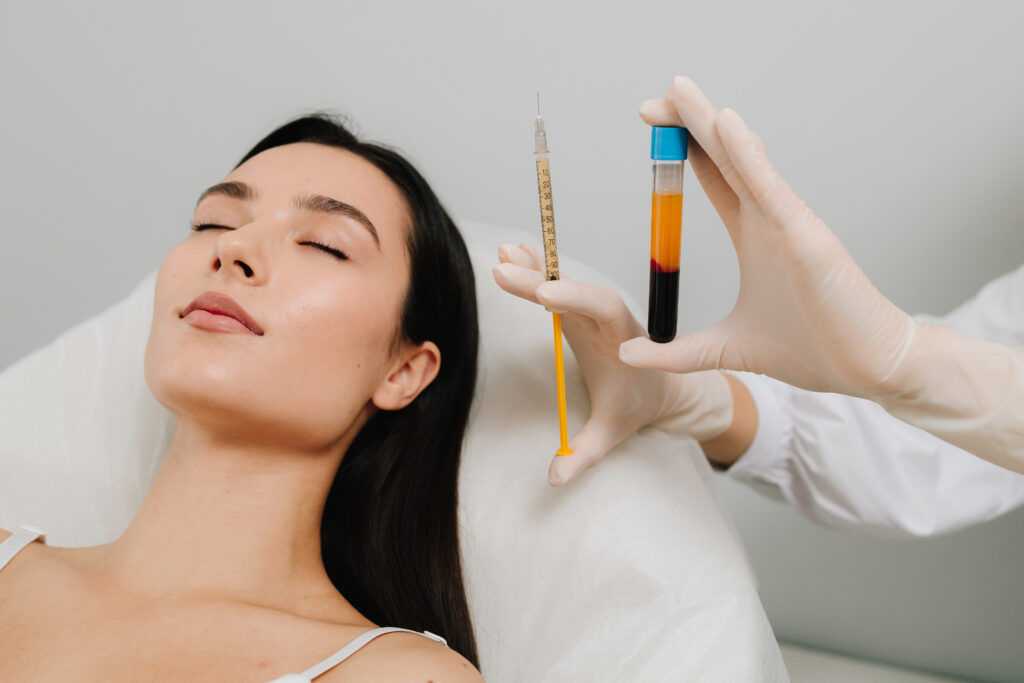
PRP injection or microneedling procedures may cause short-term redness, swelling, tenderness, or bruising. Because PRP comes from the patient’s own blood, it is described as autologous. However, that does not make the procedure risk-free.
Appropriate patient selection remains important. In addition, practitioners need to follow suitable procedures for sterile blood collection, centrifugation, preparation, and administration.
Can PRP and Botox Be Used Together?
PRP and botulinum toxin do not necessarily have to compete for the same place in an anti-aging treatment plan.
A patient may have several signs of aging at the same time.
For example, repeated muscle contraction may contribute to prominent forehead or glabellar lines. Meanwhile, the same patient may also have fine textural changes, photoaging, or reduced skin elasticity.
A clinician can therefore evaluate the muscular and skin-related components separately.
In selected patients, botulinum toxin may be used to address excessive muscle-driven creasing. PRP, on the other hand, may form part of a broader strategy focused on skin quality.
However, the two treatments should not automatically be performed together.
Treatment timing and injection areas require professional assessment. Clinicians should also consider previous procedures, skin condition, medical history, and individual goals.
In addition, different procedures may require different intervals depending on the clinical protocol.
Explaining these different treatment targets can help clinics manage patient expectations. It also avoids the misleading idea that PRP must replace Botox—or that Botox can address every visible sign of skin aging.
The same principle applies when combining PRP with other aesthetic procedures.
Microneedling, laser-based procedures, fillers, energy-based treatments, and chemical peels all target different aspects of facial aging. Therefore, treatment plans should focus on the patient’s actual concerns rather than a single product or procedure.
Choosing Between PRP and Botox for Facial Anti-Aging
For practitioners and patients comparing the two treatments, the most useful starting point is not age.
Instead, consider the pattern of facial aging.
Two patients of the same age can have very different needs. One may have strong forehead movement but relatively good skin quality. Another may have few prominent dynamic wrinkles but noticeable photoaging, fine lines, and textural changes.
A professional assessment should therefore consider facial movement, static and dynamic wrinkles, skin quality, previous aesthetic treatments, expectations, and relevant contraindications.
Patients interested in a “natural-looking” result should also understand what that phrase means.
PRP does not work by reducing nerve signals to facial muscles. Therefore, it does not intentionally restrict facial movement.
However, this does not automatically make PRP more natural or superior. Carefully planned botulinum toxin treatment can also soften excessive muscle-driven lines while maintaining facial expression.
For clinics offering PRP, there is another consideration: treatment consistency begins before the injection.
The preparation process may involve selecting an appropriate blood collection volume and matching the tube to the intended centrifugation workflow. Clinics also need to maintain sterile handling and follow a repeatable protocol.
Therefore, when purchasing PRP tubes, professional buyers should look beyond tube volume or unit price alone.
Product documentation, packaging, sterility, supply stability, tube configuration, and compatibility with the intended workflow are also relevant purchasing factors.
FAQ About PRP vs. Botox
What is the main difference between PRP and Botox?
Botulinum toxin temporarily reduces activity in selected muscles and is commonly used for dynamic expression lines. PRP is prepared from the patient’s own blood. It is used in regenerative aesthetic procedures that focus more on skin quality and tissue remodeling.
What is the difference between static wrinkles and dynamic wrinkles?
Dynamic wrinkles appear or become more noticeable during facial movement. Examples include lines that deepen when smiling, frowning, or raising the eyebrows.
Static wrinkles remain visible when the face is relaxed. Several factors may contribute to them, including collagen loss, photoaging, reduced elasticity, repeated movement, and structural skin changes.
Is PRP better than Botox for facial rejuvenation?
Neither is universally better. They address different components of facial aging. Treatment selection should depend on the type of wrinkle, skin condition, patient goals, and professional assessment.
Can PRP remove forehead wrinkles?
PRP may be considered as part of a strategy for skin quality and fine lines. However, prominent forehead wrinkles are often strongly influenced by frontalis muscle activity.
Therefore, a clinician should determine how much of the concern relates to movement and how much remains when the face is relaxed.
Does PRP work immediately like Botox?
No. PRP is generally associated with gradual changes because its intended effects involve biological processes related to tissue repair and remodeling. It does not create the same temporary muscle-relaxing effect as a neuromodulator.
Can PRP be combined with microneedling?
PRP may be incorporated into professional microneedling protocols. However, preparation methods, application techniques, and treatment schedules can vary between practitioners and systems.
“Vampire facial” is a popular term sometimes associated with these procedures. However, it does not describe one standardized medical protocol.
Can PRP and Botox be used in the same treatment plan?
They may be incorporated into a broader facial rejuvenation strategy because they target different aspects of aging. However, a qualified medical professional should determine whether they should be combined and how treatments should be timed.
Are all PRP tubes the same for facial rejuvenation?
No. PRP tubes can differ in blood collection volume, tube configuration, separation method, and intended preparation protocol. Clinics should choose tubes that match their centrifugation workflow and clinical requirements.
What should clinics consider when buying PRP tubes?
Clinics and professional buyers should consider the intended PRP protocol, blood collection volume, tube configuration, centrifugation requirements, sterility, documentation, packaging, and supply consistency.
The PRP tube should be evaluated as part of the complete preparation workflow rather than selected only by price.
Understanding the Role of PRP and Botox in Facial Rejuvenation
Facial aging involves more than one biological process. Repeated muscle movement, collagen changes, photoaging, declining elasticity, and structural changes can all influence how the face ages.
Therefore, PRP and Botox should not automatically be treated as competing solutions.
Botulinum toxin is particularly relevant when facial muscle activity contributes strongly to visible wrinkles. PRP occupies a different position in aesthetic medicine, with greater emphasis on regenerative procedures and skin quality.
For practitioners, identifying the underlying concern first can lead to a more logical treatment plan. Meanwhile, clinics developing PRP services should also establish a consistent preparation workflow.
For aesthetic clinics, distributors, and medical professionals looking for professional PRP preparation consumables, visit Siny PRP to explore our PRP tube range or contact our team for product specifications, packaging options, OEM services, and bulk purchasing support.