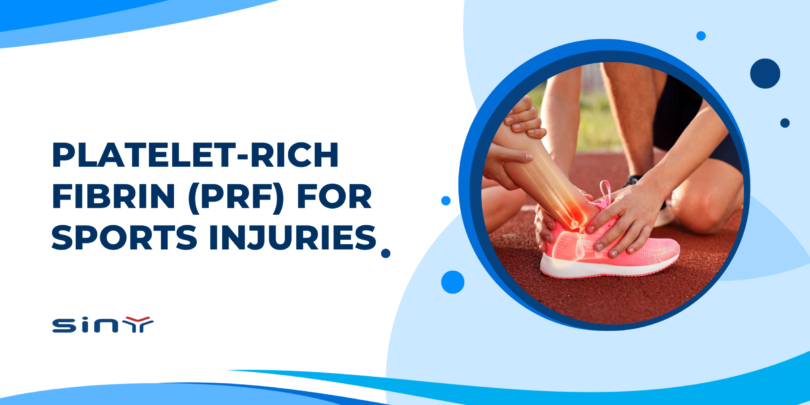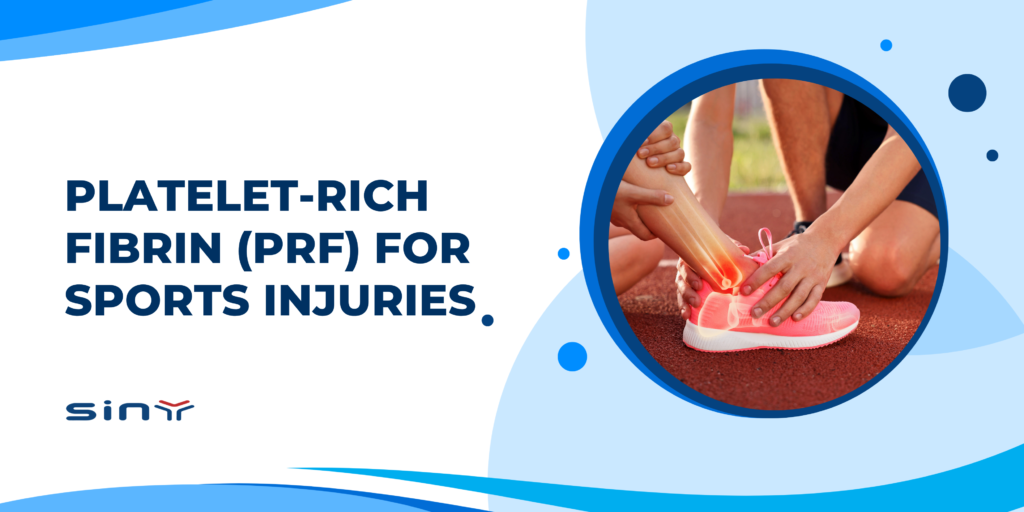
A torn or overstretched ligament can take an athlete out of training for weeks or even months. Unlike a simple muscle strain, ligament injuries often heal slowly because these tissues have a relatively limited blood supply and must gradually rebuild their collagen structure and mechanical strength.
That challenge has increased interest in Platelet-Rich Fibrin (PRF) for sports injuries, especially in regenerative medicine and orthopedic applications. PRF is commonly described as a second-generation autologous platelet concentrate prepared from a patient’s own blood. It is characterized by a fibrin network associated with platelets and other cellular and biological components involved in the normal tissue repair response. Its exact composition can vary according to the preparation protocol.
The main question, however, is not simply whether PRF contains useful biological components. Athletes, clinicians, and sports medicine professionals want to know something more practical: can PRF actually help an injured ligament heal faster?
The answer is promising but nuanced. PRF may provide a biological environment that supports tissue repair, and research continues to explore its role in ligament and tendon healing. However, outcomes depend on the severity and location of the injury, treatment approach, PRF preparation protocol, rehabilitation program, and individual patient.
Understanding how PRF works—and where the clinical evidence currently stands—is therefore essential before considering its role in sports injury management.
Why Ligament Injuries Can Be Difficult to Heal
Ligaments are dense bands of fibrous connective tissue that connect one bone to another and stabilize joints. They must tolerate repeated tension, twisting, and sudden changes in direction, which explains why ligament injuries are common in sports.
Frequently injured ligaments include:
- Anterior cruciate ligament (ACL) in the knee
- Medial collateral ligament (MCL) in the knee
- Lateral and medial ankle ligaments
- Ulnar collateral ligament (UCL) in the elbow
- Ligaments around the wrist and fingers
A mild sprain may involve microscopic fiber damage, while a severe injury can produce a partial or complete tear.
Healing usually progresses through overlapping inflammatory, proliferative, and remodeling phases. Cells migrate into the damaged area, new extracellular matrix is produced, collagen fibers reorganize, and the tissue gradually regains tensile strength.
The problem is that this process takes time.
Ligaments generally have a more limited vascular supply than muscles or bone. The local healing environment also varies between anatomical locations. For example, an extra-articular ligament such as the MCL does not heal under exactly the same biological and mechanical conditions as an intra-articular ligament such as the ACL.
For athletes, this creates a difficult balance. Returning to activity too early can expose incompletely remodeled tissue to excessive mechanical stress and increase the risk of further injury. On the other hand, prolonged inactivity can contribute to muscle weakness, joint stiffness, and loss of conditioning.
This is one reason biological approaches have attracted attention in sports medicine. Instead of focusing only on symptoms, researchers are also investigating ways to support the local environment involved in tissue repair.
How Platelet-Rich Fibrin May Support Ligament Healing
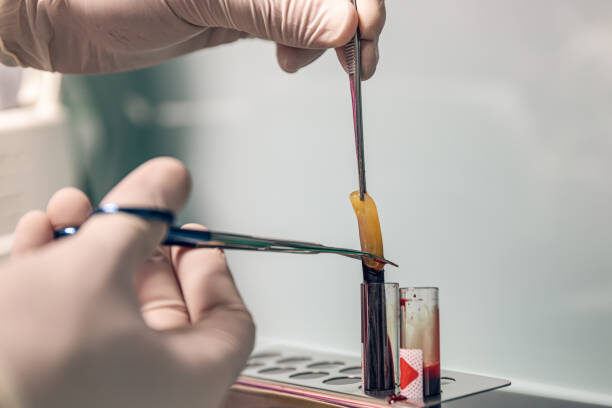
PRF is prepared from autologous blood using a defined centrifugation protocol. The characteristics of the resulting preparation can vary according to the collection system, tube characteristics, centrifugation conditions, and intended PRF protocol.
What makes PRF particularly interesting for tissue repair is its fibrin-based structure and associated biological components.
The Fibrin Network Acts as a Biological Scaffold
Fibrin is a fundamental part of the body’s natural wound-healing process. Following an injury, it contributes to the provisional extracellular matrix in which cellular repair activity can occur.
In PRF, the fibrin network can provide a three-dimensional structure associated with platelets and other cellular components, depending on the preparation method.
This matters because ligament repair is not simply about producing more cells or collagen. Newly formed tissue must gradually organize and remodel into a structure capable of tolerating mechanical load.
Platelets Provide Healing-Related Signaling Molecules
Platelets are well known for their role in hemostasis, but they also contain biologically active signaling molecules.
Platelet concentrates have been studied for growth factors including:
- Platelet-Derived Growth Factor (PDGF)
- Transforming Growth Factor-Beta (TGF-β)
- Vascular Endothelial Growth Factor (VEGF)
- Fibroblast Growth Factor (FGF)
These molecules participate in processes related to cell migration, vascular responses, extracellular matrix production, and tissue remodeling.
Depending on the preparation protocol, PRF may also contain leukocytes and other cellular components involved in the local biological response.
The fibrin network may help retain and gradually release biological mediators over time. However, the exact release profile can differ according to the PRF preparation method and characteristics of the final preparation.
PRF Works With the Healing Process, Not in Place of It
This distinction is important.
PRF does not mechanically reconnect a completely ruptured ligament. Nor does it replace surgical stabilization, appropriate immobilization, physical therapy, or a structured rehabilitation program when these are required.
Instead, PRF is better understood as a potential biological adjunct.
The goal is to support the local environment involved in repair while the injured tissue is appropriately protected and progressively rehabilitated.
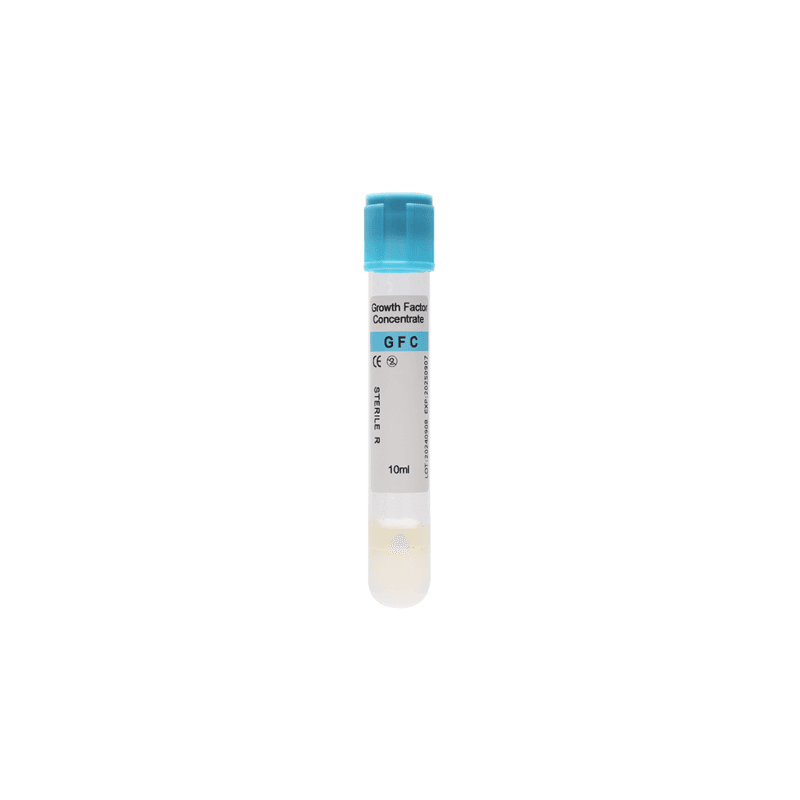
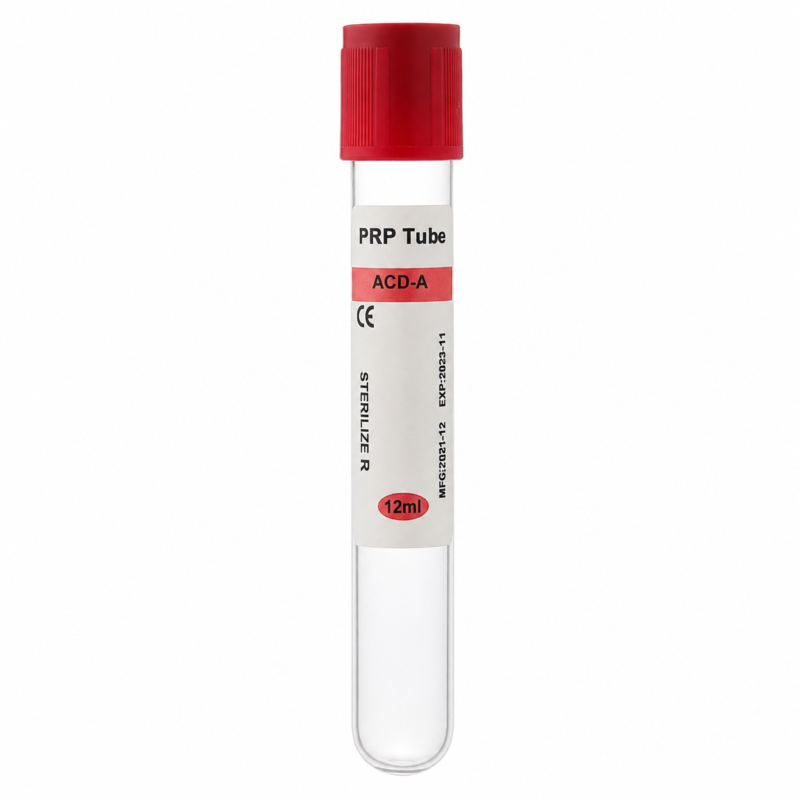
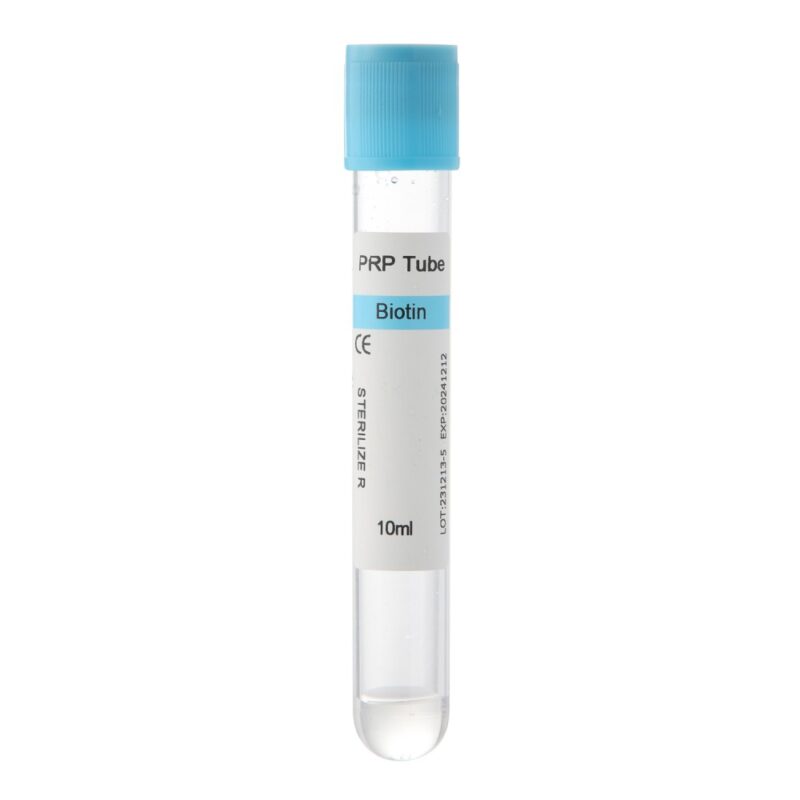
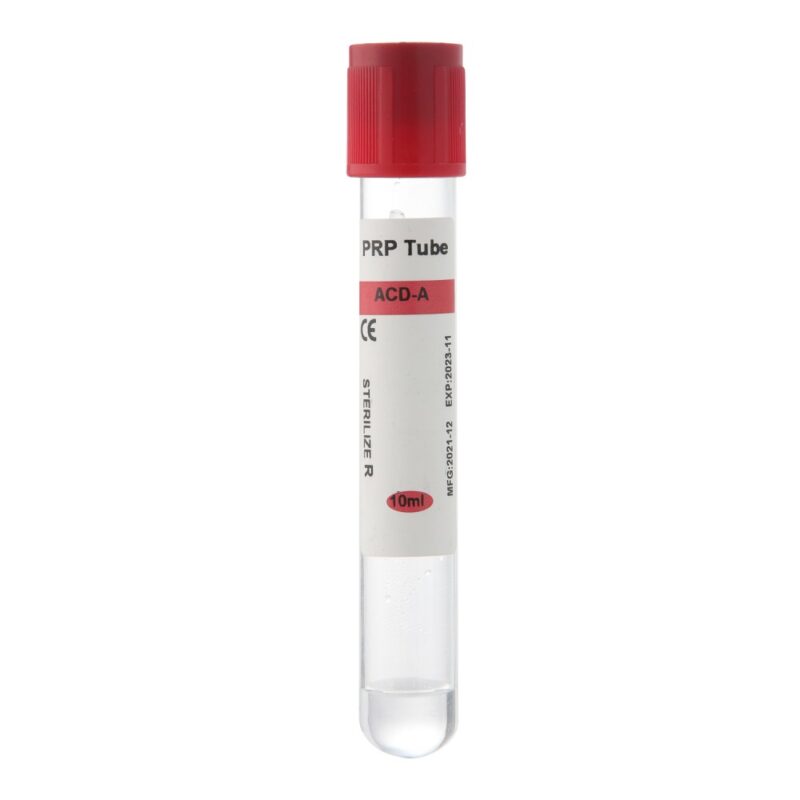
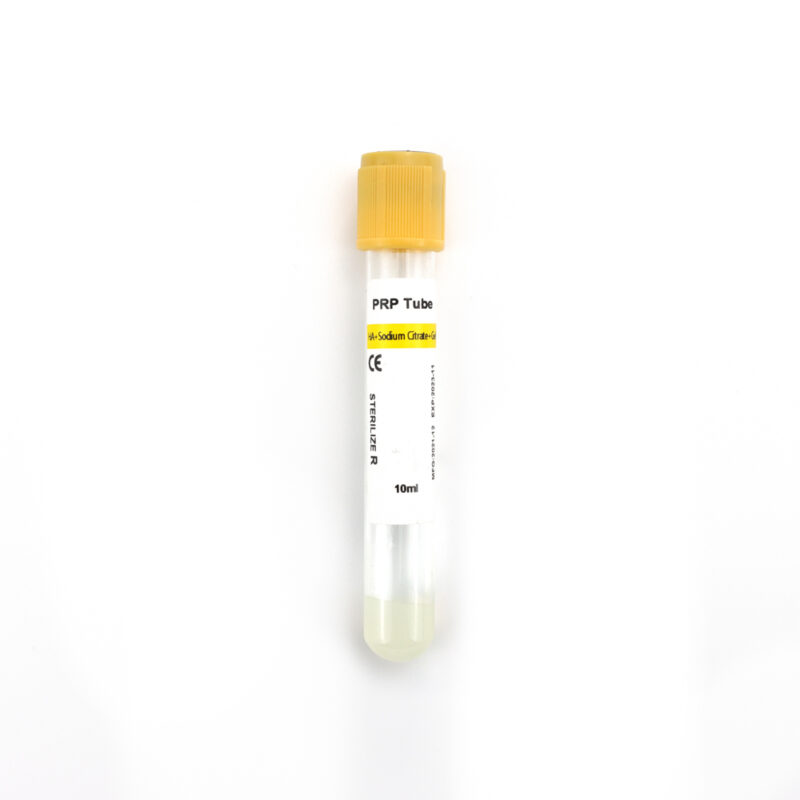
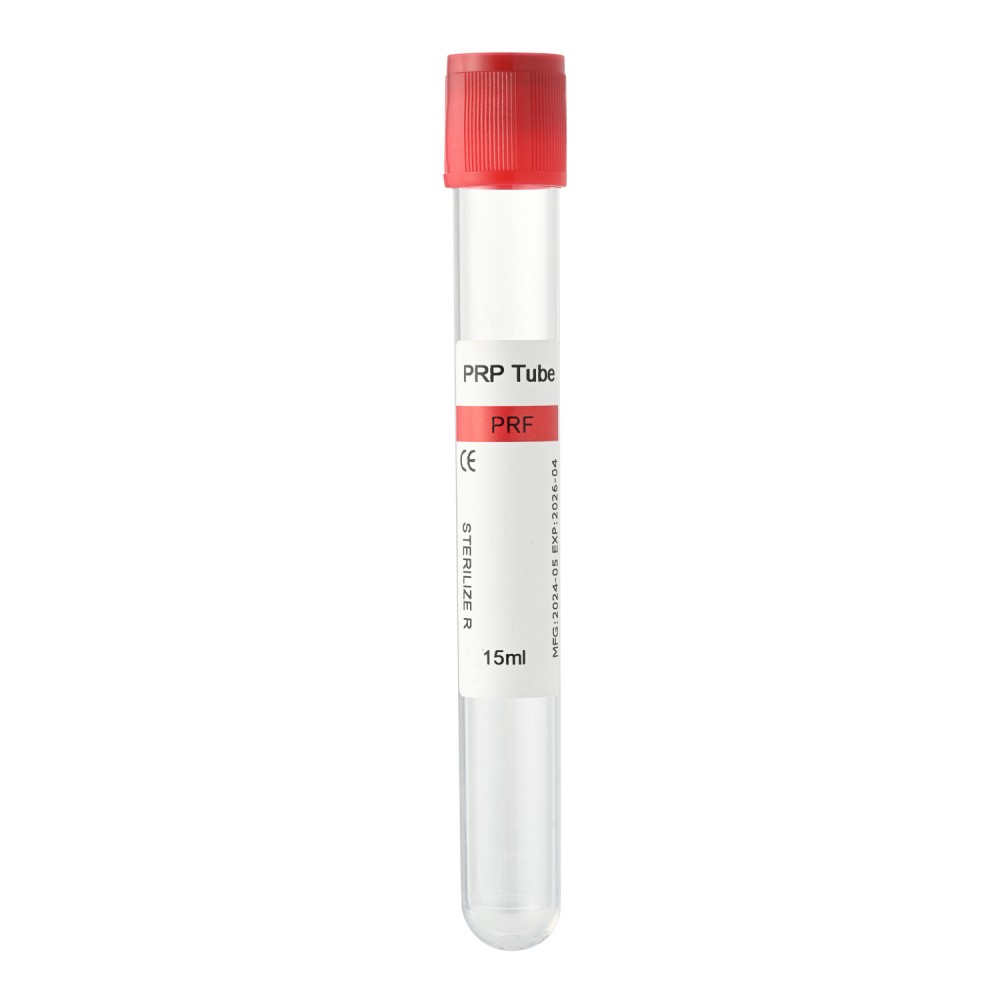
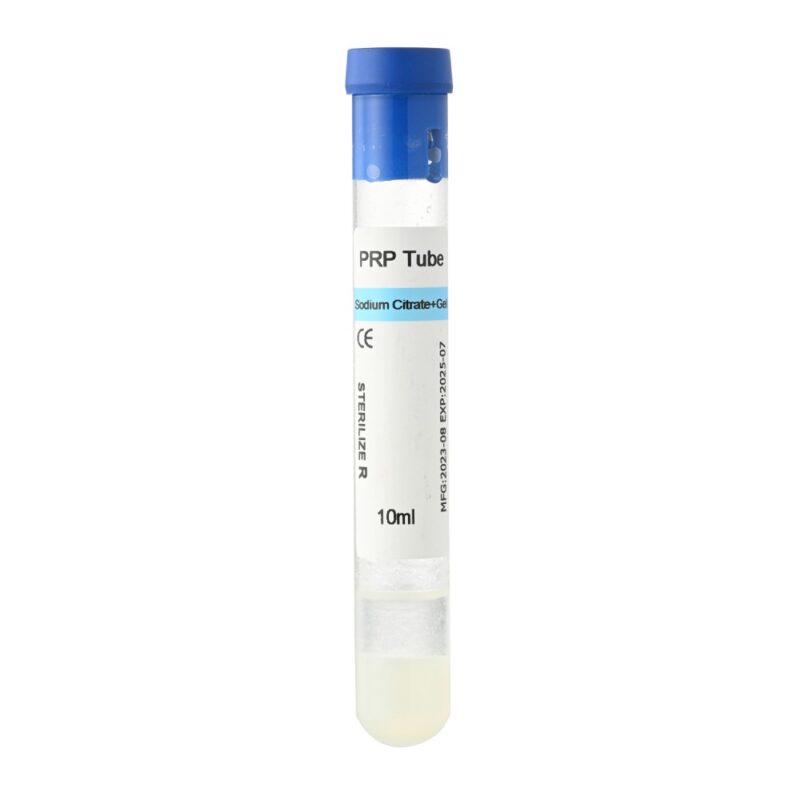
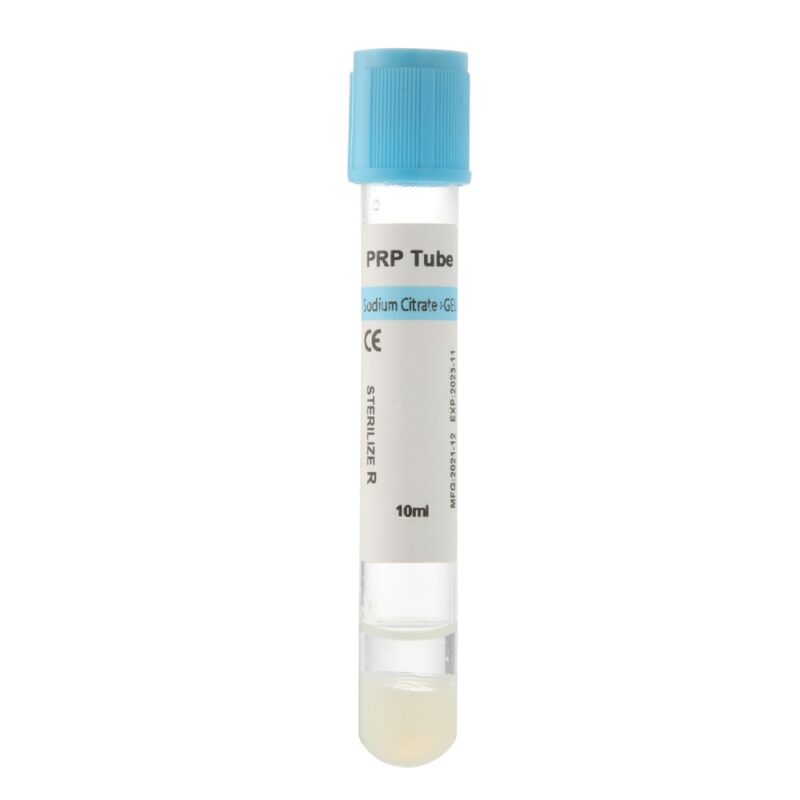
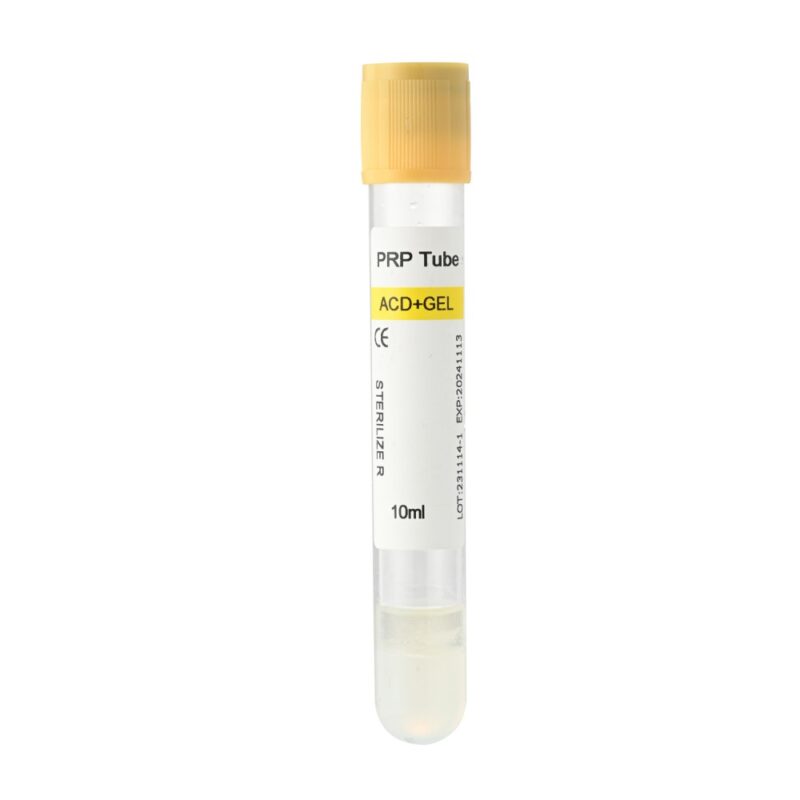
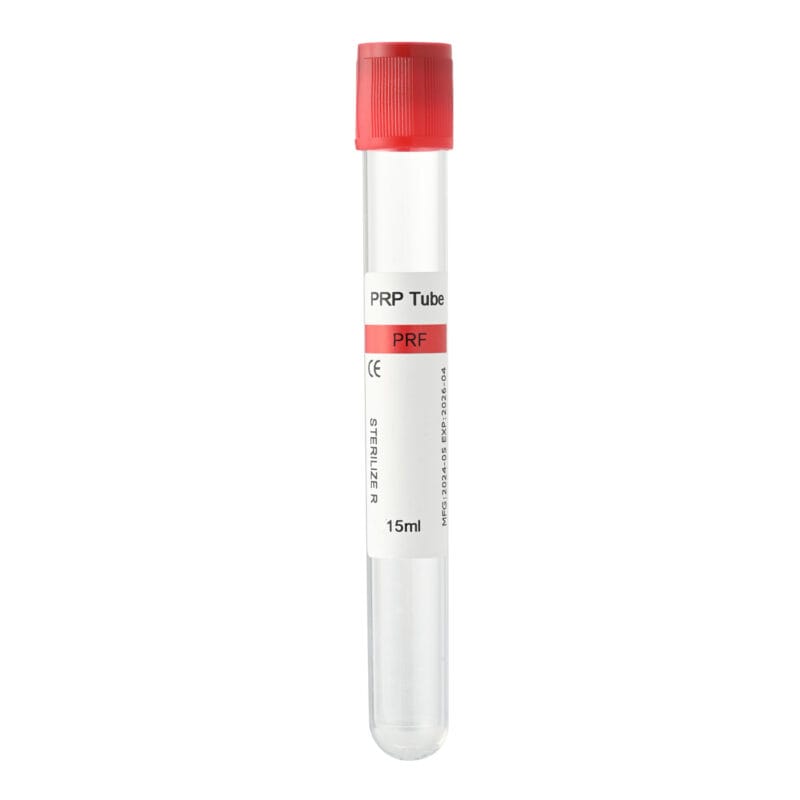
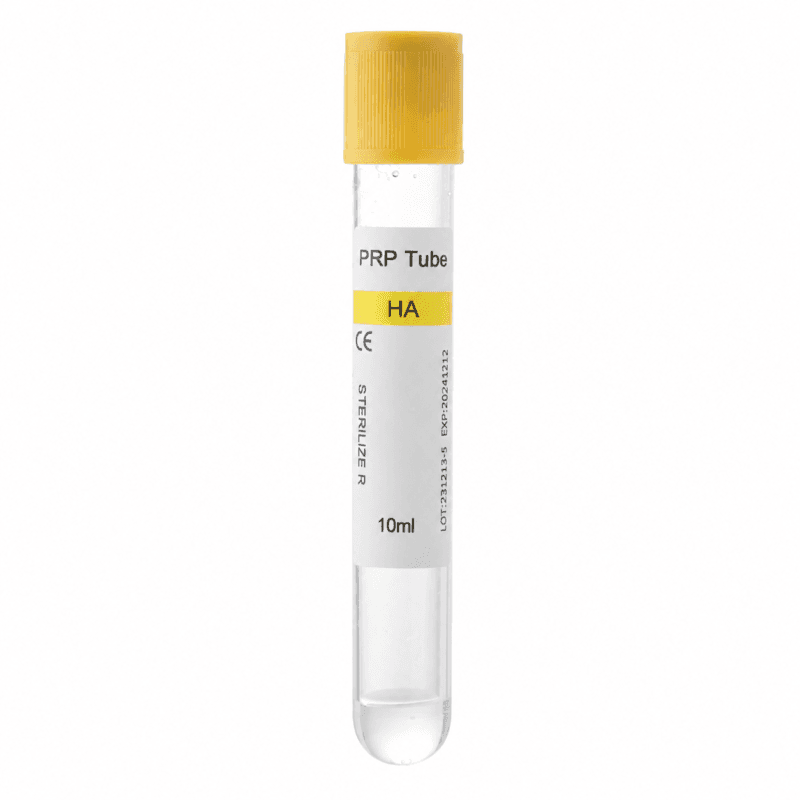
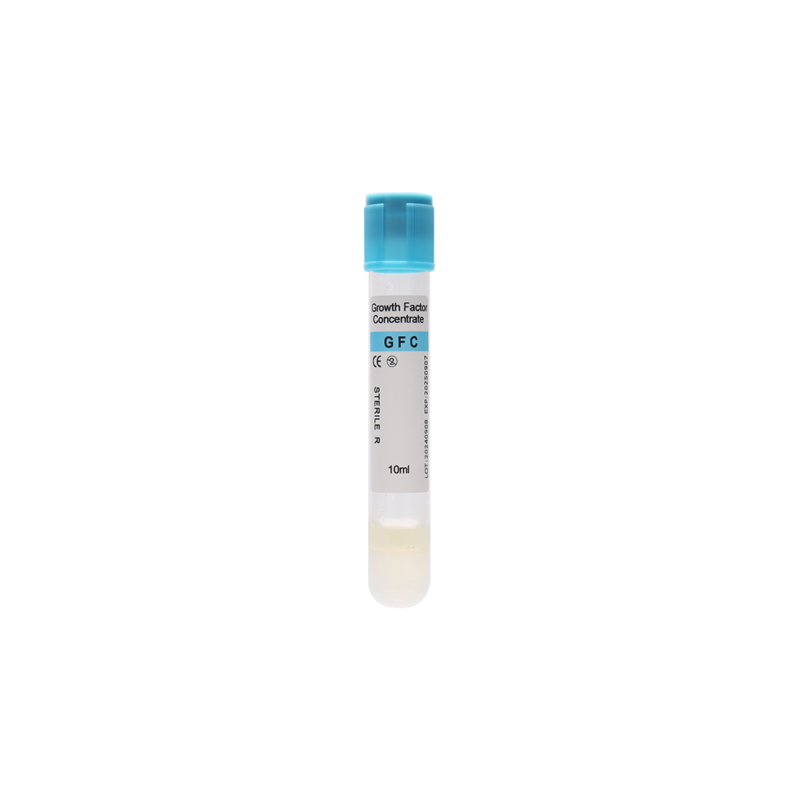
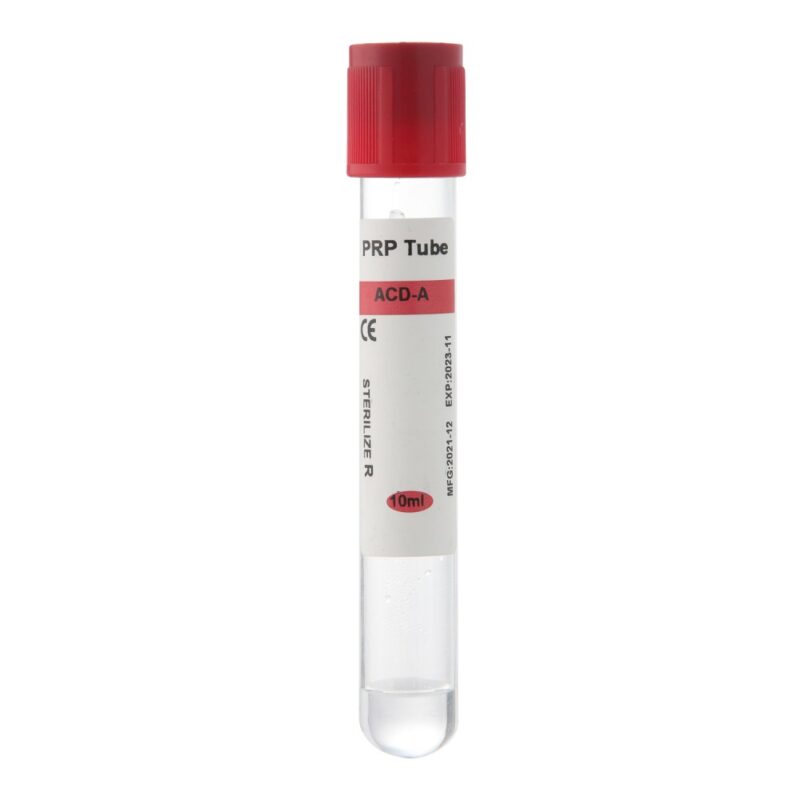
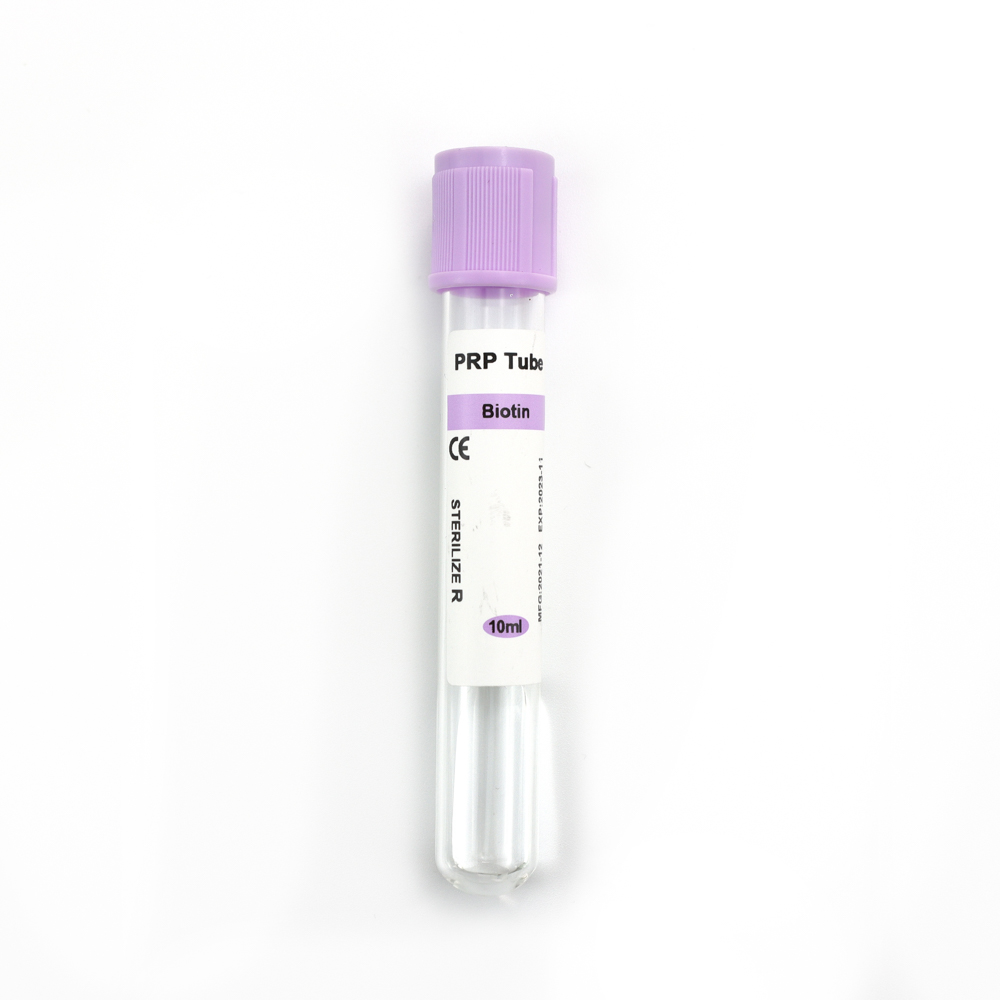
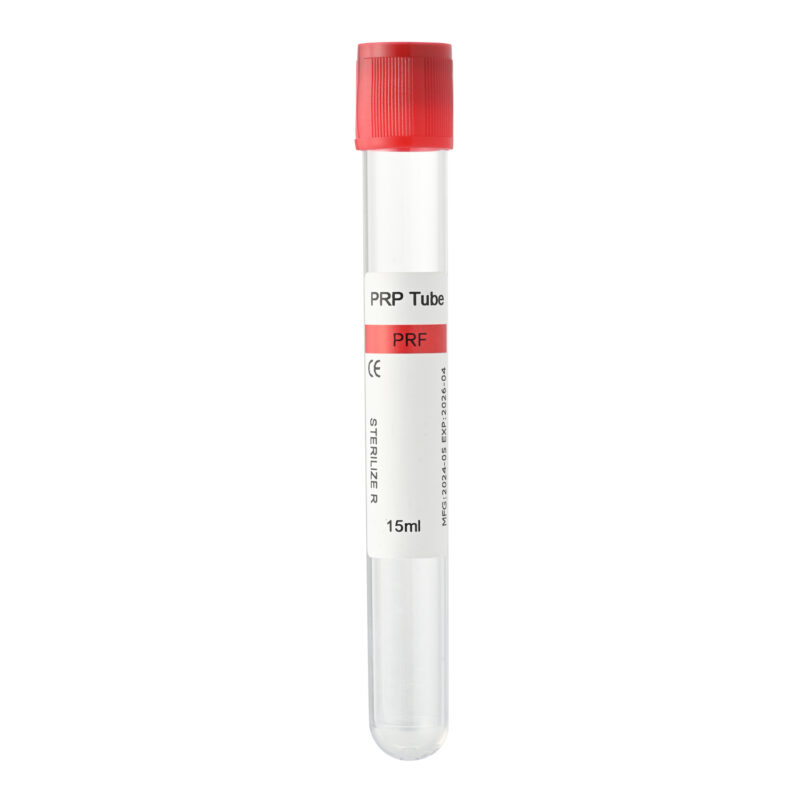
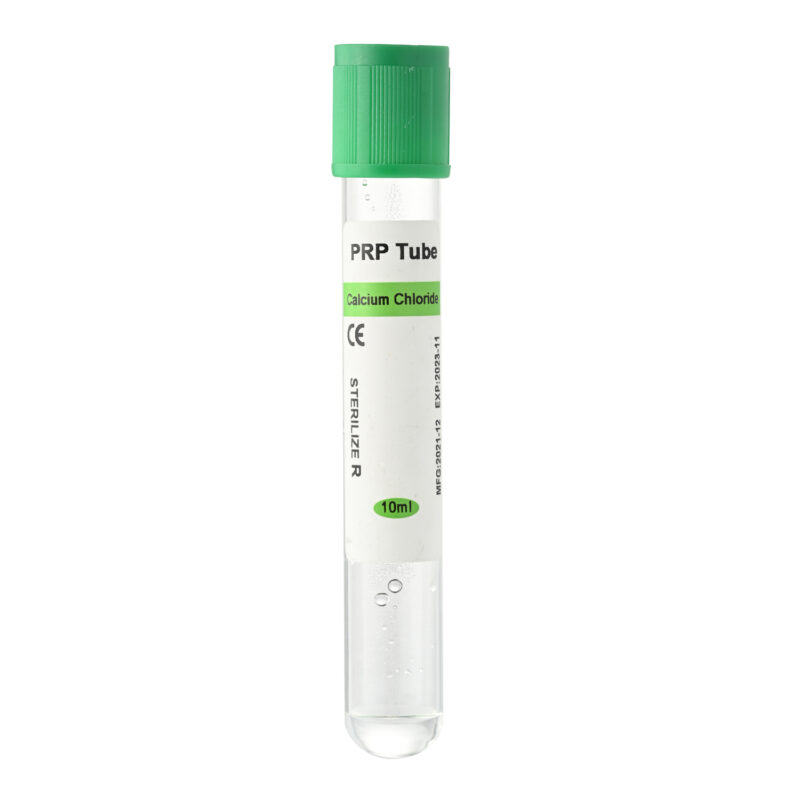
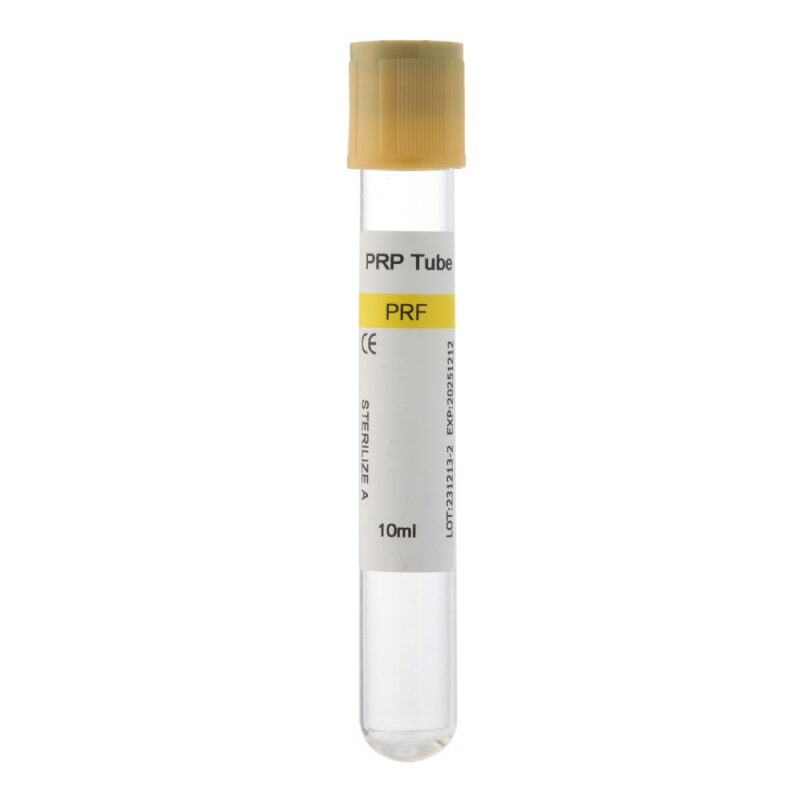
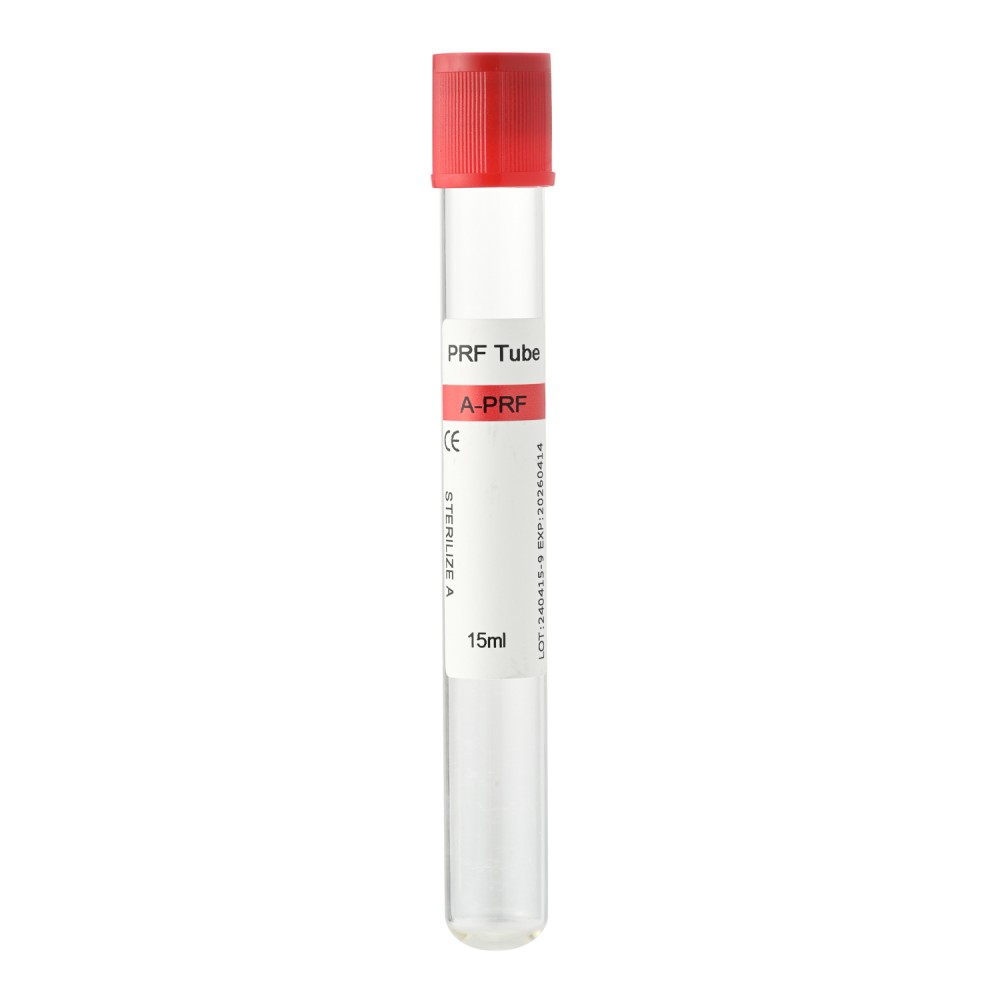
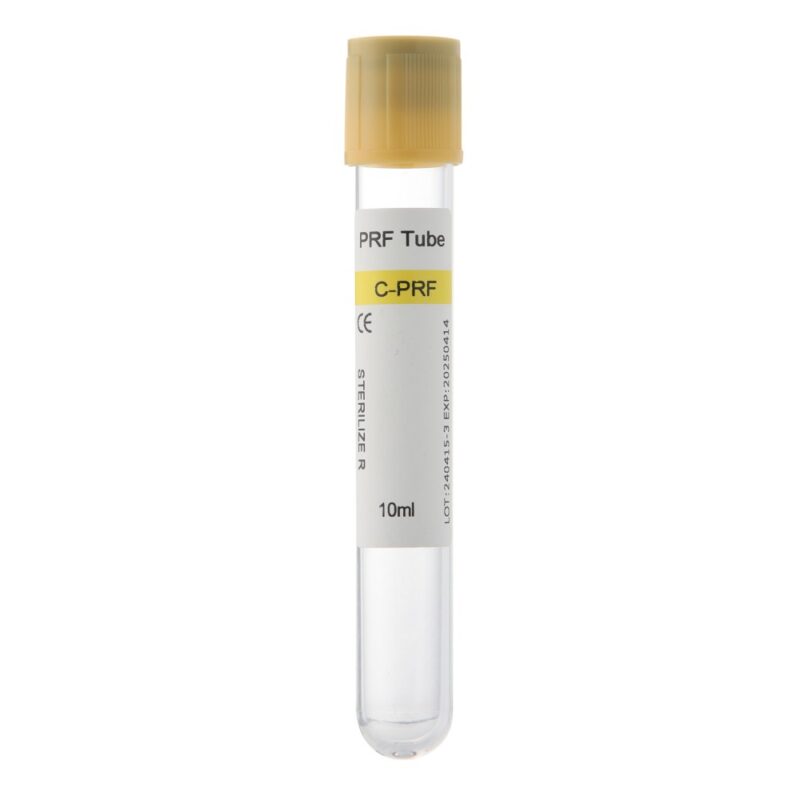
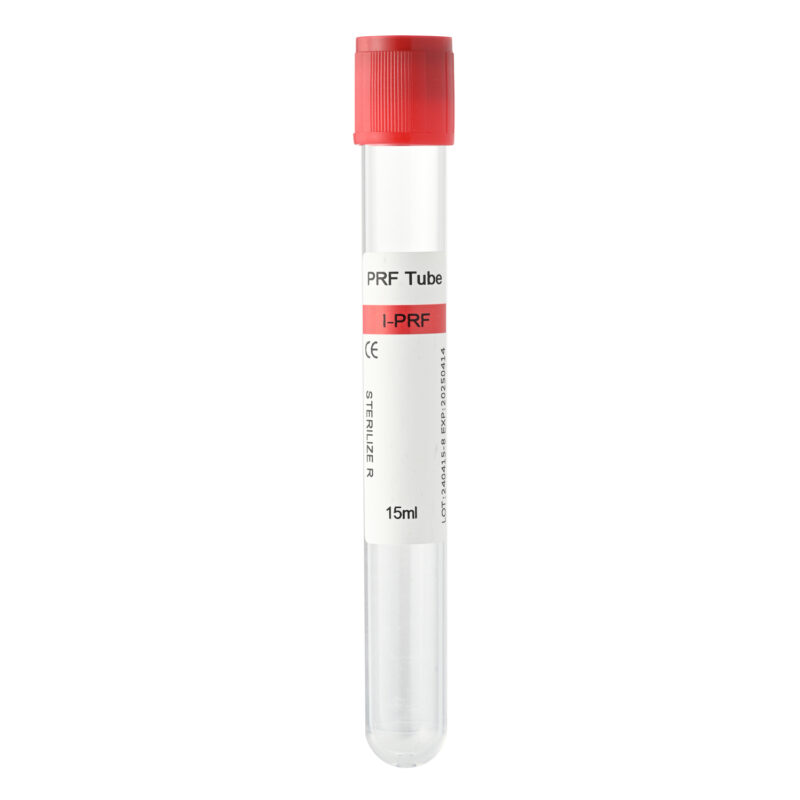
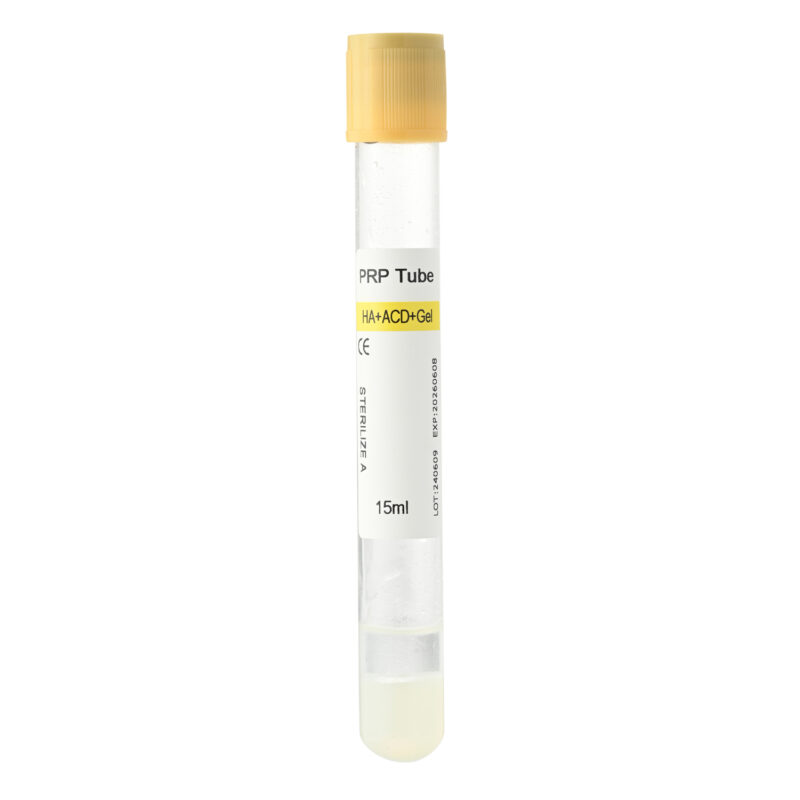
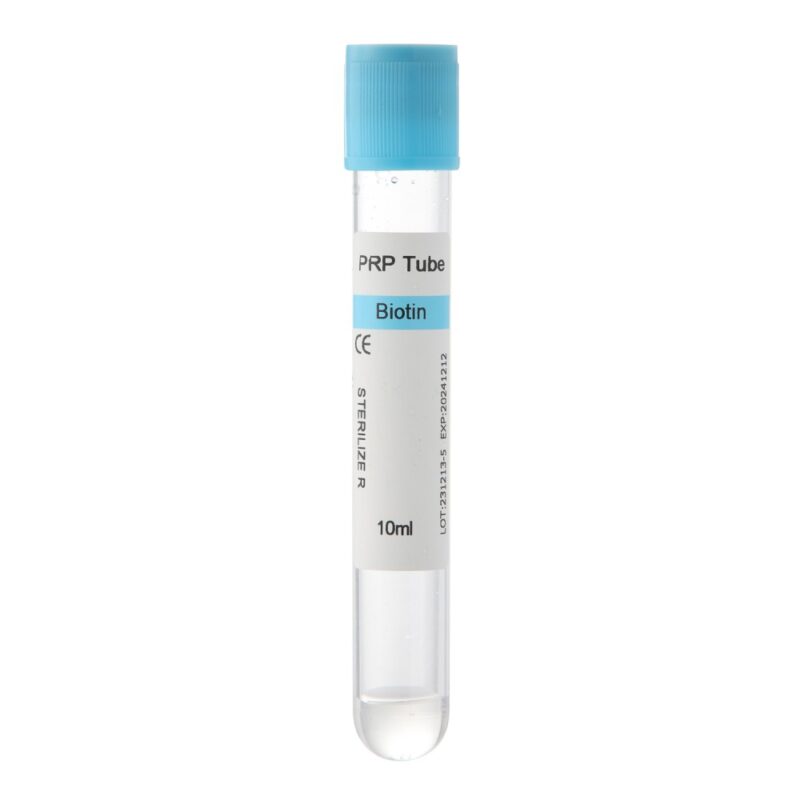
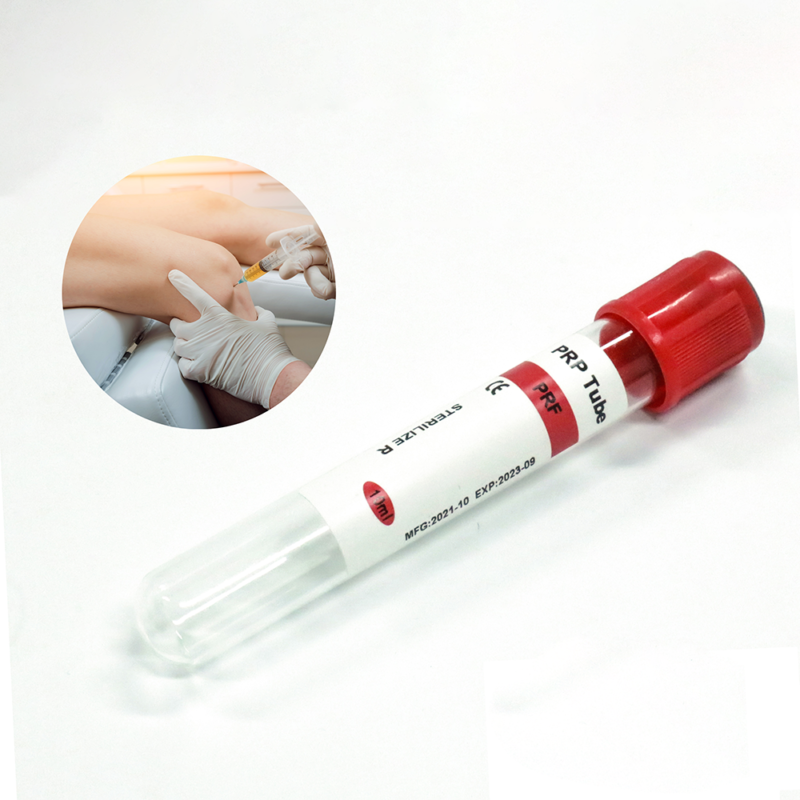
For sports clinics and regenerative medicine facilities establishing PRF preparation workflows, consistent blood collection and processing are important parts of obtaining a reproducible preparation. Siny PRP supplies PRF tubes for professional blood collection and PRF preparation workflows. Contact our team for product specifications and purchasing information.
Platelet-Rich Fibrin for Sports Injuries: What Does the Research Show?
The biological rationale behind PRF is interesting, but clinical outcomes matter more to athletes and clinicians. Can PRF genuinely improve ligament recovery?
Current clinical and preclinical research provides encouraging signals. At the same time, the evidence is not strong enough to conclude that PRF will reliably shorten recovery time for every ligament injury.
PRF and ACL Reconstruction
The anterior cruciate ligament is one of the most studied structures in sports medicine. ACL tears are especially common in activities involving pivoting, cutting, jumping, or rapid changes in direction.
PRF has been investigated as a biological adjunct during ACL reconstruction, particularly for its possible influence on graft-to-bone integration and graft maturation.
In a comparative clinical study of patients undergoing ACL reconstruction with hamstring tendon grafts, researchers evaluated graft healing with and without PRF augmentation.
MRI assessments at five months showed lower signal intensity and less fluid at the graft-tunnel interface in the PRF-treated group. These findings suggested that PRF may have a positive effect on graft integration and structural maturation.
However, improved imaging findings do not necessarily mean a faster return to sport.
Other prospective research evaluating PRF during ACL reconstruction has not consistently found significant differences in clinical outcomes such as subjective knee scores, joint stability, or return to pre-injury sporting levels.
This highlights an important point: biological or imaging improvements do not automatically translate into faster functional recovery.
Returning to sport still depends heavily on muscle strength, joint stability, neuromuscular control, progressive loading, and completion of an appropriate rehabilitation program.
Where Else Is PRF Being Studied in Sports Medicine?
Research into PRF and related autologous platelet-fibrin preparations extends beyond ACL reconstruction.
They have been investigated in several musculoskeletal settings, including:
- Achilles tendon and other tendon repair applications
- Rotator cuff repair
- Ankle and collateral ligament injuries
- Meniscal repair
- Cartilage-related procedures
- Other orthopedic soft-tissue applications
This broader research is relevant because tendons and ligaments share several healing challenges. Both depend heavily on collagen organization and progressive tissue remodeling to regain mechanical strength.
However, results from one tissue or treatment cannot simply be transferred to another.
A surgically reconstructed ACL, a partial ankle ligament tear, and chronic tendon degeneration represent very different biological and mechanical problems. Evidence supporting one application should therefore not automatically be interpreted as evidence for another.
Treatment decisions should always be based on the specific diagnosis, injury severity, and professional clinical assessment.
Can PRF Really Speed Up Ligament Healing?
This is the key question—and the wording matters.
There are reasonable biological mechanisms explaining why PRF may support ligament repair. Its fibrin structure, platelet-associated signaling molecules, and interaction with the local healing environment make it an interesting tool in regenerative and sports medicine.
But supporting the healing process and guaranteeing faster recovery are two very different claims.
Injury Severity and Location Matter
A Grade I ligament sprain is very different from a complete Grade III rupture.
Minor injuries may recover with protection, controlled loading, and rehabilitation. More severe tears may require prolonged immobilization, specialist treatment, surgical repair, or reconstruction.
PRF cannot remove these differences or replace the structural stability required for healing.
Rehabilitation Remains Essential
Biology is only one side of ligament recovery.
Healing ligament fibers must gradually reorganize and regain the ability to tolerate mechanical stress. Controlled loading during rehabilitation plays an important role in this process.
Even when a biological adjunct is used, an athlete still needs an appropriate rehabilitation program to restore range of motion, muscle strength, proprioception, joint stability, and sport-specific movement.
This is why return-to-play decisions should be based on functional recovery rather than simply on how much time has passed since treatment.
PRF Preparation Can Influence the Final Product
Another challenge in interpreting PRF research is the lack of one universal preparation method.
Centrifugation conditions—including relative centrifugal force, processing time, rotor characteristics, and other protocol variables—can influence the distribution of platelets, leukocytes, fibrin, and other components in the resulting preparation.
Different PRF protocols may therefore produce preparations with different physical and biological characteristics.
This variability is one reason research findings are not always identical.
For clinical and research settings, the PRF tube should therefore be considered part of a broader preparation workflow rather than an isolated component. Blood collection, tube selection, centrifugation, handling, and application should follow the facility’s validated protocol.
If your clinic, laboratory, or regenerative medicine facility is establishing or standardizing a PRF workflow, explore Siny PRP’s PRF tube solutions or contact our team to discuss product and purchasing requirements.
Choosing the Right PRF Tubes for Sports Medicine Workflows
The blood collection tube is an important part of the PRF preparation process, not simply a container for holding blood.
When establishing a PRF workflow in sports medicine or orthopedics, several practical factors should be considered.
Blood Collection and Tube Quality
Reliable blood collection helps establish a consistent starting point for PRF preparation.
The selected tube should be suitable for the intended collection system and preparation workflow. Consistency during collection and handling can make subsequent processing easier to standardize.
Compatibility With the PRF Protocol
PRF protocols can differ in centrifugation conditions, rotor design, tube characteristics, processing time, and intended final preparation.
Clinicians should follow their validated PRF protocol and centrifuge instructions rather than assuming that one setting is suitable for every system.
This is also important when interpreting published research. Results obtained using one preparation method should not automatically be treated as evidence for every other PRF protocol.
Intended Preparation and Clinical Workflow
Different PRF preparation techniques can produce materials with different physical characteristics. The appropriate tube therefore depends on the intended preparation method and the facility’s established workflow.
For sports medicine, orthopedic, and regenerative medicine facilities, repeatable collection and processing procedures are especially important when PRF is incorporated into a standardized clinical pathway.
Siny PRP supplies PRF tubes for professional blood collection and PRF preparation. For product specifications, bulk purchasing, or customized supply requirements, contact our team to discuss the appropriate solution for your workflow.
Frequently Asked Questions About PRF for Sports Injuries
Is PRF effective for ligament injuries?
PRF has biological characteristics that make it interesting for ligament and other musculoskeletal repair applications. Research has investigated its potential role in tissue healing and graft maturation. However, effectiveness can vary according to the ligament involved, injury severity, preparation method, treatment strategy, and rehabilitation program.
How does PRF help an injured ligament heal?
PRF contains a fibrin network associated with platelets and other biological components, depending on the preparation method. These components may support processes involved in cell migration, vascular response, extracellular matrix formation, and tissue remodeling.
PRF should therefore be viewed as a potential way to support the biological environment for repair rather than as a direct replacement for the body’s normal healing process.
Can PRF make an ACL injury recover faster?
PRF has been studied during ACL reconstruction, and some research has reported favorable imaging findings related to graft maturation and integration.
However, clinical studies have not consistently demonstrated significantly faster functional recovery or return to sport. Rehabilitation, muscle recovery, joint stability, and functional testing remain central to determining when an athlete can safely return to activity.
What is the difference between PRF and PRP?
PRF and PRP are both autologous platelet concentrates, but they differ in preparation and final physical structure.
PRF is characterized by the formation of a fibrin network associated with platelets and other biological components. PRP is generally prepared as a plasma-based platelet concentrate.
The cellular composition, fibrin architecture, and biological characteristics of either preparation can vary according to the collection and centrifugation protocol. Therefore, PRF and PRP should not be treated as universally standardized products.
Is PRF used only for ligament injuries?
No. PRF has also been investigated in tendon, bone, cartilage, dental, and other regenerative medicine applications.
However, evidence from one clinical application cannot automatically be transferred to another. The suitability of PRF depends on the specific condition, preparation method, and professional treatment plan.
Does PRF replace surgery or physical rehabilitation?
No.
PRF is a biological adjunct rather than a mechanical replacement for treatment. Complete ligament ruptures may still require surgical repair or reconstruction, while structured rehabilitation remains essential for restoring mobility, strength, joint stability, and function.
So, Can PRF Speed Up Ligament Healing?
Current evidence suggests that Platelet-Rich Fibrin (PRF) for sports injuries may support some biological aspects of ligament and graft healing, but it cannot yet be considered a guaranteed way to shorten recovery time.
Its potential value lies in supporting the biological environment for repair while appropriate stabilization, rehabilitation, and progressive loading address the mechanical side of recovery.
Research involving ACL reconstruction provides some encouraging findings related to graft integration and maturation. However, clinical outcomes remain influenced by many other factors, including injury severity, surgical technique when required, rehabilitation quality, and individual recovery.
For healthcare facilities using PRF, preparation consistency is another important consideration. Reliable blood collection, appropriate tube selection, validated centrifugation protocols, and standardized handling can help create a more controlled PRF preparation workflow.
Siny PRP supplies PRF tubes for professional PRF preparation in sports medicine, orthopedics, regenerative medicine, and related clinical workflows. Explore our PRF tube products or contact Siny PRP for product specifications, bulk supply, and customized purchasing requirements.
Disclaimer: This article is intended for educational and informational purposes only. It does not constitute medical advice, diagnosis, or treatment recommendations. Decisions regarding ligament injuries, PRF preparation, and clinical application should be made by qualified healthcare professionals based on individual patient needs and validated clinical protocols.