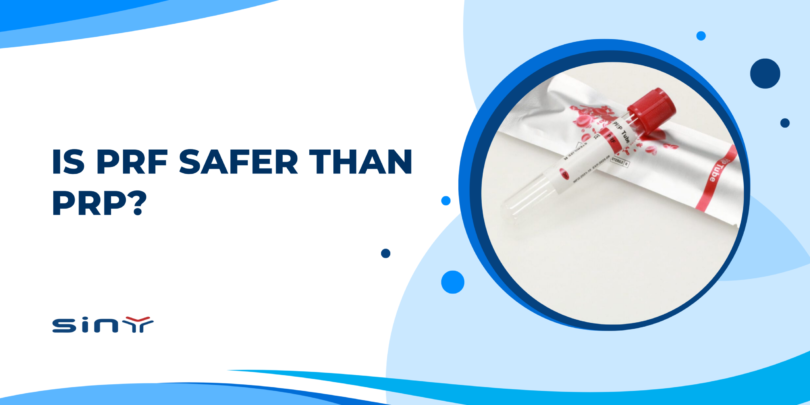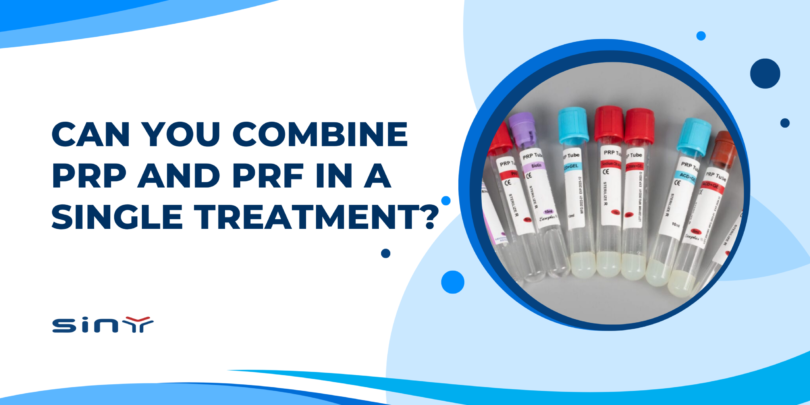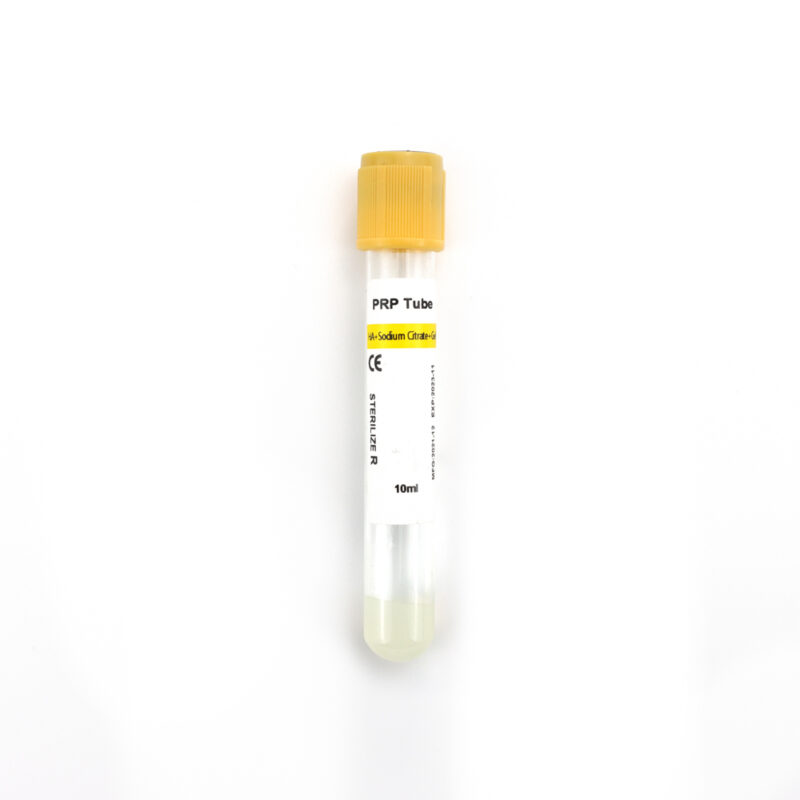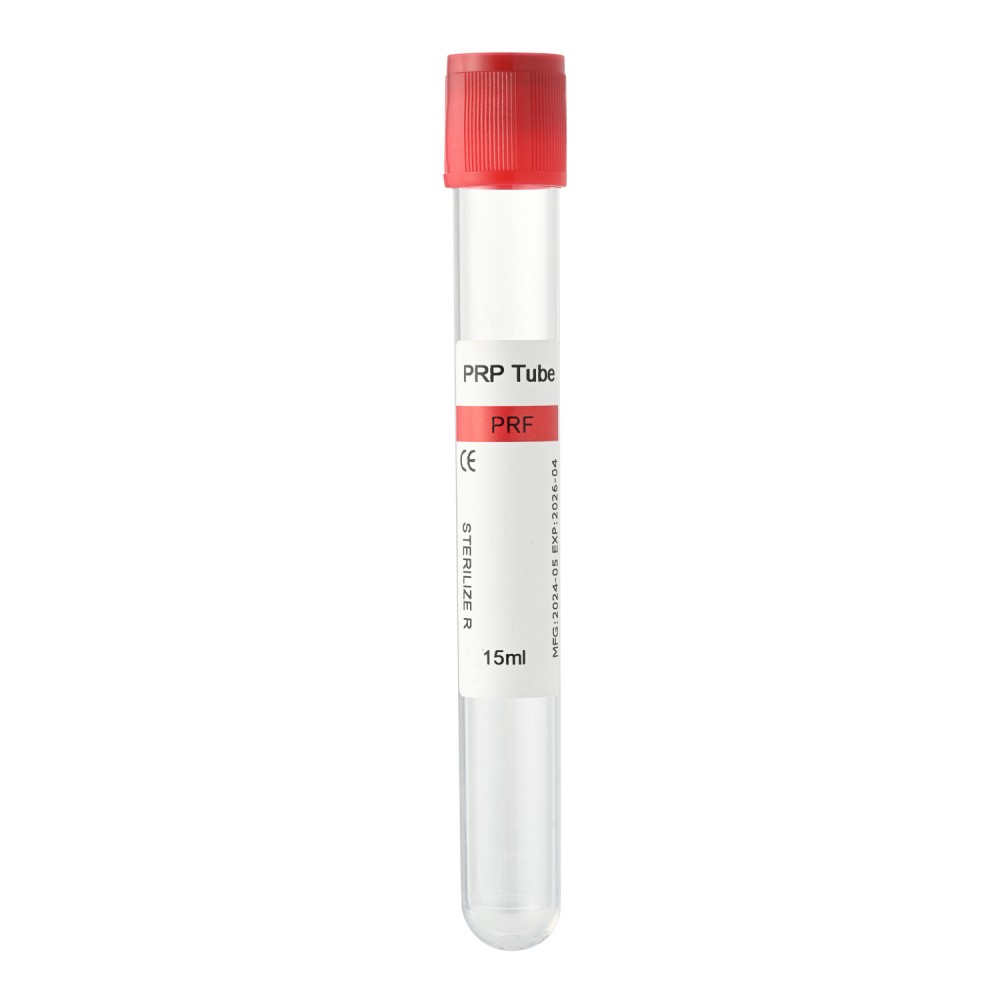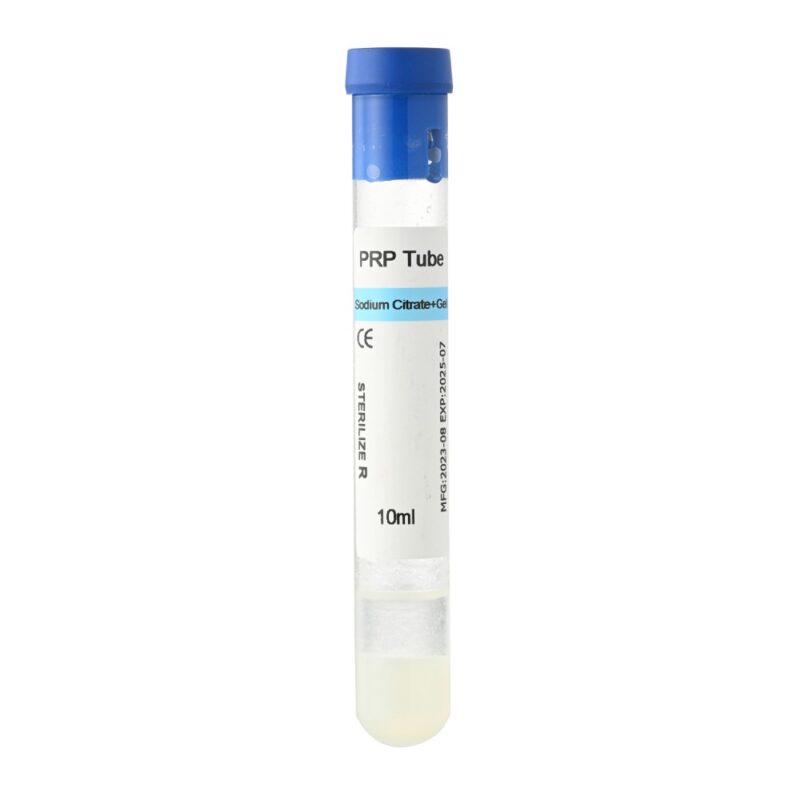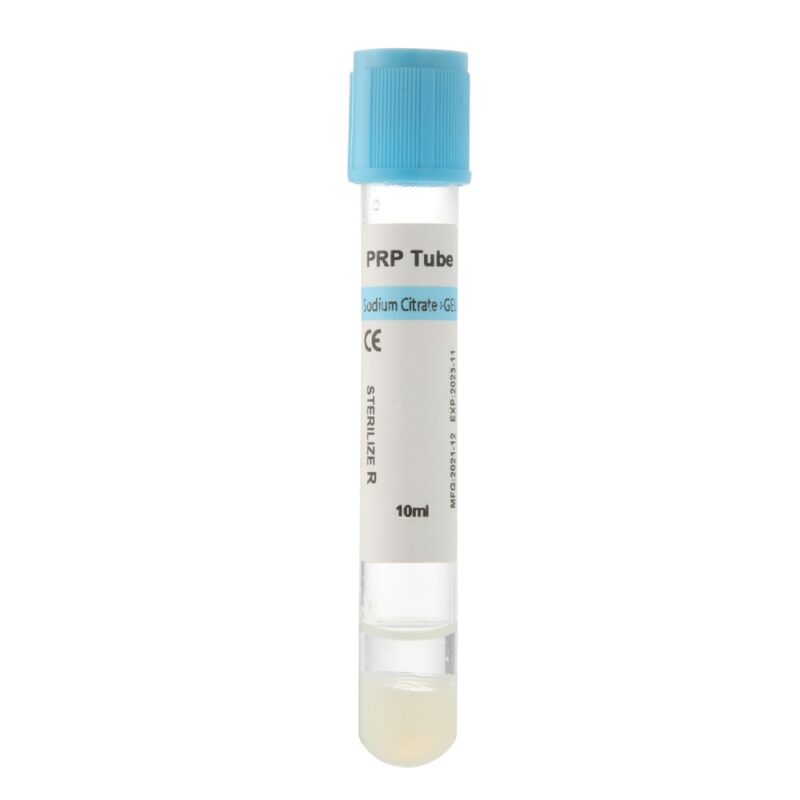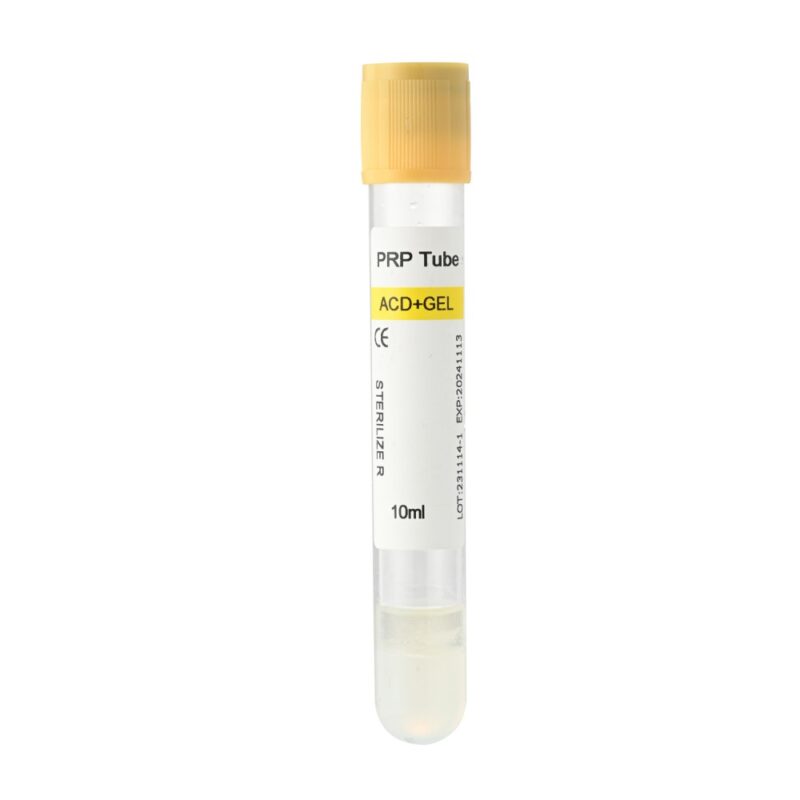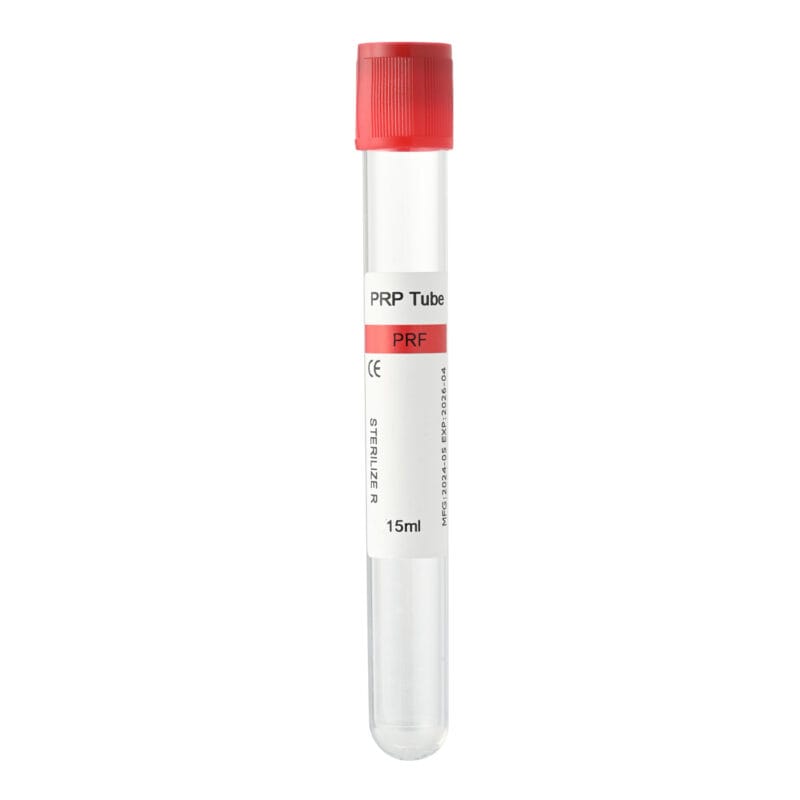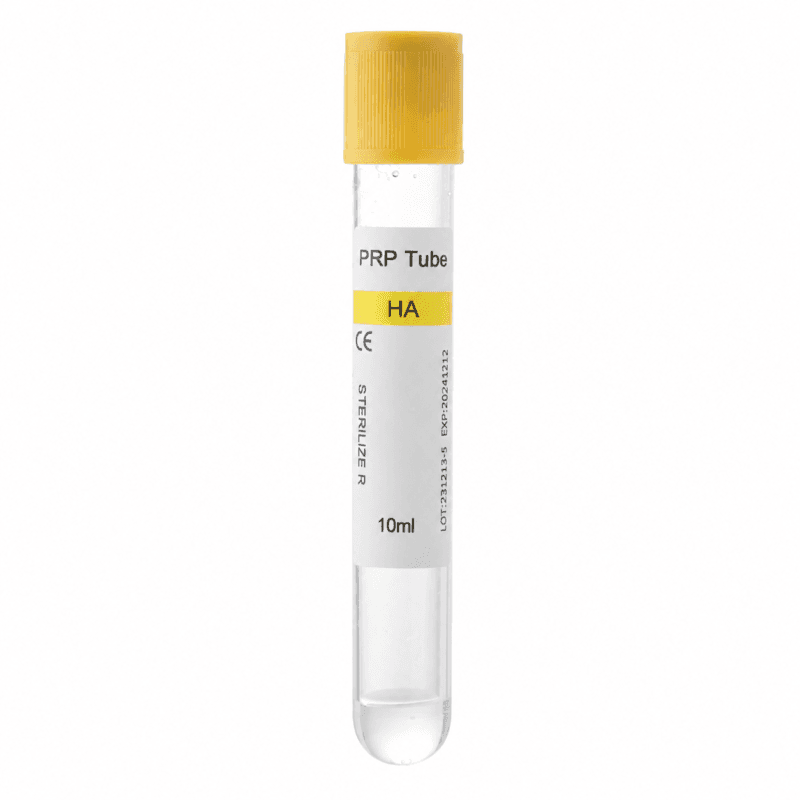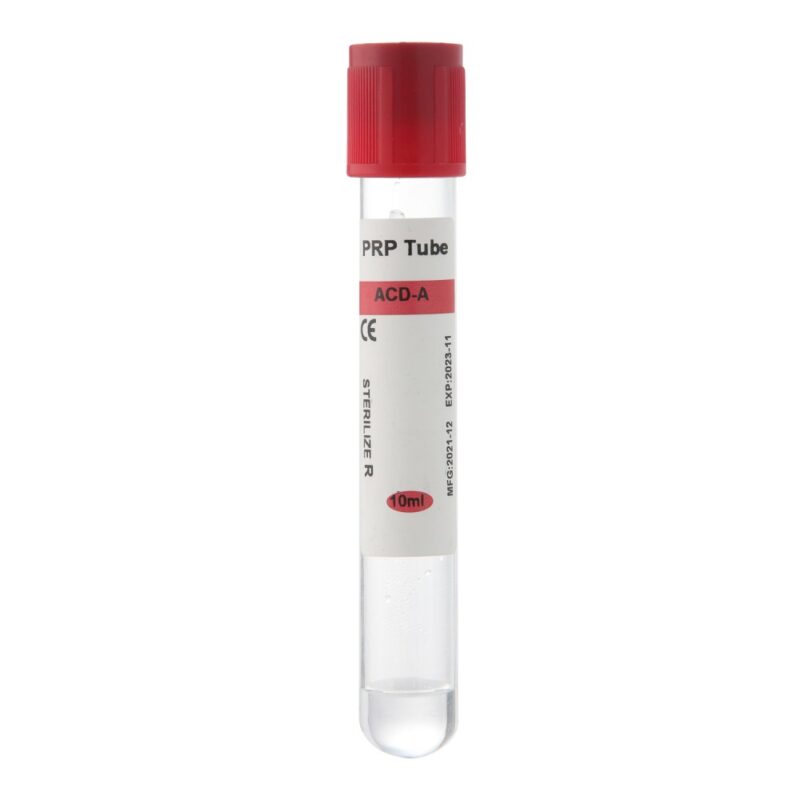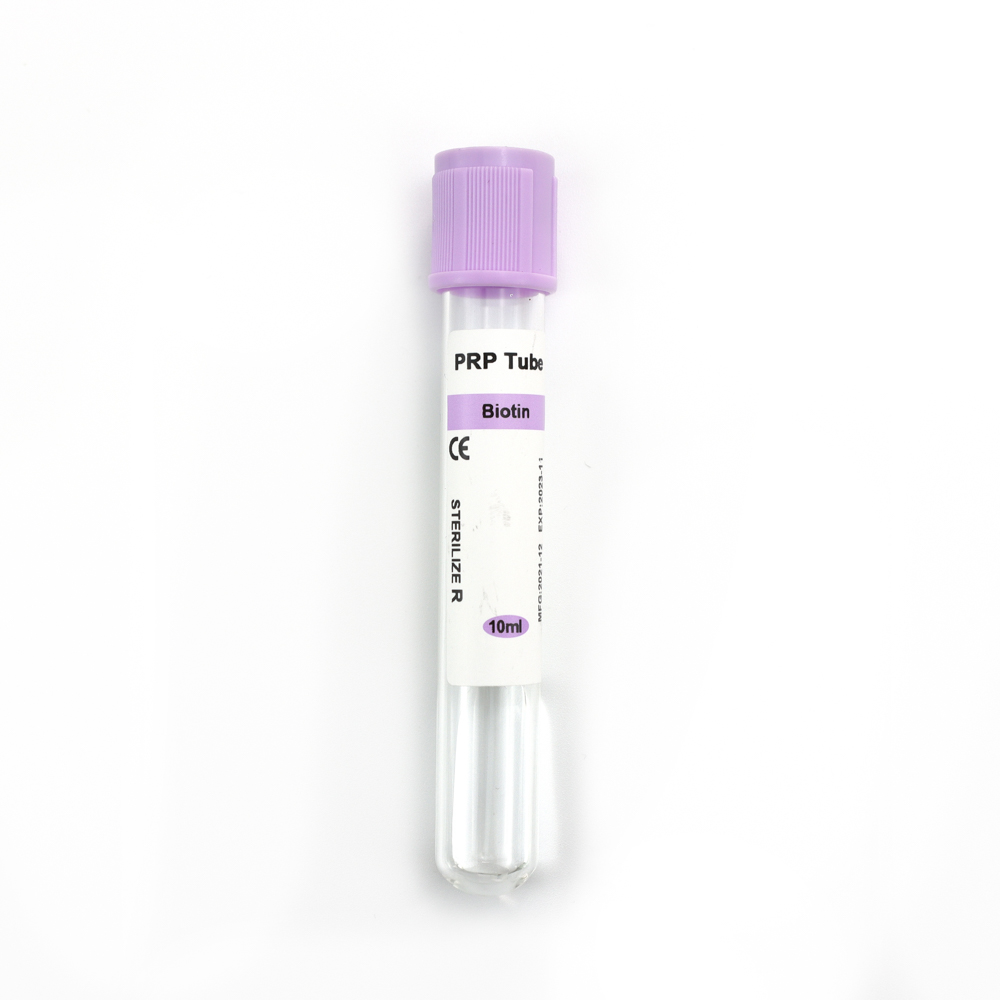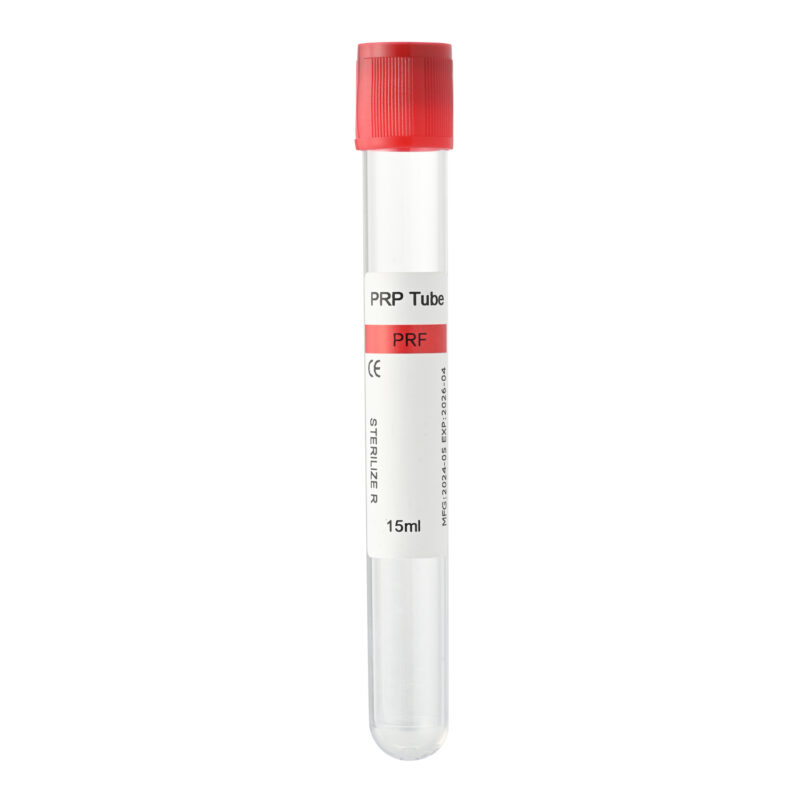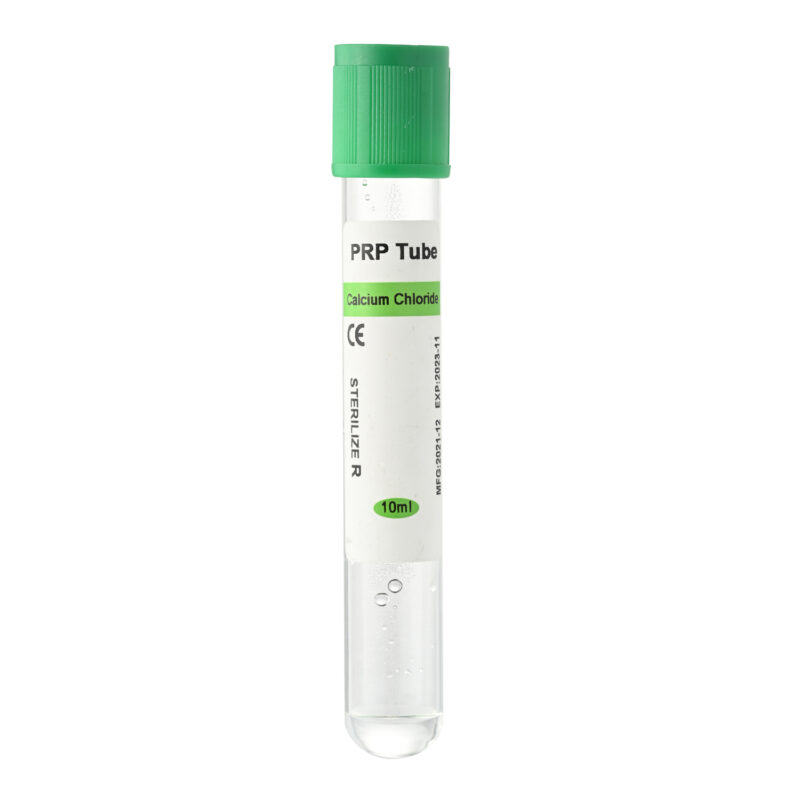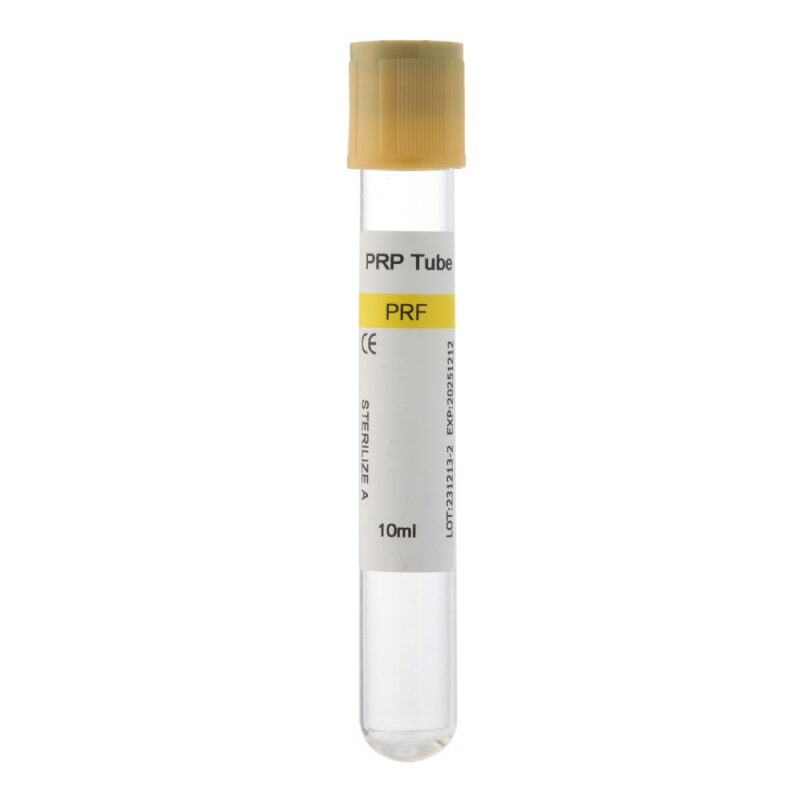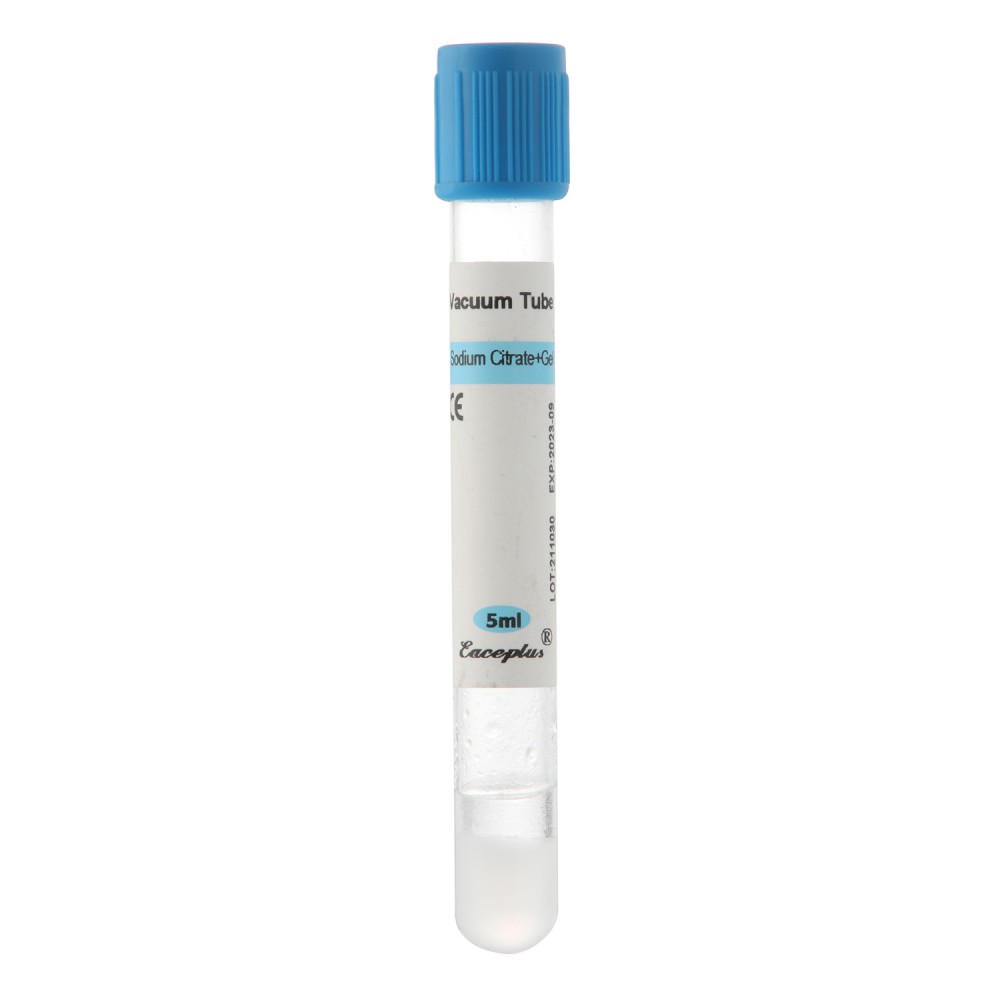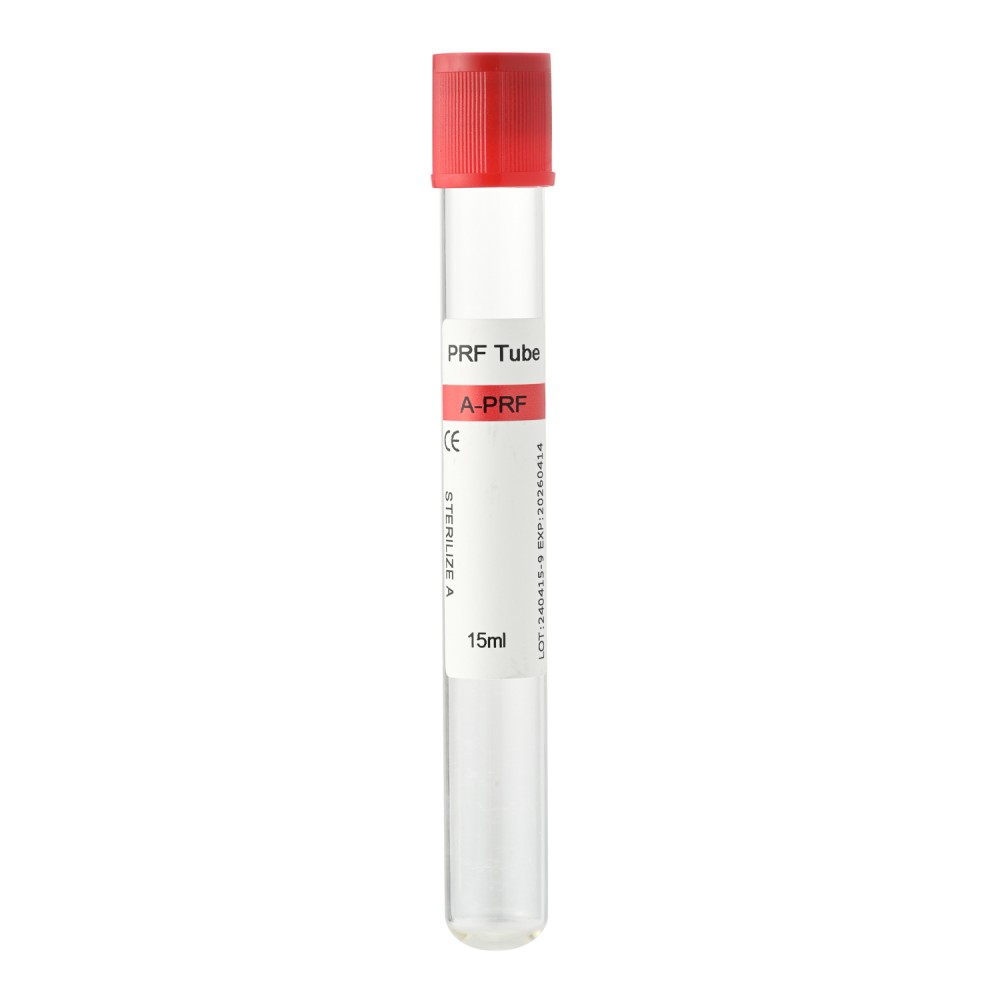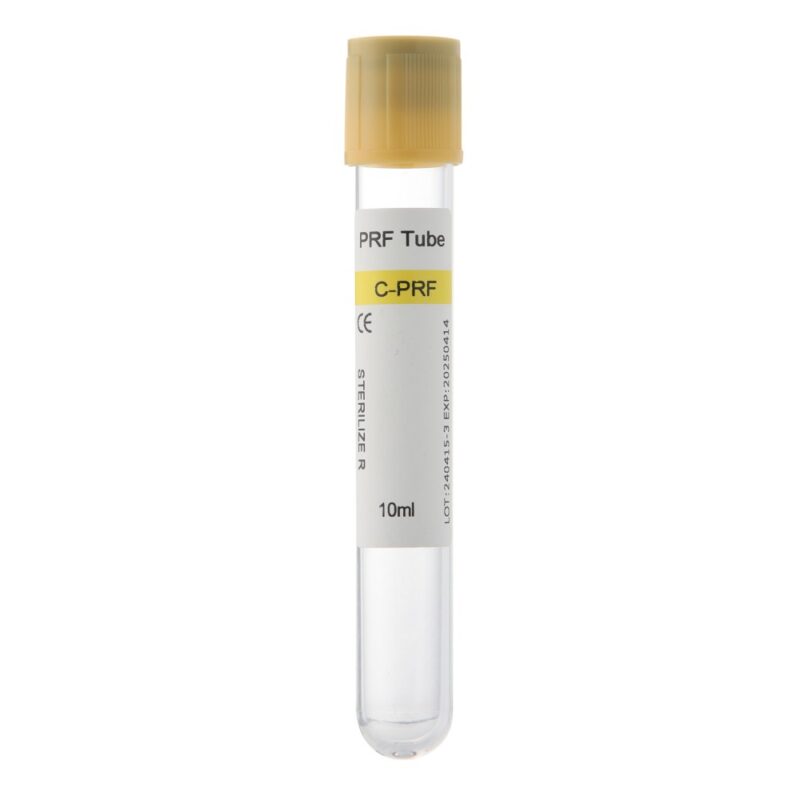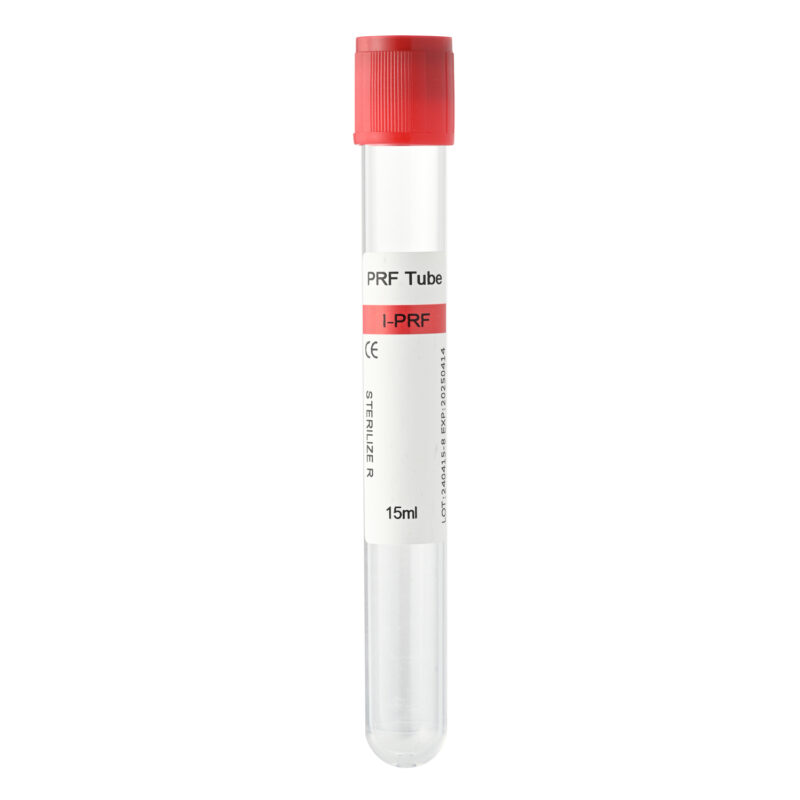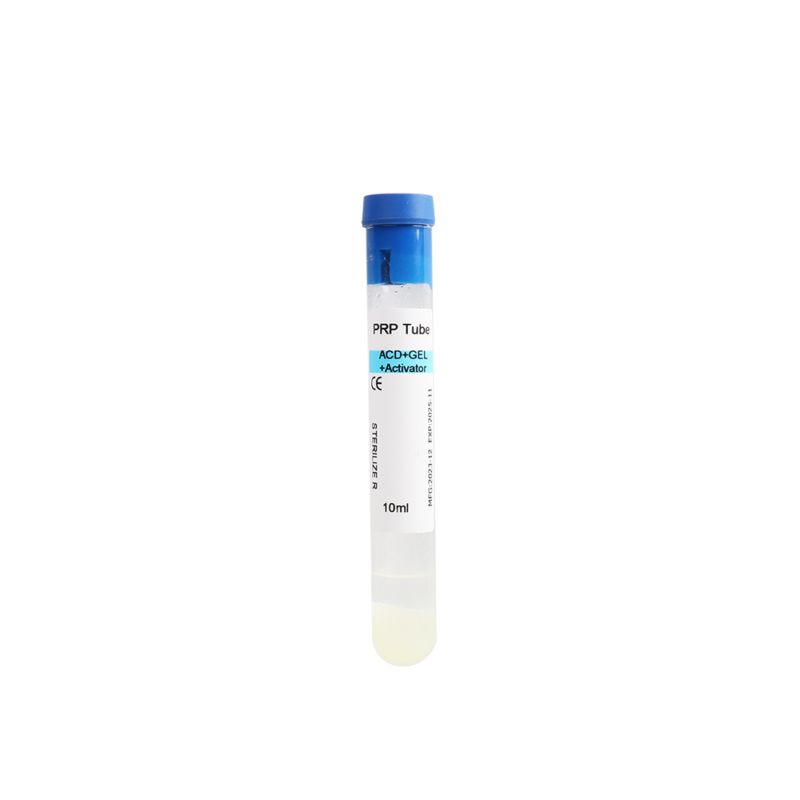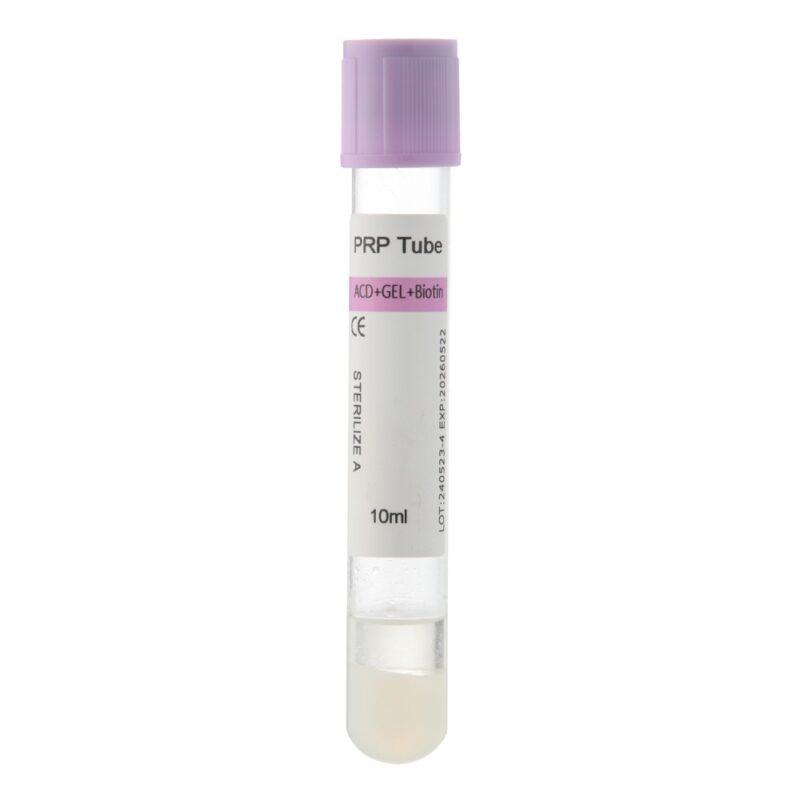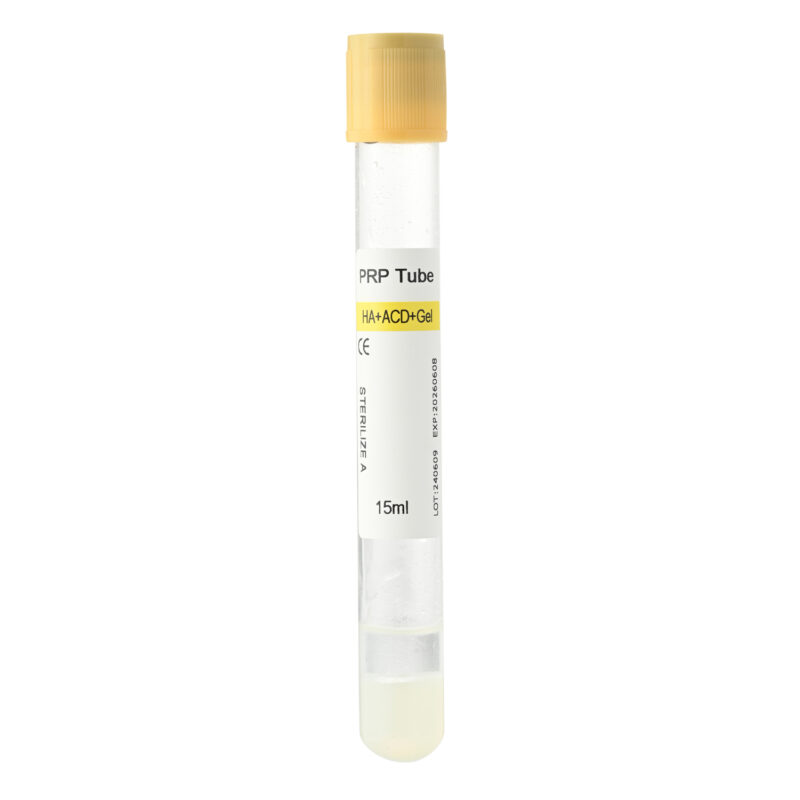
Is PRF safer than PRP? Not necessarily. PRF has one obvious difference that often shapes this discussion: it is generally prepared without an anticoagulant. PRP preparation, by comparison, typically uses an anticoagulant to keep the collected blood suitable for plasma and platelet separation.
That difference has led PRF to be described as a more “natural” option. But fewer added components do not automatically translate into greater overall safety.
Both platelet-rich plasma (PRP) and platelet-rich fibrin (PRF) are prepared from a patient’s own blood. When performed under appropriate professional protocols, both can have favorable safety profiles. The actual risks depend on much more than whether an anticoagulant is used.
Blood collection, tube selection, sterility, centrifugation, preparation timing, sample handling, clinical technique, and patient-specific factors all matter.
So, when comparing PRP and PRF, the better question is not simply which treatment is safer. It is how their different preparation methods affect safety, handling, and clinical use.
Why Is PRF Sometimes Considered Safer Than PRP?
The perception that PRF may be safer largely comes from the way it is prepared. Unlike conventional PRP, PRF is generally produced without anticoagulation, allowing the natural coagulation process to begin after blood collection.
However, this preparation difference needs context. PRF and PRP follow different processing principles, and those differences affect how each platelet concentrate is prepared and handled.
PRF Is Prepared Without an Anticoagulant
One of the most recognizable differences between PRF and PRP is the use of an anticoagulant.
PRF is typically prepared without one. Once blood is collected, natural coagulation begins, and fibrin can start to form during and after centrifugation.
This means fewer external components are involved in standard PRF preparation, which is one reason PRF is sometimes described as a more natural approach.
Depending on the protocol, the resulting PRF may be obtained as an injectable preparation, fibrin clot, or membrane.
Natural Fibrin Formation Is Part of PRF
The fibrin network is not simply a consequence of allowing blood to clot. It is one of the defining characteristics of PRF.
During preparation, platelets and other cellular components can become incorporated into the developing fibrin structure. This gives PRF different physical and handling characteristics from a liquid platelet-rich plasma preparation.
For clinicians specifically looking for a fibrin-rich platelet concentrate, this natural coagulation process is an important reason to consider PRF.
PRP Uses Anticoagulation for a Different Purpose
PRP follows a different processing principle.
During conventional PRP preparation, the blood needs to remain unclotted while centrifugation separates the desired plasma and platelet fraction. Anticoagulation therefore has a functional role: it provides a suitable processing window before the platelet-rich plasma is collected and prepared for its intended application.
PRP should not be viewed as PRF with an unnecessary additional component. Anticoagulation is part of how conventional PRP preparation works.
This distinction prevents a misleading comparison in which PRF is automatically considered safer simply because conventional PRP uses an anticoagulant.
Both PRP and PRF Are Autologous Preparations
Despite their preparation differences, PRP and PRF share an important characteristic: both are primarily derived from the patient’s own blood.
Because the platelet concentrate is autologous, immunologic reactions to the patient’s own blood components are generally considered uncommon.
That does not make either procedure completely risk-free. Temporary discomfort, bruising, swelling, redness, or tenderness can still occur depending on the treatment area, administration technique, and individual patient factors.
The main difference is therefore not that one preparation is inherently safe while the other is unsafe. They use different approaches to process the patient’s blood.
Anticoagulant-Free Does Not Automatically Mean Safer
PRF has a clear advantage when an anticoagulant-free preparation is specifically desired. But that advantage should not be expanded into the broader claim that PRF is universally safer than PRP.
Overall safety also depends on sterile blood collection, appropriate tube selection, centrifugation, preparation timing, sample handling, clinical technique, and patient-specific factors.
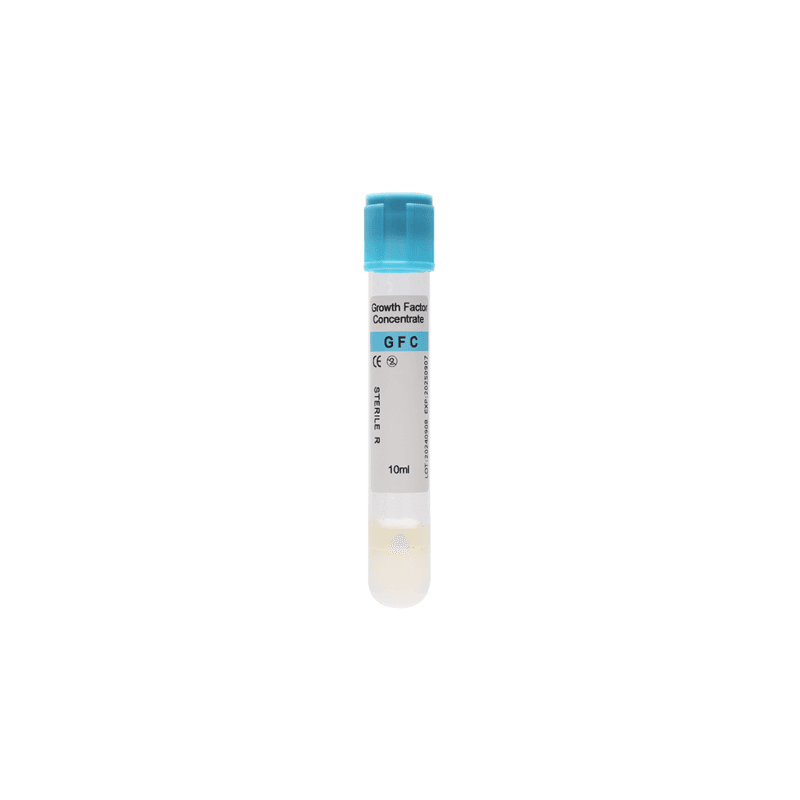
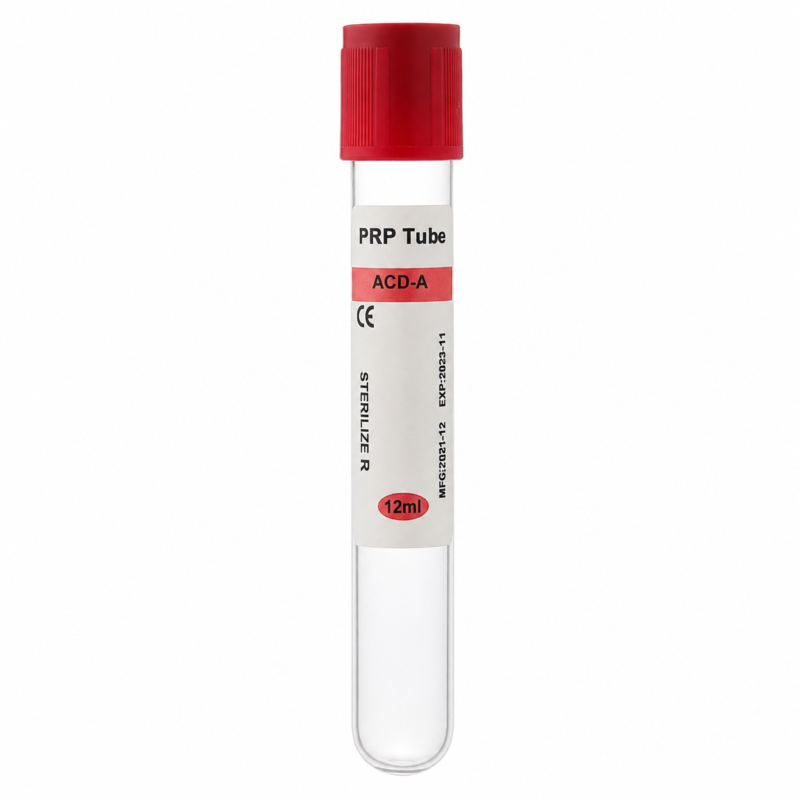
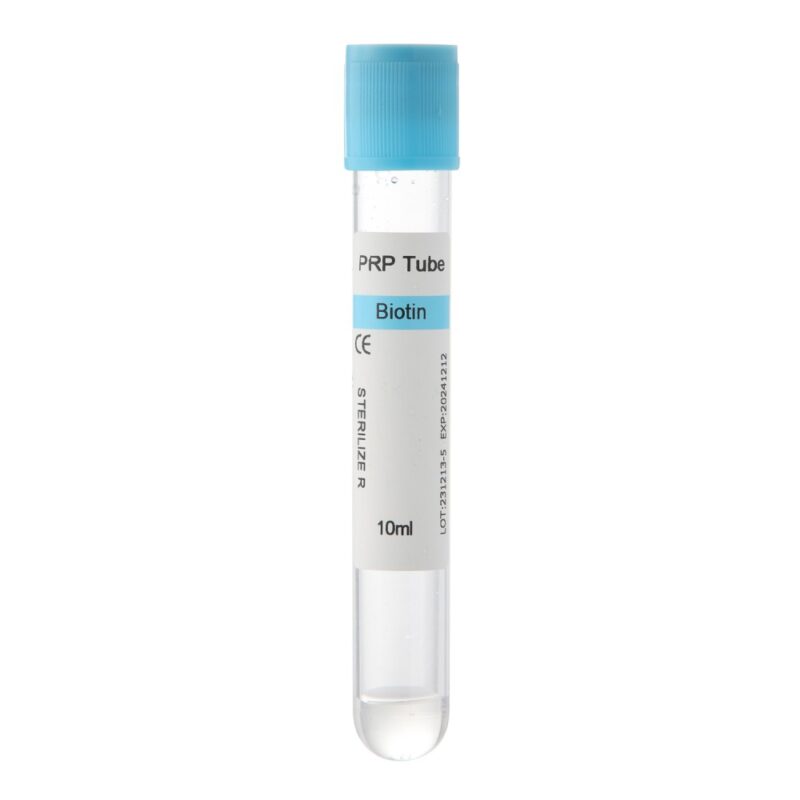
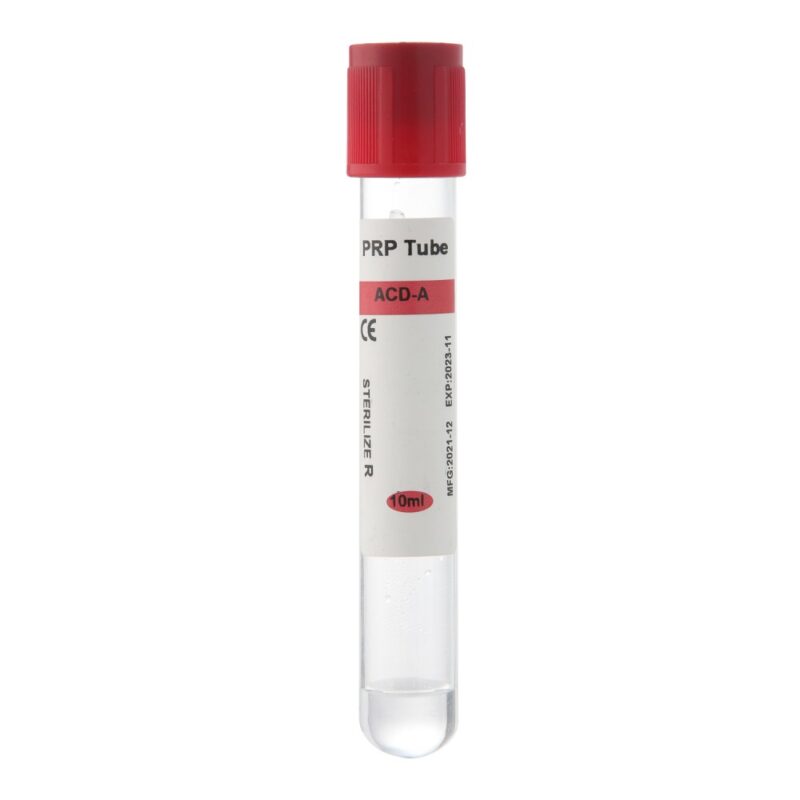
For facilities working with either method, the collection system should match the intended preparation rather than being treated as interchangeable. You can explore Siny PRP’s PRP and PRF tube options according to your preparation workflow and clinical requirements.

PRF vs. PRP Safety: The Preparation Workflow Matters
When discussing PRF vs. PRP safety, it is easy to focus on what is inside the tube and overlook what happens after blood collection.
In practice, platelet concentrate preparation is a workflow. Each step can influence the consistency and quality of the final preparation.
Blood Collection and Sterile Technique
Both PRP and PRF begin with venous blood collection.
Appropriate aseptic technique matters because the blood will subsequently be processed and used in a clinical procedure. An autologous sample can still be compromised by contamination introduced during collection, transfer, or handling.
Blood should therefore be collected with appropriate sterile equipment and according to the facility’s established protocol.
PRF introduces an additional timing consideration. Because there is no anticoagulant preventing coagulation, the blood begins moving through its natural clotting process after collection. Collection and subsequent processing therefore need to follow the intended PRF workflow without unnecessary delays.
PRP provides a different processing window because anticoagulation temporarily keeps the sample suitable for separation.
Selecting the Right PRP or PRF Tube
The collection tube is more than a container that holds blood until it reaches the centrifuge.
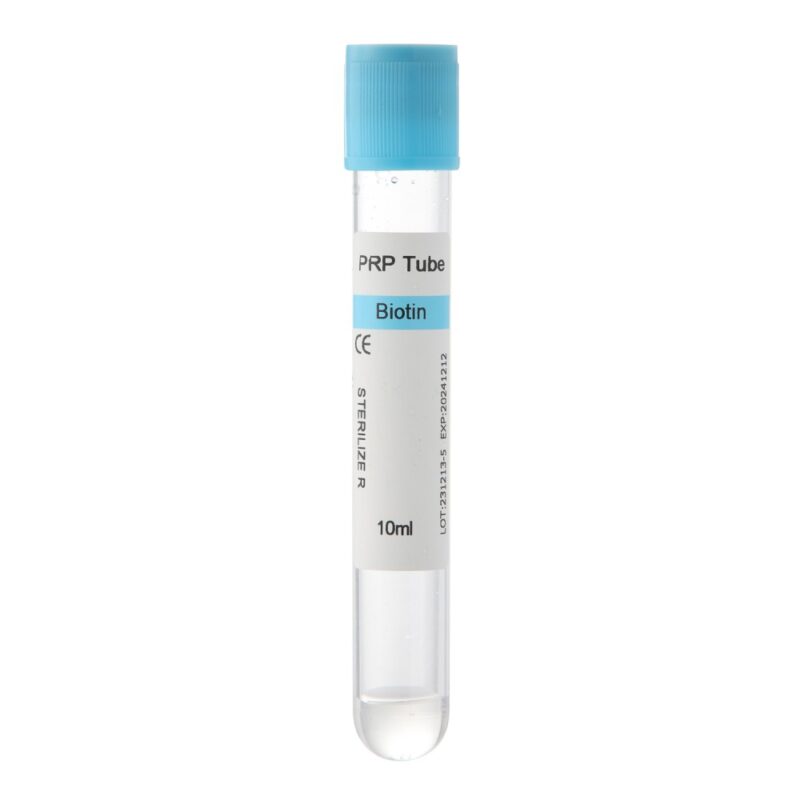
PRP and PRF tubes support different preparation principles. A PRP collection system needs to work with the intended platelet-rich plasma separation workflow, while a PRF tube must suit an anticoagulant-free process in which fibrin formation is expected.
The appropriate tube should therefore be selected according to the intended platelet concentrate and preparation protocol.
This becomes especially important in facilities that perform both PRP and PRF procedures. A tube used successfully for one workflow should not automatically be assumed to produce the intended preparation in another.
Centrifugation Parameters Matter
Centrifugation is one of the most important variables in platelet concentrate preparation.
The final separation depends on more than how fast the centrifuge spins. Relative centrifugal force, spin duration, rotor characteristics, sample volume, tube dimensions, and the selected preparation method can all affect how blood components separate.
For this reason, a centrifuge setting taken from one system should not automatically be transferred to another.
In PRP preparation, the goal is generally to isolate the desired platelet-rich plasma fraction while coagulation remains controlled.
In PRF preparation, centrifugation takes place while natural coagulation is progressing. Separation and fibrin development therefore occur within the same preparation window.
The centrifugation protocol should match the collection system, equipment, and desired final preparation.
Timing and Sample Handling
Timing deserves particular attention when preparing PRF.
Once blood has been collected without anticoagulation, the operator cannot simply leave the sample for an extended period before processing. Delays can change how coagulation and fibrin formation progress and may affect the consistency of the final preparation.
PRP generally offers a different handling window because clotting is controlled during processing.
Neither workflow is automatically better. They simply require different handling habits.
Consistent collection-to-centrifugation timing, appropriate sample handling, clean technique, and standardized procedures can help reduce unnecessary variation.
Clinical Application Is Part of Safety
Preparation is only one part of overall safety.
The eventual clinical application introduces additional considerations, including treatment location, administration technique, patient selection, medical history, and aftercare.
A correctly prepared platelet concentrate still needs to be used by an appropriately trained professional following the relevant clinical protocol.
Looking at the complete workflow makes the safety comparison clearer. The final risk profile depends not only on the composition of PRP or PRF, but also on how the blood is collected, processed, handled, and clinically applied.
If your facility prepares PRP, PRF, or both, Siny PRP can help you compare collection tube options according to the intended preparation method and processing requirements.

Does Anticoagulant-Free PRF Mean Lower Overall Risk?
Avoiding an anticoagulant is a genuine difference between standard PRF and conventional PRP preparation. But it should be evaluated as part of the complete processing method rather than used as a stand-alone measure of safety.
In PRP preparation, anticoagulation has a practical purpose. It keeps the collected blood from clotting prematurely while centrifugation and plasma separation take place.
With PRF, natural coagulation is intentionally allowed to proceed because fibrin formation is part of the desired preparation.
The trade-off is mainly procedural.
PRF reduces reliance on external anticoagulation but requires close attention to processing time. Once blood has been collected, the operator has a limited window to proceed with the intended centrifugation and handling steps before coagulation progresses further.
PRP controls clotting during preparation, giving the operator a different processing window for plasma separation and collection.
Clinical evidence does not support a universal rule that PRF causes fewer adverse effects than PRP across every indication. Treatment type, preparation protocol, administration technique, and patient characteristics can all influence tolerability and risk.
This is why anticoagulant-free preparation should be viewed as one characteristic of PRF rather than proof of superior overall safety.
For clinics and laboratories, the practical priority is consistency: use a collection system designed for the intended preparation, follow the appropriate centrifugation protocol, and maintain controlled handling from blood collection through final use.
PRP vs. PRF: How to Choose Beyond Safety
If both PRP and PRF can be used safely under appropriate professional protocols, the next question is which preparation better fits the intended application.
Safety matters, but it is only one part of the decision.
Consider the Desired Final Preparation
PRP produces a platelet-rich plasma fraction that can remain relatively fluid during preparation and handling. This characteristic has made PRP adaptable to a wide range of regenerative medicine protocols.
PRF behaves differently because fibrin formation is built into the preparation process.
Depending on the protocol, the resulting product may be injectable for a limited period or develop into a fibrin-rich structure such as a clot or membrane.
The desired final consistency can therefore influence whether PRP or PRF better suits a particular workflow.
Consider the Intended Clinical Application
PRP has been widely used and studied in areas including orthopedics, sports medicine, dermatology, aesthetic medicine, and hair restoration.
PRF is also used across regenerative, dental, and aesthetic applications, particularly when a fibrin-rich preparation or anticoagulant-free workflow is desired.
The existence of PRF does not make PRP outdated, just as the longer clinical history of PRP does not make PRF unnecessary.
They are related platelet concentrates with different preparation characteristics. The choice should reflect the intended clinical objective rather than a simple assumption that newer means safer or better.
Consider the Existing Preparation Workflow
Facilities should also consider how the selected method fits their equipment and operating procedures.
Useful questions include:
- What type of platelet concentrate is required?
- Is a liquid plasma fraction or fibrin-rich preparation preferred?
- Does the protocol use anticoagulated or non-anticoagulated blood?
- What centrifugation conditions are required?
- How quickly must the sample be processed?
- Is the collection tube compatible with the intended preparation?
- How will the final platelet concentrate be collected and handled?
These questions are generally more useful than trying to identify a single “best” platelet concentrate.
For buyers, this also means PRP and PRF tubes should be evaluated as part of a complete preparation system rather than selected only by tube size or appearance.
Siny PRP supplies PRP and PRF collection tubes for different platelet concentrate workflows. If you are establishing a new protocol or sourcing tubes for an existing system, contact our team to discuss your preparation requirements.
FAQ About PRF and PRP Safety
Is PRF Safer Than PRP?
Not necessarily.
PRF is generally prepared without an anticoagulant, reducing the number of external components involved in the standard preparation process. PRP typically uses anticoagulation to maintain the blood in a processable state during plasma separation.
Both are derived from the patient’s own blood, and their overall safety depends on blood collection, sterility, preparation technique, clinical application, and individual patient factors.
Is PRF Safer Because It Has No Anticoagulant?
The absence of an anticoagulant is one characteristic of PRF, but it does not automatically establish a lower overall clinical risk.
Without anticoagulation, natural clotting begins after collection. PRF therefore requires appropriate timing between blood collection, centrifugation, and subsequent handling.
It is more accurate to consider anticoagulant-free preparation a technical and biological difference rather than proof that PRF is universally safer.
Does PRF Contain Anticoagulants?
Standard PRF preparation generally does not use an anticoagulant.
This allows the natural coagulation process to begin and supports development of the fibrin structure associated with PRF.
Because clotting begins after blood collection, the sample typically needs to be processed promptly according to the selected PRF preparation protocol.
Are PRP and PRF Safe When Prepared From Your Own Blood?
Both are autologous preparations, meaning the primary biological material comes from the patient’s own blood. Immunologic reactions to the patient’s own platelet concentrate are therefore generally uncommon.
However, autologous does not mean risk-free.
Blood collection, contamination, preparation technique, treatment location, administration technique, and individual patient factors can all influence safety.
Does PRP Have More Side Effects Than PRF?
Current evidence does not support a universal statement that PRP produces more side effects than PRF.
Temporary discomfort, bruising, swelling, redness, or tenderness may occur with either procedure. The type and frequency of adverse effects can vary according to treatment area, preparation method, administration technique, and individual patient characteristics.
Is PRF More Natural Than PRP?
PRF is often described as more natural because it is generally prepared without an anticoagulant and relies on the body’s coagulation process to develop fibrin.
PRP, however, is also an autologous blood-derived preparation.
“More natural” can describe a difference in processing, but it should not be treated as evidence that one preparation is automatically safer or more effective.
Can PRP Cause an Allergic Reaction?
Because PRP is primarily prepared from the patient’s own blood, immune reactions to the autologous platelet concentrate itself are generally uncommon.
However, the complete preparation and treatment process still needs to be considered, including any other materials or substances used during processing and administration. Patient history and individual clinical factors should also be evaluated by the treating professional.
Do PRP and PRF Require Different Collection Tubes?
Generally, yes.
Conventional PRP and PRF preparation follow different blood-processing principles. PRP collection systems are designed to support anticoagulated blood and platelet-rich plasma separation, while PRF preparation generally relies on natural coagulation and fibrin formation.
The collection tube should therefore be selected according to the intended preparation protocol rather than assuming PRP and PRF tubes can be used interchangeably.
PRF and PRP Safety Depends on the Whole Process
So, is PRF safer than PRP? The absence of an anticoagulant gives PRF a distinct preparation approach, but it does not create a universal safety advantage over properly prepared PRP.
Both methods rely on the patient’s own blood and require controlled collection, appropriate tube selection, suitable centrifugation, consistent handling, and professional clinical use. The better choice depends on the desired platelet concentrate and the protocol used to prepare it.
Siny PRP provides PRP and PRF blood collection tubes for professional platelet concentrate preparation. Explore our PRP and PRF tube range or contact Siny PRP to discuss product selection, bulk supply, and customized requirements.