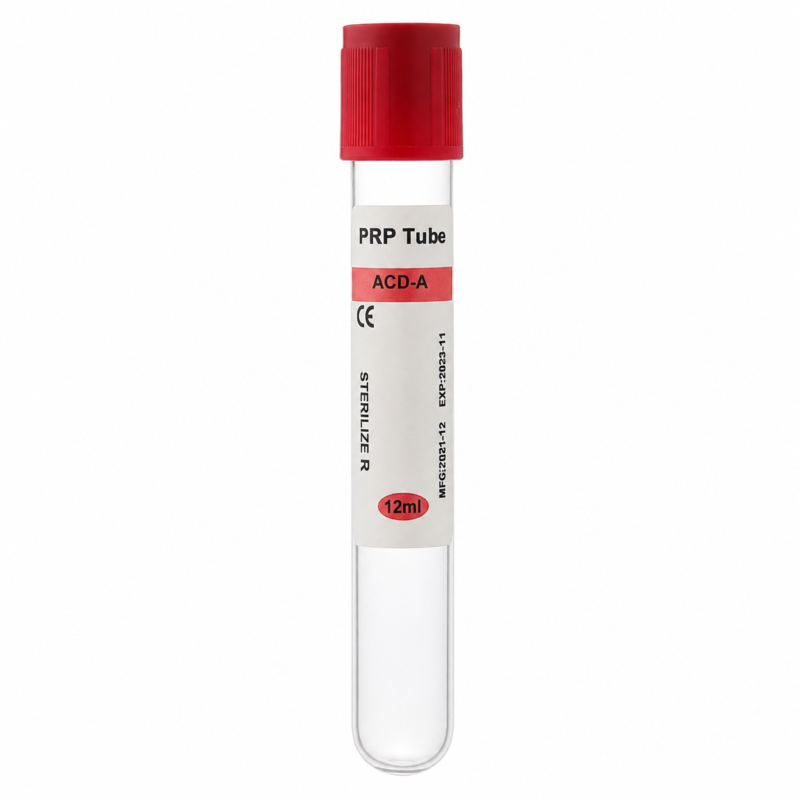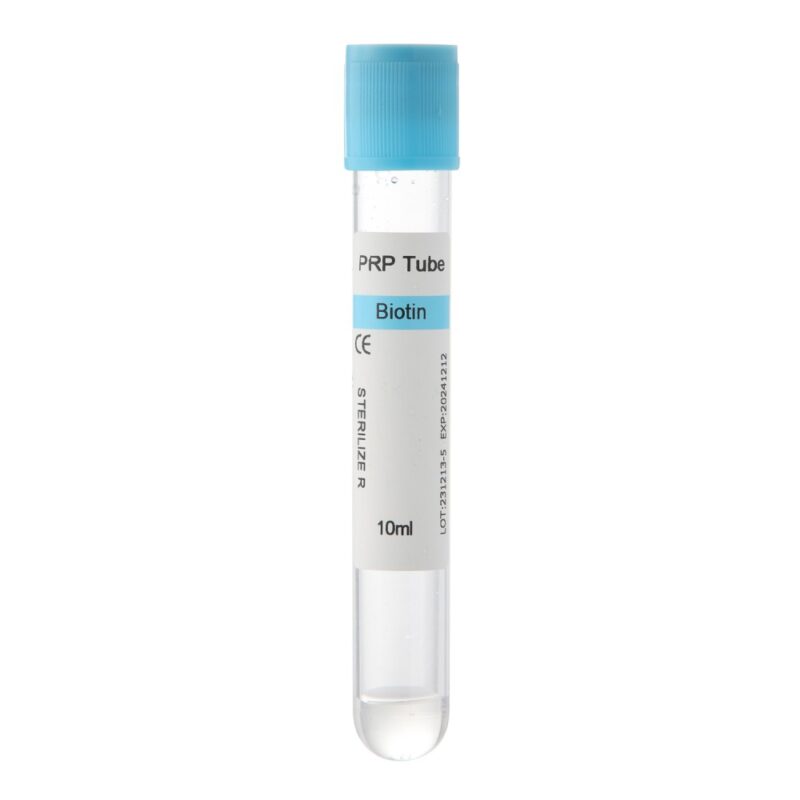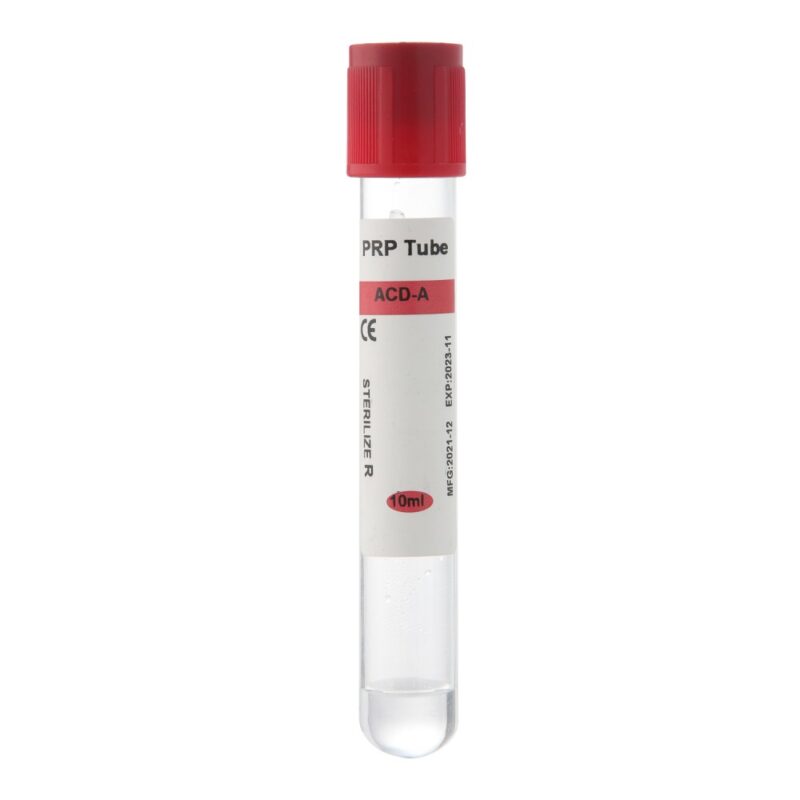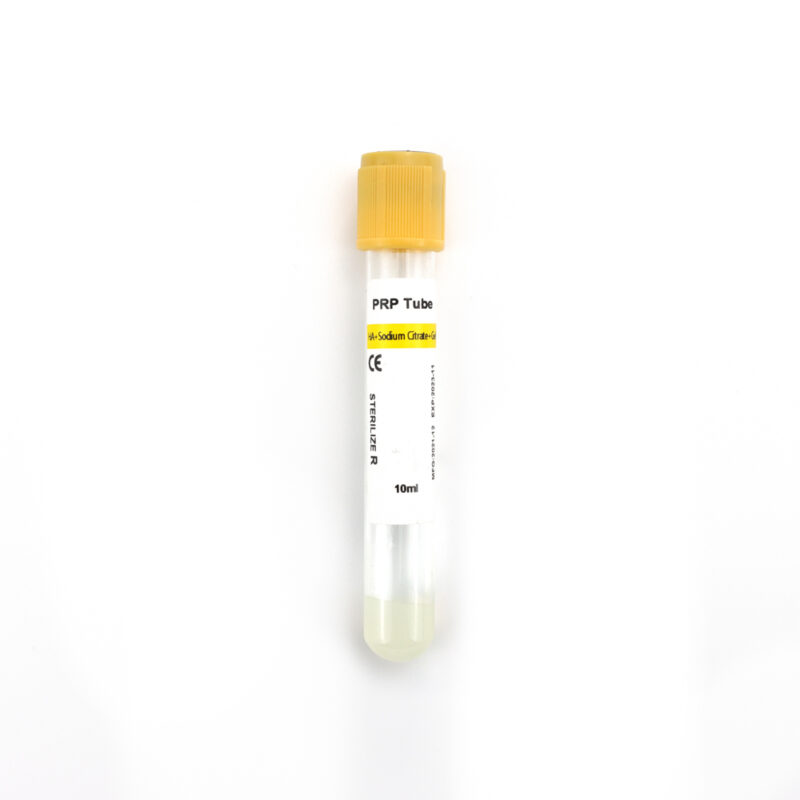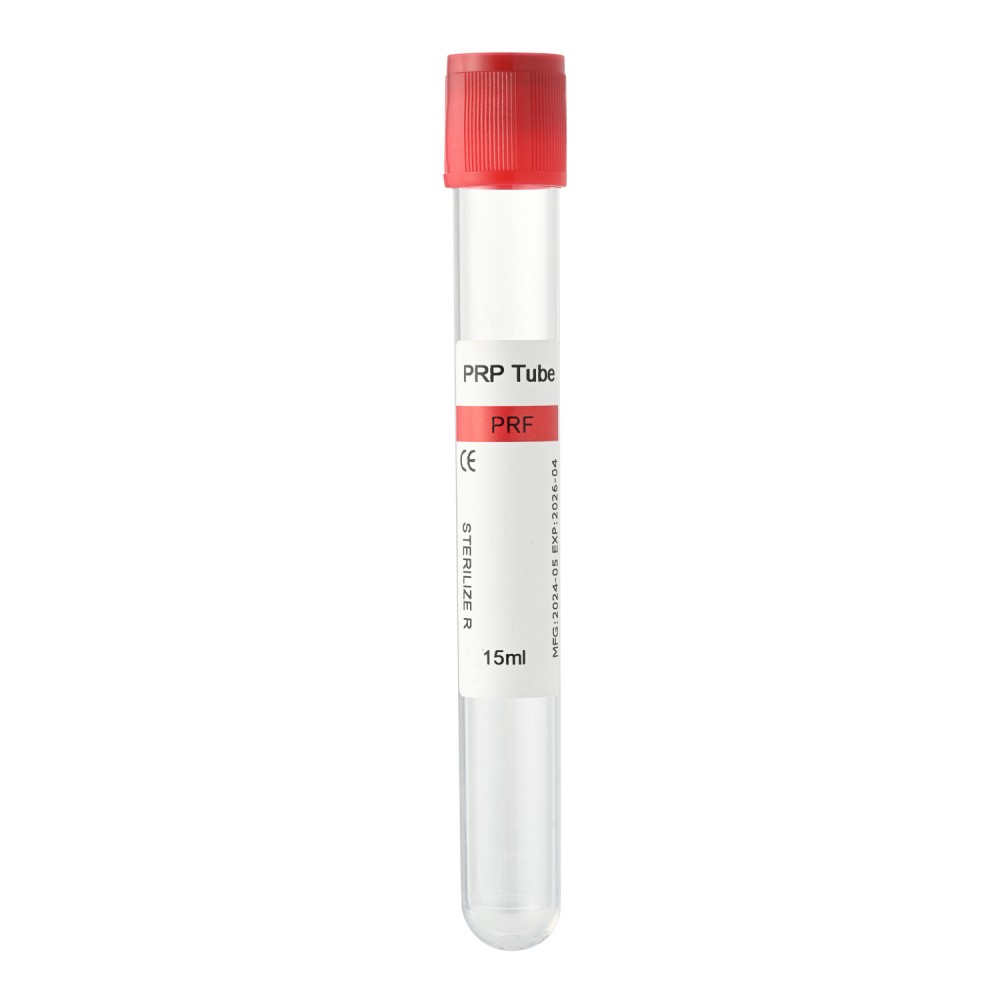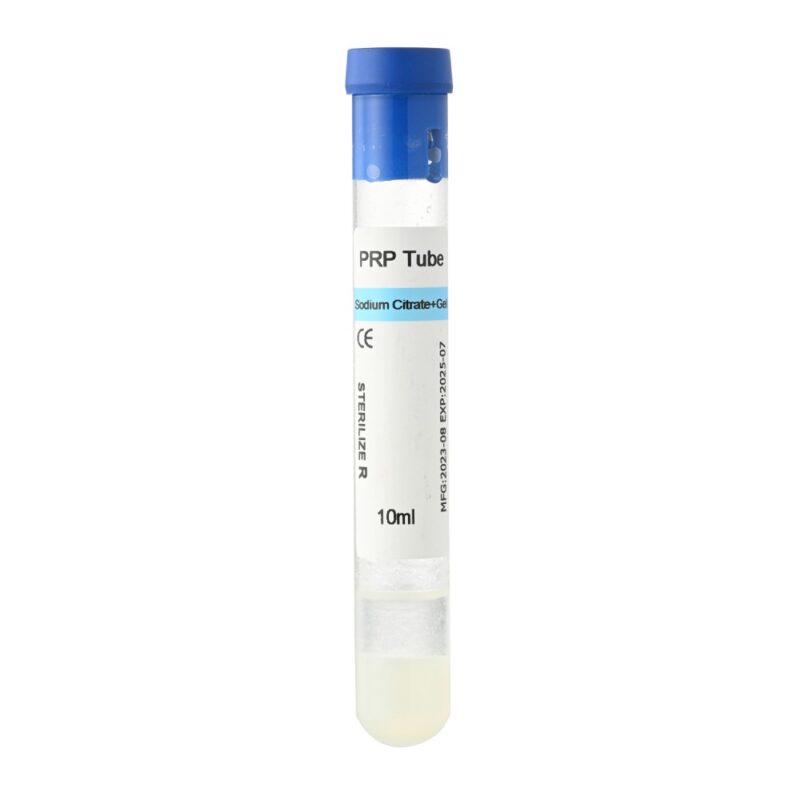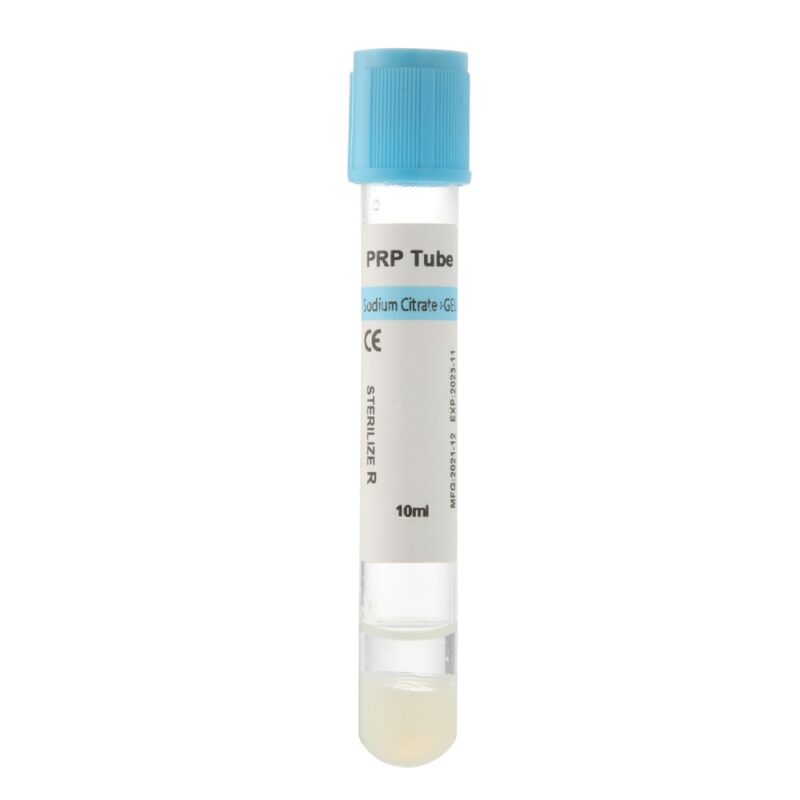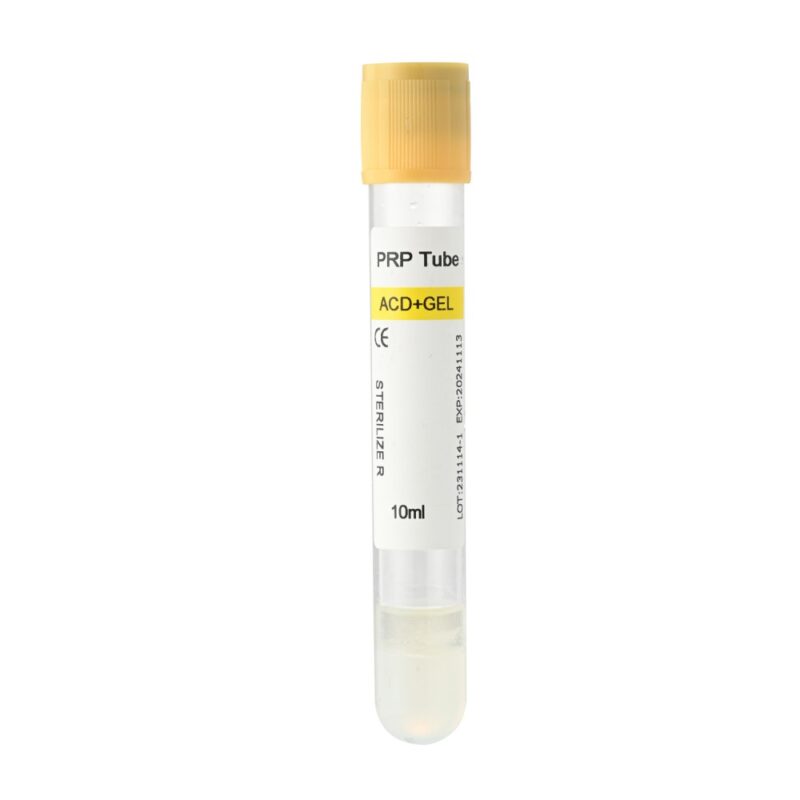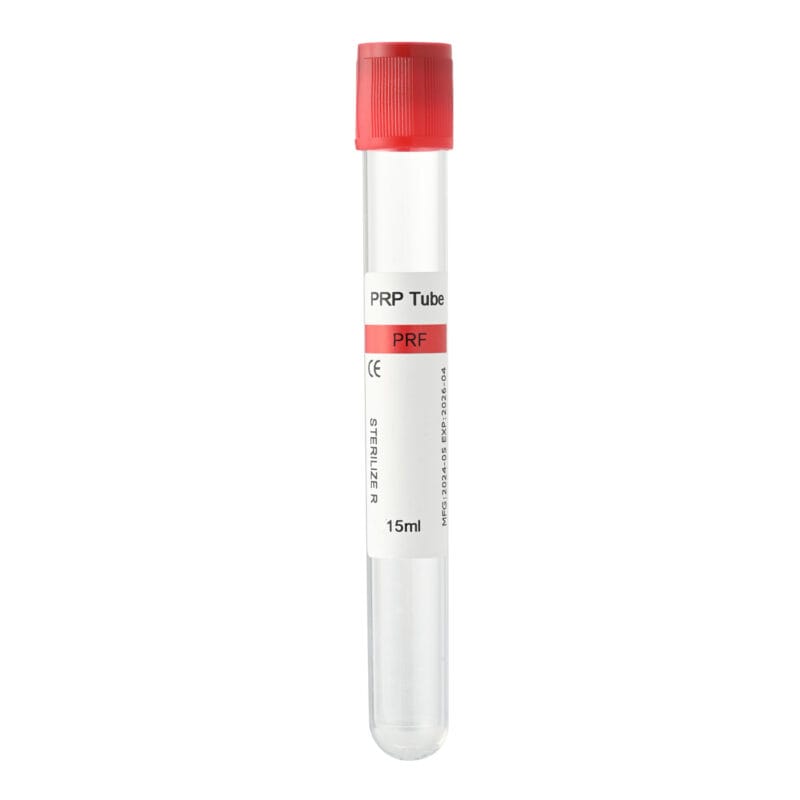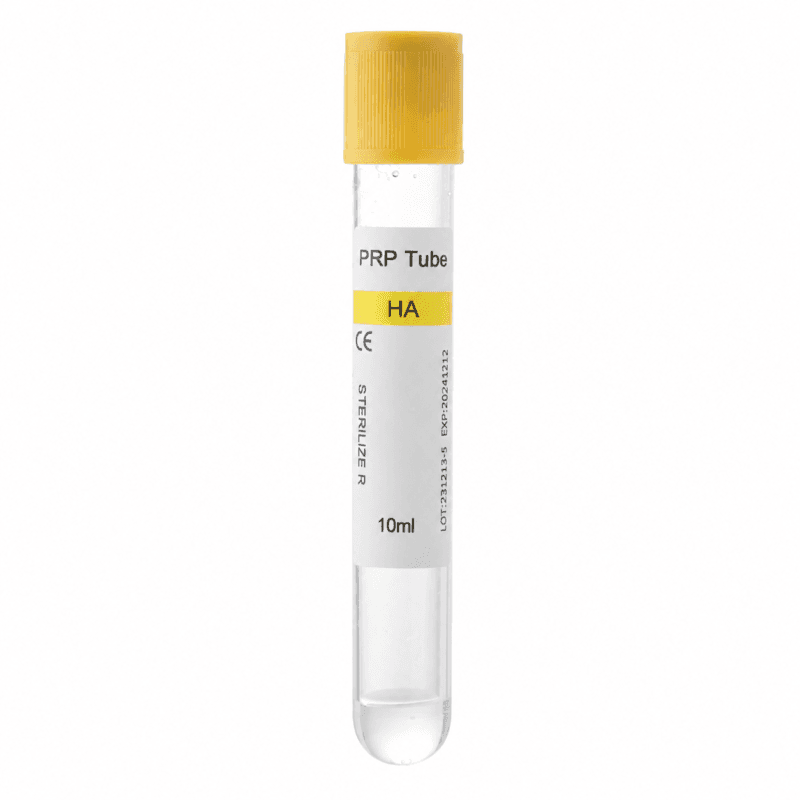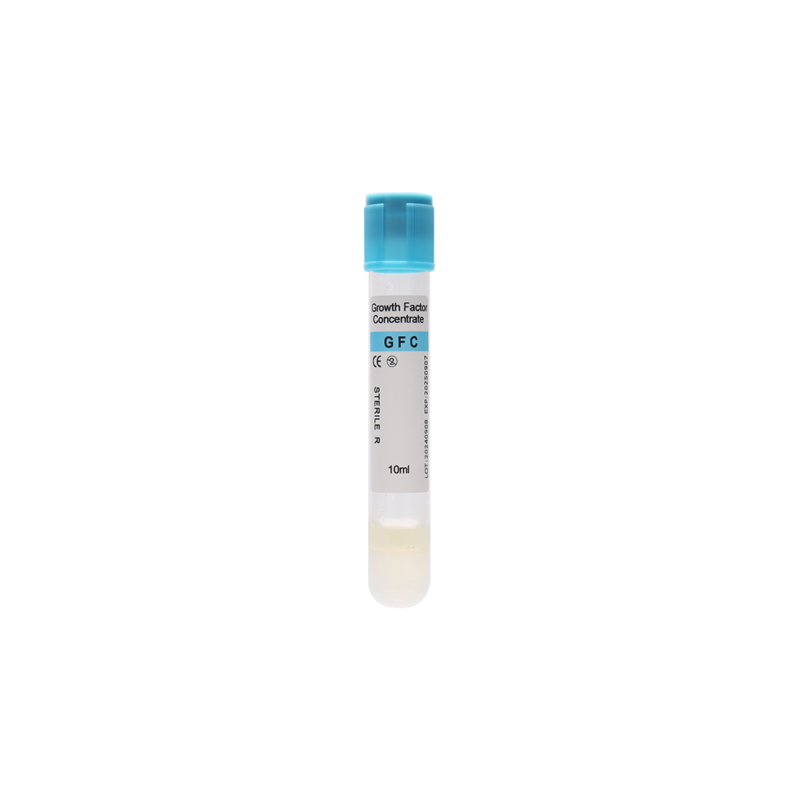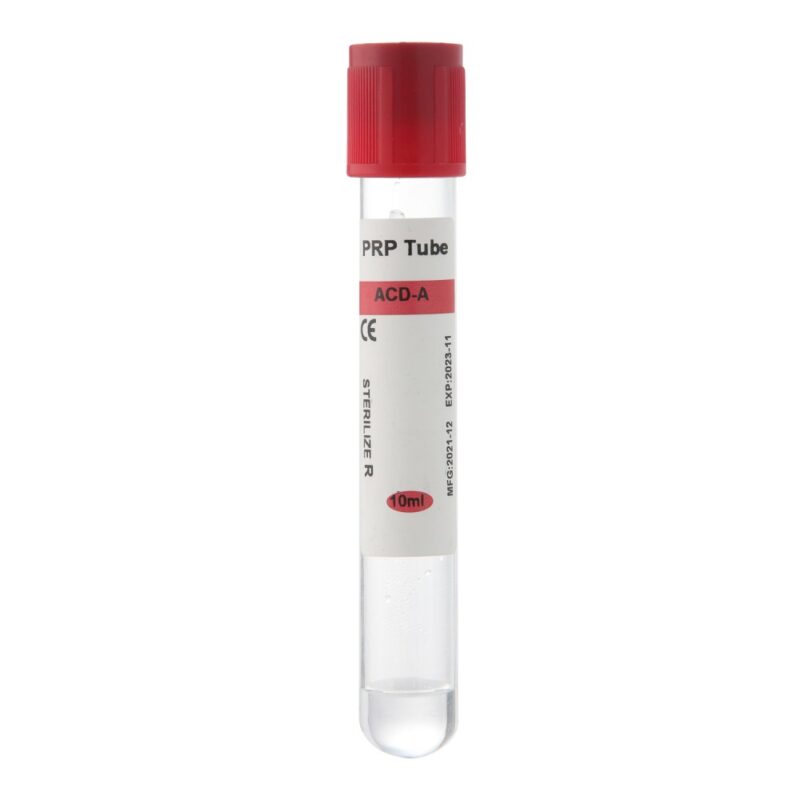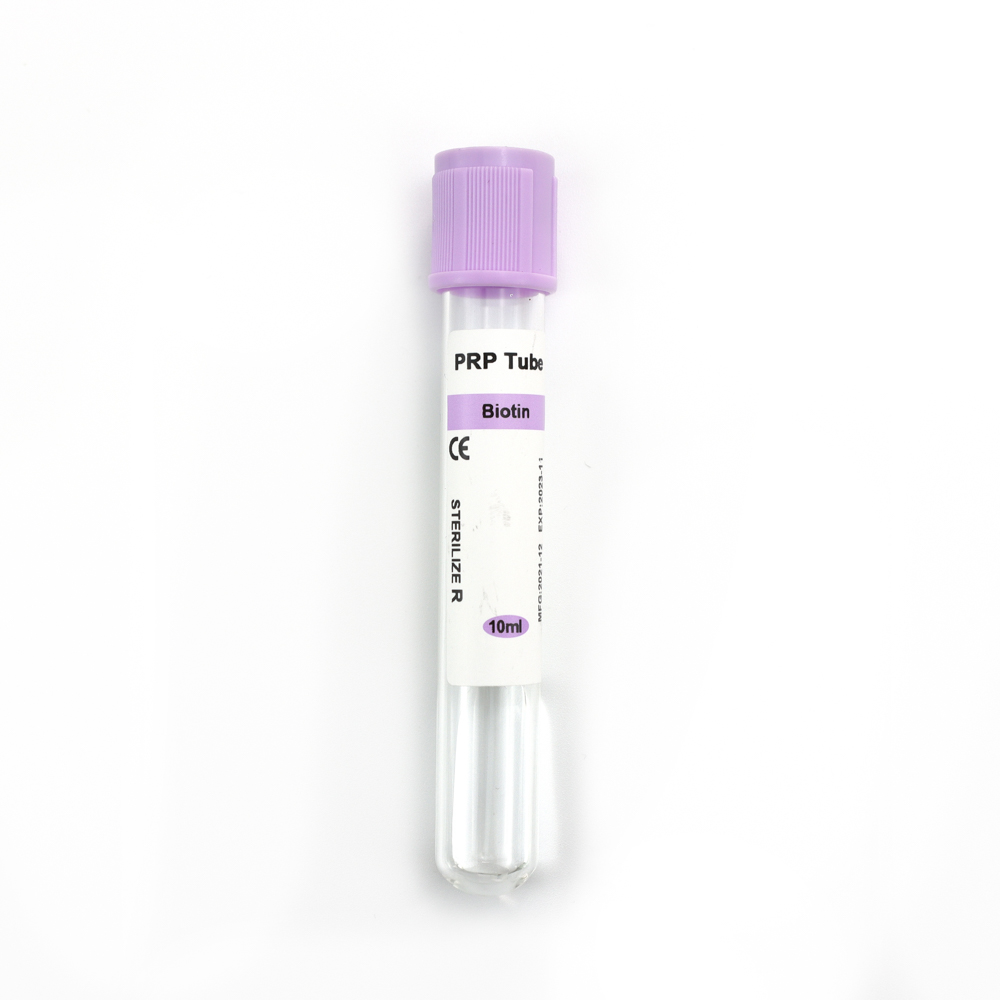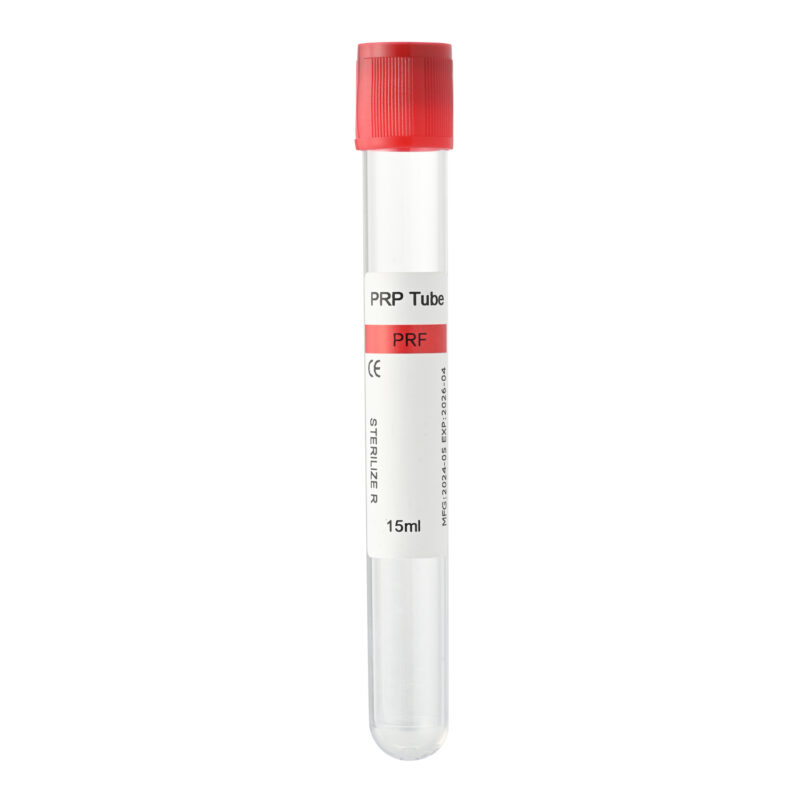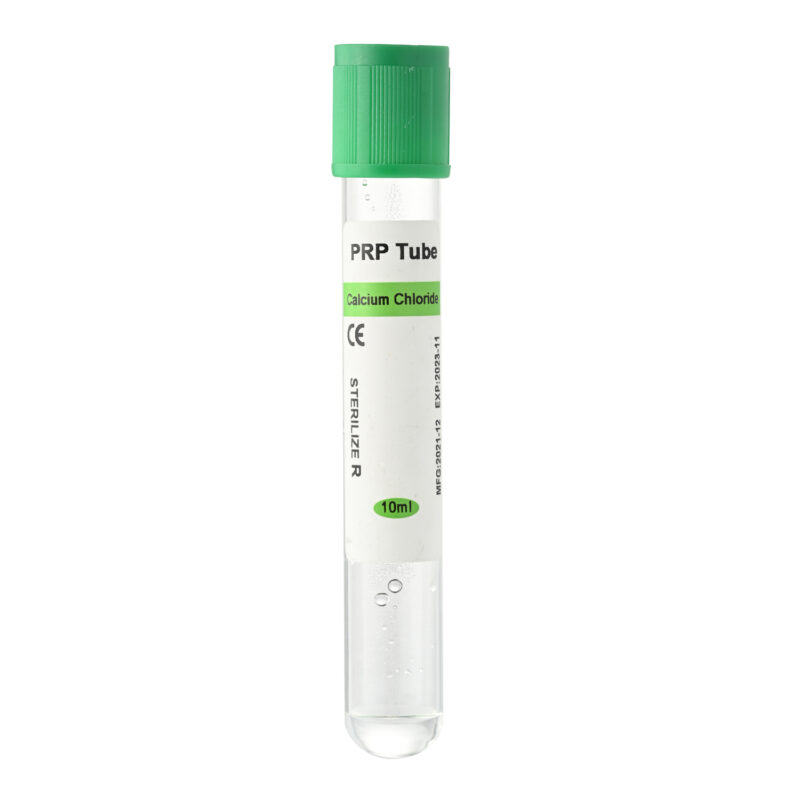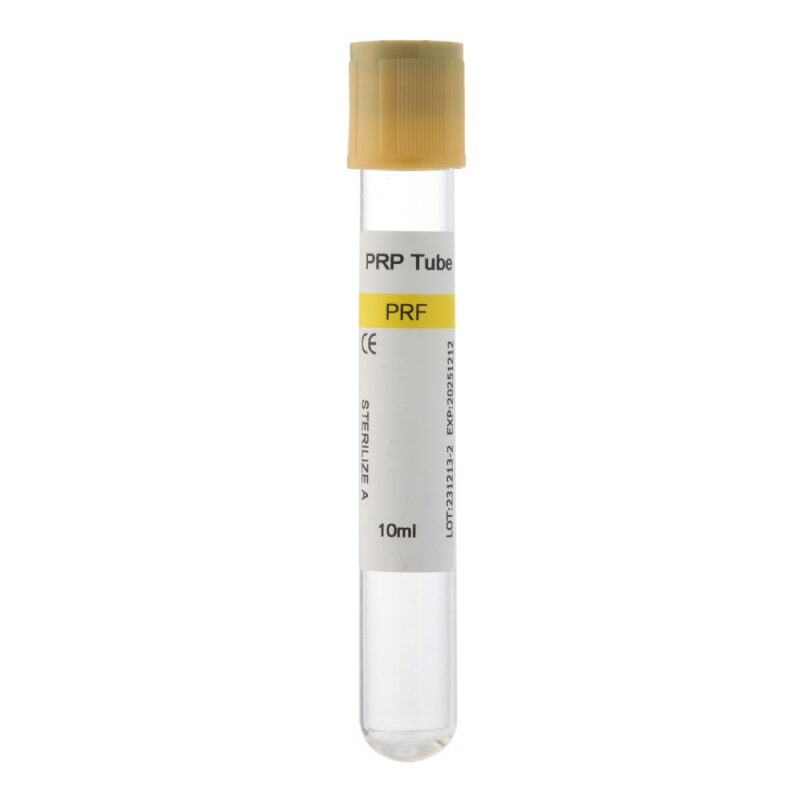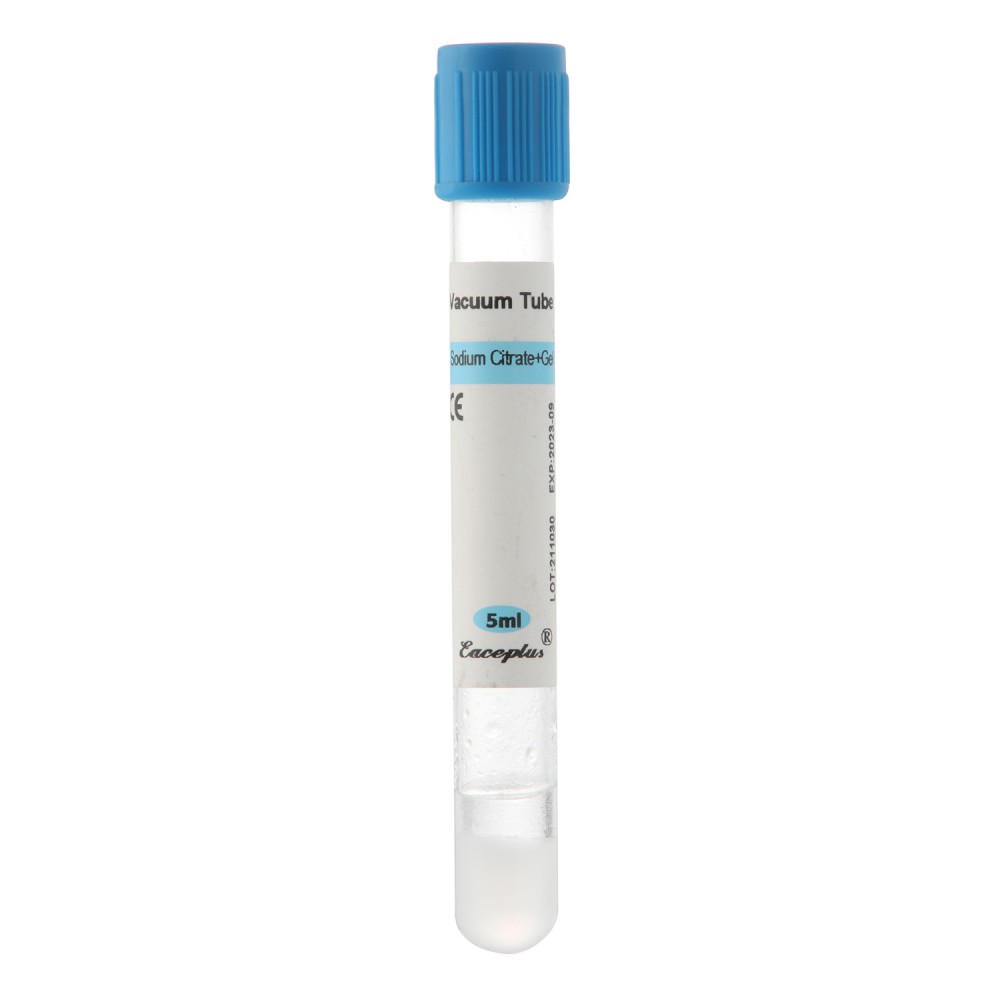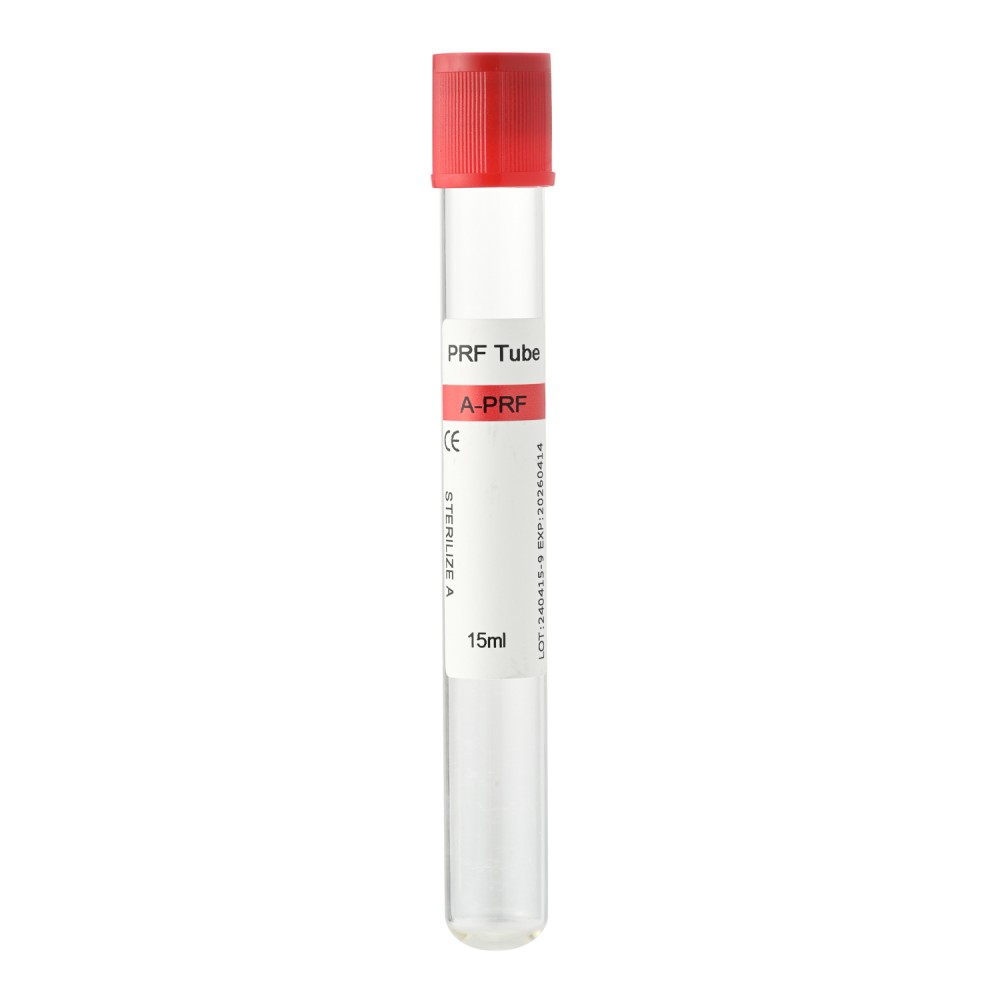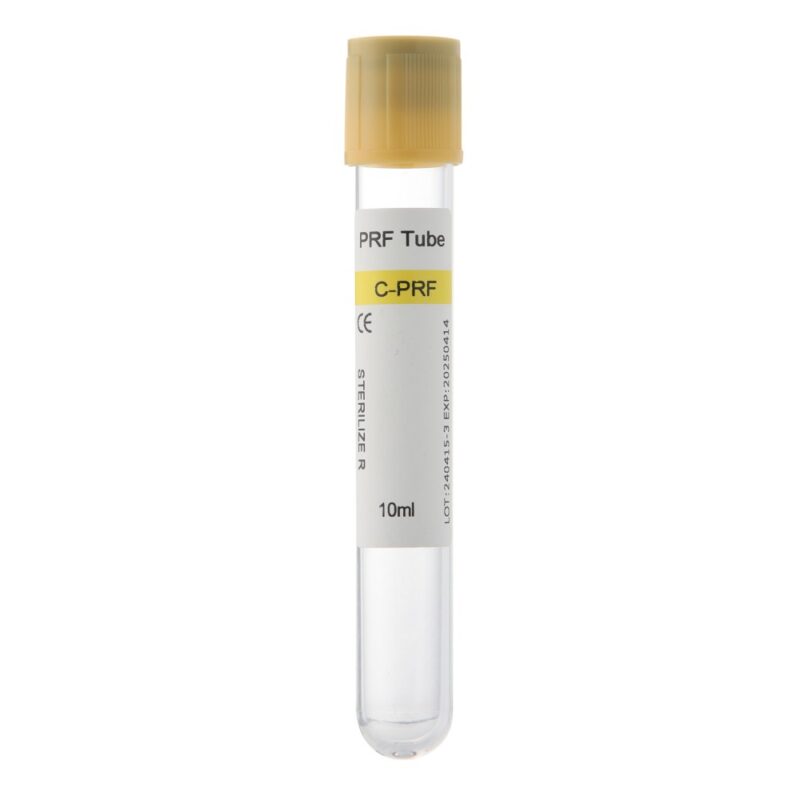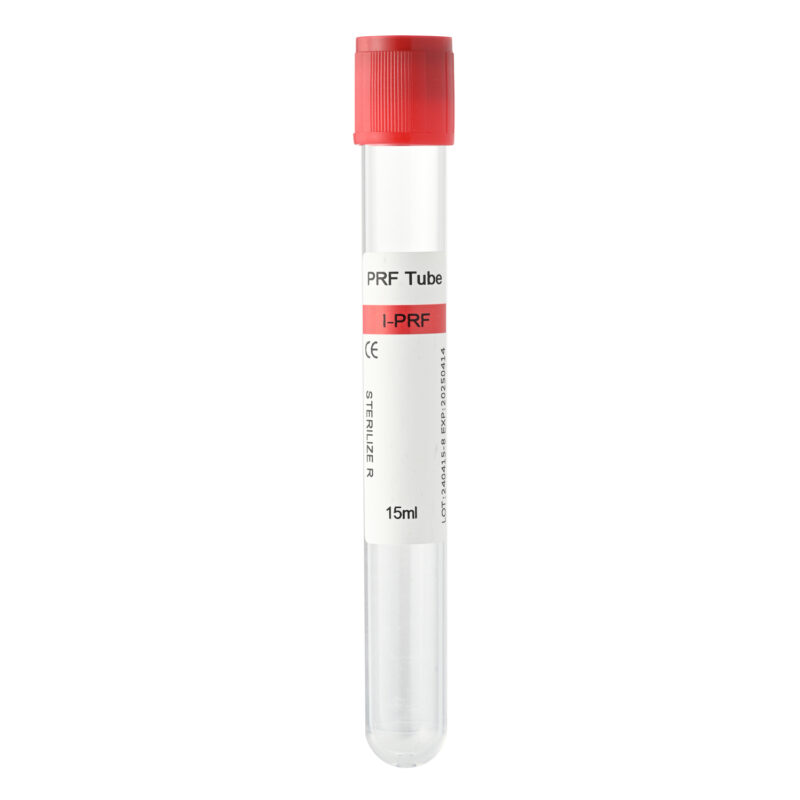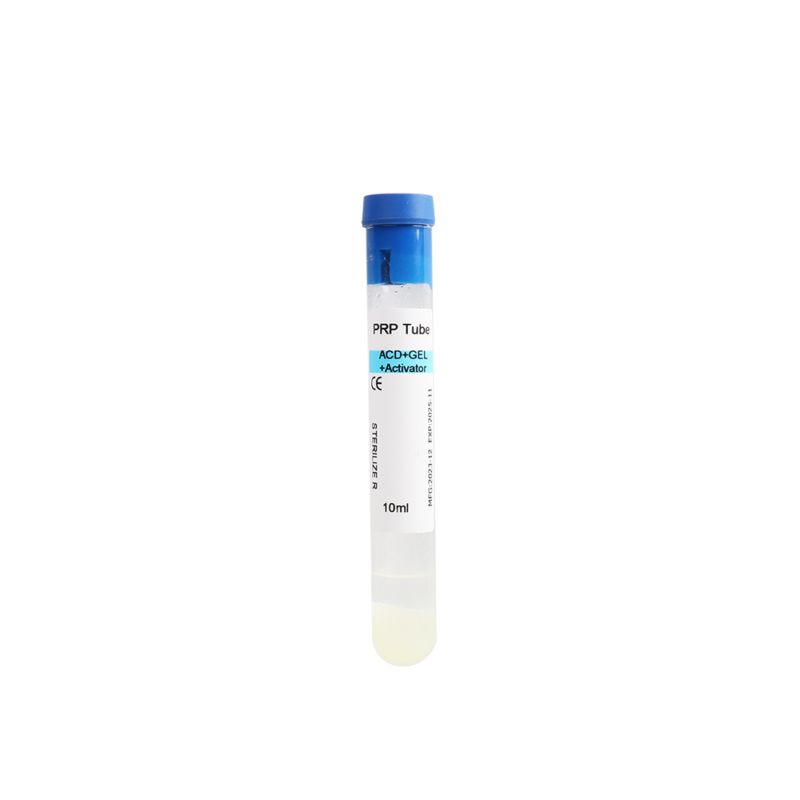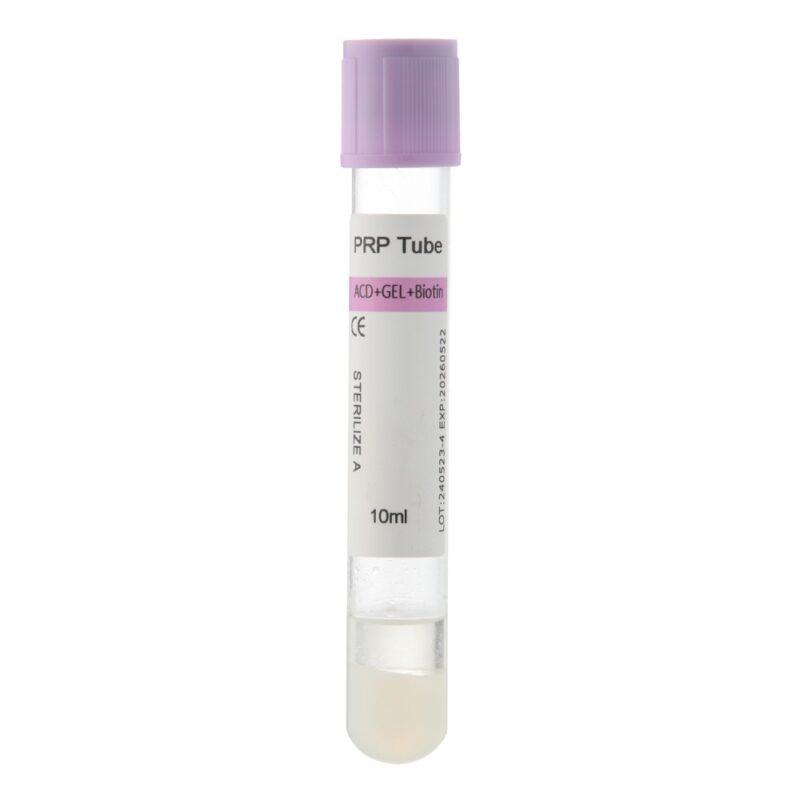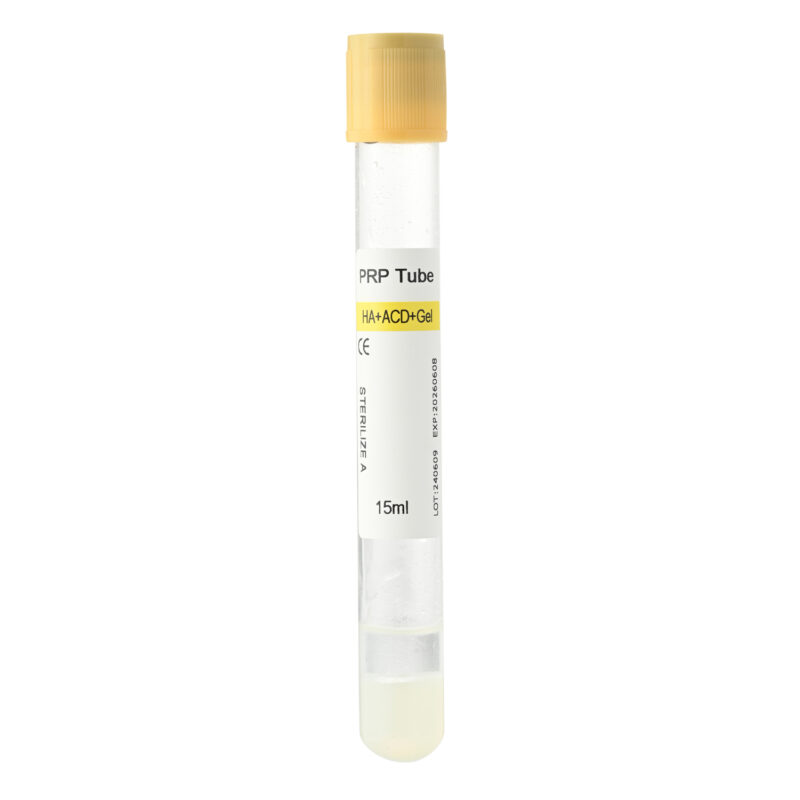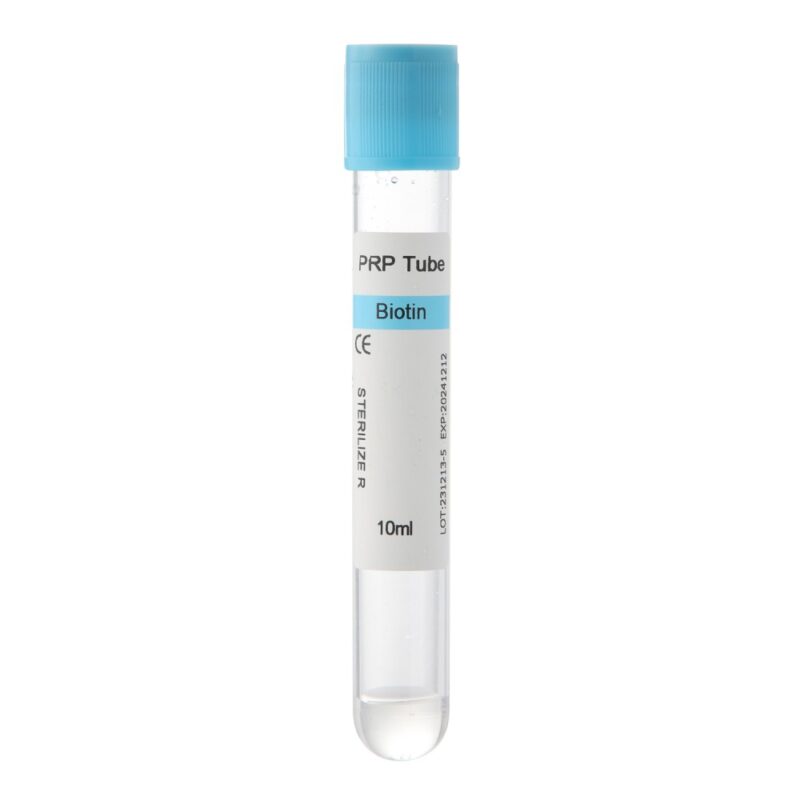
What is CGF and how does it differ from PRP? Both are autologous blood preparations used in regenerative medicine, but they are not simply two versions of the same product.
CGF, or Concentrated Growth Factor, has a fibrin-rich structure created through a specialized centrifugation process. PRP, or Platelet-Rich Plasma, mainly focuses on obtaining plasma with a higher concentration of platelets.
This difference affects more than the final appearance of the preparation. CGF and PRP follow different processing methods and may require different tube configurations. They also fit different clinical workflows.
For clinics, dental practices, regenerative medicine centers, and medical distributors, the key question is not whether CGF is “better” than PRP. Instead, it is which preparation method fits the intended application and which blood collection tube supports that method.
What Is CGF and How Does It Work?
CGF is an autologous, fibrin-rich blood concentrate prepared from a patient’s own blood through controlled centrifugation.
Conventional PRP preparation usually aims to separate a liquid platelet-rich plasma fraction. CGF processing takes a different approach. It encourages the formation of a more developed fibrin matrix.
This three-dimensional network can contain platelets, leukocytes, growth factors, and other blood components.
Growth factors commonly associated with platelet concentrates include:
- Platelet-Derived Growth Factor (PDGF)
- Transforming Growth Factor Beta (TGF-β)
- Vascular Endothelial Growth Factor (VEGF)
- Insulin-Like Growth Factor (IGF)
- Fibroblast Growth Factor (FGF)
These signaling molecules take part in biological processes related to cell migration, angiogenesis, extracellular matrix formation, and tissue repair.
The Fibrin Matrix Is an Important Part of CGF
One of the defining characteristics of CGF is its fibrin structure.
After centrifugation, the blood separates into different fractions. The relevant CGF portion forms a fibrin-rich layer between the upper plasma portion and the lower red blood cell layer.
The fibrin network acts as a biological scaffold. It can hold platelets, cells, and signaling molecules within its structure. It can also influence how these components remain in and are released from the concentrate over time.
This structured matrix creates one of the clearest differences between CGF and conventional liquid PRP.
CGF Usually Does Not Rely on an Anticoagulant
Many conventional CGF protocols process blood without an anticoagulant. As a result, natural coagulation starts soon after blood collection and contributes to fibrin formation.
For this reason, timing matters.
Clinicians need to collect, centrifuge, and handle the blood according to the intended protocol. Unnecessary delays may affect clot formation and the final preparation.
CGF processing also commonly uses a programmed centrifugation cycle rather than one fixed-speed spin. The centrifuge changes operating conditions during the cycle to help form the desired blood fractions.
Therefore, buyers should not choose a CGF tube based only on its volume or appearance. The tube, centrifuge program, and preparation protocol need to work together.
If you are sourcing products for CGF preparation, explore Siny PRP’s CGF tube options for different professional regenerative medicine workflows.
CGF vs PRP: What Are the Main Differences?
The easiest way to understand CGF vs PRP is to compare what each preparation aims to produce.
PRP primarily concentrates platelets within a plasma fraction. CGF focuses more on creating a fibrin-rich structure that contains platelets and other blood-derived components.
| Feature | CGF | PRP |
|---|---|---|
| Full Name | Concentrated Growth Factor | Platelet-Rich Plasma |
| Starting Material | Autologous whole blood | Autologous whole blood |
| Main Preparation | Fibrin-rich concentrate | Platelet-rich plasma |
| Typical Form | Fibrin clot or matrix | Primarily liquid plasma |
| Anticoagulant | Usually not used in conventional protocols | Commonly used |
| Common Anticoagulants | Generally none | ACD-A or sodium citrate |
| Centrifugation | Often programmed or variable-speed | Single- or double-spin depending on system |
| Fibrin Structure | More developed fibrin network | Less pronounced than CGF |
| Main Processing Goal | Produce a fibrin-rich biological concentrate | Concentrate platelets in plasma |
| Common Areas of Use | Dentistry, oral surgery, tissue regeneration | Orthopedics, aesthetics, sports medicine, hair restoration |
CGF Is Not Simply an “Upgraded PRP”
It can be tempting to view platelet concentrates as a simple progression in which a newer method replaces an older one. However, this does not accurately describe the relationship between CGF and PRP.
CGF is not simply a newer or upgraded version of PRP.
Instead, the two methods produce preparations with different physical structures and handling characteristics.
PRP usually remains liquid after preparation. This makes it practical for workflows that require an injectable platelet-rich preparation.
PRP systems can also vary considerably. For example, they may produce leukocyte-rich or leukocyte-poor preparations. They may also use different centrifugation methods.
CGF develops a stronger fibrin structure. As a result, clinicians may consider it when they need a fibrin-rich biological matrix rather than primarily liquid plasma.
These differences also explain why CGF and PRP collection tubes are not automatically interchangeable.
Does CGF Contain More Growth Factors Than PRP?
There is no simple yes-or-no answer.
CGF contains several growth factors associated with platelets and tissue repair. Its fibrin network may also influence how these molecules remain within the preparation and release over time.
However, it would be inaccurate to claim that CGF always contains more of every growth factor than PRP.
Measured concentrations can change according to the preparation protocol, centrifugation conditions, blood composition, sampling method, and specific growth factor being studied.
Therefore, it is more useful to look at how each preparation organizes and delivers its biological components. Buyers should not assume that one system always produces higher concentrations of every desirable factor.
This distinction can help clinics and distributors compare CGF and PRP products without relying only on marketing claims.

CGF vs PRP Applications: When Is Each Used?
CGF and PRP have some overlapping applications. However, their different physical characteristics make them better suited to different workflows.
Where Is CGF Commonly Used?
CGF has attracted particular interest in dentistry, oral surgery, and tissue-regeneration procedures. Its fibrin-rich structure is one reason for this interest.
Professional practice and research have explored CGF in areas such as:
- Implant dentistry
- Periodontal procedures
- Bone regeneration
- Extraction-site management
- Soft-tissue regeneration
- Oral and maxillofacial procedures
In these settings, clinicians may want a blood-derived preparation that maintains a more structured form at the treatment site.
Depending on the protocol, they can also process CGF into different forms for specific professional applications.
Where Is PRP Commonly Used?
PRP has a broader range of familiar applications, including:
- Orthopedics
- Sports medicine
- Hair restoration
- Dermatology
- Aesthetic medicine
- Other regenerative procedures
Its liquid form contributes to this versatility.
After centrifugation, clinicians can collect the desired platelet-rich plasma fraction and prepare it for administration according to their protocol. This makes PRP practical for procedures that require an injectable preparation.
In practical terms, CGF is often considered when a fibrin-rich matrix is desirable. PRP is commonly selected when an injectable platelet-rich plasma preparation is required.
Neither option should be selected simply because it is newer or more heavily marketed. The intended clinical workflow should guide the choice.
How to Choose CGF and PRP Tubes
Once you identify the intended preparation, choosing the right tube becomes much easier.
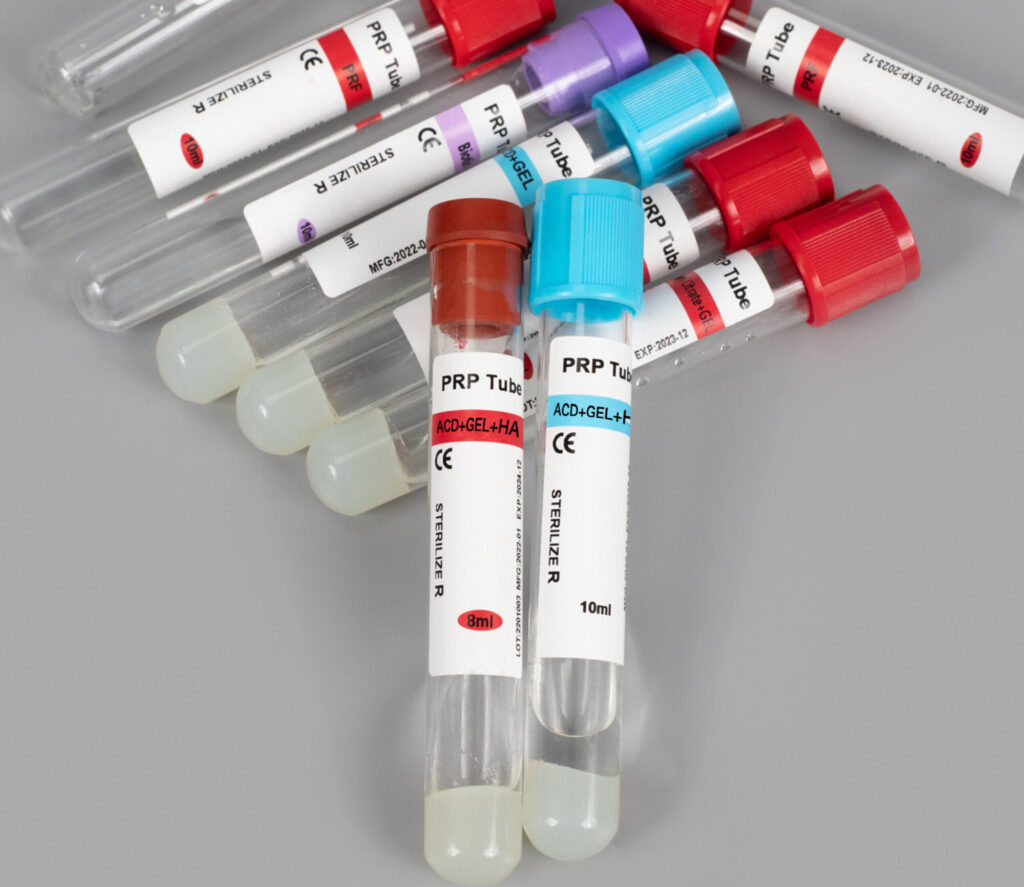
CGF and PRP tubes can look similar from the outside. However, their internal configurations and intended processing methods may differ significantly.
Start With the Preparation Method
Before comparing tube sizes or packaging, determine what the clinic wants to prepare:
- A liquid platelet-rich plasma fraction
- A fibrin-rich CGF preparation
This decision influences most other product requirements.
For PRP, buyers may need to consider the anticoagulant, separator gel, blood volume, and centrifugation protocol.
For CGF, compatibility with the intended clotting and centrifugation process becomes especially important.
Check Whether an Anticoagulant Is Required
Many PRP systems use an anticoagulant to prevent the collected blood from clotting before separation.
Two common options are ACD-A and sodium citrate.
The appropriate choice depends on the PRP protocol and intended application.
Conventional CGF preparation usually follows a different approach. It commonly avoids anticoagulants because natural fibrin formation forms part of the process.
This is one of the fundamental differences between many CGF and PRP tubes.
Consider Whether You Need a Separation Gel
Some PRP tubes contain a separator gel.
During centrifugation, the gel can form a physical barrier between blood components. This helps users access the desired plasma fraction while limiting unwanted red blood cell carryover.
However, not every PRP protocol requires gel.
Some workflows use anticoagulant-only tubes, while others use specialized separator systems. CGF follows a different separation principle because fibrin formation plays a central role in the final preparation.
Therefore, buyers should choose a gel separator because the protocol requires it—not simply because a gel tube appears more advanced.
Match the Tube With the Centrifugation Protocol
Centrifugation conditions directly affect blood separation.
This point is especially important for CGF because preparation often relies on a programmed centrifugation sequence rather than one generic setting.
Clinics should match their tubes with compatible equipment and a validated processing method. Copying an RPM setting from an unrelated centrifuge or protocol may not produce the same result.
Centrifugation also matters for PRP. Different preparation methods can produce different platelet, leukocyte, and red blood cell characteristics.
For consistent preparation, the tube, blood volume, centrifuge, and processing protocol should work as one system.
Do Not Choose a Tube by Cap Color Alone
Cap color can help identify blood collection tubes, but it does not tell the whole story.
Two tubes may have the same capacity and similar-looking caps while containing different additives. They may also support completely different preparation methods.
Before purchasing, check:
- Intended preparation method
- Tube additive or absence of additive
- Separator gel requirements
- Blood collection volume
- Centrifugation compatibility
- Sterility requirements
- Packaging configuration
- Batch supply requirements
This step becomes particularly important for distributors building CGF and PRP product ranges for different markets.
Consider OEM and Long-Term Supply Requirements
For medical distributors and high-volume users, tube performance is only part of the purchasing decision.
Buyers also need consistent product specifications and stable supply from batch to batch.
Depending on the market, distributors may require customized labels, packaging, tube capacities, private-label production, or other OEM configurations.
Not sure whether your preparation method requires a CGF or PRP tube? Contact Siny PRP with your intended application, tube volume, and processing requirements to discuss suitable options.
FAQs About CGF and PRP
What Is CGF?
CGF stands for Concentrated Growth Factor. It is an autologous blood-derived preparation with a fibrin-rich matrix containing platelets, growth factors, and other blood components. A specialized centrifugation process creates the final preparation.
What Is the Main Difference Between CGF and PRP?
The main difference is the type of preparation.
PRP primarily provides a liquid platelet-rich plasma fraction. CGF forms a more developed fibrin-rich structure.
As a result, the two methods can differ in centrifugation, anticoagulant requirements, handling, and typical applications.
Does CGF Require an Anticoagulant?
Conventional CGF protocols generally process blood without an anticoagulant. Natural coagulation helps form the fibrin matrix.
Many PRP protocols take a different approach. They use anticoagulants such as ACD-A or sodium citrate to prevent clotting during preparation.
Does CGF Contain More Growth Factors Than PRP?
Not necessarily.
Both CGF and PRP contain platelet-associated growth factors. However, the concentration and release characteristics of individual factors can vary according to preparation methods and patient-related variables.
CGF’s fibrin network may influence how biological components remain within the preparation and are released over time. However, this does not mean that every growth factor is always present at a higher concentration than in PRP.
Is CGF Better Than PRP?
There is no universal answer.
CGF and PRP have different preparation characteristics. CGF provides a fibrin-rich matrix that can suit certain dental and regenerative workflows. PRP provides a liquid platelet-rich preparation widely used in orthopedics, sports medicine, hair restoration, and aesthetic medicine.
The appropriate choice depends on the intended application, clinical protocol, equipment, and desired final preparation.
Choosing the Right CGF or PRP Preparation System
Understanding what CGF is and how it differs from PRP makes it easier to choose the right blood processing system.
Both methods begin with autologous blood and concentrate biologically active components. However, they take different routes to reach the final preparation.
CGF focuses on creating a structured, fibrin-rich concentrate. PRP primarily aims to obtain platelet-rich plasma that clinicians can collect and handle as a liquid preparation.
For buyers, this difference directly affects tube selection.
Instead of looking for one universal regenerative medicine tube, start with the intended preparation method. Then consider the anticoagulant, separator gel, blood volume, centrifugation compatibility, packaging, and supply consistency.
Siny PRP supplies CGF tubes, PRP tubes, and related blood processing solutions for clinics, distributors, and OEM customers. Contact us for product specifications, packaging options, private-label requirements, and bulk quotations.
Medical note: Qualified healthcare professionals should perform CGF and PRP preparation and clinical use according to validated protocols, applicable local requirements, and the instructions for the specific collection and centrifugation system.