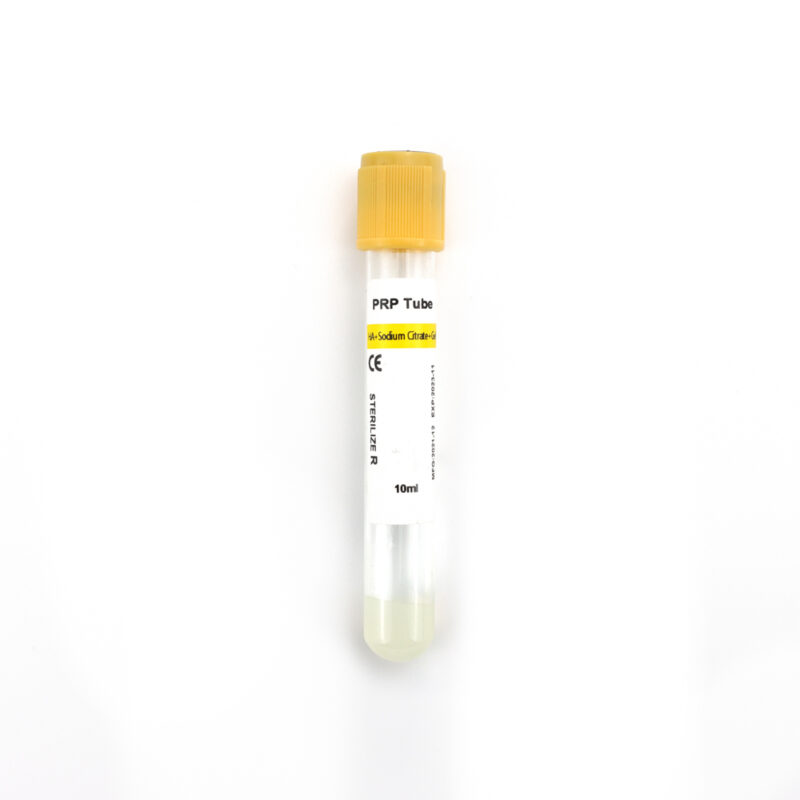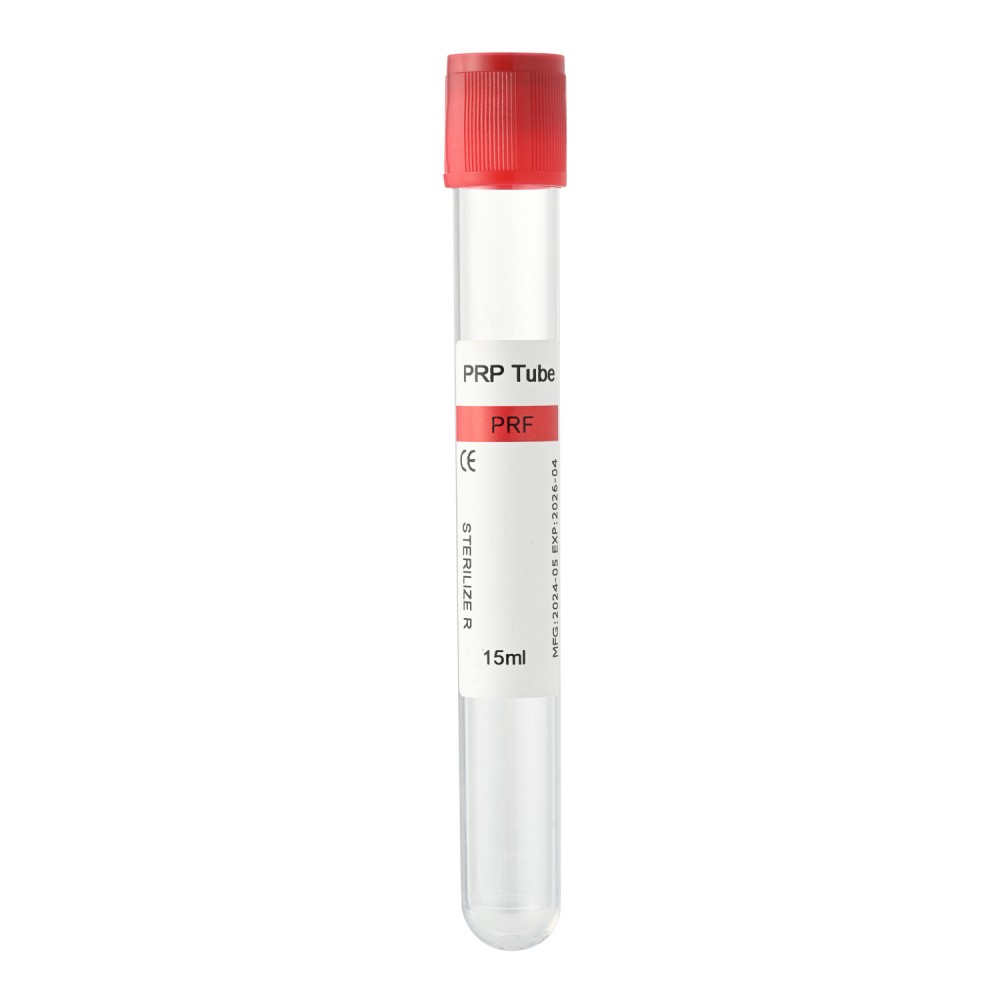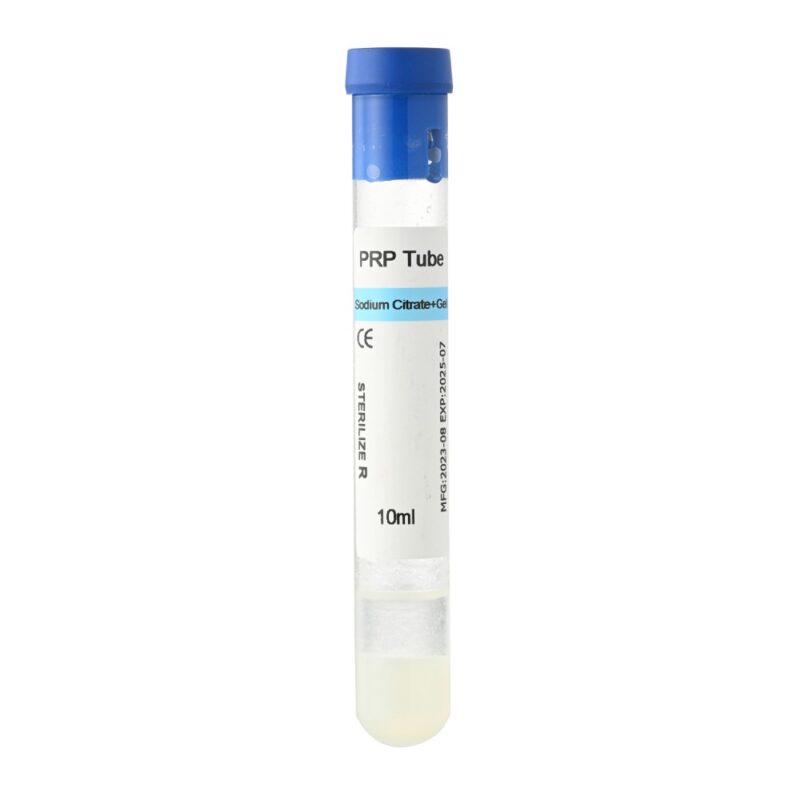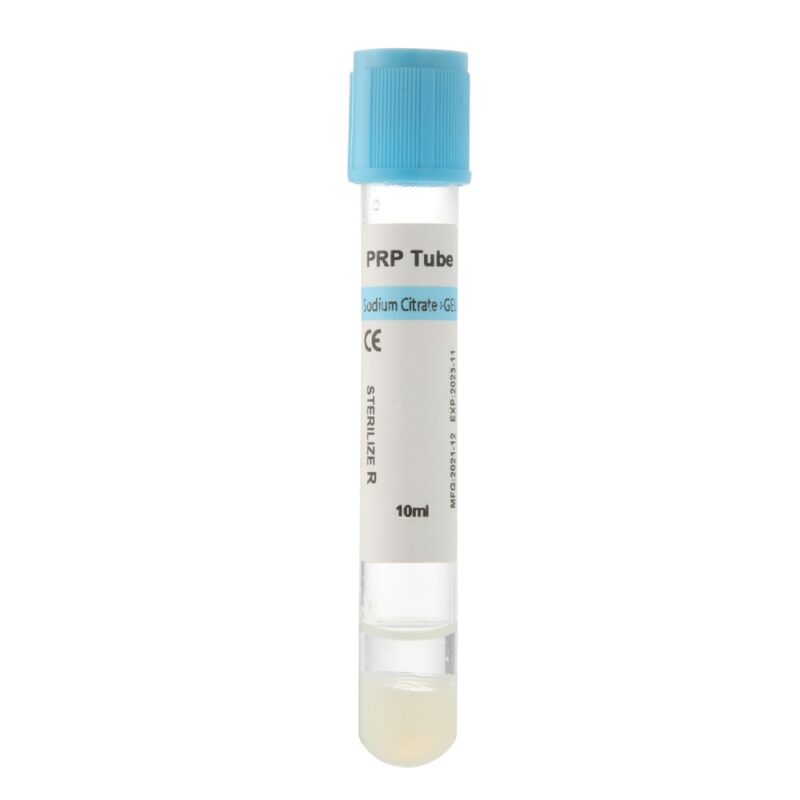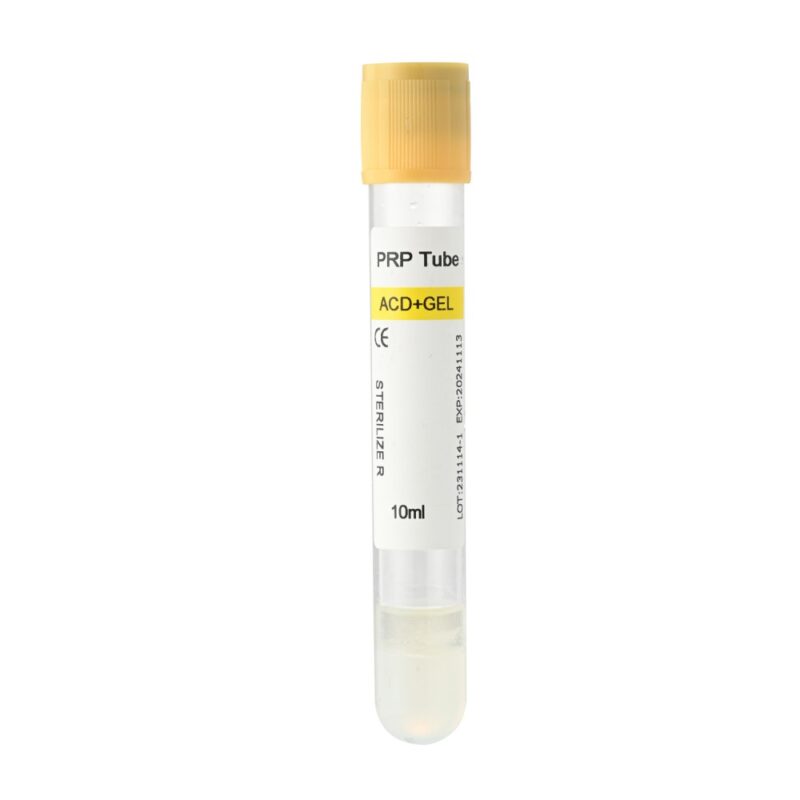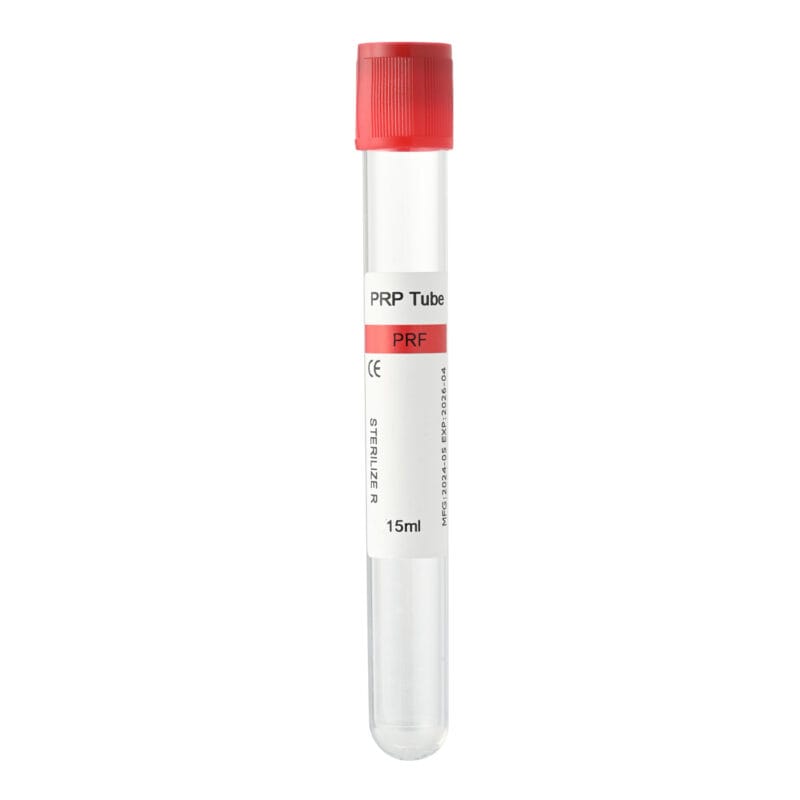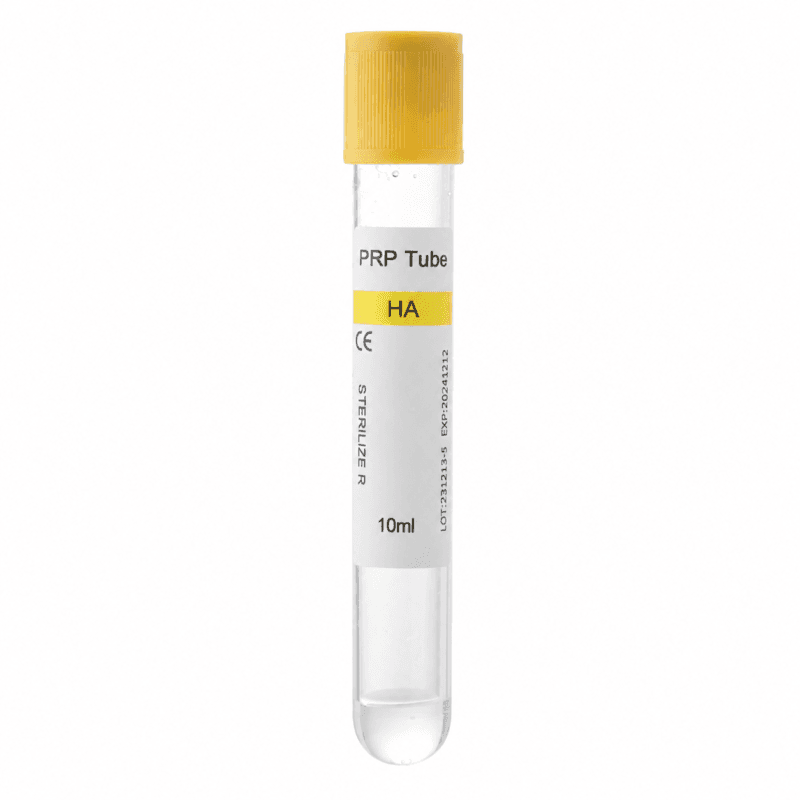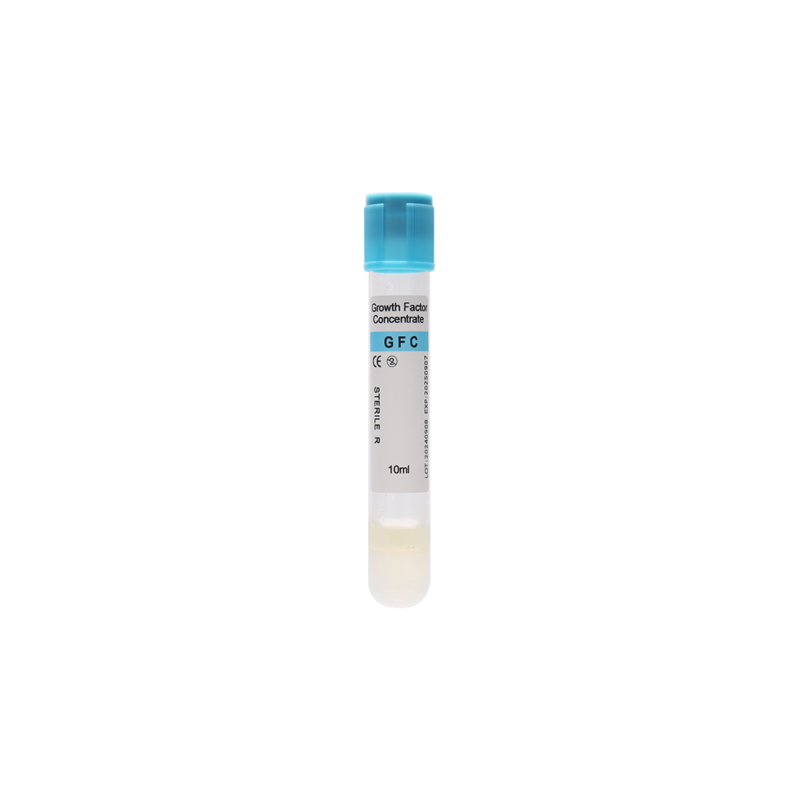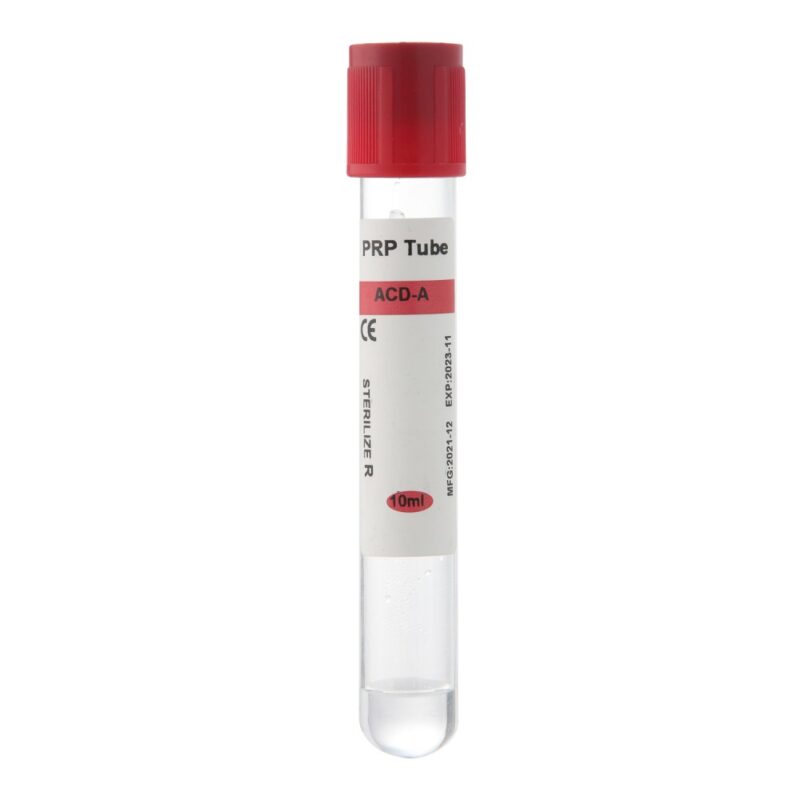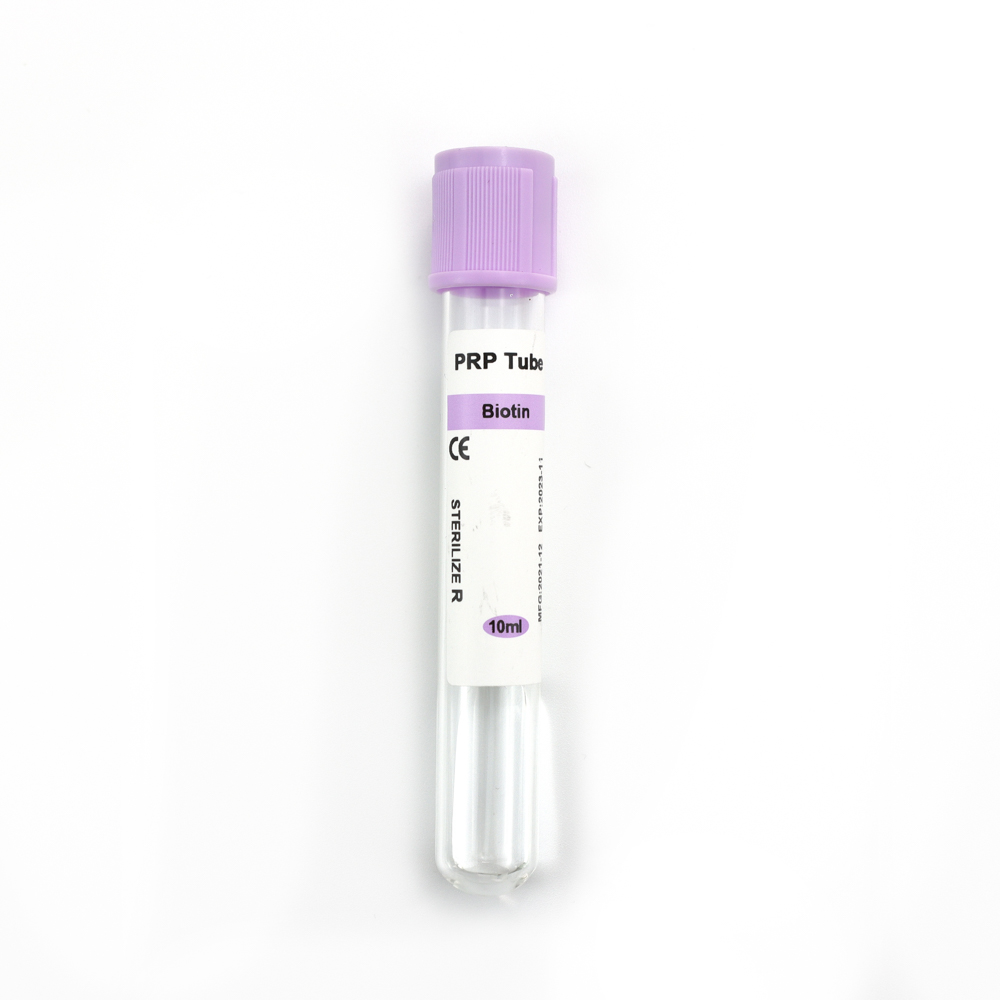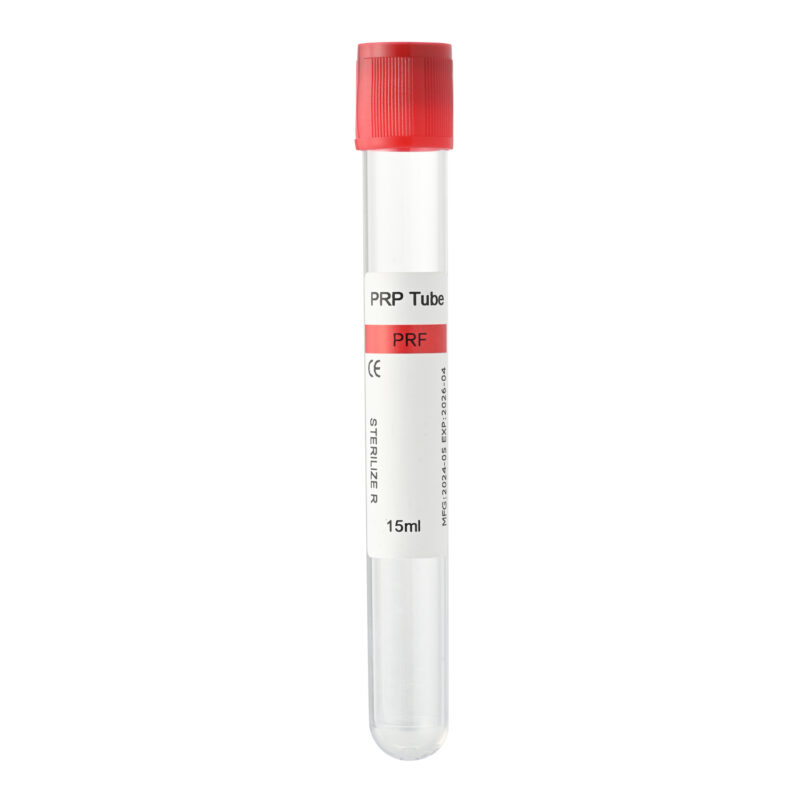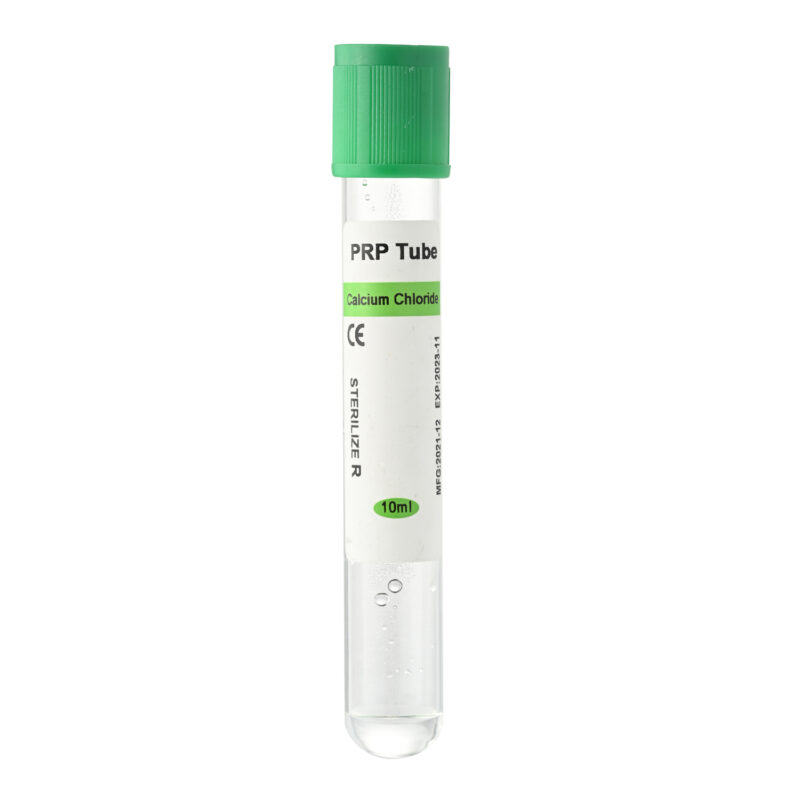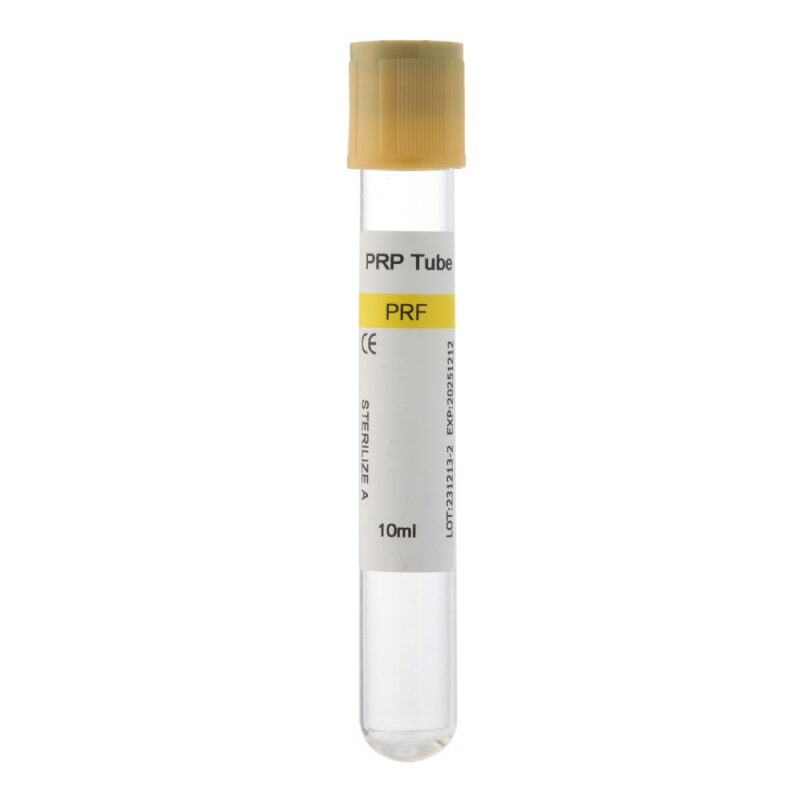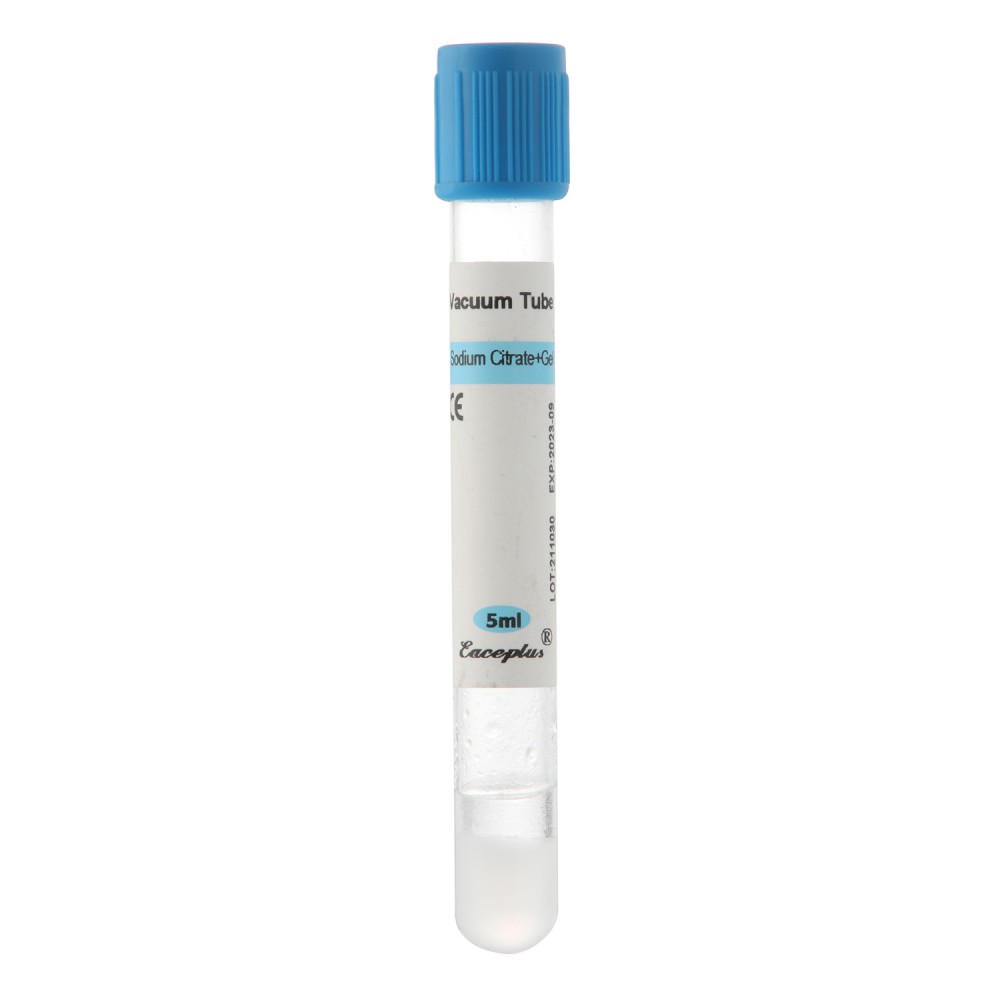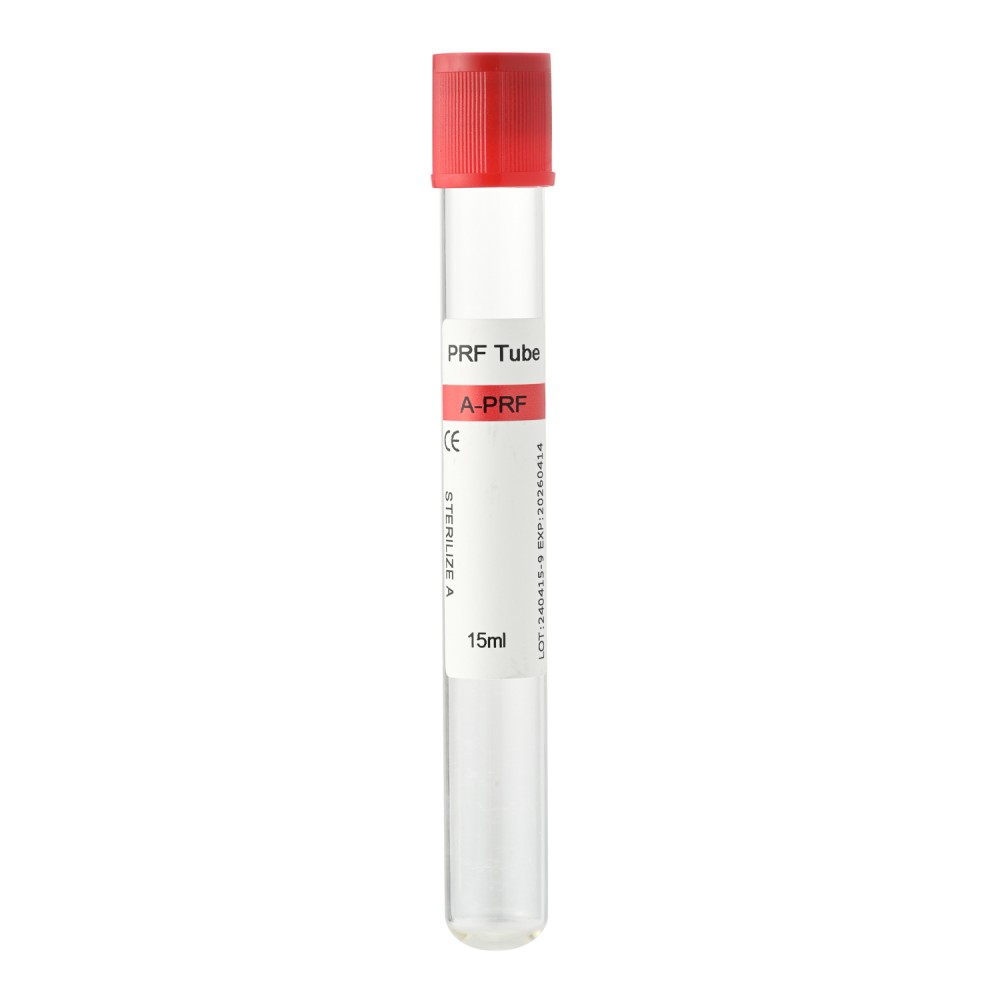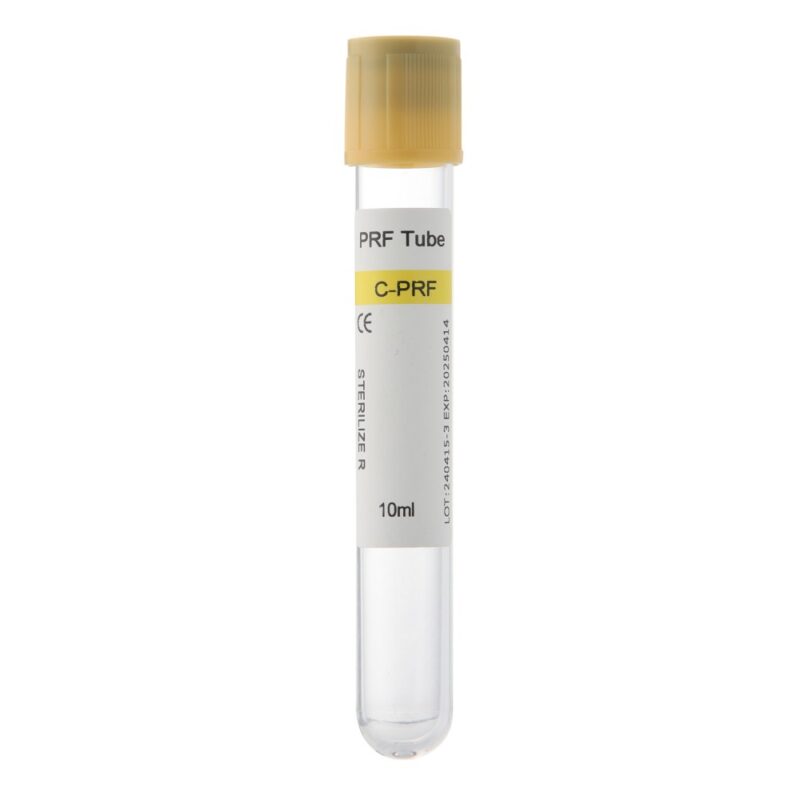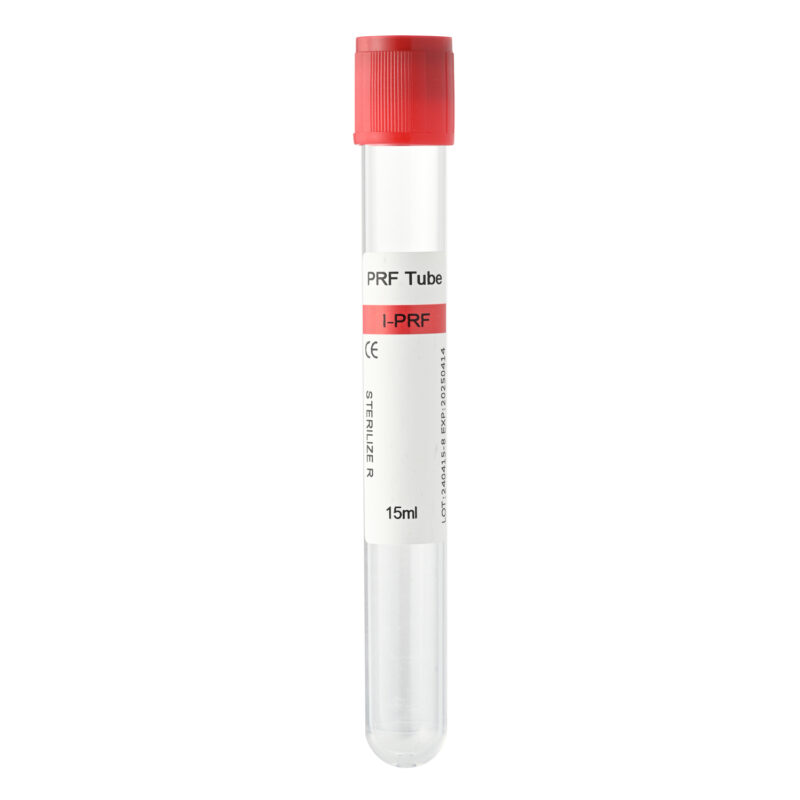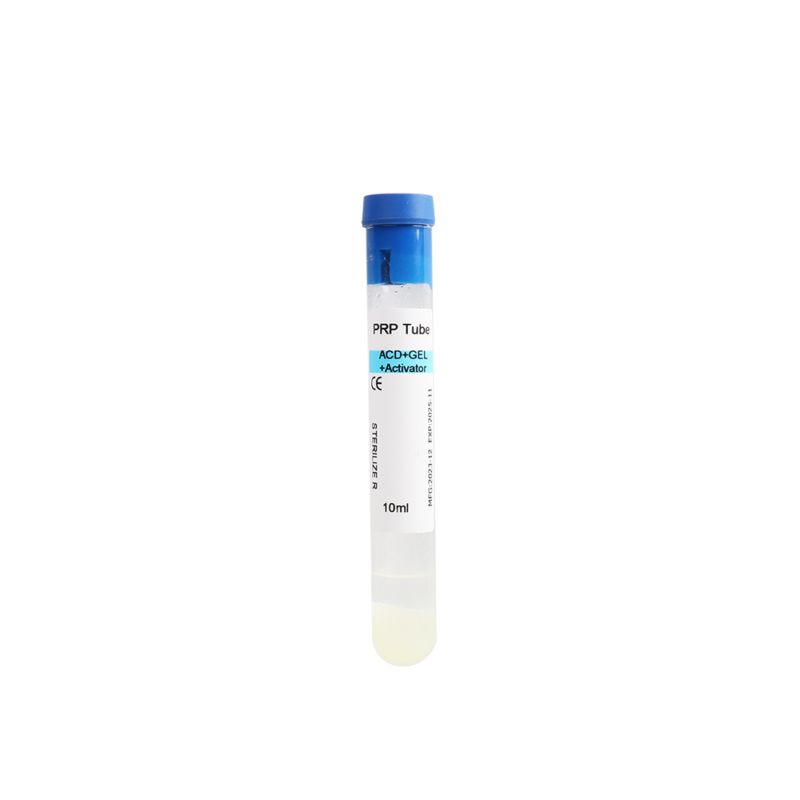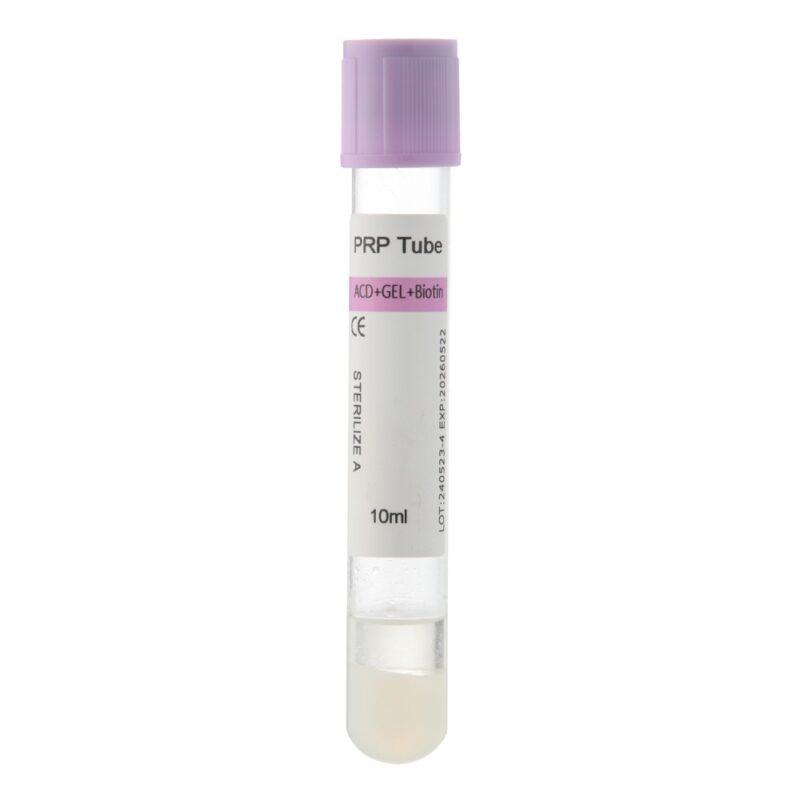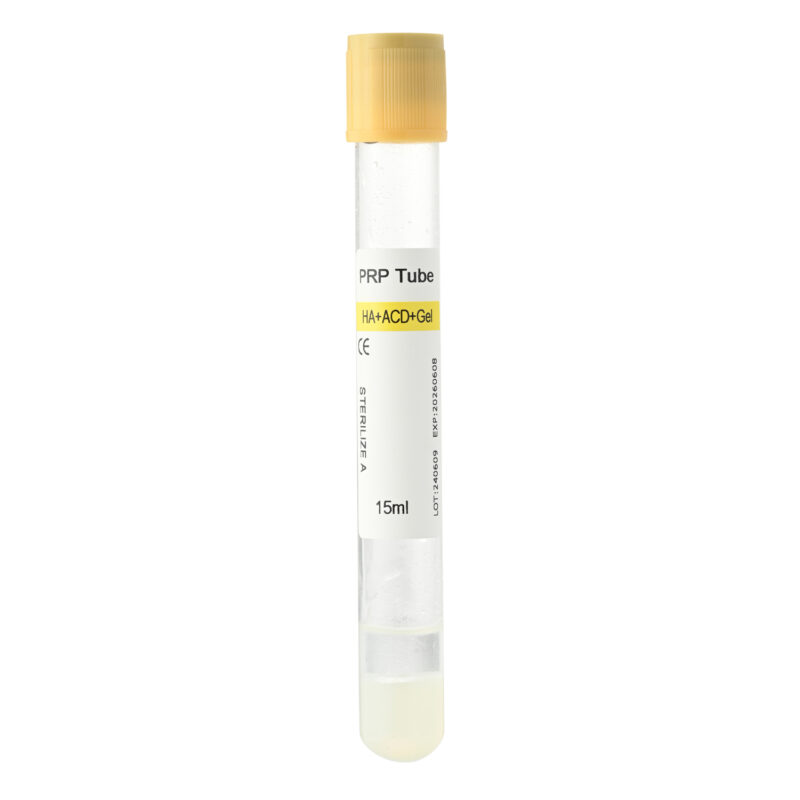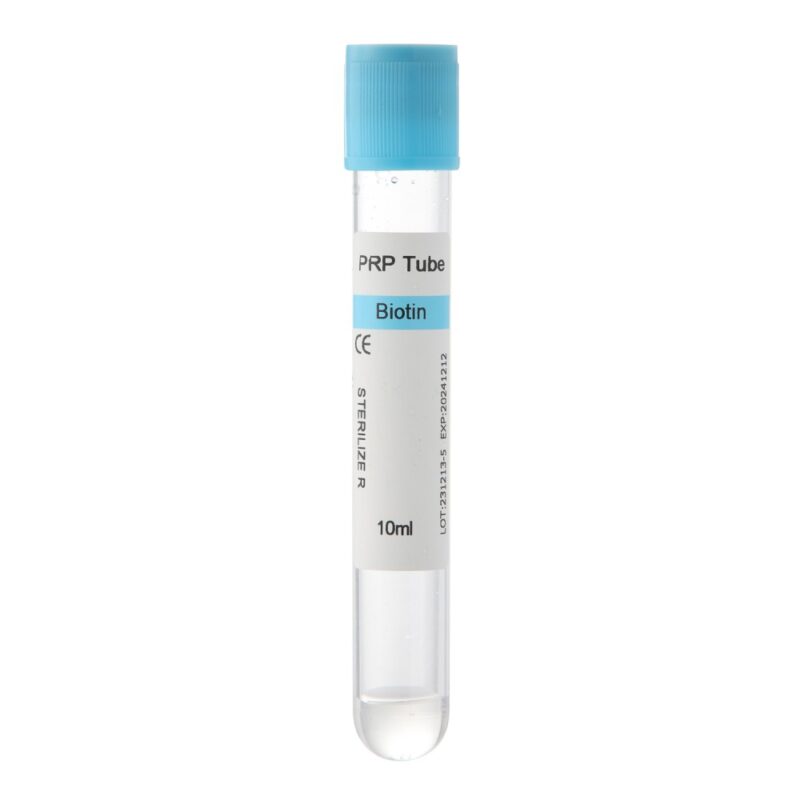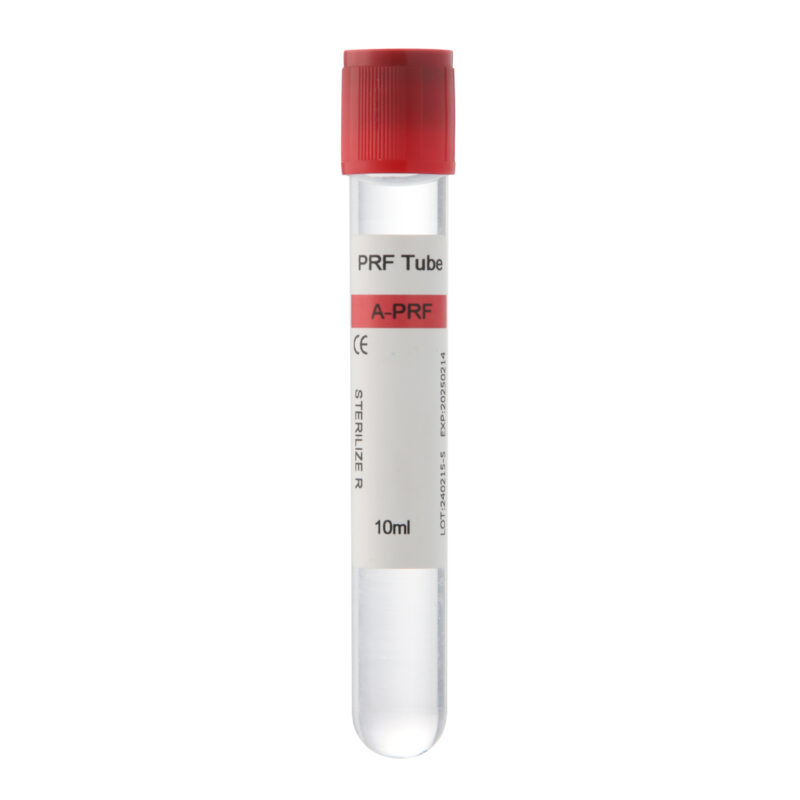
As regenerative veterinary medicine continues to grow, the demand for PRP tube for Pet Care products is increasing in animal hospitals, rehabilitation centers, and veterinary specialty clinics. Platelet-rich plasma therapy is no longer limited to human orthopedics or aesthetics. Today, veterinarians are using PRP treatments for dogs, cats, horses, and other companion animals to support recovery from joint injuries, ligament damage, chronic inflammation, and post-surgical healing.
At the same time, buyers face a common challenge: the market is crowded with veterinary PRP systems that vary widely in tube materials, anticoagulants, gel quality, centrifugation compatibility, and platelet concentration performance. Some products are designed for human applications and simply relabeled for veterinary use, while others are optimized specifically for animal blood characteristics.
For distributors, veterinary clinics, and OEM buyers, understanding how a PRP tube works in pet care is just as important as comparing pricing. A poorly designed tube can affect platelet yield, plasma purity, and clinical consistency. This guide explains how veterinary PRP tubes are used, what features matter most, and how to evaluate products more confidently before purchasing.
Why PRP Tube for Pet Care Is Becoming More Popular in Veterinary Medicine
The rise of regenerative medicine in veterinary care is closely linked to pet owners’ changing expectations. Many owners now treat pets as family members and are willing to invest in advanced therapies that may improve mobility, comfort, and recovery quality.
PRP therapy is commonly discussed in veterinary fields such as:
- Canine osteoarthritis management
- Tendon and ligament injuries
- Hip dysplasia support therapy
- Post-operative tissue healing
- Soft tissue inflammation
- Sports injury recovery in working dogs and horses
- Dermatological and wound healing applications
Unlike drug-based treatment approaches, platelet-rich plasma therapy uses the animal’s own blood components. After centrifugation, the platelet-rich layer is collected and injected into the treatment site. Growth factors released from concentrated platelets may support tissue repair and cellular regeneration.
This is where tube quality becomes extremely important. A reliable PRP Tube for Pet Care should help preserve platelet viability while minimizing contamination from red blood cells or unwanted leukocytes. Inconsistent separation can reduce treatment efficiency and make clinical outcomes less predictable.
Many veterinary buyers are now paying closer attention to:
- Platelet recovery rate
- Sterility standards
- Gel separation stability
- Anticoagulant formulation
- Tube vacuum consistency
- Compatibility with veterinary centrifuges
Some veterinary clinics also prefer systems that simplify operation because animal handling time is often limited during blood collection procedures.
If your clinic or distribution business is exploring regenerative veterinary products, reviewing specialized veterinary PRP consumables rather than generic PRP kits can help improve long-term treatment consistency. Siny PRP provides multiple PRP tube configurations suitable for different blood processing preferences and centrifugation protocols.

How Does a PRP Tube Work in Pet Care Applications?
Although the overall principle is similar to human PRP preparation, veterinary blood samples can behave differently during centrifugation. Variations in hematocrit levels, platelet concentration, and blood viscosity between species may influence separation quality.
A standard veterinary PRP preparation process usually includes the following steps:
- Blood collection from the animal.
- Transfer into anticoagulant PRP tubes.
- Controlled centrifugation.
- Separation of platelet-rich plasma.
- Extraction and clinical application.
The tube itself plays a surprisingly large role throughout this workflow.
Anticoagulants Matter More Than Many Buyers Expect
Low-quality anticoagulants may lead to:
- Platelet aggregation
- Incomplete plasma separation
- Clot formation during spinning
- Reduced growth factor availability
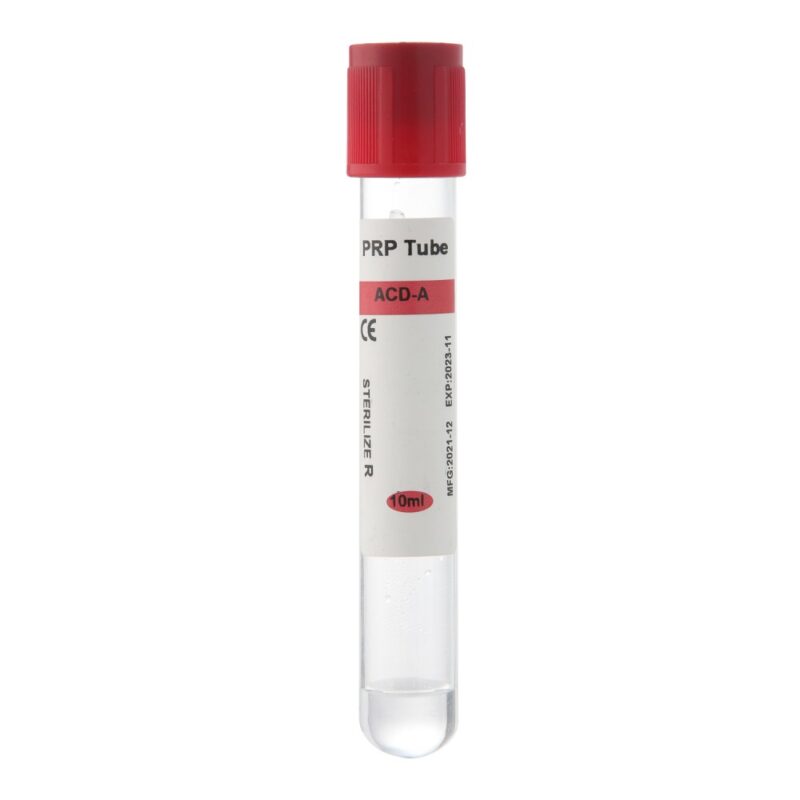
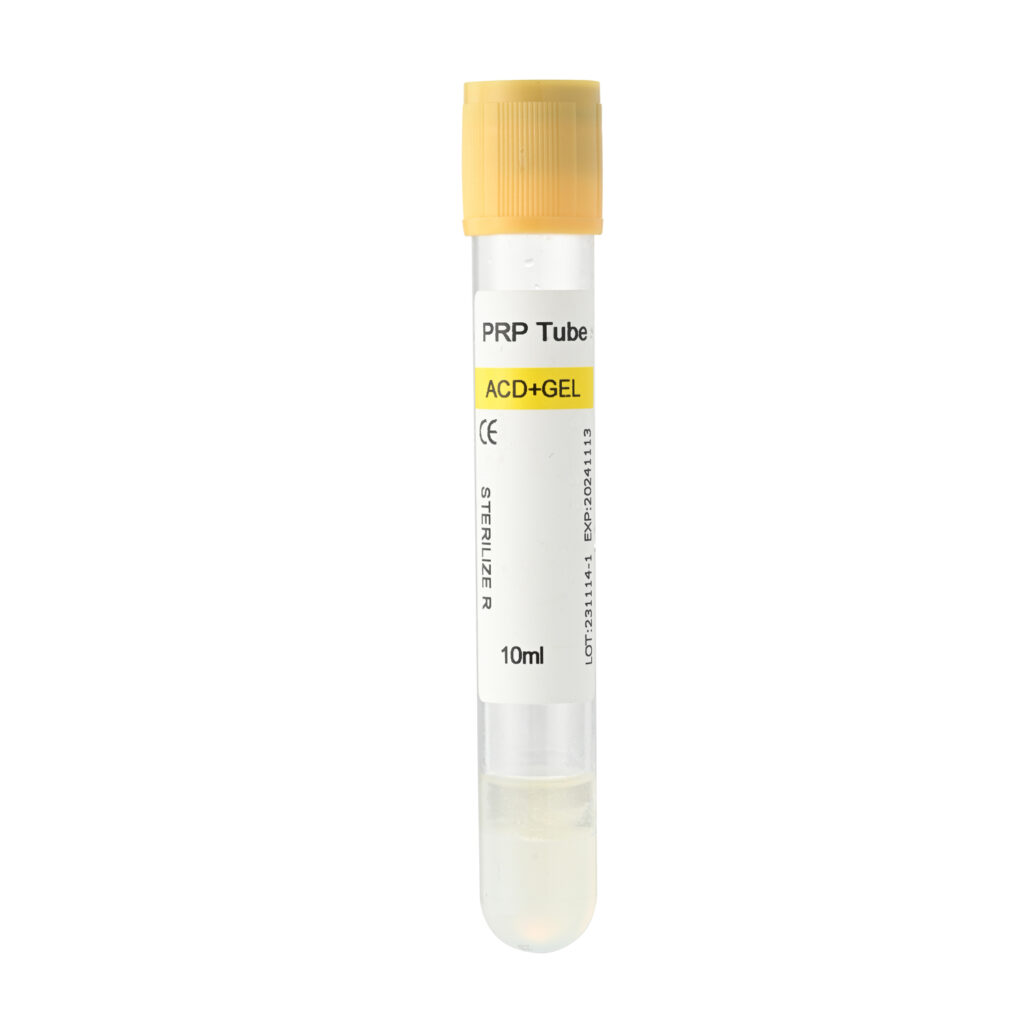
Most veterinary PRP tubes use sodium citrate or ACD-based anticoagulants to prevent premature clotting. The goal is to maintain platelet integrity during centrifugation without triggering early activation.
Veterinary clinics handling sensitive orthopedic cases often prefer PRP tubes with stable anticoagulant performance because treatment consistency becomes easier to control.
Separation Gel Design Influences Plasma Purity
Some PRP tubes contain medical-grade separation gel positioned between plasma and cellular layers during centrifugation. A stable gel barrier helps isolate platelet-rich plasma while reducing contamination from erythrocytes and granulocytes.
This is especially important in veterinary applications because excessive red blood cell contamination may contribute to inflammatory reactions in certain procedures.
Modern veterinary PRP systems increasingly focus on:
- Higher platelet concentration efficiency
- Cleaner plasma extraction
- Reduced hemolysis risk
- Faster preparation time
Clinics that perform frequent PRP procedures often prefer vacuum tubes with consistent gel density and reliable manufacturing tolerances.
What Should Buyers Look for When Choosing a PRP Tube for Pet Care?
Not all veterinary PRP products deliver the same processing quality. Some are marketed aggressively but provide limited technical information about platelet yield or tube materials.
When evaluating a PRP Tube for Pet Care, buyers should focus on performance-related factors rather than marketing claims alone.
1. Tube Material Quality
PRP tubes are typically manufactured from PET or glass. PET tubes are lightweight and resistant to breakage, while glass tubes are sometimes preferred for specific centrifugation characteristics.
High-quality tube materials should offer:
- Stable vacuum retention
- Biocompatibility
- Low particulate contamination
- Reliable sterility
Inferior tube materials may develop vacuum instability during transportation or storage, affecting blood draw volume accuracy.
2. Sterility and Manufacturing Standards
Veterinary clinics increasingly request PRP consumables manufactured under international quality systems. Buyers often review:
- ISO certifications
- Sterilization validation
- Batch traceability
Consistent manufacturing standards help reduce variability between production lots, which is important for distributors handling repeat orders.
3. Platelet Recovery Efficiency
A veterinary PRP system should support effective platelet concentration without excessive cell damage.
Key questions buyers often ask include:
- How concentrated are the platelets after centrifugation?
- Does the tube preserve platelet viability?
- Is plasma extraction simple and reproducible?
- Is the system suitable for canine and feline blood?
Some veterinary clinics test several brands before standardizing one system across all procedures.
4. Centrifuge Compatibility
A good PRP tube should work smoothly with commonly used laboratory centrifuges. Poor compatibility may lead to:
- Gel displacement
- Unstable separation layers
- Plasma mixing
- Tube imbalance during spinning
For this reason, distributors often prefer PRP tubes validated under multiple centrifugation conditions.
Clinics searching for long-term supply partners also tend to value technical support and stable product availability, especially when expanding regenerative treatment services.
Veterinary Applications of PRP Therapy Continue to Expand
The veterinary PRP market has evolved far beyond orthopedic support. Today, animal care professionals are exploring platelet-rich plasma in multiple treatment areas.
Orthopedic and Mobility Treatments
One of the most common applications involves dogs with mobility problems caused by:
- Arthritis
- Tendon injuries
- Joint inflammation
- Ligament strain
Veterinarians may use PRP therapy alongside rehabilitation programs to support tissue recovery and reduce discomfort.
Surgical Recovery Support
Some clinics use PRP after surgery to support healing in soft tissue and musculoskeletal procedures. Platelet-derived growth factors are believed to contribute to tissue regeneration processes.
Sports Medicine for Performance Animals
Working dogs, agility competitors, and racehorses experience repetitive stress injuries similar to those of human athletes. PRP preparation systems designed for veterinary use are increasingly discussed in equine and canine sports medicine.
Dermatology and Wound Care
Certain veterinary specialists also use PRP in wound management and skin recovery applications. Plasma quality becomes particularly important in these procedures because impurities may affect treatment consistency.
As veterinary regenerative medicine continues growing, distributors are seeing increased demand for:
- Customized PRP kits
- Veterinary-specific tube volumes
- OEM branding services
- Stable export supply chains
- Professional packaging and documentation
Some suppliers, including Siny PRP, support private-label veterinary PRP tube projects for distributors expanding into regional animal healthcare markets.
Common Mistakes Buyers Make When Purchasing Veterinary PRP Tubes
Many buyers focus heavily on price during the first purchase stage. However, long-term clinical performance often becomes more important than initial unit cost.
Choosing Human PRP Tubes Without Veterinary Validation
Animal blood properties differ from human blood. Tubes optimized only for human use may not produce ideal platelet separation in veterinary applications.
Ignoring Centrifugation Parameters
Some buyers purchase PRP tubes without confirming the recommended RPM and centrifugation time. This may lead to inconsistent plasma layers or poor platelet concentration.
Overlooking Sterility Documentation
Regenerative medicine products require reliable sterility assurance. Incomplete documentation can create regulatory or purchasing concerns for clinics and distributors.
Focusing Only on Platelet Numbers
A higher platelet count alone does not always guarantee better preparation quality. Plasma purity, platelet integrity, and contamination control also matter.
Selecting Suppliers Without Technical Support
Veterinary clinics often require guidance regarding:
- Tube selection
- Blood processing workflow
- Centrifugation recommendations
- Packaging customization
- Export documentation
Working with suppliers experienced in medical consumables can simplify future expansion plans.
FAQ About PRP Tube for Pet Care
What animals can use PRP therapy?
PRP therapy is commonly used in dogs, cats, and horses. Some specialty veterinary clinics also apply regenerative medicine techniques to exotic animals, depending on the condition being treated.
Are veterinary PRP tubes different from human PRP tubes?
Yes. Veterinary PRP tubes may use different anticoagulant ratios, separation characteristics, or volume designs to better match animal blood properties and veterinary workflows.
What anticoagulant is commonly used in veterinary PRP tubes?
Sodium citrate and ACD solutions are among the most commonly used anticoagulants because they help preserve platelet stability during centrifugation.
Can PRP tubes be used with any centrifuge?
Not always. Buyers should confirm centrifuge compatibility, recommended RPM ranges, and processing protocols before purchasing large quantities.
Why is gel quality important in PRP preparation?
A stable gel separator helps isolate platelet-rich plasma and reduce contamination from red blood cells or leukocytes, improving plasma purity.
What should distributors look for in a PRP tube supplier?
Distributors often evaluate manufacturing consistency, sterility validation, OEM capability, export experience, certifications, and technical support responsiveness.
Final Thoughts
The veterinary regenerative medicine market is developing quickly, and clinics are becoming more selective about the consumables they use. Choosing the right PRP Tube for Pet Care is not simply about finding a low-cost product. It involves evaluating platelet preservation, plasma purity, centrifugation performance, sterility standards, and supplier reliability.
As more veterinary professionals adopt platelet-rich plasma therapy for orthopedic care, rehabilitation, sports medicine, and wound management, dependable PRP preparation systems will continue playing a major role in treatment consistency.
For distributors and clinics looking to build stable, long-term regenerative medicine programs, working with experienced suppliers and understanding the technical details behind veterinary PRP preparation can make purchasing decisions much easier.