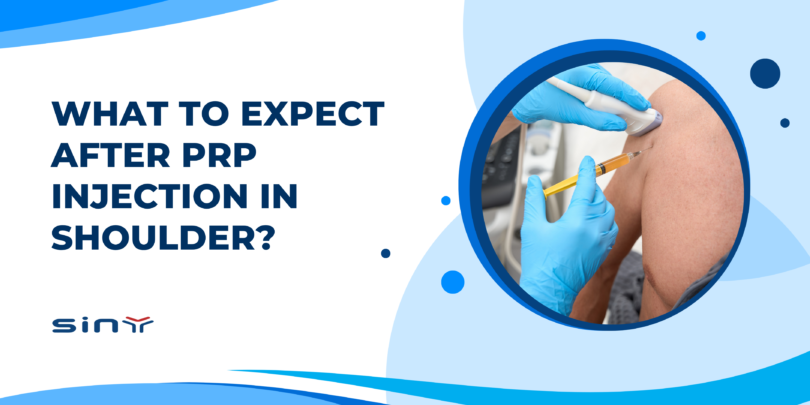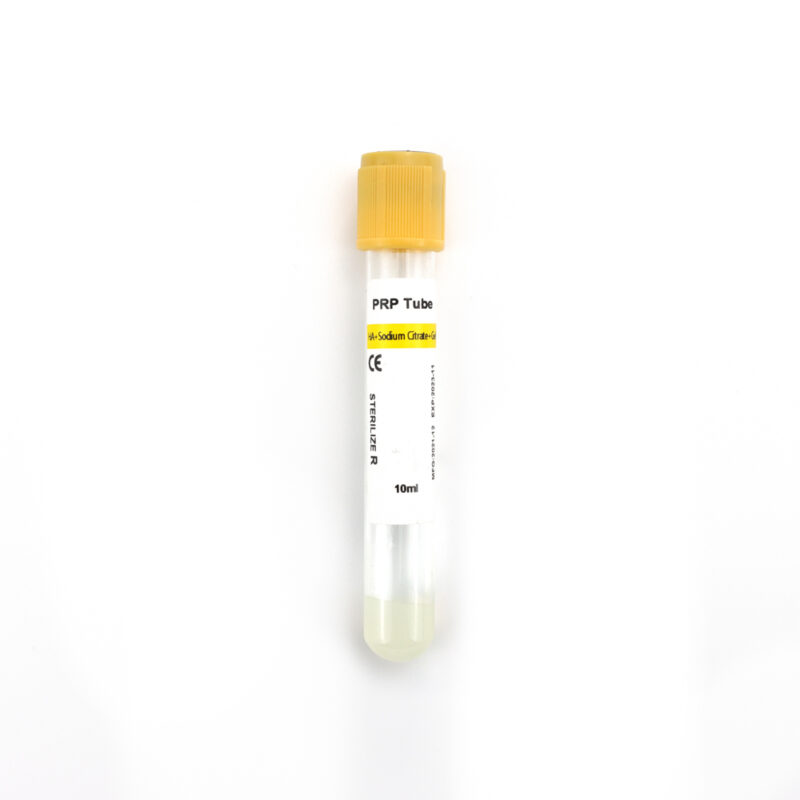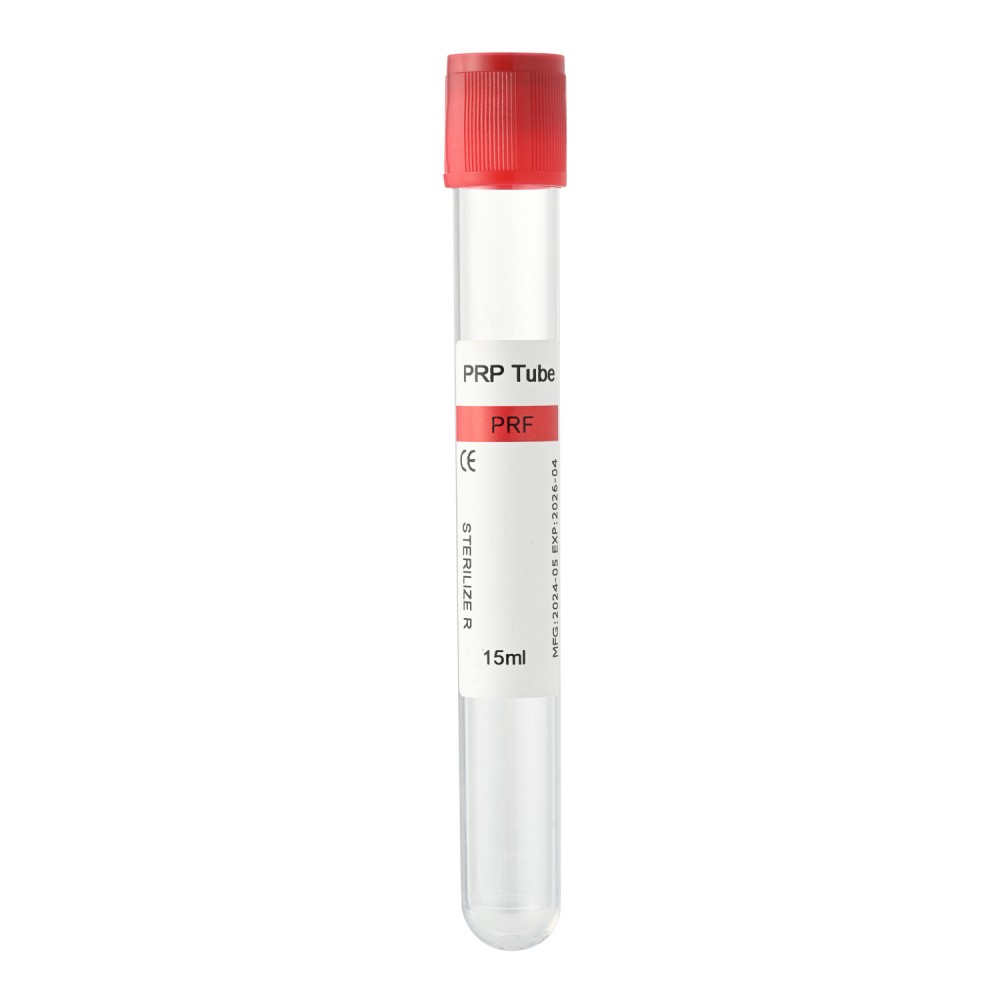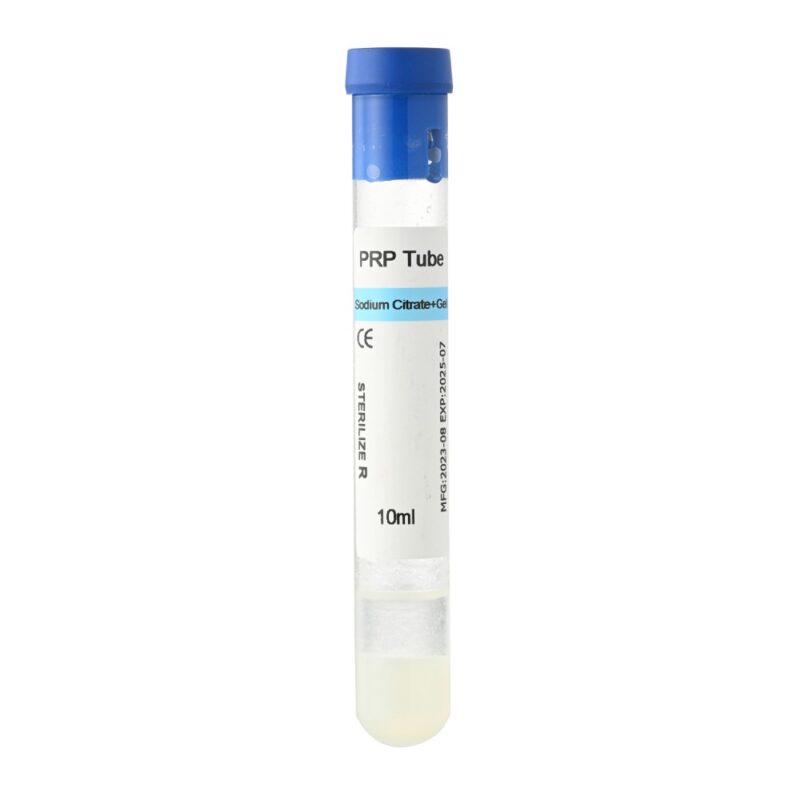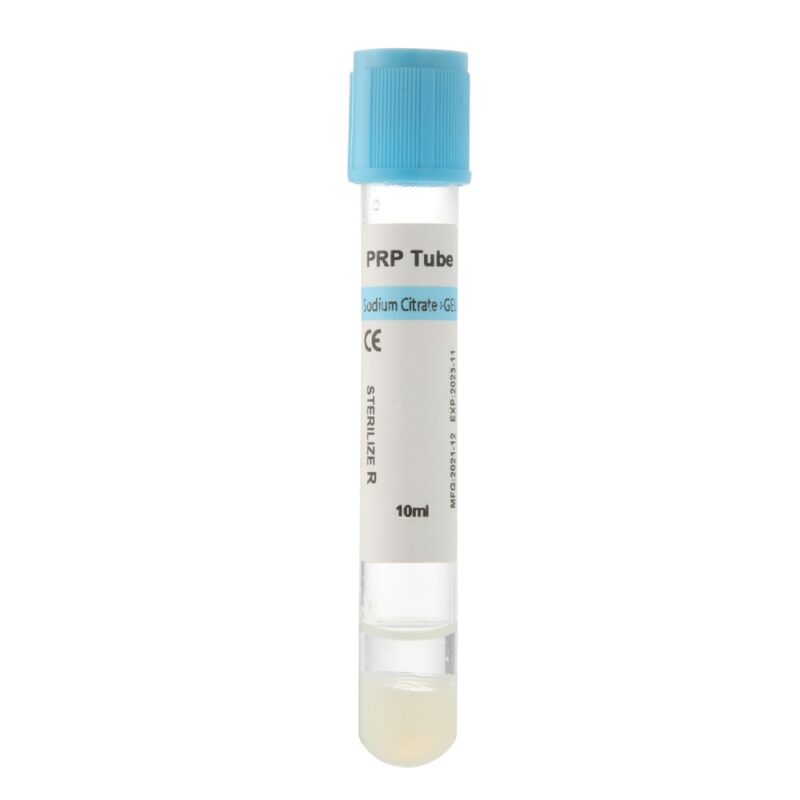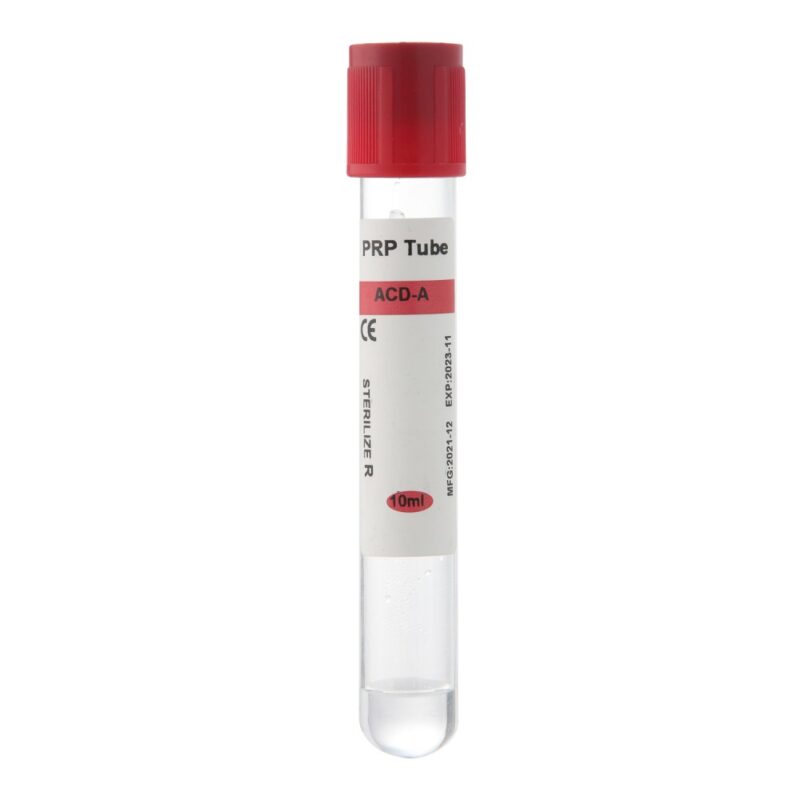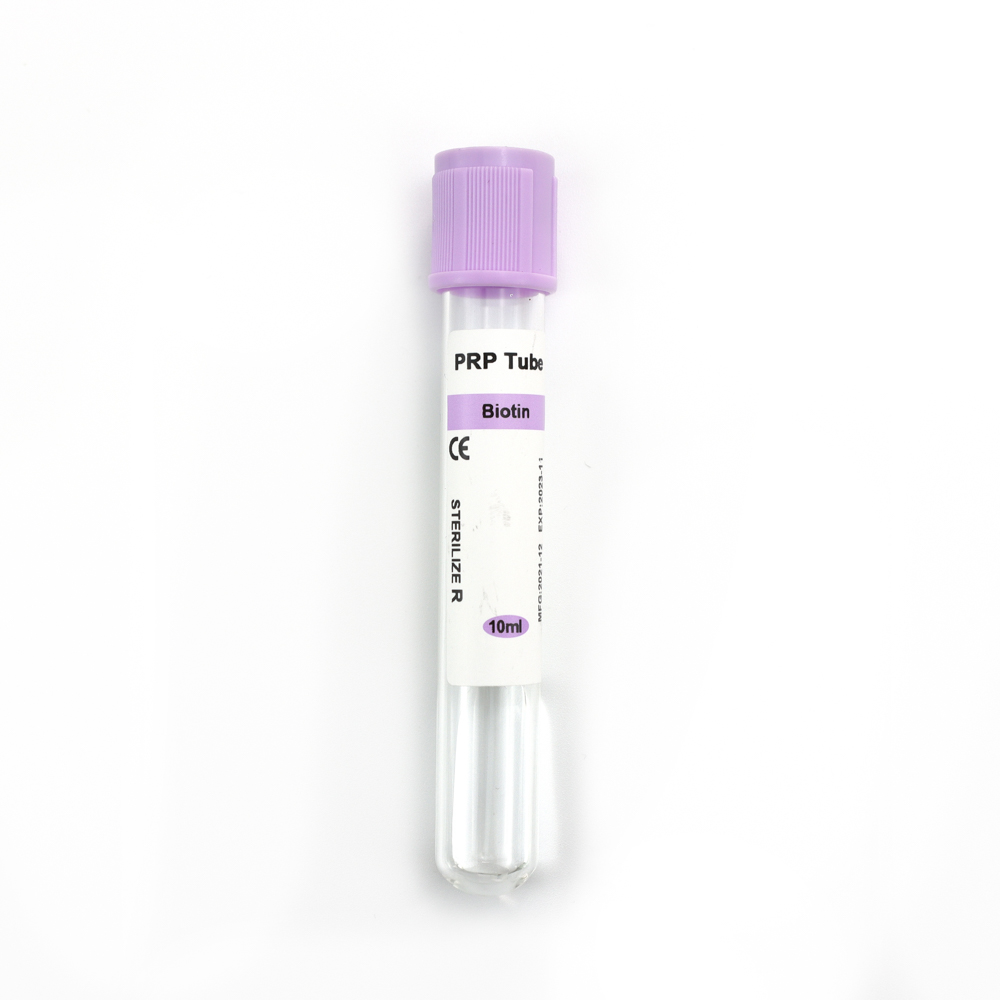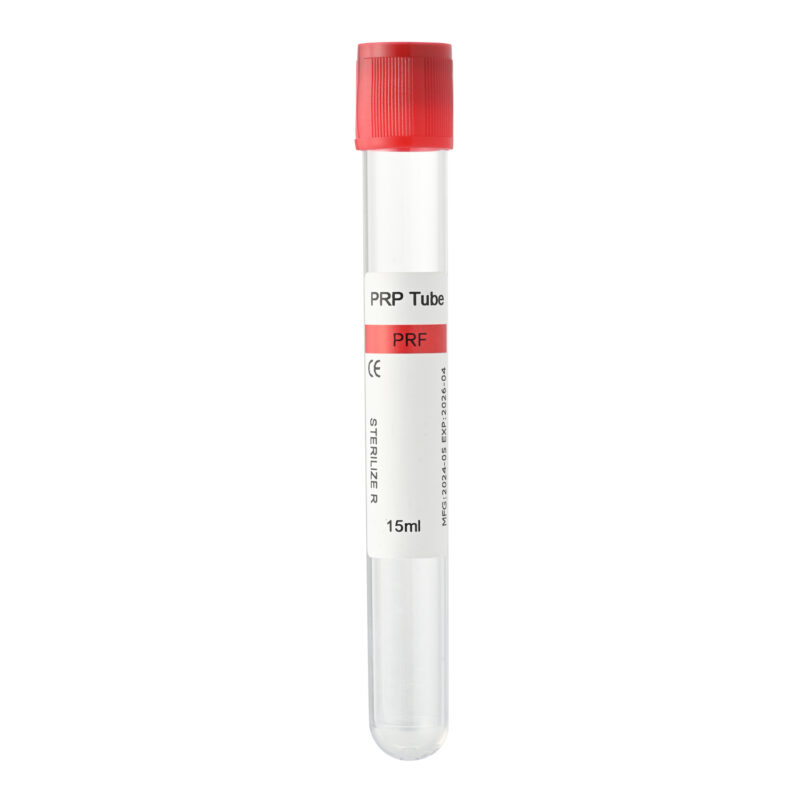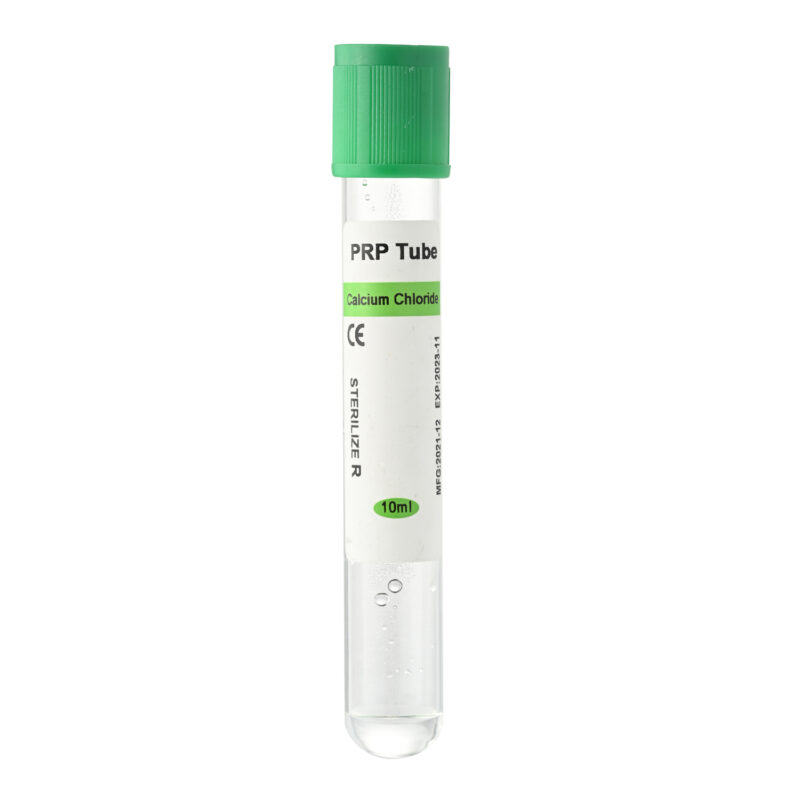
Platelet-rich plasma therapy is now widely used in aesthetics, orthopedics, sports medicine, and hair restoration. As the popularity of PRP treatments continues to grow, patients are becoming more aware of the treatment experience itself—not just the final results. This is why “5 Tips to Minimize Pain and Improve Patient Comfort in PRP Injections” has become an important topic for both practitioners and clinics aiming to improve patient satisfaction.
Although PRP injections are considered minimally invasive, some patients still experience discomfort during blood collection, centrifugation preparation, or the injection process. In many cases, pain levels are influenced by technique, injection speed, tissue sensitivity, and even the quality of PRP preparation. Small adjustments in clinical workflow can make a major difference in how comfortable the procedure feels.
For clinics performing PRP regularly, improving comfort is more than just a patient-care issue. Comfortable procedures often lead to higher patient trust, stronger retention, and better long-term treatment compliance.
Why PRP Injections Sometimes Feel Painful
To understand how to improve comfort, it is important to first understand why PRP injections may cause discomfort in the first place.
Unlike traditional medications, PRP is created from the patient’s own blood. After centrifugation, concentrated platelets are injected into targeted tissues to stimulate healing and regeneration. Depending on the treatment area, this process may involve sensitive nerves, inflamed tissues, or repeated injection points.
Several factors can increase discomfort during PRP therapy:
- Injection depth
- Rapid injection speed
- Inflamed treatment areas
- Poor needle control
- Repeated puncture sites
- Anxiety or muscle tension
- Inconsistent PRP preparation
Certain areas of the body are naturally more sensitive than others. Scalp PRP for hair restoration, for example, often involves multiple injections across nerve-rich tissue. Orthopedic PRP injections around tendons or joints may also produce temporary pressure sensations because the tissues are already inflamed before treatment begins.
Pain tolerance also varies from patient to patient. A relaxed and informed patient generally experiences less discomfort than someone nervous or tense during the procedure.
Tip 1: Improve Injection Technique for Better Patient Comfort
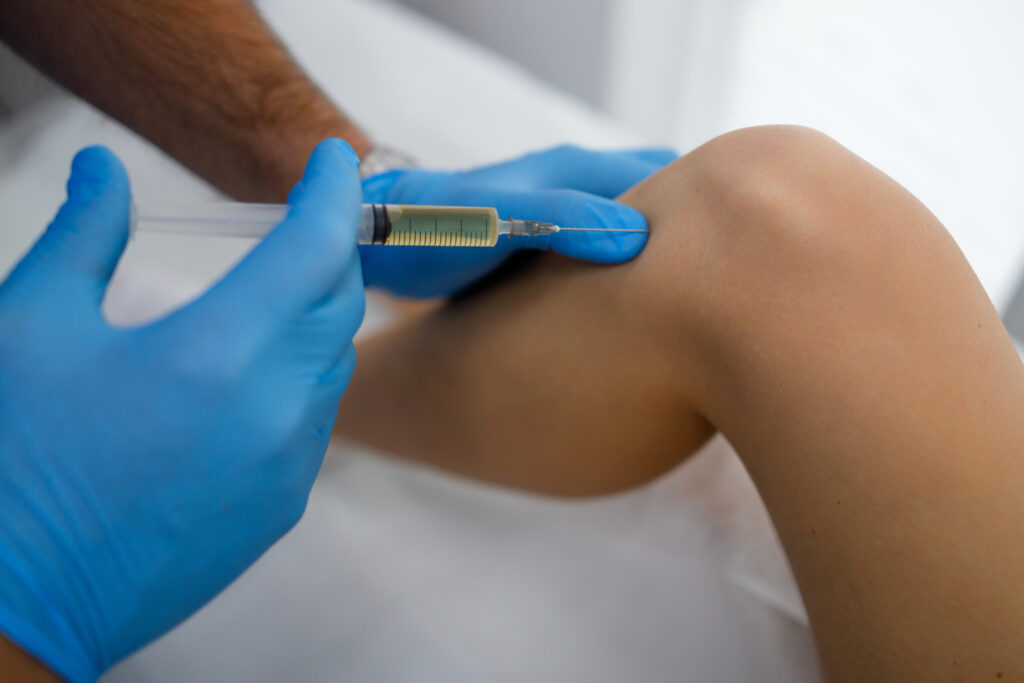
One of the most effective ways to reduce pain during PRP injections is proper injection technique. Even high-quality PRP preparation cannot fully compensate for poor handling during administration.
Experienced practitioners often focus on several key adjustments to improve comfort:
Inject Slowly
Rapid injections can increase tissue pressure and create sharper discomfort. Slow and controlled injection allows tissue to adapt gradually.
Reduce Unnecessary Needle Passes
Careful planning of injection points minimizes repeated punctures. This is especially important in facial and scalp procedures.
Choose the Appropriate Needle Size
Smaller gauge needles are commonly used in cosmetic PRP procedures because they reduce tissue trauma. However, practitioners must still ensure smooth plasma flow during injection.
Maintain Consistent Hand Control
Stable injection pressure and controlled movement help reduce irritation and improve accuracy.
Avoid Excessive Injection Depth
Overly deep injections may unnecessarily irritate nerves or sensitive structures. Proper anatomical understanding improves both comfort and treatment precision.
Patients often remember how the treatment felt more than the technical details behind it. A gentle technique can significantly improve their perception of PRP therapy overall.
Tip 2: Prepare Patients Properly Before the Procedure
Good patient preparation is frequently overlooked, but it plays a major role in reducing discomfort.
Many patients arrive dehydrated, anxious, or unfamiliar with the procedure. These factors can increase sensitivity during blood collection and injection.
Encourage Hydration Before Treatment
Well-hydrated patients often experience smoother blood collection and better circulation.
Explain the Procedure Clearly
Patients who understand what will happen during treatment are usually less anxious. Lower anxiety often leads to lower pain perception.
Discuss Expected Sensations Honestly
It is helpful to explain that mild pressure, tightness, or soreness may occur temporarily after treatment. Clear communication builds trust and reduces fear.
Consider Topical Numbing Options
For scalp or facial PRP procedures, many clinics use topical anesthetic creams to improve tolerance.
Create a Calm Clinical Environment
Simple details such as room temperature, patient positioning, and communication style can influence comfort more than many clinics realize.
Patients who feel relaxed and informed are generally more cooperative during the procedure, which also helps practitioners perform injections more smoothly.
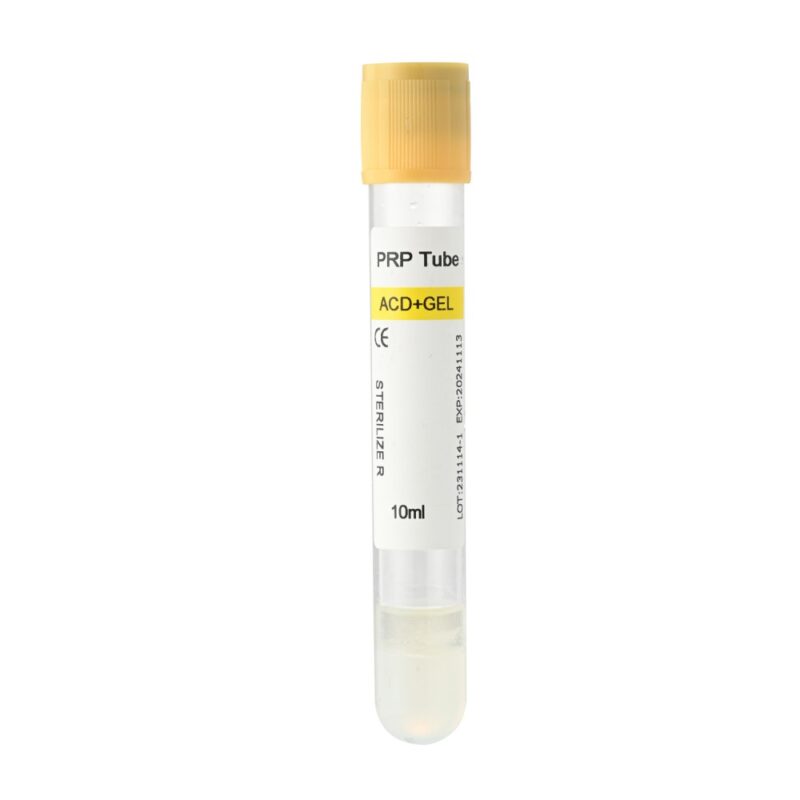
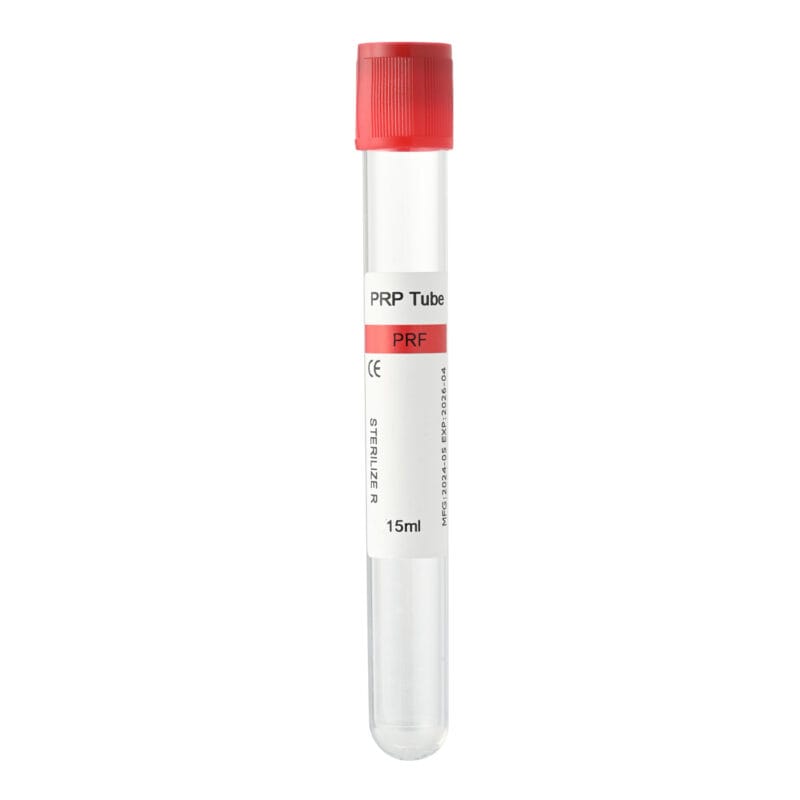
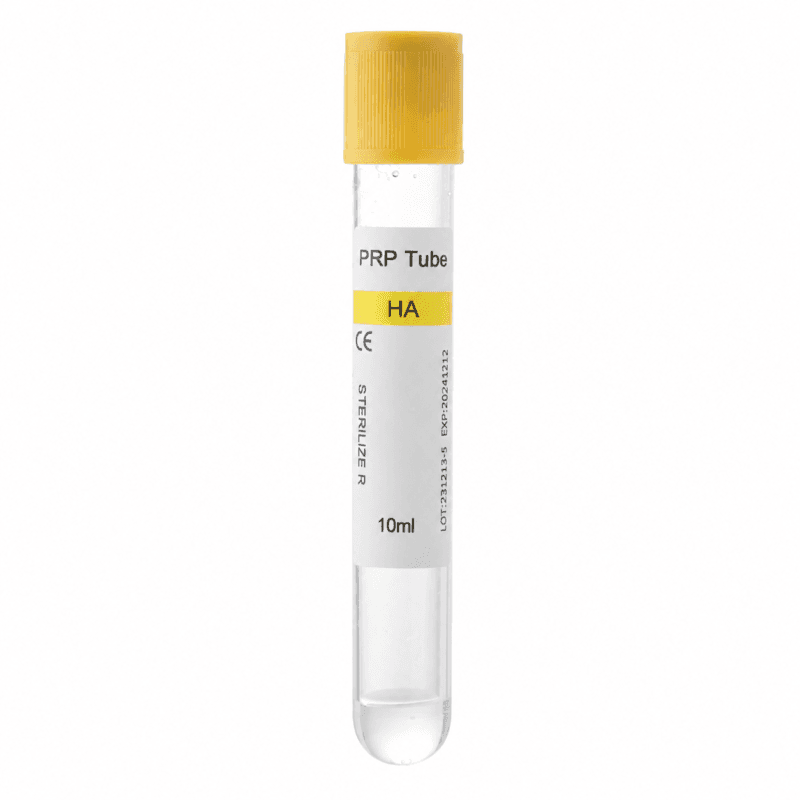
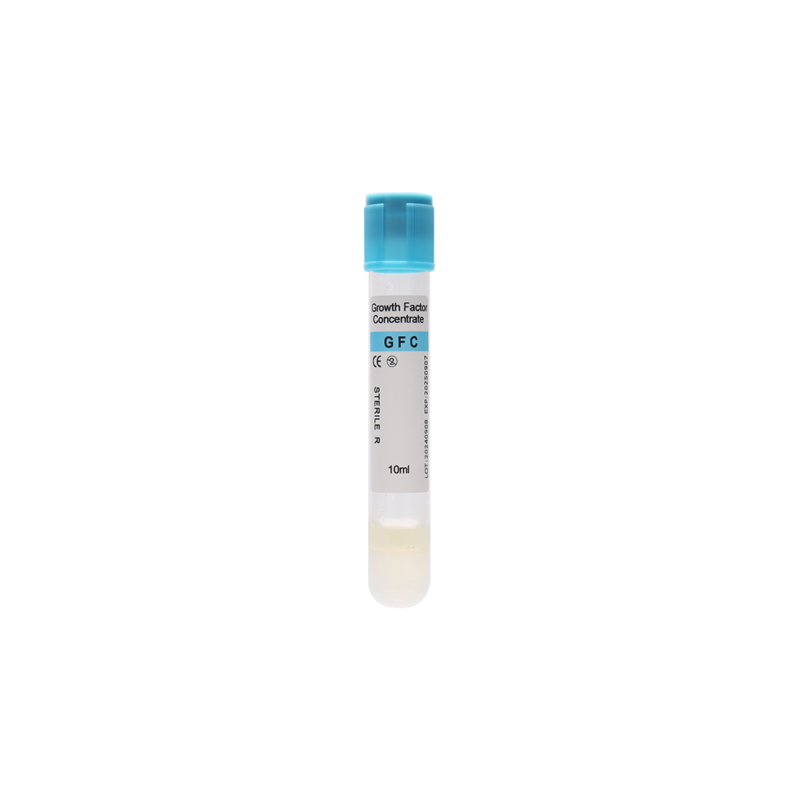
Tip 3: Focus on High-Quality PRP Preparation
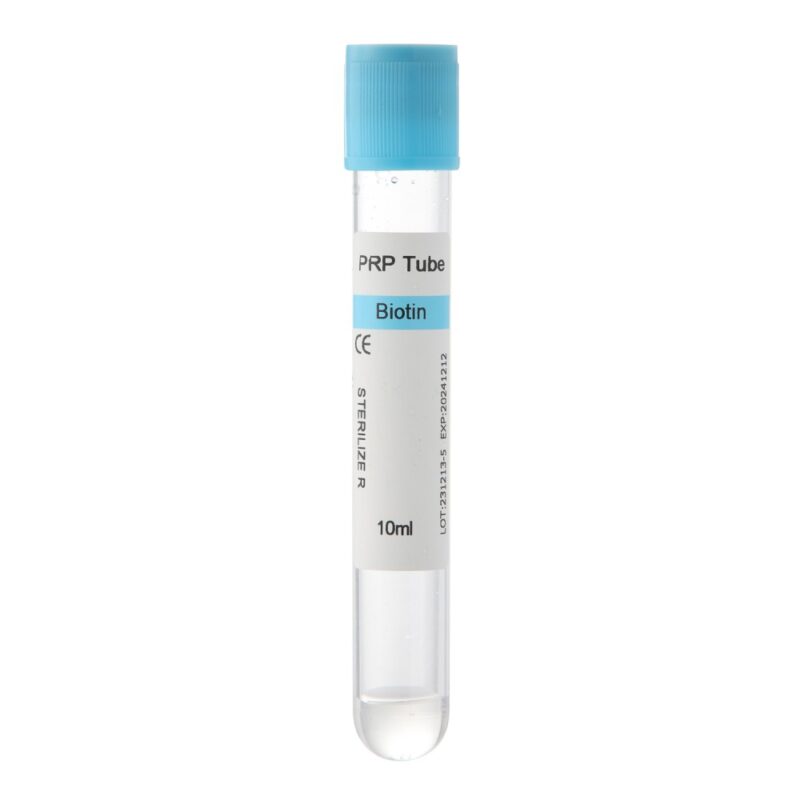
The quality of PRP preparation can influence both treatment consistency and patient comfort.
Poorly prepared PRP may contain excess red blood cells or unwanted inflammatory components that can contribute to additional irritation after injection. Clean and stable platelet separation helps create smoother injectable plasma.
Several preparation factors are important:
- Consistent centrifugation protocols
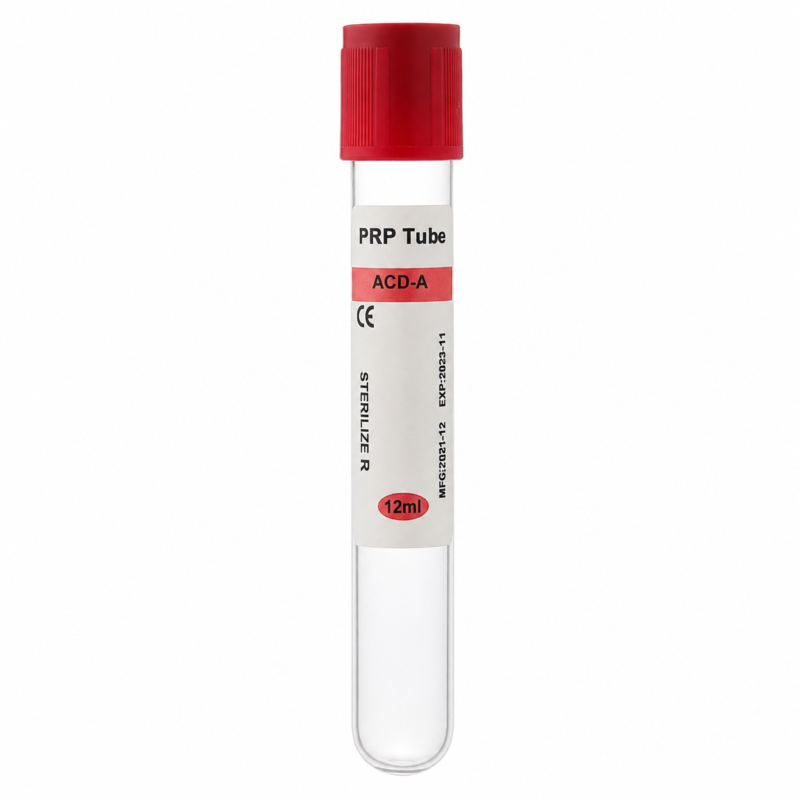
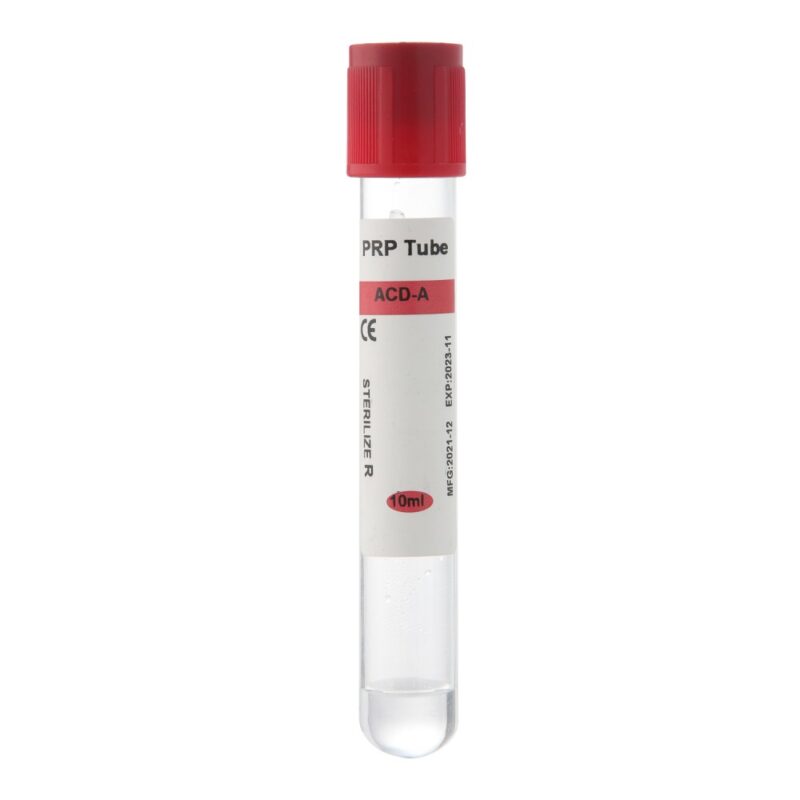
- Proper anticoagulant performance
- Stable plasma separation
- Reduced contamination with unwanted cells
- Appropriate platelet concentration
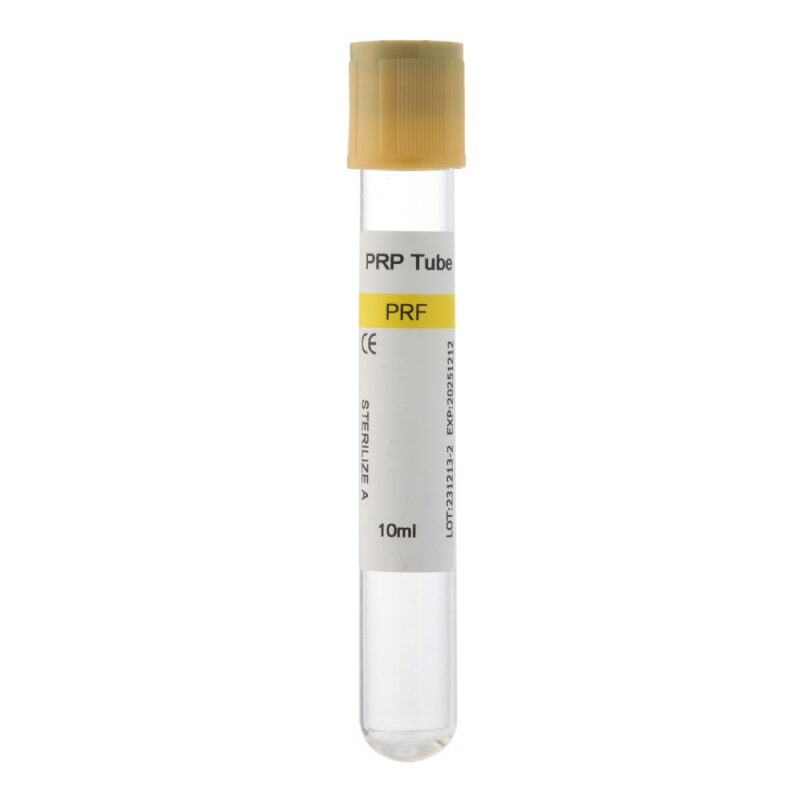
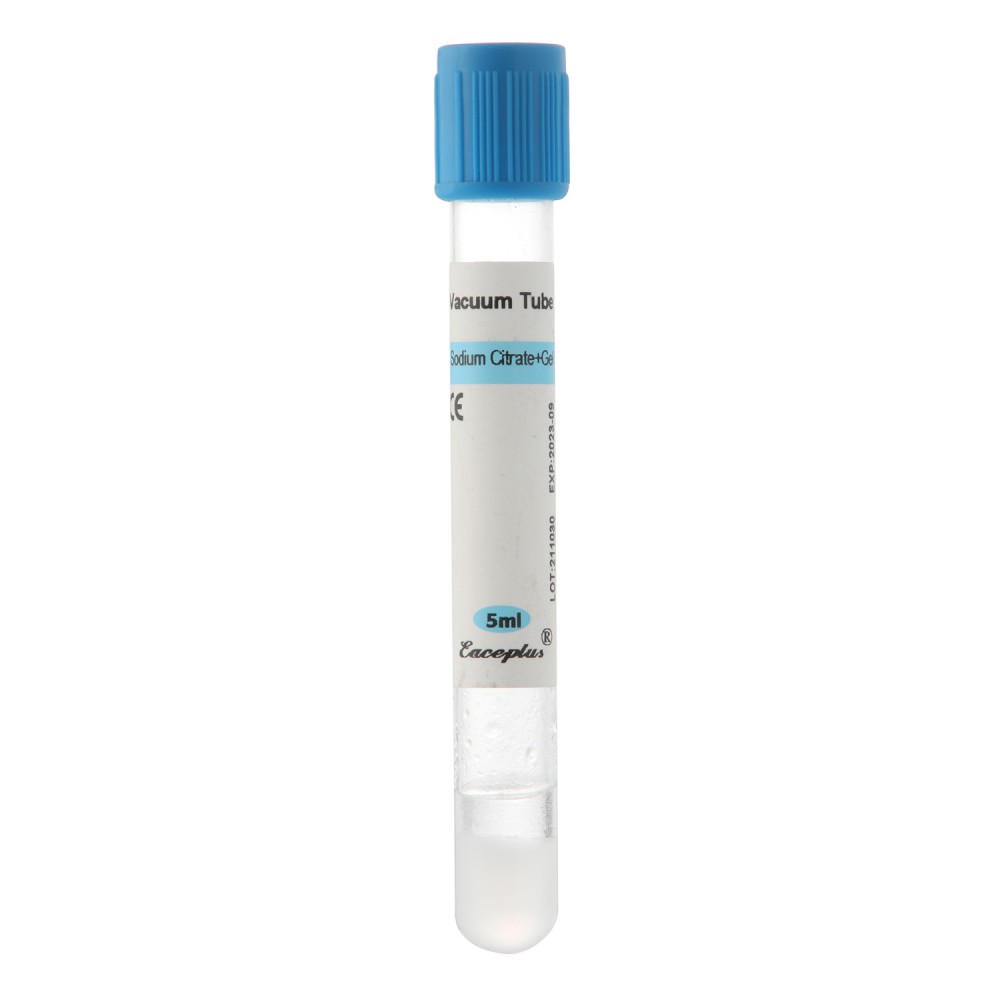
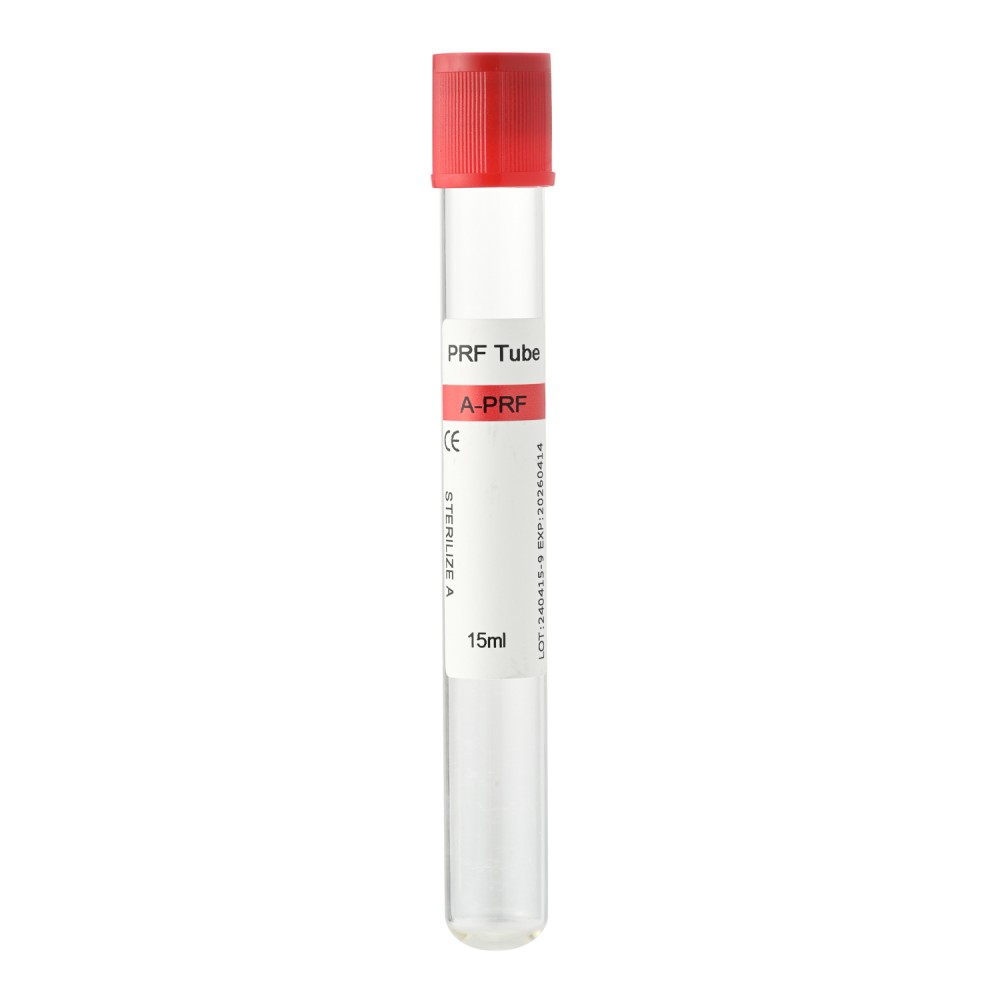
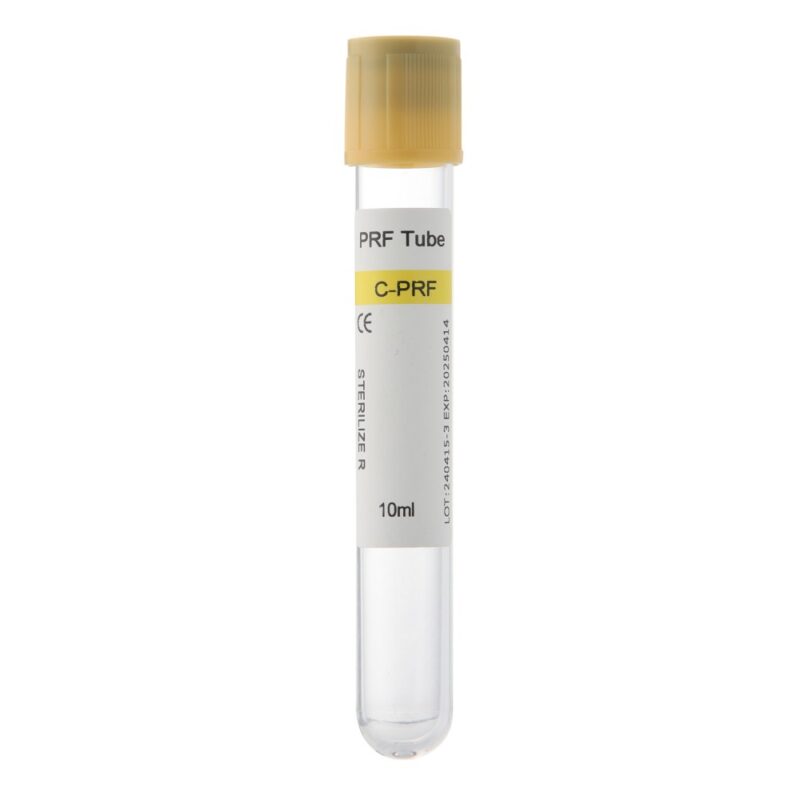
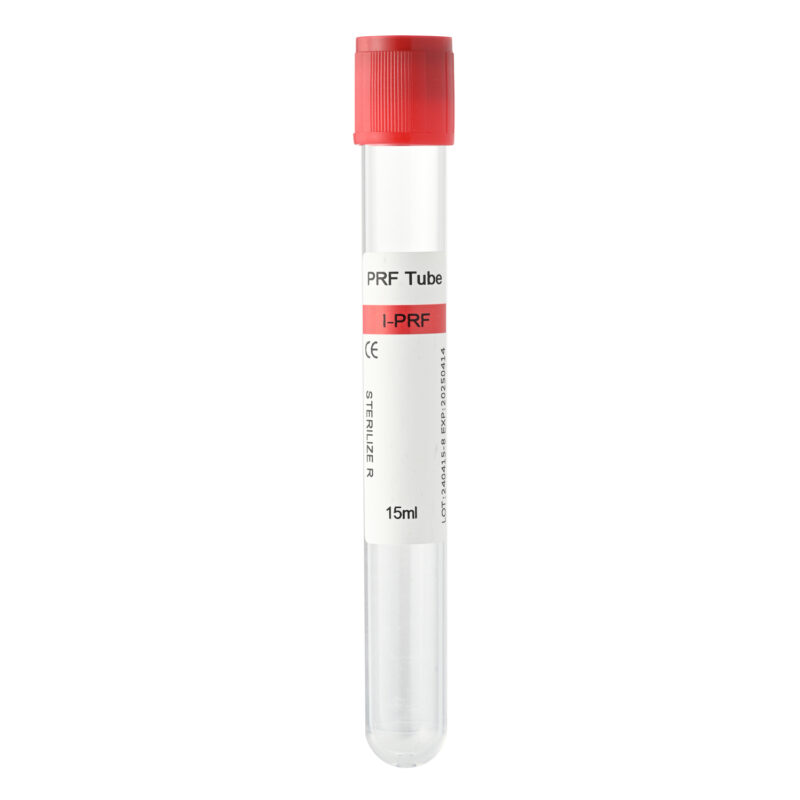
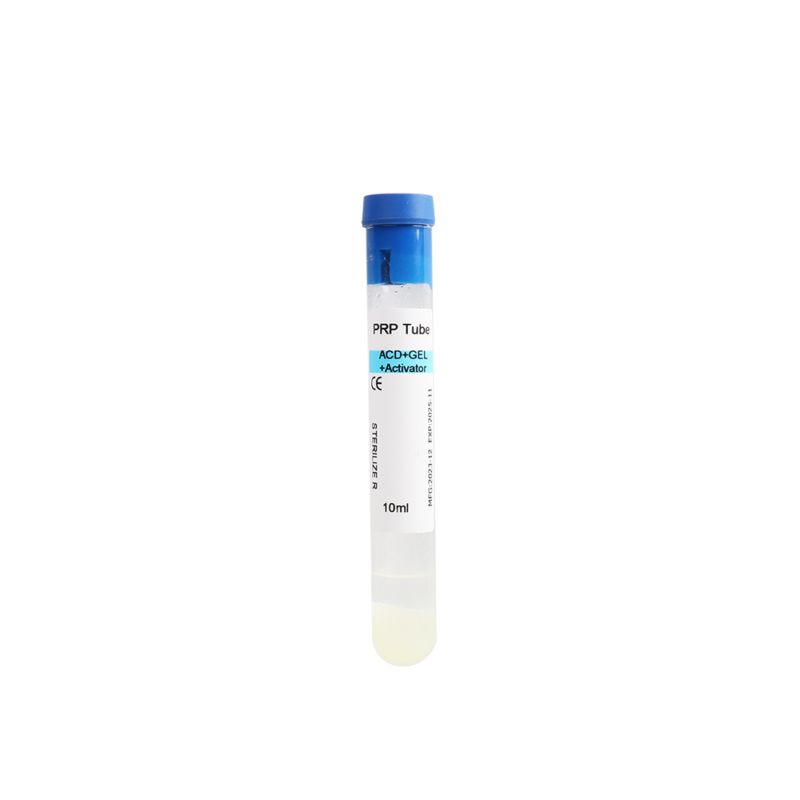
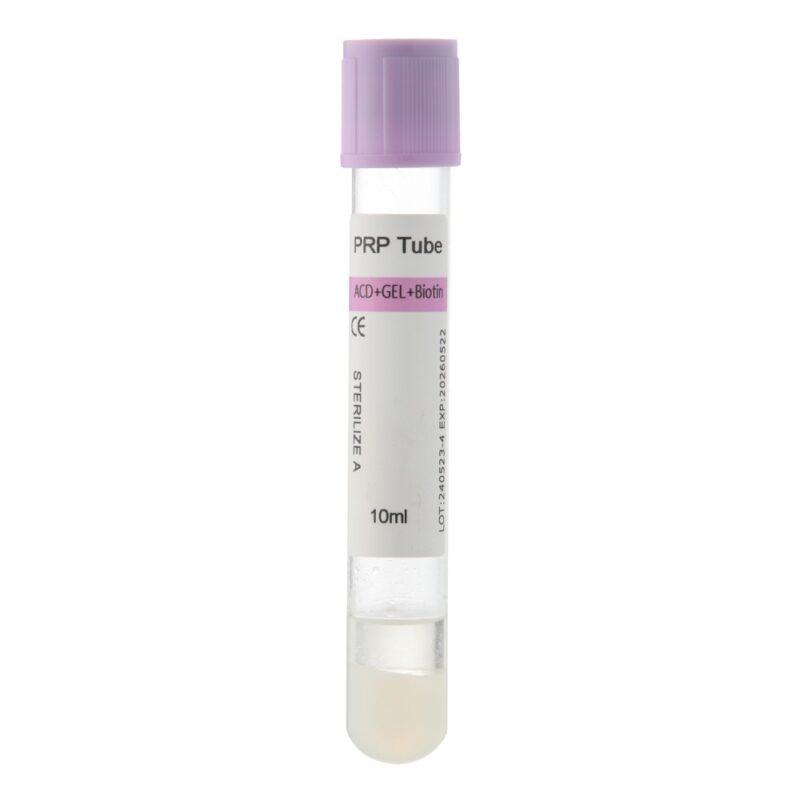
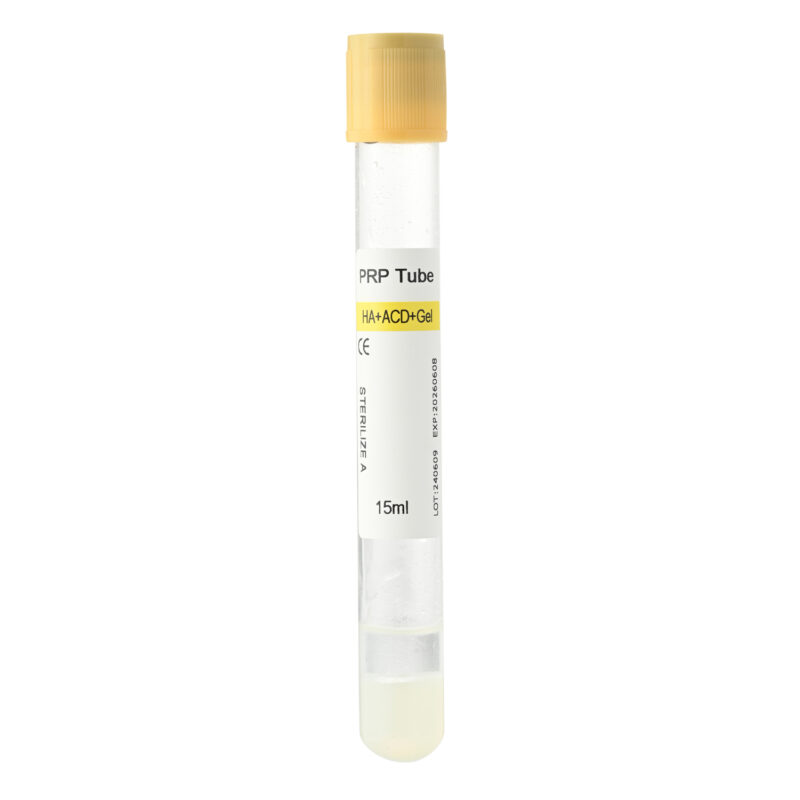
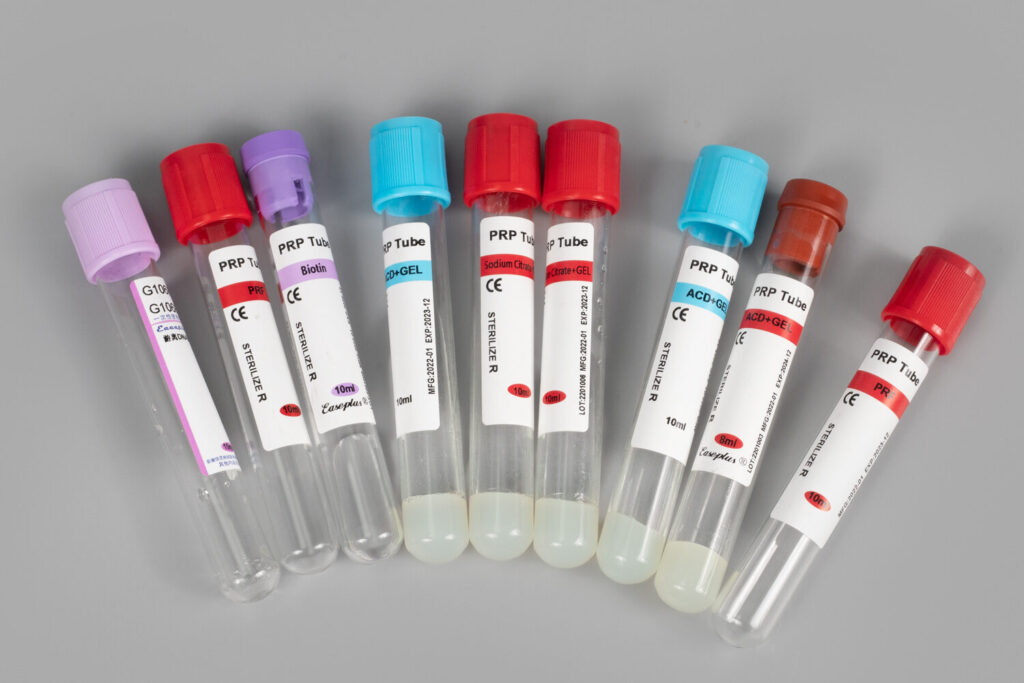
Clinics that perform regenerative treatments often evaluate PRP systems carefully, as preparation consistency significantly impacts the overall workflow.
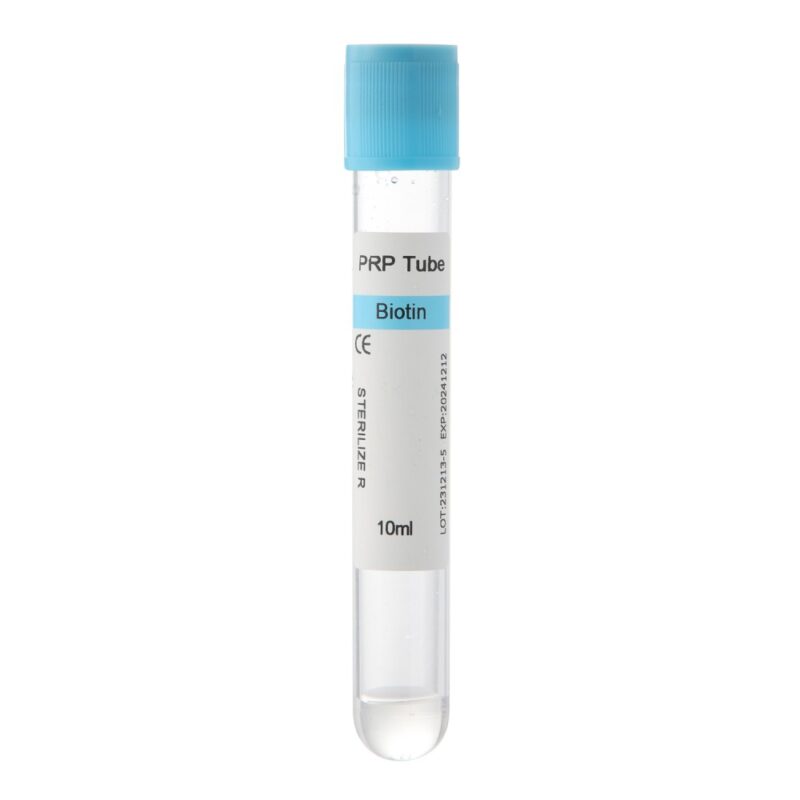
Different PRP applications may require different tube designs or processing methods. Hair restoration procedures, facial aesthetics, and orthopedic injections may all have slightly different preparation preferences depending on platelet concentration goals and injection style.
Some clinics also prefer systems designed specifically for regenerative medicine because they help standardize preparation results across multiple procedures.
Reliable preparation is not only important for treatment outcomes, but it also helps practitioners maintain procedural consistency from patient to patient.
Tip 4: Use Pain-Reduction Strategies During PRP Therapy
Small comfort-focused strategies during the procedure can significantly improve the patient experience.
Apply Gentle Distraction Techniques
Conversation, breathing guidance, or relaxation coaching can help reduce procedural anxiety.
Use Cooling Methods Carefully
In some aesthetic procedures, cooling techniques may temporarily reduce surface discomfort before injections.
Allow Breaks During Large Treatment Areas
For procedures involving many injection points, short pauses can help patients stay relaxed.
Position Patients Comfortably
Proper body support reduces muscle tension during orthopedic and scalp procedures.
Monitor Patient Feedback Continuously
Checking in with patients throughout the procedure helps practitioners adjust technique if necessary.
Patients appreciate practitioners who prioritize comfort rather than rushing through treatment. Even small adjustments can improve overall satisfaction significantly.

Tip 5: Improve Post-PRP Recovery and Aftercare
Patient comfort continues after the injection is complete. Proper aftercare guidance helps reduce unnecessary discomfort and improves the overall treatment experience.
Explain Normal Recovery Symptoms
Mild swelling, tightness, redness, or soreness are common after PRP injections. Patients are usually more comfortable when they understand these reactions are temporary.
Avoid Aggressive Physical Activity Initially
Depending on the treatment area, practitioners may recommend short-term activity modification.
Encourage Proper Hydration and Nutrition
Supporting circulation and recovery may help patients feel better during the post-treatment period.
Avoid Certain Anti-Inflammatory Medications
Many clinics recommend limiting NSAID use temporarily because PRP relies on a controlled healing response.
Provide Clear Follow-Up Instructions
Patients who know when to contact the clinic feel more confident during recovery.
A positive recovery experience often shapes whether patients are willing to continue future PRP sessions.
For clinics researching regenerative medicine consumables or learning more about PRP preparation systems, additional information can be found through Siny PRP.
FAQ About PRP Injection Comfort
Are PRP injections painful?
Most patients describe PRP injections as mildly uncomfortable rather than severely painful. The level of discomfort depends on the treatment area and injection technique.
Which PRP treatment areas are most sensitive?
Scalp treatments and certain orthopedic injections are often considered more sensitive because of nerve density and tissue inflammation.
Can numbing cream reduce PRP pain?
Yes. Topical anesthetics are commonly used in facial and hair restoration procedures to improve comfort.
Why do some patients feel sore after PRP injections?
PRP stimulates a healing response, which may temporarily cause mild inflammation, pressure, or soreness.
Does injection speed affect pain?
Yes. Slow and controlled injections are generally more comfortable than rapid injections.
How long does discomfort last after PRP therapy?
Most mild soreness improves within a few hours to several days, depending on the treatment area and procedure intensity.
Final Thoughts
Improving patient comfort during PRP therapy requires a combination of good technique, careful preparation, clear communication, and thoughtful aftercare. In many cases, small procedural improvements can dramatically change how patients experience treatment.
As PRP therapy continues expanding across regenerative medicine, clinics that focus on both treatment quality and patient comfort are more likely to build long-term trust and satisfaction.