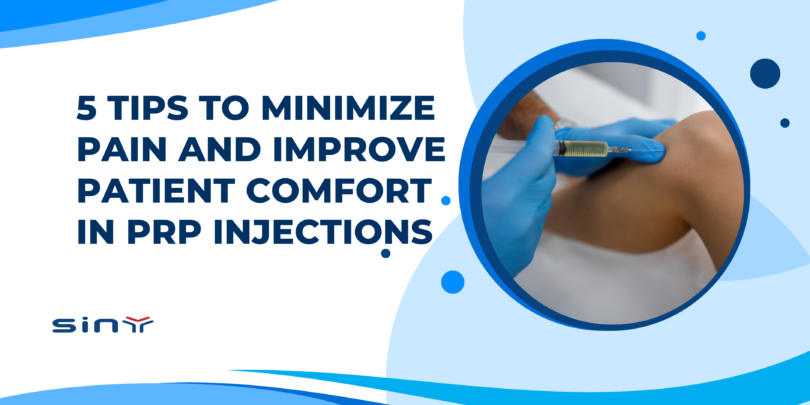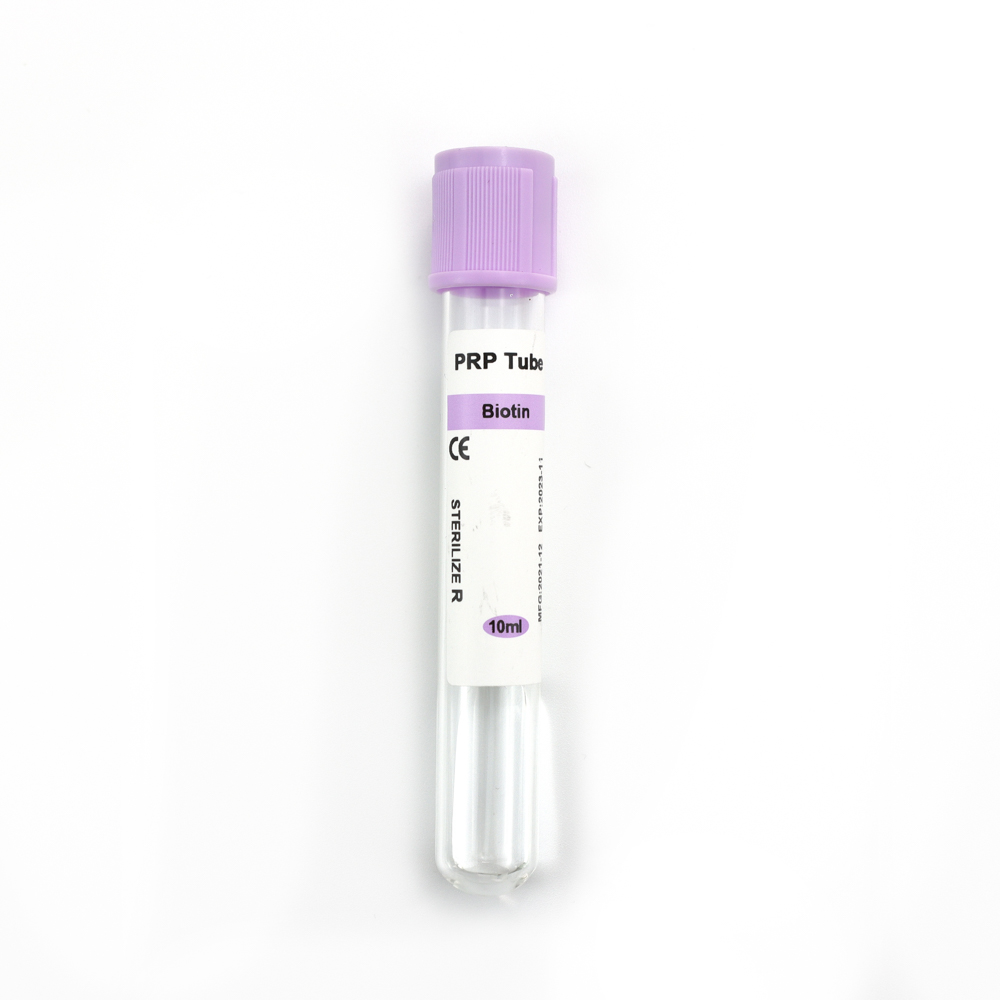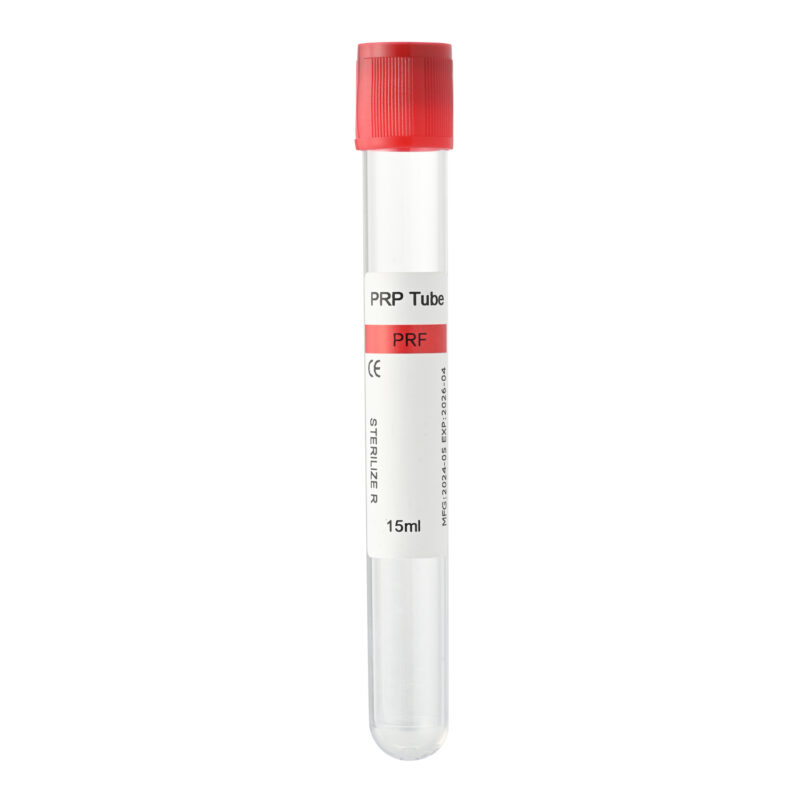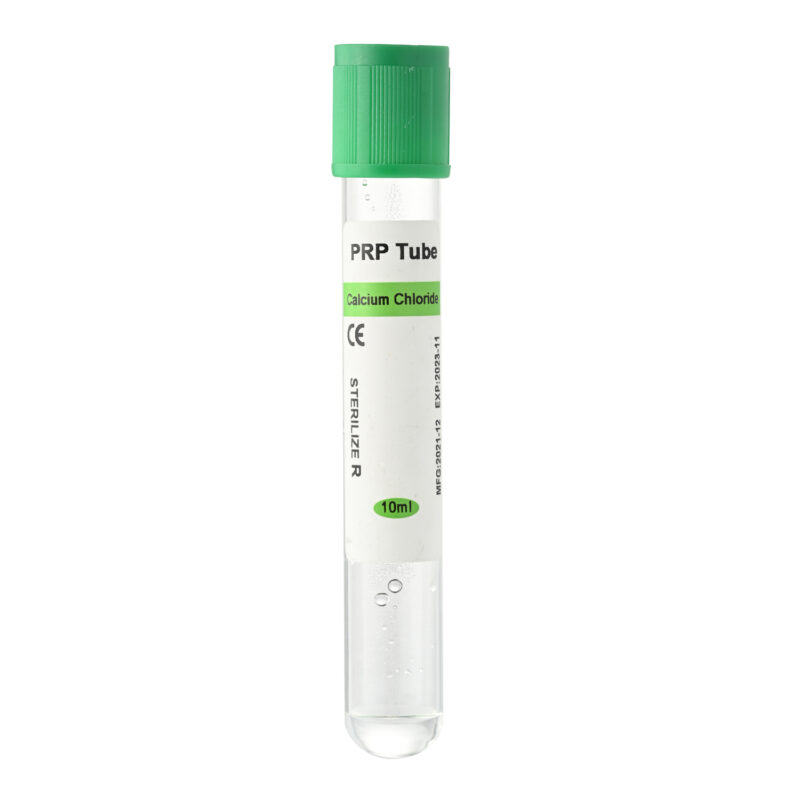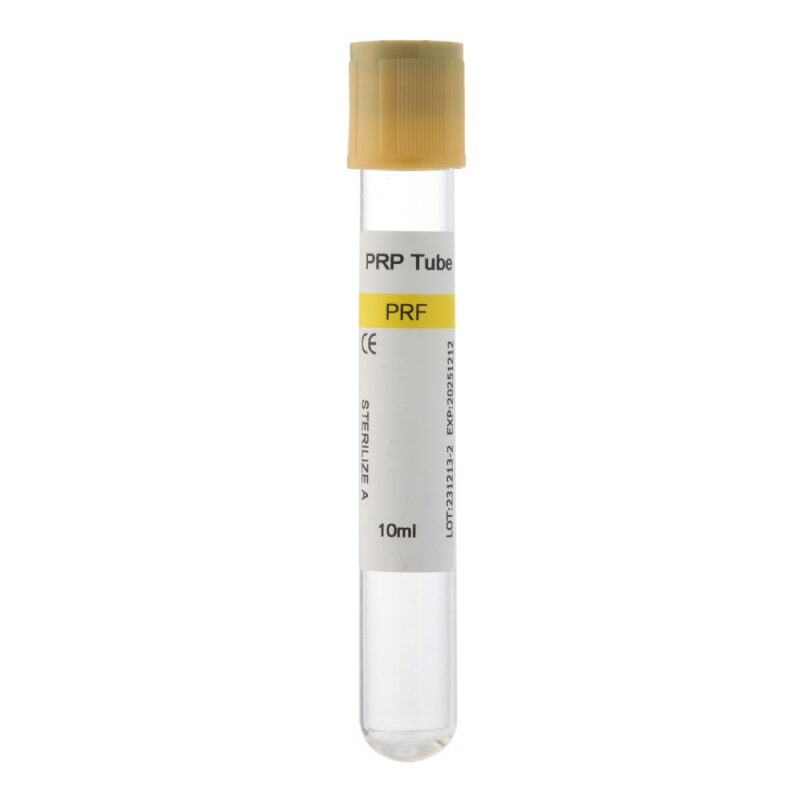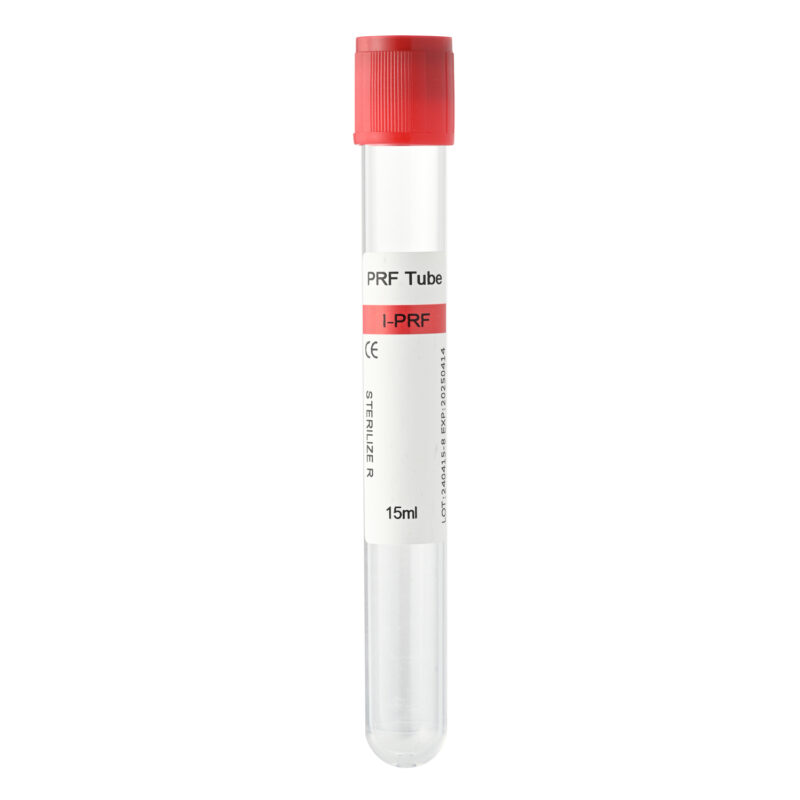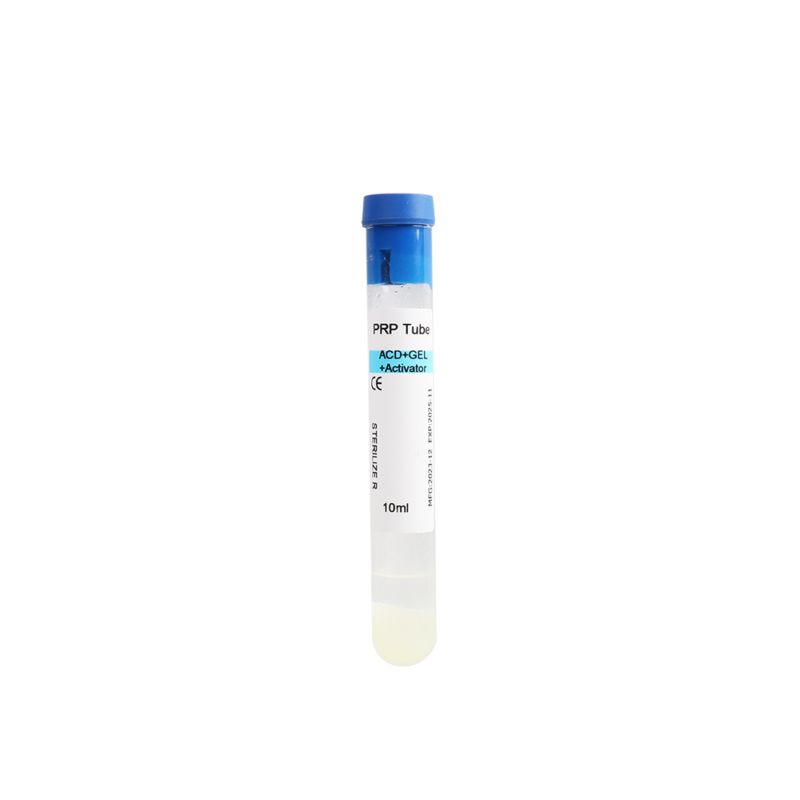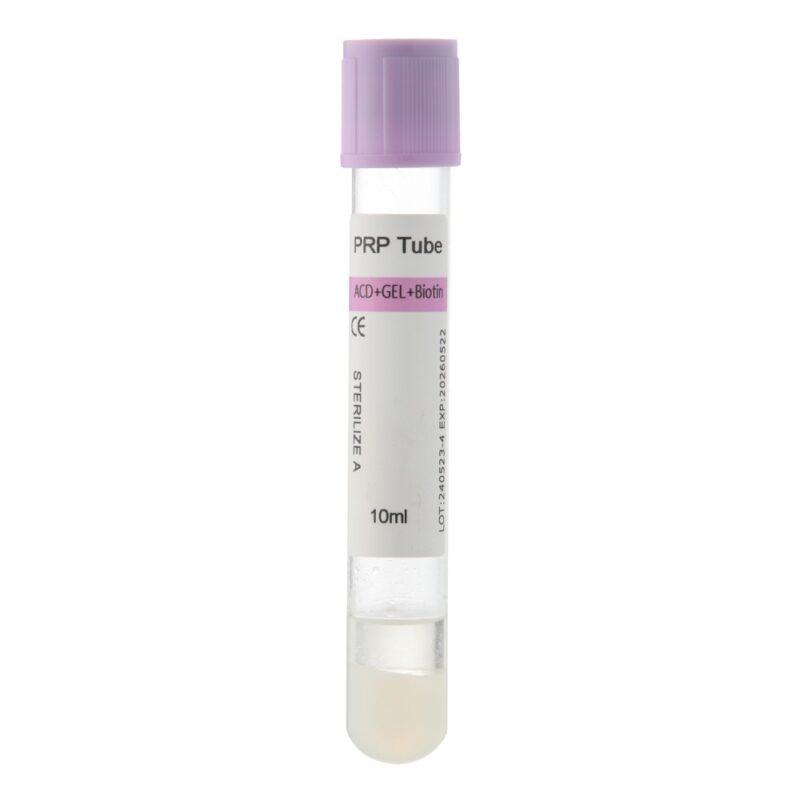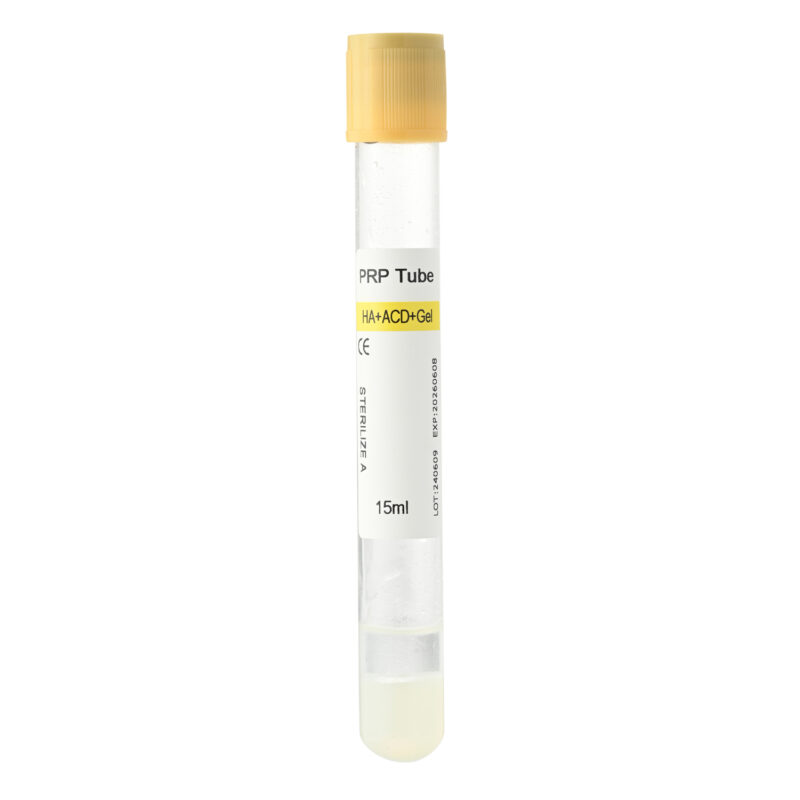
When people search for how to prepare PRP, they are usually looking for a simple clinical protocol. But in real practice, PRP preparation is not just about centrifugation—it is highly dependent on the quality of the PRP tube, anticoagulant system, and separation design.
For clinics, laboratories, and distributors, understanding the full preparation process—and what affects the final platelet concentration—is essential for achieving consistent results.
In this guide, we’ll walk through the complete PRP preparation process step by step, while also highlighting the key factors that directly impact performance and product selection.
What Is PRP?
Before diving deeper into how to prepare PRP, it’s important to understand what PRP actually is and why it has become so widely used in modern medicine.
PRP, or Platelet-Rich Plasma, is a concentration of platelets derived from a patient’s own blood. These platelets contain a high level of growth factors, which play a critical role in tissue repair, cell regeneration, and healing processes. Compared to whole blood, properly prepared PRP can contain several times the baseline platelet concentration.
Because of these properties, PRP is now widely used in:
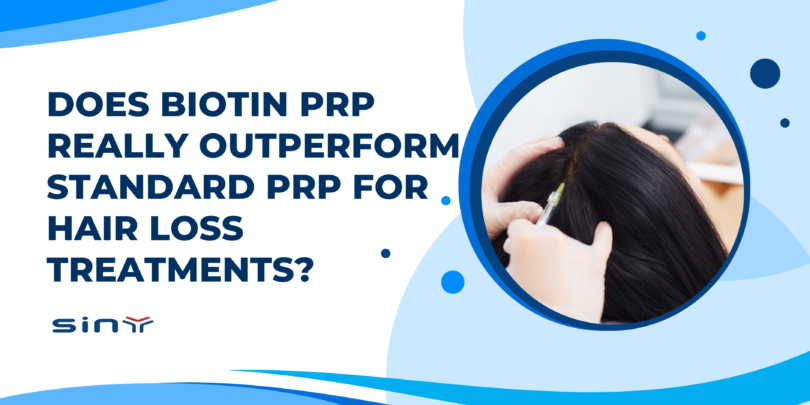
- Hair restoration treatments
- Orthopedic and sports medicine
- Dental and oral surgery
- Aesthetic and skin rejuvenation procedures
However, the effectiveness of PRP is highly dependent on how it is prepared. Variations in centrifugation protocols, tube systems, and anticoagulants can significantly impact platelet concentration and purity.
Step-by-Step Process: How to Prepare PRP Properly
Step 1: Blood Collection Using PRP Tubes
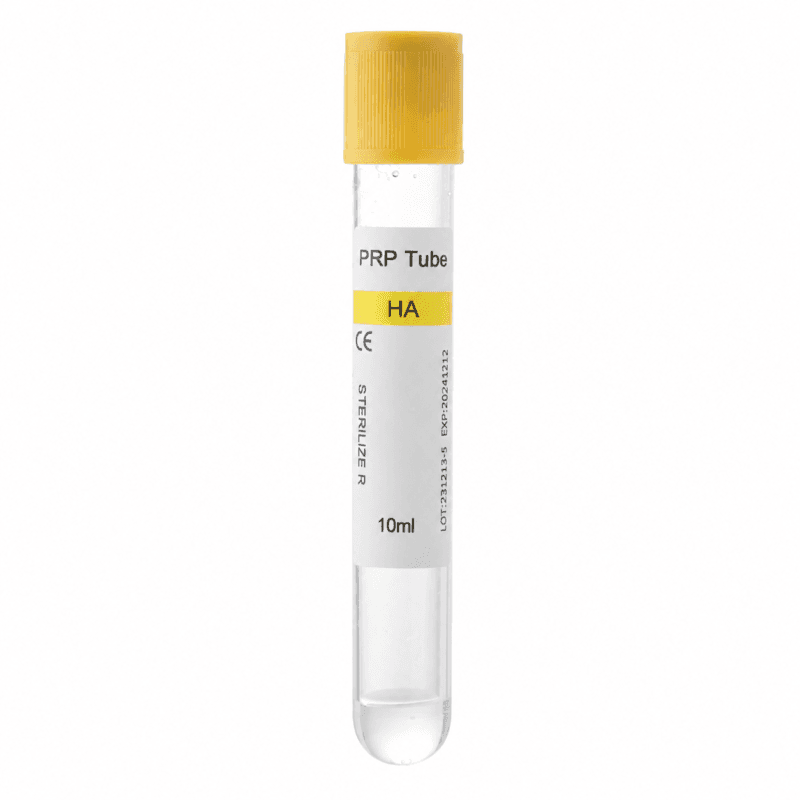
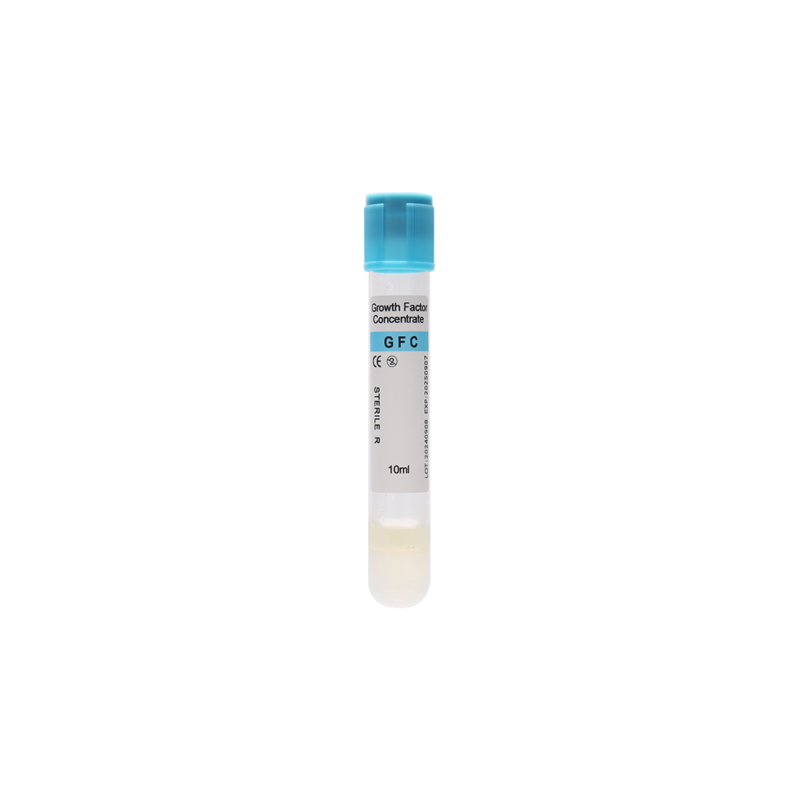
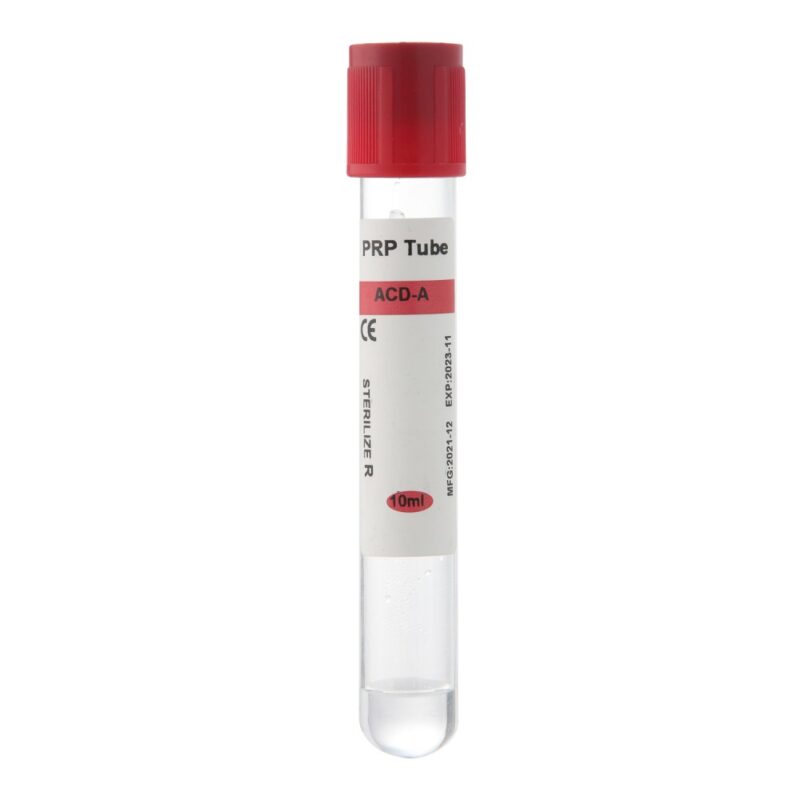
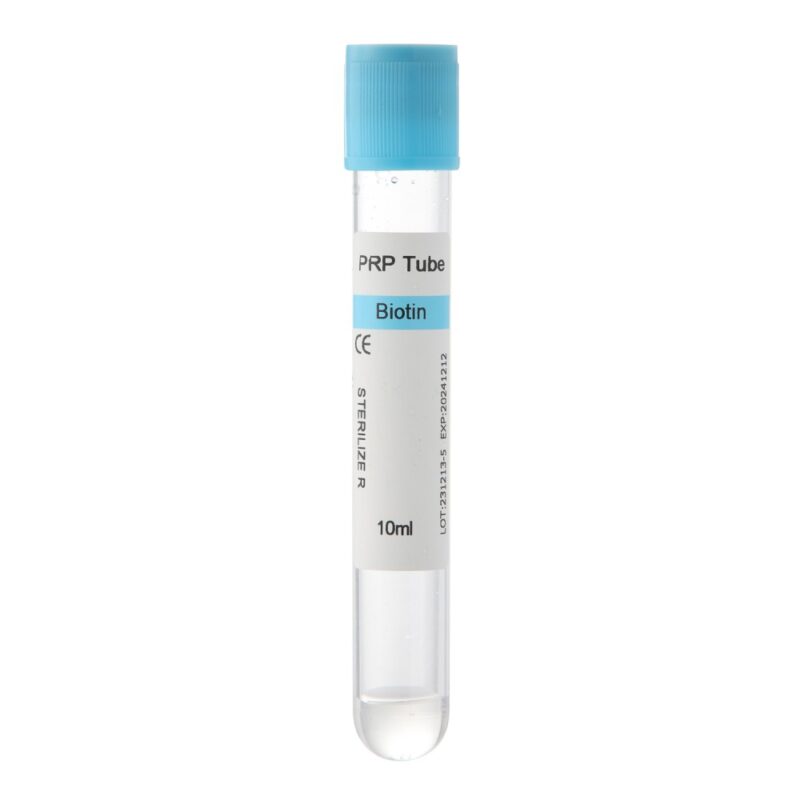
The first step in how to prepare PRP is venous blood collection. Typically, 10–20 ml of blood is drawn from the patient and immediately transferred into a specialized PRP tube.
Unlike standard vacuum tubes, PRP tubes are designed with:
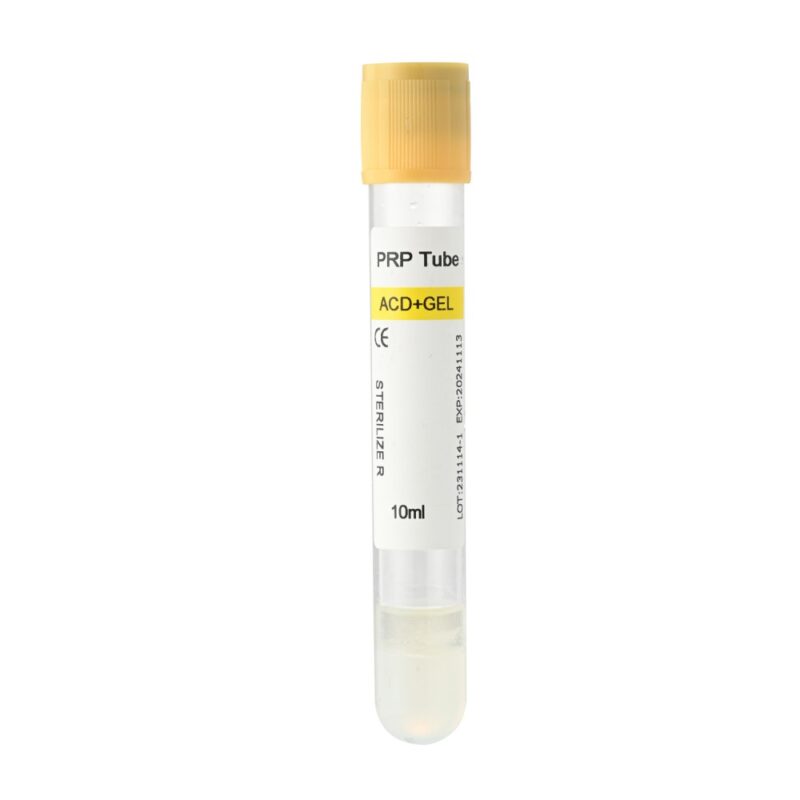
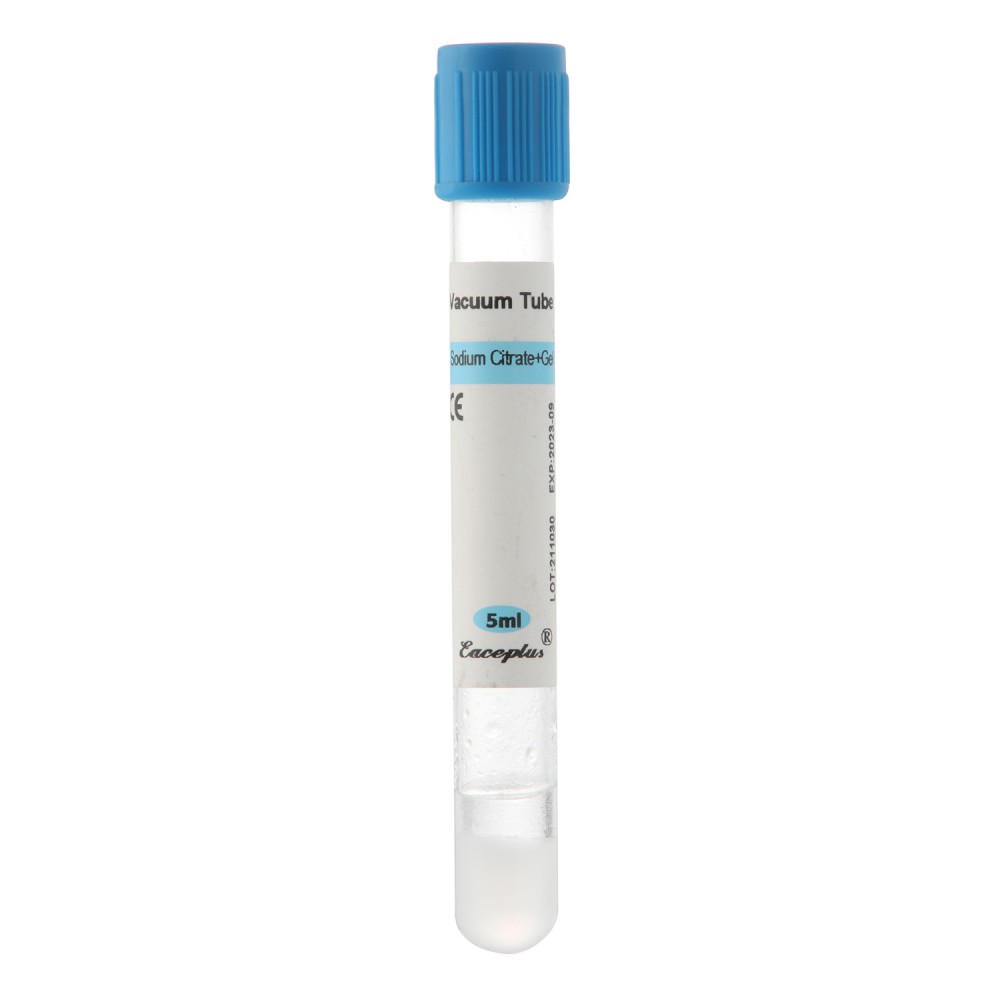
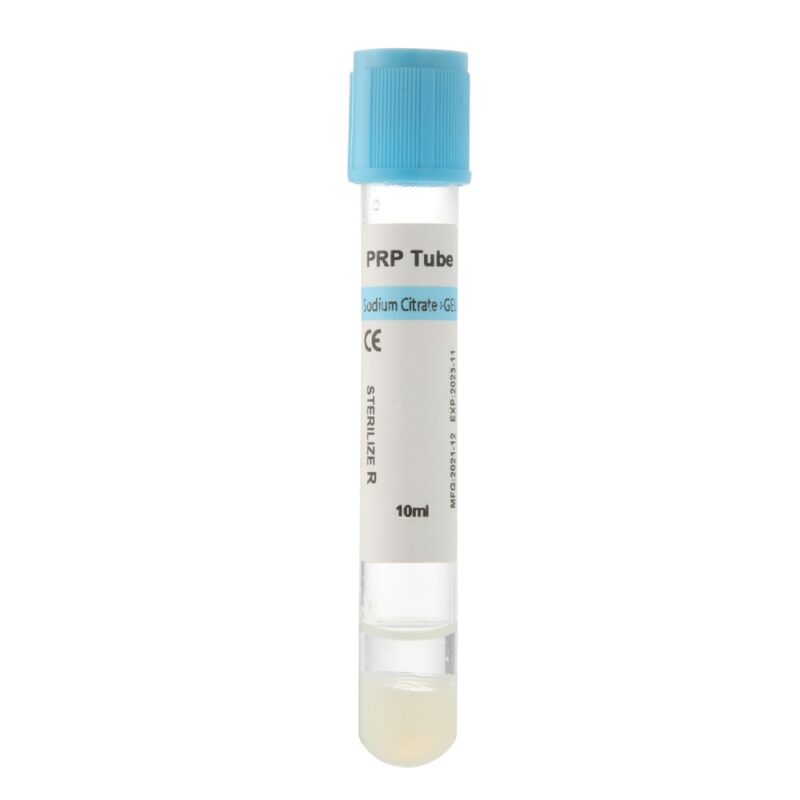
- Anticoagulants (such as ACD-A or Sodium Citrate)
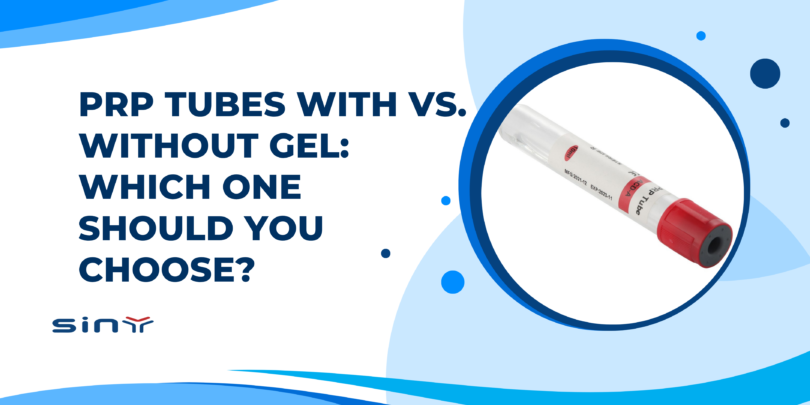
- Optional separator gel
- Sterile, non-pyrogenic materials
These components prevent premature clotting and preserve platelet viability during processing.
Step 2: Centrifugation – The Core of PRP Preparation
Centrifugation is the most critical step in how to prepare PRP, as it separates blood components based on density.
Typical centrifugation parameters:
- Speed: 3000–4000 rpm
- Time: 5–10 minutes
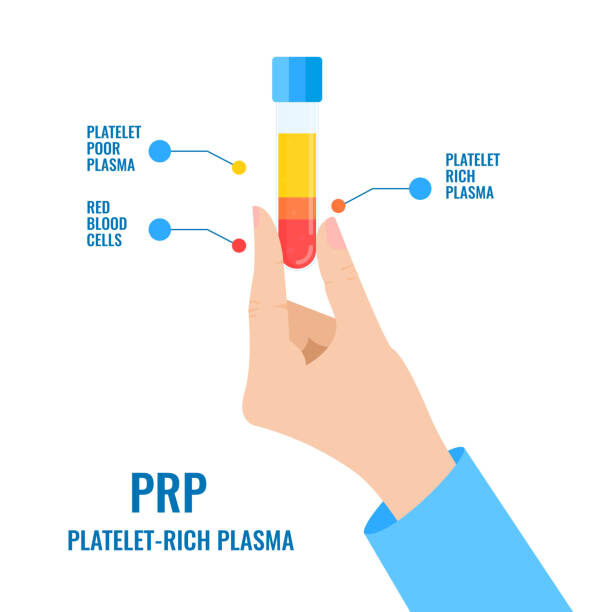
After centrifugation, the blood separates into three layers:
- Red blood cells (bottom)
- Platelet-rich plasma (middle)
- Platelet-poor plasma (top)
High-quality PRP tubes—such as ACD + Gel PRP Tube or Sodium Citrate Gel Ha PRP Tube—help maintain a clear separation boundary, reducing contamination between layers.
Step 3: PRP Extraction and Collection
After centrifugation, the PRP layer is carefully extracted using a syringe or pipette.
This step requires:
- Precision handling
- Clear layer visibility
- Stable gel barrier (if present)
Poor-quality tubes often result in:
- Mixed layers
- Low platelet yield
- Inconsistent concentration
Step 4: Activation (Optional but Common)
In some protocols, PRP is activated before application using agents such as:
- Calcium chloride
- Thrombin
Activation triggers platelets to release growth factors, making PRP more effective in:
- Hair restoration
- Orthopedic treatments
- Aesthetic procedures
Not all PRP systems require external activation—some advanced tubes are designed to simplify this step.

What Affects PRP Quality? (Beyond Just the Process)
Understanding how to prepare PRP is only half the equation. The final outcome depends heavily on material and system design.
Key influencing factors include:
1. Anticoagulant Type
- ACD-A: better platelet preservation.
- Sodium Citrate: commonly used, cost-effective.
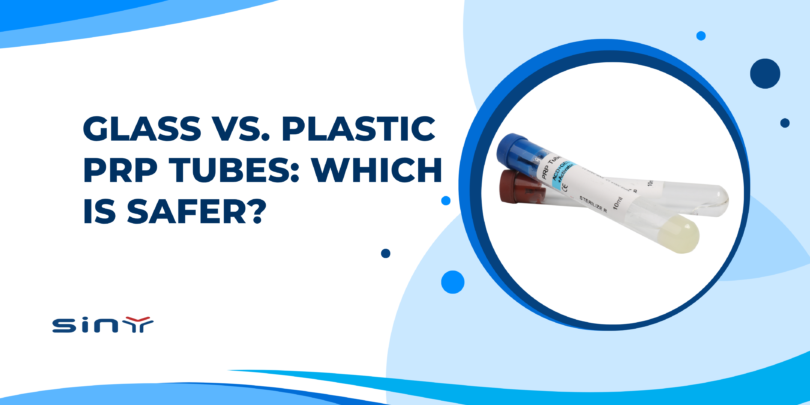
2. Tube Material
- PET: lightweight, stable.
- Glass: better clarity but more fragile.
3. Separator Gel Quality
- Determines layer stability.
- Prevents RBC contamination.
4. Centrifuge Compatibility
- Tube design must match rotor specifications.
If you’re comparing suppliers, these factors matter far more than price alone. For detailed comparisons or samples, contacting Siny PRP can help you evaluate real performance differences.
Choosing the Right System: A Practical Buying Guide
For distributors and procurement teams, selecting a PRP system is often the biggest challenge.
Here’s what experienced buyers usually look for:
- Consistent platelet recovery rate
- Stable gel separation performance
- OEM/private label support
- Reliable supply chain
Many buyers start with trial orders of products like:
If you’re exploring different configurations for your market, Siny PRP offers multiple options tailored for hair, orthopedic, and dental applications—feel free to reach out for a catalog or samples.
FAQ: How to Prepare PRP
1. How long does it take to prepare PRP?
Typically 10–20 minutes, including blood collection and centrifugation.
2. What is the best centrifuge speed for PRP?
Most protocols recommend 3000–4000 rpm, but this depends on tube design and rotor type.
3. Can PRP be prepared without a special tube?
Technically, yes, but the results are inconsistent. Specialized PRP tubes significantly improve separation and platelet concentration.
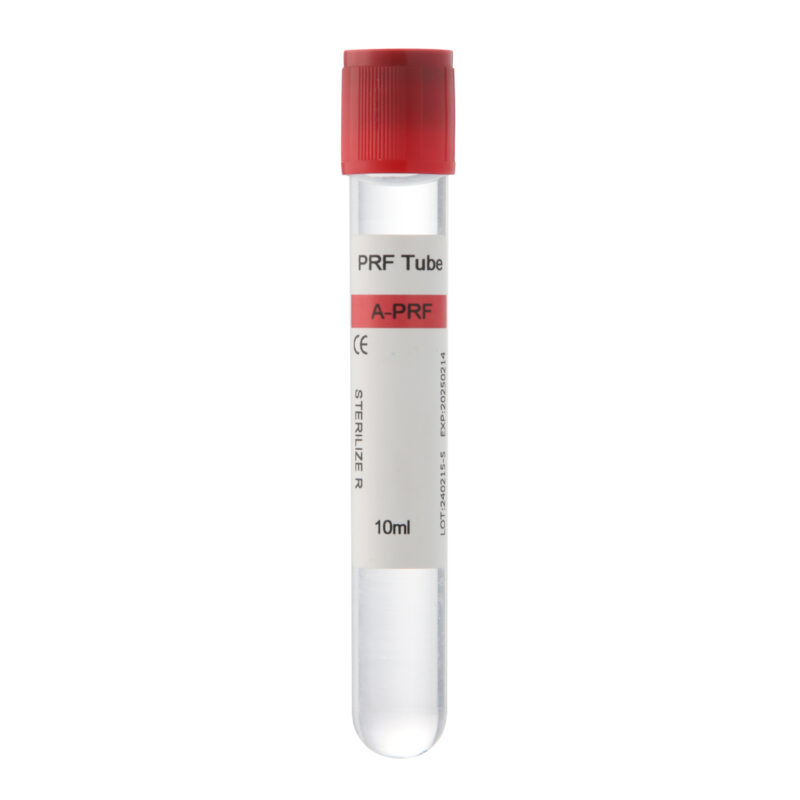
4. What is the difference between PRP and PRF preparation?
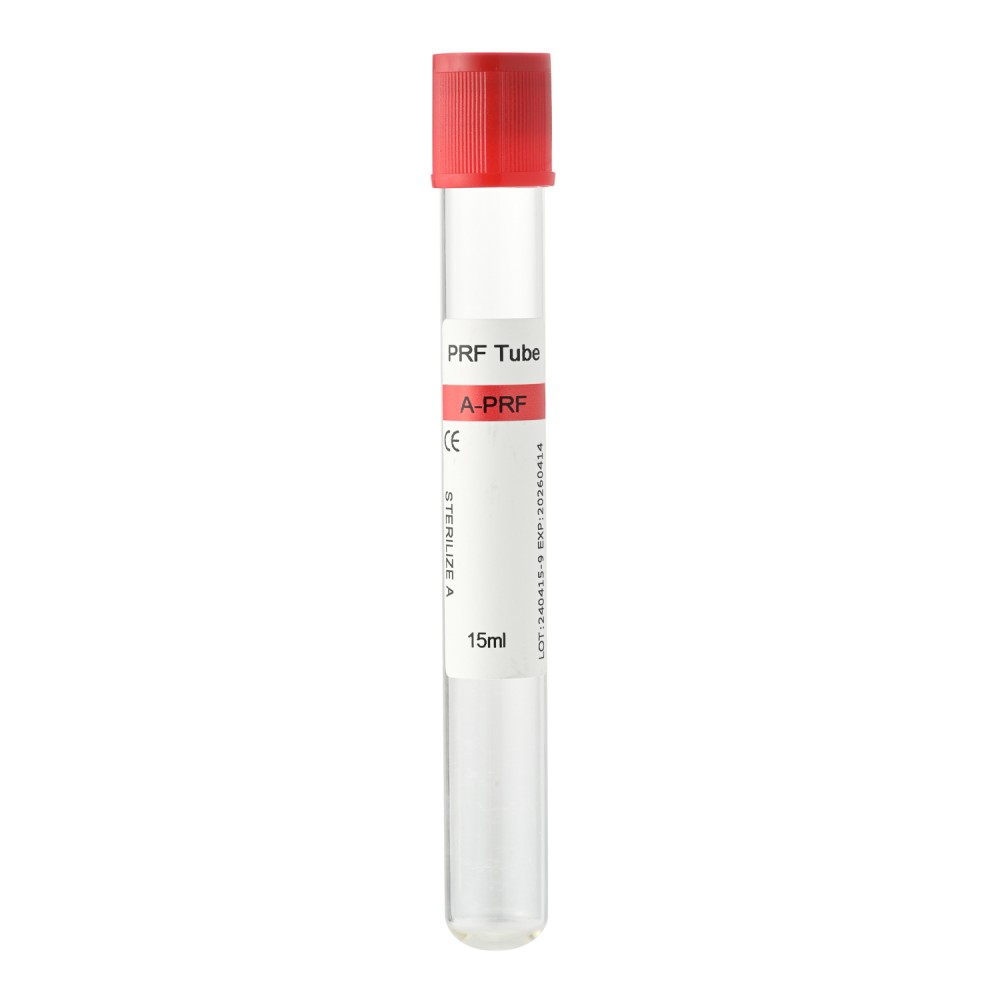
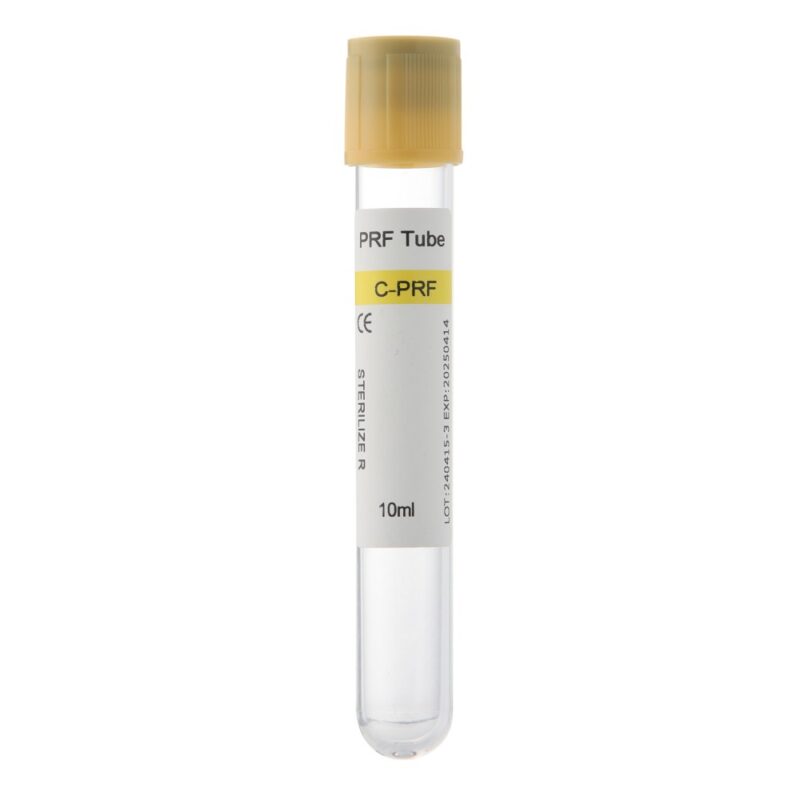
PRP uses anticoagulants and centrifugation, while PRF does not use anticoagulants and forms a fibrin matrix.
5. Why is my PRP yield inconsistent?
Common reasons include:
- Low-quality tubes
- Incorrect centrifuge settings
- Poor separation gel performance
Final Thoughts
Learning how to prepare PRP is not just about following steps—it’s about controlling every variable that affects the final outcome. From anticoagulant selection to tube design, each detail plays a role in achieving consistent, high-quality PRP.
For clinics, this means better treatment results.
For distributors, it means fewer complaints and stronger customer retention.
If you’re currently evaluating PRP tube suppliers or looking to expand your product line, it’s worth taking a closer look at system design and performance consistency—not just pricing. And if you need technical support or product recommendations, the Siny PRP team is always ready to help you find the right solution.