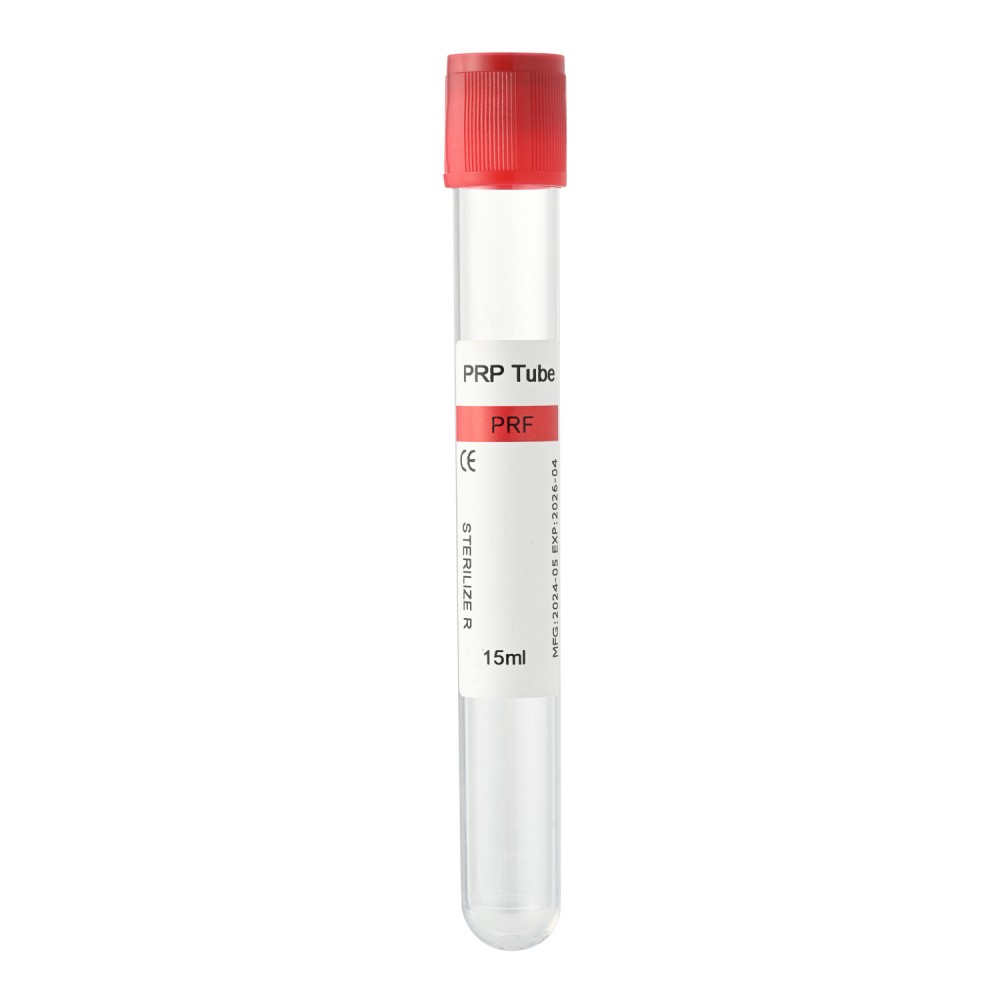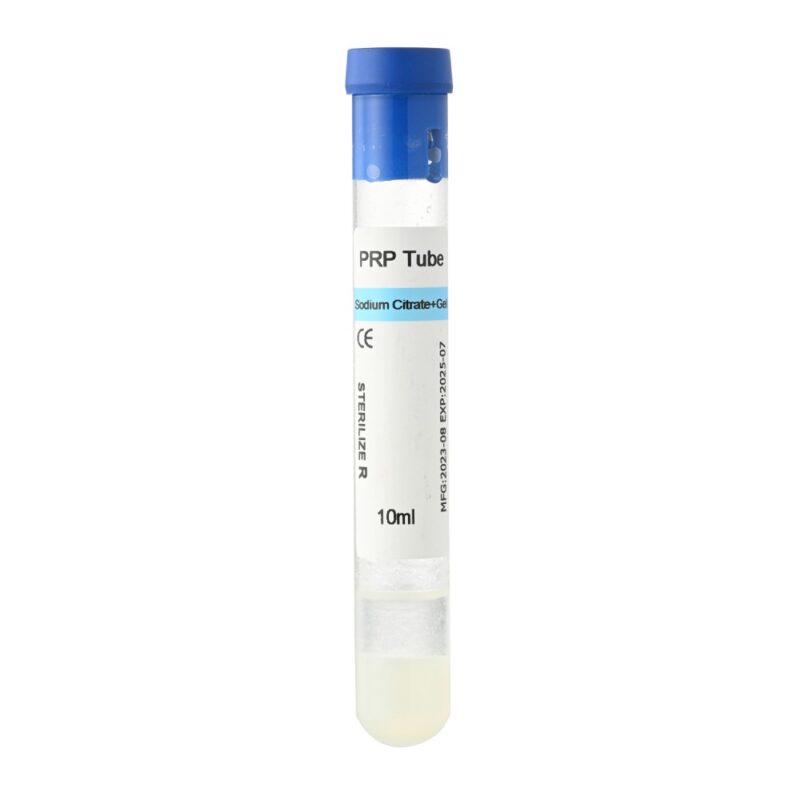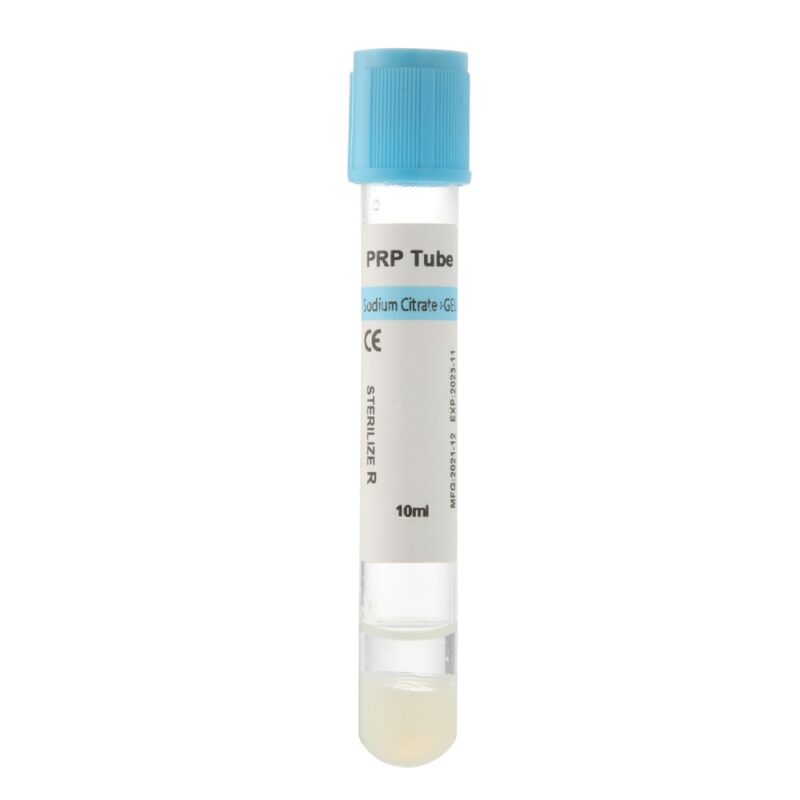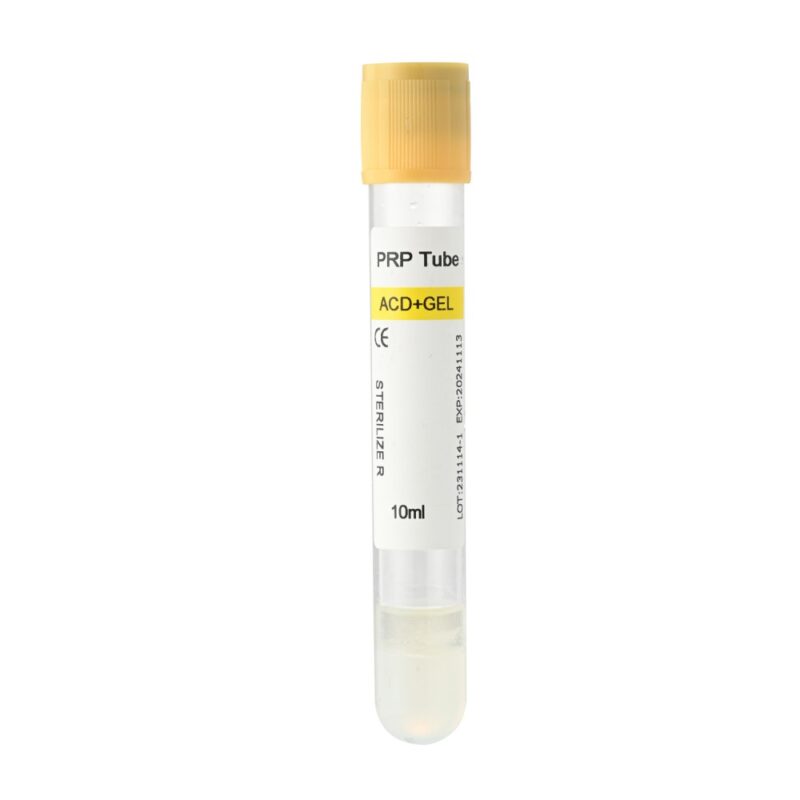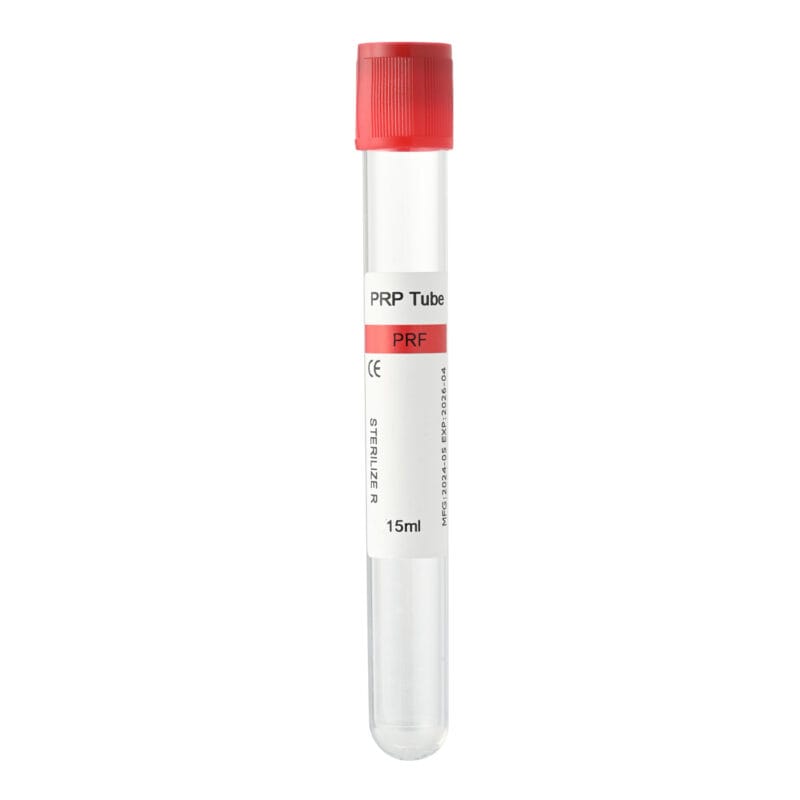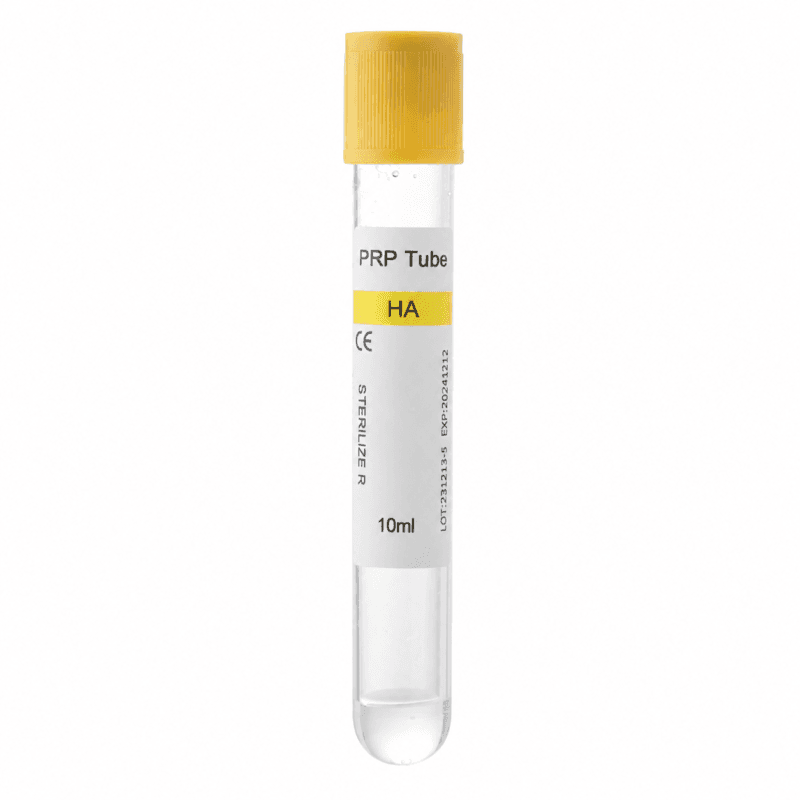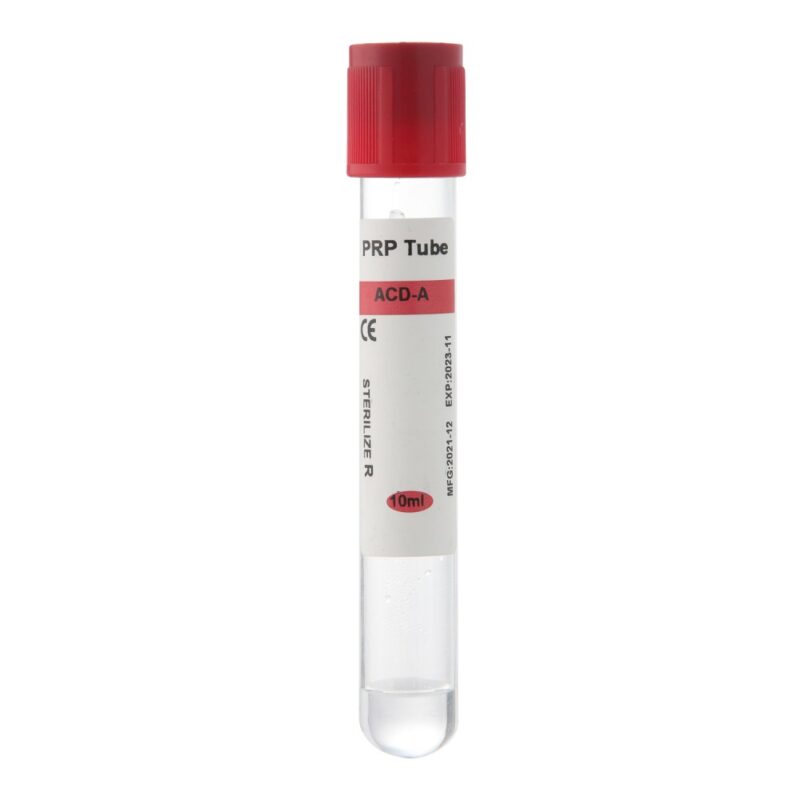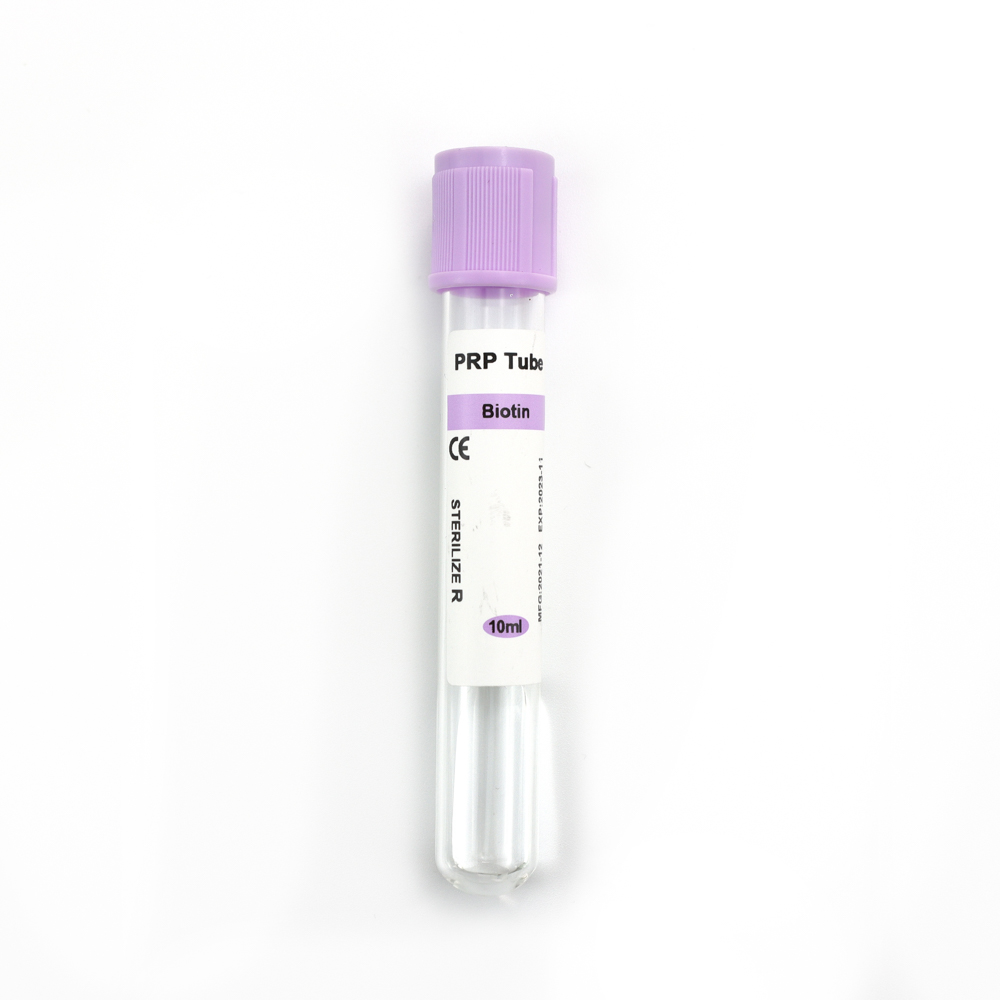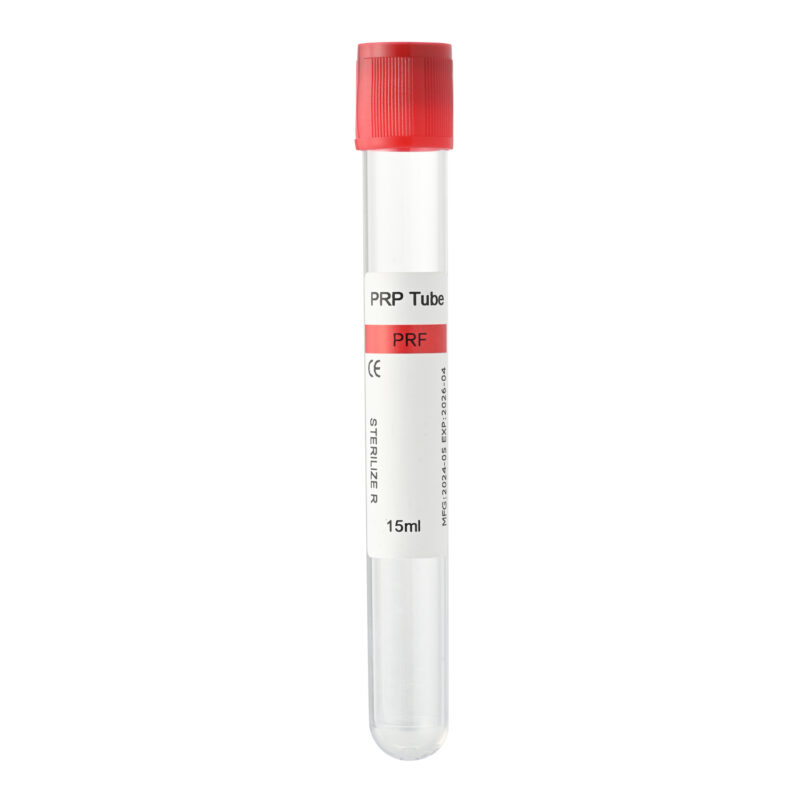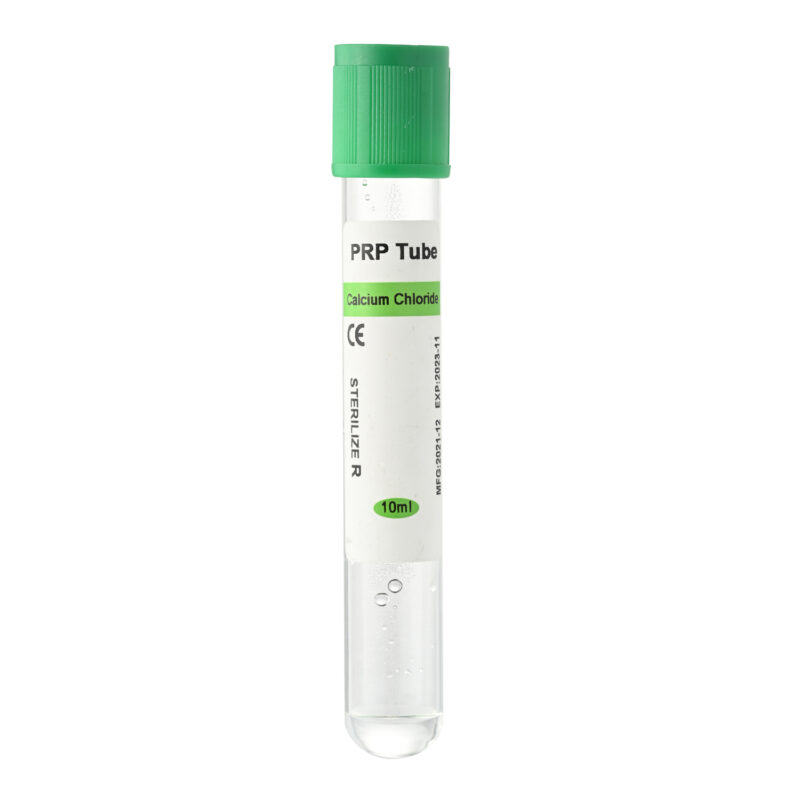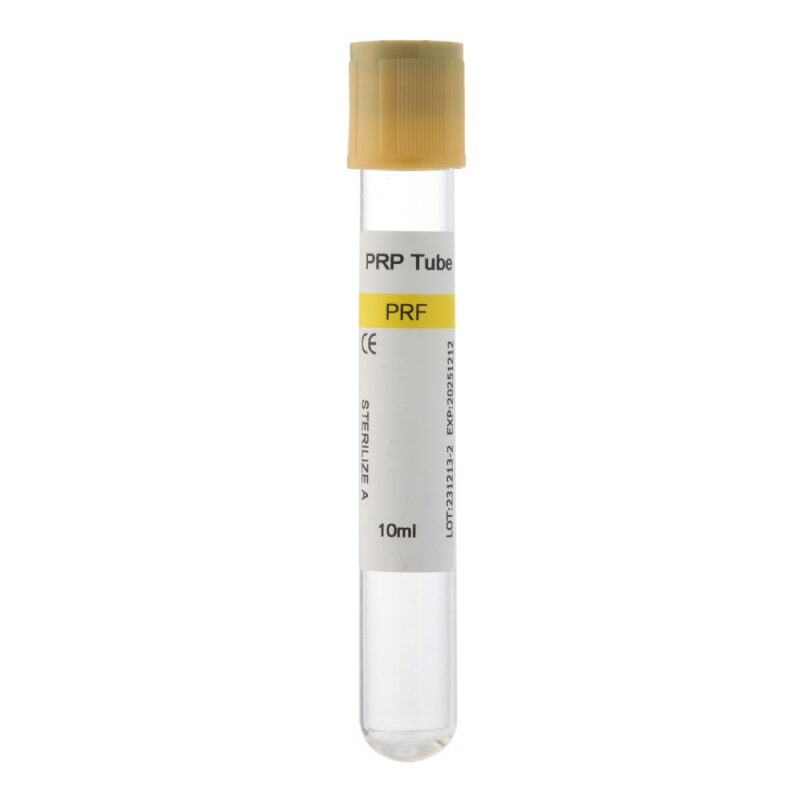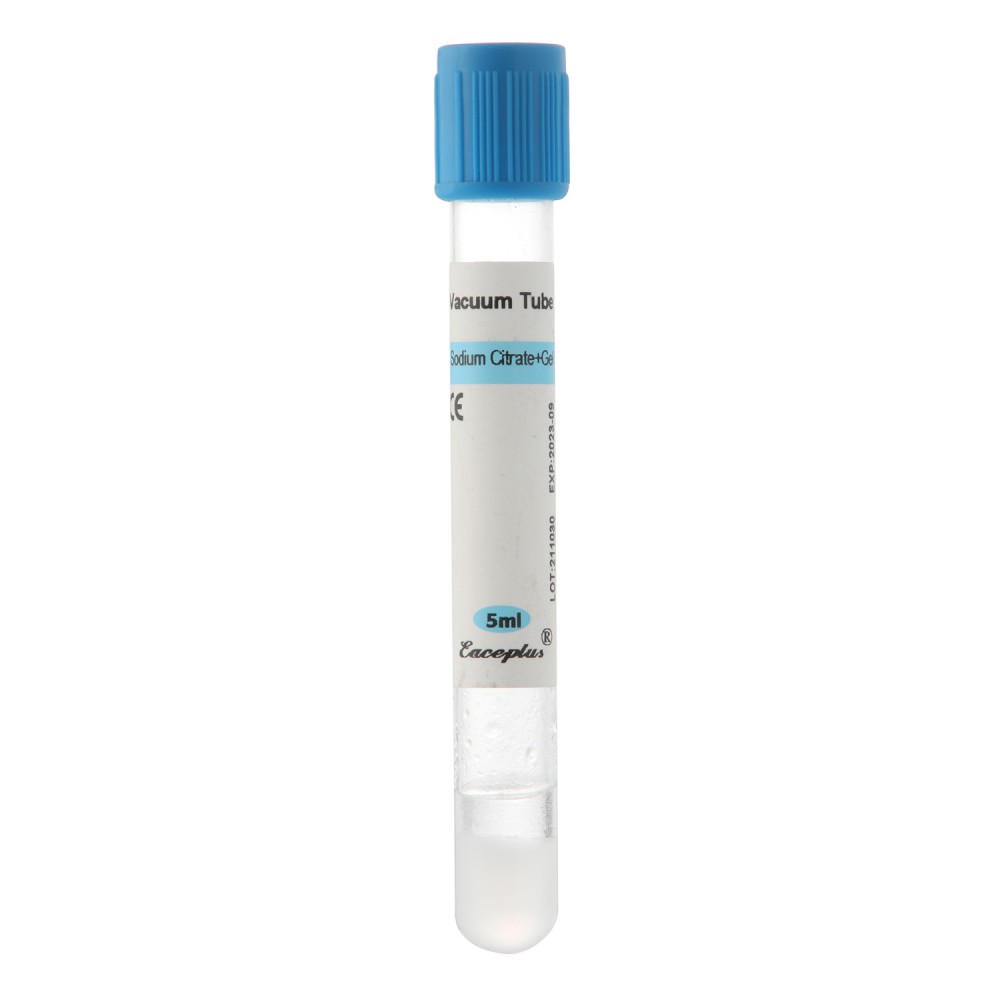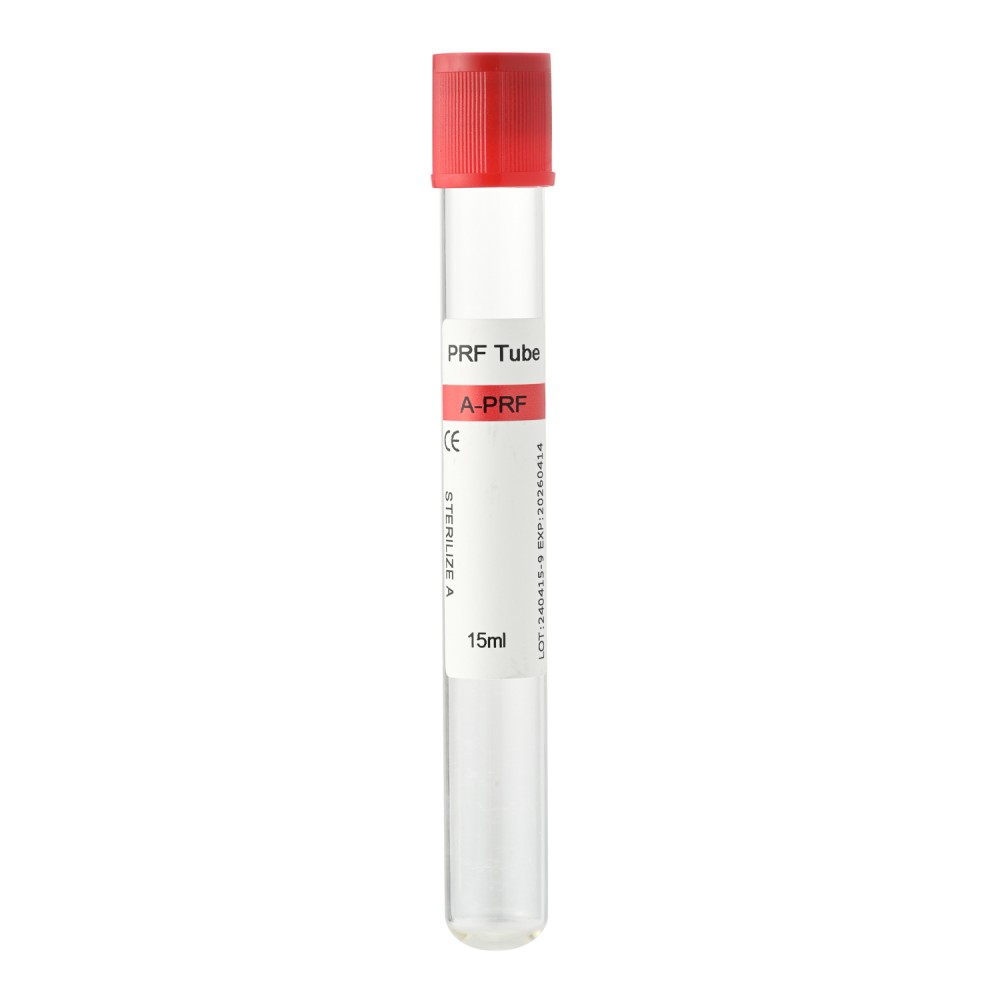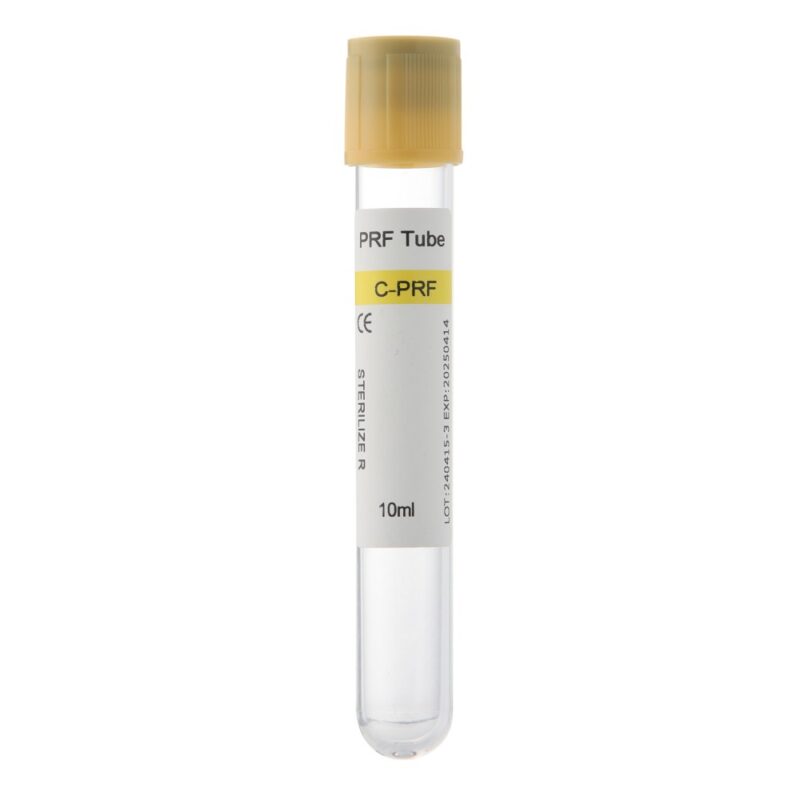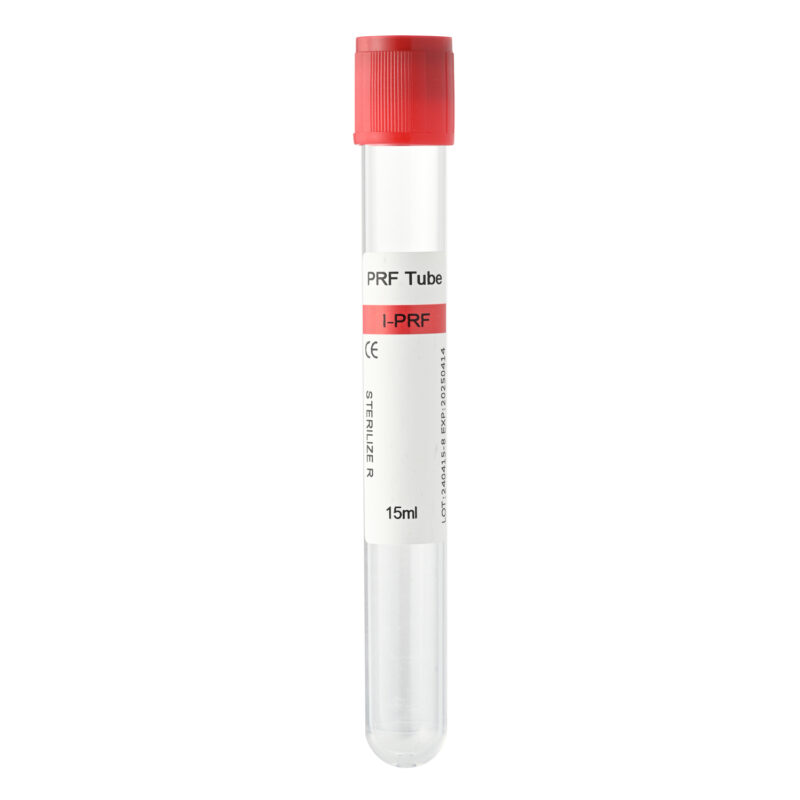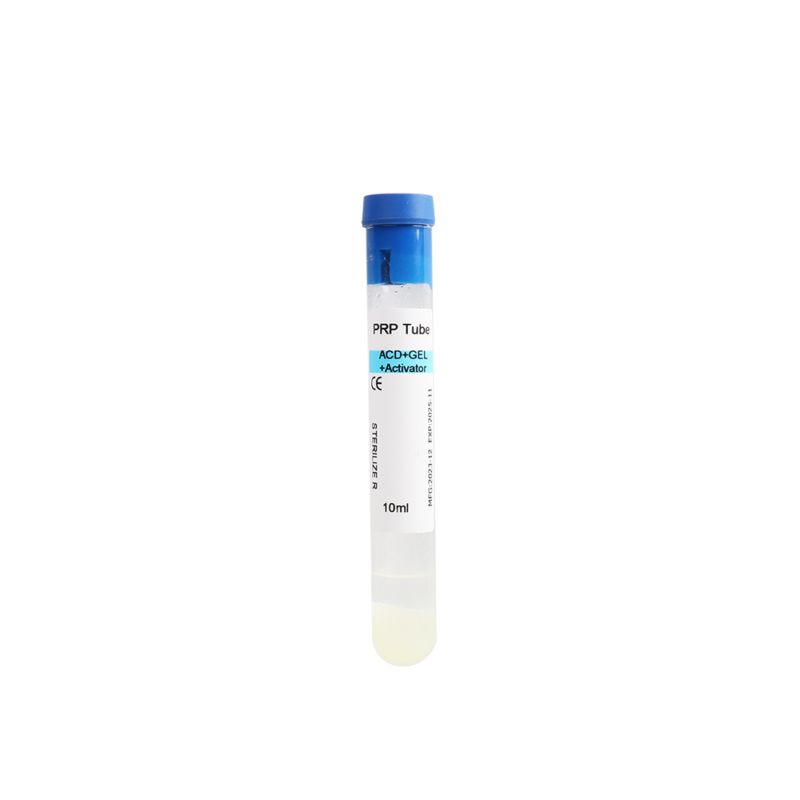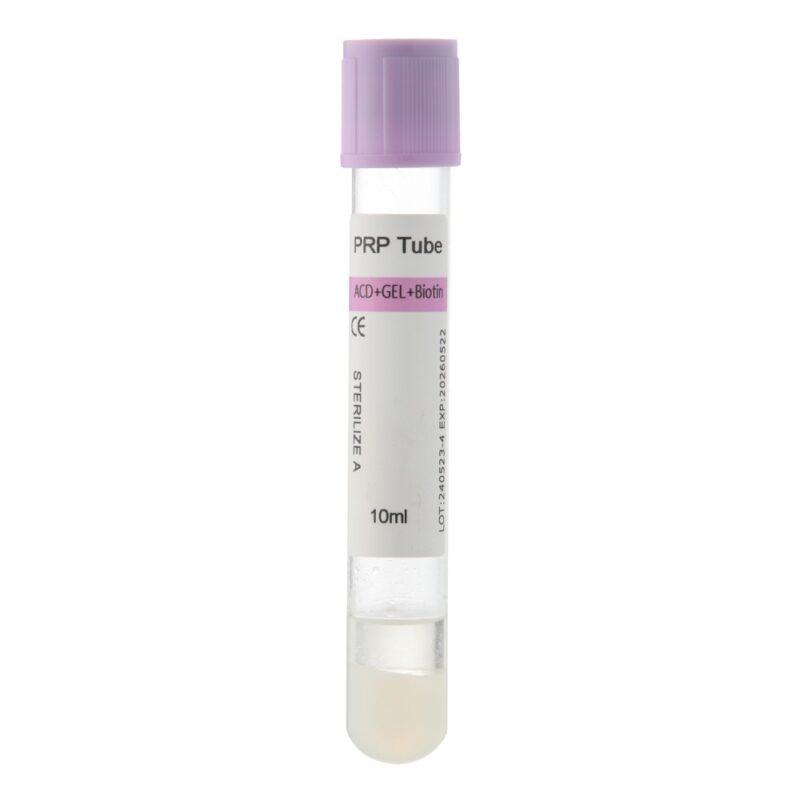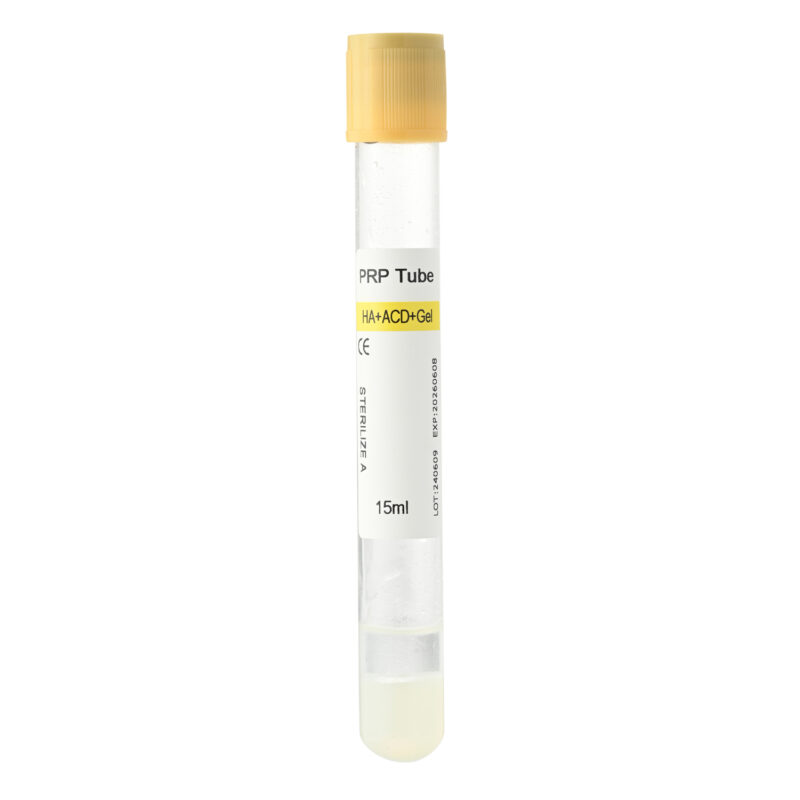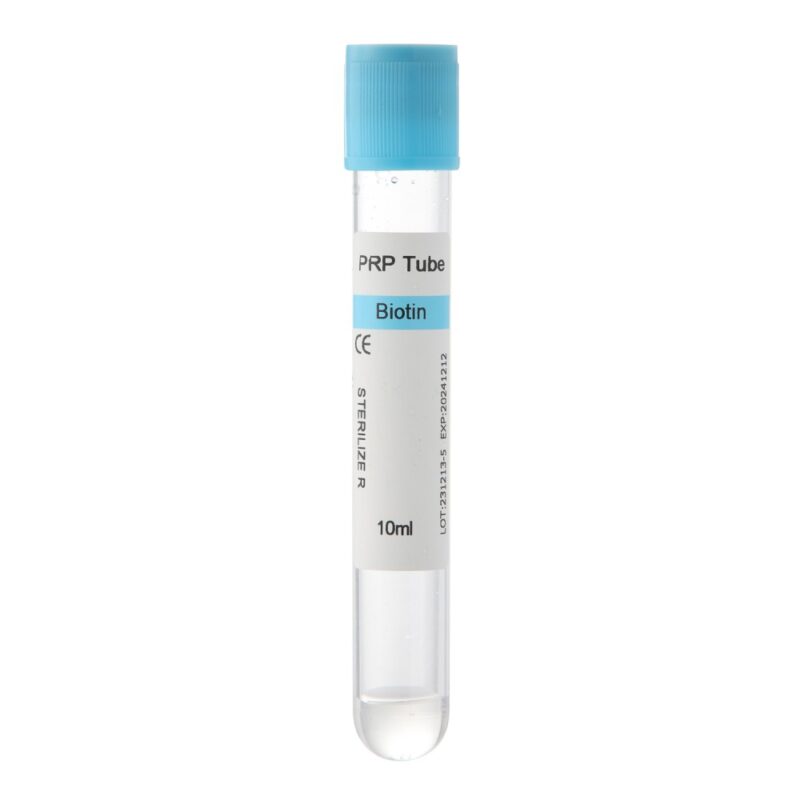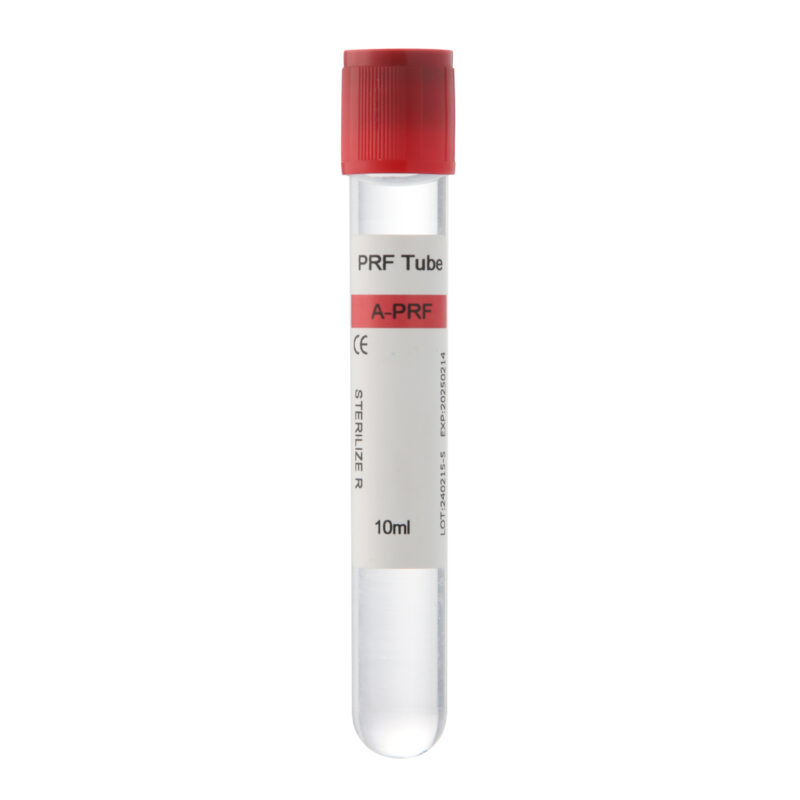
When discussing regenerative therapies, especially in aesthetics and orthopedics, one term is gaining increasing attention: What is a GFC tube? For clinics, distributors, and procurement professionals, understanding this product is not just about definition—it directly impacts treatment outcomes, consistency, and patient satisfaction.
With so many variations available on the market, choosing the right GFC tube can be confusing. In this guide, we’ll break down what a GFC tube is, how it works, how it differs from traditional PRP tubes, and most importantly, how to select a reliable supplier.
What is a GFC Tube and How Does It Work?
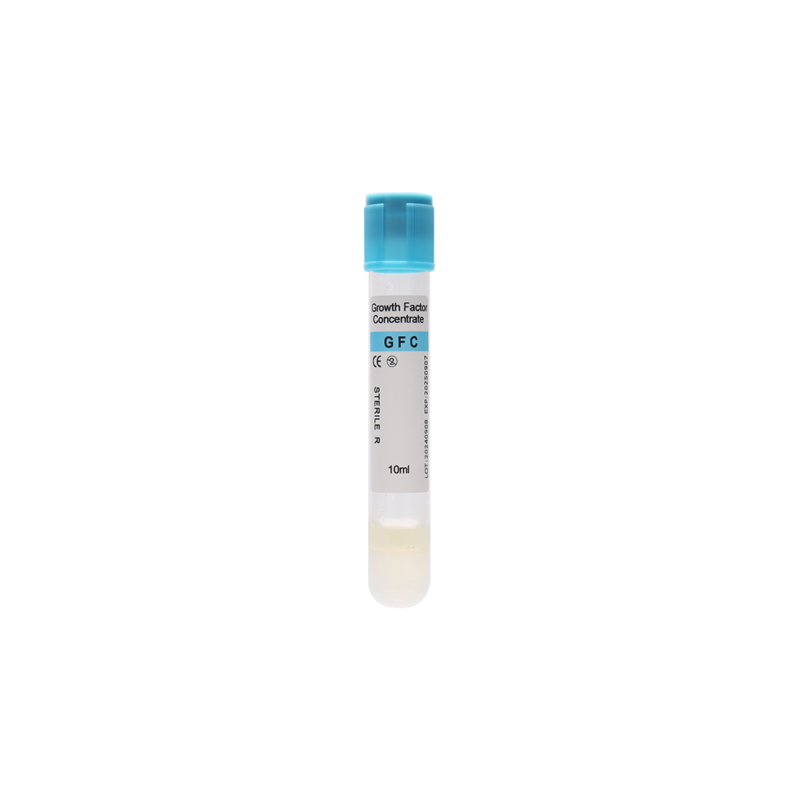
A GFC tube (Growth Factor Concentrate tube) is a specialized blood collection tube designed to isolate and concentrate growth factors from whole blood through centrifugation. Unlike traditional PRP (Platelet-Rich Plasma) systems, GFC tubes are engineered to optimize the release and stabilization of growth factors rather than focusing solely on platelet concentration.
Core Working Principle
The mechanism behind a GFC tube involves three key steps:
- Blood Collection – Whole blood is drawn into the tube, which contains specific additives such as anticoagulants and activators.
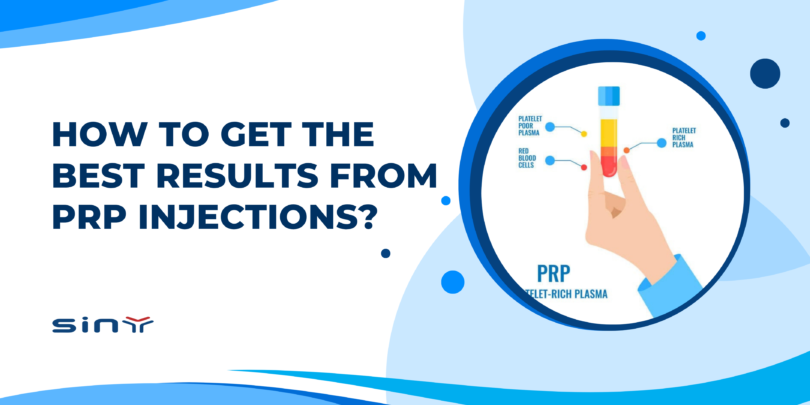
- Centrifugation – The sample is spun at controlled speeds to separate blood components based on density.
- Growth Factor Extraction – Platelets are activated within the system, releasing growth factors that are collected in a highly concentrated form.
This process results in a cleaner, more standardized preparation compared to conventional PRP.
In practical terms, this means:
- More consistent clinical outcomes
- Reduced variability between operators
- Higher efficiency in regenerative applications
If you’re already sourcing products like ACD – A Tubes or Calcium Chloride Tubes, you’ll notice that GFC tubes represent an evolution toward more controlled biologic preparation systems.
GFC Tube vs PRP Tube: What’s the Difference?
One of the most common questions buyers ask is how GFC tubes differ from standard PRP tubes.
Key Differences
1. Target Outcome
- PRP Tubes → Concentrate platelets
- GFC Tubes → Extract and stabilize growth factors
2. Activation Process
- PRP often requires external activation (e.g., calcium chloride)
- GFC tubes are typically designed with built-in activation systems
3. Consistency
- PRP results vary depending on centrifuge protocols and operator skill
- GFC systems aim for standardized output
4. Application Focus
- PRP: Hair restoration, orthopedics, dentistry
- GFC: Advanced regenerative therapy with more predictable results
Why This Matters for Procurement
From a purchasing perspective, this distinction directly affects:
- Product positioning in your market
- Clinical adoption rate
- Repeat orders from clinics
Distributors working with aesthetic clinics often report that practitioners prefer systems that reduce preparation complexity. That’s where GFC tubes have a competitive edge.
If your current catalog includes products like:
Adding GFC tubes can help you expand into higher-end regenerative segments.
What Are GFC Tubes Used For?
Understanding what a GFC tube is used for is essential for aligning your product offering with market demand.
Main Clinical Applications
1. Hair Restoration
Clinicians widely use GFC in hair loss treatments because its high concentration of growth factors stimulates follicle regeneration.
2. Skin Rejuvenation
In aesthetic medicine, GFC is applied for:
- Anti-aging treatments.
- Skin texture improvement.
- Collagen stimulation.
3. Orthopedic Treatments
Growth factors play a critical role in:
- Tissue repair.
- Joint recovery.
- Inflammation reduction.
4. Dental and Oral Surgery
GFC is used to accelerate healing in:
- Implant procedures.
- Bone grafting.
- Soft tissue repair.
Why Clinics Are Shifting Toward GFC
Clinics are increasingly adopting GFC systems because they:
- Reduce preparation time.
- Improve reproducibility.
- Deliver more concentrated biologic signals.
From a sales perspective, this creates a strong value proposition when introducing new products to existing PRP clients.
If you’re planning to introduce GFC alongside existing PRP systems, Siny PRP can support with technical documentation and product matching based on your market.

How to Choose a High-Quality GFC Tube Supplier
Now comes the most critical part for buyers: selecting the right manufacturer.
1. Additive Formulation
The performance of a GFC tube depends heavily on:
- Anticoagulant quality.
- Activation mechanism.
- Gel stability (if included).
Poor formulations can lead to:
- Inconsistent growth factor release.
- Platelet damage.
- Unreliable clinical outcomes.
2. Tube Material
High-quality tubes are typically made from:
- Medical-grade PET.
- Crystal-clear glass (in some high-end applications)
These materials ensure:
- Chemical stability.
- Resistance to centrifugation stress.
3. Manufacturing Standards
Look for:
- ISO 13485 certification.
- Controlled cleanroom production.
These are not just compliance factors—they directly impact product consistency.
4. Centrifugation Compatibility
A well-designed GFC tube should:
- Work with standard centrifuge settings.
- Provide clear layer separation.
- Minimize operator error.
5. OEM & Customization Capability
For distributors, flexibility matters:
- Private labeling.
- Custom additives.
- Packaging adaptation.
How GFC Tubes Fit Into a Modern PRP Product Line
From a strategic standpoint, GFC tubes should not replace PRP—they should complement it.
A well-structured product line might include:
- Entry Level → Standard PRP Tubes.
- Mid Tier → PRP Tubes with Gel / HA / Biotin.
- Advanced → GFC Tubes.
This layered approach allows you to:
- Serve different clinic budgets.
- Increase average order value.
- Build long-term customer loyalty.
can position GFC tubes as a premium upgrade option.
To build a complete regenerative product portfolio, you can explore how Siny PRP structures its product categories and integrate similar logic into your offering.
FAQ About GFC Tubes
1. What is a GFC tube used for?
Clinicians use a GFC tube to isolate and concentrate growth factors from blood for regenerative treatments such as hair restoration, skin rejuvenation, and orthopedic therapy.
2. Is GFC better than PRP?
GFC is not necessarily “better,” but it is more standardized and focused on growth factor concentration. It often provides more consistent results compared to traditional PRP.
3. Can GFC tubes be used with standard centrifuges?
Yes, high-quality GFC tubes are compatible with most medical centrifuges, but recommended protocols should always be followed.
4. What should I look for when buying GFC tubes?
Focus on additive quality, manufacturing standards, material, and supplier reliability—not just price.
Final Thoughts
So, what is a GFC tube? It’s more than just another blood collection product—it represents a shift toward more controlled, efficient, and predictable regenerative therapies.
For buyers and distributors, the real opportunity lies not just in understanding the product but in selecting a supplier that ensures consistency, scalability, and long-term support.
If you’re planning to expand your regenerative product line or upgrade from traditional PRP systems, exploring GFC solutions through Siny PRP can help you make a more informed and commercially viable decision.