As platelet-rich plasma (PRP) therapies continue to gain popularity for hair restoration, joint repair, and aesthetic rejuvenation, many patients ask a practical question: Can I take magnesium after PRP injection? Magnesium is a common supplement used for muscle relaxation, sleep quality, and metabolic support, but its role during PRP recovery deserves careful attention.
In most cases, clinicians do not strictly prohibit normal dietary magnesium intake or low-dose supplementation after a PRP procedure. However, timing and dosage matter, particularly in the early post-treatment period when platelet activity and tissue signaling are most active. PRP aftercare protocols are designed to protect the body’s natural healing response, which means avoiding substances that may interfere with platelet function or inflammatory signaling.
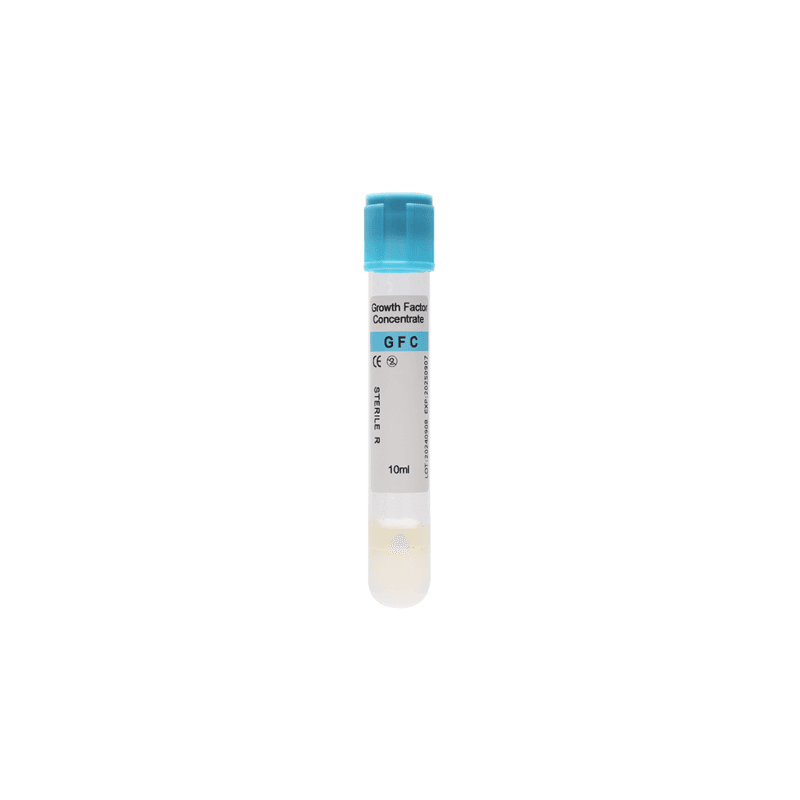
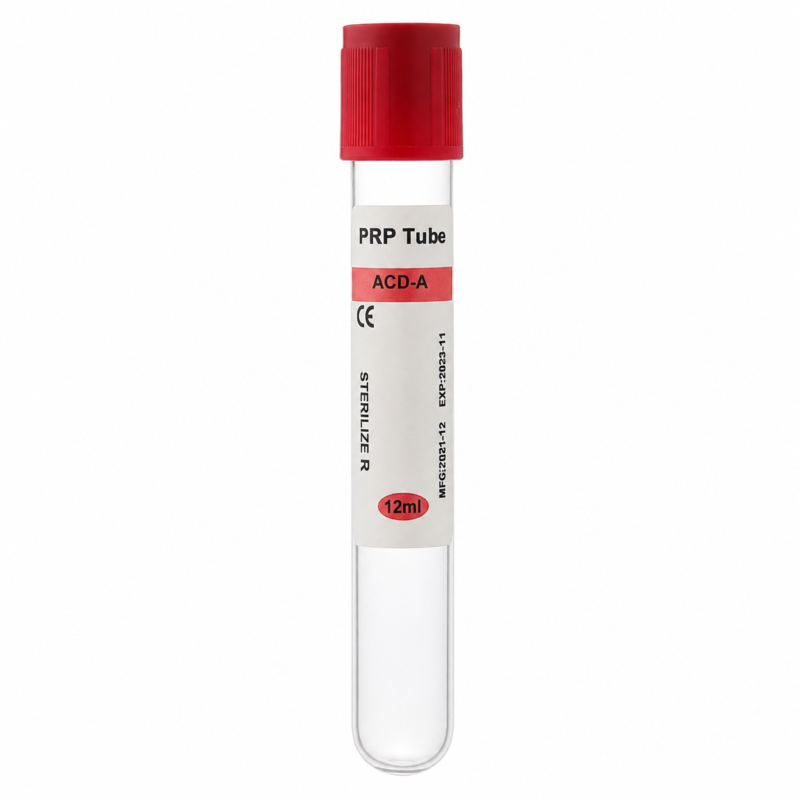
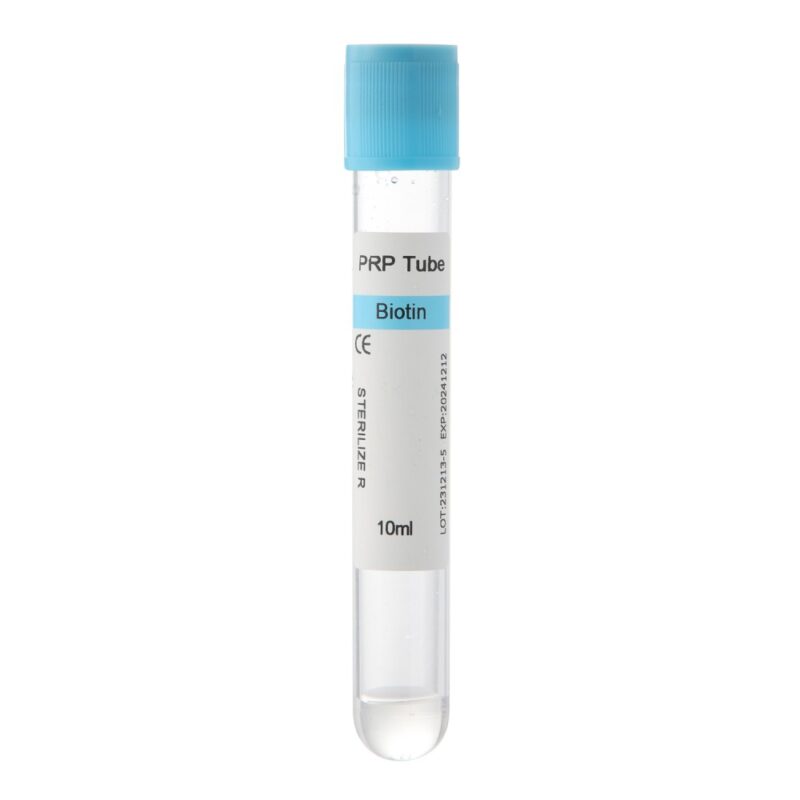
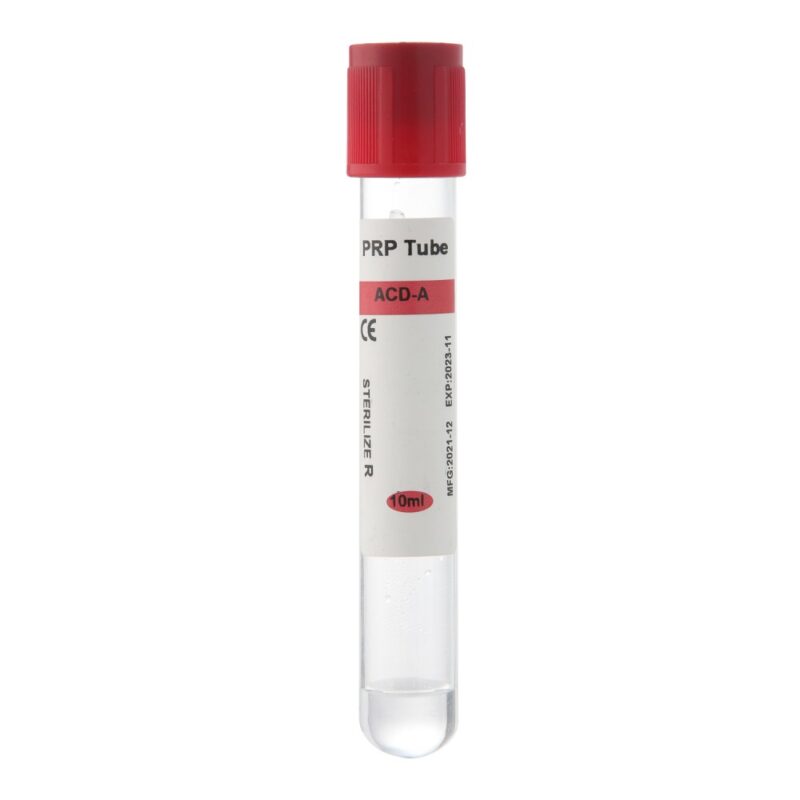
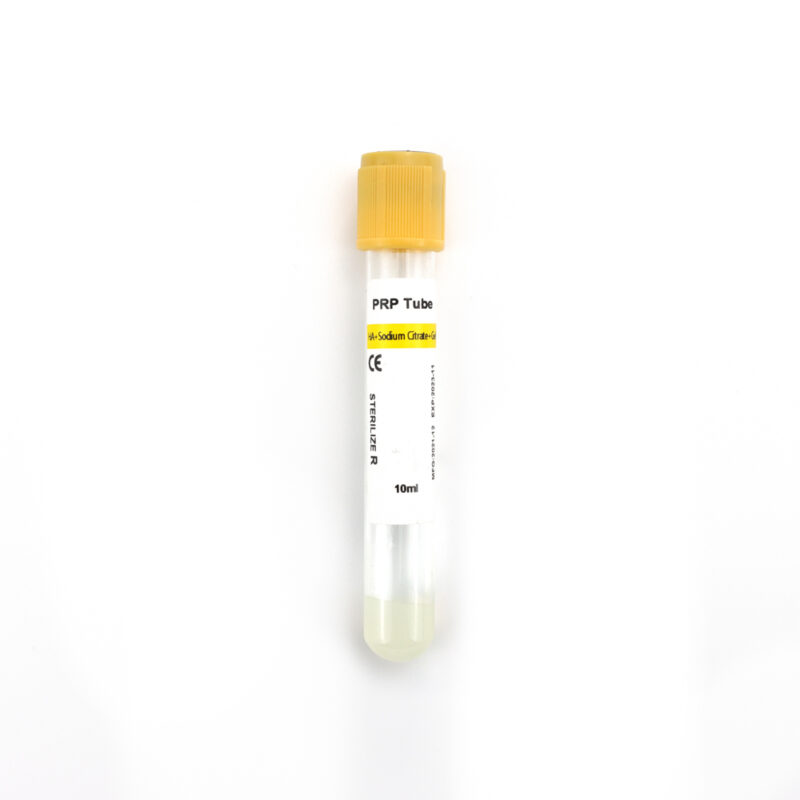
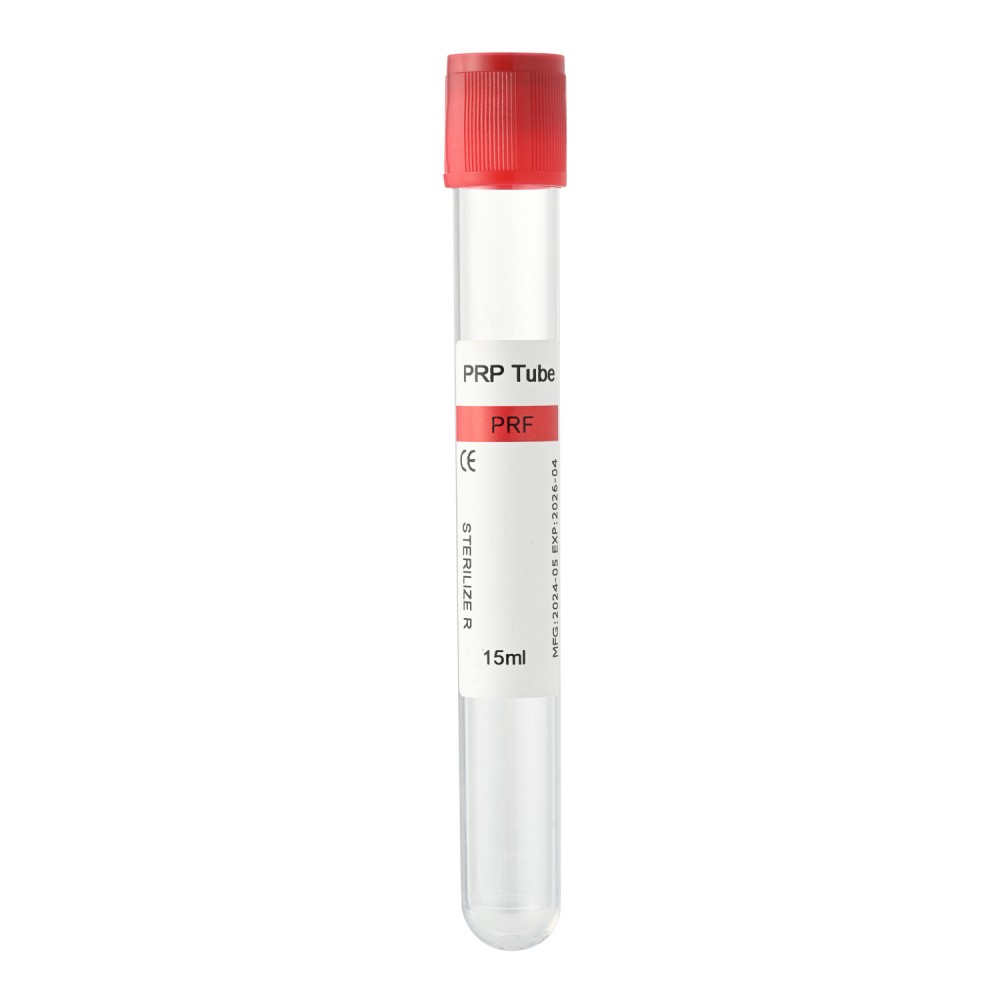
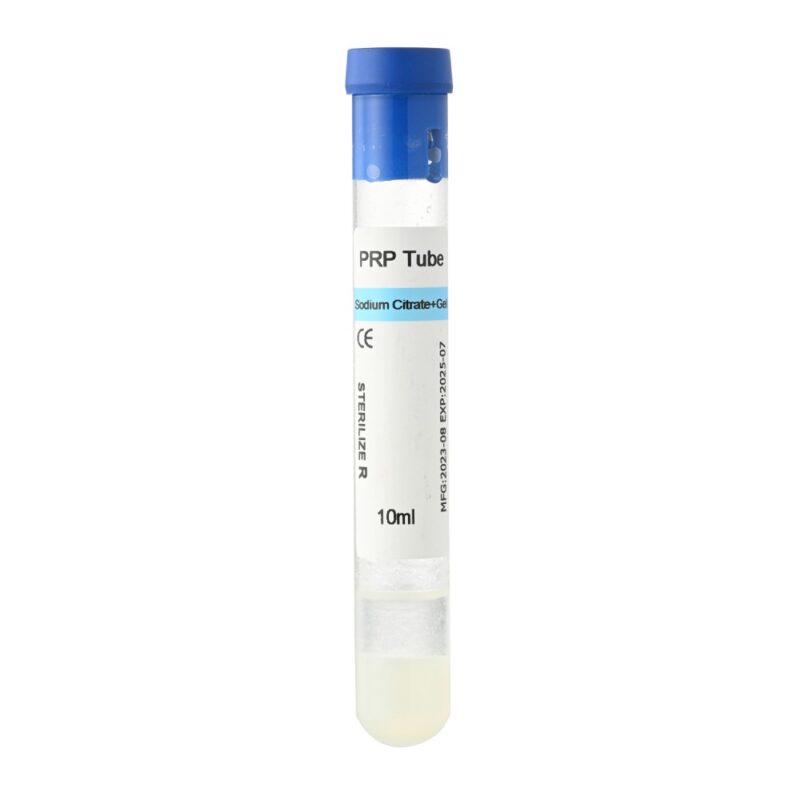
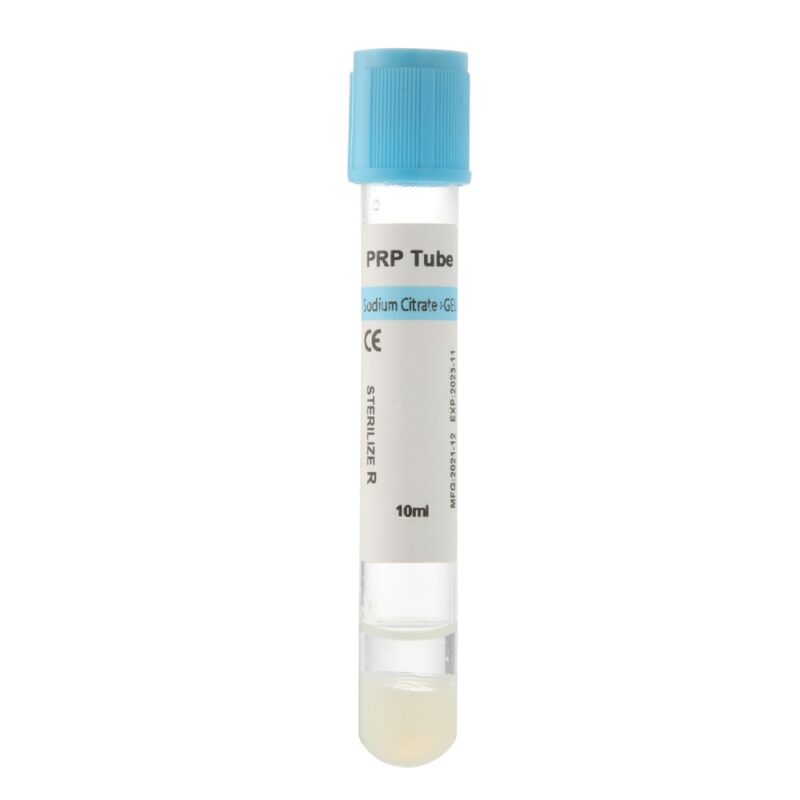
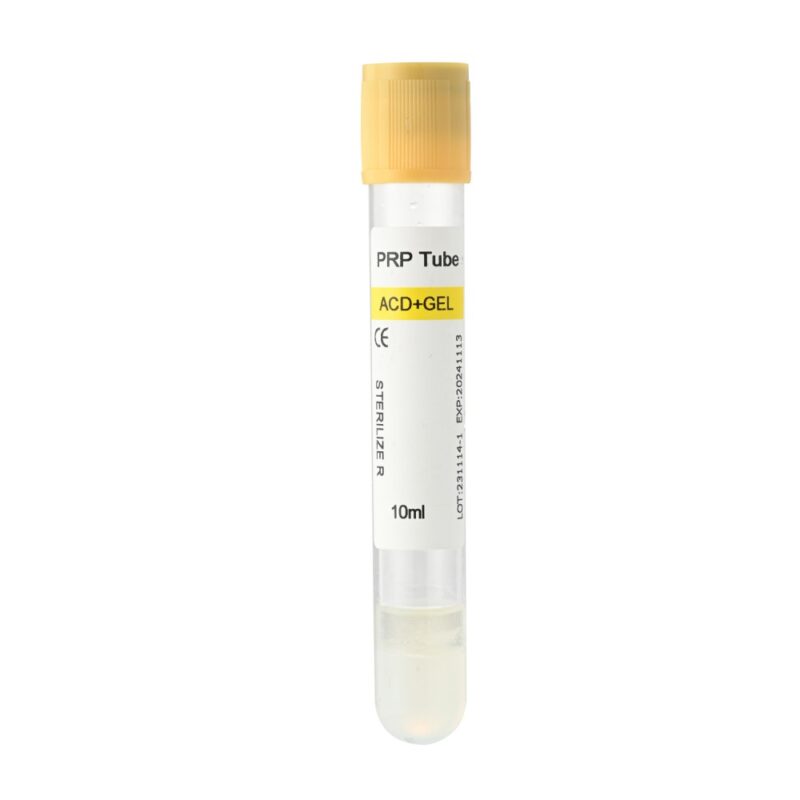
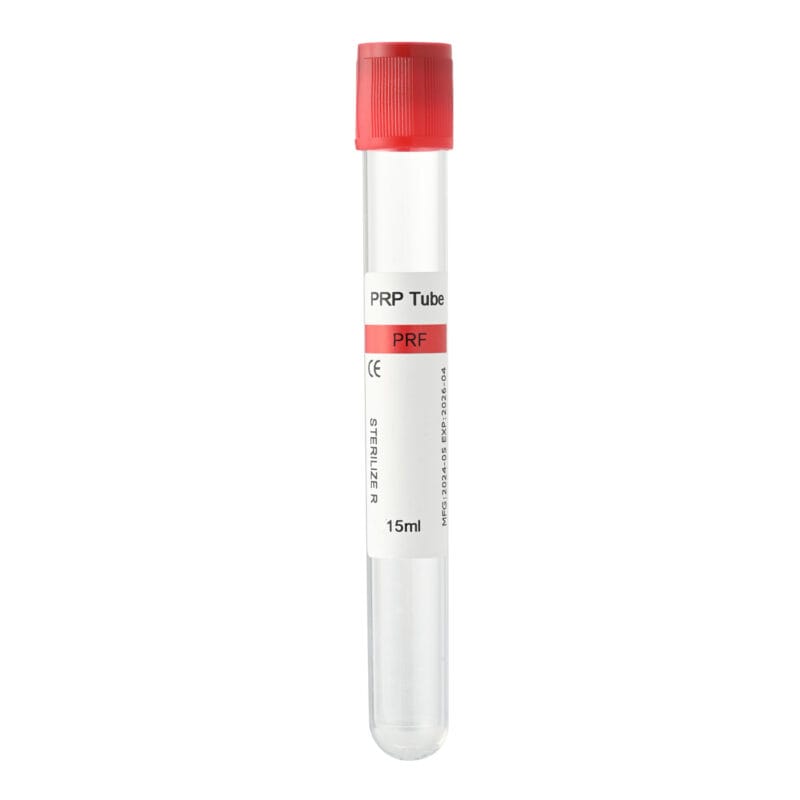
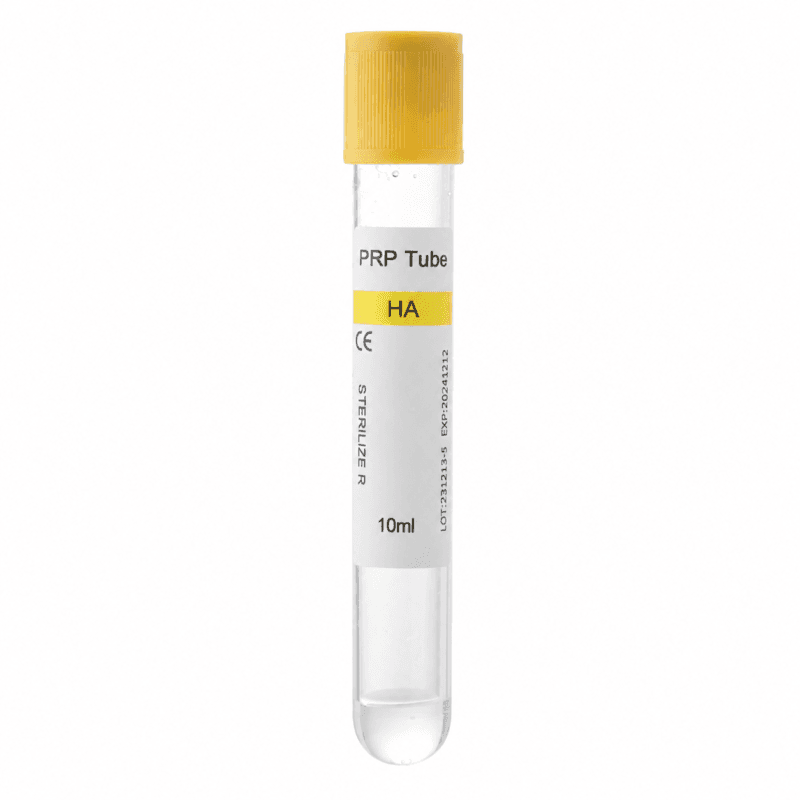
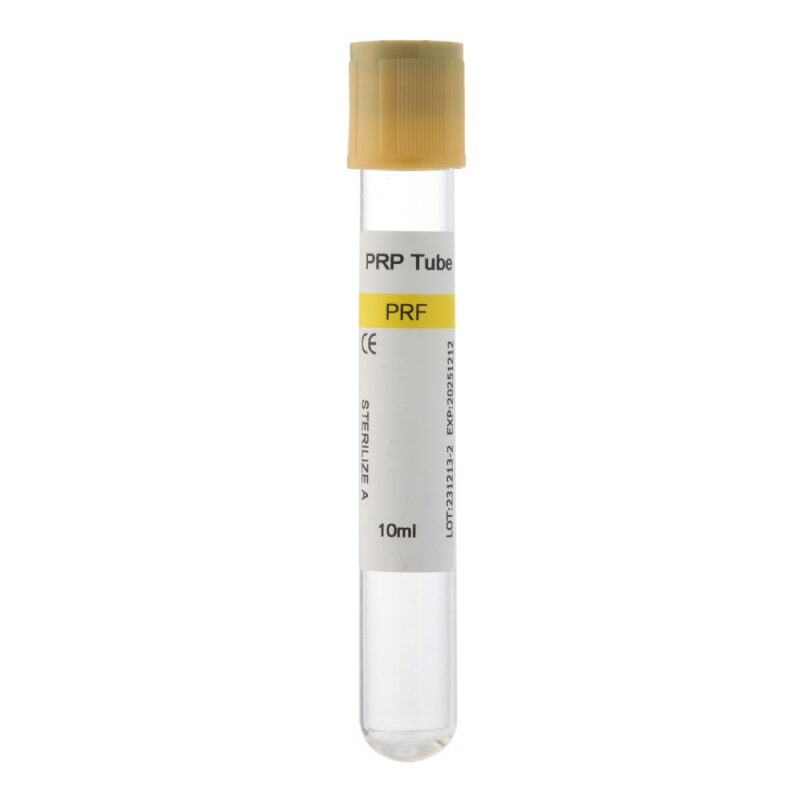
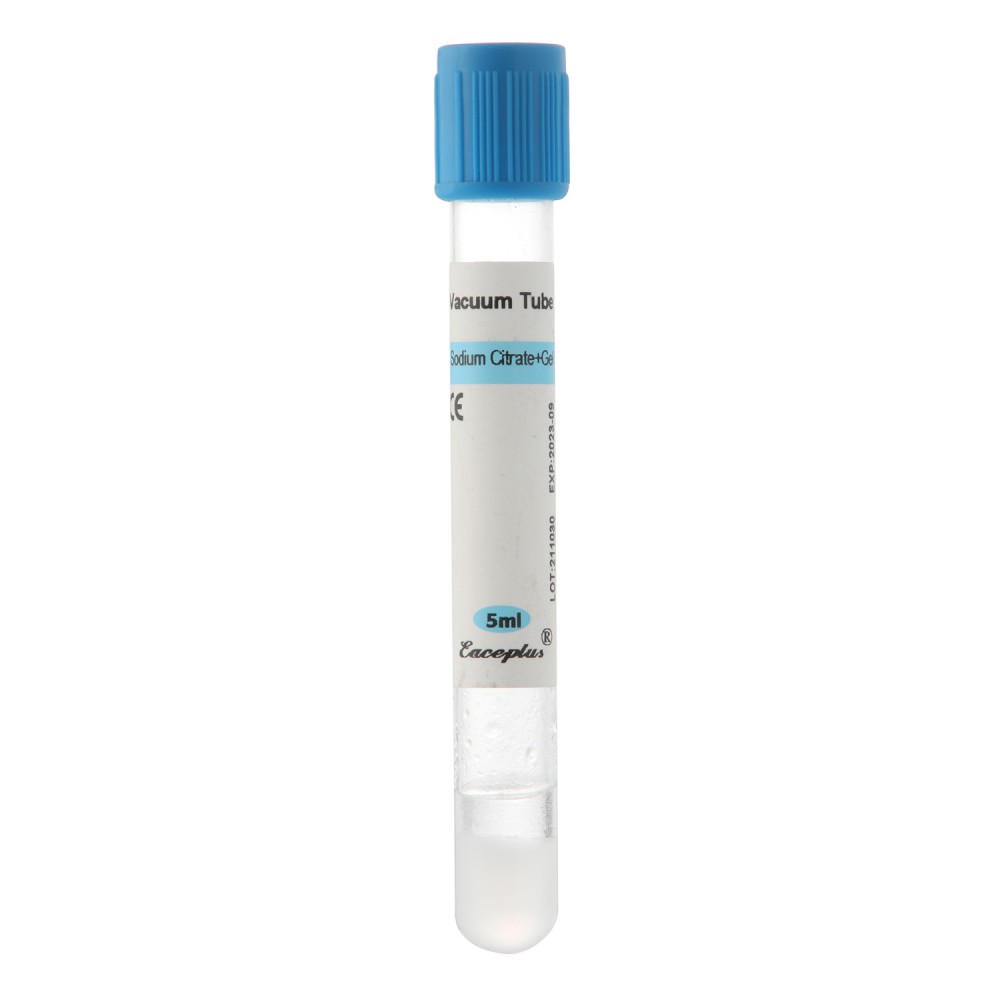
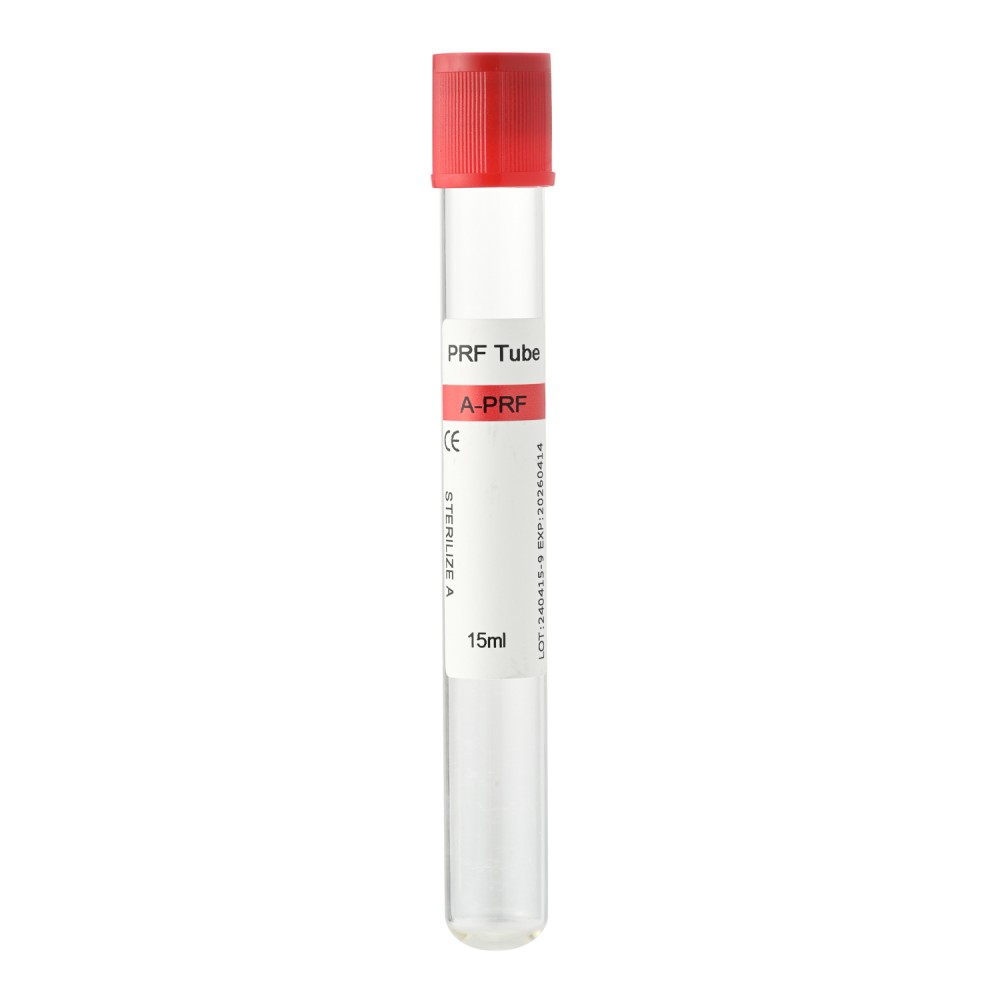
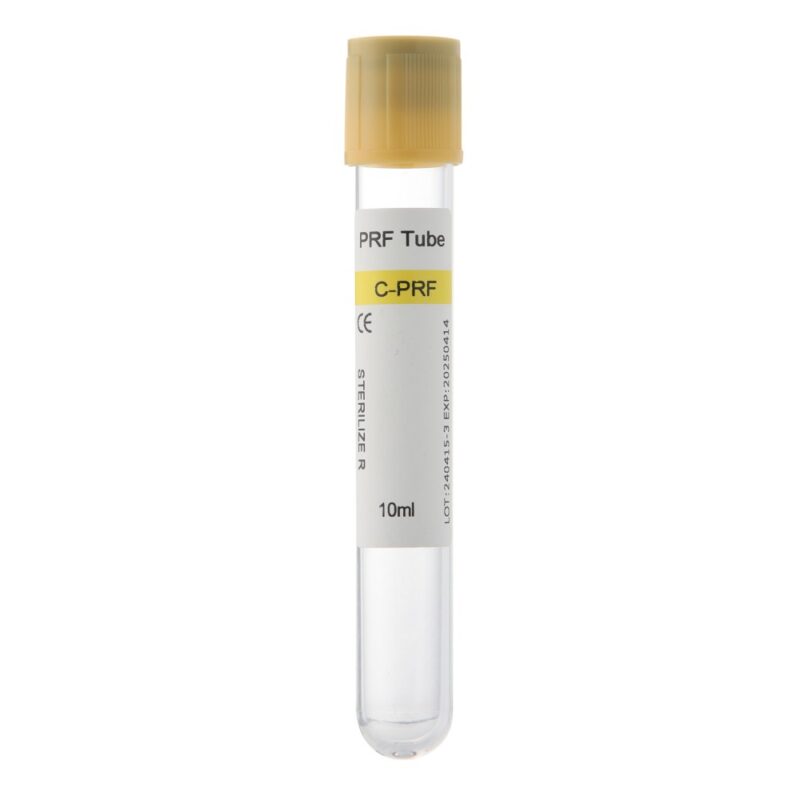
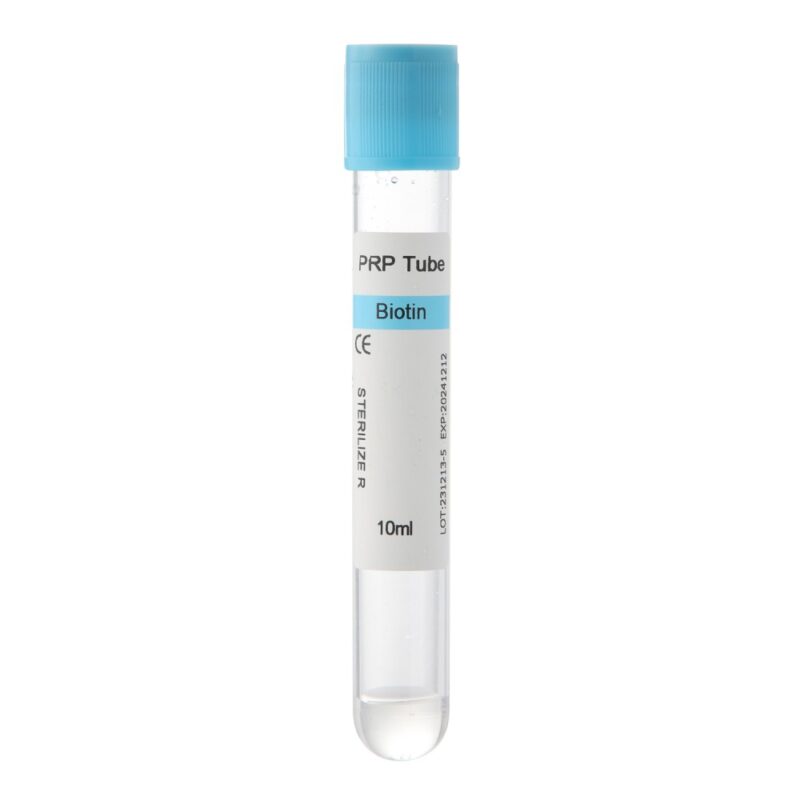
At the same time, the overall effectiveness of PRP depends not only on post-treatment care but also on how PRP is prepared. The quality of PRP tubes used during blood collection and processing can directly influence platelet concentration and treatment consistency.
Understanding PRP Recovery
To properly answer, ” Can I take magnesium after PRP injection, it is important to understand what happens in the body after PRP therapy. PRP injections intentionally create a controlled inflammatory response that triggers tissue repair and regeneration. This early inflammation is essential for activating growth factors and recruiting healing cells.
For this reason, patients are commonly advised to avoid anti-inflammatory medications such as ibuprofen or aspirin after PRP treatment, as these drugs may blunt the desired biological response. Magnesium, however, does not function as a direct anti-inflammatory medication in the same way. Instead, it supports muscle relaxation, nerve signaling, and cellular metabolism.
Because magnesium does not significantly suppress platelet activation or growth factor release, it is generally considered compatible with PRP recovery when used appropriately. Still, clinicians often recommend caution during the first 24–72 hours, when the body’s regenerative response is most sensitive.
Magnesium and Healing
Magnesium plays a role in hundreds of enzymatic processes throughout the body, including energy production, muscle function, and tissue repair. From a nutritional perspective, maintaining adequate magnesium levels may support overall recovery and comfort following PRP injections.
Many post-PRP care plans encourage patients to focus on hydration and balanced nutrition rather than aggressive supplementation. Magnesium-rich foods such as leafy greens, nuts, seeds, legumes, and whole grains are typically safe and beneficial during recovery.
When it comes to supplements, moderate magnesium intake is usually acceptable after PRP, especially once the initial inflammatory phase has passed. High-dose supplements or complex formulations combined with other active ingredients should be discussed with a healthcare provider, as individual medical conditions and medications can influence safety.
In short, magnesium is not typically on the list of substances to strictly avoid after PRP, but responsible use and timing are essential.
General PRP Aftercare Guidelines
When evaluating can i take magnesium after PRP injection, it helps to place supplements within the broader framework of PRP aftercare. Most clinicians recommend the following principles:
- Avoid anti-inflammatory drugs for one to two weeks after PRP, unless otherwise directed.
- Limit strenuous exercise or heavy physical activity for the first 24–72 hours.
- Avoid excessive heat exposure, such as saunas or hot baths, in the early recovery period.
- Stay well hydrated and maintain a nutrient-dense diet to support healing.
Within these guidelines, magnesium can usually be reintroduced gradually, particularly if it is part of a long-term wellness routine. Patients undergoing PRP for joints, hair restoration, or aesthetics may receive individualized recommendations based on treatment location and clinical goals.
Why PRP Tube Quality Influences Recovery Outcomes
While supplement use is important, PRP outcomes begin long before the injection itself. The quality of PRP preparation plays a critical role in determining how effectively platelets deliver growth factors to the treatment site.
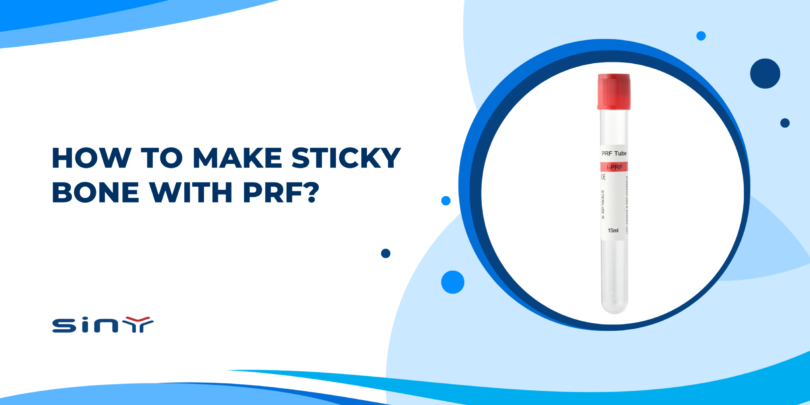
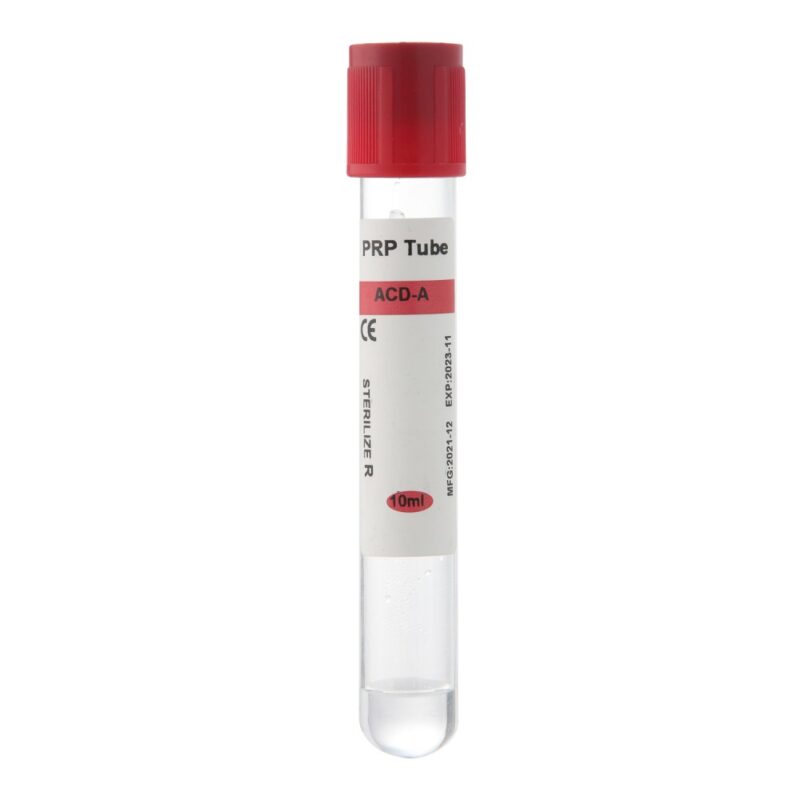
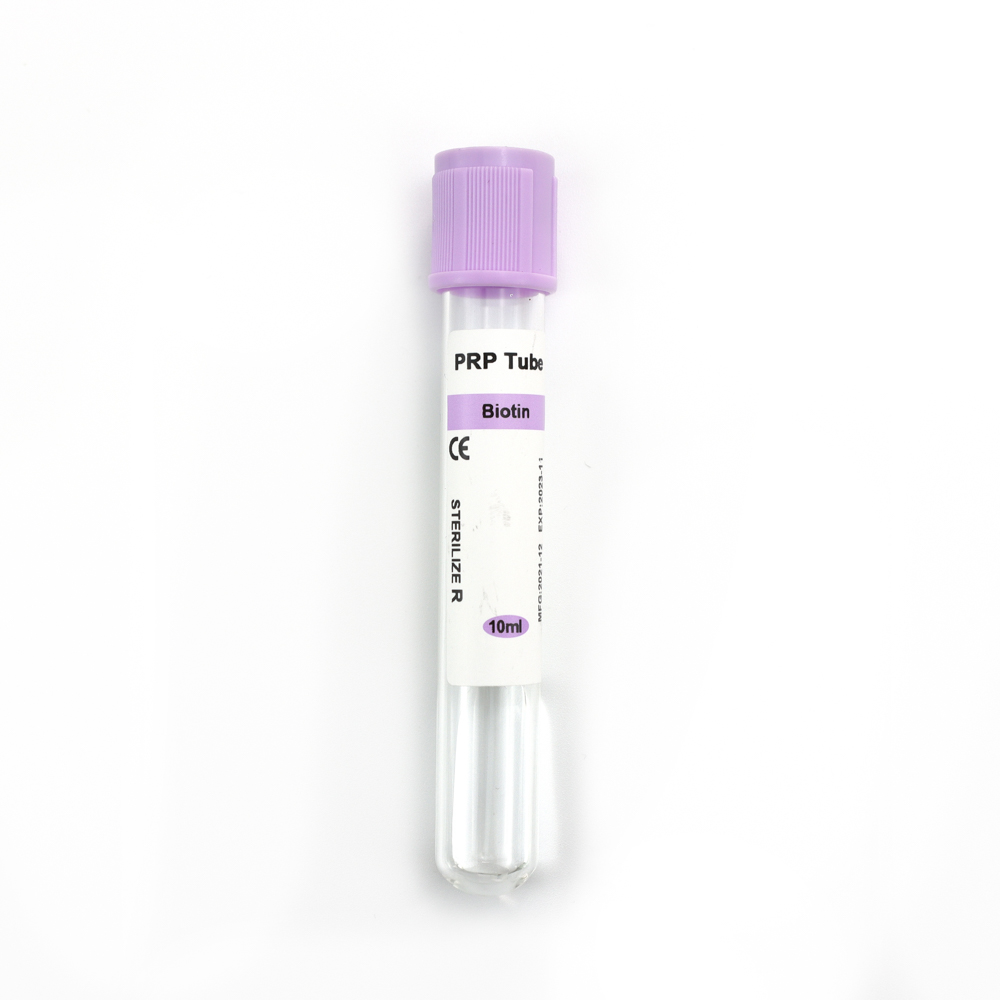
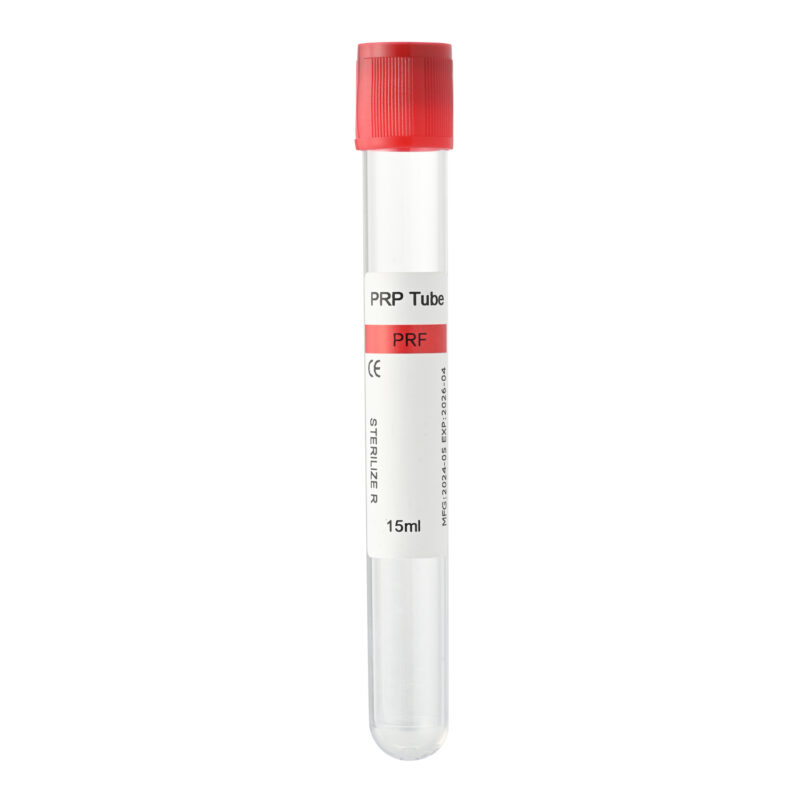
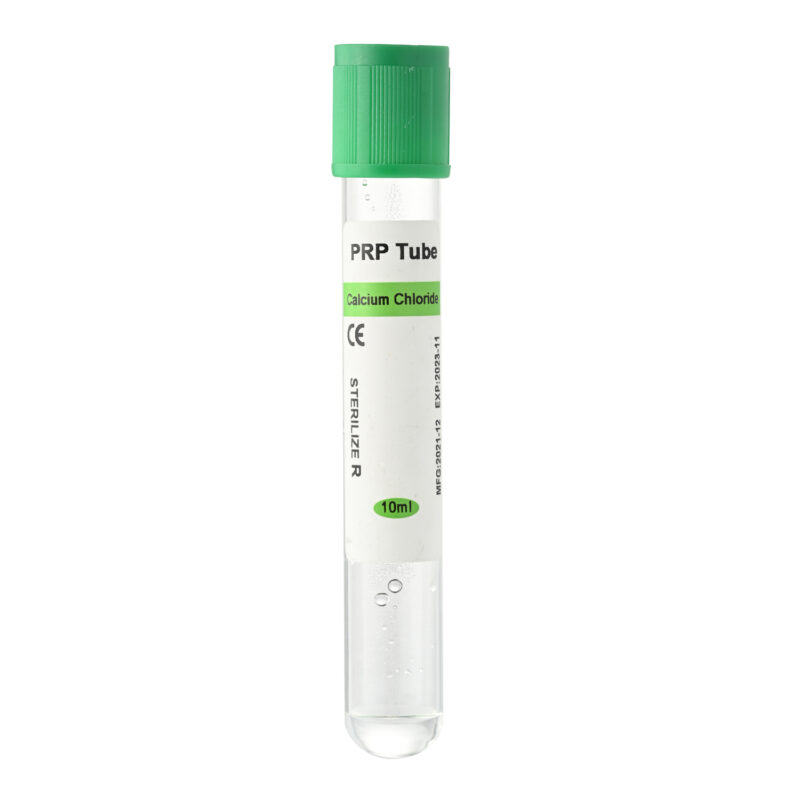
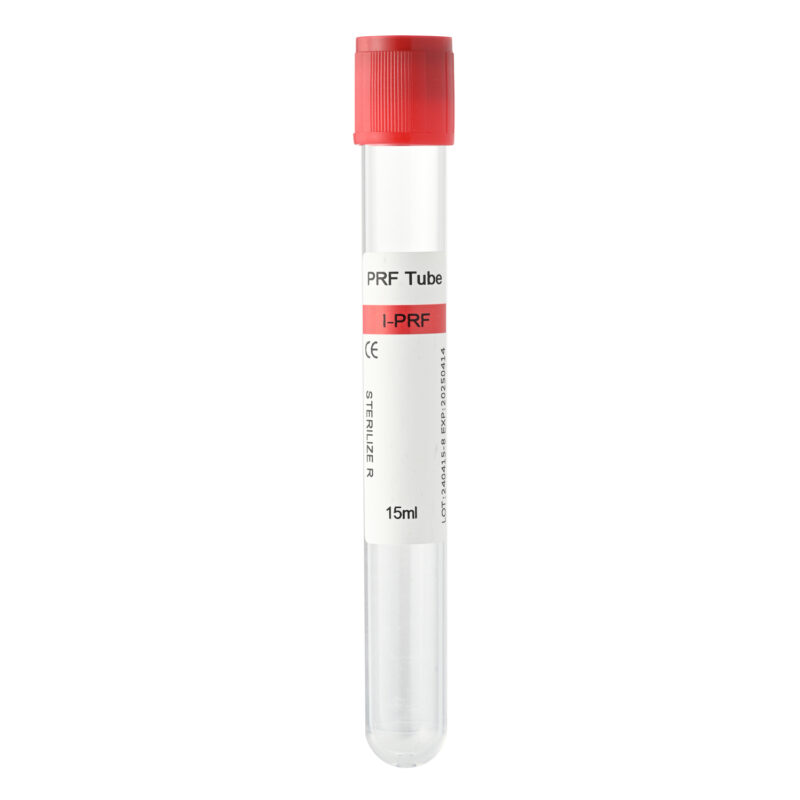
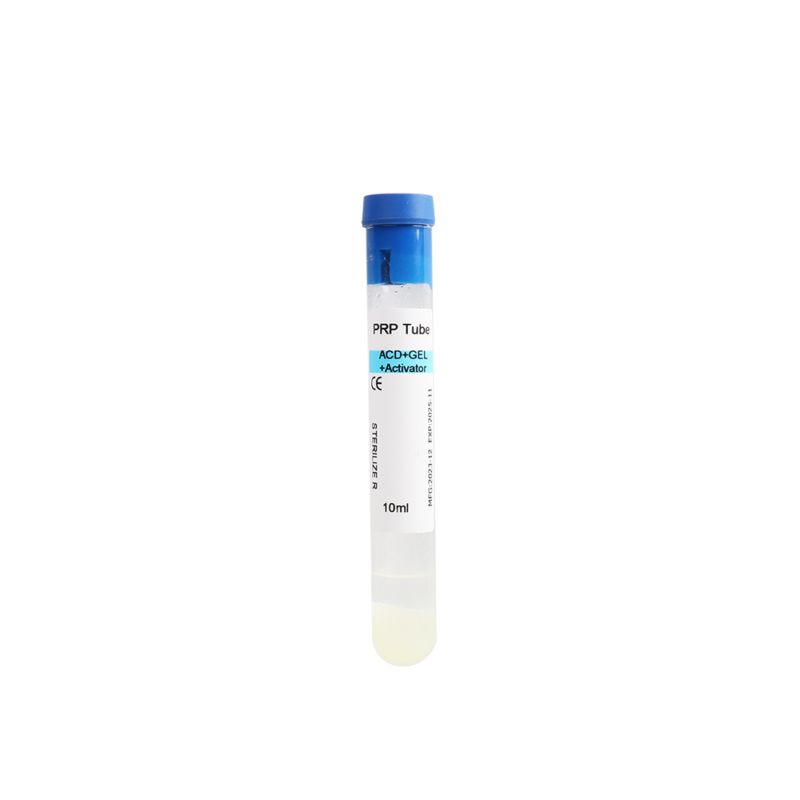
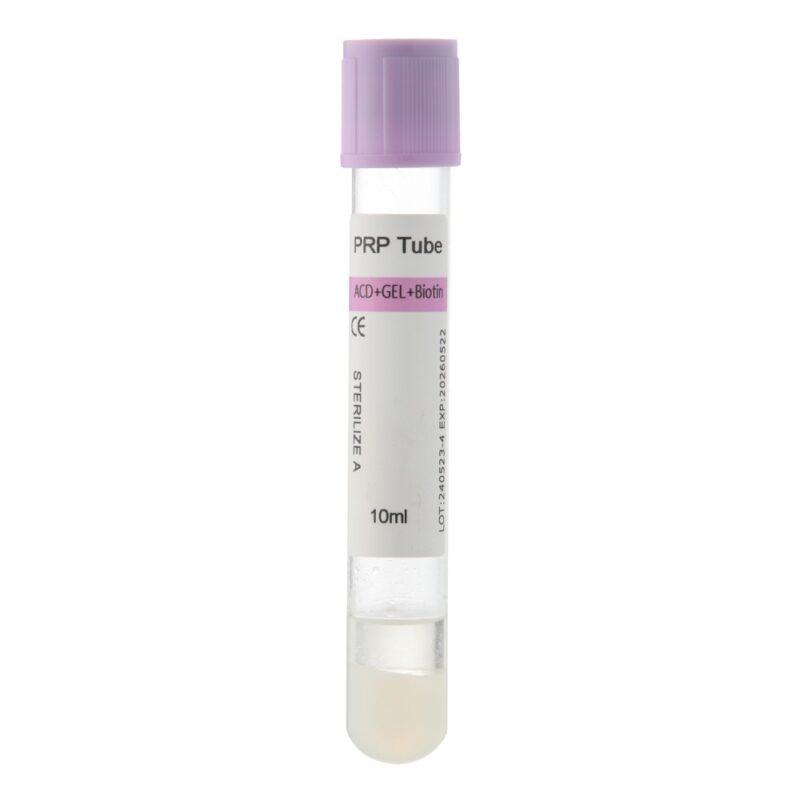
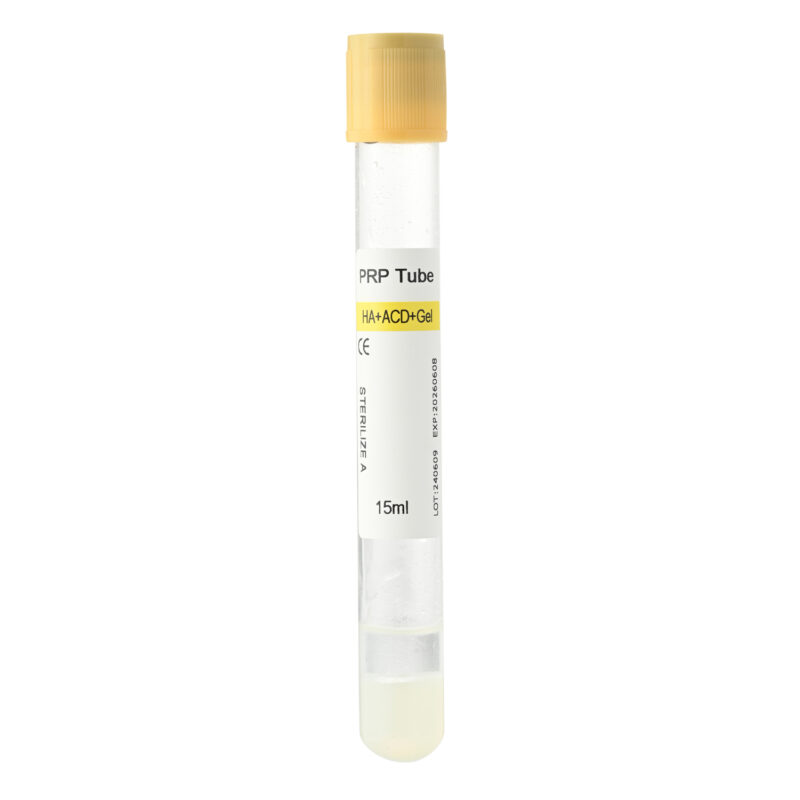
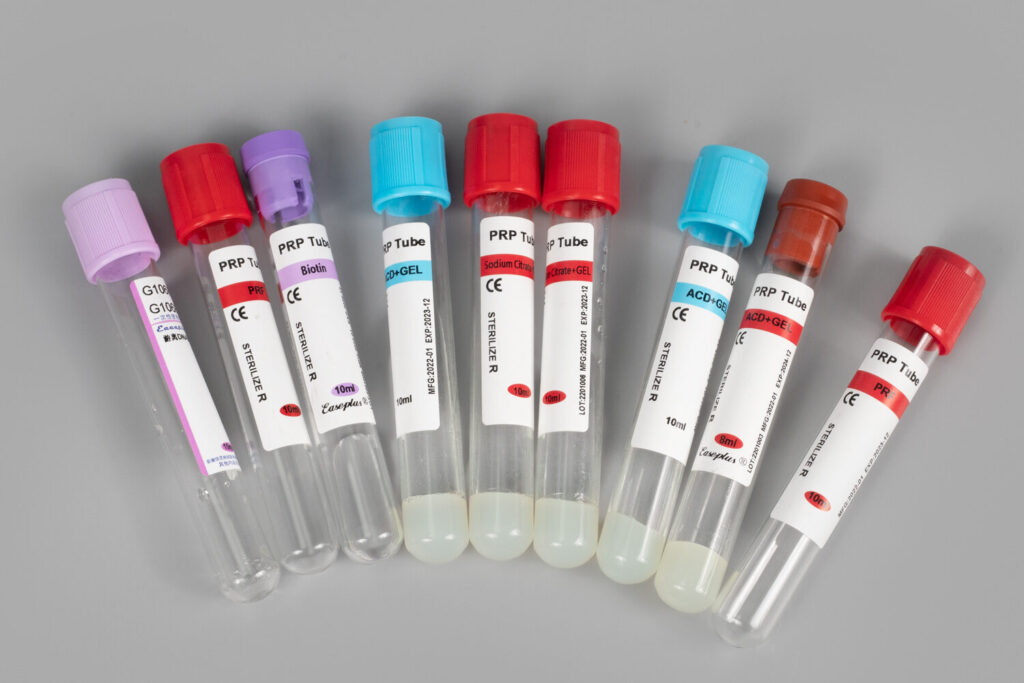
PRP tubes are not interchangeable commodities. High-quality PRP tubes are designed to ensure consistent blood volume collection, reliable centrifugation performance, and stable platelet separation. These factors directly affect the biological potency of the final PRP product.
Clinics that experience inconsistent results often trace the issue back to variability in consumables rather than technique alone. Using reliable, well-validated PRP tubes helps standardize platelet yield and supports predictable healing responses.
For clinics seeking dependable PRP consumables and long-term supplier support, reviewing solutions from Siny PRP can be a practical step toward improving consistency and patient confidence.
Practical Tips for Magnesium Use After PRP
If you are considering magnesium supplementation after PRP injection, the following practical tips may help guide safe use:
- Prioritize dietary magnesium from natural food sources first.
- Resume supplements gradually, ideally after the first 24–48 hours unless advised otherwise.
- Avoid combining magnesium with high-dose supplements that may affect blood properties without medical approval.
- Always inform your provider about all supplements you are taking, especially if you have chronic conditions or are on prescription medications.
Responsible supplement use complements PRP therapy rather than competing with its biological effects.
FAQs
Q: Can I take magnesium immediately after PRP injection?
A: Many providers recommend waiting at least 24 hours before resuming supplements, depending on your individual treatment plan.
Q: Does magnesium reduce the effectiveness of PRP?
A: Magnesium is not known to suppress platelet activity like NSAIDs, but excessive doses should be avoided without medical guidance.
Q: Are there supplements I should avoid after PRP?
A: Substances with strong anti-inflammatory or blood-thinning effects are commonly restricted in the early recovery phase.
Q: Does PRP tube quality really matter?
A: Yes. Tube design and material quality influence platelet concentration and treatment consistency, which can affect clinical outcomes.
Summary
So, can I take magnesium after PRP injection? In most cases, yes — when used responsibly and at the right time. Magnesium can support overall wellness during recovery, but it should not replace proper PRP aftercare or individualized medical advice.
Equally important is the quality of PRP preparation itself. From blood collection to centrifugation, reliable consumables help ensure consistent biological performance. Clinics aiming to improve standardization and outcomes often work with experienced suppliers such as Siny PRP to support their PRP