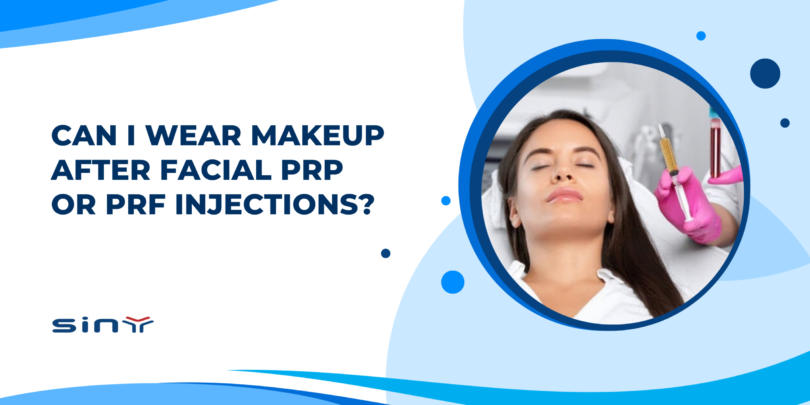
If you have just had a facial PRP or PRF treatment, one practical question often comes up quickly: Can I wear makeup after facial PRP or PRF injections?
In most cases, it is better to leave the treated skin makeup-free during the initial recovery period. Many practitioners recommend waiting at least 24 hours. However, the right timing can vary depending on the injection technique, treatment area, skin response, and whether PRP or PRF was combined with another procedure.
Makeup does not simply “cancel” the effects of PRP or PRF. The concern is the condition of your skin immediately after treatment.
Facial injections create tiny entry points in the skin. These areas may look red, swollen, tender, or slightly bruised for a short time. Applying foundation, concealer, powder, or other cosmetics too soon can add friction. Makeup and applicators can also expose recently treated skin to unnecessary ingredients and microorganisms.
For many patients, the simplest approach is to remain makeup-free for the rest of the treatment day. The next day, check how your skin looks and feels. If the injection points have closed and irritation is settling, your practitioner may allow you to gradually restart makeup.
However, if you still have visible irritation, pinpoint bleeding, unusual tenderness, or significant swelling, waiting longer is sensible.
There is also an important distinction between PRP or PRF injections and PRP or PRF combined with microneedling. Microneedling affects a wider area of the skin surface. Therefore, its aftercare requirements may be different.
Understanding that difference makes post-treatment care much easier.
Why Should You Avoid Makeup After Facial PRP or PRF Injections?
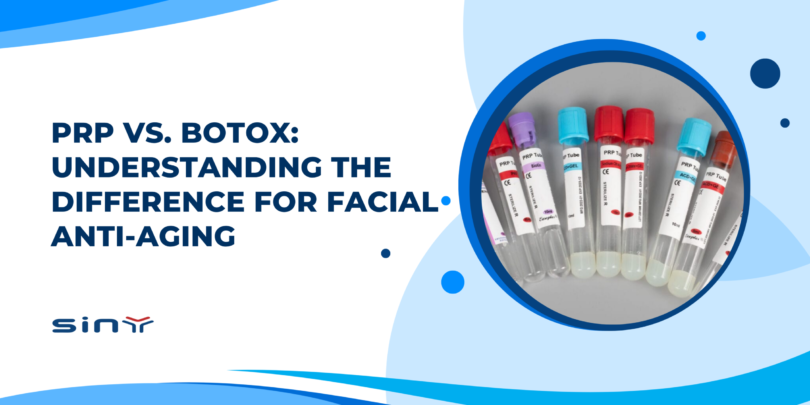
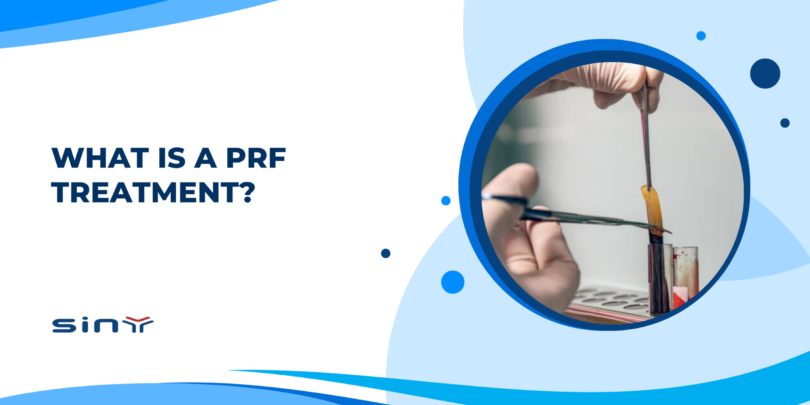
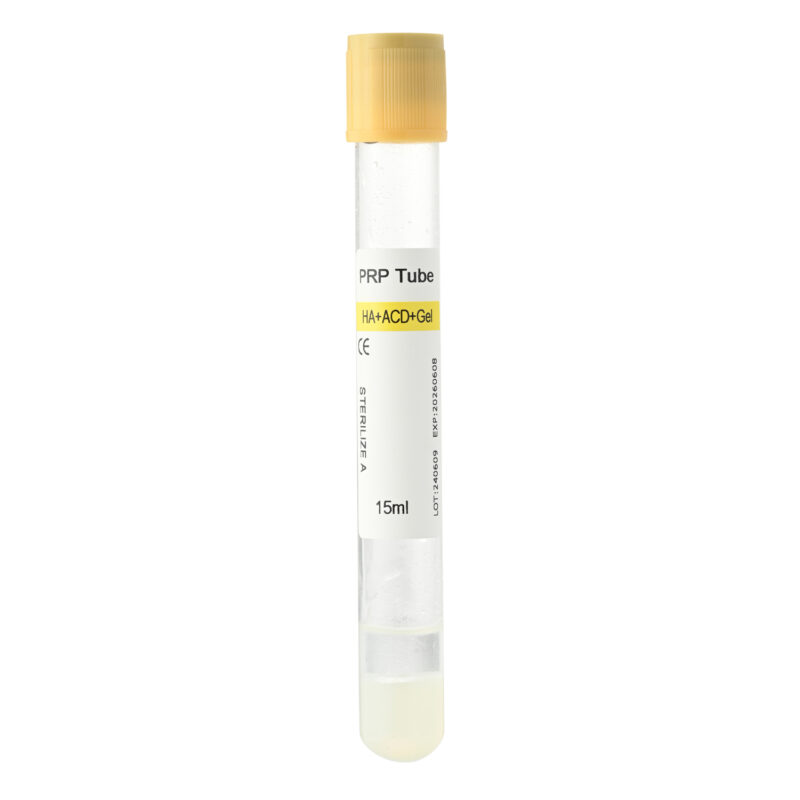
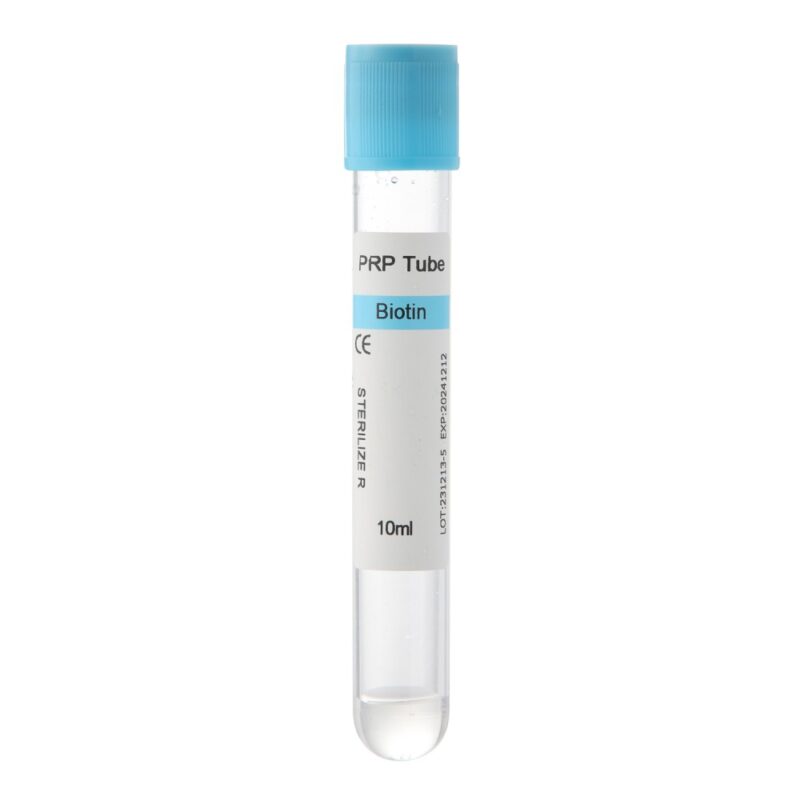
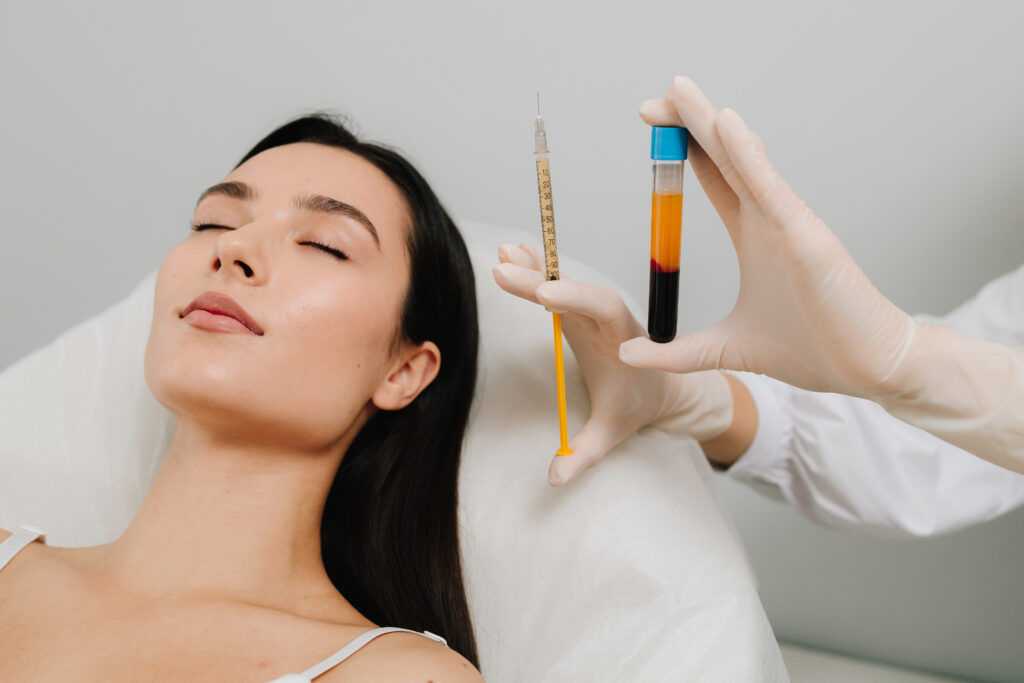
PRP, or platelet-rich plasma, and PRF, or platelet-rich fibrin, are prepared from a patient’s own blood. After blood collection and centrifugation, the resulting platelet-rich preparation is used according to the treatment protocol.
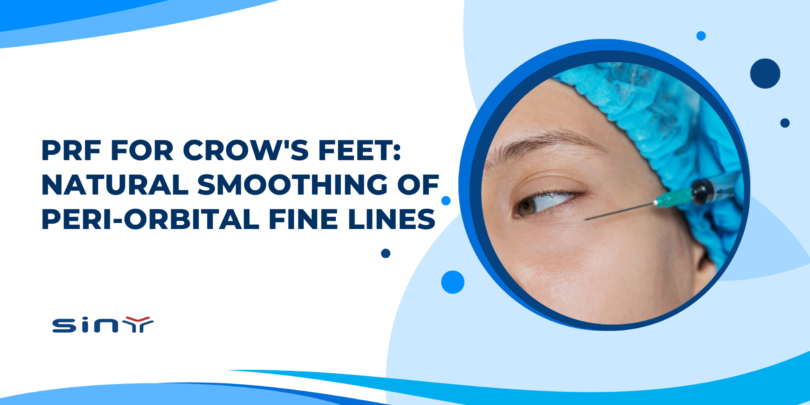
In facial aesthetics, practitioners may inject it into targeted areas such as the cheeks, forehead, under-eye region, or nasolabial area.
Although these treatments are minimally invasive, each injection still crosses the skin barrier and leaves a tiny puncture site. During the early recovery period, keeping these areas clean and minimizing unnecessary contact is a sensible precaution.
One concern is that cosmetics and makeup tools are not sterile. Brushes, beauty sponges, powder puffs, and other applicators can collect oil, skin cells, product residue, and microorganisms during normal use.
Applying makeup also involves touching, pressing, blending, or rubbing the skin. Even gentle application creates more manipulation than simply leaving freshly treated areas alone.
Cosmetic ingredients are another consideration. Fragrances, alcohols, pigments, preservatives, exfoliating ingredients, and active skincare components may be well tolerated by normal skin. Recently treated skin, however, may be more sensitive.
Redness and swelling can make it tempting to reach for heavy foundation or concealer immediately after treatment. Giving the skin some time to settle is usually the simpler option.
Mild redness, tenderness, swelling, or small bruises can occur after facial injections. These reactions often improve gradually during the early recovery period.
When Can I Wear Makeup After Facial PRP or PRF Injections?
For uncomplicated facial injections, waiting at least 24 hours before applying makeup is a commonly used aftercare recommendation.
Still, 24 hours should be viewed as a general reference point rather than an automatic green light. How your skin looks and feels matters too.
First 24 Hours: Keep the Skin Makeup-Free
During the first day, keep your routine simple.
Avoid foundation, concealer, blush, powder, contour products, and other cosmetics directly over the injection sites unless your treatment provider gives different instructions.
Also avoid repeatedly touching, rubbing, or massaging the treated area.
Your skin may look slightly flushed or puffy during this period. Under-eye PRP or PRF injections can produce noticeable temporary swelling because the tissue around the eyes is delicate.
Trying to immediately cover every mark with makeup creates unnecessary contact with recently treated skin. Give the area time to settle first.
After 24 Hours: Check Your Skin Before Applying Makeup
Before reaching for your makeup bag the next day, look at the treated area.
If the injection points appear closed, there is no active bleeding or oozing, and redness and sensitivity are improving, many patients can begin returning to light makeup according to their practitioner’s instructions.
Start gently.
Choose simple products and make sure your hands and applicators are clean. A lightweight, non-comedogenic product may also be easier to use than a heavy, full-coverage foundation.
Most importantly, avoid aggressive blending or repeated rubbing.
If your skin still feels particularly sensitive after 24 hours, there is no need to rush. Mild bruising, puffiness, or tenderness may still be present. Waiting another day can make the return to cosmetics more comfortable.
Patients who receive extensive injections, treatment around delicate areas, or combined procedures may also receive more conservative instructions.
A useful rule is simple:
During the first 24 hours: Keep the treated area makeup-free whenever possible.
After 24 hours: Consider light makeup if the skin is calm and the injection points have closed.
If irritation continues: Wait longer and follow your practitioner’s advice.
Therefore, the answer to when to wear makeup after PRP or PRF should not depend on the clock alone. Your skin condition and your provider’s instructions should guide the decision.
PRP vs. PRF: Does the Makeup Timeline Change?
PRP and PRF use different preparation approaches, but that difference does not necessarily determine when you can wear makeup again.
For post-treatment cosmetics, how the treatment was delivered is often more important than whether PRP or PRF was used.
If either preparation is delivered through targeted facial injections, the skin mainly has localized needle entry points. Temporary redness, swelling, tenderness, or bruising may occur around those areas.
Microneedling is different.
When PRP or PRF is combined with microneedling, many superficial microchannels are created across a wider area of skin. As a result, the skin may look redder and feel more sensitive afterward.
This wider disruption of the skin surface can require a more cautious approach before makeup and active skincare products are reintroduced. The exact interval can vary with treatment depth, skin response, and the practitioner’s protocol.
Here is a quick comparison:
| Treatment | Skin Condition After Treatment | Typical Makeup Approach |
|---|---|---|
| PRP facial injections | Localized needle entry points | Makeup is often avoided for at least the first 24 hours |
| PRF facial injections | Localized needle entry points | Makeup is often avoided for at least the first 24 hours |
| PRP + microneedling | Multiple superficial microchannels across a wider area | A longer or more cautious makeup-free period may be recommended |
| PRF + microneedling | Multiple superficial microchannels across a wider area | Follow the specific microneedling aftercare protocol |
These are general guidelines rather than fixed rules. Individual treatment protocols and skin responses can vary.
For example, someone receiving several under-eye PRF injections does not necessarily have the same skin barrier disruption as someone undergoing full-face microneedling.
That distinction matters when discussing makeup after facial PRP or PRF injections. Instead of applying one recovery timeline to every platelet-based facial procedure, aftercare should reflect the treatment actually performed.
How to Restart Makeup Safely After PRP or PRF
Once your practitioner has cleared you to use cosmetics again and your skin has settled, you do not need to return to your entire beauty routine at once.
A gradual restart is usually more practical.
Start with clean hands and clean tools. Brushes, sponges, and powder puffs can accumulate product residue and microorganisms over time. Wash reusable applicators thoroughly before using them on recently treated skin.
Next, keep your products simple.
Lightweight, fragrance-free, mineral-based, or non-comedogenic cosmetics may be easier to tolerate during early recovery. Heavy layers are usually unnecessary, even if mild redness or bruising remains.
Your application technique matters too.
Instead of aggressively buffing foundation into the skin, use light pressure and as few passes as possible. Be especially gentle around the under-eye area or any injection points that remain slightly tender.
The same approach applies when removing makeup. Use a gentle cleanser and lukewarm water rather than vigorous scrubbing. Then pat the face dry instead of rubbing it with a towel.
You may also need to gradually restart your normal skincare routine. Depending on your treatment and provider’s instructions, retinoids, exfoliating acids, scrubs, or other potentially irritating products may need to stay on pause for a little longer.
Sun protection is important as well. Ask your practitioner when and which sunscreen can be applied after your specific procedure.
Most importantly, pay attention to your skin instead of following the clock alone.
If a cosmetic product causes burning, stinging, or noticeably increased irritation, stop using it. If symptoms are unusual, severe, or worsening, contact your treatment provider.
For practitioners, these aftercare instructions are also part of delivering a consistent patient experience. Clear guidance before and after treatment can help patients understand what to expect and when to return to their normal routine.
FAQ About Makeup After Facial PRP or PRF Injections
Can I wear makeup the same day as PRP injections?
It is generally better to avoid makeup over freshly injected areas on the day of treatment. This gives the small injection sites time to settle and reduces unnecessary contact with cosmetics and applicators.
Can I wear makeup 24 hours after PRP?
Many practitioners allow light makeup after approximately 24 hours if the injection sites have closed and the skin is recovering normally. However, your individual aftercare instructions should take priority. If the area remains irritated or has open injection points, wait longer.
Can I wear makeup after PRF injections?
The general approach is similar. Makeup is commonly avoided during the first 24 hours after facial PRF injections. Once the skin has settled, cosmetics can usually be gradually reintroduced according to your provider’s instructions.
What makeup is best after facial PRP or PRF?
Once makeup is allowed again, lightweight, non-comedogenic, fragrance-free, or mineral-based products may be suitable choices. Clean brushes and applicators are equally important.
Can I put concealer over bruising after PRF?
Once the injection sites have closed and your provider has cleared you to wear makeup, light concealer can help cover residual bruising. Apply it gently and avoid repeatedly rubbing the treated area.
What if my face is still swollen after 24 hours?
Temporary swelling may last beyond the first day, especially around delicate areas such as beneath the eyes. However, significant, worsening, unusually painful, or otherwise concerning symptoms should be discussed with your treating clinician.
Is the makeup rule different after PRP microneedling?
Yes, it can be. Microneedling creates many temporary microchannels across the skin surface, while injections create localized needle entry points. Therefore, your practitioner may recommend a longer or more cautious cosmetics-free period after microneedling.
Can I use my normal skincare after PRP or PRF injections?
Not always immediately. Gentle cleansing and simple skincare are often preferred during early recovery. Potentially irritating active ingredients may need to be temporarily avoided according to your treatment protocol.
From Good Aftercare to a Consistent PRP or PRF Workflow
For patients, the key message is straightforward: can you wear makeup after facial PRP or PRF injections? Usually, yes—but give your skin time to recover first.
For uncomplicated facial injections, avoiding makeup for at least 24 hours is a commonly used recommendation. After that, look at your skin rather than relying only on the clock. Closed injection points, improved redness, and reduced sensitivity are useful signs that the skin is settling.
If the treatment included microneedling or another procedure, the recovery timeline may be different. In every case, the treating practitioner’s specific instructions should take priority.
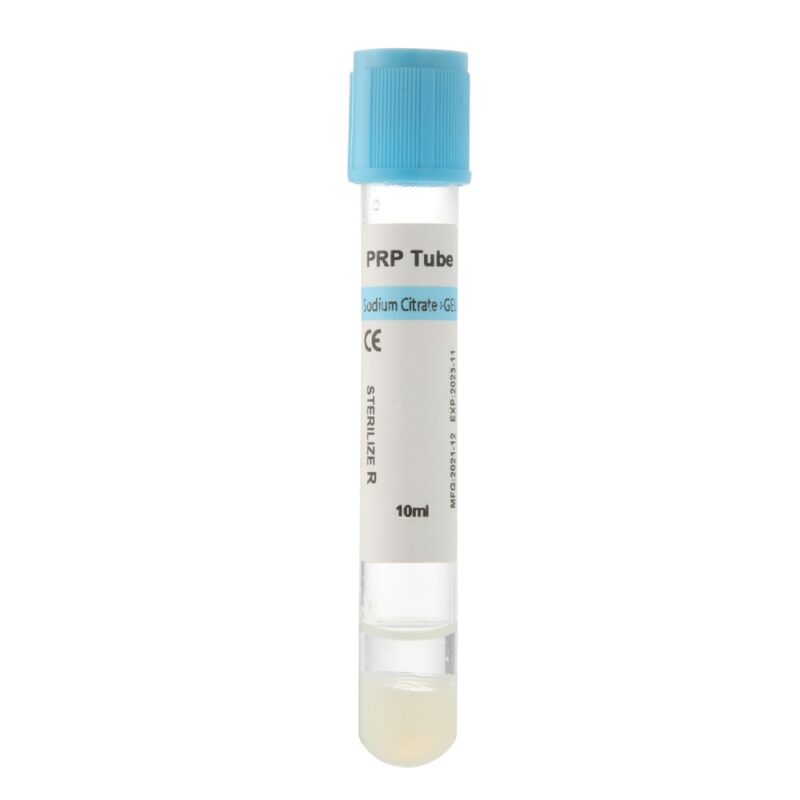
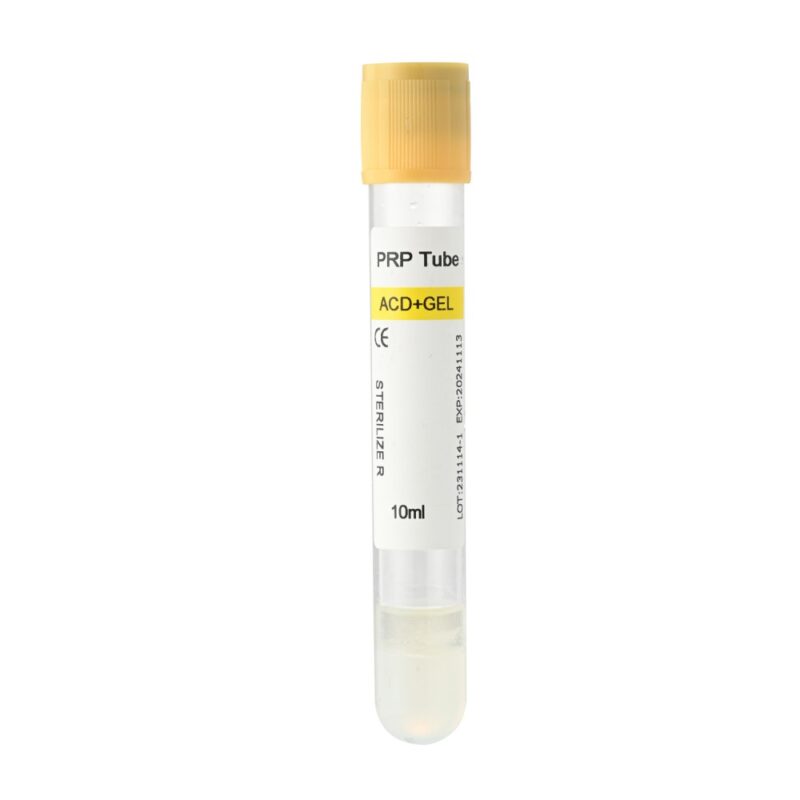
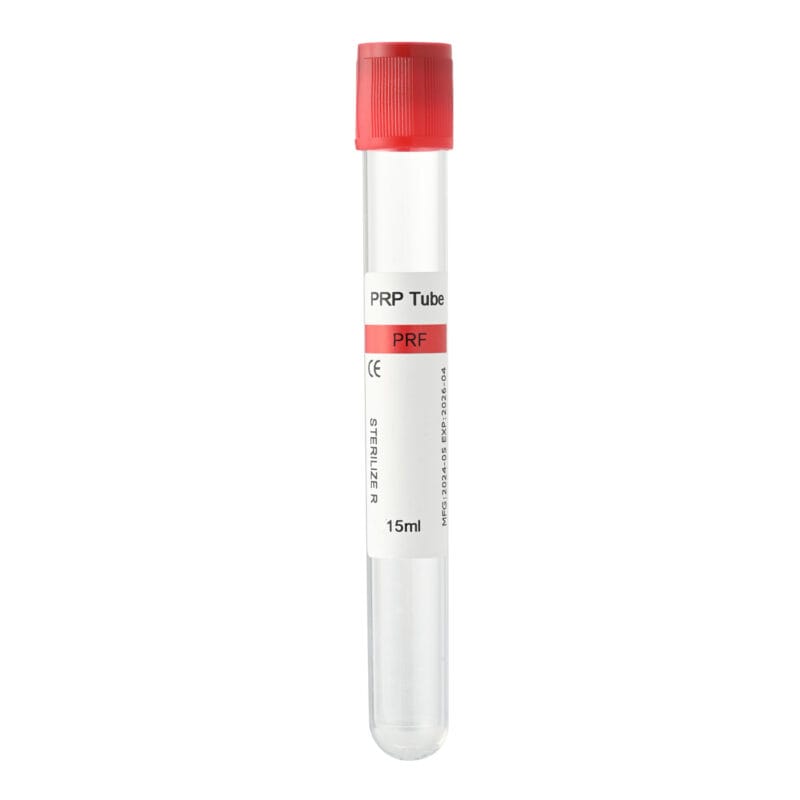
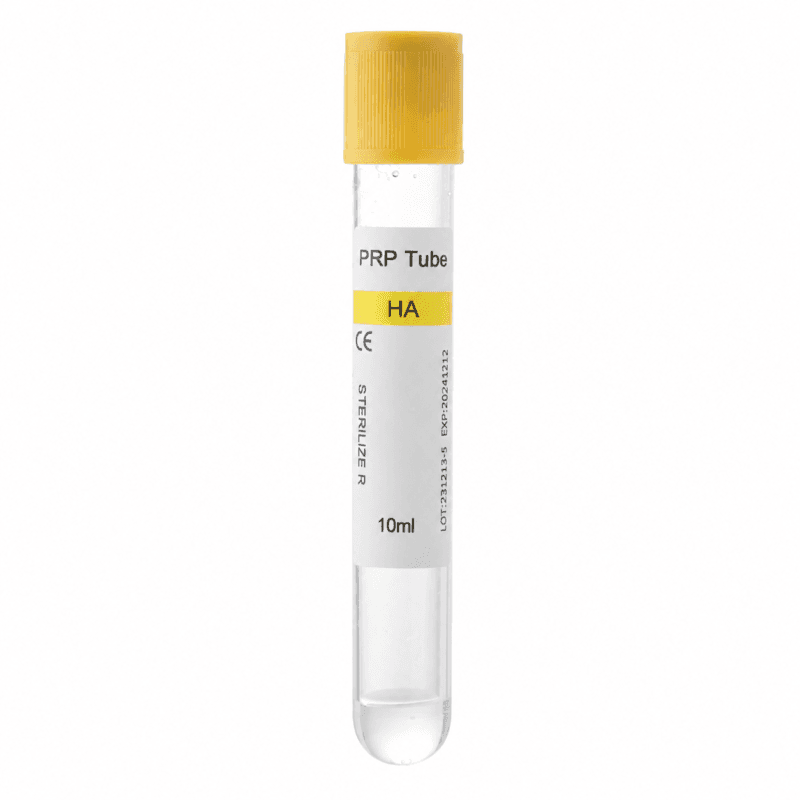
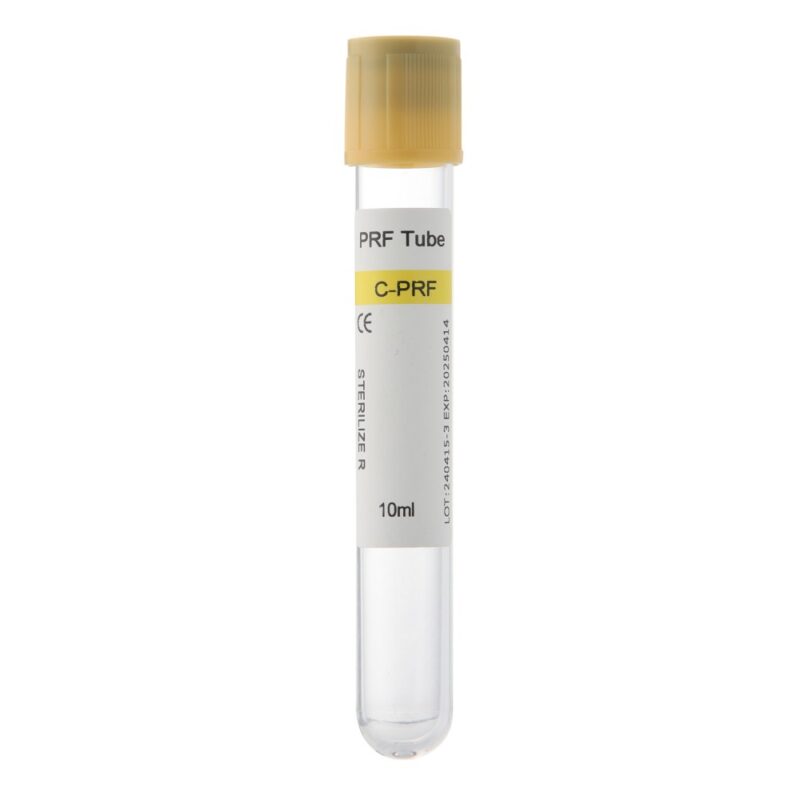
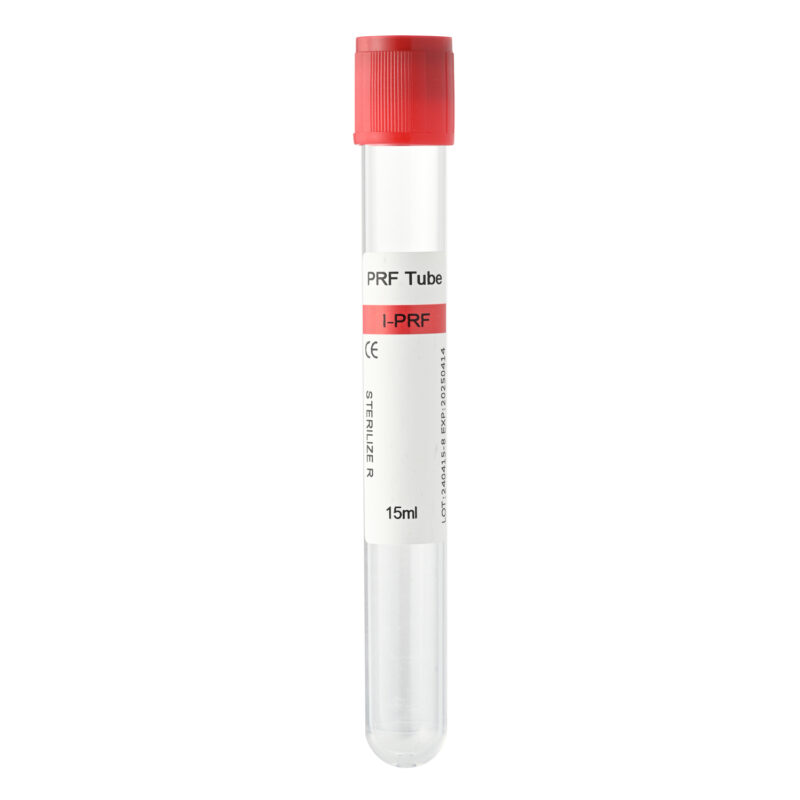
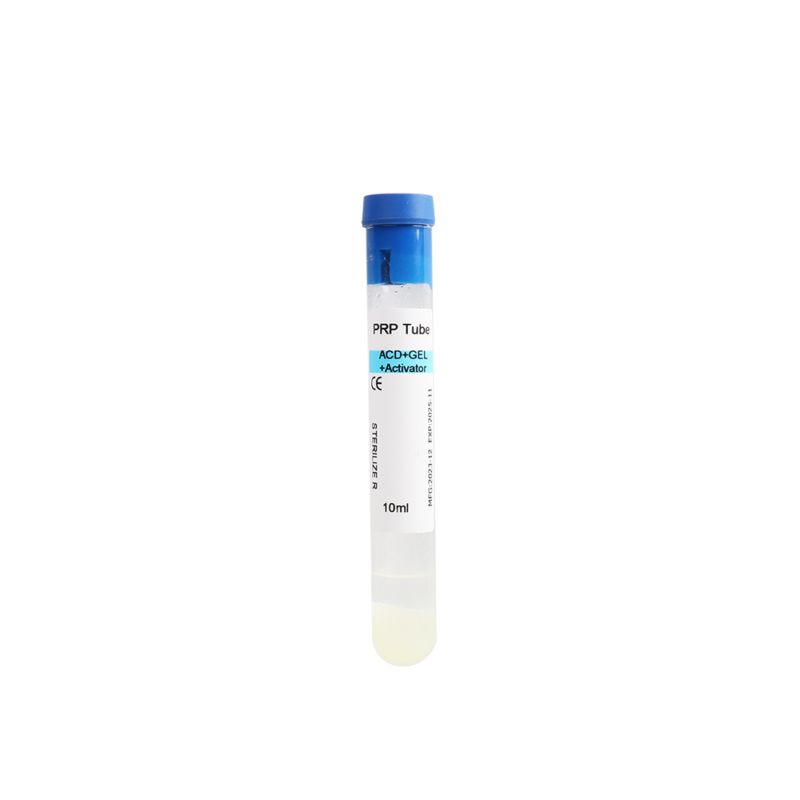
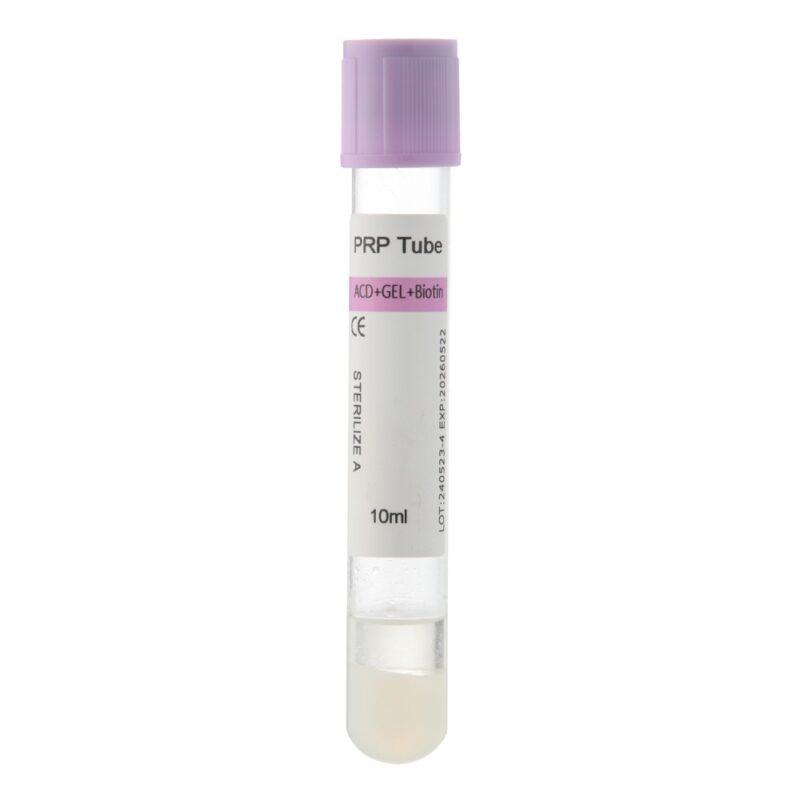
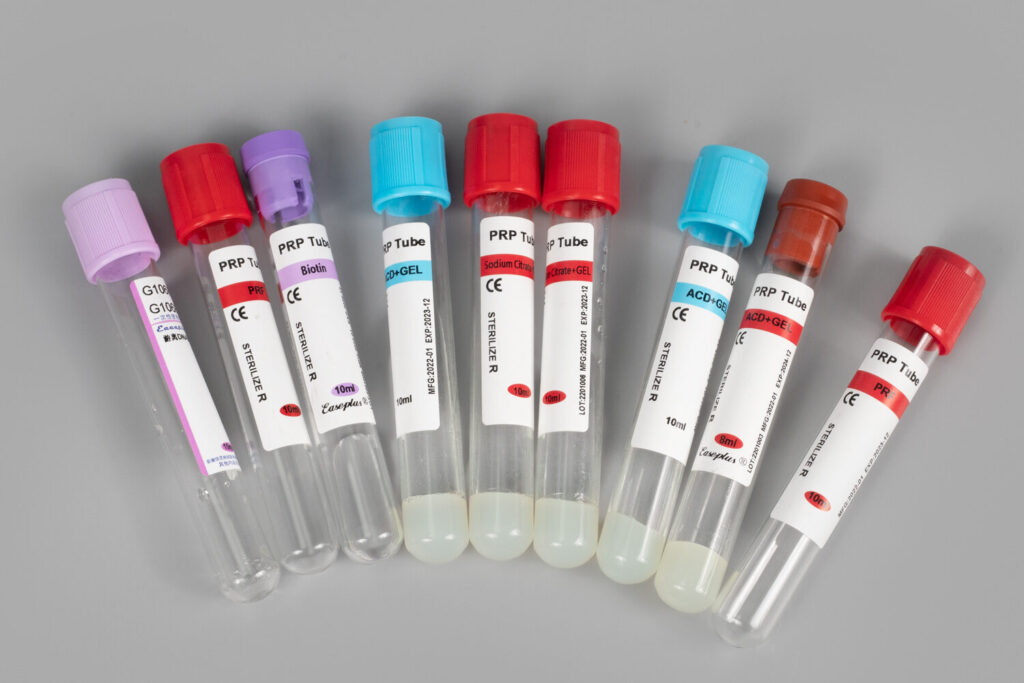
For clinics and aesthetic professionals, good outcomes depend on more than aftercare alone. A consistent PRP or PRF workflow begins earlier, with blood collection, centrifugation, preparation, and appropriate consumables.
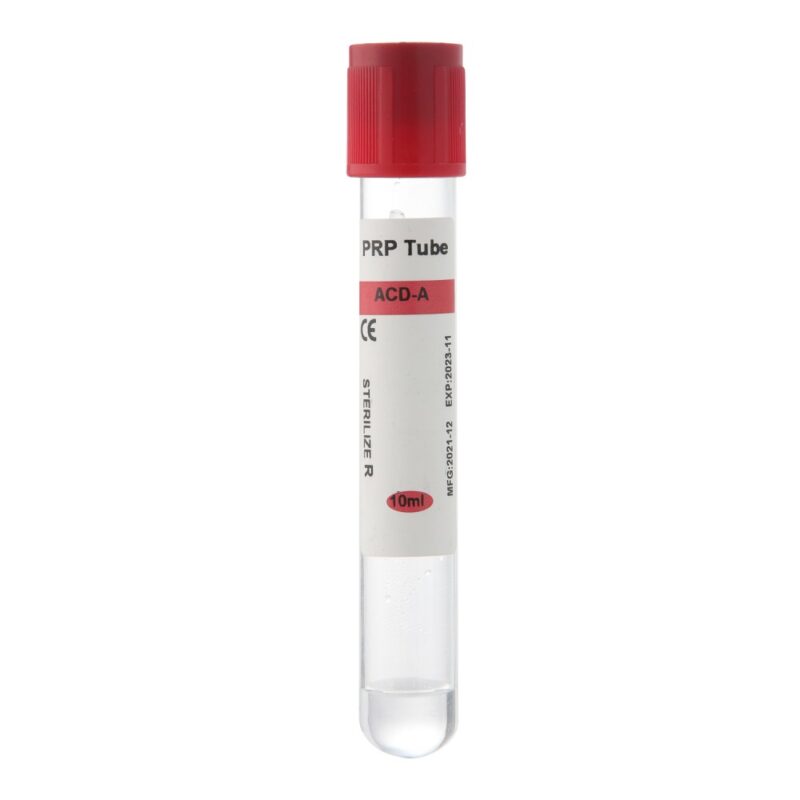
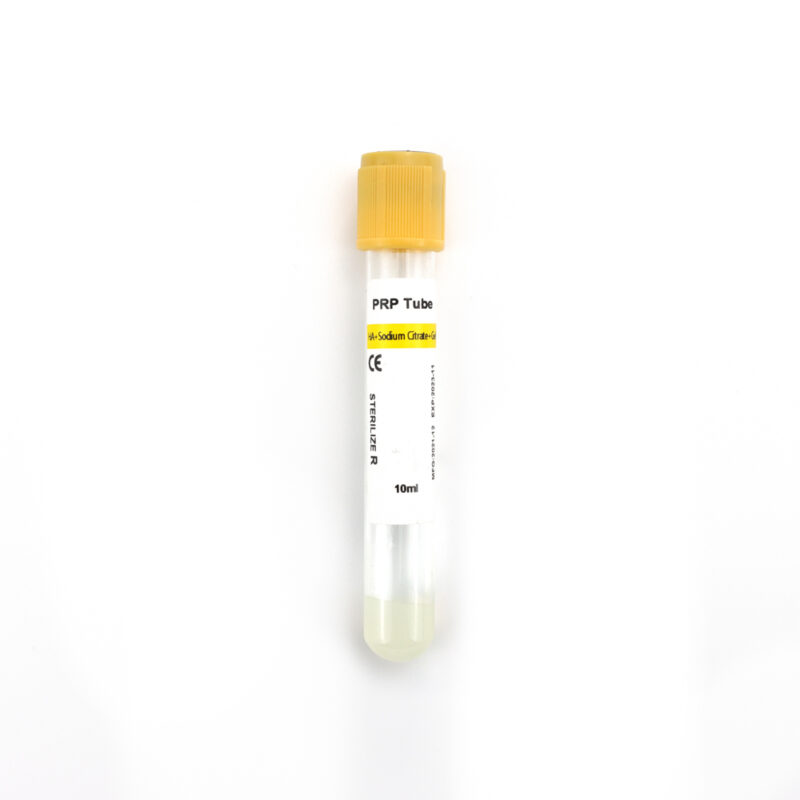
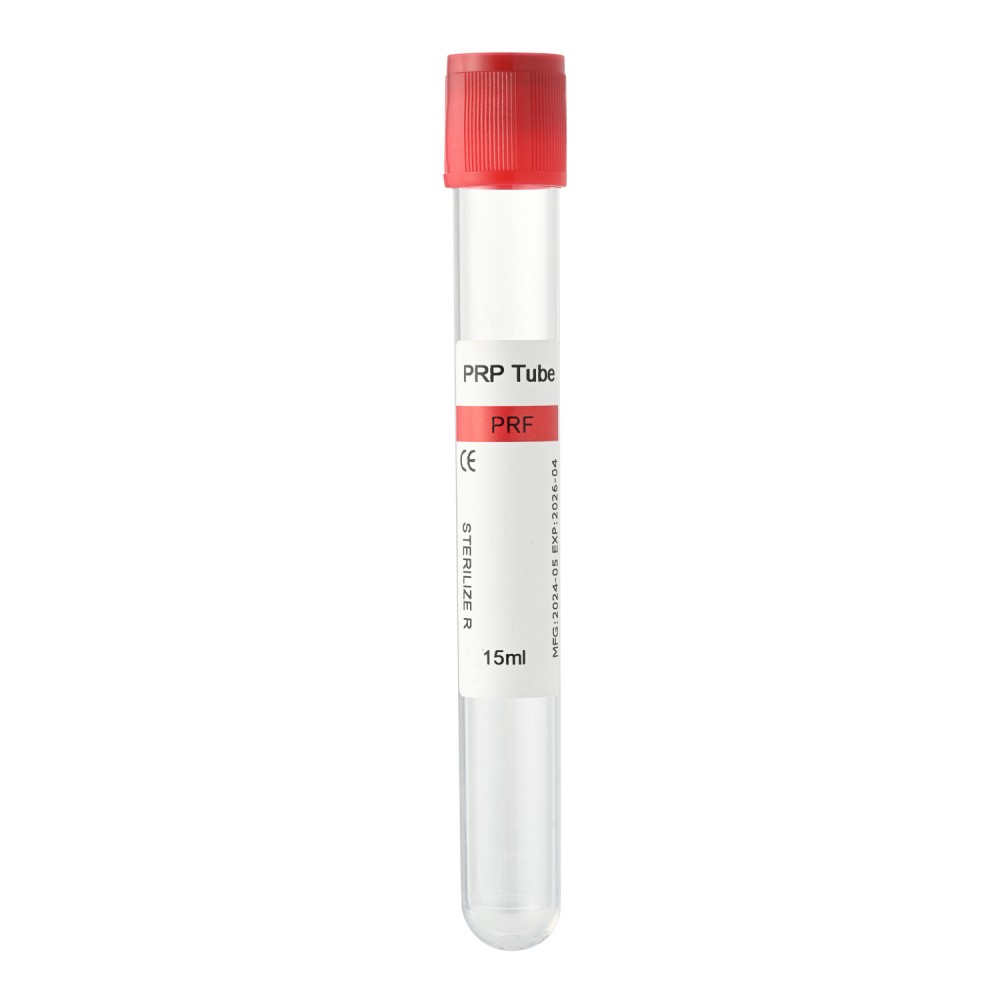
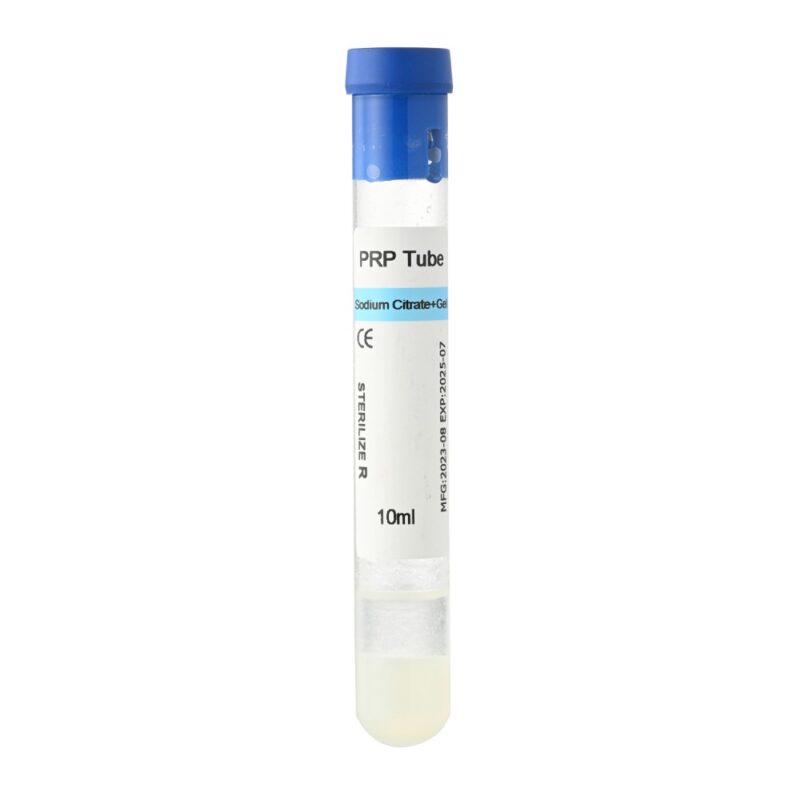
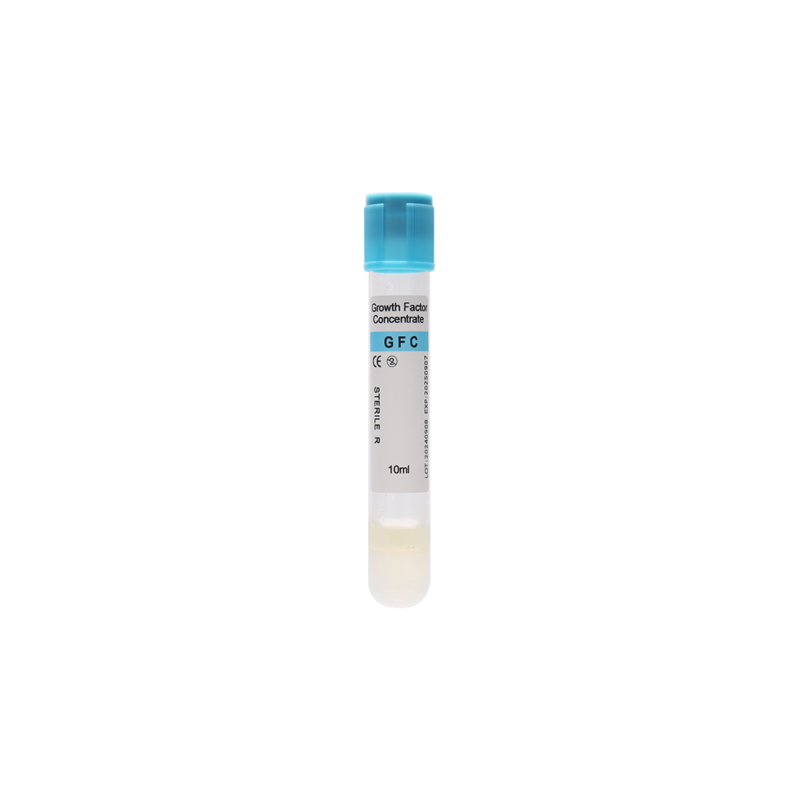
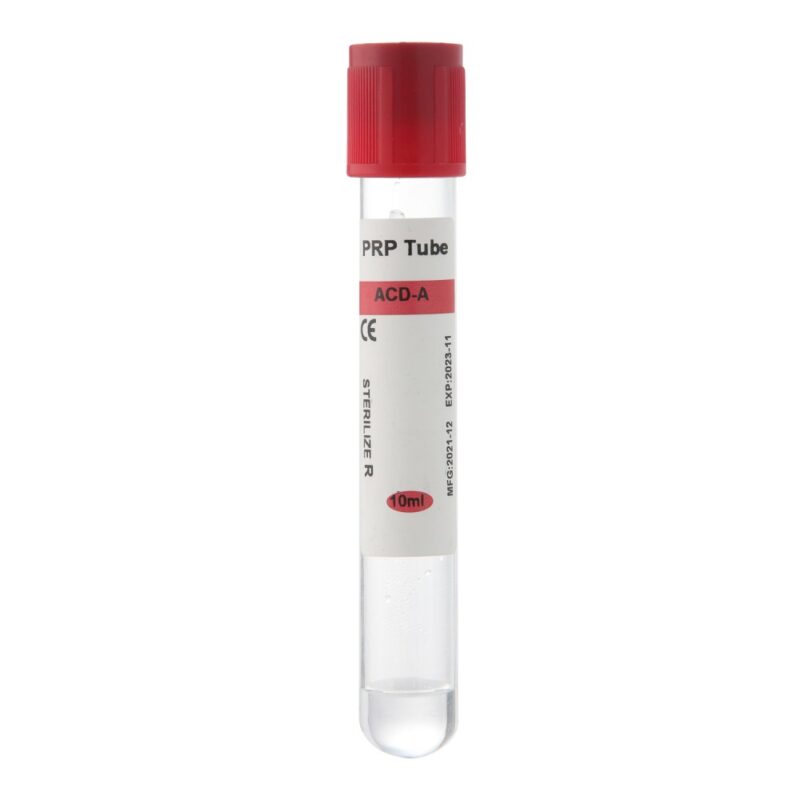
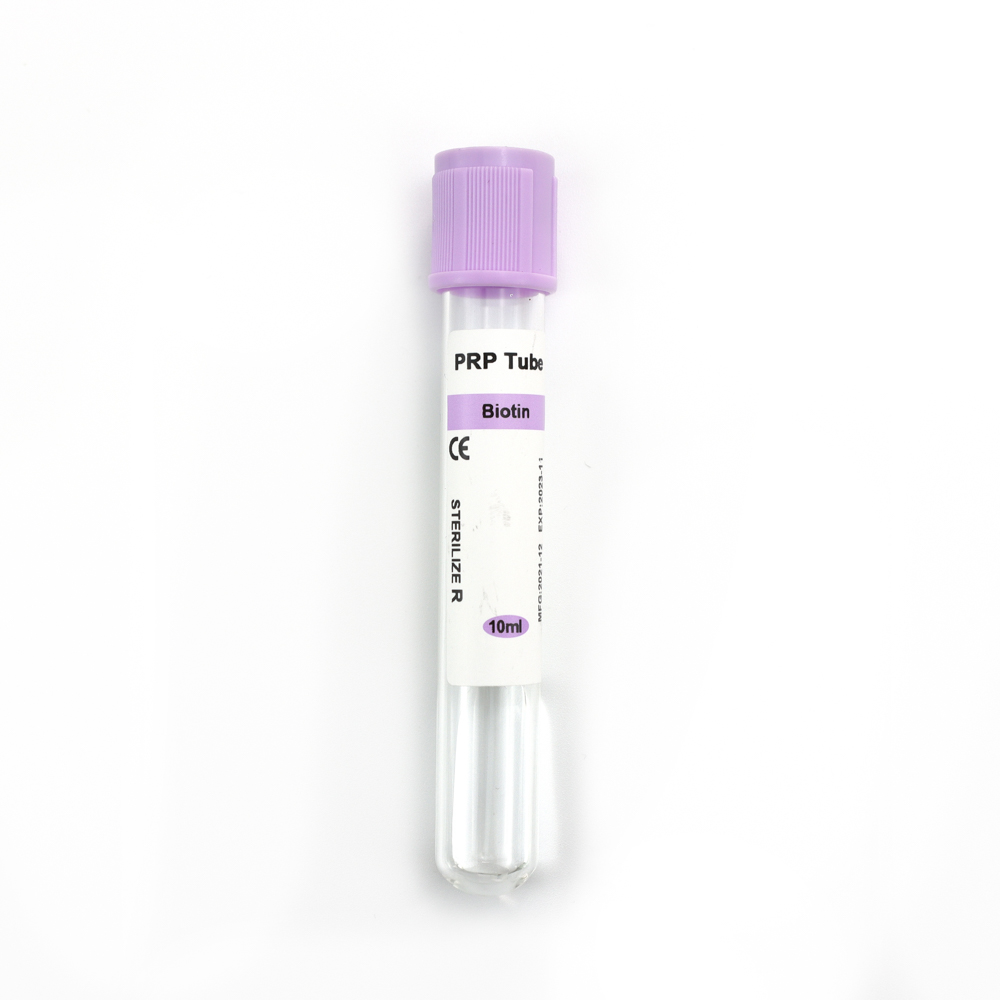
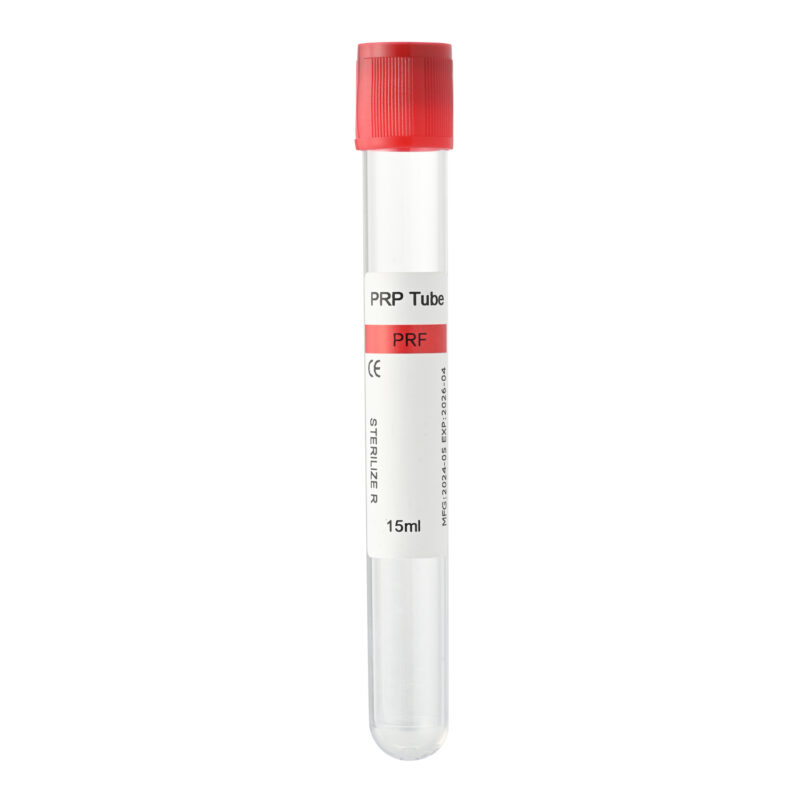
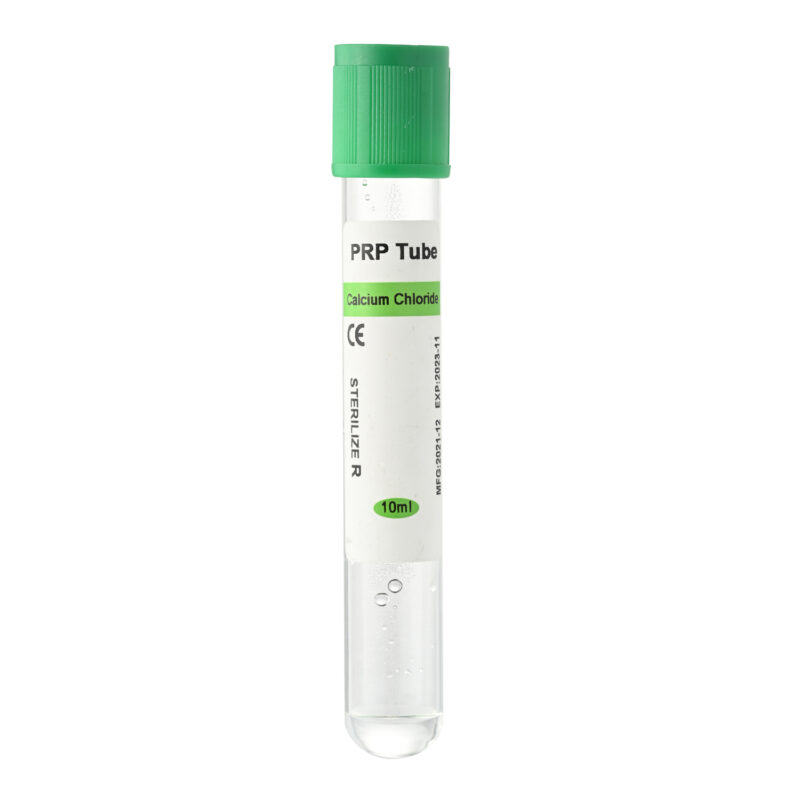
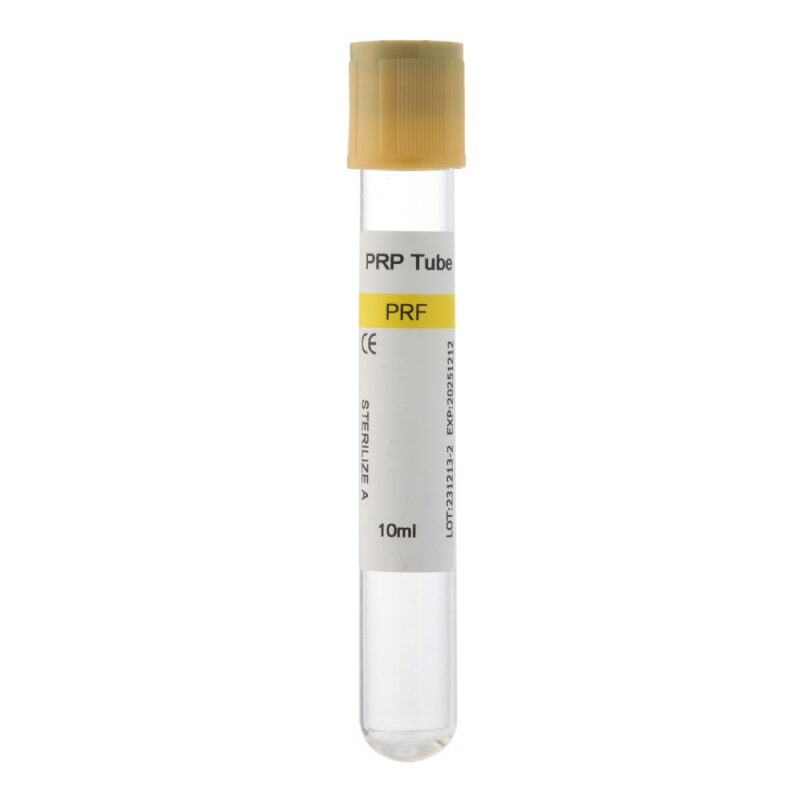
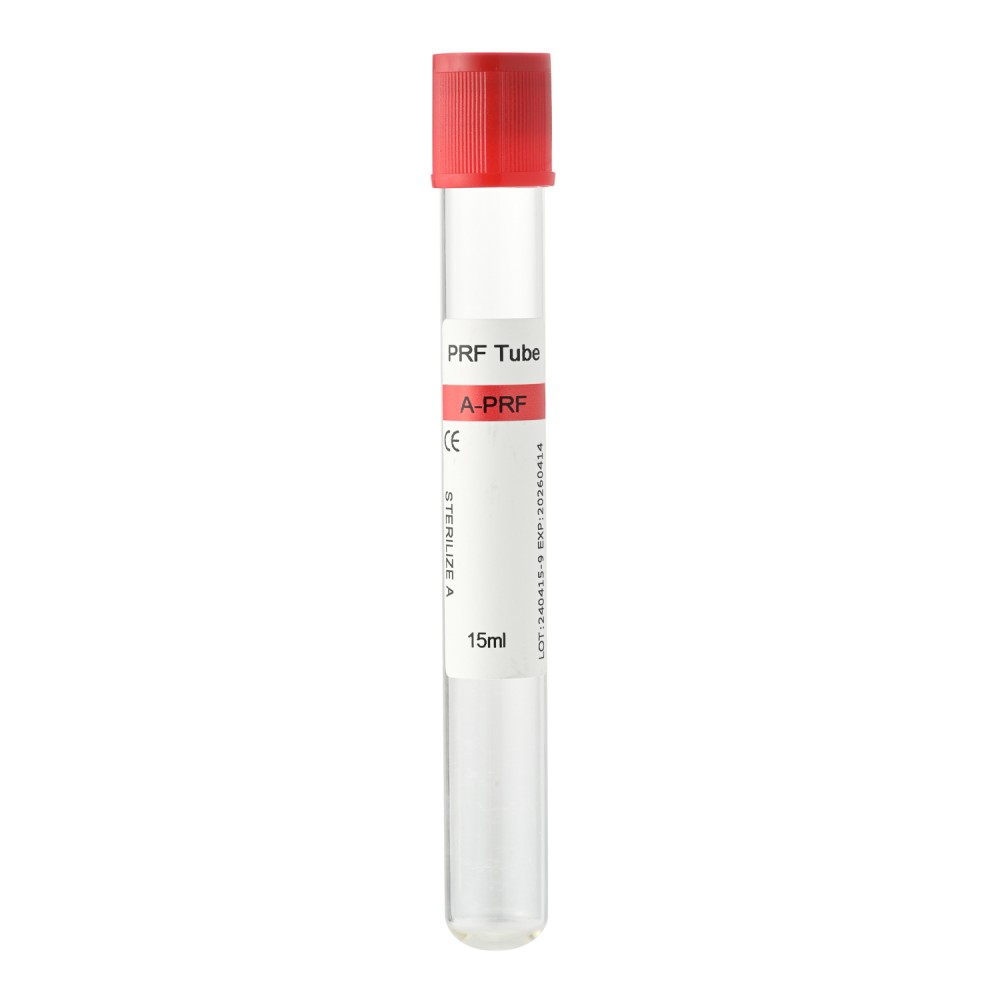
Siny PRP supplies PRP and PRF tubes and related preparation consumables for clinics, practitioners, and distributors. If you are developing or standardizing a platelet-based treatment workflow, explore our PRP and PRF product range or contact us to discuss specifications, packaging, and purchasing requirements.