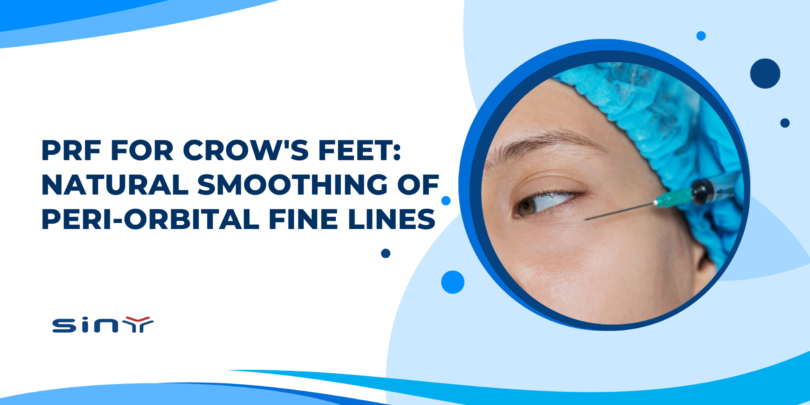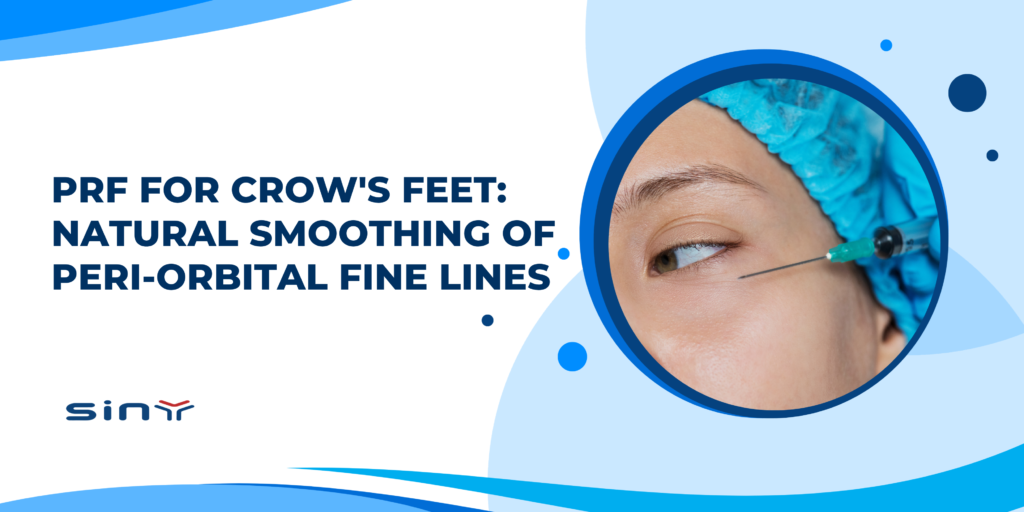
The skin around the eyes is one of the first areas to show visible signs of aging. Repeated smiling, squinting, sun exposure, collagen loss, and gradual skin thinning can all contribute to fine lines at the outer corners of the eyes. These lines are commonly known as crow’s feet.
For people interested in regenerative aesthetic treatments, PRF for Crow’s Feet has become an increasingly discussed option. Platelet-rich fibrin, or PRF, is prepared from a patient’s own blood. It contains platelets, fibrin, and naturally occurring biological components involved in tissue repair.
Because PRF comes from the patient’s own blood, it is often described as an autologous or biologically based approach to skin rejuvenation. However, this does not mean PRF is automatically safer or more effective than other treatments.
Unlike a conventional dermal filler, PRF is not primarily used to add immediate volume beneath a wrinkle. Instead, it supports biological processes associated with tissue remodeling and skin renewal.
This approach may be particularly relevant for delicate peri-orbital skin, where treatment goals often include improving fine lines, skin texture, elasticity, and crepey skin.
Clinical evidence is still developing. PRF should not be presented as a guaranteed way to erase crow’s feet. However, current research into periorbital rejuvenation suggests that PRF may help improve fine wrinkles and overall skin quality in appropriately selected patients.
Why Do Crow’s Feet Form Around the Eyes?
Crow’s feet are fine lines that radiate outward from the lateral corners of the eyes. They may also be described as lateral canthal lines or peri-orbital wrinkles.
The skin around the eyes is naturally thin and delicate. As the skin ages, several changes make this area more prone to visible creasing.
Repeated Facial Movement
The orbicularis oculi muscle contracts when a person smiles, laughs, or squints. Younger skin can repeatedly fold and return to its original position.
As elasticity declines, those temporary folds become increasingly visible.
Early crow’s feet may appear mainly during facial expressions. Over time, some lines can remain visible even when the face is relaxed.
Collagen and Elastin Loss
Collagen provides structural support, while elastin helps skin recover after movement.
Natural aging gradually changes the amount and organization of these proteins. As a result, peri-orbital skin can become thinner, less elastic, and more prone to fine wrinkles.
Sun Exposure and Photoaging
Ultraviolet radiation contributes to collagen breakdown and premature skin aging.
Long-term sun exposure can therefore make crow’s feet more noticeable. Frequent squinting in bright sunlight may add another mechanical factor.
Dryness and Environmental Factors
Dry or dehydrated skin can make existing fine lines appear more obvious.
Smoking, environmental exposure, inadequate sun protection, and other lifestyle factors may also contribute to premature skin aging.
The type of wrinkle helps determine where PRF fits into a peri-orbital treatment plan. Dynamic lines caused mainly by muscle movement are different from static wrinkles associated with thinning and aging skin.
How Does PRF for Crow’s Feet Work?
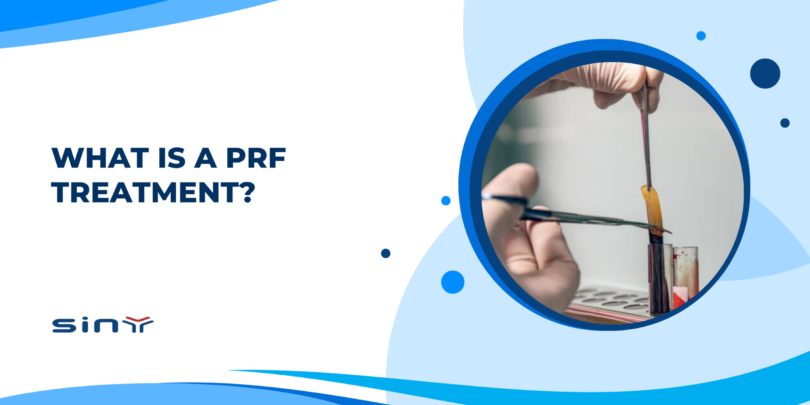
PRF is an autologous platelet concentrate prepared from a patient’s blood.
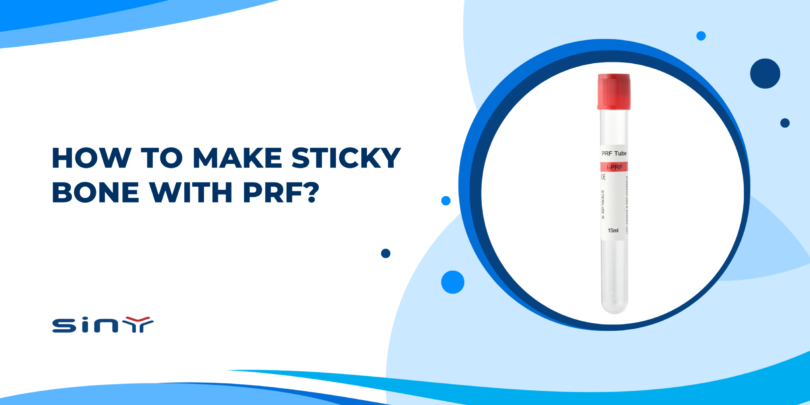
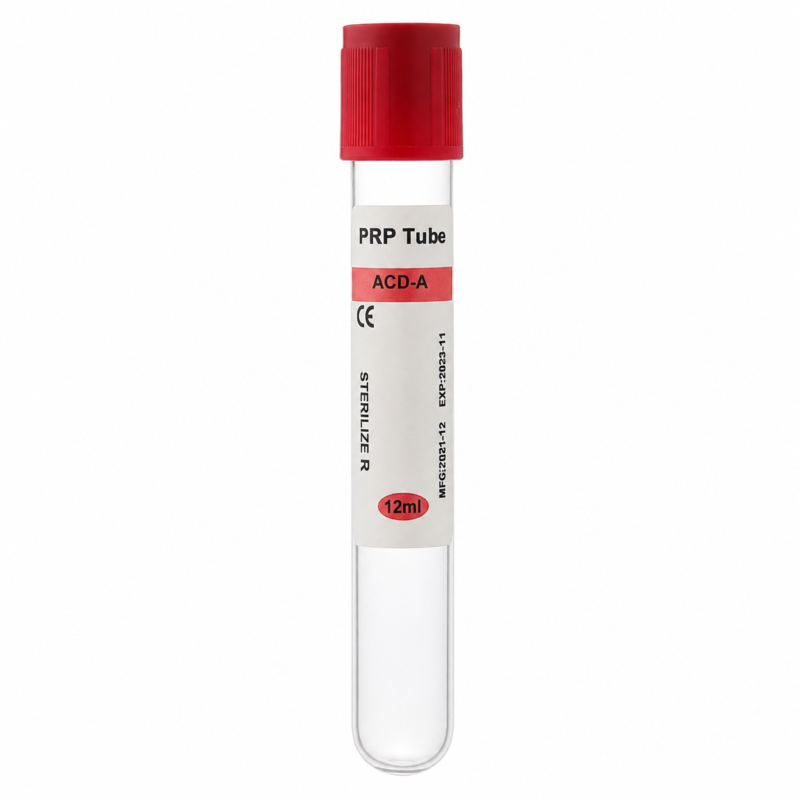
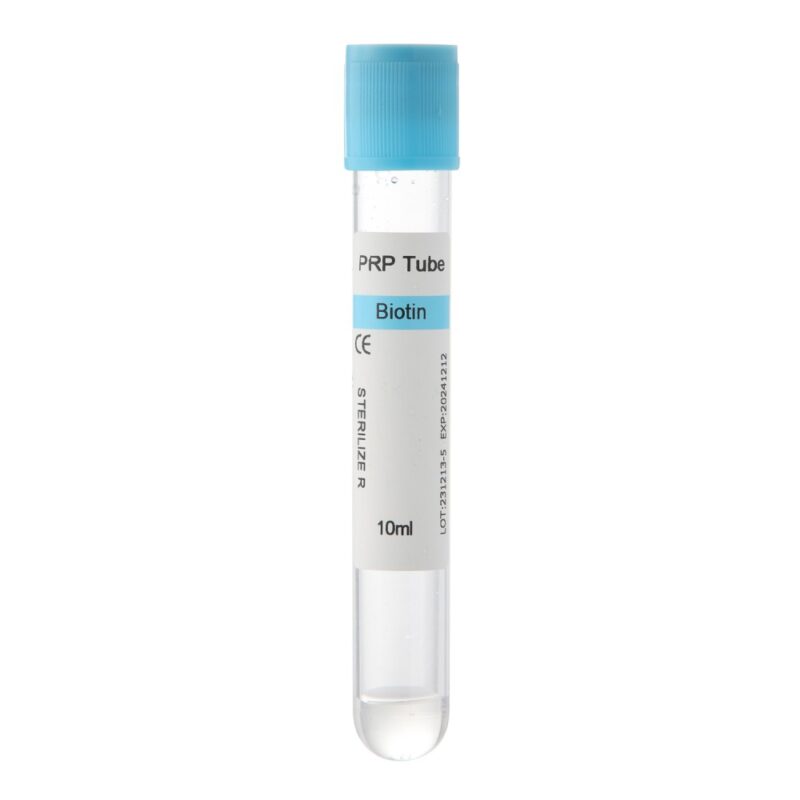
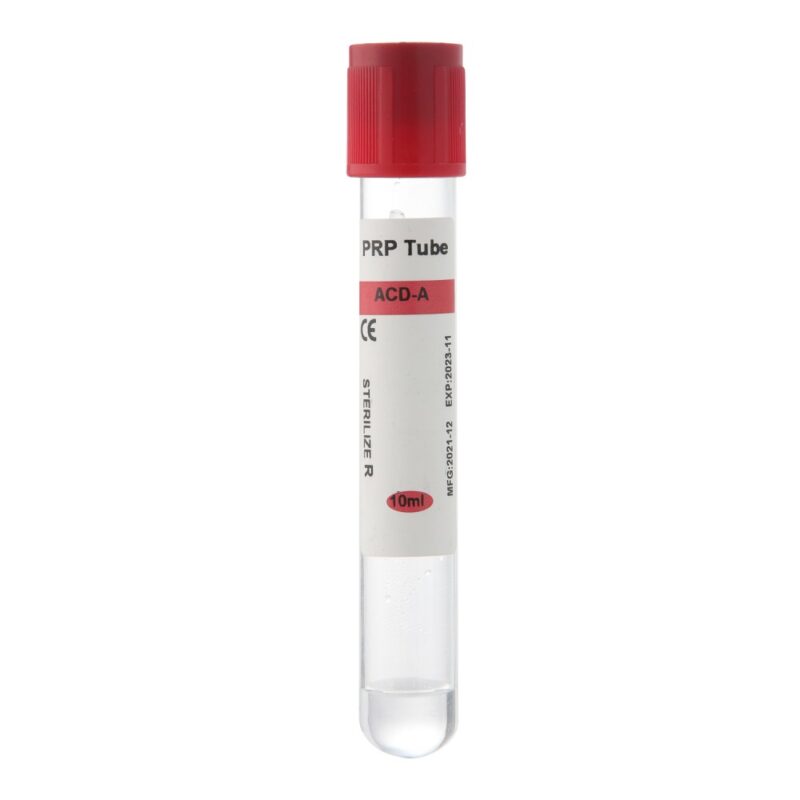
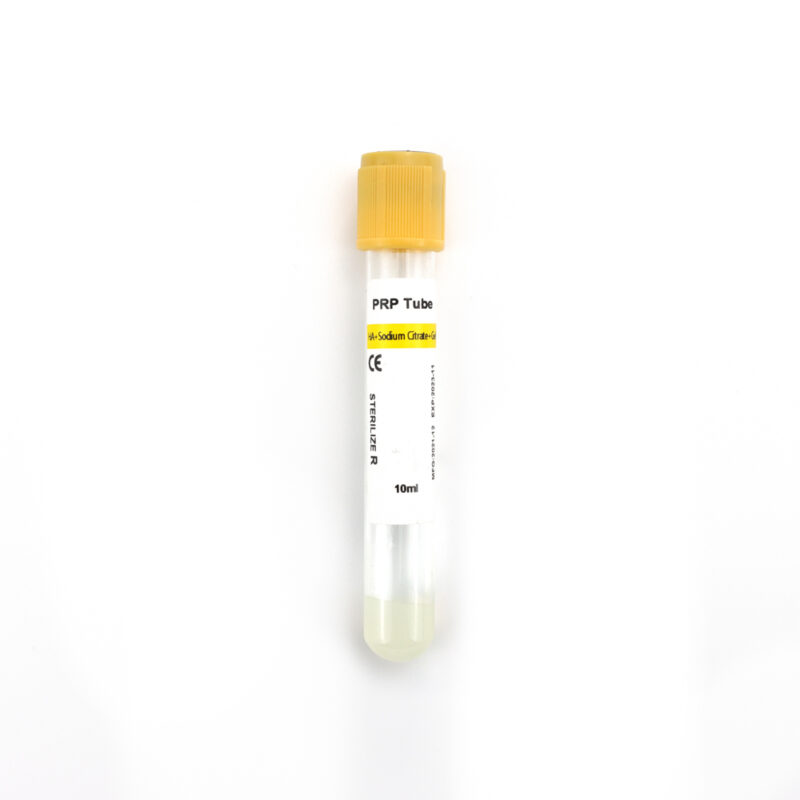
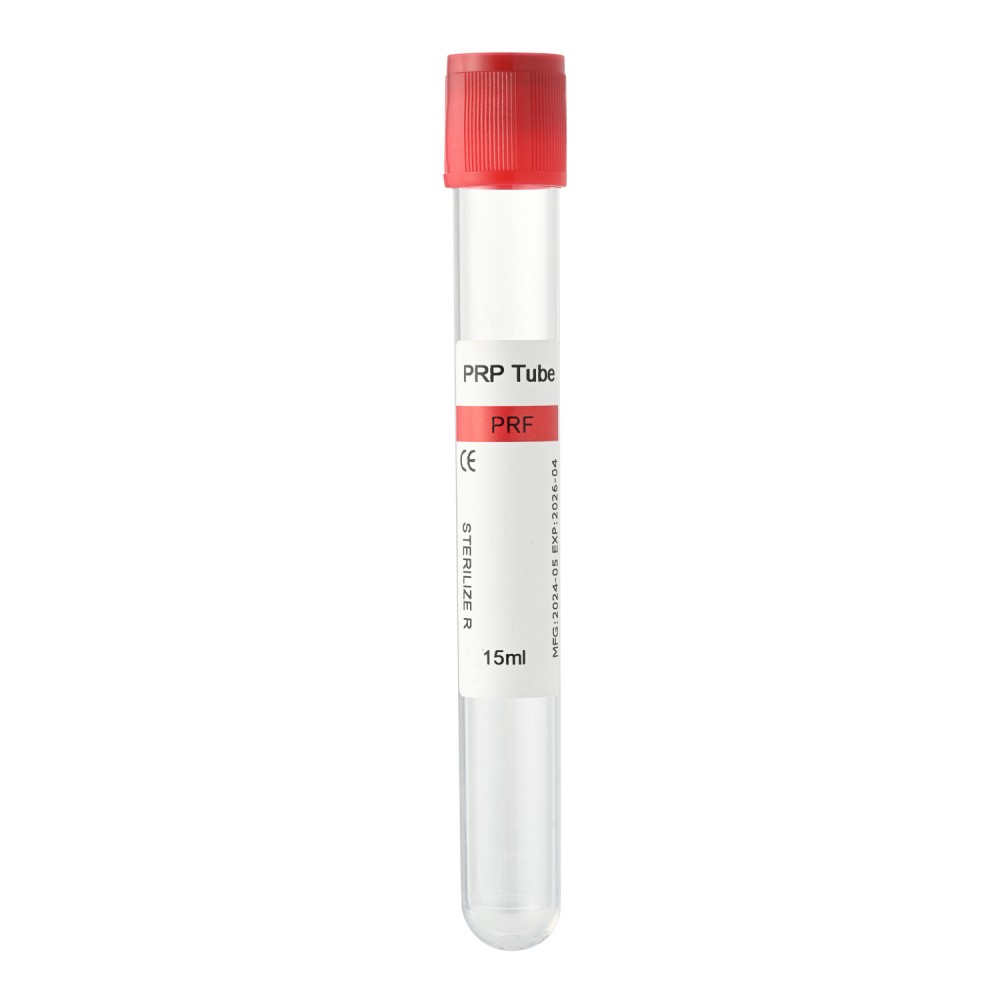
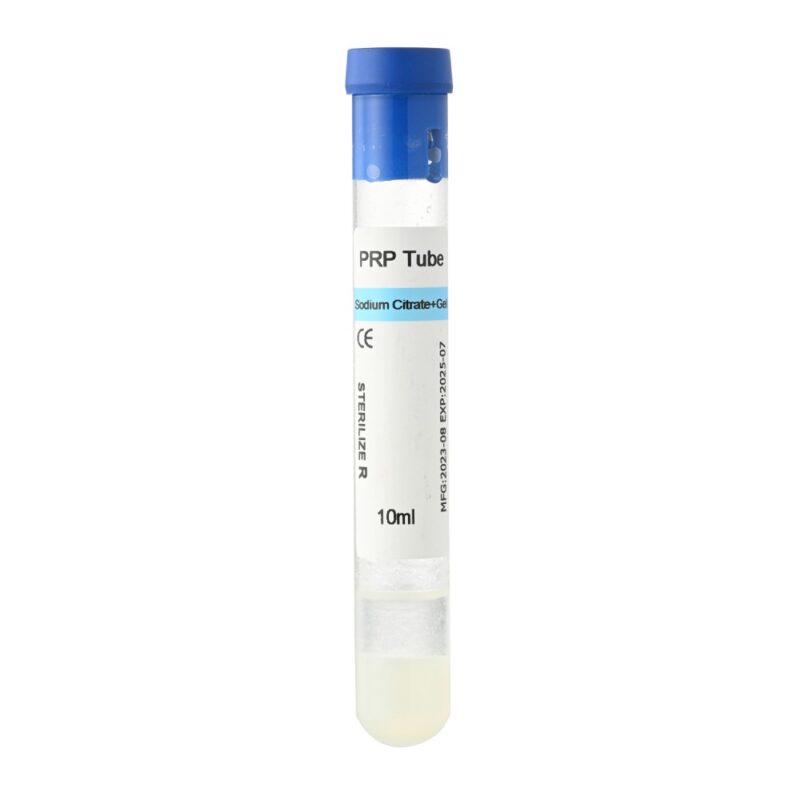
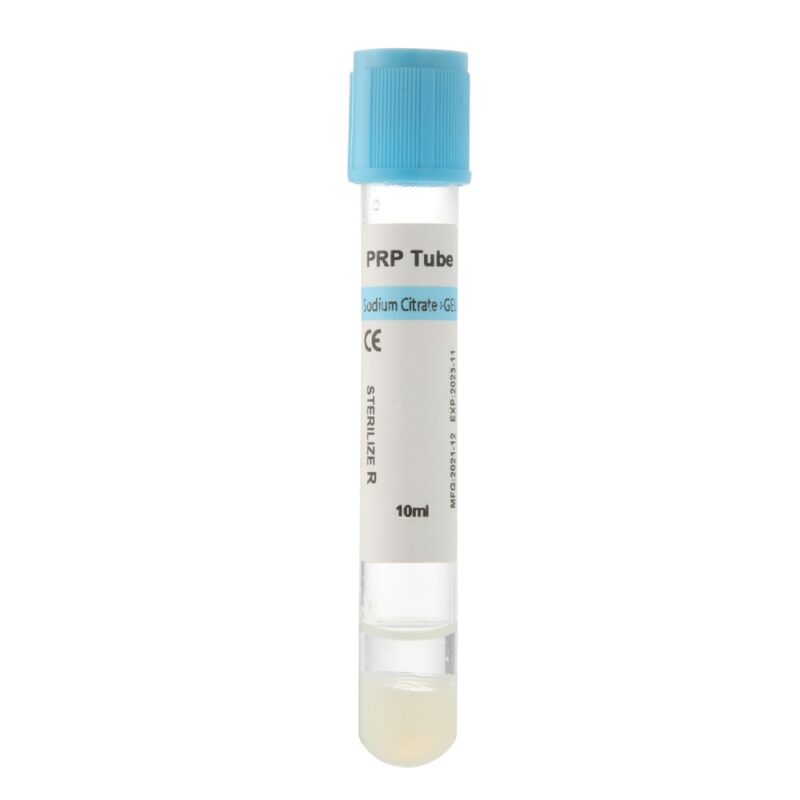
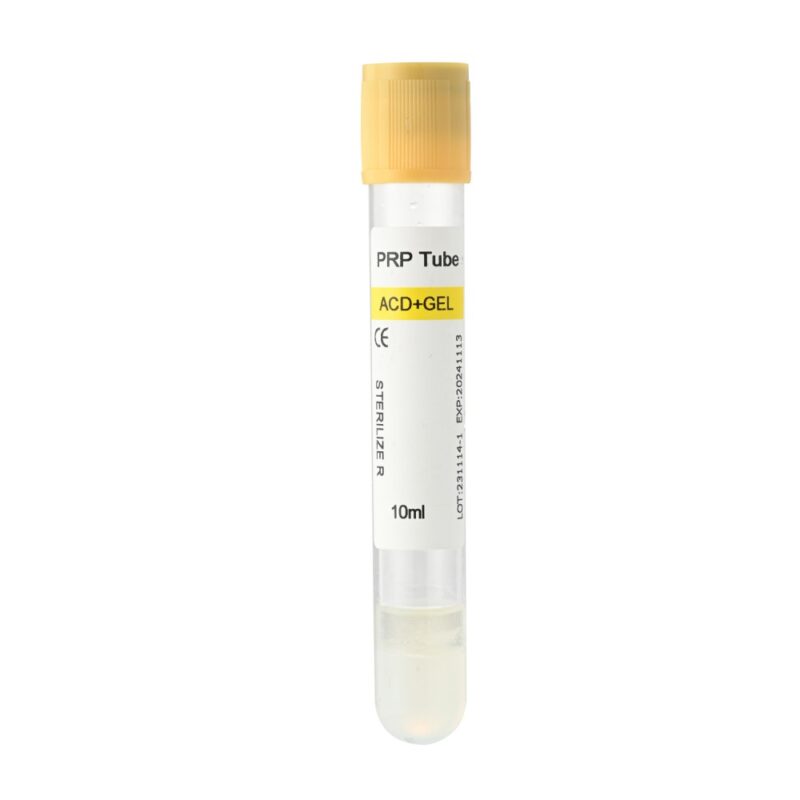
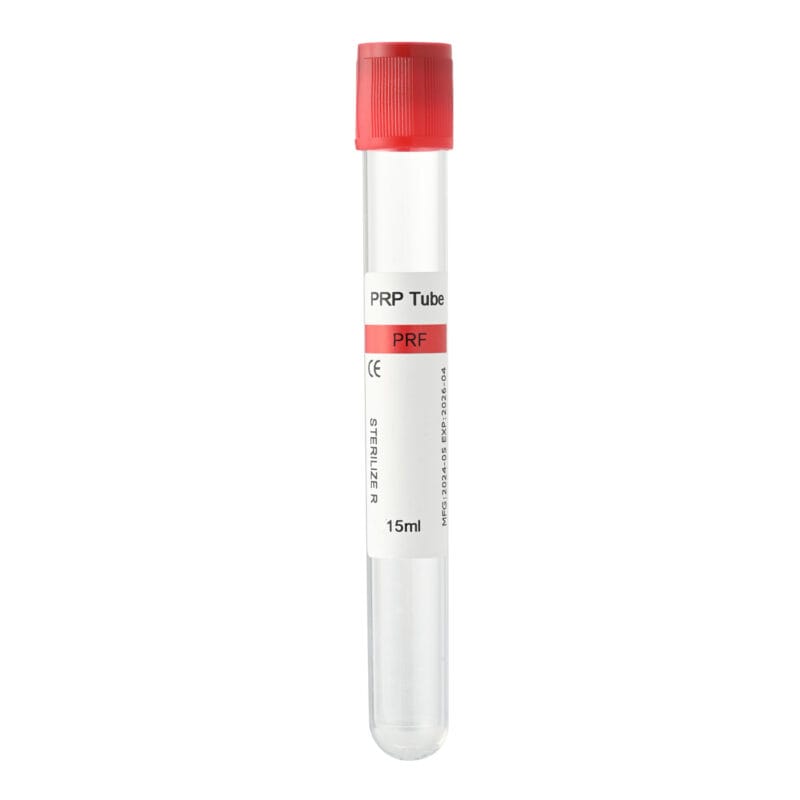
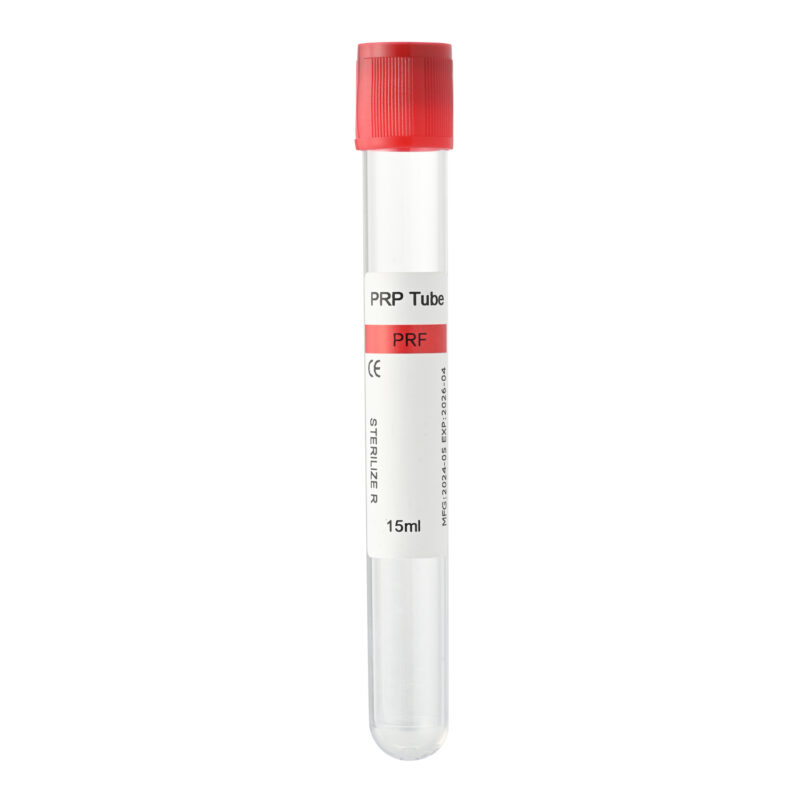
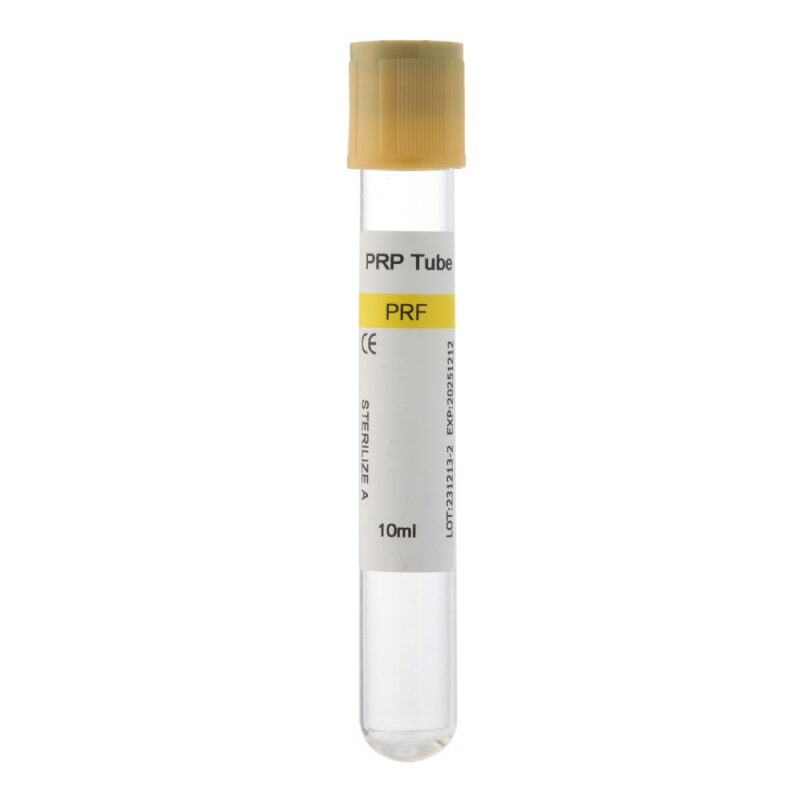
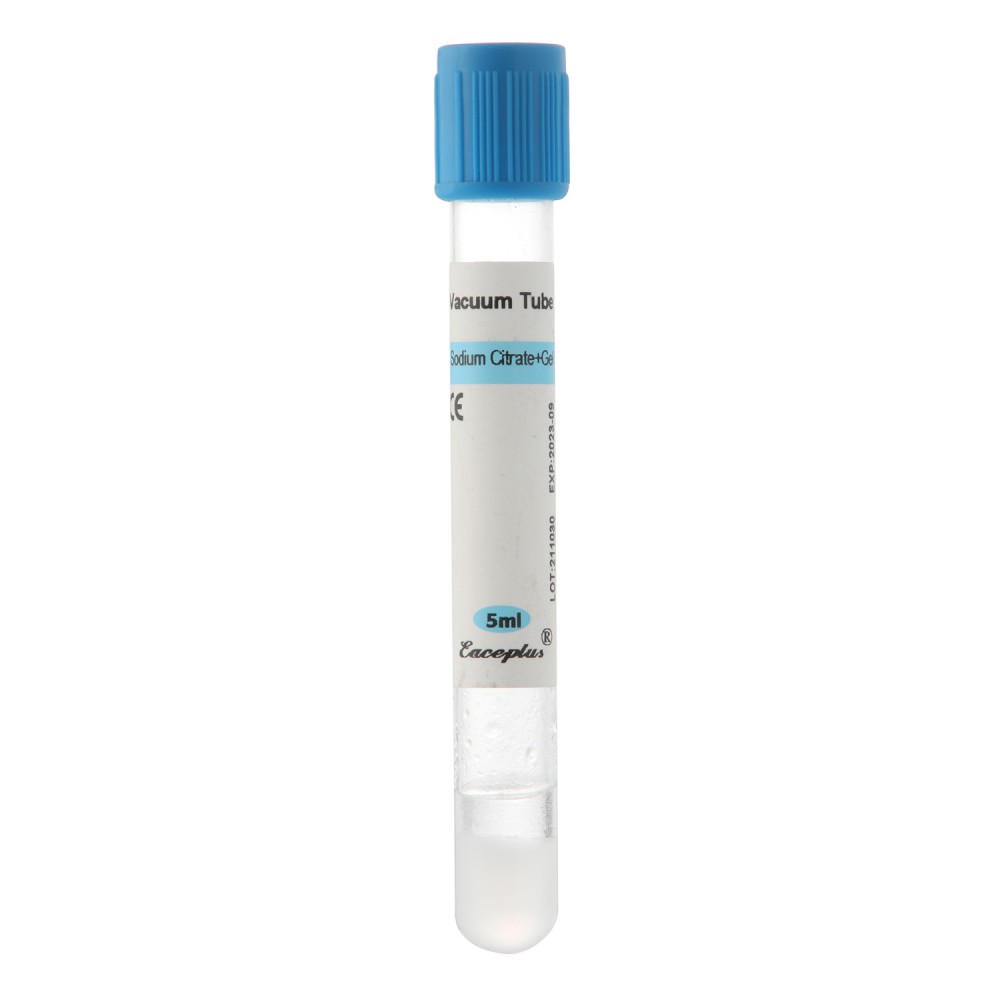
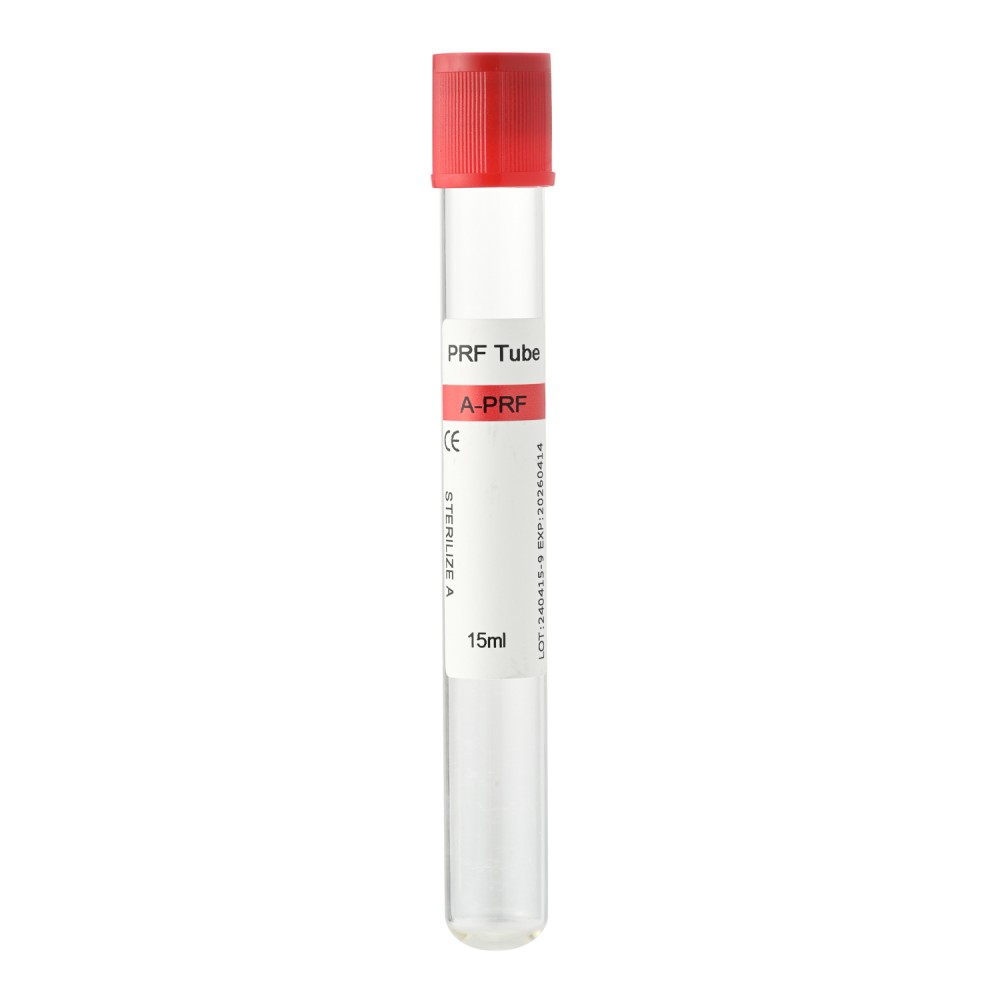
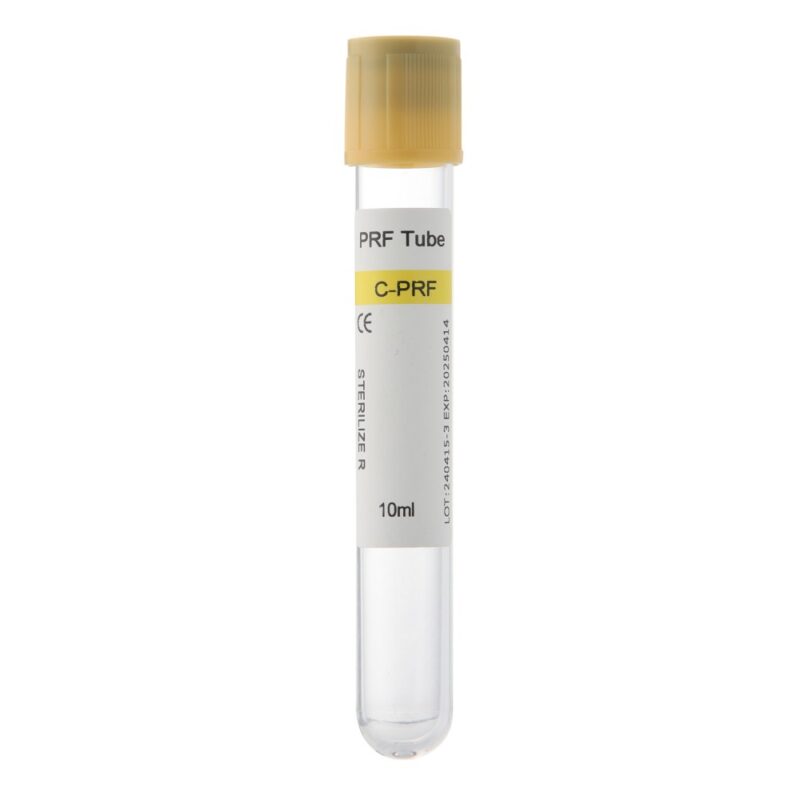
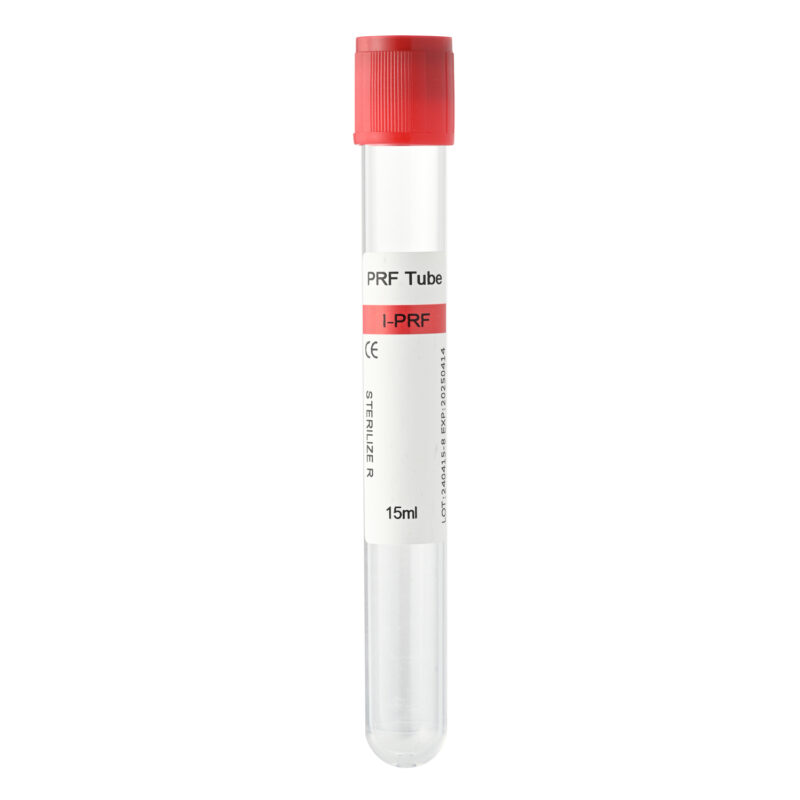
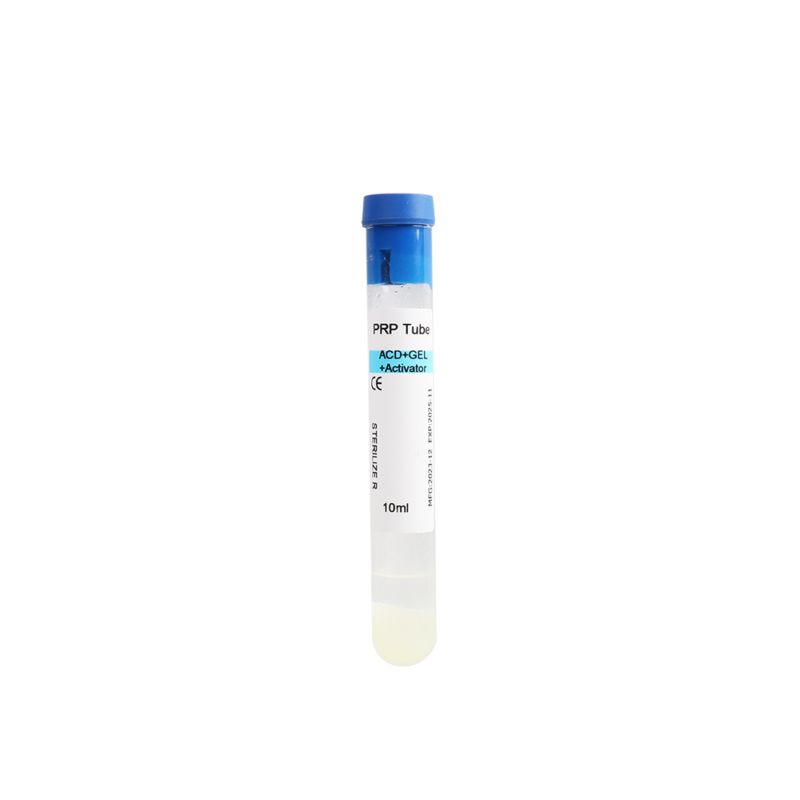
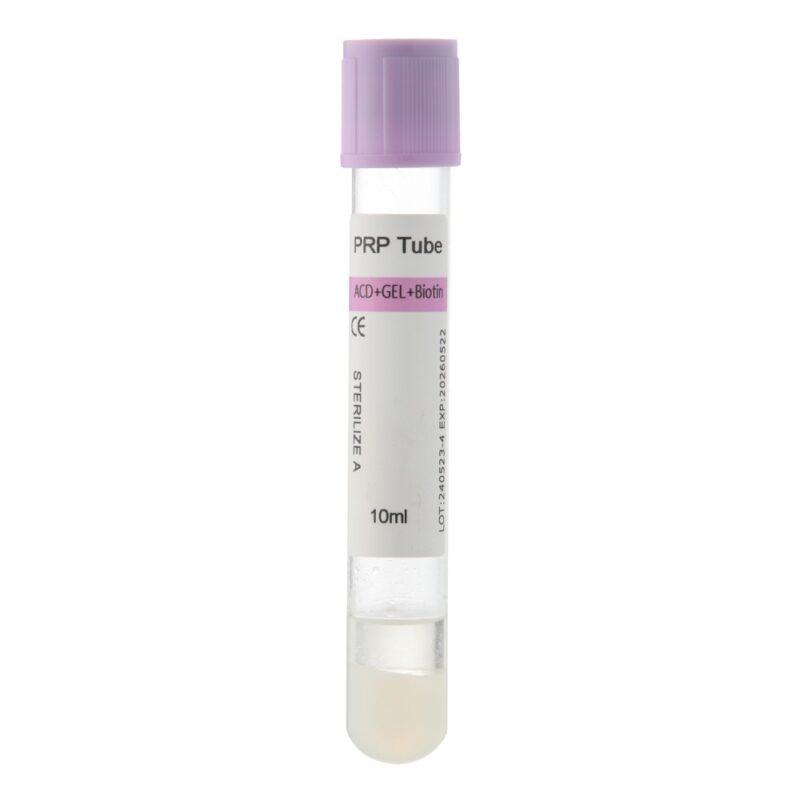
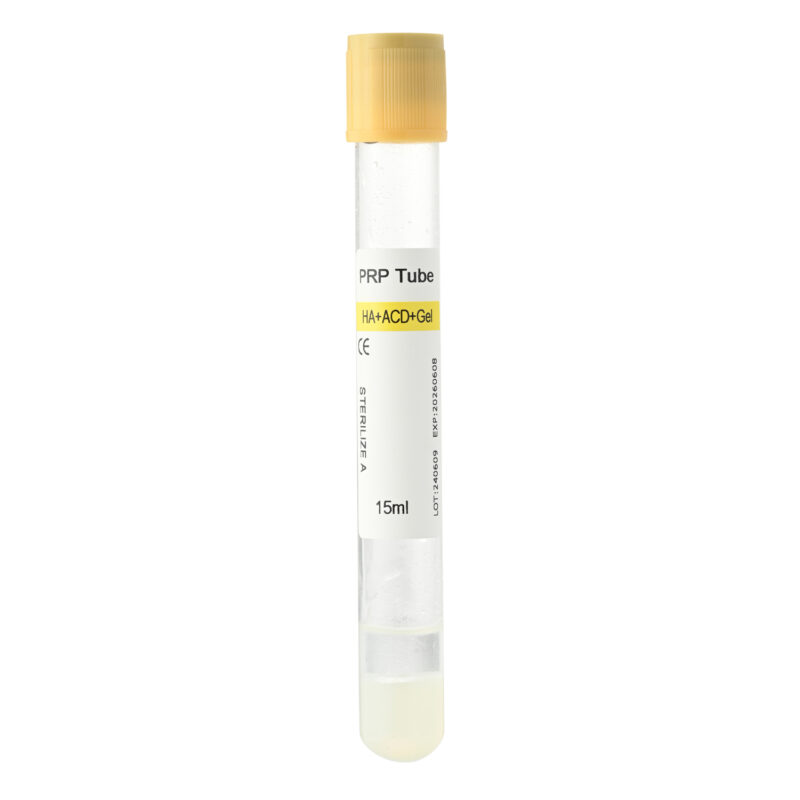
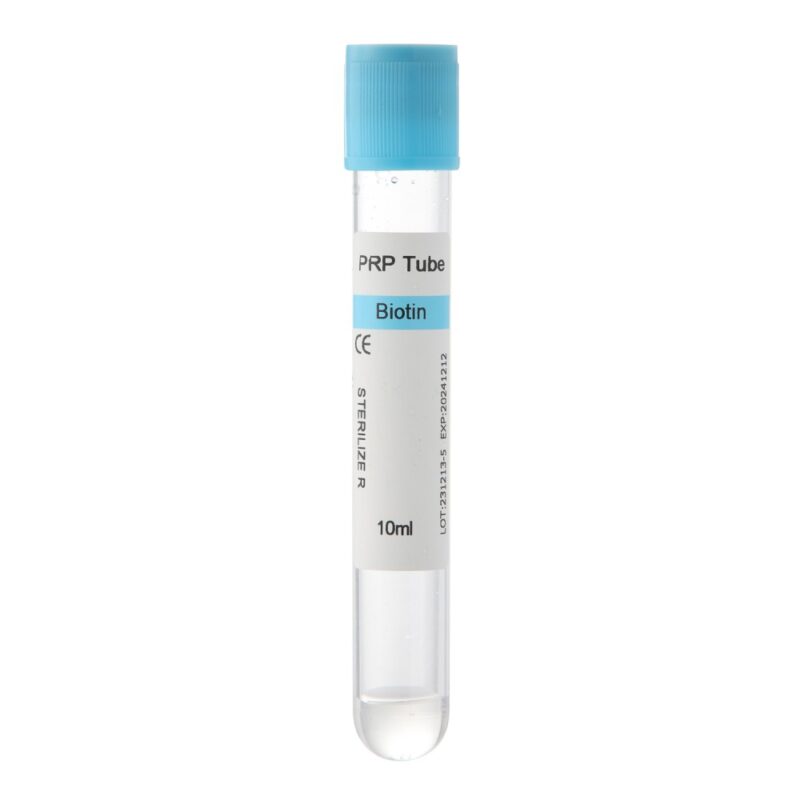
A blood sample is collected into an appropriate PRF tube and processed according to the selected clinical protocol. Centrifugation separates blood components based on their physical characteristics, allowing the desired platelet- and fibrin-rich fraction to be collected.
The resulting material is then used according to the practitioner’s treatment technique.
Platelets Provide Biological Signals
Platelets contain signaling molecules associated with tissue repair and regeneration.
These include platelet-derived growth factor (PDGF), transforming growth factor beta (TGF-β), vascular endothelial growth factor (VEGF), and other biological mediators.
After PRF is applied to the treatment area, these components interact with surrounding tissue. Fibroblasts are particularly relevant because they produce collagen and other components of the extracellular matrix.
This biological activity is one reason PRF is being studied for skin rejuvenation.
Fibrin Forms a Biological Matrix
Fibrin is another important component of PRF.
During preparation and application, fibrin can form a three-dimensional network that supports platelets and other cellular components.
Rather than simply occupying space beneath a wrinkle, this fibrin-rich environment is intended to support gradual tissue remodeling.
Skin Changes Develop Gradually
PRF does not work like an instant wrinkle filler.
Changes usually develop progressively as the treated tissue responds. Depending on the patient and protocol, treatment goals may include:
- smoother-looking fine lines;
- improved skin texture;
- reduced crepey appearance;
- better skin elasticity;
- improved overall skin quality.
Research into periorbital rejuvenation has reported improvements in several of these parameters. However, individual outcomes vary, and preparation protocols are not standardized across all studies.
This gradual regenerative mechanism explains the growing interest in PRF for Crow’s Feet and other signs of peri-orbital aging.
What Can PRF for Crow’s Feet Improve Around the Eyes?
“Crow’s feet” may sound like a single problem, but peri-orbital aging is more complex.
A patient may have dynamic wrinkles, static fine lines, thin skin, pigmentation, volume loss, or several concerns at the same time.
PRF is better suited to some of these problems than others.
Fine Static Lines and Crepey Skin
Static wrinkles remain visible even when the face is relaxed.
These lines are often associated with changes in collagen, elasticity, skin thickness, and overall dermal quality.
Research into PRF for facial and peri-orbital rejuvenation has reported improvements in areas such as fine wrinkles, skin texture, elasticity, and skin density.
PRF may therefore be particularly relevant when the goal is to improve thin, finely wrinkled, or crepey skin rather than simply reduce facial movement.
Dynamic Crow’s Feet
Dynamic crow’s feet become most visible when smiling or squinting.
Because these lines are strongly influenced by muscle contraction, PRF does not directly address their primary mechanical cause.
A useful distinction is simple:
PRF primarily targets skin quality, while botulinum toxin primarily targets muscle-driven movement.
PRF may improve the quality of the overlying skin. However, prominent dynamic wrinkles may require another treatment approach or a combined strategy based on clinical assessment.
Mild Peri-Orbital Skin Laxity
Improved skin quality and collagen remodeling may help the eye area appear smoother or firmer.
However, regenerative treatment has limitations. Significant skin laxity or advanced structural aging may require other aesthetic or surgical approaches.
Under-Eye Hollowness
Crow’s feet and tear-trough hollows often occur together, but they are different concerns.
PRF may support skin quality and produce subtle structural changes. It should not, however, be expected to provide the same immediate volume correction as a conventional dermal filler.
Severe volume loss requires careful assessment rather than relying on skin regeneration alone.
Peri-Orbital Pigmentation
Dark circles have several possible causes. These include pigmentation, visible blood vessels, thin skin, shadowing from hollowness, or a combination of factors.
PRF has been investigated as part of broader peri-orbital rejuvenation. Still, not every type of dark circle should be expected to respond in the same way.
Practitioners should first determine whether the main concern is muscle activity, skin quality, pigmentation, volume loss, or structural laxity.
PRF vs. Other Treatments for Crow’s Feet
No single treatment addresses every component of peri-orbital aging.
PRF therefore makes more sense when compared according to how each treatment works, rather than treating every aesthetic procedure as a direct competitor.
PRF vs. Botulinum Toxin for Crow’s Feet
Botulinum toxin temporarily reduces targeted muscle activity.
For dynamic crow’s feet caused largely by repeated orbicularis oculi contraction, this mechanism directly addresses muscle-driven wrinkle formation.
PRF works differently.
It does not relax the underlying muscle. Its role is more closely associated with tissue regeneration and skin quality.
Therefore, the two treatments may address different components of peri-orbital aging.
PRF vs. Dermal Fillers
Dermal fillers are primarily designed to provide structural support or restore volume.
PRF is not a conventional filler.
Although its fibrin matrix contributes to the characteristics of the prepared material, the main interest in PRF lies in its autologous platelets, fibrin network, and regenerative signaling environment.
This difference matters when choosing a treatment.
A patient with thin, crepey skin and fine static lines may have different needs from someone whose primary concern is substantial volume loss.
PRF vs. Laser and Energy-Based Treatments
Laser resurfacing, radiofrequency, ultrasound, and other energy-based technologies stimulate tissue remodeling through controlled energy delivery.
PRF uses a different approach. The treatment begins with autologous blood and uses the prepared platelet and fibrin fraction as part of a regenerative procedure.
Both approaches may have a place in aesthetic practice.
Treatment selection depends on skin condition, wrinkle type, patient goals, medical history, and practitioner assessment. In some cases, different approaches may form part of a broader treatment plan.
PRF Preparation, Treatment Process, and Expected Results
The PRF treatment process starts well before the prepared material reaches the peri-orbital area.
Blood collection, tube selection, centrifugation, processing time, and handling are all parts of the preparation workflow.
Step 1: Assess the Peri-Orbital Area
A qualified practitioner first evaluates the patient’s eye area.
The assessment may include wrinkle type, skin thickness, elasticity, photoaging, pigmentation, tear-trough hollowing, previous treatments, and relevant medical history.
This helps determine whether PRF is appropriate and what results are realistic.
Step 2: Collect the Blood
Venous blood is collected into an appropriate PRF tube.
The collection system is one component of the overall preparation process. It should be suitable for the intended PRF protocol and professional clinical workflow.
Step 3: Centrifuge According to the Selected Protocol
The blood is centrifuged according to the practitioner’s PRF protocol.
Centrifugal conditions, processing time, blood volume, tube characteristics, and equipment can influence the resulting preparation.
There is no single universal centrifugation protocol for every PRF application. Clinics should follow a validated workflow appropriate to their tubes, centrifuge, and intended clinical use.
Step 4: Collect and Apply the PRF
The required PRF fraction is collected and prepared for clinical use.
A trained medical professional then applies it according to the selected peri-orbital technique.
The eye area contains delicate anatomical structures. Appropriate training and knowledge of peri-orbital anatomy are therefore essential.
Step 5: Allow Time for Remodeling
PRF is associated with gradual tissue remodeling rather than immediate muscle relaxation.
Published studies use different treatment schedules, including protocols involving repeated sessions several weeks apart. As a result, there is no universal number of treatments that guarantees a particular outcome.
The same applies to duration.
Current research suggests that improvements may persist for several months in some patients. However, long-term evidence remains limited, and maintenance schedules vary.
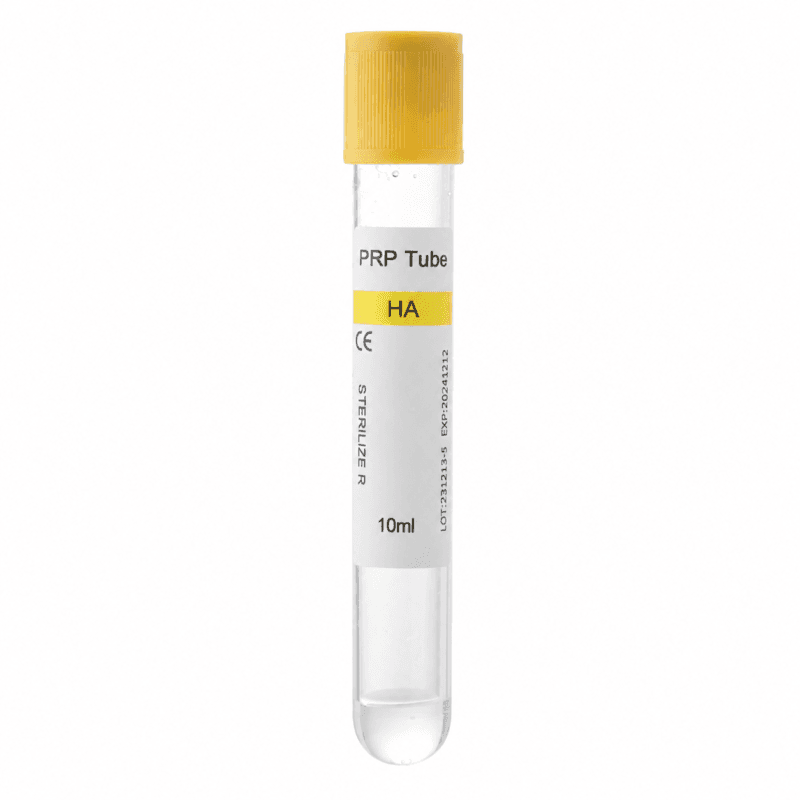
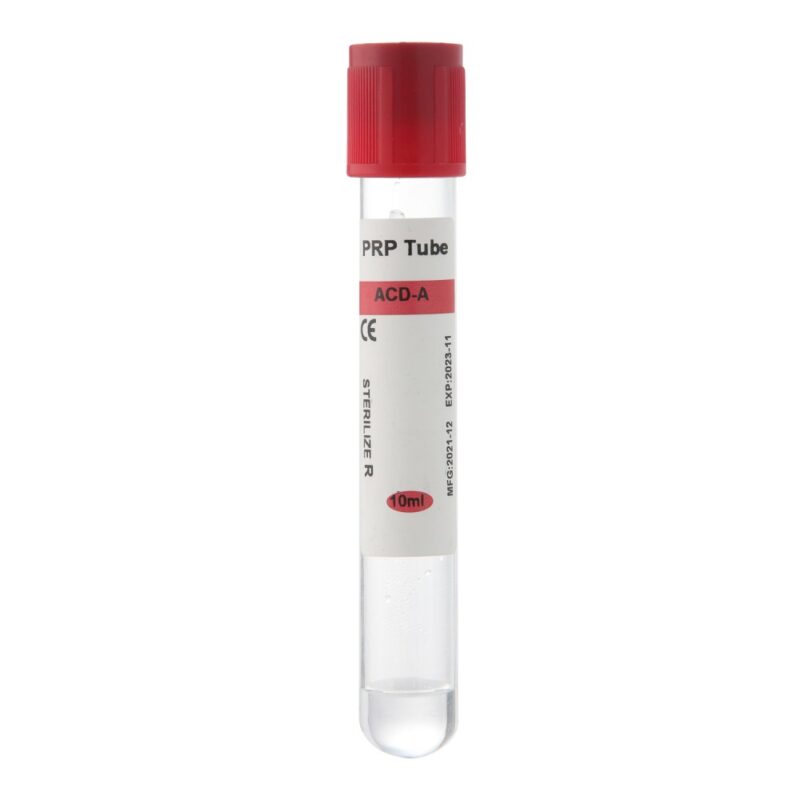
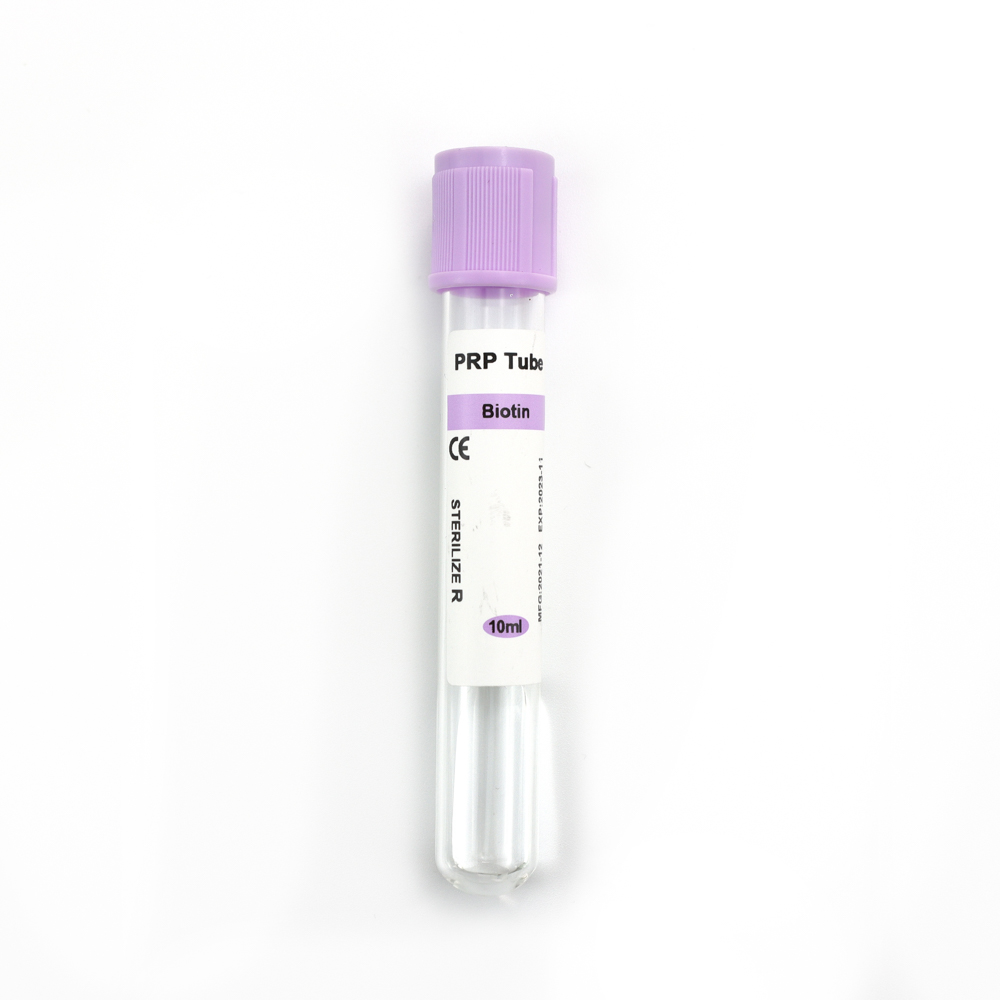
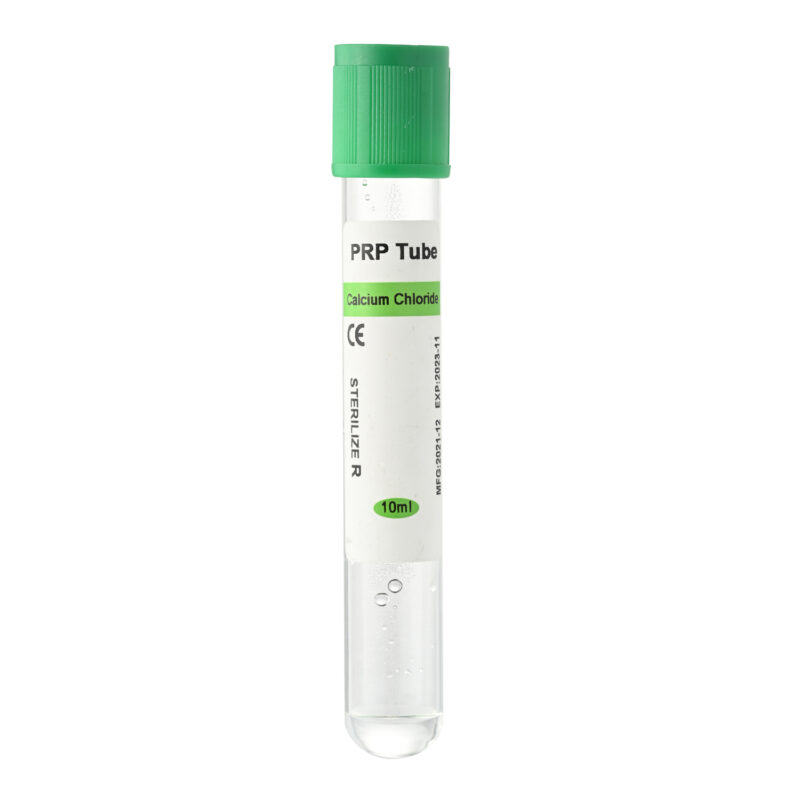
For clinics and distributors developing professional PRF workflows, consistent preparation is an important consideration. Siny PRP offers PRF tubes for professional platelet concentrate preparation and can support customers looking for suitable PRF collection solutions.
FAQ About PRF for Crow’s Feet
Is PRF good for crow’s feet?
PRF may help improve fine peri-orbital wrinkles, skin texture, and crepey skin by supporting regenerative processes within the treated tissue.
Clinical research has reported encouraging changes in several skin-quality parameters. However, individual responses vary, and more standardized research is still needed.
Does PRF completely remove crow’s feet?
No treatment should be expected to permanently remove every crow’s foot.
PRF is primarily used to support skin quality and soften fine lines. Dynamic wrinkles caused mainly by muscle contraction may remain visible, especially during smiling or squinting.
How long does PRF take to work around the eyes?
PRF relies on gradual biological remodeling, so changes are generally not immediate.
Improvements may develop over the weeks following treatment. Some clinical protocols also involve multiple treatment sessions.
The timeline varies according to patient characteristics, preparation method, treatment technique, and other clinical factors.
How long does PRF for crow’s feet last?
There is no universal duration.
Available studies suggest that peri-orbital improvements may persist for several months in some patients. However, systematic reviews have noted that evidence about long-term durability remains limited.
Maintenance treatment may be considered according to individual response and clinical assessment.
Is PRF better than Botox for crow’s feet?
PRF and botulinum toxin have different mechanisms.
Botulinum toxin targets muscle activity and is therefore directly related to dynamic wrinkles. PRF focuses more on regenerative processes and skin quality.
The appropriate approach depends on whether the main concern is muscle-driven wrinkling, static fine lines, skin texture, or a combination of factors.
Is PRF the same as a dermal filler?
No.
Dermal fillers primarily provide volume and structural support. PRF is an autologous platelet concentrate used as part of regenerative treatment.
PRF may help improve fine lines and skin quality, but it should not be expected to provide the same immediate volume correction as a conventional filler.
Is PRF suitable for the delicate eye area?
PRF has been studied for peri-orbital rejuvenation, including fine wrinkles and skin-quality changes.
However, the eye area has complex anatomy. Appropriate patient selection, preparation, treatment technique, and anatomical knowledge are essential.
Does the PRF Tube Affect PRF Preparation?
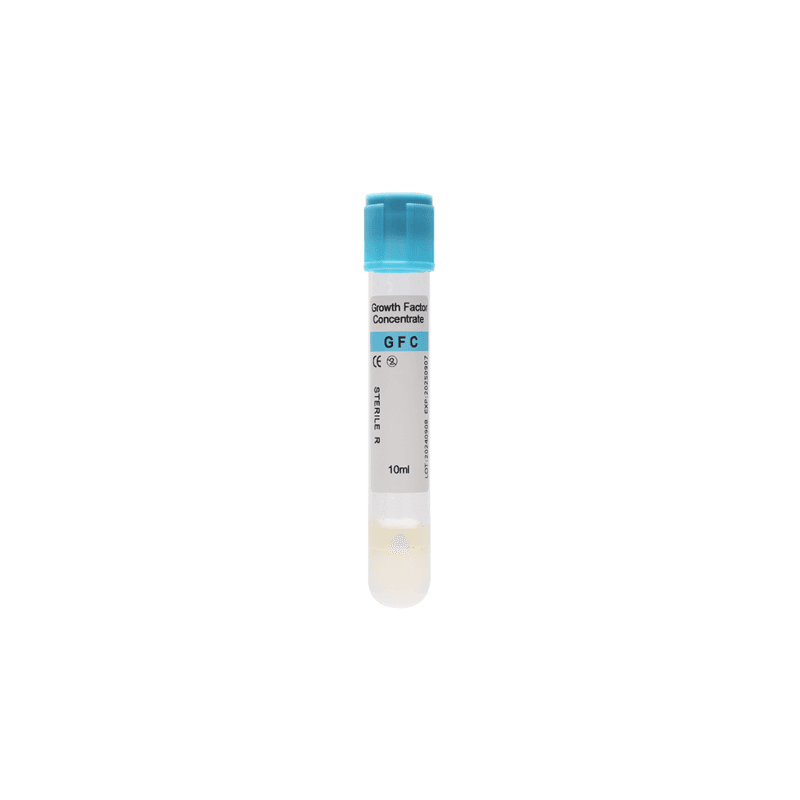
The collection tube is one part of the complete PRF preparation system.
Tube characteristics, blood volume, centrifuge settings, processing time, equipment, and the selected clinical protocol can all influence preparation.
Therefore, clinics should choose PRF tubes that are suitable for their validated workflow rather than assuming that the tube alone determines the final PRF characteristics.
A Regenerative Approach to Peri-Orbital Fine Lines
Crow’s feet do not develop for one reason alone.
Repeated facial movement, collagen loss, thinning skin, photoaging, and declining elasticity can all contribute. Effective treatment therefore starts by identifying which factors are most important for each patient.
PRF for Crow’s Feet takes a biologically based approach to peri-orbital rejuvenation. Because PRF is prepared from the patient’s own blood, the treatment uses an autologous platelet and fibrin concentrate to support processes associated with tissue remodeling.
Current evidence is encouraging, particularly for fine wrinkles, skin texture, and crepey peri-orbital skin. However, results vary. PRF should not be presented as a universal replacement for botulinum toxin, dermal fillers, energy-based treatments, or surgical procedures.
Preparation quality also matters. Reliable blood collection, suitable PRF tubes, controlled centrifugation, timely processing, and consistent handling are all parts of a reproducible workflow.
Siny PRP provides PRF tubes for professional platelet concentrate preparation. Explore our PRF product range or contact Siny PRP to discuss suitable PRF tube solutions for your clinic, distributor network, or regenerative medicine business.