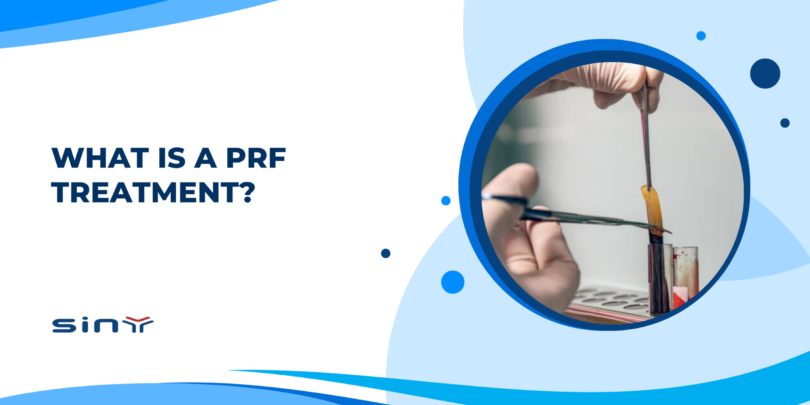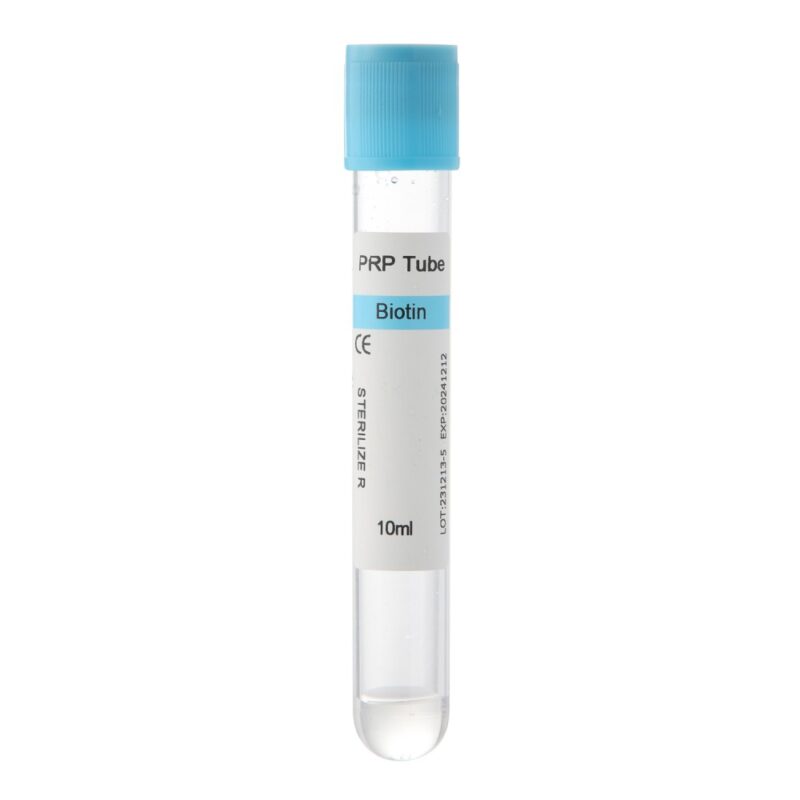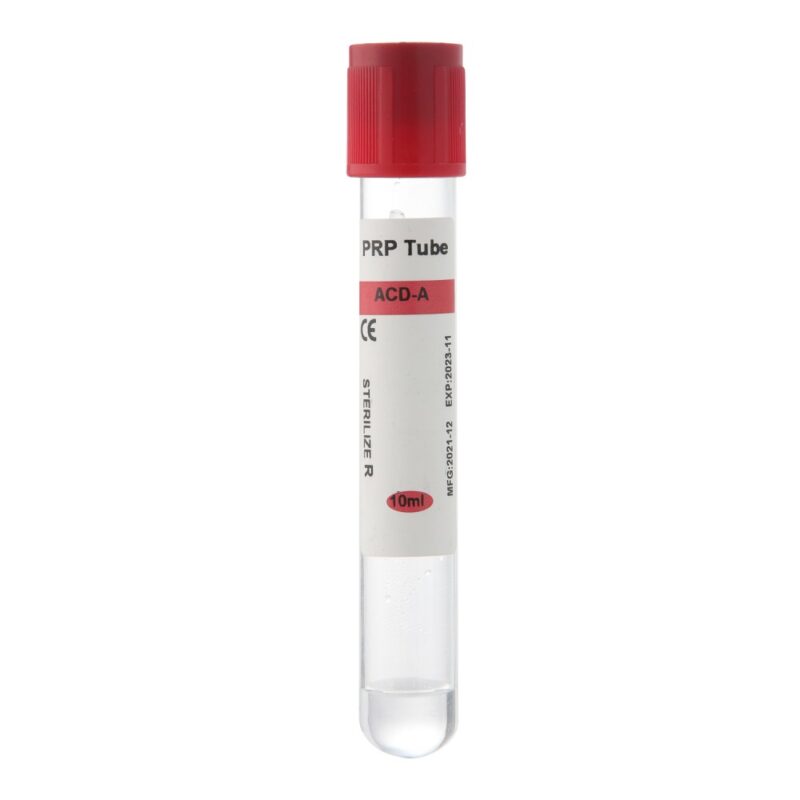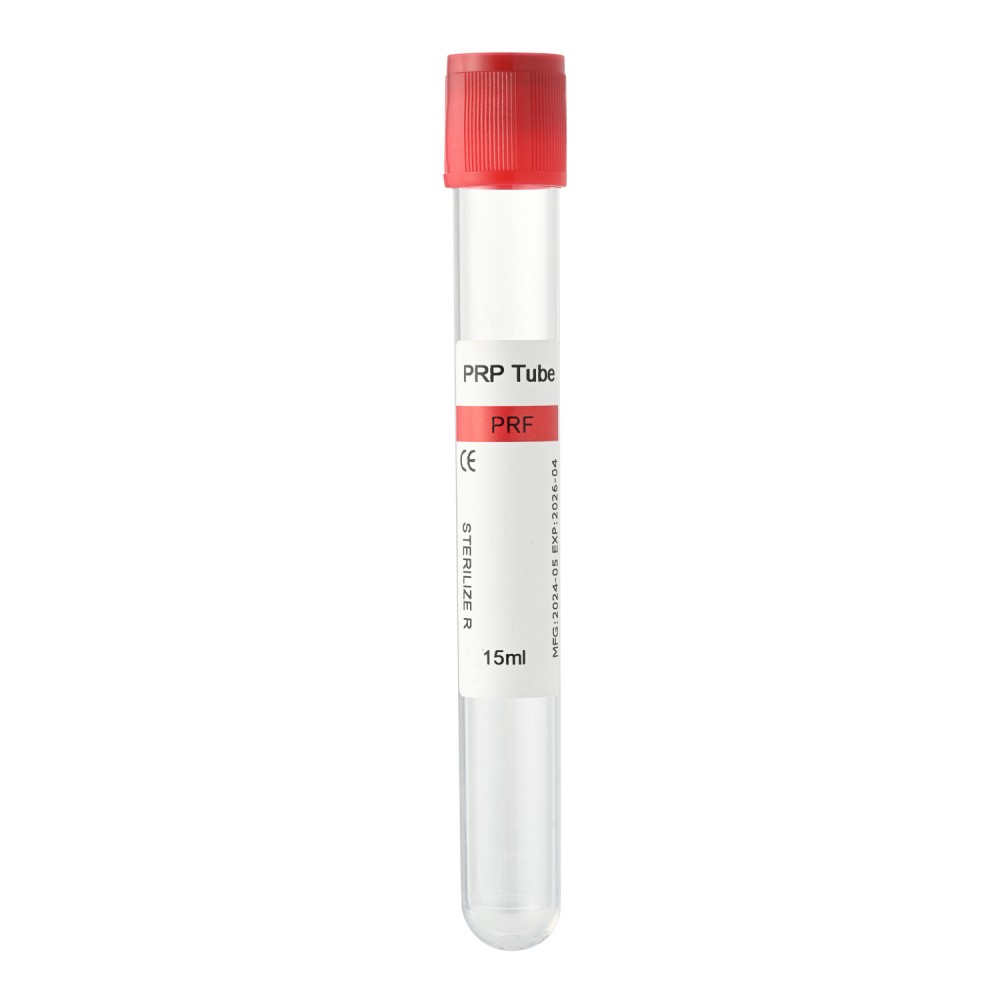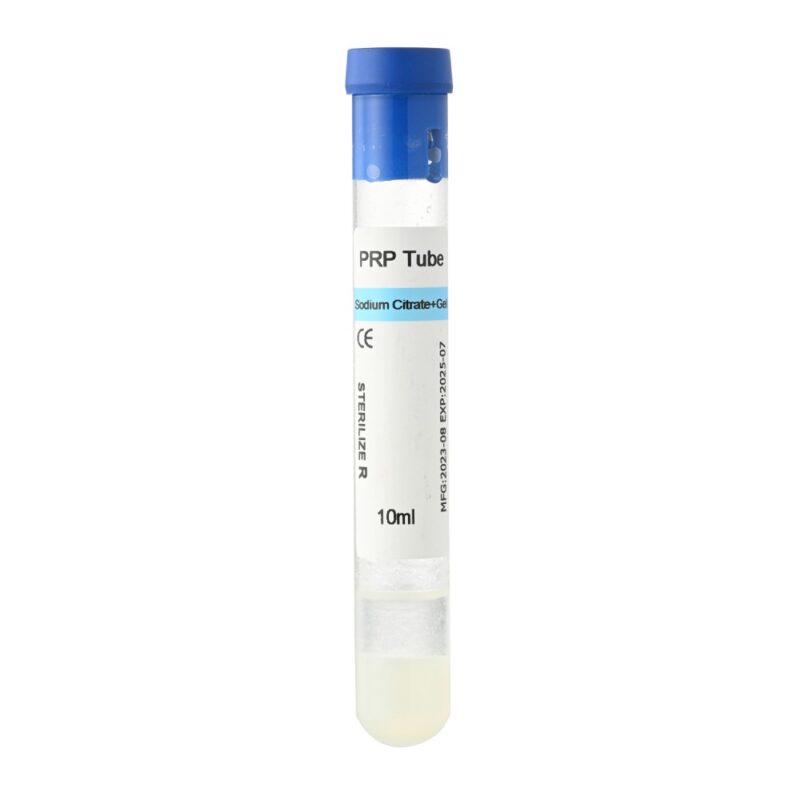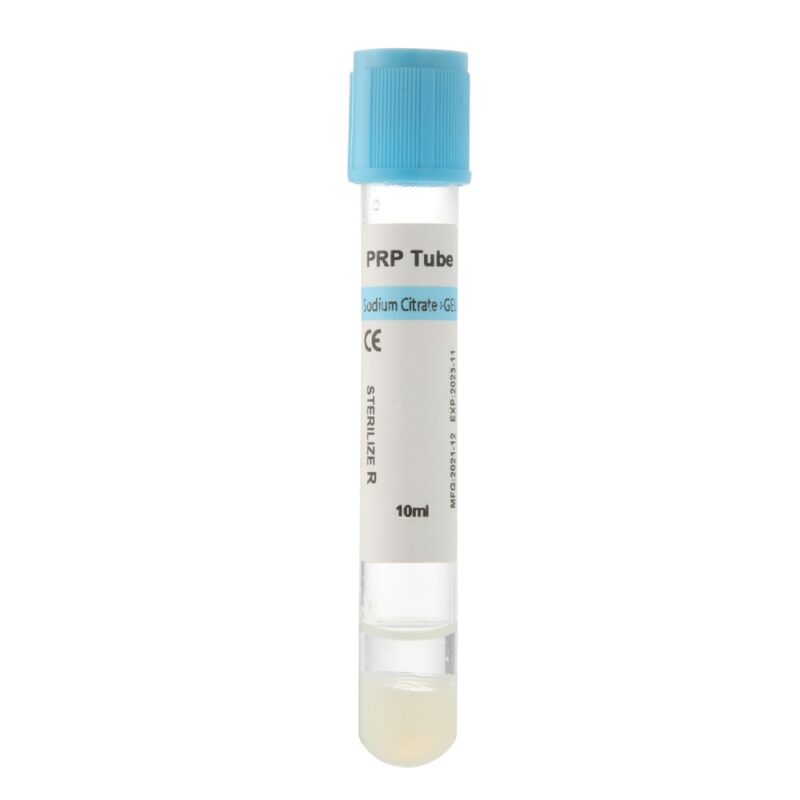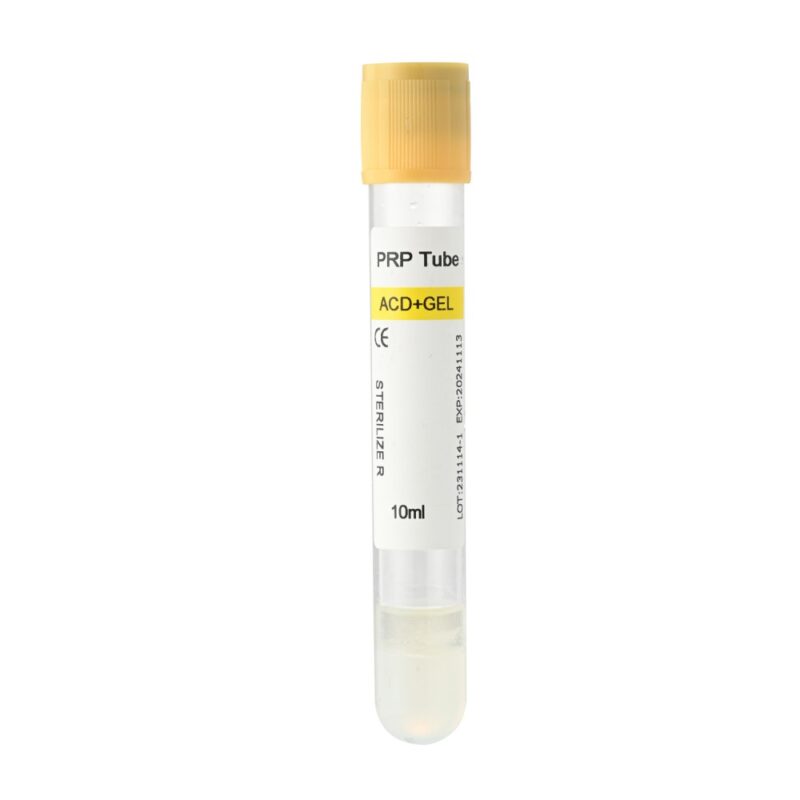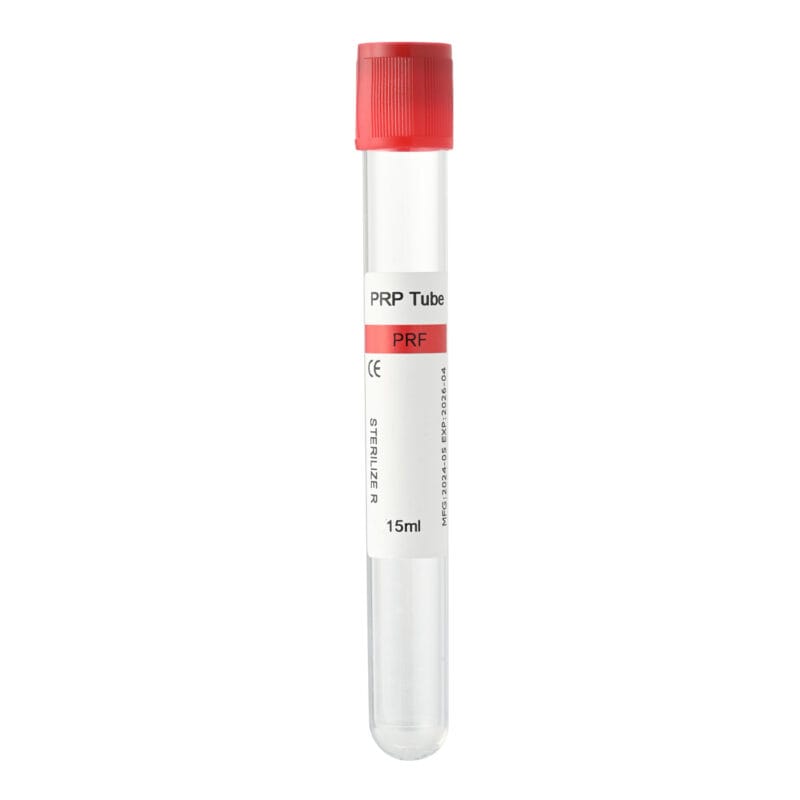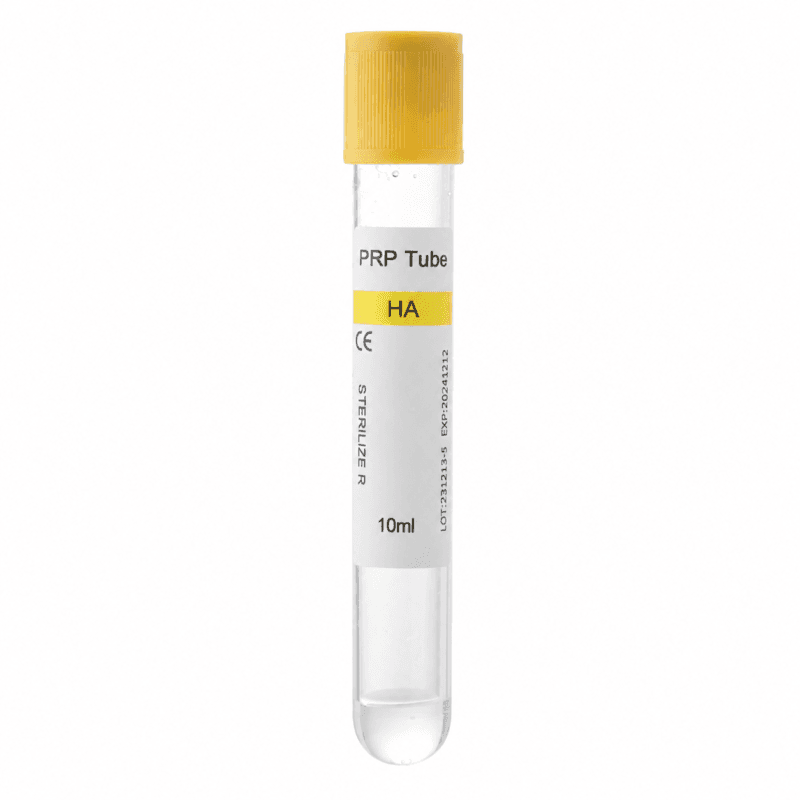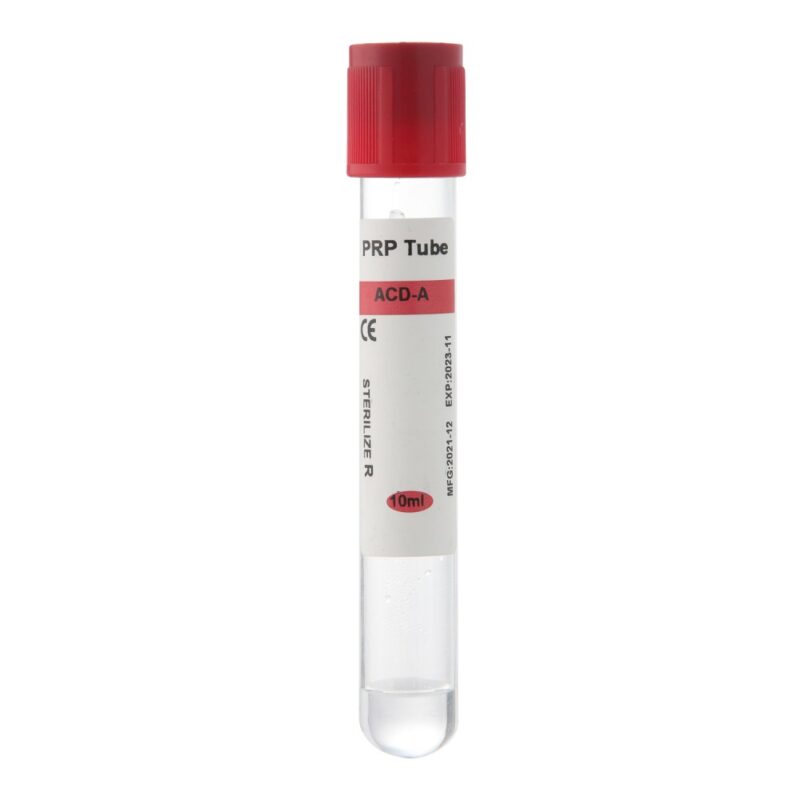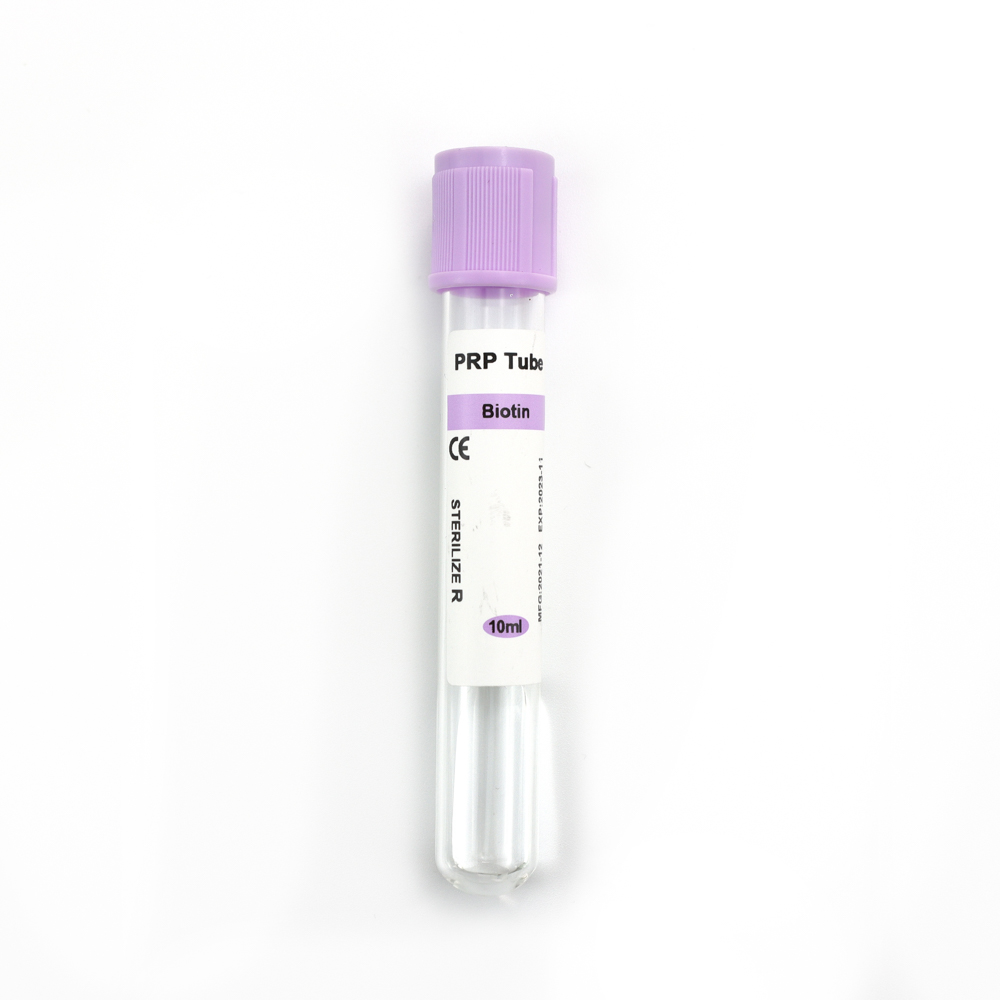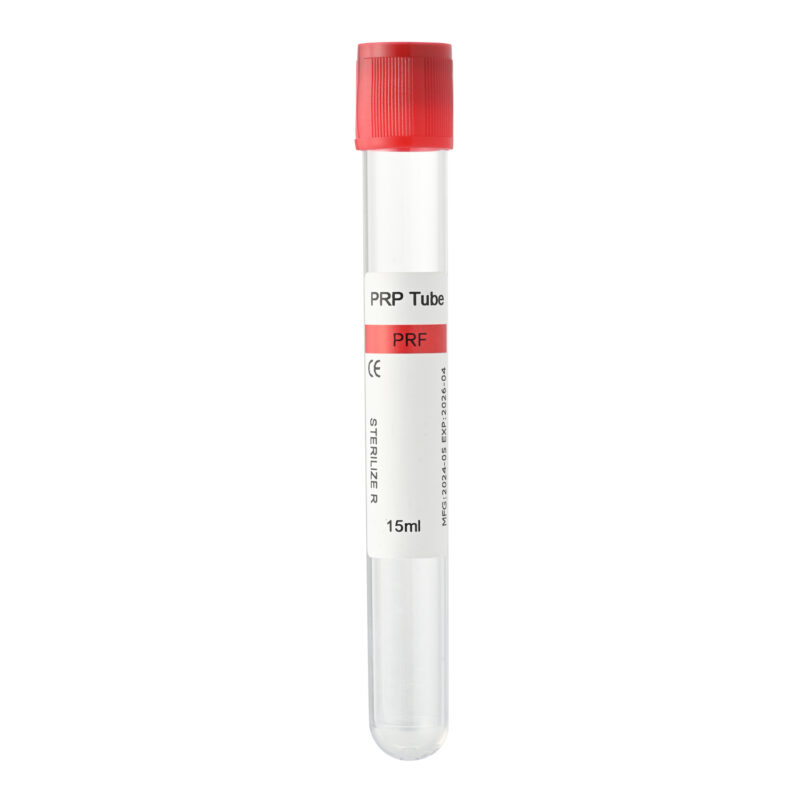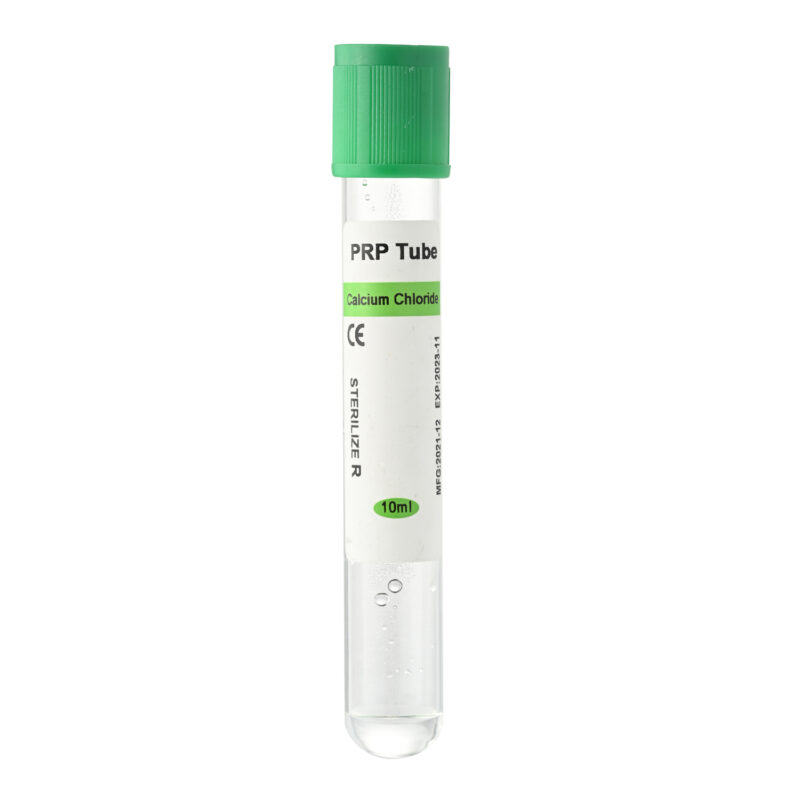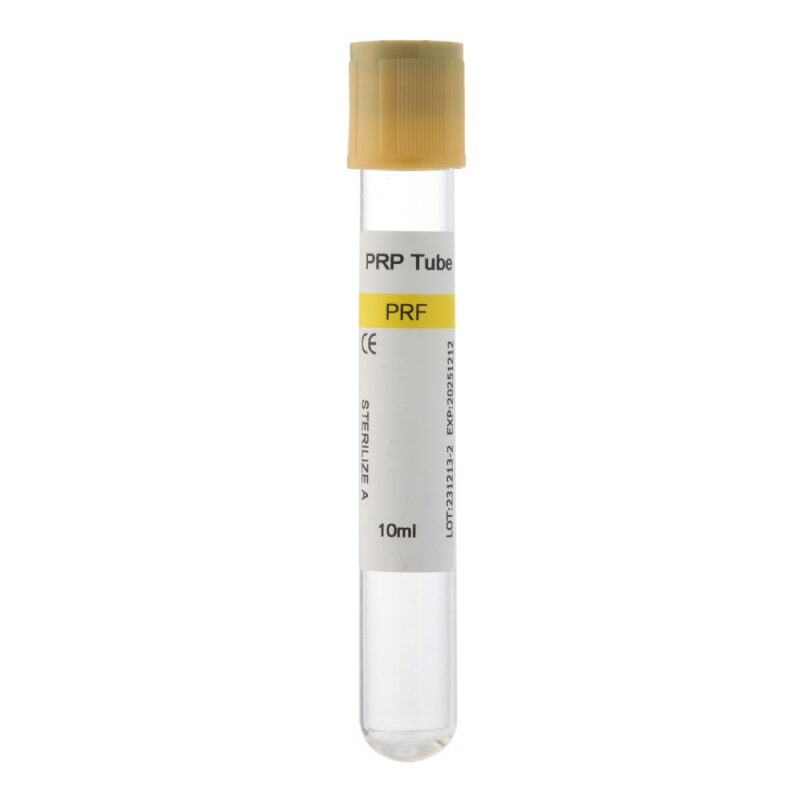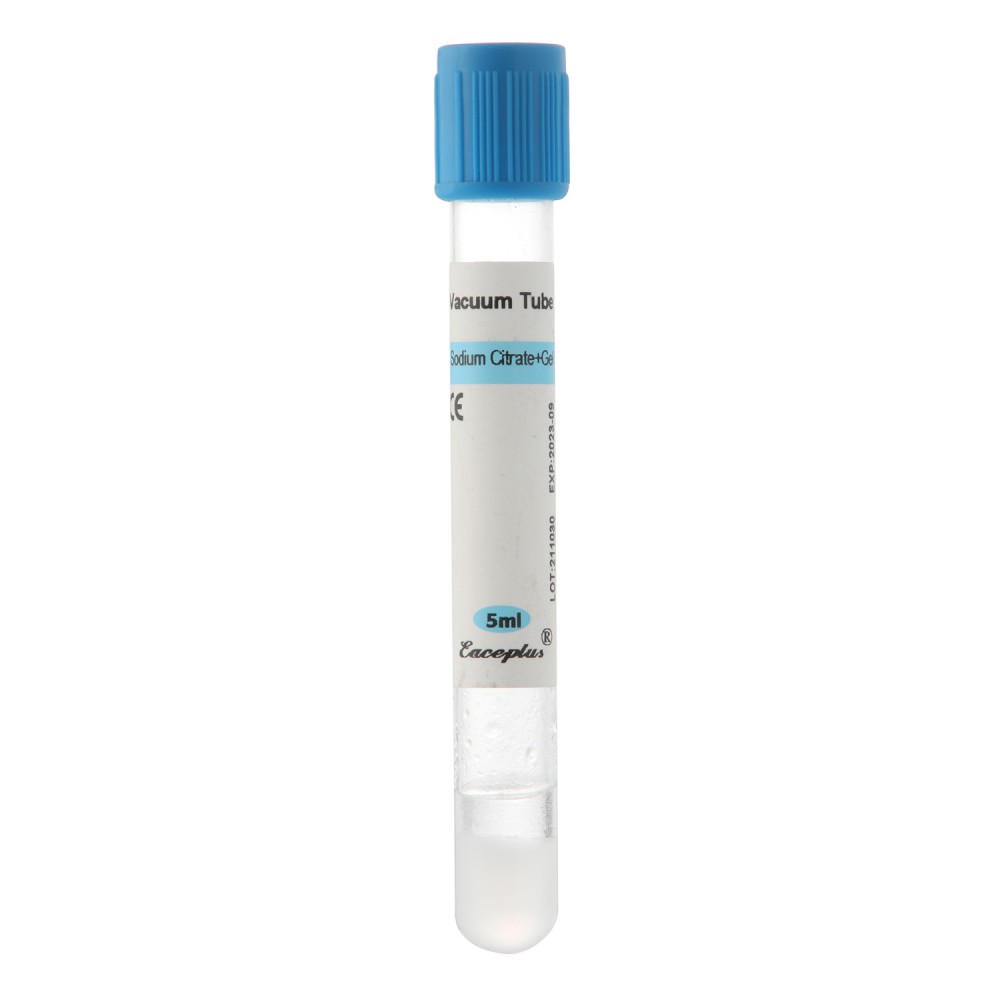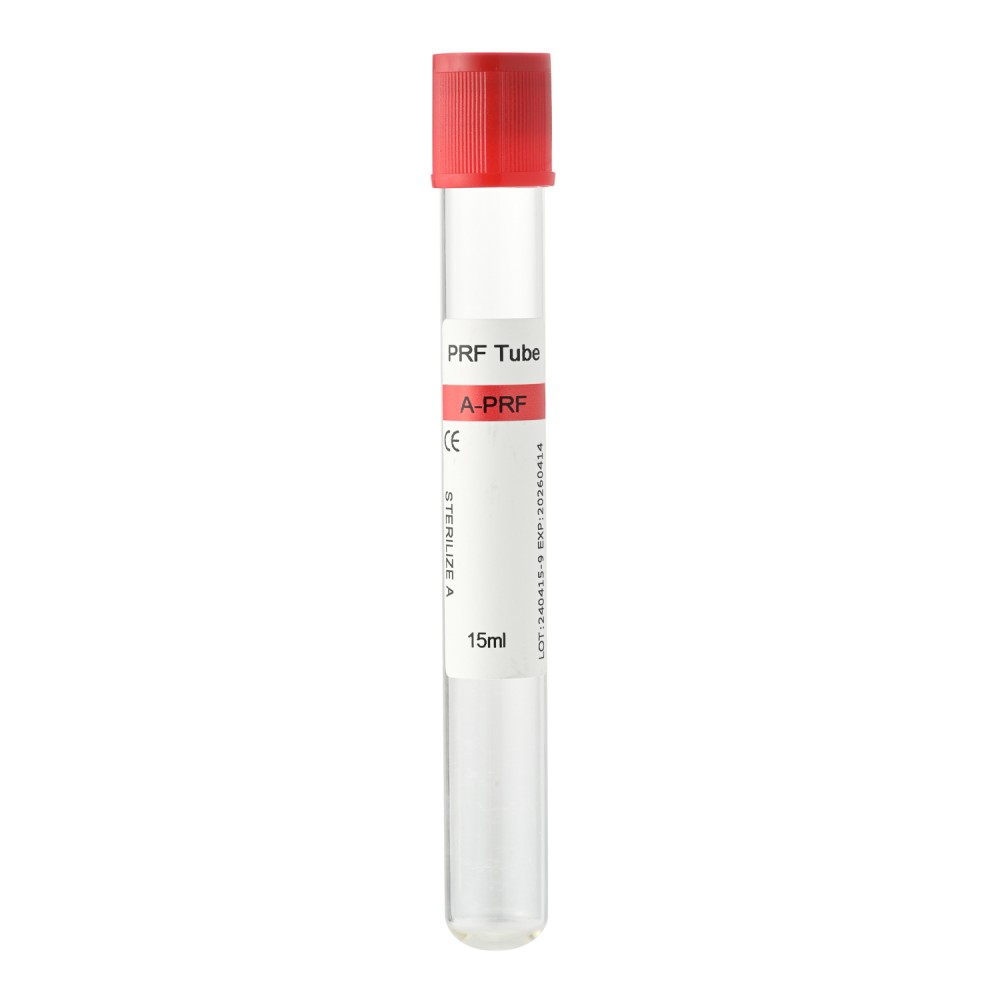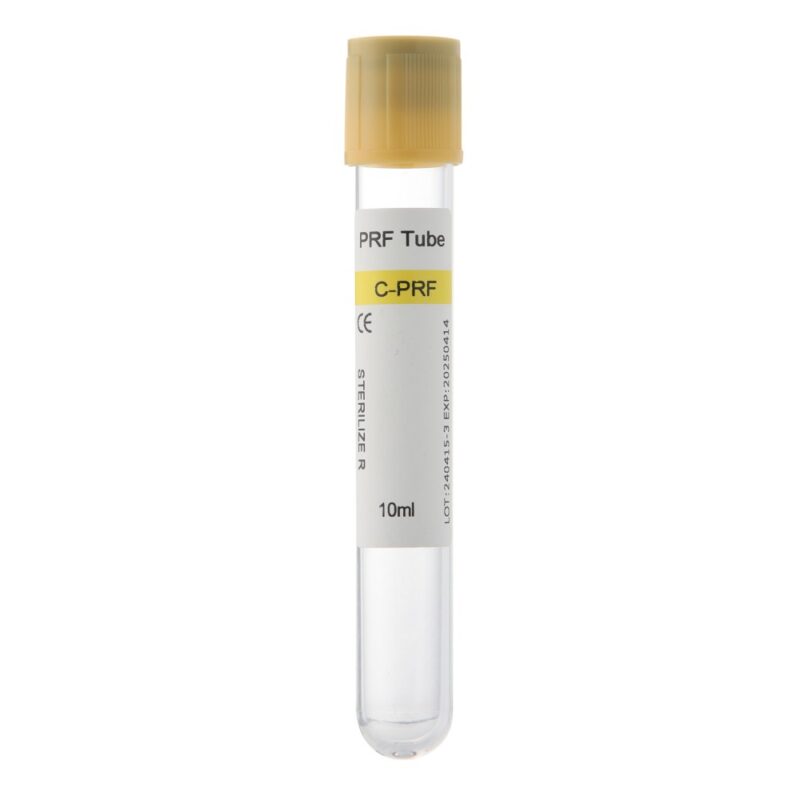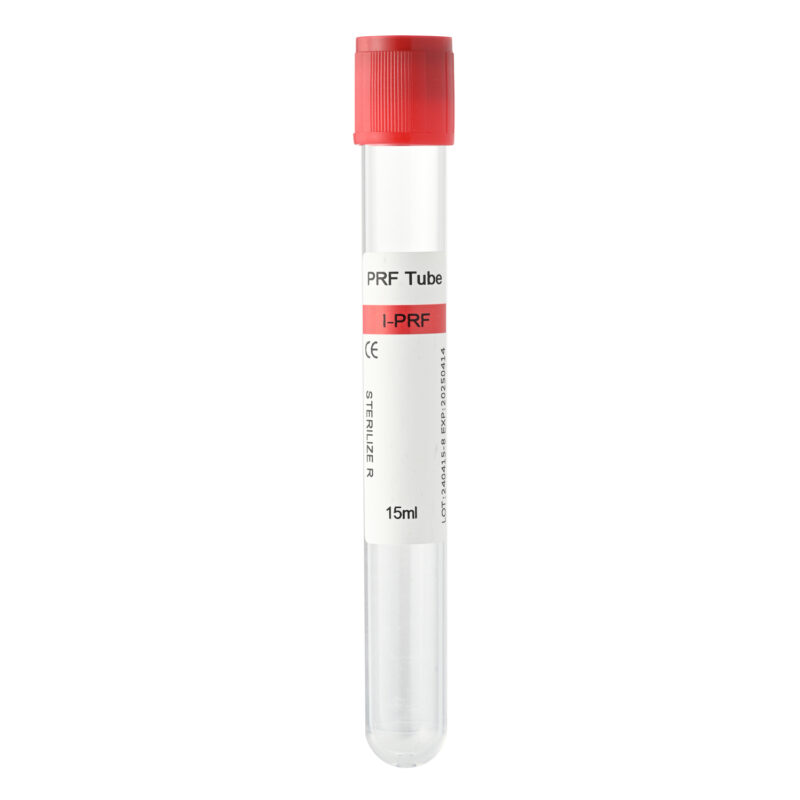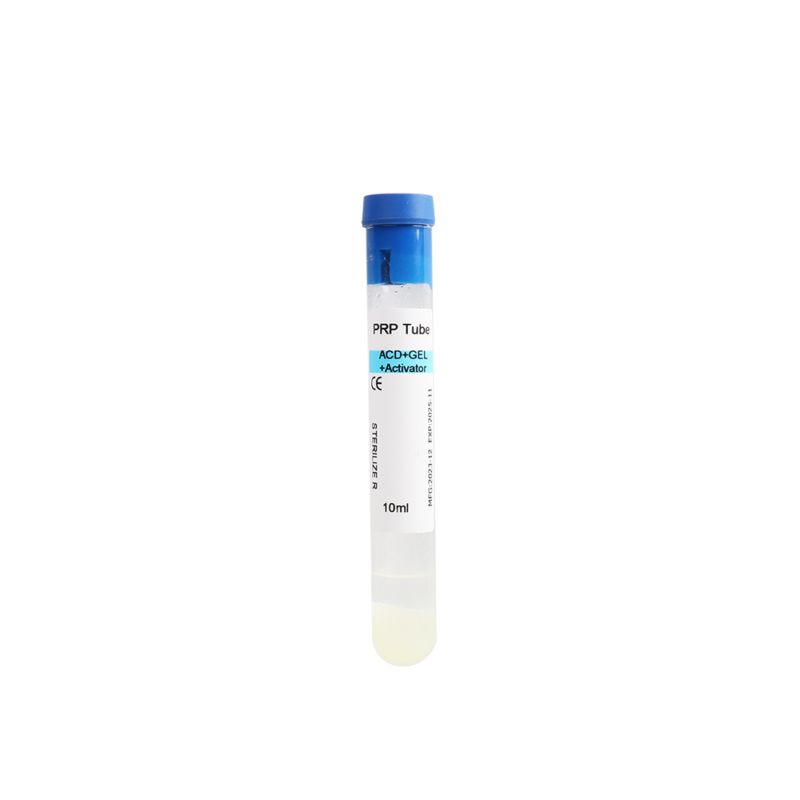
What is a PRF treatment? PRF treatment, or Platelet-Rich Fibrin treatment, is a regenerative procedure that uses a concentrated portion of a patient’s own blood to support natural tissue healing. During the procedure, blood is collected into a suitable PRF tube, centrifuged, and processed to obtain a fibrin-rich preparation containing platelets and other biological components.
The basic workflow is straightforward: blood collection → centrifugation → PRF preparation → clinical application. PRF is autologous, which means the material comes from the patient. One of its defining characteristics is the formation of a three-dimensional fibrin network, which can trap platelets and cellular components while providing a natural scaffold at the treatment site.
Depending on the preparation method, PRF can be produced in different forms, including liquid PRF, fibrin clots, membranes, and plugs. For this reason, PRF is now used across dentistry, oral surgery, aesthetic medicine, hair restoration, and other regenerative applications. However, PRF is not a completely standardized preparation. The PRF tube, centrifuge, centrifugal force, processing time, and handling technique can all influence the final result.
What Is a PRF Treatment and How Does It Work?
PRF is based on the body’s natural healing response. When tissue is injured, platelets help coordinate repair by releasing signaling proteins involved in cell activity, vascular development, collagen-related processes, and tissue remodeling. Fibrin also plays an important role by forming a temporary structural network around the damaged area.
PRF preparation concentrates these components into a clinically usable material. Depending on the protocol, the resulting preparation may contain:
- Platelets
- Fibrin
- Leukocytes
- Growth factors and signaling proteins
- Plasma components
The fibrin matrix is particularly important because it does more than act as a liquid carrier. Fibrin creates a three-dimensional structure that can retain platelets and cellular components while supporting the local biological environment as the matrix gradually remodels.
Platelet concentrates can contain signaling molecules such as platelet-derived growth factor (PDGF), transforming growth factor beta (TGF-β), and vascular endothelial growth factor (VEGF). These factors participate in several processes associated with tissue repair. Still, PRF should not be viewed simply as “concentrated growth factors,” because its fibrin architecture, cellular composition, and preparation method are also important.
In practice, different PRF protocols can produce materials with different physical and biological characteristics. Clinics should therefore consider PRF preparation as a complete workflow rather than focusing on only one parameter.
How Is PRF Prepared for Treatment?
Understanding the preparation process is essential because the characteristics of PRF depend heavily on how the blood is collected and processed.
There is no single universal centrifugation setting for every PRF preparation. The appropriate protocol depends on the intended PRF form, centrifuge configuration, tube characteristics, and clinical workflow.
Step 1: Blood Collection
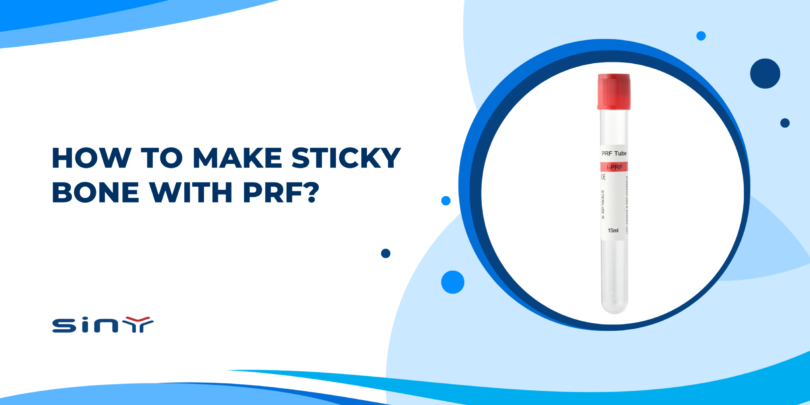
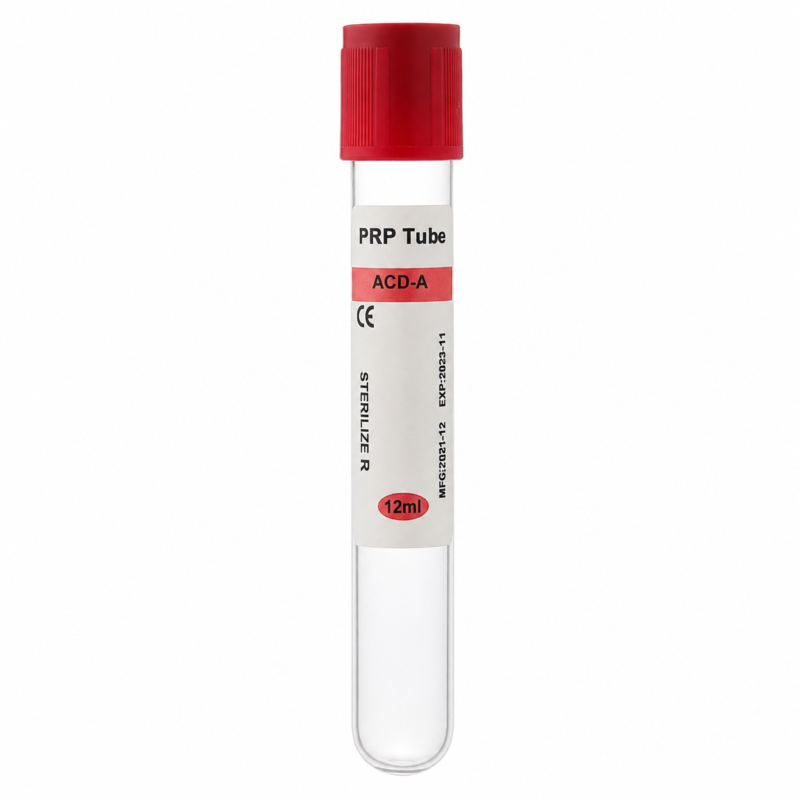
A healthcare professional collects venous blood into a suitable sterile PRF collection tube. Many conventional PRF protocols differ from PRP preparation because they are designed without the added anticoagulants commonly used to keep PRP blood samples fluid.
As a result, processing time matters. Once blood enters the tube, coagulation may begin, so unnecessary delays between blood collection and centrifugation can affect fibrin formation and the final preparation.
Step 2: Centrifugation
The collected tubes are placed into a compatible centrifuge and processed according to the selected PRF protocol. A common mistake is to focus only on RPM, which tells you how quickly the rotor is turning but does not directly indicate the centrifugal force acting on the blood sample.
Two centrifuges operating at the same RPM can produce different relative centrifugal forces (RCF) because rotor radius and rotor design also matter. A PRF protocol may therefore need to consider:
- RCF
- Centrifugation time
- Rotor radius
- Rotor design
- Tube material
- Blood volume
- Intended PRF form
For this reason, a centrifugation setting should not automatically be transferred from one centrifuge or PRF system to another. The tube, centrifuge, rotor, and processing protocol should instead be considered together.
Step 3: PRF Formation
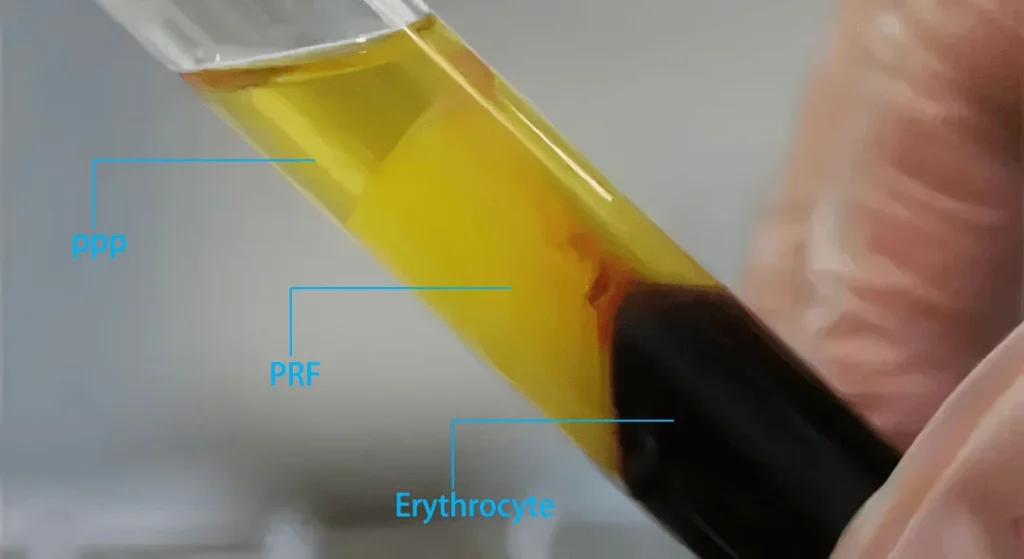
After centrifugation, the blood components separate according to density and the selected processing conditions. The clinician then collects the desired PRF fraction, which may take the form of a liquid PRF fraction, fibrin clot, membrane, or plug, depending on the protocol.
For example, a solid fibrin clot may be processed into a membrane for surgical use. In contrast, liquid PRF is collected and used within an appropriate working period before further fibrin polymerization changes its consistency.
Step 4: Clinical Application
The prepared PRF is applied according to the clinical treatment plan. Depending on the procedure, clinicians may:
- Place PRF into a surgical site
- Compress it into a membrane
- Combine it with grafting materials
- Apply it to soft tissue
- Use a liquid preparation in selected injection protocols
Clinics should therefore begin with the desired clinical application and final PRF form before choosing the preparation protocol.
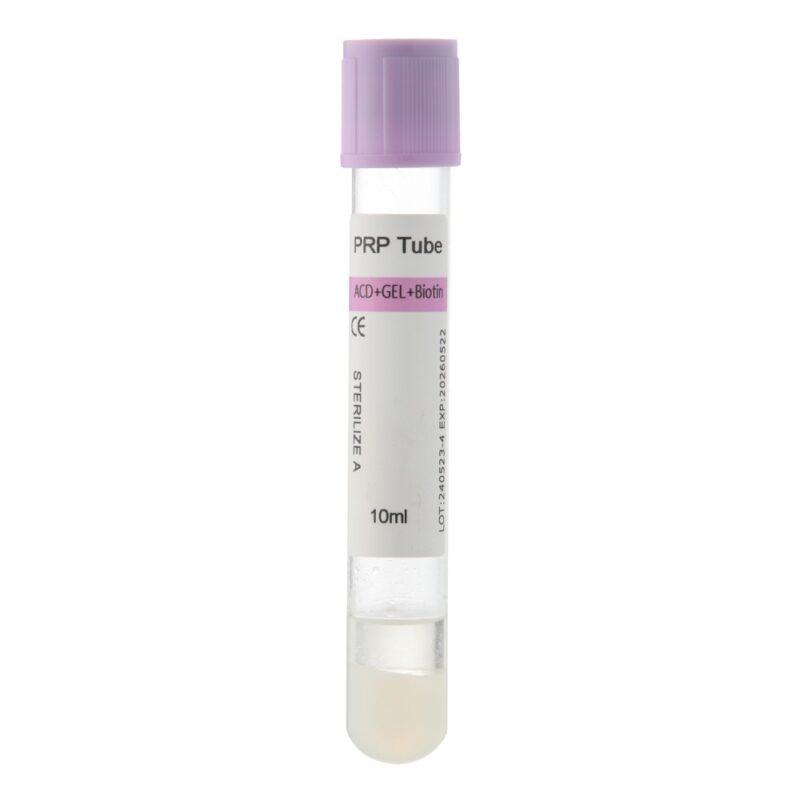
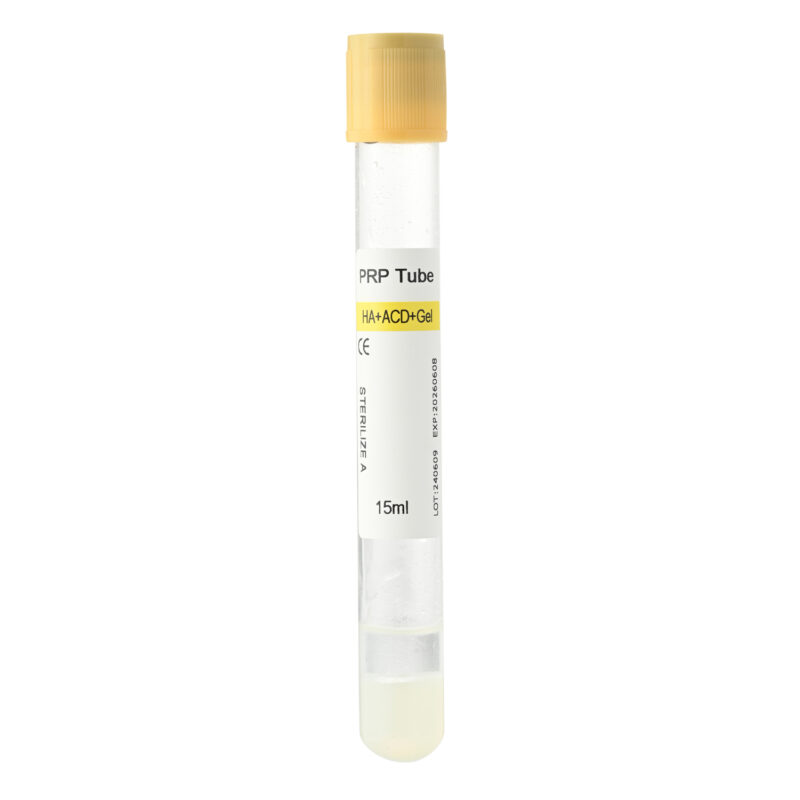
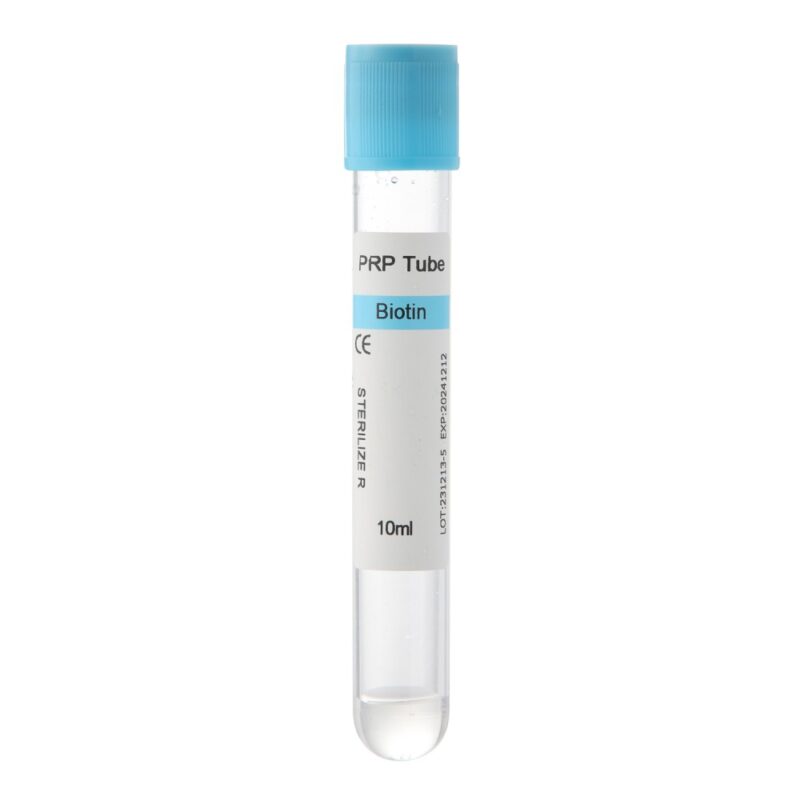
If you are building or refining a PRF workflow, explore Siny PRP’s PRF tube options to compare solutions for different preparation requirements.
Where Is PRF Treatment Commonly Used?
One reason PRF has attracted significant clinical interest is its versatility. The same basic concept—concentrating autologous platelets and fibrin—can be adapted to several treatment areas.
PRF in Dentistry and Oral Surgery
Dentistry is one of the best-known areas for PRF application. After preparation, clinicians can use PRF as a clot, membrane, plug, or other suitable form around a surgical site.
PRF has been studied and used as an adjunct in procedures involving:
- Tooth extraction sites
- Dental implant procedures
- Periodontal surgery
- Bone augmentation
- Soft-tissue management
- Bone graft procedures
The fibrin matrix is especially useful because it creates a material that can be handled and positioned within a treatment area. Certain protocols also combine liquid PRF with particulate bone graft material. As fibrin develops, it can bind the particles into a cohesive grafting mass commonly known as sticky bone.
PRF for Hair Restoration
PRF is also used in selected hair-restoration protocols. For these procedures, clinicians may prepare a liquid PRF fraction and apply it to targeted scalp areas according to the treatment plan. The goal is to introduce platelet-associated signaling factors and other blood-derived components into the local tissue environment.
However, hair loss has many possible causes. Results can therefore vary according to the patient’s condition, treatment schedule, preparation technique, and other clinical factors. PRF should not be presented as a guaranteed solution for every form of hair loss.
PRF in Aesthetic Medicine
Liquid PRF preparations have also become relevant in aesthetic procedures. Practitioners may use PRF in areas such as the face, neck, or under-eye region as part of regenerative treatment protocols.
However, PRF works differently from a conventional dermal filler. A filler primarily creates physical volume, while PRF is generally used to support a biological tissue response. Therefore, treatment goals and expected timelines can be different.
Other Regenerative Applications
PRF has also been investigated in wound care, soft-tissue treatment, orthopedics, and other regenerative applications. Evidence varies between indications, and preparation protocols are not fully standardized across all clinical fields.
This makes preparation consistency especially important. Reliable blood collection, appropriate tubes, controlled centrifugation, and standardized handling can help clinics establish a more repeatable workflow.
PRF vs. PRP: What Is the Difference?
PRF and PRP are closely related because both are autologous platelet concentrates prepared from a patient’s blood. However, their preparation methods and final structures are different.
PRP, or Platelet-Rich Plasma, generally aims to produce a platelet-rich liquid plasma fraction. PRP blood collection commonly uses an anticoagulant to prevent premature clotting during preparation. PRF, or Platelet-Rich Fibrin, emphasizes the formation of a fibrin network. Depending on the preparation protocol, it can be collected in liquid form or processed into a more structured clot, membrane, or plug.
| Feature | PRF | PRP |
|---|---|---|
| Main structure | Fibrin-rich preparation | Platelet-rich plasma |
| Typical preparation approach | Many conventional protocols use no added anticoagulant | Typically collected with an anticoagulant |
| Final form | Liquid, clot, membrane, or plug | Primarily liquid |
| Handling | Often more time-sensitive as coagulation progresses | Usually maintains a liquid state longer during preparation |
| Common applications | Dental, surgical, aesthetic, hair, and regenerative procedures | Aesthetic, hair, orthopedic, and regenerative procedures |
Rather than simply asking whether PRF or PRP is better, clinicians should consider what final platelet concentrate the procedure requires. For example, a clinician who needs a fibrin membrane for oral surgery has a different goal from someone preparing a liquid platelet concentrate for another procedure.
Even within PRF treatment, different protocols can produce substantially different final materials. This distinction also matters when purchasing consumables, because a tube intended for one preparation workflow should not automatically be assumed to suit another.
What Should Clinics Look for When Choosing a PRF Tube?
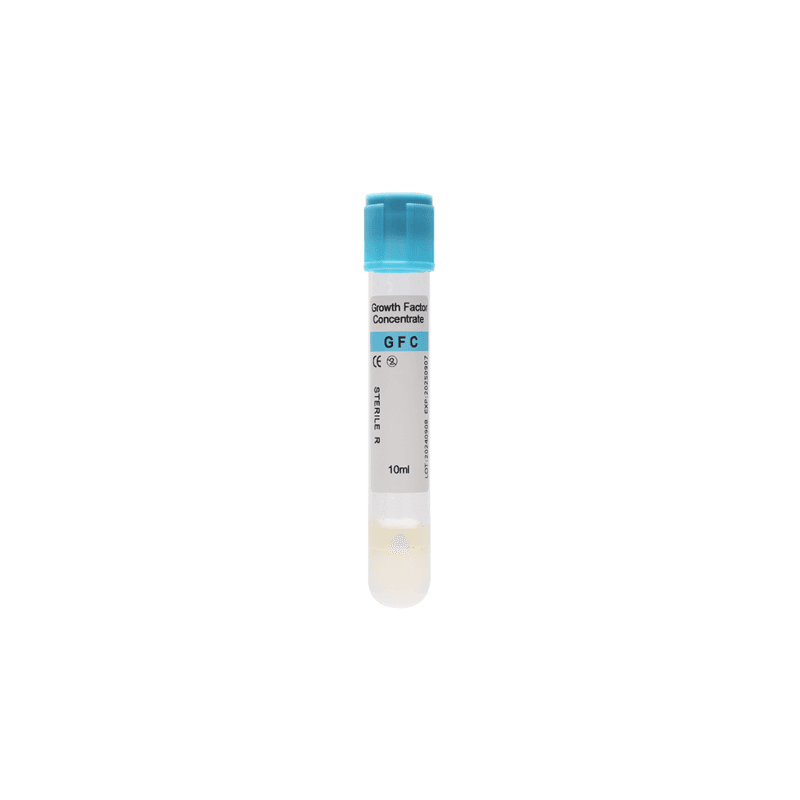
When someone first asks “What is a PRF treatment?”, the blood collection tube may seem like a small part of the procedure. In practice, however, it is an important part of the preparation system because blood begins interacting with the tube immediately after collection.
The characteristics of the collection device can influence clot initiation, fibrin formation, processing, and the final PRF preparation. For clinics and distributors purchasing PRF tubes, several factors deserve attention.
Protocol Compatibility
Start with the intended PRF preparation. Consider whether the clinical workflow requires liquid PRF, a fibrin clot, a membrane, or another form. The selected tube should fit the intended preparation protocol rather than being treated as a generic blood collection container.
Tube Material and Surface Characteristics
Blood interacts directly with the inner surface of the tube. Therefore, tube material and surface characteristics can influence coagulation and fibrin formation, and different PRF protocols may require different tube properties.
This is one reason clinics should validate the tube together with their selected centrifugation protocol rather than evaluating the tube as an isolated component.
Centrifuge Compatibility
The tube must physically fit the centrifuge rotor, but compatibility goes beyond dimensions. A reliable workflow considers the complete preparation system:
PRF tube + blood volume + rotor + RCF + centrifugation time + handling procedure.
Changing one part of the system can influence the final preparation. Clinics should therefore evaluate these factors together when establishing or modifying a PRF workflow.
Sterility and Manufacturing Consistency
PRF tubes intended for professional clinical workflows should also be evaluated for:
- Sterility
- Tube integrity
- Vacuum consistency
- Manufacturing consistency
- Packaging
- Batch traceability
- Quality control
These factors become particularly important for clinics and distributors purchasing PRF consumables in volume, where variation between batches can affect day-to-day workflow consistency.
Supplier and Procurement Support
For professional buyers, product consistency is only one part of procurement. Distributors and healthcare organizations may also need to consider supply capacity, packaging options, OEM/ODM services, documentation, and communication with the manufacturer.
Ultimately, choosing a PRF tube is not simply about finding a tube that can hold blood. It is about finding a collection solution that fits a controlled and repeatable PRF preparation workflow.
For clinics and distributors sourcing PRF tubes, Siny PRP offers solutions for different preparation and procurement requirements, with OEM/ODM options available for professional buyers. Contact our team to discuss your tube requirements and intended application.
FAQ About PRF Treatment
What is a PRF treatment?
A PRF treatment uses platelet-rich fibrin prepared from a patient’s own blood. The blood is collected and centrifuged to obtain a fibrin-rich preparation containing platelets and other biological components. Depending on the protocol, PRF can be prepared as a liquid, clot, membrane, or plug.
How is PRF prepared?
PRF preparation generally involves blood collection, centrifugation, separation of the desired PRF fraction, and clinical application. The exact centrifugation conditions depend on the PRF protocol, tube, centrifuge, rotor, and intended final preparation.
Is PRF the same as PRP?
No. Both are autologous platelet concentrates, but their preparation and final structure differ. PRP is generally prepared as platelet-rich plasma, while PRF incorporates a fibrin network and can take liquid or solid forms depending on the protocol.
Does PRF contain anticoagulants?
Many conventional PRF protocols are designed without the added anticoagulants commonly used in PRP preparation. Because coagulation may begin soon after blood collection, prompt and controlled processing is important. The exact collection system should follow the selected PRF protocol.
What is PRF commonly used for?
PRF is used or studied in dentistry, oral surgery, aesthetic medicine, hair restoration, wound management, and other regenerative applications. Clinical evidence and preparation methods vary according to the indication.
Can any blood collection tube be used for PRF?
Not necessarily. Standard laboratory blood collection tubes may contain additives or have surface characteristics intended for diagnostic testing rather than PRF preparation. The collection tube should be compatible with the intended PRF protocol and centrifugation workflow.
What should I look for when buying PRF tubes?
Professional buyers should consider protocol compatibility, tube material, centrifuge compatibility, sterility, manufacturing consistency, traceability, packaging, and supplier support. The tube should be selected as part of the complete PRF preparation system rather than on tube size alone.
Building a Reliable PRF Treatment Workflow
PRF treatment transforms a sample of the patient’s own blood into a fibrin-based platelet concentrate that can be adapted to different regenerative procedures. However, PRF is not one universal product. Different preparation methods can create different PRF forms and cellular distributions, while blood collection, tube characteristics, RCF, centrifugation time, rotor design, and handling technique can influence the final preparation.
For healthcare professionals, consistent PRF preparation begins before the centrifuge starts. The collection tube, centrifugation protocol, equipment, and intended clinical application should work together as one controlled system. For buyers, the same principle applies when evaluating suppliers. Rather than selecting PRF tubes based only on volume or appearance, consider how well the product fits the intended preparation protocol and long-term clinical workflow.
Looking for PRF tubes for your clinic or distribution business? Explore the Siny PRP product range or contact our team to discuss PRF tube sourcing, OEM/ODM options, and application requirements.