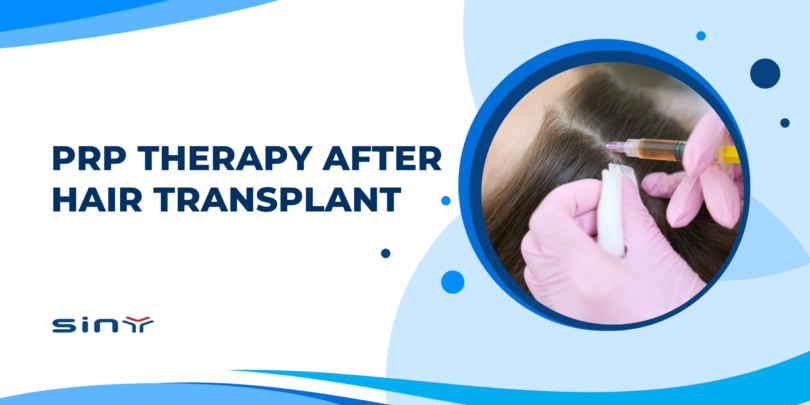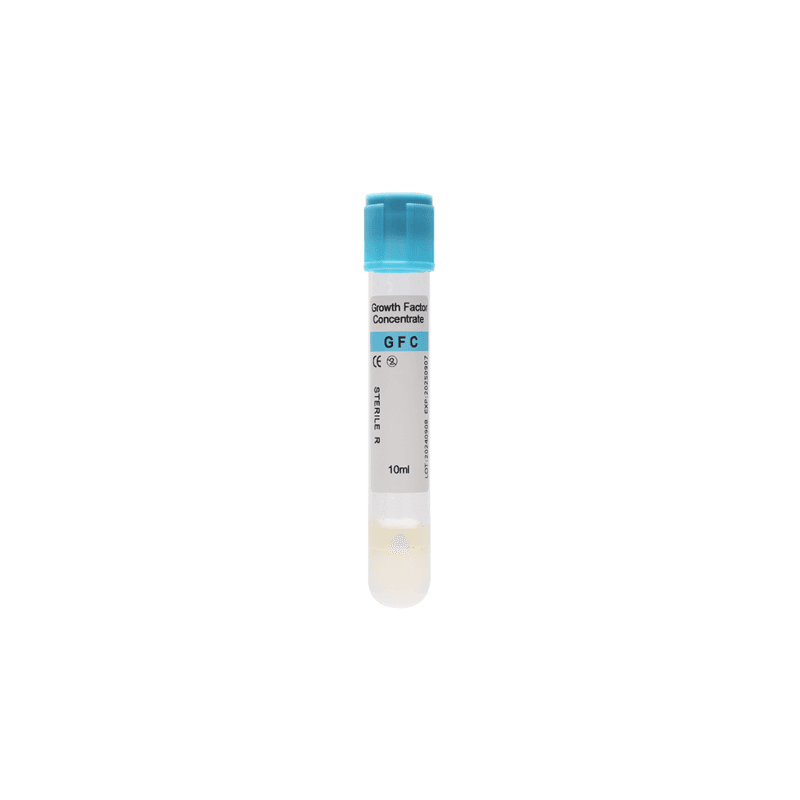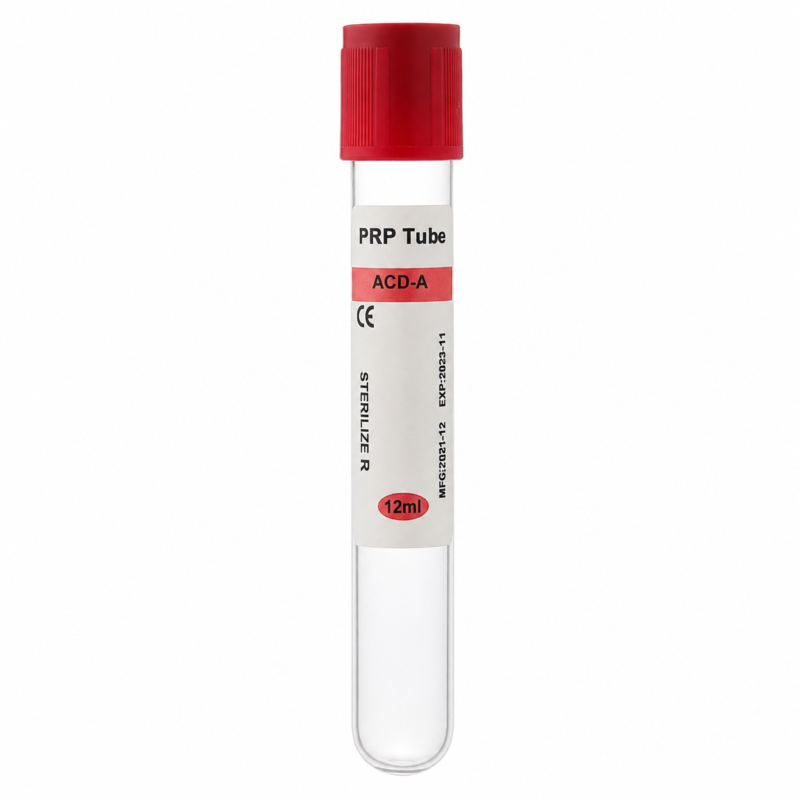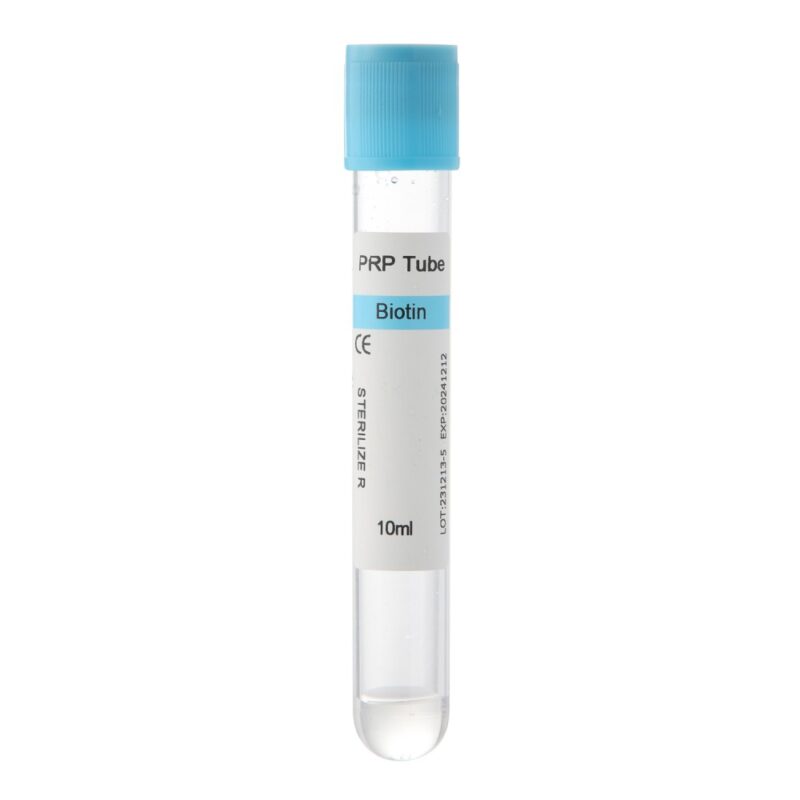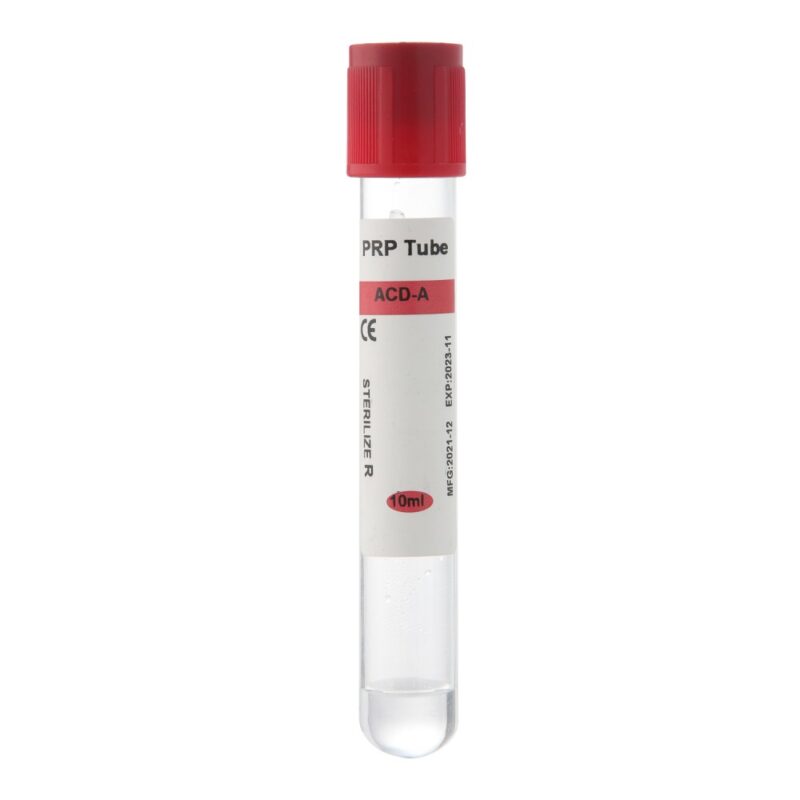
PRP Therapy After Hair Transplant is increasingly used as an adjunct to surgical hair restoration. By preparing platelet-rich plasma from the patient’s own blood, clinicians aim to support the healing environment around transplanted follicles and potentially encourage earlier hair growth. Some clinical studies have reported promising results for graft survival and hair density, although PRP cannot guarantee a better transplant outcome.
A successful hair transplant still depends on patient selection, surgical planning, graft quality, careful follicle handling, implantation technique, and postoperative care. PRP fits around these factors rather than replacing them.
For patients, the practical questions are usually straightforward: Does PRP actually help after a hair transplant? When should it be done? How many sessions are needed?
For clinics, there is another important question: How consistently can the PRP be prepared?
Understanding both sides makes it easier to see where platelet-rich plasma fits into a modern hair restoration workflow.
How Does PRP Work After Hair Transplantation?
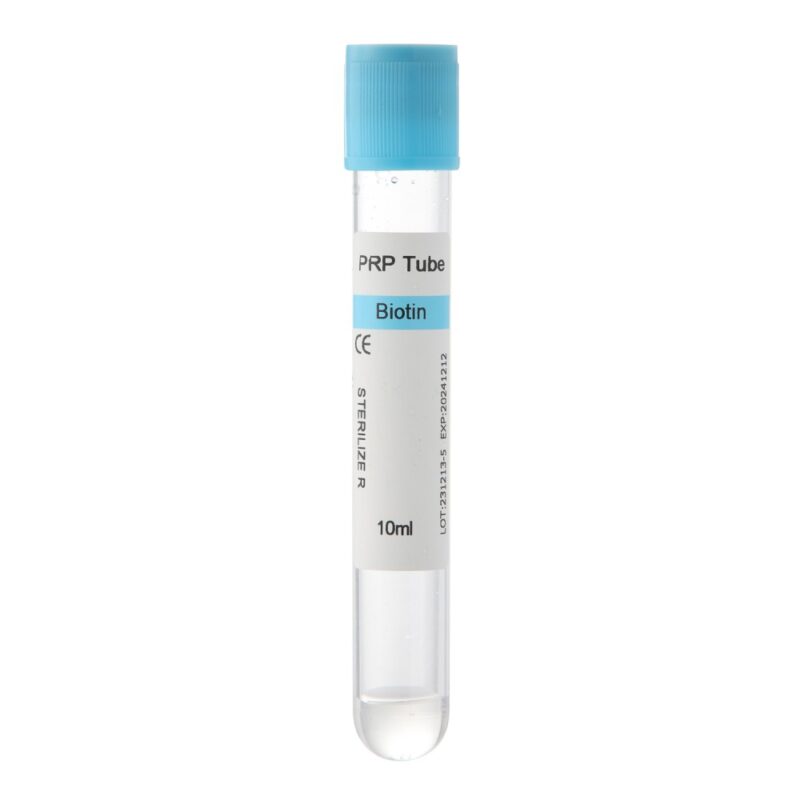
Platelet-rich plasma is prepared from a patient’s own blood. After blood collection, the sample is centrifuged according to the clinic’s established PRP protocol. This separates the blood components and allows the desired platelet-rich plasma fraction to be collected for professional use.
Platelets are best known for their role in clotting, but they also contain growth factors and signaling proteins involved in tissue repair and cellular activity. This has led clinicians to explore PRP across different areas of regenerative medicine, including hair restoration.
After hair transplantation, the scalp enters a recovery period. Newly implanted follicular units need time to settle into the recipient area, while the small treatment sites created during surgery begin healing.
PRP may be used during this period as a supportive treatment.
Supporting the Post-Transplant Healing Environment
Hair transplantation creates numerous small wounds in both the donor and recipient areas. These sites naturally undergo inflammation, repair, and tissue remodeling.
Because platelet-derived factors participate in wound-healing processes, researchers have investigated whether PRP can support the local environment during recovery.
This does not mean PRP eliminates normal postoperative effects. Redness, mild swelling, scabbing, tenderness, and temporary shedding can still occur after transplantation.
Supporting Newly Transplanted Follicles
A transplanted follicular unit goes through considerable stress during extraction, handling, and implantation. After placement, the follicle must adapt to its new location before normal hair production resumes.
Clinical studies have explored whether PRP used alongside hair transplantation can support follicle survival and earlier growth. Results have been encouraging in some patient groups, but protocols differ between studies.
PRP is therefore better viewed as part of an overall treatment strategy rather than a stand-alone method for determining transplant success.
Supporting Existing Hair Around the Transplant Area
The recipient area may contain both transplanted follicles and existing native hair.
This matters because many people undergoing hair transplantation still have progressive thinning in surrounding areas. PRP is also used independently in hair-loss management, so clinicians may consider the condition of existing hair when developing a broader treatment plan.
The objective can therefore extend beyond newly implanted grafts. Depending on the patient, PRP may form part of a longer-term approach to hair restoration.
Does PRP Help After a Hair Transplant?
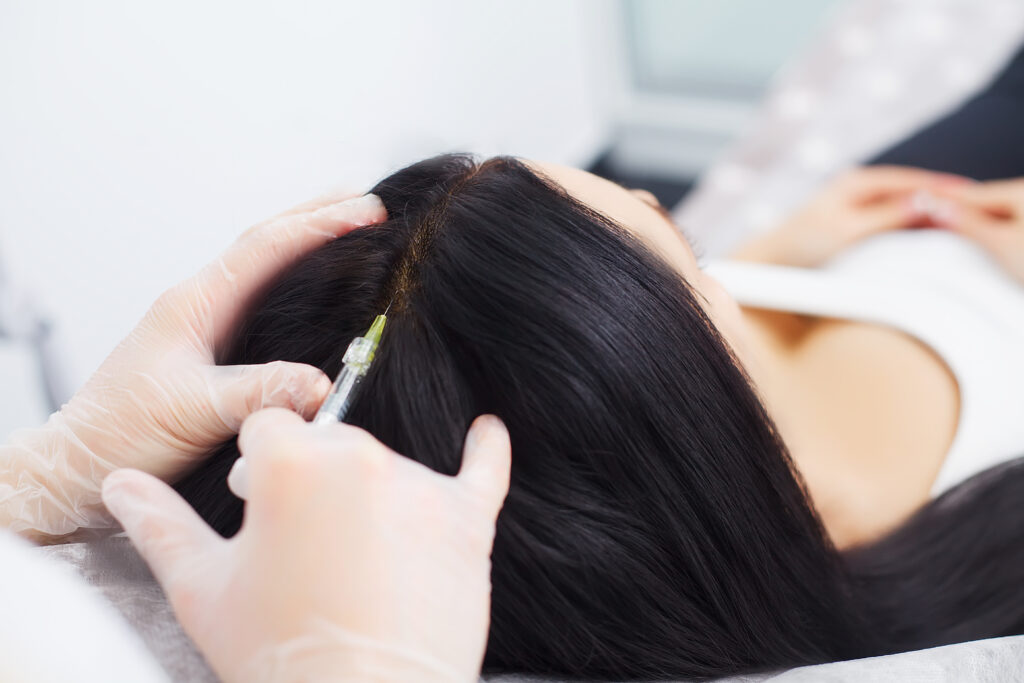
Current evidence suggests that PRP may provide several potential benefits when used alongside hair transplantation. However, the available research remains relatively limited, and studies do not all use the same PRP preparation or treatment protocol.
That distinction matters when interpreting the results.
PRP May Encourage Earlier Hair Growth
Hair growth after transplantation is gradual.
During the first few weeks, some transplanted hairs may shed. This can worry patients, but shedding of the visible hair shaft does not necessarily mean the follicle has been lost.
The follicles then progress through their natural growth cycles.
Some clinical research has reported earlier visible hair growth when PRP was incorporated into hair transplantation protocols. This suggests PRP could help support the early growth phase in certain patients.
It should not, however, be interpreted as a way to produce immediate hair growth.
PRP May Support Graft Survival
Graft survival is one of the most important factors influencing a hair transplant outcome.
Once follicles are extracted from the donor area, careful handling becomes critical. Extraction technique, time outside the body, storage conditions, implantation, and postoperative management can all affect viability.
Studies investigating PRP as an adjunct to transplantation have reported favorable graft-survival outcomes in some groups.
PRP cannot compensate for poor surgical technique or damaged grafts. Instead, researchers are exploring whether it can help create a more favorable biological environment around properly transplanted follicles.
PRP May Support Hair Density
Patients ultimately care about how their hair looks, and density plays a major role in that result.
Research has reported improvements in hair density in some patients receiving PRP alongside transplantation. Still, density depends on far more than PRP alone.
Donor availability, number of viable grafts, hair shaft characteristics, graft distribution, placement angle, survival rate, and ongoing hair loss all influence the final appearance.
For this reason, PRP should not be marketed as a way to transform an otherwise inadequate transplant into a successful one.
PRP May Support Scalp Recovery
PRP has also attracted attention because of its broader use in tissue-repair applications.
After transplantation, the scalp needs time to recover from thousands of small extraction and implantation sites. Platelet-derived factors involved in normal repair processes provide a biological rationale for investigating PRP during this period.
Clinical evidence remains developing, so it is more accurate to say PRP may support recovery rather than claim that it shortens healing time for every patient.
Overall, the available evidence makes PRP an interesting adjunct to hair transplantation, but expectations should remain realistic. The quality of the transplant procedure itself remains the foundation of the result.
When Should PRP Be Done After a Hair Transplant?
There is no single PRP schedule that works for every hair transplant patient.
Studies and clinical protocols have used PRP at different points around transplantation. Some use it during the surgical procedure, while others introduce PRP after surgery or continue treatment over the following months.
The appropriate timing depends on the transplant method, condition of the scalp, clinical objective, and physician’s protocol.
PRP During the Hair Transplant Procedure
Some hair restoration protocols incorporate PRP during transplantation.
Researchers have explored approaches involving PRP around graft implantation or treatment of the recipient area. Some studies using intraoperative PRP have reported favorable outcomes related to early growth and graft survival.
However, an approach used in one study or clinic should not automatically be treated as a universal standard.
PRP During Post-Transplant Recovery
PRP may also be introduced after surgery.
Timing is particularly important during the early recovery period because newly implanted grafts should not be unnecessarily disturbed. The scalp may also have redness, swelling, scabbing, or sensitivity.
For this reason, patients should not choose their own injection schedule based on a generic timeline found online.
The transplant surgeon should determine when additional scalp treatment is appropriate.
PRP in the Following Months
Some treatment plans continue PRP beyond the immediate recovery stage.
At this point, the objective may shift from supporting the postoperative environment toward a broader hair-restoration strategy. This can be especially relevant when native hair surrounding the transplanted region continues to thin.
A physician may therefore recommend multiple sessions at defined intervals depending on the patient’s condition and treatment goals.
How Many PRP Sessions Are Needed?
There is no universally accepted number of sessions.
A patient may encounter clinics recommending very different treatment schedules. That does not necessarily mean one schedule is correct and another is wrong. PRP systems, preparation methods, transplantation procedures, patient characteristics, and clinical objectives can vary considerably.
PRP Therapy After Hair Transplant should therefore follow a professionally established protocol rather than a fixed one-size-fits-all schedule.
For clinics, this variability also highlights the importance of having a clearly defined PRP preparation workflow. If PRP is used repeatedly as part of hair restoration treatments, blood collection and processing should follow the clinic’s validated procedure.
Why PRP Preparation and PRP Tube Selection Matter
Most discussions about post-transplant PRP focus on what happens when PRP is administered to the scalp.
But the treatment begins earlier.
Before platelet-rich plasma can be used, blood must be collected, processed, separated, and handled. Each of these steps forms part of the preparation workflow.
For clinics that perform PRP regularly, consistency during this process deserves just as much attention as convenience.
Blood Collection Is the Starting Point
PRP preparation begins with collecting the required blood sample.
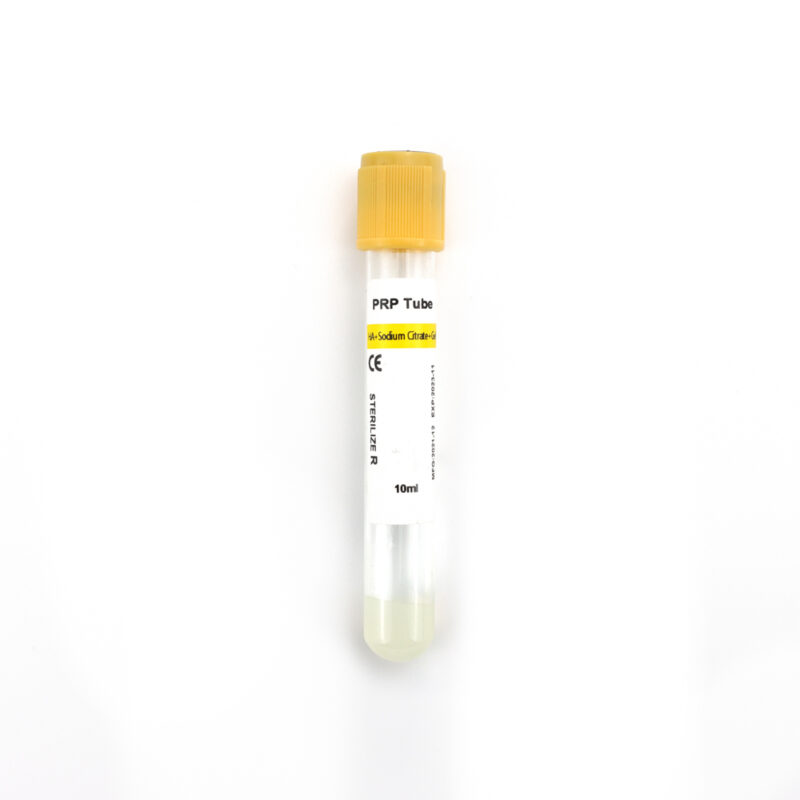
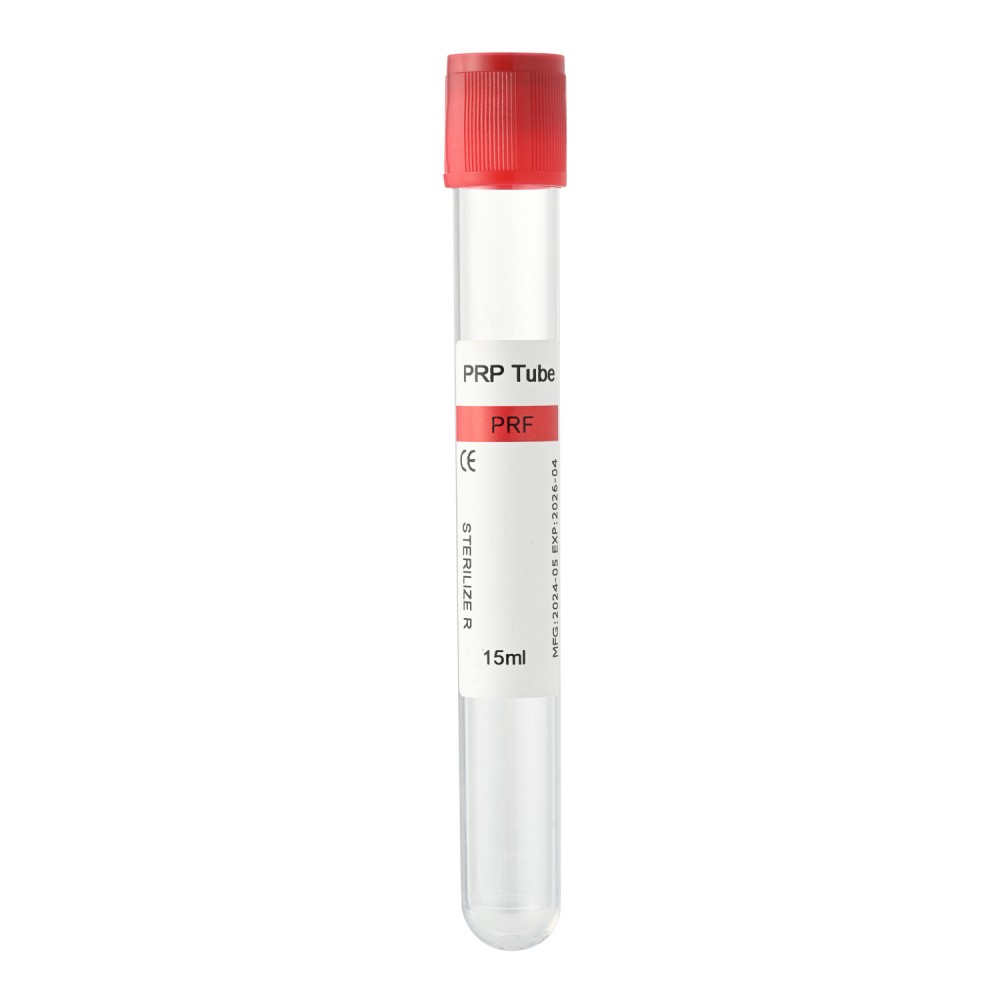
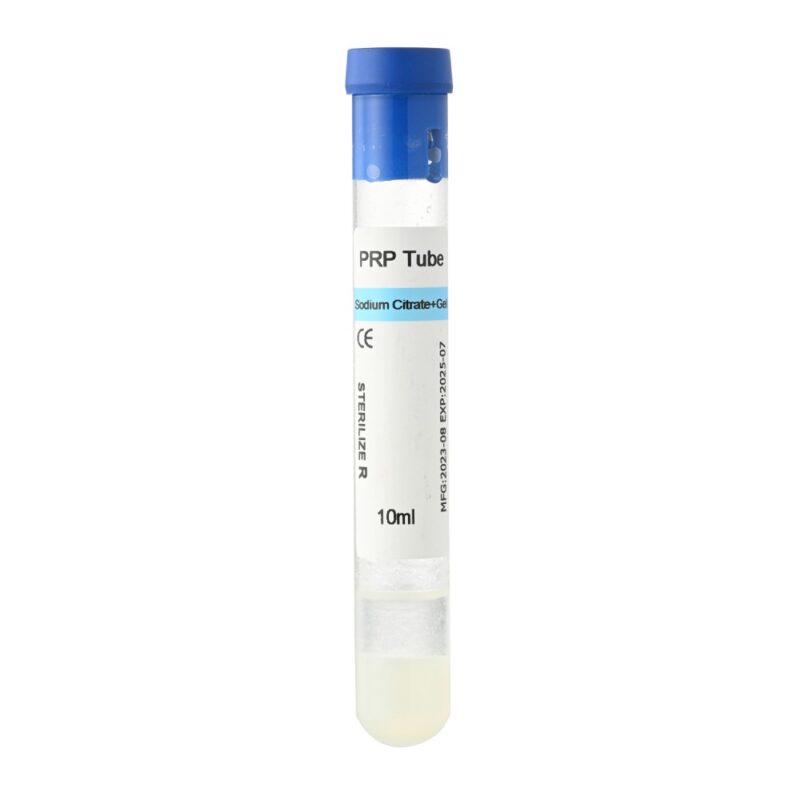
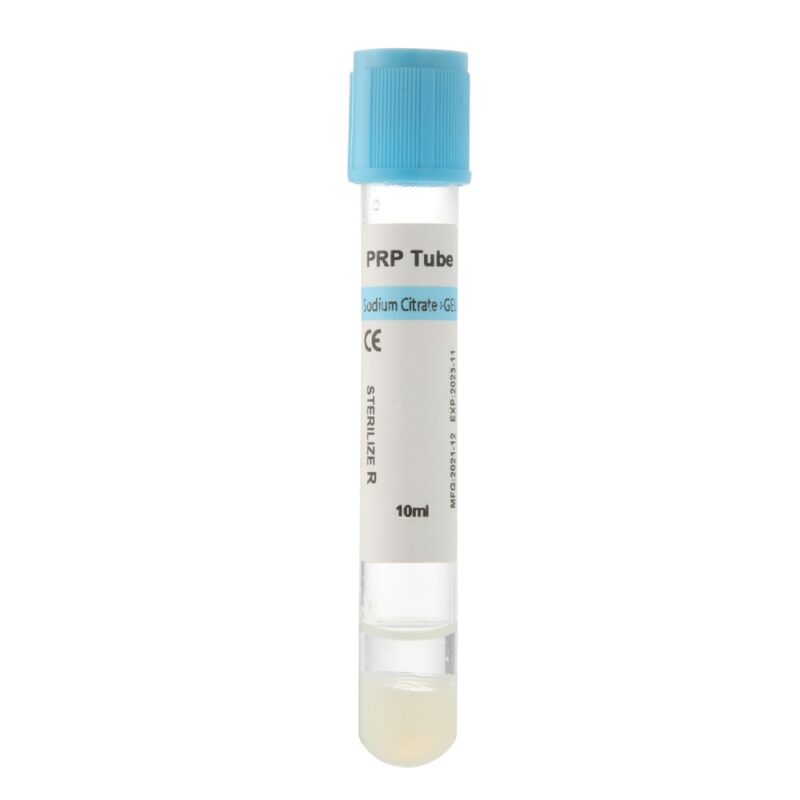
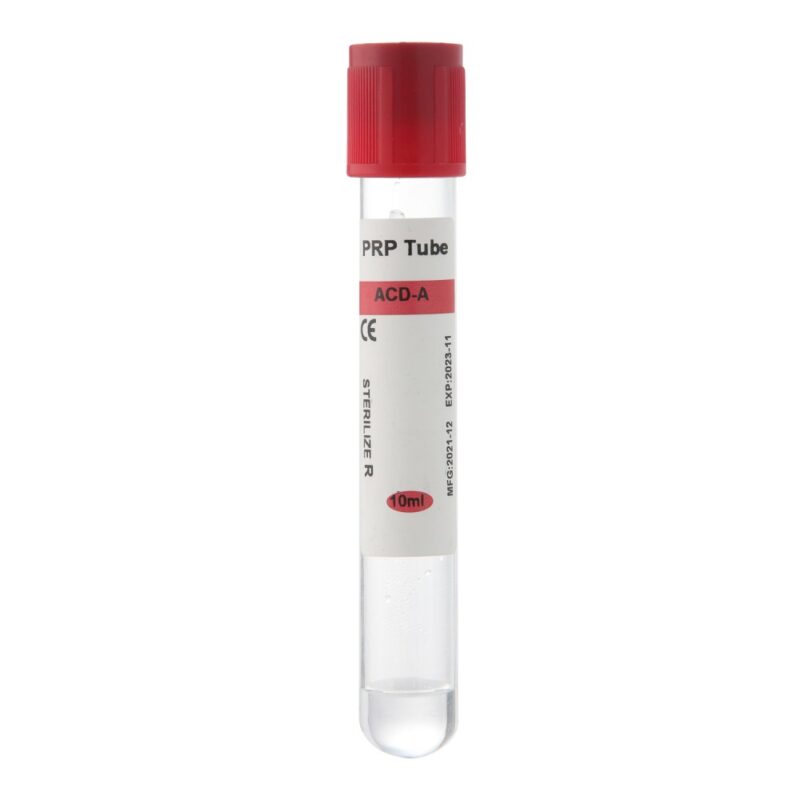
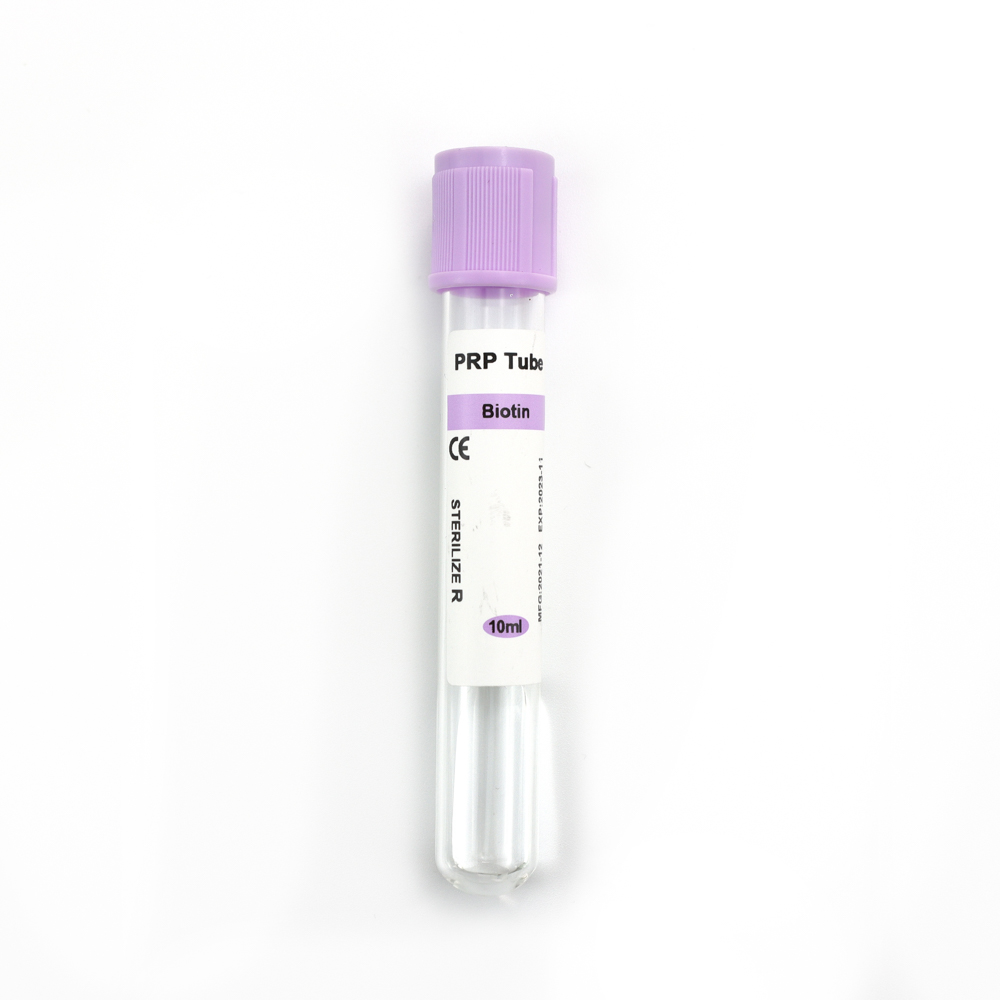
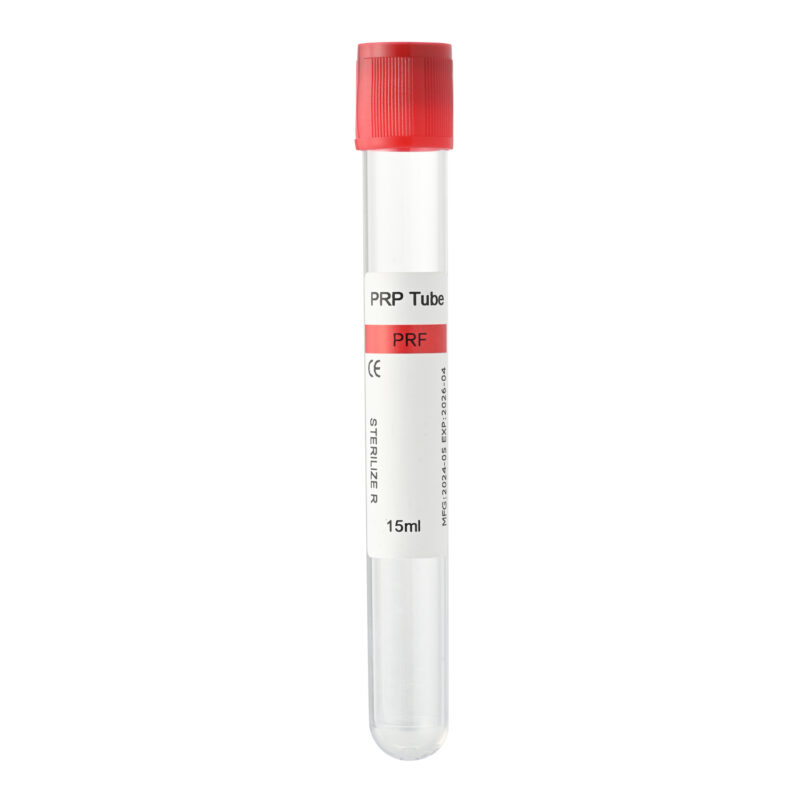
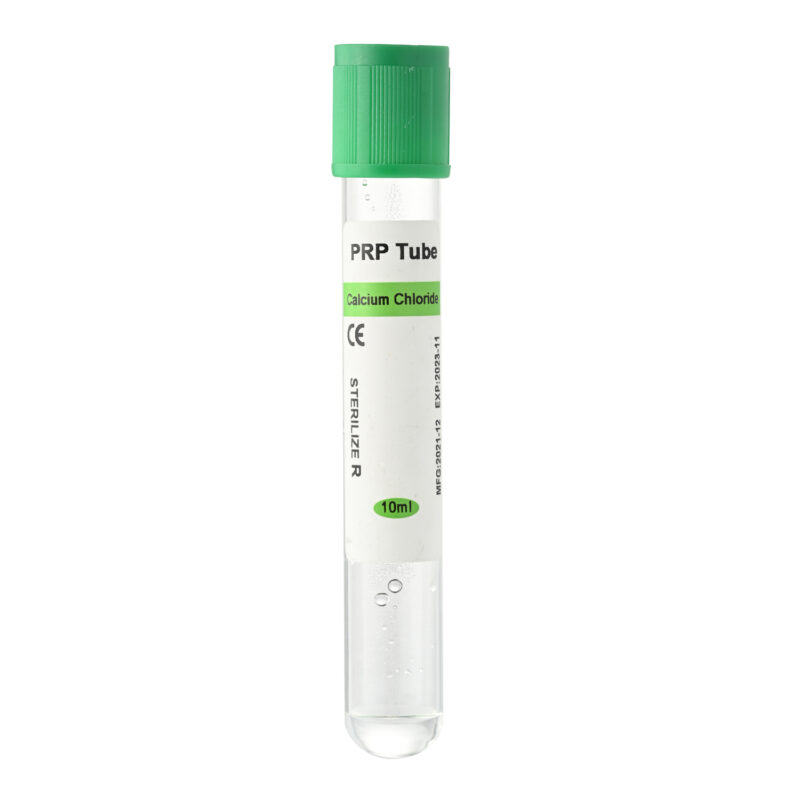
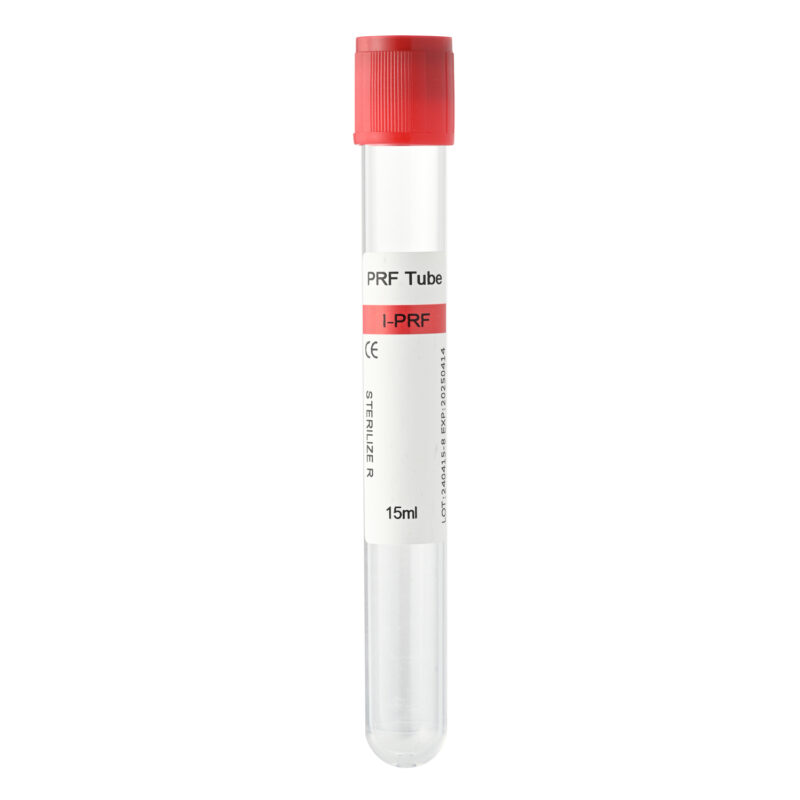
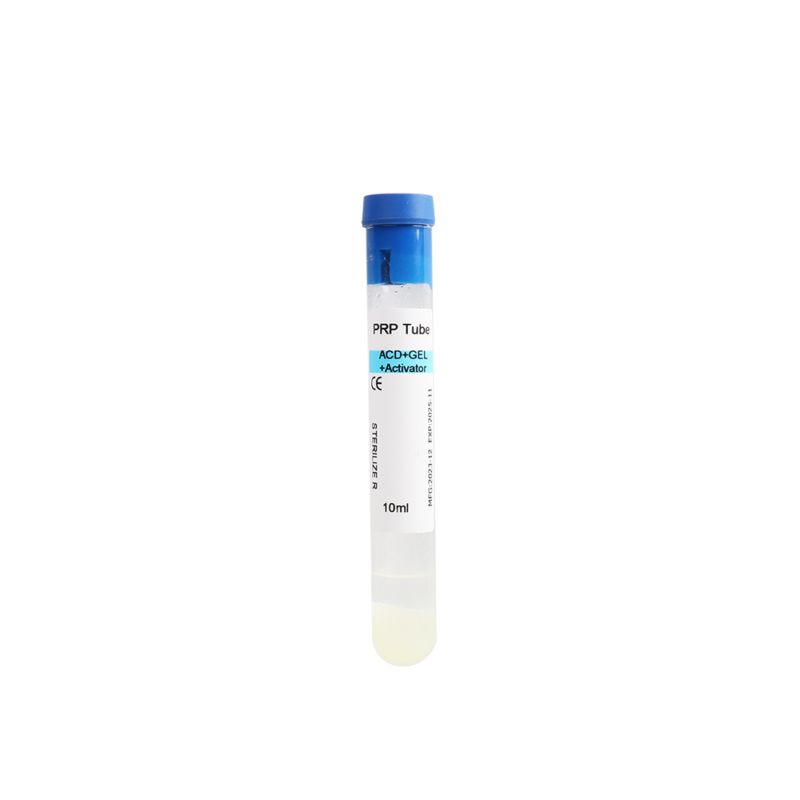
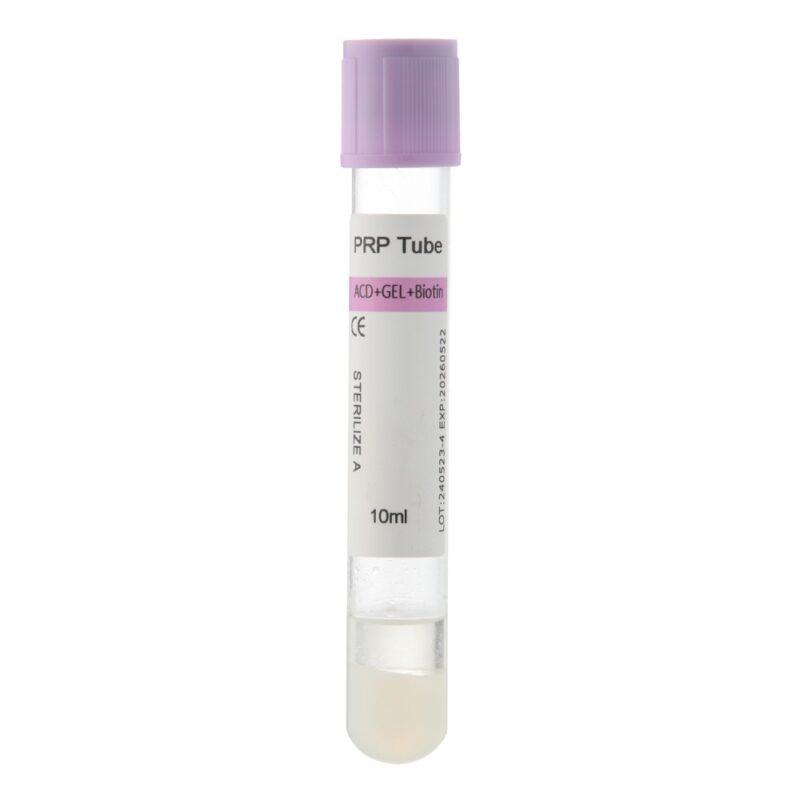
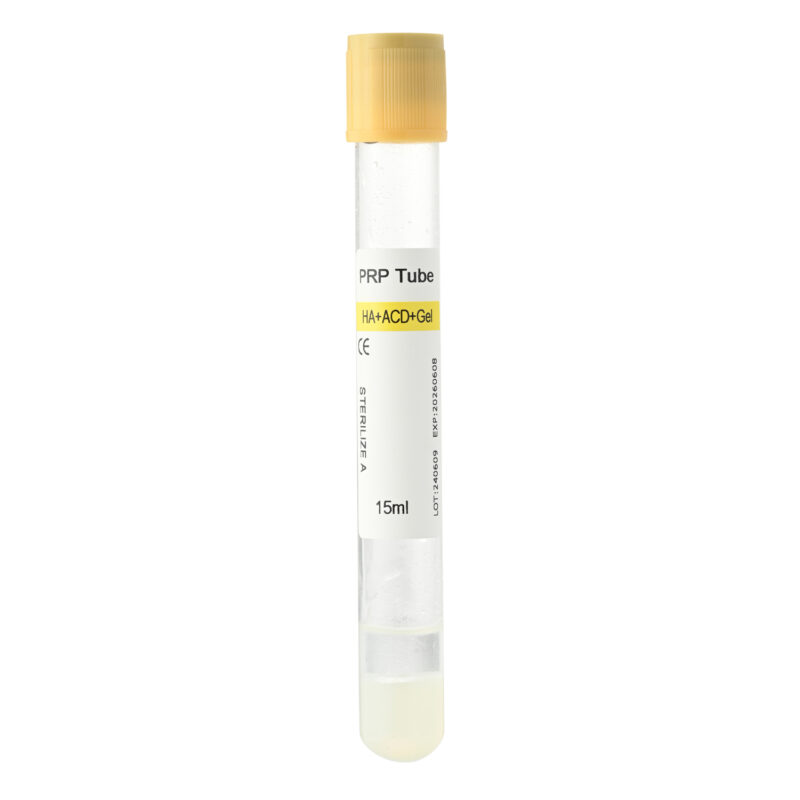
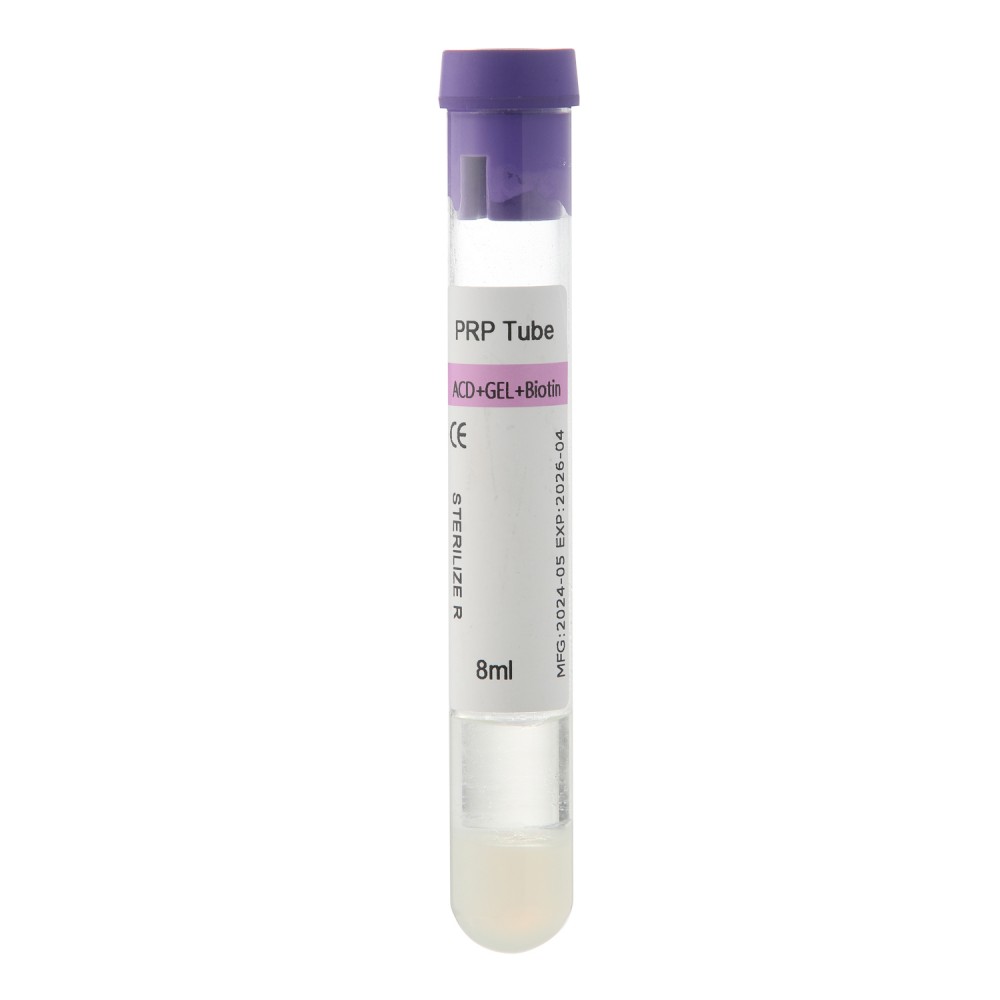
The PRP tube should be suitable for the clinic’s intended preparation method and used according to the applicable instructions. Collection volume and subsequent handling should also follow the established protocol.
This first step matters because problems introduced during collection cannot always be corrected later during centrifugation.
A predictable workflow therefore starts before the centrifuge begins spinning.
PRP Tubes Are Part of a Complete Preparation System
It can be tempting to evaluate a PRP tube as an isolated product. In clinical practice, however, the tube operates within a larger preparation system.
That system may include:
- blood collection;
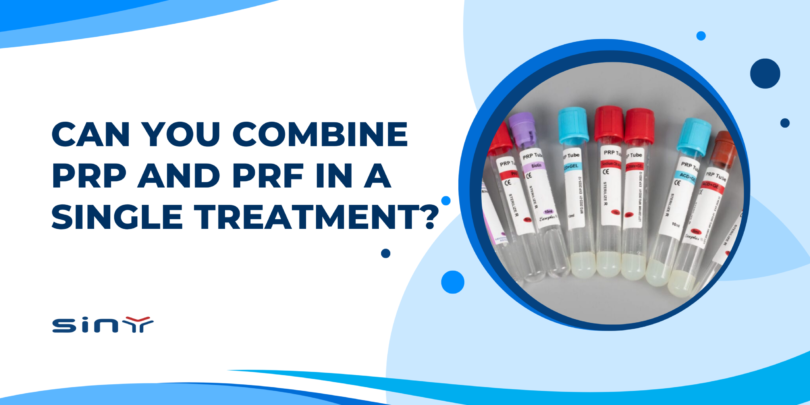
- the selected PRP tube;
- centrifuge compatibility;
- the centrifugation protocol;
- separation of blood components;
- collection of the desired plasma fraction; and
- subsequent clinical handling.
Changing one part of the process can affect how the rest of the workflow functions.
For this reason, clinics should avoid assuming that every PRP tube can simply be inserted into an existing protocol without evaluation.
Centrifugation Should Match the Intended PRP Protocol
Centrifugation is one of the key stages in PRP preparation.
Speed, centrifugal force, processing time, rotor configuration, sample volume, and other variables can influence blood-component separation. Different PRP systems may therefore require different processing conditions.
There is no responsible reason to apply one generic centrifuge setting to every PRP tube.
Clinics should instead follow their validated preparation protocol, equipment requirements, and applicable product instructions.
Repeatable PRP Preparation Matters
For an occasional procedure, small variations may not appear significant. For a clinic performing hair restoration treatments every day, those variations become much more important.
A repeatable PRP workflow is easier to manage when blood collection, PRP tube selection, centrifugation, plasma separation, and subsequent handling are treated as connected steps.
The objective is not simply to spin blood and obtain plasma. It is to establish a preparation process that trained staff can follow consistently.
This is where PRP tube selection becomes relevant to professional hair restoration practices.
Clinics can consider factors such as compatibility with their intended workflow, tube specifications, manufacturing consistency, packaging, and supply reliability when evaluating products.
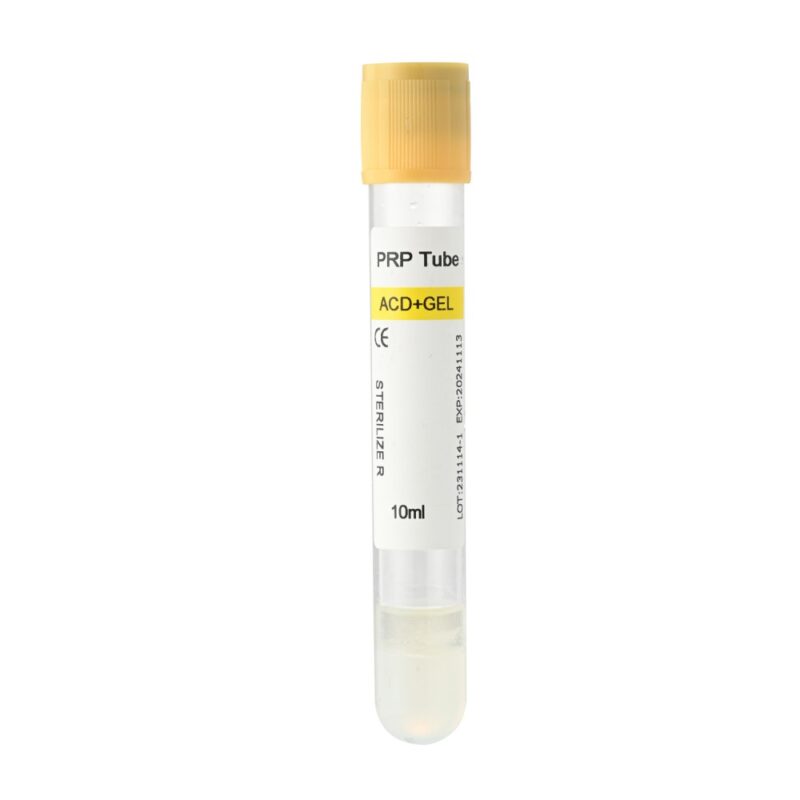
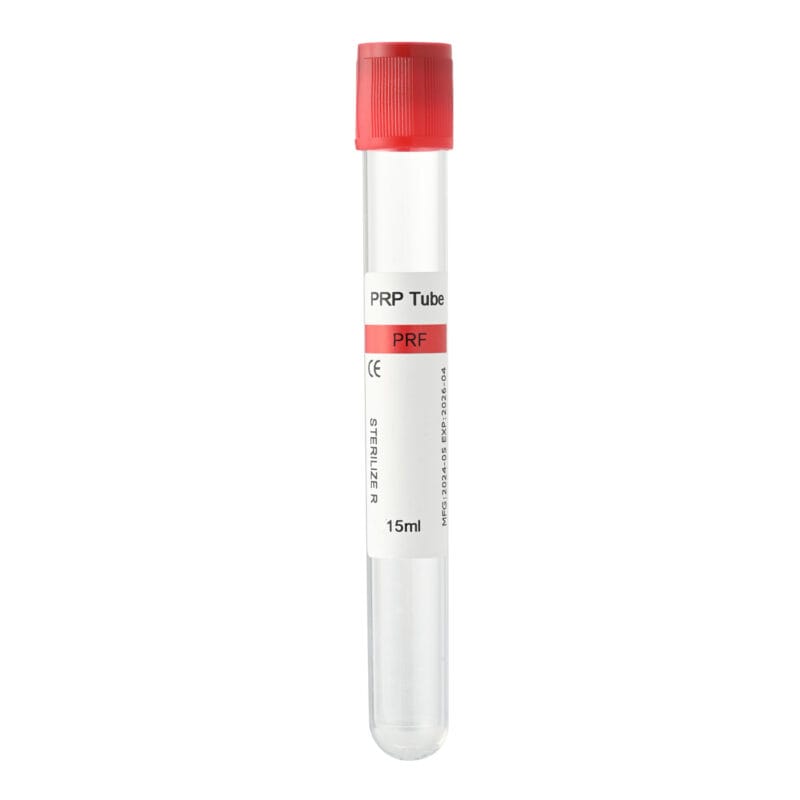
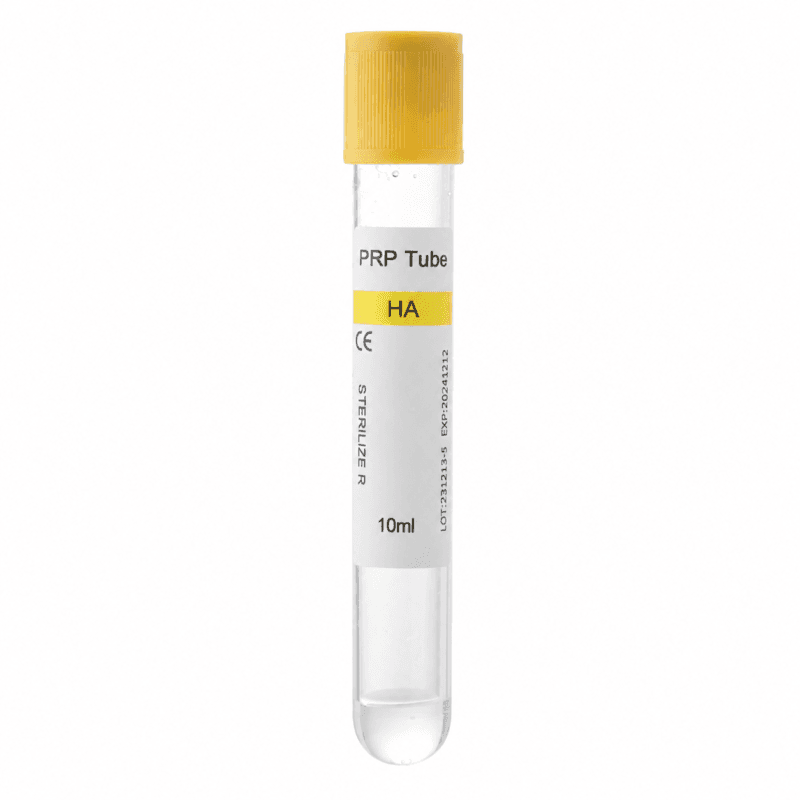
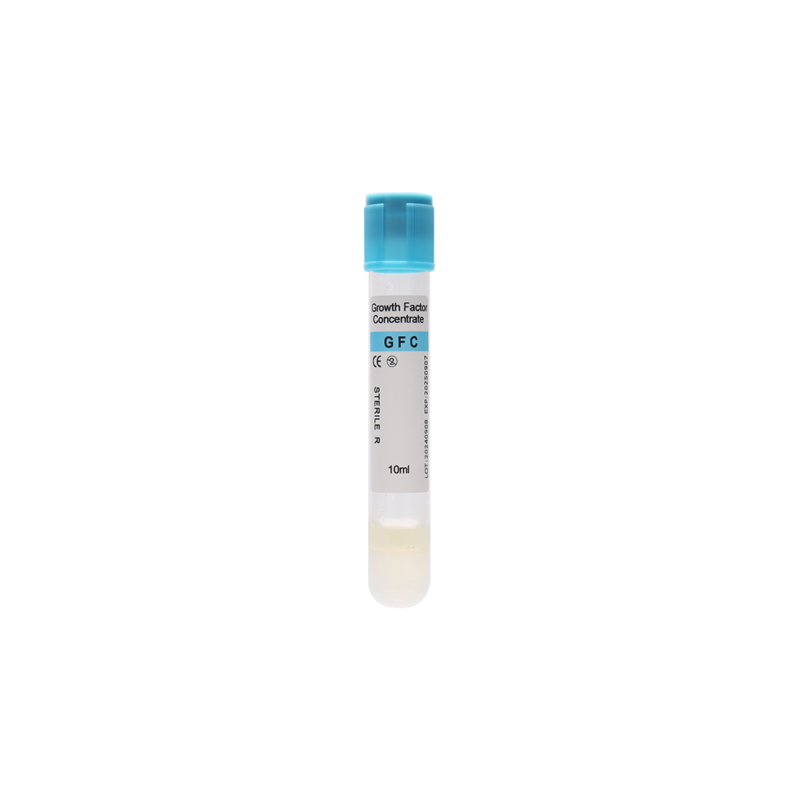
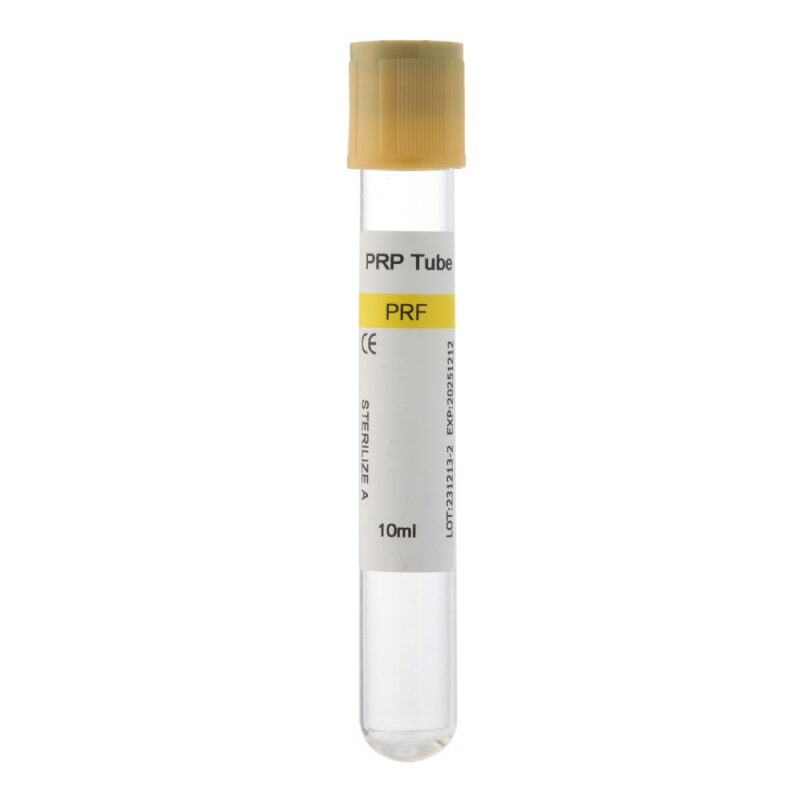
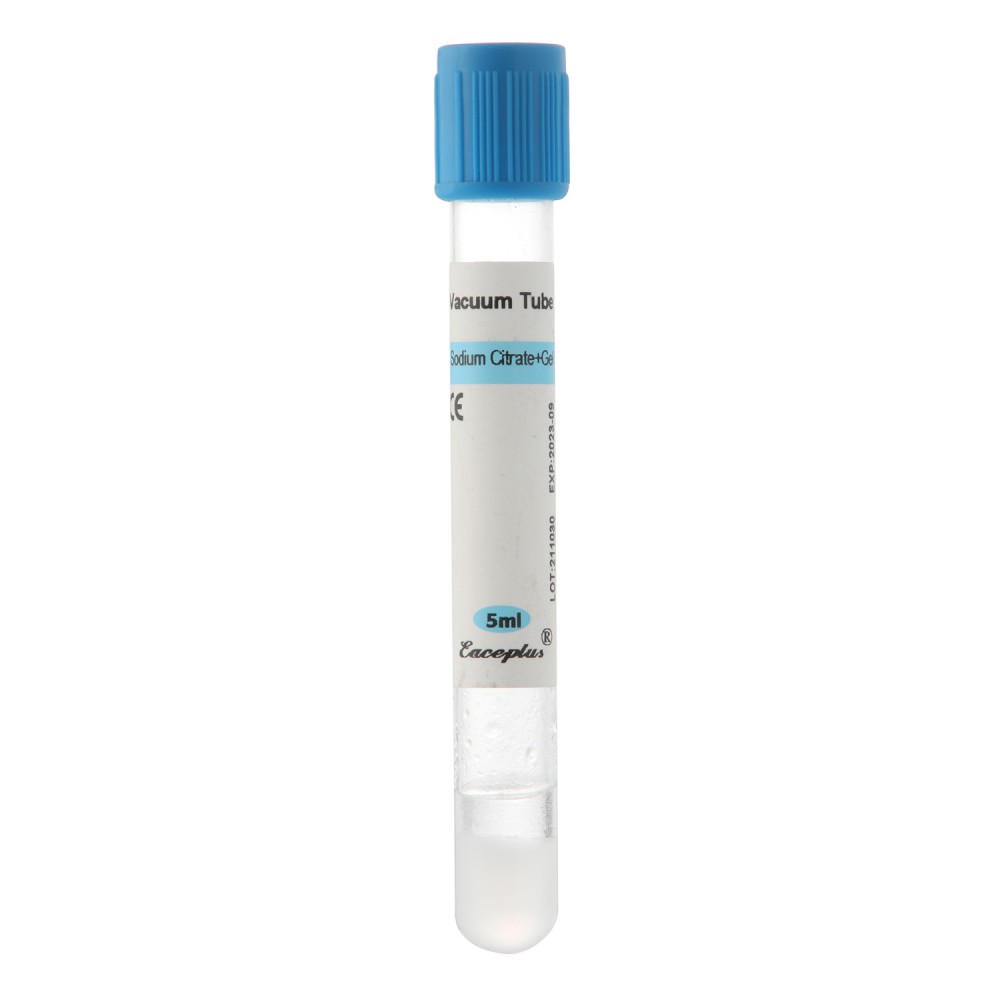
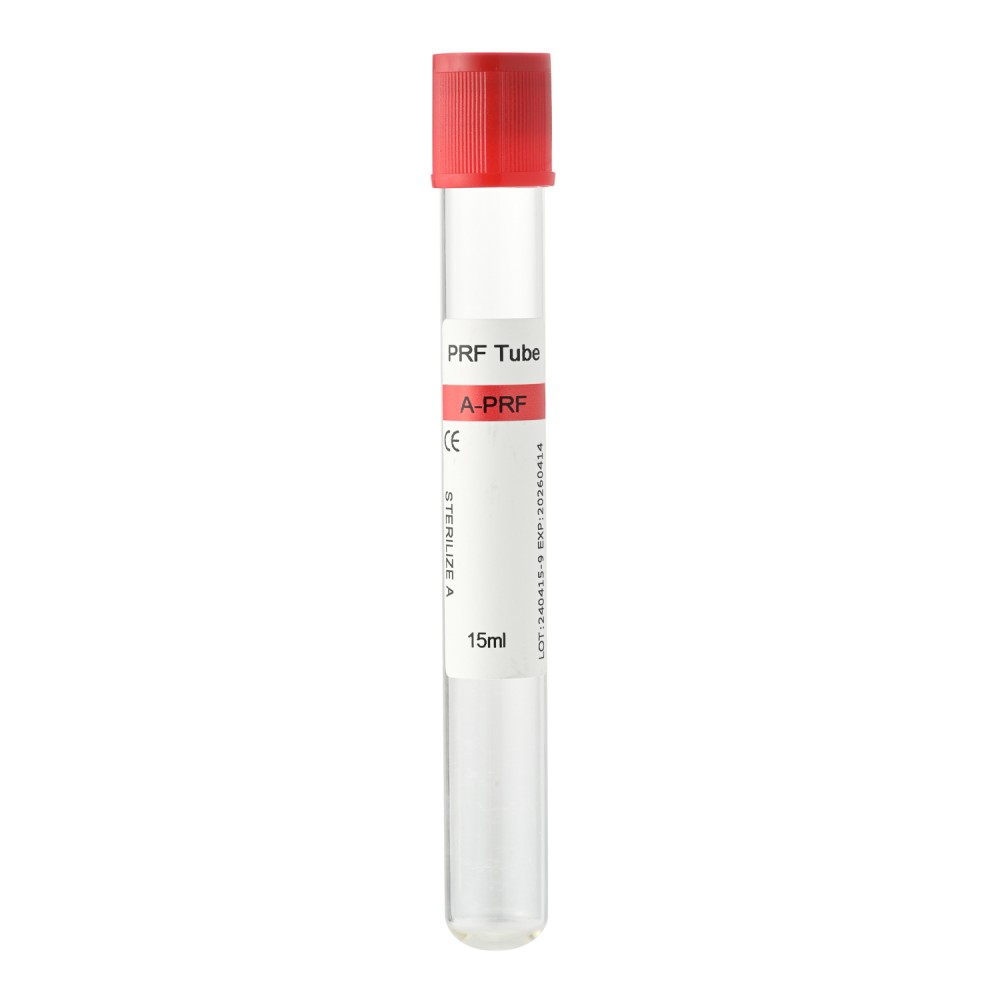
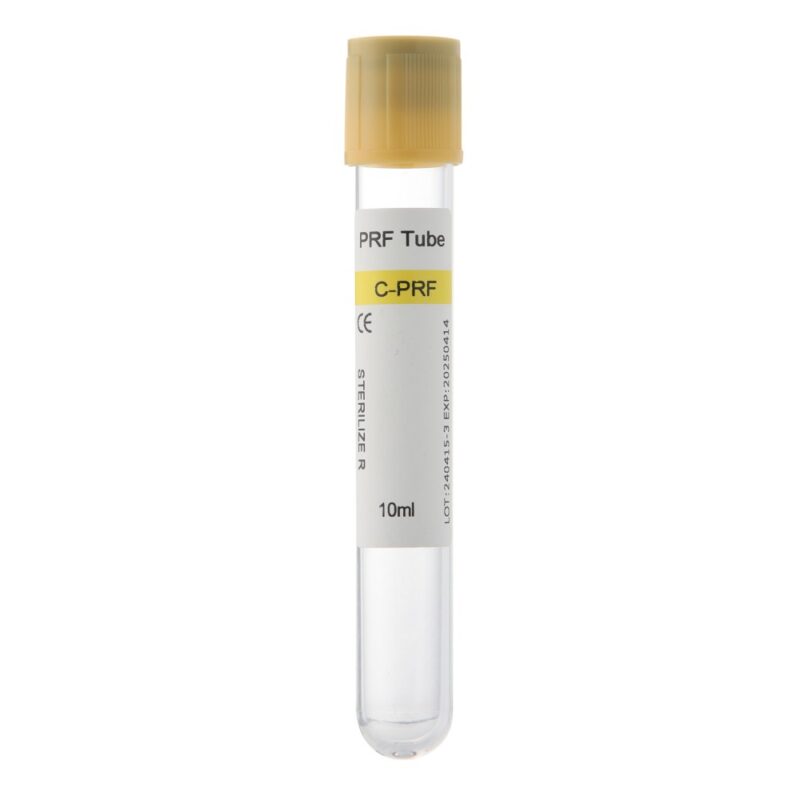
Siny PRP provides PRP tubes for professional platelet-rich plasma preparation, including applications within hair restoration workflows. Clinics and medical suppliers can contact Siny PRP to discuss product specifications and PRP tube requirements for their intended preparation process.
FAQ About PRP Therapy After Hair Transplant
Is PRP necessary after a hair transplant?
No. Hair transplantation can be performed without PRP.
PRP is generally used as an adjunctive treatment rather than an essential requirement for transplantation. Some research suggests potential benefits related to graft survival, early hair growth, hair density, and recovery, but individual outcomes vary.
A hair restoration professional should determine whether PRP is appropriate for a particular patient.
Does PRP help transplanted hair grow faster?
Possibly.
Some clinical studies have reported earlier hair growth when PRP was used alongside hair transplantation. However, PRP does not make transplanted follicles produce full results immediately.
Hair follicles still move through normal biological growth cycles after transplantation.
When should PRP be done after a hair transplant?
There is no universal starting point.
PRP has been investigated during transplantation and at different stages after surgery. The appropriate timing depends on the surgical procedure, scalp recovery, physician’s protocol, and treatment objective.
Patients should follow their transplant surgeon’s recommendations rather than schedule postoperative scalp injections independently.
How many PRP sessions are needed after a hair transplant?
There is no fixed number that applies to everyone.
Some treatment plans use multiple sessions over several months, while others use different schedules. Patient condition, hair-loss pattern, transplant procedure, PRP preparation method, and the clinic’s protocol can all influence treatment frequency.
Can PRP damage newly transplanted grafts?
PRP treatment usually involves scalp injections, which means timing and technique matter around newly implanted follicles.
This is particularly relevant during early recovery when grafts require careful postoperative management. PRP should therefore be performed by appropriately qualified professionals according to the transplant treatment plan.
Does PRP tube selection matter for hair restoration clinics?
PRP tube selection is one part of the overall preparation workflow.
Clinics should consider whether the tube fits their intended blood collection and PRP processing procedure rather than viewing all collection tubes as interchangeable.
A repeatable workflow depends on how the tube, centrifugation procedure, equipment, sample handling, and plasma collection process work together.
PRP Therapy After Hair Transplant and the Importance of a Reliable Workflow
PRP Therapy After Hair Transplant may offer a useful supportive option within modern hair restoration. Current clinical research has reported promising findings involving earlier hair growth, graft survival, hair density, and postoperative recovery, although results vary and more standardized evidence is still needed.
PRP works best conceptually as an adjunct—not as a substitute for good transplantation.
Careful patient selection, surgical technique, graft handling, implantation, and postoperative care remain central to a successful hair transplant.
For clinics that choose to incorporate PRP, attention should also extend to what happens before treatment. Blood collection, PRP tube selection, centrifugation, plasma separation, and handling all form part of the preparation workflow.
Building a repeatable process can help clinics integrate PRP more consistently into their hair restoration services.
Siny PRP supplies PRP tubes for professional PRP preparation and hair restoration applications. If you are selecting PRP tubes for your clinic or evaluating a PRP preparation workflow, explore our PRP tube products or contact the Siny PRP team to discuss your requirements.