Platelet-rich plasma (PRP) therapy has become widely used in regenerative medicine, sports medicine, aesthetics, dentistry, and orthopedic applications. However, one question continues to attract attention from both patients and healthcare professionals: Can PRP Cause Blood Clots?
Because PRP is prepared from a patient’s own blood and involves concentrating platelets, some people worry that a higher platelet concentration may increase the risk of unwanted clot formation. Understanding how PRP works, how blood components behave during preparation, and how professional protocols control the process can help clarify this concern.
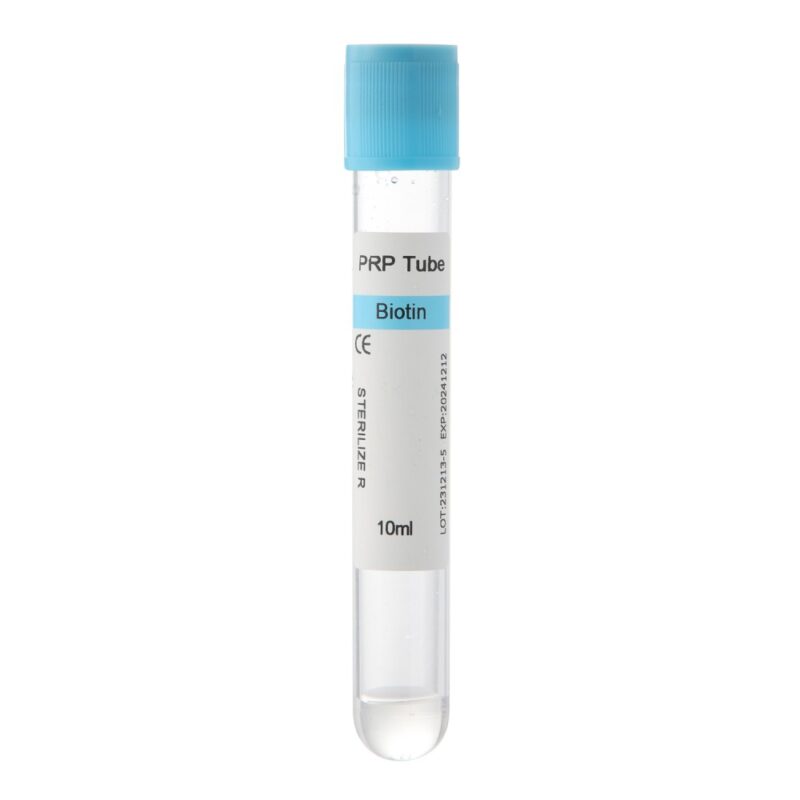
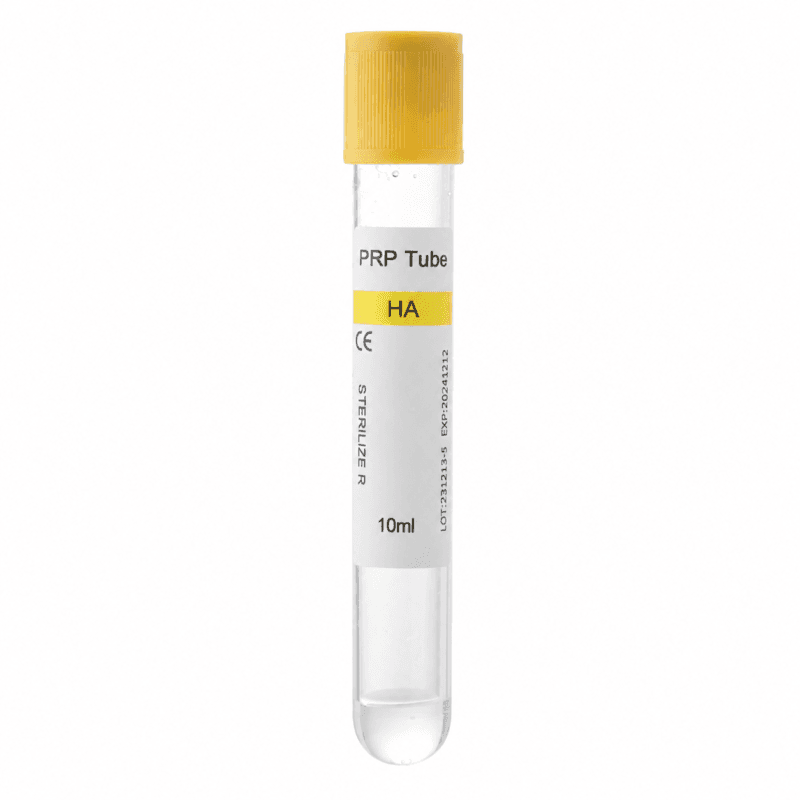
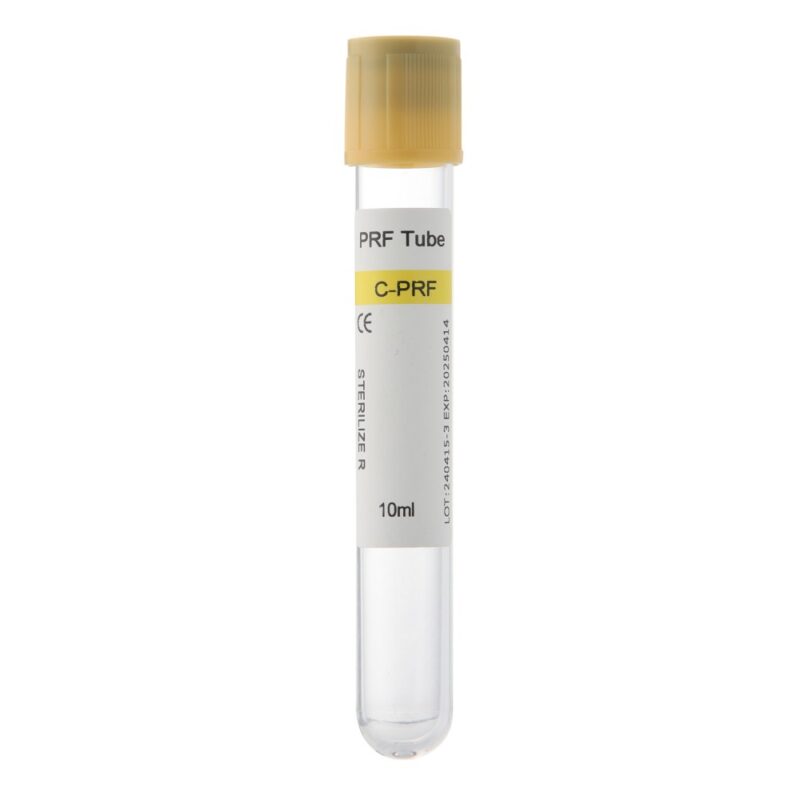
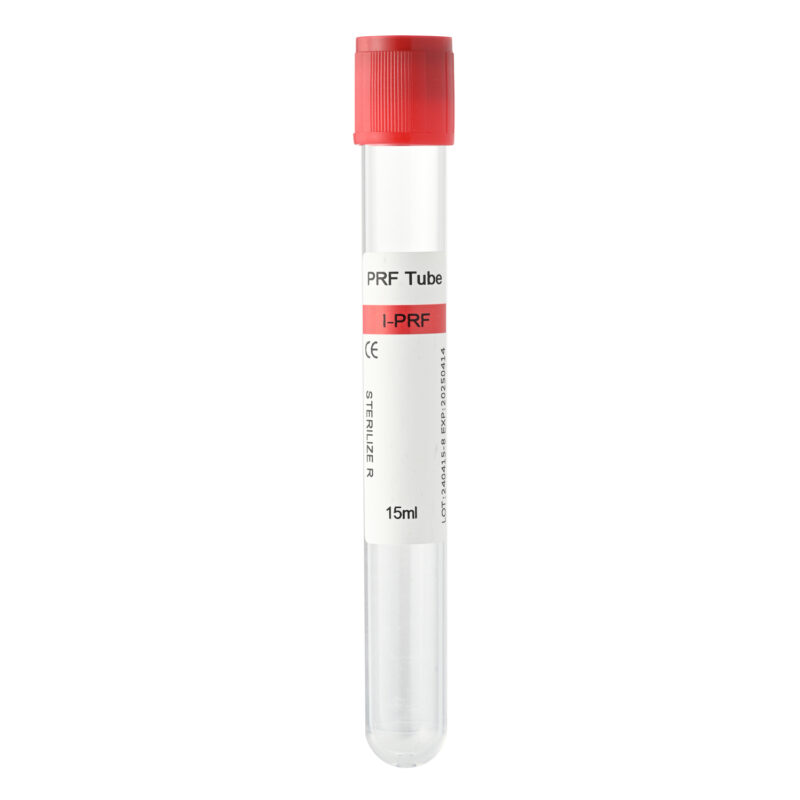
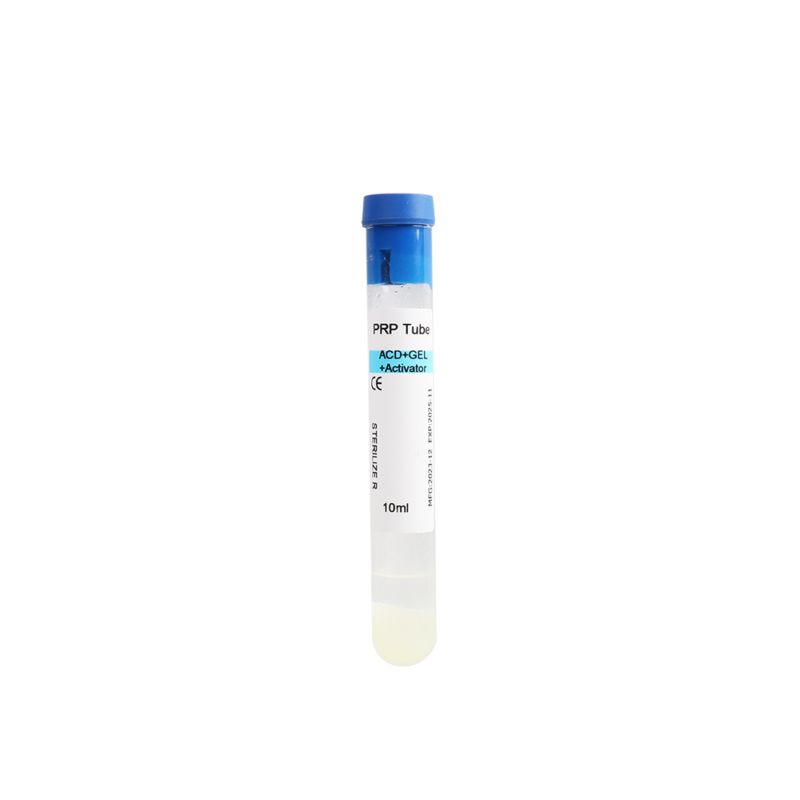
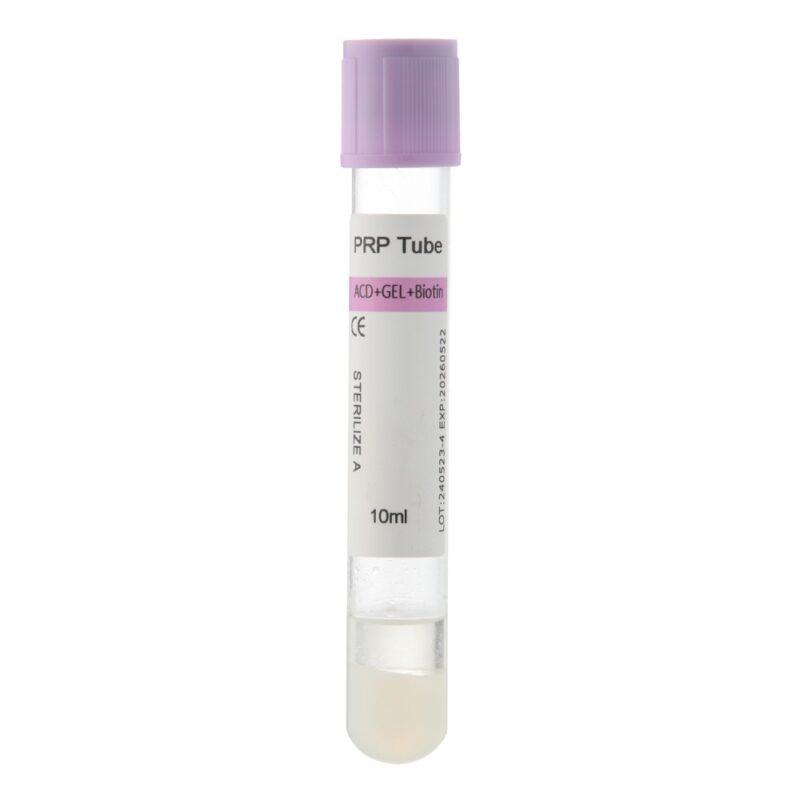
PRP does not work by creating abnormal blood clots throughout the body. Instead, it uses a concentrated portion of the patient’s own blood, including platelets and plasma components, which are prepared through controlled processing for specific medical applications. During PRP preparation, specialized PRP tubes help healthcare professionals separate blood components through centrifugation and obtain a platelet-rich plasma layer according to established protocols.
The connection between PRP and blood clotting is more complex than simply increasing the number of platelets. Platelets naturally participate in the body’s repair response and normal clot formation when tissue is injured. PRP utilizes these natural biological functions in a controlled clinical setting rather than changing the overall clotting ability of the bloodstream.
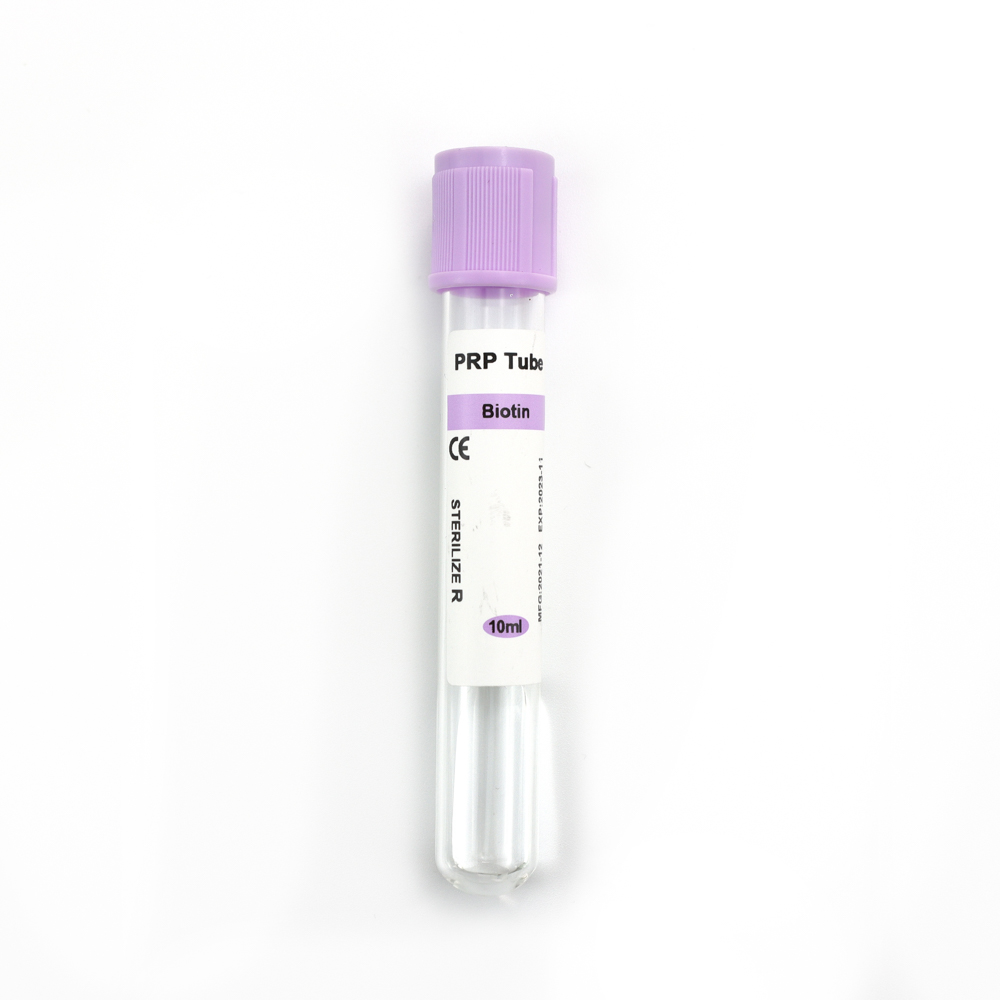
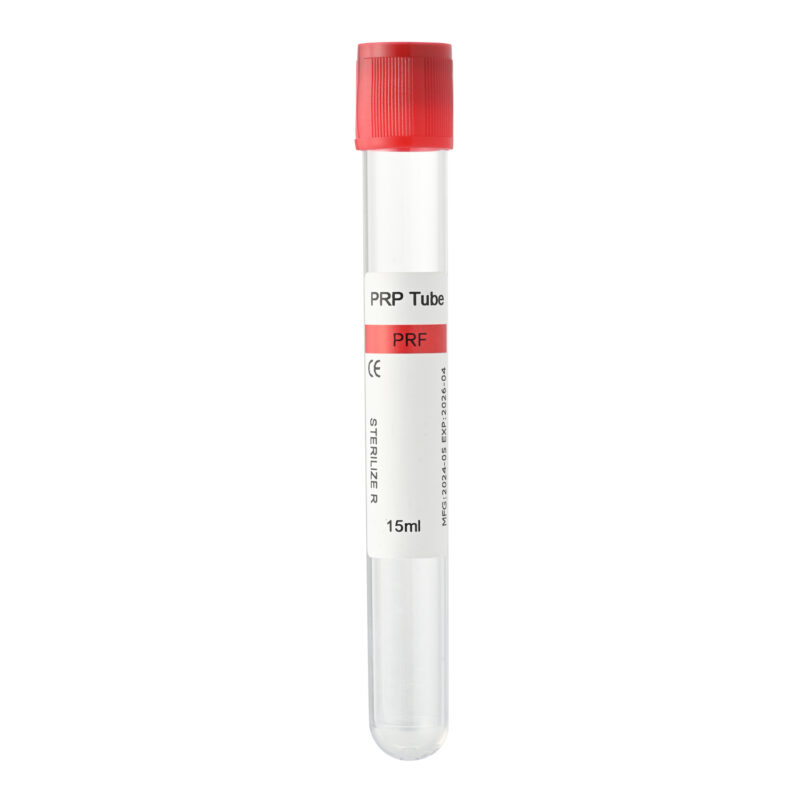
For clinics, laboratories, and distributors, the quality of PRP preparation equipment is an important consideration. A suitable PRP tube can support consistent blood separation, standardized workflows, and reliable preparation performance. Siny PRP provides professional PRP tube solutions designed for different regenerative medicine applications and helps healthcare partners select products that match their workflow requirements.
Understanding How PRP Works and Its Relationship With Blood Clotting
To better understand PRP safety, it is important to first understand what happens during blood processing.
Blood contains several key components that perform different functions:
- Red blood cells (RBCs): Transport oxygen throughout the body.
- White blood cells (WBCs): Support immune system functions.
- Plasma: The liquid portion of blood that contains proteins, nutrients, and other biological substances.
- Platelets: Blood components involved in normal clot formation, wound response, and tissue repair processes.
During PRP preparation, a small amount of whole blood is collected into a specially designed PRP tube. The sample is then processed through centrifugation, which separates blood components according to their density.
The purpose of centrifugation is not to create excessive coagulation. Instead, it allows healthcare professionals to concentrate platelets and plasma while separating unwanted components according to the selected preparation method.
Platelets play two important biological roles. First, they contribute to hemostasis, which is the body’s natural mechanism for controlling bleeding after injury. Second, activated platelets release signaling molecules involved in the body’s natural repair response.
Because of these functions, some people assume that concentrating platelets automatically creates a higher risk of dangerous blood clots. However, normal platelet activity and harmful clot formation are different processes.
The human body maintains a careful balance between clot formation and clot regulation. PRP preparation focuses on collecting platelet-rich plasma for targeted applications rather than altering the patient’s entire circulatory system.
In professional clinical environments, PRP is applied according to established procedures and treatment protocols. The purpose is to deliver prepared platelet components to a specific area rather than influence blood circulation throughout the body.

Normal Blood Clotting vs. Dangerous Blood Clots in PRP Therapy
The term “blood clot” often causes concern because many people associate it with serious conditions such as deep vein thrombosis (DVT), pulmonary embolism, or stroke-related complications. However, the body’s normal clotting process and harmful clot formation are not the same.
Normal blood clotting is an essential biological function. When tissue is damaged, platelets gather at the affected area and interact with other blood components to create a temporary clot. This response helps control bleeding and supports the early stages of tissue repair.
A dangerous blood clot occurs when clot formation happens in an inappropriate location, becomes excessive, or interferes with normal circulation. These situations are usually influenced by multiple factors, including individual health conditions, genetics, lifestyle factors, inflammation, and medical history.
Current clinical understanding indicates that PRP therapy does not generally create systemic blood clots in healthy individuals when performed by qualified healthcare professionals. PRP contains the patient’s own blood components and is typically applied locally according to professional treatment procedures.
However, like other injection-based procedures, proper technique remains important. Minor local reactions, bruising, or small localized clotting responses may occur if a needle affects a small blood vessel during injection. These risks are mainly related to the physical injection process rather than platelet concentration itself.
Healthcare professionals also take precautions to avoid accidental injection into blood vessels. Proper patient assessment, accurate injection techniques, and appropriate clinical procedures help support controlled PRP application.
For clinics and distributors, preparation consistency is another important factor. A well-designed PRP tube helps support controlled blood handling, predictable separation, and standardized preparation workflows.
How PRP Tubes Influence Preparation Quality and Consistency
While many discussions about PRP safety focus on whether platelet concentration may affect blood clot formation, the preparation process itself is equally important. Before PRP is used in a clinical application, healthcare professionals need to obtain a consistent platelet-rich plasma preparation through controlled blood processing.
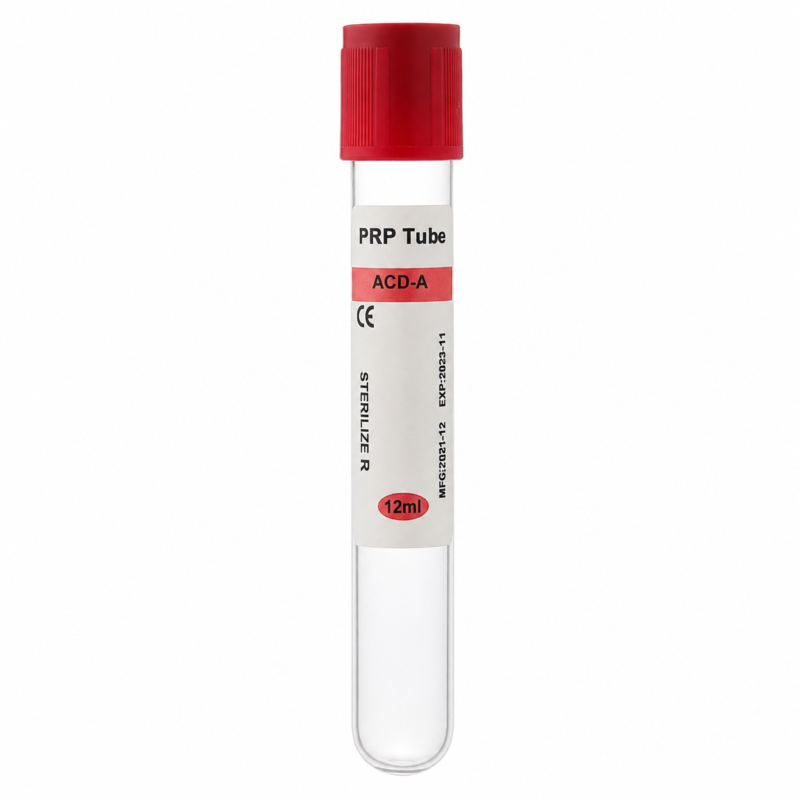
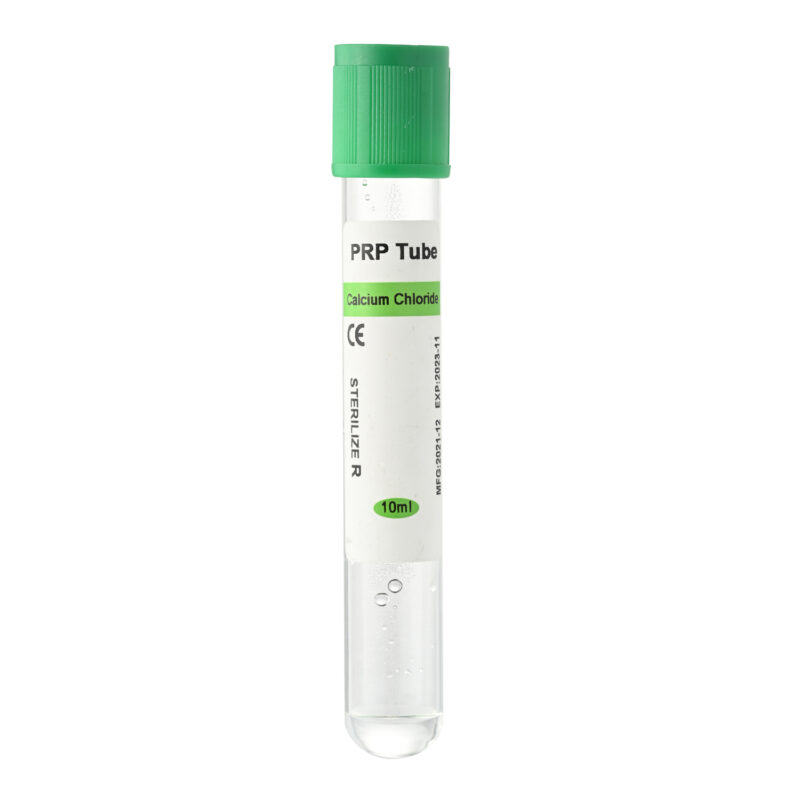
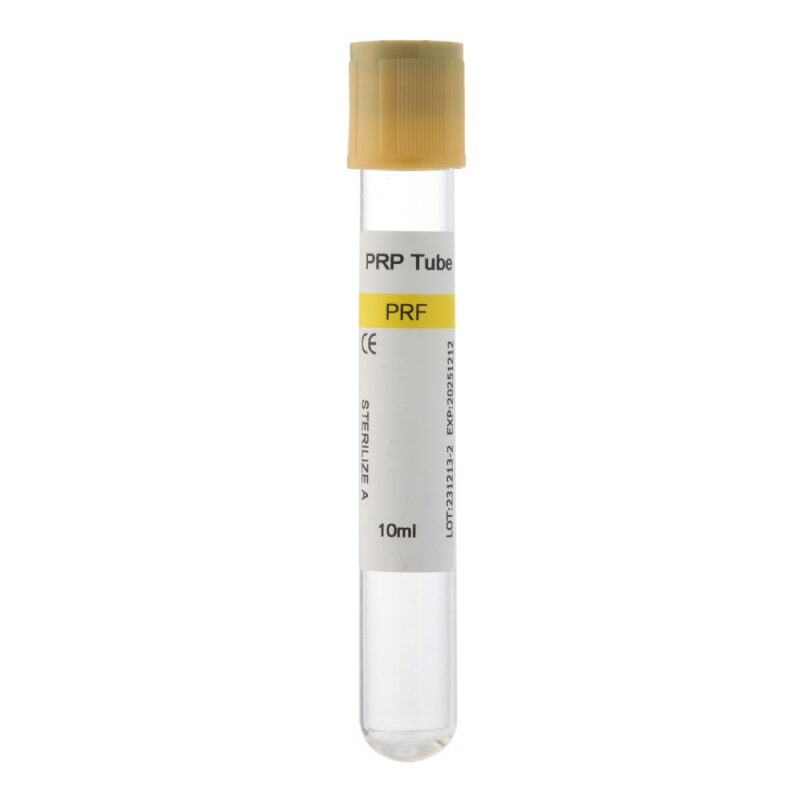
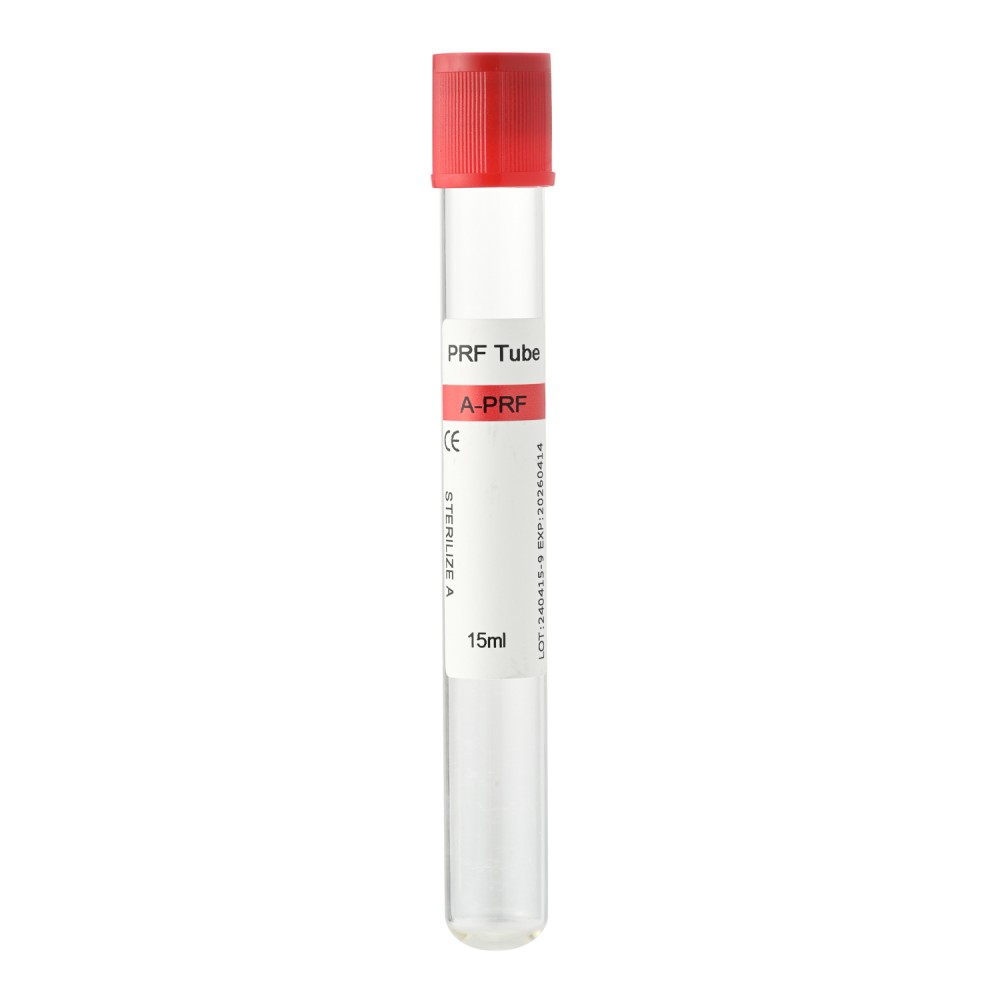
A PRP tube is not simply a standard blood collection container. It is specifically designed to support blood collection, component separation, and plasma preparation. The tube design, additive formulation, material selection, and separation technology can all influence the overall preparation workflow.
For clinics, laboratories, and distributors, choosing the right PRP tube is not only about product specifications. It is also about ensuring compatibility with existing protocols, maintaining preparation consistency, and supporting reliable clinical workflows.
Important factors to consider when selecting PRP tubes include:
Anticoagulant Formulation
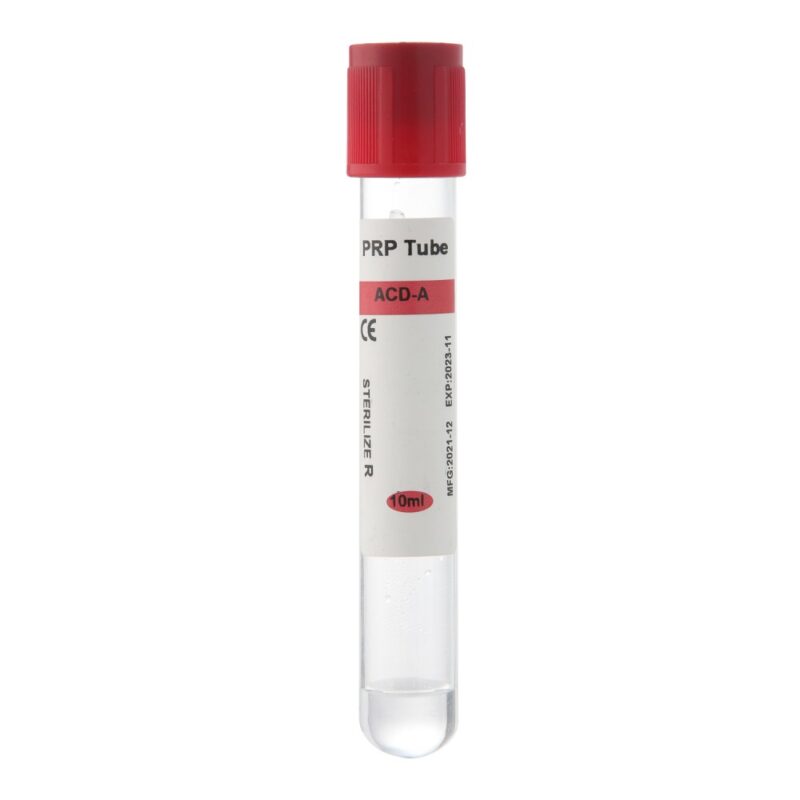
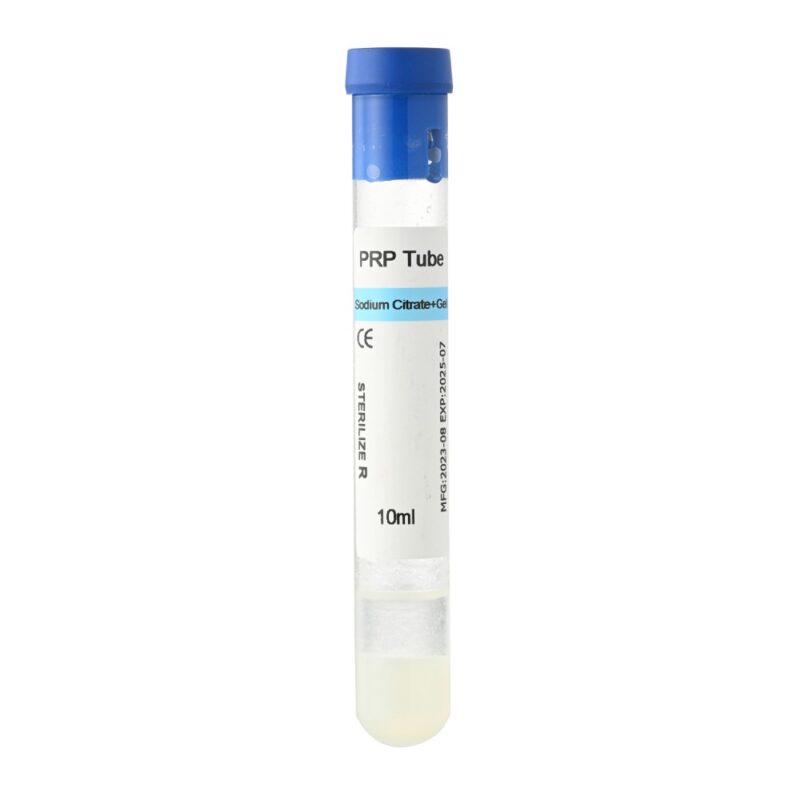
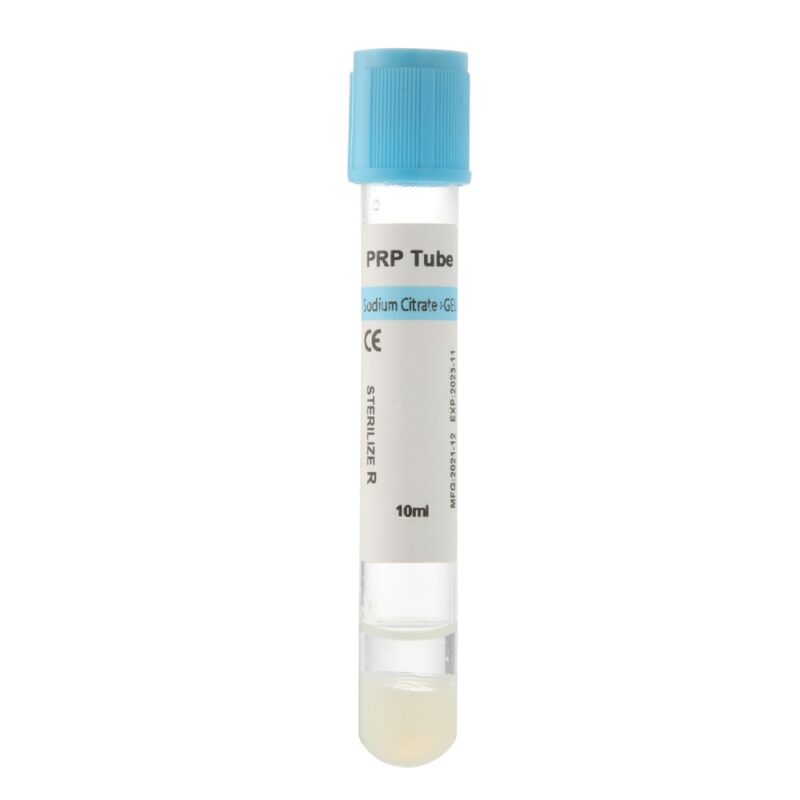
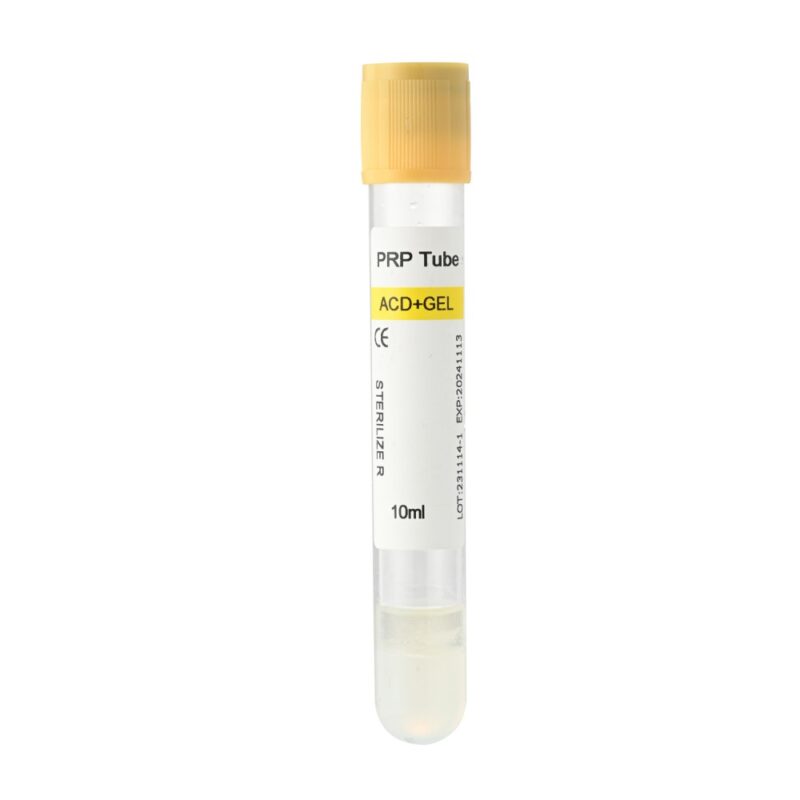
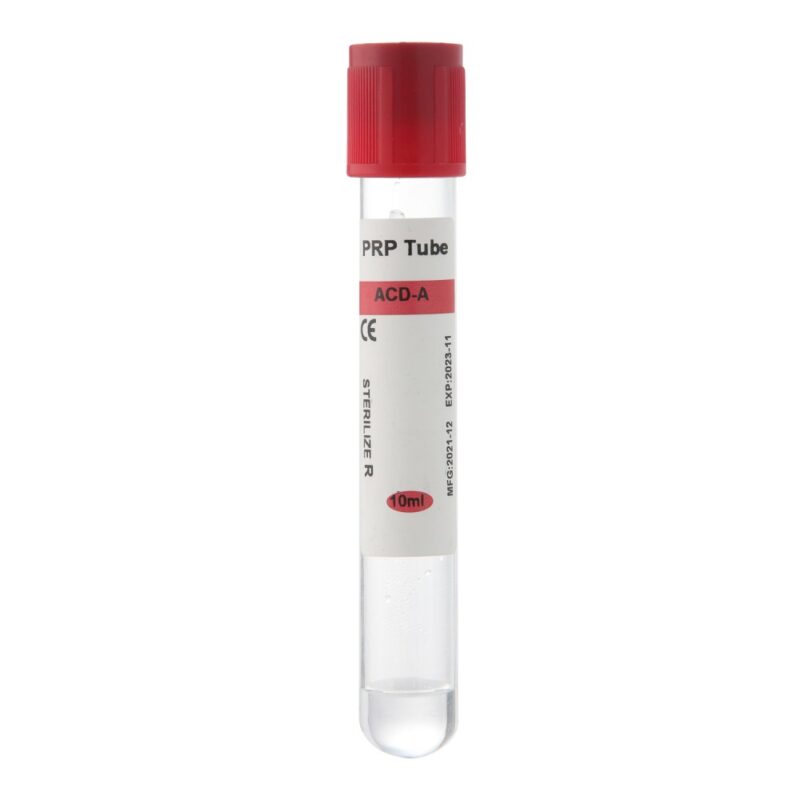
Many PRP tubes use anticoagulants such as sodium citrate or ACD-A to help prevent premature coagulation during blood processing. These additives allow blood components to remain in a suitable condition during centrifugation, helping healthcare professionals collect platelet-rich plasma according to their established protocols.
Different PRP applications may require different anticoagulant systems. Factors such as the intended treatment area, preparation method, and clinical preference can influence which tube configuration is most suitable.
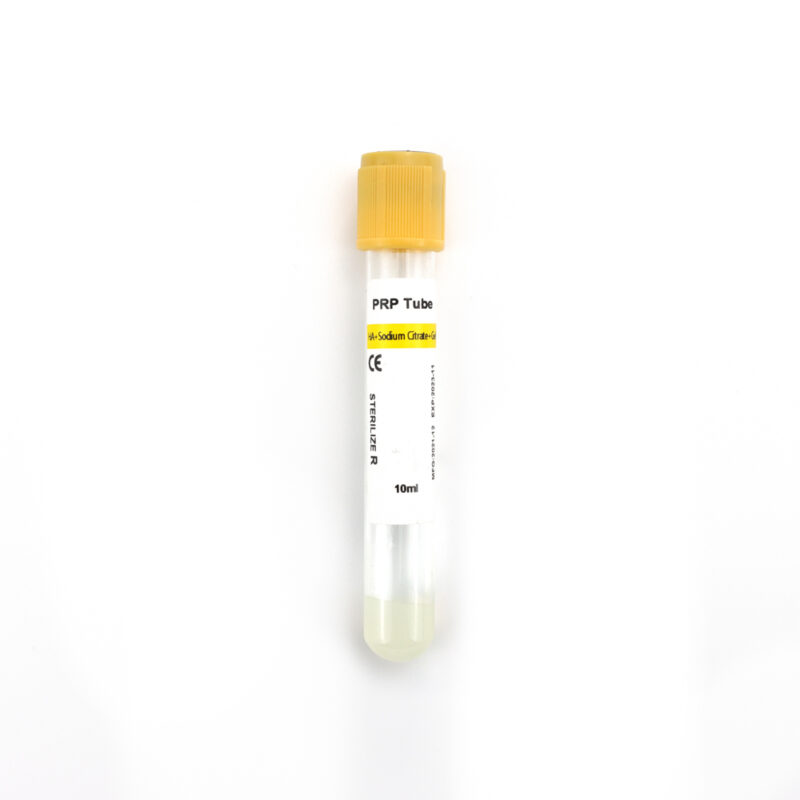
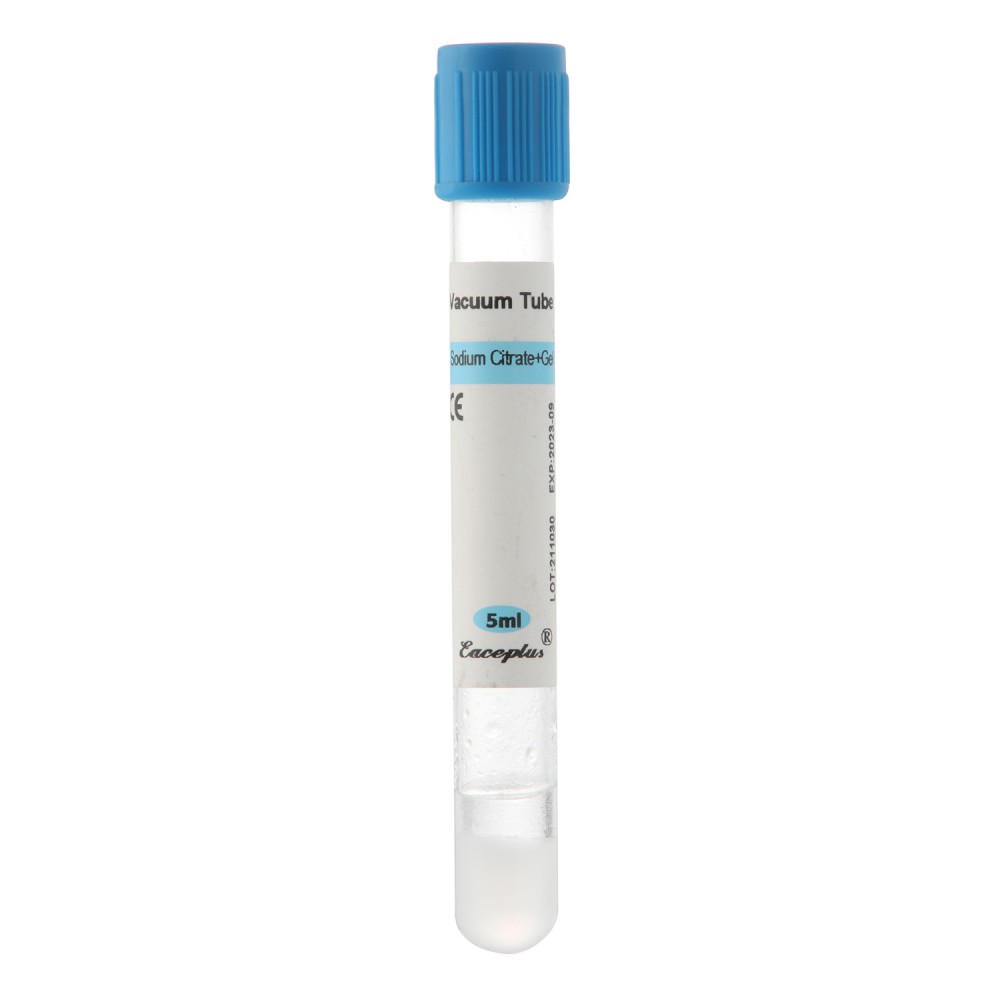
For example, sodium citrate-based PRP tubes are commonly used in many regenerative medicine workflows because they help maintain blood fluidity during preparation. ACD-A tubes are also widely used in specific PRP protocols where practitioners prefer its anticoagulant characteristics.

Gel PRP Tubes vs. Non-Gel PRP Tubes: Understanding Application Differences
PRP tubes are available in different designs, and one important distinction is whether the tube contains a separation gel.
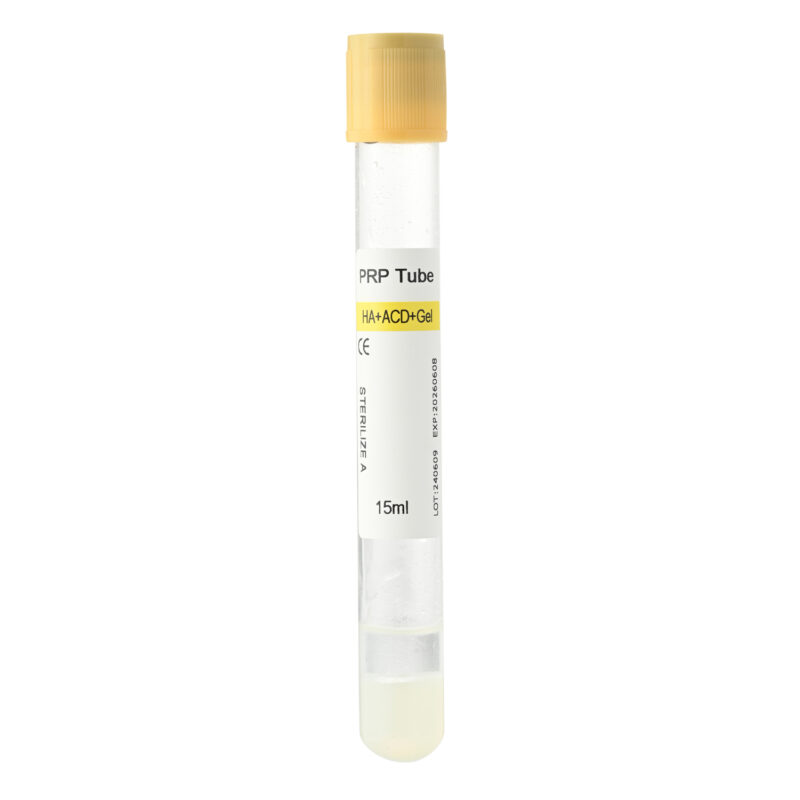
Gel PRP Tubes
Gel separation technology creates a physical barrier between blood components after centrifugation. This design can help simplify plasma collection by keeping separated layers more stable during handling.
Gel-based PRP tubes are commonly used in applications where efficient plasma separation and convenient preparation are important, including many aesthetic medicine and dental workflows.

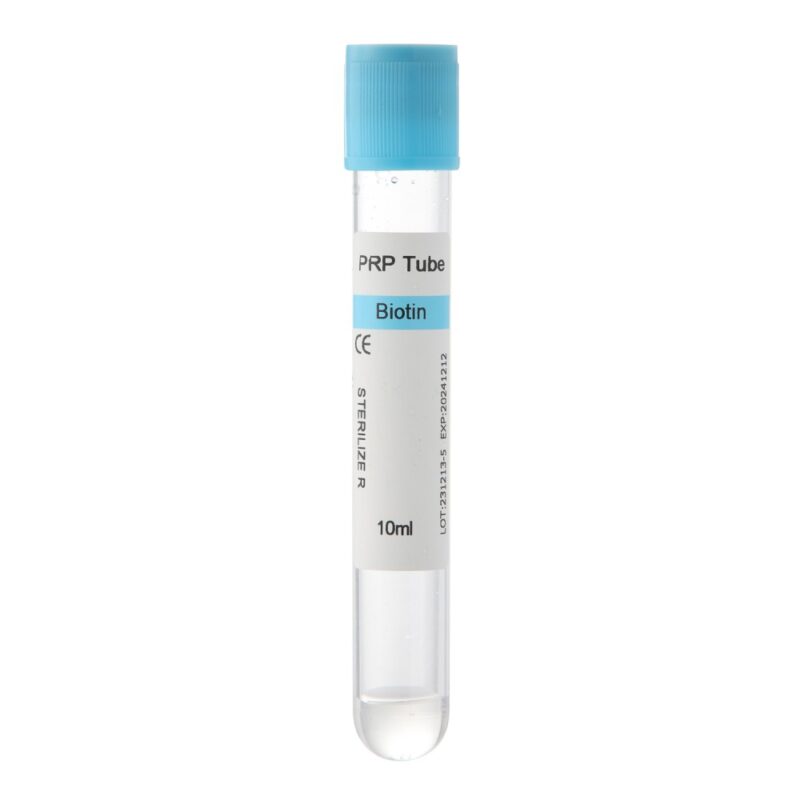
Non-Gel PRP Tubes
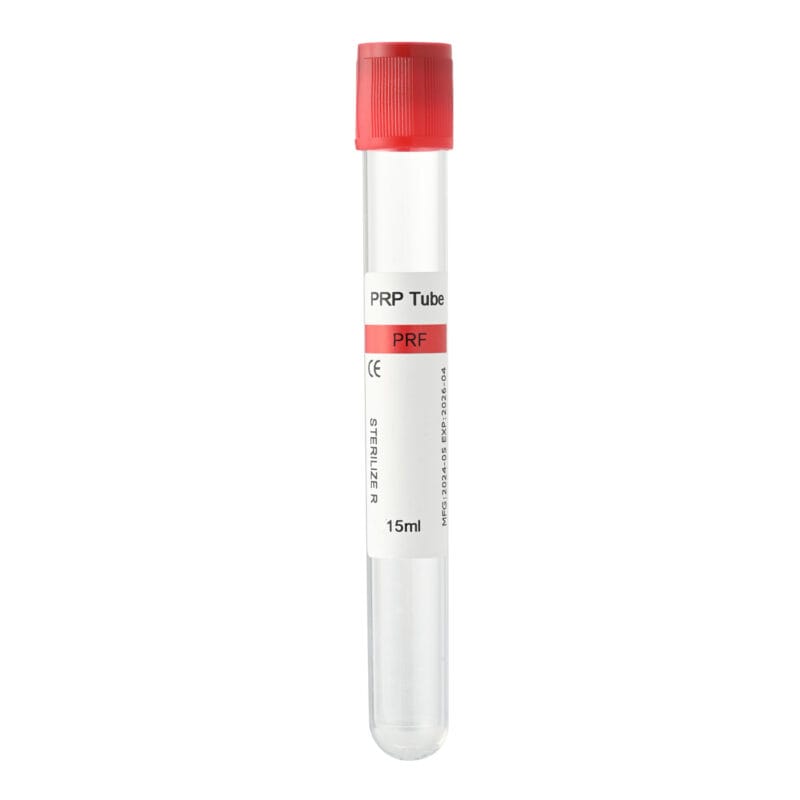
Non-gel PRP tubes typically rely on anticoagulant solutions without a gel barrier. Some clinical protocols prefer this design because they want to minimize the presence of additional materials during specific applications.
For example, some orthopedic or joint-related procedures may use non-gel PRP tubes depending on practitioner preference and established preparation protocols.
Neither design is universally better than the other. The appropriate choice depends on the intended application, clinical workflow, centrifugation process, and healthcare provider requirements.
For clinics and distributors, understanding these differences is important when selecting PRP tubes for different markets and applications. Siny PRP provides multiple PRP tube configurations to support different regenerative medicine workflows and customer requirements.
Does PRP Increase Platelet Count Too Much and Create a Higher Clotting Risk?
Another common concern related to PRP safety is whether concentrating platelets during preparation could make blood more likely to form harmful clots.
This concern is understandable because platelets play an important role in normal clot formation. However, increasing platelet concentration within a prepared PRP sample does not mean that the patient’s entire blood system becomes more likely to develop abnormal clots.
PRP preparation focuses on collecting a platelet-rich fraction from a small blood sample. It does not significantly increase the total number of circulating platelets in the body or permanently change normal coagulation mechanisms.
The purpose of PRP is to utilize the biological functions of platelets and plasma components at a targeted application site. Healthcare professionals use prepared PRP according to specific protocols rather than attempting to modify the body’s overall clotting system.
The final characteristics of PRP can vary depending on several preparation factors, including:
- Blood collection method
- PRP tube design
- Anticoagulant type
- Centrifugation settings
- Handling procedures
For this reason, selecting a suitable PRP tube is an important part of maintaining a controlled preparation process. The tube should match the intended application, available equipment, and clinical workflow.
Who Should Discuss PRP Treatment and Blood Clot Risks With a Healthcare Professional?
Although PRP is considered a minimally invasive procedure, it may not be suitable for every individual. A professional evaluation helps determine whether PRP treatment is appropriate based on personal health conditions and medical history.
Individuals who should discuss PRP treatment with a healthcare provider before proceeding may include:
People With Blood Clotting Disorders
Conditions that affect normal coagulation may influence how the body responds to medical procedures. Healthcare professionals may evaluate bleeding risks, clotting tendencies, and overall suitability before recommending PRP.
People Taking Blood-Thinning Medications
Some medications can affect platelet function or blood coagulation pathways. A healthcare provider may review medication history before deciding whether PRP treatment is appropriate.
People With Low Platelet Levels
Since PRP preparation relies on collecting and concentrating platelets, individuals with significantly reduced platelet counts may require additional assessment.
People With Active Infections or Certain Medical Conditions
A healthcare professional may consider other health factors before recommending PRP treatment.
These considerations do not mean that PRP directly causes blood clots. Instead, they highlight why professional evaluation and appropriate treatment planning are important.
How to Choose the Right PRP Tube for Reliable and Standardized Preparation
For clinics, medical distributors, and healthcare organizations, selecting the right PRP tube is an important purchasing decision. The market includes many different PRP tube designs, and product differences can affect preparation characteristics and workflow compatibility.
When evaluating PRP tubes, buyers should consider several key factors:
Anticoagulant Type
The anticoagulant system affects how blood behaves during processing. Sodium citrate and ACD-A are commonly used options that help maintain blood fluidity during centrifugation.
The appropriate choice depends on the desired PRP preparation method and the requirements of the healthcare provider.
Tube Design and Separation Method
Different PRP tubes may use different designs, including gel separation systems or gel-free configurations. Buyers should select products that match their centrifugation equipment, clinical applications, and preparation procedures.
Manufacturing Consistency
For distributors and medical facilities, consistent product performance is essential. A stable manufacturing process helps reduce variation between batches and supports reliable long-term supply.
Supplier Experience and Customization Capability
Healthcare companies often require more than standard products. Packaging requirements, private labeling, customized specifications, and technical support may also influence purchasing decisions.
Working with an experienced PRP tube manufacturer helps clinics and distributors build a more stable supply chain. Siny PRP provides professional PRP tube solutions for different regenerative medicine applications and supports partners with customized product requirements.
FAQs About PRP and Blood Clot Risks
Can PRP cause dangerous blood clots?
PRP does not generally cause dangerous systemic blood clots in healthy individuals when performed by qualified healthcare professionals. PRP uses concentrated components from the patient’s own blood and is typically applied in a controlled, localized manner.
Like other injection procedures, minor local reactions such as bruising or swelling may occur depending on individual conditions and injection technique.
Does PRP make your blood thicker?
No. PRP does not permanently change the thickness or clotting ability of the entire bloodstream. The procedure concentrates platelets within a prepared sample of plasma for a specific application rather than altering the characteristics of circulating blood.
Why are anticoagulants used in some PRP tubes?
Anticoagulants help prevent premature clot formation during blood processing. They allow blood components to remain separated during centrifugation so healthcare professionals can prepare platelet-rich plasma according to their established methods.
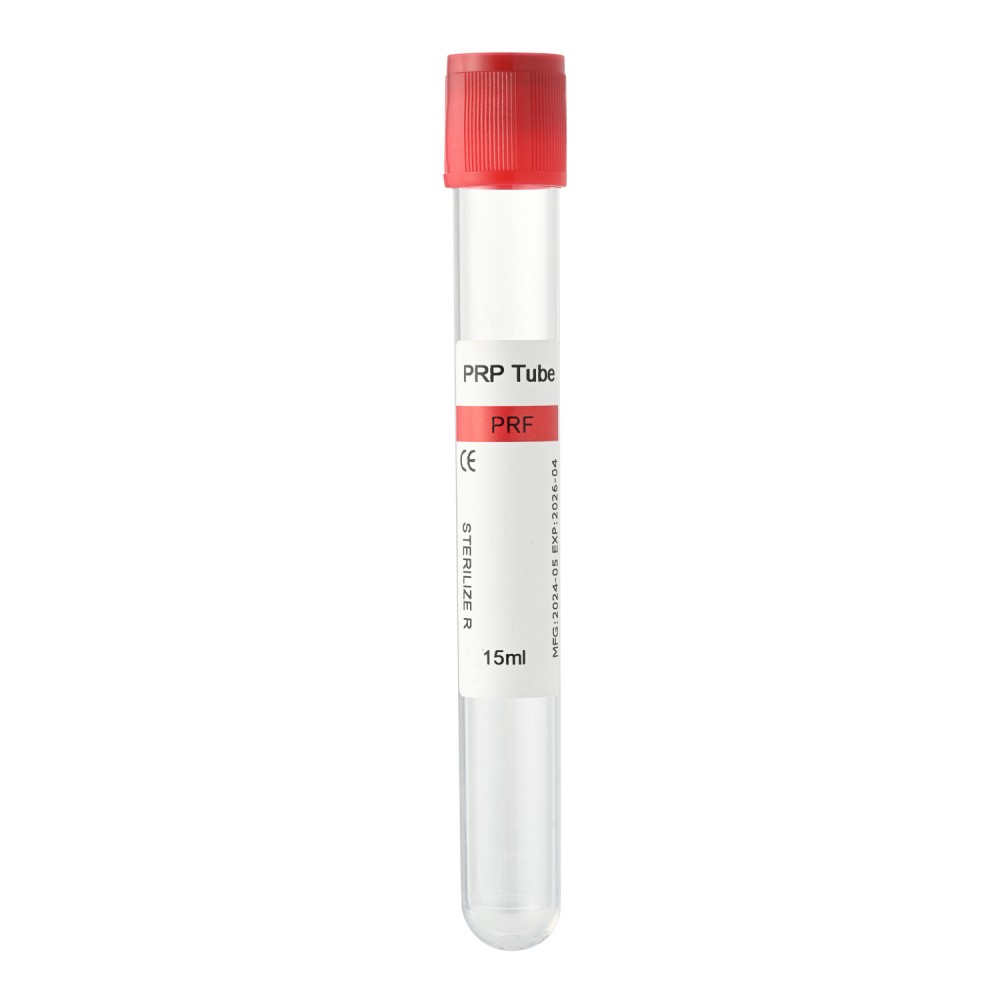
This differs from PRF preparation, where anticoagulants are usually omitted to allow natural fibrin formation.
Are all PRP tubes the same?
No. PRP tubes can differ in volume, material, anticoagulant type, gel technology, and intended application. These differences may affect preparation characteristics, making product selection an important consideration for clinics and distributors.
What type of tube is commonly used for PRP preparation?
PRP preparation commonly uses tubes containing anticoagulants such as sodium citrate or ACD-A, depending on the selected protocol. Some systems also include gel separation technology to support plasma collection, while others use gel-free designs for specific applications.
Understanding PRP Safety Through Proper Preparation and Professional Use
The concern behind Can PRP Cause Blood Clots? is understandable because PRP involves concentrating platelets, which naturally participate in clot formation and tissue repair. However, platelet concentration alone does not mean that PRP creates harmful blood clots.
The safety and consistency of PRP applications depend on multiple factors, including appropriate patient evaluation, professional treatment techniques, standardized preparation procedures, and reliable medical consumables.
For clinics, distributors, and healthcare organizations, selecting a suitable PRP tube is an important step in establishing a consistent preparation workflow. A well-designed PRP tube helps support controlled blood processing and provides a reliable foundation for professional PRP applications.
Siny PRP focuses on developing PRP tube solutions for global healthcare partners, offering different configurations for aesthetic medicine, orthopedic applications, dental procedures, and regenerative medicine workflows.
If your clinic or distribution business is looking for reliable PRP tube solutions or customized product options, contact Siny PRP to discuss your requirements.