Does PRP Work for Nerve Pain? This is a common question among patients and healthcare providers exploring regenerative medicine options for chronic pain management. Platelet-rich plasma (PRP) therapy has gained increasing attention because it uses concentrated platelets from the patient’s own blood to support the body’s natural healing response.
Although PRP is not a guaranteed treatment for every type of nerve condition, it is being explored as a minimally invasive option for certain cases involving inflammation, tissue irritation, and nerve-related discomfort. Among these conditions, sciatica is one of the most commonly discussed applications of PRP therapy for nerve pain.
Unlike ordinary muscle or joint discomfort, nerve pain occurs when nerves become irritated, compressed, or affected by surrounding tissue problems. Common symptoms may include sharp or shooting pain, burning sensations, tingling, numbness, or weakness along a specific nerve pathway.
Sciatica is one of the most recognizable examples of nerve-related pain. It occurs when the sciatic nerve becomes irritated or compressed. This large nerve begins in the lower spine and extends through the hips, buttocks, and down the legs. Depending on the underlying cause, patients may experience lower back pain, discomfort extending into the legs, or difficulty with walking and daily activities.
Traditional approaches for nerve pain may include physical therapy, medication, steroid injections, and surgery in more difficult situations. However, regenerative treatments such as PRP therapy are becoming an area of interest because they focus on supporting the surrounding tissue environment instead of only managing pain symptoms.
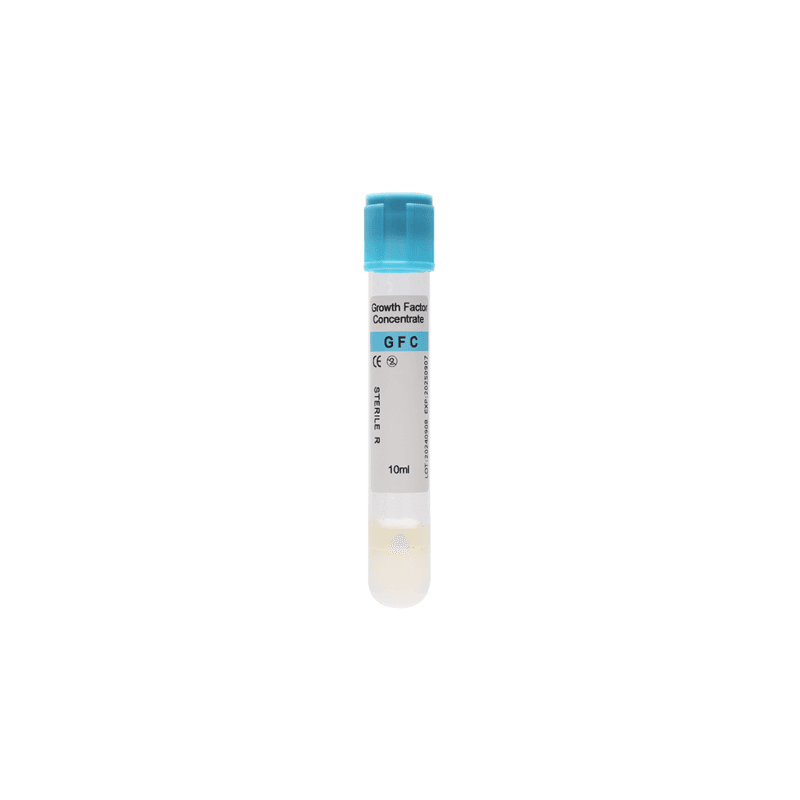
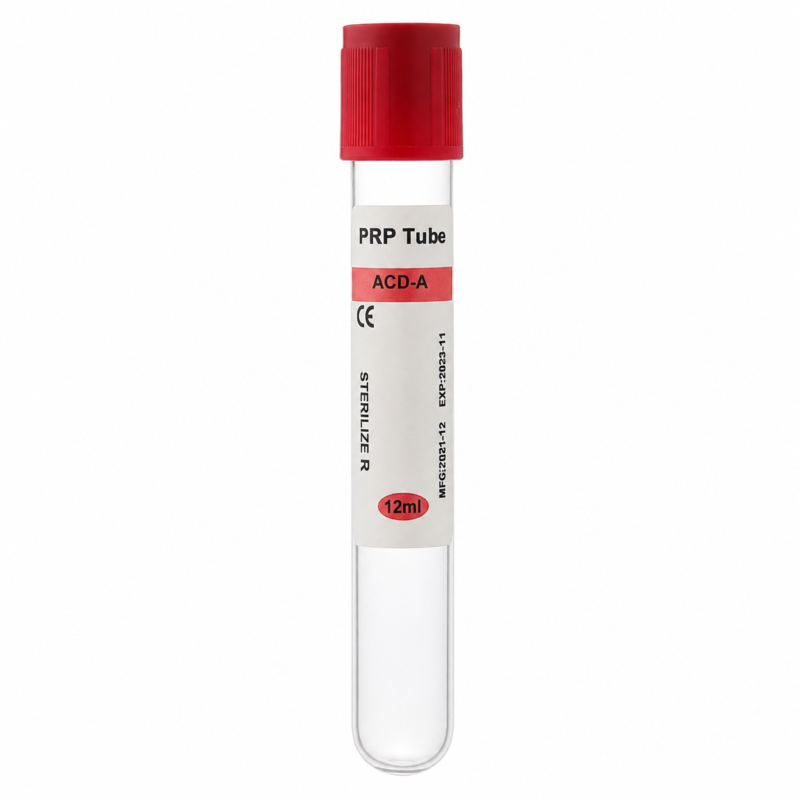
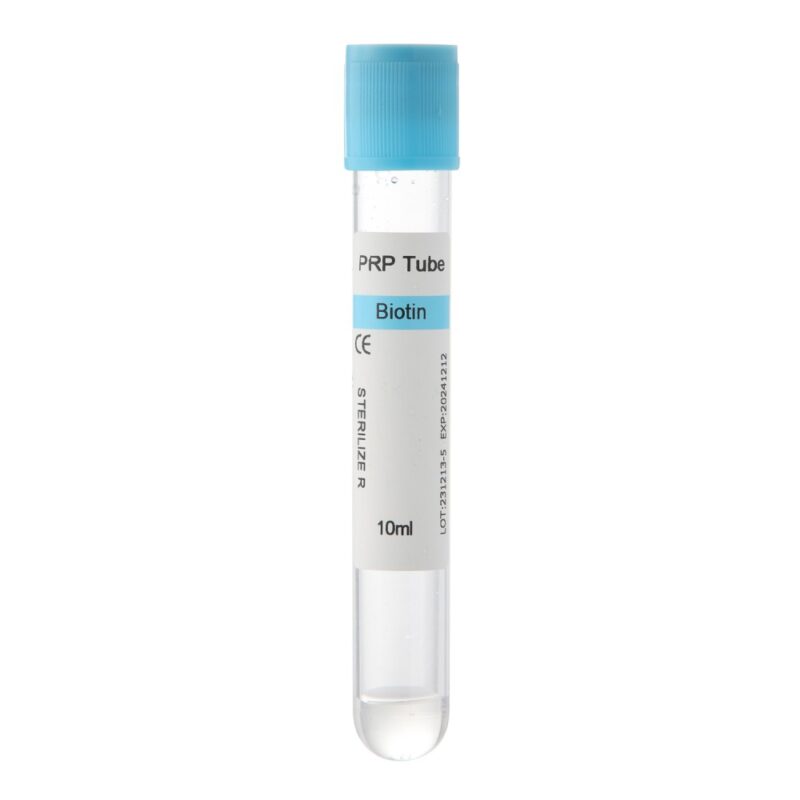
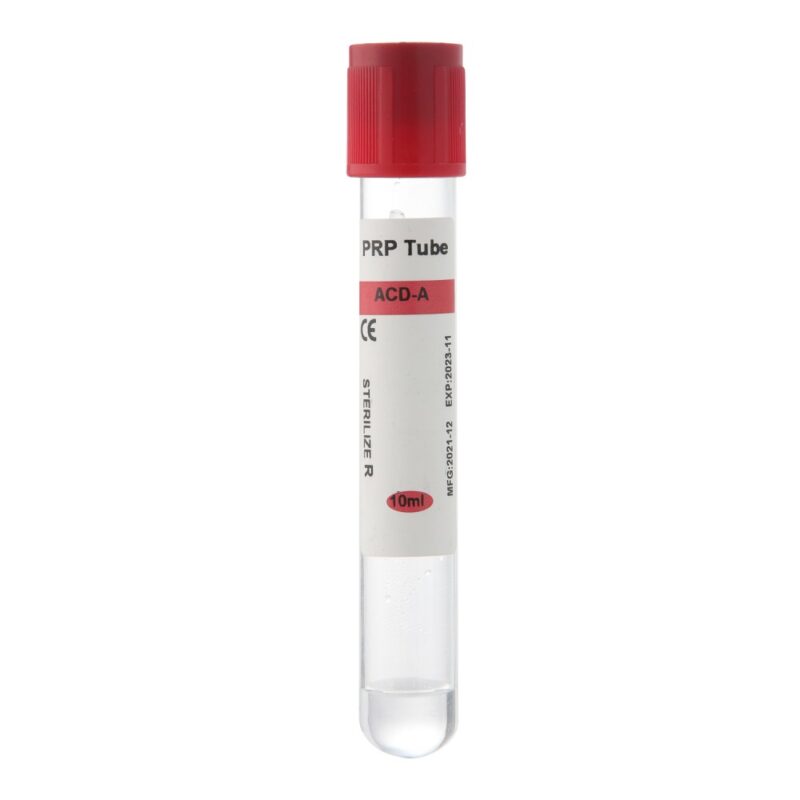
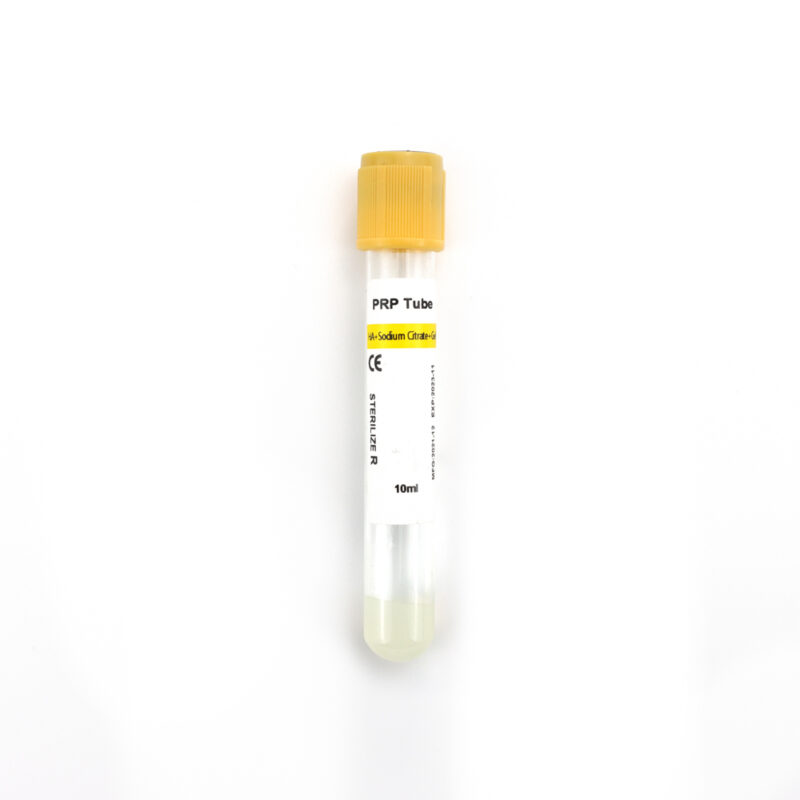
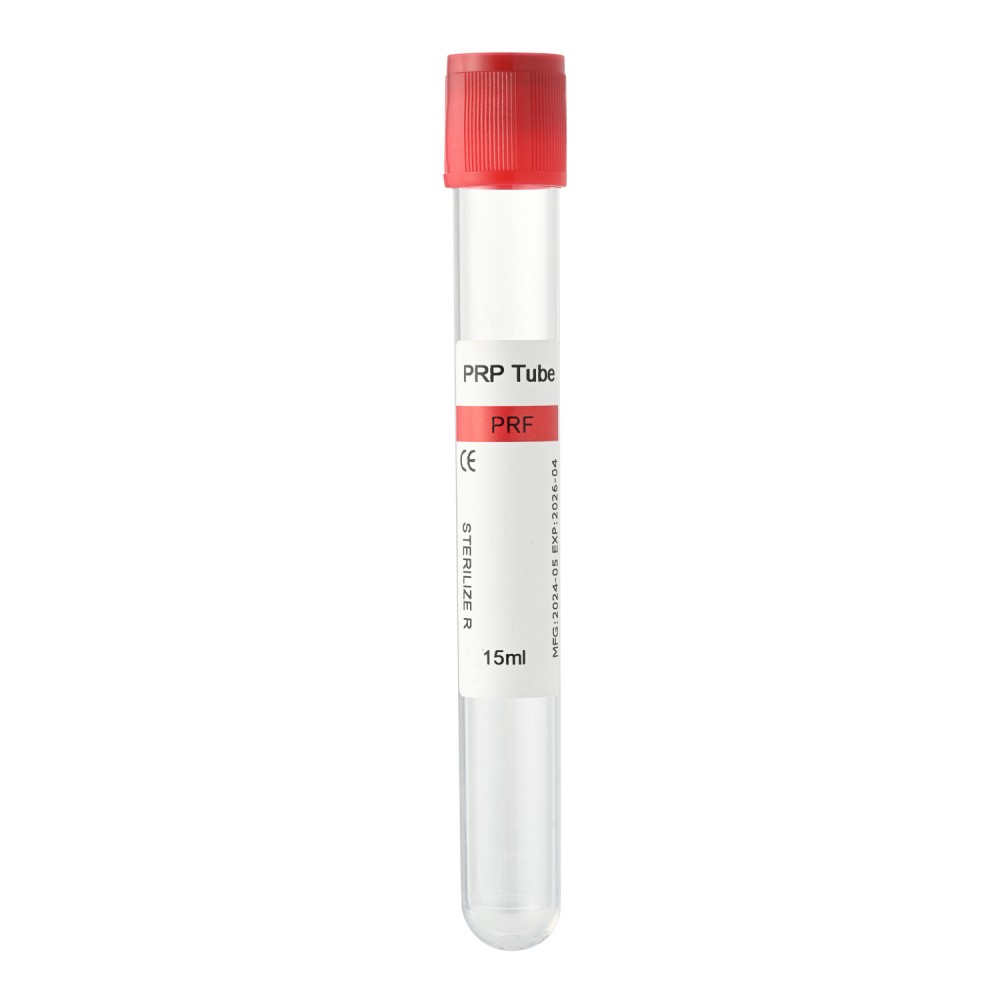
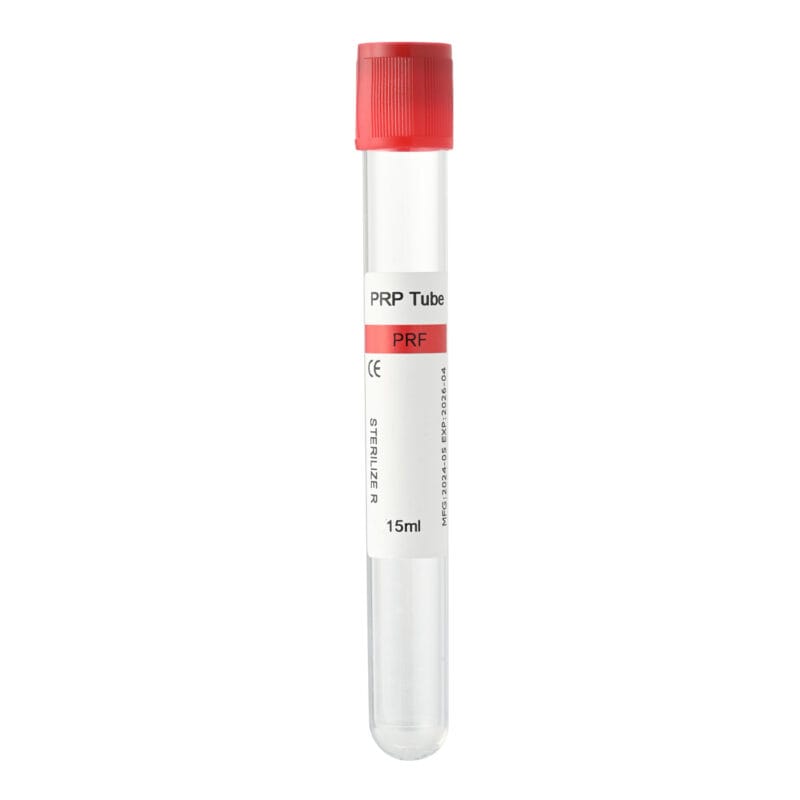
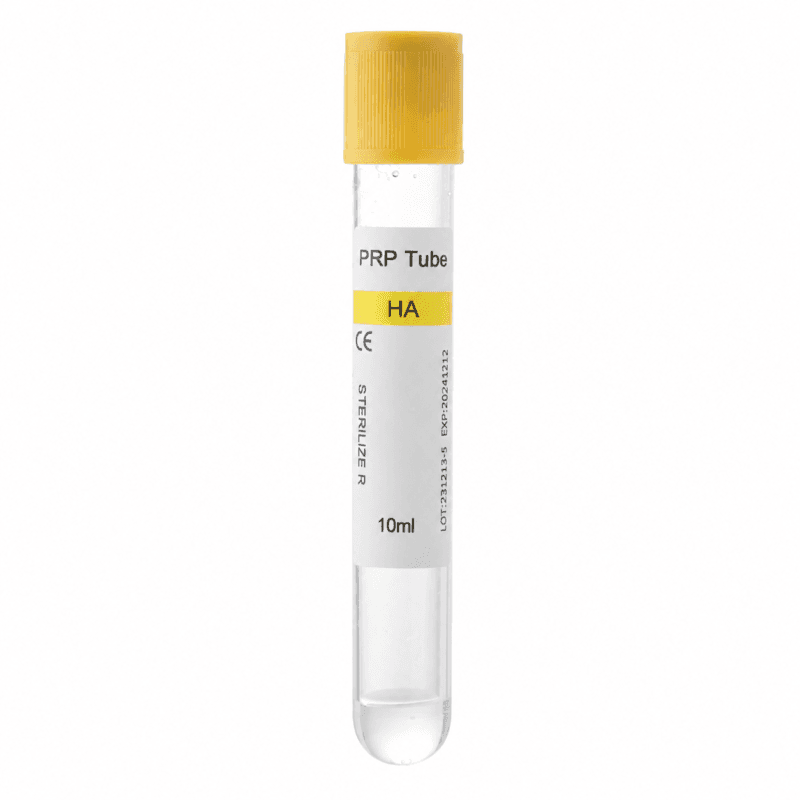
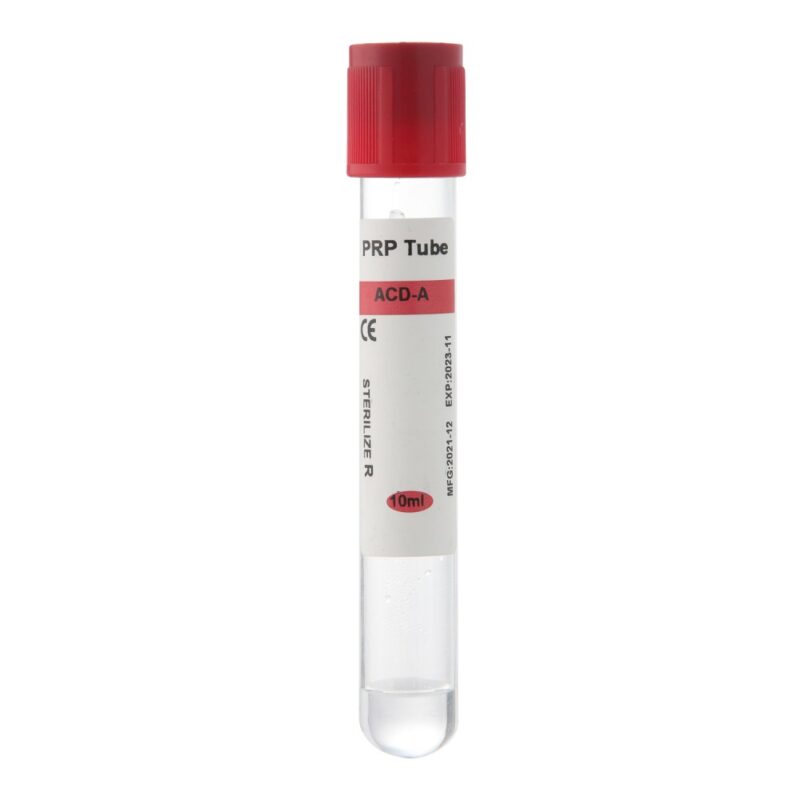
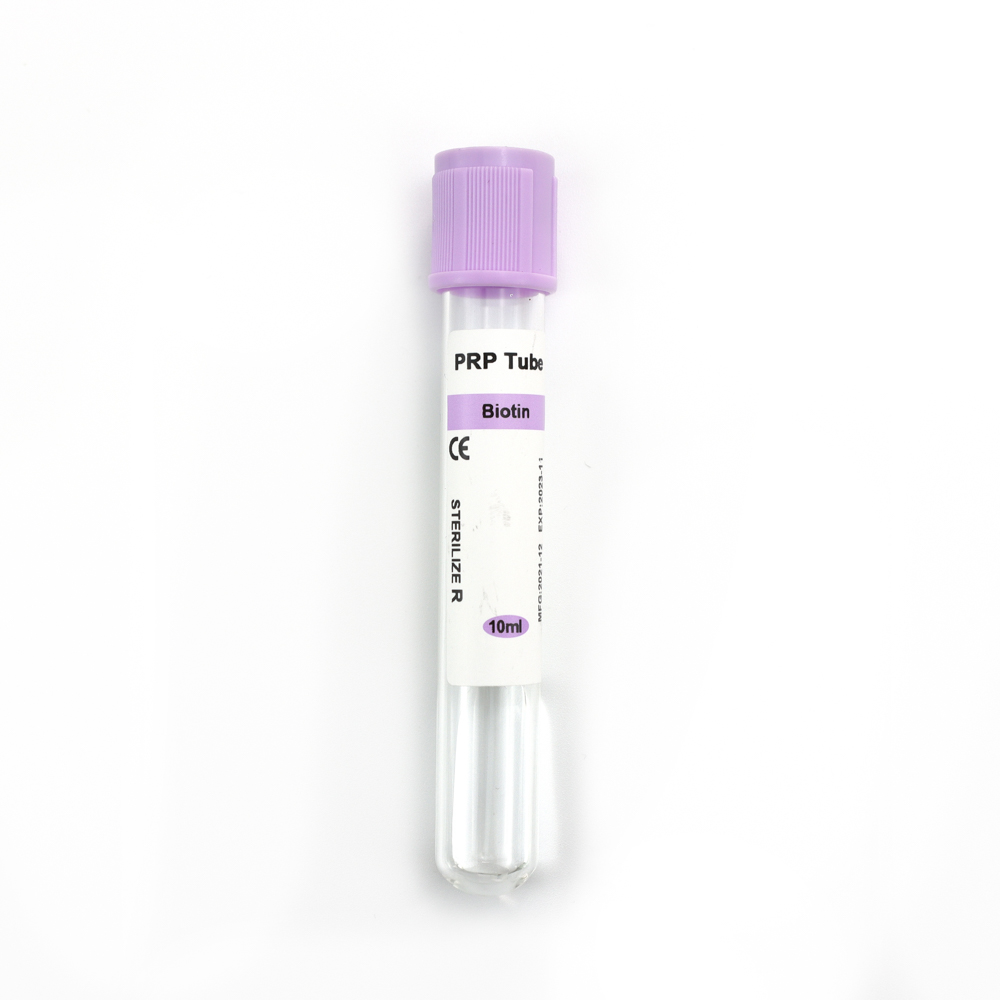
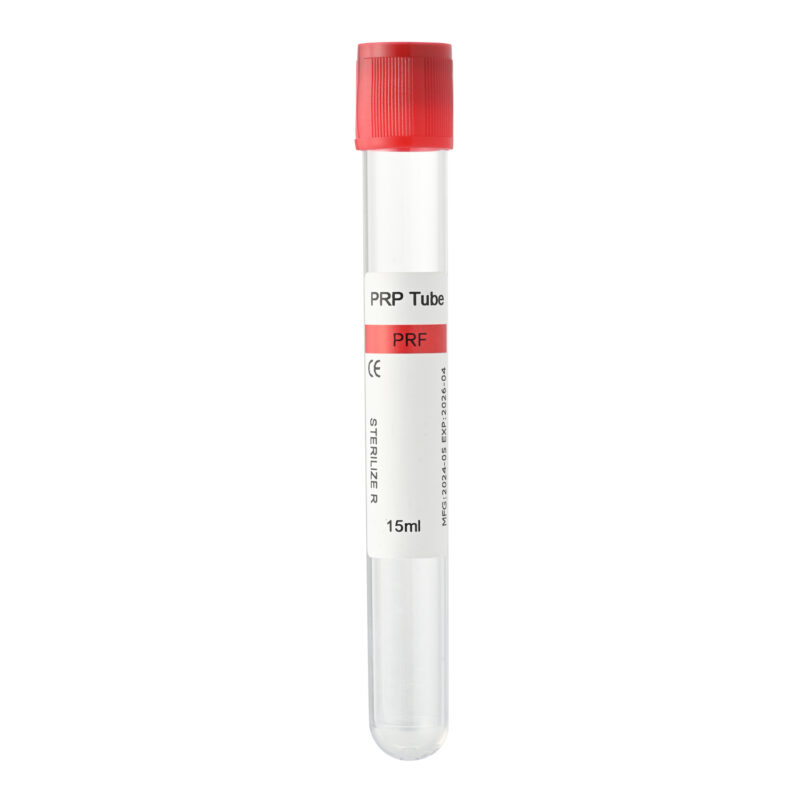
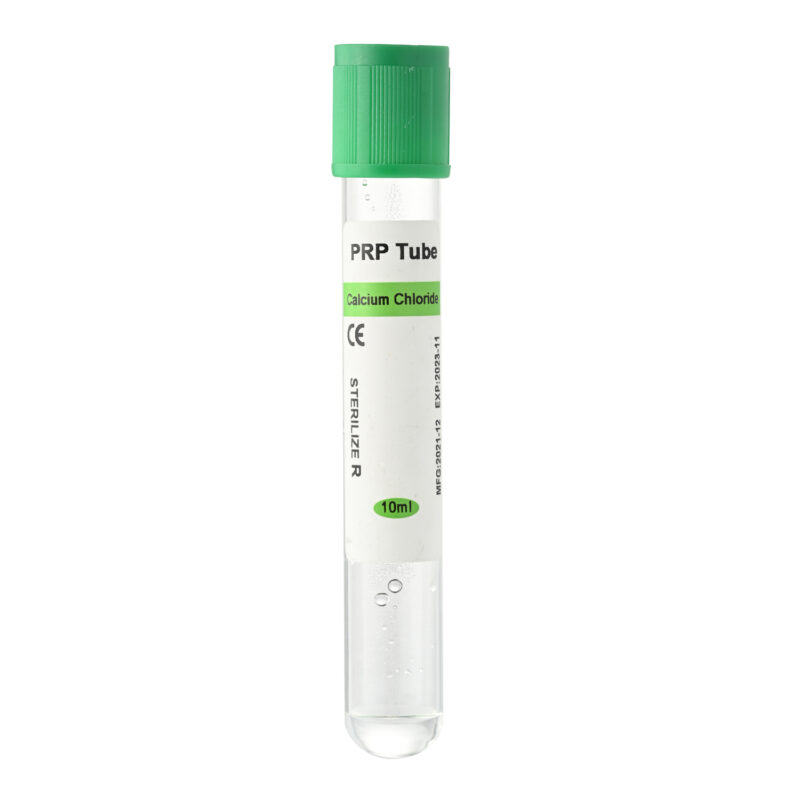
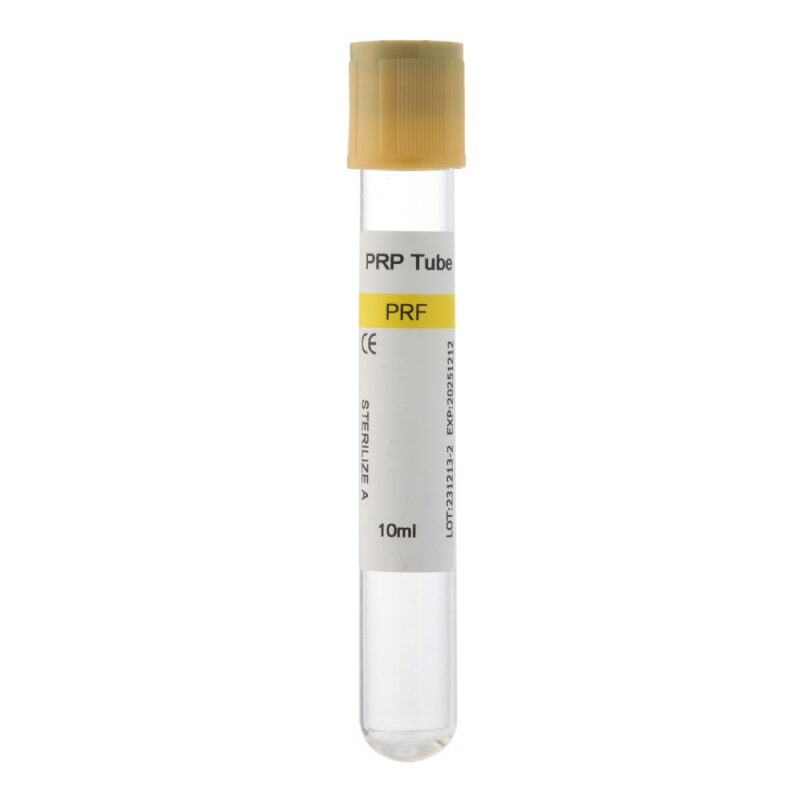
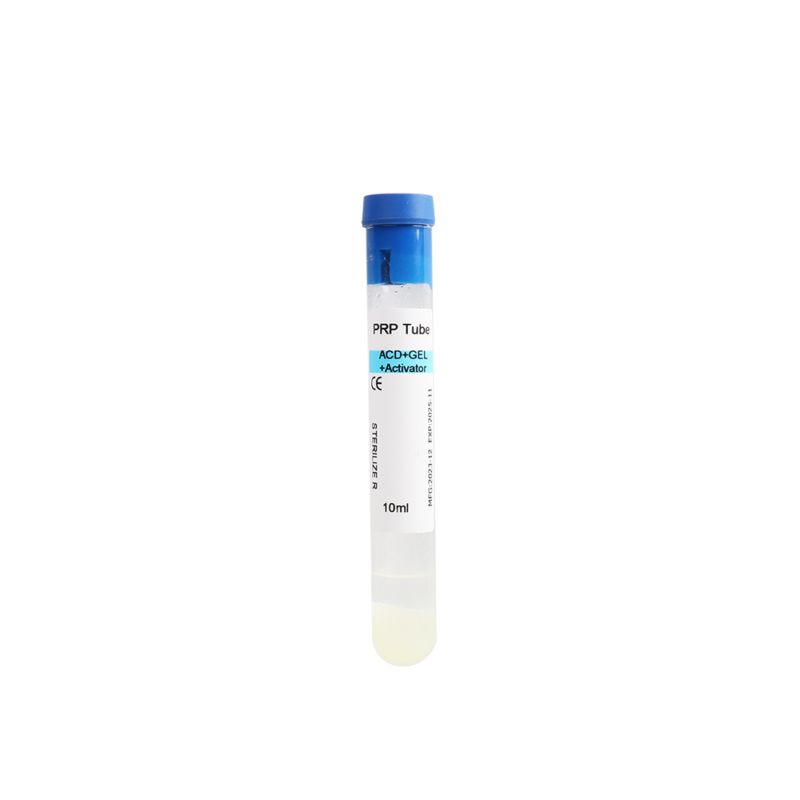
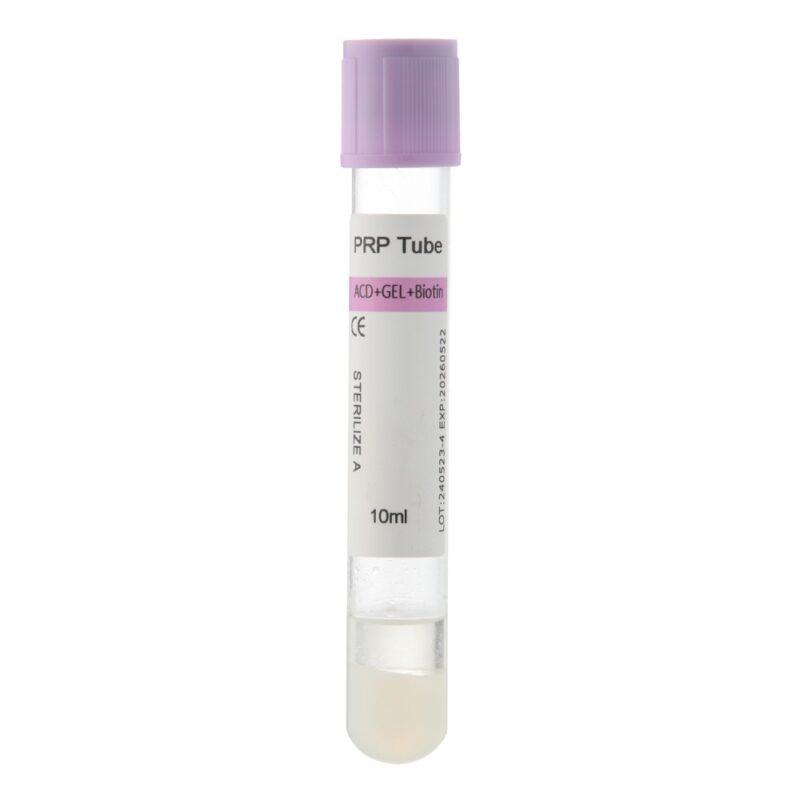
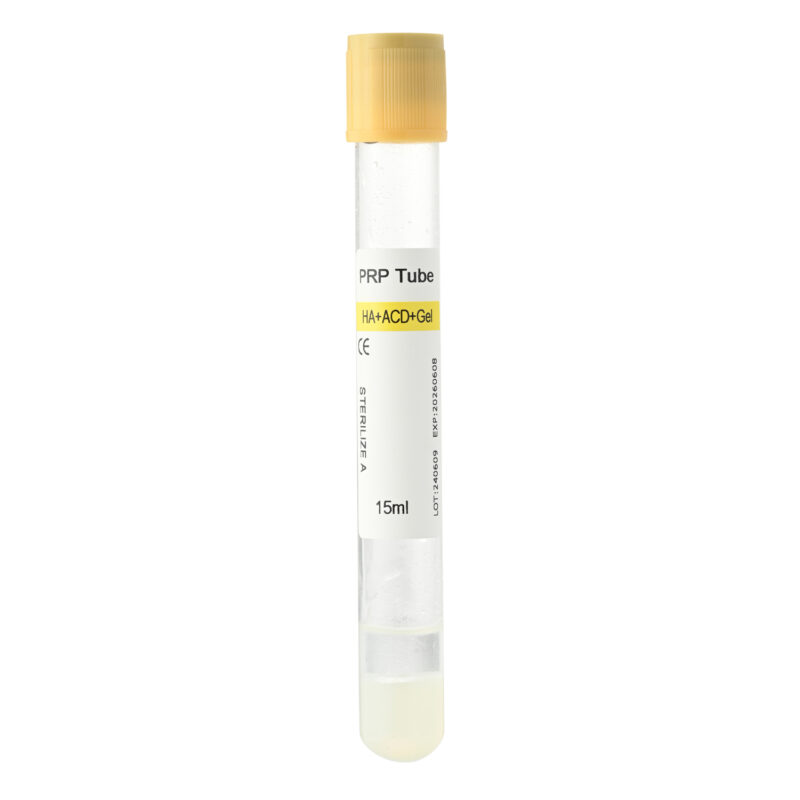
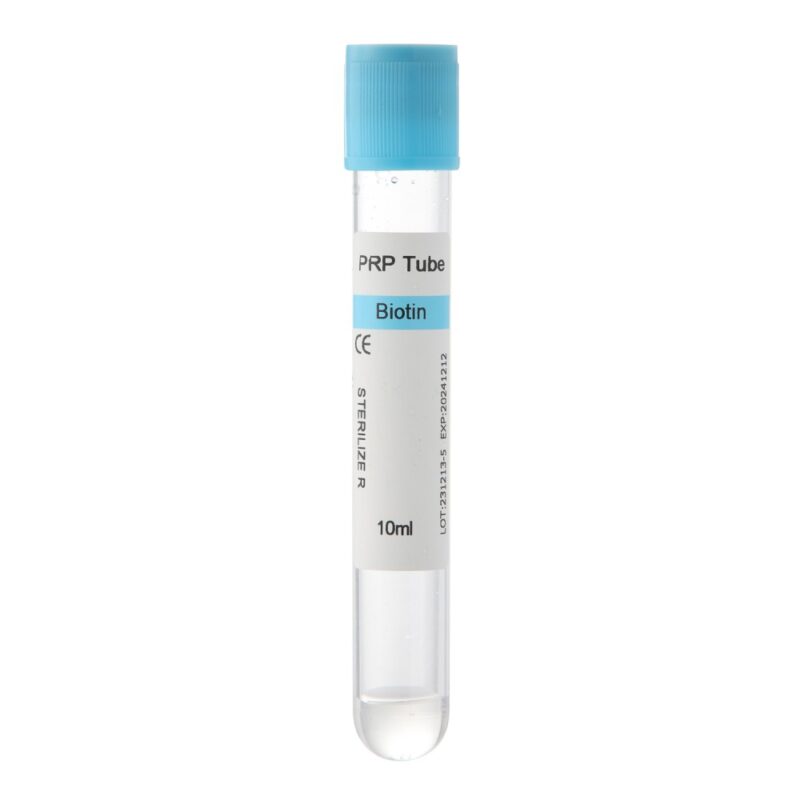
For clinics providing PRP treatments for sciatica and other nerve-related conditions, consistent preparation quality is an important part of maintaining reliable treatment workflows. Selecting an appropriate platelet-rich plasma preparation tube helps support stable blood collection, efficient separation, and consistent PRP preparation.
Can PRP Help Sciatica and Sciatic Nerve Pain?
When discussing whether PRP can help with nerve pain, sciatica is one of the most frequently considered conditions. The sciatic nerve is the longest nerve in the human body, connecting the lower spine with the hips, buttocks, and legs.
Sciatic nerve pain can develop when the nerve becomes irritated by surrounding structures. Common causes include:
- Herniated or bulging discs that place pressure on nerve roots
- Spinal stenosis that reduces available space around nerves
- Inflammation affecting nearby muscles, ligaments, or connective tissues
- Piriformis syndrome, where surrounding muscles may irritate the sciatic nerve
The symptoms of sciatica can vary significantly between individuals. Some people experience mild discomfort, while others may have severe pain that affects walking, sitting, sleeping, or everyday movement.
Common symptoms include:
- Pain traveling from the lower back into the buttocks, leg, or foot
- Tingling or numbness in affected areas
- Burning or electric-like sensations
- Weakness in the leg or foot
Because inflammation and tissue irritation often contribute to sciatic nerve discomfort, researchers have explored whether PRP injections may help create a more supportive environment around affected tissues.
PRP does not directly repair conditions such as severe disc damage or advanced spinal narrowing. Instead, PRP treatment aims to introduce concentrated platelets and growth factors into areas where inflammation or surrounding tissue problems may contribute to symptoms.
By supporting nearby muscles, ligaments, and connective tissues, PRP may help improve the local environment around irritated nerves. However, results can vary depending on factors such as the cause of nerve pain, symptom duration, severity of nerve compression, and the patient’s overall health.
For healthcare providers offering PRP for sciatica, preparation consistency is an important consideration. A reliable PRP tube system helps standardize blood collection and separation procedures, supporting more consistent treatment workflows.

How PRP May Support Nerve Pain and Sciatica Treatment
PRP therapy works by concentrating biological components naturally found in blood. While platelets are commonly recognized for their role in clotting, they also contain growth factors and signaling proteins involved in tissue repair and cellular communication.
When PRP is prepared and injected into a targeted area, the concentrated platelets may support several biological processes, including:
- Helping regulate local inflammatory responses
- Supporting tissue repair activity around irritated areas
- Improving communication between cells involved in recovery
- Creating a more favorable environment around affected tissues
For nerve-related conditions such as sciatica, the purpose of PRP is not to replace damaged nerves but to support the tissues surrounding the affected nerve. In many cases, nerve discomfort is influenced by inflammation, pressure, or changes in nearby muscles and connective structures.
Some advanced PRP procedures use ultrasound guidance to help physicians identify the treatment area more accurately. This allows healthcare providers to deliver PRP closer to the intended location while improving injection precision.
Ultrasound-guided approaches, including nerve hydrodissection, may be used in certain procedures to help separate irritated nerves from surrounding tissues. By improving visualization and injection accuracy, these techniques may support more targeted PRP delivery.
The quality of PRP preparation is also an important consideration. Factors such as platelet concentration, separation efficiency, and control of unwanted blood components can influence the consistency of the final PRP product.
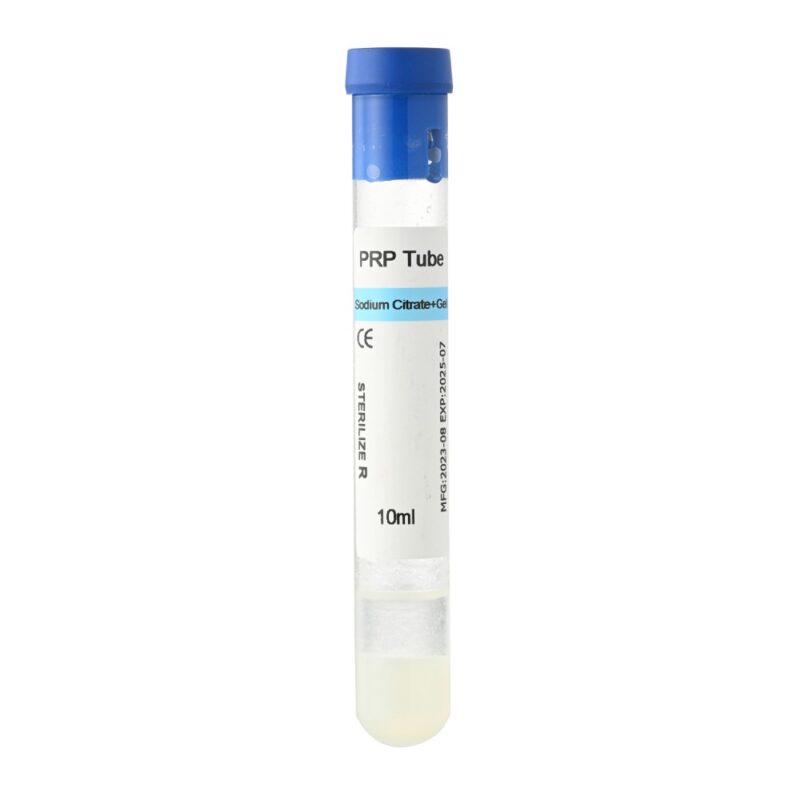
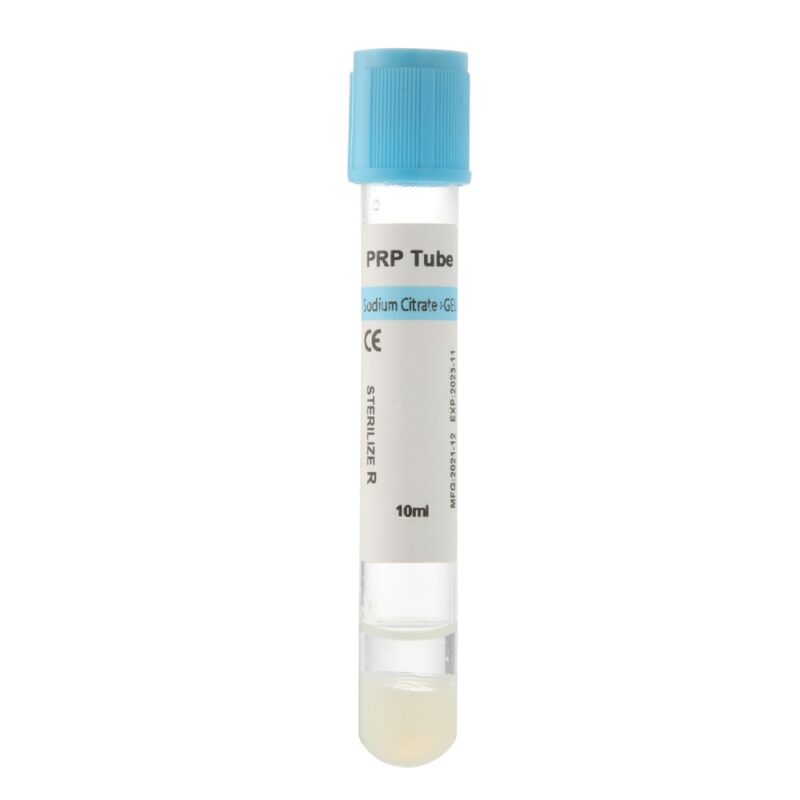
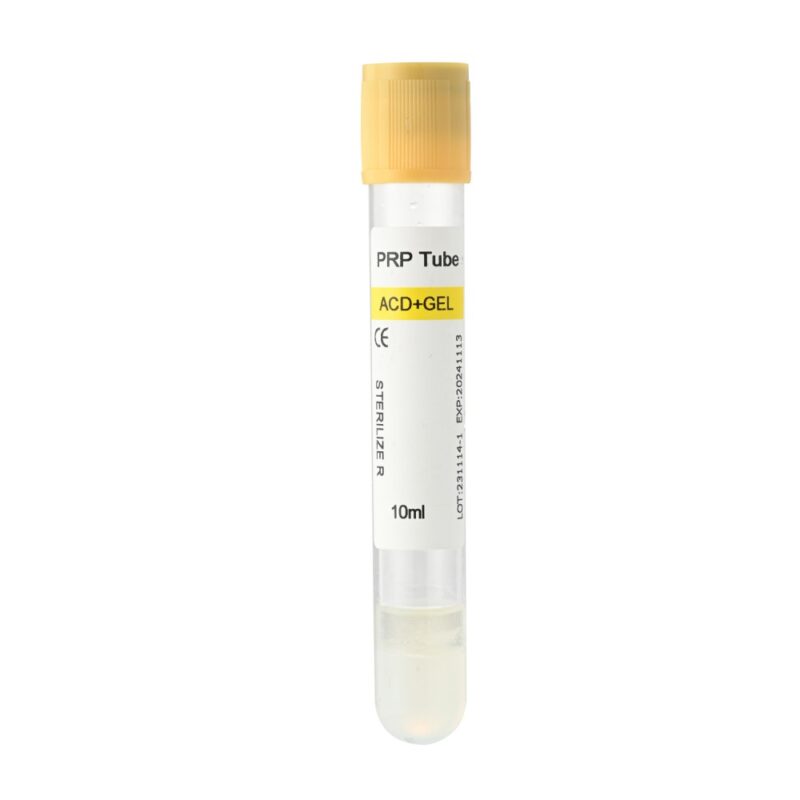
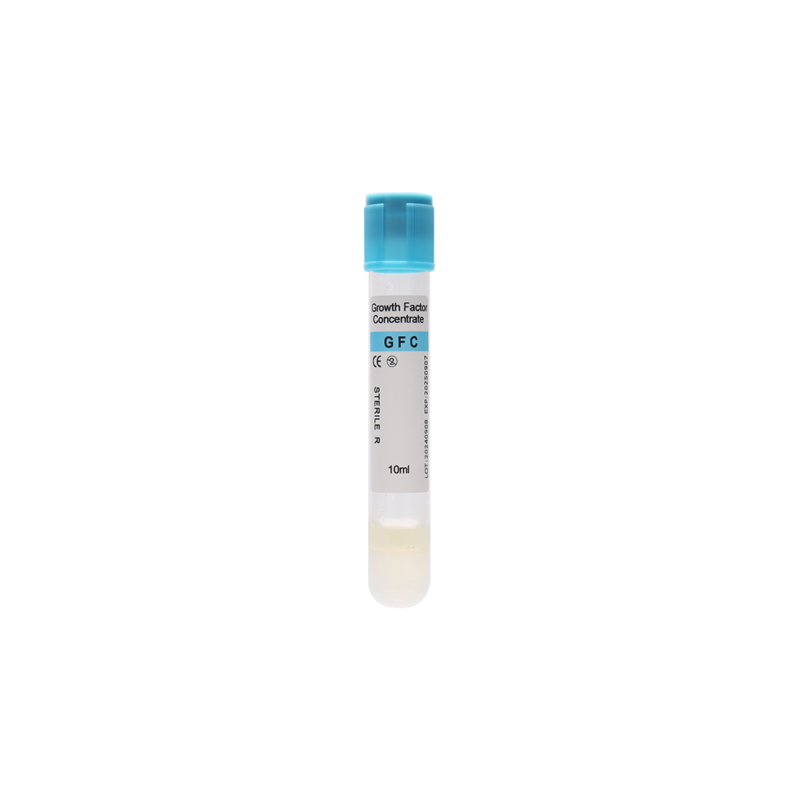
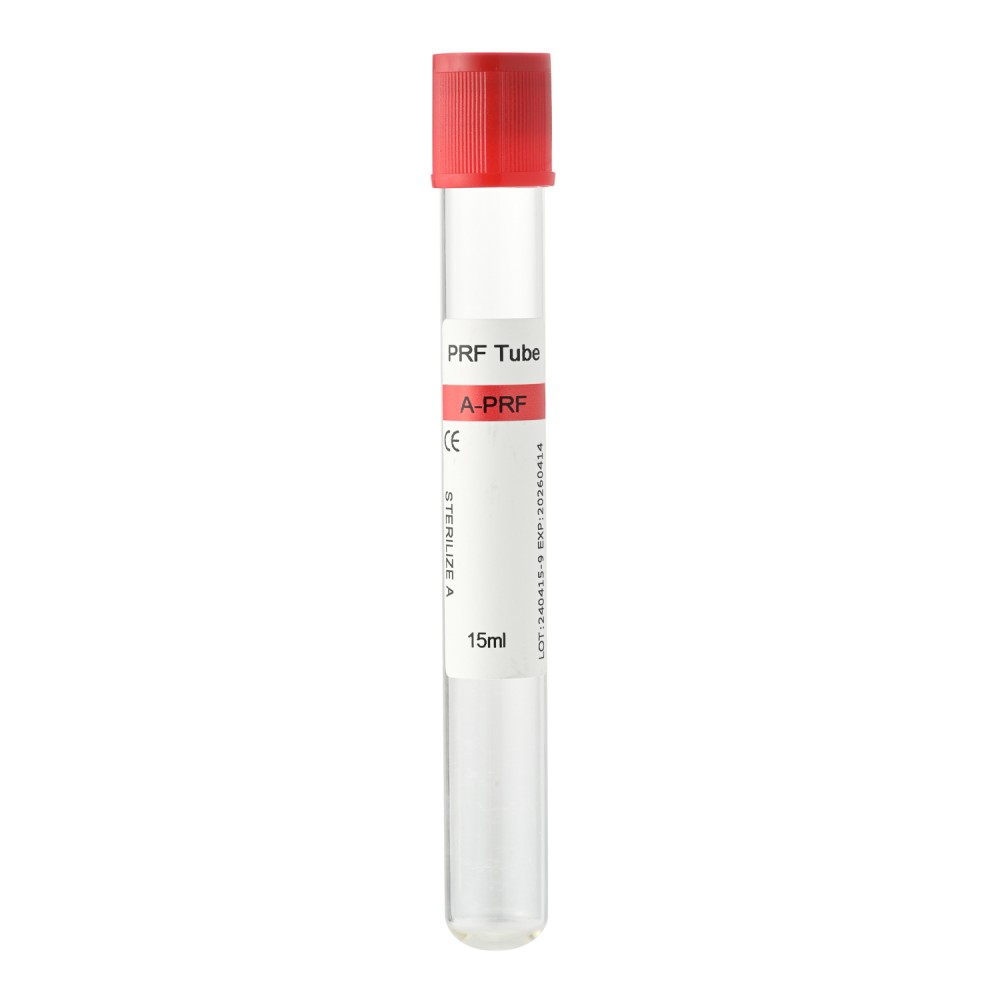
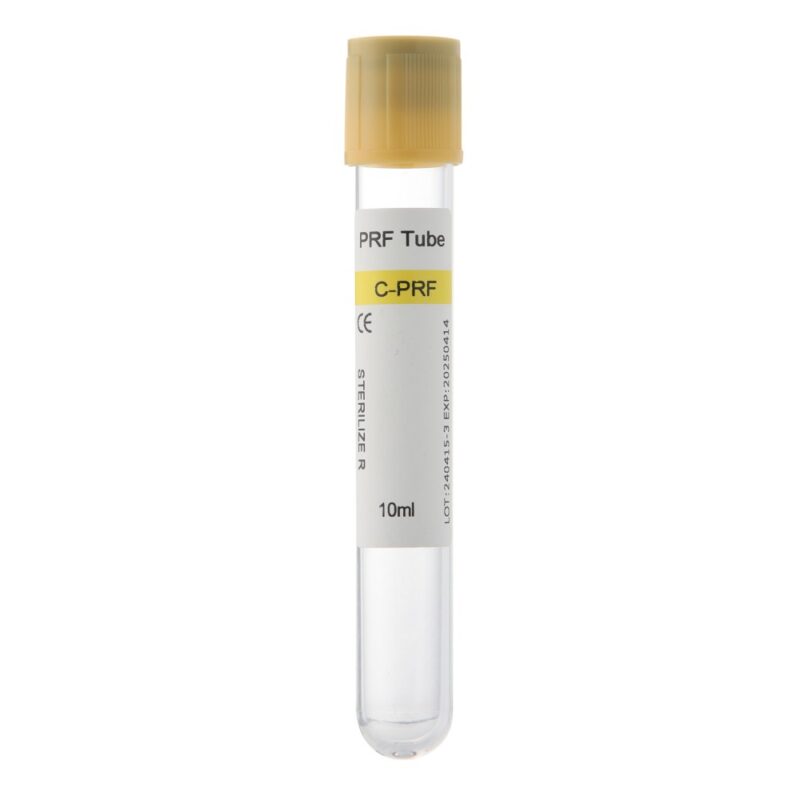
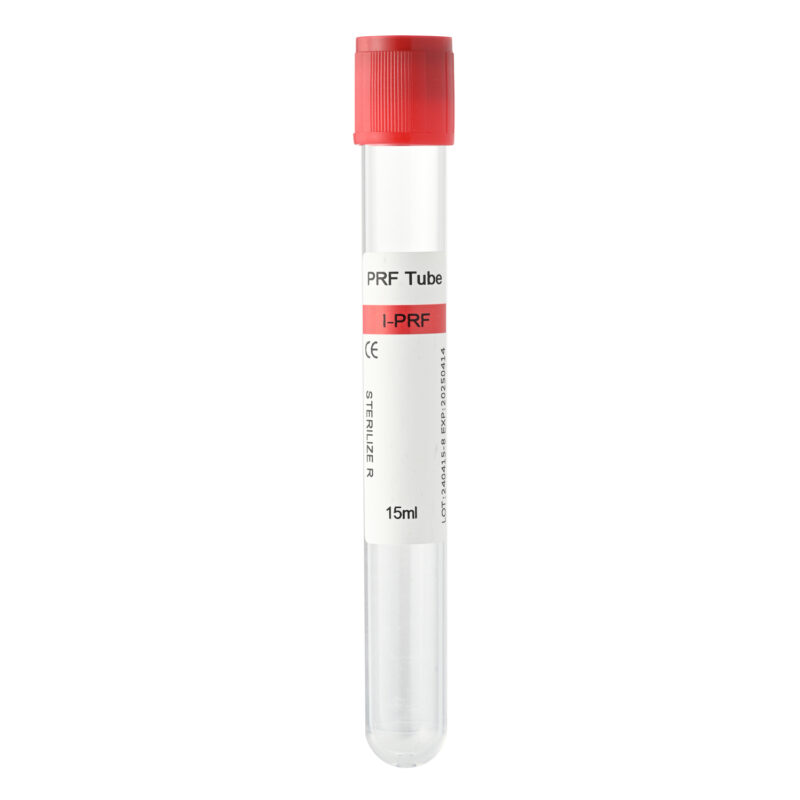
For this reason, professional clinics often select PRP tubes based on their intended application, preparation requirements, and reliability. Siny PRP offers different PRP tube solutions designed to support consistent platelet-rich plasma preparation for regenerative medicine and pain management applications.
The PRP Treatment Process for Nerve Pain and Sciatica
Understanding how PRP is prepared and administered can help patients and healthcare providers better understand this regenerative treatment approach. Although specific protocols may vary between clinics, most PRP procedures involve three main steps: blood collection, platelet concentration, and targeted injection.
Step 1: Blood Collection and PRP Preparation
The PRP procedure begins with collecting a small amount of the patient’s own blood using a specialized PRP tube. The tube helps maintain sample stability before processing and supports healthcare providers in preparing platelet-rich plasma according to their clinical protocol.
After blood collection, the sample is placed into a centrifuge. During centrifugation, different blood components separate based on density, allowing healthcare providers to collect the platelet-rich plasma portion.
The final PRP composition can be influenced by several factors, including:
- Platelet recovery efficiency
- Separation technology
- Plasma composition
- Red blood cell and leukocyte levels
- Processing consistency
For nerve pain applications, preparation quality is especially important because sensitive tissues around nerves require careful treatment planning. A reliable platelet-rich plasma preparation tube can help reduce variation during processing and support consistent clinical workflows.
Healthcare providers selecting PRP tubes typically consider factors such as material quality, anticoagulant system, separation performance, and intended clinical application. These factors can influence the efficiency and consistency of PRP preparation.
Siny PRP provides professional PRP tube solutions designed for regenerative medicine applications, helping clinics and distributors maintain efficient and standardized platelet-rich plasma preparation processes.
Step 2: Identifying the Target Treatment Area
Before PRP injection, healthcare providers evaluate the source of nerve pain and determine the most appropriate treatment location.
For patients with sciatica, the target area depends on the underlying cause of symptoms. Some cases may involve irritation around the lower spine, while others may be related to surrounding muscles, connective tissues, or areas where the nerve becomes compressed.
Many modern PRP procedures use imaging guidance, such as ultrasound, to improve injection accuracy. This allows clinicians to visualize the treatment area and deliver PRP more precisely around the intended location.
Accurate placement is particularly important for nerve-related procedures because nerves are sensitive structures. A detailed evaluation helps healthcare providers determine whether PRP is suitable and how it should be incorporated into an individualized treatment plan.
Step 3: PRP Injection and Recovery
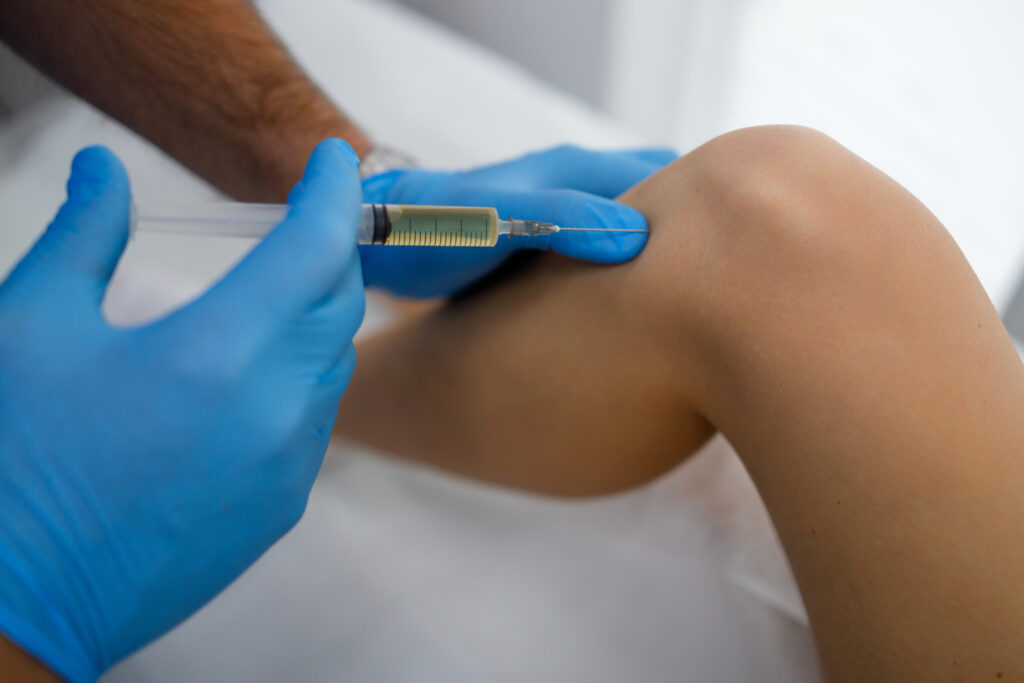
After preparation, the platelet-rich plasma is injected into the selected treatment area. The goal is to introduce concentrated platelets and growth factors where they may support the body’s natural recovery processes.
Because PRP is an autologous treatment approach, meaning it is prepared from the patient’s own blood, it generally has a low risk of allergic reactions. However, individual responses to PRP treatment can vary depending on the underlying condition and overall health.
Following treatment, patients are usually advised to follow their healthcare provider’s recommendations regarding activity levels, rehabilitation exercises, and follow-up care. PRP is often combined with physical therapy and other supportive approaches to help improve mobility and function.
How Long Does PRP Take to Work for Sciatic Nerve Pain?
One of the most common questions about PRP treatment for nerve pain is how quickly patients can expect improvement. Unlike some medications or steroid injections that may provide rapid symptom relief, PRP works by supporting biological processes that typically develop gradually.
Some patients may notice changes within several weeks after treatment, while others may require a longer period before experiencing meaningful improvement. Nerve-related conditions often take more time to respond because nerve tissues generally recover more slowly than many other tissues.
The expected timeline of PRP results depends on several important factors:
Severity of Nerve Irritation
The severity and cause of nerve irritation can influence treatment outcomes. Patients with mild to moderate nerve irritation may respond differently compared with individuals experiencing severe nerve compression or long-term structural problems.
For example, PRP may be considered when inflammation or surrounding tissue irritation contributes to nerve discomfort. However, significant structural conditions may require additional medical evaluation and other treatment approaches.
Duration of Symptoms
The length of time a person has experienced nerve pain can also affect recovery expectations.
Recently developed symptoms may respond differently compared with chronic nerve pain that has continued for many years. Early evaluation allows healthcare providers to better understand the underlying cause and determine suitable treatment options.
Patient Health and Lifestyle Factors
Individual health conditions, age, activity level, nutrition, and lifestyle factors may influence how the body responds to regenerative treatments.
A patient’s recovery process depends on many factors beyond the injection itself. This is why healthcare providers usually consider the complete clinical situation before recommending PRP therapy.
PRP Preparation Quality
The consistency of PRP preparation is another important consideration. A properly designed PRP tube helps healthcare providers collect and process blood samples efficiently while supporting standardized platelet-rich plasma preparation.
For clinics providing PRP injections for sciatica and nerve-related conditions, reliable preparation equipment is an important part of maintaining consistent treatment procedures.
PRP vs Traditional Treatments for Sciatica and Nerve Pain
Patients exploring PRP therapy often compare it with other commonly used treatments for nerve pain. Each approach has different goals, and the most suitable option depends on the specific cause of symptoms.
PRP vs Steroid Injections
Steroid injections are commonly used to reduce inflammation and provide short-term symptom relief. They may be helpful for certain patients, especially when inflammation contributes significantly to discomfort.
PRP takes a different approach by using concentrated platelets and growth factors to support the body’s natural repair response. Instead of only reducing inflammation, PRP aims to improve the local tissue environment around irritated areas.
However, PRP is not intended to replace all conventional treatments. Healthcare providers usually consider the patient’s condition, medical history, and treatment goals before selecting the most appropriate approach.
PRP vs Physical Therapy
Physical therapy plays an important role in many cases of sciatica and nerve pain. Rehabilitation exercises can help improve flexibility, strengthen supporting muscles, and address movement patterns that may contribute to nerve irritation.
PRP may be combined with physical therapy rather than used as a replacement. Supporting tissue recovery while improving mobility can provide a more comprehensive treatment strategy for selected patients.
PRP vs Surgery
For severe nerve compression, progressive weakness, or significant structural problems, surgery may be recommended by healthcare professionals.
PRP is generally considered a minimally invasive option for selected patients who may benefit from regenerative approaches before more invasive procedures are considered. A proper diagnosis is essential when deciding whether PRP is appropriate.
Choosing the Right PRP Tube for Nerve Pain Applications
For clinics, hospitals, and distributors involved in regenerative medicine, selecting the right PRP tube is an important step in maintaining consistent preparation quality.
The market offers many PRP tube designs with differences in anticoagulants, separation technology, materials, and preparation characteristics. Choosing the appropriate platelet-rich plasma preparation tube requires understanding the intended application and desired PRP properties.
Important factors to consider include:
Anticoagulant Selection
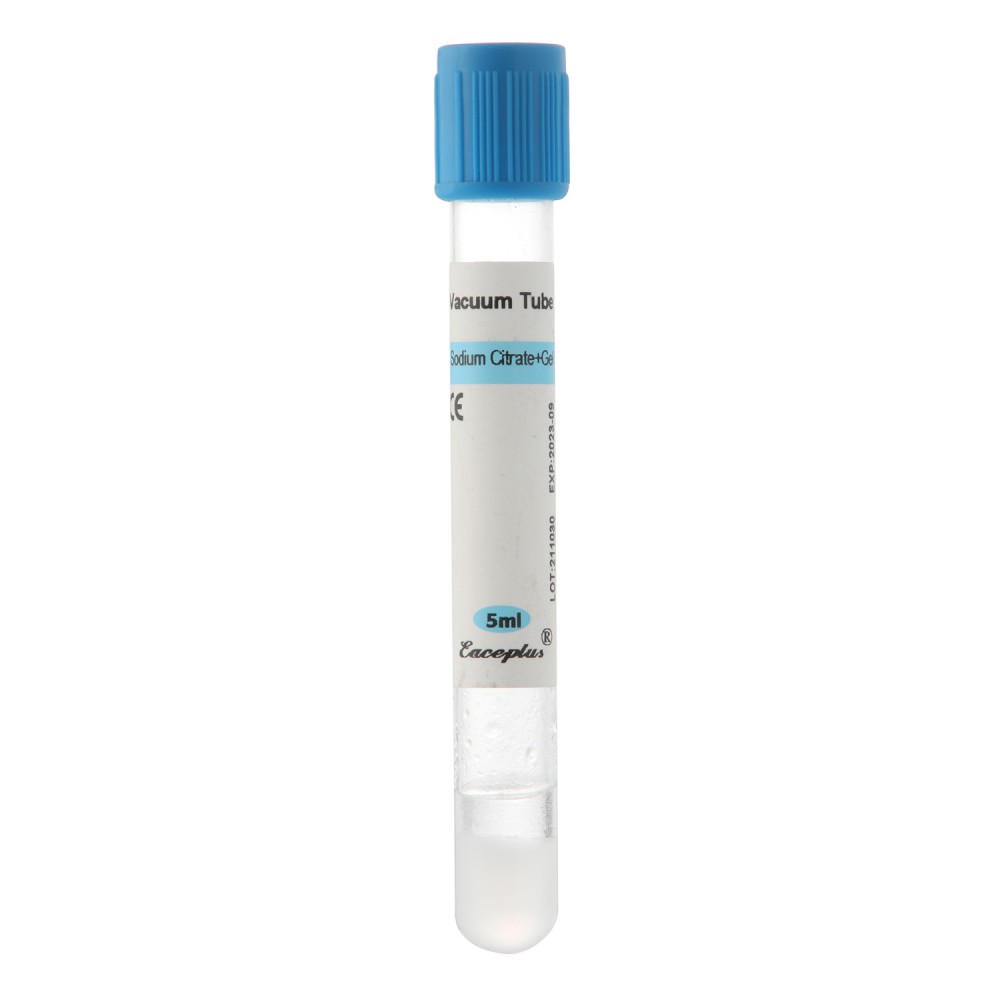
Anticoagulants help maintain blood stability before centrifugation. Sodium citrate is commonly used in PRP preparation because it helps prevent premature clotting while maintaining platelet function.
The appropriate anticoagulant system depends on the clinical protocol and the type of PRP preparation required.
Separation Technology
Many PRP tubes include gel separation technology that creates a physical barrier between blood components after centrifugation.
This design can help simplify plasma collection, reduce handling steps, and improve preparation consistency by separating platelet-rich plasma from unwanted blood components.
Leukocyte Control (LP-PRP and LR-PRP)
Different clinical applications may require different PRP characteristics.
For some nerve-related applications, healthcare providers may consider Leukocyte-Poor PRP (LP-PRP) because lower leukocyte levels may help reduce excessive inflammatory responses around sensitive tissues.
Higher leukocyte levels may be suitable for other regenerative applications depending on the treatment objective and clinical protocol. Selecting the appropriate PRP tube design allows healthcare providers to prepare PRP according to their specific requirements.
Manufacturing Reliability and Sterility
Consistent manufacturing quality is essential for clinics performing repeated PRP procedures. Factors such as sterile production, material quality, packaging integrity, and batch consistency all contribute to product reliability.
Healthcare providers and distributors should also consider supplier capability, production stability, and customization options when selecting long-term PRP tube partners.
Siny PRP provides professional PRP tube solutions designed for regenerative medicine, pain management, aesthetic medicine, orthopedic applications, and other clinical fields. Our products support healthcare partners looking for stable, efficient, and reliable PRP preparation solutions.
FAQs About PRP for Nerve Pain
Does PRP work for nerve pain?
PRP may support the body’s natural healing process in certain nerve-related conditions, especially when inflammation or surrounding tissue irritation contributes to discomfort. The potential benefits depend on the specific cause of nerve pain, symptom severity, and individual patient factors.
Can PRP injections help sciatica?
PRP injections may be considered for certain cases of sciatica, particularly when inflammation or soft tissue irritation contributes to nerve discomfort. Healthcare providers should evaluate the underlying cause before recommending treatment.
Why is leukocyte control important for nerve-related PRP procedures?
Nerves are sensitive structures, and different PRP compositions may produce different biological responses. Some clinicians prefer lower-leukocyte PRP preparations for sensitive nerve applications because they may help reduce excessive inflammatory responses around treated tissues.
How long does PRP take to work for sciatic nerve pain?
The response time varies between individuals. Some patients may notice gradual improvement within several weeks, while others may require a longer period as the body responds to the treatment.
What type of PRP tube is used for nerve pain treatment?
The appropriate PRP tube depends on the clinical application, preparation method, and desired PRP characteristics. Healthcare providers usually consider factors such as anticoagulant type, separation technology, sterility, and product consistency.
Final Thoughts: PRP as a Regenerative Option for Nerve Pain and Sciatica
PRP therapy has become an increasingly discussed option for patients and healthcare providers exploring regenerative approaches for nerve pain, especially conditions such as sciatica.
While PRP is not suitable for every nerve-related condition, it may provide supportive benefits for selected patients by improving the surrounding tissue environment and supporting the body’s natural recovery processes.
Successful PRP treatment depends on several factors, including accurate diagnosis, professional injection techniques, and consistent PRP preparation. For clinics offering regenerative pain management procedures, selecting reliable PRP tubes is an important part of maintaining standardized workflows.
Siny PRP provides professional PRP tube solutions for healthcare providers, distributors, and regenerative medicine partners worldwide. If you are looking for reliable PRP preparation products or customized solutions for your clinic, contact our team to discuss your requirements.