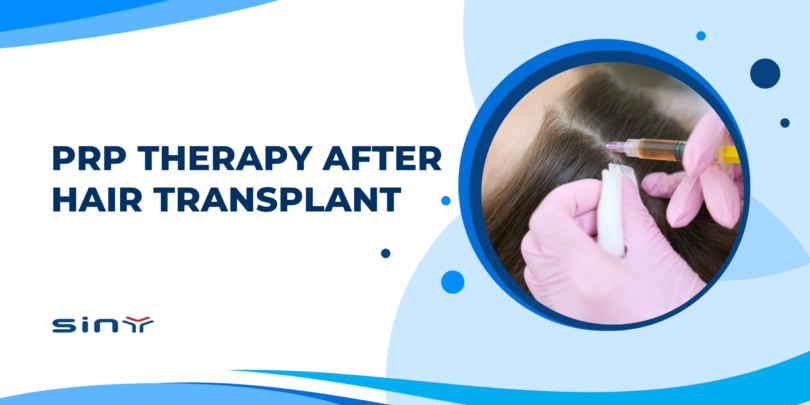
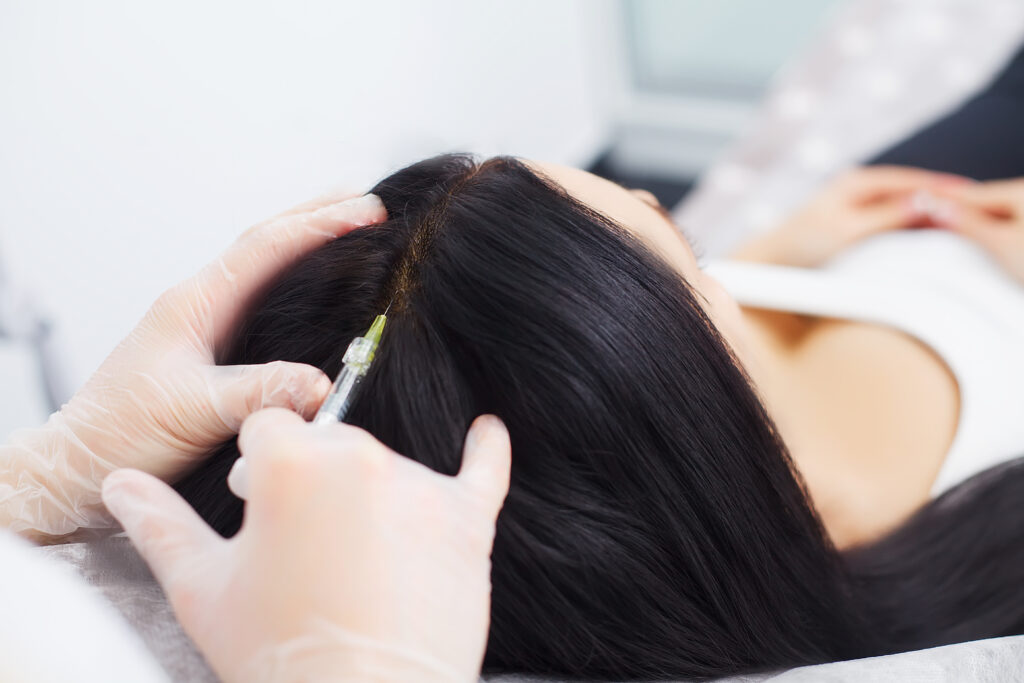
Platelet-Rich Plasma (PRP) therapy has become one of the most popular non-surgical treatments for hair loss and hair thinning. Whether used for androgenetic alopecia, stress-related shedding, or early-stage hair restoration, PRP works by concentrating platelets and growth factors from the patient’s own blood and injecting them into the scalp to stimulate dormant hair follicles.
One of the most common questions patients ask after the procedure is: Can you exercise after PRP hair treatment? The short answer is yes—but not immediately. The timing and intensity of exercise can significantly affect your recovery process and potentially influence treatment outcomes.
Understanding why exercise restrictions exist after PRP therapy can help patients protect their investment and maximize hair growth results. This guide explains when you can return to physical activity, what types of exercise to avoid, and how proper post-treatment care supports successful PRP outcomes.
Why Exercise Matters After PRP Hair Treatment
To understand whether you can exercise after PRP hair treatment, it helps to understand what happens during the healing process.
PRP injections create hundreds of tiny micro-injuries in the scalp. These injections deliver concentrated platelets that release growth factors such as PDGF, VEGF, TGF-β, and IGF-1. These biological signals trigger tissue repair, improve blood circulation, and stimulate follicular activity.
Immediately after treatment, your scalp enters an active healing phase. During this period, excessive sweating, increased blood pressure, and elevated body temperature may interfere with the localized inflammatory response that PRP intentionally creates.
Heavy exercise can potentially:
- Increase scalp swelling
- Cause excessive sweating around the injection sites
- Introduce bacteria into open microchannels
- Increase scalp irritation
- Trigger unnecessary inflammation
This does not mean exercise is dangerous after PRP, but timing is important. Allowing the scalp to recover properly during the first 24–48 hours helps create an optimal environment for growth factor activity.
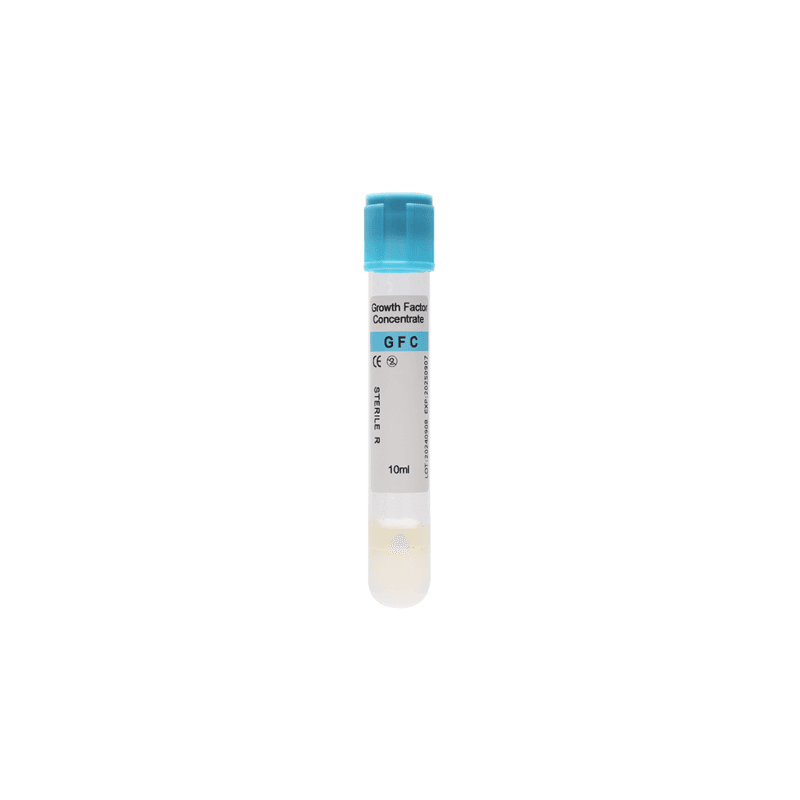
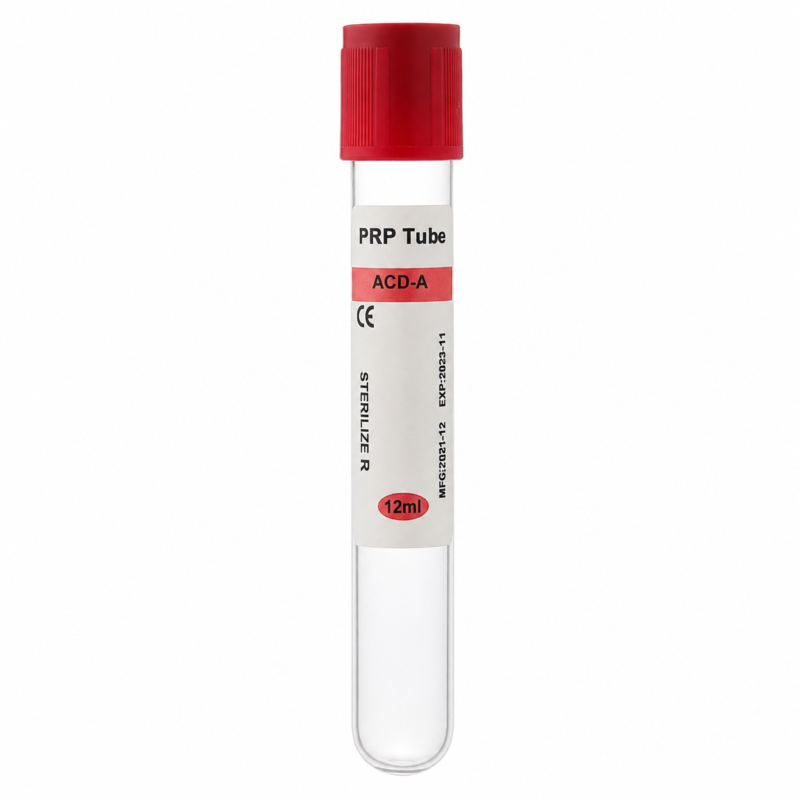
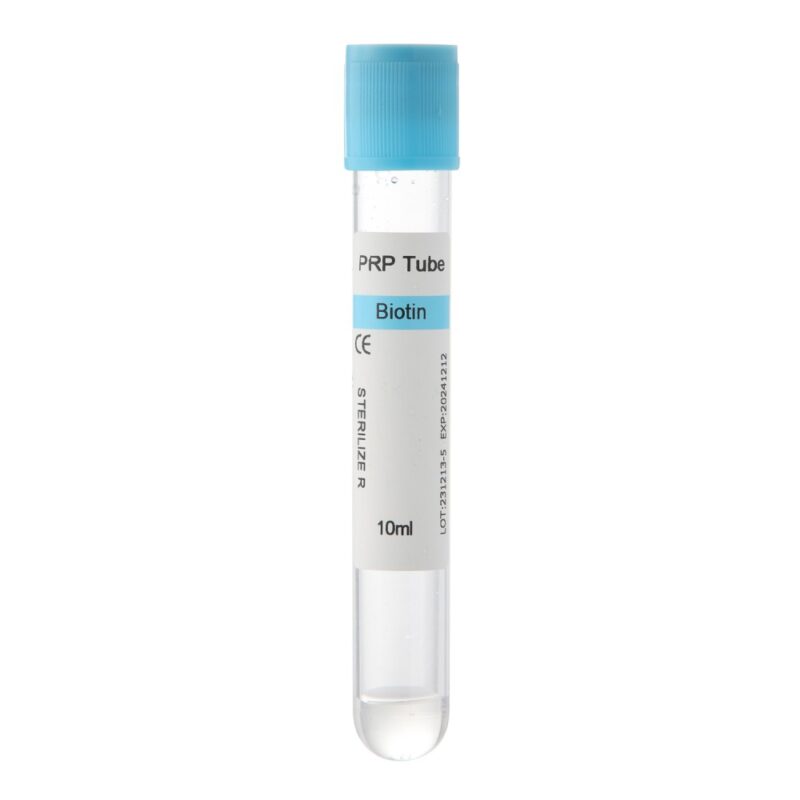
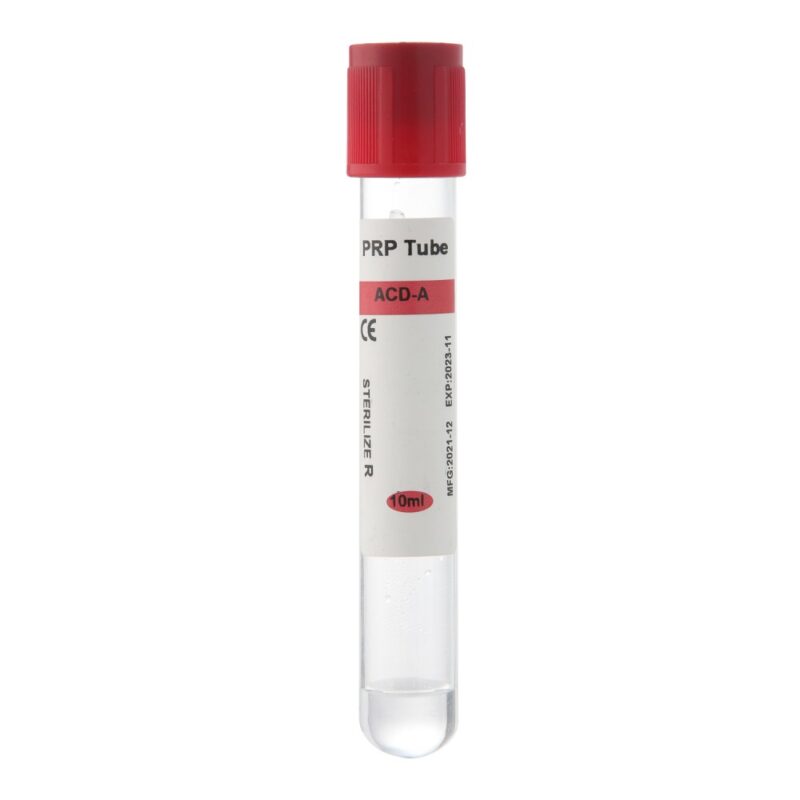
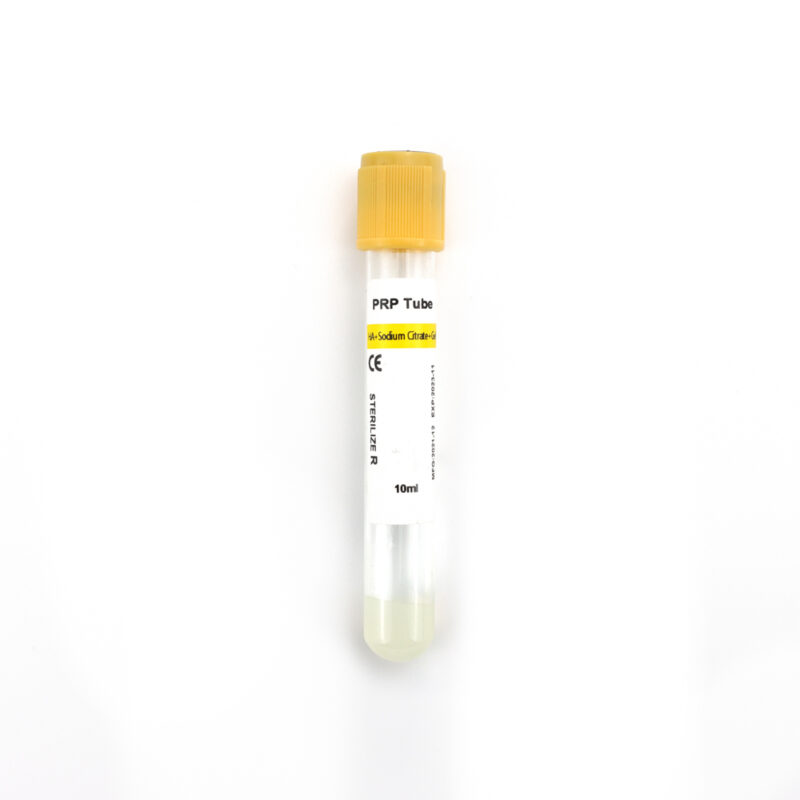
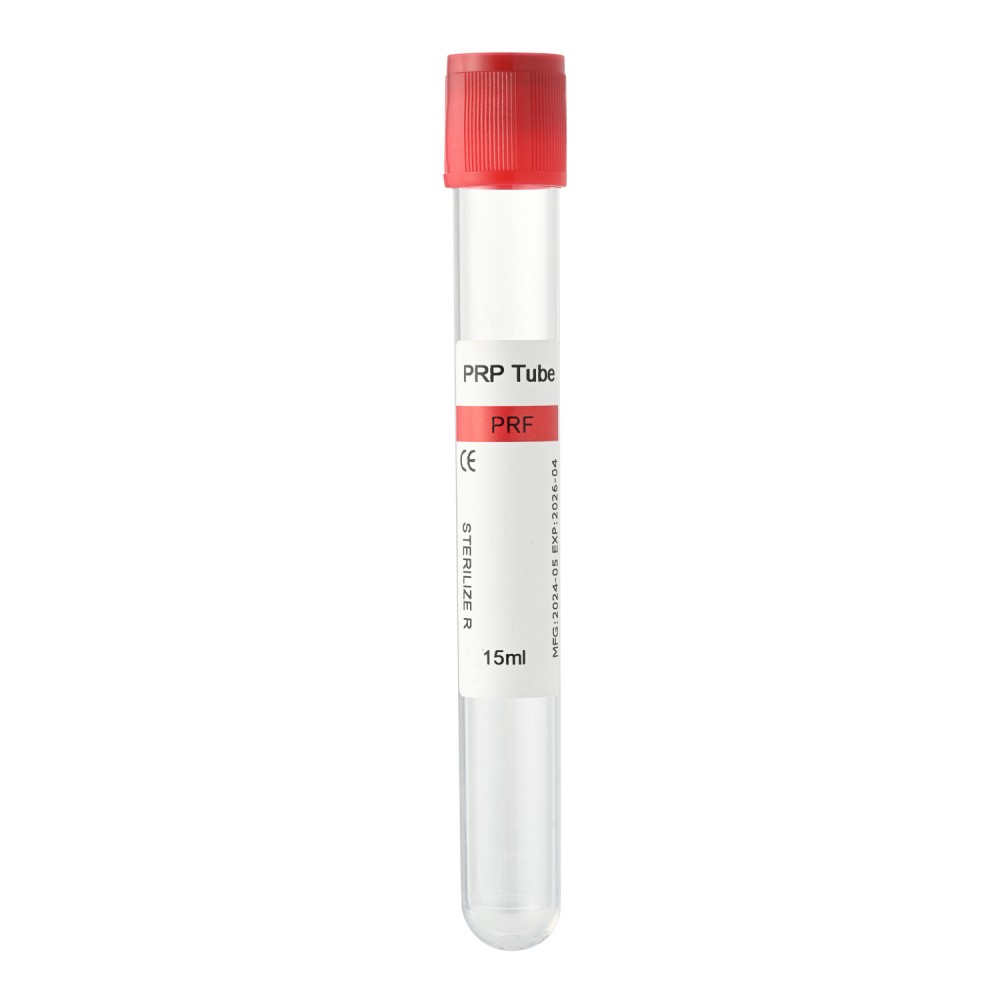
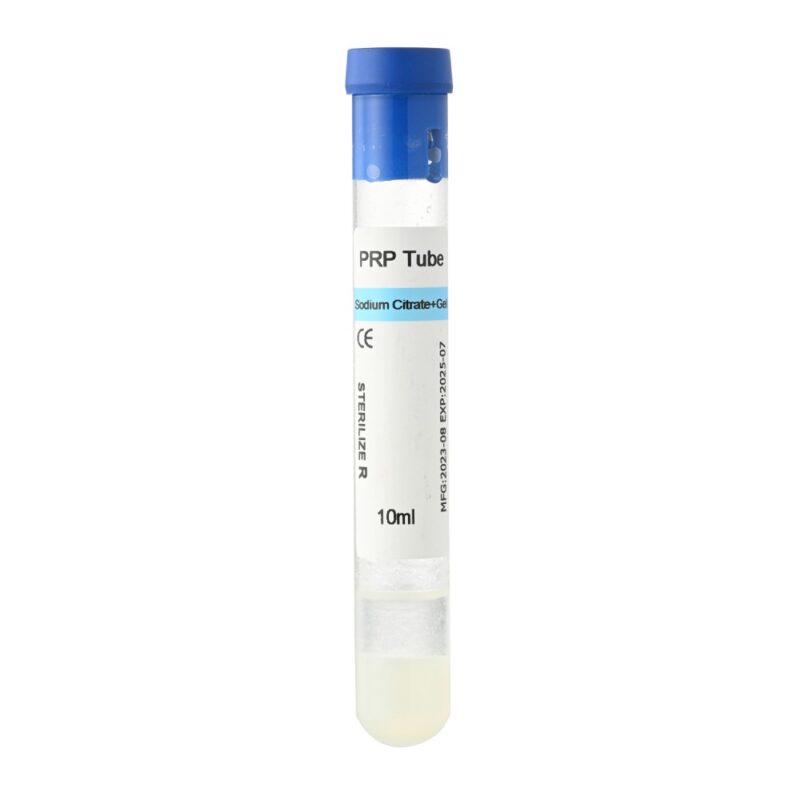
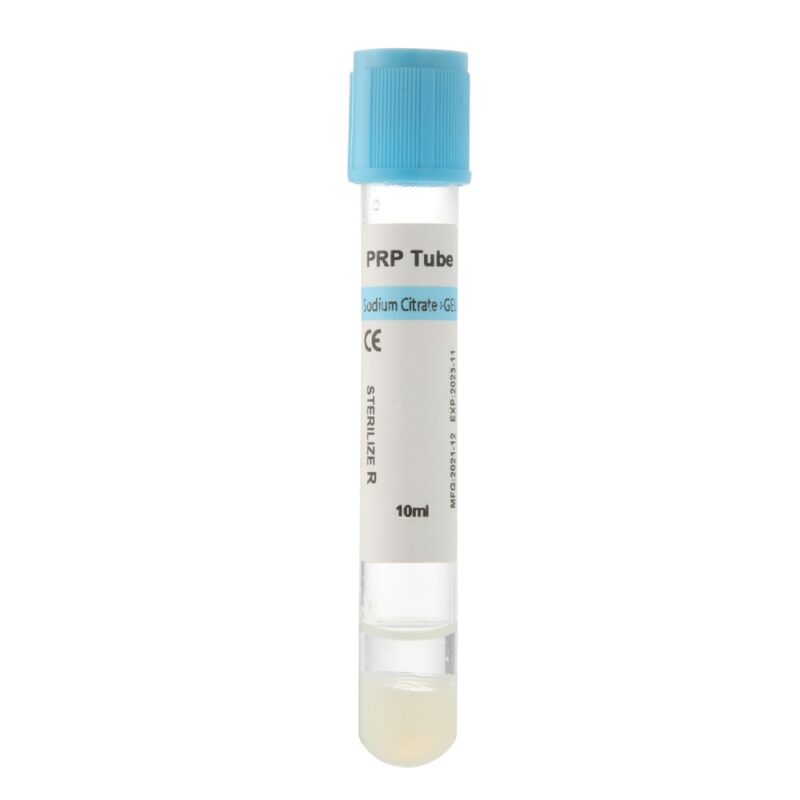
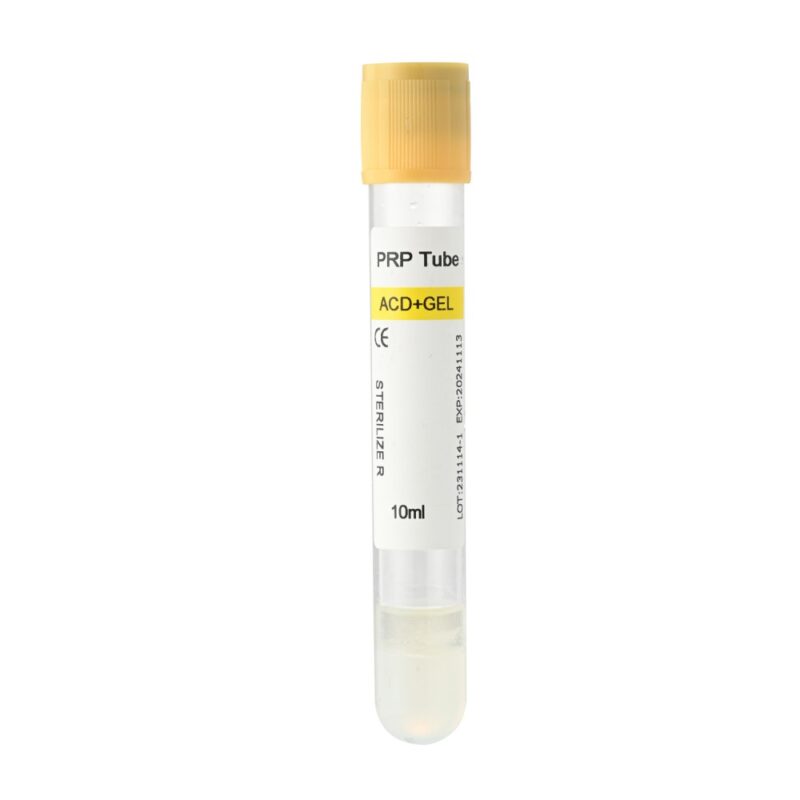
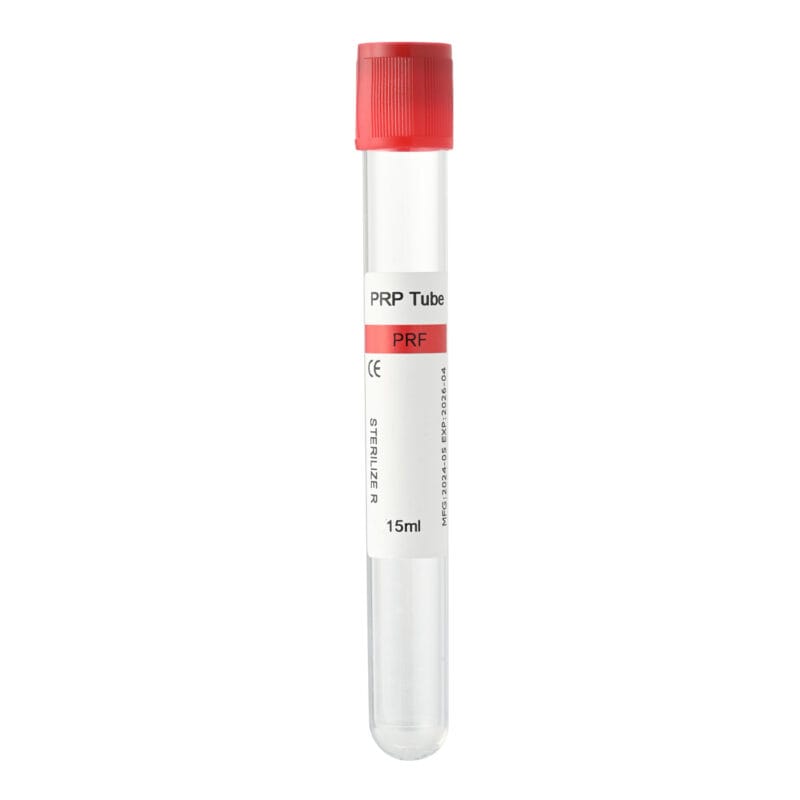
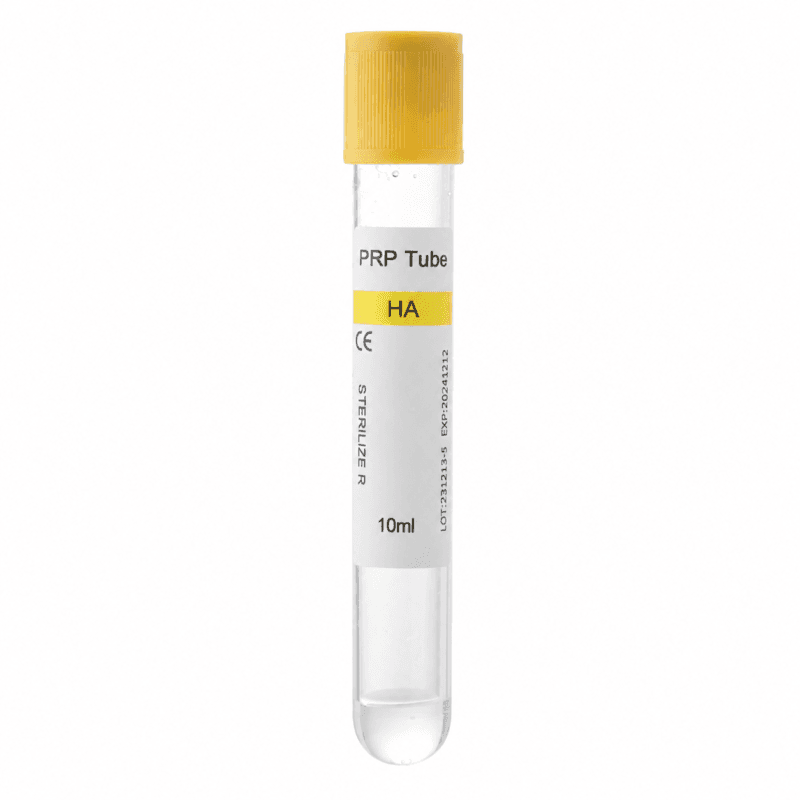
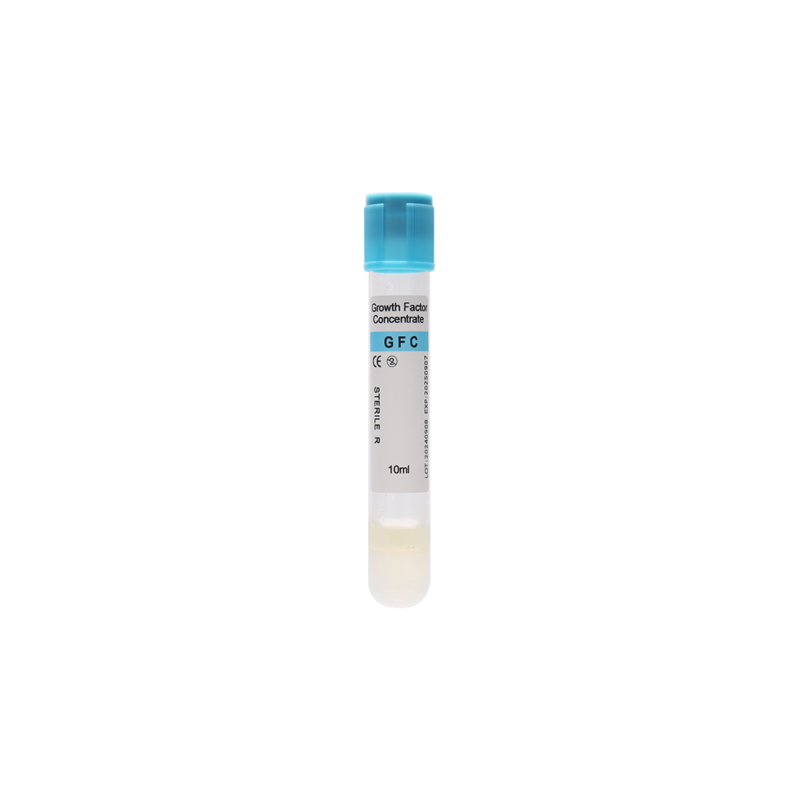
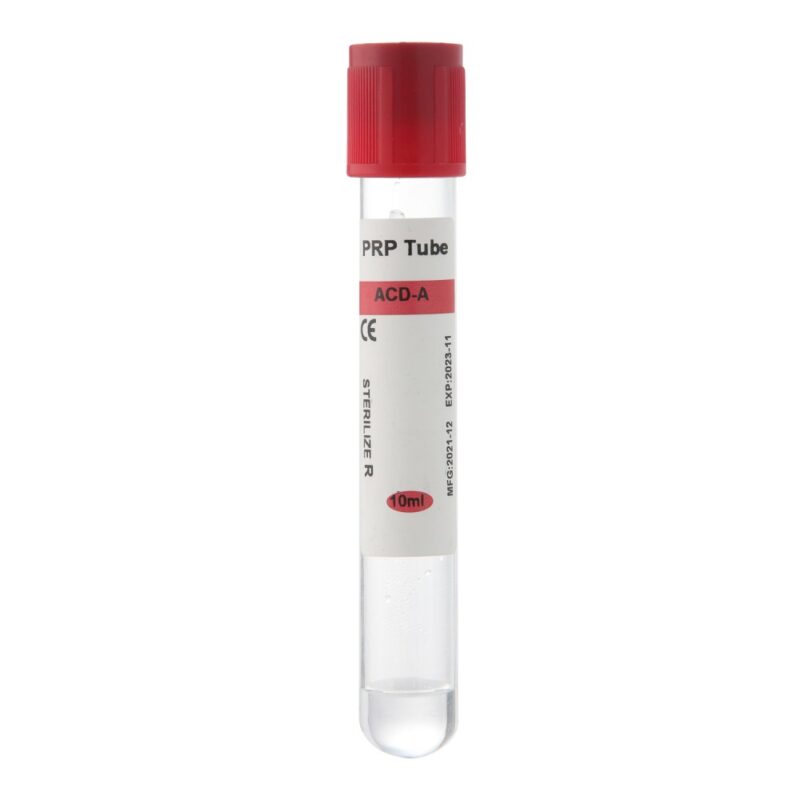
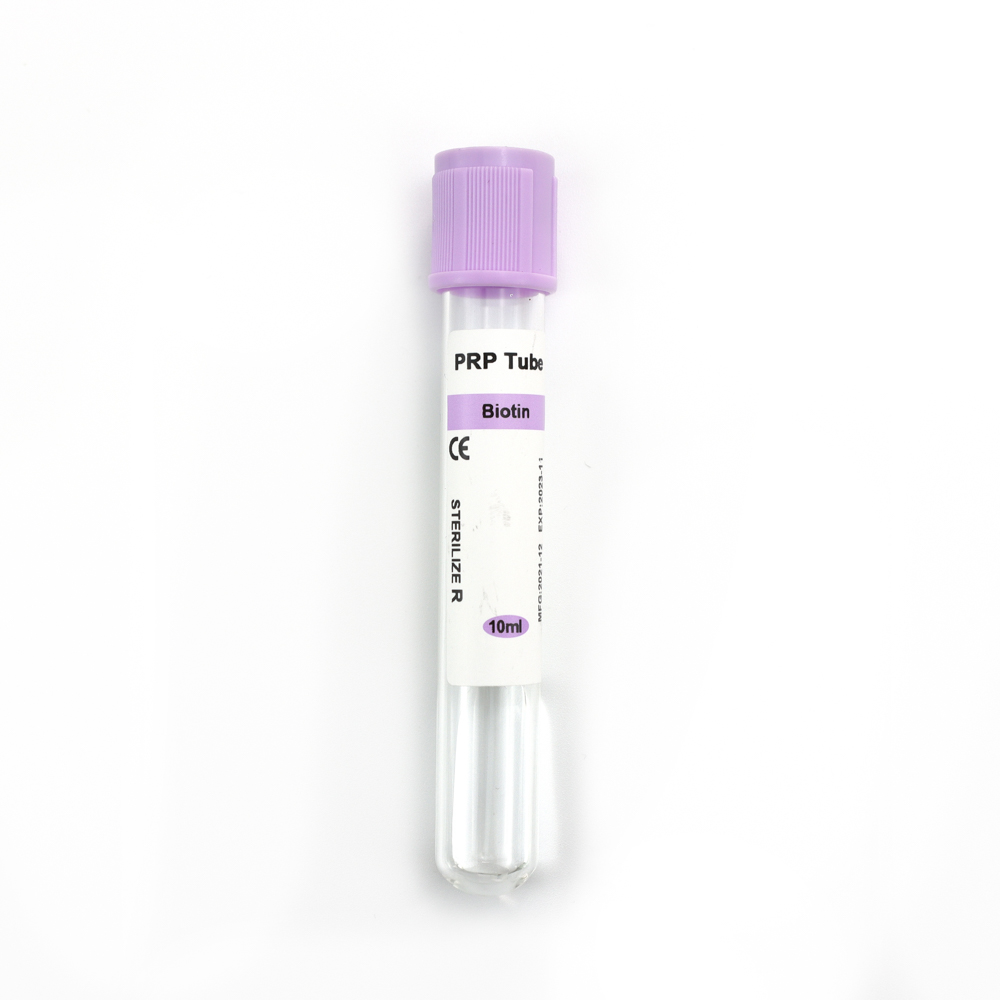
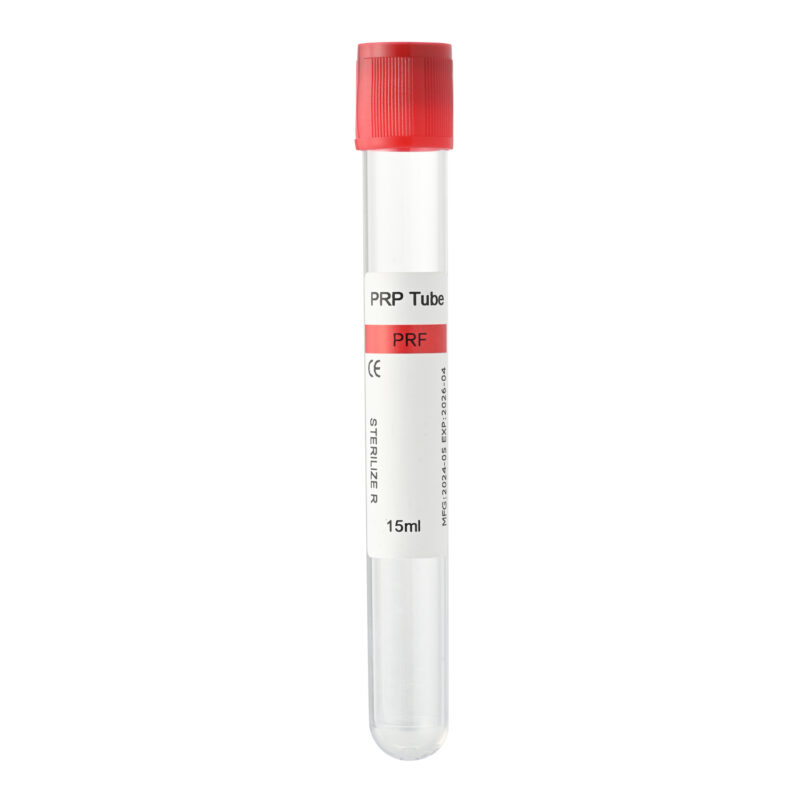
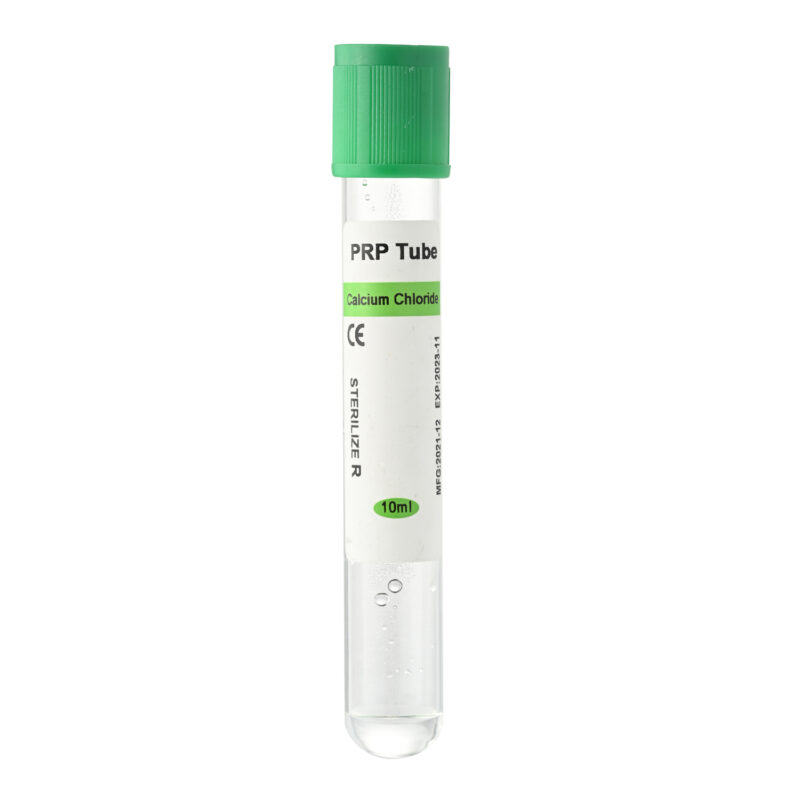
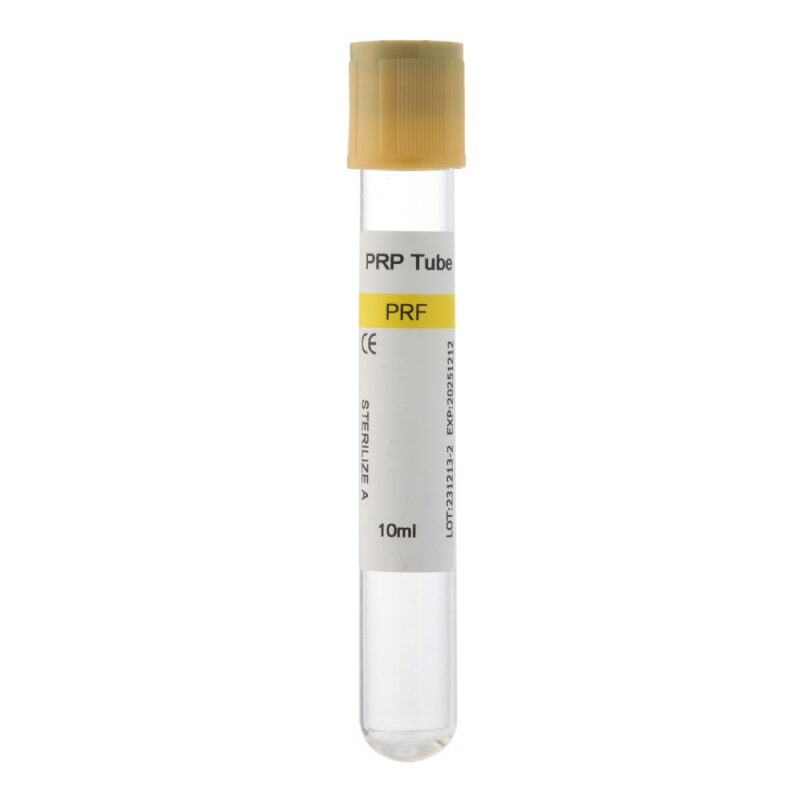
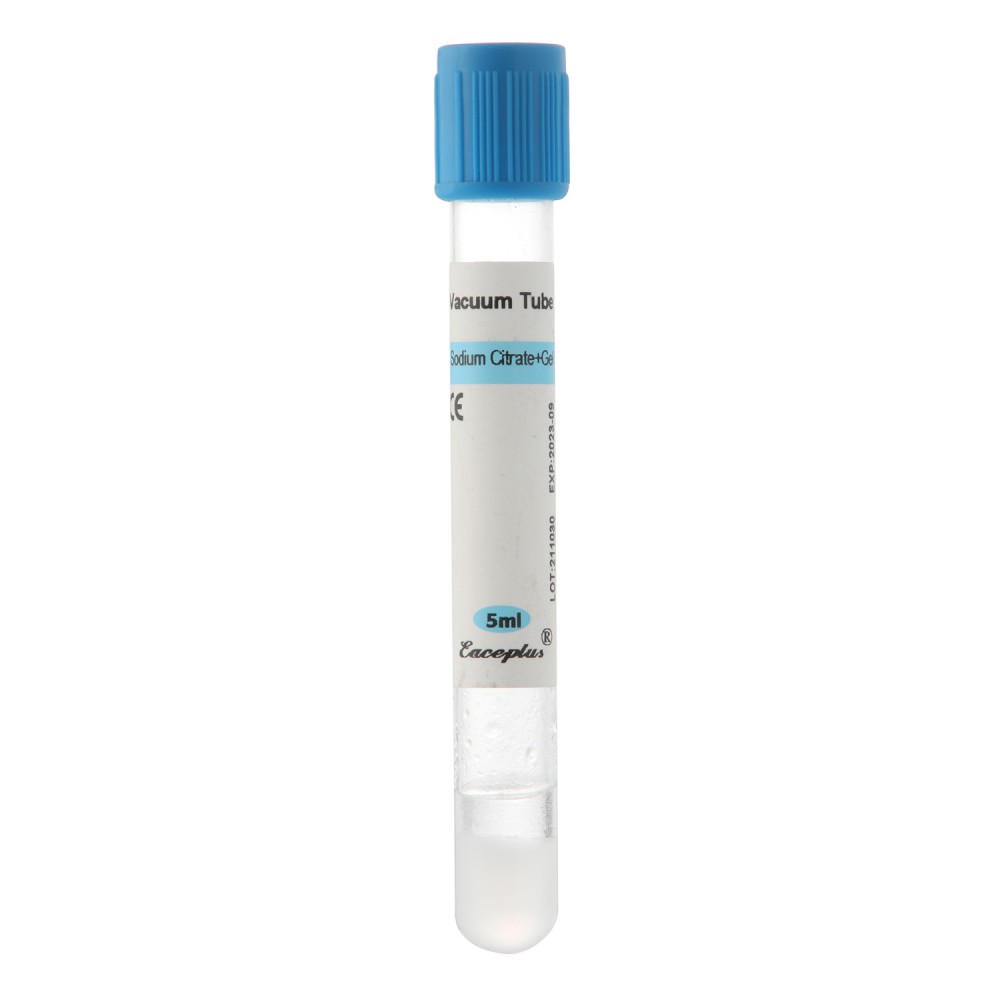
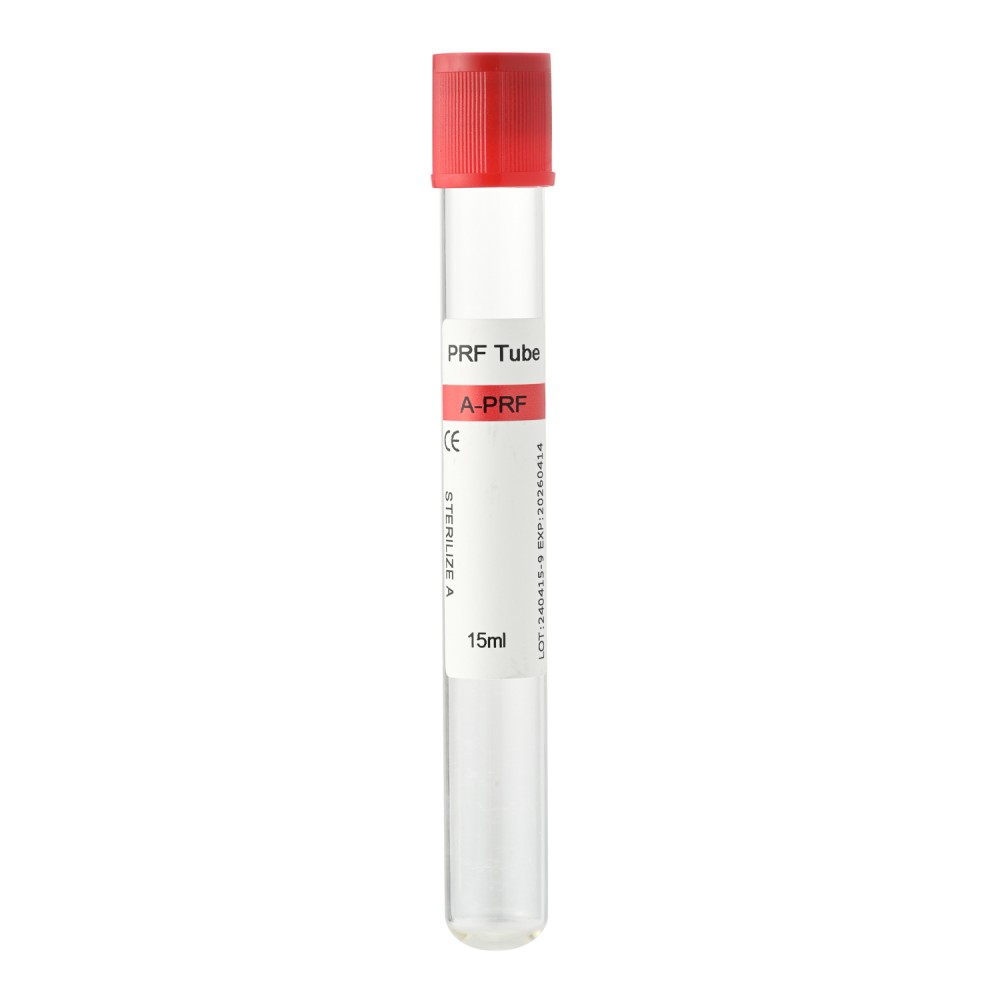
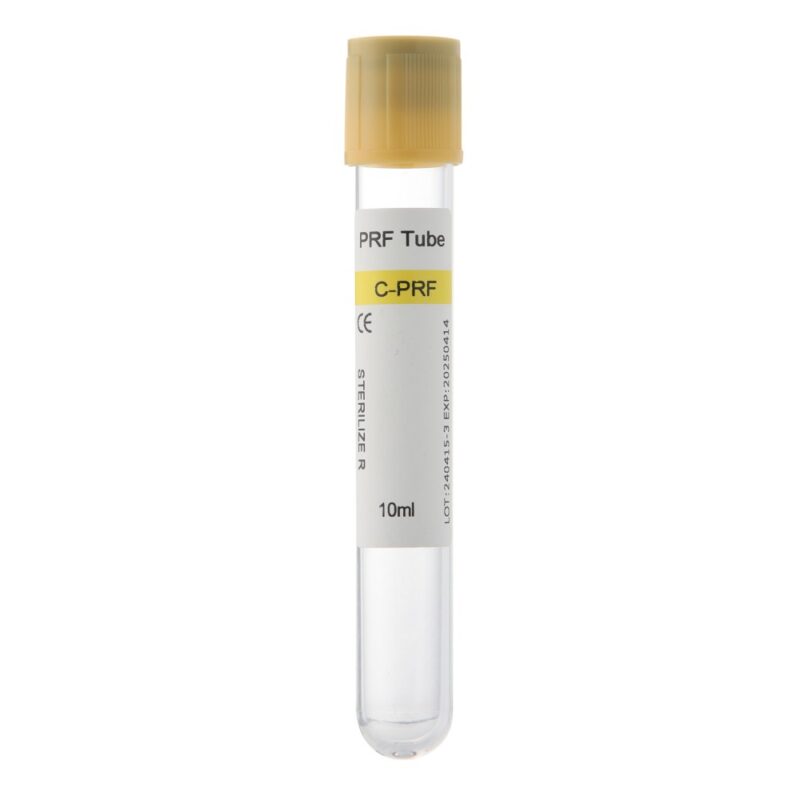
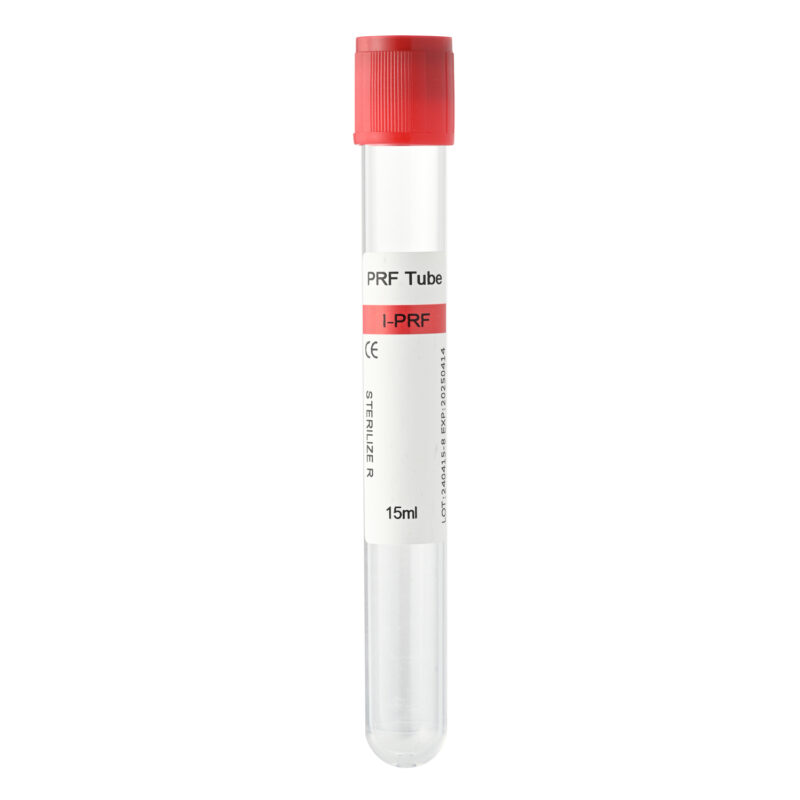
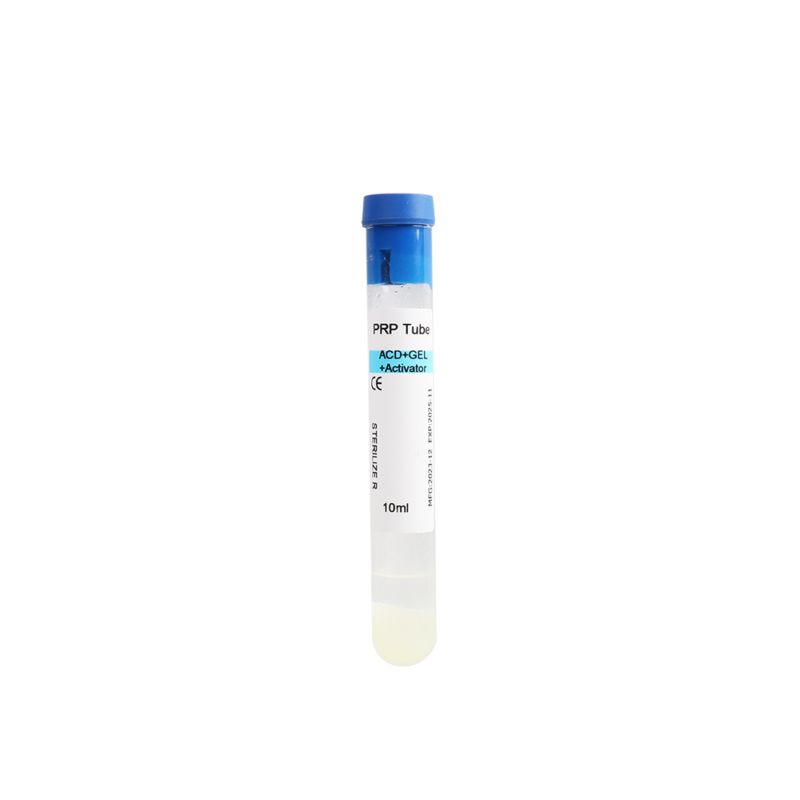
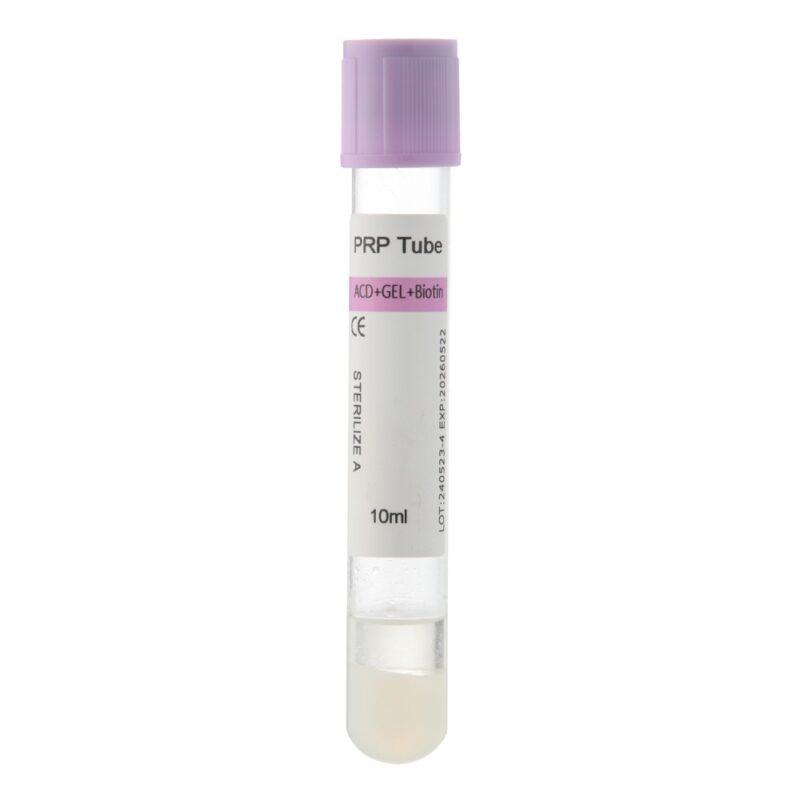
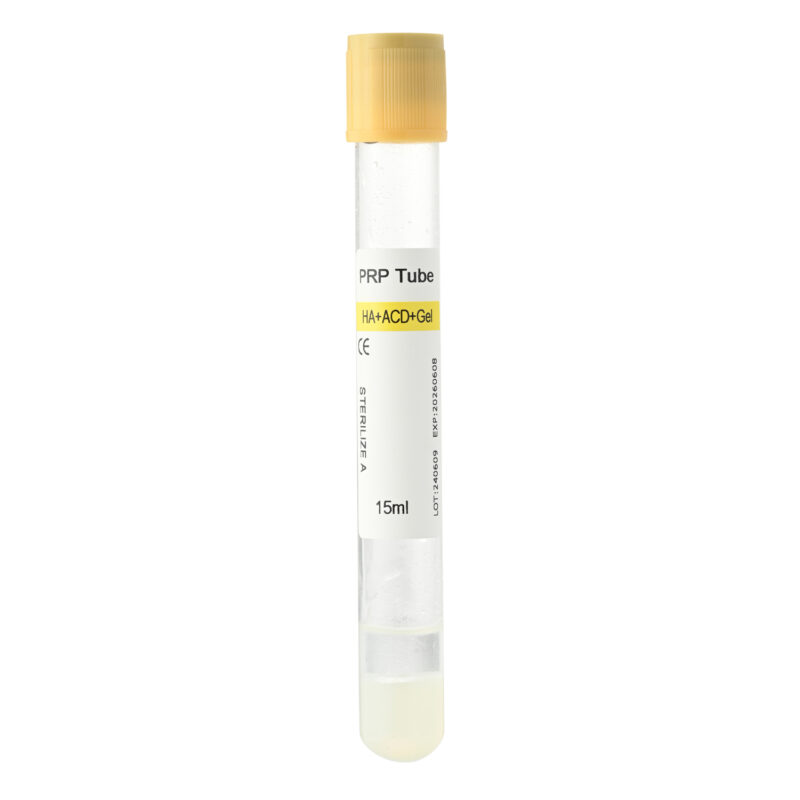
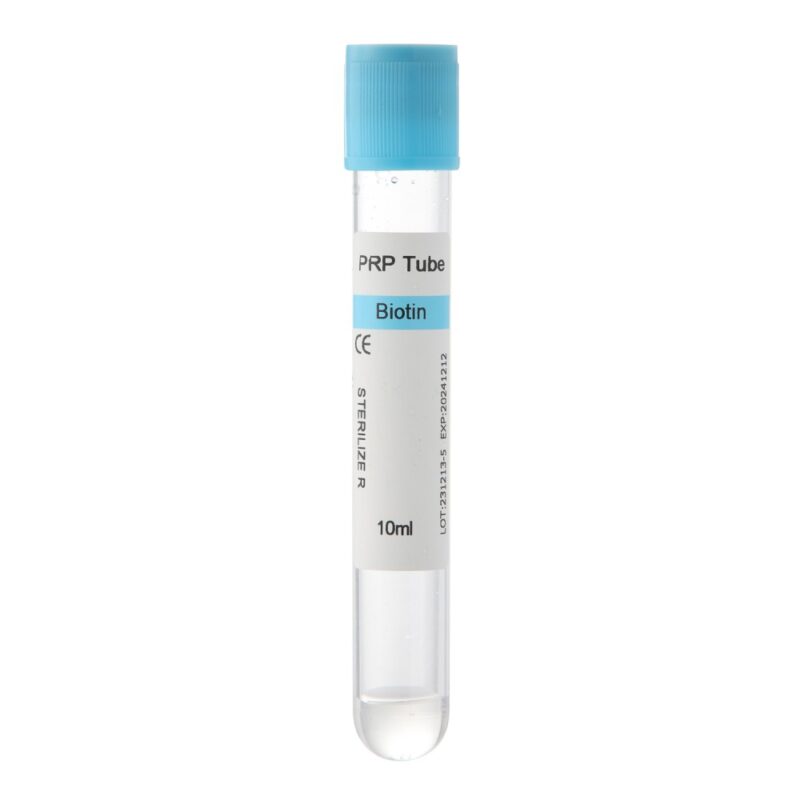
If your clinic regularly performs PRP procedures, selecting high-quality PRP tubes is equally important because platelet concentration and purity directly influence treatment consistency. At Siny PRP, we provide professional PRP collection systems designed to support reliable platelet separation and reproducible clinical results.
Can You Exercise After PRP Hair Treatment Within the First 24 Hours?
The first 24 hours are generally considered the most critical recovery period.
Most hair restoration specialists recommend avoiding:
- Running
- Weightlifting
- Cycling
- High-intensity interval training (HIIT)
- CrossFit workouts
- Competitive sports
- Hot yoga
During vigorous exercise, heart rate and blood pressure rise significantly. Increased circulation may contribute to additional swelling and redness around injection sites.
Sweat can also become problematic. While sweat itself is not harmful, it may irritate freshly treated skin and increase the likelihood of discomfort or infection if the scalp is touched frequently.
For this reason, patients are typically advised to:
- Rest for the remainder of the treatment day
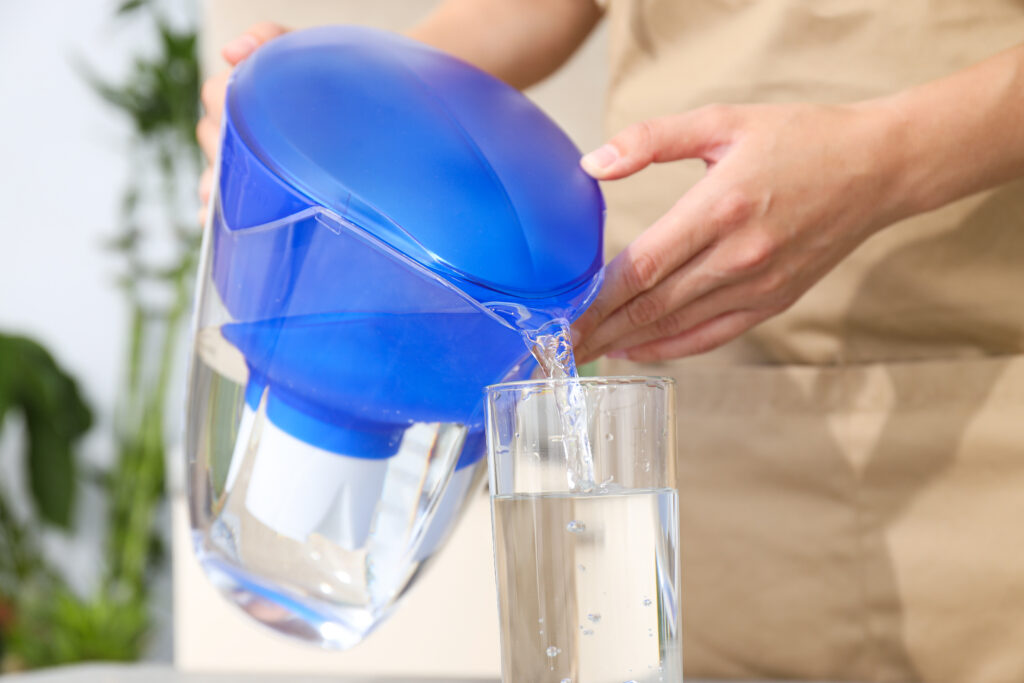
- Stay hydrated
- Avoid touching the scalp
- Avoid hats unless specifically approved
- Avoid saunas and steam rooms
Light daily activities such as walking around the house, desk work, or gentle stretching are generally acceptable.
When Can You Return to Exercise After PRP Hair Treatment?
Most patients can gradually resume physical activity within 24 to 48 hours after treatment.
A typical recovery timeline looks like this:
0–24 Hours
Avoid all strenuous exercise.
Focus on rest and hydration.
24–48 Hours
Light activities become acceptable, including:
- Walking
- Gentle stretching
- Easy stationary cycling
- Light mobility exercises
Avoid activities that produce excessive sweating.
48–72 Hours
Many patients can resume moderate exercise, including:
- Jogging
- Moderate gym workouts
- Resistance training with controlled intensity
Monitor the scalp for irritation, redness, or sensitivity.
After One Week
Most exercise restrictions are lifted.
Patients can generally return to:
- Heavy weightlifting
- Long-distance running
- Swimming
- Contact sports
- High-intensity athletic training
Individual recovery varies. Patients with sensitive skin or aggressive treatment protocols may require longer recovery periods.
Clinics seeking predictable recovery experiences should also focus on standardized PRP preparation methods. Consistent platelet concentration begins with reliable collection tubes and centrifugation protocols. Siny PRP supplies a variety of PRP tube options to meet the requirements of aesthetic, dermatology, and hair restoration practices worldwide.
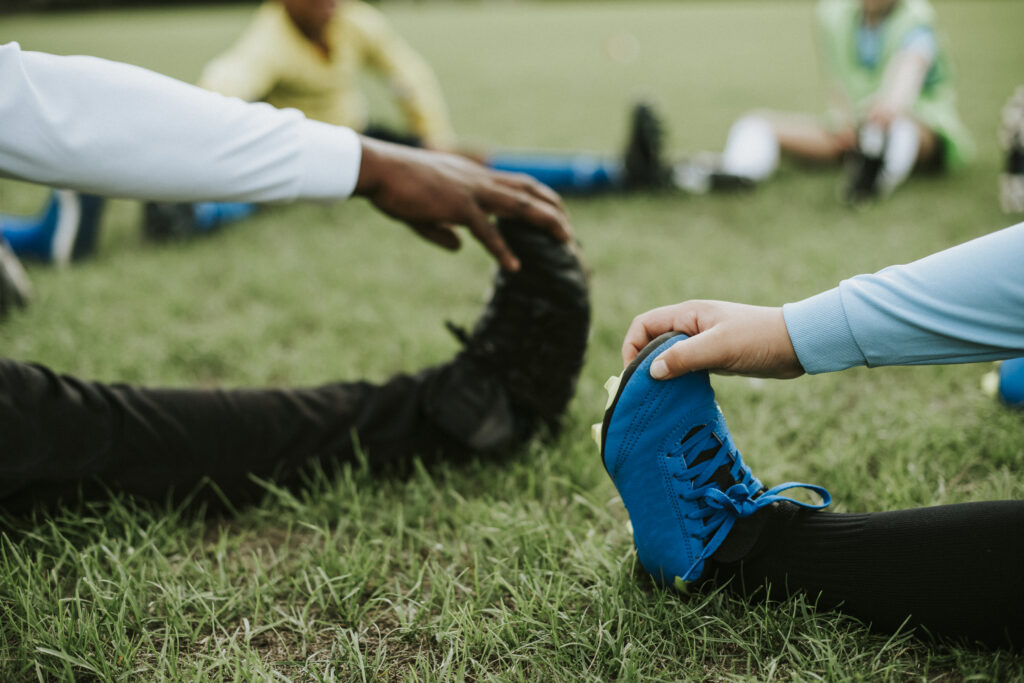
What Types of Exercise Should Be Avoided After PRP Hair Treatment?
Not all exercises create the same level of stress on the body.
Certain activities deserve extra caution because they combine sweating, heat exposure, and elevated blood pressure.
High-Intensity Cardio
Activities such as sprinting, HIIT, and intense cycling can dramatically increase circulation and perspiration.
Heavy Weight Training
Heavy compound lifts such as:
- Squats
- Deadlifts
- Bench presses
- Olympic lifts
can cause temporary spikes in blood pressure that may increase scalp discomfort.
Swimming
Pools contain chlorine and other chemicals that may irritate recently treated skin.
Open water environments also carry contamination risks.
Hot Yoga and Saunas
Heat exposure increases blood flow and sweating while potentially worsening inflammation.
Most clinicians recommend avoiding both for several days following treatment.
Contact Sports
Activities involving helmets or direct scalp pressure may irritate injection sites before healing is complete.
Patients often underestimate how much scalp friction occurs during sports participation. Waiting a few extra days can reduce unnecessary irritation and support a smoother recovery.
Does Exercise Affect PRP Hair Growth Results?
One of the biggest concerns patients have is whether exercising too soon can ruin their treatment results.
Fortunately, a single workout rarely causes treatment failure.
However, repeatedly ignoring post-treatment instructions may reduce the ideal healing environment needed for optimal follicle stimulation.
PRP relies on a carefully regulated inflammatory response. The growth factors released by activated platelets interact with surrounding tissues over the following hours and days. Excessive heat, inflammation, or irritation may potentially disrupt this process.
More importantly, patients who resume strenuous activity too quickly often experience:
- Increased scalp tenderness
- Prolonged redness
- Swelling
- Temporary discomfort
These issues may not eliminate PRP effectiveness, but they can make recovery less comfortable.
Successful PRP therapy depends on multiple factors:
- Platelet concentration
- Preparation protocol
- Injection technique
- Patient health status
- Post-treatment compliance
This is why leading clinics place significant emphasis on both procedure quality and aftercare instructions.
Tips for Exercising Safely After PRP Hair Treatment
Returning to exercise safely is usually straightforward when patients follow a few practical guidelines.
Stay Hydrated
Hydration supports circulation and tissue recovery after treatment.
Start Slowly
Avoid jumping directly into intense workouts.
Gradually increase activity levels over several days.
Keep the Scalp Clean
After the recommended washing period has passed, maintain good scalp hygiene to reduce irritation from sweat accumulation.
Monitor Symptoms
Temporary redness and mild tenderness are normal.
If symptoms worsen after exercise, reduce activity and consult your provider.
Follow Your Clinician’s Instructions
Every PRP protocol differs slightly. Your provider’s recommendations should always take priority over general guidelines.
FAQ About Exercising After PRP Hair Treatment
Can I go to the gym the day after PRP hair treatment?
Most patients should wait at least 24 hours before returning to the gym. Light workouts may be acceptable after one day, while intense training is often best postponed for 48–72 hours.
Can sweating affect PRP results?
Excessive sweating immediately after treatment may irritate injection sites and increase discomfort. Moderate sweating after the initial recovery period is generally not a problem.
Can I run after PRP hair treatment?
Light jogging is often acceptable after 48 hours, provided there is no scalp irritation. High-intensity running should be delayed for several days.
When can I lift heavy weights after PRP?
Most providers recommend waiting approximately 3–7 days before returning to heavy lifting routines.
Can I swim after PRP hair treatment?
Swimming pools, hot tubs, and natural bodies of water should typically be avoided for at least several days due to chemical exposure and infection risks.
Does exercise improve blood flow and help PRP work better?
Regular exercise supports overall health and circulation, but exercising immediately after treatment does not accelerate PRP results. Following recovery guidelines remains the safer approach.
Summary
So, can you exercise after PRP hair treatment? Yes, but timing matters. Most specialists recommend avoiding strenuous physical activity for the first 24 to 48 hours, then gradually returning to normal exercise as the scalp heals. Giving your body adequate recovery time allows platelet-derived growth factors to work effectively and helps minimize irritation or discomfort.
For clinics and distributors involved in hair restoration treatments, treatment success begins long before the injection itself. High-quality PRP preparation systems play a critical role in achieving consistent platelet concentration and reliable clinical outcomes. If you’re looking for professional PRP tubes for hair restoration, aesthetics, orthopedics, or regenerative medicine applications, visit Siny PRP or contact our team to discuss the most suitable solution for your practice.